
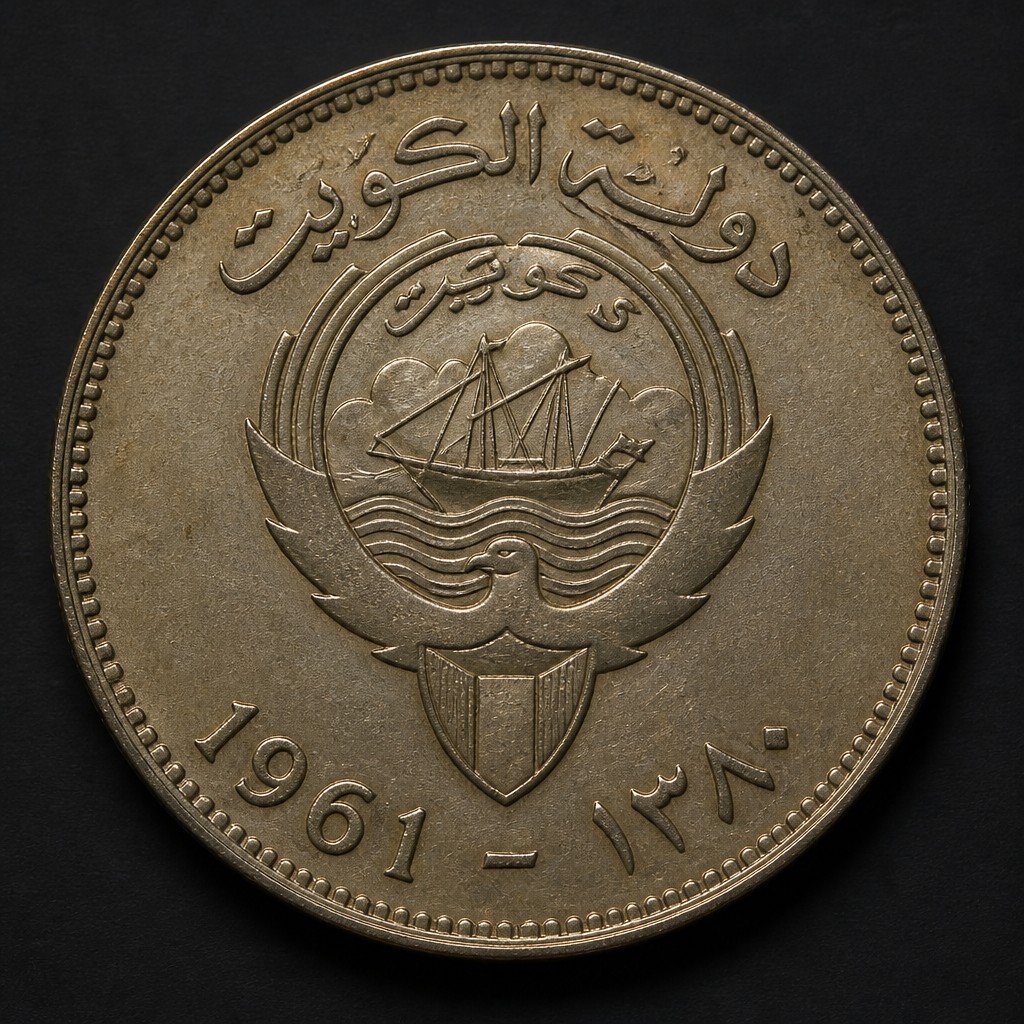
Kuwaiti Fils
Kuwait's everyday subsidiary coinage, introduced after independence in 1961 as 1/1000 of the Kuwaiti dinar, featuring the Emir's name and national emblems across several denominations.
- Country
- Kuwait
- Denomination
- 1, 5, 10, 20, 50, and 100 Fils (1/1000 Dinar)
- Metal
- Bronze, cupro-nickel, or nickel-brass depending on denomination
Got a coin like this?
Identify any coin from a photo, free.
Overview
The fils is the small-change subdivision of the Kuwaiti dinar, Kuwait's official currency since the country's move toward monetary independence around the time of its 1961 independence from British protection. One thousand fils make up one dinar, and fils coins have circulated in several denominations to handle everyday small transactions ever since.
As a Gulf state with a currency historically pegged at a high value (the Kuwaiti dinar is often cited among the world's highest-valued base currency units), Kuwait's fils coinage plays an especially important practical role in daily commerce, since even modest purchases can require several different fils denominations. Designs across the series reflect Kuwaiti national symbols and the ruling Emir's name.
Because Kuwait has had a stable, wealthy economy since the mid-20th-century oil boom, fils coinage has generally been produced in high-quality, well-preserved runs, making the series accessible and pleasant for collectors interested in modern Gulf Arab coinage.
History & Background
Prior to 1961, the Gulf Rupee (tied to the Indian rupee) had circulated in Kuwait and other Gulf states, but Kuwait moved to establish its own national currency, the Kuwaiti dinar, around the time of its full independence from British protection in June 1961. Fils coins were introduced alongside dinar banknotes as the subsidiary coinage completing this new national monetary system.
Subsequent decades saw new fils coin series introduced under successive Kuwaiti Emirs, including Sheikh Sabah III, Sheikh Jaber III, and later rulers, generally updating the Emir's name and sometimes design details while maintaining the same basic 1,000-fils-to-a-dinar structure. Kuwait's substantial oil wealth from the mid-20th century onward supported a stable, strong currency, reinforcing the fils' practical role in day-to-day transactions given the dinar's high exchange value.
Fils coinage has continued to be issued and periodically updated through Kuwait's modern history, including through the Gulf War period of the early 1990s (when Kuwait's currency was for a time replaced during the Iraqi occupation before being reinstated after liberation) and into the 21st century under subsequent Emirs.
How to Identify
Kuwaiti fils coins generally show the name and title of the reigning Emir in Arabic on one side, along with the country's name, while the other side displays the denomination and a national emblem, such as a dhow (traditional sailing vessel), falcon, or other Kuwaiti symbol, depending on the specific series and year. Dates typically appear in both the Islamic Hijri and Gregorian calendars.
Denominations across the series (1, 5, 10, 20, 50, and 100 fils) vary in size, shape, and metal composition, with lower denominations generally smaller and often bronze or copper-toned, while higher denominations are typically larger and struck in cupro-nickel or nickel-brass for a silvery appearance; some series have used distinctive shapes such as scalloped edges for certain denominations to aid quick recognition.
Collectors identify the specific series and Emir by reading the Arabic inscription naming the ruler and cross-referencing the date, since Kuwait has issued more than one coinage series over the decades reflecting design updates and changes in reigning Emir.
Value & Collectibility
Most circulating Kuwaiti fils coins, particularly common recent-era denominations, have modest collector value given their large mintages and ongoing circulation as everyday currency. Earlier series from shortly after Kuwait's 1961 independence, especially in higher uncirculated grades, and certain scarcer denominations or transitional issues can carry a more meaningful premium among specialists in Gulf Arab coinage.
Overall, the fils series is generally an affordable and approachable area for collectors interested in modern Middle Eastern and Gulf state coinage, since even earlier types are typically available at modest cost outside of true key dates or exceptional condition pieces.
Frequently asked questions
How many fils make up a Kuwaiti dinar?
One thousand fils equal one Kuwaiti dinar.
When was the fils introduced?
Fils coins were introduced around 1961 alongside the new Kuwaiti dinar, replacing the Gulf Rupee that had previously circulated in Kuwait.
Why does Kuwait need coins for such small fractional amounts?
Because the Kuwaiti dinar has historically been one of the world's highest-valued base currency units, even everyday small purchases require multiple fils denominations to make correct change.
How do I tell which Emir's reign a fils coin is from?
The Emir's name is inscribed in Arabic on the coin, so matching that name and the accompanying date to a reference list of Kuwaiti rulers identifies the specific reign and series.
Other coins you may enjoy
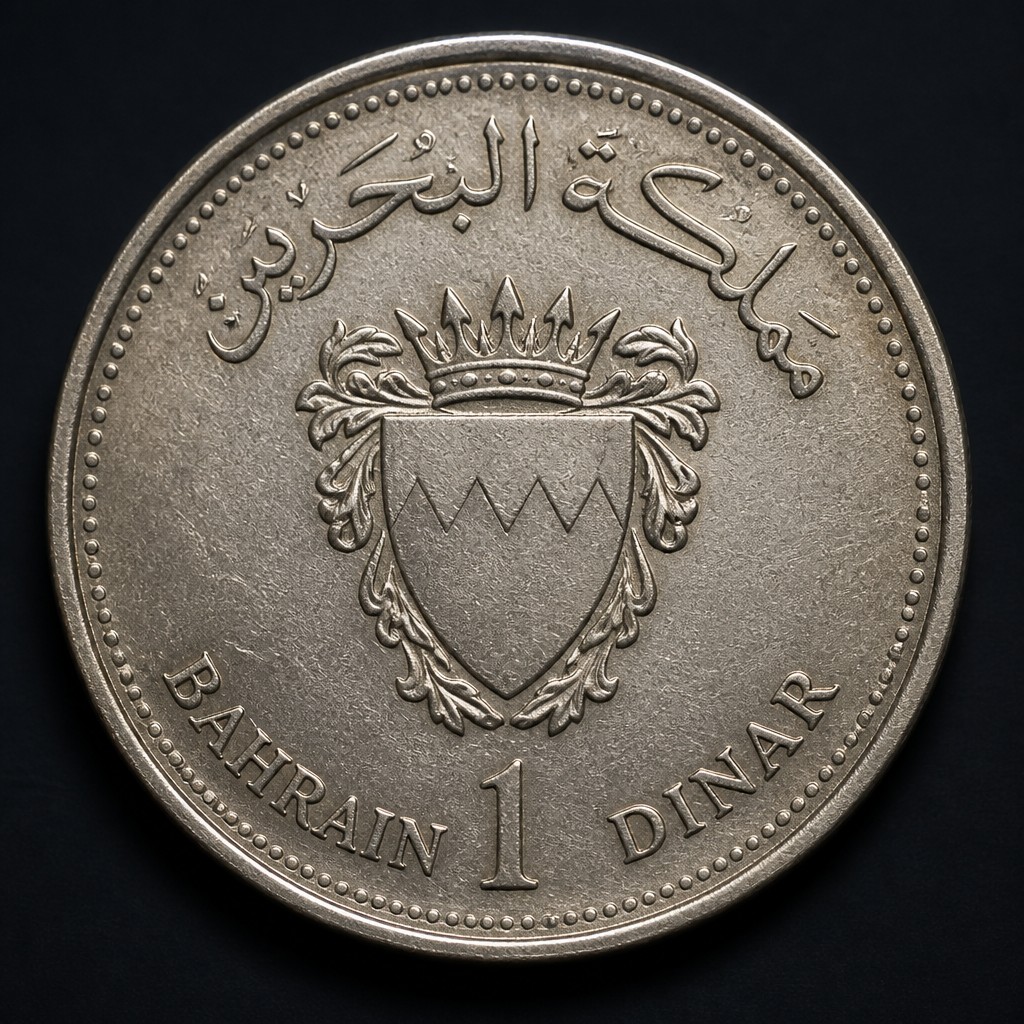
Bahraini Dinar
1965–present
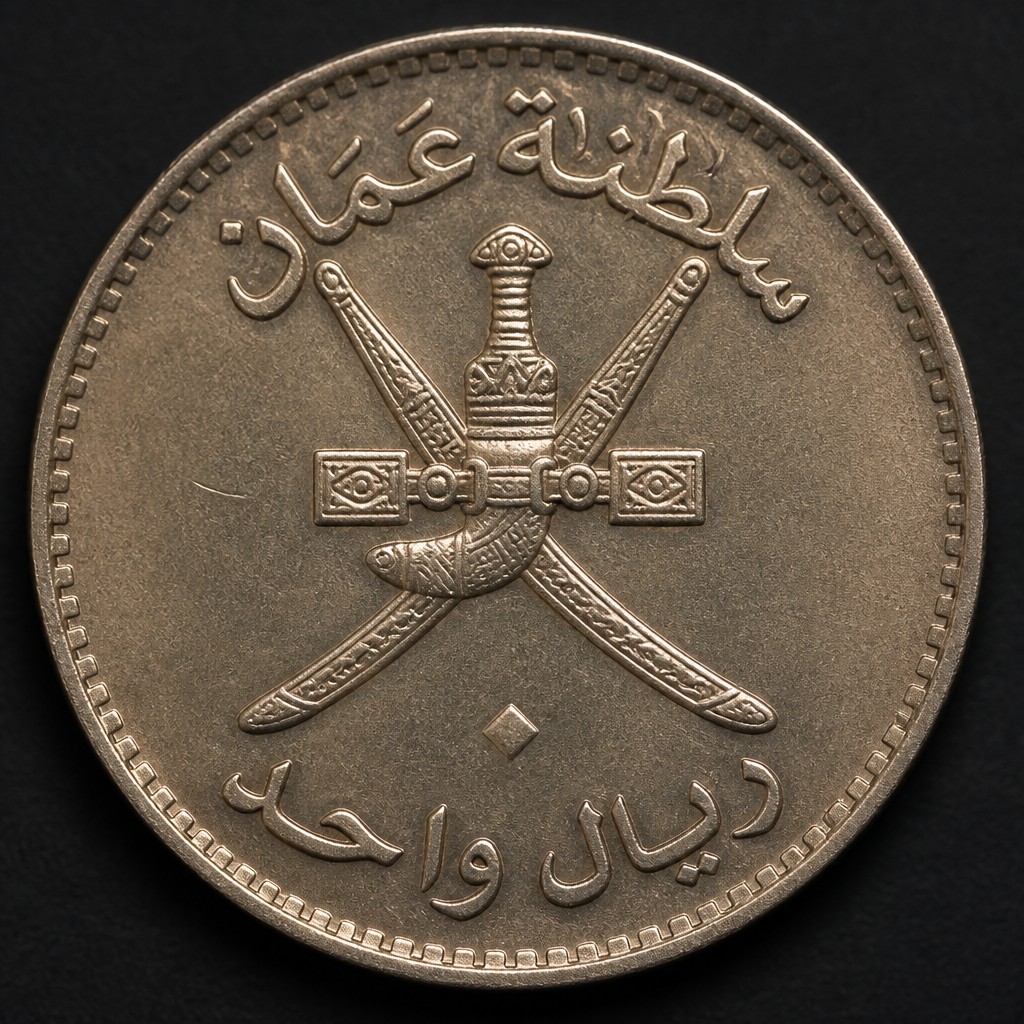
Omani Rial (Baisa Coinage)
1970–present
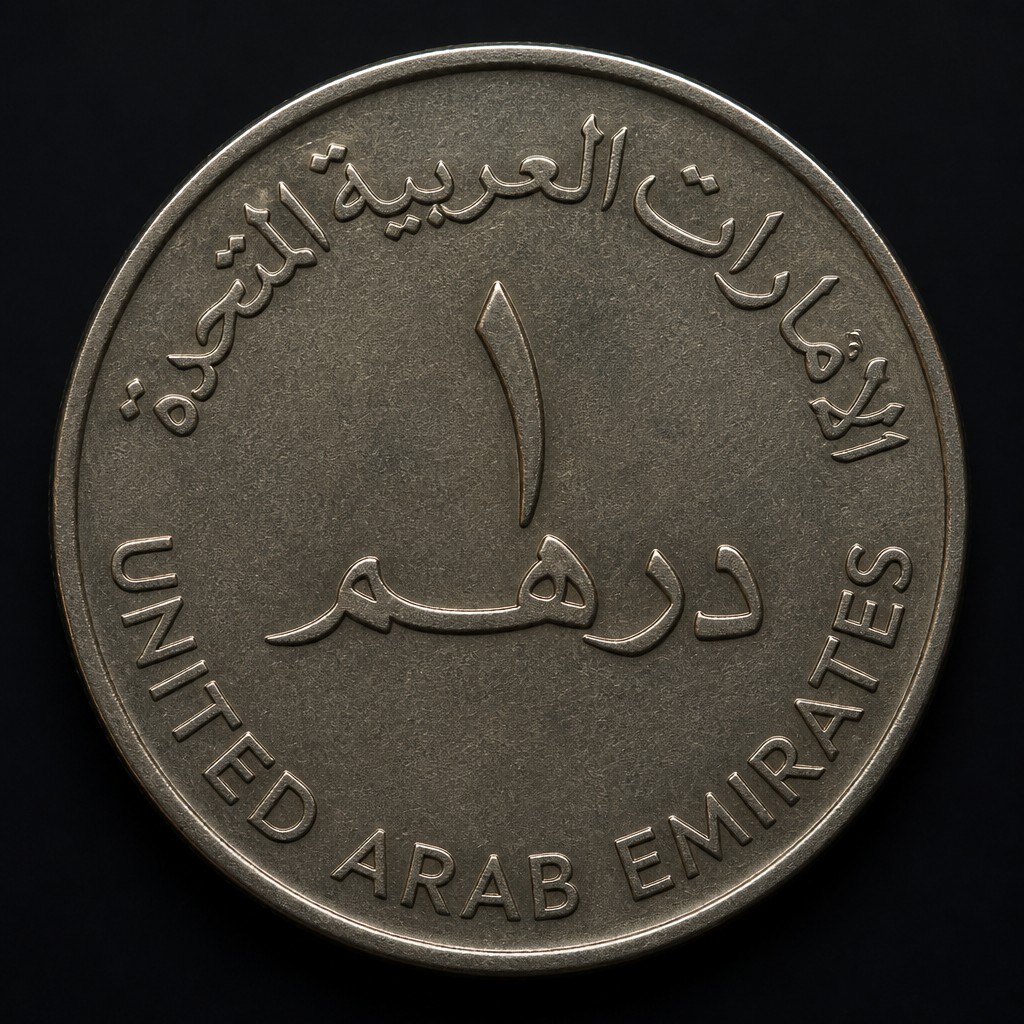
United Arab Emirates Dirham
1973–present
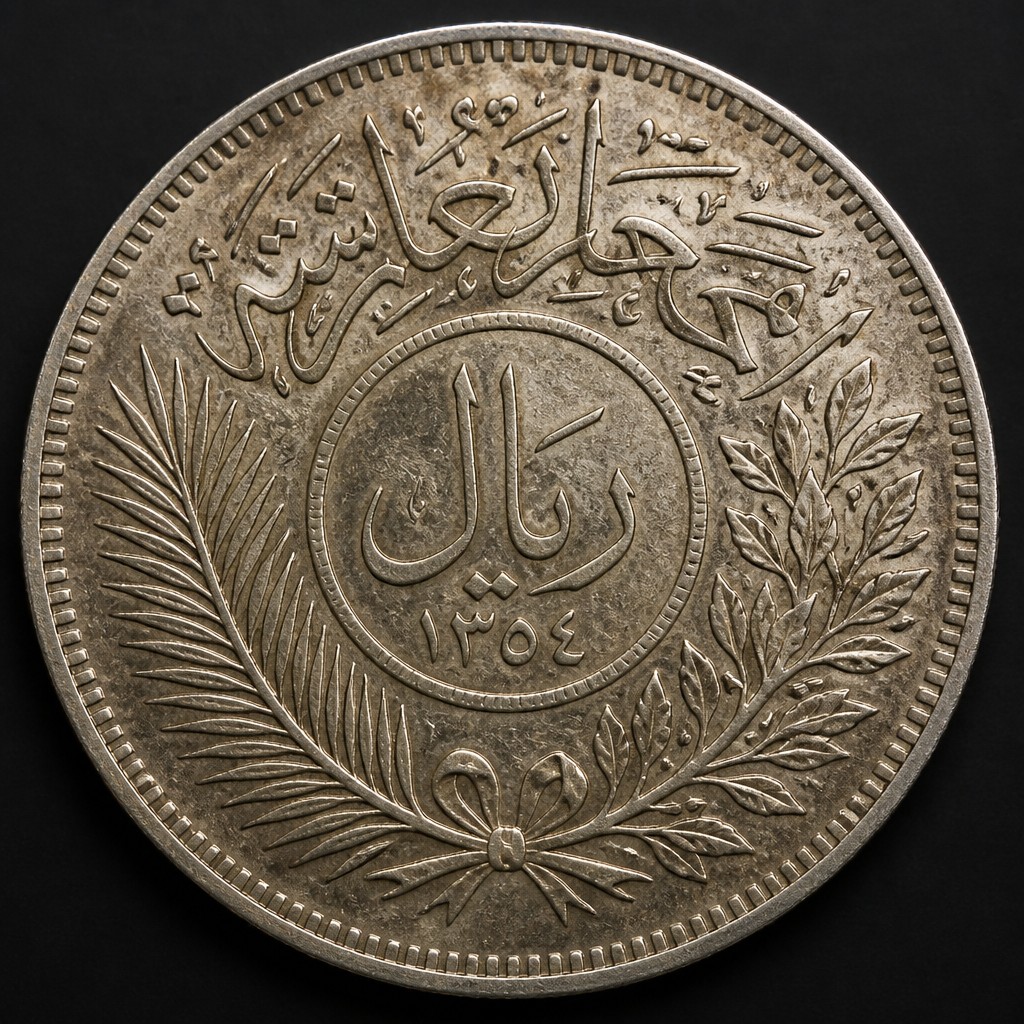
Saudi Arabian Riyal (silver)
1935 (Kingdom-wide standardization) and related issues
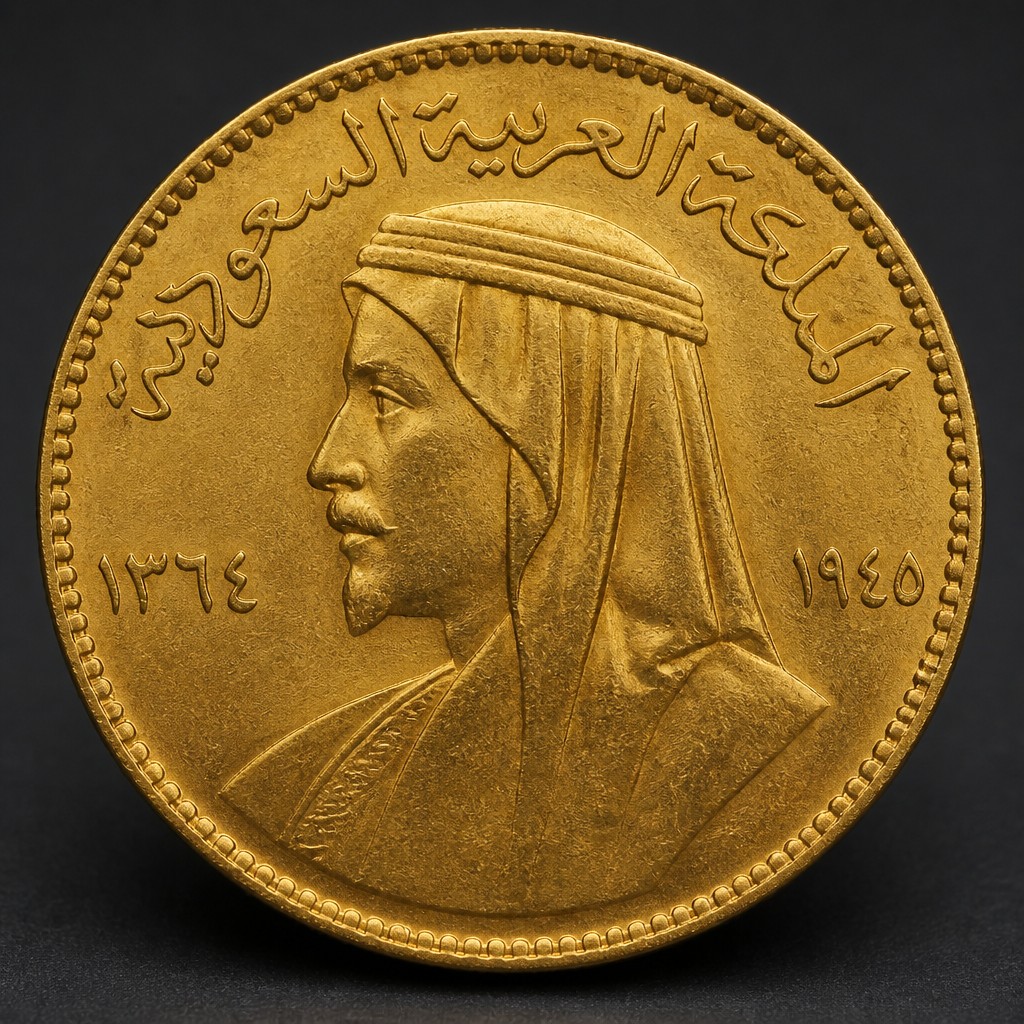
Saudi Arabian Gold Guinea (Sovereign)
1945 and later issues
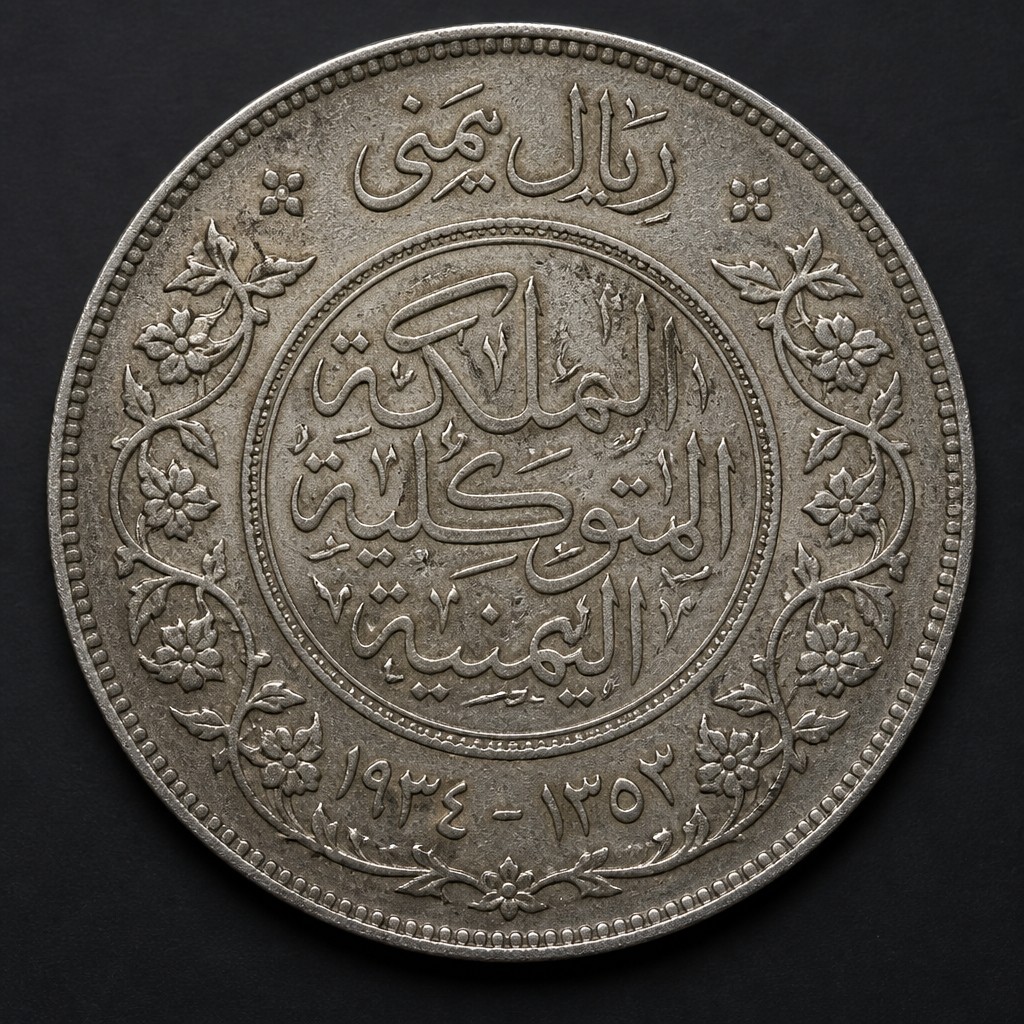
Yemeni Riyal (Ahmadi/Imadi Kingdom Coinage)
Early-to-mid 20th century
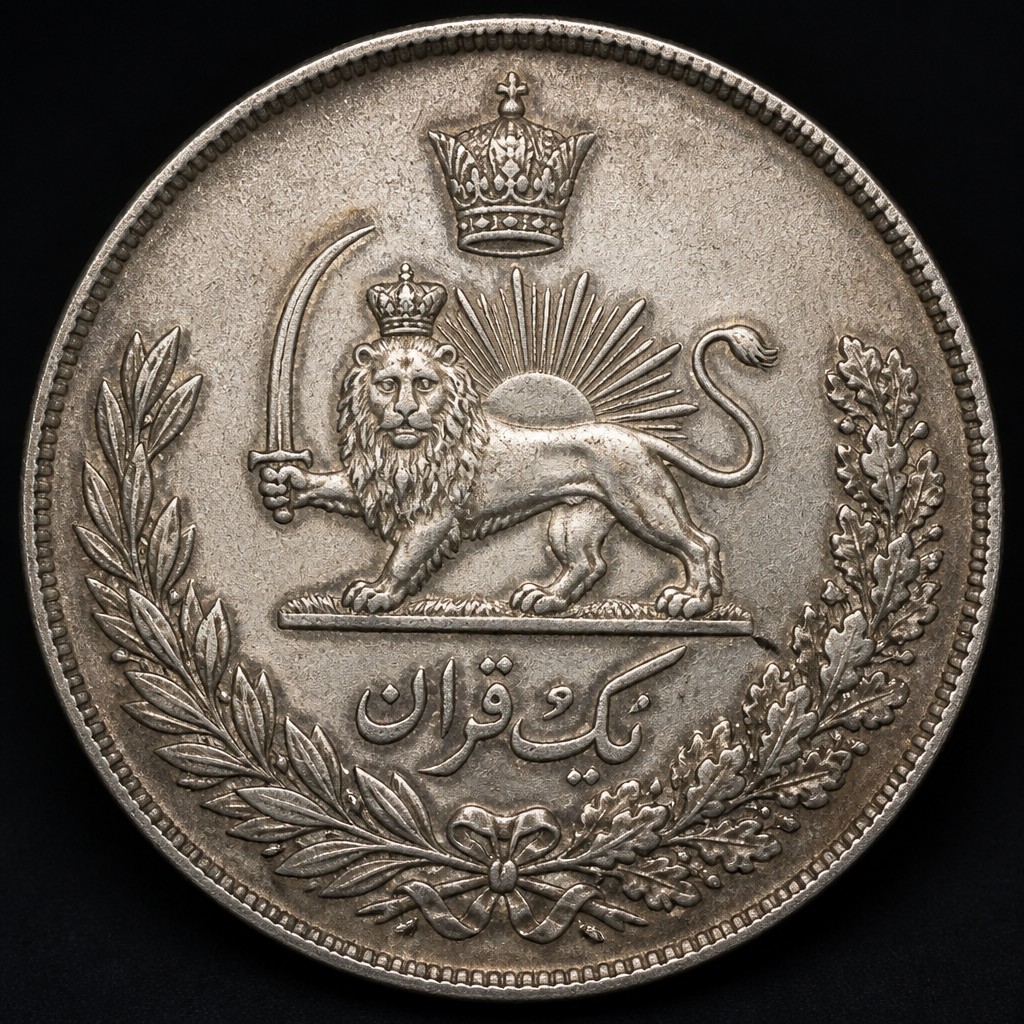
Persian Kran (Qajar silver)
Mid-19th century–1925
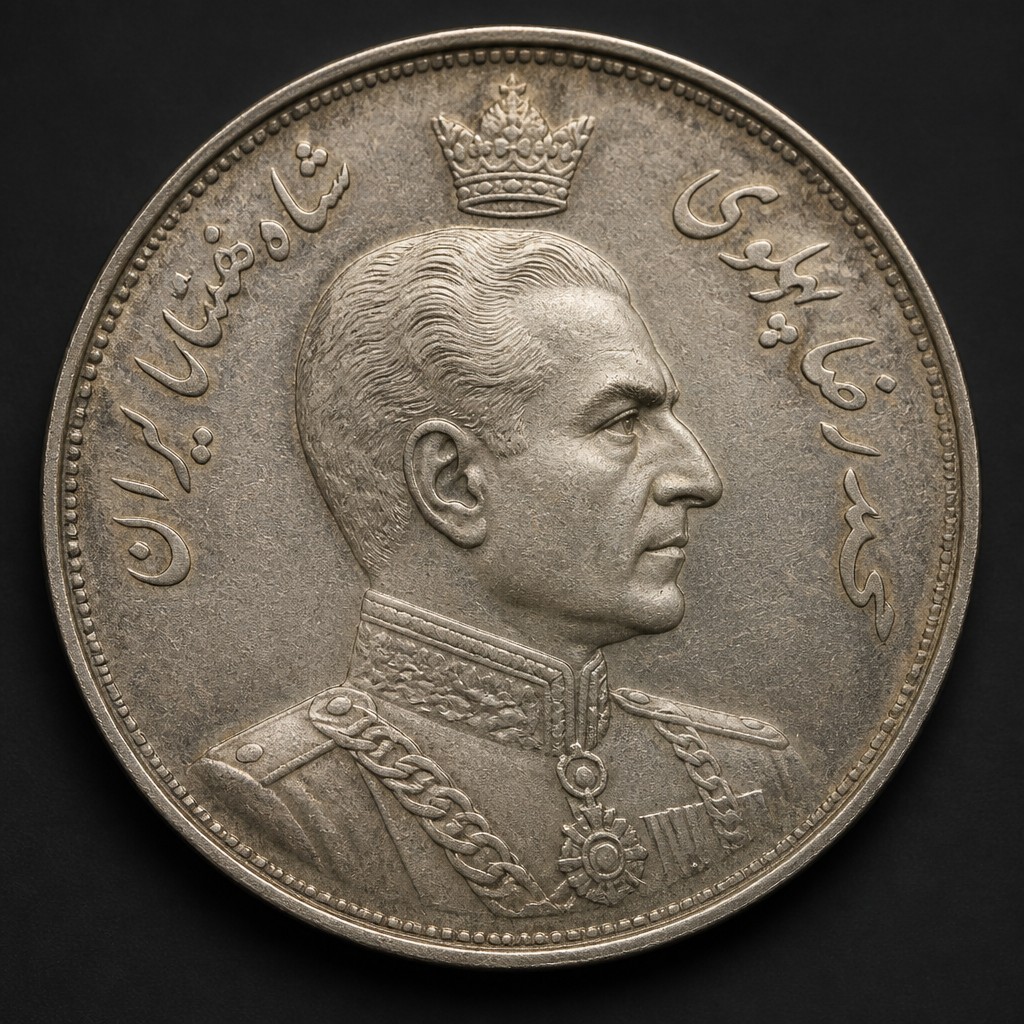
Iranian Rial
1932–present
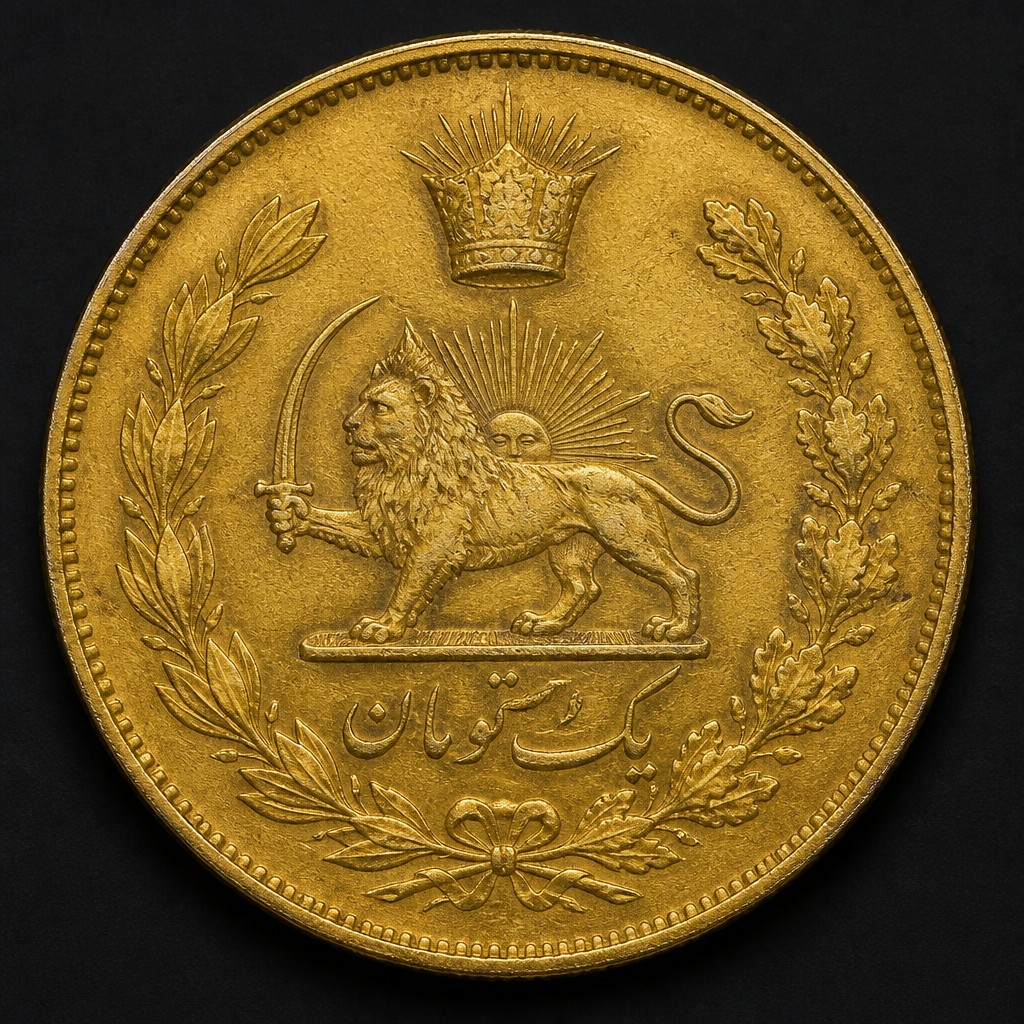
Persian Gold Toman (Qajar)
1796–1925
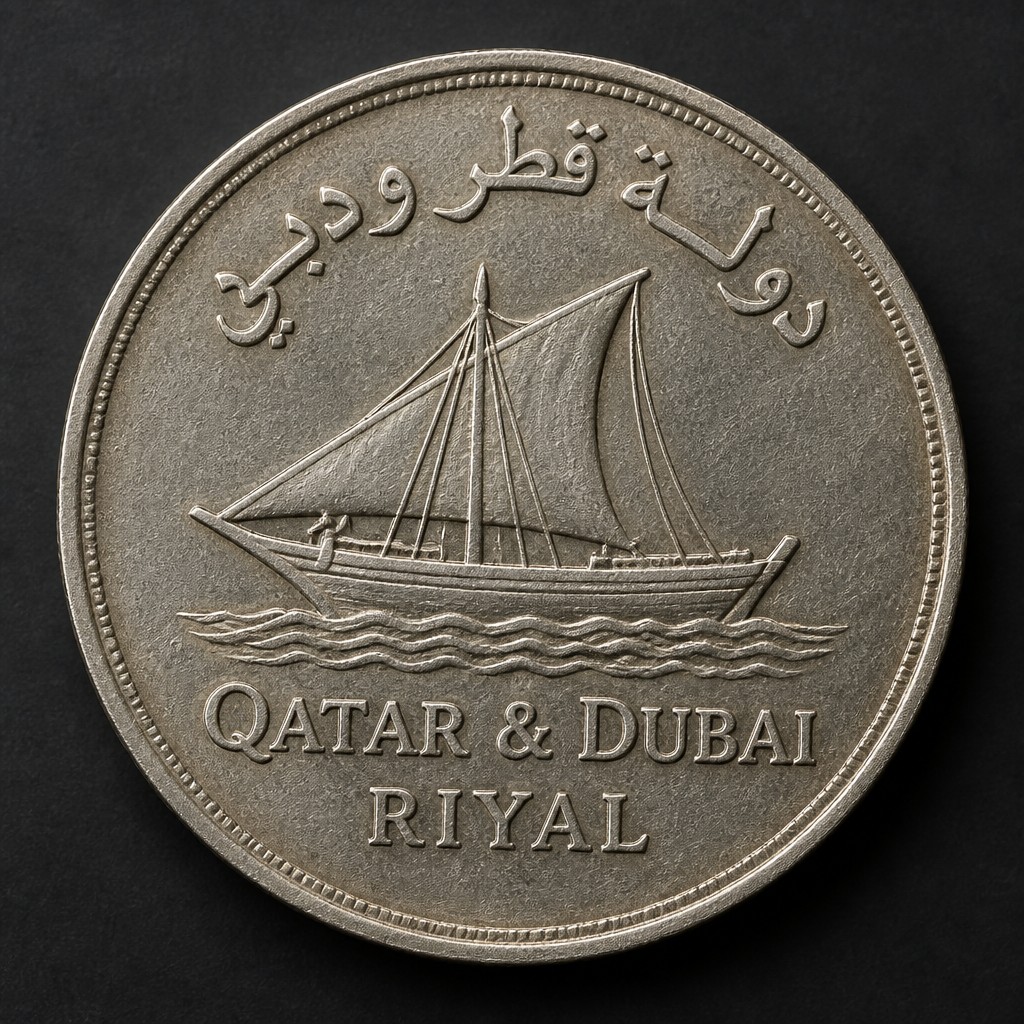
Qatar and Dubai Riyal
1966–1973
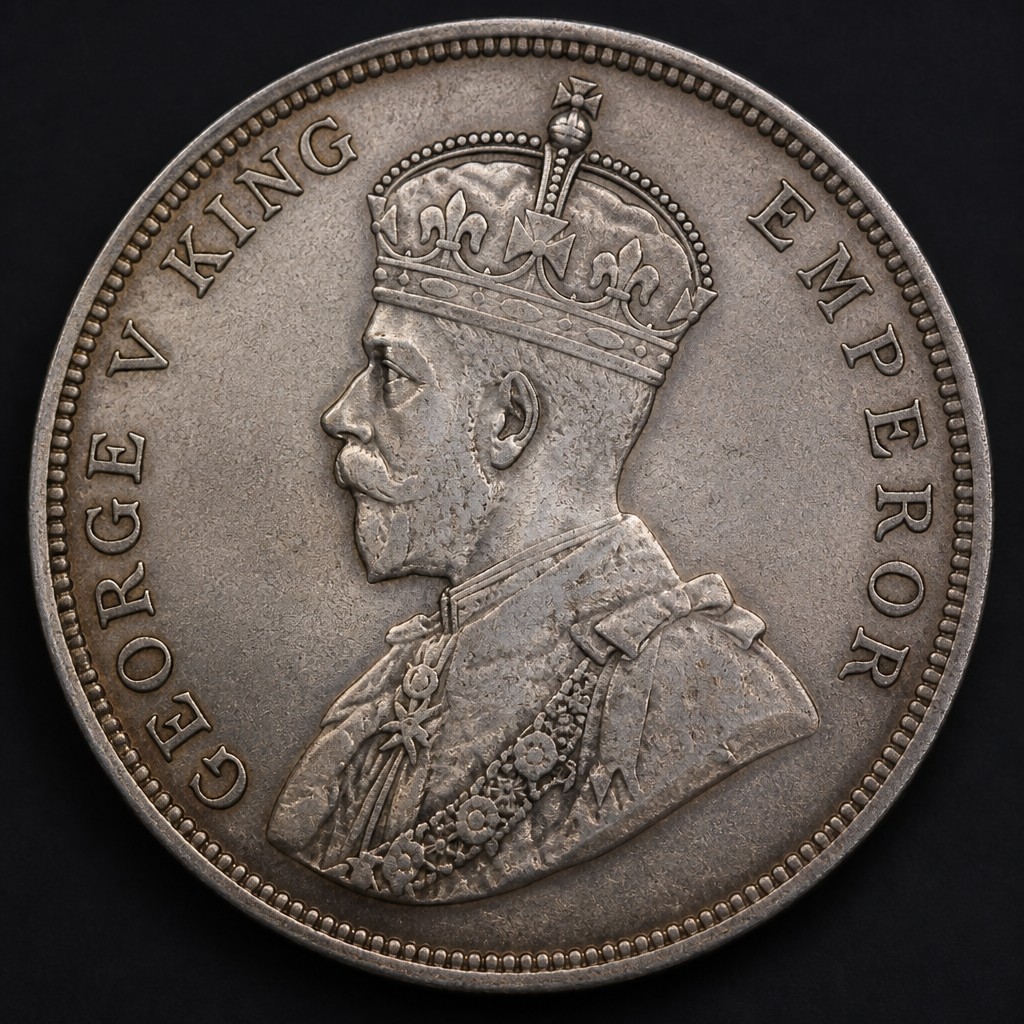
British India Rupee (Silver)
1835–1947
Japanese Trade Dollar
1875-1878 (Meiji 8-11)