
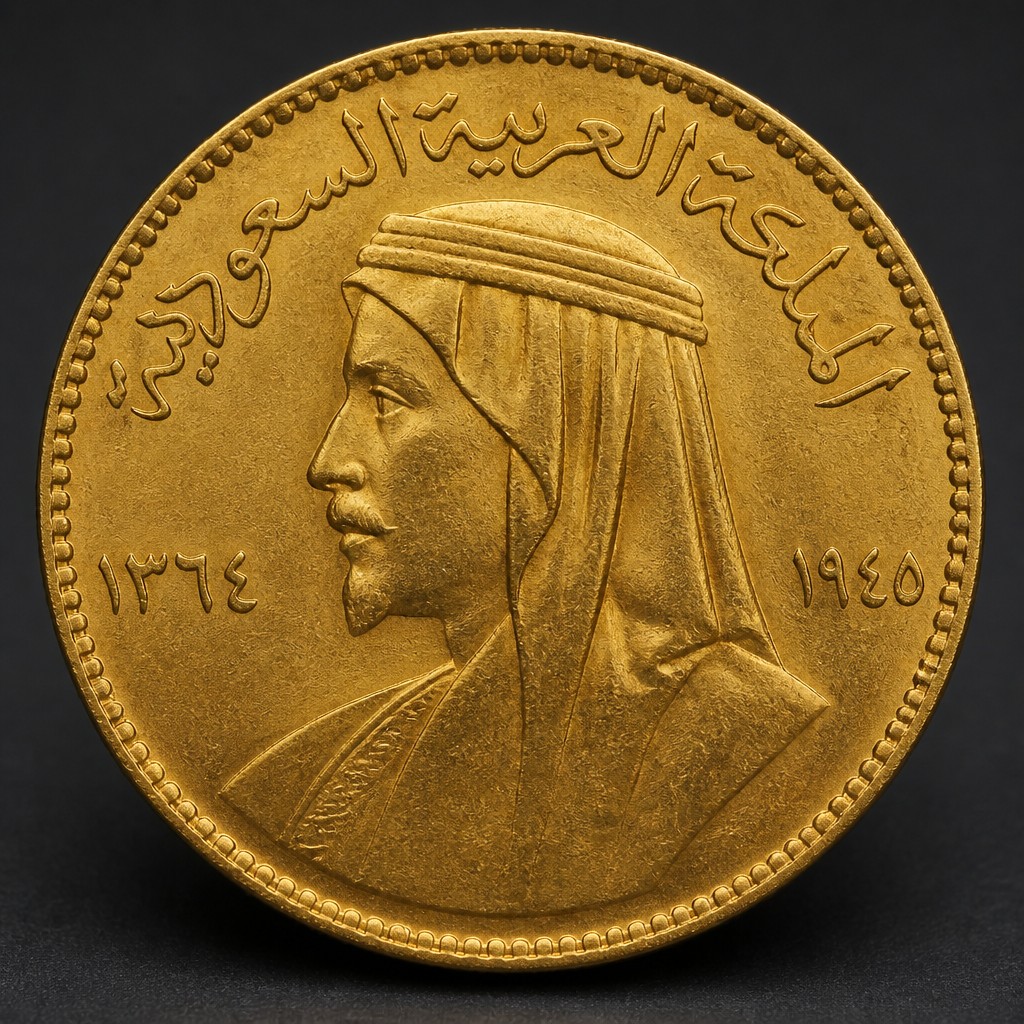
Saudi Arabian Gold Guinea (Sovereign)
A gold coin issued by Saudi Arabia sized like the British sovereign, popularly called a guinea, historically important for Hajj pilgrims and gold-based savings rather than everyday circulation.
- Country
- Saudi Arabia
- Denomination
- 1 Guinea
- Metal
- Gold (approximately .917 fine)
Got a coin like this?
Identify any coin from a photo, free.
Overview
The Saudi gold guinea, sometimes simply called the Saudi sovereign due to its weight matching the British gold sovereign standard, is a distinctive gold coin issued by the Kingdom of Saudi Arabia beginning under King Abdulaziz (Ibn Saud) and continued under his successor King Saud. It was created in part to provide pilgrims arriving for Hajj with a locally recognized, trustworthy gold coin, since foreign gold sovereigns had long been popular and widely trusted in the region's trade and pilgrimage economy.
Unlike coins from many other nations, the Saudi guinea, consistent with Islamic artistic tradition, bears no portrait; instead its design draws on Arabic calligraphy and national emblems such as palm trees and crossed swords. It has functioned more as a bullion and ceremonial/gift coin than as day-to-day circulating currency.
The coin remains recognizable and valued today, both as a piece of early Saudi state history and as a gold bullion item with strong regional demand.
History & Background
Gold sovereigns, particularly British sovereigns, had circulated widely and were highly trusted across the Arabian Peninsula and the wider Islamic world for generations, especially in connection with the Hajj pilgrimage to Mecca and Medina, where pilgrims needed a reliable store of value. Recognizing this demand and seeking to assert monetary sovereignty, the Kingdom of Saudi Arabia, established in 1932 under King Abdulaziz Al Saud, issued its own gold coin matching the sovereign's weight standard, generally dated to the mid-1940s.
The coin, denominated as a guinea, allowed pilgrims and traders to use a Saudi-issued gold coin with the same trusted weight and fineness as the widely circulated British sovereign, easing its acceptance in regional trade while reinforcing Saudi national identity. Production continued in limited fashion under King Saud, Abdulaziz's successor, in the years following the kingdom's early development.
Over time, as Saudi Arabia developed a more modern currency system centered on the riyal and later moved toward a fully paper and coin-based monetary system tied to oil-driven economic growth, the gold guinea's practical monetary role diminished, though the coin remains a notable historical artifact of the kingdom's early monetary policy.
How to Identify
In keeping with the avoidance of figural imagery in Saudi and broader Islamic coinage, the Saudi gold guinea has no portrait; instead, the design typically features Arabic inscriptions naming the king and the Saudi state, often accompanied by the national emblem of two crossed swords beneath a palm tree, along with the date in the Islamic Hijri calendar.
The coin closely matches the British gold sovereign in size and weight (around 22 mm in diameter and about 7.98 grams total weight at approximately .917 fine gold), which was a deliberate design choice to ensure easy acceptance alongside the sovereign in regional trade and pilgrimage transactions.
Because of its resemblance in size and fineness to the British sovereign, collectors should pay close attention to the Arabic legends and Saudi emblems to distinguish it, and should be aware that gold coins of this general type have sometimes been imitated, so verifying weight, diameter, and design details against known genuine examples is worthwhile.
Value & Collectibility
As with most gold coins of this kind, value is anchored primarily to the coin's gold content, given its weight standard matching the widely traded British sovereign, with an additional numismatic premium reflecting its historical significance and relative scarcity as an early Saudi issue. Because these coins were not struck in the enormous volumes typical of some other national gold coin series, and were often set aside as savings, examples in better condition can attract solid collector interest.
Buyers should track current gold prices as a baseline and expect a premium above that for verified authenticity, condition, and the specific issuing king. Given the coin's historical connection to early Saudi statehood, well-documented, higher-grade examples tend to be particularly sought after by specialists in Middle Eastern and Islamic numismatics.
Frequently asked questions
Why is the coin called a 'guinea' rather than a riyal?
The denomination 'guinea' was chosen to signal a gold coin equivalent in weight and trust to internationally recognized gold coins like the British sovereign, distinguishing it from Saudi Arabia's silver riyal currency.
Does the Saudi gold guinea show a portrait of the king?
No; consistent with Islamic artistic tradition, the coin uses Arabic inscriptions and national emblems such as crossed swords and a palm tree rather than a ruler's portrait.
How does its size compare to the British sovereign?
It was deliberately struck to match the British sovereign's weight and gold fineness standard, which helped it circulate acceptably alongside sovereigns already trusted in the region.
Why was this coin especially useful for Hajj pilgrims?
Pilgrims traveling to Mecca and Medina needed a reliable, widely trusted store of value, and a locally issued coin matching the familiar sovereign standard served this need while asserting Saudi monetary independence.
Other coins you may enjoy
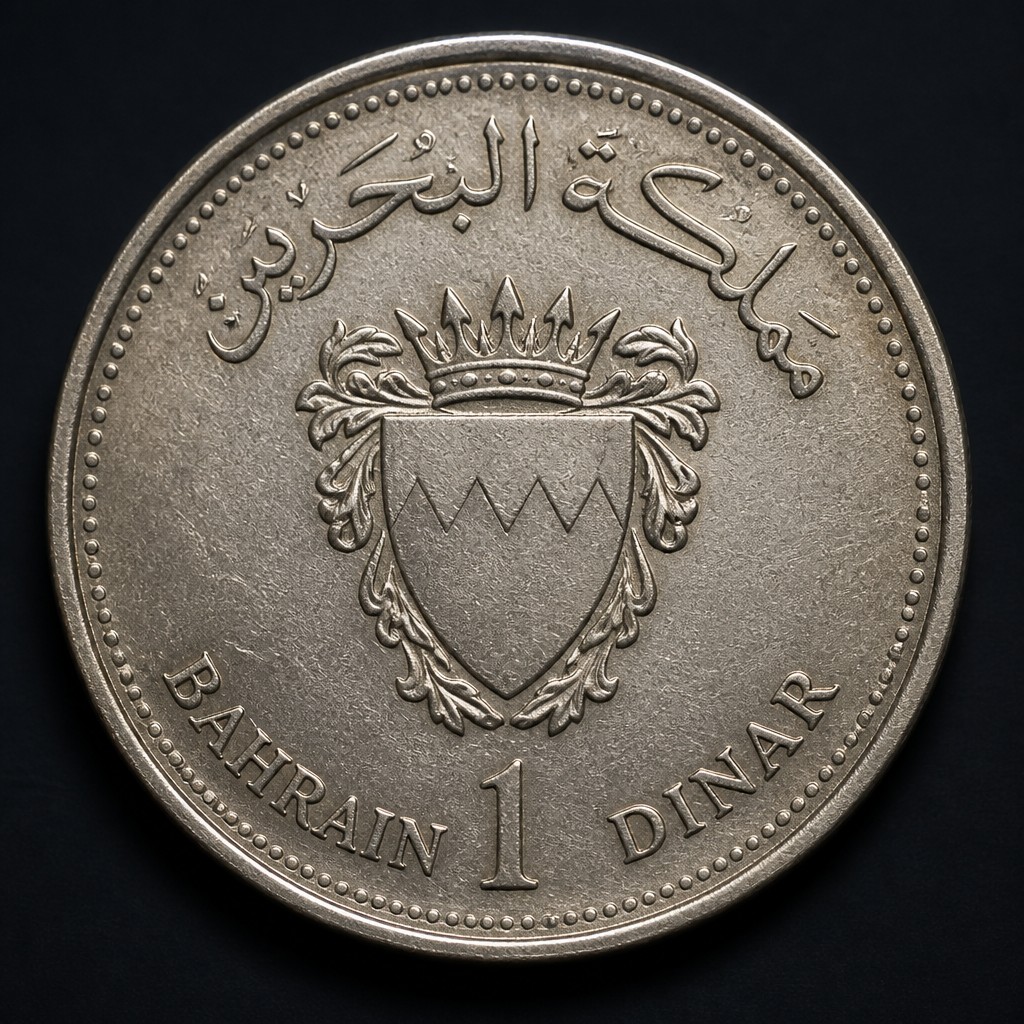
Bahraini Dinar
1965–present
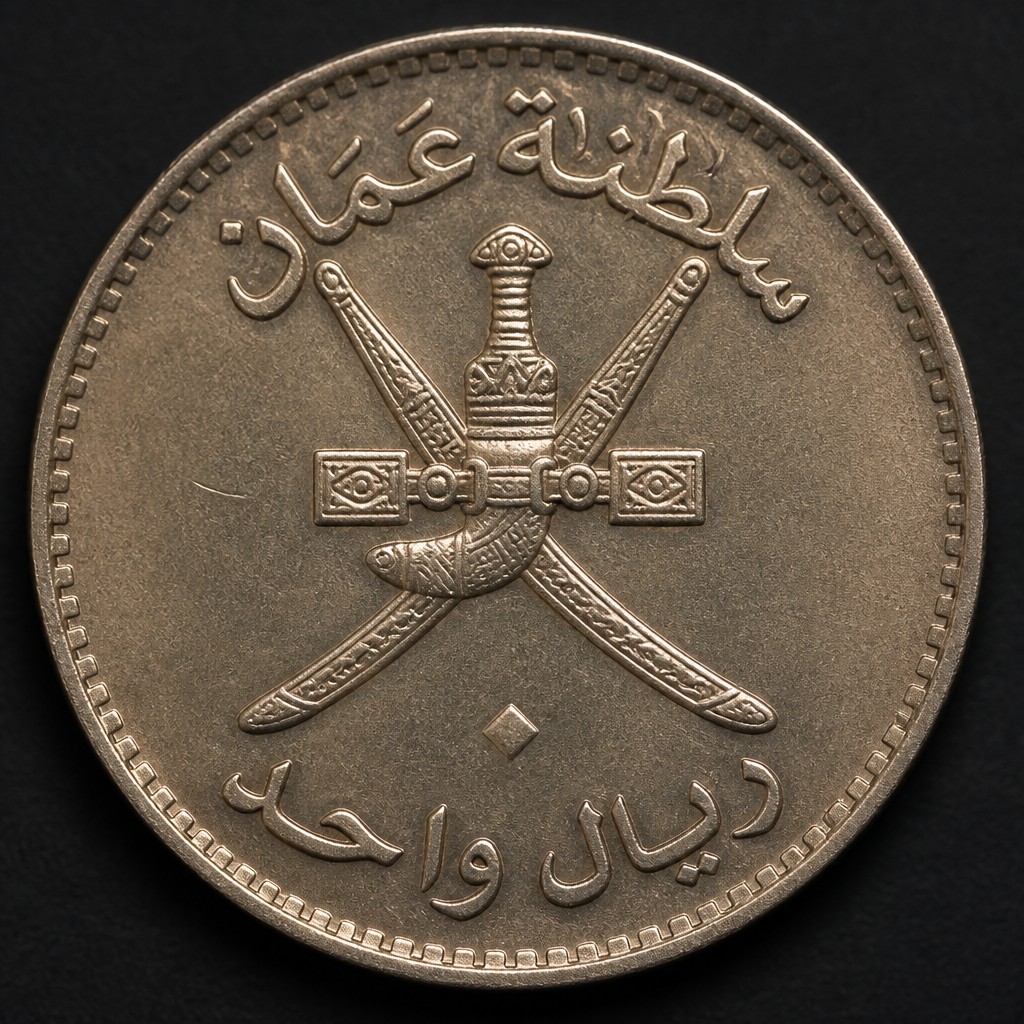
Omani Rial (Baisa Coinage)
1970–present
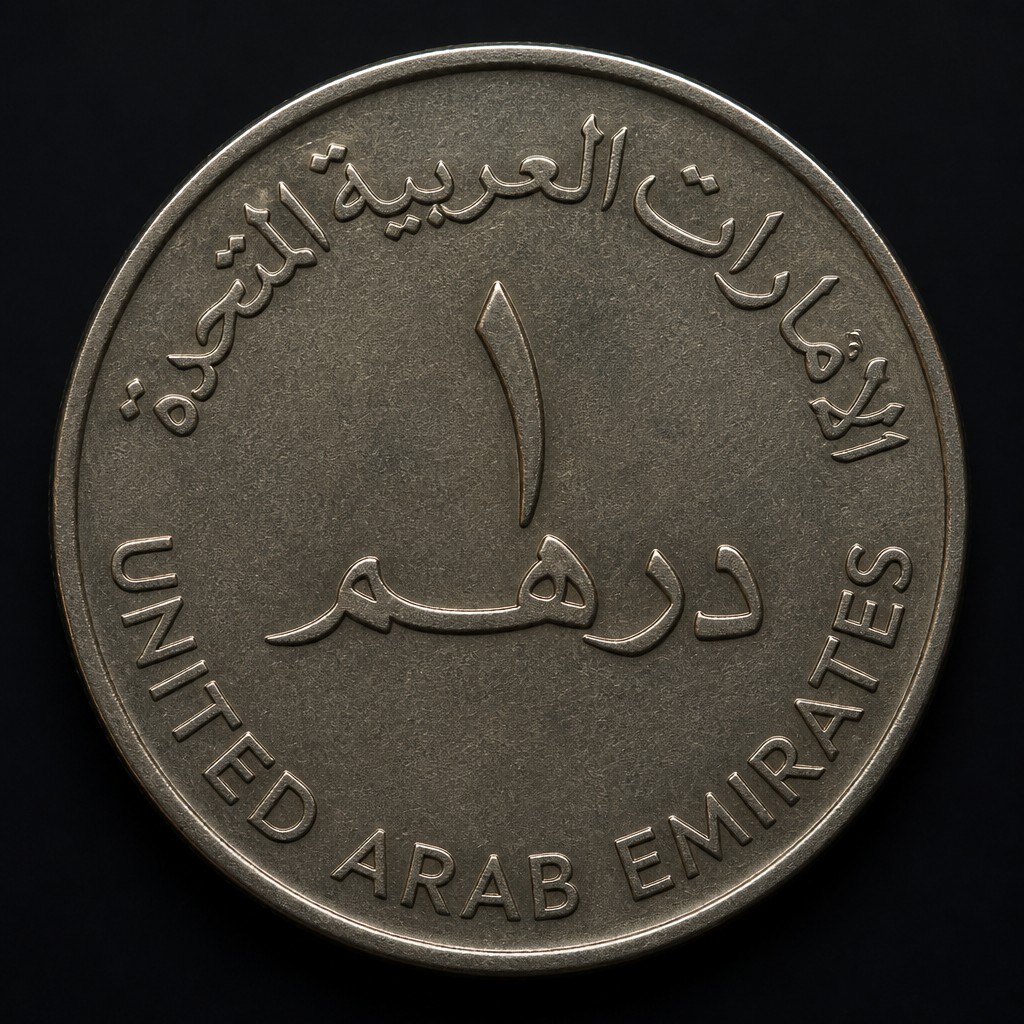
United Arab Emirates Dirham
1973–present
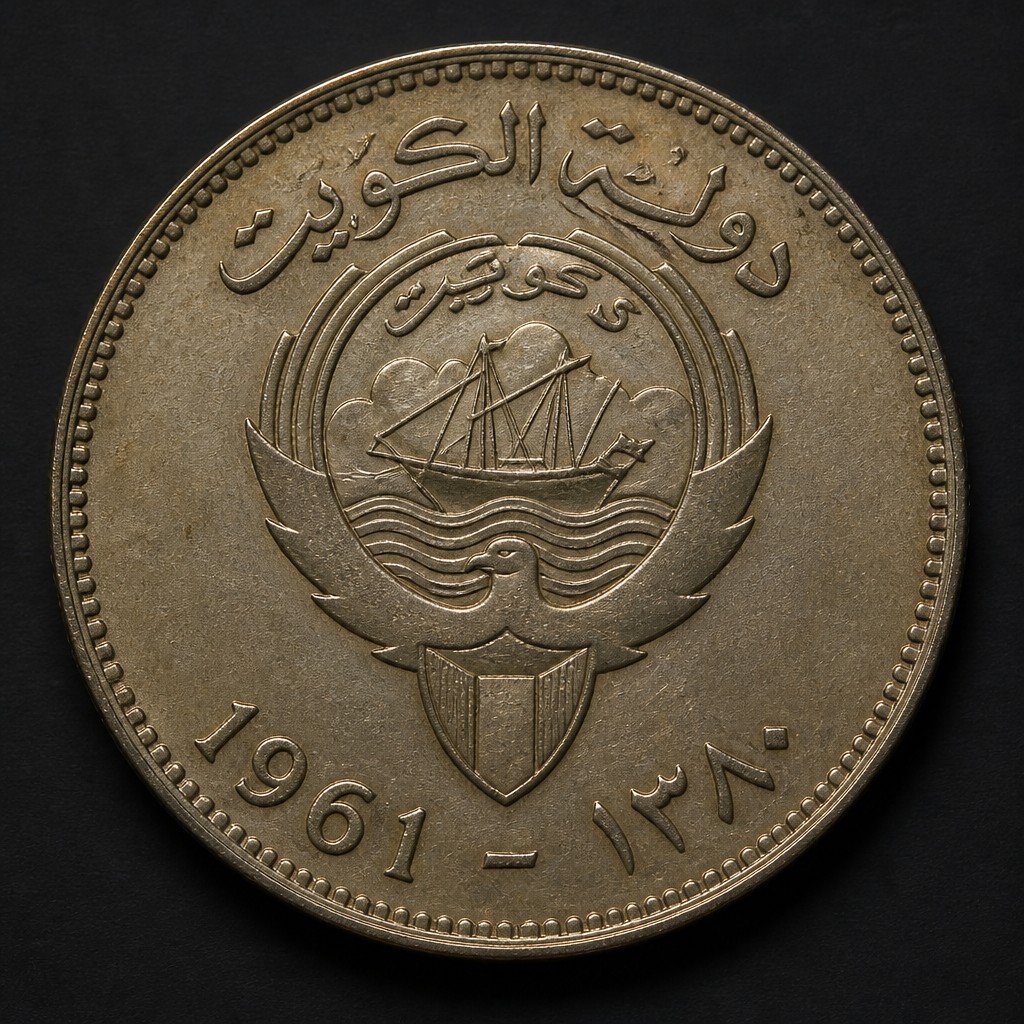
Kuwaiti Fils
1961–present
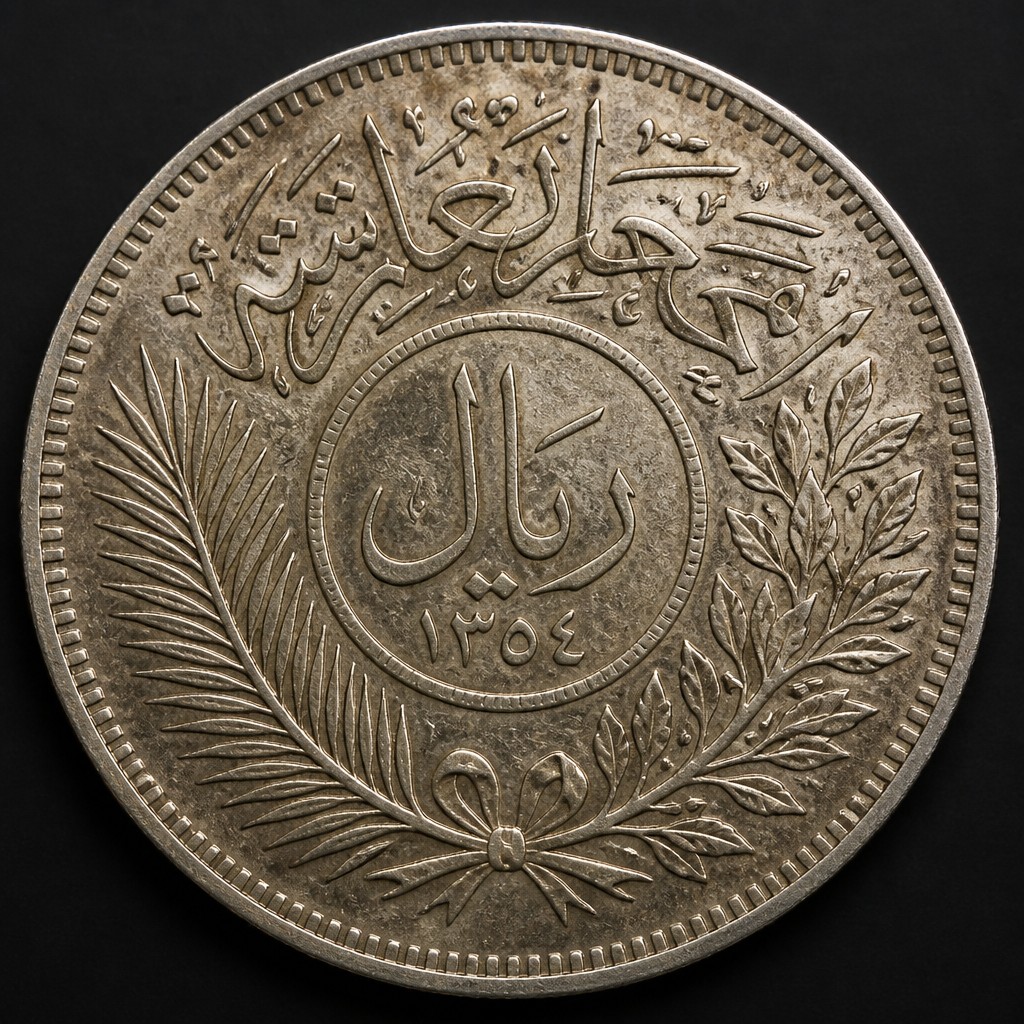
Saudi Arabian Riyal (silver)
1935 (Kingdom-wide standardization) and related issues
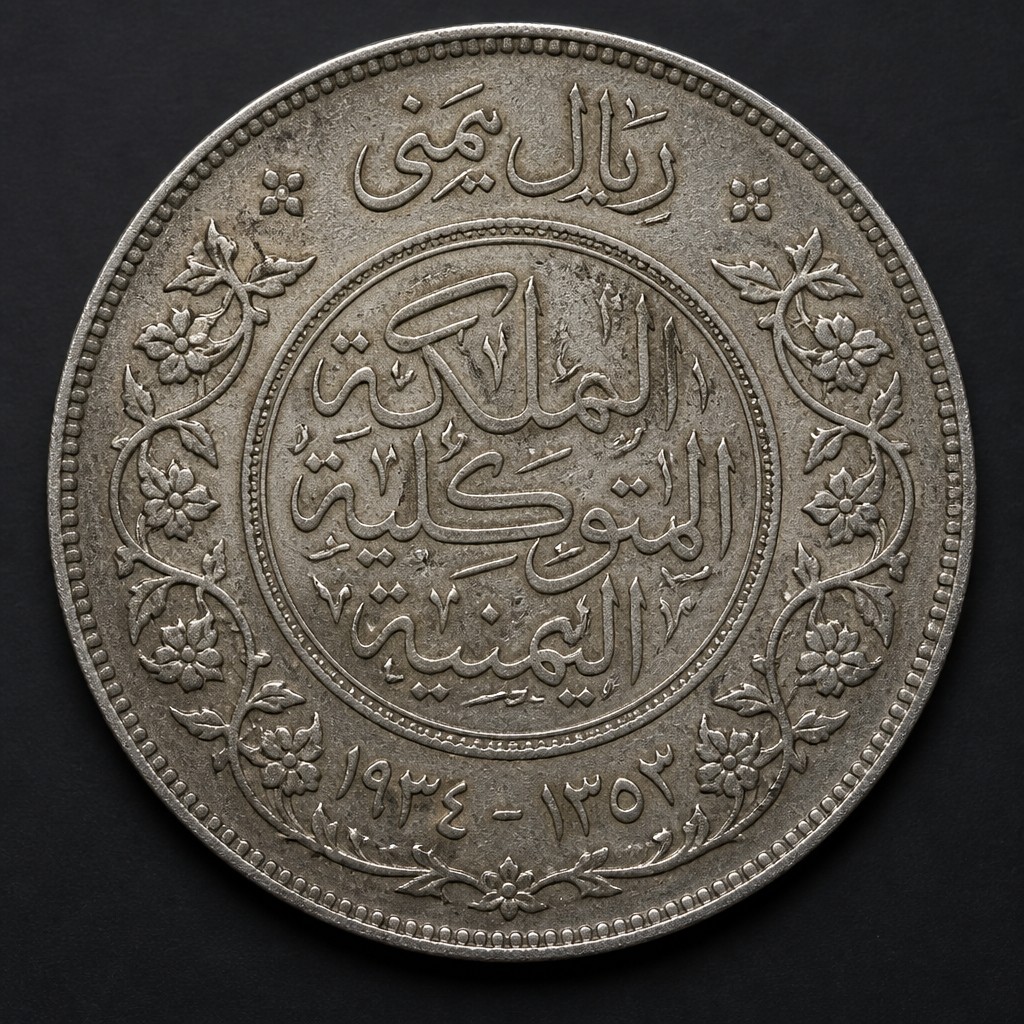
Yemeni Riyal (Ahmadi/Imadi Kingdom Coinage)
Early-to-mid 20th century
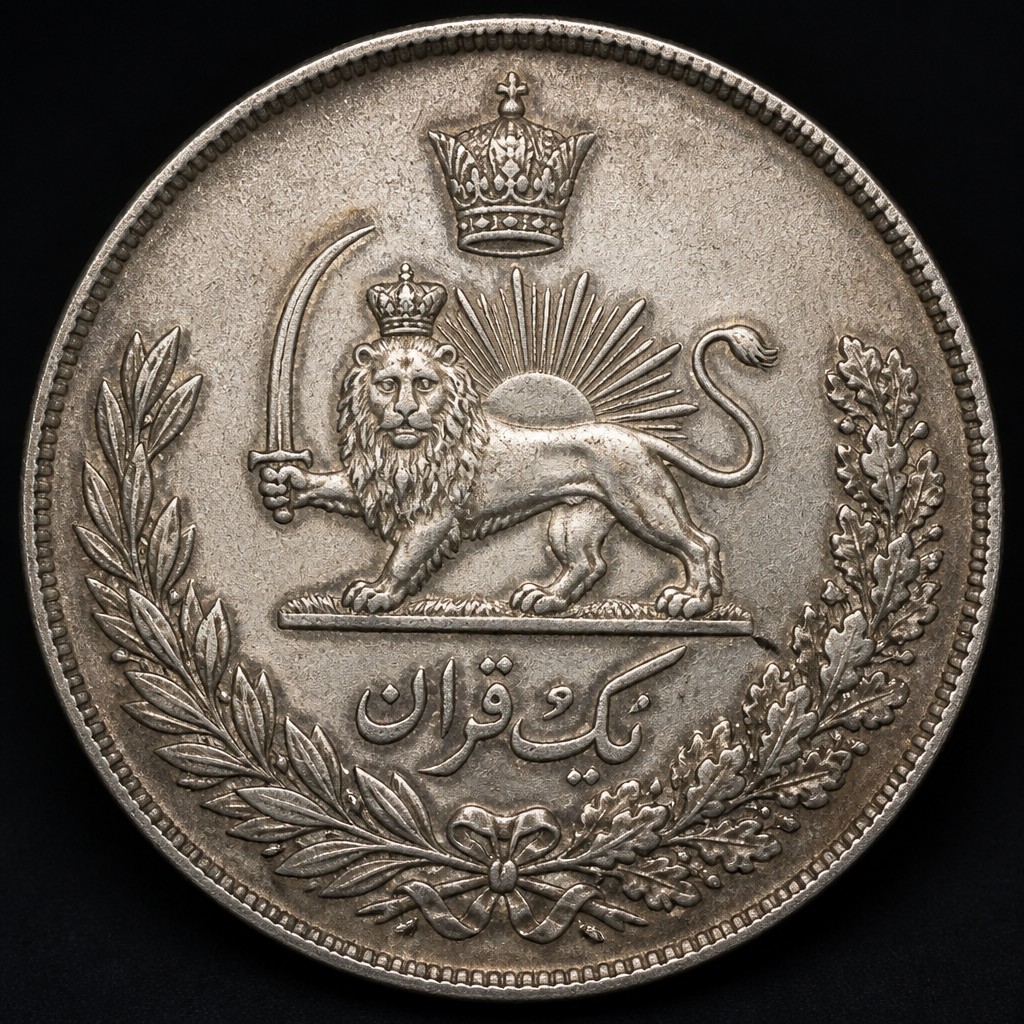
Persian Kran (Qajar silver)
Mid-19th century–1925
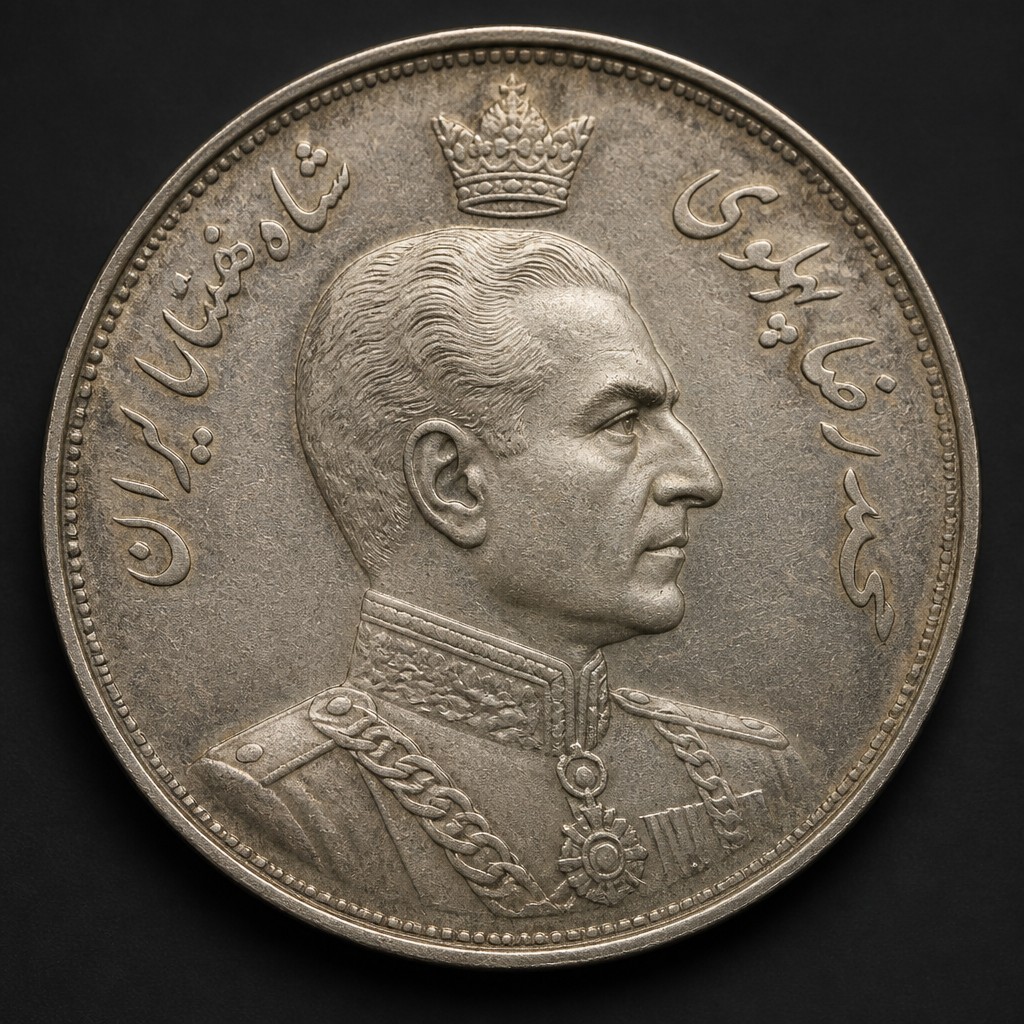
Iranian Rial
1932–present
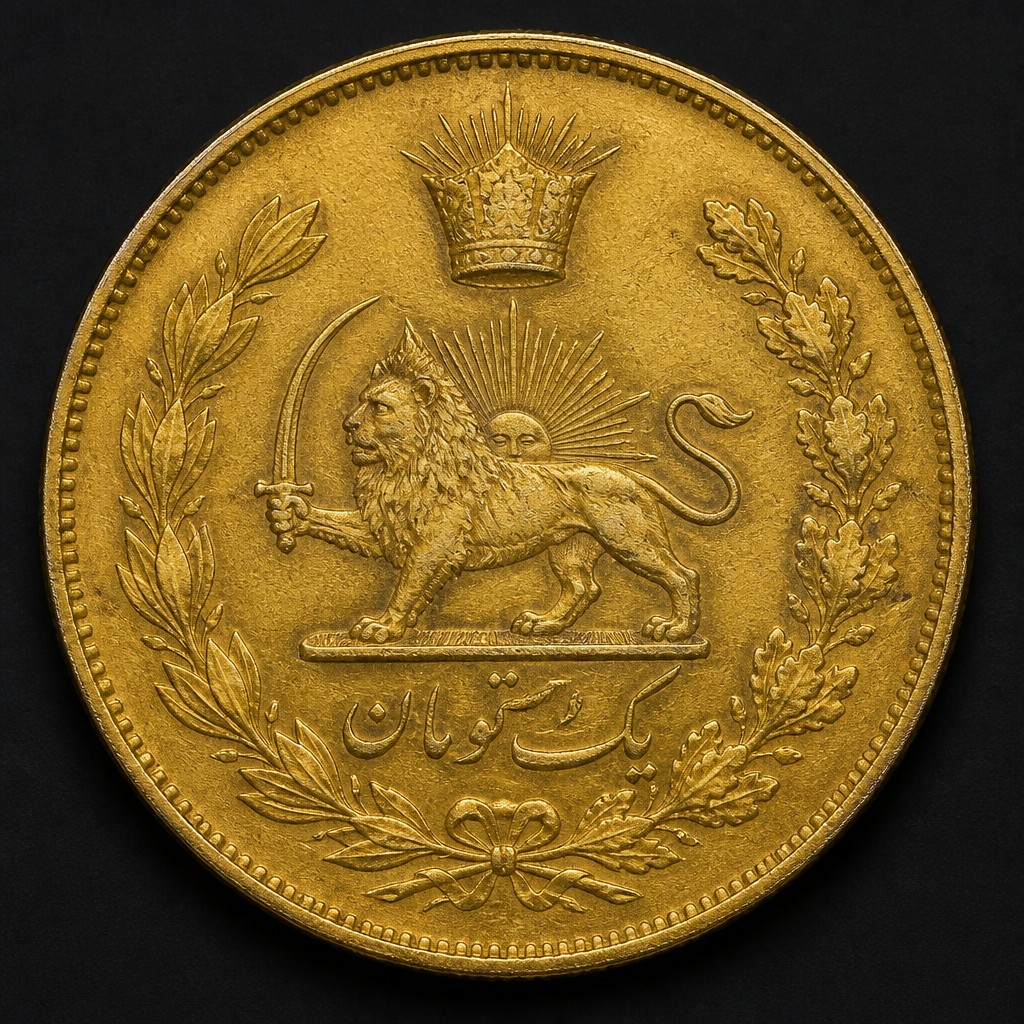
Persian Gold Toman (Qajar)
1796–1925
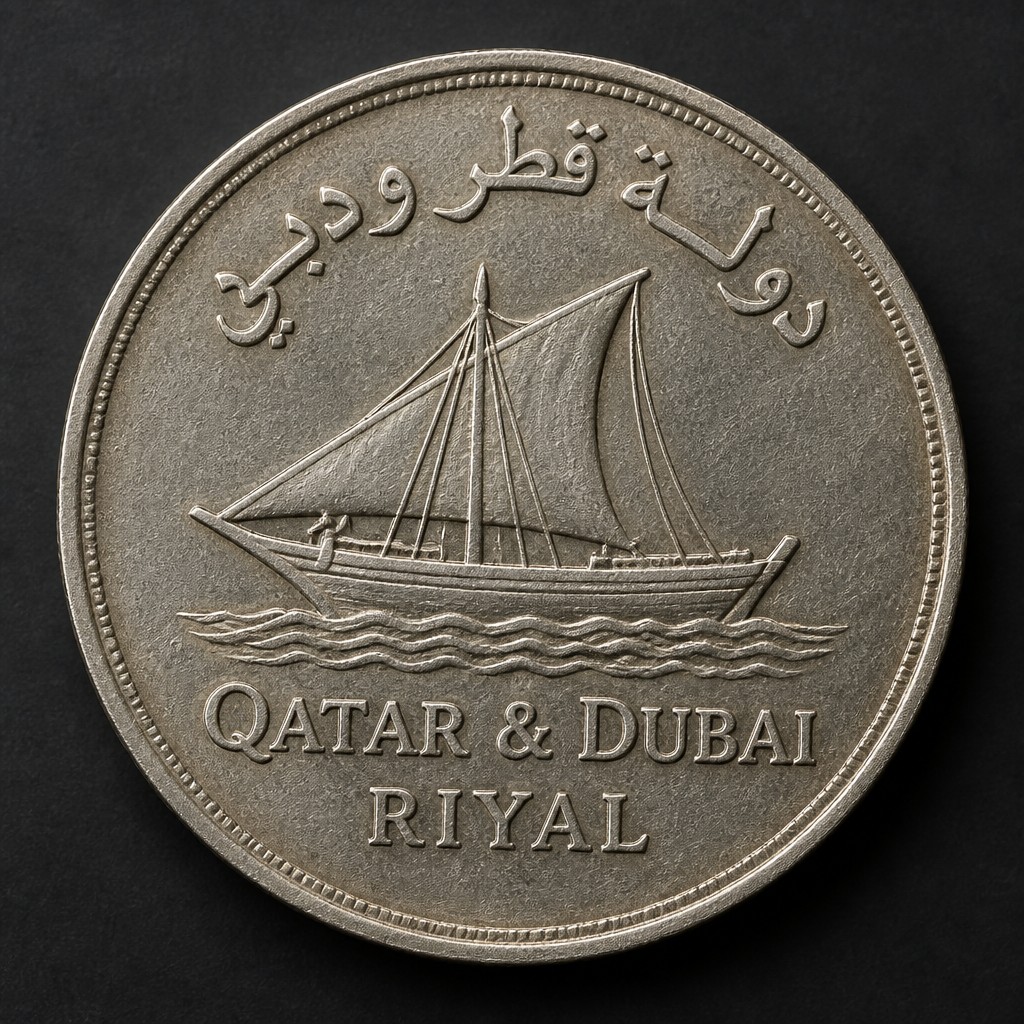
Qatar and Dubai Riyal
1966–1973
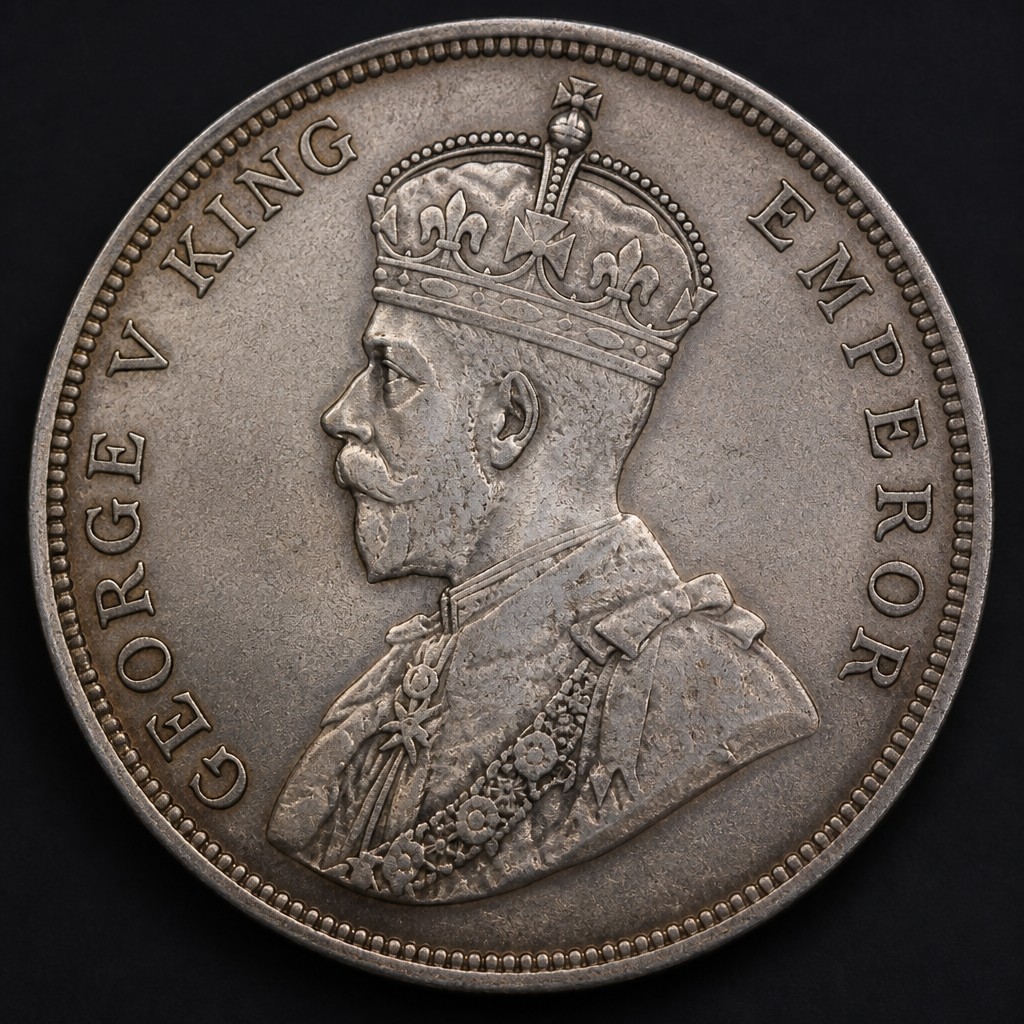
British India Rupee (Silver)
1835–1947
Japanese Trade Dollar
1875-1878 (Meiji 8-11)