
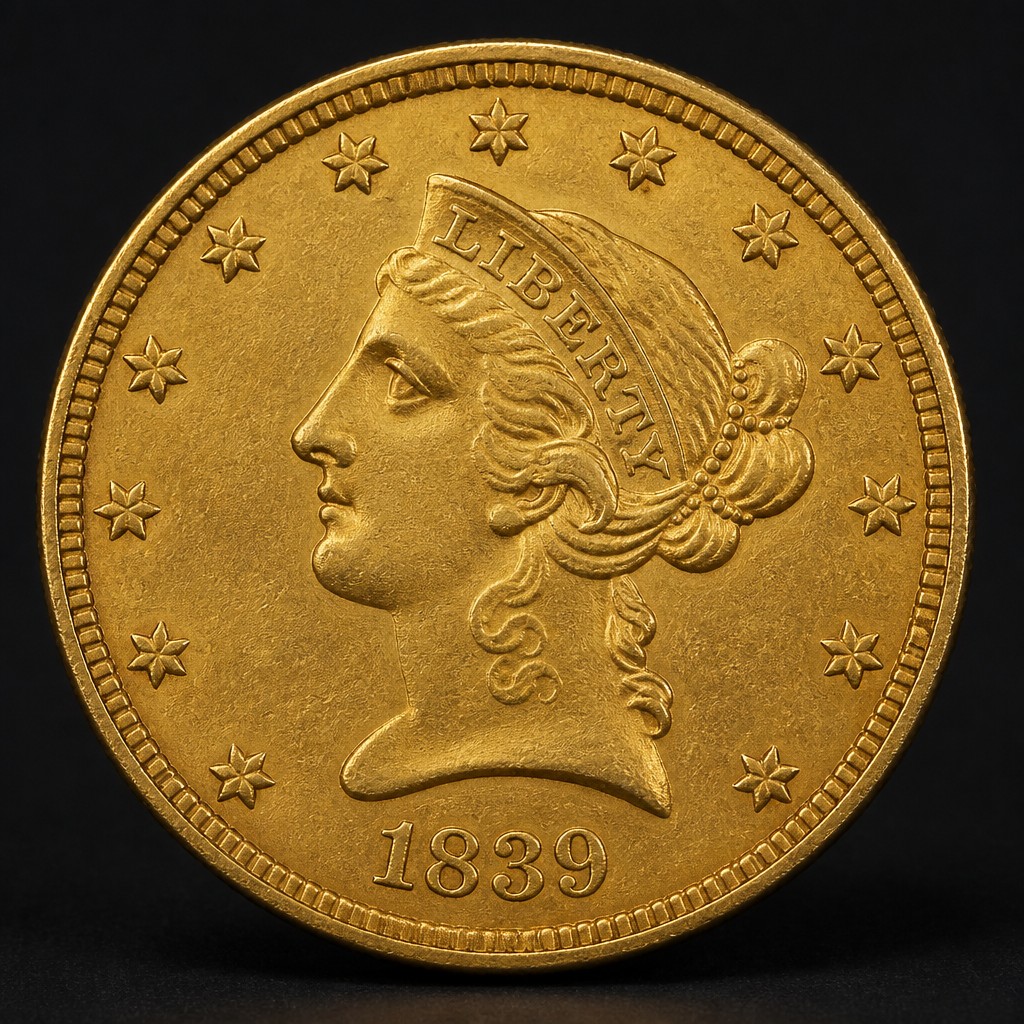
Liberty Head Half Eagle ($5)
A widely produced 19th-century gold five-dollar coin bearing Christian Gobrecht's Coronet Head design, struck across nearly every major American branch mint of the era.
- Country
- United States
- Denomination
- Five Dollars
- Metal
- Gold (.900 fine)
Got a coin like this?
Identify any coin from a photo, free.
Overview
The Liberty Head Half Eagle, often called the Coronet Head Half Eagle, was the workhorse five-dollar gold coin of the United States for nearly seventy years, spanning from the early republic's westward expansion through the turn of the 20th century. Its long run across numerous mints makes it one of the richest series for date-and-mintmark collectors in American gold coinage.
Because it was produced continuously through major historical events including the California and Georgia gold rushes and the Civil War, the series carries deep historical resonance alongside its numismatic appeal.
History & Background
Designed by Christian Gobrecht, the Coronet Head Half Eagle began production in 1839, updating the earlier Classic Head design. It continued through 1908, when it was replaced by Bela Lyon Pratt's incuse Indian Head design.
The series divides into no-motto (1839–1866) and with-motto (1866–1908) varieties, the latter incorporating IN GOD WE TRUST following Civil War-era legislation. Southern branch mints at Charlotte and Dahlonega, established to process locally mined gold, struck the denomination heavily until both closed in 1861 with the outbreak of the Civil War.
Later production spread to New Orleans, Carson City (fed by Comstock Lode silver and gold operations), San Francisco, and eventually Denver, reflecting the shifting centers of American gold mining and minting across the 19th century.
How to Identify
The obverse shows Liberty's head facing left wearing a coronet inscribed LIBERTY, surrounded by thirteen stars, with the date below. The reverse depicts an eagle with a shield on its breast, holding an olive branch and arrows, encircled by UNITED STATES OF AMERICA and FIVE D.
No-motto coins lack IN GOD WE TRUST, while later coins display it above the eagle. Mintmarks are found on the reverse below the eagle: C (Charlotte), D (Dahlonega, and later a separate Denver D), O (New Orleans), CC (Carson City), and S (San Francisco), with Philadelphia coins bearing no mark.
As with the related eagle denomination, collectors must use the date to distinguish early Dahlonega D coins from later Denver D issues. The coin has a reeded edge and, in well-worn examples, tends to show wear first on Liberty's cheek and the eagle's talons.
Value & Collectibility
Values range widely depending on mint and date. Common Philadelphia and San Francisco issues from the later 19th century often trade close to gold bullion value in circulated grades, while scarce Southern branch-mint coins, especially from Dahlonega and Charlotte, and certain low-mintage Carson City issues, command significant premiums even when worn.
Mint State examples are relatively scarce across the entire series due to heavy circulation and melting over the decades, and choice, well-struck coins from key mints can be quite valuable to specialist collectors.
Frequently asked questions
Why were Charlotte and Dahlonega mints established?
They were built to coin gold mined locally in the Southern Appalachian gold fields, reducing the need to ship bullion to Philadelphia.
What ended production at Charlotte and Dahlonega?
Both mints closed permanently in 1861 due to the outbreak of the Civil War.
What is the difference between no-motto and motto half eagles?
No-motto coins (1839–1866) lack IN GOD WE TRUST; coins from 1866 onward include the motto above the eagle on the reverse.
What replaced the Liberty Head Half Eagle?
Bela Lyon Pratt's incuse Indian Head Half Eagle replaced it beginning in 1908.
Other coins you may enjoy
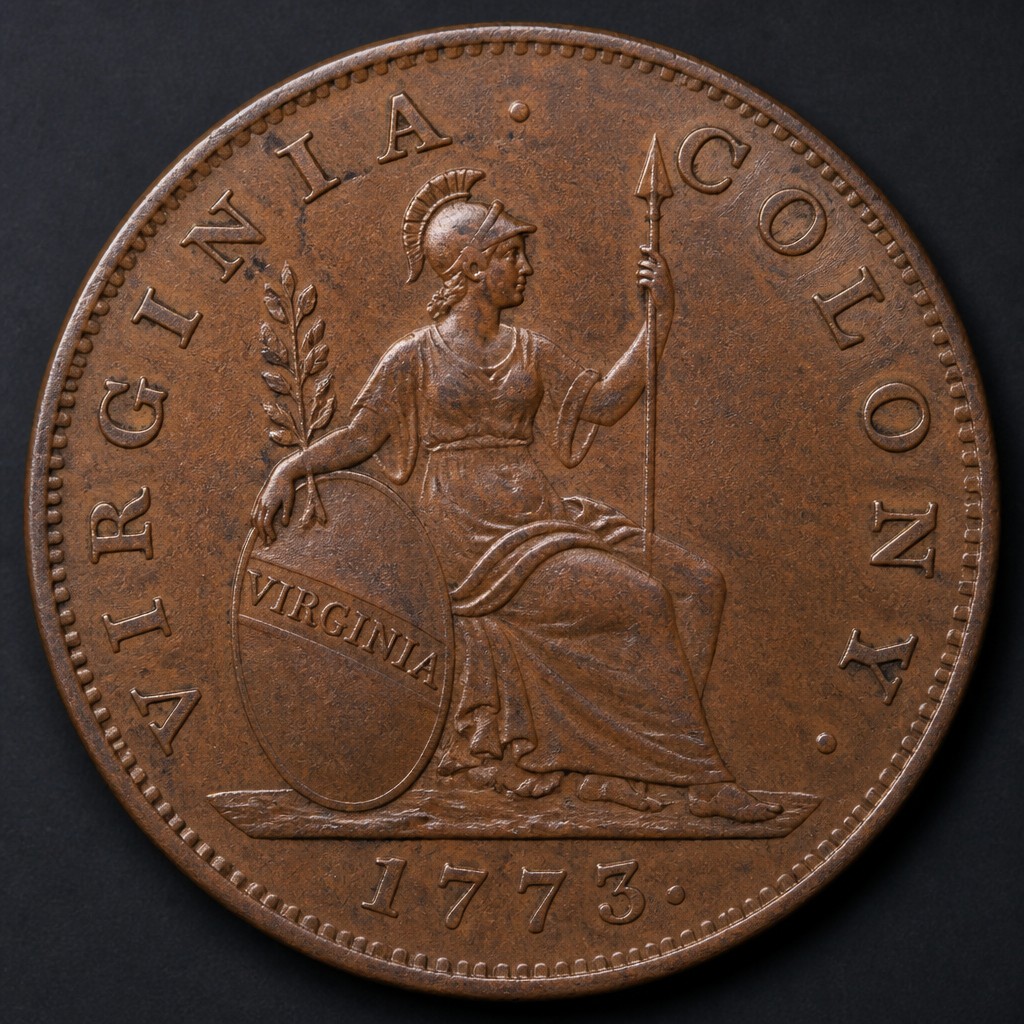
Virginia Halfpenny
1773
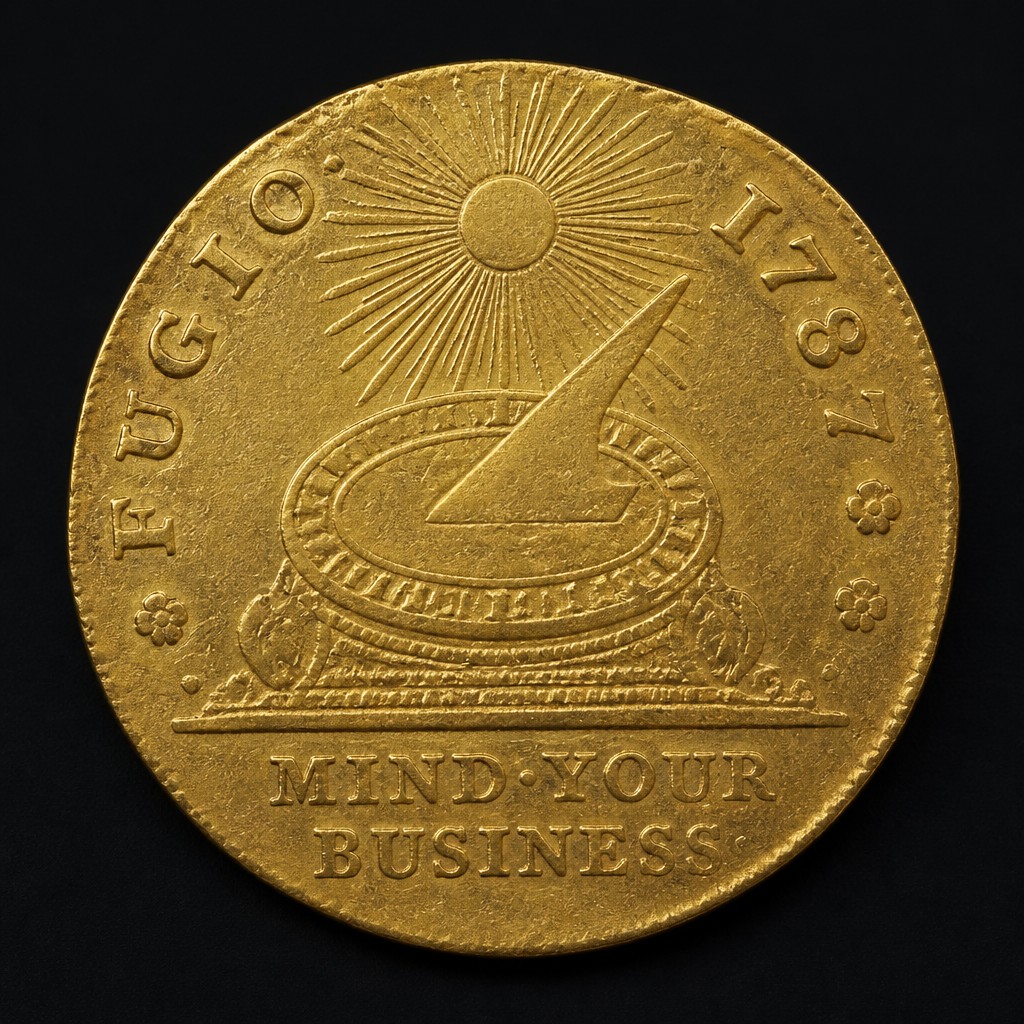
Brasher Doubloon
1787
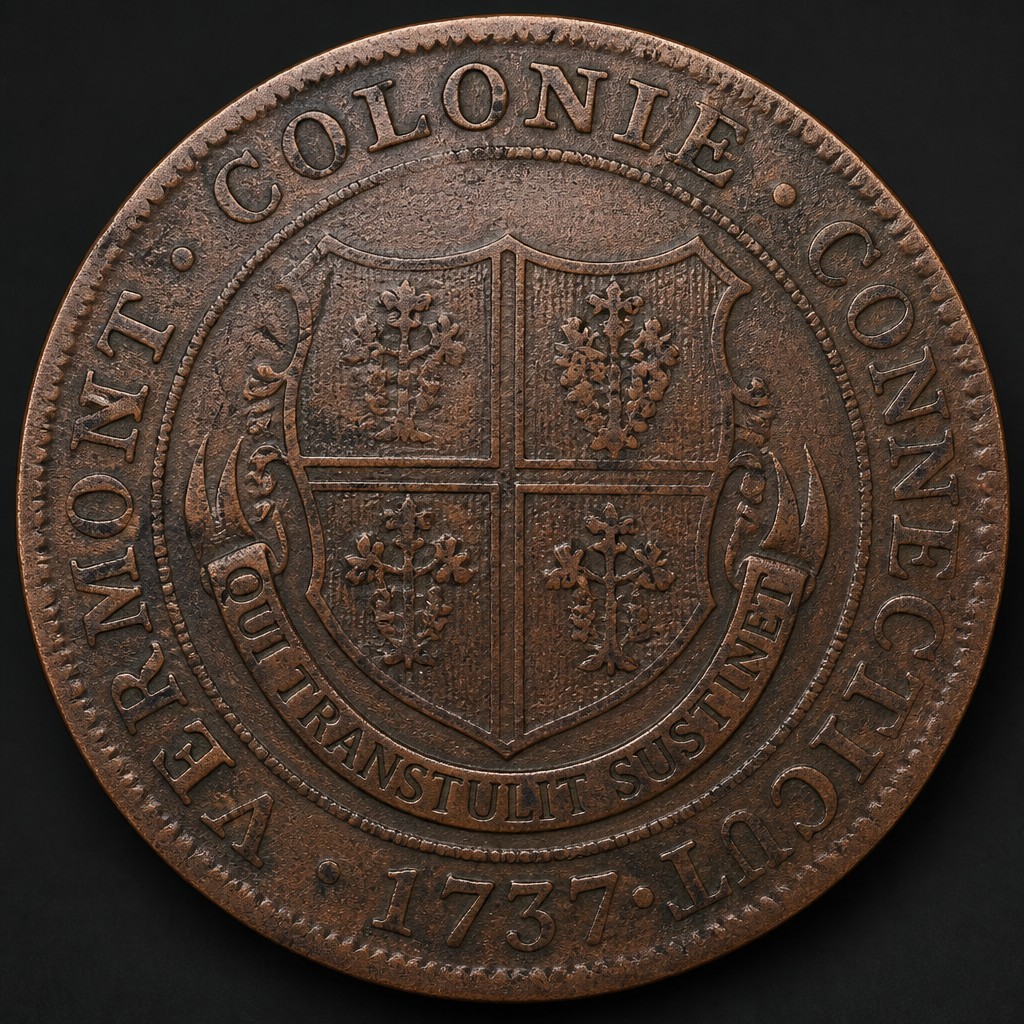
Higley Copper
1737–1739
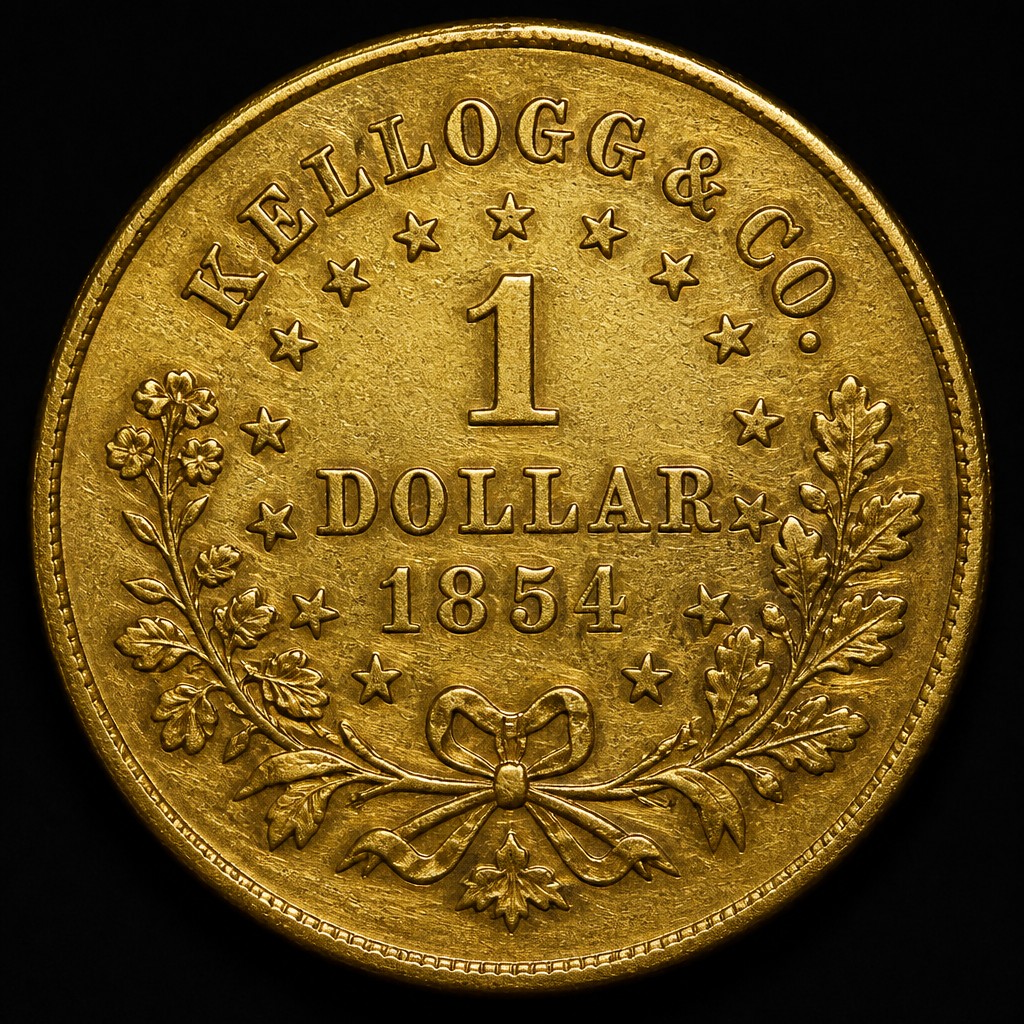
Kellogg & Co. Gold Piece
1854–1855
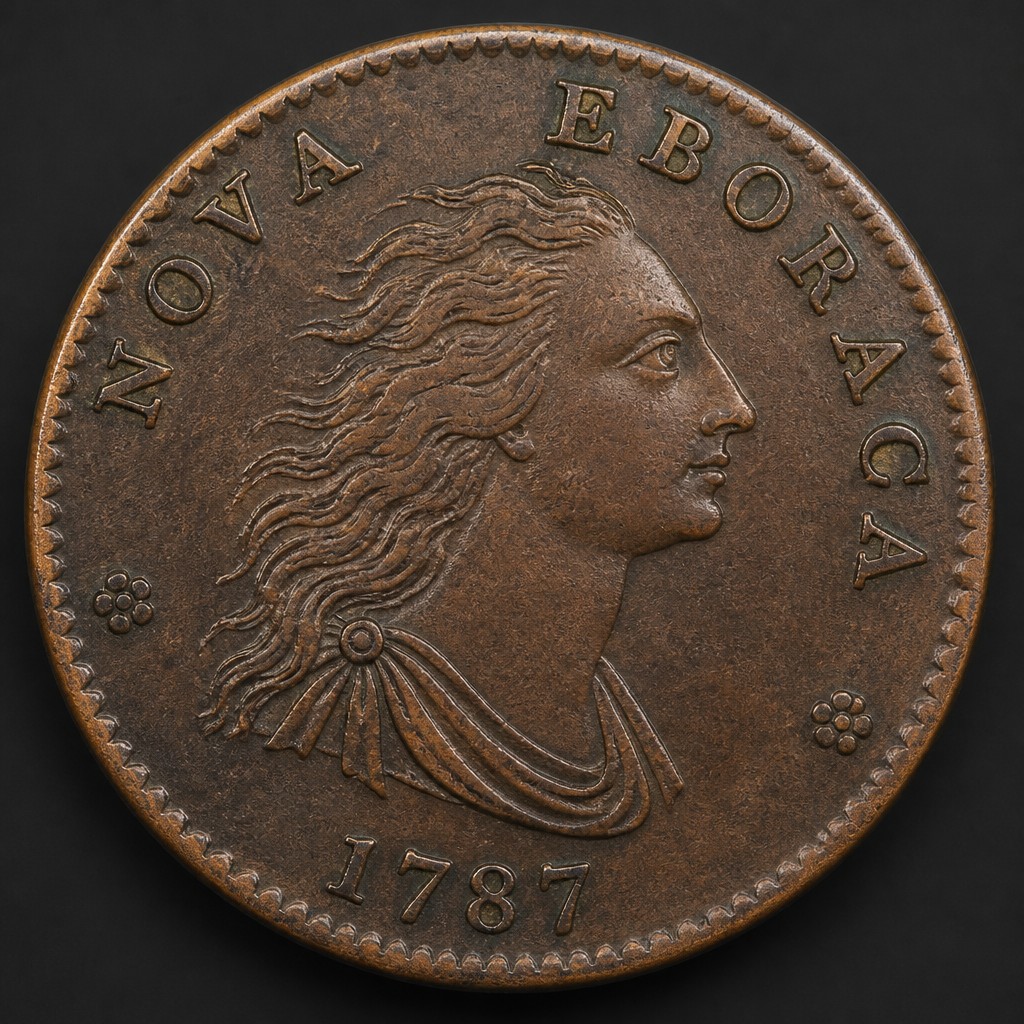
Nova Eborac Copper
1787
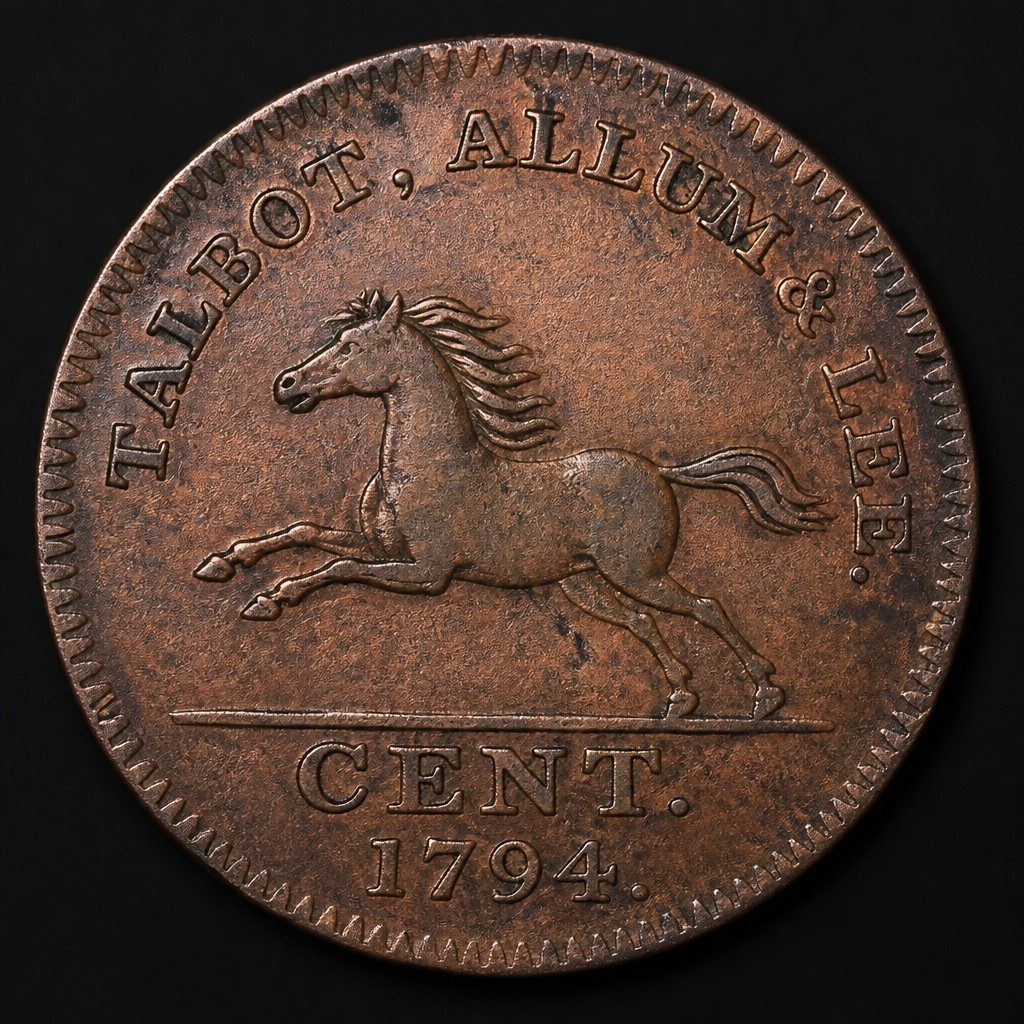
Talbot, Allum & Lee Cent
1794–1795
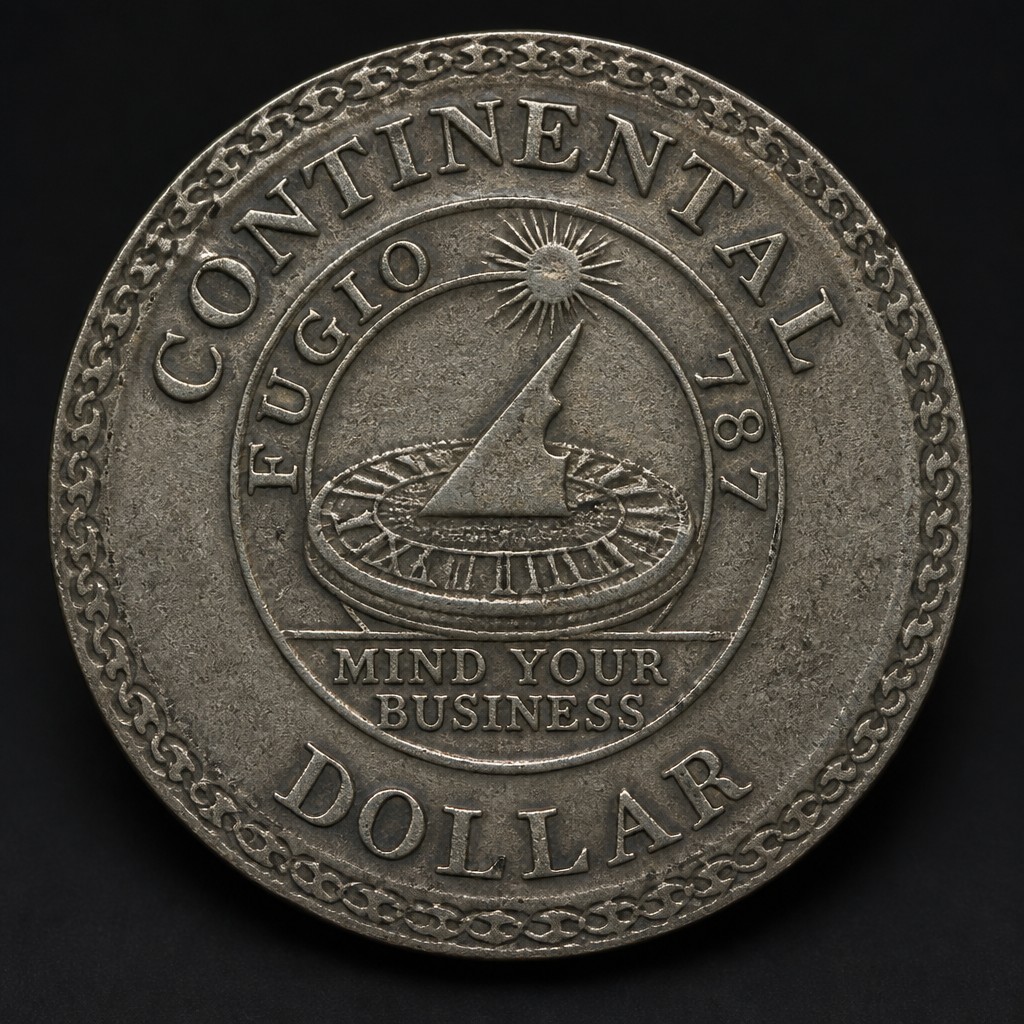
Continental Dollar
1776
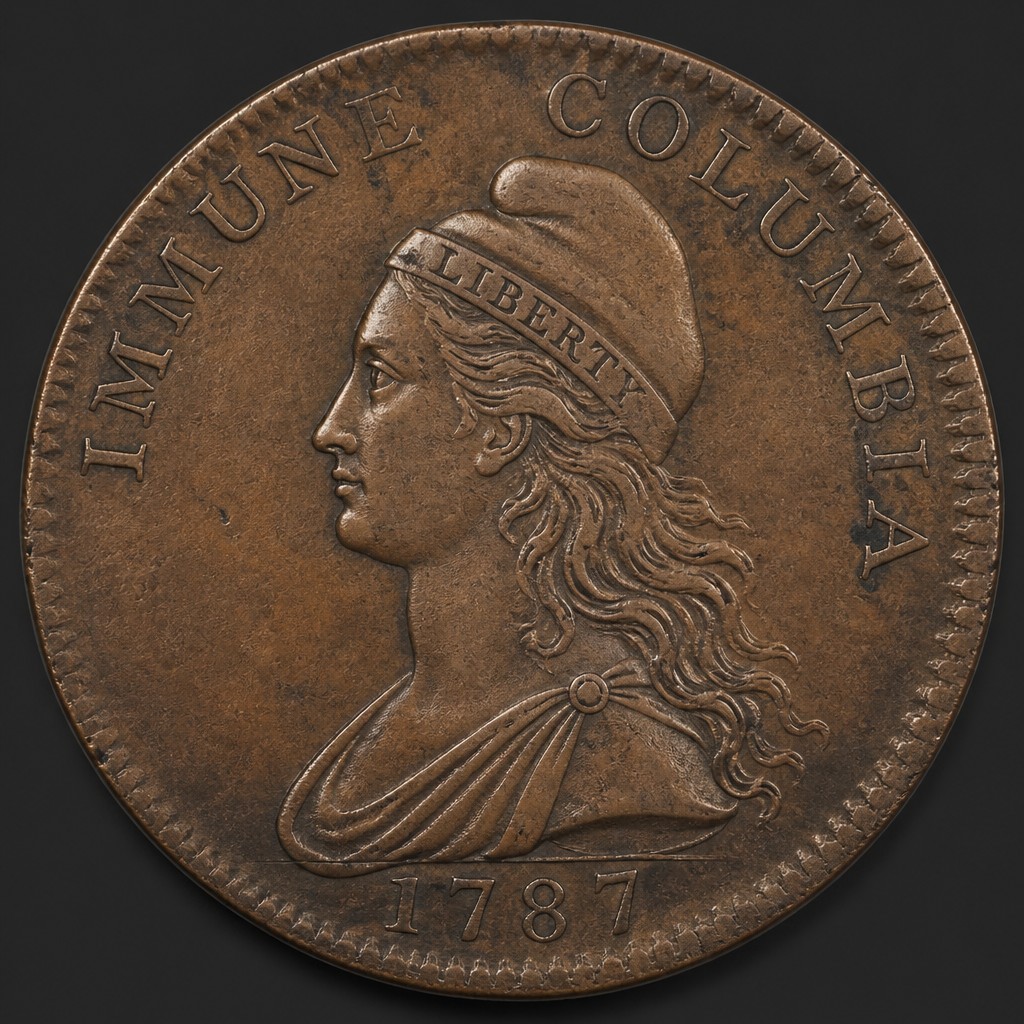
Immune Columbia Copper
circa 1785–1787
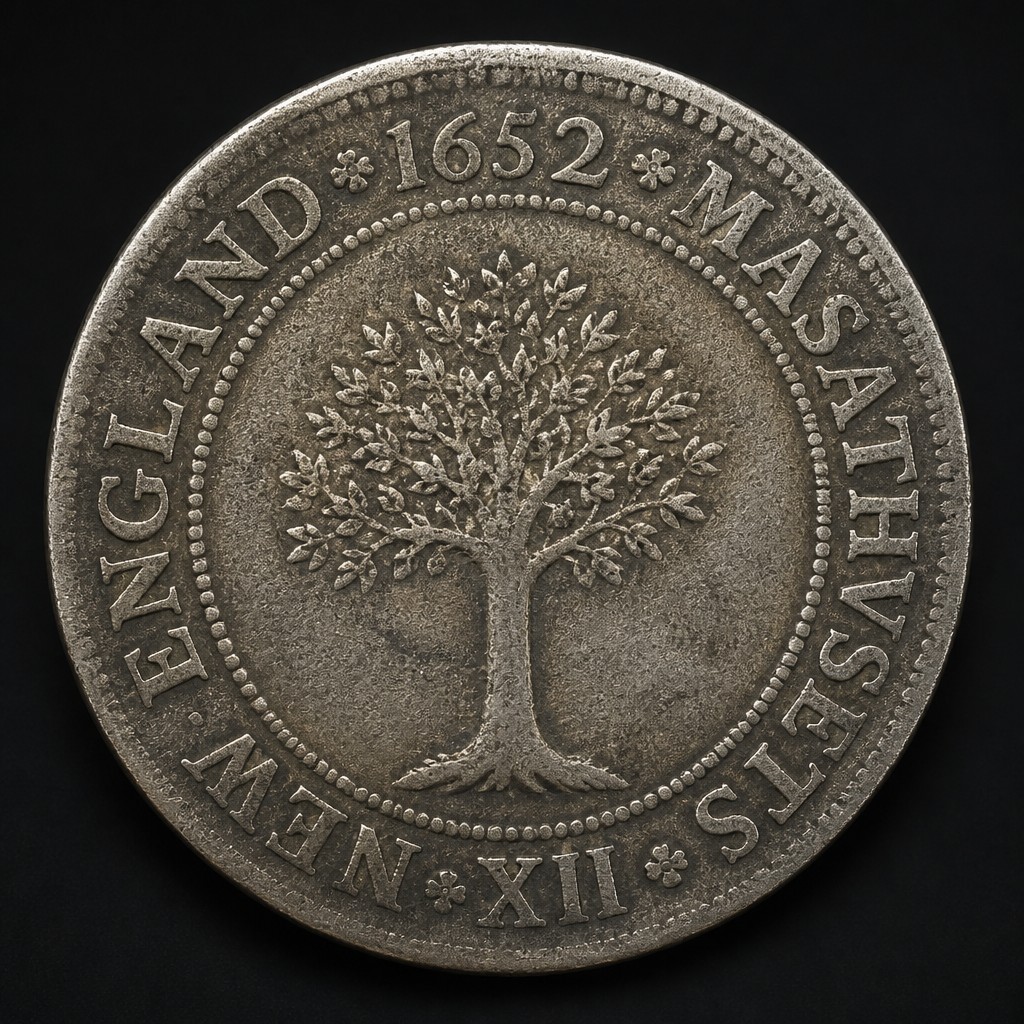
Massachusetts Oak Tree Shilling
Dated 1652, struck circa 1660–1667
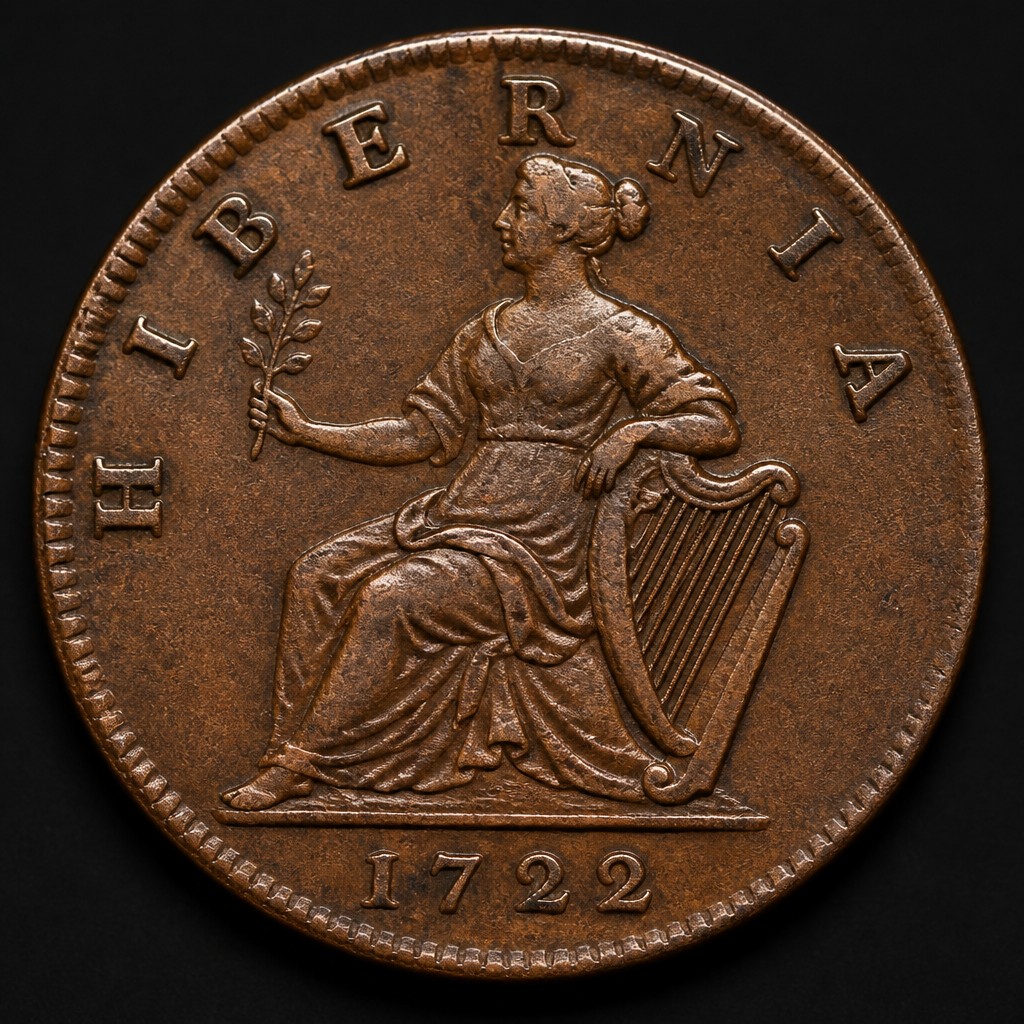
Wood's Hibernia Halfpenny
1722–1724
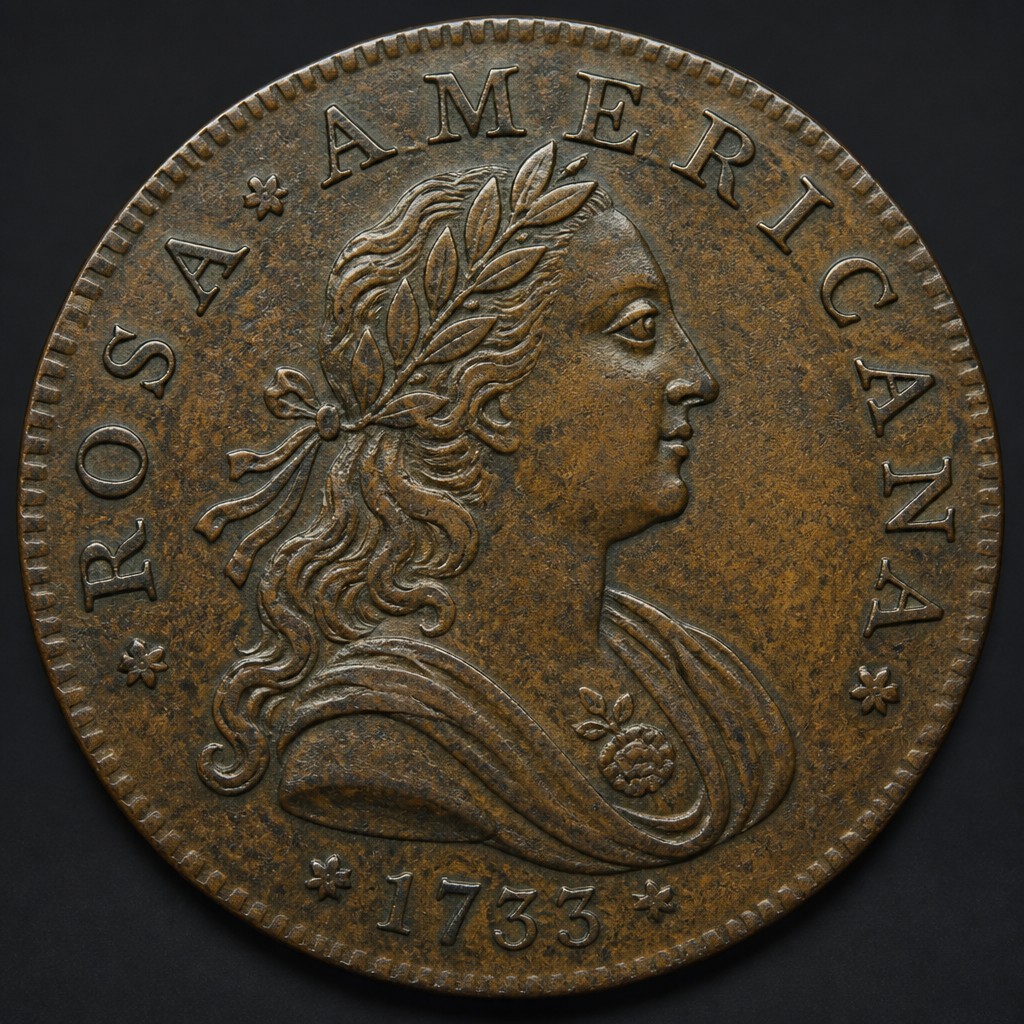
Rosa Americana Coinage
1722–1724 (with pattern issues dated 1733)
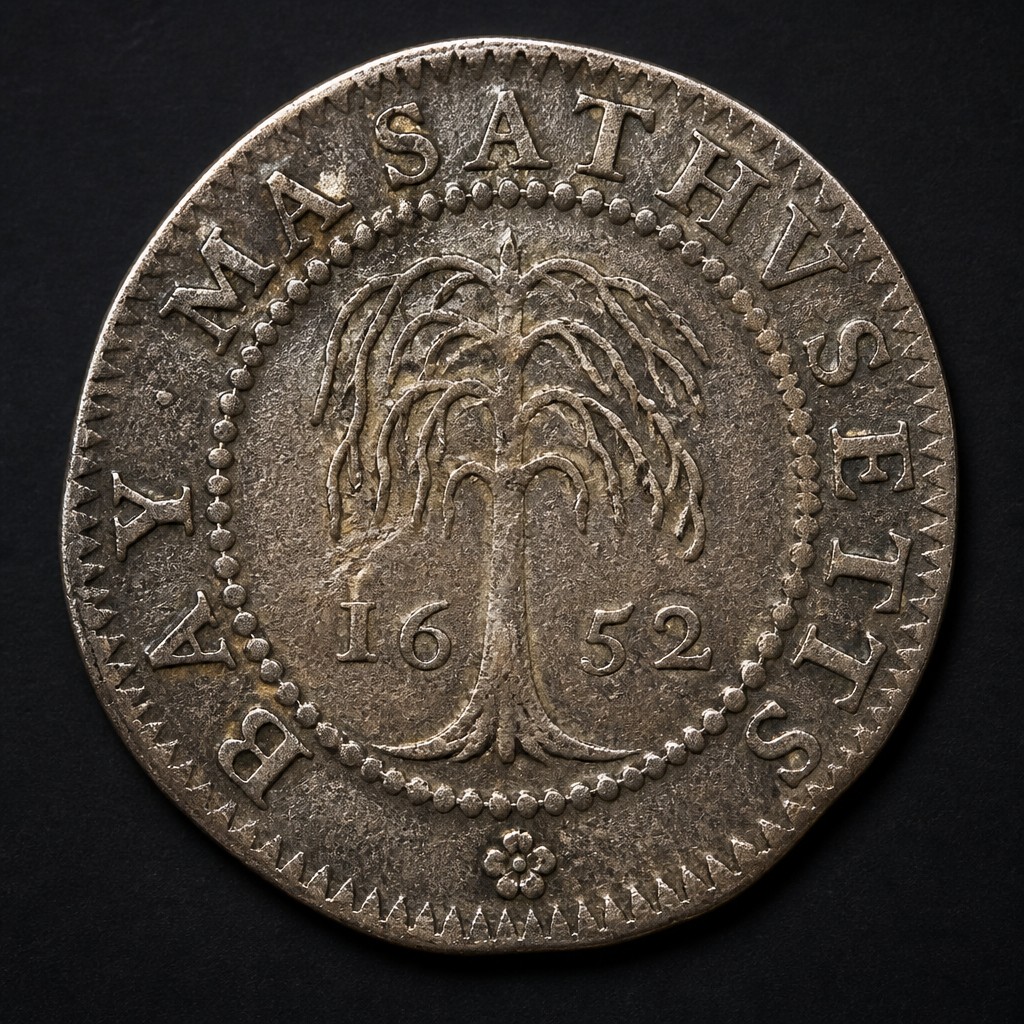
Massachusetts Willow Tree Shilling
Dated 1652, struck circa 1653–1660