
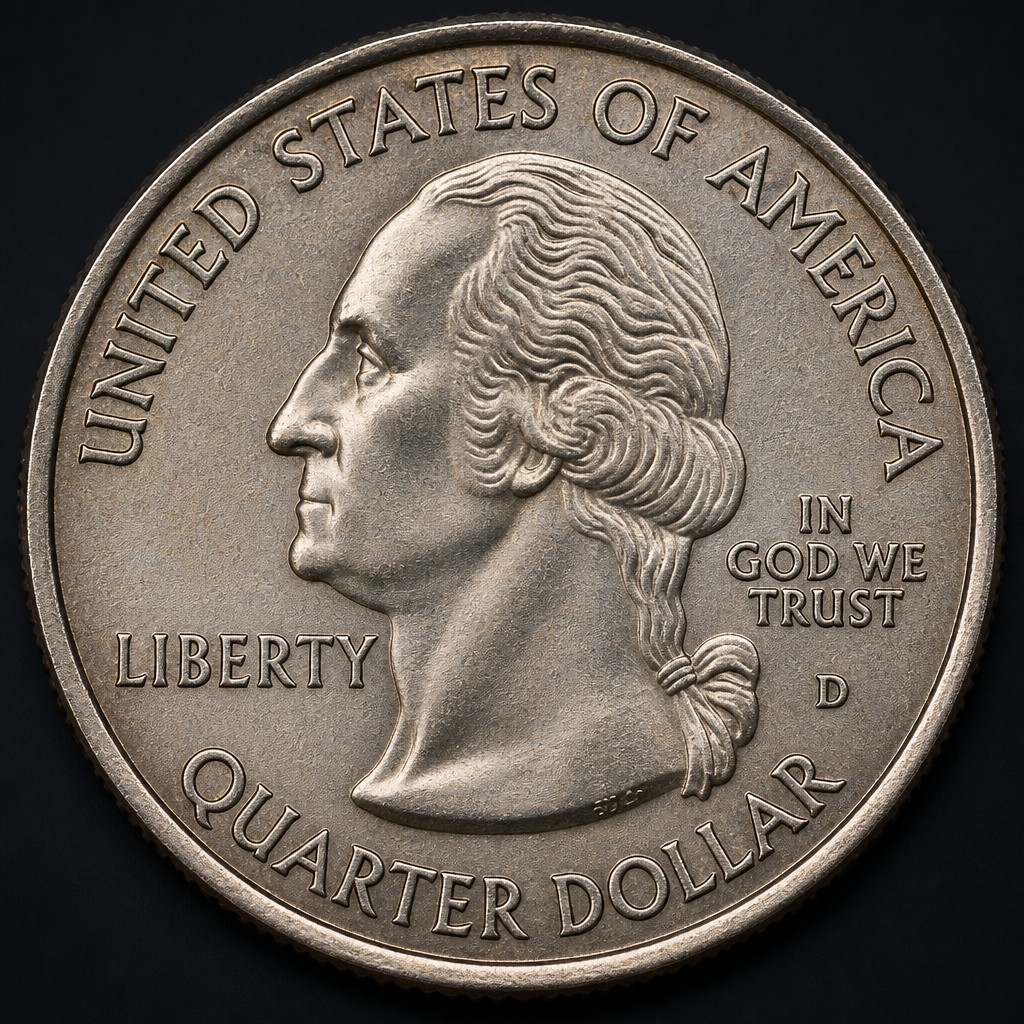
2004-D Wisconsin State Quarter Extra Leaf
A famous 50 State Quarters error showing an extra corn leaf on the Wisconsin quarter's reverse, found in two forms known as Extra Leaf High and Extra Leaf Low.
- Country
- United States
- Denomination
- 25 cents
- Metal
- Copper-nickel clad
Got a coin like this?
Identify any coin from a photo, free.
Overview
The 2004-D Wisconsin quarter, part of the popular 50 State Quarters program, features a reverse design showing a cow, a wheel of cheese, and an ear of corn. A small number of coins from the Denver Mint were discovered with an unusual extra leaf added to the corn ear, in addition to the normal leaves, creating one of the most talked-about modern US coin errors.
Two distinct forms of the error are recognized, commonly called Extra Leaf High and Extra Leaf Low, based on the position of the additional leaf relative to the normal design. The discovery generated significant media attention when it broke, drawing many new collectors into hunting through quarter rolls in search of the elusive varieties.
Debate has continued among numismatists over the precise cause of the extra leaf, with theories ranging from an intentional die gouge to accidental die damage, though it is generally treated in the hobby as a notable die variety rather than an official design element.
History & Background
The 50 State Quarters program, which ran from 1999 to 2008, issued circulating quarters honoring each state with a unique reverse design; Wisconsin's quarter, released in 2004, depicted agricultural themes central to the state's identity. Sometime during production at the Denver Mint, coins began appearing with an extra leaf on the corn cob design not present on the standard, officially approved reverse.
Collectors and dealers who noticed the discrepancy quickly began sorting through quarter rolls in search of examples, and the find was widely reported in general and numismatic media alike, both because of the unusual appearance and the excitement of finding an error coin in ordinary pocket change.
The exact mechanism behind the extra leaf has been debated, with theories including deliberate die engraving by a mint employee and accidental die gouging during production, but the coins have nonetheless become firmly established as one of the most recognized error varieties of the entire State Quarters series.
How to Identify
The obverse of the 2004-D Wisconsin quarter carries the standard George Washington portrait used across the State Quarters series, while the reverse depicts a dairy cow, a wheel of cheese, and an ear of corn along with WISCONSIN and the state's admission-related inscriptions.
On the error varieties, an extra leaf appears near the normal leaves on the corn ear: on the Extra Leaf High variety, the additional leaf points upward and appears to touch or come close to the corn cob, while on the Extra Leaf Low variety, the extra leaf points downward, closer to the husk area. Careful magnified comparison with a standard Wisconsin quarter reverse, which shows no extra leaf at all, is the clearest way to identify these varieties.
Because both forms are subtle at a glance, collectors should examine the corn design closely with a loupe, referencing published side-by-side images of the normal design and both error types to confirm attribution correctly.
Value & Collectibility
Both the Extra Leaf High and Extra Leaf Low varieties command significant premiums over a standard Wisconsin quarter, with typical circulated to mint state examples often bringing on the order of a hundred dollars or more, and choice, certified examples reaching higher figures. Because these are modern coins struck in large quantities, condition alone does not fully explain the premium; scarcity of the actual error itself is the primary driver.
As with many popular modern errors, certified examples from major grading services tend to command more consistent and often stronger prices than raw, uncertified coins, given ongoing interest in the variety among collectors new and experienced alike.
Frequently asked questions
What is the difference between Extra Leaf High and Extra Leaf Low?
The High variety shows the extra leaf pointing upward near the corn cob, while the Low variety shows it pointing downward closer to the husk.
What caused the extra leaf?
The exact cause remains debated among numismatists, with theories ranging from intentional die engraving to accidental die damage during production.
Are these coins rare?
They are scarce relative to the enormous mintage of standard Wisconsin quarters, and genuine examples command a solid premium among collectors.
How do I identify the extra leaf on my quarter?
Examine the corn ear on the reverse closely with magnification and compare it to reference images of the normal design and both error types.
Other coins you may enjoy
1900-O/CC Morgan Dollar
1900
1970-S Small Date Lincoln Cent
1970
1918/7-D Buffalo Nickel
1918
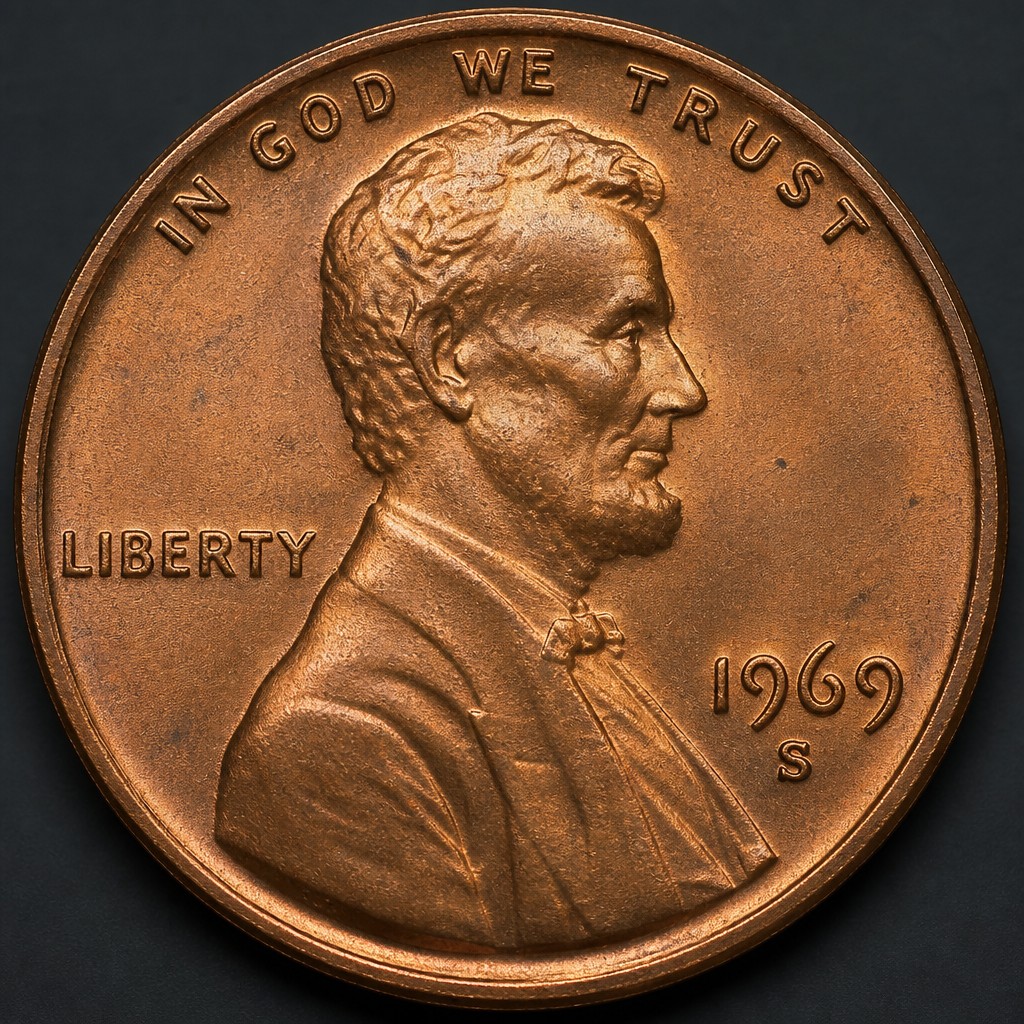
1969-S Doubled Die Obverse Lincoln Cent
1969
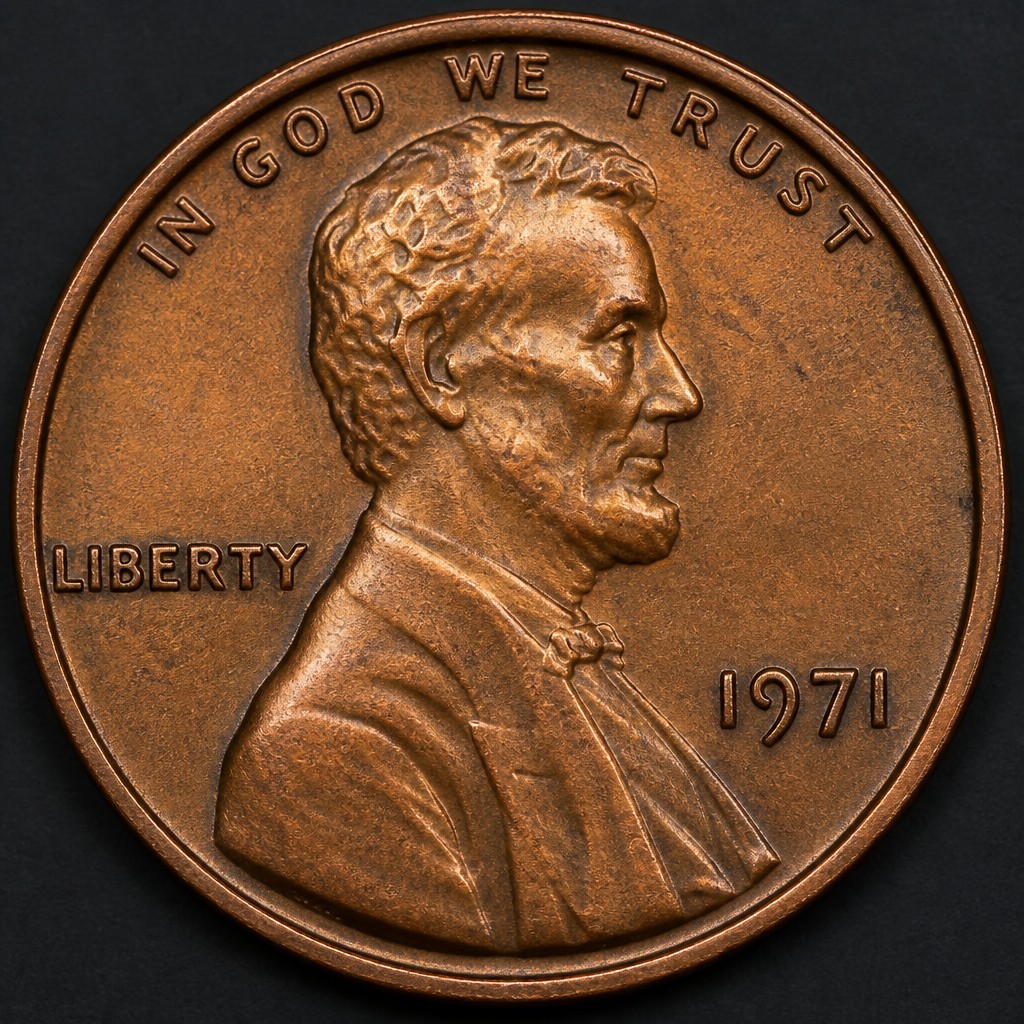
1971 Doubled Die Obverse Lincoln Cent
1971
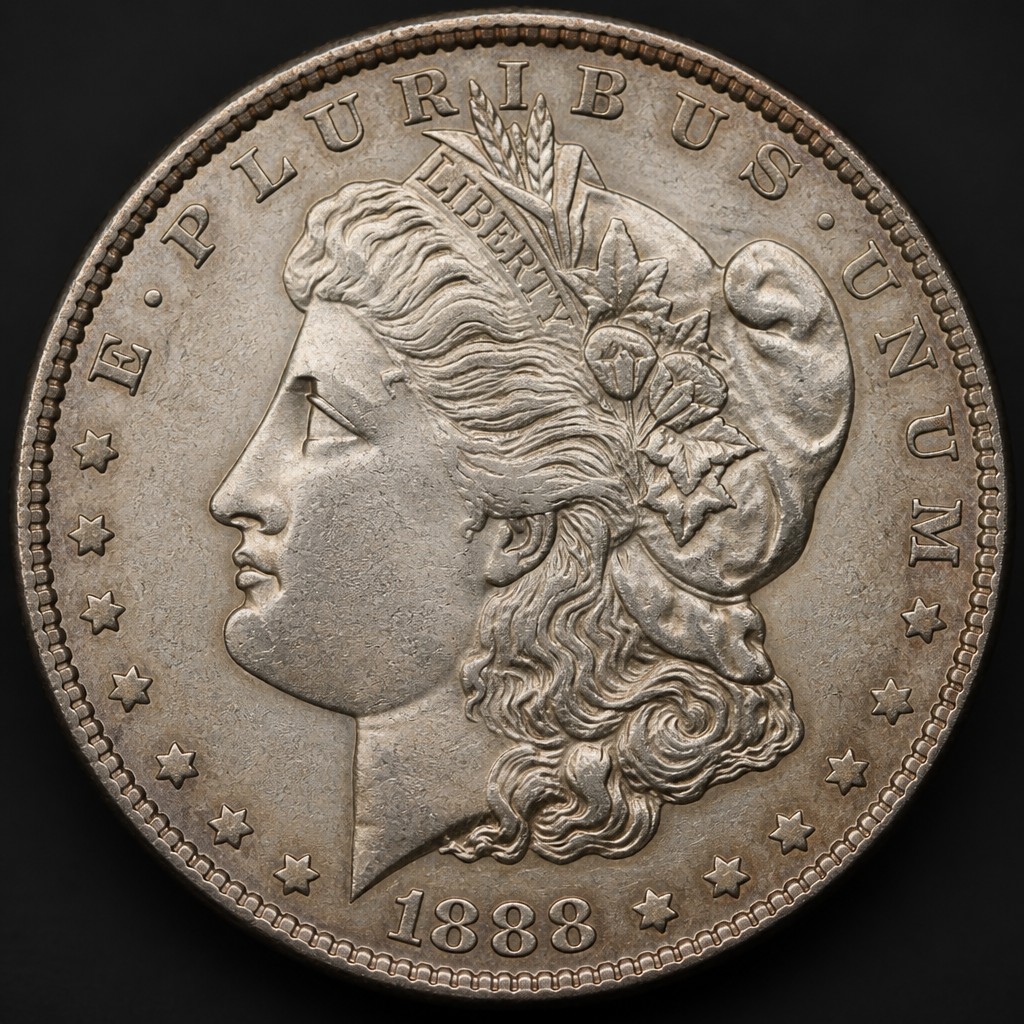
1888/7 Morgan Dollar Overdate
1888
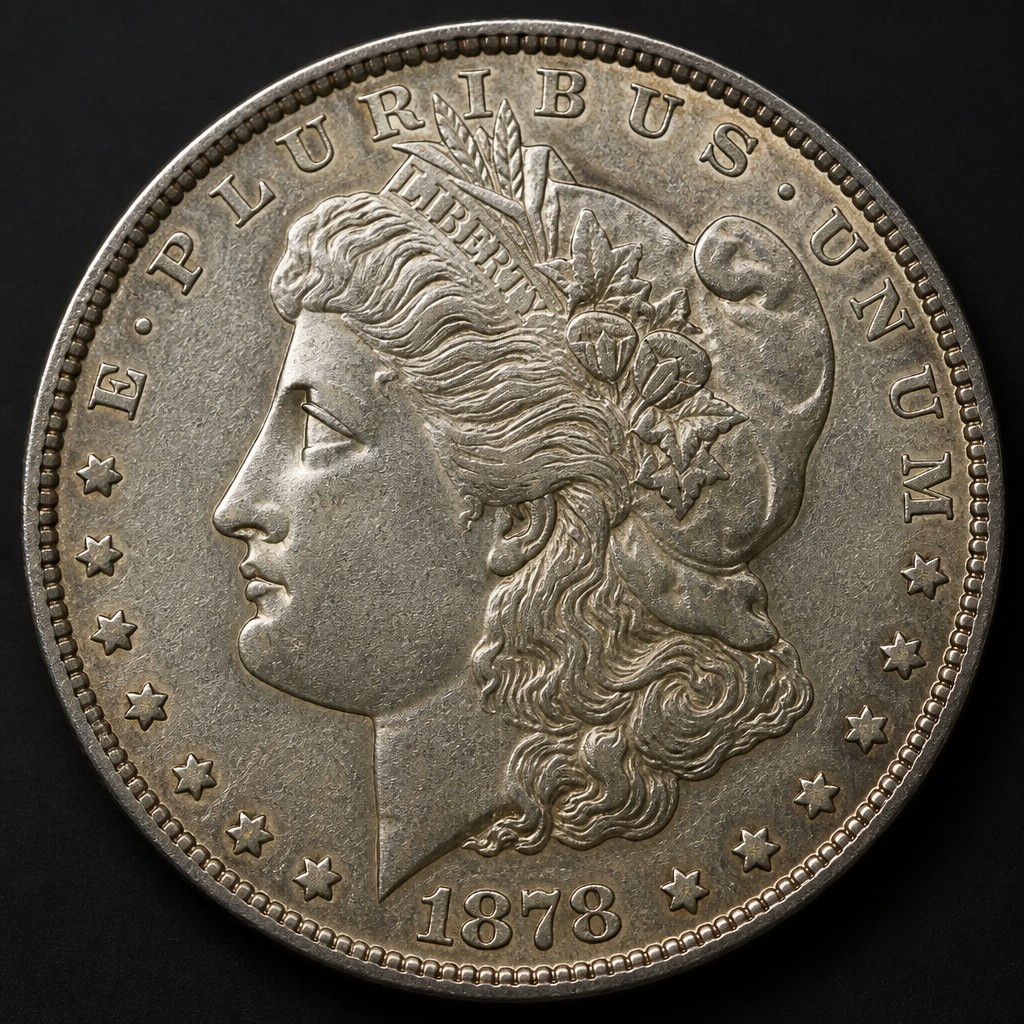
1878 7/8 Tail Feathers Morgan Dollar
1878
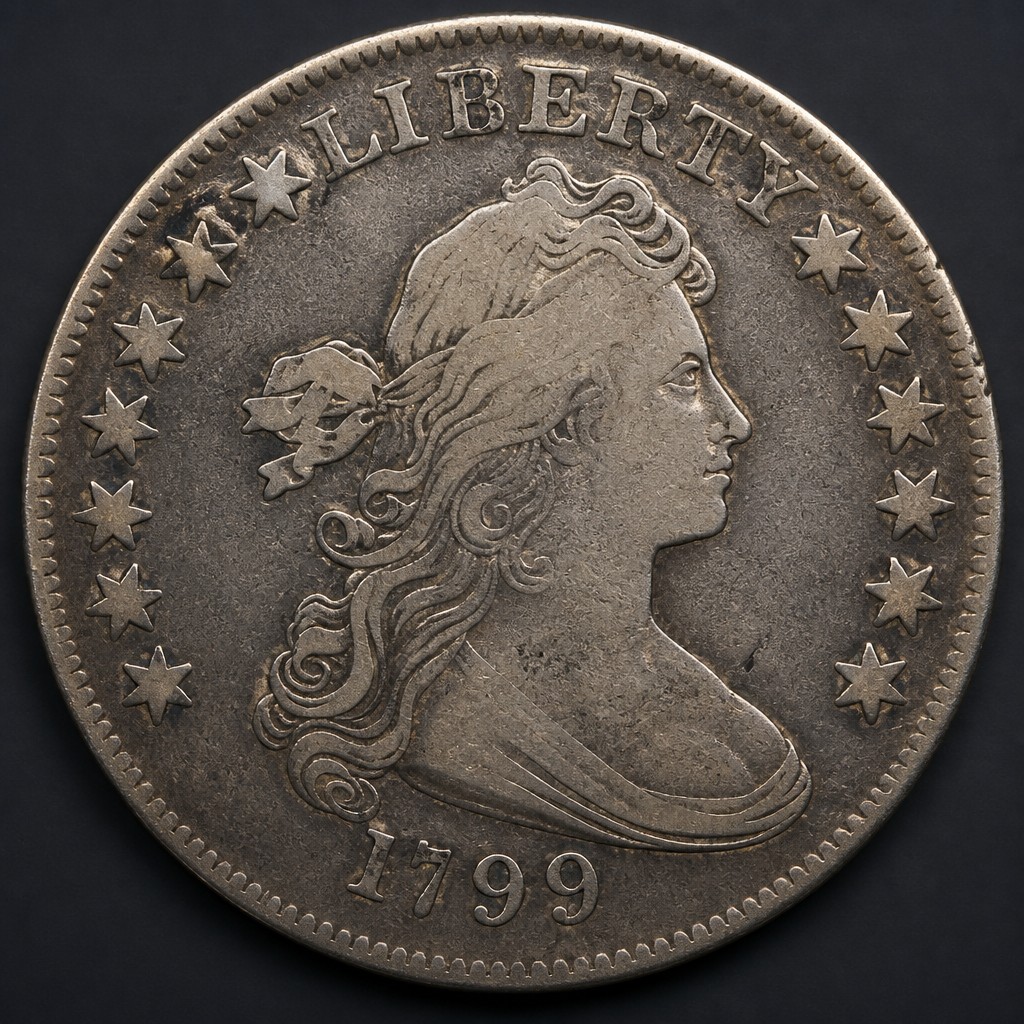
1799/8 Draped Bust Silver Dollar Overdate
1799 (die dated over 1798)
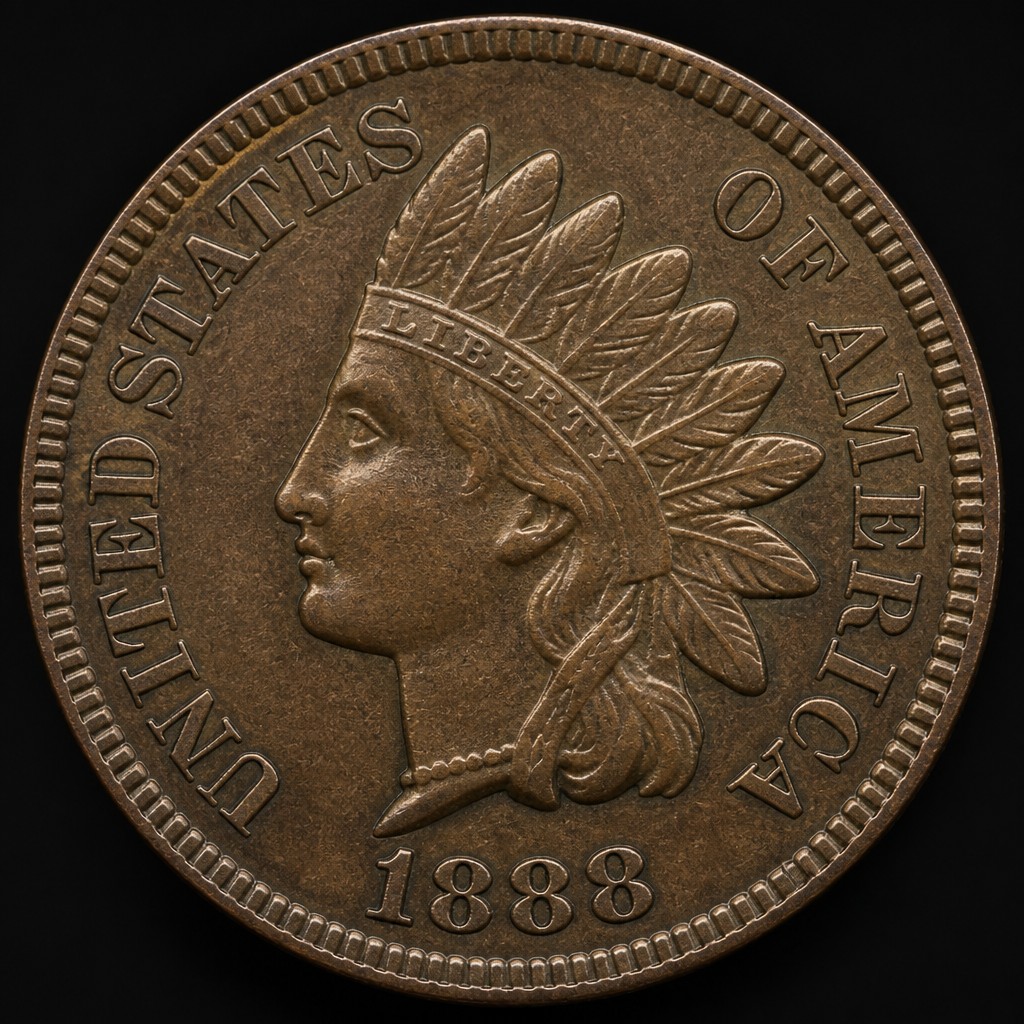
1888/7 Indian Head Cent Overdate
1888
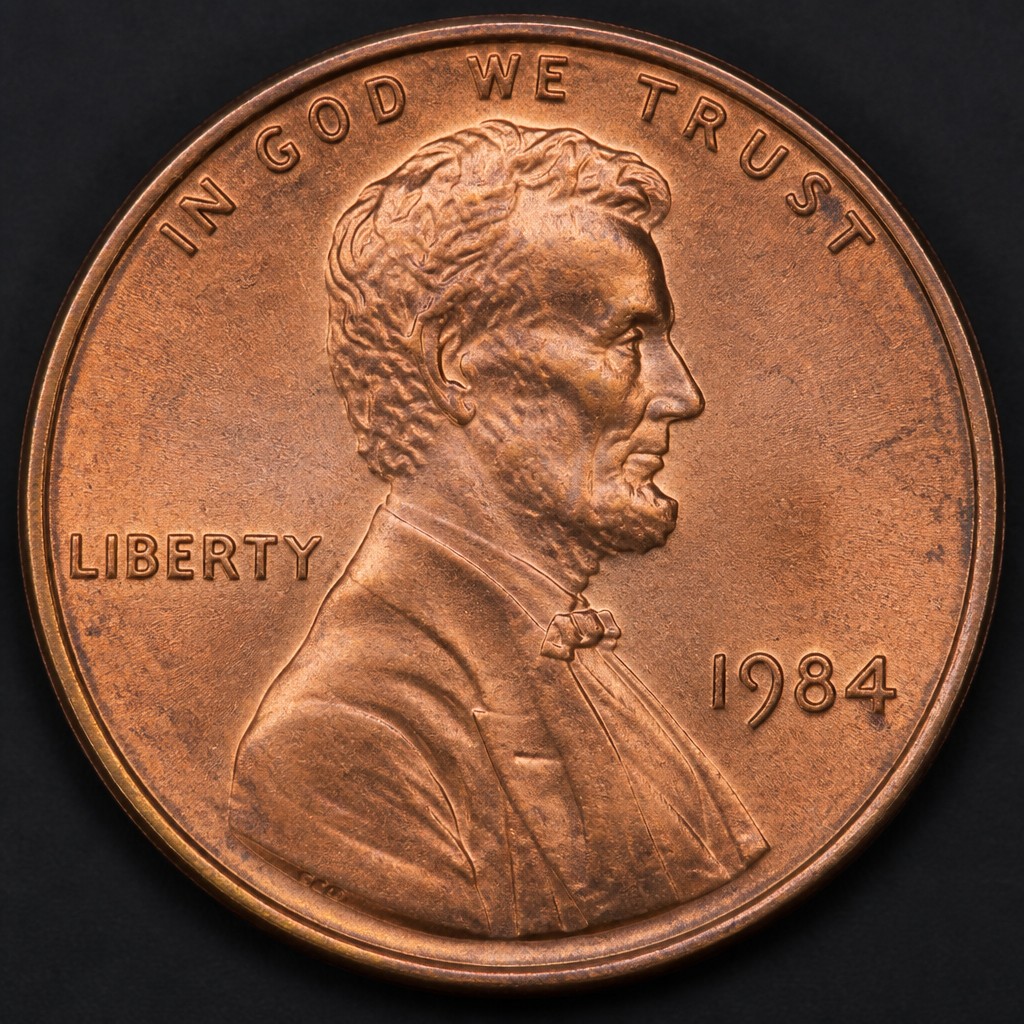
1984 Doubled Ear Lincoln Cent
1984
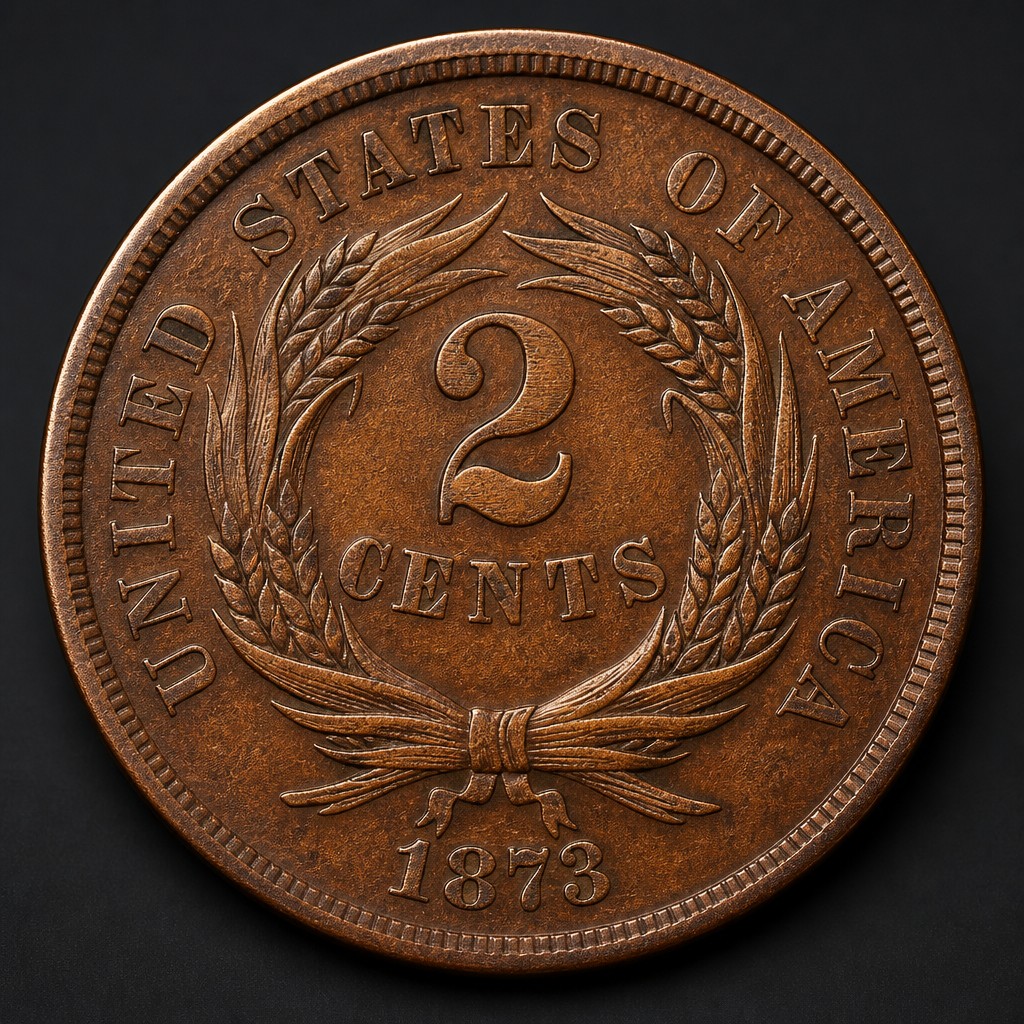
1873 Doubled Die Two-Cent Piece
1873
1983 Doubled Die Reverse Lincoln Cent
1983