
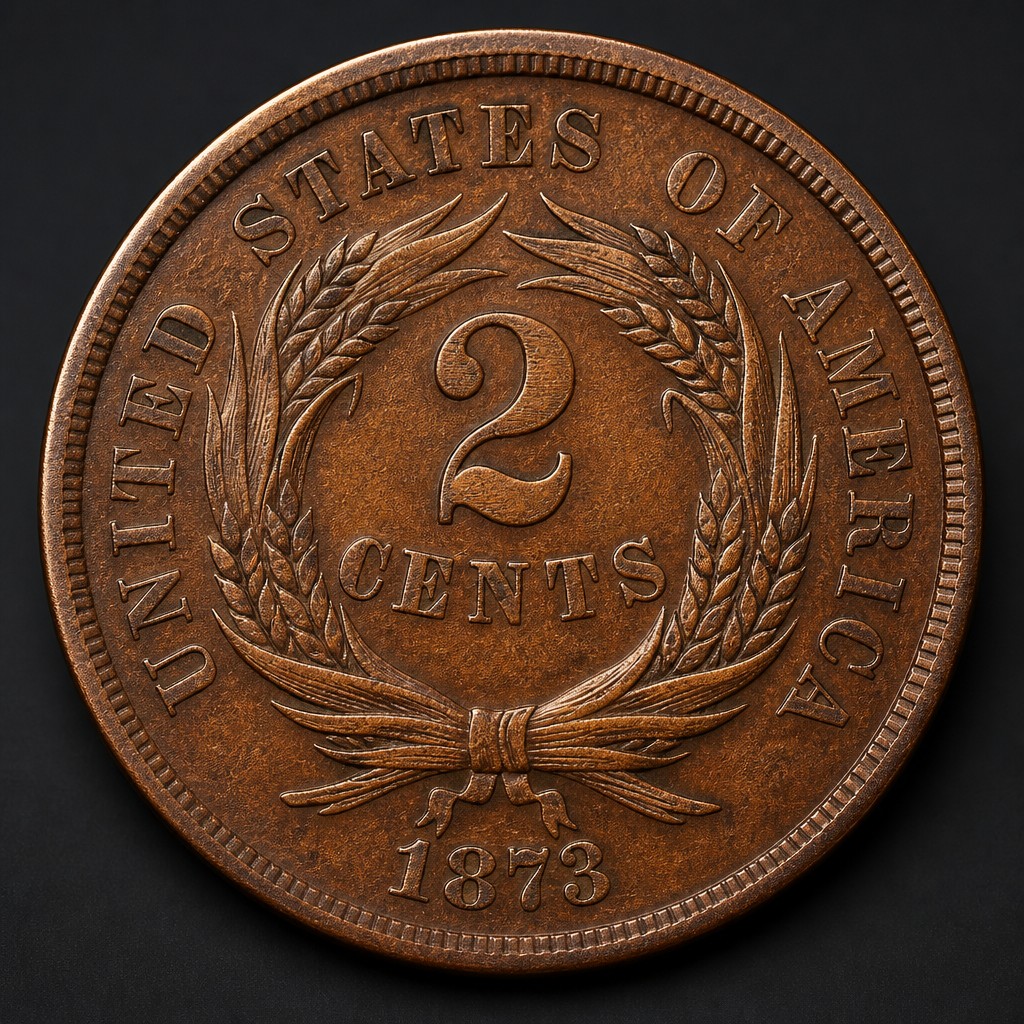
1873 Doubled Die Two-Cent Piece
A doubled die variety from the final year of the short-lived two-cent piece, showing noticeable doubling in the date or lettering caused by a die hubbing misalignment.
- Country
- United States
- Denomination
- 2 cents
- Metal
- 95% copper, 5% tin and zinc
Got a coin like this?
Identify any coin from a photo, free.
Overview
The two-cent piece was struck only from 1864 to 1873, and by its final year the denomination was produced almost exclusively in proof format for collectors, since demand for circulating two-cent coins had largely evaporated with the rise of the nickel three-cent piece and Shield nickel. Among the 1873 issues, doubled die varieties exist where the working die received a misaligned second impression from the hub during preparation, producing visible doubling on design elements such as the date or motto.
Because 1873 two-cent pieces were struck in very limited numbers to begin with, any doubled die variety from this final year is inherently scarce, appealing to specialists who focus on both the two-cent series and doubled die errors more broadly.
Collectors interested in this variety typically already own a type example of the two-cent piece and are seeking to complete a more advanced die-variety set, since the coin is not a mainstream target for casual collectors.
History & Background
The two-cent piece was authorized in 1864, notable as the first U.S. coin to bear the motto IN GOD WE TRUST, designed by James B. Longacre. Struck in a bronze alloy, it filled a gap in small-denomination coinage during the Civil War era when silver and gold coins had largely vanished from circulation due to hoarding.
By the early 1870s, the denomination had become largely redundant alongside the nickel three-cent piece and Shield nickel, and mintages dropped sharply; the final year, 1873, saw only proof coins struck for collectors, in both "closed 3" and "open 3" date logotype varieties. Doubled die varieties from this final year arose from the same die-preparation process used throughout the series, where a working die received more than one hubbing impression that was not perfectly aligned.
The two-cent piece was formally discontinued after 1873, its role effectively absorbed into the broader system of minor coinage, and doubled die and other die varieties from this closing year have since become a specialized area of interest for advanced Civil War-era coin collectors.
How to Identify
The obverse shows a shield with crossed arrows below and a scroll bearing IN GOD WE TRUST above, with the date at the bottom. The reverse displays the denomination 2 CENTS within a wheat wreath, with UNITED STATES OF AMERICA around the border.
On the doubled die variety, look for noticeable doubling in the date numerals or in the lettering of the motto, best seen under magnification comparing the thickness and separation of the digits or letters to a normal, non-doubled 1873 example.
The coin is struck in the standard bronze alloy used throughout the two-cent series, with a diameter of 23mm and a plain edge. Since virtually all 1873 two-cent pieces were struck as proofs, examples typically show sharp details and mirrored fields, which can help distinguish genuine doubling from simple strike softness.
Collectors should also check whether their coin is the open 3 or closed 3 date style, as these are separate, well-documented varieties distinct from any doubled die doubling, and both attributes may be relevant to properly identifying a specific coin.
Value & Collectibility
As a variety of an already scarce final-year proof-only issue, the 1873 doubled die two-cent piece commands a premium over a standard 1873 two-cent piece, with pricing driven heavily by the strength and clarity of the doubling as well as overall proof quality and eye appeal.
Base 1873 two-cent pieces themselves are not inexpensive given their low original mintage, and doubled die examples in problem-free condition can bring meaningfully more, particularly when certified and attributed by a recognized grading or variety-attribution service.
As with most proof coinage from this era, cleaning, hairlines, or spotting can significantly reduce value, so originality of surfaces is an important factor alongside the doubling itself when assessing a given example.
Frequently asked questions
Why is the 1873 two-cent piece special?
It was the final year of the two-cent denomination, and virtually all examples were struck as proof coins rather than for general circulation.
What does doubled die mean here?
It refers to visible doubling in design elements, such as the date, caused by a misaligned second hub impression during the die-making process, not from post-mint damage.
Is this the same as the open 3 versus closed 3 varieties?
No, those refer to a different design detail in the date's final digit and are a separate, well-known variety from any doubled die doubling.
Are all 1873 two-cent pieces proofs?
The vast majority are proofs, since general circulation strikes had effectively ceased by that final year, though this can vary by specific date logotype.
Other coins you may enjoy
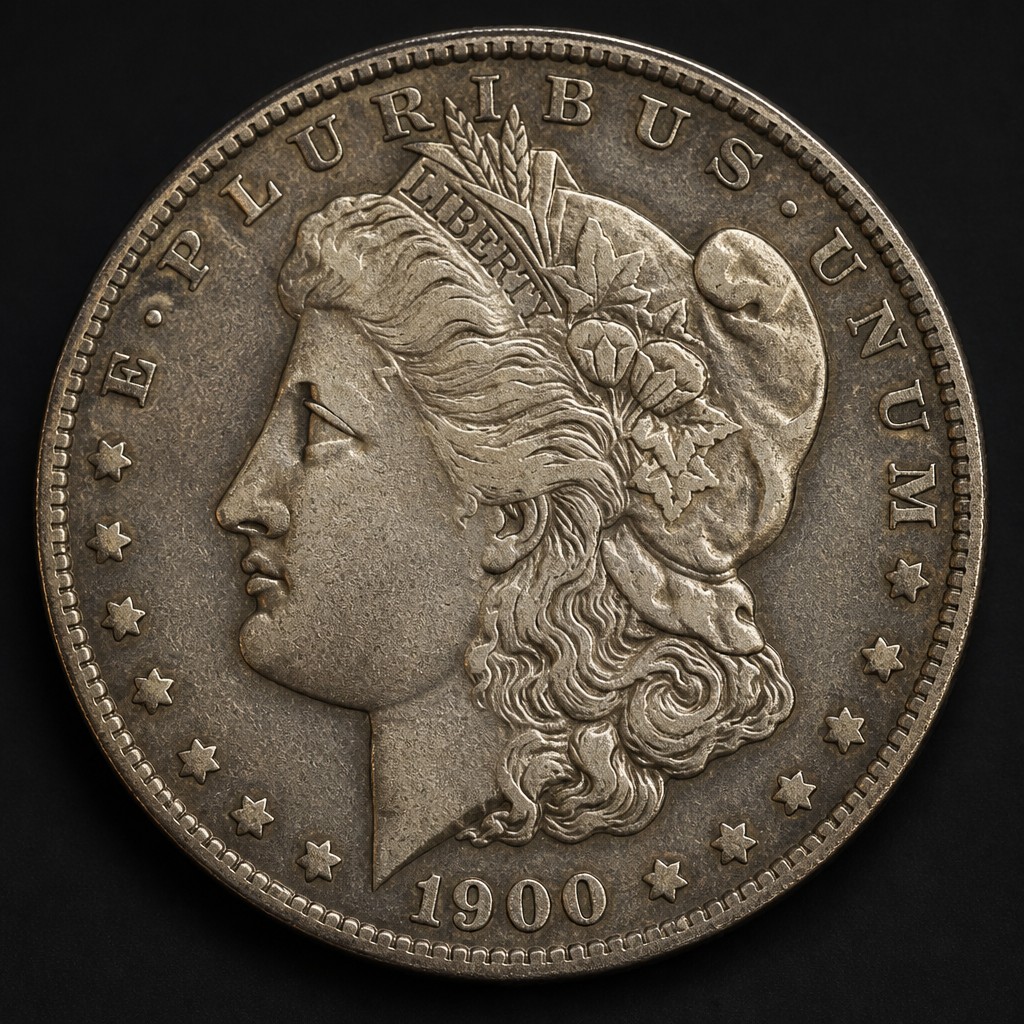
1900-O/CC Morgan Dollar
1900
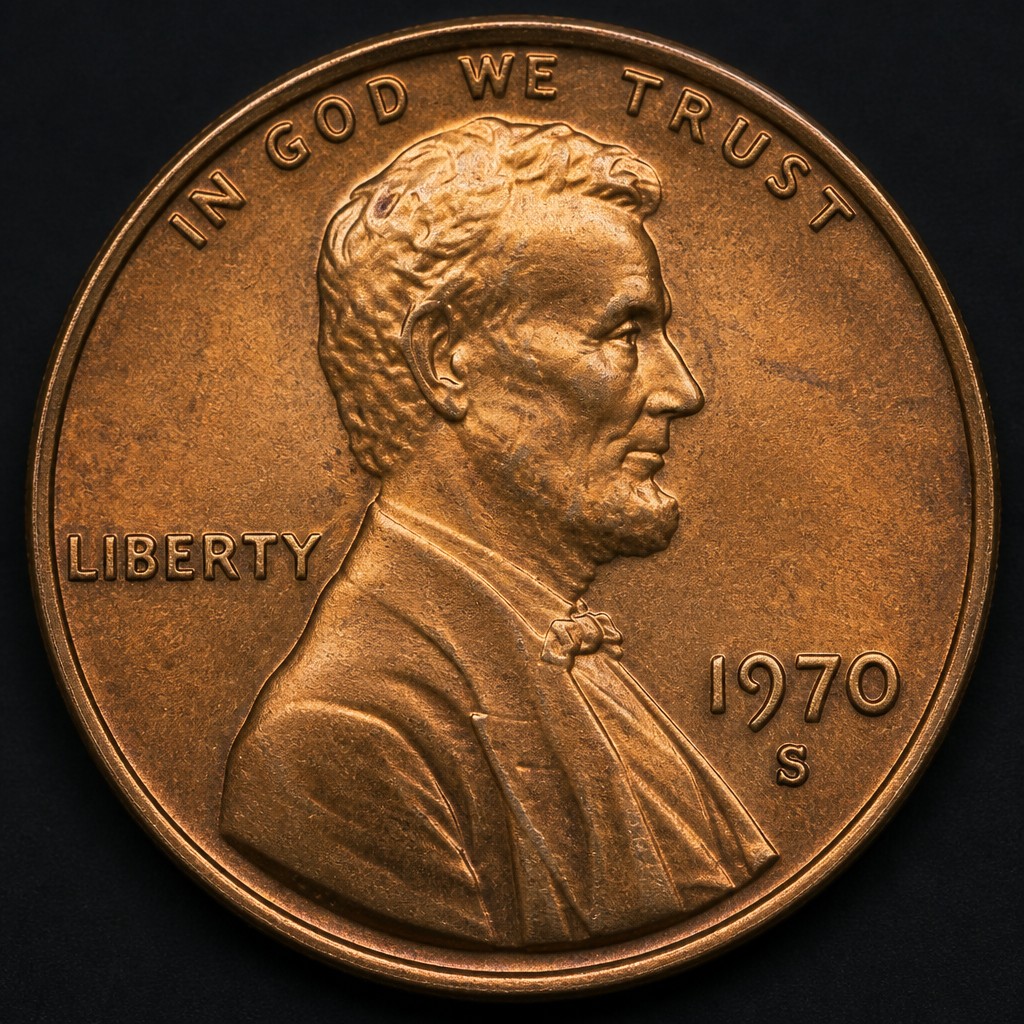
1970-S Small Date Lincoln Cent
1970
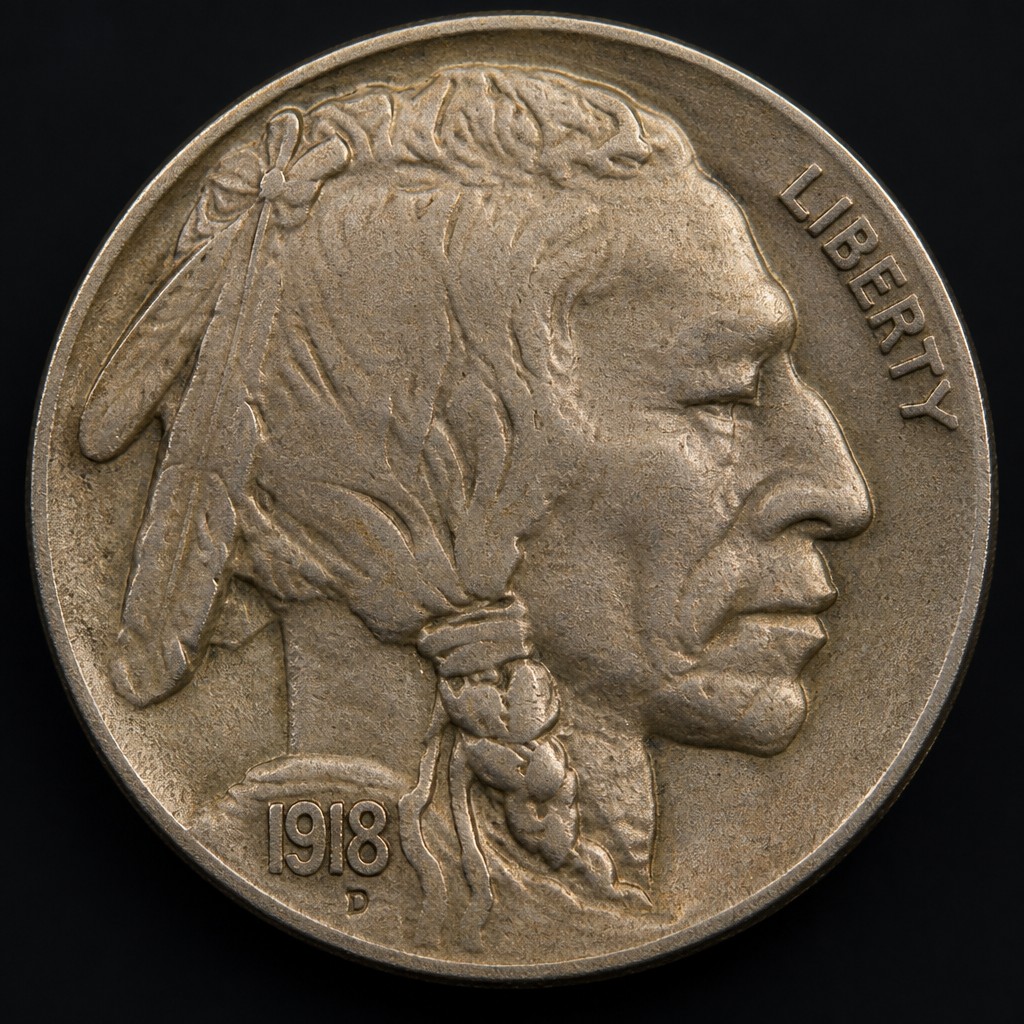
1918/7-D Buffalo Nickel
1918
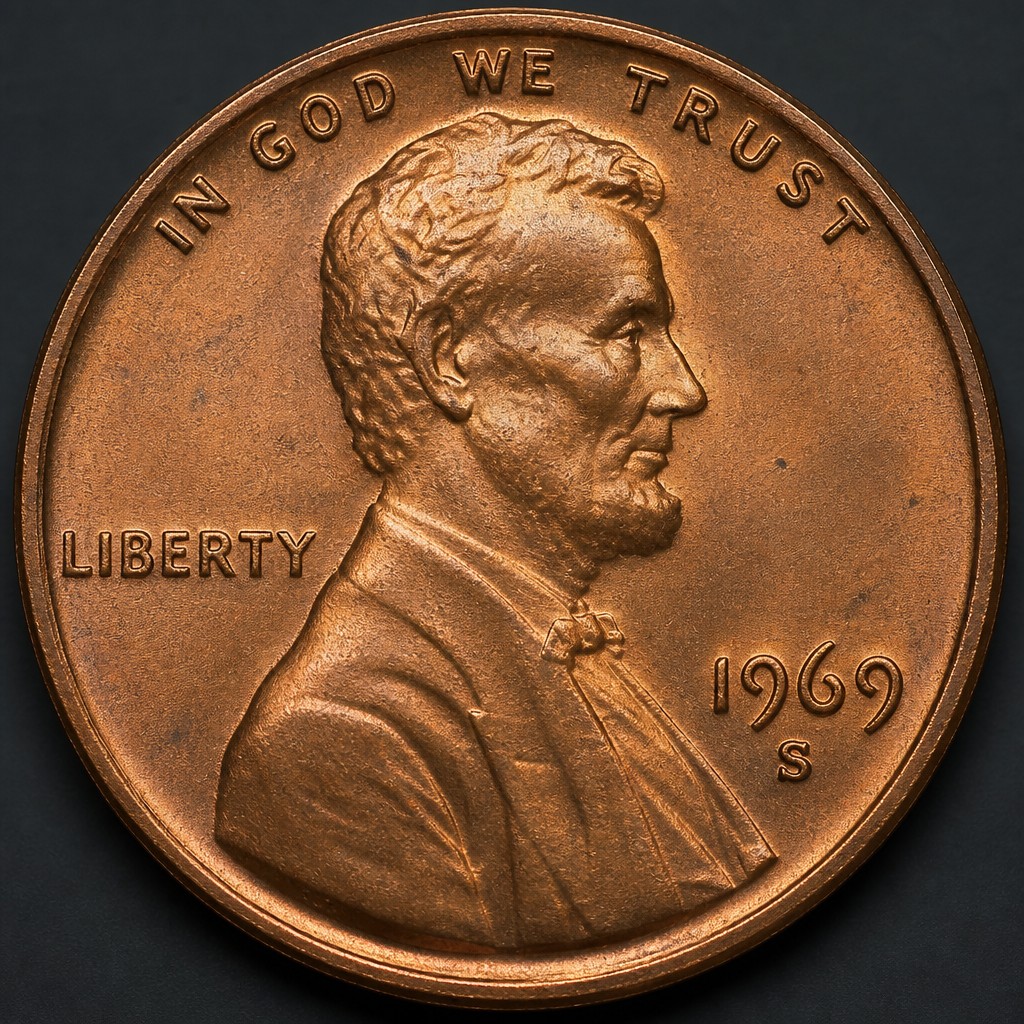
1969-S Doubled Die Obverse Lincoln Cent
1969
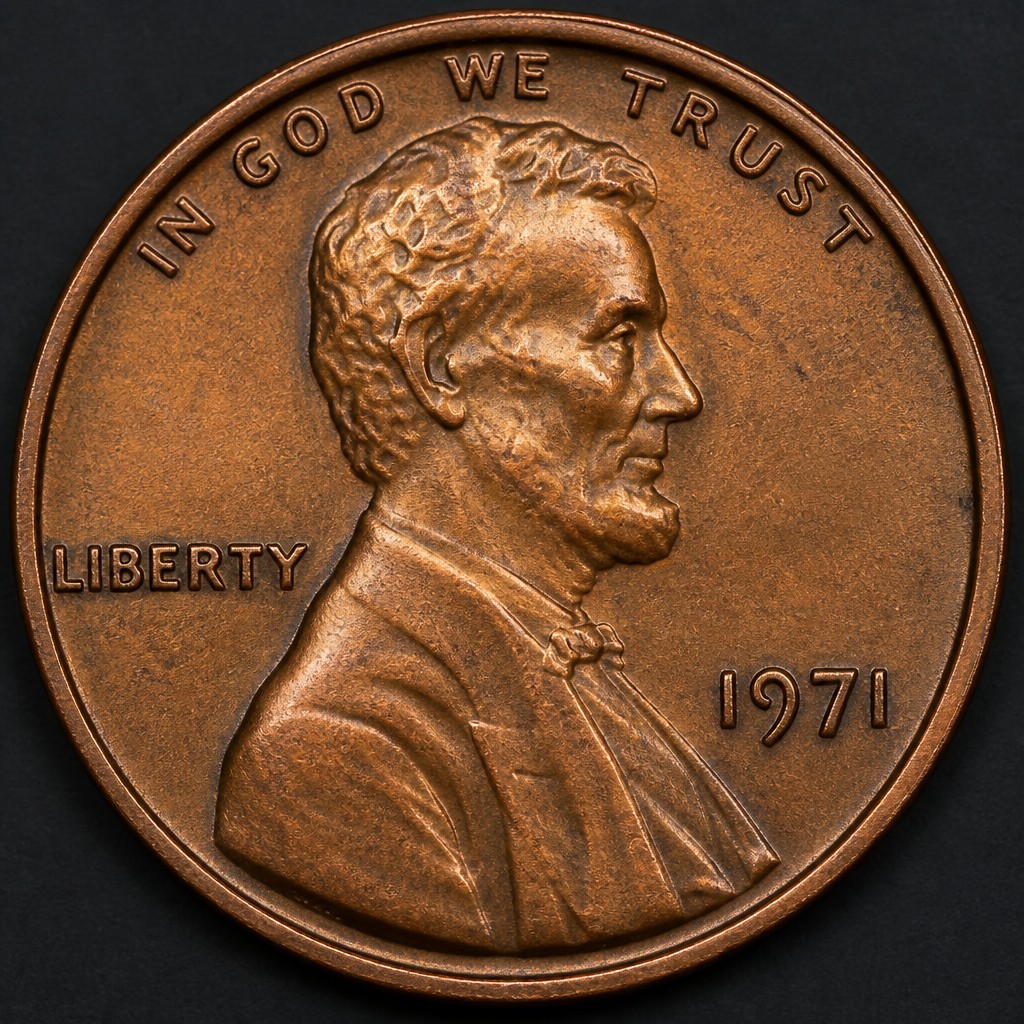
1971 Doubled Die Obverse Lincoln Cent
1971
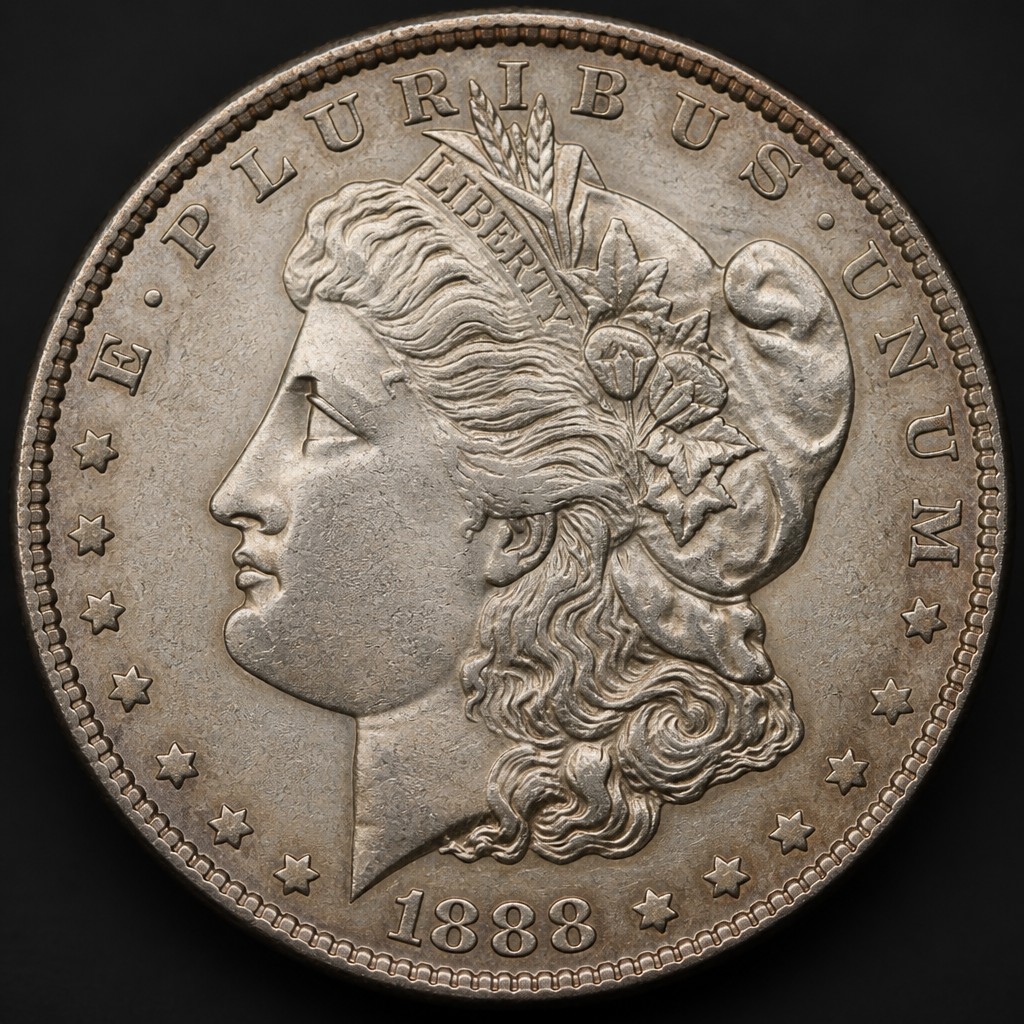
1888/7 Morgan Dollar Overdate
1888
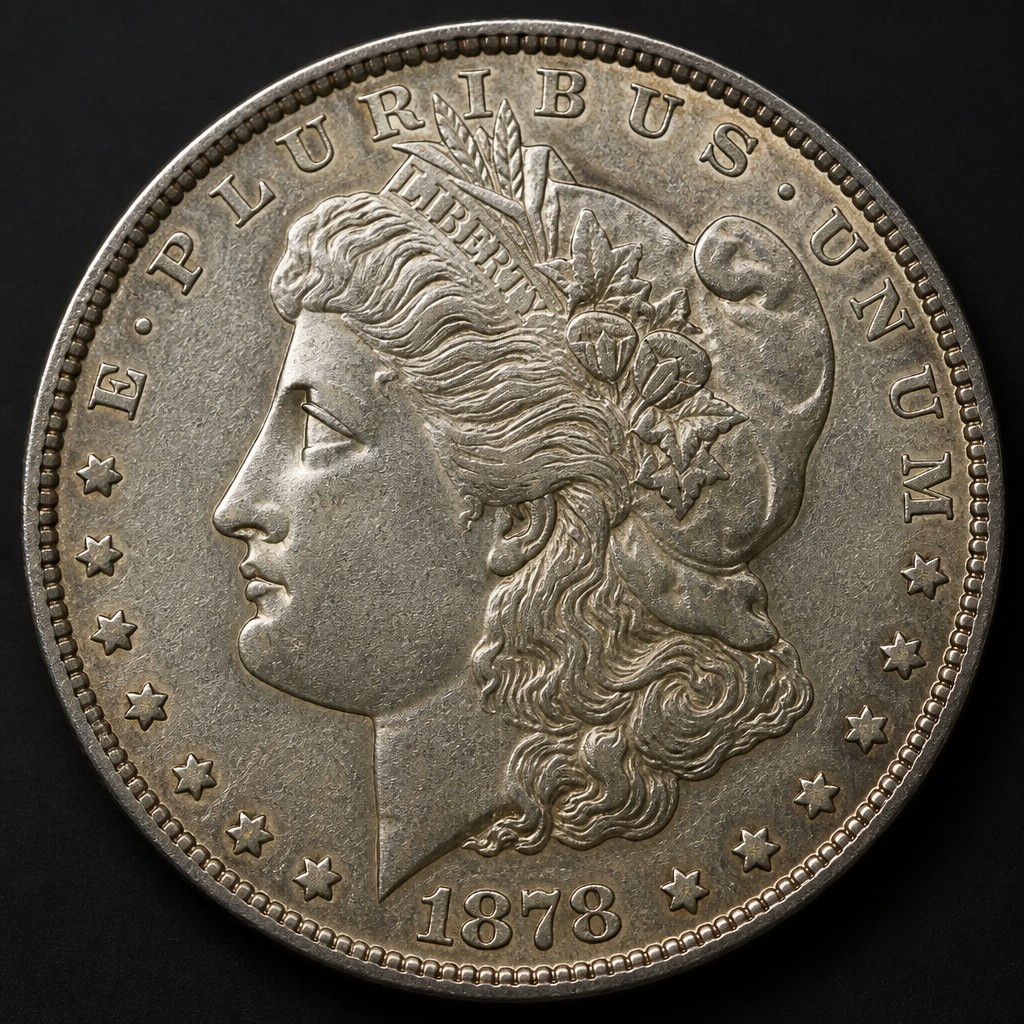
1878 7/8 Tail Feathers Morgan Dollar
1878
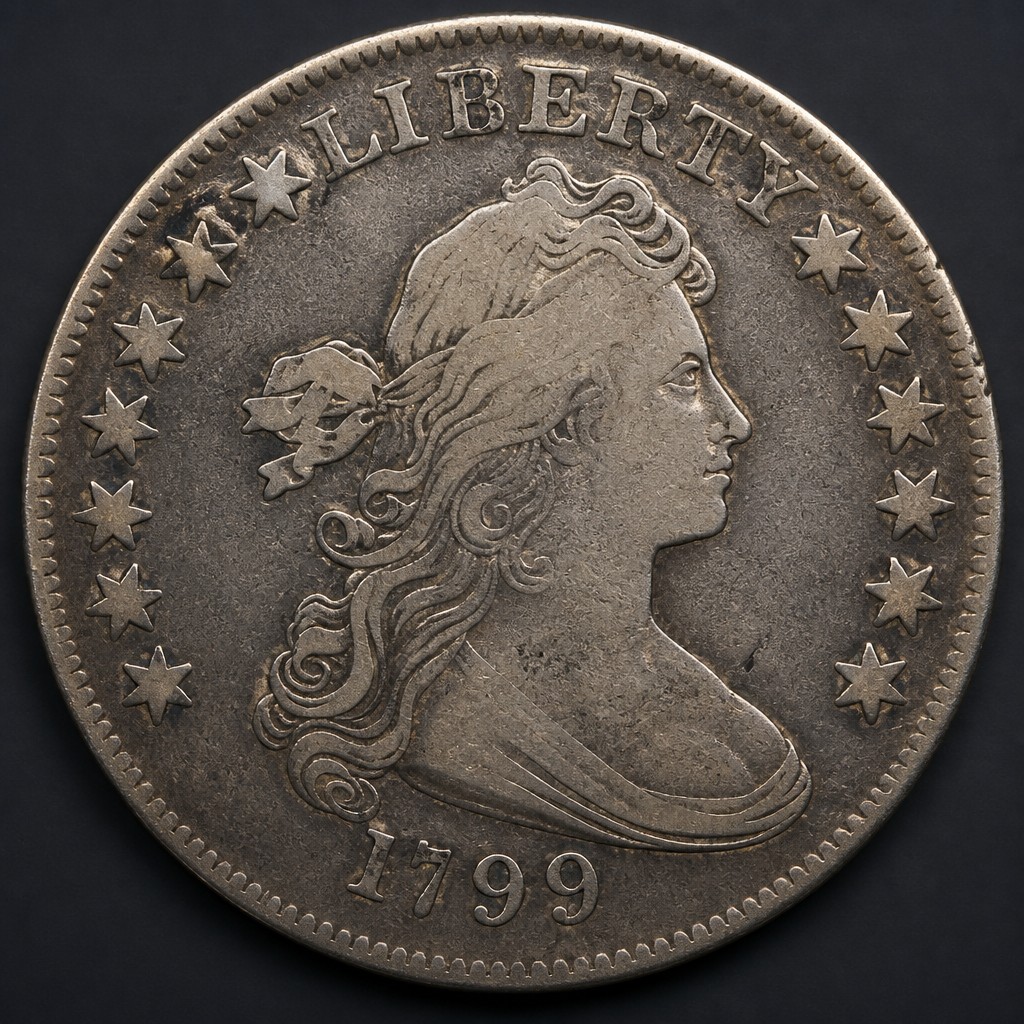
1799/8 Draped Bust Silver Dollar Overdate
1799 (die dated over 1798)
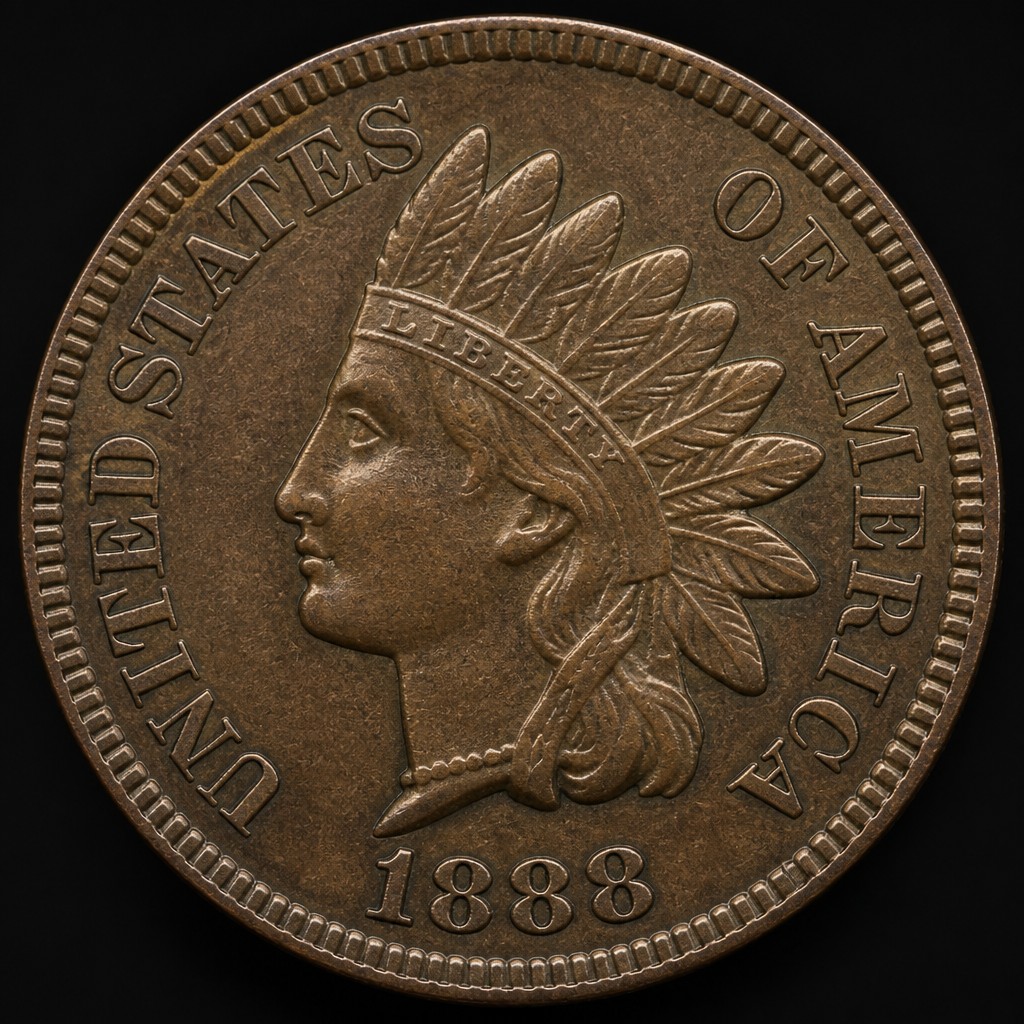
1888/7 Indian Head Cent Overdate
1888
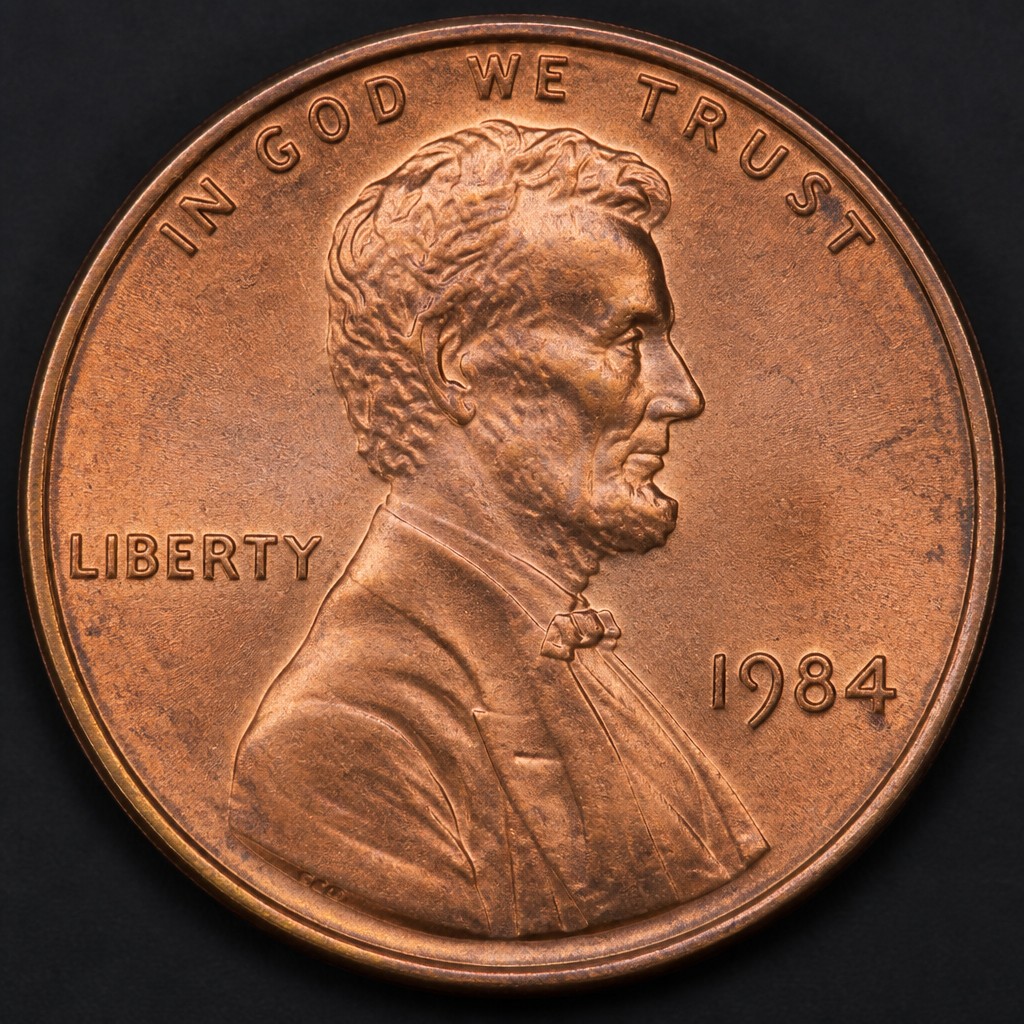
1984 Doubled Ear Lincoln Cent
1984
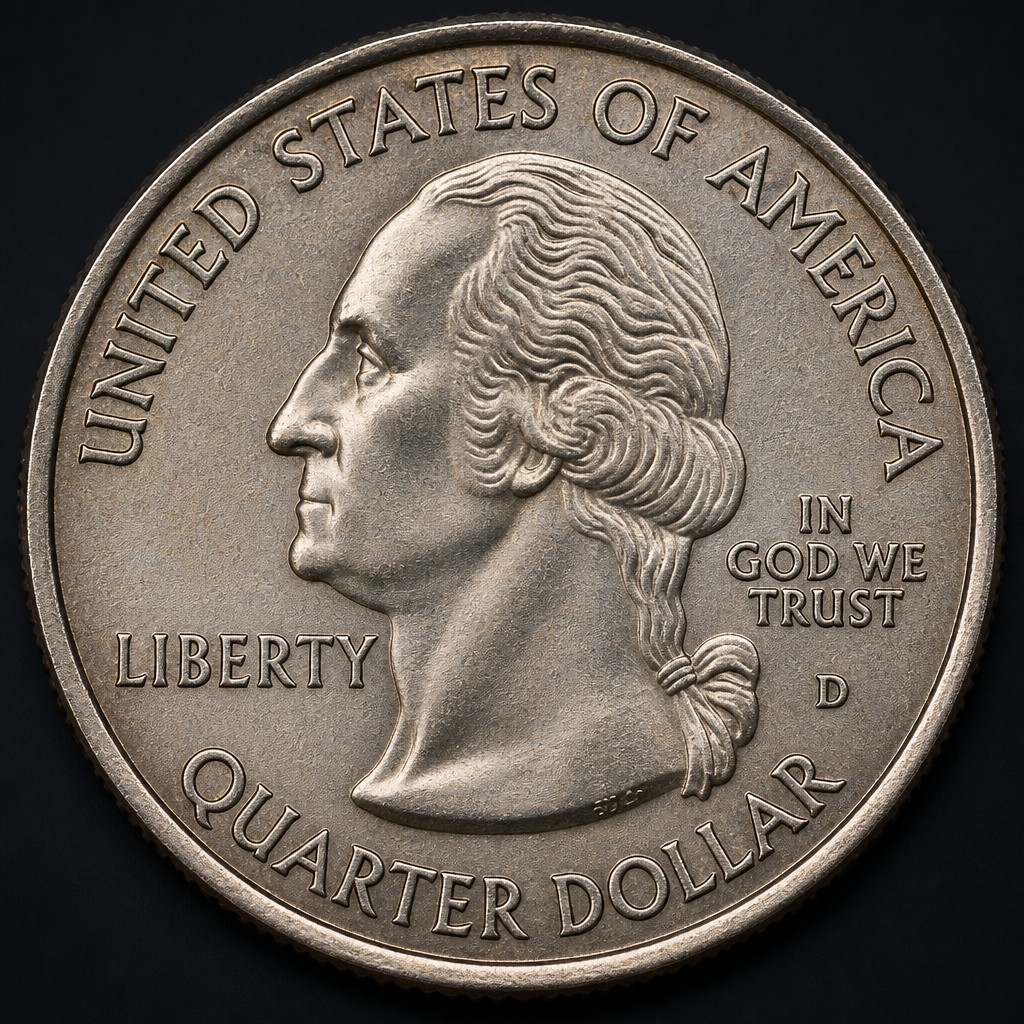
2004-D Wisconsin State Quarter Extra Leaf
2004
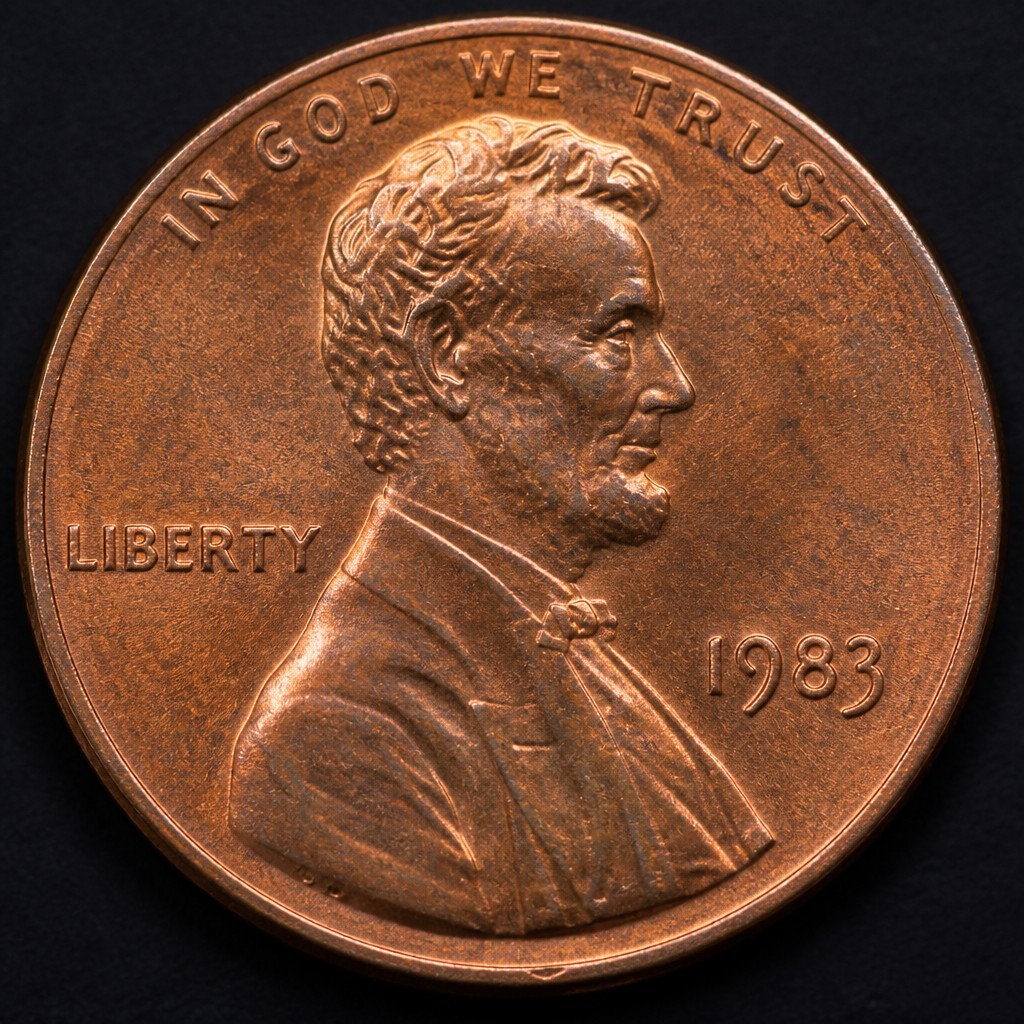
1983 Doubled Die Reverse Lincoln Cent
1983