
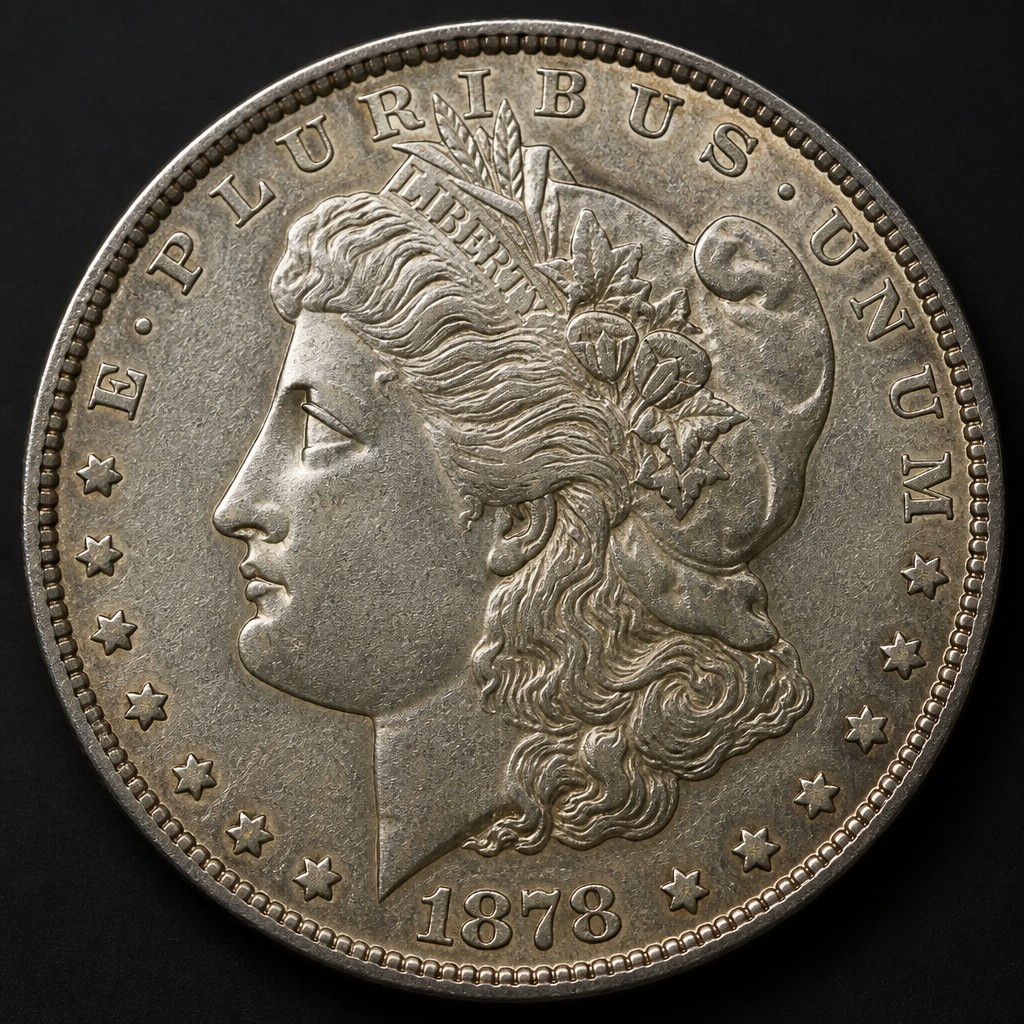
1878 7/8 Tail Feathers Morgan Dollar
A famous first-year Morgan dollar variety showing an eagle with 7 tail feathers struck over an earlier 8-feather design, resulting from a mid-year design revision by chief engraver George T. Morgan.
- Country
- United States
- Denomination
- 1 dollar
- Metal
- 90% silver, 10% copper
Got a coin like this?
Identify any coin from a photo, free.
Overview
The 1878 7/8 tail feathers Morgan dollar is one of the most celebrated die varieties in the entire Morgan dollar series, arising during the coin's very first year of production when the design's reverse eagle was revised partway through 1878. Early dies depicted the eagle with eight tail feathers, but this was changed to seven feathers to better match live eagle anatomy and improve die longevity, and in the transition some dies were reworked from the eight-feather design to the seven-feather design, leaving remnants of the original eighth feather visible beneath the revised design.
This variety is distinct from the simpler 7 tail feathers and 8 tail feathers varieties that exist as separate, non-overlapping designs; the 7/8 variety specifically shows evidence of both feather counts on the same coin, a hallmark of a reworked die rather than a simple design change between two mintages.
As the first year of the immensely popular Morgan dollar series, 1878 issues attract strong collector interest generally, and the 7/8 tail feathers variety in particular is one of the most actively sought first-year Morgan dollar varieties, appealing to both dedicated VAM specialists and general Morgan dollar type collectors.
History & Background
The Morgan dollar was introduced in 1878 following passage of the Bland-Allison Act, which mandated the purchase and coinage of large quantities of silver, designed by George T. Morgan, an English-born engraver who had joined the U.S. Mint. Morgan's original reverse design depicted the eagle with eight tail feathers, but this was quickly revised to seven feathers, a change generally attributed to concerns about accurately depicting eagle anatomy as well as improving the coin's overall design balance.
During the transition, rather than discarding partially prepared eight-feather dies, Mint engravers reworked some of them directly into the new seven-feather design, a process that left visible remnants of the original eighth feather beneath the revised feathers, creating the 7/8 tail feathers hybrid variety recognized today.
Because this all occurred within the series' inaugural year, the 7/8 tail feathers variety has become one of the most historically significant and widely studied Morgan dollar varieties, frequently cited as a textbook example of a design-transition die variety in American numismatic literature.
How to Identify
The obverse shows Liberty facing left wearing a coronet inscribed LIBERTY, surrounded by stars, with the date 1878 below. The reverse depicts an eagle with wings spread, holding arrows and an olive branch, encircled by a wreath, with the denomination and UNITED STATES OF AMERICA around the border.
On the 7/8 tail feathers variety, examine the eagle's tail closely for faint traces of an extra, eighth feather tip visible beneath or between the seven main feathers, best seen under magnification and strong raking light; this differs from the plain 8 tail feathers variety, which shows a fully realized eight-feather design with no reworking evident, and from the plain 7 tail feathers variety, which shows a clean seven-feather design with no remnant traces.
The coin is struck in standard 90% silver, 10% copper alloy, 38.1mm diameter, with a reeded edge, and was struck at the Philadelphia Mint in 1878, so no mintmark is present on genuine examples of this particular variety.
Because the differences between the three related feather varieties (8 TF, 7 TF, and 7/8 TF) can be subtle, collectors should compare their coin carefully against reference images specific to the 7/8 hybrid variety rather than assuming any 1878 dollar with feather-count ambiguity is automatically the rarer overlapping type.
Value & Collectibility
The 1878 7/8 tail feathers variety commands a solid premium over both the plain 7 tail feathers and 8 tail feathers varieties in most grades, reflecting its status as a recognized transitional die variety with strong demand from Morgan dollar collectors of all levels, not just VAM specialists.
Pricing varies with the strength of the visible extra feather, overall strike quality, and grade, with circulated examples generally affordable and choice to gem uncirculated pieces commanding meaningfully higher prices at auction and through dealers.
As with all Morgan dollars, luster, absence of heavy bag marks, and original, unretoned surfaces substantially affect desirability, and buyers should favor certified, variety-attributed examples from major grading services when paying a premium for this specific type.
Frequently asked questions
What does 7/8 tail feathers mean?
It refers to an eagle reverse design where an original eight-feather die was reworked into the revised seven-feather design, leaving faint traces of the extra feather visible beneath the final design.
How is this different from the plain 8 tail feathers variety?
The plain 8 tail feathers coin shows a complete, unaltered eight-feather design, while the 7/8 variety shows a reworked die with remnants of the eighth feather visible beneath a seven-feather design.
Why did the design change during 1878?
The Mint revised the eagle's tail feather count from eight to seven, generally attributed to concerns about design accuracy and balance shortly after the series launched.
Is this a rare Morgan dollar?
It is scarcer and more sought after than common 1878 Morgan dollars, and it commands a solid premium, though it is well enough known and available that most collectors can obtain an example without extraordinary difficulty.
Other coins you may enjoy
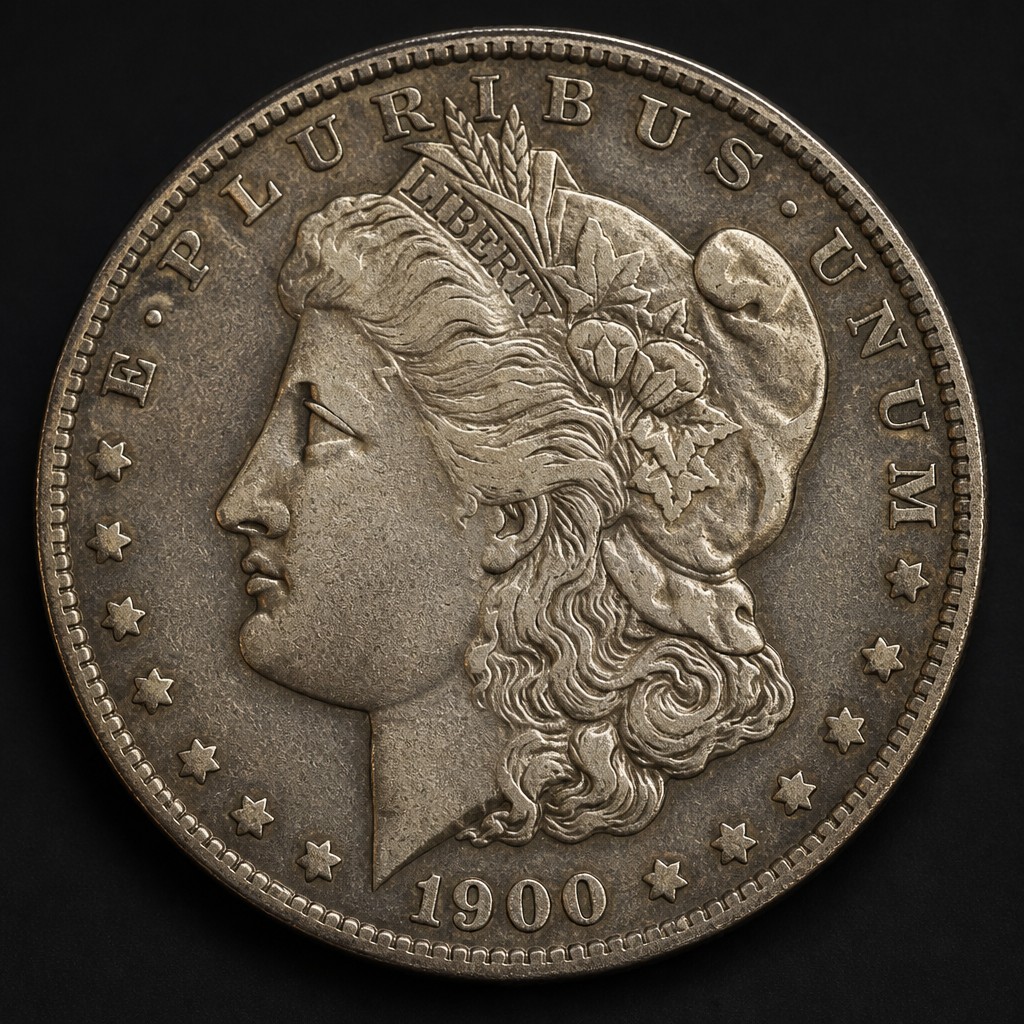
1900-O/CC Morgan Dollar
1900
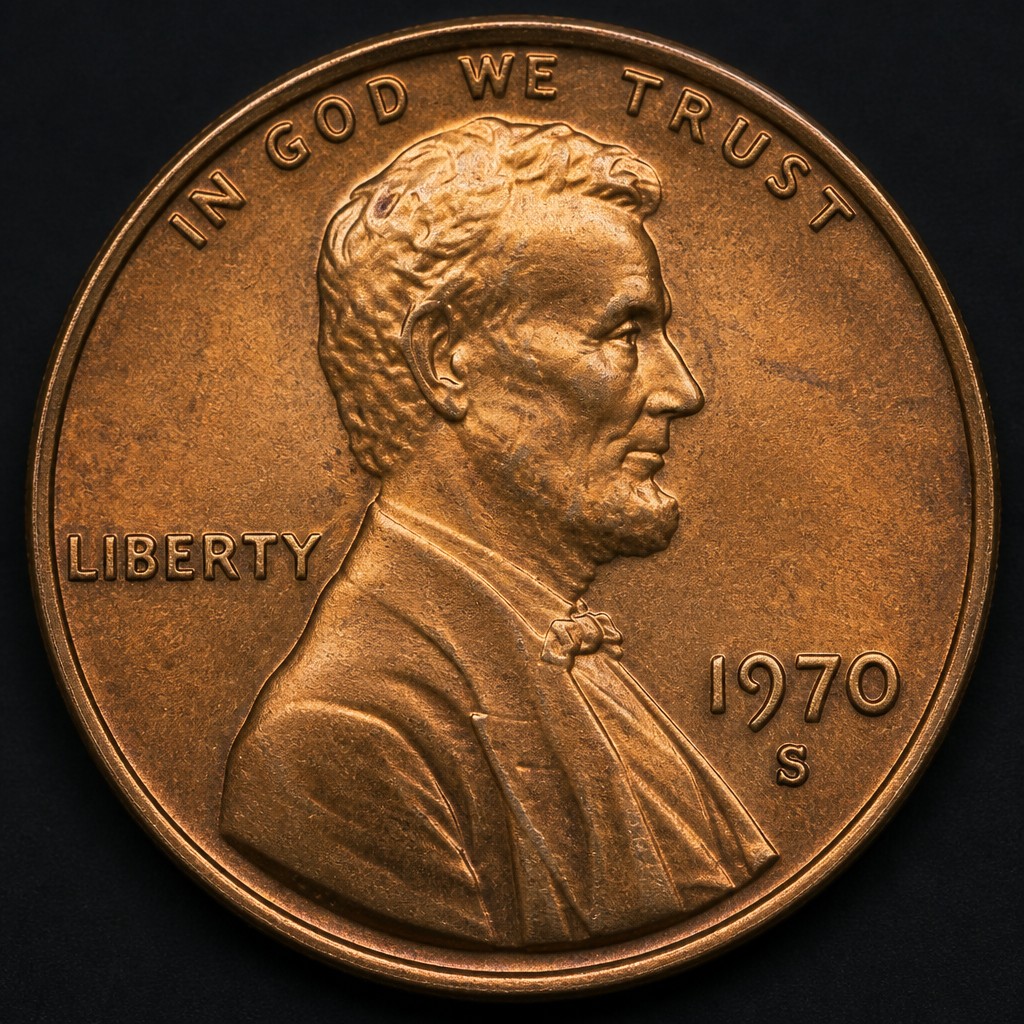
1970-S Small Date Lincoln Cent
1970
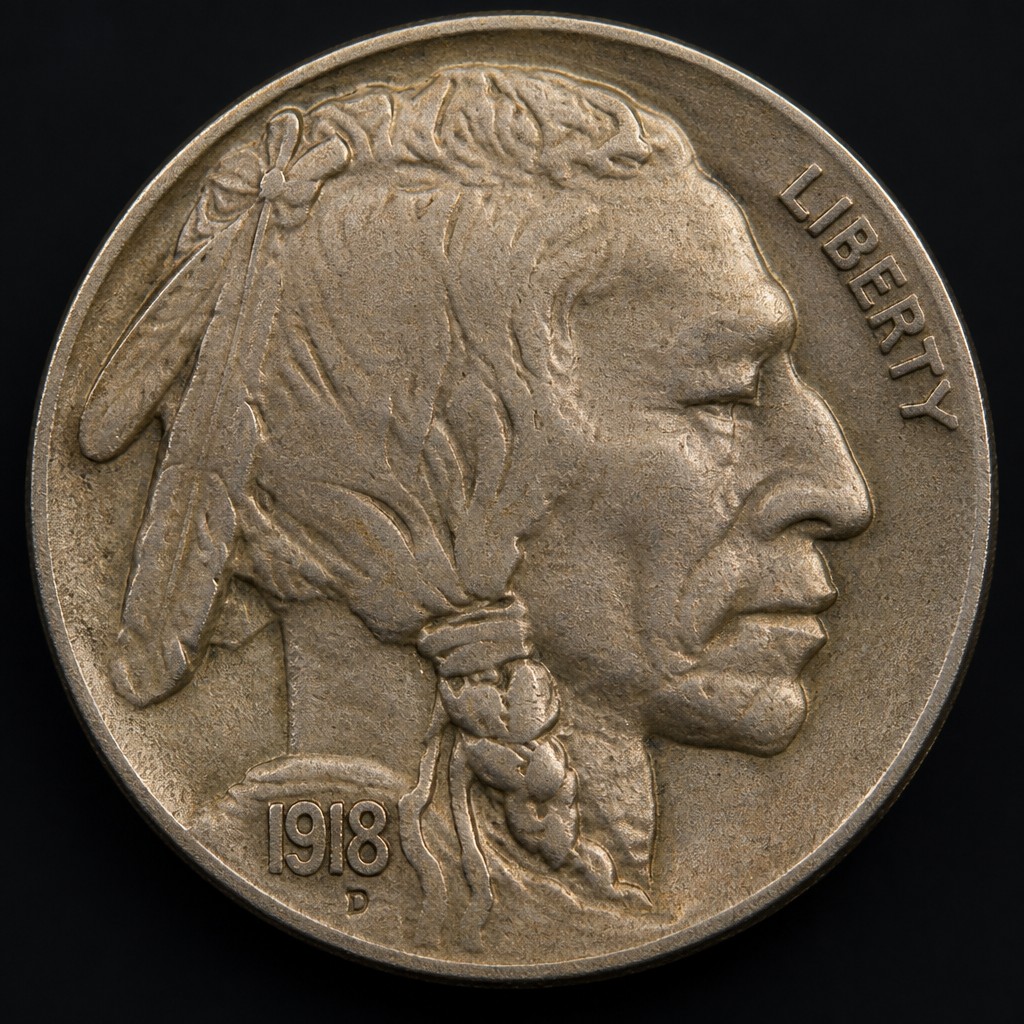
1918/7-D Buffalo Nickel
1918
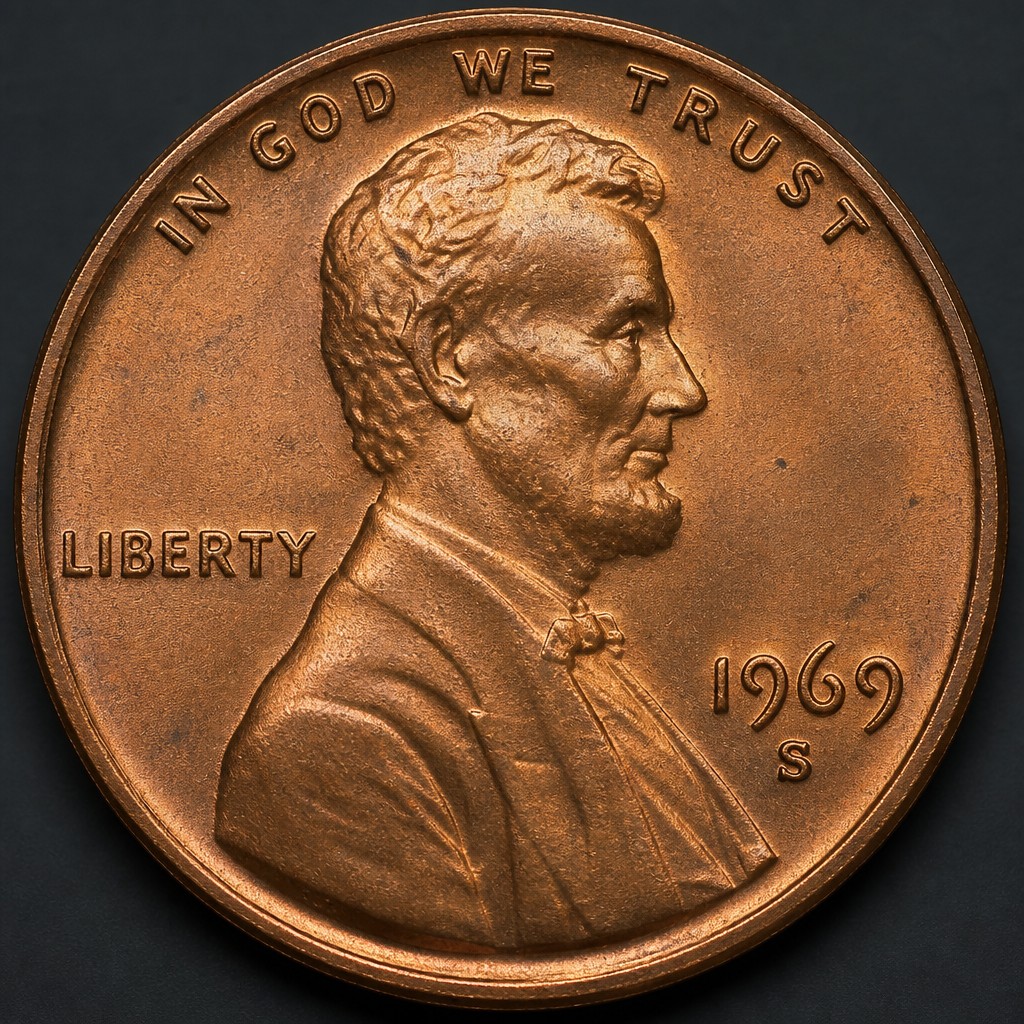
1969-S Doubled Die Obverse Lincoln Cent
1969
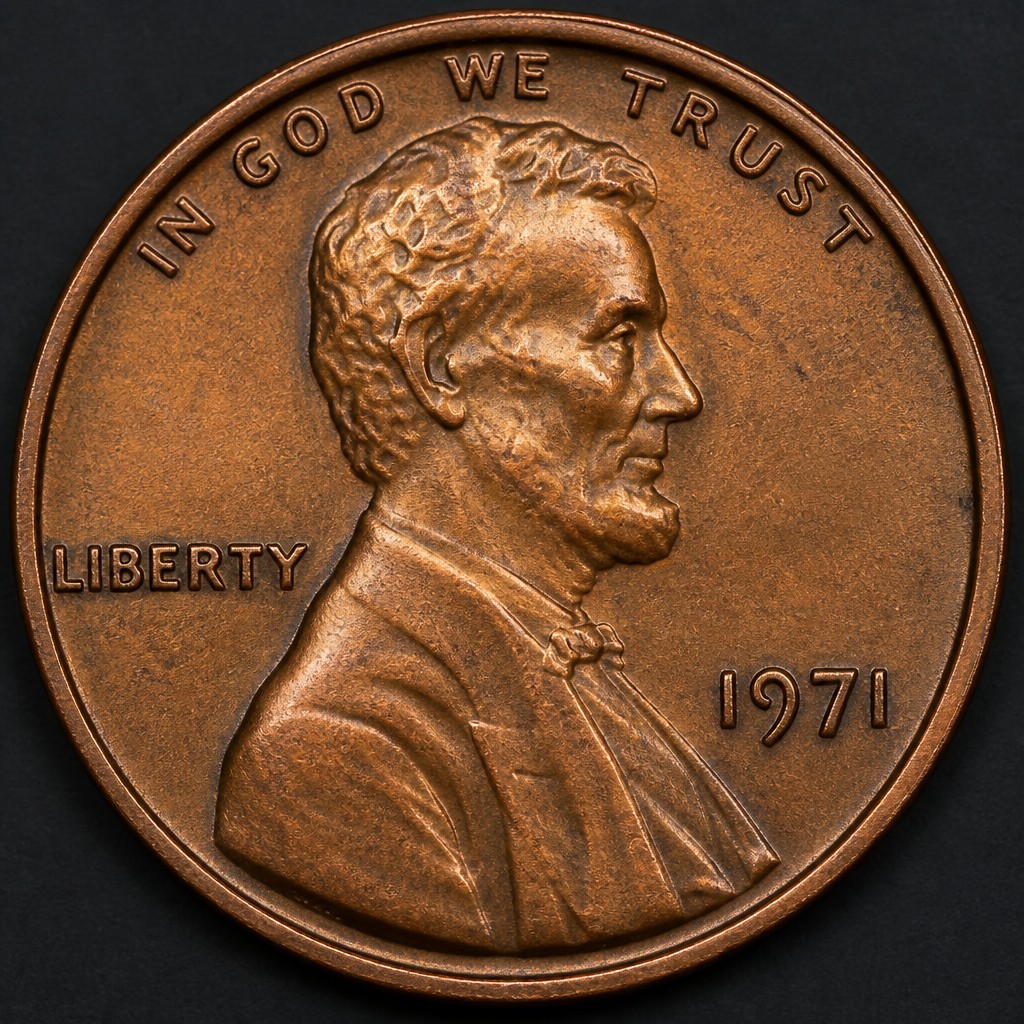
1971 Doubled Die Obverse Lincoln Cent
1971
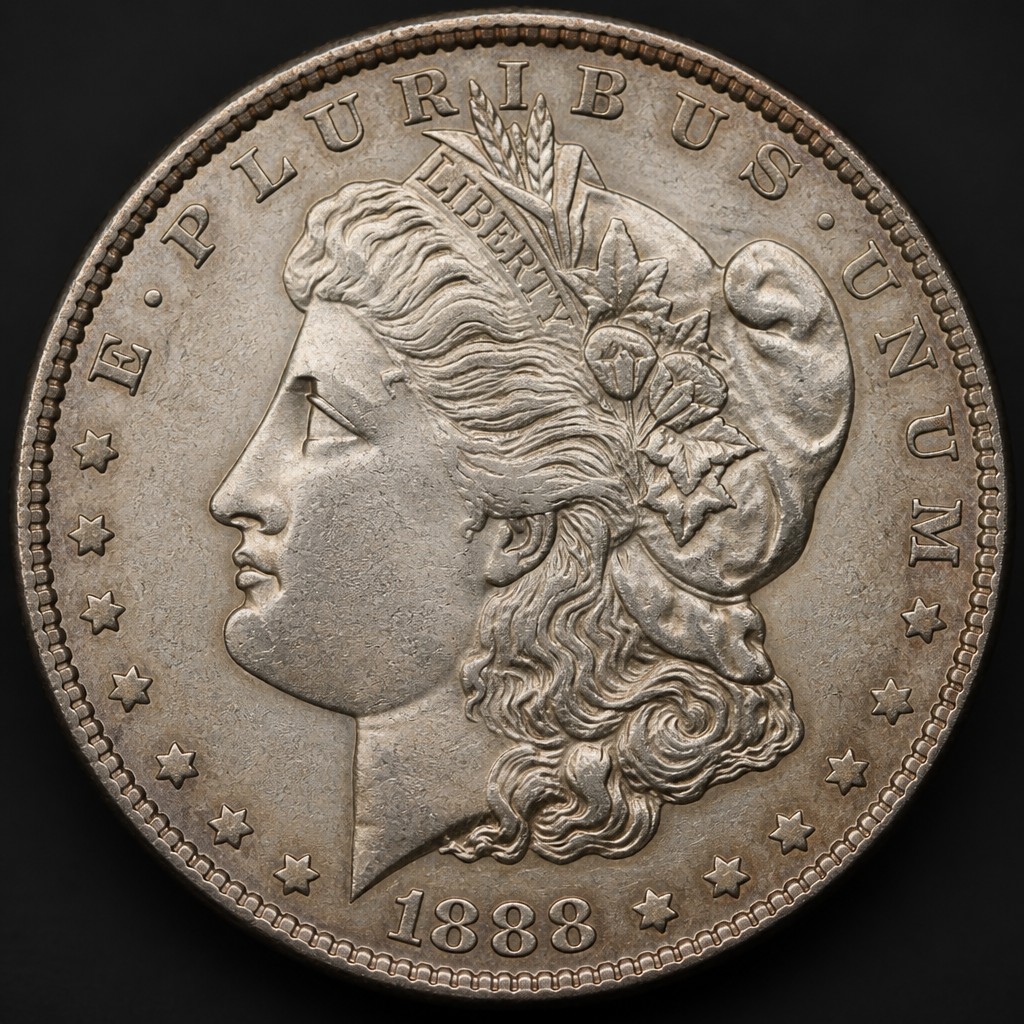
1888/7 Morgan Dollar Overdate
1888
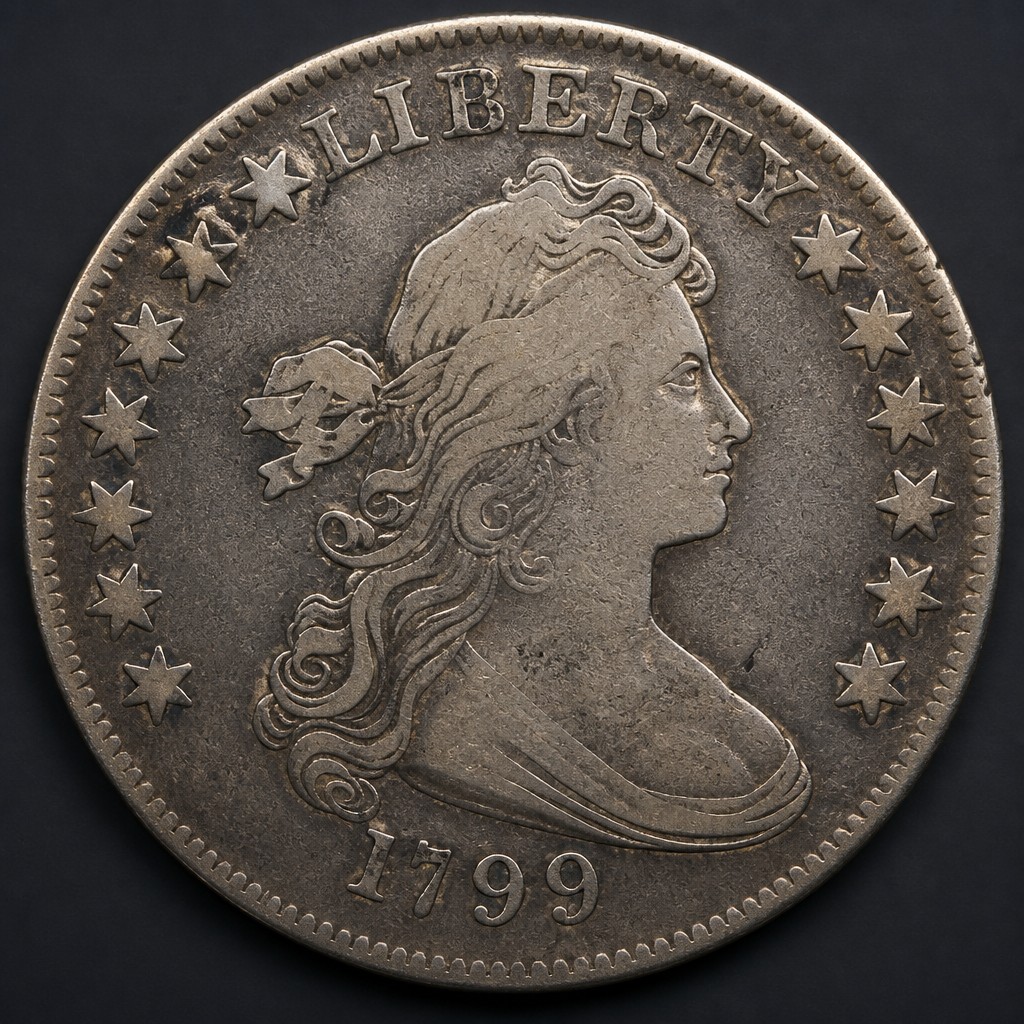
1799/8 Draped Bust Silver Dollar Overdate
1799 (die dated over 1798)
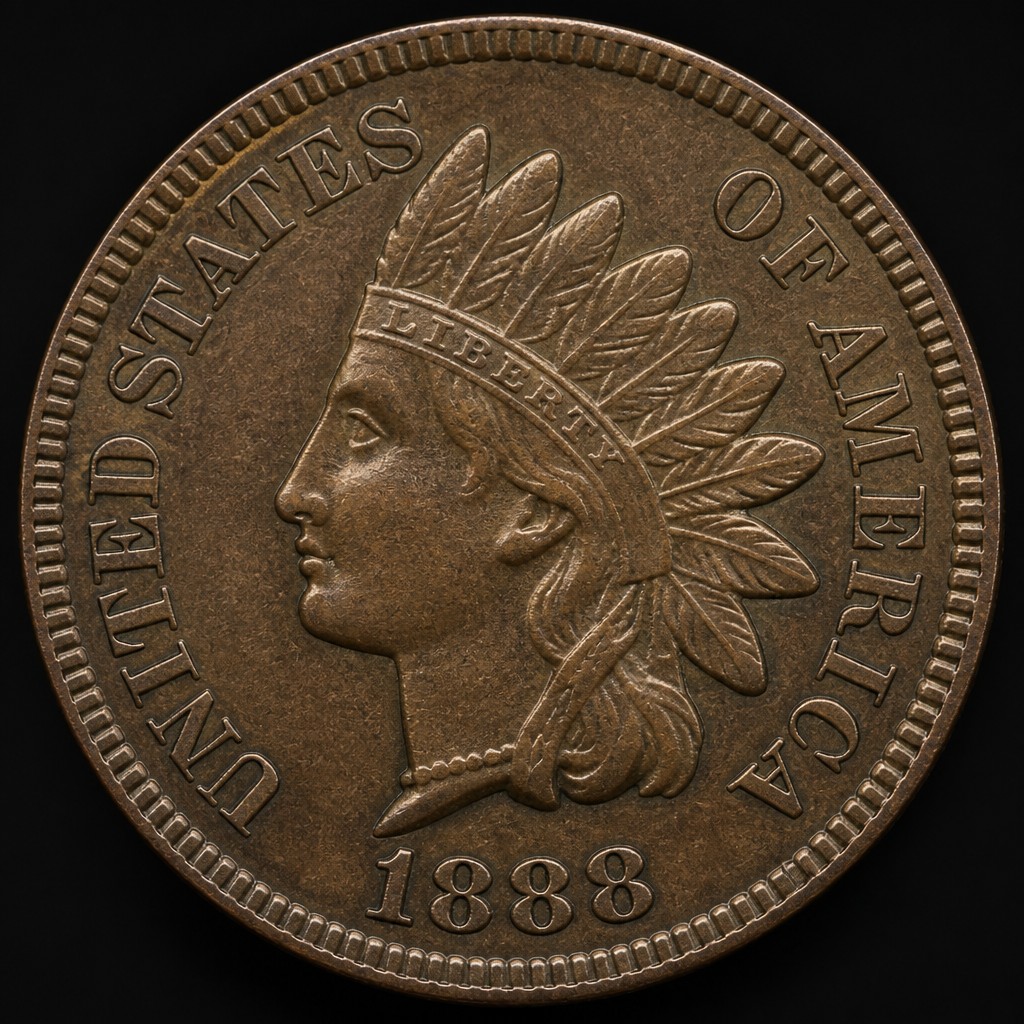
1888/7 Indian Head Cent Overdate
1888
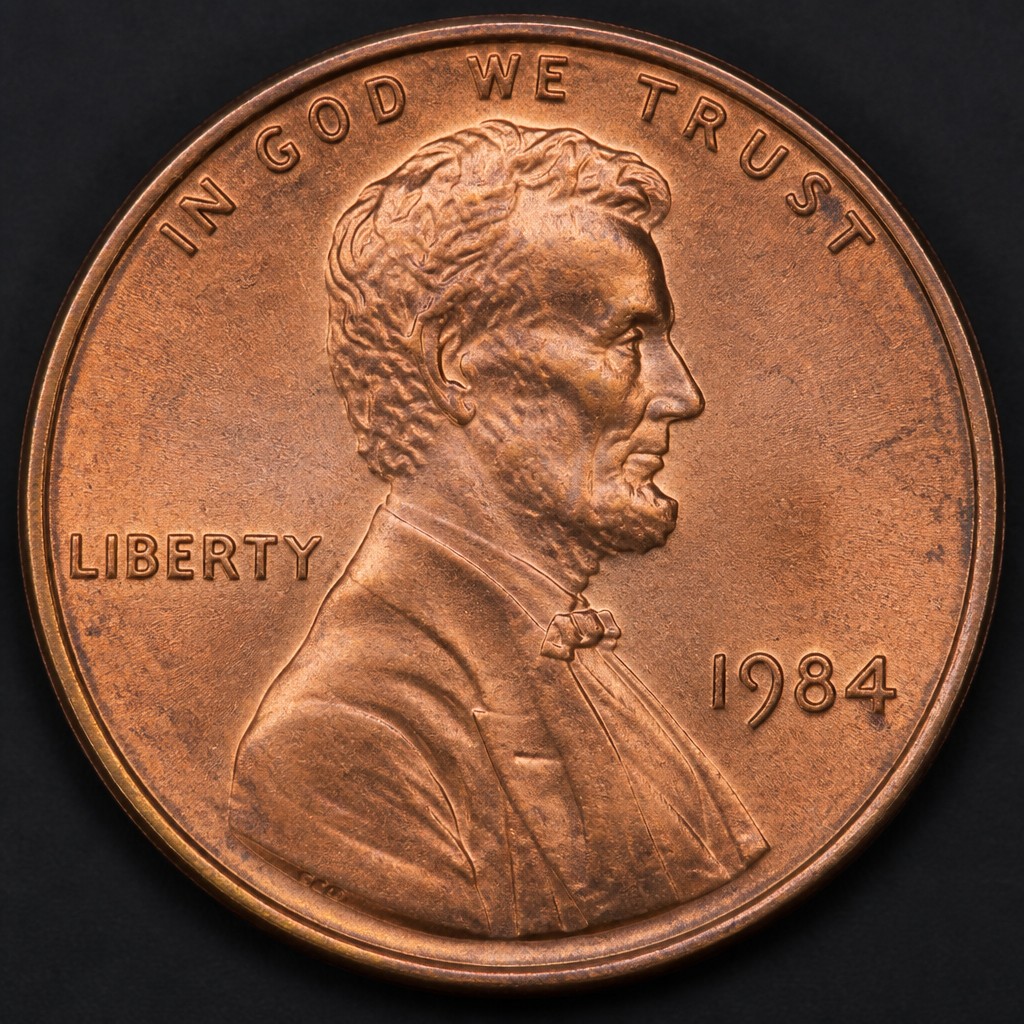
1984 Doubled Ear Lincoln Cent
1984
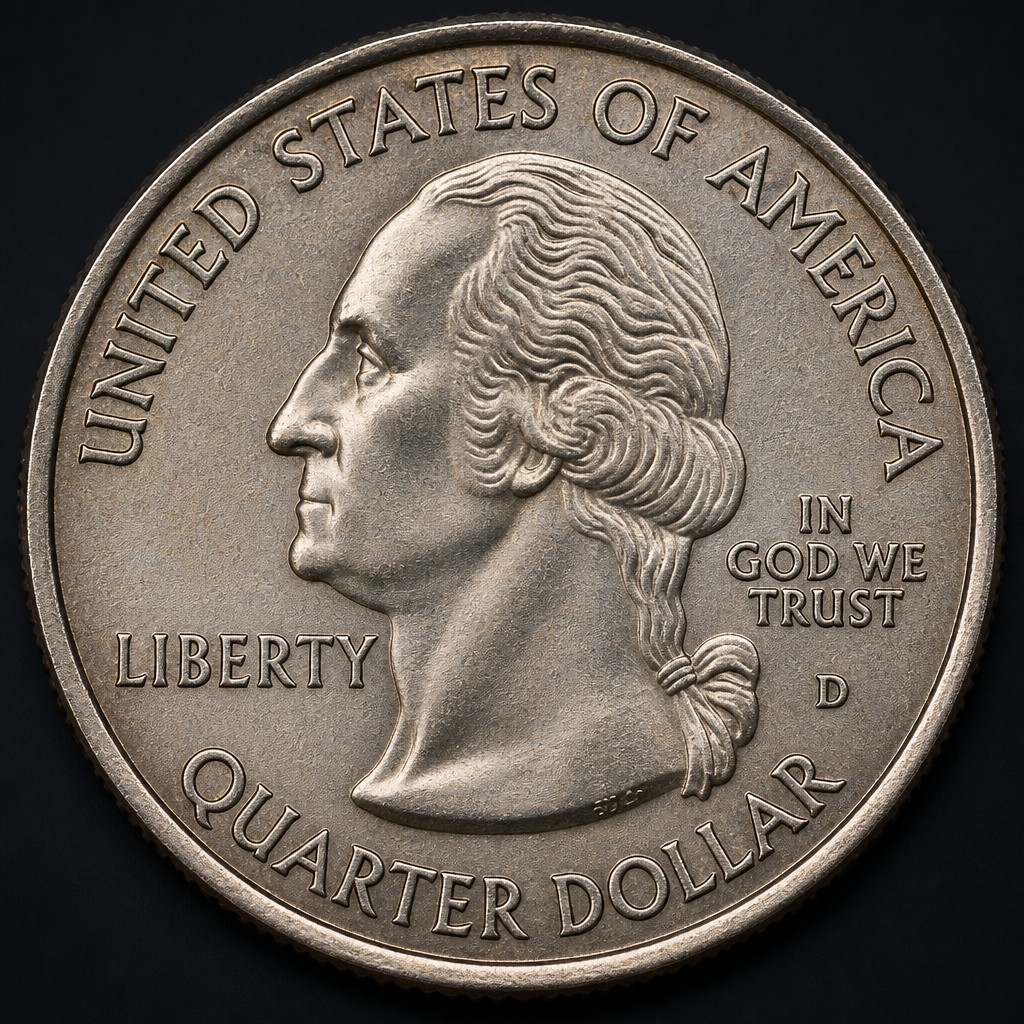
2004-D Wisconsin State Quarter Extra Leaf
2004
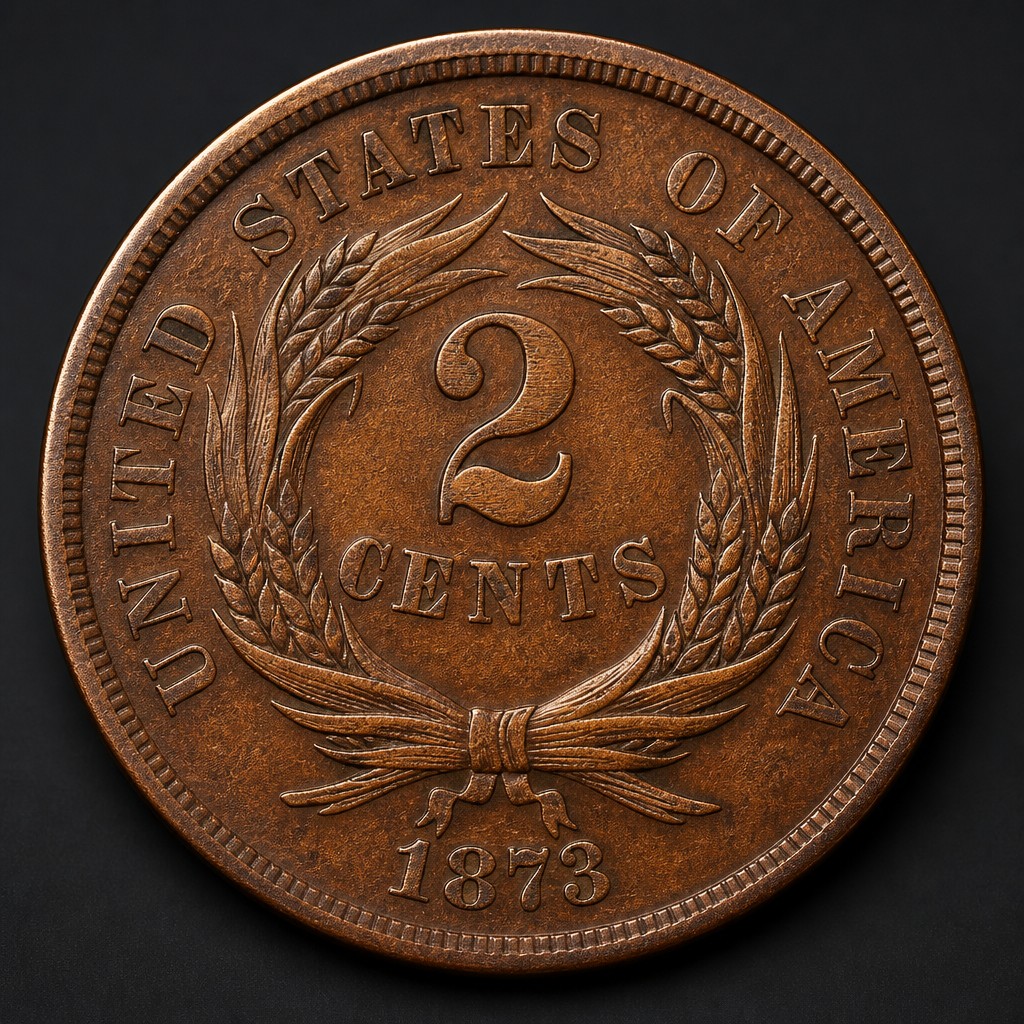
1873 Doubled Die Two-Cent Piece
1873
1983 Doubled Die Reverse Lincoln Cent
1983