
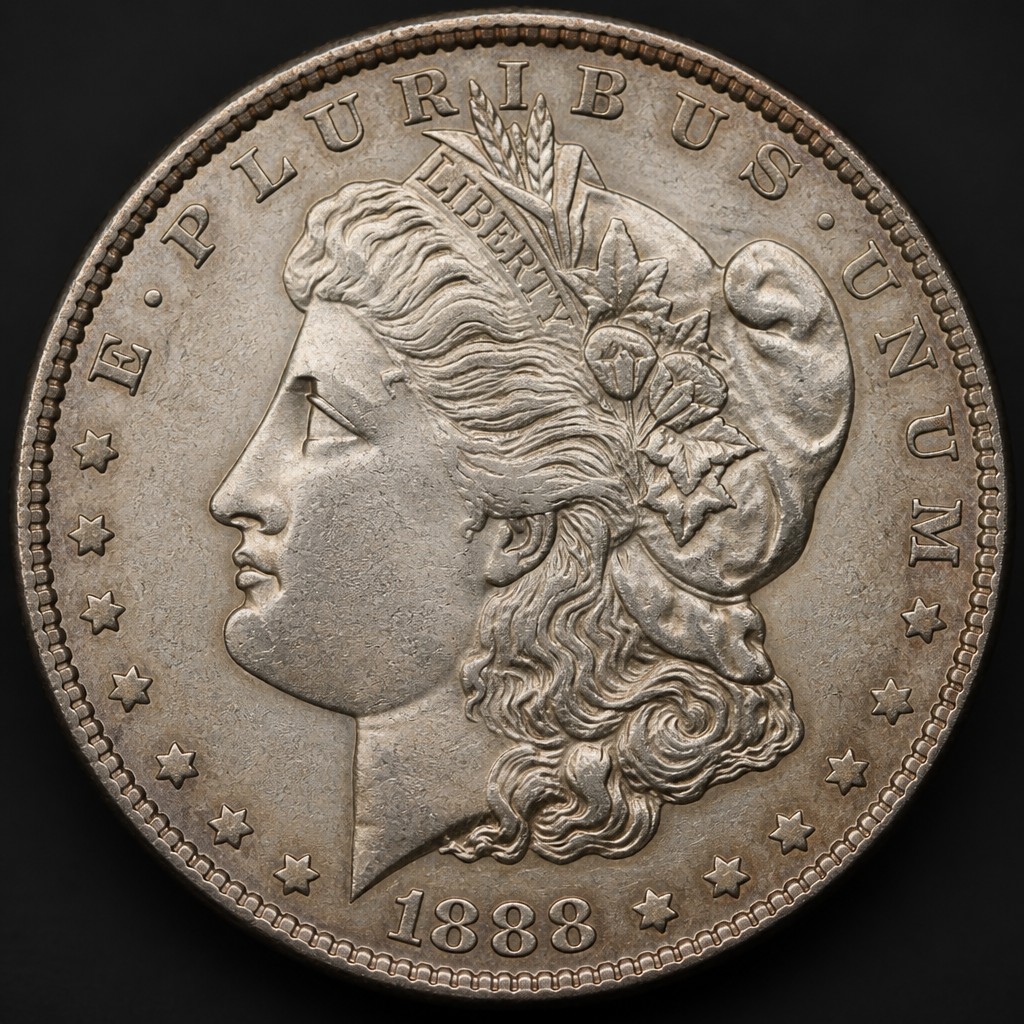
1888/7 Morgan Dollar Overdate
A collector-recognized overdate die variety of the 1888 Morgan silver dollar, cataloged among the VAM series of Morgan dollar die varieties for specialists to pursue.
- Country
- United States
- Denomination
- 1 dollar
- Metal
- 90% silver, 10% copper
Got a coin like this?
Identify any coin from a photo, free.
Overview
Among the vast number of documented die varieties within the Morgan silver dollar series, the 1888/7 overdate is one of several VAM-cataloged pieces (named for researchers Leroy Van Allen and A. George Mallis) showing evidence of an earlier date digit beneath the final numeral of the date. These varieties arise from the reuse or correction of working dies during a period when date elements were still applied to dies individually rather than through a single master hub bearing a complete, fixed date.
Morgan dollar variety collecting is one of the most active specialty areas in American numismatics, supported by detailed VAM reference catalogs that document hundreds of die marriages, repunched mintmarks, and overdates across the series' 1878 to 1921 run, and the 1888/7 overdate is one of the pieces pursued by advanced variety collectors building out a complete VAM set.
As with most Morgan dollar varieties, correct identification requires careful comparison against VAM reference photographs and diagnostic markers specific to the variety, since ordinary die wear or damage can sometimes be mistaken for genuine overdate doubling by less experienced collectors.
History & Background
The Morgan dollar was designed by George T. Morgan and struck from 1878 to 1904, and again in 1921, using large quantities of silver purchased under federal legislation. Throughout the series, working dies were sometimes reused, corrected, or had date elements individually adjusted, occasionally leaving faint remnants of an earlier date visible beneath a corrected final digit.
The 1888/7 overdate reflects this kind of die correction process at the Mint, identified and cataloged decades later by researchers systematically studying the physical characteristics of Morgan dollar dies to distinguish individual die pairings, now referred to collectively as VAM varieties after their principal cataloguers.
As Morgan dollar variety collecting matured into a dedicated specialty in the latter twentieth century, overdates like the 1888/7 became recognized fixtures within VAM reference literature, supported by an active community of researchers and collectors continuing to study Morgan dollar dies.
How to Identify
The obverse of the Morgan dollar shows a left-facing profile of Liberty with a coronet inscribed LIBERTY, surrounded by stars and the date below; the reverse depicts an eagle with wings outstretched, holding arrows and an olive branch, encircled by a wreath and the denomination ONE DOLLAR.
On the 1888/7 overdate, examine the final digit of the date closely under magnification for remnants of an underlying 7 peeking out from beneath or beside the final 8, a diagnostic feature best confirmed by comparing against published VAM reference photographs for this specific variety.
The coin retains the standard 90% silver, 10% copper composition, 38.1mm diameter, and reeded edge typical of all Morgan dollars, with mintmark placement on the reverse below the wreath, which is also relevant to confirming the specific die pairing associated with this variety.
Because many Morgan dollar overdates and repunched dates are subtle, collectors should rely on VAM number attribution from published references or professional variety-attribution services rather than assuming an overdate based on a casual glance at the date area.
Value & Collectibility
As a VAM-cataloged overdate, the 1888/7 Morgan dollar generally commands a modest to moderate premium over a common 1888 Morgan dollar of the same mint, with pricing scaling according to how clearly the underlying 7 is visible and the overall condition of the coin.
Morgan dollar variety values are heavily influenced by depth of specialist demand for the specific VAM number, and well-documented, clearly diagnostic overdates tend to command steadier premiums than obscure or weakly expressed varieties.
As with all Morgan dollars, luster, strike quality, and the absence of cleaning or heavy bag marks significantly affect value alongside the variety designation, with problem-free uncirculated examples of any recognized overdate bringing the strongest prices among variety specialists.
Frequently asked questions
What does VAM mean?
VAM stands for Van Allen-Mallis, the researchers who created the standard reference catalog of Morgan and Peace dollar die varieties, including overdates like this one.
How do I confirm my coin is a genuine 1888/7 overdate?
Compare the final digit of the date under magnification against published VAM reference photographs, or have the coin attributed by a variety specialist or grading service.
Is this variety rare?
It is a recognized specialty variety pursued mainly by advanced Morgan dollar collectors, generally scarcer than a common date coin of the same year but not among the series' most famous rarities.
Does the mint matter for this overdate?
Yes, specific VAM varieties are tied to particular die pairings and mints, so correct mint identification is part of properly attributing any suspected overdate.
Other coins you may enjoy
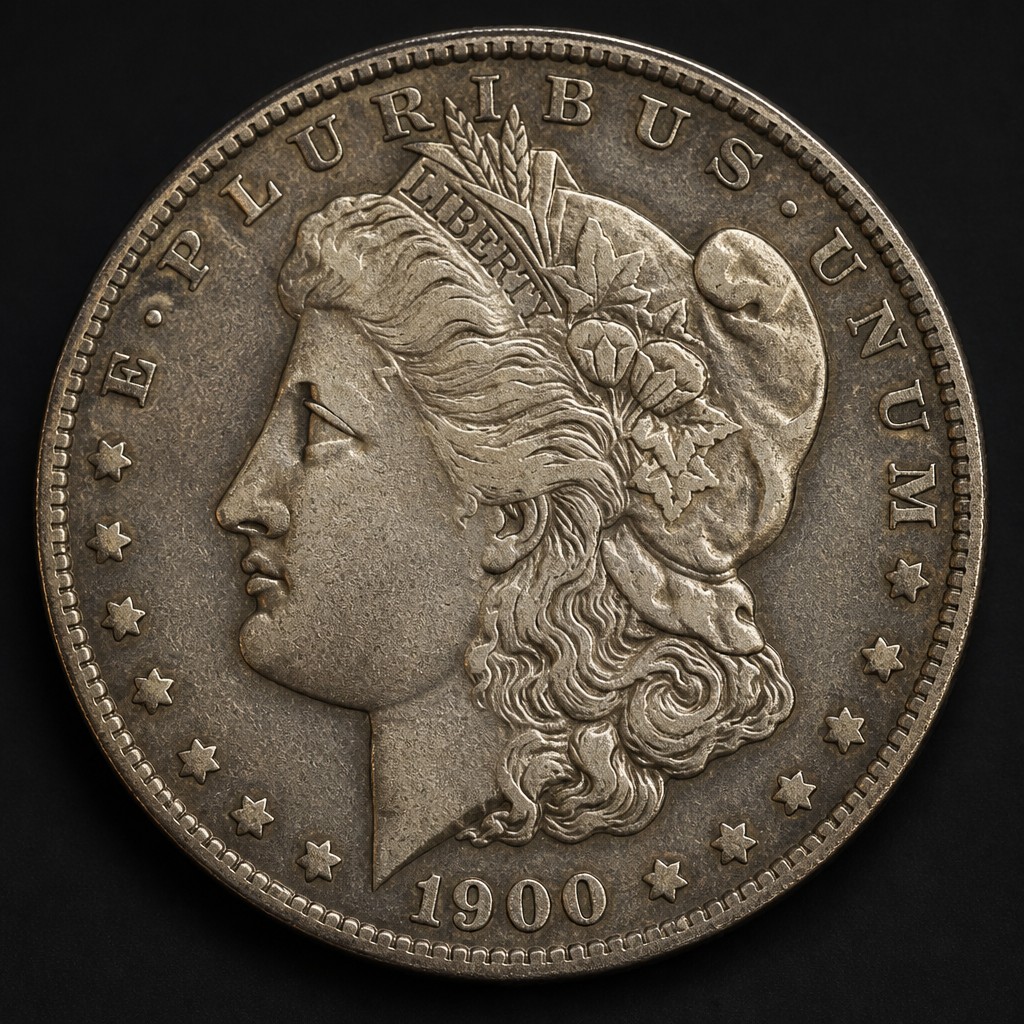
1900-O/CC Morgan Dollar
1900
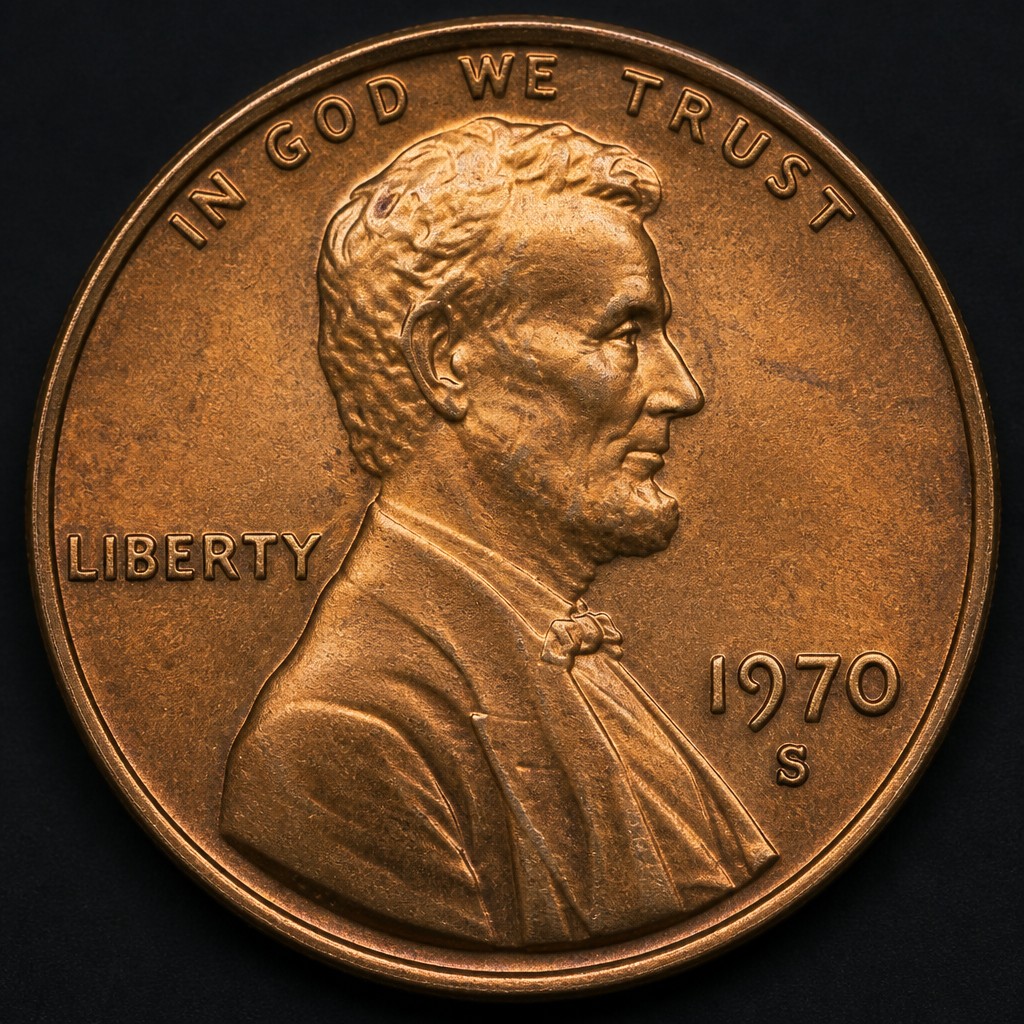
1970-S Small Date Lincoln Cent
1970
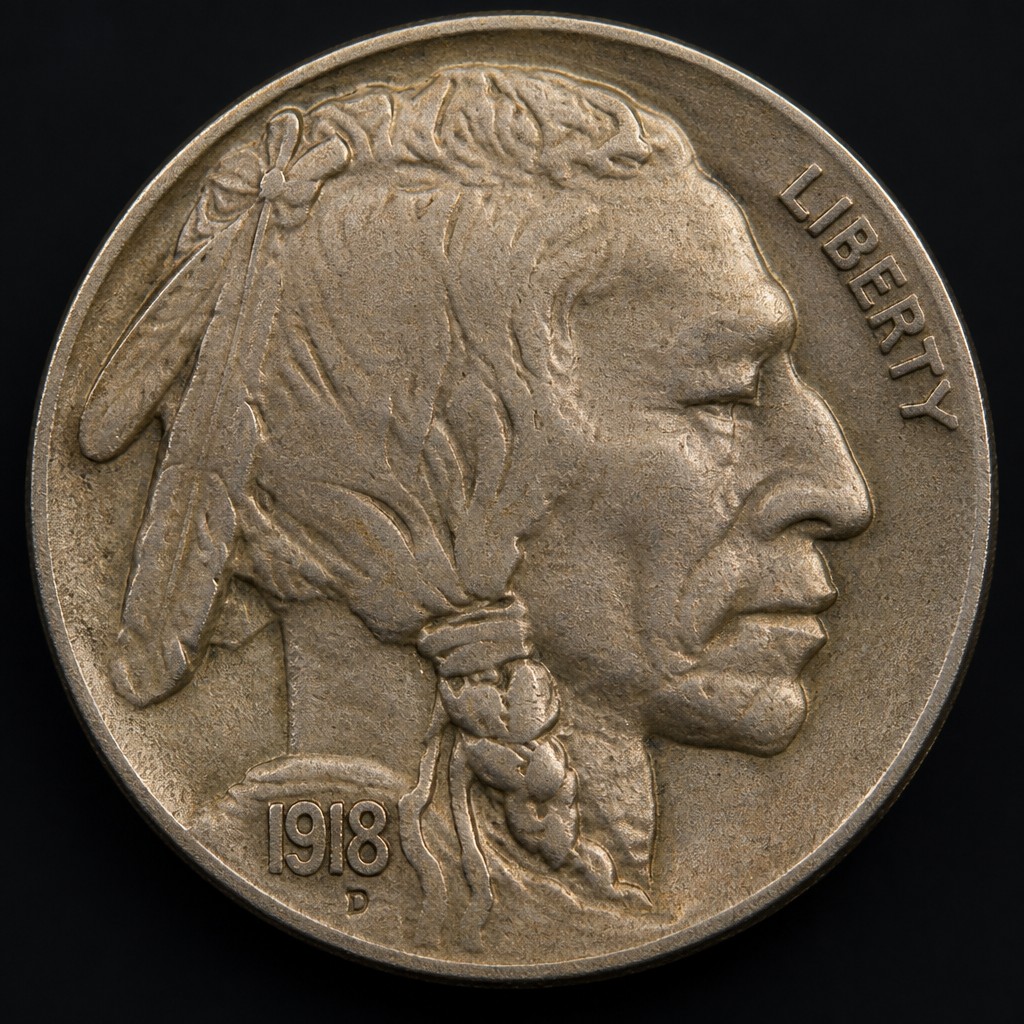
1918/7-D Buffalo Nickel
1918
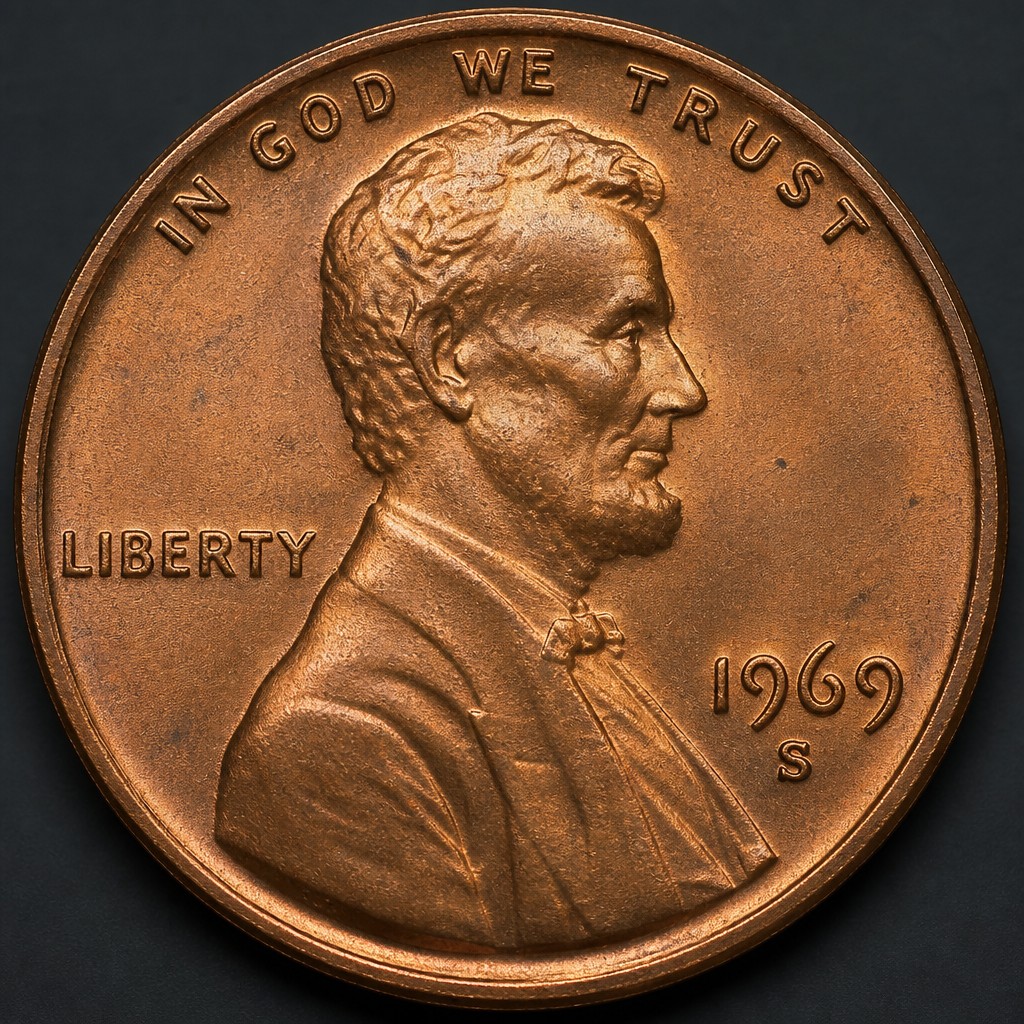
1969-S Doubled Die Obverse Lincoln Cent
1969
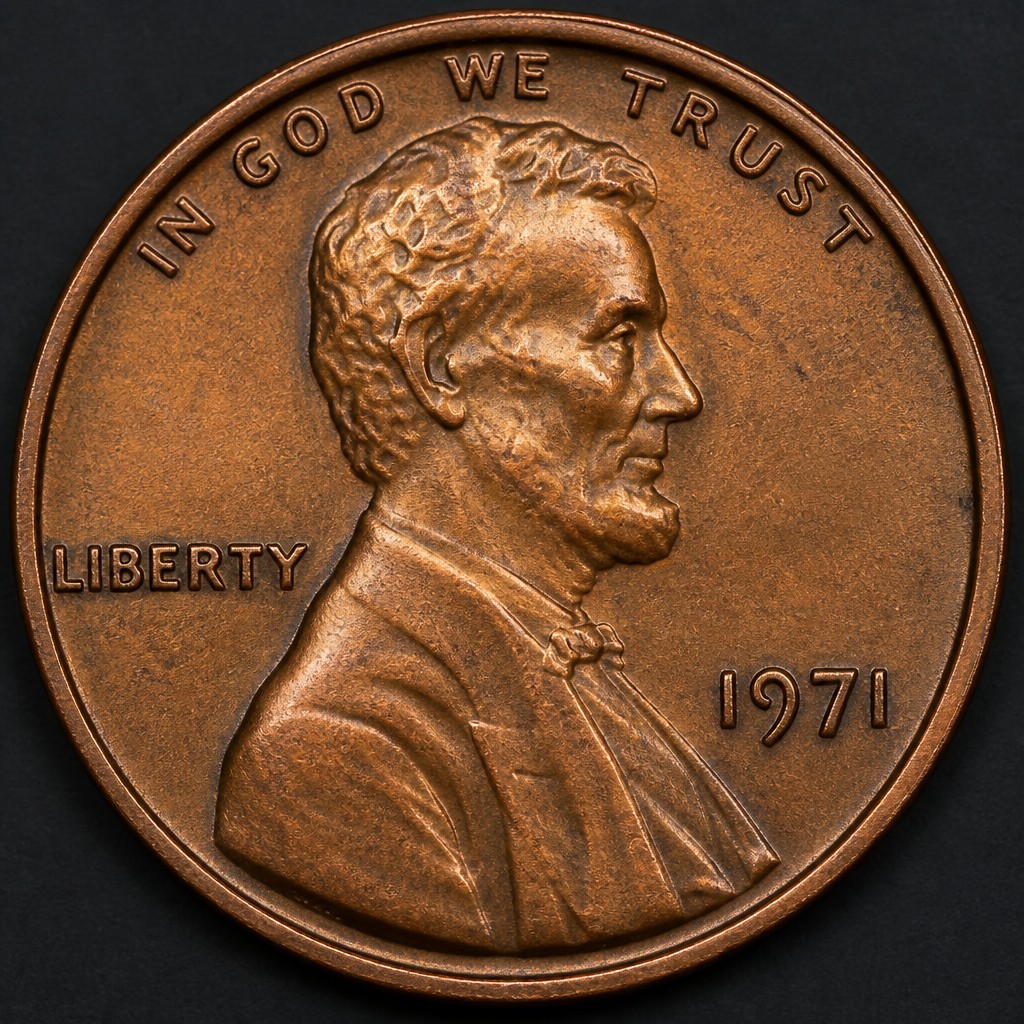
1971 Doubled Die Obverse Lincoln Cent
1971
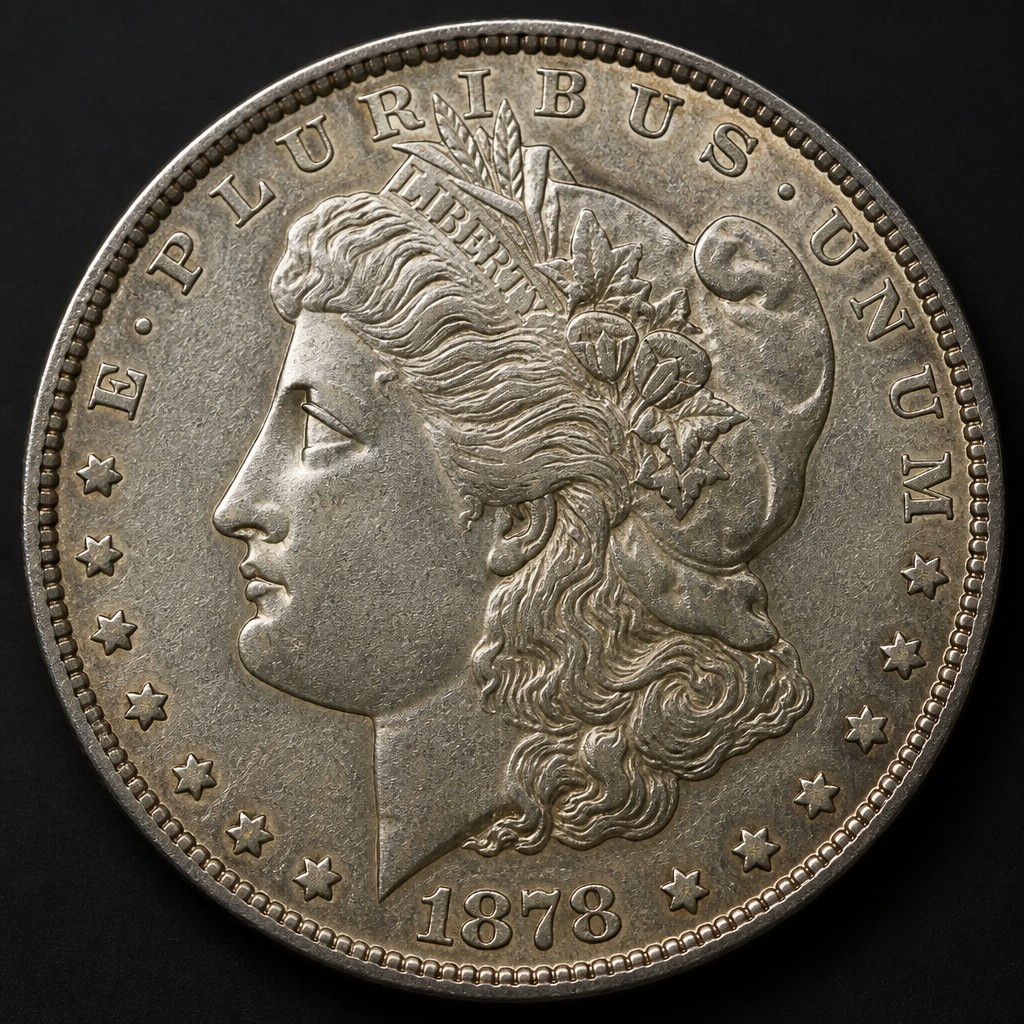
1878 7/8 Tail Feathers Morgan Dollar
1878
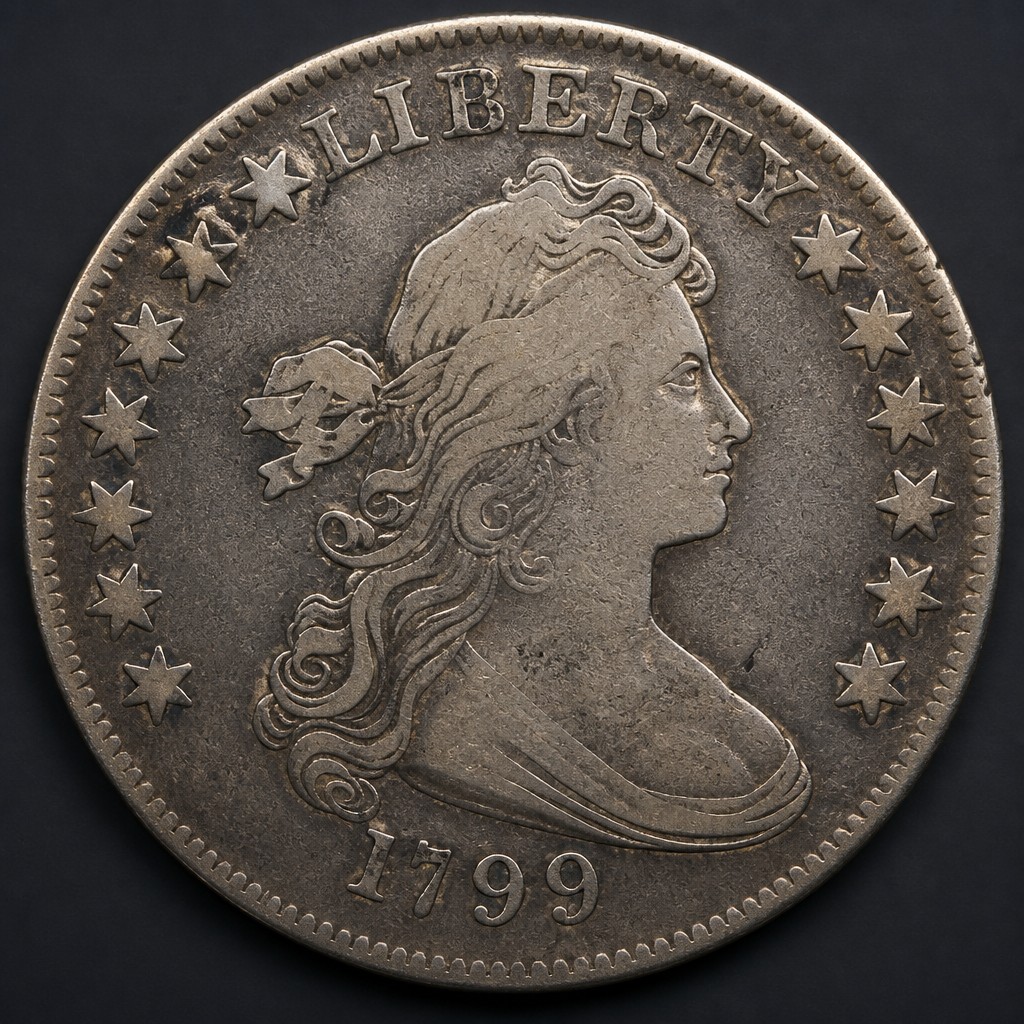
1799/8 Draped Bust Silver Dollar Overdate
1799 (die dated over 1798)
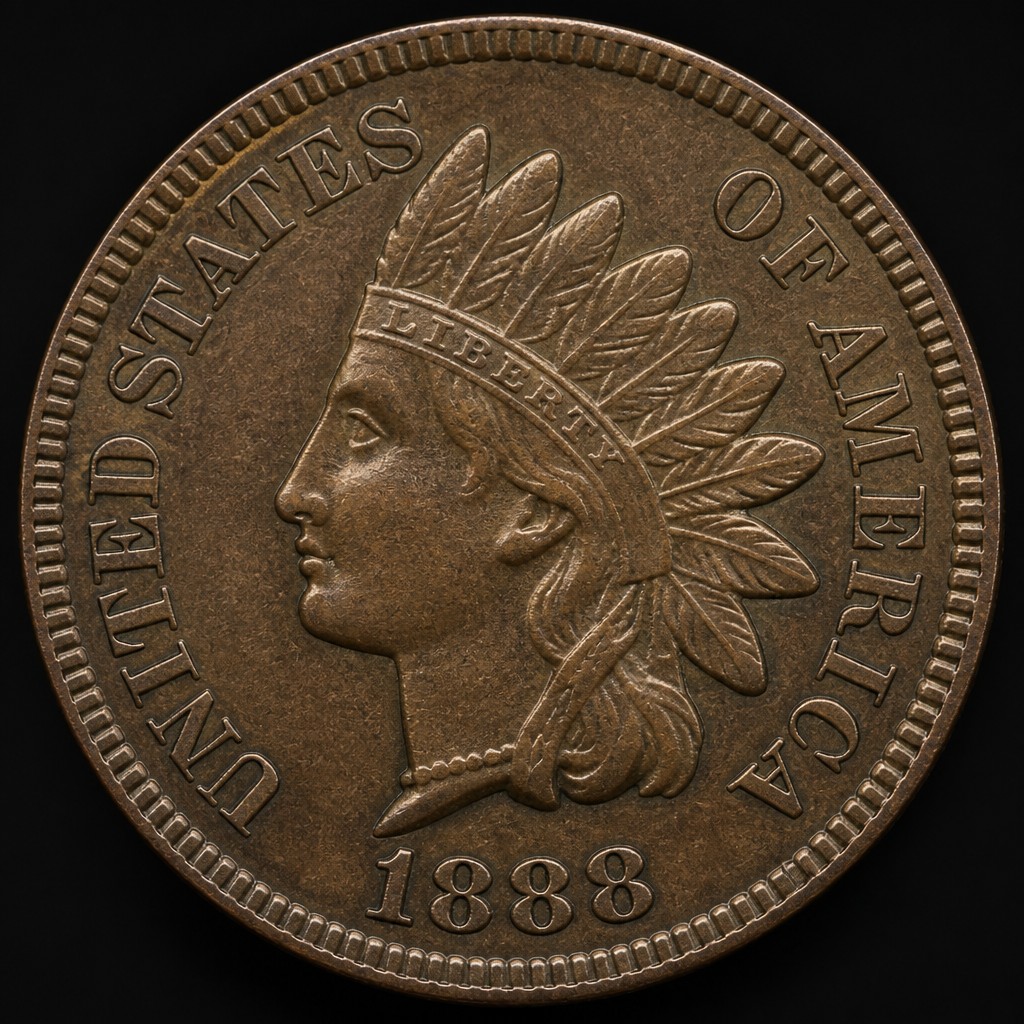
1888/7 Indian Head Cent Overdate
1888
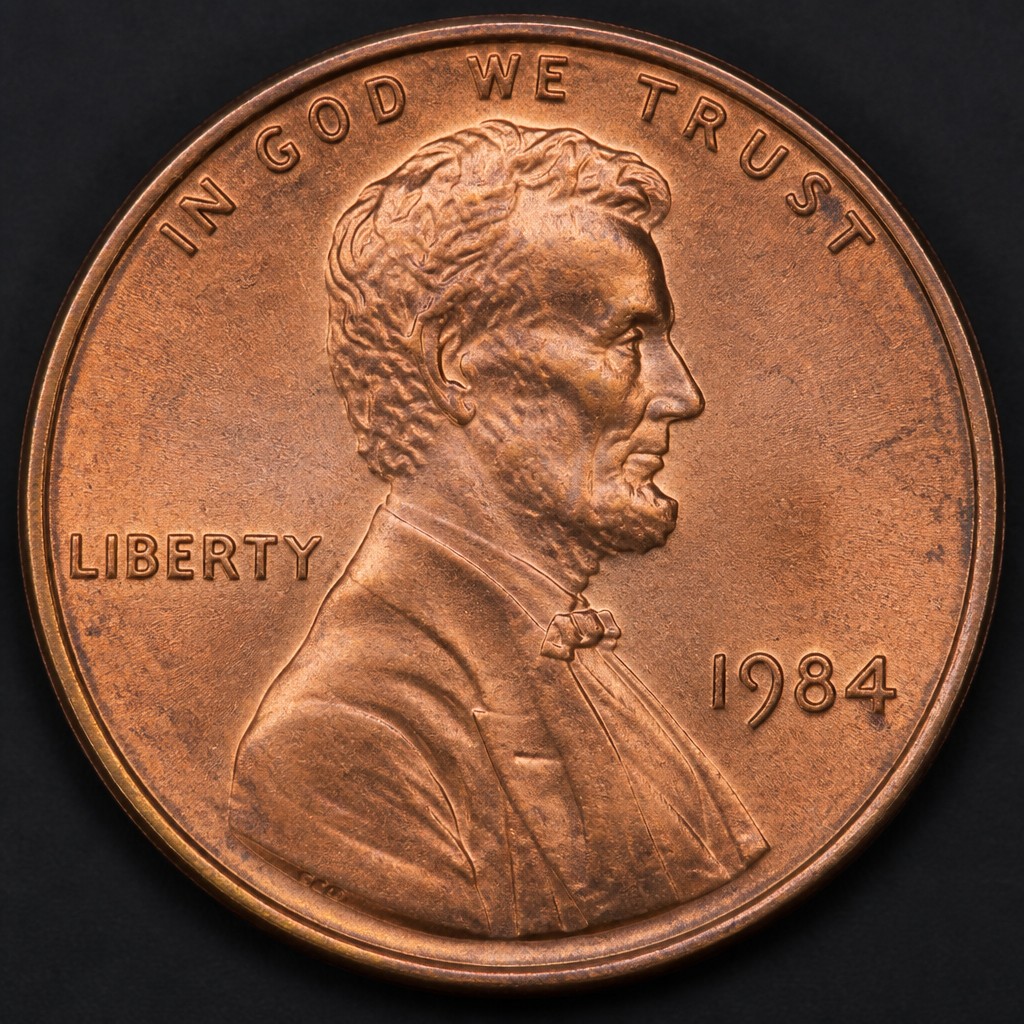
1984 Doubled Ear Lincoln Cent
1984
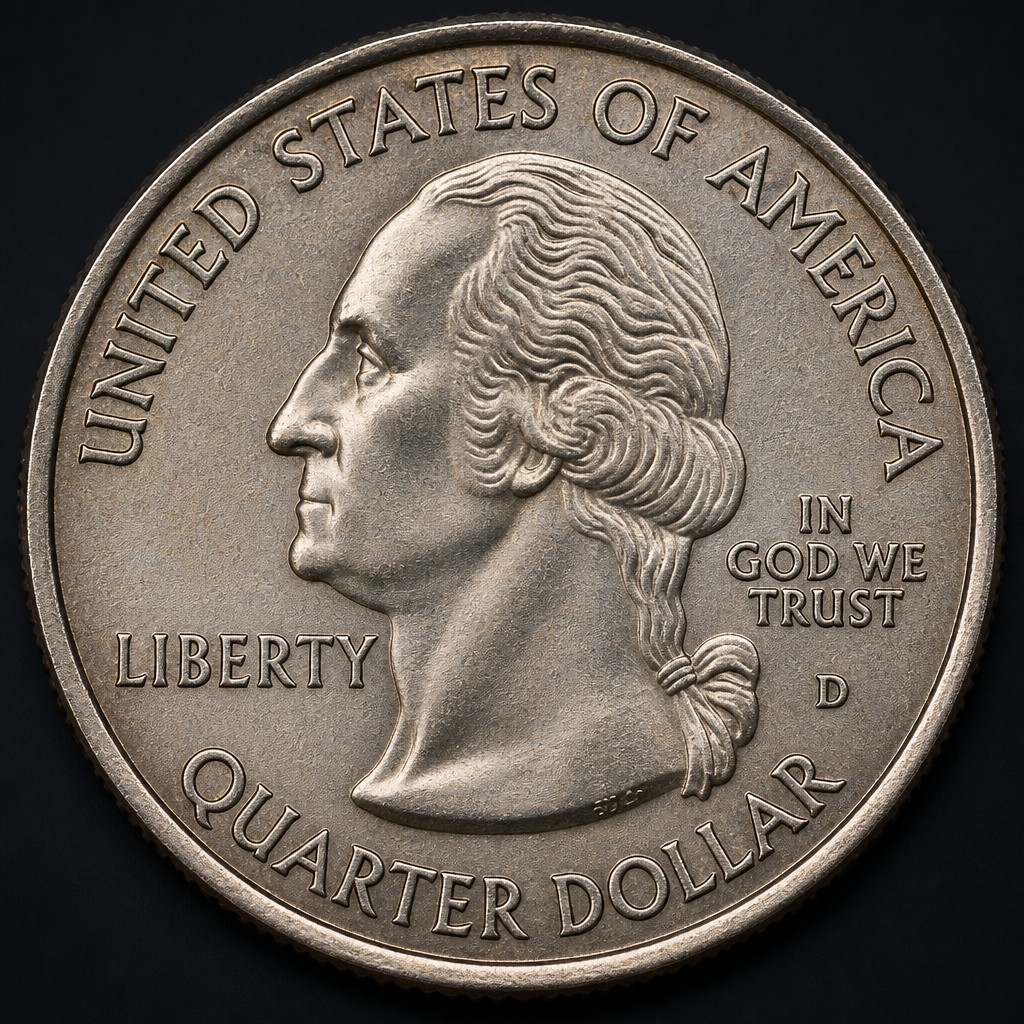
2004-D Wisconsin State Quarter Extra Leaf
2004
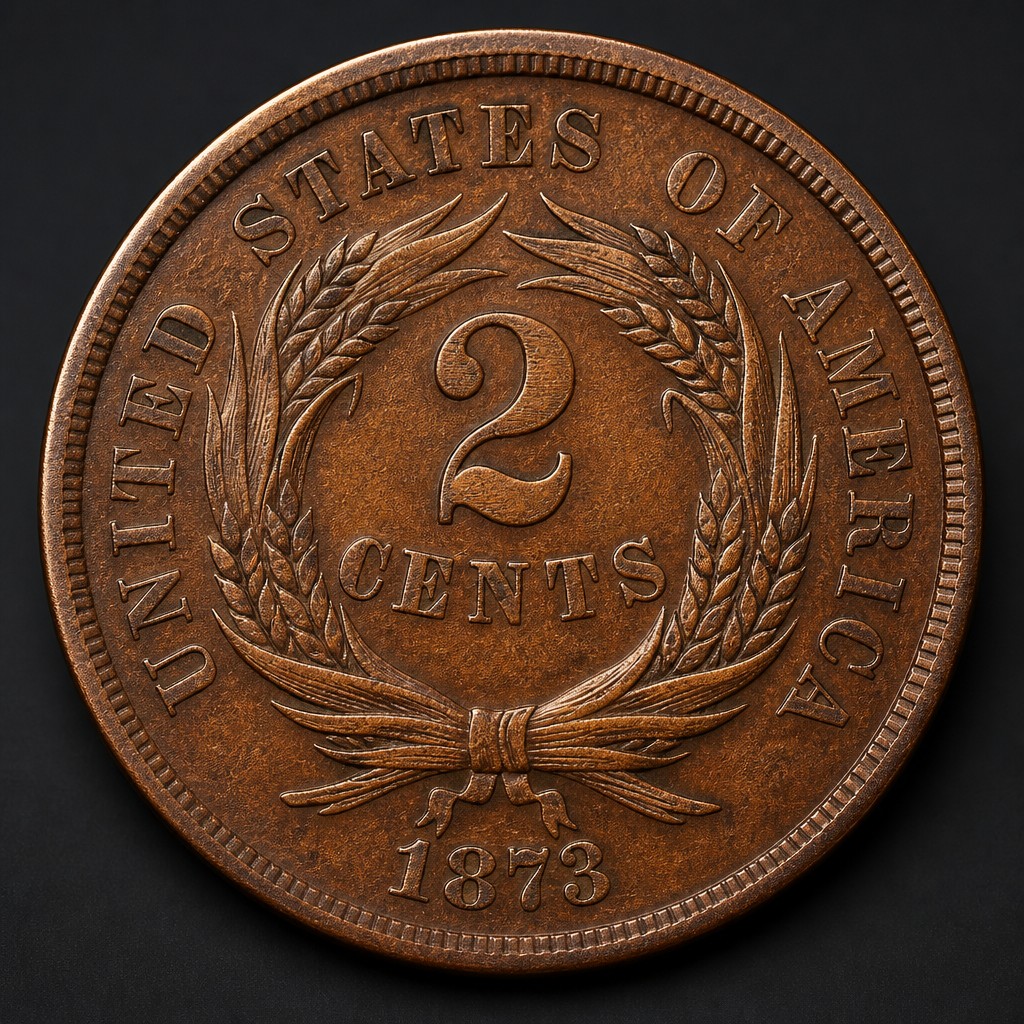
1873 Doubled Die Two-Cent Piece
1873
1983 Doubled Die Reverse Lincoln Cent
1983