
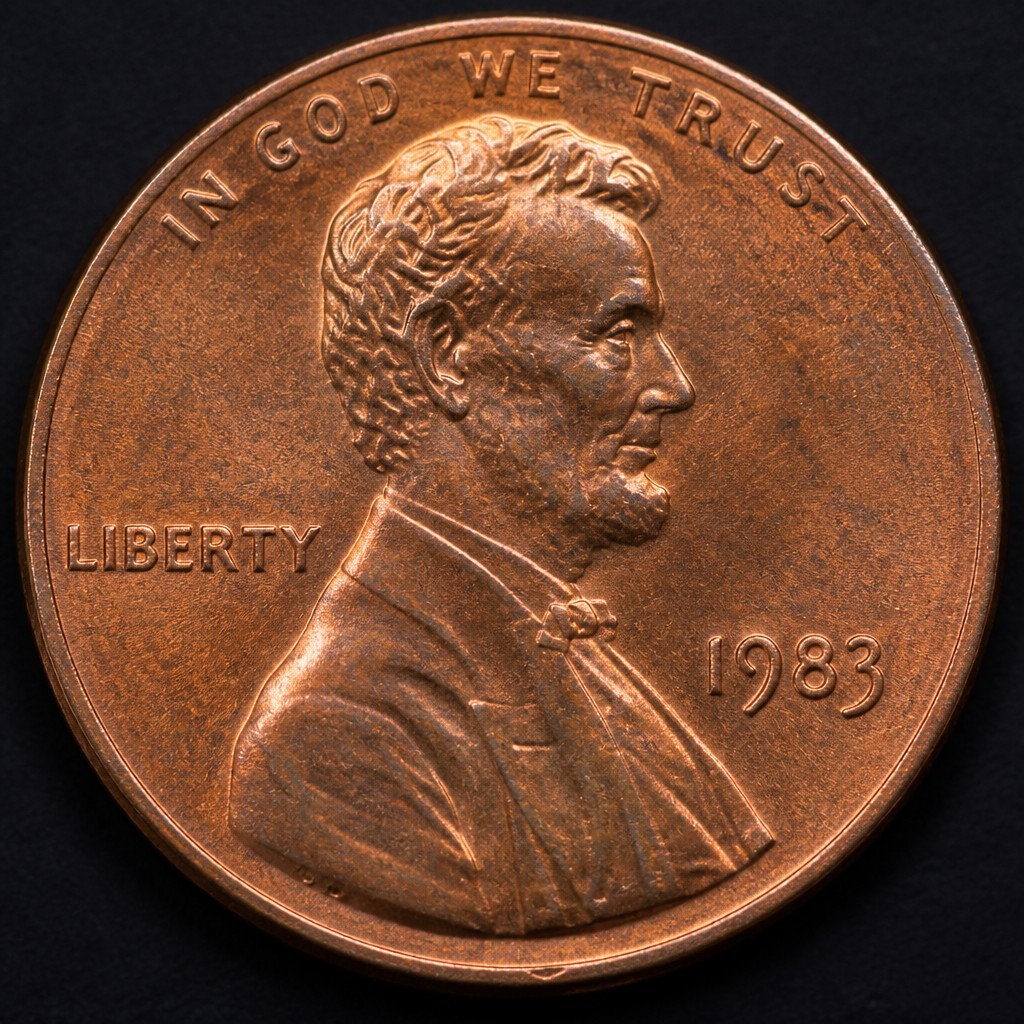
1983 Doubled Die Reverse Lincoln Cent
A notable doubled die variety showing bold doubling on the reverse lettering of the Lincoln Memorial cent, particularly visible on ONE CENT, from the first full year of the copper-plated zinc cent.
- Country
- United States
- Denomination
- 1 cent
- Metal
- Copper-plated zinc
Got a coin like this?
Identify any coin from a photo, free.
Overview
The 1983 Doubled Die Reverse cent stands out because most famous Lincoln cent doubled dies affect the obverse, while this one displays its doubling on the reverse, particularly in the words ONE CENT beneath the Lincoln Memorial. It is also notable for occurring the year after the cent's composition changed from bronze to copper-plated zinc, tying it to a significant transition period in the coin's production history.
The doubling is generally strong enough to be appreciated with modest magnification, making it a popular target for collectors who enjoy hunting through rolls of older cents for varieties.
As a reverse doubled die rather than an obverse one, it also serves as a useful teaching example in numismatic circles for how doubling can affect any part of a coin's design, not just the portrait side.
History & Background
The Lincoln Memorial reverse, designed by Frank Gasparro and introduced in 1959, remained the standard reverse of the cent through 2008. In 1983, one or more Philadelphia reverse dies received a doubled hubbing impression, leaving visible doubling in the reverse legend, most prominently in ONE CENT.
The error was identified by variety collectors examining cents from that year and was subsequently cataloged in numismatic references dedicated to Lincoln cent doubled dies, joining a broader family of reverse doubled dies recognized across the series.
Its discovery added to the growing body of documented Lincoln cent varieties collected by specialists who track doubled dies by year, mint, and design element affected.
How to Identify
The obverse carries the standard Lincoln portrait with LIBERTY and IN GOD WE TRUST, unremarkable and undoubled on this variety, while the reverse shows the Lincoln Memorial building with ONE CENT and UNITED STATES OF AMERICA around it.
The doubling appears specifically in the reverse lettering, most clearly in ONE CENT, where a second, offset image of the letters can be seen under magnification. Some examples show doubling strong enough to be visible without a loupe, though careful examination is recommended to confirm.
Collectors should distinguish genuine doubled-die doubling, which shows a rounded, separated secondary image, from ordinary strike doubling, which produces a flatter, less distinct shelf-like effect and does not carry the same collector value.
Value & Collectibility
The 1983 Doubled Die Reverse commands a solid premium over a normal 1983 cent, with values for clearly doubled, well-preserved examples typically ranging from tens of dollars up into the low hundreds depending on strike strength and grade. Sharper, more dramatic doubling brings stronger prices.
As with most doubled die varieties, condition and doubling strength are the primary value drivers, with certified examples in higher mint state grades commanding the greatest premiums.
Frequently asked questions
Where is the doubling on this coin?
It appears on the reverse, most clearly in the words ONE CENT beneath the Lincoln Memorial, rather than on the obverse portrait side.
Is the 1983 cent doubled die rare?
It is scarce enough to carry a real collector premium, though it is more available than some of the most famous doubled dies like 1955 or 1972.
What metal is the 1983 cent made of?
It is copper-plated zinc, reflecting the composition change the Mint adopted starting in mid-1982.
How do I confirm true doubling versus strike doubling?
True doubling shows a rounded, clearly separated second image on the letters, while strike doubling appears flat and shelf-like and carries no premium.
Other coins you may enjoy
1900-O/CC Morgan Dollar
1900
1970-S Small Date Lincoln Cent
1970
1918/7-D Buffalo Nickel
1918
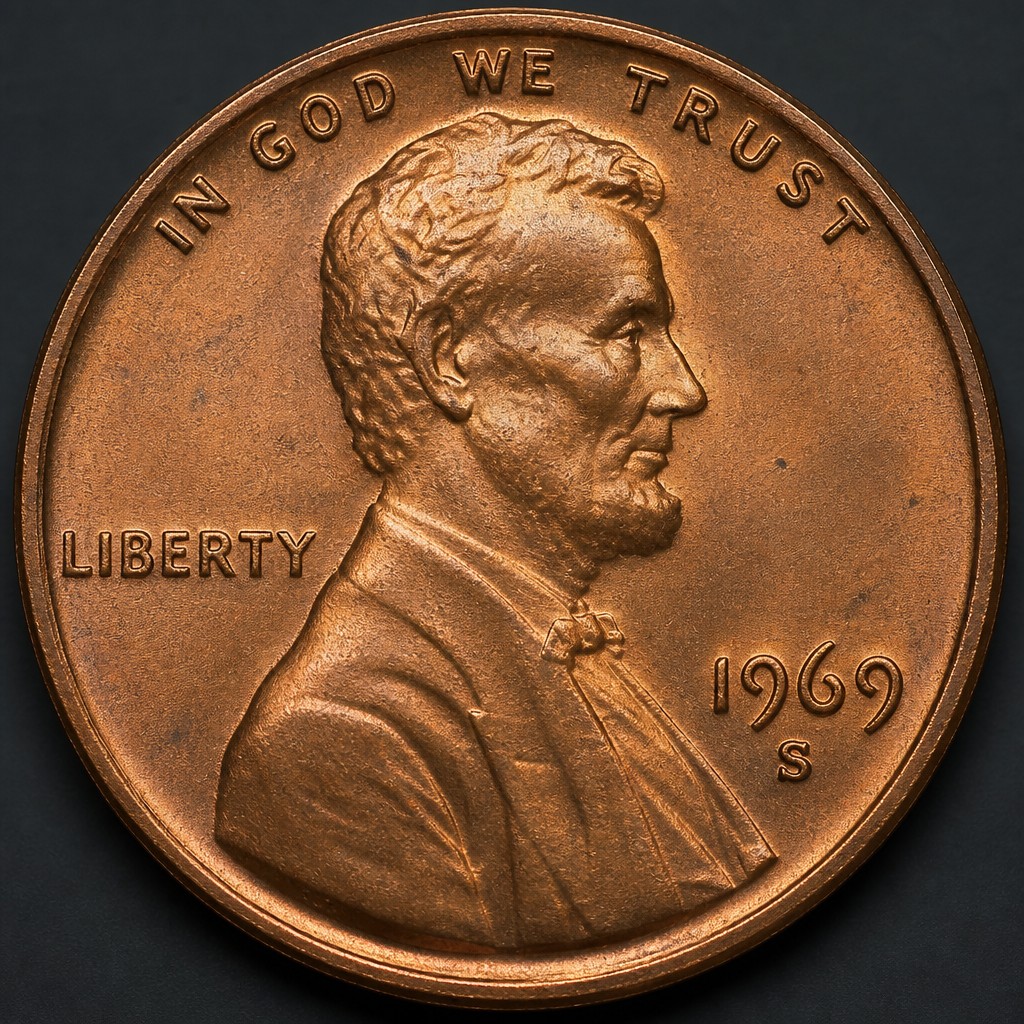
1969-S Doubled Die Obverse Lincoln Cent
1969
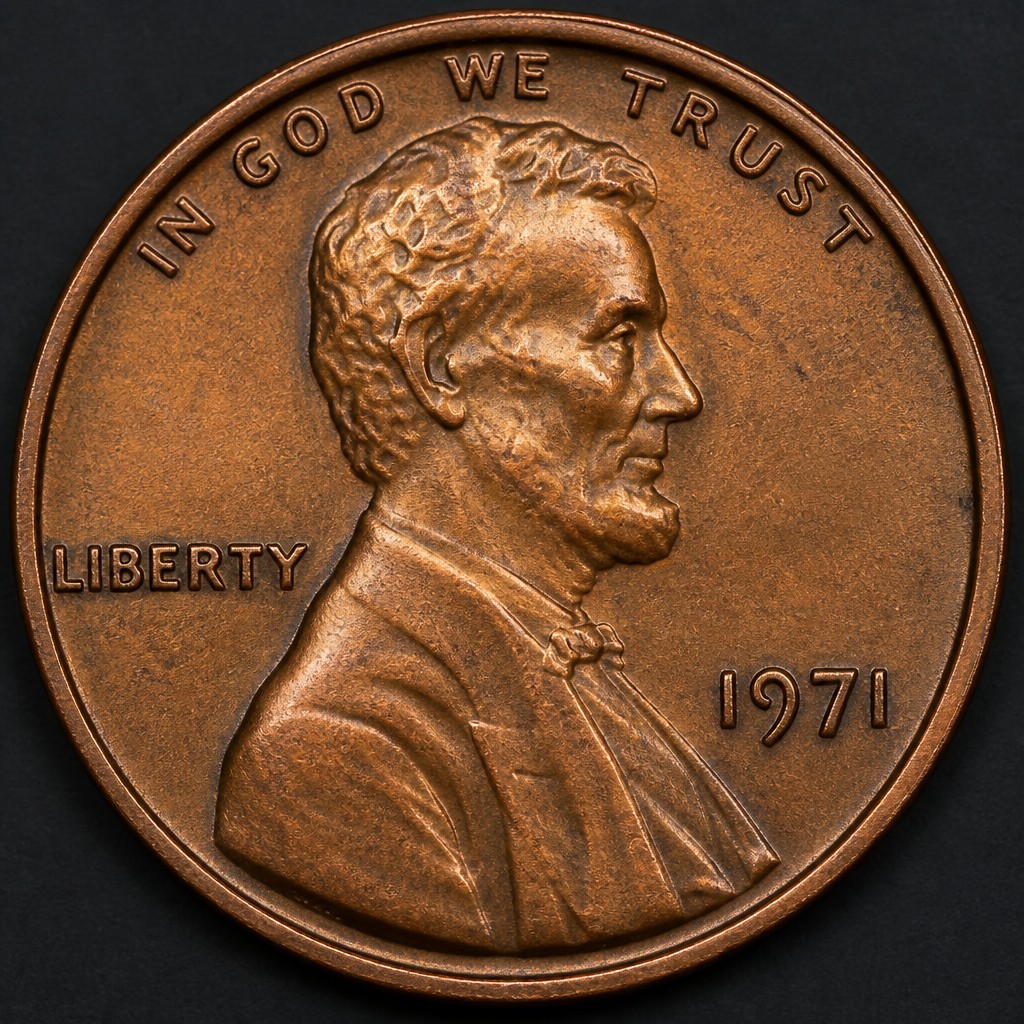
1971 Doubled Die Obverse Lincoln Cent
1971
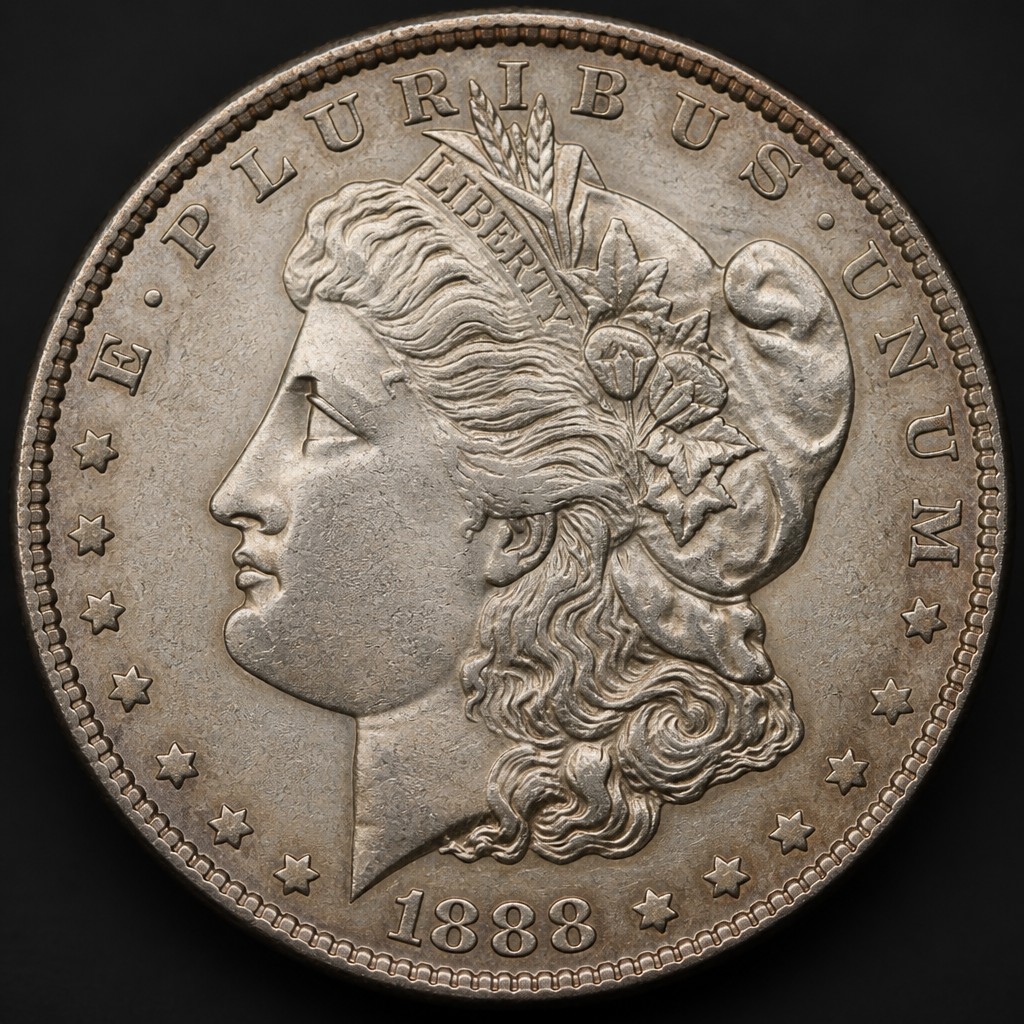
1888/7 Morgan Dollar Overdate
1888
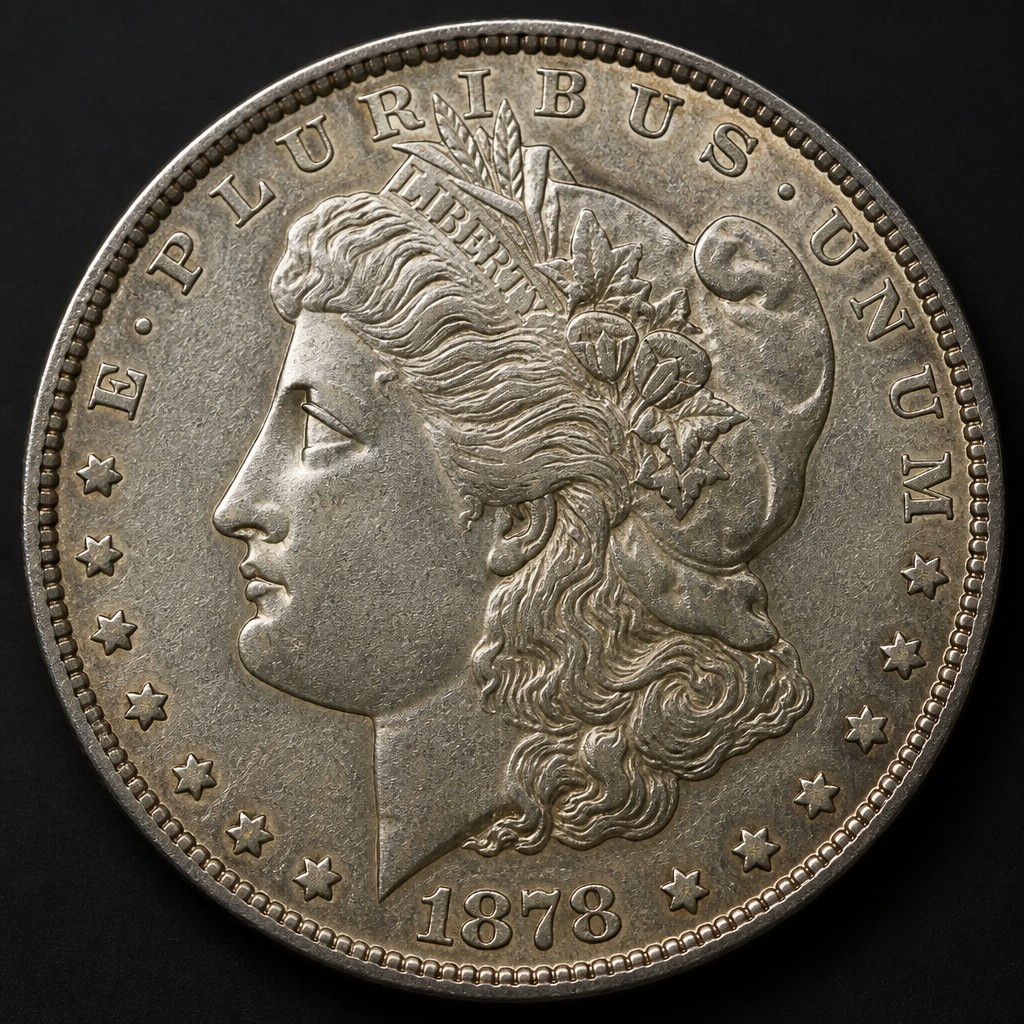
1878 7/8 Tail Feathers Morgan Dollar
1878
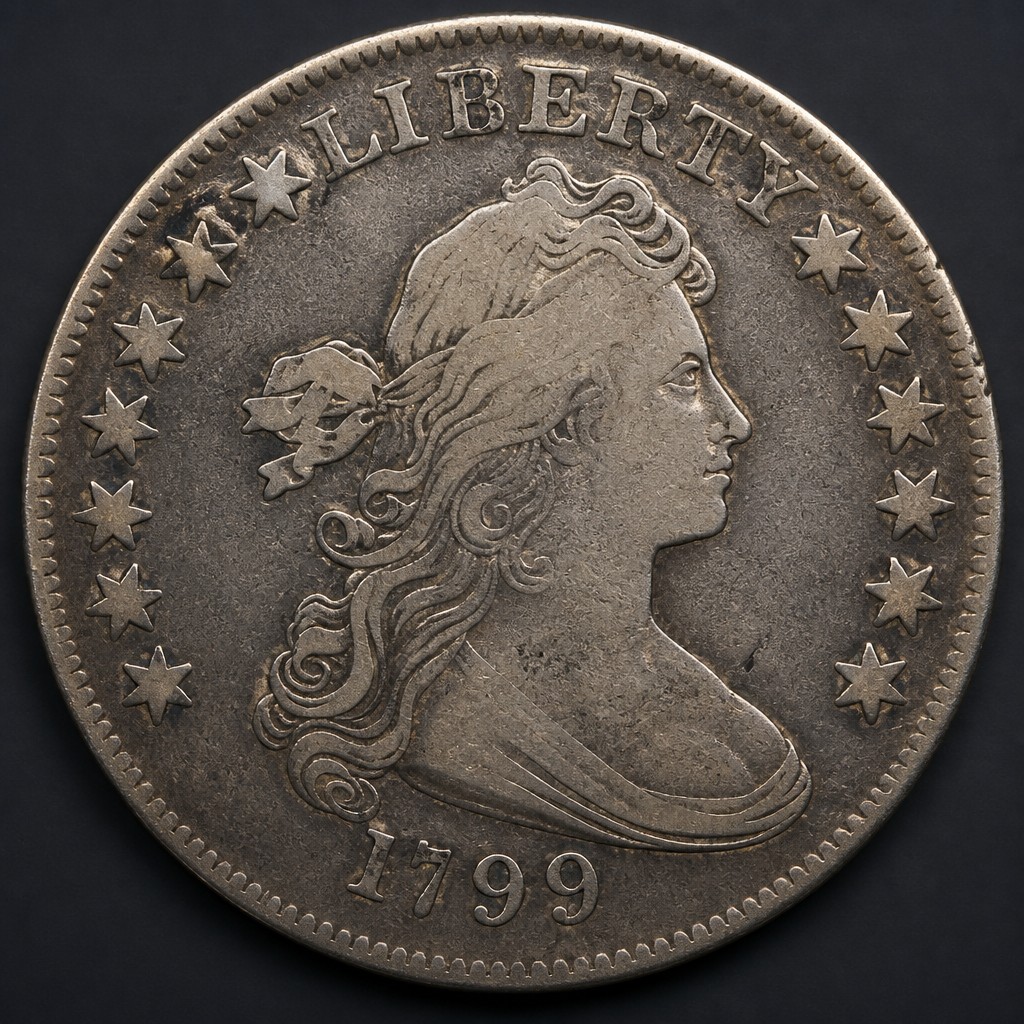
1799/8 Draped Bust Silver Dollar Overdate
1799 (die dated over 1798)
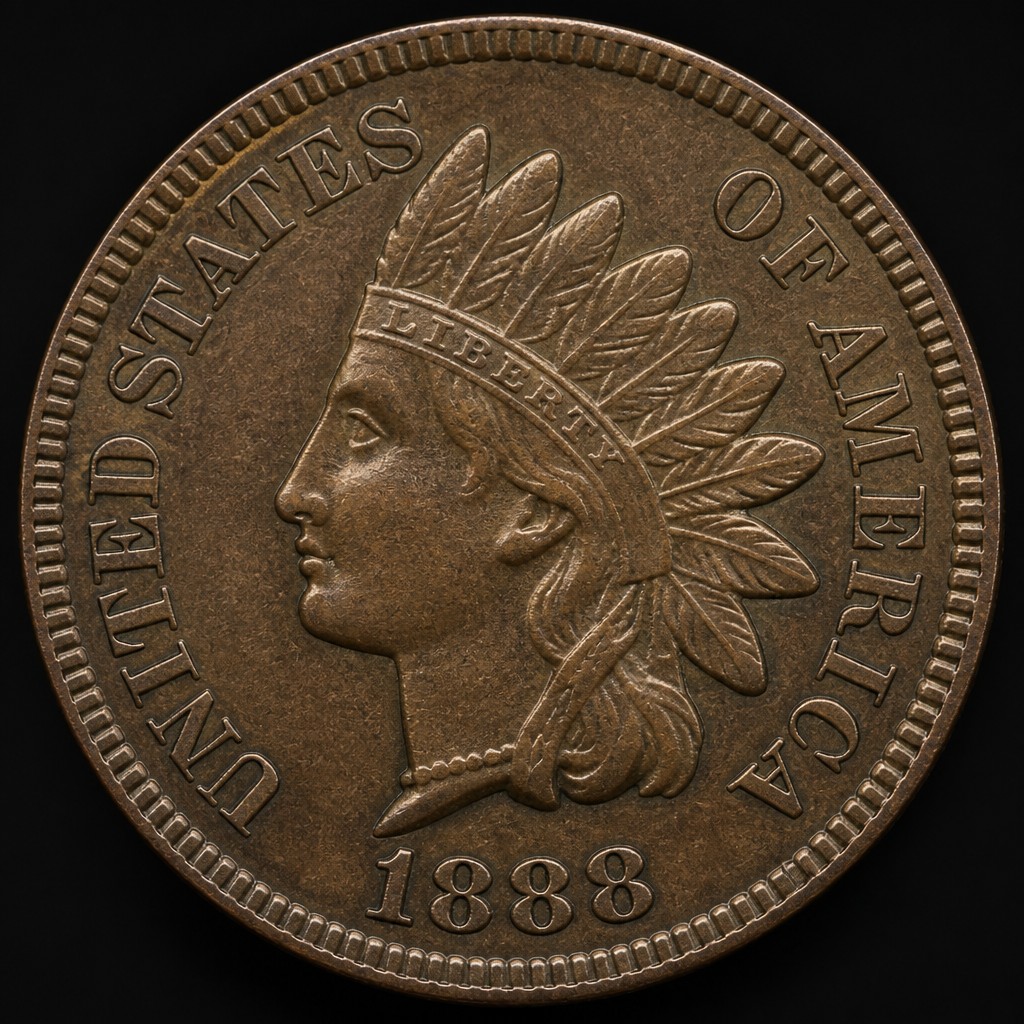
1888/7 Indian Head Cent Overdate
1888
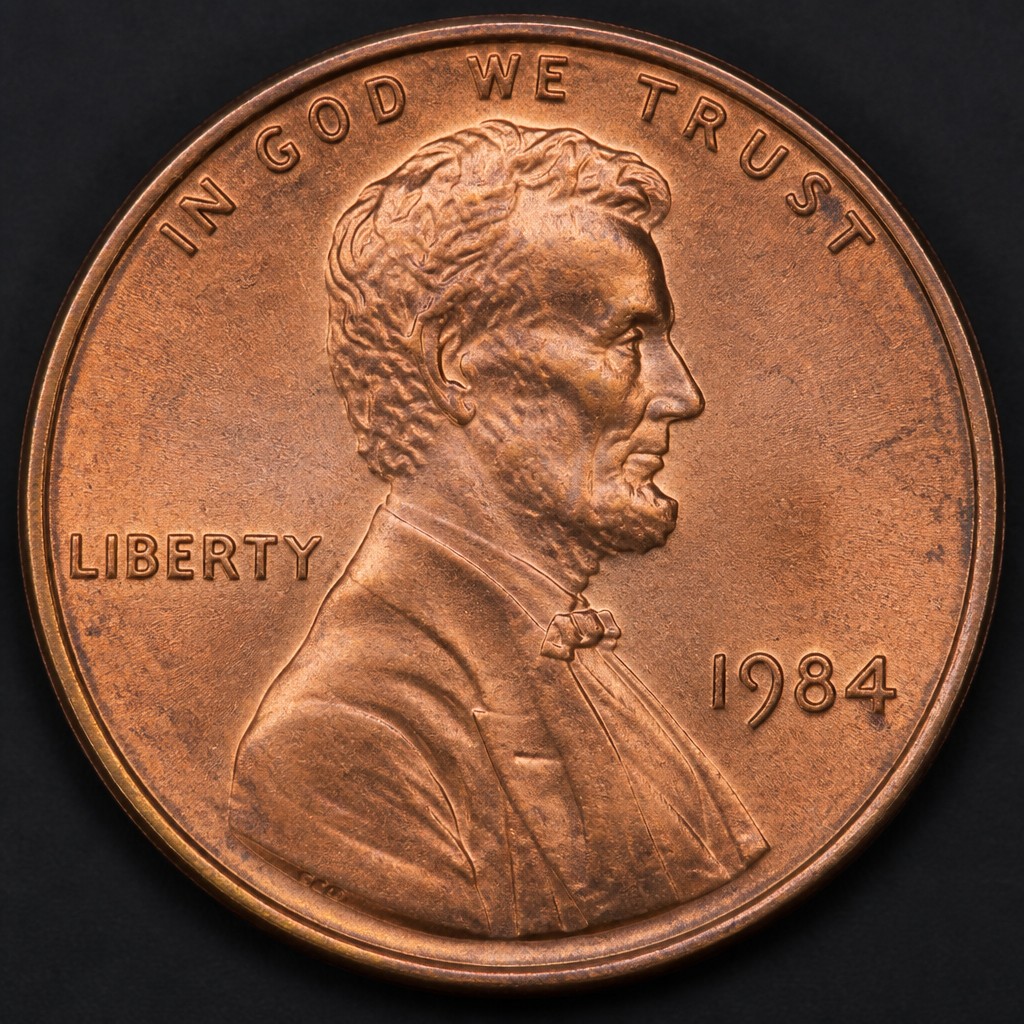
1984 Doubled Ear Lincoln Cent
1984
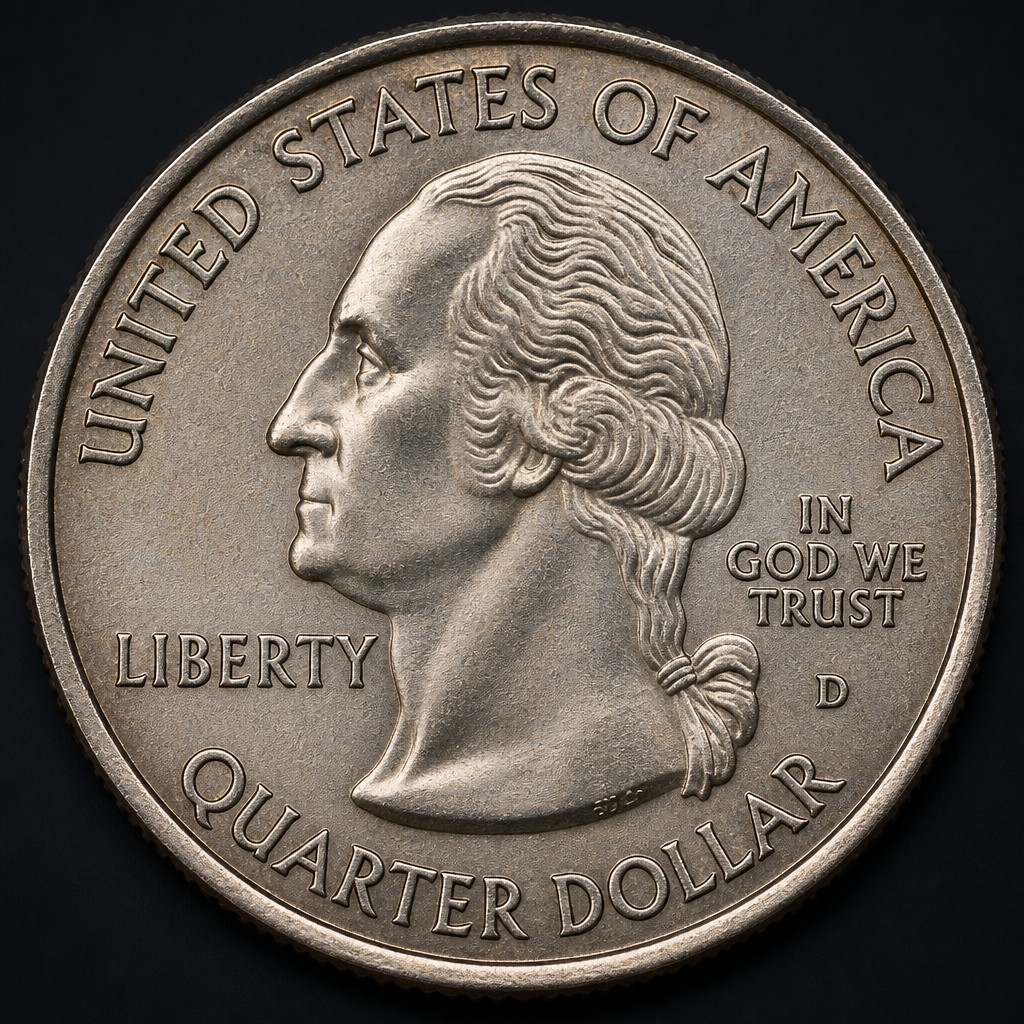
2004-D Wisconsin State Quarter Extra Leaf
2004
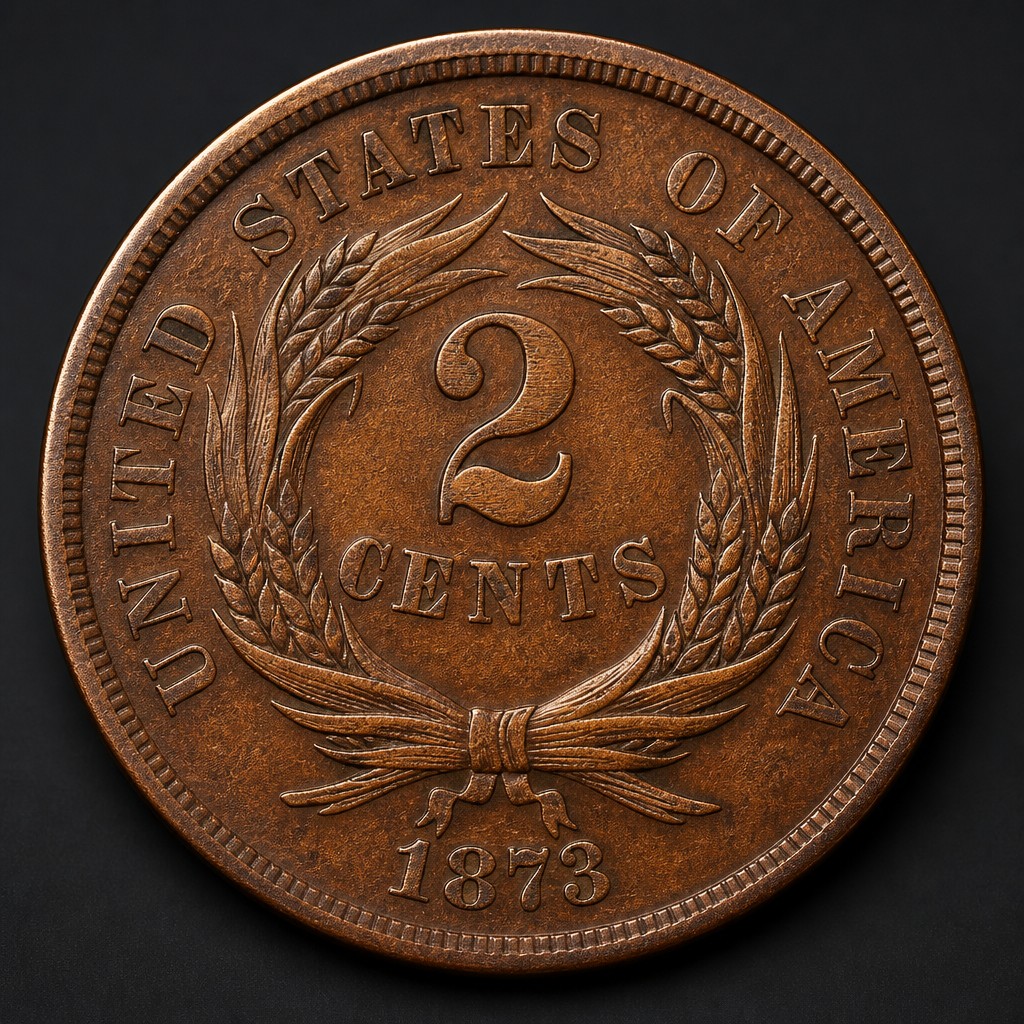
1873 Doubled Die Two-Cent Piece
1873