
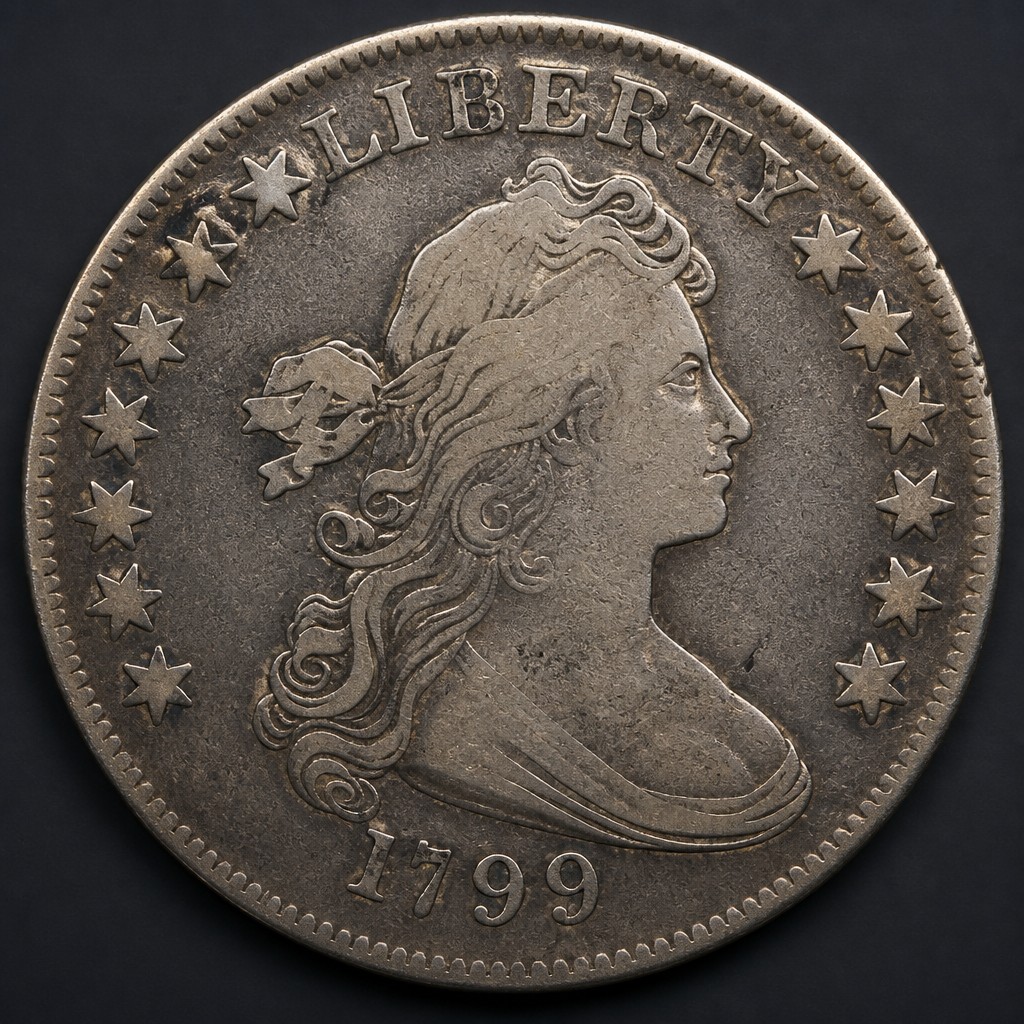
1799/8 Draped Bust Silver Dollar Overdate
A prized die variety of the Draped Bust silver dollar where an 1799 obverse die was punched over a leftover 1798 date, leaving overlapping digits visible under magnification.
- Country
- United States
- Denomination
- 1 Dollar
- Metal
- Approximately 89.24% silver, 10.76% copper
Got a coin like this?
Identify any coin from a photo, free.
Overview
The 1799/8 overdate is one of the most sought-after die varieties within the Draped Bust, Heraldic Eagle silver dollar series struck at the Philadelphia Mint. Rather than a separate date of issue, it is a production quirk: the Mint's engravers, working with limited hand-punched dies, reused a leftover 1798 die by punching a new date over the final digit, leaving traces of the underlying numeral visible to careful observers.
Because the early U.S. Mint cut each working die largely by hand, reusing serviceable dies from the prior year was routine and economical. Several distinct overdate die marriages exist within the 1799/8 designation, cataloged by specialists using the Bolender (BB) numbering system, and collectors pursue the type both as a scarce variety and as a tangible link to the improvised die-making practices of the early republic.
Draped Bust dollars of this era circulated widely in international trade and were often exported or melted, so survivors show notable wear. The overdate variety adds a layer of specialist interest on top of the broader appeal of these large, historic silver dollars.
History & Background
The Draped Bust dollar was introduced in 1795, replacing the Flowing Hair design, with the female Liberty portrait based on a Gilbert Stuart drawing said to be modeled on Philadelphia socialite Ann Willing Bingham. Beginning in 1798, the reverse changed from the small, naturalistic "Small Eagle" to the "Heraldic Eagle," modeled loosely on the Great Seal of the United States, with a shield-bearing eagle clutching arrows and an olive branch.
At the turn of the 1799 minting year, the Mint's die shop, needing serviceable dies quickly and lacking a large stock of freshly engraved ones, repunched an existing 1798 die with a new date, creating the 1799/8 overdate. This was standard practical die-making of the period rather than a marketing decision, and it is one of several early Mint overdates that reflect the primitive but resourceful methods used at the fledgling Philadelphia facility.
Silver dollars of this design circulated into the early 19th century until President Jefferson suspended dollar coinage in 1804 amid concerns over export and melting, making the entire Draped Bust dollar series, overdate varieties included, a snapshot of the earliest years of U.S. coinage.
How to Identify
The obverse depicts Liberty in a draped bust facing right, hair flowing beneath a cloth band, surrounded by stars and the date at the bottom. On the 1799/8 overdate, magnification under the final digit of the date reveals remnants of an underlying "8," often visible as a faint loop or serif peeking from beneath the final digit punch, depending on the specific die marriage.
The reverse shows the Heraldic Eagle with a striped shield on its breast, an olive branch in one talon and arrows in the other, a ribbon in its beak reading "E PLURIBUS UNUM," surrounded by "UNITED STATES OF AMERICA." The coin is struck in silver, roughly 39-40mm in diameter, with a reeded edge typical of the era's larger denominations, though edge striations can be uneven due to hand-operated presses.
Distinguishing a genuine 1799/8 from a normal-date 1799 dollar requires careful examination of the last digit under strong magnification for doubling or an extra serif; several die pairings are known, so reference to a variety attribution guide (such as Bolender numbers) is recommended for precise identification. Because these coins are valuable, third-party grading and attribution by a recognized service is strongly advised before purchase.
Value & Collectibility
As with all early Draped Bust dollars, value is extremely grade-sensitive: well-worn examples in About Good to Fine can still command solidly four-figure prices given the base rarity and demand for the type, while examples in About Uncirculated or better condition move into a much higher tier and are seldom encountered. The overdate designation itself typically carries a modest to significant premium over a normal-date 1799 dollar, depending on which specific die variety is represented and its relative scarcity within the Bolender catalog.
Because die varieties within early dollars are pursued heavily by specialists, values can diverge widely between a common variety and a genuinely rare die marriage bearing the same "1799/8" overdate label; attribution matters as much as grade. Cleaned, holed, or otherwise impaired examples trade for markedly less than problem-free coins, and counterfeits or altered-date pieces exist in this series, so authentication by a major grading service is important before any purchase.
Frequently asked questions
What does "1799/8" mean on a coin?
It indicates a visible remnant of an "8" beneath the final digit of the date, showing the die was originally cut for 1798 and later repunched with a 1799 date.
Why did the Mint reuse dies with a new date?
Early Mint dies were hand-engraved and costly to produce, so serviceable dies from the prior year were often reworked rather than discarded, a common practice in the 1790s-1800s.
How rare is the 1799/8 overdate compared to a normal 1799 dollar?
It is scarcer than a standard 1799 dollar overall, though rarity varies by specific die marriage; some pairings are considerably tougher to find than others.
How can I tell if my coin is a genuine overdate?
Examine the final date digit under magnification for doubling or an extra serif, and compare to published variety attribution guides; professional grading services can confirm and attribute the variety.
What metal is the coin made of?
It is struck in silver of approximately 89.24% fineness with copper alloy, consistent with the early U.S. Mint's silver dollar standard.
Other coins you may enjoy
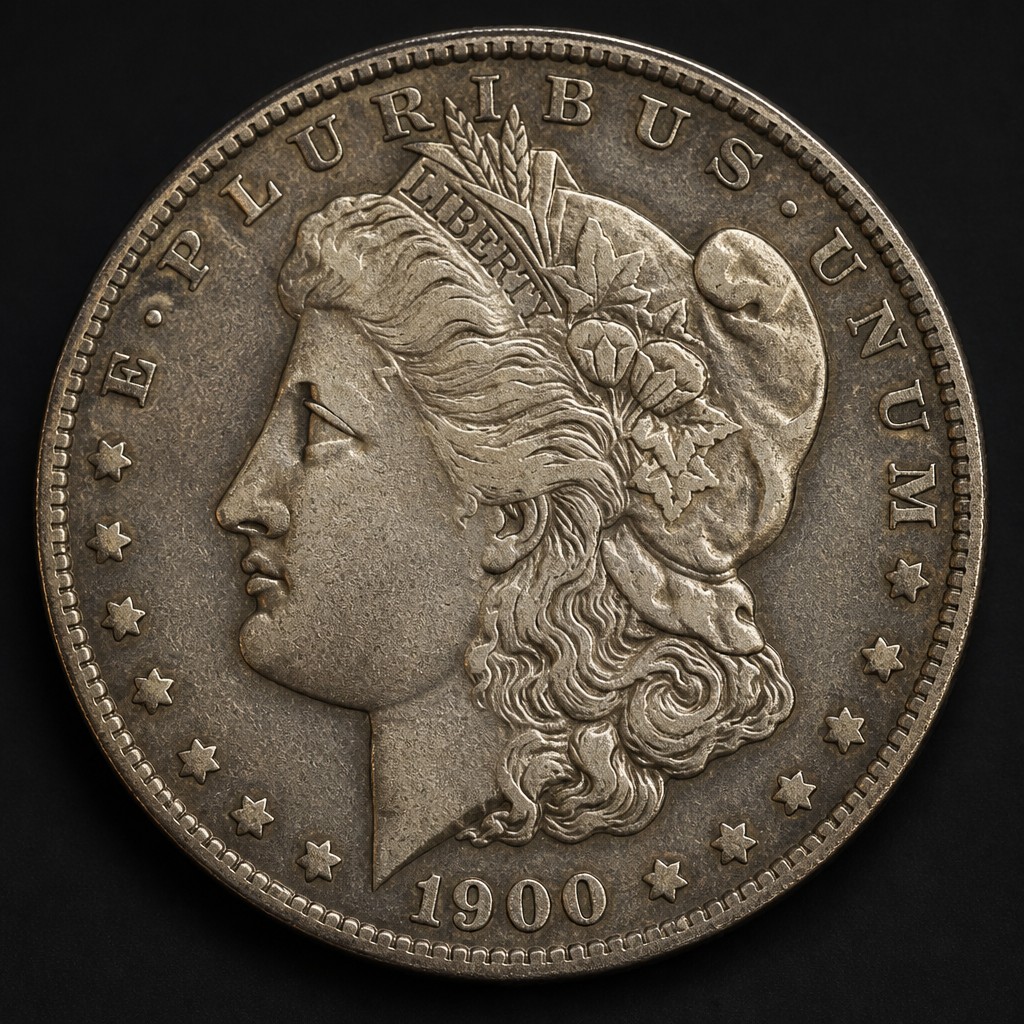
1900-O/CC Morgan Dollar
1900
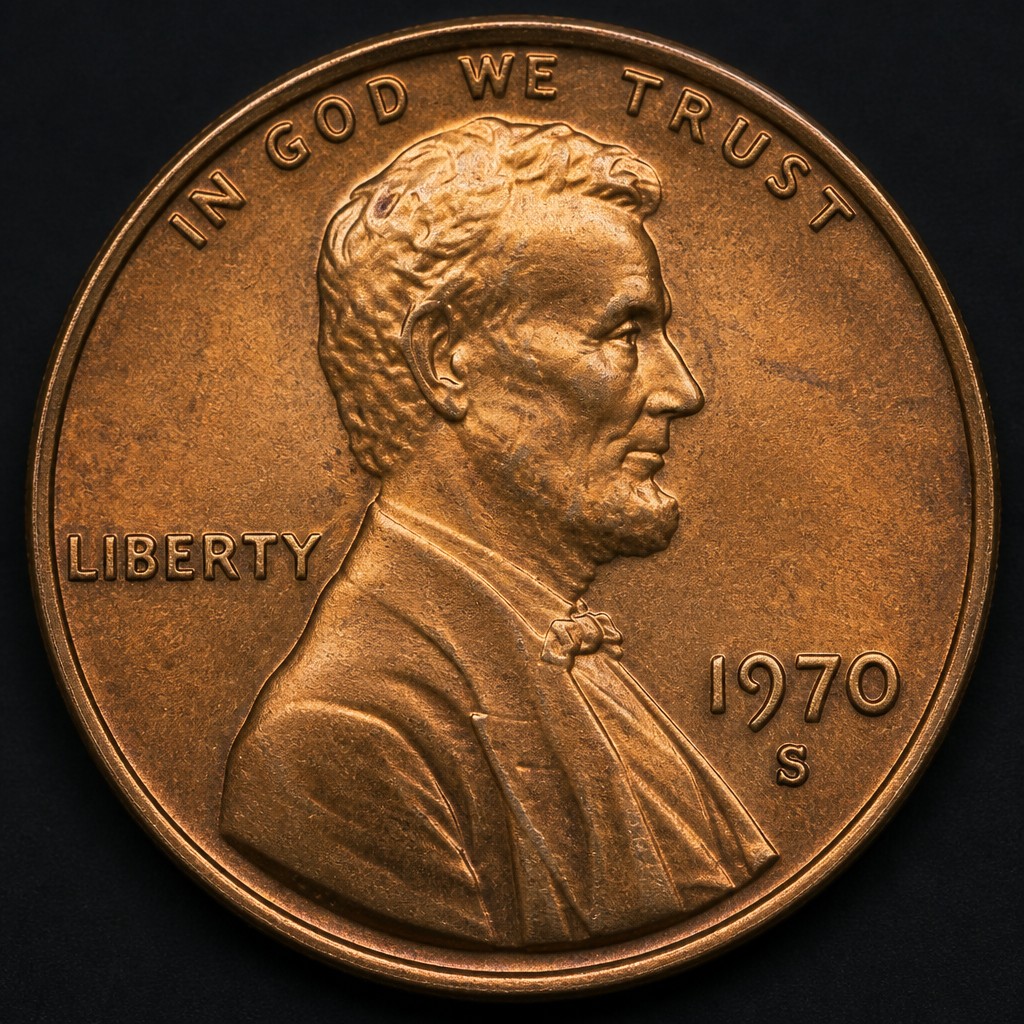
1970-S Small Date Lincoln Cent
1970
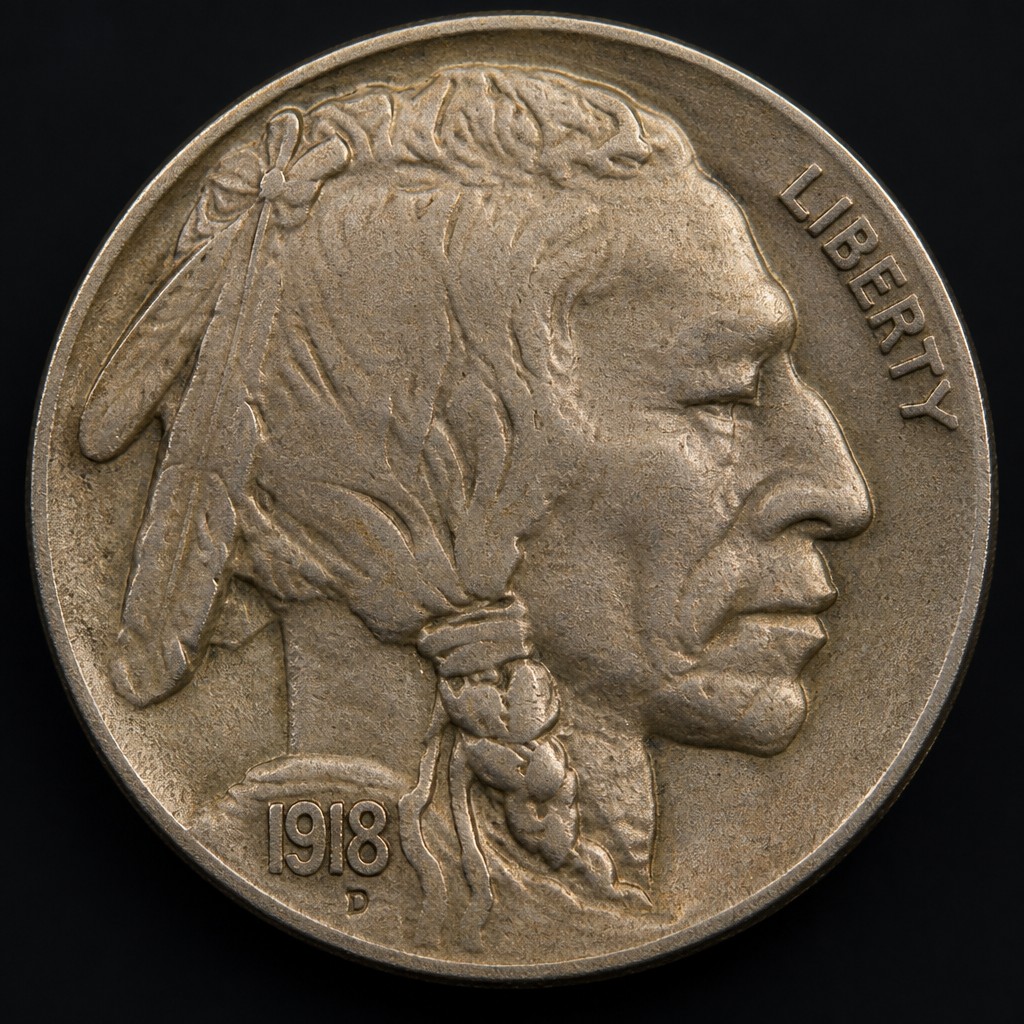
1918/7-D Buffalo Nickel
1918
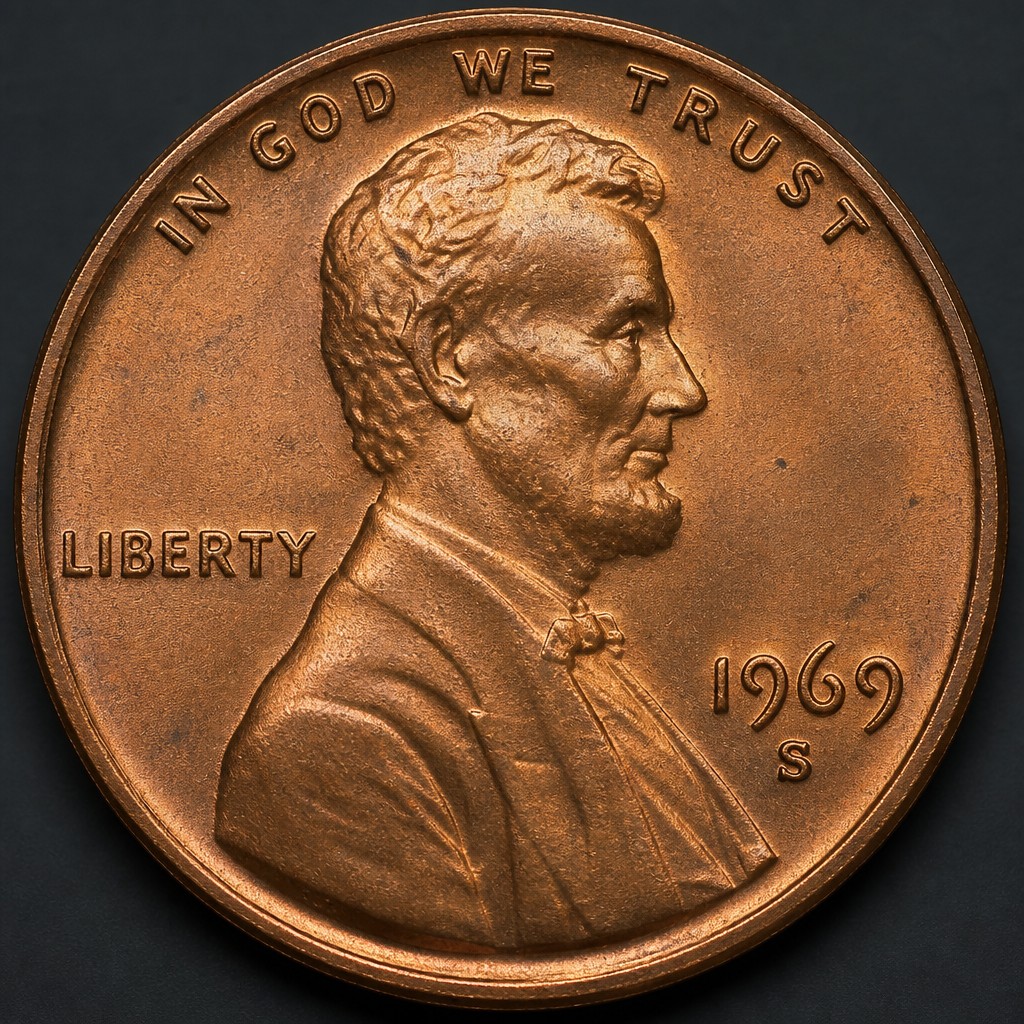
1969-S Doubled Die Obverse Lincoln Cent
1969
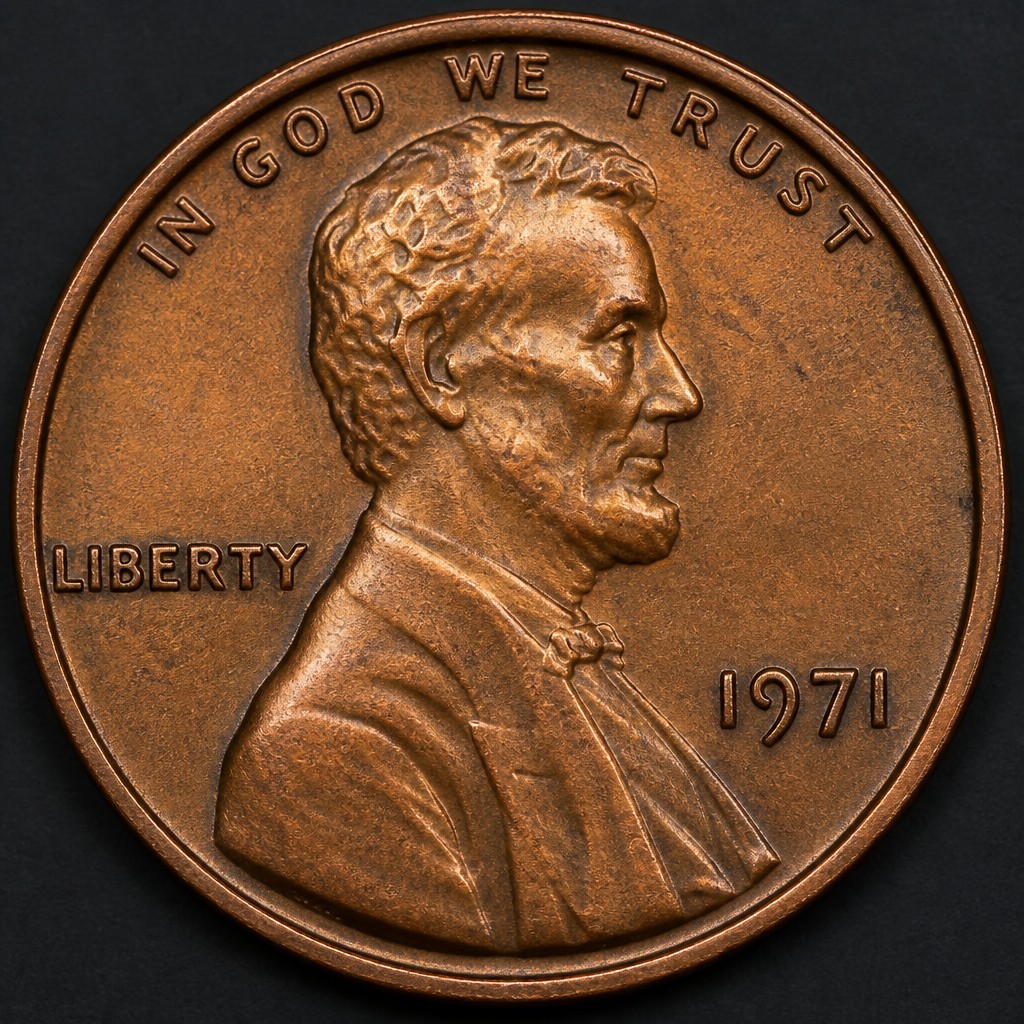
1971 Doubled Die Obverse Lincoln Cent
1971
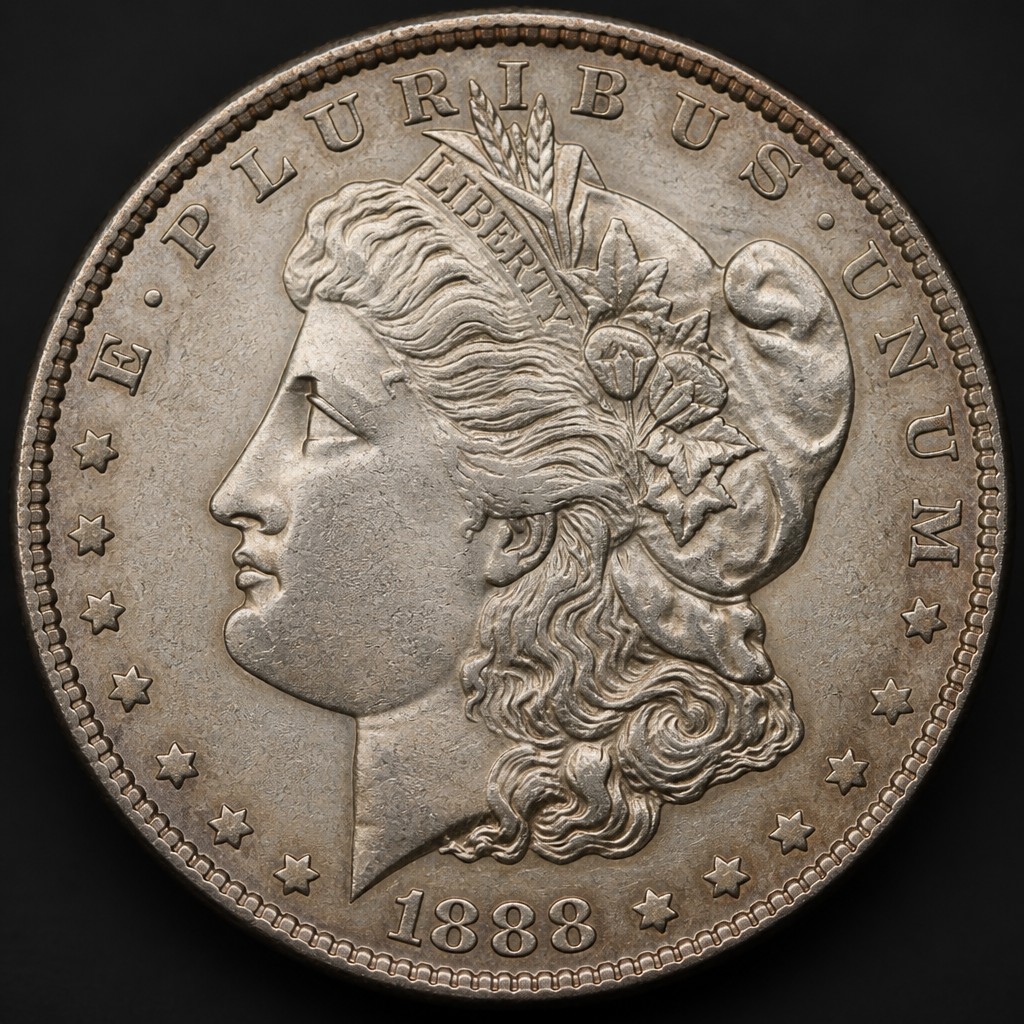
1888/7 Morgan Dollar Overdate
1888
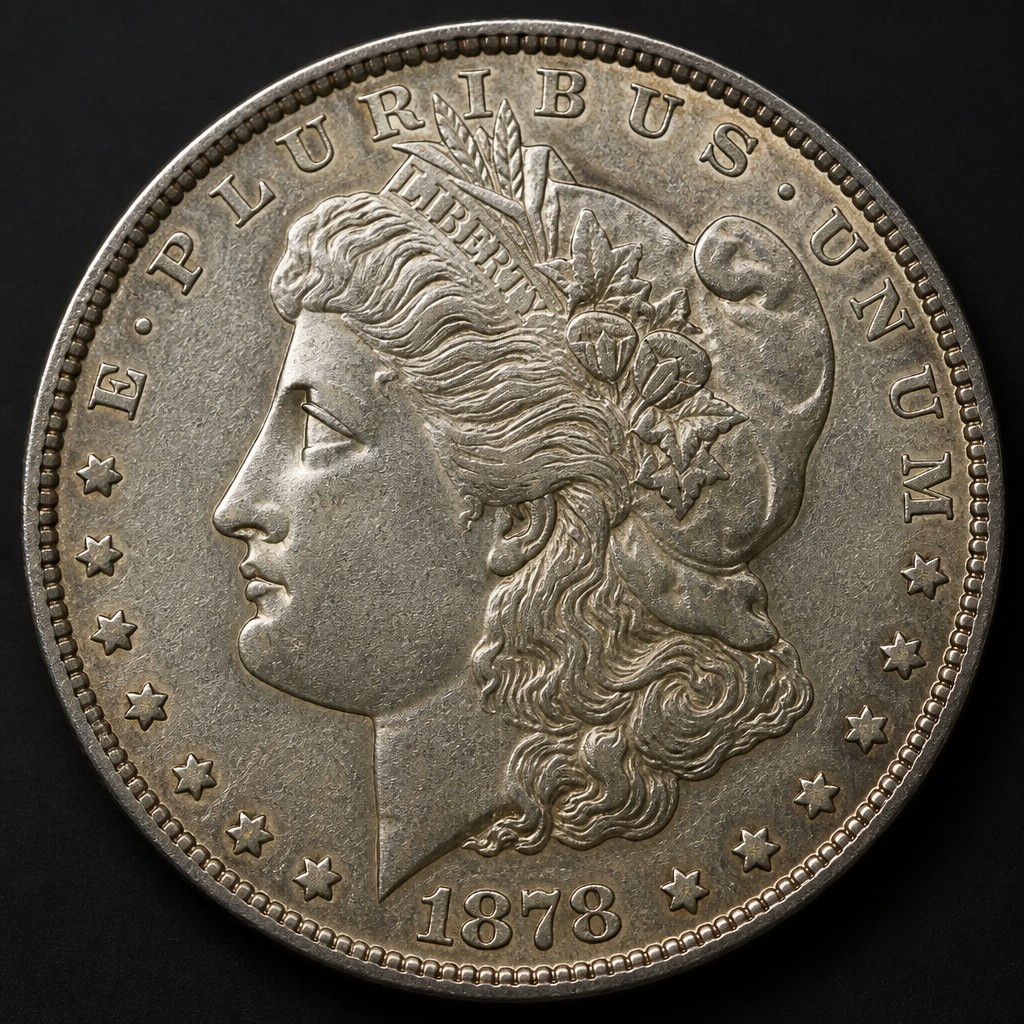
1878 7/8 Tail Feathers Morgan Dollar
1878
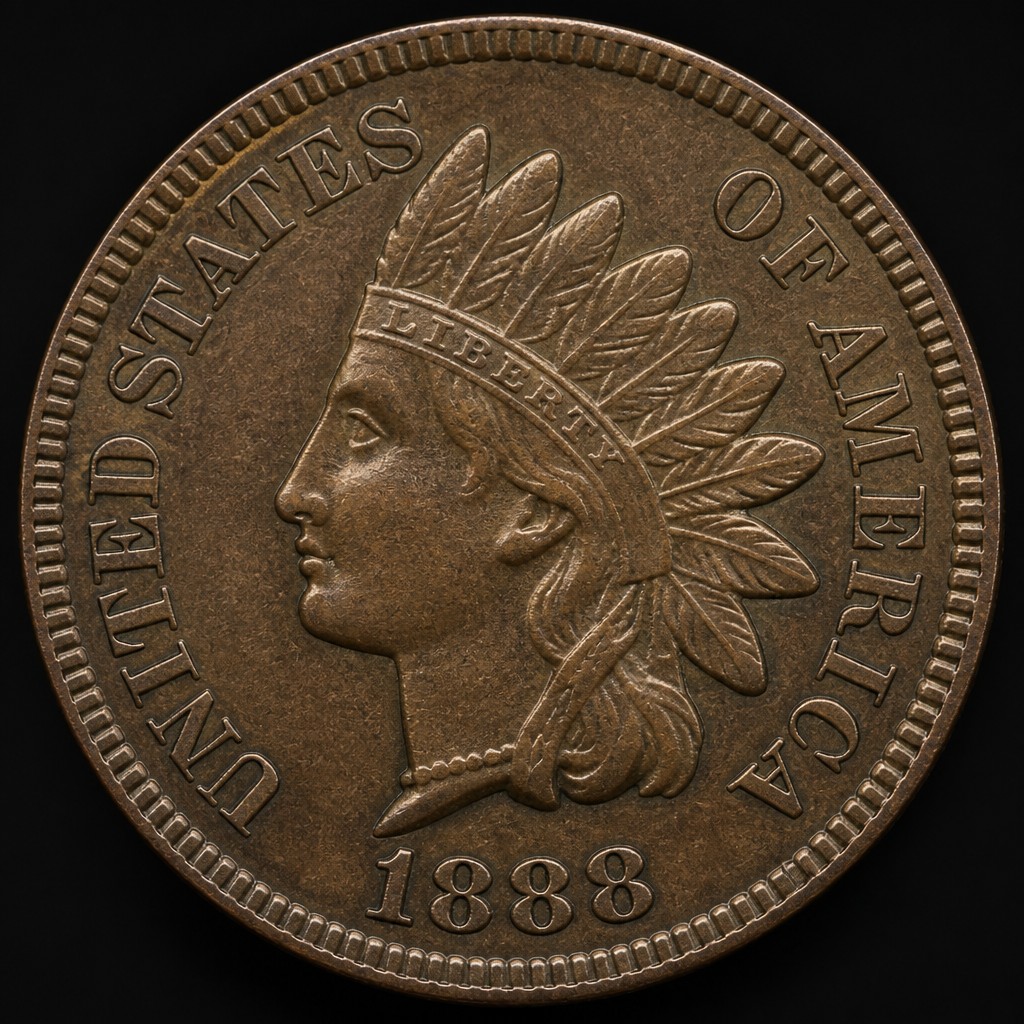
1888/7 Indian Head Cent Overdate
1888
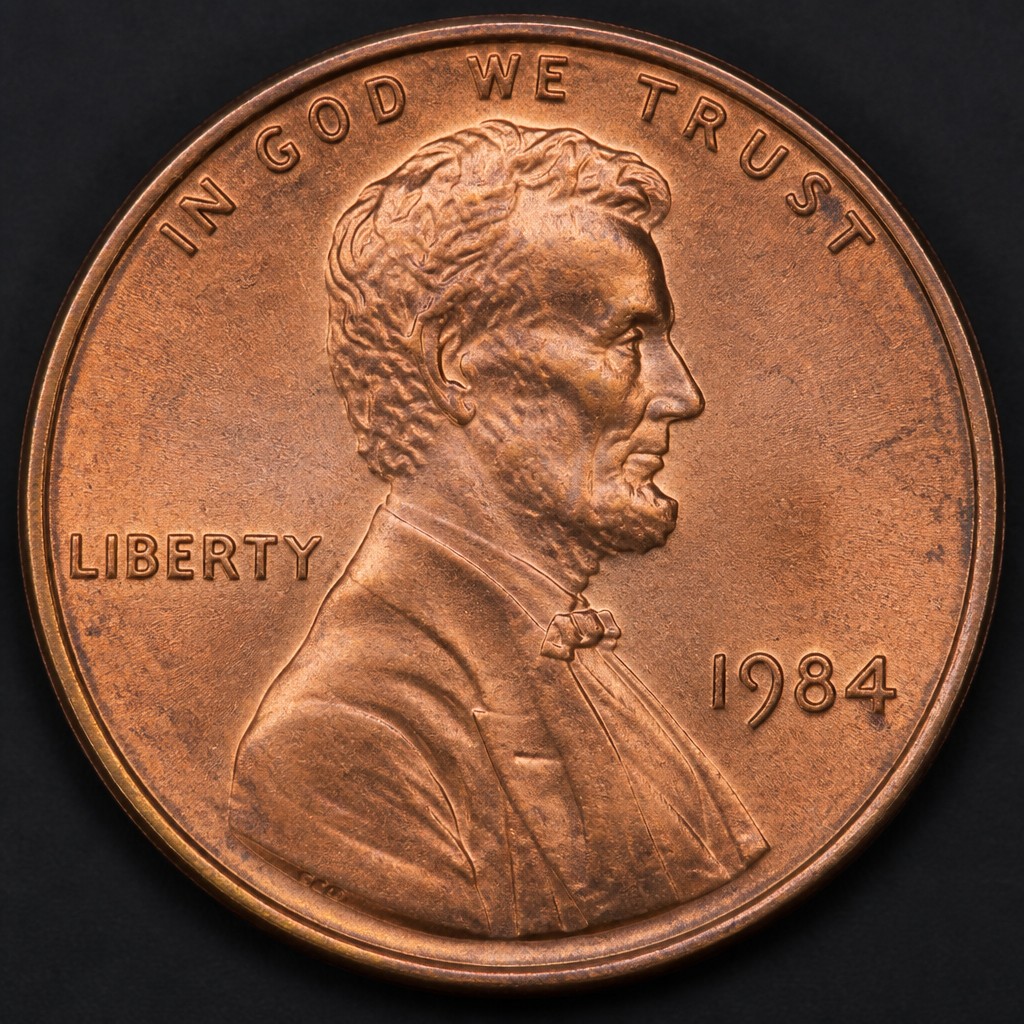
1984 Doubled Ear Lincoln Cent
1984
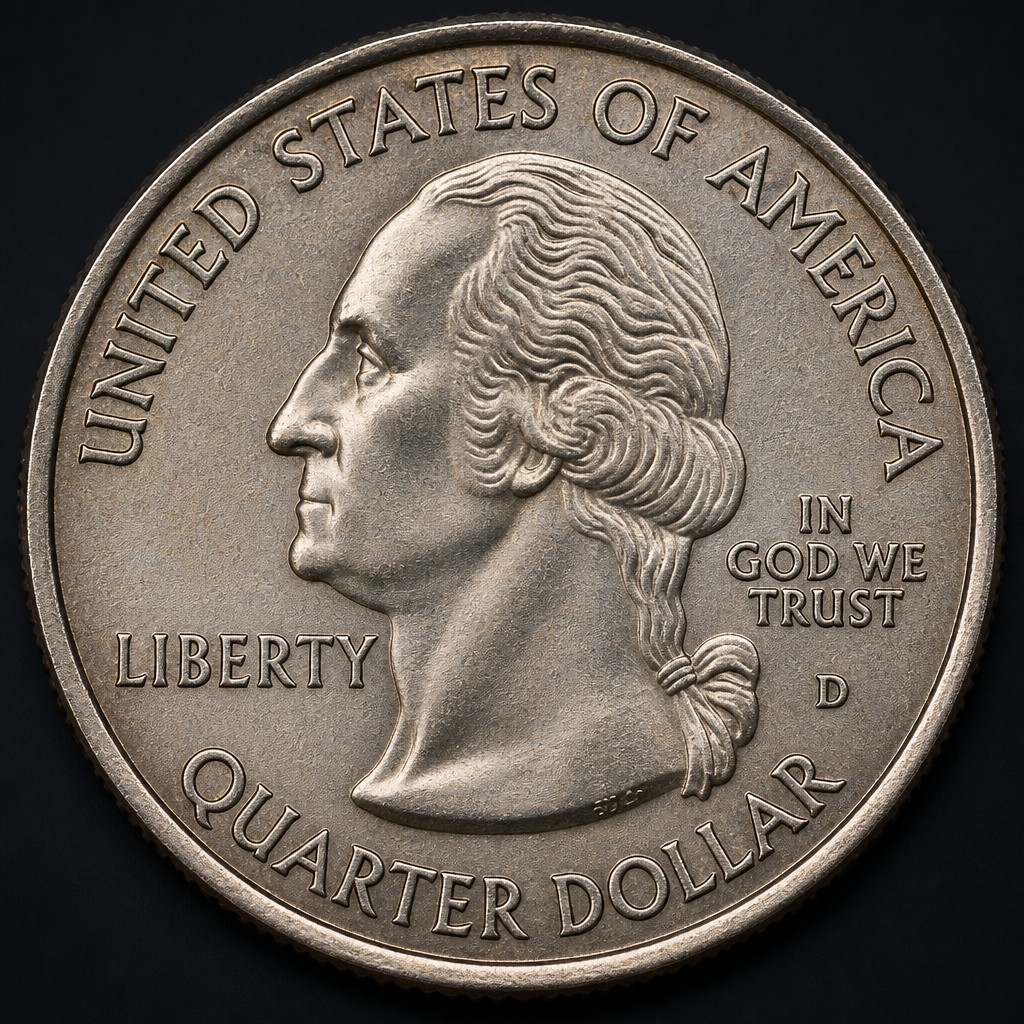
2004-D Wisconsin State Quarter Extra Leaf
2004
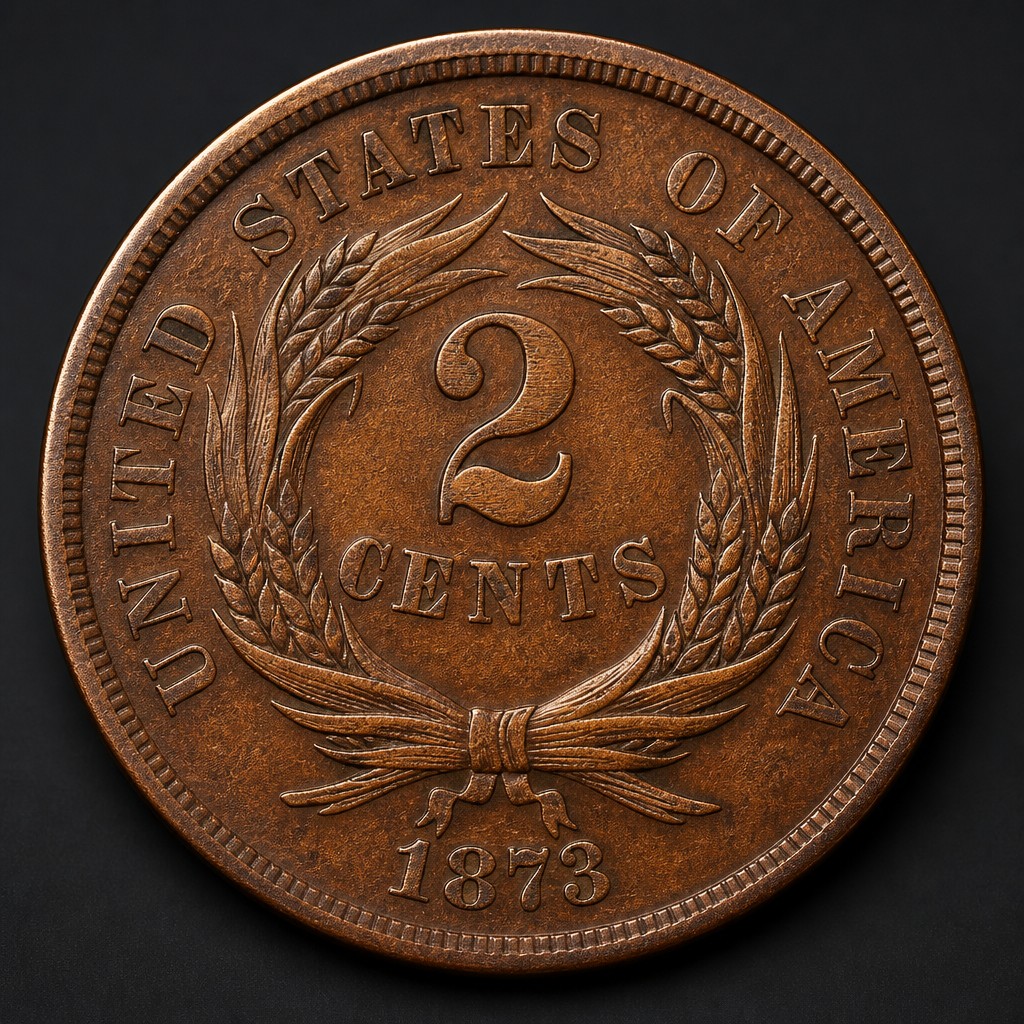
1873 Doubled Die Two-Cent Piece
1873
1983 Doubled Die Reverse Lincoln Cent
1983