
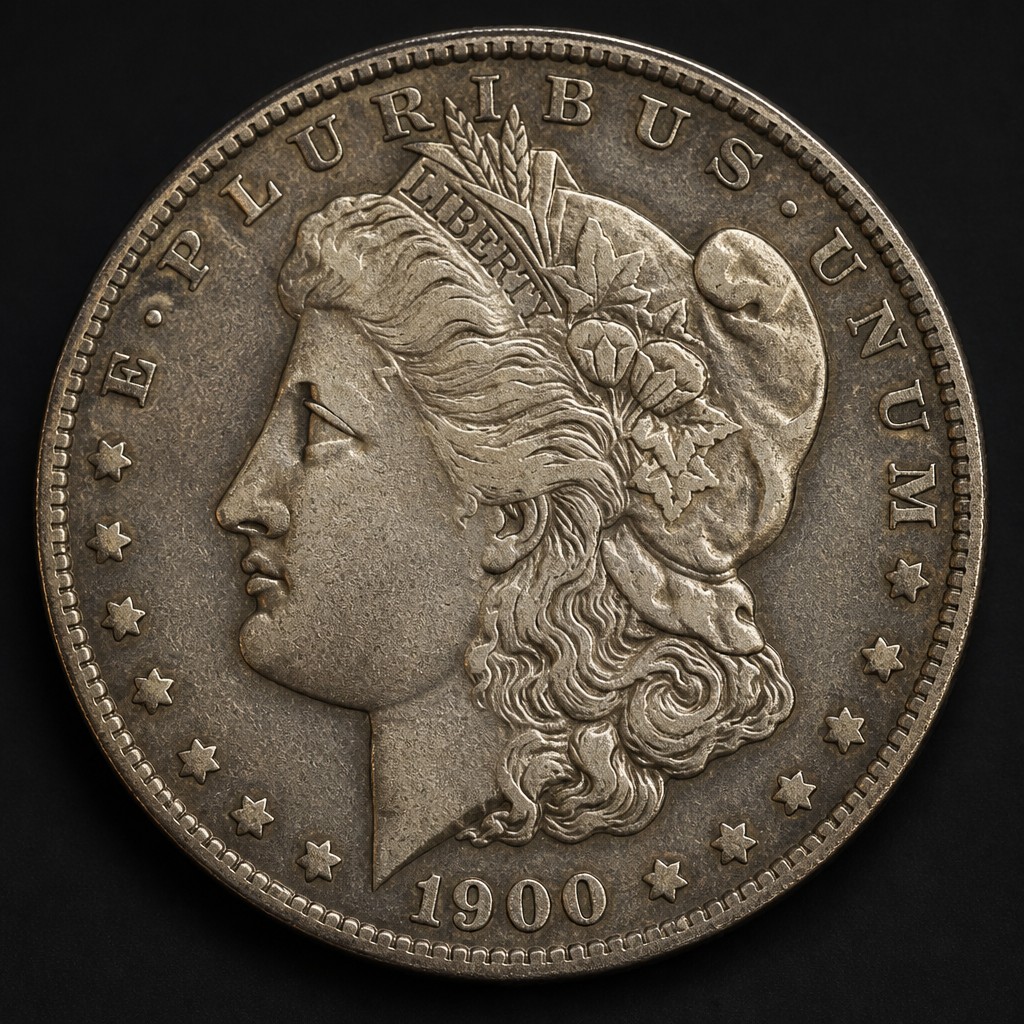
1900-O/CC Morgan Dollar
A well-known Morgan dollar overmintmark variety showing an O mintmark punched over a CC, created when a leftover Carson City die was repurposed and repunched for use at New Orleans.
- Country
- United States
- Denomination
- 1 dollar
- Metal
- 90% silver, 10% copper
Got a coin like this?
Identify any coin from a photo, free.
Overview
The 1900-O/CC Morgan dollar is a widely recognized and popular overmintmark variety in which traces of an underlying CC mintmark are visible beneath the final O mintmark on the reverse. It arose from the reuse of a working die originally prepared for the Carson City Mint, which was repunched with an O and shipped to or used at the New Orleans Mint instead of being discarded.
The variety is notable partly because Carson City coinage in general carries strong collector appeal due to that mint's relatively small output and romanticized Old West history, and any coin showing tangible physical evidence of a Carson City connection, even an overmintmark on a coin actually struck elsewhere, attracts outsized interest from Morgan dollar collectors.
Because the doubling is confined to a small area of the mintmark, careful examination under magnification is required to properly identify this variety, but the reward for collectors is a tangible, physical link between two different branch mints on a single coin.
History & Background
The Morgan dollar was struck at several mints throughout its run, including Philadelphia, San Francisco, New Orleans, and Carson City, with the Carson City Mint ceasing coin production in 1893. Leftover dies and equipment from Carson City were sometimes redistributed to other Mint facilities in the years that followed rather than being wasted, particularly as demand for silver dollar coinage continued under federal silver purchase legislation.
The 1900-O/CC overmintmark reflects exactly this kind of die reuse, where a working die still bearing a CC mintmark, or nearly finished with the CC punch, was repunched with an O and used at the New Orleans Mint in 1900, years after Carson City had stopped striking coins. This practical reuse of otherwise wasted die stock was consistent with the Mint's cost-conscious operating practices of the era.
The variety was identified by later generations of Morgan dollar researchers cataloging reverse die characteristics, and it has since become one of the most requested and recognized overmintmark varieties within the extensive VAM reference literature for the series.
How to Identify
The obverse of the Morgan dollar shows Liberty facing left with a coronet inscribed LIBERTY, surrounded by stars, with the date below. The reverse depicts an eagle with wings spread holding arrows and an olive branch, encircled by a wreath, with the mintmark positioned below the wreath between the D and O of DOLLAR.
On the 1900-O/CC variety, magnification reveals remnants of the underlying C or CC shape peeking out from beneath or beside the final O mintmark, a diagnostic feature that should be compared carefully against published VAM reference photographs specific to this variety, since ordinary die chips or wear near the mintmark can be mistaken for genuine overmintmark doubling.
The coin retains the standard 90% silver, 10% copper composition, 38.1mm diameter, and reeded edge common to all Morgan dollars, with the overmintmark being the sole distinguishing feature separating it from an ordinary 1900-O Morgan dollar.
Collectors should be cautious of coins with minor mintmark blemishes being misrepresented as this variety, and should seek certification or attribution from a recognized variety-attribution service or major grading company before paying a significant premium.
Value & Collectibility
The 1900-O/CC Morgan dollar commands a notable premium over a common 1900-O Morgan dollar, driven by strong demand from both Morgan dollar variety specialists and the broader base of collectors drawn to the Carson City connection embedded in the coin's die history.
Pricing varies with the clarity of the visible underlying CC remnants and the coin's overall grade, with circulated examples widely available at accessible price points and choice to gem uncirculated pieces bringing meaningfully higher prices, particularly with strong luster and clean surfaces.
As with all Morgan dollar varieties, buyers should favor examples certified and attributed by a reputable grading or variety-attribution service, since the value premium depends directly on the buyer's confidence that the mintmark doubling is a genuine, documented die characteristic rather than incidental damage.
Frequently asked questions
Why does a New Orleans dollar show a CC underneath the O?
A working die originally prepared for the Carson City Mint was repunched with an O and used at New Orleans, likely to avoid wasting a partially finished die after Carson City stopped striking coins.
Is this coin actually from Carson City?
No, the coin itself was struck at the New Orleans Mint in 1900; only the underlying die material has a physical connection to Carson City through the reused, repunched mintmark.
How rare is the 1900-O/CC variety?
It is a recognized, moderately scarce variety that carries a solid premium over a common 1900-O dollar, though it is well documented and obtainable by dedicated collectors.
What tools do I need to see the overmintmark?
A magnifying loupe of at least 5x to 10x power under strong, angled lighting is typically needed to clearly see the underlying CC remnants.
Other coins you may enjoy
1970-S Small Date Lincoln Cent
1970
1918/7-D Buffalo Nickel
1918
1969-S Doubled Die Obverse Lincoln Cent
1969
1971 Doubled Die Obverse Lincoln Cent
1971
1888/7 Morgan Dollar Overdate
1888
1878 7/8 Tail Feathers Morgan Dollar
1878
1799/8 Draped Bust Silver Dollar Overdate
1799 (die dated over 1798)
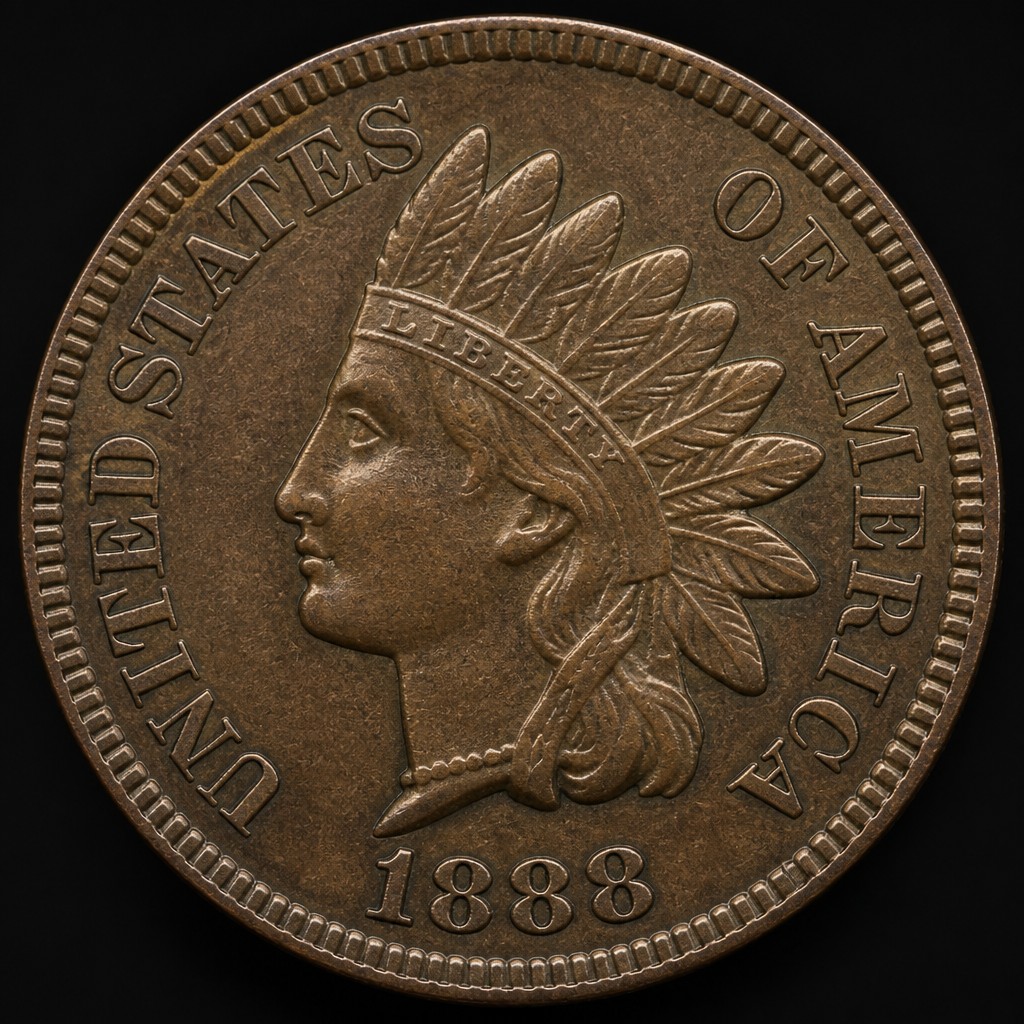
1888/7 Indian Head Cent Overdate
1888
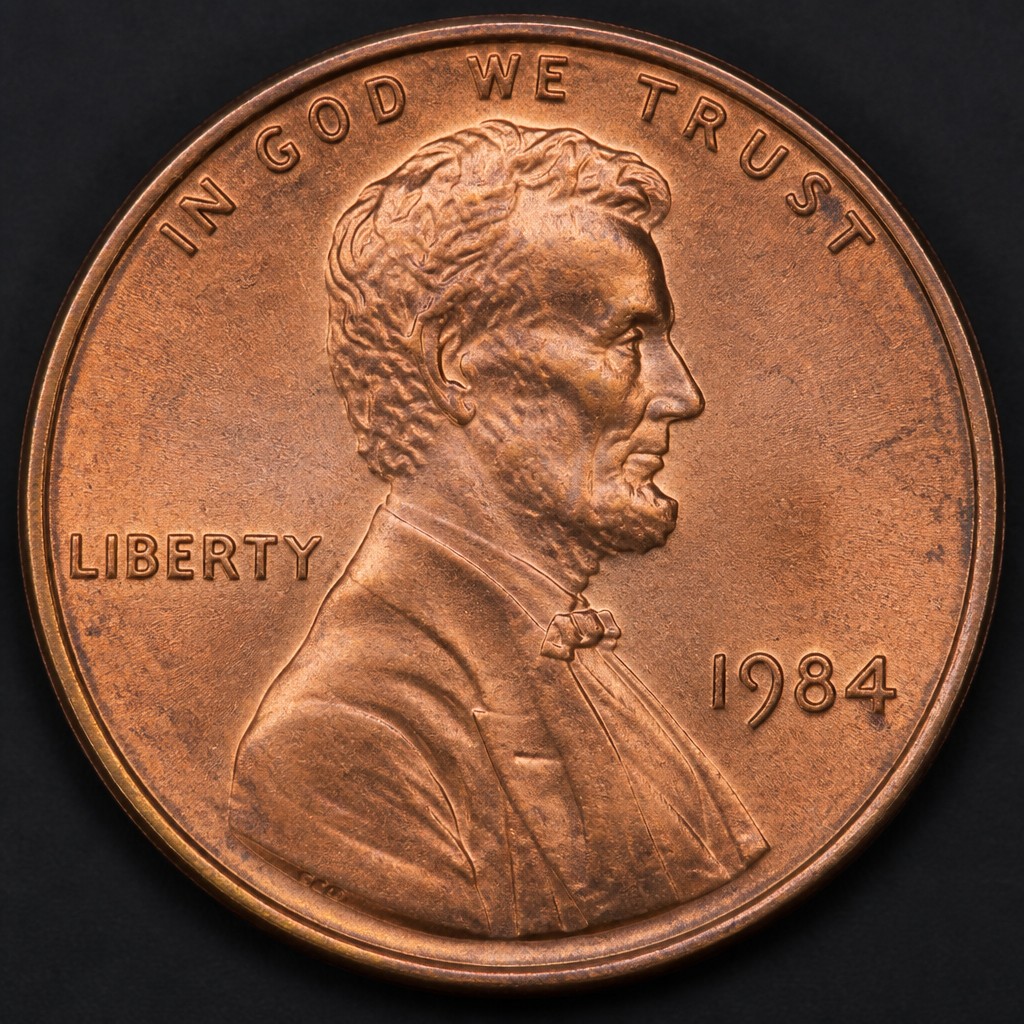
1984 Doubled Ear Lincoln Cent
1984
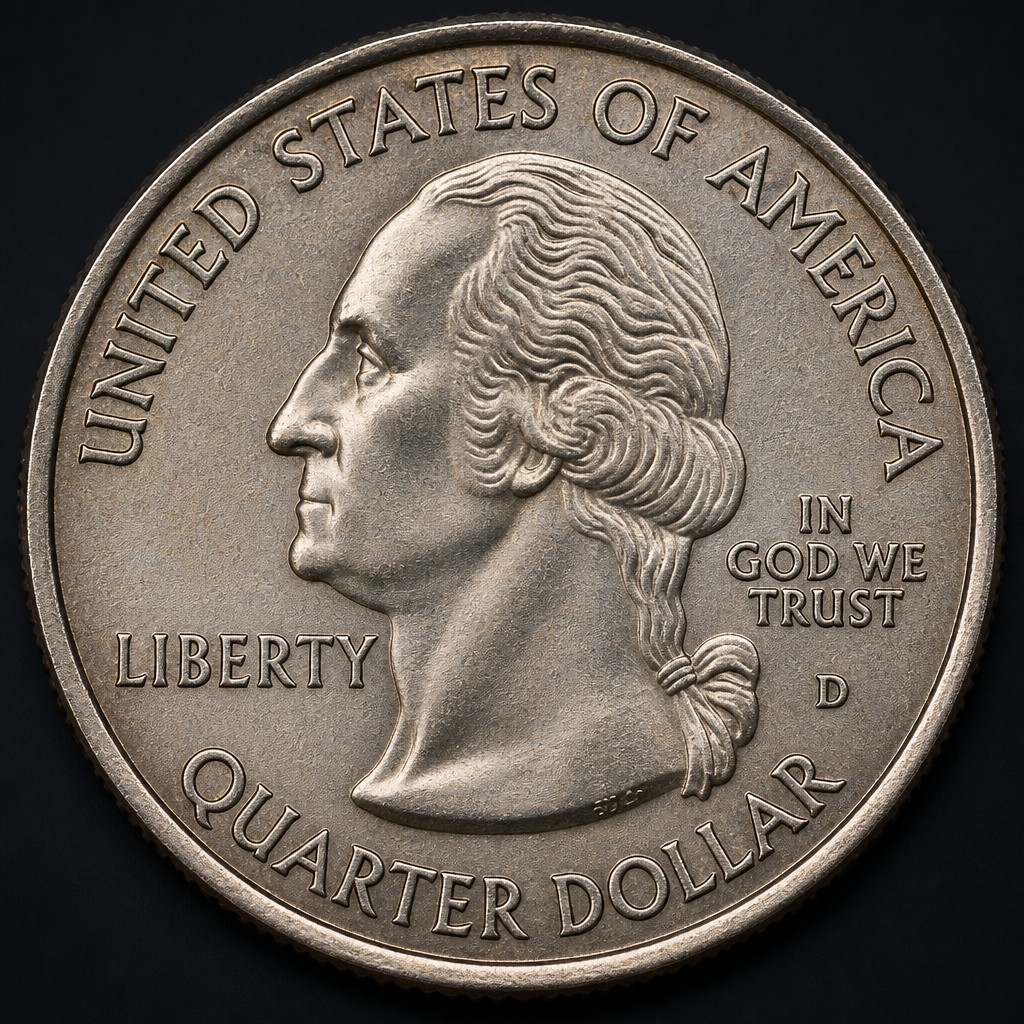
2004-D Wisconsin State Quarter Extra Leaf
2004
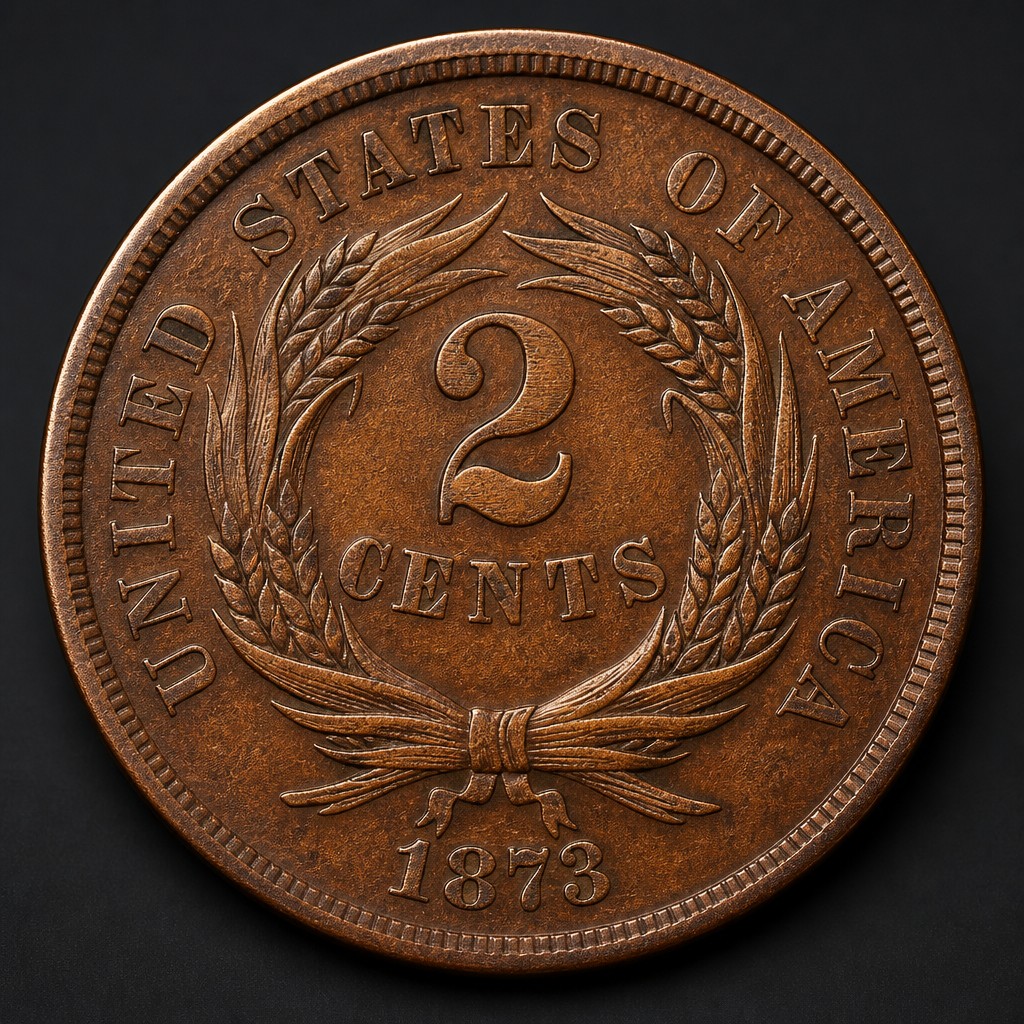
1873 Doubled Die Two-Cent Piece
1873
1983 Doubled Die Reverse Lincoln Cent
1983