
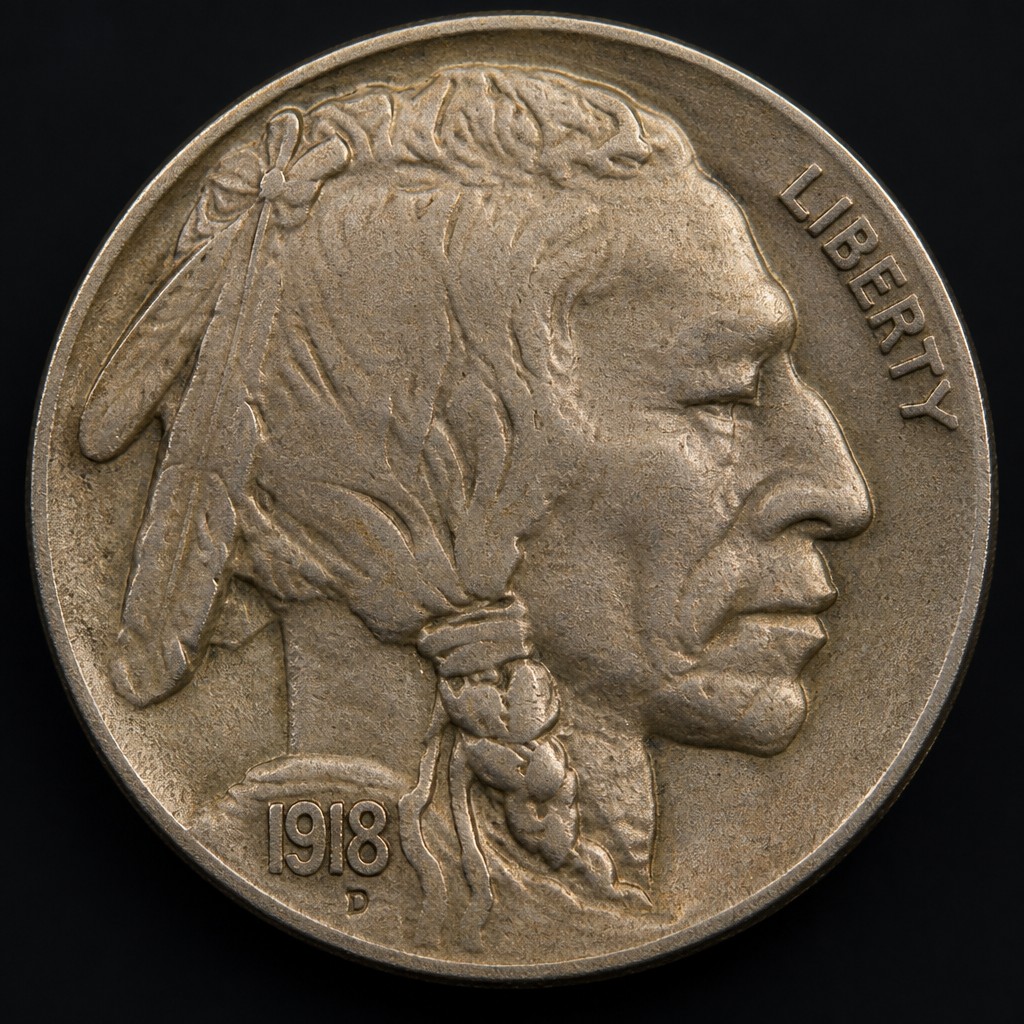
1918/7-D Buffalo Nickel
One of the most famous overdate errors in United States coinage, showing 1918 struck over an earlier 1917 date on a Buffalo nickel die reused at the Denver Mint.
- Country
- United States
- Denomination
- 5 cents
- Metal
- Copper-nickel (75% copper, 25% nickel)
Got a coin like this?
Identify any coin from a photo, free.
Overview
The 1918/7-D Buffalo nickel is widely regarded as one of the premier overdate varieties in all of American numismatics, comparable in fame within its series to overdates found among large cents and other early coinage. The variety shows unmistakable evidence of an earlier 7 beneath the final 8 in the date, the result of a working die from 1917 being repunched with 1918 date elements rather than being retired, and then used at the Denver Mint.
Unlike many overdate and overmintmark varieties that require significant magnification to detect, the 1918/7-D is often visible with the naked eye or with only slight magnification in well-preserved examples, contributing to its enduring popularity and fame beyond just dedicated Buffalo nickel specialists.
As a key variety within the broader Buffalo nickel series, which itself is one of the most iconic and heavily collected classic American coin designs, the 1918/7-D holds a place alongside other legendary condition and variety rarities that any advanced type or date collector eventually seeks to acquire.
History & Background
The Buffalo nickel, designed by James Earle Fraser, was struck from 1913 to 1938, depicting a composite Native American portrait on the obverse and an American bison on the reverse. During the late 1910s, mintmarks and date elements were still hand-applied to individual working dies, a labor-intensive process at a time when the Mint sought efficiency wherever practical, including reusing dies across successive years when feasible.
The 1918/7-D overdate arose when a die already bearing a partial or complete 1917 date was repunched with 1918 date elements rather than discarded, evidently in an effort to conserve die stock, and the reworked die was subsequently used to strike nickels at the Denver Mint. This practice, while cost-effective for the Mint, occasionally left clear visual evidence of the underlying earlier date, as is dramatically the case with this variety.
The variety was recognized relatively early by numismatic researchers studying Buffalo nickel dies and has remained one of the most celebrated and consistently in-demand overdates throughout the twentieth and twenty-first centuries, cited in virtually every major reference work covering the series.
How to Identify
The obverse depicts a Native American profile portrait with LIBERTY and the date to the right; the reverse shows an American bison standing on a mound with FIVE CENTS below and UNITED STATES OF AMERICA arcing above, with the mintmark beneath FIVE CENTS.
On the 1918/7-D overdate, examine the date closely: the final 8 shows a distinctly visible underlying 7 protruding from its lower portion, an overdate bold enough that many examples can be identified with careful unaided observation, though a loupe is recommended for certainty, especially on more worn coins.
The coin measures 21.2mm in diameter in the standard 75% copper, 25% nickel alloy, with a plain edge, and the D mintmark beneath FIVE CENTS confirms Denver origin, which is essential to the attribution since the overdate is specific to that mint and year combination.
Given the coin's substantial value, collectors should be alert to alterations where a genuine 1917 or 1918 date has been tampered with to simulate the overdate, and any example being purchased at a meaningful premium should be certified by a major professional grading service.
Value & Collectibility
The 1918/7-D Buffalo nickel is one of the most valuable and sought-after regular-issue varieties in the entire series, commanding strong prices even in heavily worn, low-grade condition due to the coin's fame and the enduring demand from Buffalo nickel and overdate specialists alike.
Values rise substantially with grade, and problem-free examples in fine to extremely fine condition are already solidly valuable, while any surviving mint state examples are exceptionally rare and can bring prices reaching well into five figures or more at auction.
Given the coin's significant value at virtually every grade level, buyers should insist on certification from a major third-party grading service, since altered dates and other deceptive practices have historically targeted this specific, well-known variety.
Frequently asked questions
Why does the 1918-D nickel show a 7 under the 8?
A working die originally dated 1917 was repunched with 1918 date elements rather than discarded, and then used at the Denver Mint, leaving the earlier 7 visible beneath the corrected 8.
Is the 1918/7-D nickel valuable even in worn condition?
Yes, because of its fame and strong collector demand, even well-worn examples carry substantial value compared to typical circulated Buffalo nickels.
How can I be sure my coin is genuine and not altered?
Given the coin's high value, any suspected example should be authenticated and certified by a major professional grading service before being treated as genuine.
Does the overdate appear on nickels from other mints in 1918?
No, this specific overdate variety is unique to Denver Mint 1918 Buffalo nickels; Philadelphia and San Francisco nickels from 1918 do not show this feature.
Other coins you may enjoy
1900-O/CC Morgan Dollar
1900
1970-S Small Date Lincoln Cent
1970
1969-S Doubled Die Obverse Lincoln Cent
1969
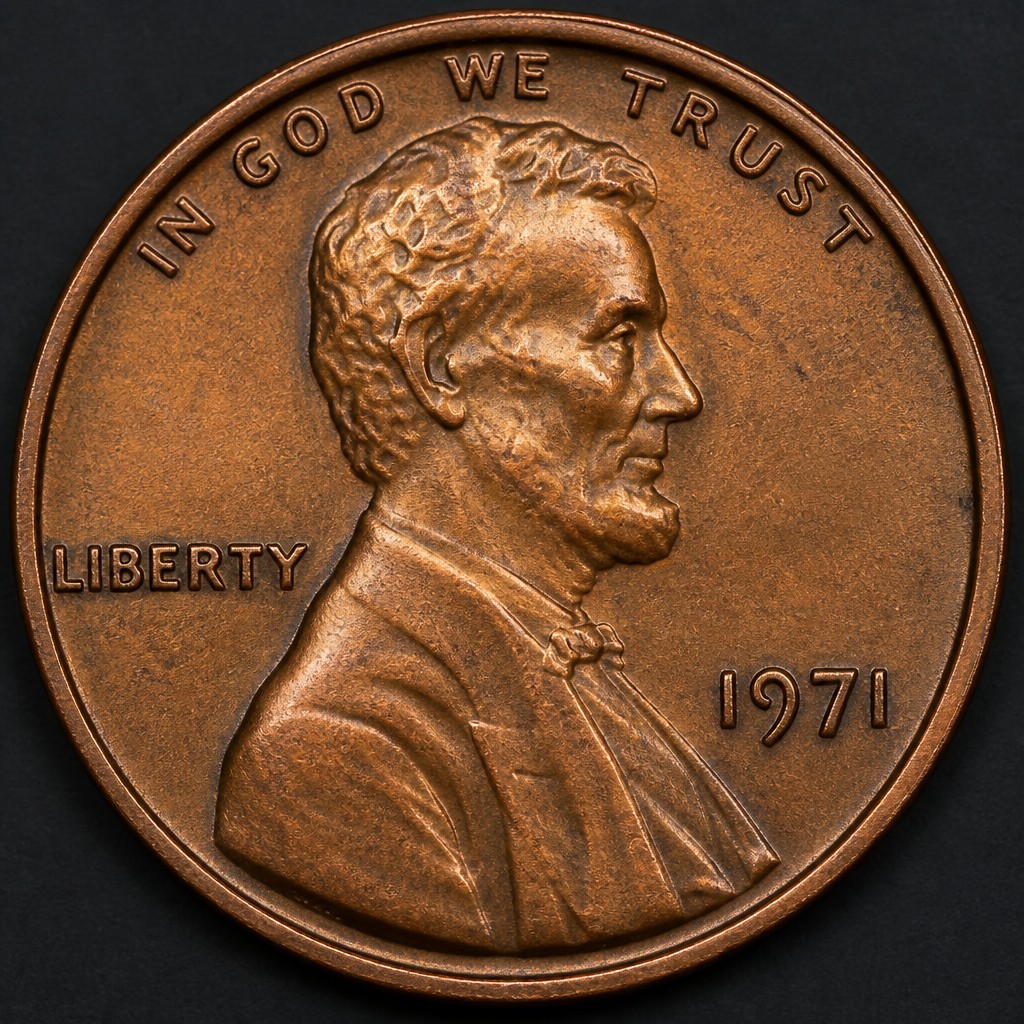
1971 Doubled Die Obverse Lincoln Cent
1971
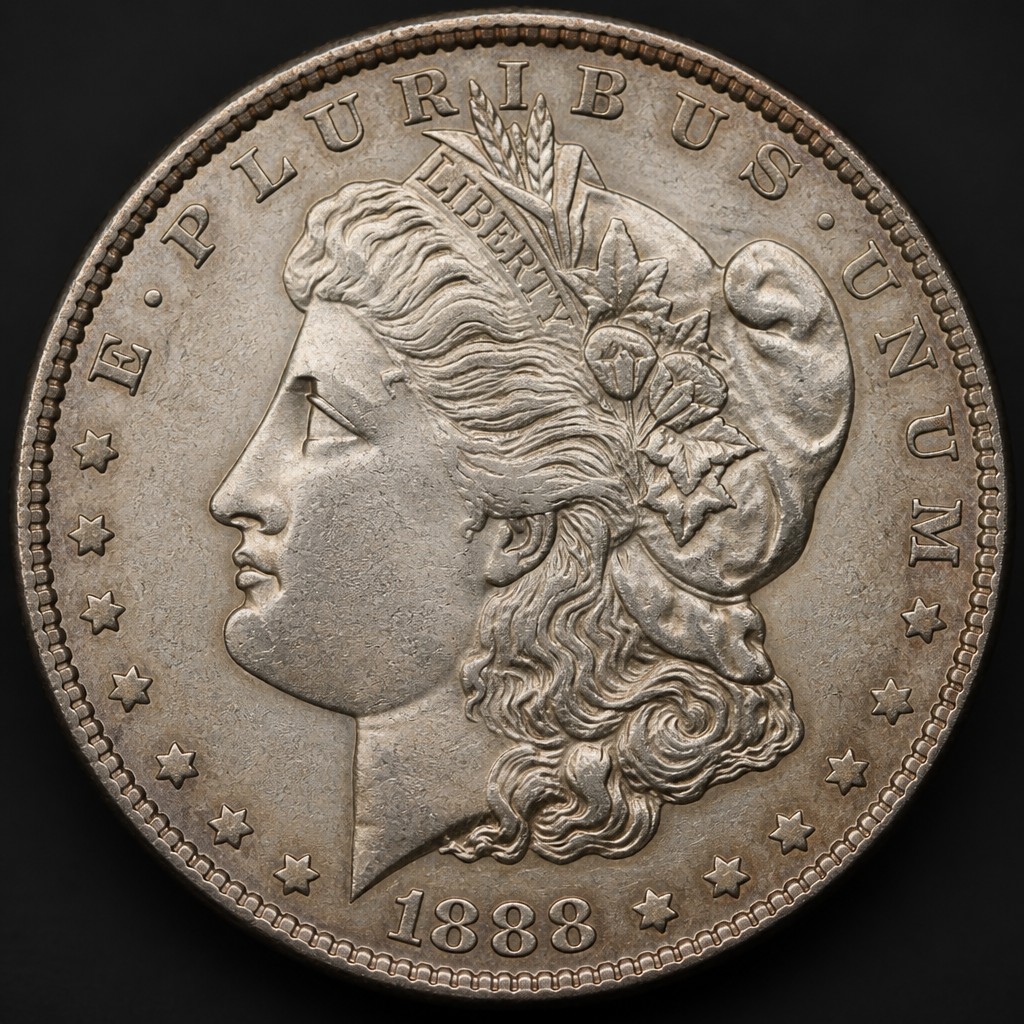
1888/7 Morgan Dollar Overdate
1888
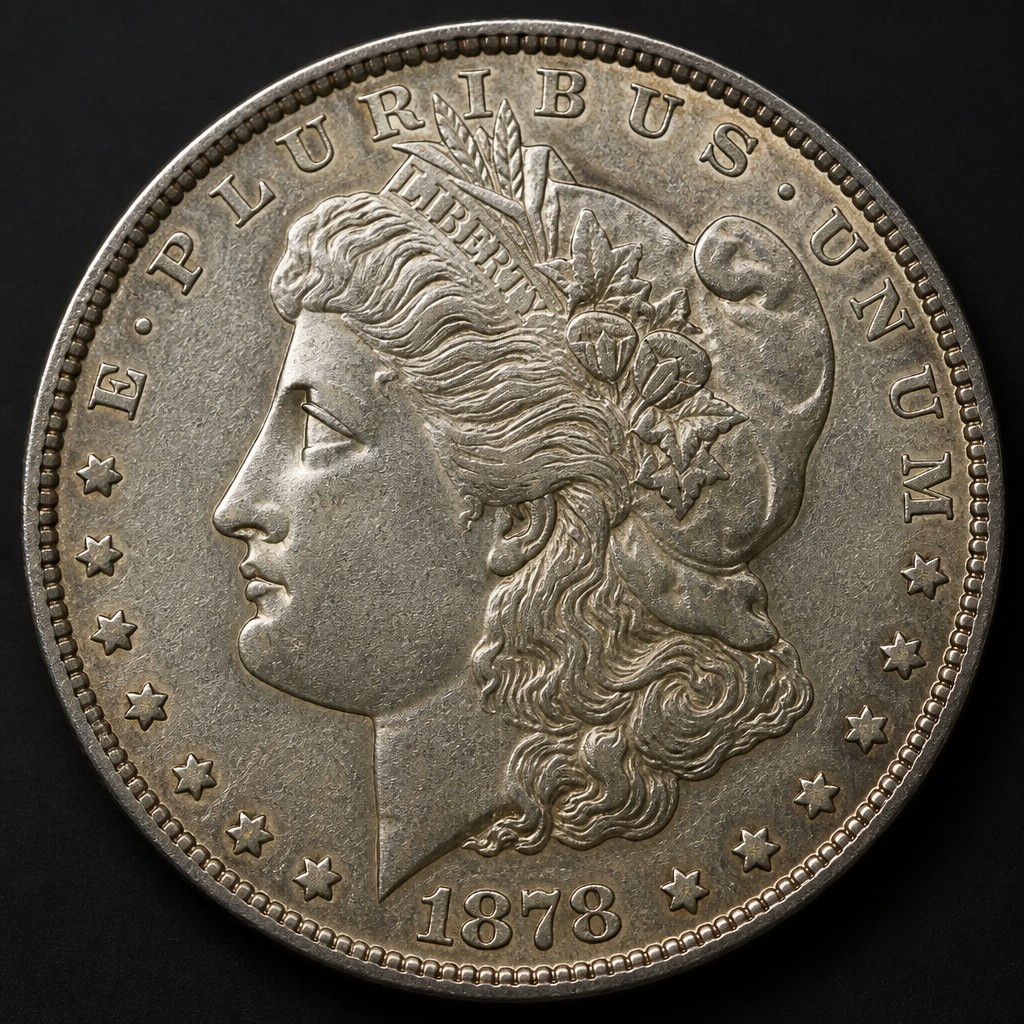
1878 7/8 Tail Feathers Morgan Dollar
1878
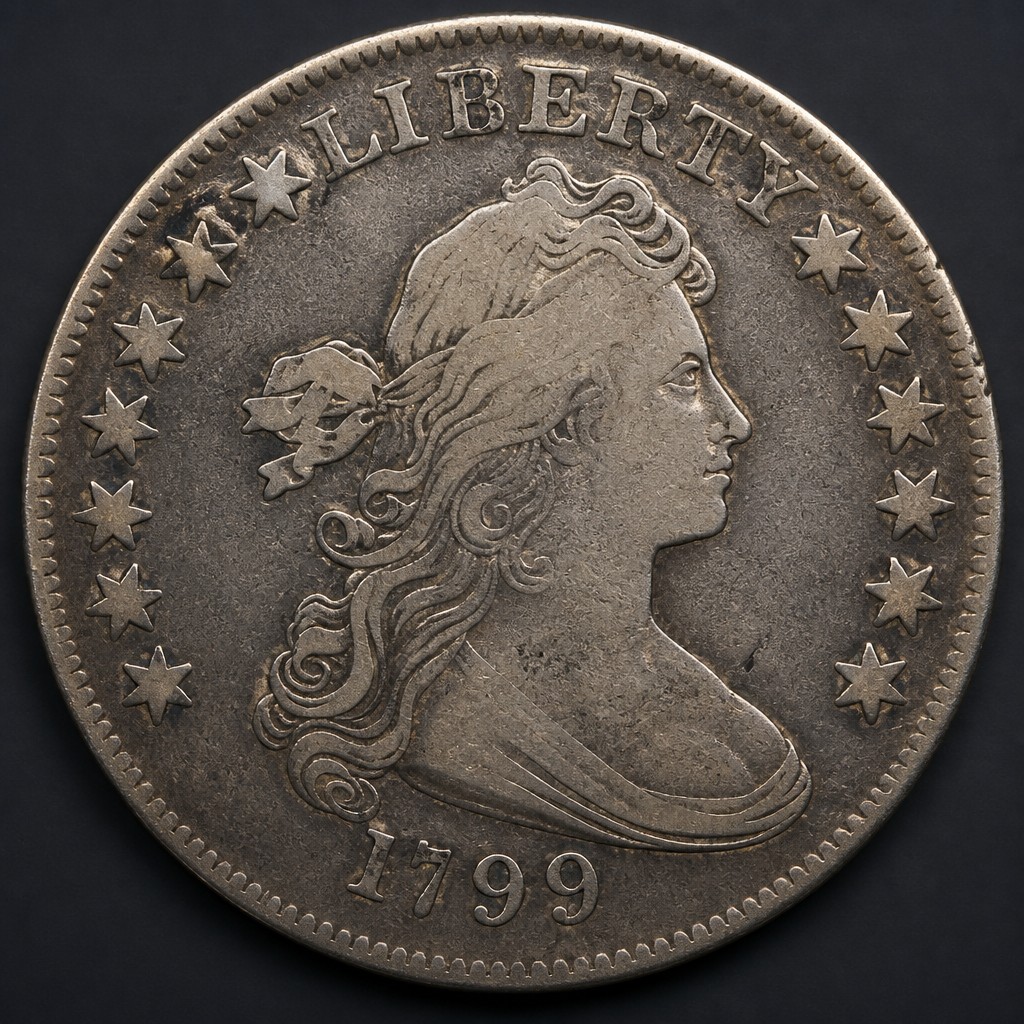
1799/8 Draped Bust Silver Dollar Overdate
1799 (die dated over 1798)
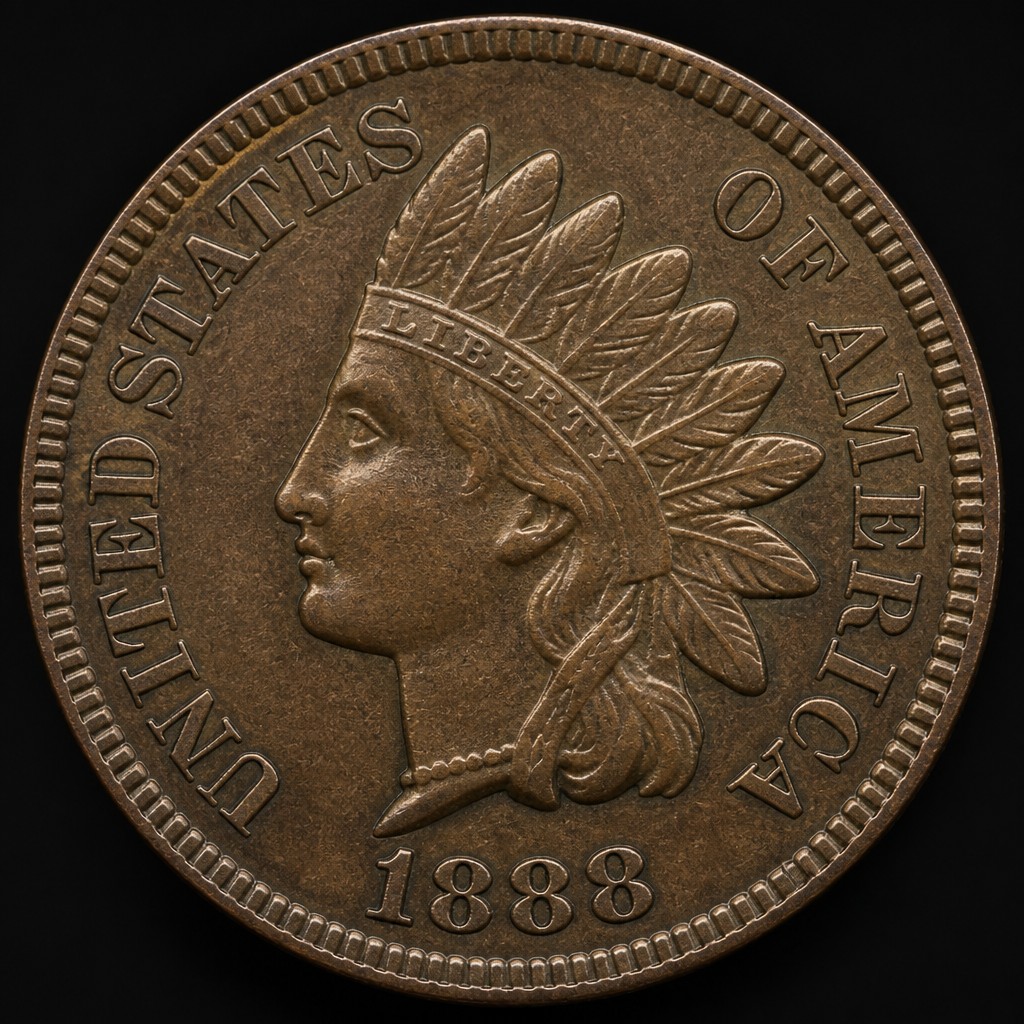
1888/7 Indian Head Cent Overdate
1888
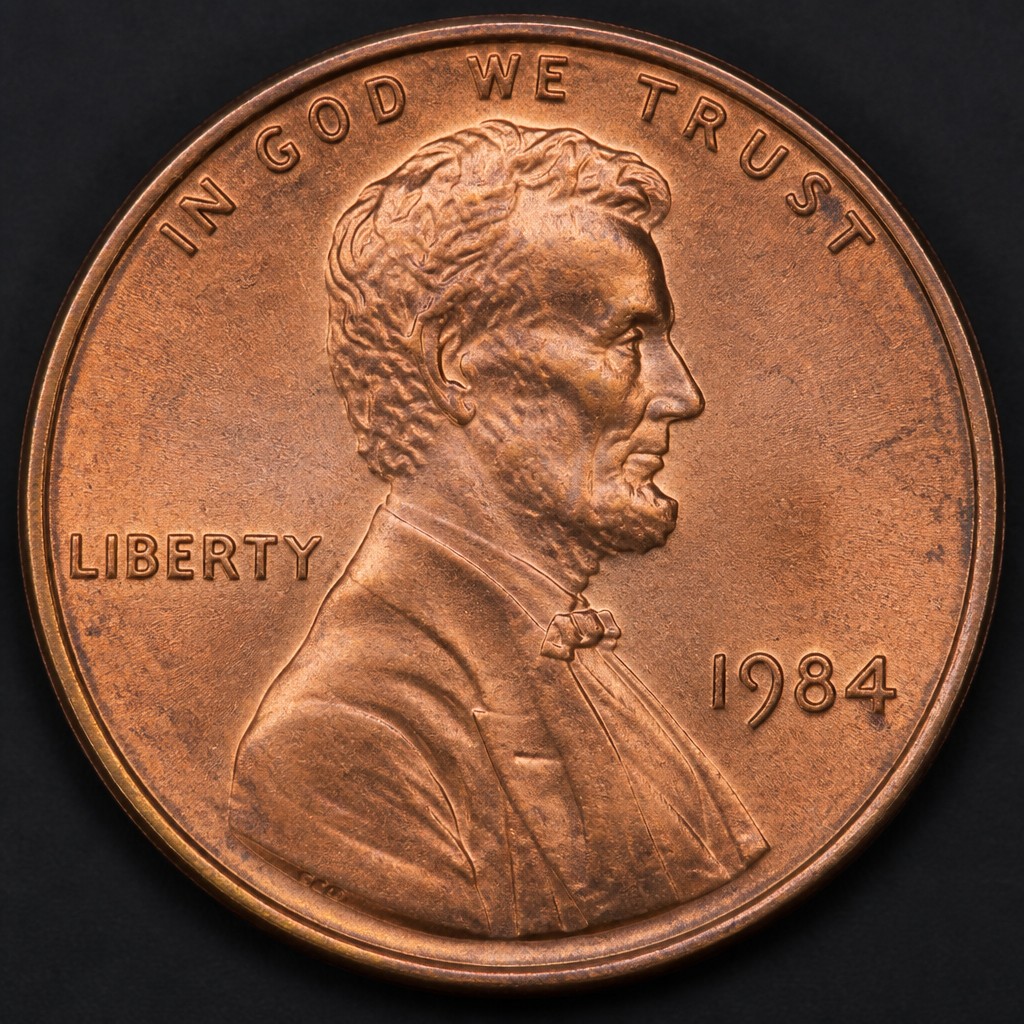
1984 Doubled Ear Lincoln Cent
1984
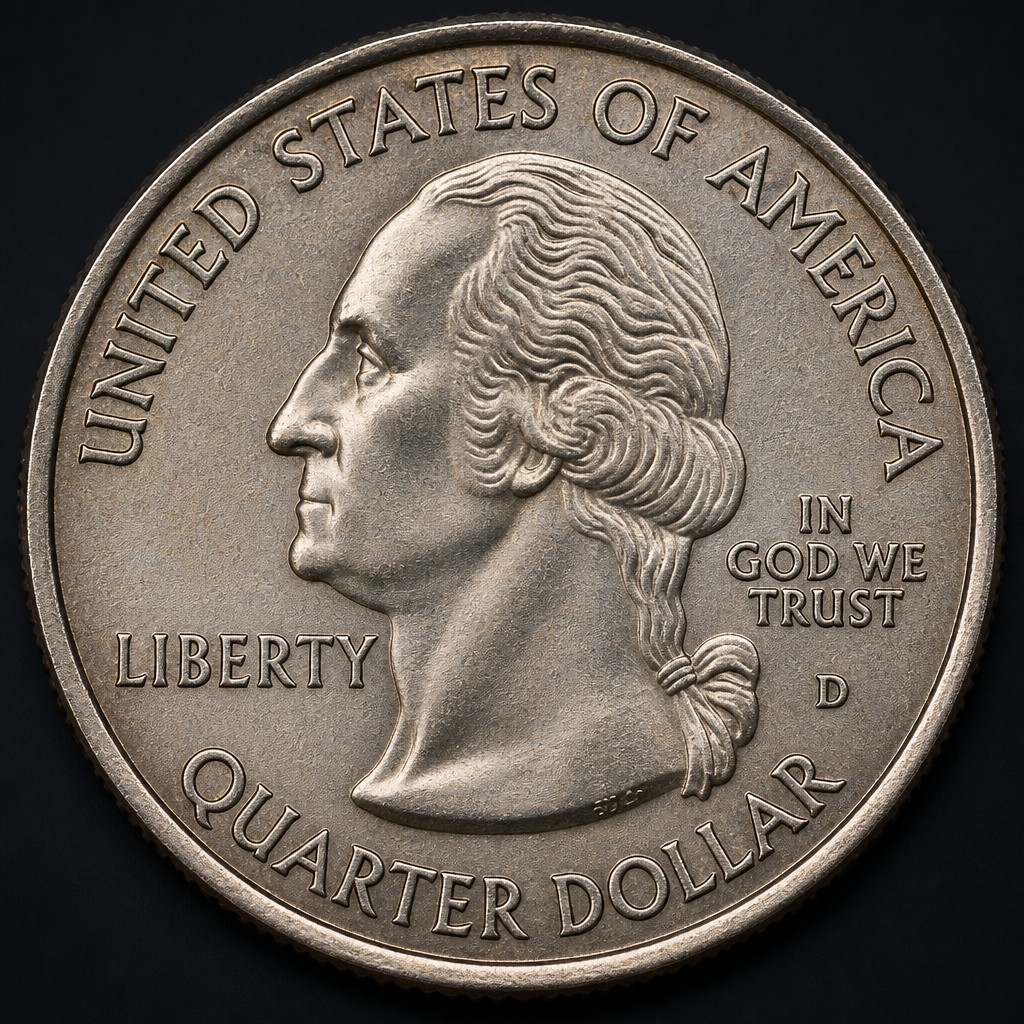
2004-D Wisconsin State Quarter Extra Leaf
2004
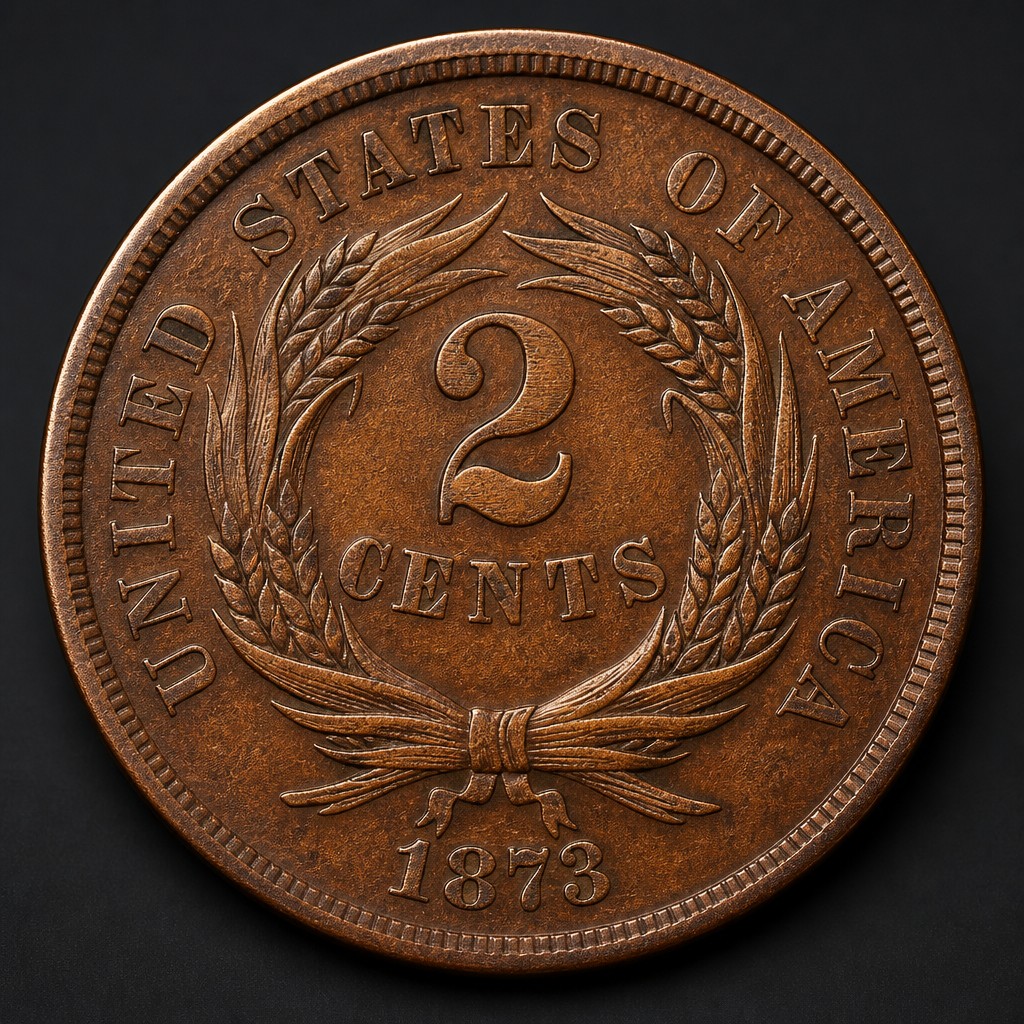
1873 Doubled Die Two-Cent Piece
1873
1983 Doubled Die Reverse Lincoln Cent
1983