
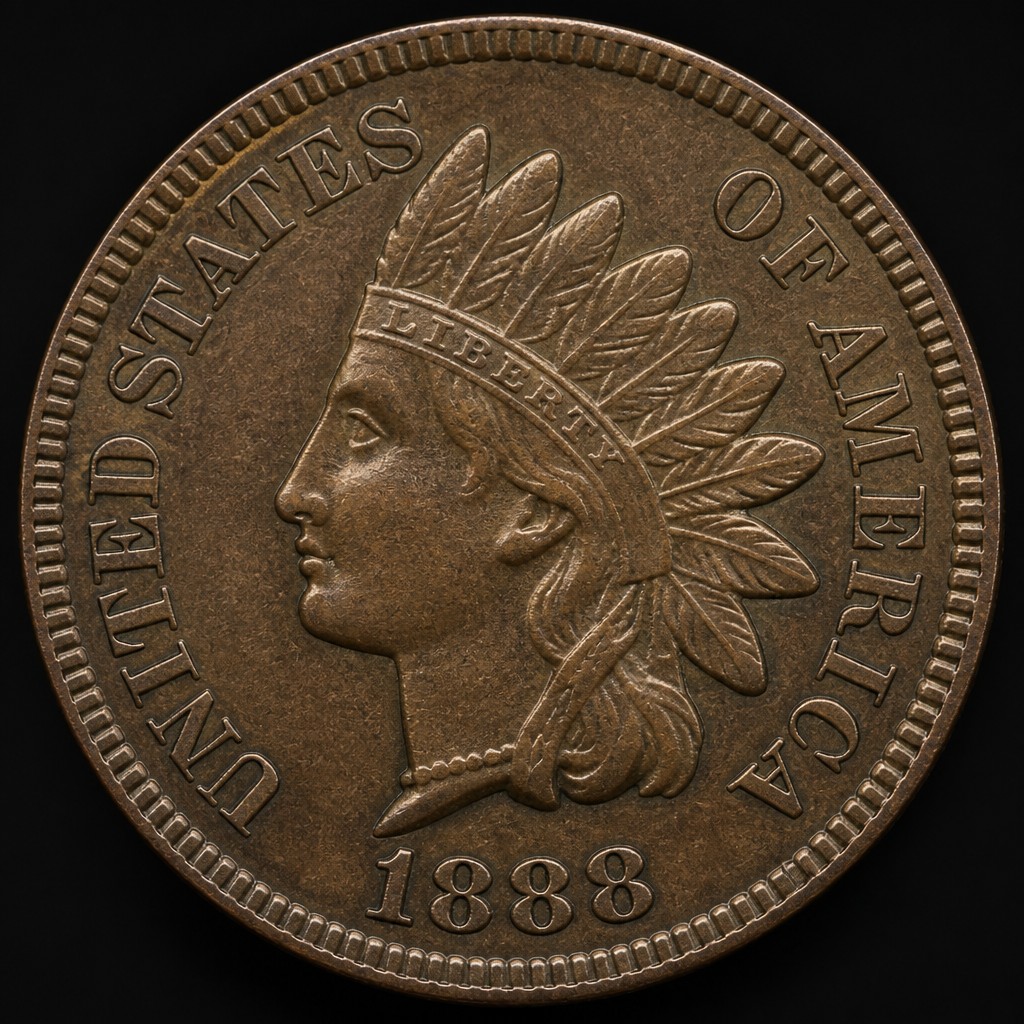
1888/7 Indian Head Cent Overdate
A scarce overdate variety of the Indian Head cent in which traces of an underlying 7 are visible beneath the final 8 in the 1888 date, from a working die repunched with a new year.
- Country
- United States
- Denomination
- 1 cent
- Metal
- Bronze (95% copper, 5% tin and zinc)
Got a coin like this?
Identify any coin from a photo, free.
Overview
The 1888/7 Indian Head cent is a well-documented overdate variety in which a working die originally prepared with a partial or full 1887 date was repunched with the correct 1888 date, leaving remnants of the earlier numeral visible underneath. Overdates like this occurred during an era when date logotypes were still individually punched into dies at the Mint, and dies from one year were sometimes reused or corrected into the next.
Although less famous than some of the era's more dramatic overdates, this variety is recognized in standard references and pursued by collectors building advanced Indian Head cent variety sets, since it adds meaningful die-variety depth to an otherwise common date.
The variety requires careful examination of the final 8 in the date, where a trained eye or magnification can reveal the curved remnants of the earlier 7 peeking out from underneath.
History & Background
The Indian Head cent, designed by James B. Longacre, was in full, high-volume production by the late 1880s as the leading small-cent denomination in American commerce. During this period, working dies were still finished with individually hand-punched date logotypes at the Philadelphia Mint, a process that occasionally resulted in a die being started with one year's date and then corrected or reused with the following year's digits.
The 1888/7 overdate reflects exactly this kind of correction, where a die begun with 1887 date elements was updated to 1888, likely as part of routine end-of-year die preparation and inventory management rather than any special event.
As with many nineteenth-century overdates, the variety was identified and cataloged by later generations of numismatic researchers studying die characteristics of Indian Head cents, and it remains part of the standard variety literature for the series today.
How to Identify
The obverse depicts Liberty wearing a Native American headdress, with the date below and LIBERTY on the headband; the reverse shows ONE CENT within a wreath with UNITED STATES OF AMERICA around the border.
On the overdate variety, examine the final 8 in 1888 under magnification: a genuine 1888/7 will show curved or angled remnants of an underlying 7 peeking out from the lower portion of the 8, distinct from simple die damage or a filled die that might create a superficially similar illusion.
The coin retains the standard bronze composition, 19mm diameter, and plain edge typical of the series, with no mintmark present since all cents of this date were struck at Philadelphia.
Collectors should compare any suspected example carefully against published close-up photographs of the confirmed variety, since normal die wear and minor die chips on the numeral 8 can sometimes be mistaken for genuine overdate doubling by inexperienced collectors.
Value & Collectibility
The 1888/7 overdate carries a solid premium over a common 1888 Indian Head cent, with pricing scaling according to both overall coin grade and how clearly the underlying 7 can be seen.
Circulated examples with a plainly visible overdate are the most commonly encountered and offer an accessible entry point, while choice or gem uncirculated pieces with bold, unmistakable doubling are considerably scarcer and command higher prices among variety specialists.
As with most nineteenth-century copper coins, original surface color, absence of corrosion, and lack of cleaning all significantly affect desirability and price alongside the overdate feature itself.
Frequently asked questions
What does 1888/7 mean?
It indicates the coin's die was originally punched with an 1887 date and later repunched with 1888, leaving visible traces of the earlier 7 beneath the final 8.
How can I confirm the overdate on my coin?
Examine the bottom portion of the final 8 in the date under magnification for curved remnants of a 7; comparing to published reference photos is strongly recommended.
Is this a common variety?
It is a recognized, collectible variety but is scarcer than a standard 1888 cent, particularly in higher grades with a clearly visible overdate.
Could my coin just have die damage instead of a true overdate?
Yes, die chips or wear can sometimes mimic overdate doubling, so careful comparison to authenticated examples or expert attribution is advisable before assuming a coin is genuine.
Other coins you may enjoy
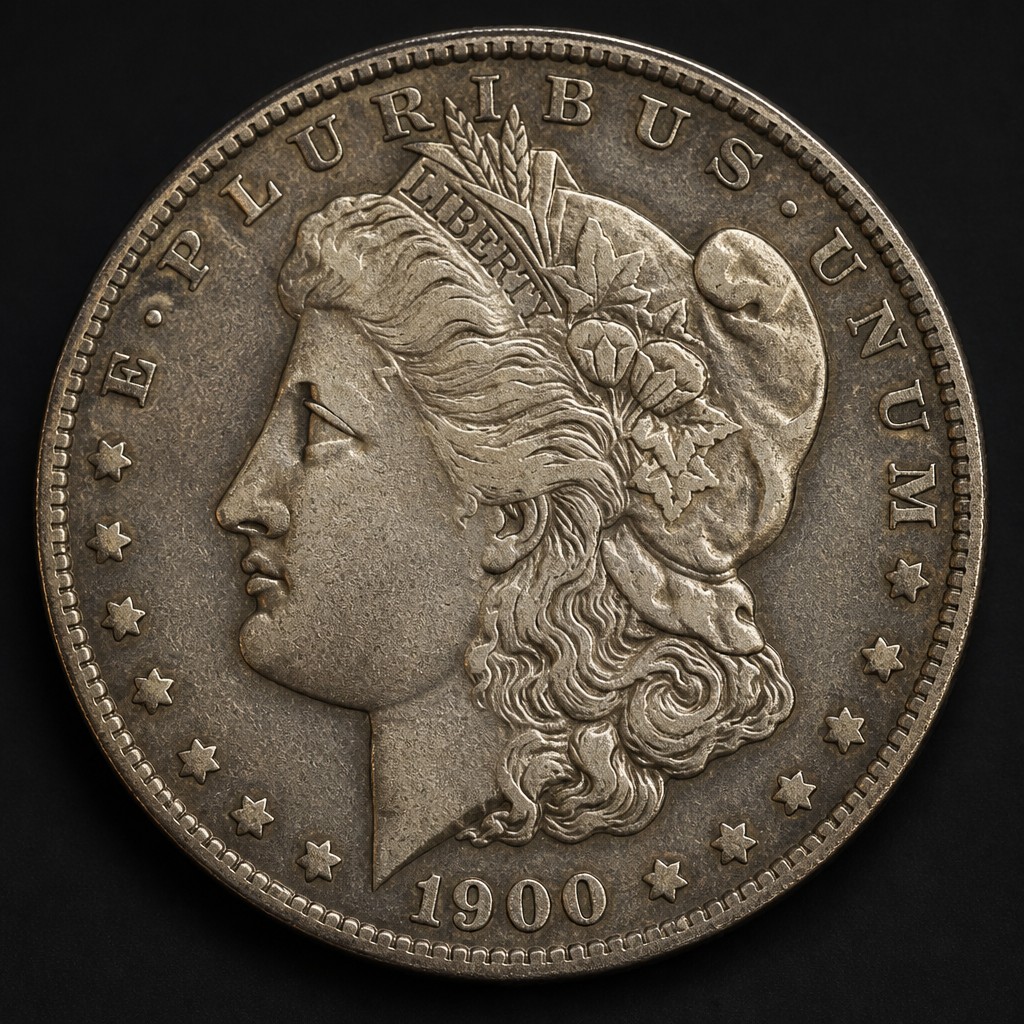
1900-O/CC Morgan Dollar
1900
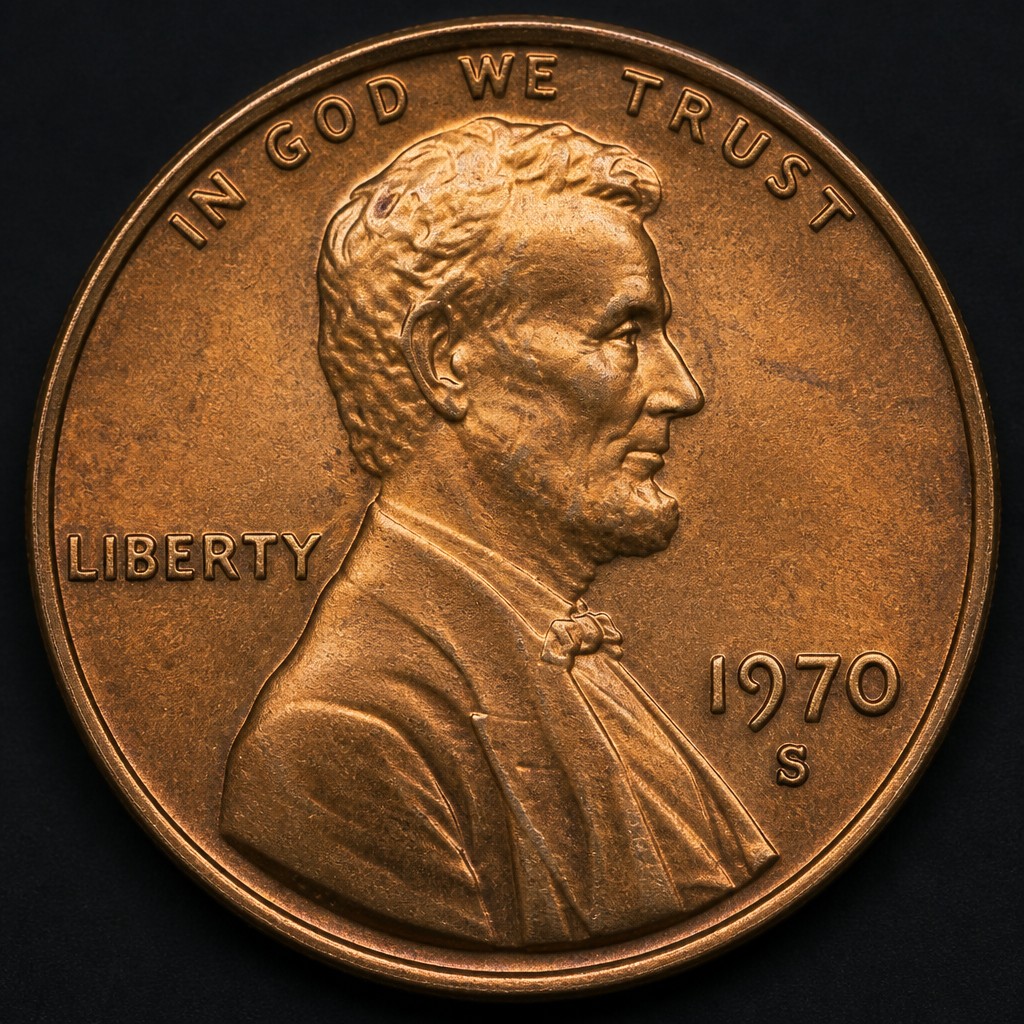
1970-S Small Date Lincoln Cent
1970
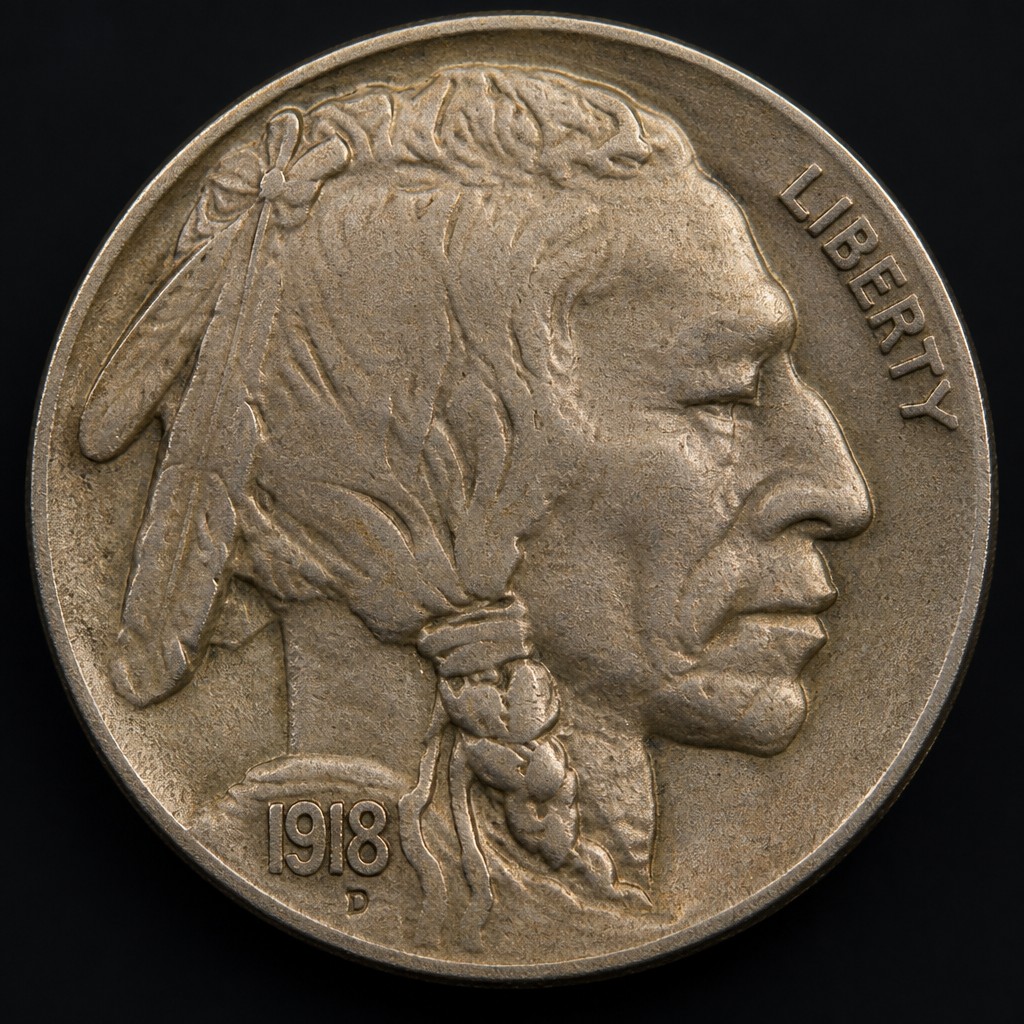
1918/7-D Buffalo Nickel
1918
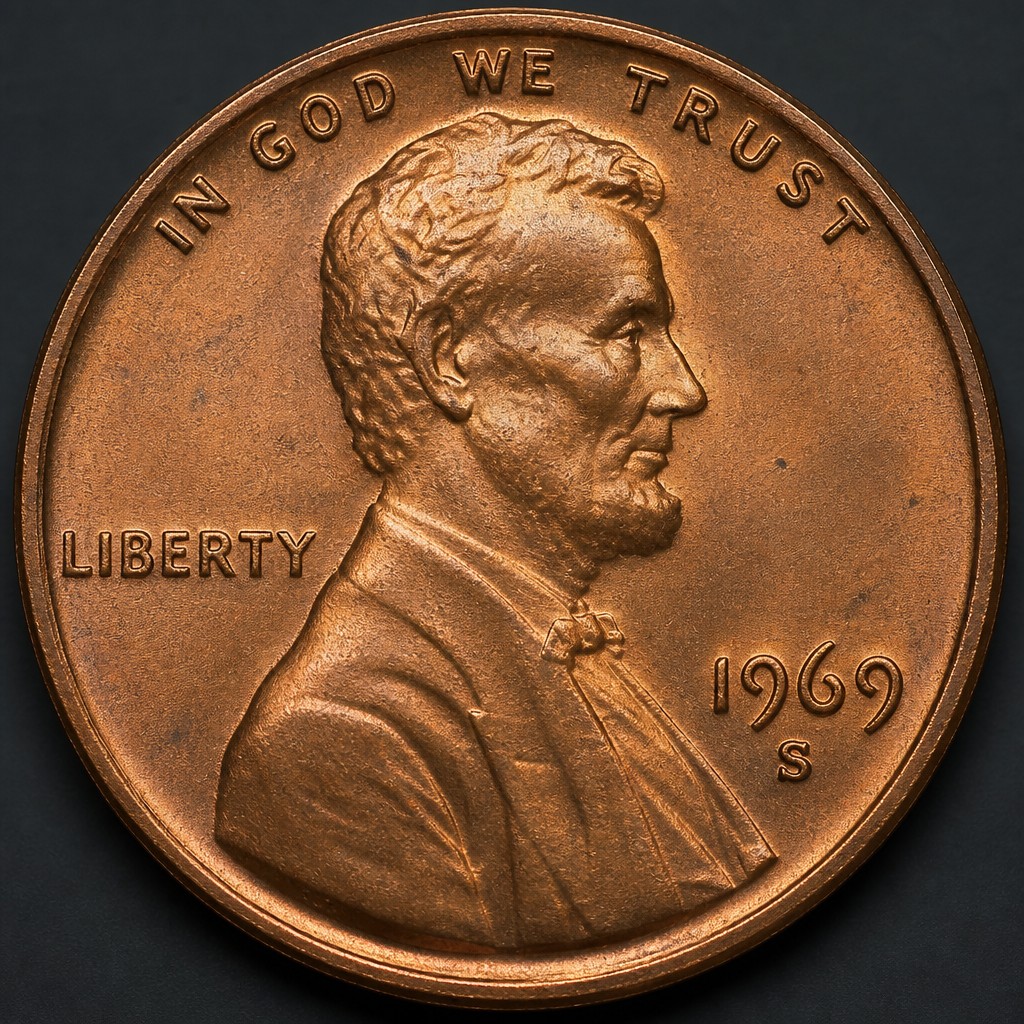
1969-S Doubled Die Obverse Lincoln Cent
1969
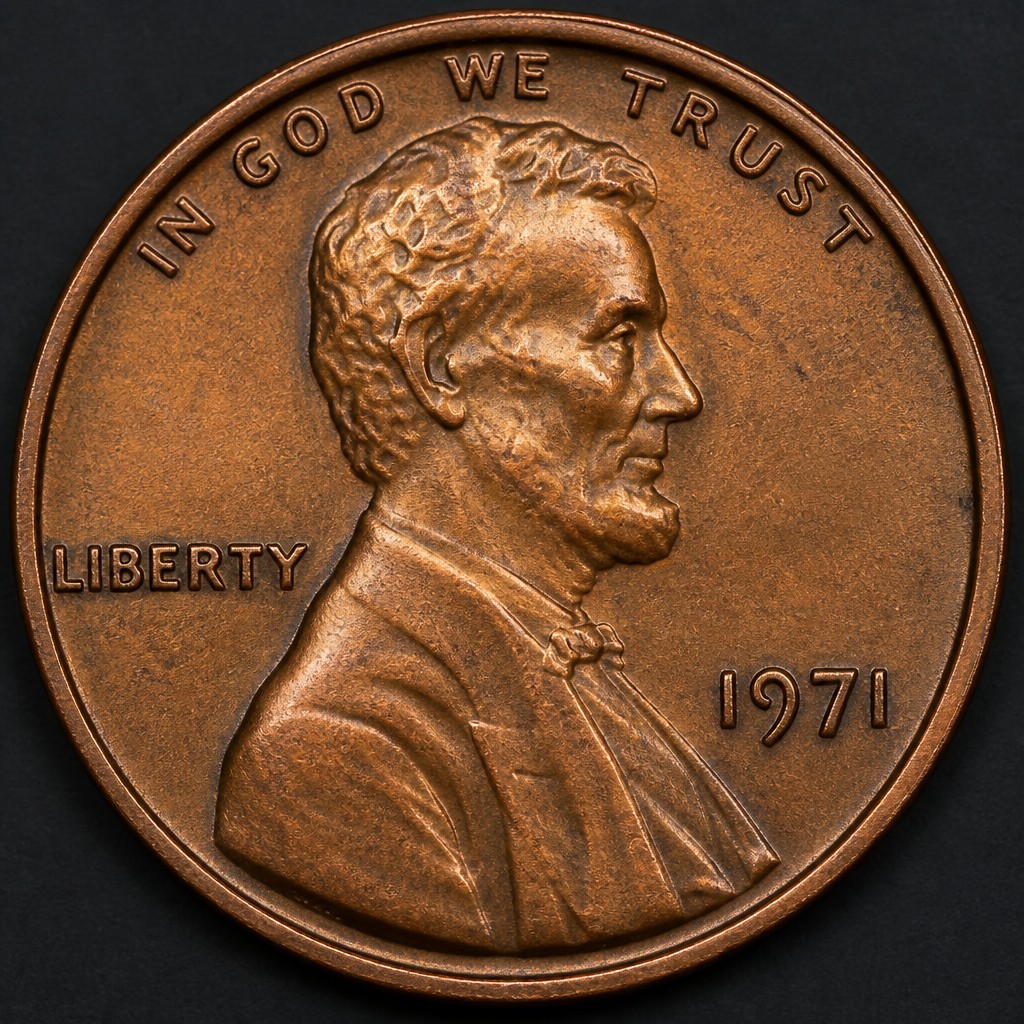
1971 Doubled Die Obverse Lincoln Cent
1971
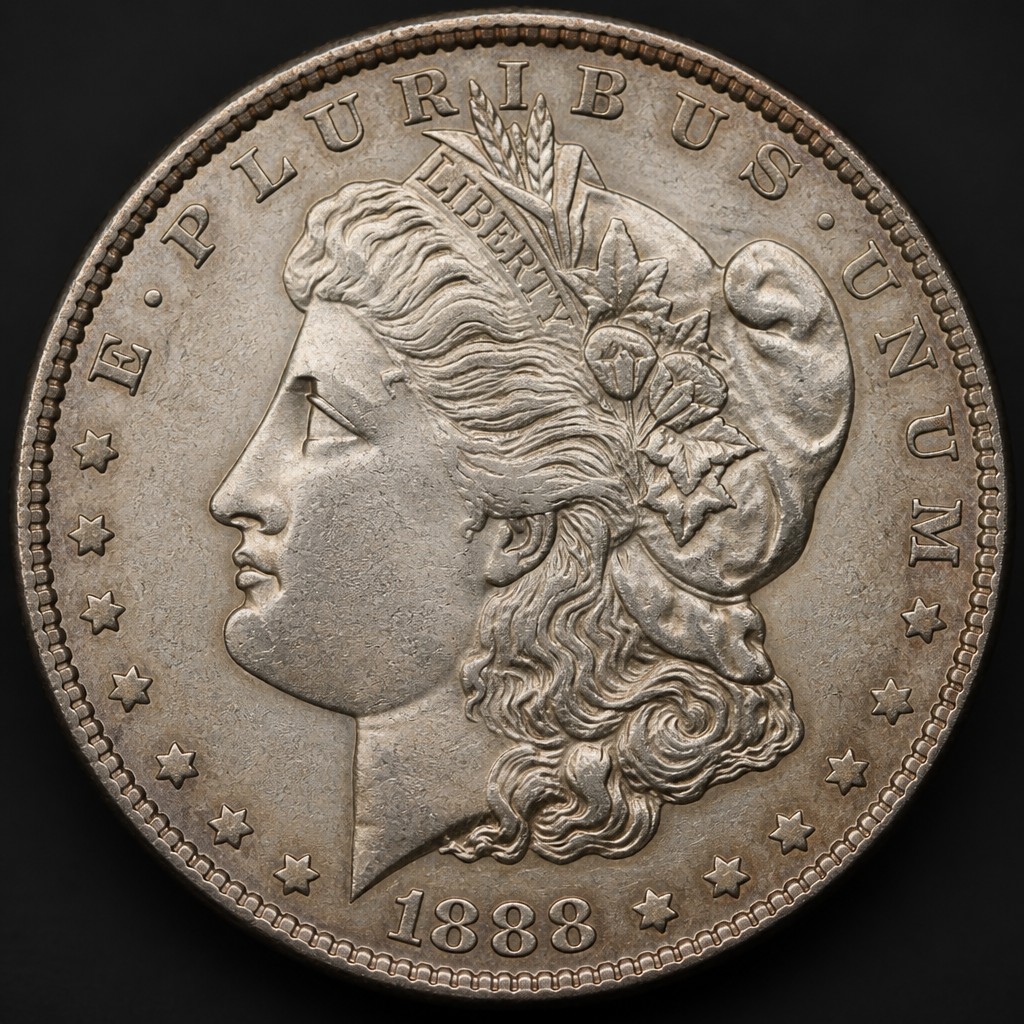
1888/7 Morgan Dollar Overdate
1888
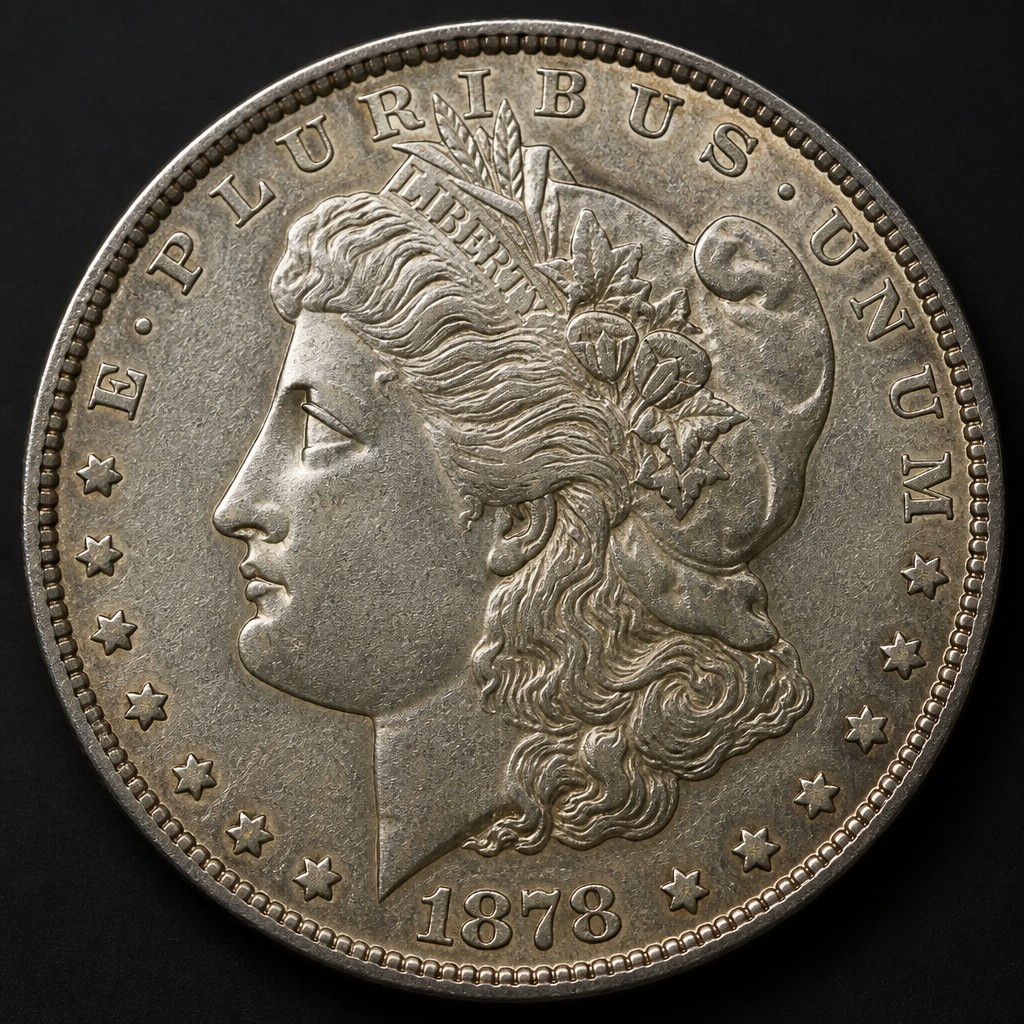
1878 7/8 Tail Feathers Morgan Dollar
1878
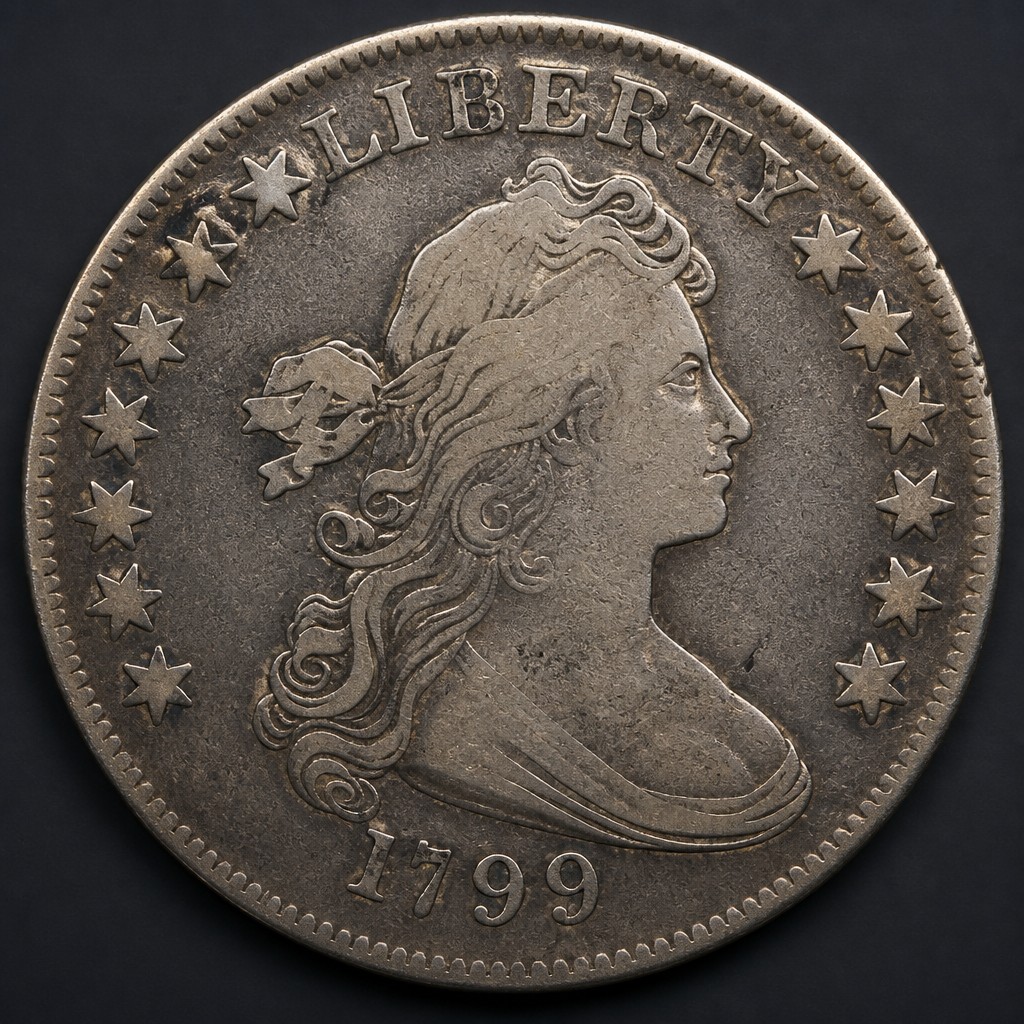
1799/8 Draped Bust Silver Dollar Overdate
1799 (die dated over 1798)
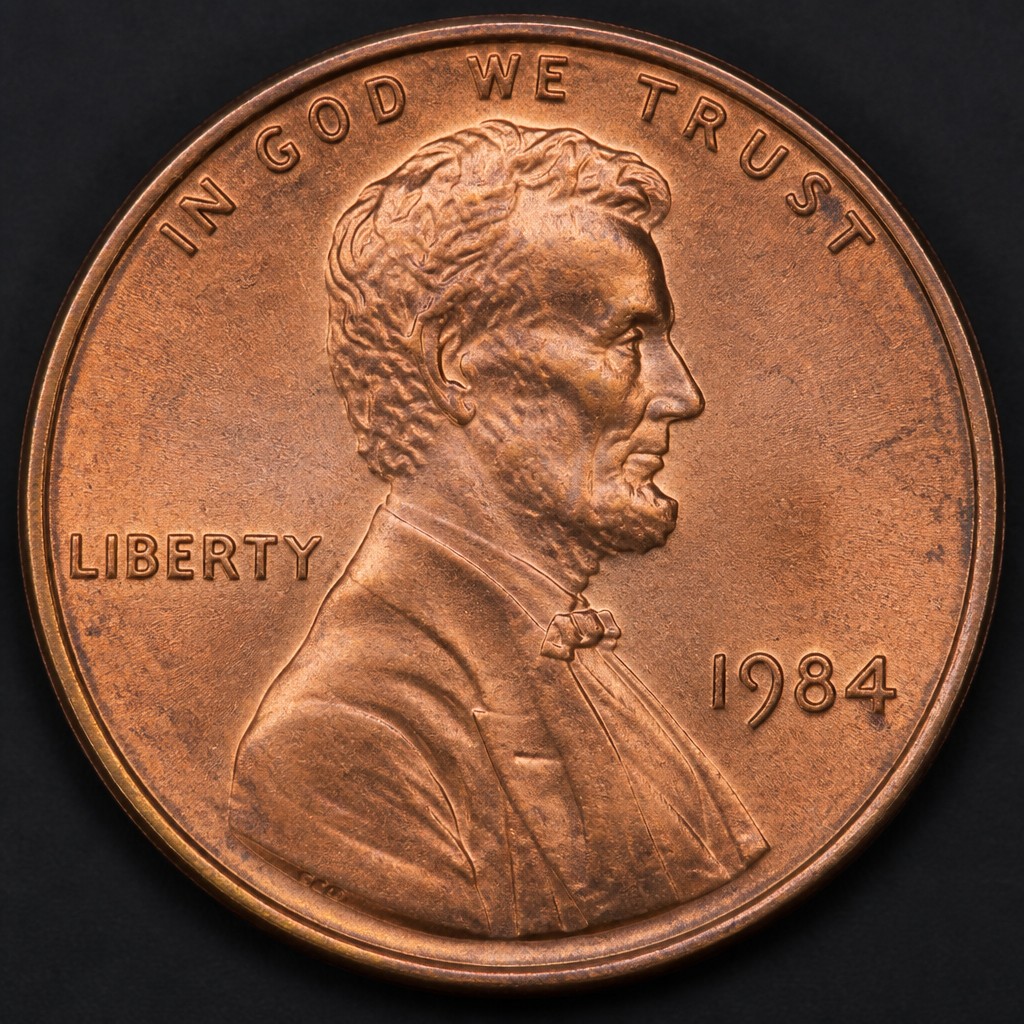
1984 Doubled Ear Lincoln Cent
1984
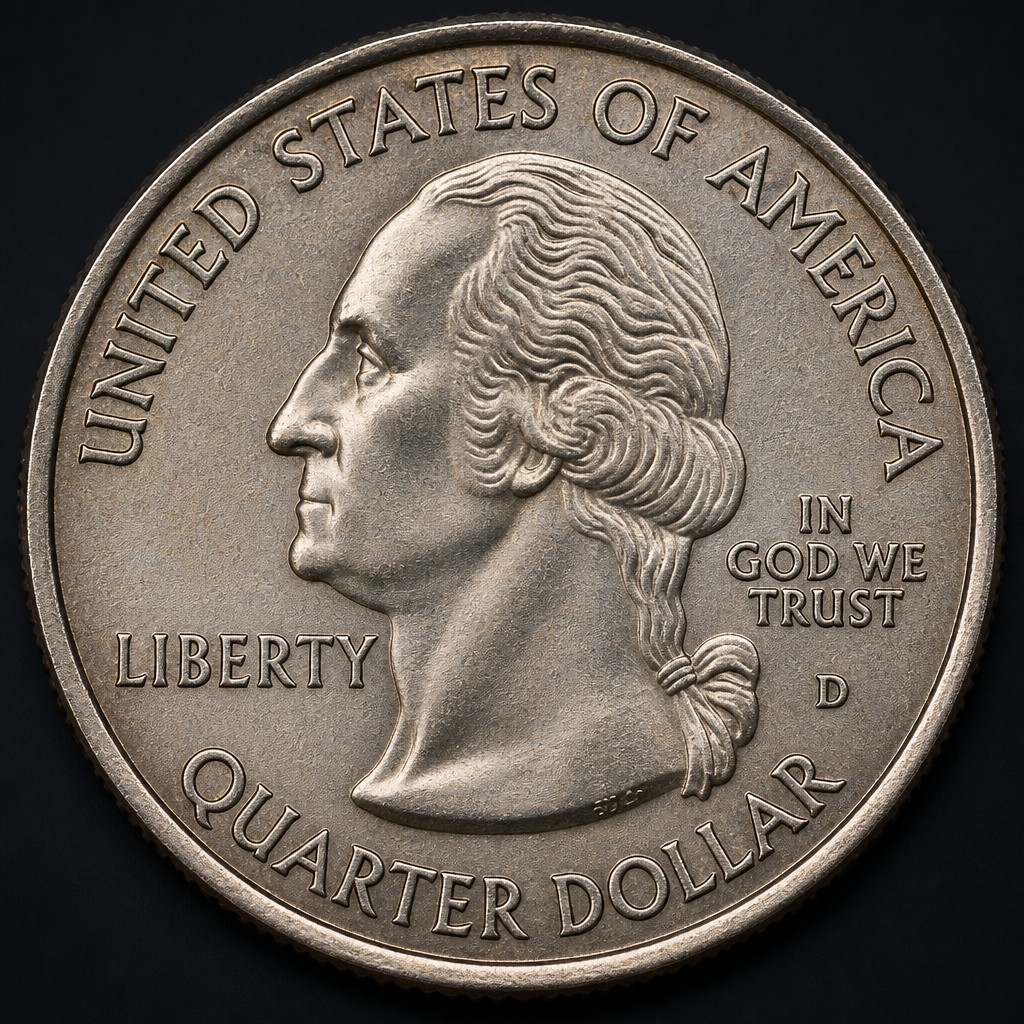
2004-D Wisconsin State Quarter Extra Leaf
2004
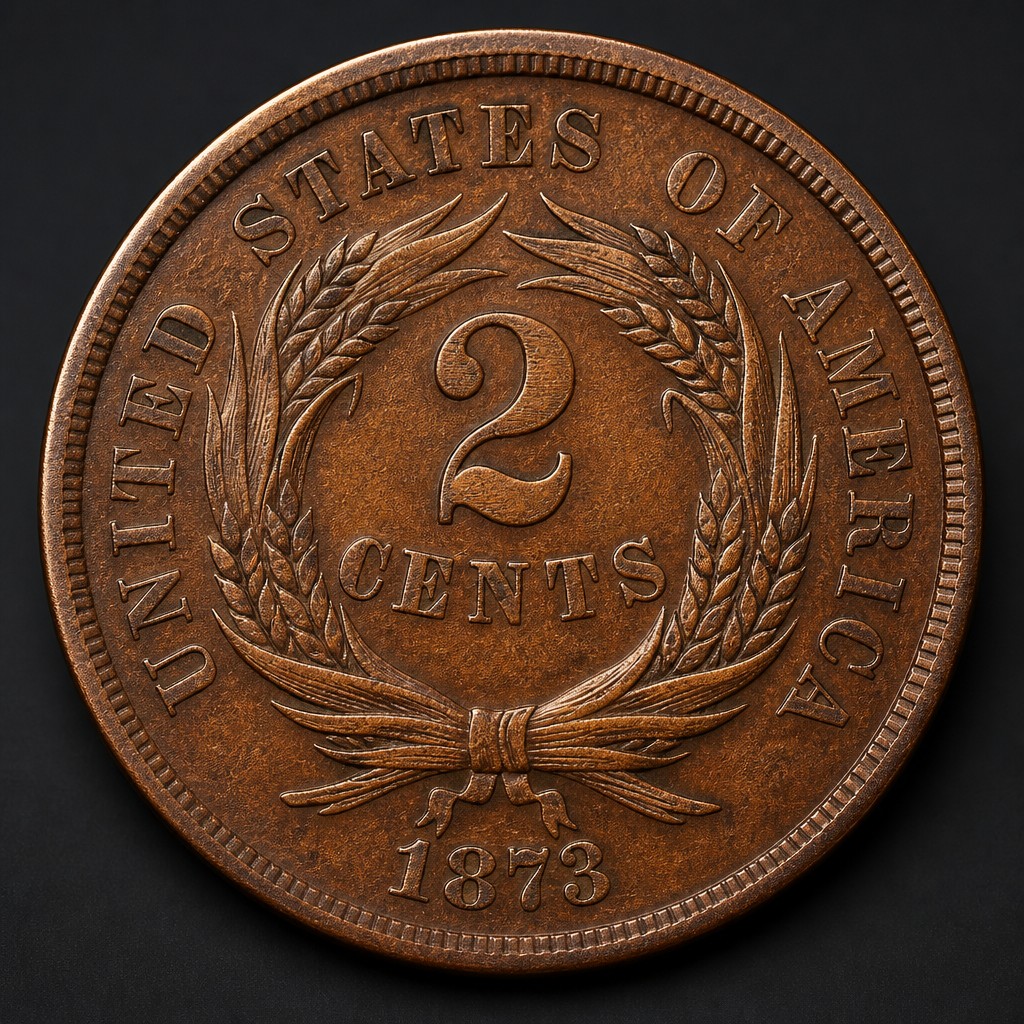
1873 Doubled Die Two-Cent Piece
1873
1983 Doubled Die Reverse Lincoln Cent
1983