
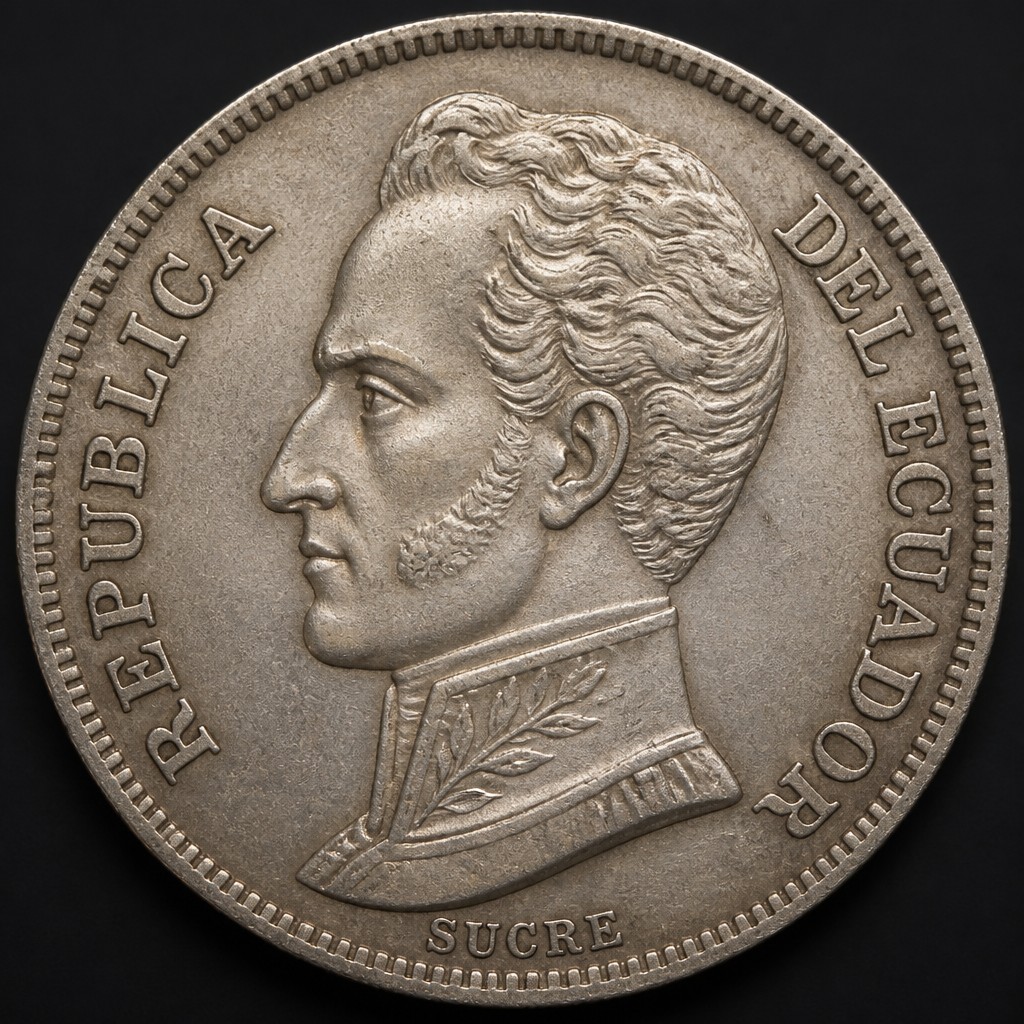
Ecuador Sucre Silver
Ecuador's historic silver one-sucre coin, named after independence hero Antonio Jose de Sucre, circulated for decades before Ecuador's currency was eventually replaced by the US dollar.
- Country
- Ecuador
- Denomination
- 1 Sucre
- Metal
- Silver (.900 or .720 fine, varies by year)
Got a coin like this?
Identify any coin from a photo, free.
Overview
The silver sucre was Ecuador's principal circulating coin for much of its modern monetary history, named in honor of Antonio Jose de Sucre, the revolutionary general who helped secure South American independence from Spain. Various dates and mints produced the coin from the late nineteenth century into the twentieth century, with changes in silver fineness reflecting the economic pressures of the era.
Because Ecuador did not operate its own large-scale mint for much of this period, sucre coinage was often struck abroad under contract, a common arrangement among smaller Latin American nations. This has left a legacy of subtle die and fineness variations across different production runs.
The sucre as a unit of currency remained in use in Ecuador until the country adopted the US dollar in 2000, making these silver coins a tangible link to over a century of Ecuadorian monetary history.
History & Background
The sucre was introduced as Ecuador's national currency in 1884, replacing earlier colonial and republican-era coinage, and was named for Antonio Jose de Sucre, a key figure in the wars of independence and a close ally of Simon Bolivar. Silver one-sucre coins were struck intermittently over subsequent decades as Ecuador's government sought a stable circulating medium.
Because of limited domestic minting capacity, many sucre coins were produced under contract at foreign mints, including facilities in Chile, Britain, and the United States, which explains stylistic and metallurgical differences across various date ranges.
Silver sucre production tapered off in the mid-twentieth century as the coin's silver value came to exceed its face value and as Ecuador, like many nations, moved toward base-metal coinage for circulation; the sucre itself was eventually retired altogether when Ecuador dollarized its economy in 2000.
How to Identify
Designs vary somewhat by era, but many silver sucre coins feature a bust or portrait associated with Ecuadorian liberty or Sucre himself on the obverse, with the legend REPUBLICA DEL ECUADOR.
Reverse designs commonly display the Ecuadorian coat of arms, featuring a condor perched above a mountain landscape with a sailing ship, or a wreath surrounding the denomination 'UN SUCRE' and the date.
The coin is typically crown or minor-crown sized in silver, with a reeded edge; collectors should check the date and any mintmark or lack thereof to identify the specific contract-mint issue, as fineness and diameter shifted somewhat across the decades of production.
Value & Collectibility
Most circulated silver sucre coins are common and trade for modest sums, generally reflecting their silver bullion content plus a small numismatic premium, often in the range of a few dollars to a few tens of dollars depending on date and condition.
Certain early dates or particular mint varieties can carry higher premiums among specialists in Ecuadorian numismatics, but few dates in the series are considered major rarities.
As with most circulated world silver coins, condition, strike quality, and overall eye appeal are the primary drivers of value beyond the coin's melt value.
Frequently asked questions
Who was the sucre named after?
Antonio Jose de Sucre, a revolutionary general and independence leader closely associated with Simon Bolivar.
Is the sucre still used in Ecuador?
No, Ecuador adopted the US dollar as its official currency in 2000, retiring the sucre.
Why were sucre coins minted in different countries?
Ecuador lacked large-scale domestic minting capacity for much of its history and contracted foreign mints to strike its coinage.
What is shown on the reverse?
Most versions show the Ecuadorian coat of arms, often featuring a condor and mountain scenery, or a wreath around the denomination.
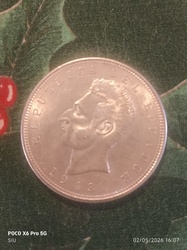
Ecuador Sucre Silver identified by the community
Real coins identified with Coin Identifier.
Other coins you may enjoy
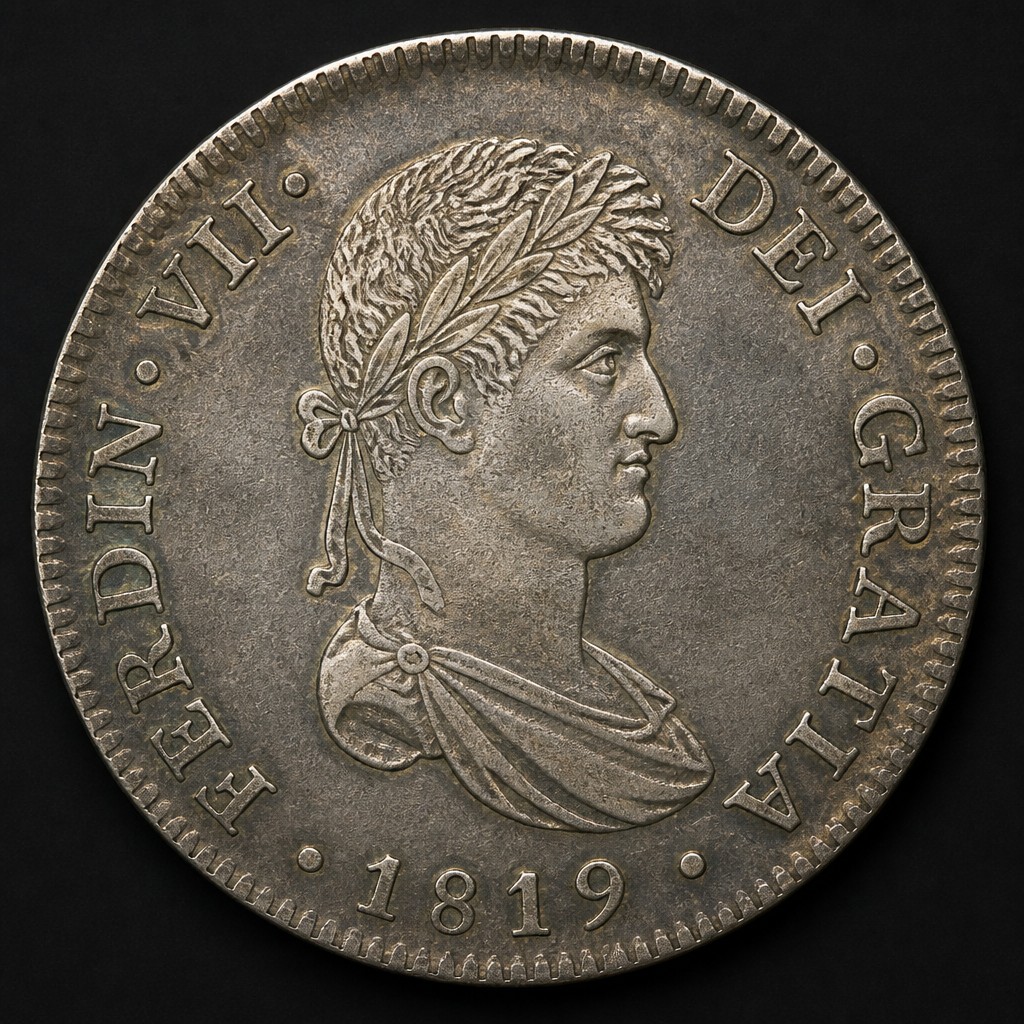
Colombia 8 Reales
Colonial issues through late 18th/early 19th century; republican issues 1820s–1830s
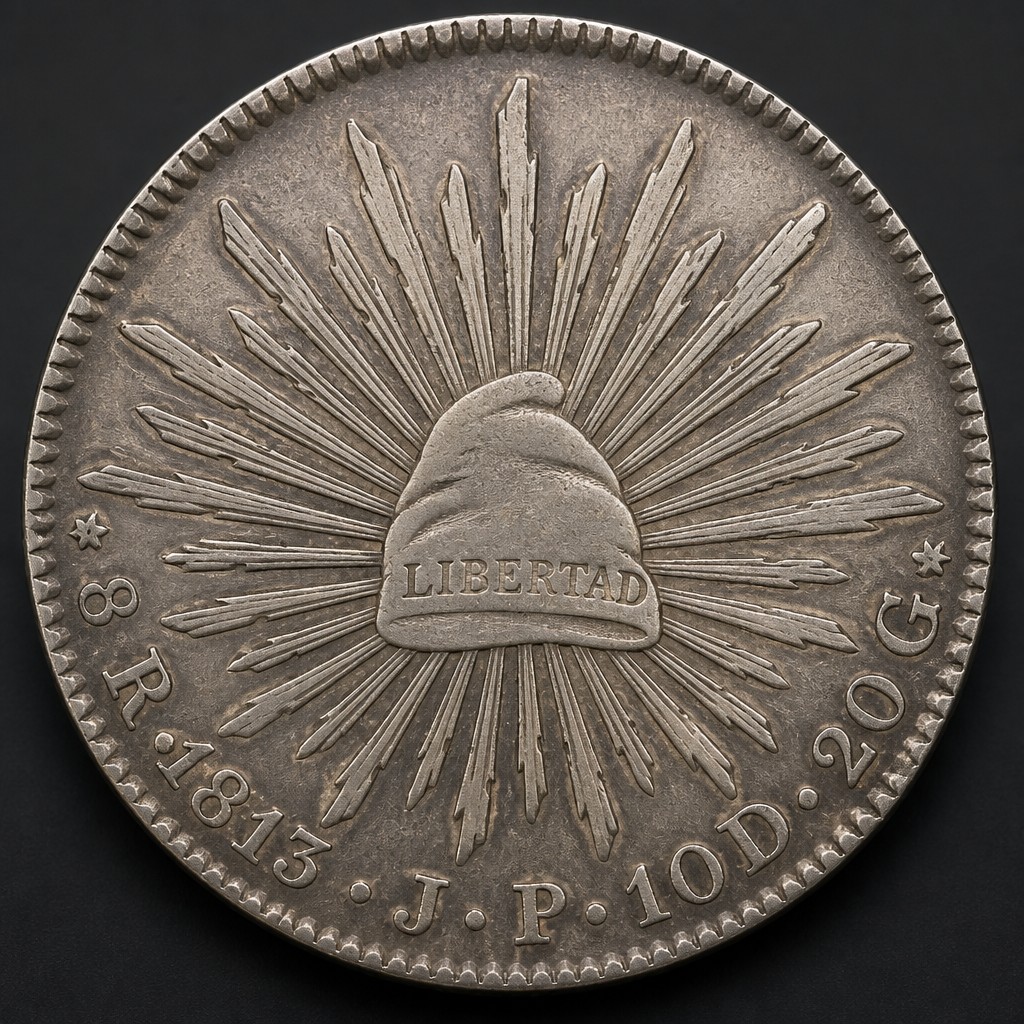
Argentina 8 Reales
c. 1813–1836
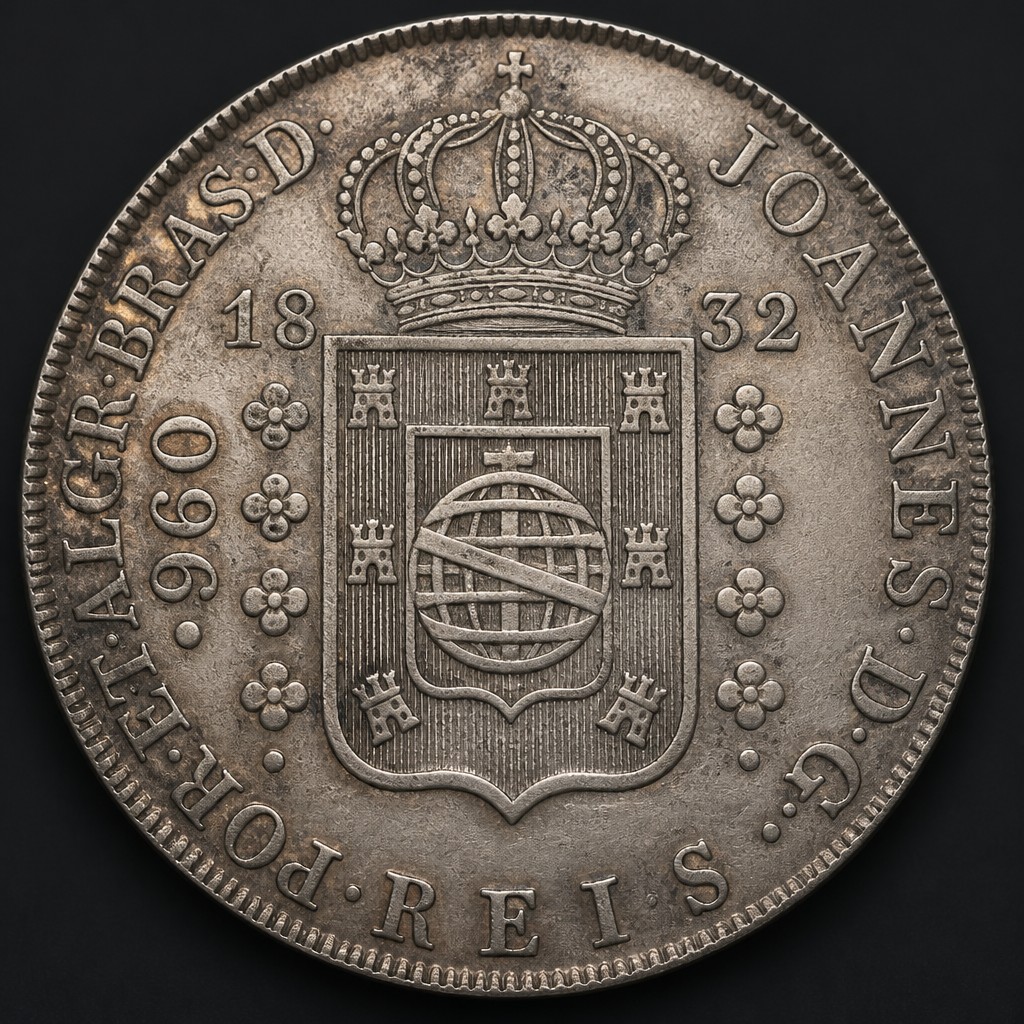
Brazil 960 Reis
1809–1832
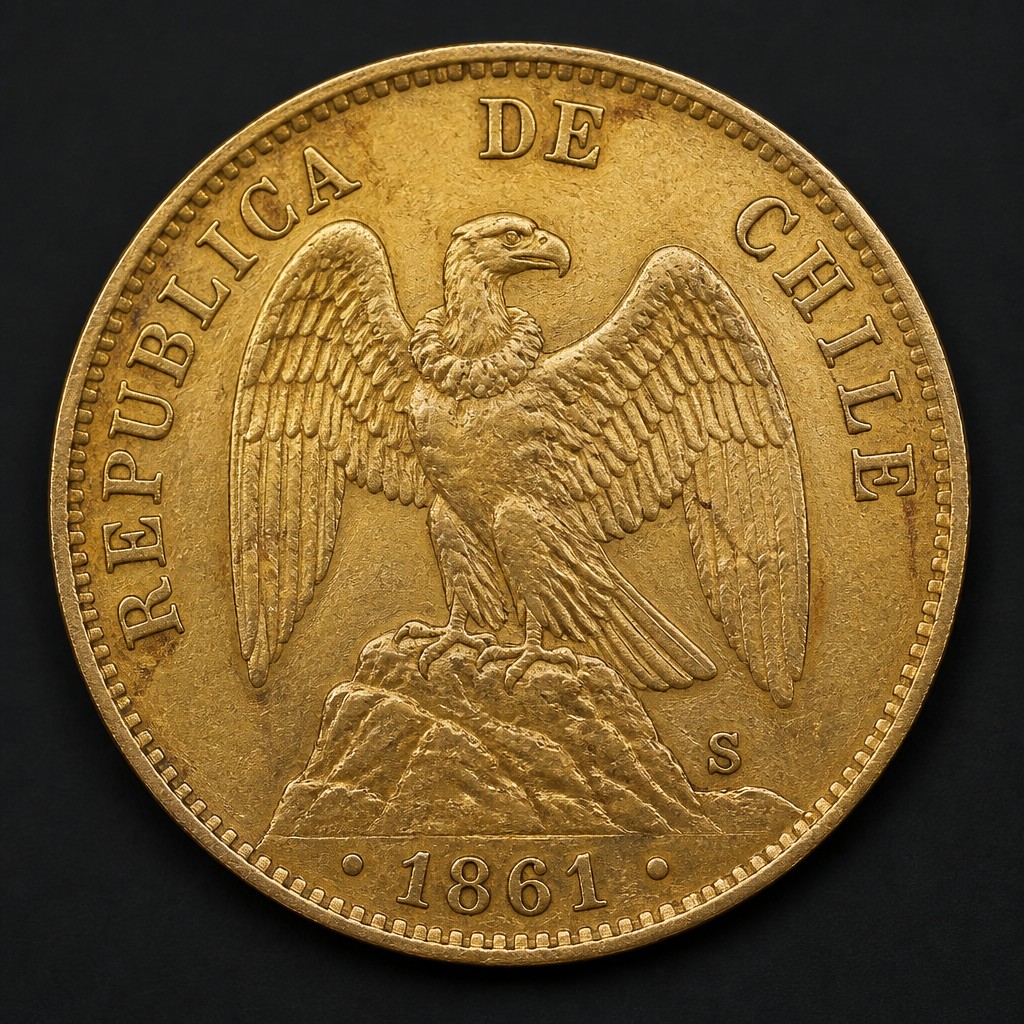
Chile Peso (Condor)
1851–1873 (gold condor series); modern base-metal peso 1990s–present
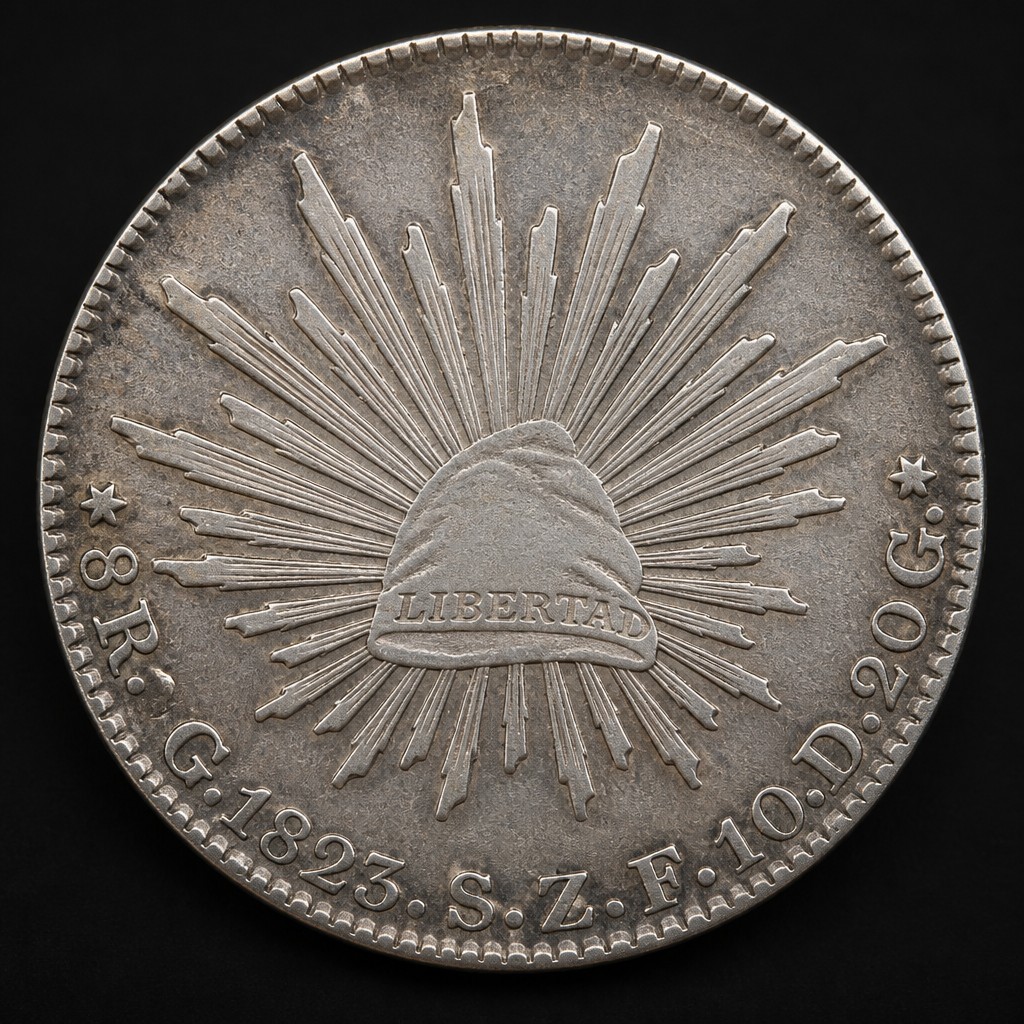
Mexican 8 Reales Cap and Rays
1823-1897
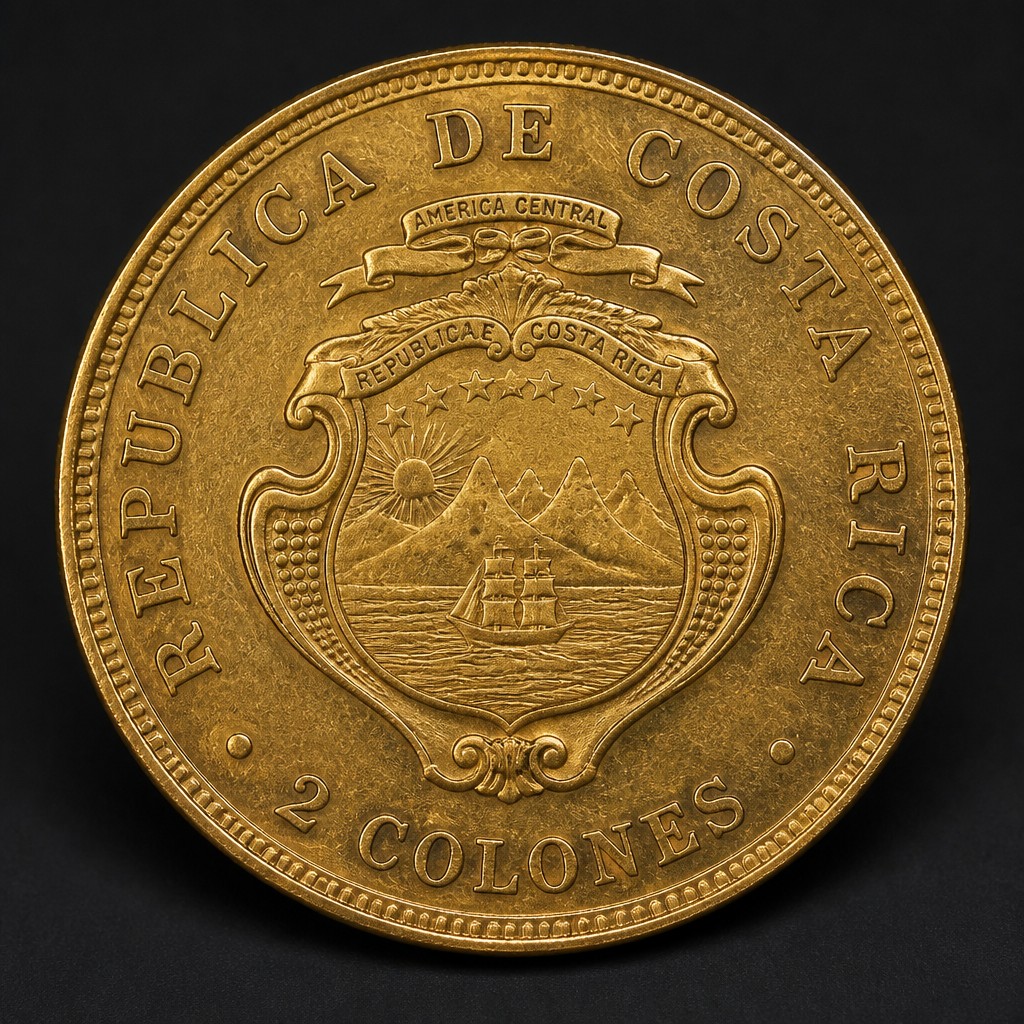
Costa Rica 2 Colones Gold
Late 1890s–early 1900s
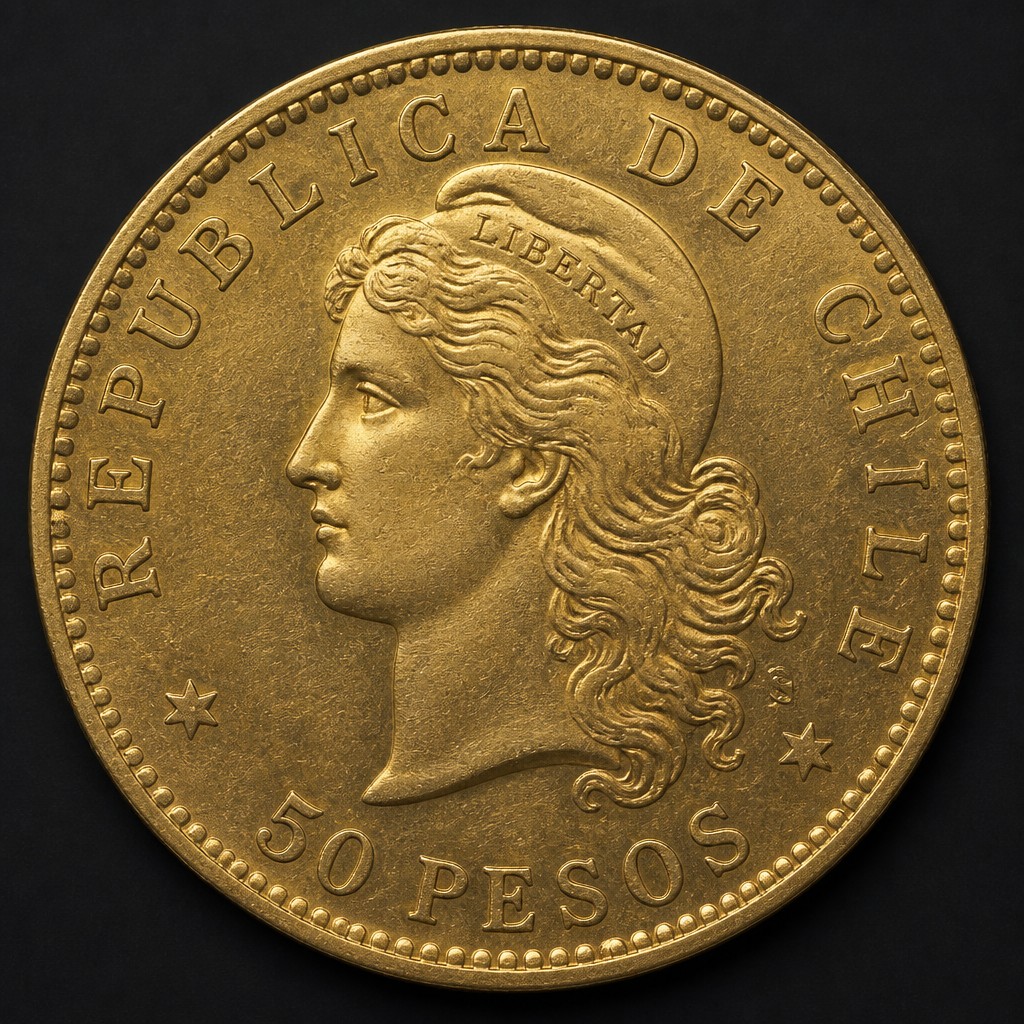
Chilean 50 Pesos Gold
1926–1980 (with interruptions)
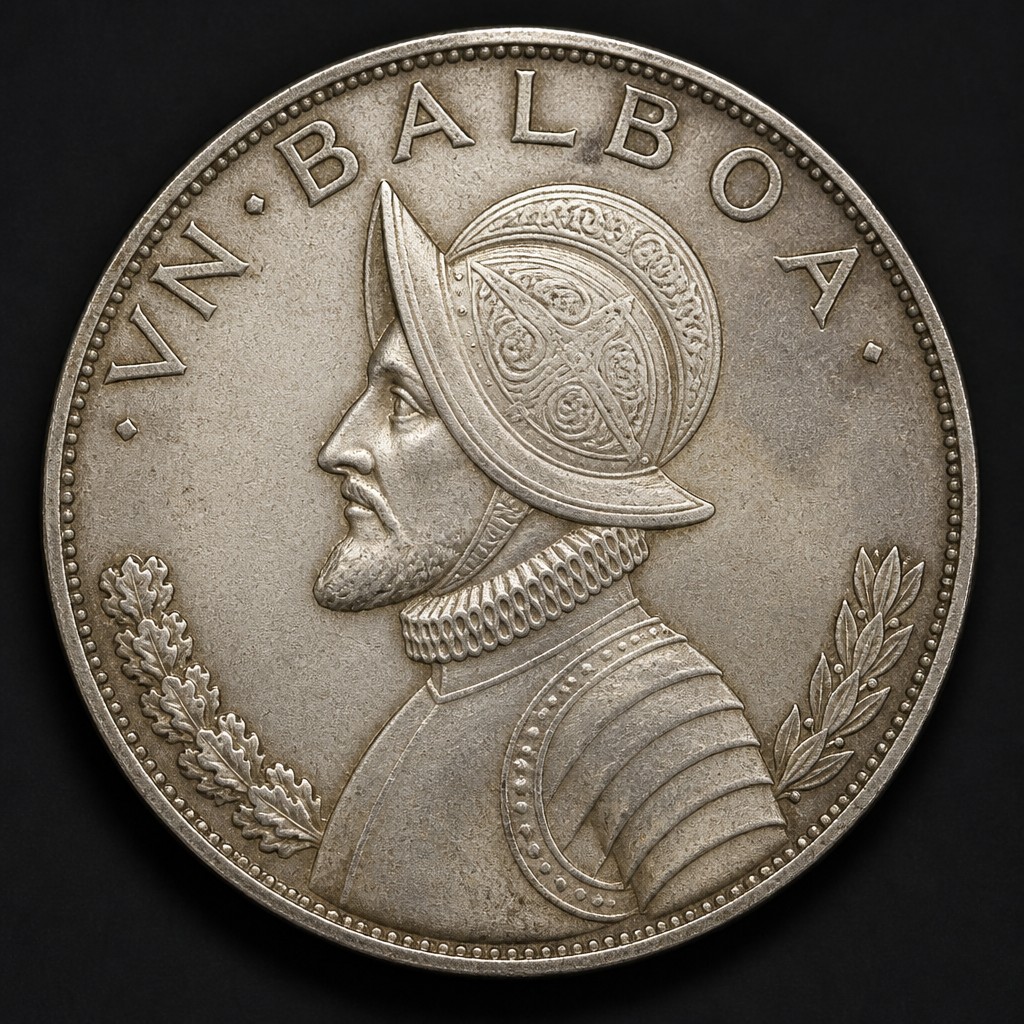
Panama Balboa Silver
1904, 1931, 1934, 1947, 1953, 1966 (various dates)
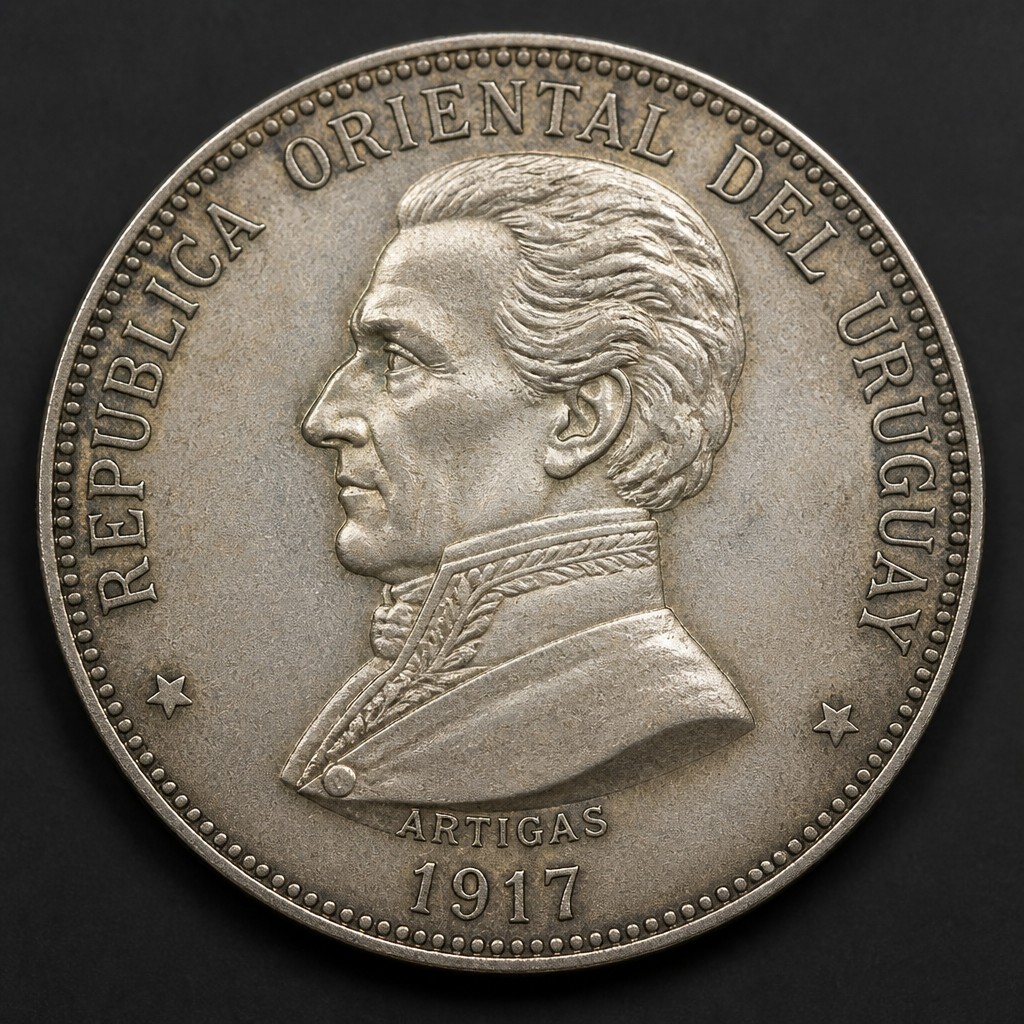
Uruguay Peso Silver 'Artigas'
1917–1920 (with related commemorative issues in later decades)
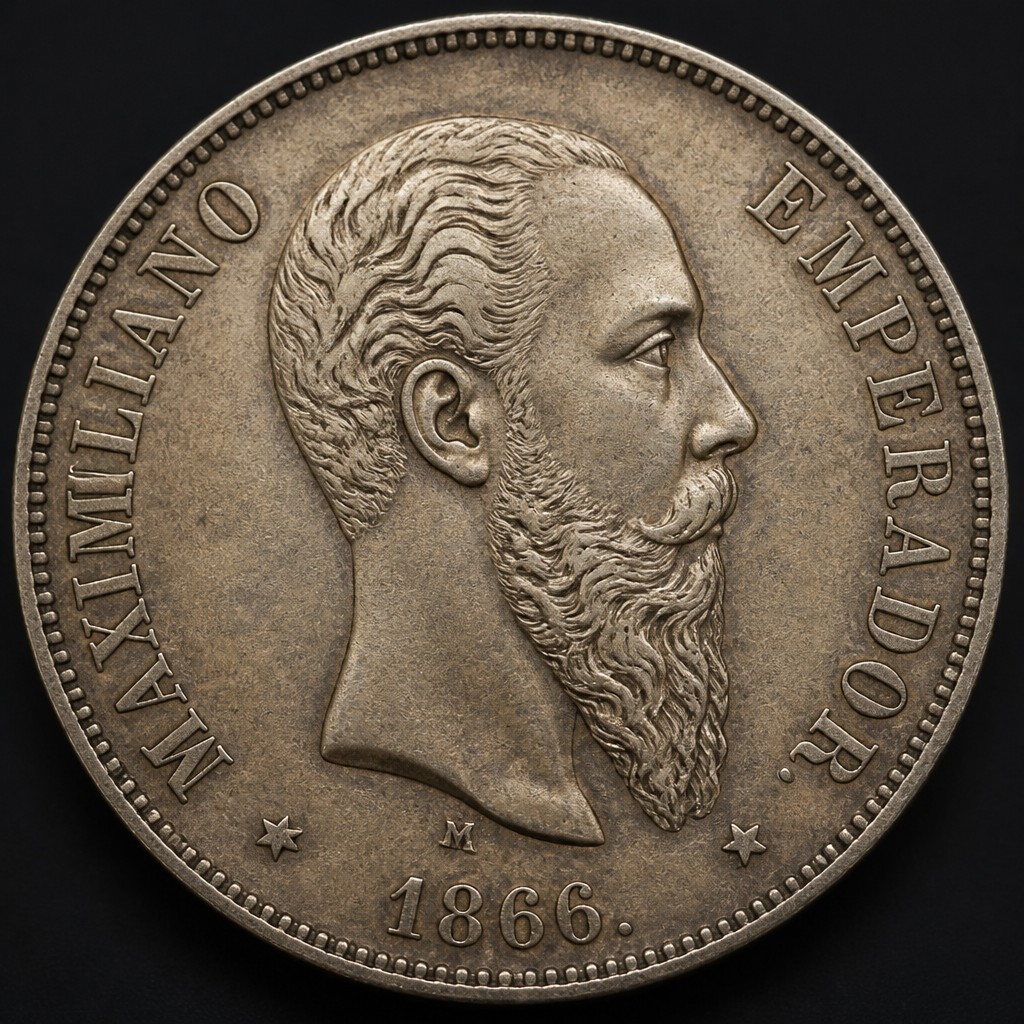
Mexican Emperor Maximilian Peso
1866–1867
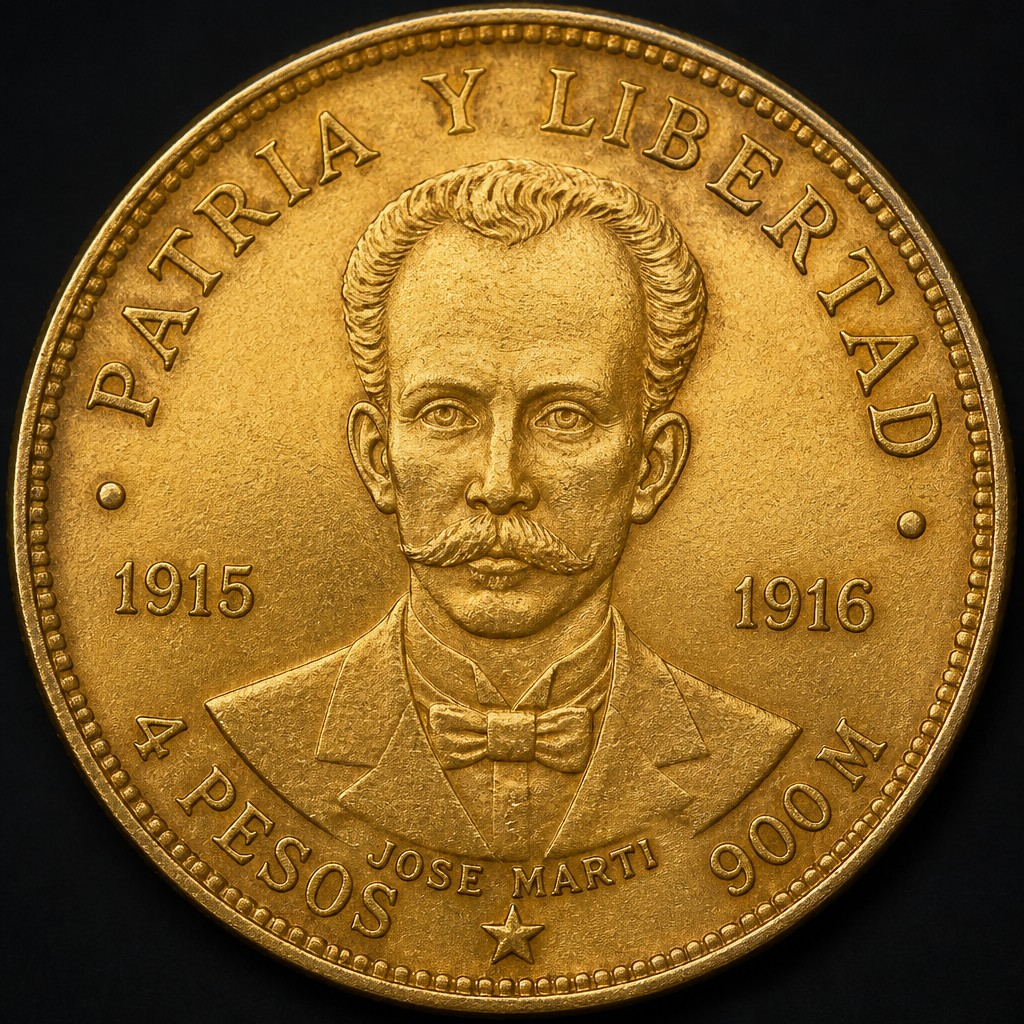
Cuba 4 Pesos Gold Jose Marti
1915–1916
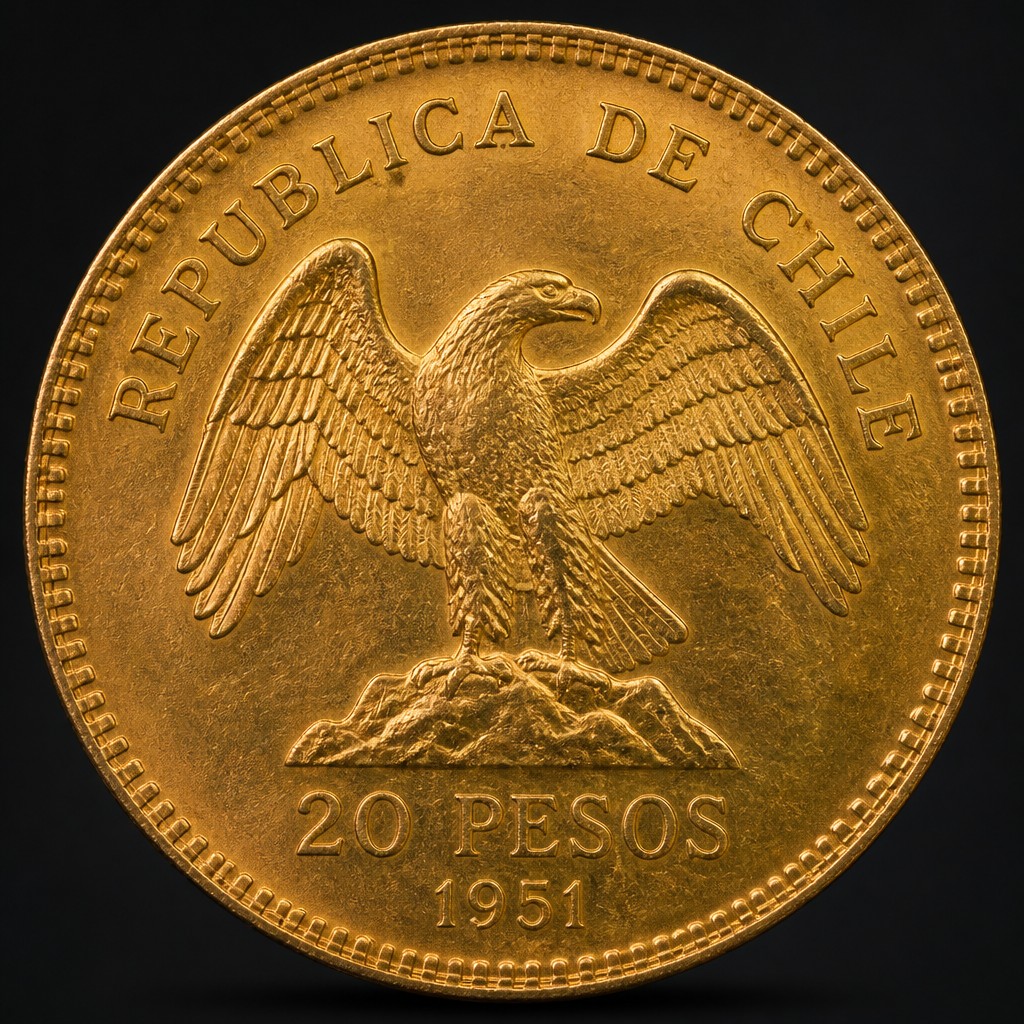
Chilean 20 Pesos Gold
19th century issues and 1926–1980 condor series