
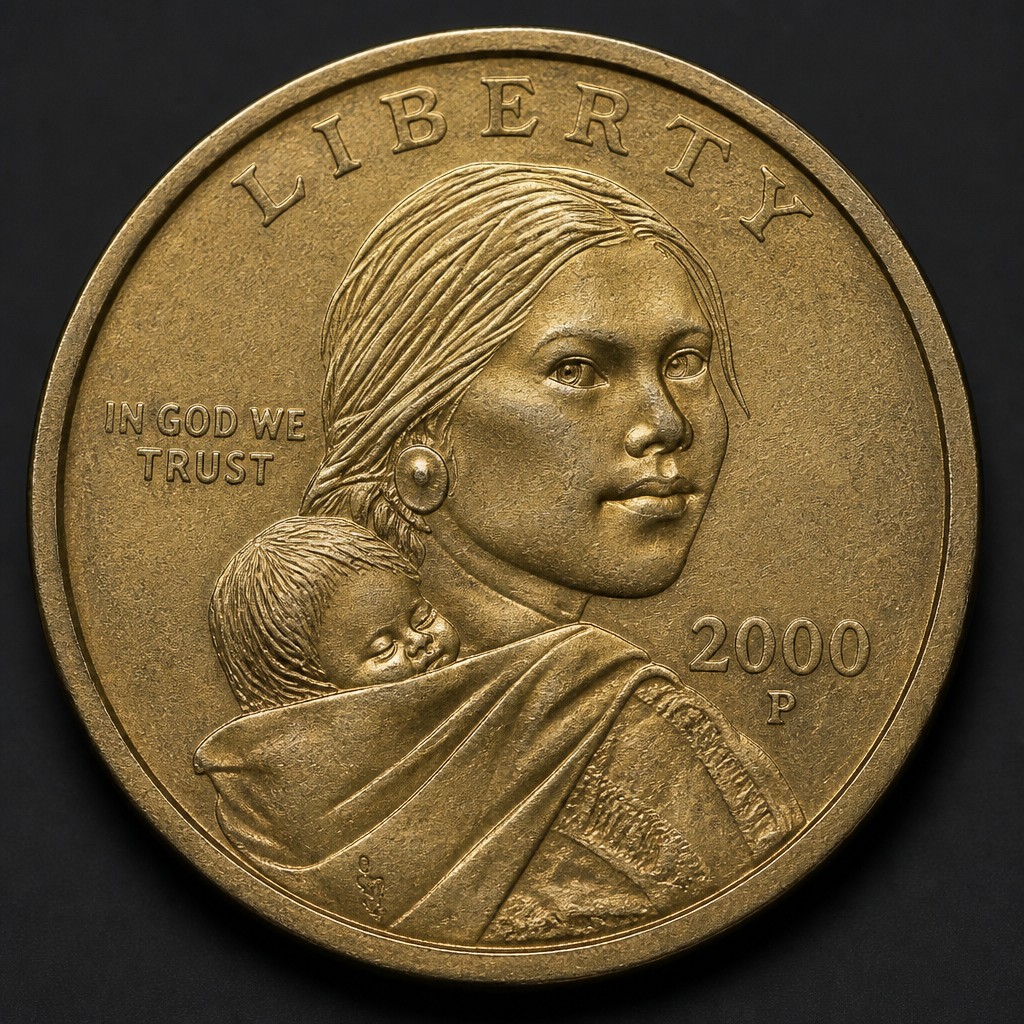
2000-P Sacagawea/Washington Quarter Mule
An extraordinarily rare mint error pairing the golden Sacagawea dollar obverse with a Washington quarter reverse die, one of the most famous modern mule errors in U.S. coinage.
- Country
- United States
- Denomination
- 1 dollar (mule error)
- Metal
- Manganese-brass clad copper
Got a coin like this?
Identify any coin from a photo, free.
Overview
A "mule" error occurs when a coin is struck using two dies that were never intended to be paired together, typically because they belong to two different denominations. The 2000-P Sacagawea/Washington quarter mule is the most famous modern American example, combining the obverse die of the golden Sacagawea dollar with the reverse die of a state quarter, producing a coin with the size, weight, and golden color of a dollar but the eagle-and-shield design of a Washington quarter on the back.
Only a small number of genuine examples are known to have entered circulation, making this one of the rarest and most valuable error coins struck by the United States Mint in the modern era. Its discovery generated significant excitement in the hobby precisely because it demonstrated that a high-security, closely monitored production process could still produce a dramatic denomination mismatch.
Because of its rarity and the strong publicity surrounding its discovery, the coin has become a benchmark reference whenever collectors discuss modern U.S. mint errors, and confirmed genuine examples are essentially always sent to major third-party grading services for certification and authentication.
History & Background
The Sacagawea dollar was introduced in 2000 to replace the unpopular Susan B. Anthony dollar, featuring Sacagawea and her infant son on the obverse and a soaring eagle on the reverse, struck in a manganese-brass clad composition designed to look golden. At the same time, the Mint was producing the 50 State Quarters program, which used the same general planchet preparation equipment and press facilities, creating an opportunity for dies from the two different coin programs to be mixed up during setup.
A small number of coins were struck combining a genuine Sacagawea dollar obverse die with a Washington quarter reverse die, most commonly associated with the 1999 Wisconsin quarter reverse design, though the underlying quarter reverse used has been debated and studied closely by error specialists. The error likely occurred during a changeover or maintenance procedure at the Philadelphia Mint, where dies for both denominations were present.
The error came to light when a small handful of pieces were discovered in circulation or in mint-issued rolls shortly after release, and the coins were quickly authenticated by major grading services, cementing their status as one of the most significant modern error discoveries in U.S. Mint history.
How to Identify
The obverse matches a standard Sacagawea dollar, showing Sacagawea carrying her infant son, with LIBERTY above and the date and mintmark information in the standard positions. The coin retains the golden manganese-brass color and smooth, non-reeded edge with edge lettering characteristic of the dollar series.
The reverse, however, shows the Washington quarter eagle-and-shield design rather than the expected Sacagawea soaring eagle reverse, immediately signaling the mismatch to anyone examining the coin closely. The diameter and thickness match the Sacagawea dollar rather than the smaller quarter.
Genuine examples are exceedingly rare, and given the coin's fame, counterfeits and deceptively altered pieces have appeared on the market; any suspected example should be authenticated by a major grading service before any transaction, as the difference between a genuine mule and an altered novelty piece can be difficult to spot without expert examination.
Collectors should never assume an unusual-looking dollar/quarter combination purchased outside of a certified holder is genuine, given both the coin's extreme rarity and the strong financial incentive for forgery.
Value & Collectibility
Confirmed genuine examples of the 2000-P Sacagawea/Washington quarter mule are among the most valuable modern U.S. error coins, with certified specimens having sold at auction for well into six figures, reflecting both the extreme rarity of authenticated examples and the strong demand from advanced error and modern coin collectors.
Because so few genuine pieces are known, prices are driven largely by auction results for specific certified coins rather than a broad retail market, and each sale tends to attract significant attention within the numismatic press.
Given the coin's value and fame, any example not already certified by a major third-party grading service should be treated with extreme caution, as the overwhelming majority of dollar/quarter combination coins offered informally are altered, counterfeit, or otherwise not genuine mint errors.
Frequently asked questions
What is a mule error coin?
A mule error occurs when a coin is struck with two dies from different denominations or designs that were never meant to be paired, producing a mismatched combination of obverse and reverse.
How rare is the Sacagawea/quarter mule?
Only a very small number of genuine examples are known to exist, making it one of the rarest and most valuable modern U.S. Mint errors.
How can I tell if I have a real one?
Given the extreme rarity and high value, any suspected example should be submitted to a major professional grading service for authentication before being treated as genuine.
What quarter reverse is paired with the dollar obverse?
The error is most commonly associated with a Washington state quarter reverse design from the early state quarter program struck around the same time as the Sacagawea dollar's introduction.
Other coins you may enjoy
1900-O/CC Morgan Dollar
1900
1970-S Small Date Lincoln Cent
1970
1918/7-D Buffalo Nickel
1918
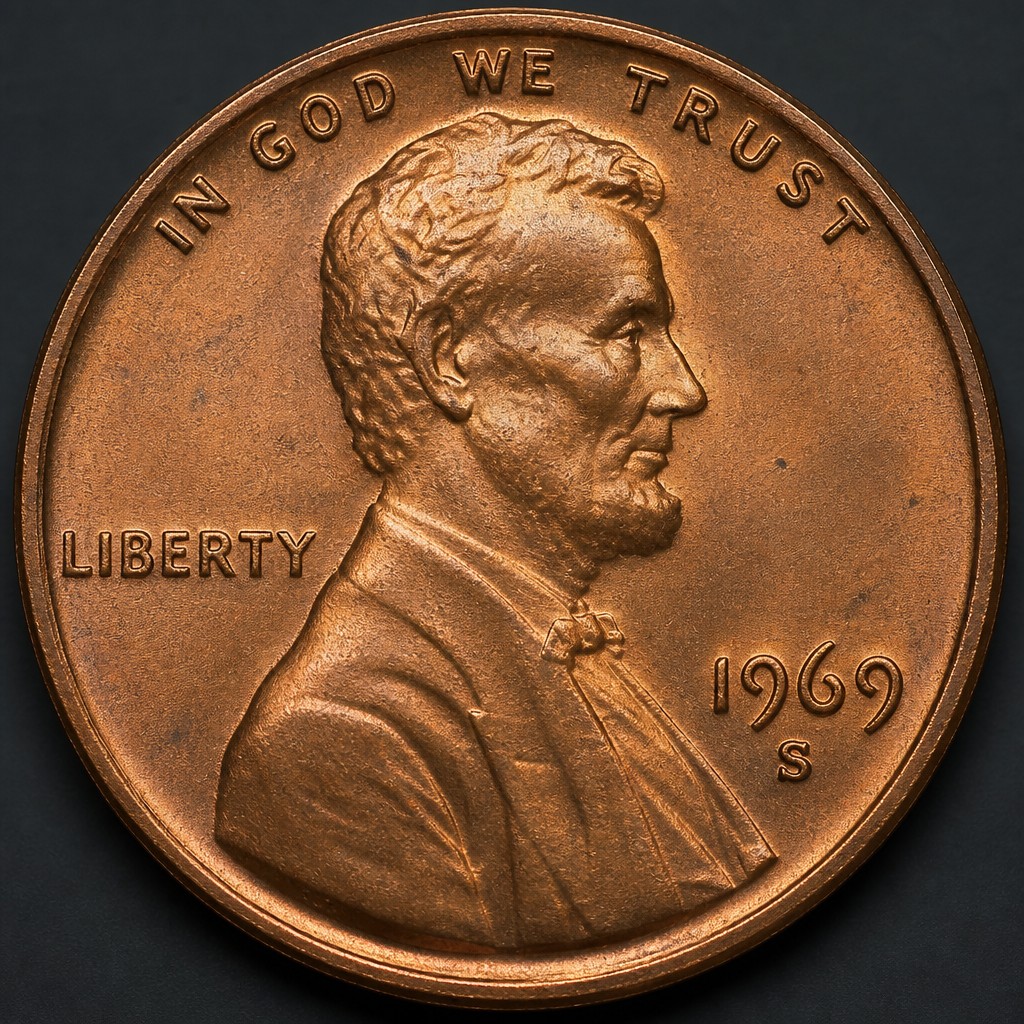
1969-S Doubled Die Obverse Lincoln Cent
1969
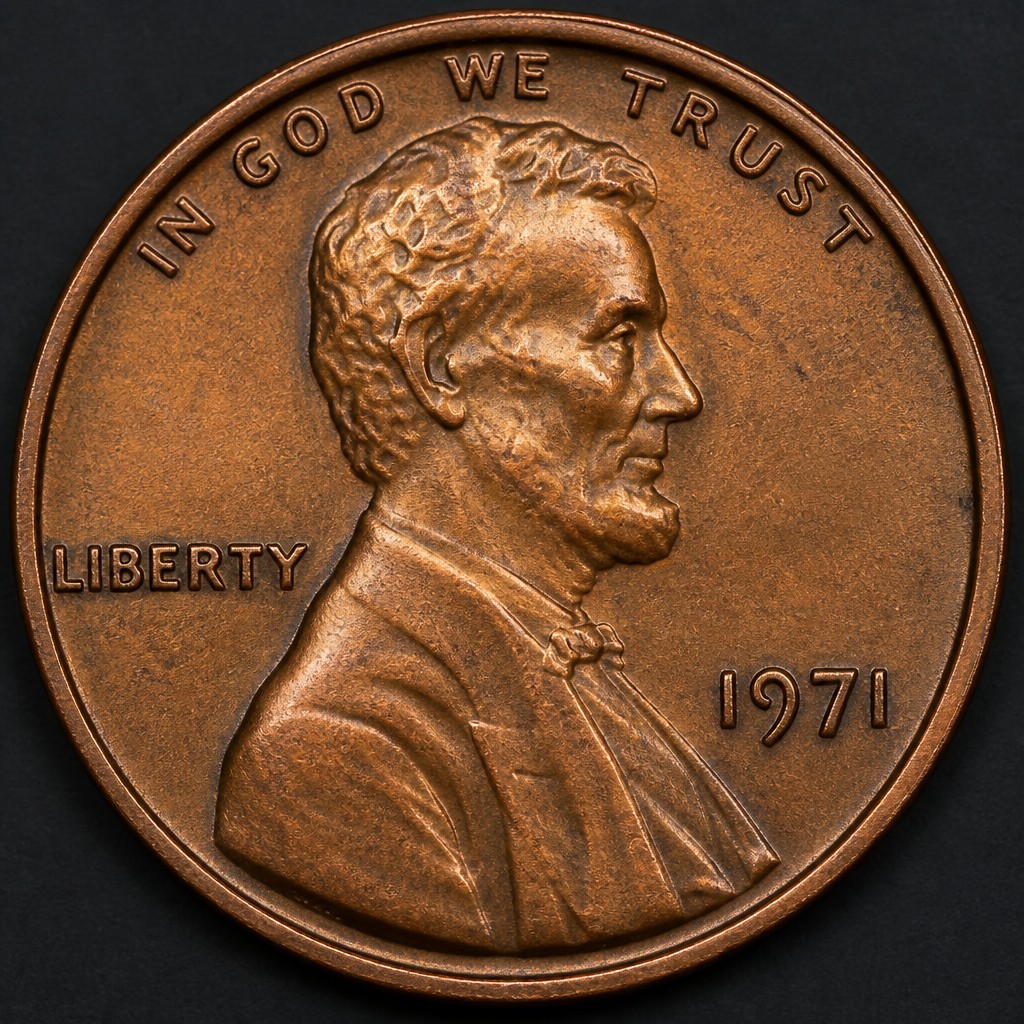
1971 Doubled Die Obverse Lincoln Cent
1971
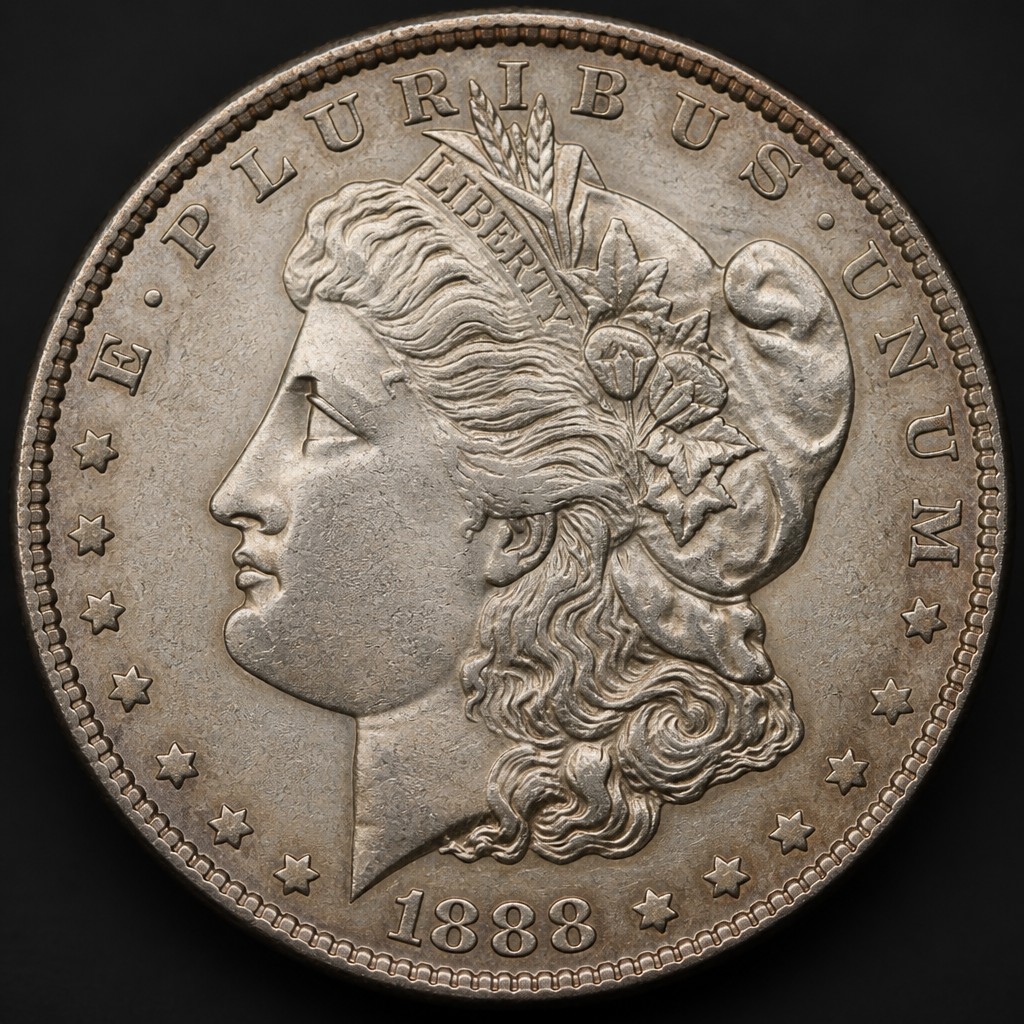
1888/7 Morgan Dollar Overdate
1888
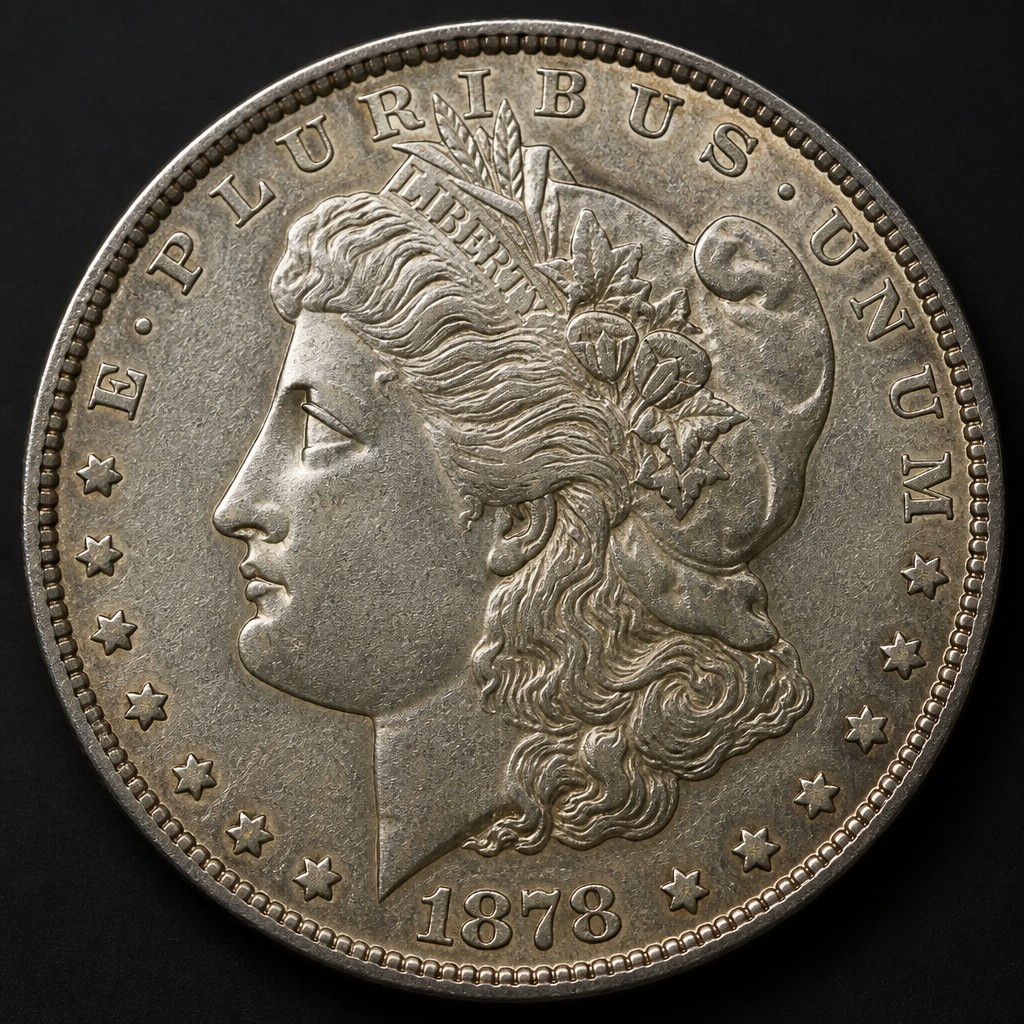
1878 7/8 Tail Feathers Morgan Dollar
1878
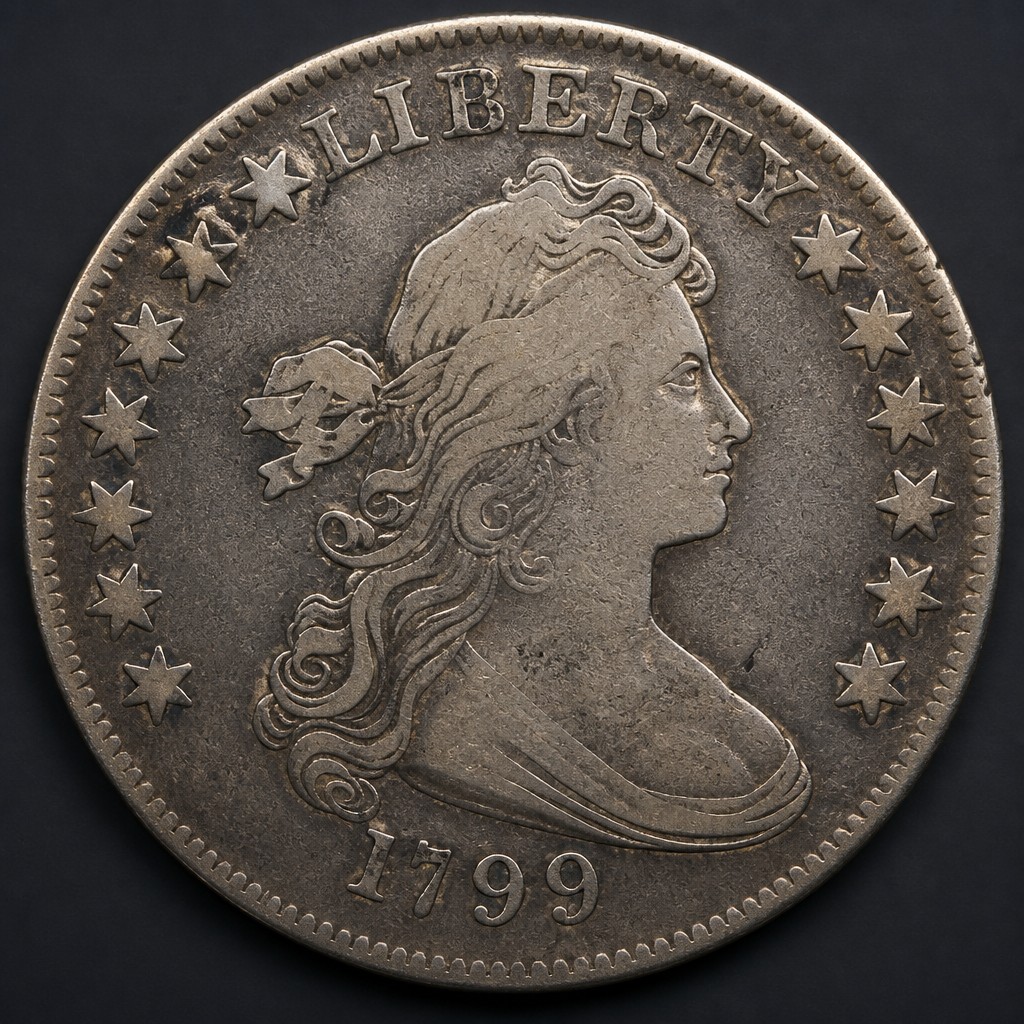
1799/8 Draped Bust Silver Dollar Overdate
1799 (die dated over 1798)
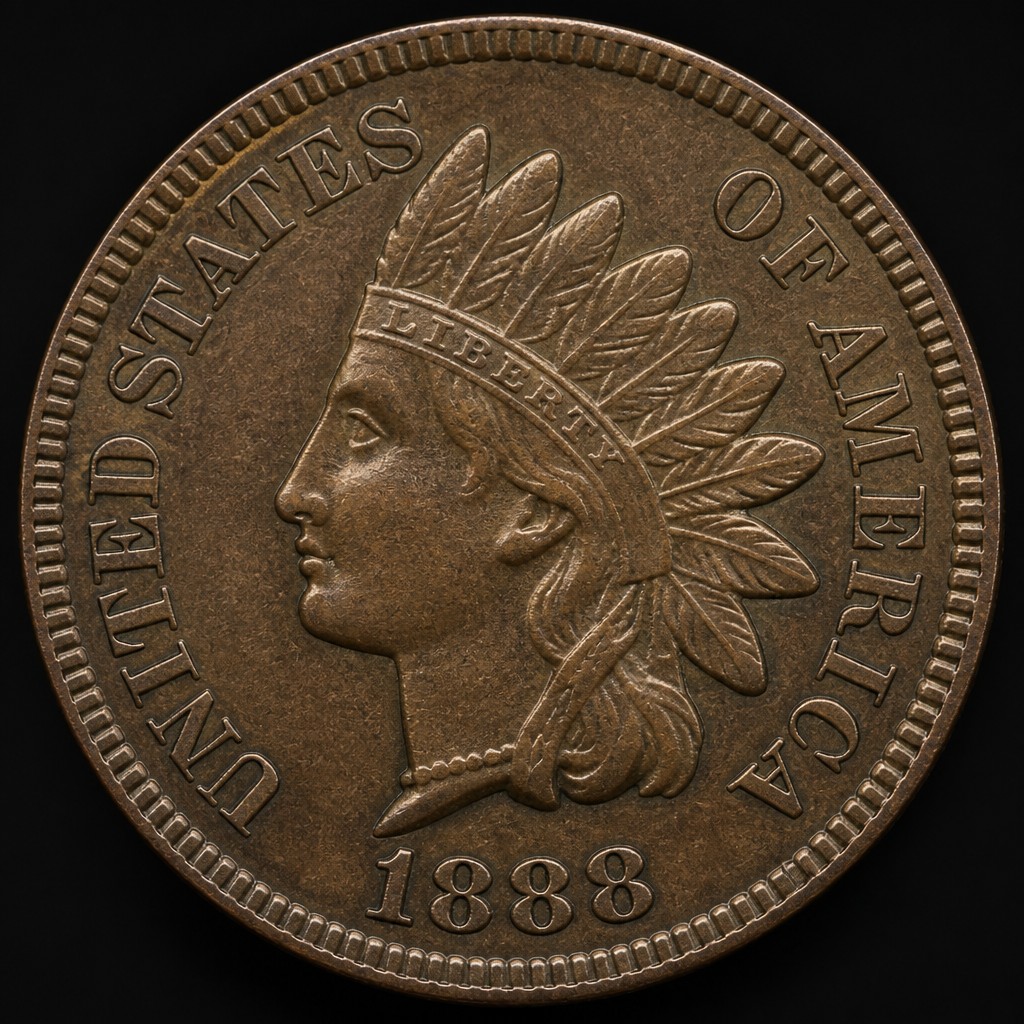
1888/7 Indian Head Cent Overdate
1888
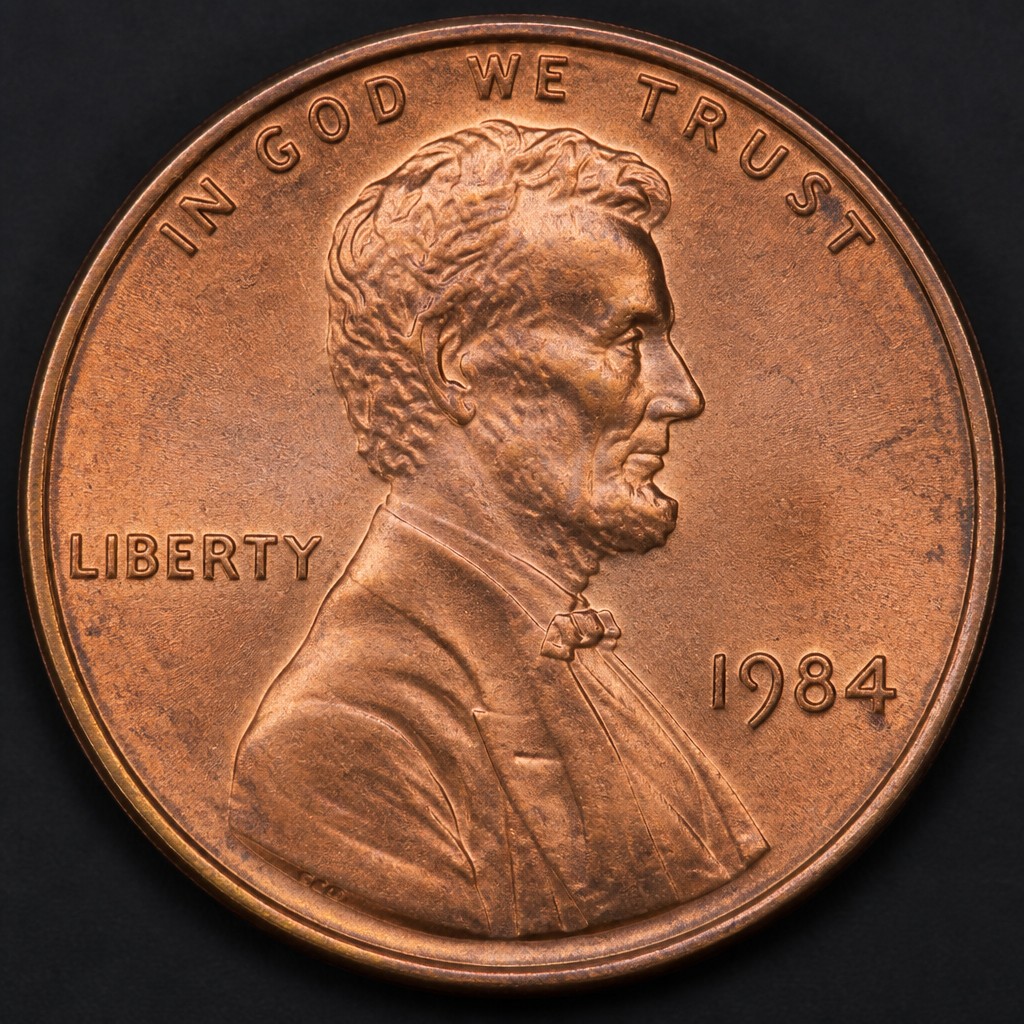
1984 Doubled Ear Lincoln Cent
1984
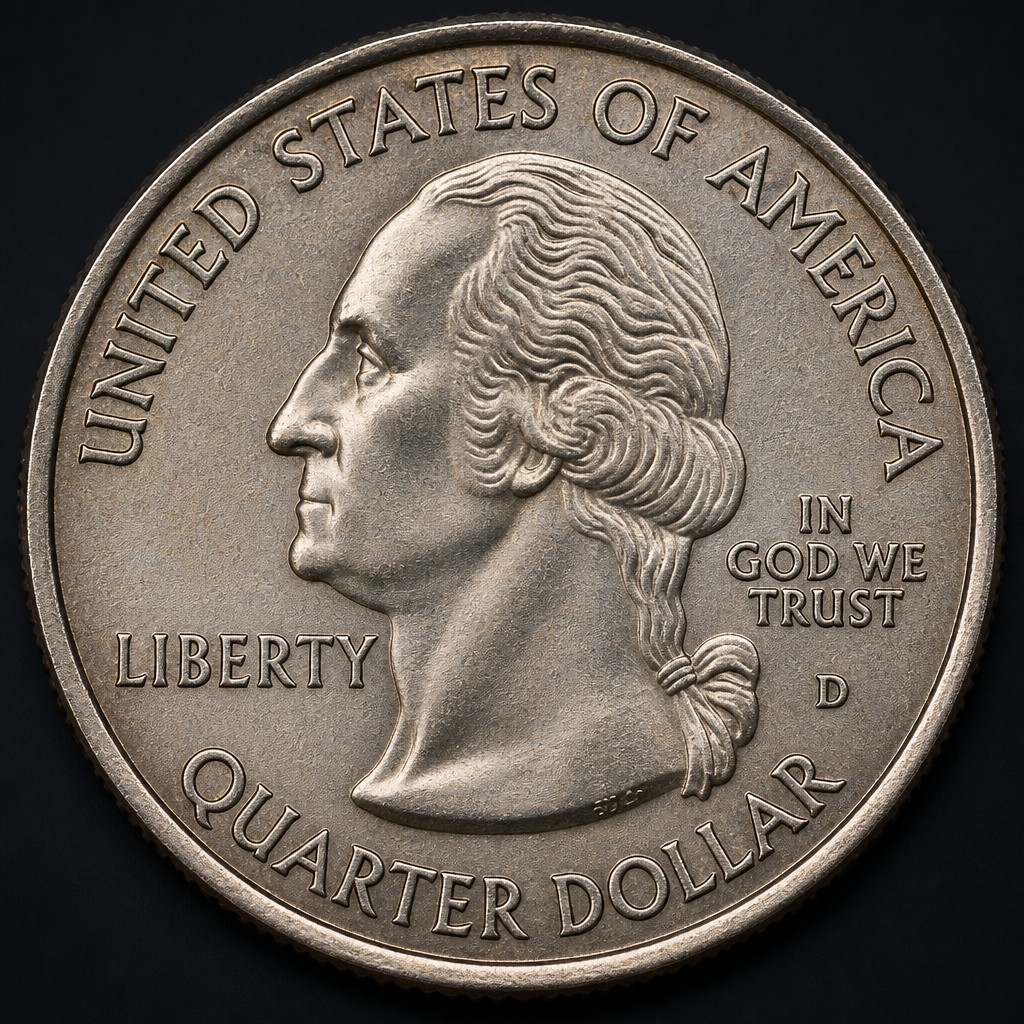
2004-D Wisconsin State Quarter Extra Leaf
2004
1873 Doubled Die Two-Cent Piece
1873