
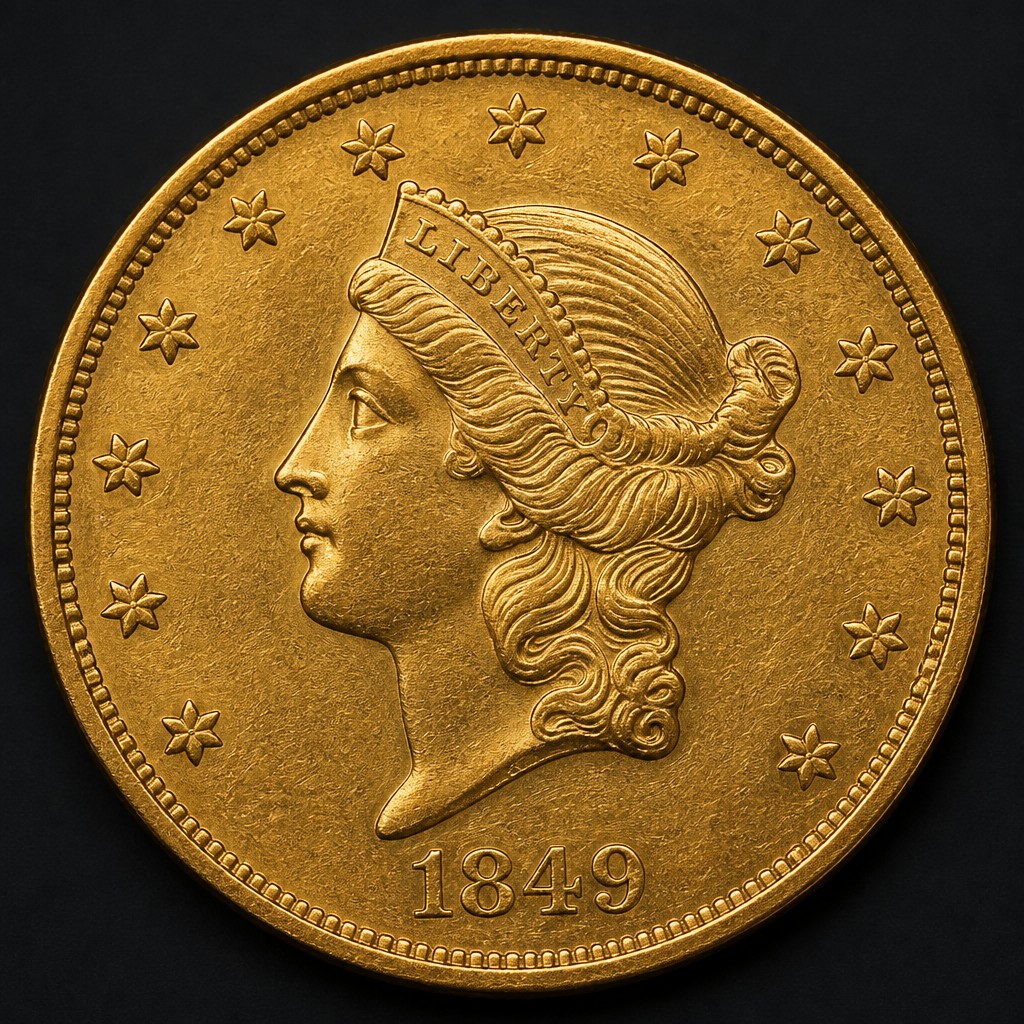
1849 Double Eagle
A unique pattern coin, the very first double eagle ever struck by the U.S. Mint, made to test the newly authorized twenty-dollar denomination; the sole surviving example is held by the Smithsonian.
- Country
- United States
- Denomination
- Double Eagle ($20)
- Metal
- Gold (.900)
Got a coin like this?
Identify any coin from a photo, free.
Overview
The 1849 Double Eagle is a pattern coin representing the first time the United States Mint struck a double eagle, the twenty-dollar gold piece newly authorized by Congress in response to the flood of gold arriving from the California Gold Rush. Only a small number of pattern pieces were struck to test the new denomination and design before regular production began.
Today, a single confirmed example is known to survive, held in the Smithsonian Institution's National Numismatic Collection, making it effectively unobtainable for private collectors. As such, it occupies a unique place in American numismatics: a coin every collector of U.S. gold knows about, but essentially none will ever own.
Its significance lies in being the literal first of its denomination, marking the birth of the double eagle, which would go on to become one of the most iconic and widely collected series in American coinage, including the later Liberty Head and Saint-Gaudens types.
History & Background
The discovery of gold in California in 1848 led to a massive influx of gold bullion into the U.S. monetary system, prompting Congress to authorize a new, larger gold coin, the double eagle, worth twenty dollars, under the Act of March 3, 1849, alongside the smaller gold dollar.
Mint engraver James B. Longacre designed the new denomination, adapting the Liberty Head (Coronet) style already used on other gold coins. Before regular production began in 1850, the Mint struck a small number of 1849-dated pattern pieces to evaluate the design and striking process.
Only one 1849 double eagle is known to have survived into modern times; it was retained by the Mint and eventually became part of the national coin collection now housed at the Smithsonian Institution, rather than entering private hands.
How to Identify
The obverse shows Longacre's Coronet Liberty Head facing left, wearing a coronet inscribed LIBERTY, with thirteen stars around the border and the date 1849 below, a design closely related to the Liberty Head double eagles that would be struck for regular circulation starting in 1850.
The reverse depicts a heraldic eagle with a shield on its breast, arrows and an olive branch in its talons, encircled by UNITED STATES OF AMERICA and the denomination TWENTY D. below.
Because only a single example survives and it resides in a museum collection, private collectors will never encounter one for sale; any coin offered as an "1849 double eagle" outside of that institutional context should be treated with extreme skepticism.
Value & Collectibility
As a unique coin held permanently in the Smithsonian's National Numismatic Collection, the 1849 Double Eagle is not for sale and has no active market price; its worth is purely historical and symbolic rather than transactional.
It is often cited by numismatists as one of the most significant coins in American history precisely because it represents the very beginning of the double eagle denomination, a series that would later include the celebrated Saint-Gaudens design.
Collectors interested in the story of the double eagle typically pursue early circulation-strike double eagles from 1850 onward instead, since the unique 1849 pattern itself is permanently outside the market.
Frequently asked questions
Can I buy an 1849 Double Eagle?
No, the only known surviving example is part of the Smithsonian Institution's National Numismatic Collection and is not available for private ownership.
Who designed the 1849 Double Eagle?
Mint engraver James B. Longacre designed it, adapting the Coronet Liberty Head style used elsewhere in U.S. gold coinage.
Why was the double eagle created?
Congress authorized the denomination in 1849 in response to the large amounts of gold bullion arriving from the California Gold Rush, needing a larger coin to handle it efficiently.
When did regular double eagle production begin?
Regular-issue double eagles began in 1850, the year after the unique 1849 pattern was struck.
Other coins you may enjoy
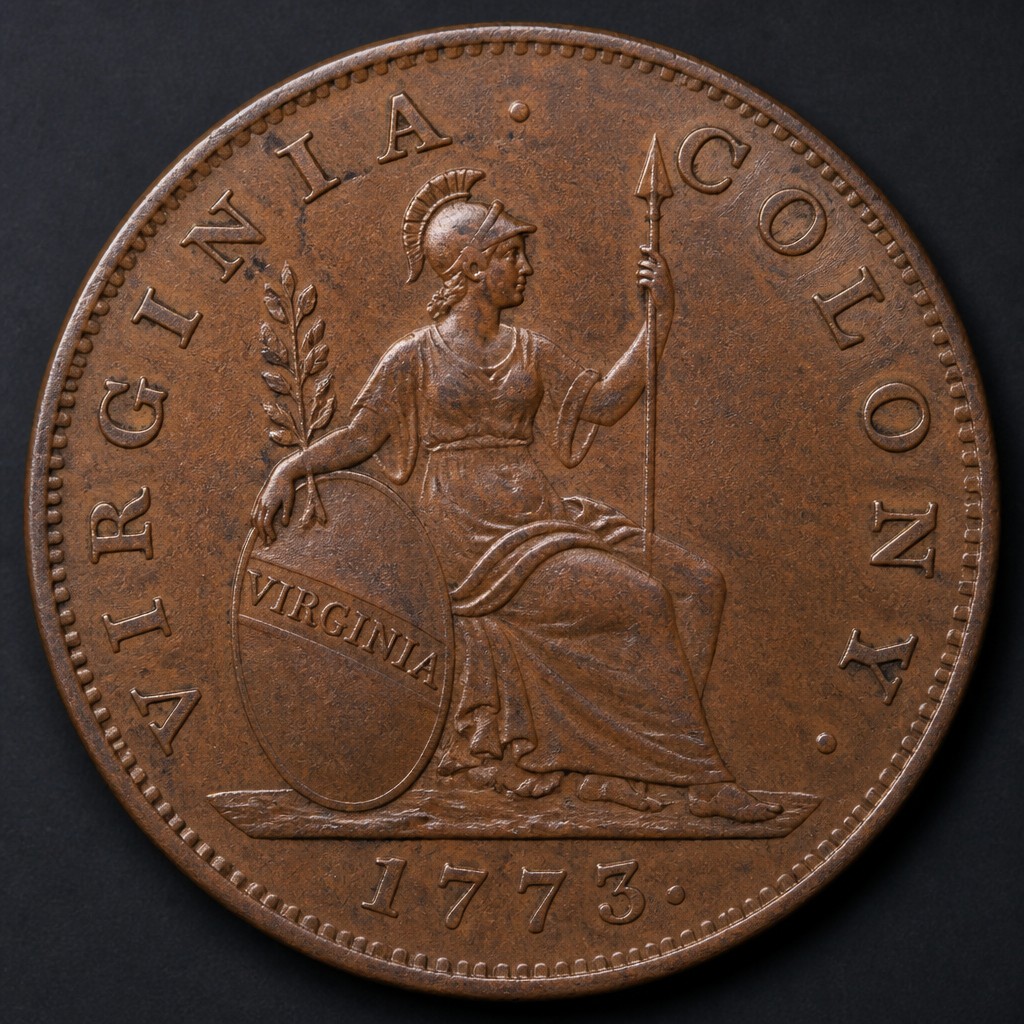
Virginia Halfpenny
1773

Brasher Doubloon
1787
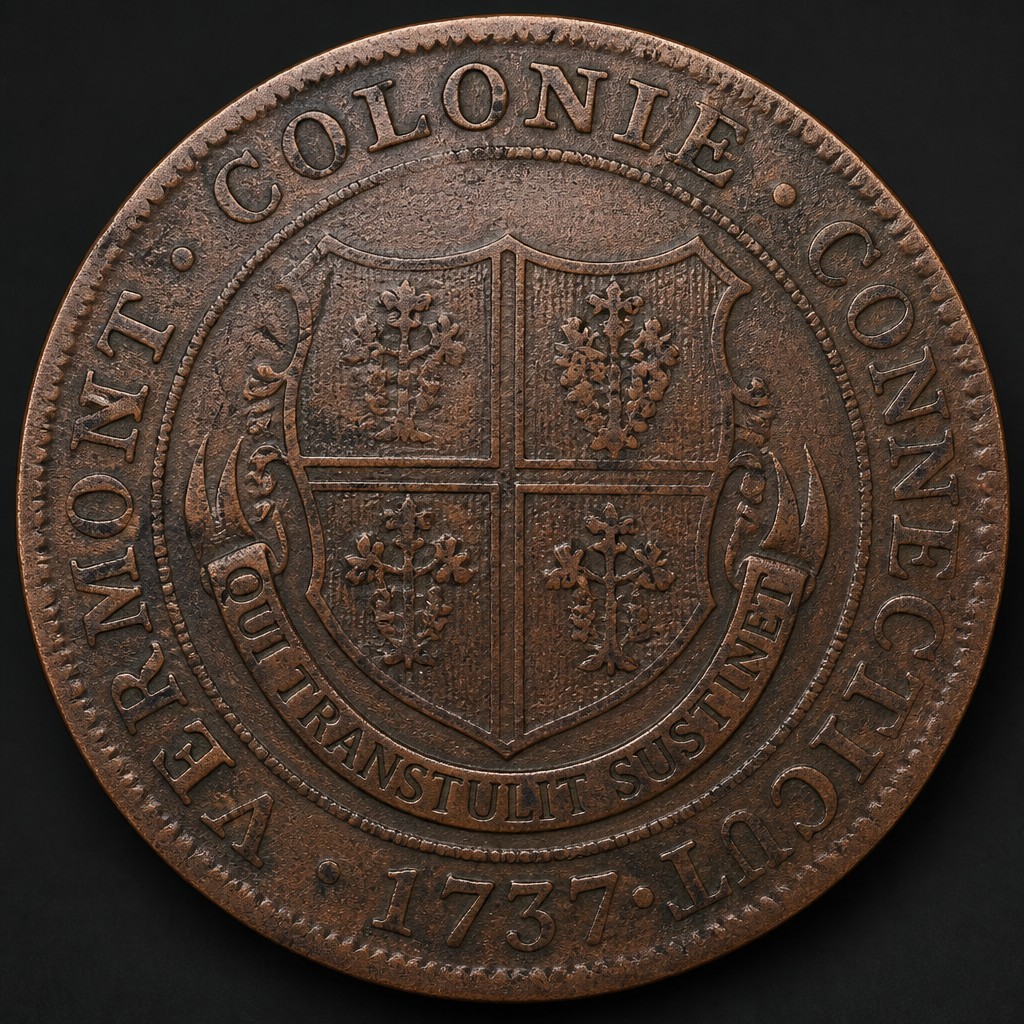
Higley Copper
1737–1739
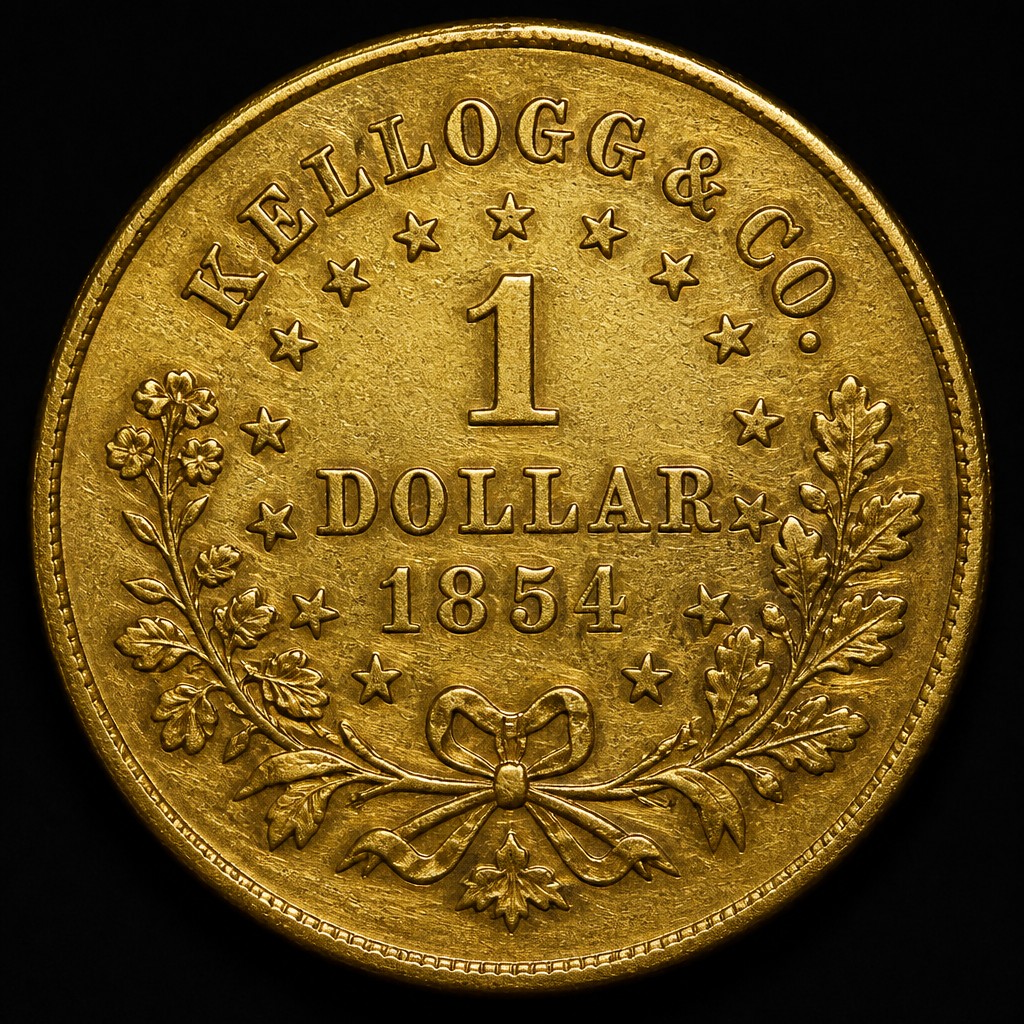
Kellogg & Co. Gold Piece
1854–1855
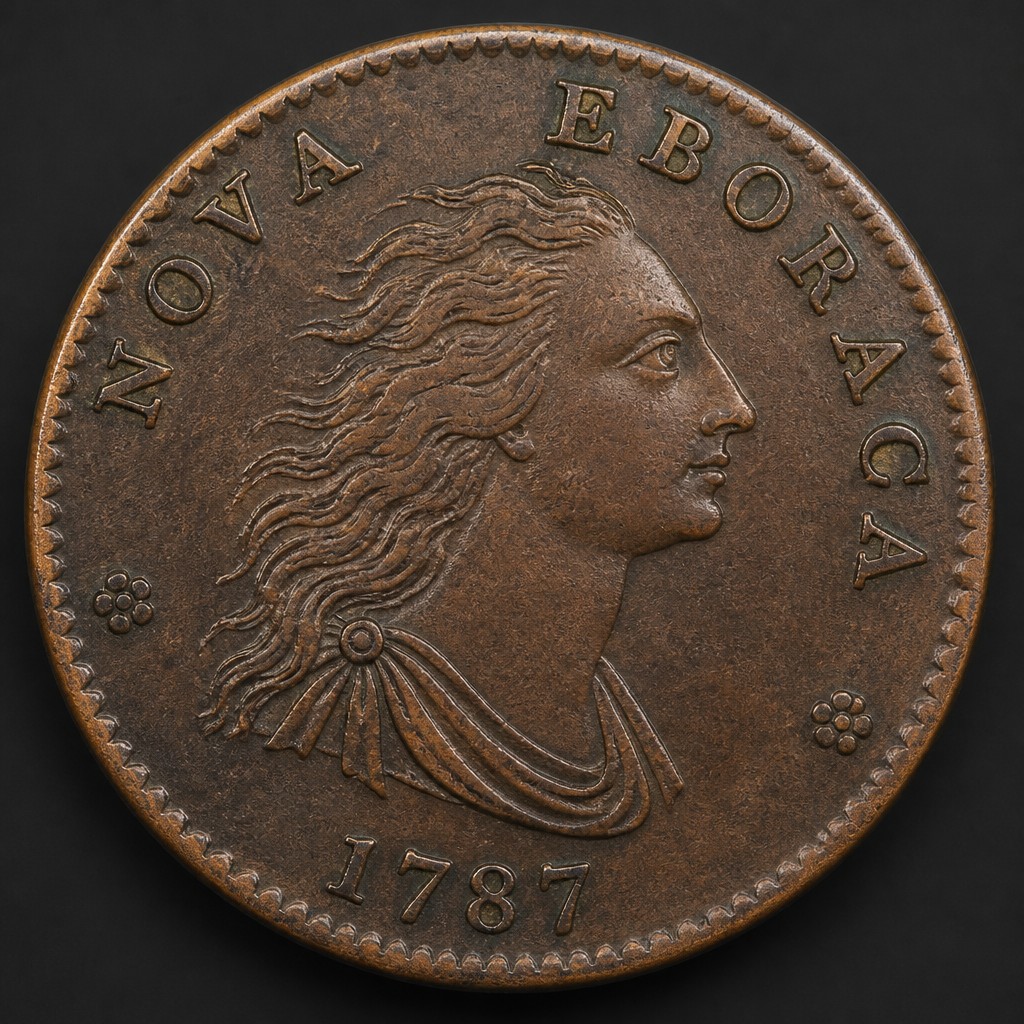
Nova Eborac Copper
1787
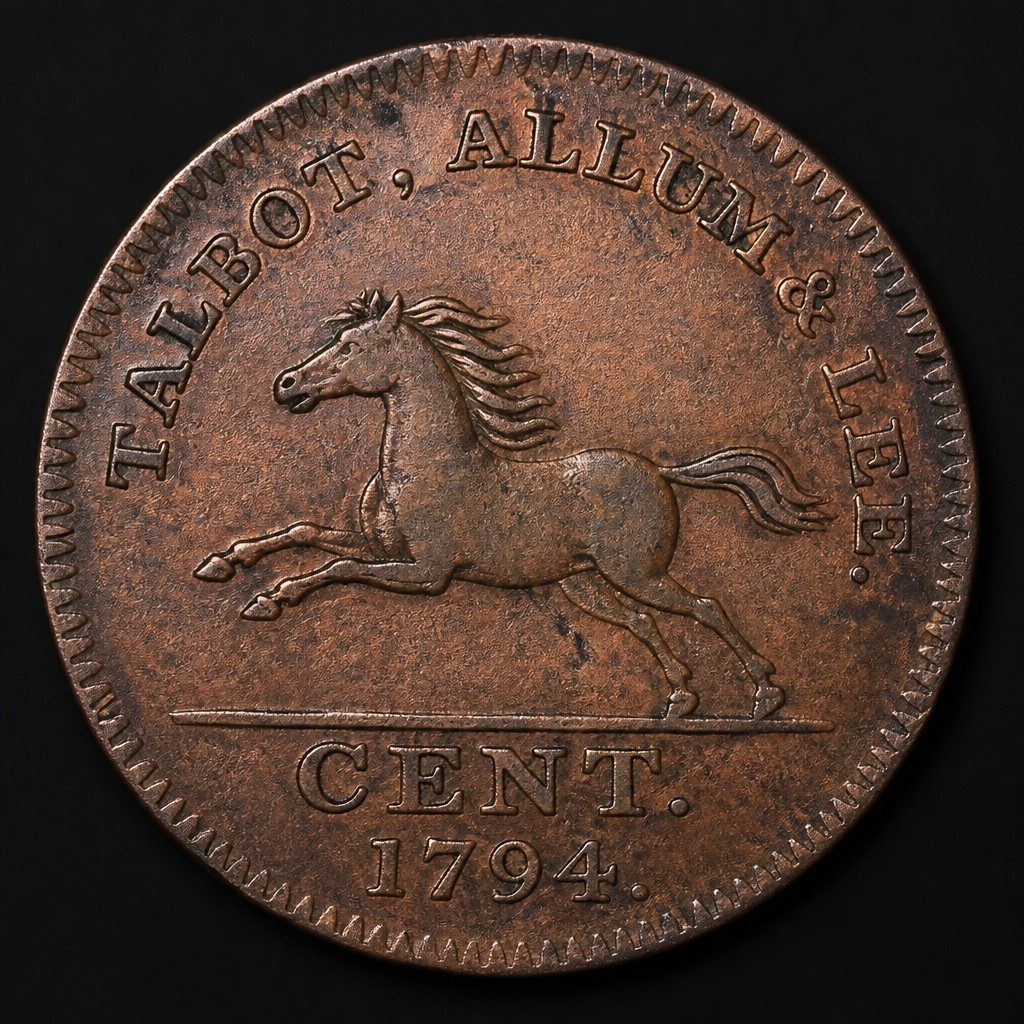
Talbot, Allum & Lee Cent
1794–1795

Continental Dollar
1776
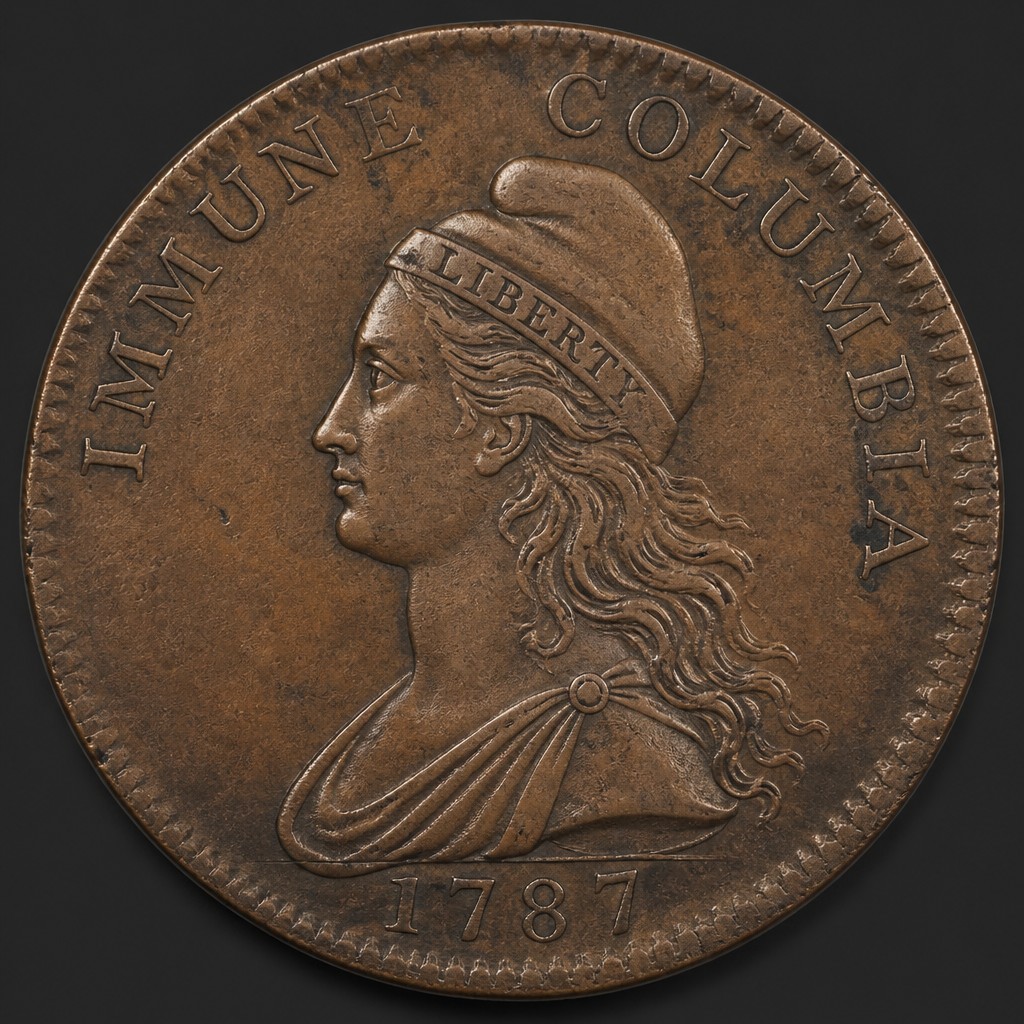
Immune Columbia Copper
circa 1785–1787
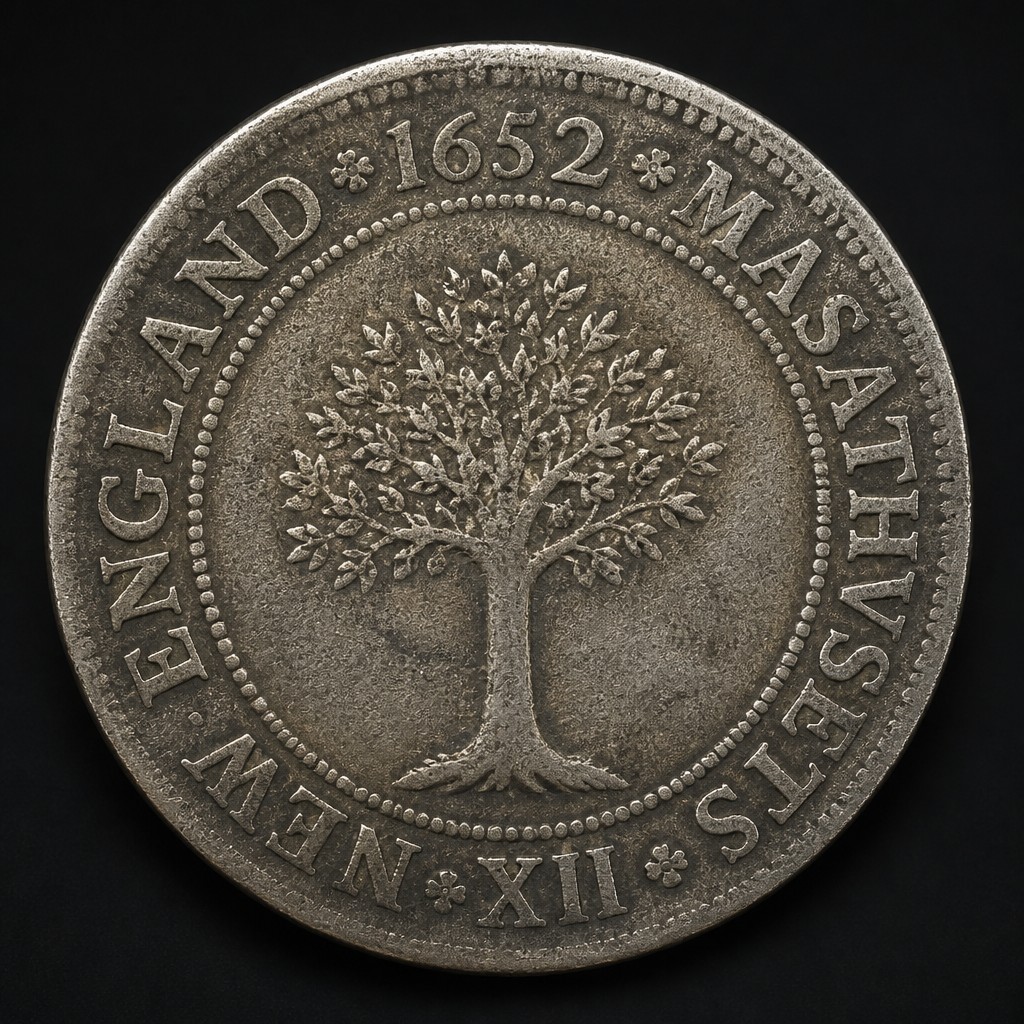
Massachusetts Oak Tree Shilling
Dated 1652, struck circa 1660–1667
Wood's Hibernia Halfpenny
1722–1724
Rosa Americana Coinage
1722–1724 (with pattern issues dated 1733)
Massachusetts Willow Tree Shilling
Dated 1652, struck circa 1653–1660