
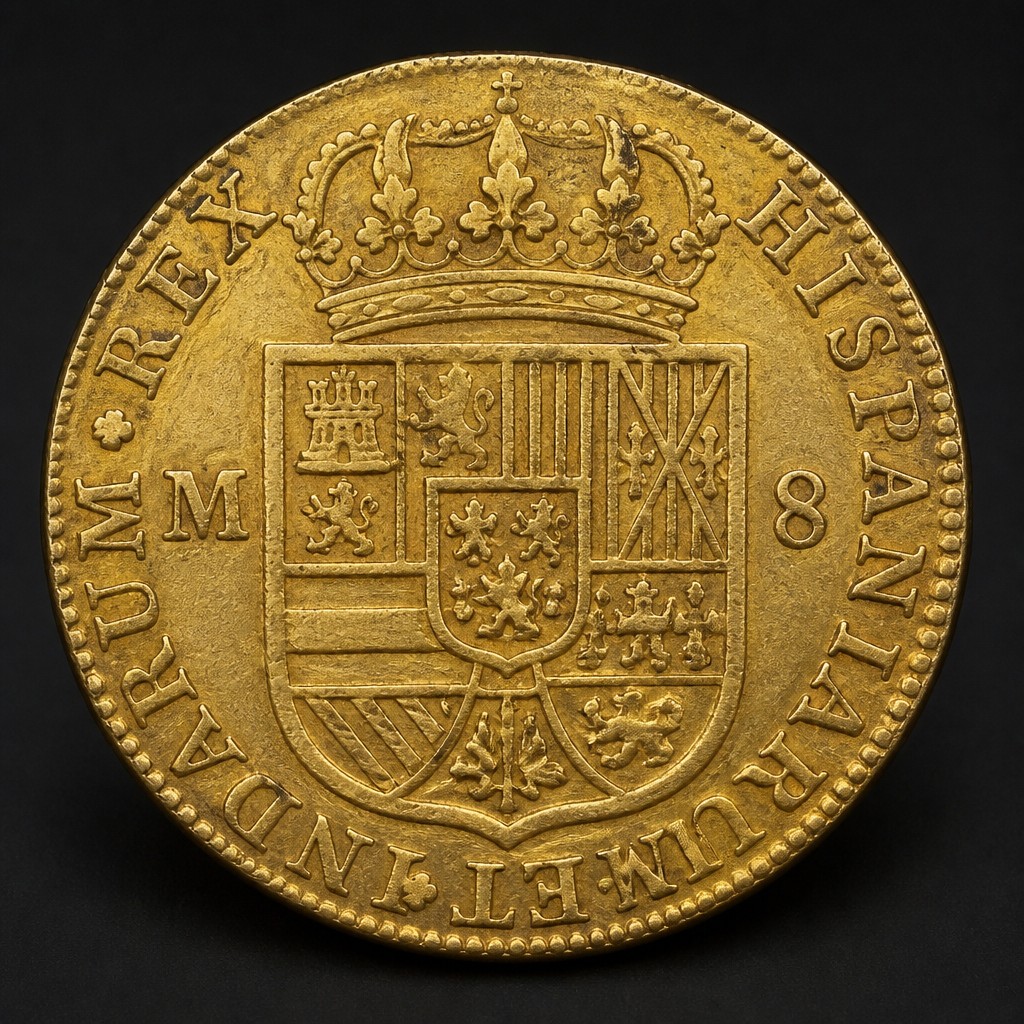
Spanish Gold Doubloon
A popular name for large Spanish colonial gold coins, typically two, four, or eight escudos, forever associated with pirate treasure and sunken Spanish galleons.
- Country
- Spanish Empire
- Denomination
- Typically 2, 4, or 8 Escudos
- Metal
- Gold
Got a coin like this?
Identify any coin from a photo, free.
Overview
'Doubloon' is the popular English name historically applied to Spanish gold escudo coins, most commonly the larger denominations of two escudos (a 'pistole') and especially the eight escudos piece, sometimes called an 'onza' or 'ounce.' These coins funded Spain's vast colonial empire and became legendary through their association with piracy, shipwrecks, and treasure hunting.
Collectors are drawn to doubloons for their historical romance as much as their numismatic qualities, since many surviving examples come from documented shipwrecks of Spanish treasure fleets, giving individual coins a traceable and often dramatic backstory alongside their inherent gold value.
Because doubloons were struck across many Spanish colonial mints over roughly three centuries, the broader category spans crude, irregularly shaped early 'cob' gold through later, more refined milled coinage.
History & Background
Spain's American colonies, rich in gold from mines in present-day Mexico, Colombia, and elsewhere, supplied the bullion for escudo coinage struck at mints including Mexico City, Bogotá (Santa Fe de Bogotá), Lima, Popayán, and others starting in the 16th century. These gold coins, alongside their silver counterpart the 8 reales, became a primary vehicle for transporting New World wealth back to Spain.
Treasure fleets carrying doubloons and other coinage across the Atlantic were frequent targets of pirates and privateers, and several fleets were lost to storms, cementing the doubloon's enduring association with sunken treasure and pirate lore in popular culture.
Spain continued producing escudo-denominated gold coinage, transitioning from crude hand-struck cobs to more standardized milled coins bearing a royal portrait, until the region's gradual independence movements in the early 19th century ended Spanish colonial minting across most of the Americas.
How to Identify
Earlier doubloons, especially cob-style examples, are irregularly shaped with a crude cross design on one side and the Spanish royal arms on the other, often with legends and dates only partially visible due to the hand-cutting process. Later, milled doubloons show a more refined royal portrait of the reigning Spanish king on the obverse and a crowned coat of arms on the reverse.
Genuine doubloons are struck in gold, with the largest common denomination, the 8 escudos, weighing around 27 grams; smaller doubloons at 2 and 4 escudos scale down proportionally. Mint marks and assayer initials appear on the coin and can identify which colonial mint, such as Mexico City, Lima, or Bogotá, produced a given piece.
Because the term 'doubloon' is used loosely and modern reproductions and souvenir coins are common, especially those marketed as shipwreck treasure, careful attention to weight, fineness, and documented provenance is important when evaluating a claimed example.
Value & Collectibility
Values for genuine Spanish colonial gold escudo coins vary enormously depending on denomination, mint, condition, and especially provenance, with shipwreck-salvaged coins often carrying a premium tied to their documented recovery and history. Common, worn examples of smaller denominations can be available for a few thousand dollars, while rare mints, dates, or exceptional condition pieces can reach tens of thousands of dollars or more.
Because gold content provides a value floor, even damaged or heavily worn doubloons retain meaningful bullion value, but well-preserved, well-documented coins with an interesting shipwreck or historical pedigree command by far the strongest premiums in the market.
Frequently asked questions
What is a Spanish doubloon?
It is a popular name for large Spanish colonial gold coins, typically two, four, or eight escudos, minted across the Spanish Empire from the 16th through early 19th centuries.
Why are doubloons associated with pirates?
Spanish treasure fleets carrying doubloons and silver coin were frequently targeted by pirates and privateers, and several fleets sank in storms, cementing the coin's link to treasure lore.
What is the largest doubloon denomination?
The eight escudos piece, sometimes called an onza, was the largest common gold denomination in Spanish colonial coinage.
Are shipwreck doubloons worth more?
Coins with documented shipwreck recovery and provenance often command a premium over similar coins without that history.
What metal are doubloons made of?
They are struck in gold, typically at a fineness close to 22 karats depending on the era and mint.
Other coins you may enjoy
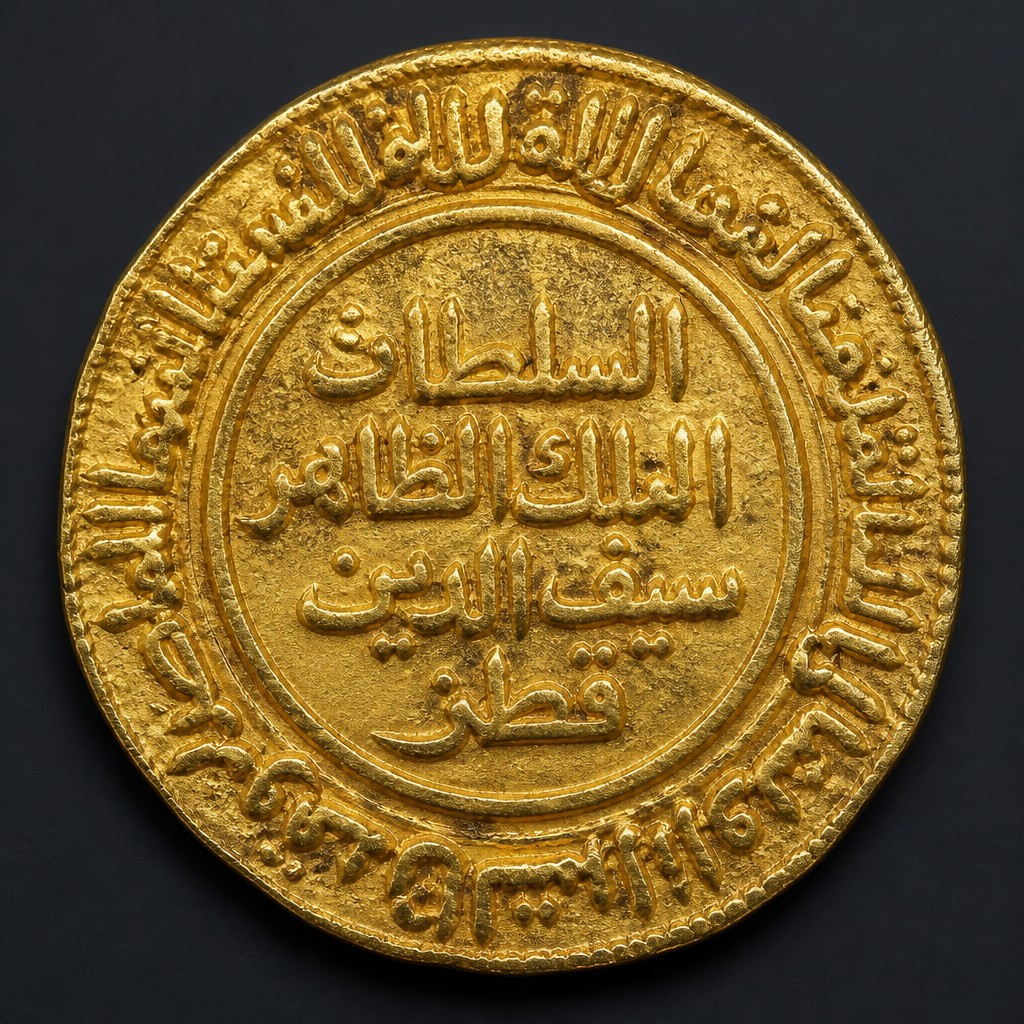
Mamluk Gold Dinar
c. 1250–1517 AD
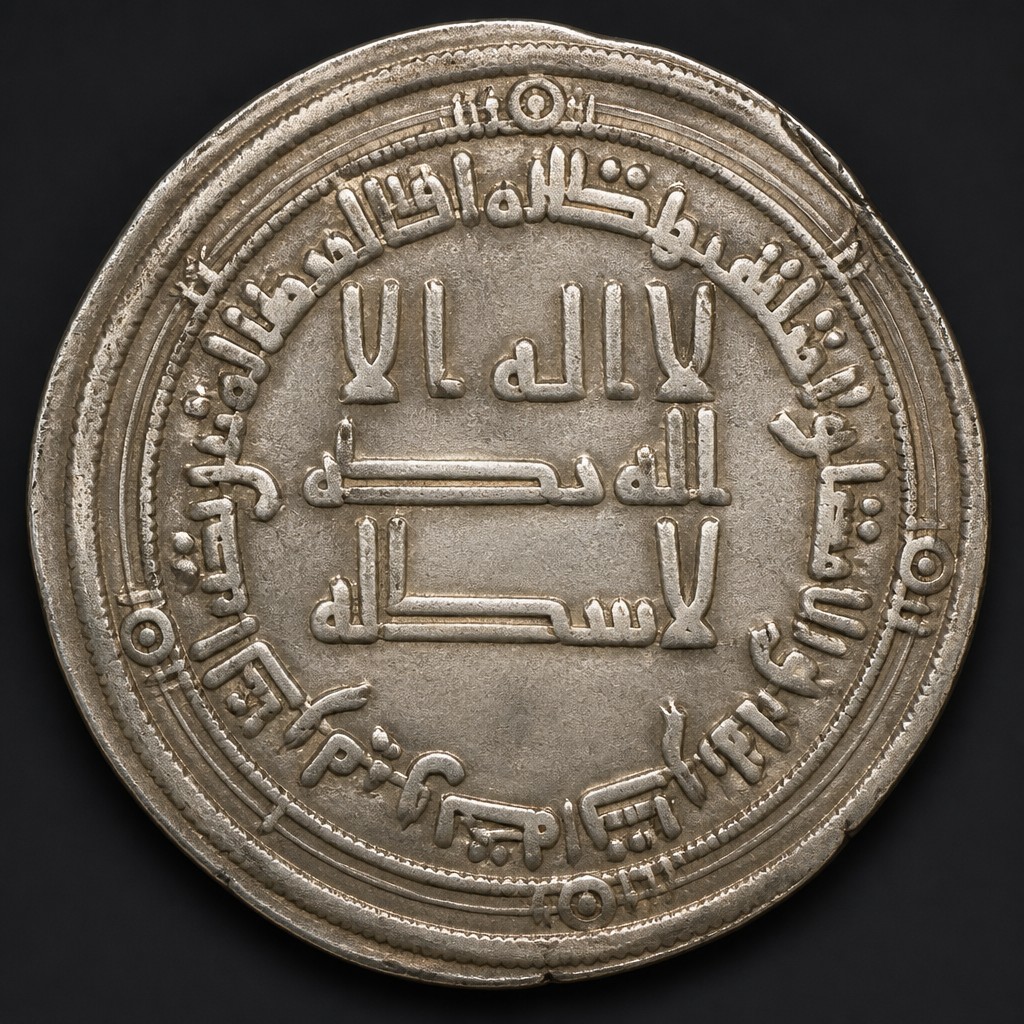
Umayyad Silver Dirham
c. 696–750 AD (post-reform issues)
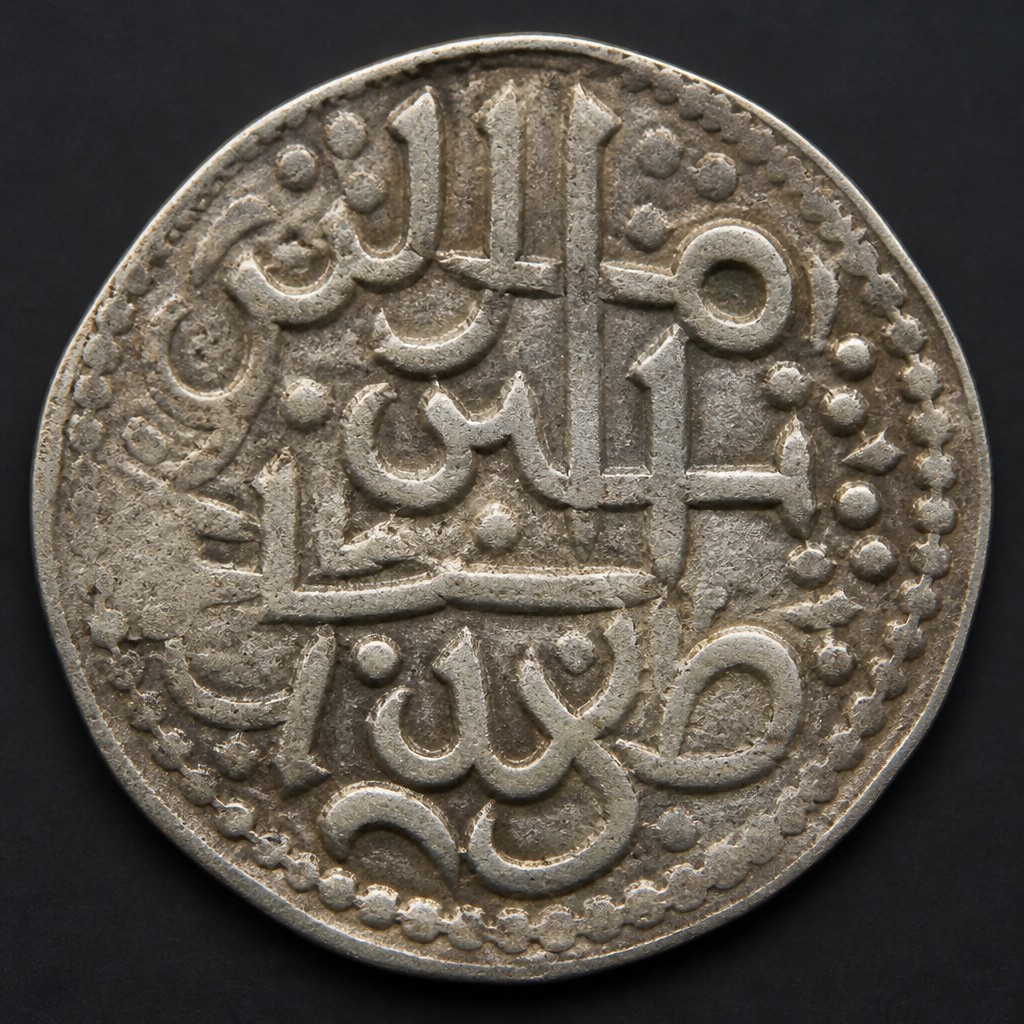
Ottoman Silver Akce
c. 14th–18th century
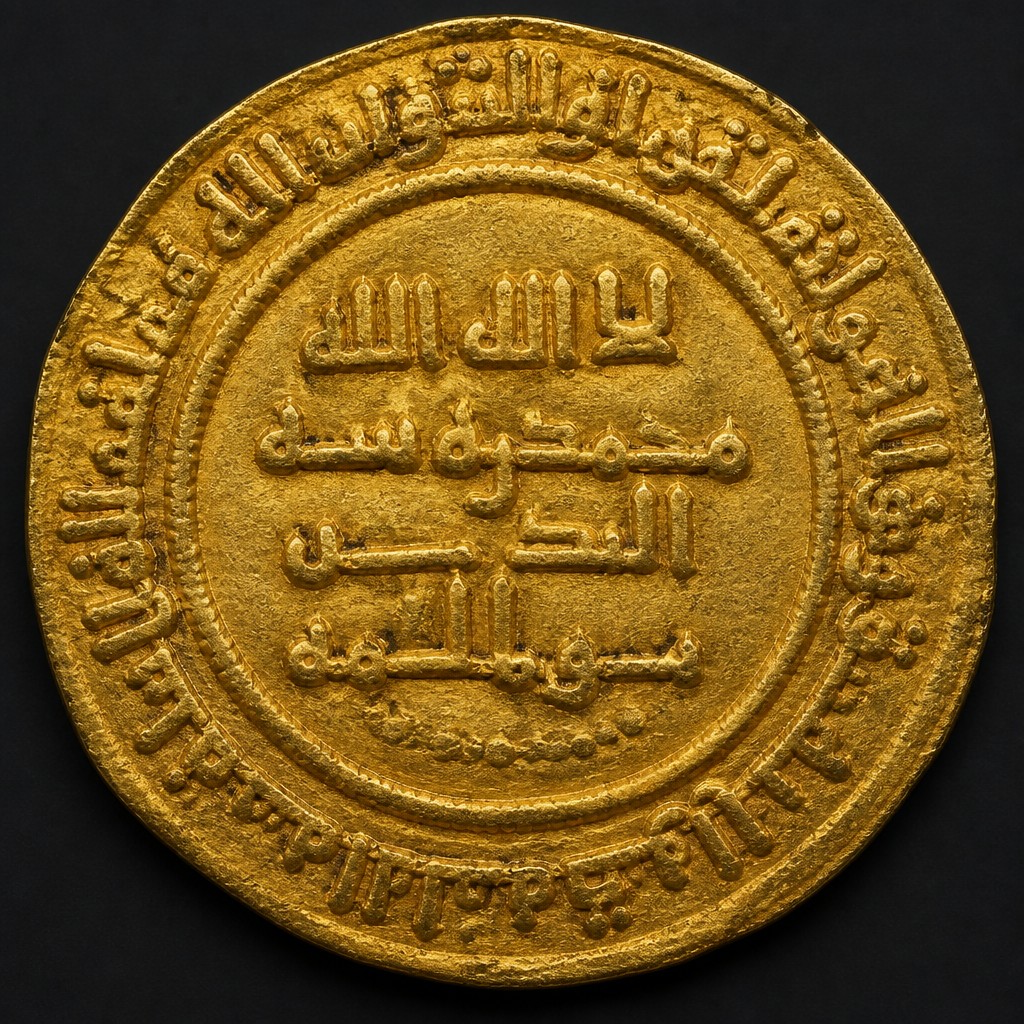
Ayyubid Dinar of Saladin
c. 1174–1193 AD (Saladin's reign); Ayyubid dynasty to c. 1250
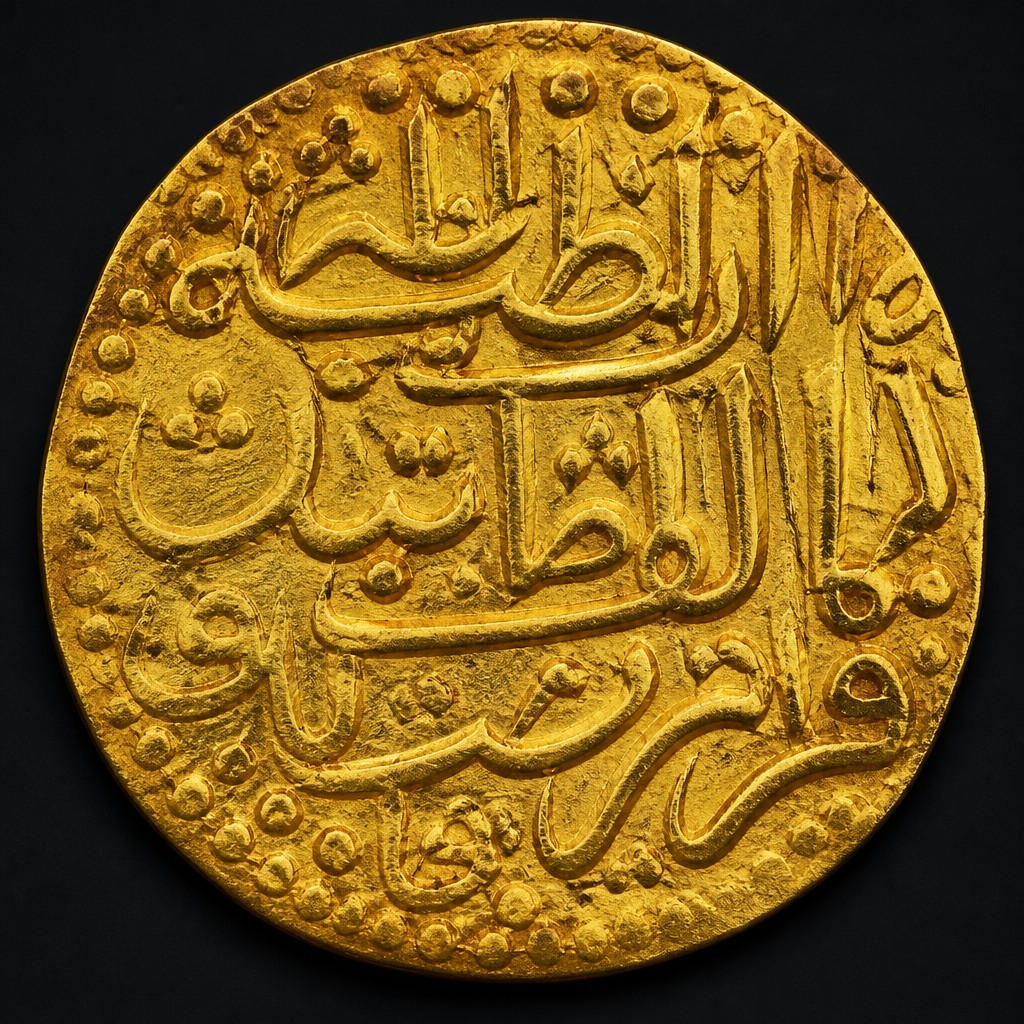
Ottoman Gold Sultani
c. 1478–17th century
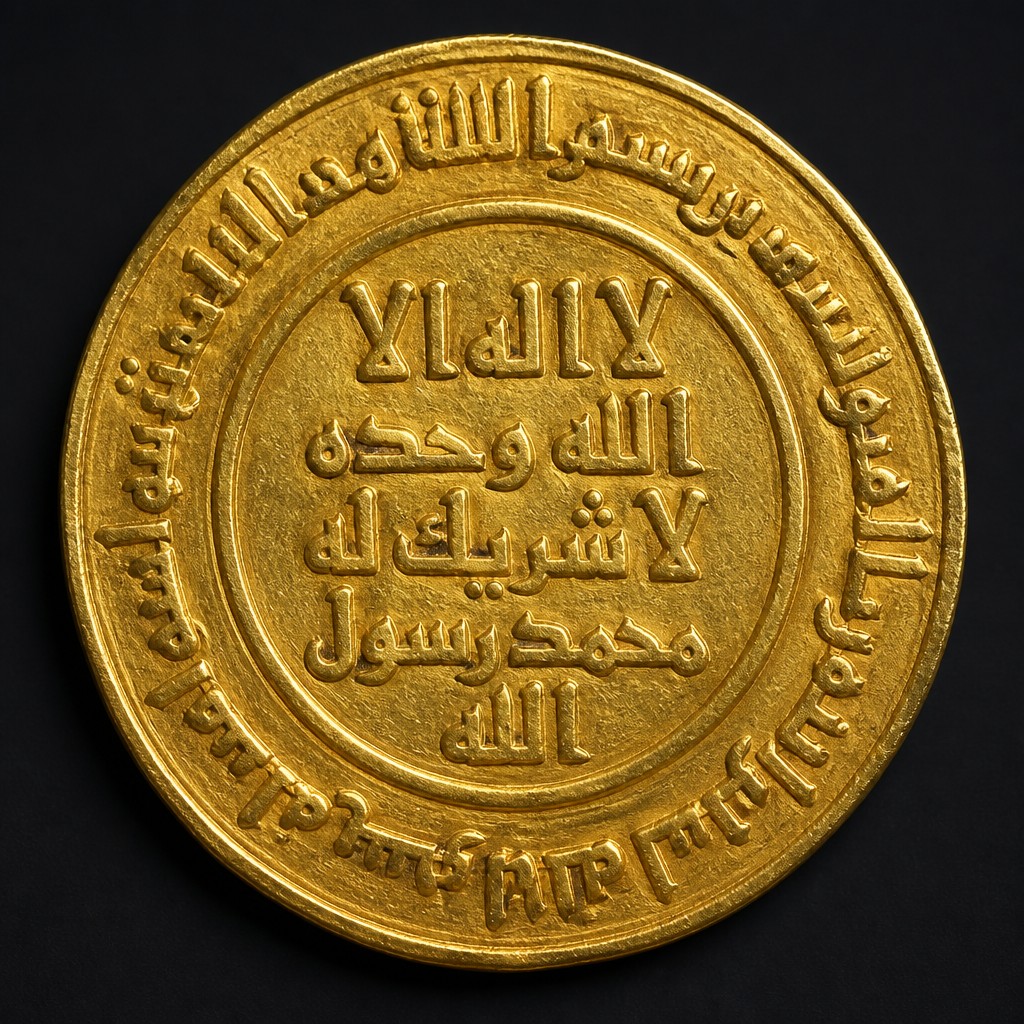
Abbasid Gold Dinar
c. 750–1258 AD
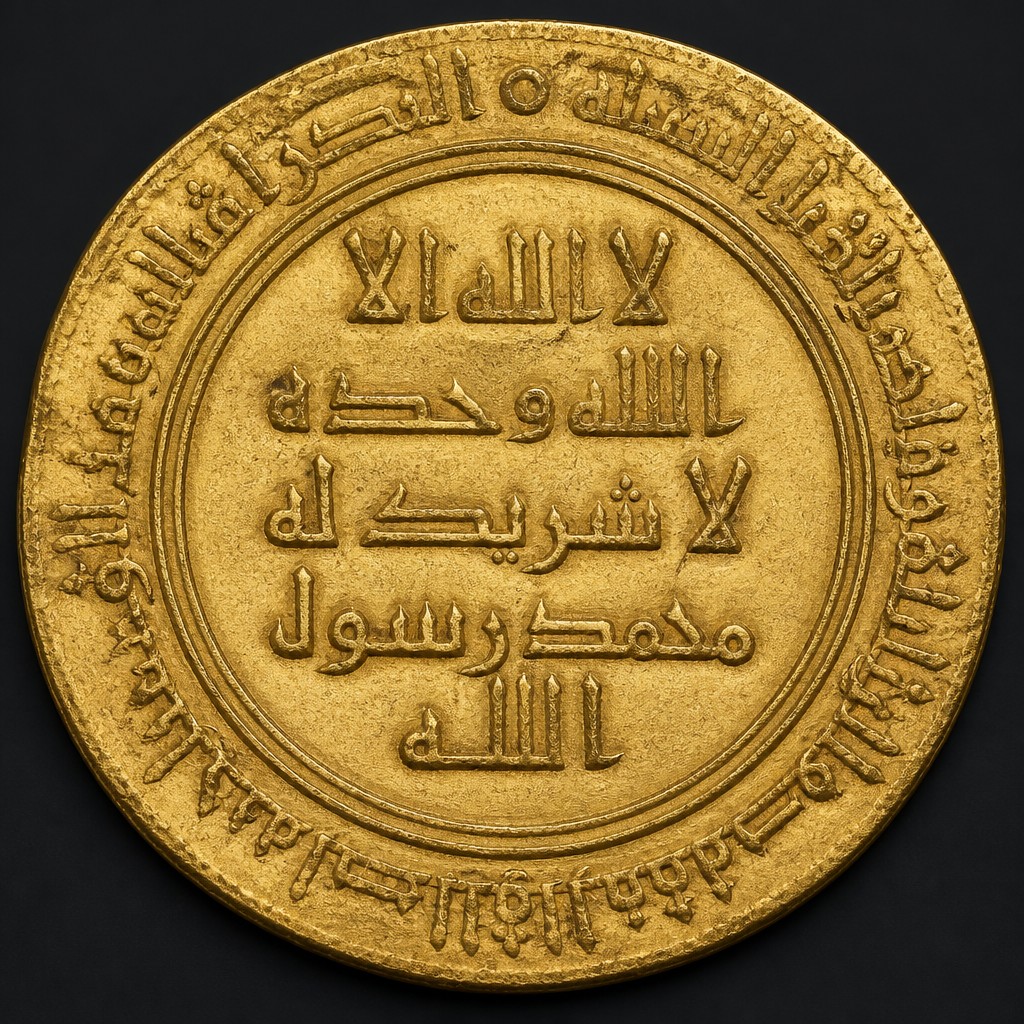
Fatimid Gold Dinar
c. 909–1171 AD
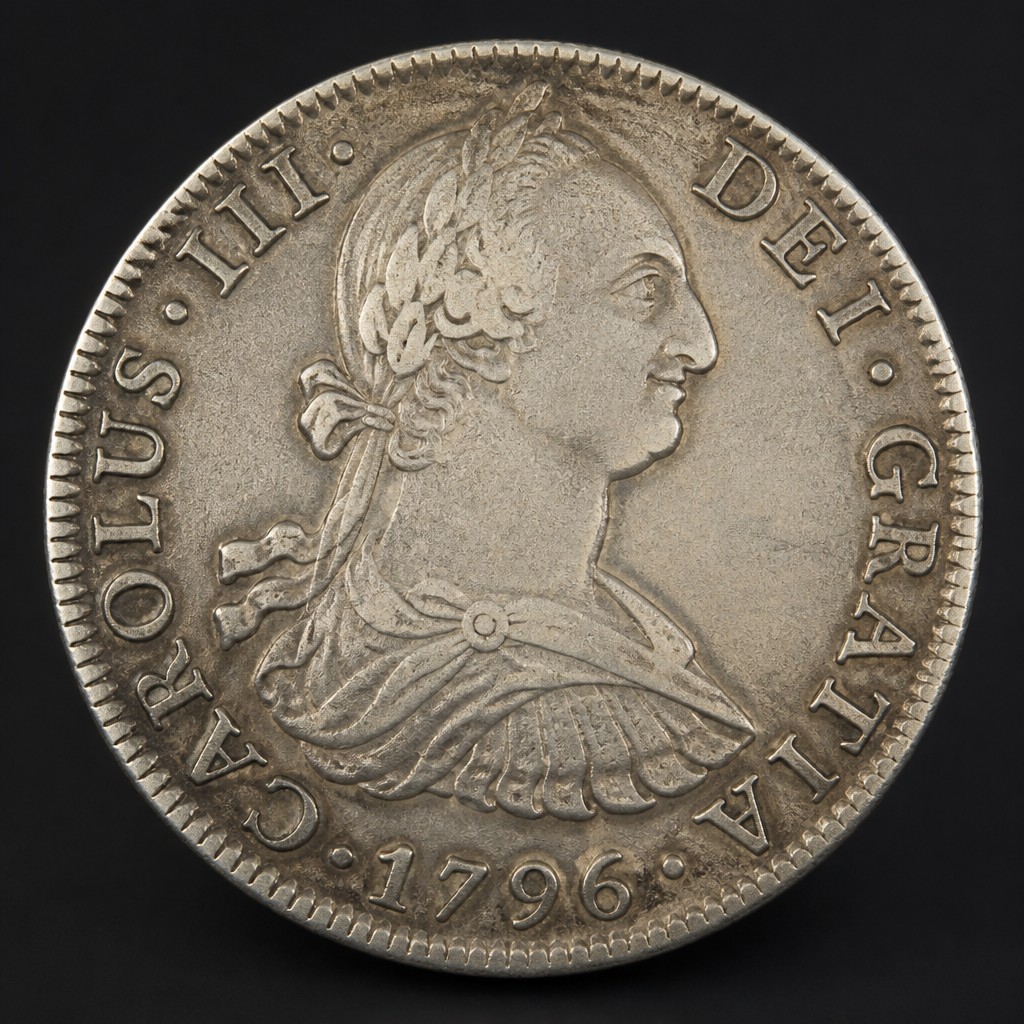
Spanish 8 Reales (Piece of Eight)
c. 1497–1800s