
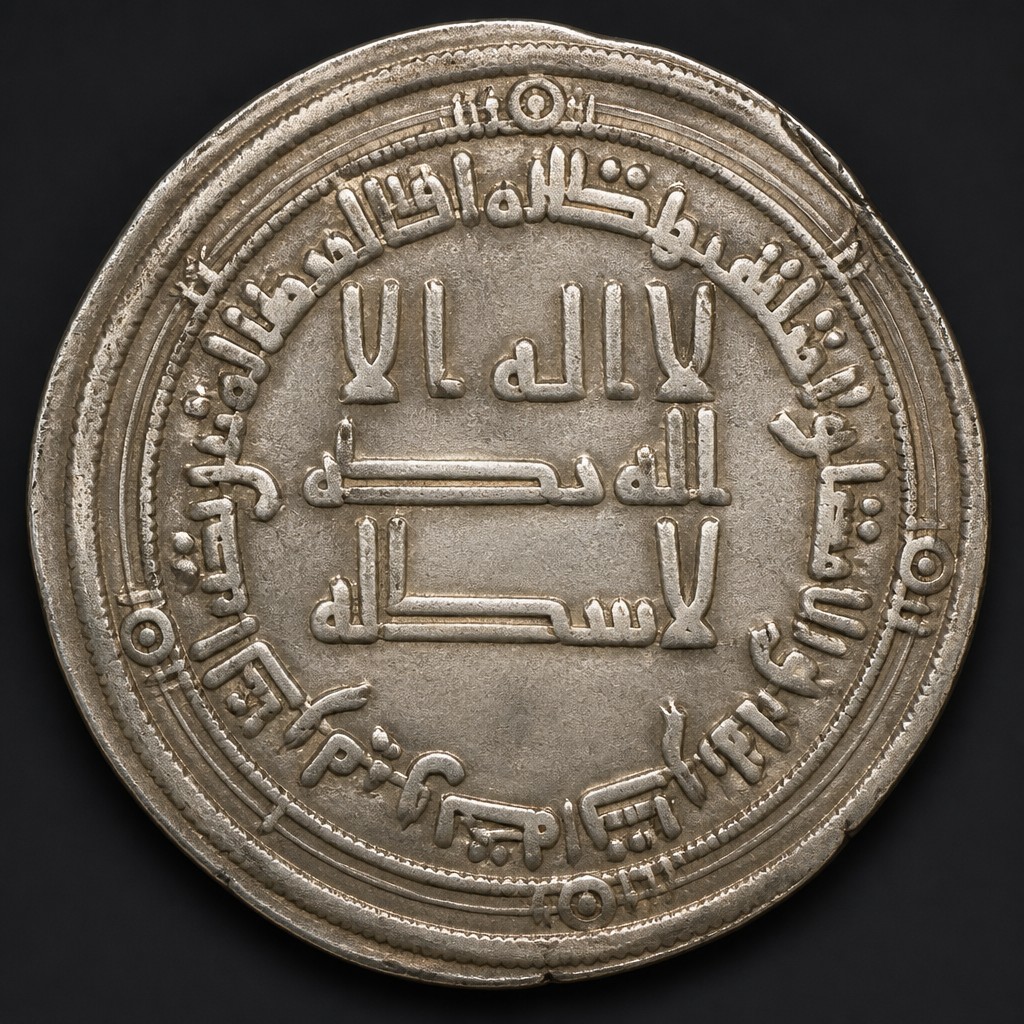
Umayyad Silver Dirham
A silver coin of the Umayyad Caliphate struck after Caliph Abd al-Malik's monetary reform, bearing only Arabic inscriptions and setting the template for centuries of Islamic coinage.
- Country
- Umayyad Caliphate
- Denomination
- Dirham
- Metal
- Silver
Got a coin like this?
Identify any coin from a photo, free.
Overview
The post-reform Umayyad dirham marks a pivotal moment in monetary history: the point at which Islamic coinage abandoned imagery altogether in favor of purely epigraphic (text-based) design. It is historically significant as one of the earliest widely circulated coins to express Islamic religious identity through inscription rather than portraiture.
Collectors value these dirhams both for their historical importance as the ancestor of the entire Islamic coinage tradition and for the calligraphic beauty of their Kufic Arabic script. Despite their age, well-preserved examples of common mints and dates are attainable for collectors of modest budgets.
History & Background
Before the reform, early Islamic rulers in conquered Byzantine and Sasanian territories continued striking coins closely imitating the prior imperial designs, sometimes with added Arabic phrases. Around 696-697 AD, the Umayyad Caliph Abd al-Malik ibn Marwan introduced a sweeping reform that eliminated all human and animal imagery, replacing it with religious inscriptions drawn largely from the Quran, most prominently the declaration of faith (shahada).
This new epigraphic silver dirham, paired with a similarly reformed gold dinar, became the standard currency of the rapidly expanding caliphate and was struck at dozens of mints from Spain to Central Asia. The design template established in this reform would influence Islamic coinage for many centuries afterward, well beyond the Umayyad dynasty's fall in 750 AD.
How to Identify
The most distinctive feature is the total absence of images: both sides display concentric rings of Arabic Kufic script. The center of the obverse typically contains the shahada ("There is no god but God, alone, without partner"), while the surrounding margin carries additional Quranic text.
The reverse center usually contains a Quranic verse referencing the mission of Muhammad, with the margin recording the mint name and Hijri (Islamic calendar) date, which is what allows precise attribution of a given coin. The flan is thin and silver in color, generally around 25 to 28mm in diameter. Legibility of the mint and date in the margin is the key factor separating a well-documented example from a generic, harder-to-attribute one.
Value & Collectibility
Common post-reform dirhams in worn condition are relatively affordable ancient/medieval coins, often found in roughly the $40 to $150 range, since large quantities survive from the caliphate's extensive mint network. Coins with fully legible mint names and dates, especially from less common mints or earlier reform years, are more desirable to specialists who collect by mint city.
Exceptionally well-struck, sharp examples with strong calligraphy bring a premium over typical worn pieces. As with other early Islamic coinage, value is closely tied to how clearly the inscriptions can be read rather than overall wear alone.
Frequently asked questions
Why doesn't this coin show any images?
After Caliph Abd al-Malik's reform of 696-697 AD, Islamic coinage adopted a purely text-based design in line with Islamic aniconic tradition, discontinuing earlier imagery borrowed from Byzantine and Sasanian coins.
What language and script is used?
The inscriptions are in Arabic, written in the early angular Kufic script.
How do I find the date?
The Hijri date and mint name typically appear in the outer margin of the reverse, though wear can make them hard to read.
Is this the first Islamic coin?
It is not the very first Islamic-era coin, but it is the first standardized, purely epigraphic dirham design following the major reform, and it set the pattern for later Islamic coinage.
Are these coins affordable for new collectors?
Common worn examples are generally accessible, though rarer mints, early dates, and well-struck pieces cost significantly more.
Other coins you may enjoy
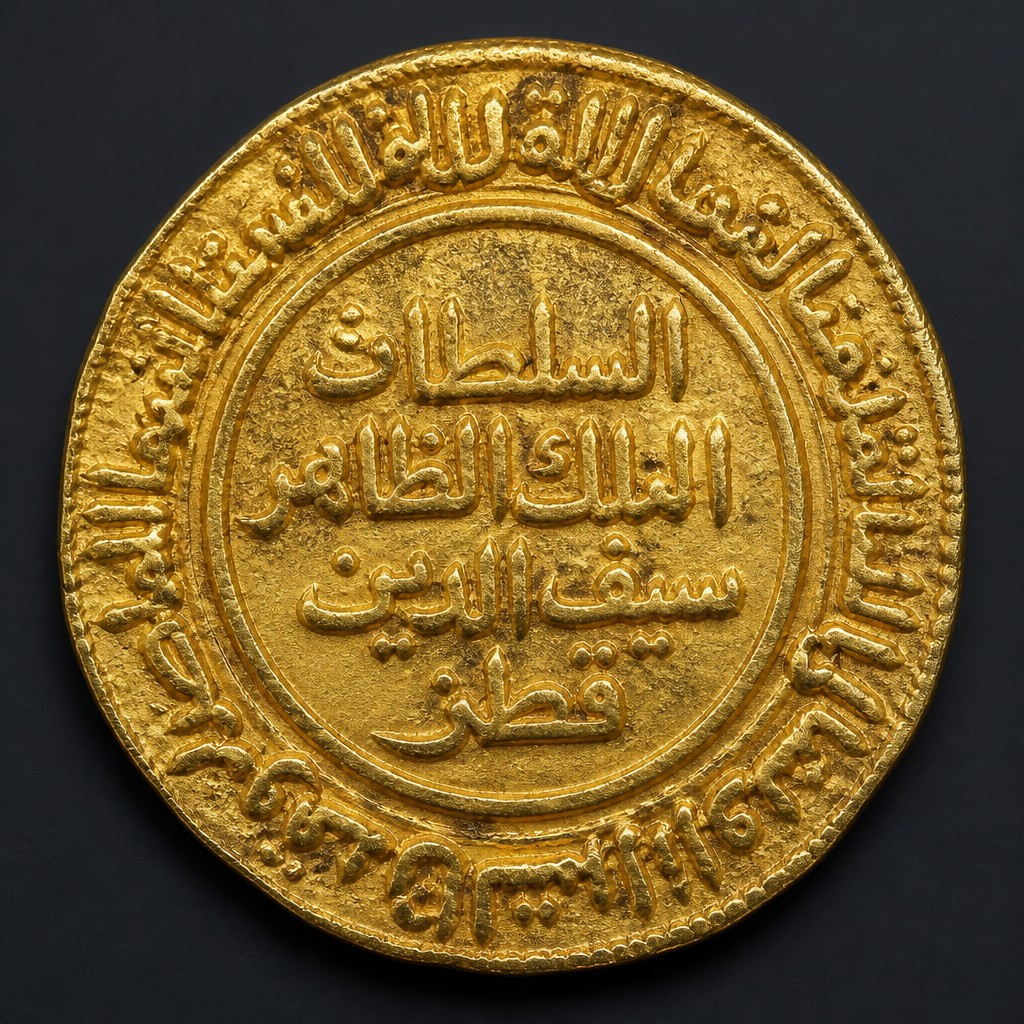
Mamluk Gold Dinar
c. 1250–1517 AD
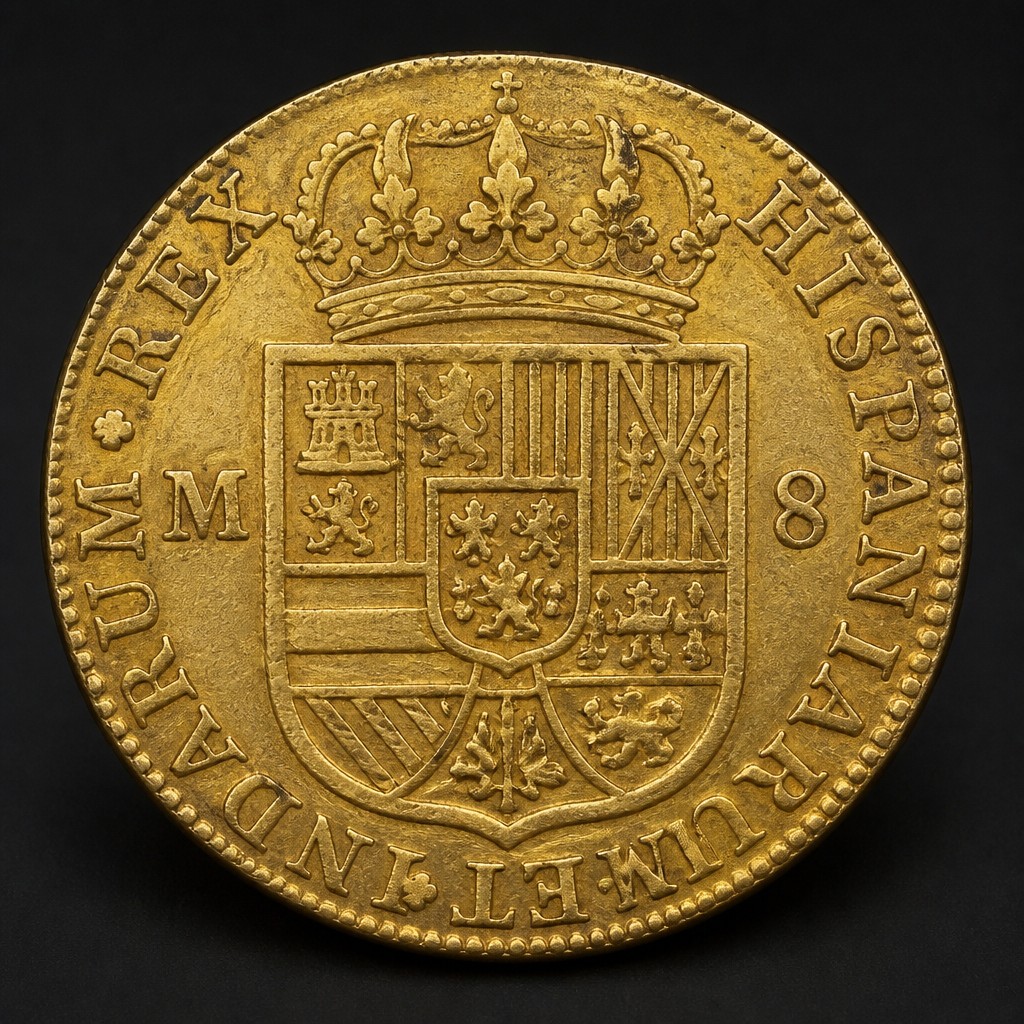
Spanish Gold Doubloon
c. 1537–1800s
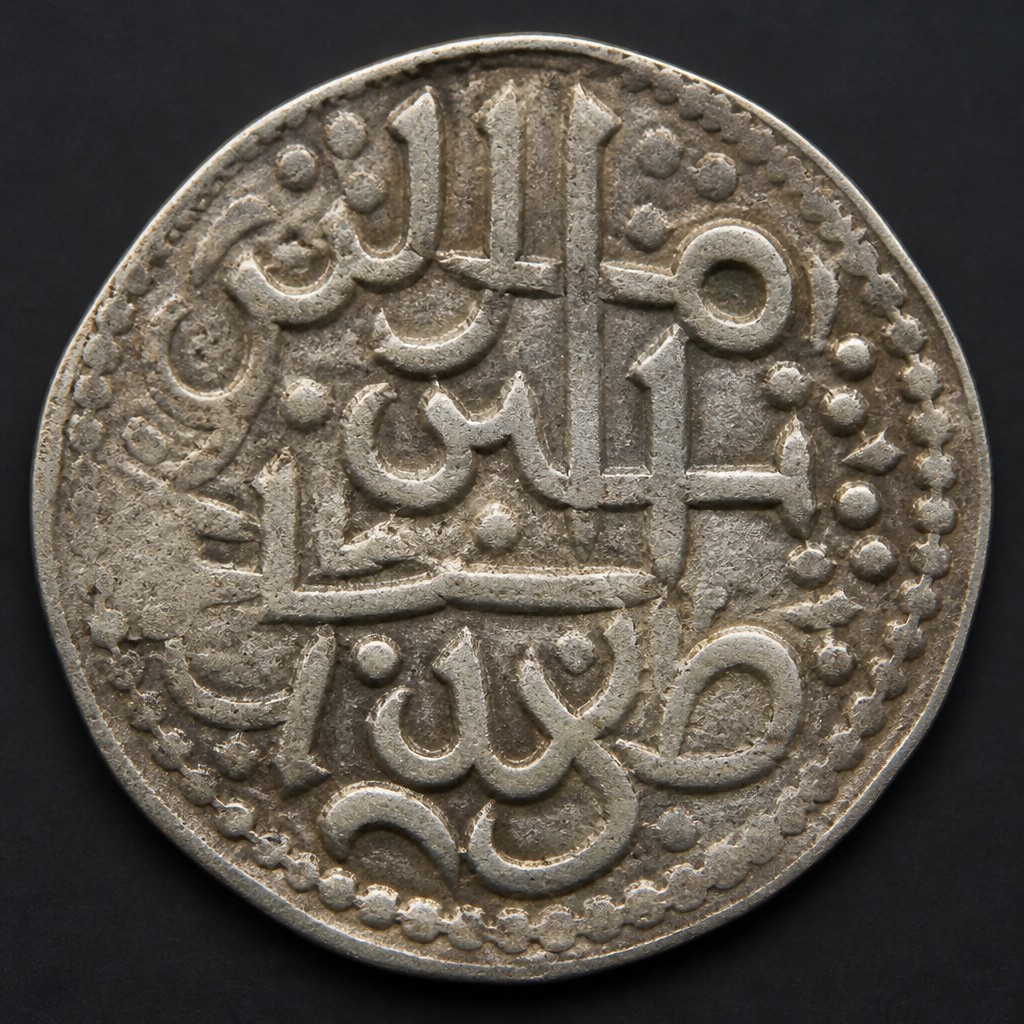
Ottoman Silver Akce
c. 14th–18th century
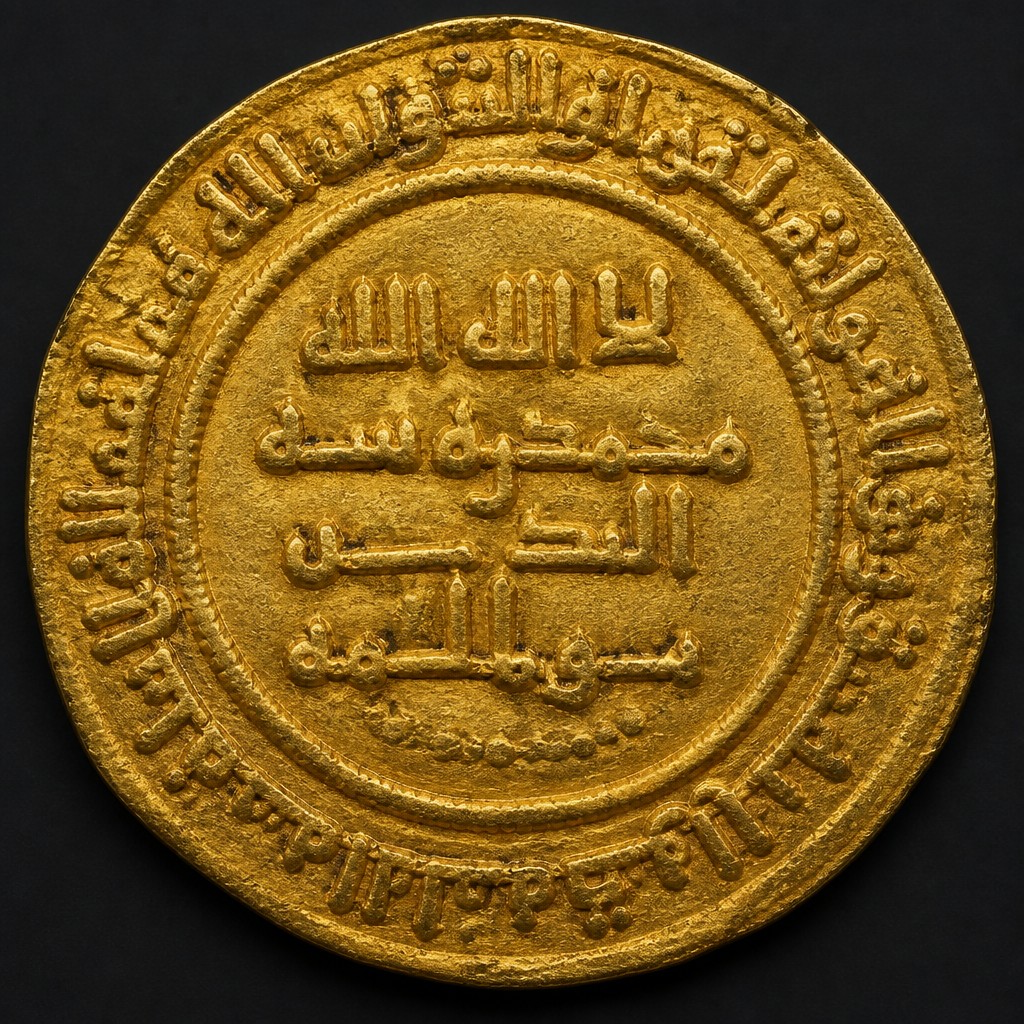
Ayyubid Dinar of Saladin
c. 1174–1193 AD (Saladin's reign); Ayyubid dynasty to c. 1250
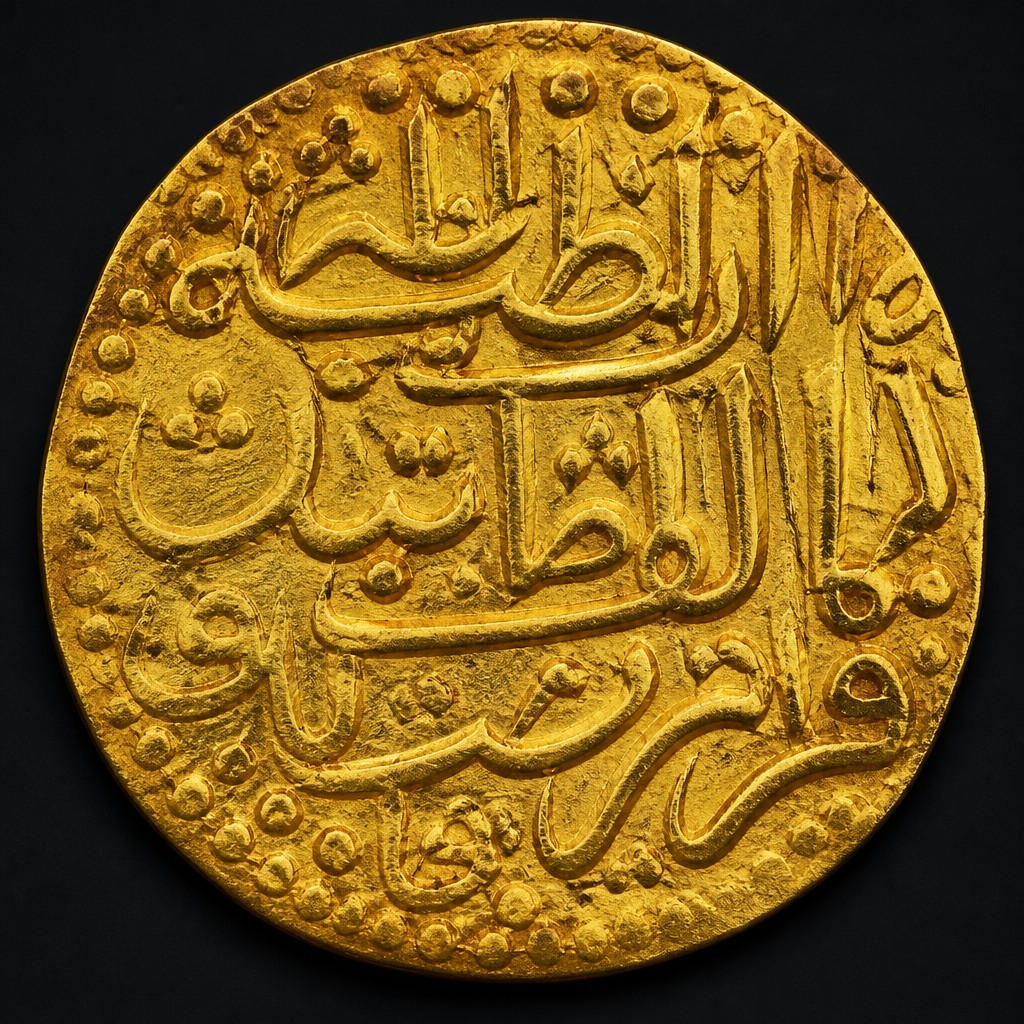
Ottoman Gold Sultani
c. 1478–17th century
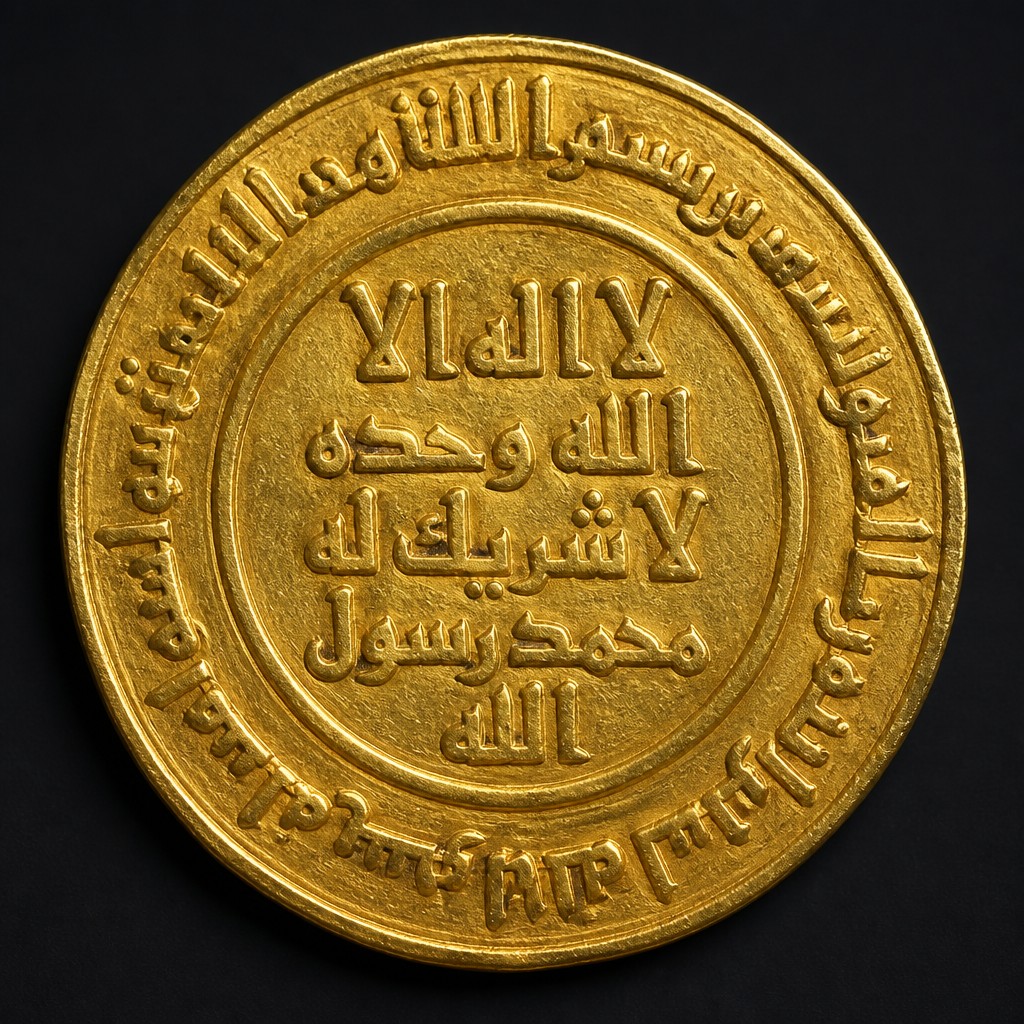
Abbasid Gold Dinar
c. 750–1258 AD
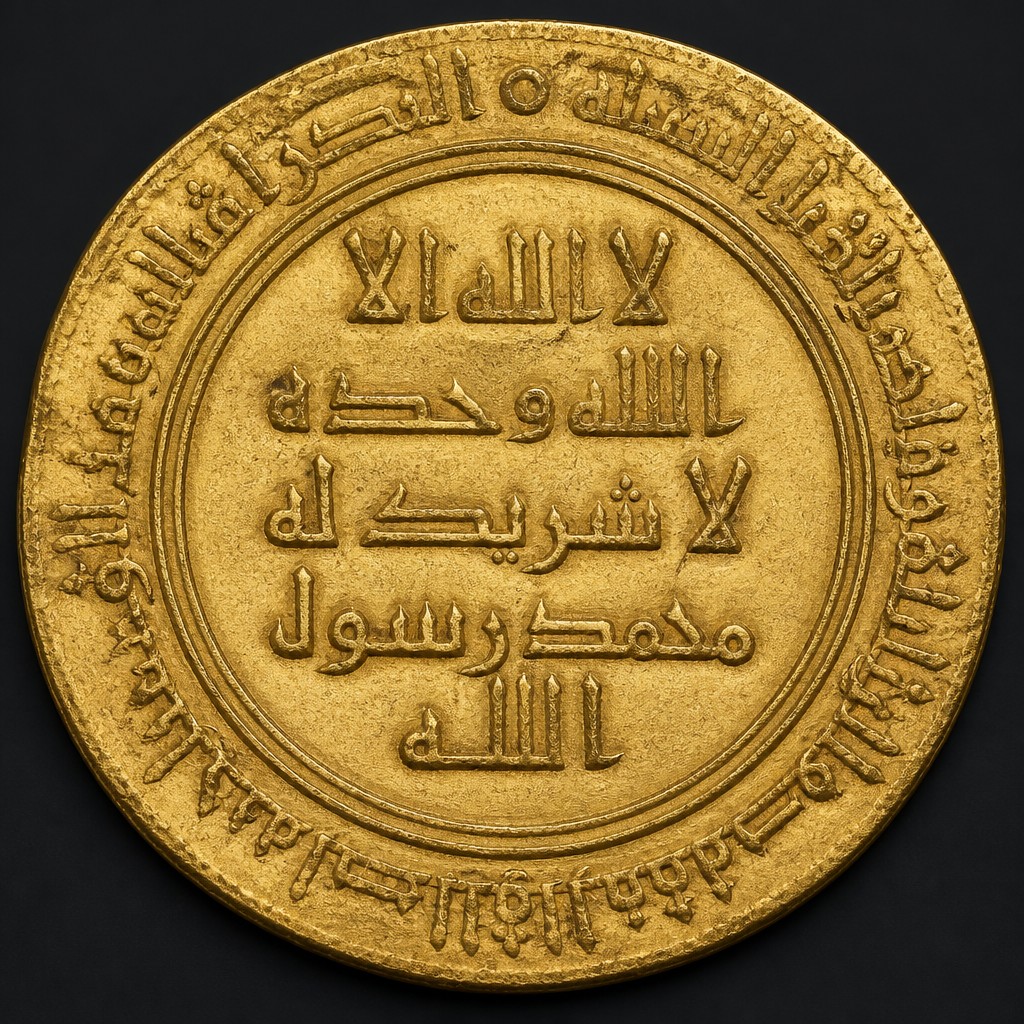
Fatimid Gold Dinar
c. 909–1171 AD
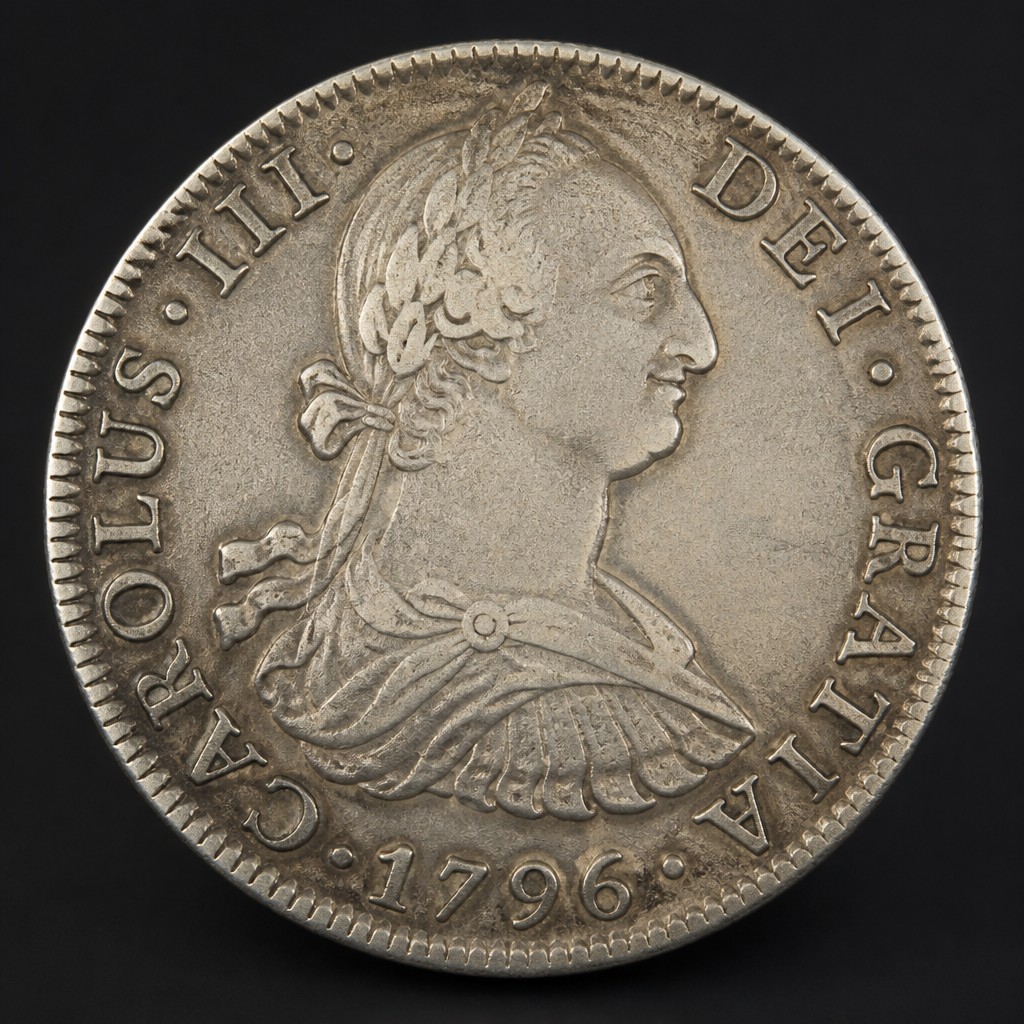
Spanish 8 Reales (Piece of Eight)
c. 1497–1800s