
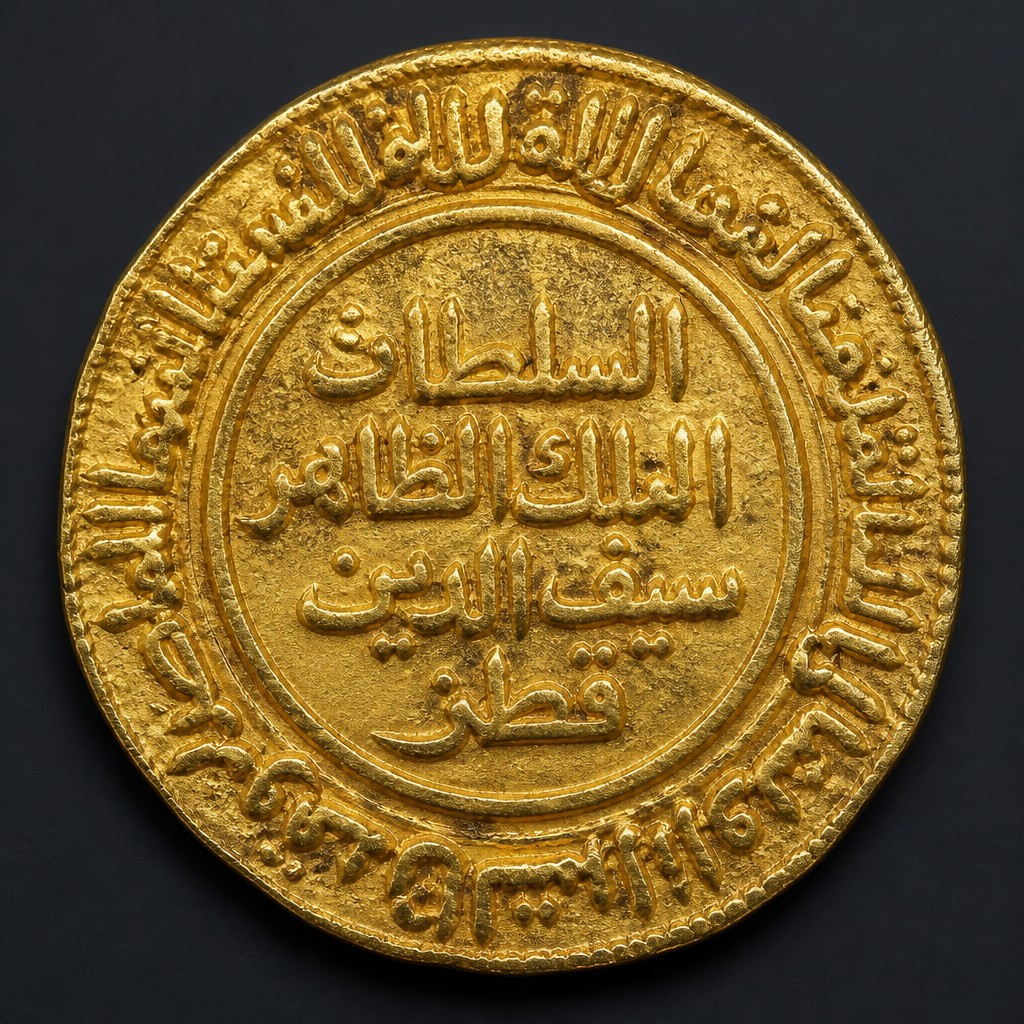
Mamluk Gold Dinar
A gold dinar of the Mamluk Sultanate, which ruled Egypt and Syria for over two and a half centuries, continuing the Islamic epigraphic gold coinage tradition until the Ottoman conquest.
- Country
- Mamluk Sultanate
- Denomination
- Dinar
- Metal
- Gold
Got a coin like this?
Identify any coin from a photo, free.
Overview
Mamluk gold dinars represent the coinage of a remarkable state ruled by a succession of former slave-soldiers who rose to become sultans. The dynasty is best remembered for successfully repelling both Mongol invasions and the last Crusader remnants in the Levant, making its coinage a tangible link to a pivotal era of medieval Middle Eastern history.
Collectors appreciate the Mamluk dinar series for its long span, wide variety of individual sultans, and continuation of the elegant Arabic epigraphic design tradition inherited from earlier Islamic dynasties.
History & Background
The Mamluk sultanate emerged in Egypt around 1250 following the collapse of Ayyubid rule, established by a military caste of manumitted slave-soldiers who governed as sultans rather than through hereditary succession in the usual sense. The Mamluks famously halted the westward advance of the Mongols at the Battle of Ain Jalut in 1260 and later expelled the remaining Crusader states from the Levant by the end of the thirteenth century.
Mamluk sultans issued gold dinars from major mints in Cairo, Damascus, and Aleppo throughout the sultanate's long rule, with weight standards and purity shifting somewhat over time in response to economic conditions. The dynasty ultimately fell to the Ottoman Empire in 1517, after which Ottoman coinage replaced Mamluk issues in Egypt and Syria.
How to Identify
Mamluk dinars continue the purely inscriptional tradition of earlier Islamic gold coinage, with no human or animal imagery. The field generally names the reigning sultan along with his royal titles, and given the sultanate's frequent changes in rulership, many different sultans' names appear across the series.
Quranic and religious phrases typically accompany the sultan's name, with mint and Hijri date recorded in the margin when space allows. The gold flans are often somewhat irregular in shape compared to more mechanically uniform later coinages, reflecting the hand-struck production methods of the period, with sizes and weights varying by period and mint.
Value & Collectibility
Later Mamluk dinars in worn condition are generally affordable relative to their gold weight, given the reasonably large surviving population from this long-running dynasty. Dinars naming particularly notable sultans, such as Barquq or Qaitbay, or coming from less common mints, tend to attract stronger collector interest and higher prices.
As with other medieval Islamic gold, condition and especially the legibility of the sultan's name are central to both attribution and value, since a clearly identifiable ruler adds meaningful numismatic interest beyond simple bullion content.
Frequently asked questions
Who were the Mamluks?
The Mamluks were a ruling military caste of former slave-soldiers who governed Egypt and Syria as sultans from about 1250 to 1517.
What is the Mamluk sultanate best known for historically?
It is especially remembered for stopping the Mongol advance at Ain Jalut in 1260 and for expelling the last Crusader states from the Levant.
Do Mamluk dinars show any portraits?
No, they follow the standard Islamic tradition of text-only inscriptions naming the sultan and religious phrases, without any imagery.
What ended Mamluk dinar production?
The Ottoman conquest of Egypt and Syria in 1517 ended Mamluk rule and replaced their coinage with Ottoman issues.
Why do Mamluk dinars vary so much in shape?
They were hand-struck using period methods, which often produced somewhat irregular flans compared to later, more mechanically standardized coinage.
Other coins you may enjoy
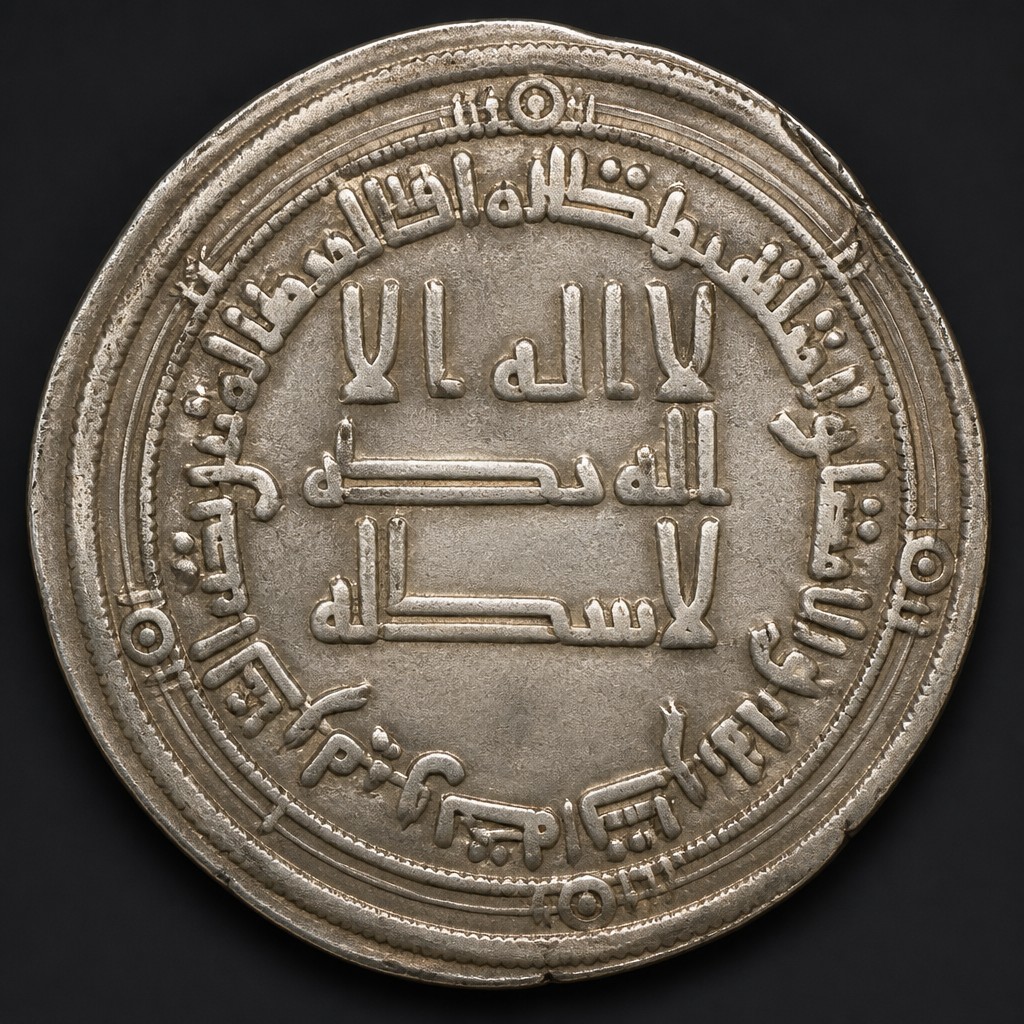
Umayyad Silver Dirham
c. 696–750 AD (post-reform issues)
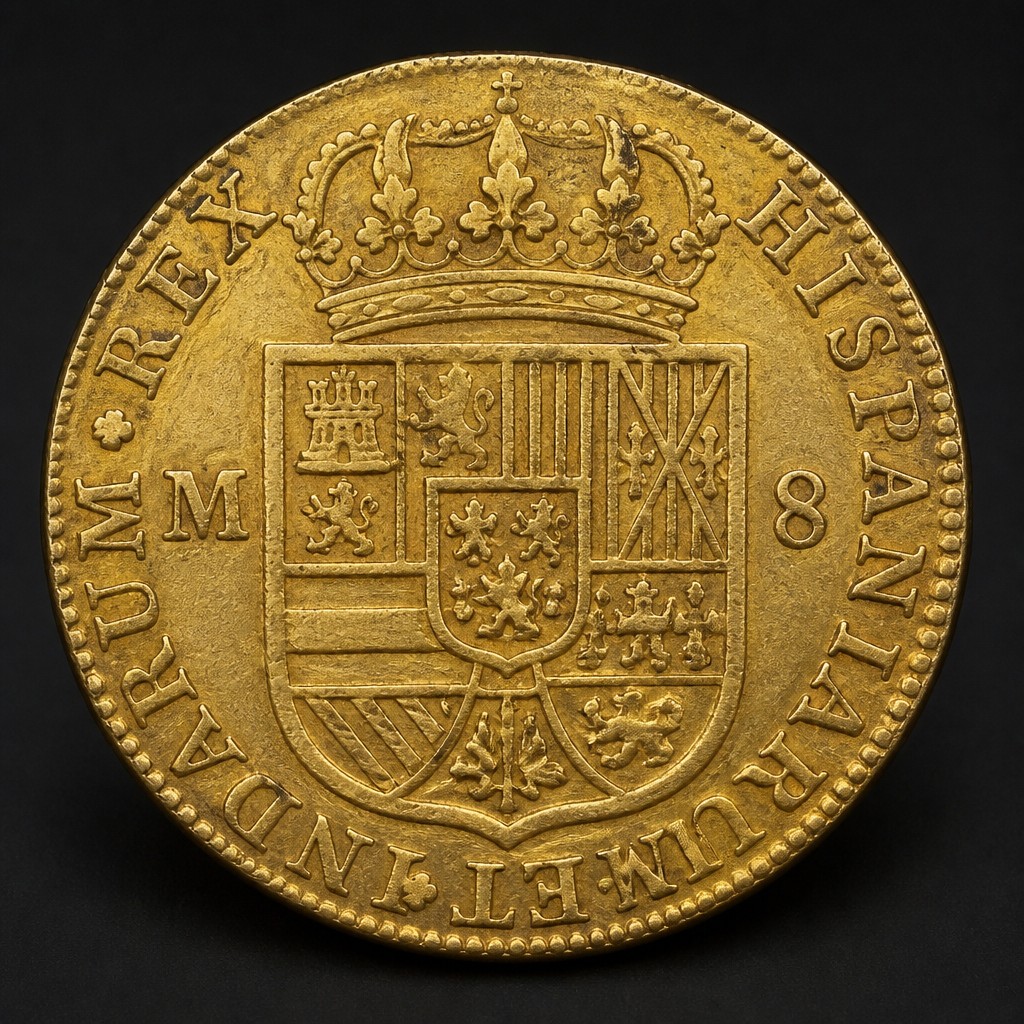
Spanish Gold Doubloon
c. 1537–1800s
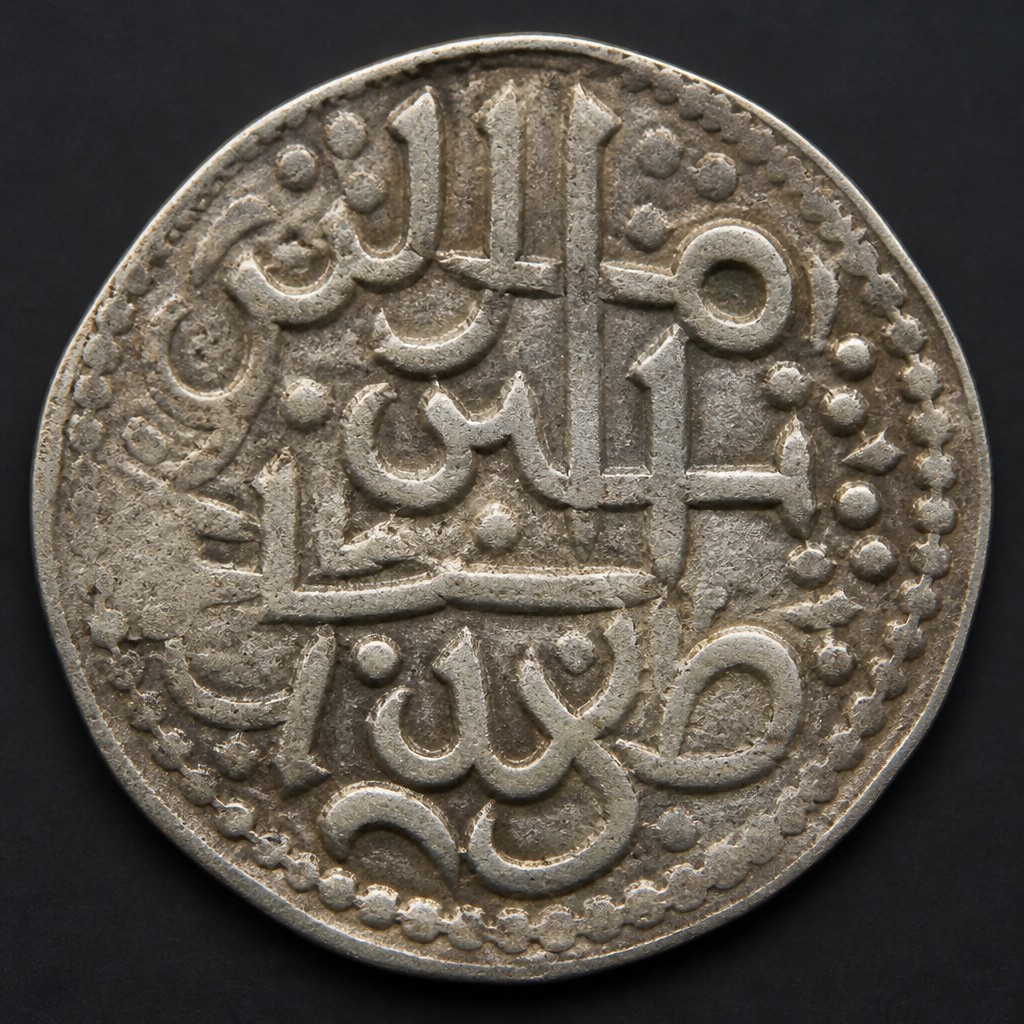
Ottoman Silver Akce
c. 14th–18th century
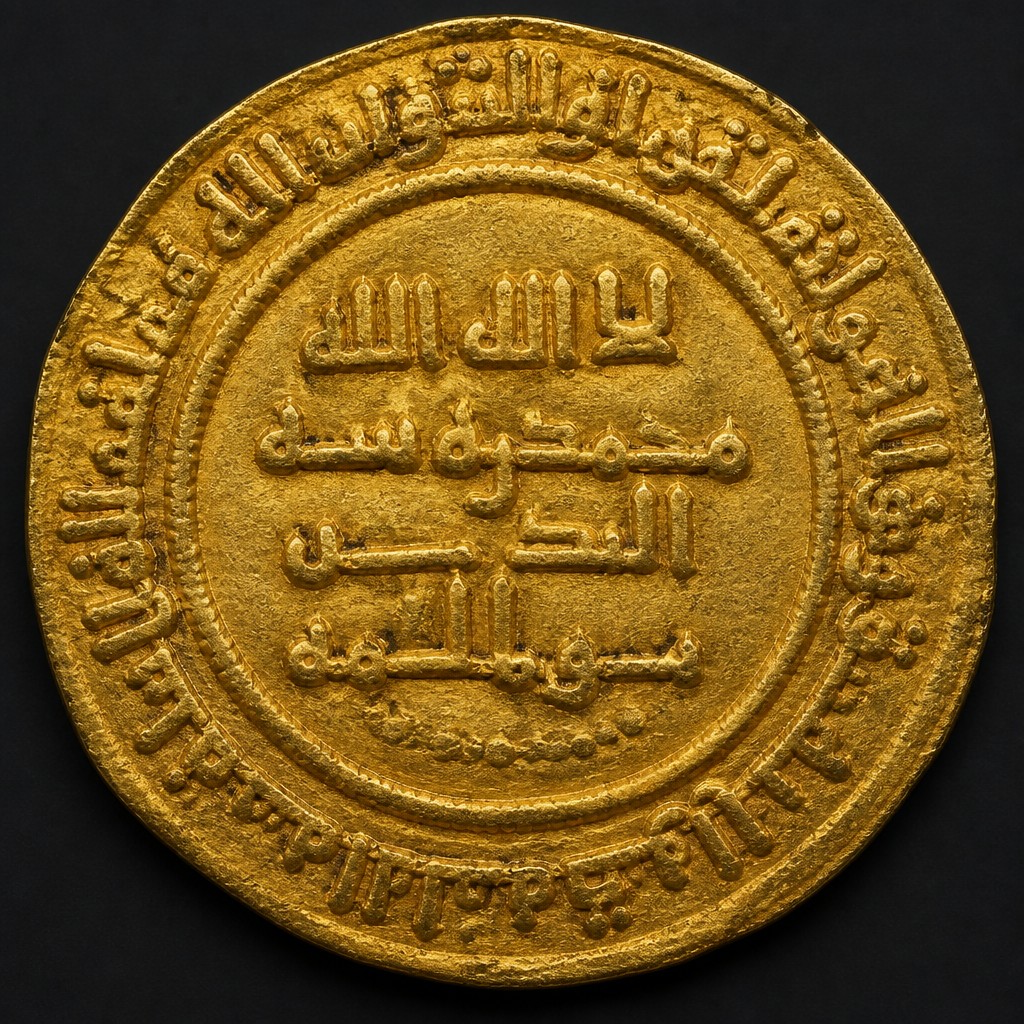
Ayyubid Dinar of Saladin
c. 1174–1193 AD (Saladin's reign); Ayyubid dynasty to c. 1250
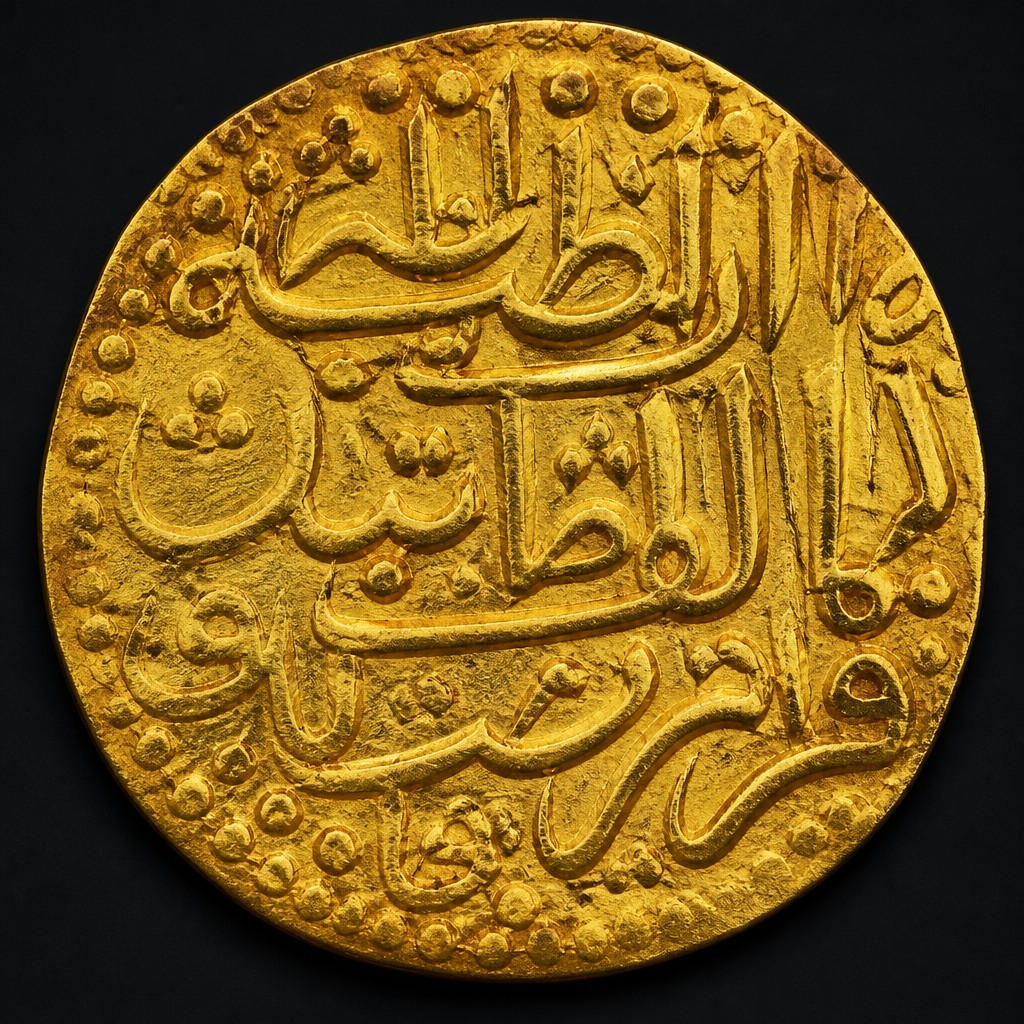
Ottoman Gold Sultani
c. 1478–17th century
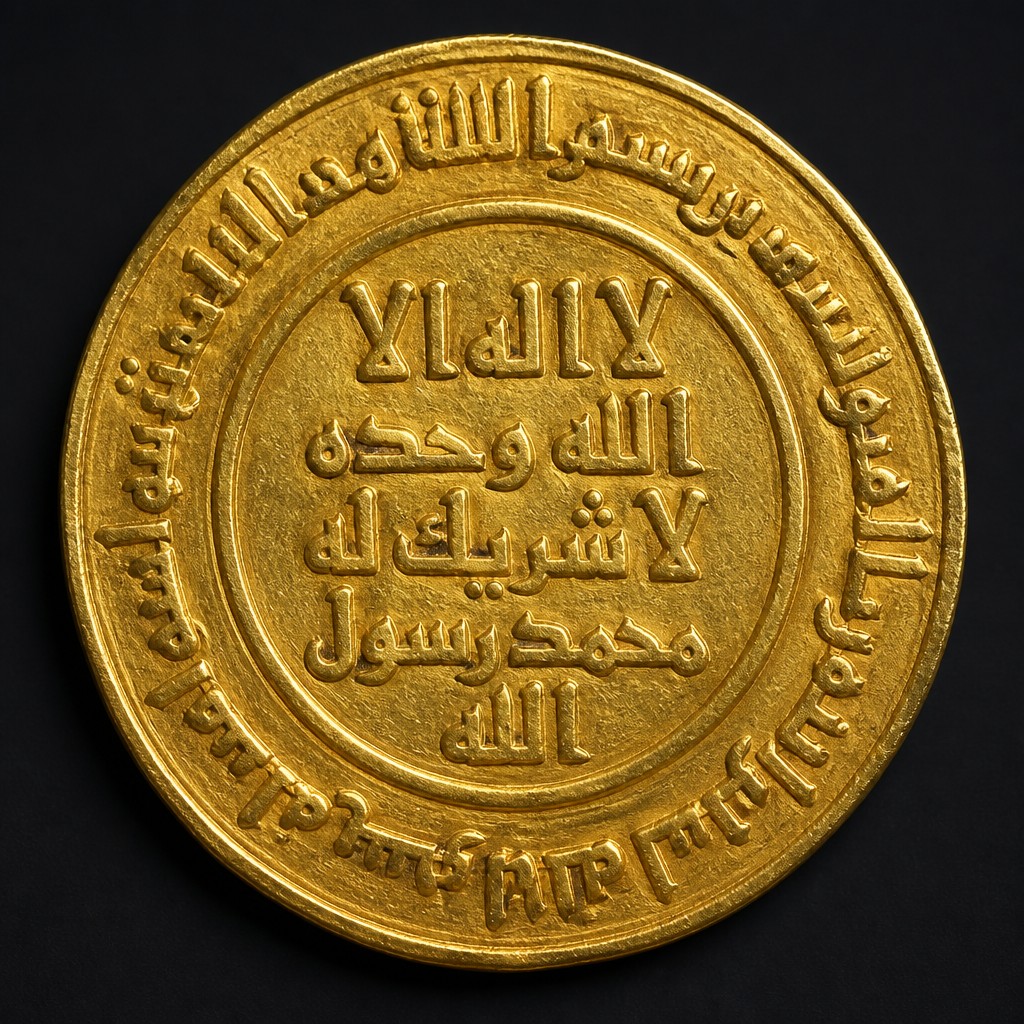
Abbasid Gold Dinar
c. 750–1258 AD
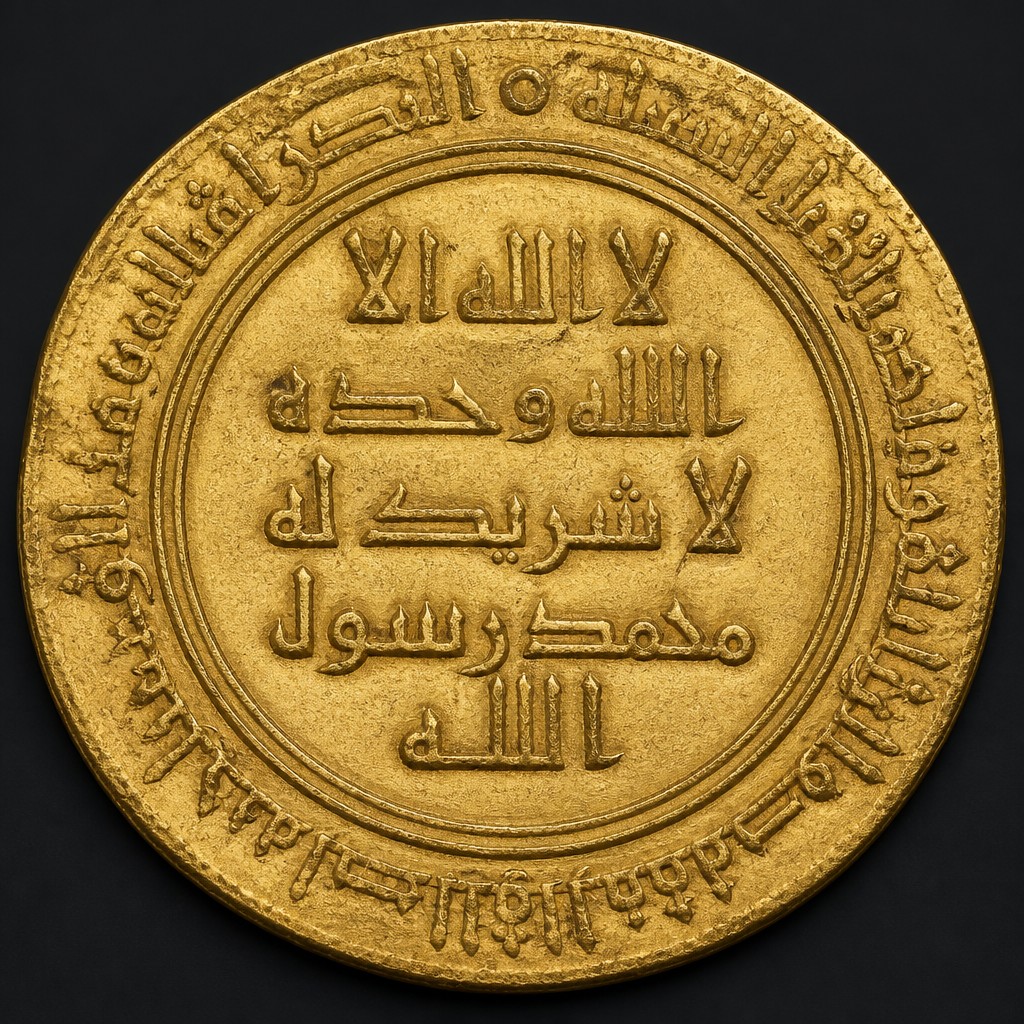
Fatimid Gold Dinar
c. 909–1171 AD
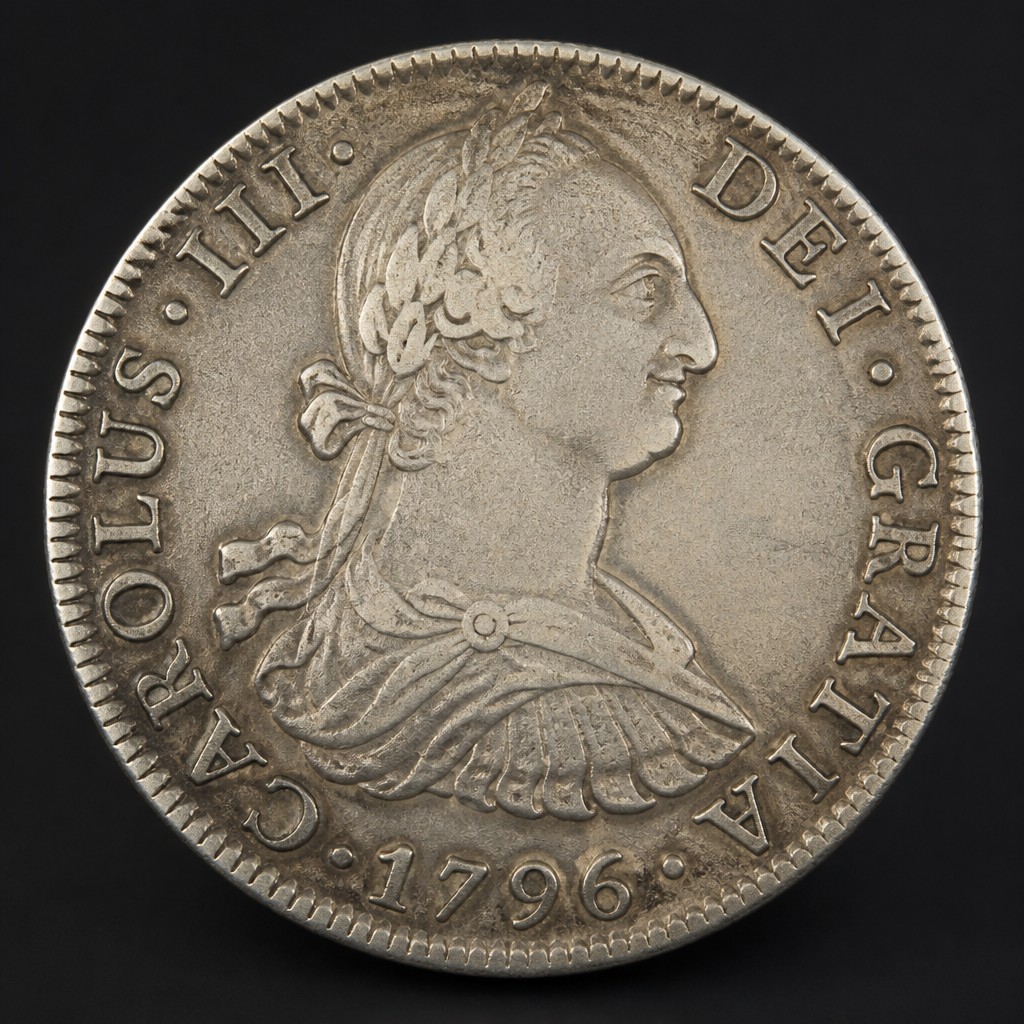
Spanish 8 Reales (Piece of Eight)
c. 1497–1800s