
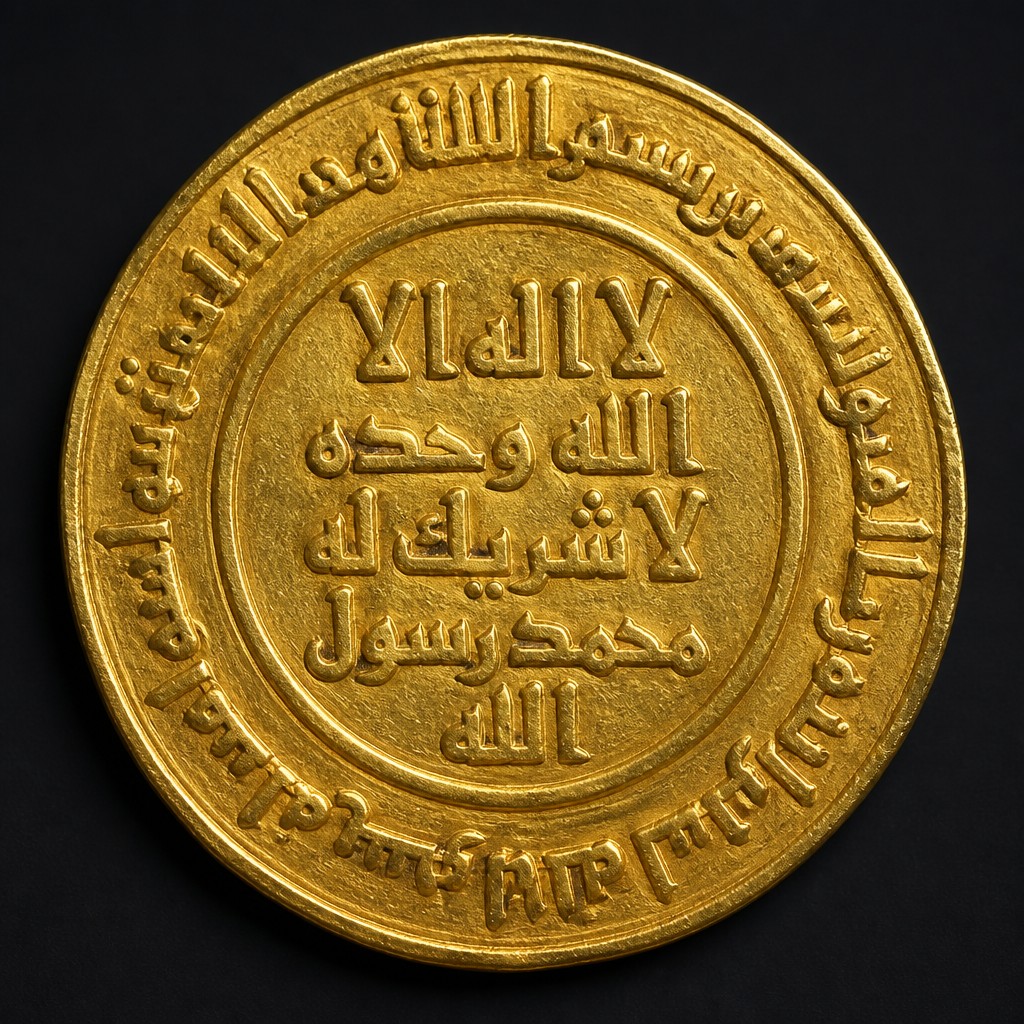
Abbasid Gold Dinar
The standard gold coin of the Abbasid Caliphate centered on Baghdad, inscribed entirely in Arabic script and struck for roughly five centuries across a vast Islamic empire.
- Country
- Abbasid Caliphate
- Denomination
- Dinar
- Metal
- Gold
Got a coin like this?
Identify any coin from a photo, free.
Overview
The Abbasid gold dinar represents one of the longest-running coinage series in Islamic history, spanning the rise, height, and eventual decline of the Abbasid Caliphate. As the caliphate that presided over the Islamic Golden Age, its coinage circulated across an enormous territory stretching from North Africa to Central Asia.
Collectors are drawn to Abbasid dinars for the sheer breadth of the series, which offers opportunities to collect by caliph, mint city, or historical period, as well as for the elegant Arabic calligraphy that defines the design.
History & Background
The Abbasid dynasty overthrew the Umayyads in 750 AD and soon after founded a new capital, Baghdad (officially Madinat al-Salam, "City of Peace"), which became the political and cultural heart of the Islamic world. Abbasid gold dinars continued the epigraphic design standard established by the earlier Umayyad reform, with no images and inscriptions centered on religious and caliphal authority.
During the Abbasid Golden Age, Baghdad flourished as a center of science, philosophy, and trade, and the dinar circulated as a trusted currency across a vast trading network. Abbasid political power gradually fragmented after the ninth century as regional dynasties gained autonomy, though the caliphate retained religious authority for centuries until the Mongol sack of Baghdad in 1258 brought the dynasty to a violent end.
How to Identify
Abbasid dinars are purely inscriptional, arranged in concentric circles of Arabic Kufic or later Naskh script. The center of the obverse generally contains the shahada, while the margin carries additional religious text and often the name of the reigning caliph.
The reverse center typically includes a Quranic phrase referencing the Prophet's mission, with the mint name and Hijri date recorded in the surrounding margin, sometimes alongside the name of a powerful vizier, general, or heir apparent reflecting the political realities of a given period. The gold flan is thin and broad, generally 20 to 25mm across, matching the traditional Islamic dinar weight standard.
Value & Collectibility
Because the series spans roughly five centuries and many mints, prices vary enormously. Common later dinars in worn condition can be relatively affordable, while dinars naming especially famous caliphs, such as Harun al-Rashid, or coming from rare mints or early reform-era production, can command significant premiums.
Collectors typically place a premium on fully legible mint names and dates, since these allow precise historical attribution. Overall gold weight provides a value floor, but numismatic rarity and historical association with well-known rulers or events often drive prices well above simple bullion value.
Frequently asked questions
What set the Abbasid dinar apart from earlier Islamic gold coins?
It largely continued the Umayyad reform design, but the long Abbasid reign produced an especially large and varied series across many mints and centuries.
Are dinars naming Harun al-Rashid rare?
Dinars of well-known caliphs like Harun al-Rashid attract strong collector interest, and prices depend heavily on mint, date, and condition.
What ended Abbasid dinar production in Baghdad?
The Mongol sack of Baghdad in 1258 ended the Abbasid Caliphate's central authority, though some regional and successor dynasties continued issuing similar coinage.
How is the mint identified on the coin?
The mint name is inscribed in the margin of the reverse alongside the Hijri date, when legible.
Why do some dinars mention names besides the caliph?
As Abbasid political power decentralized, powerful viziers, generals, or regional governors were sometimes named on coinage alongside or instead of the caliph.
Other coins you may enjoy
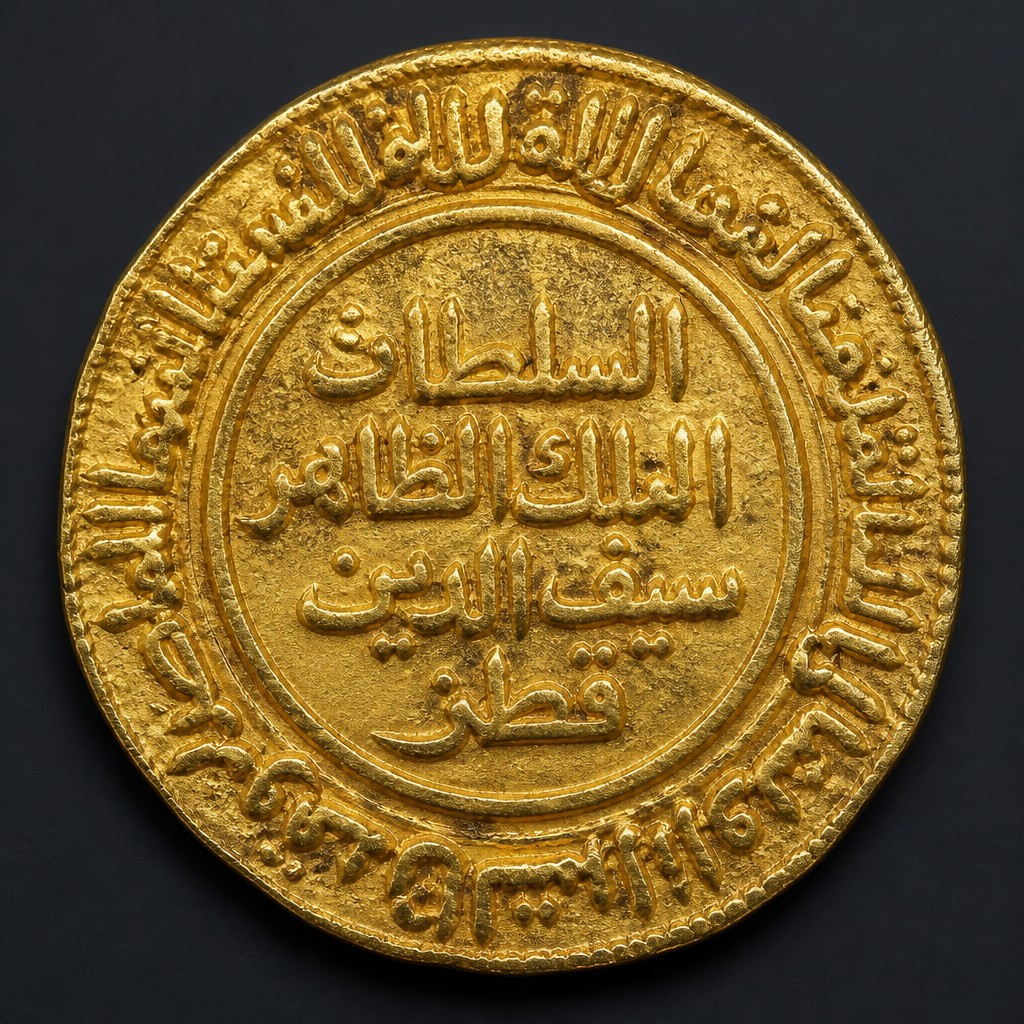
Mamluk Gold Dinar
c. 1250–1517 AD
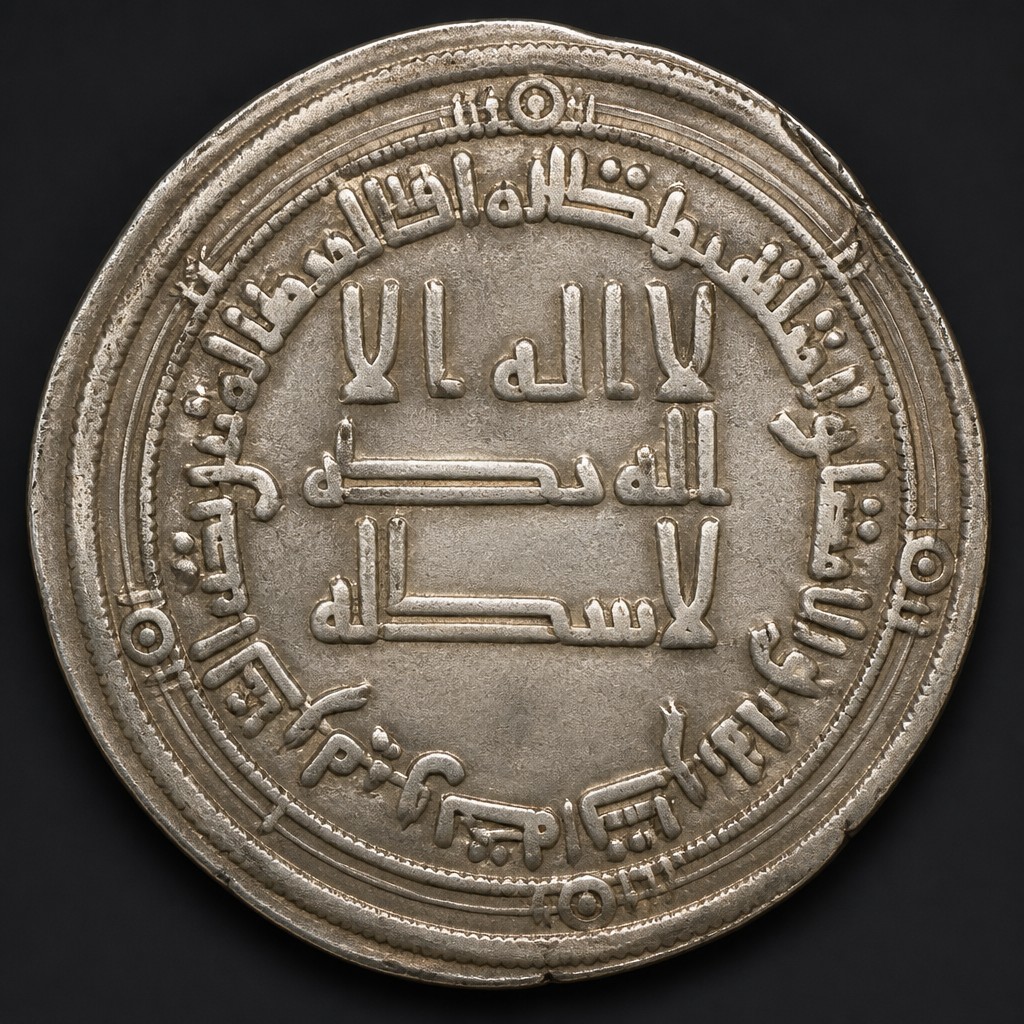
Umayyad Silver Dirham
c. 696–750 AD (post-reform issues)
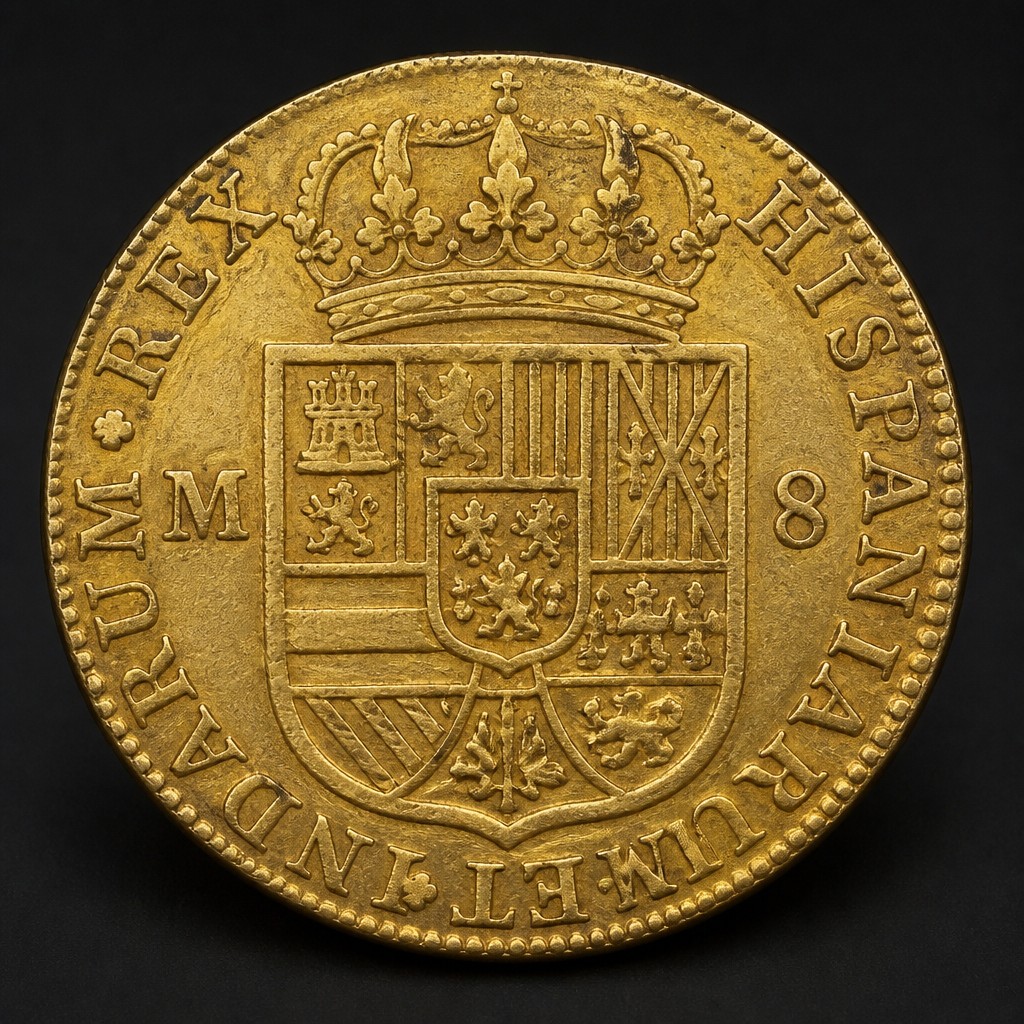
Spanish Gold Doubloon
c. 1537–1800s
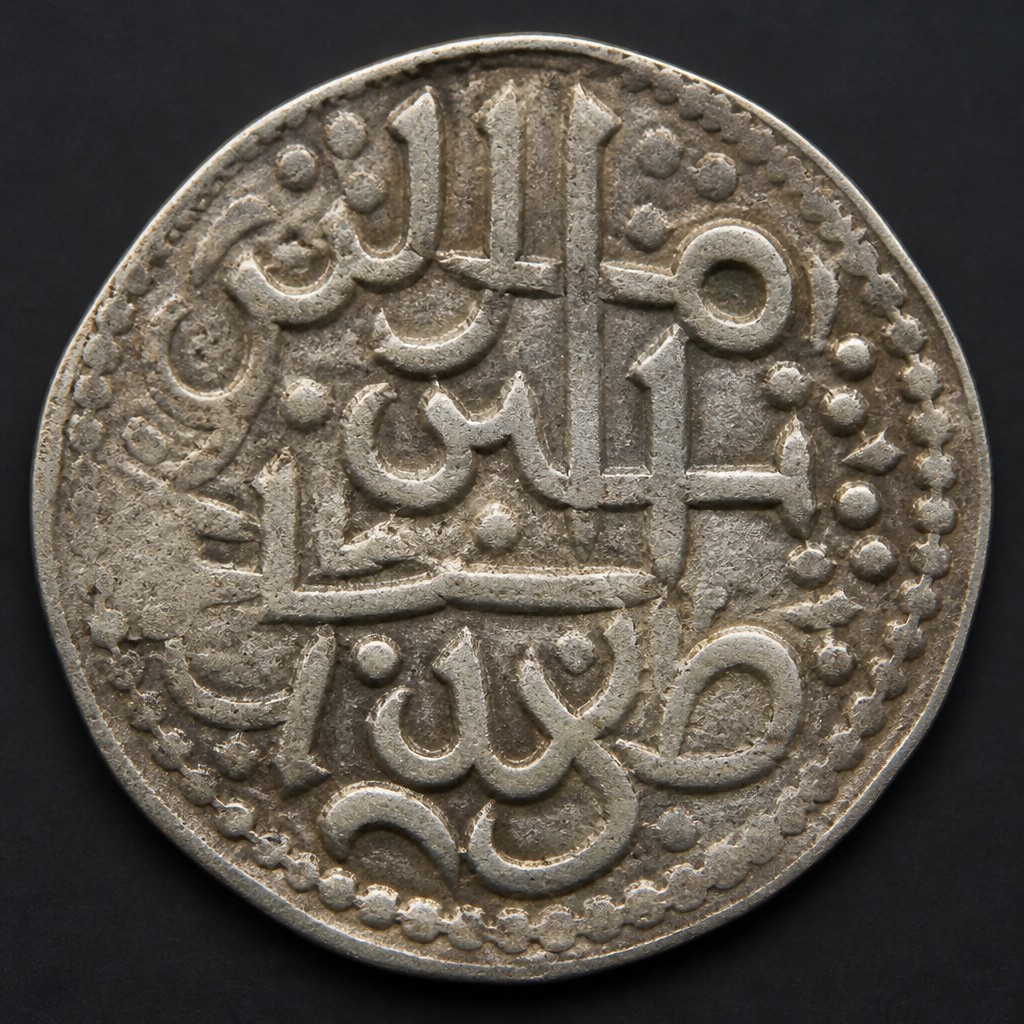
Ottoman Silver Akce
c. 14th–18th century
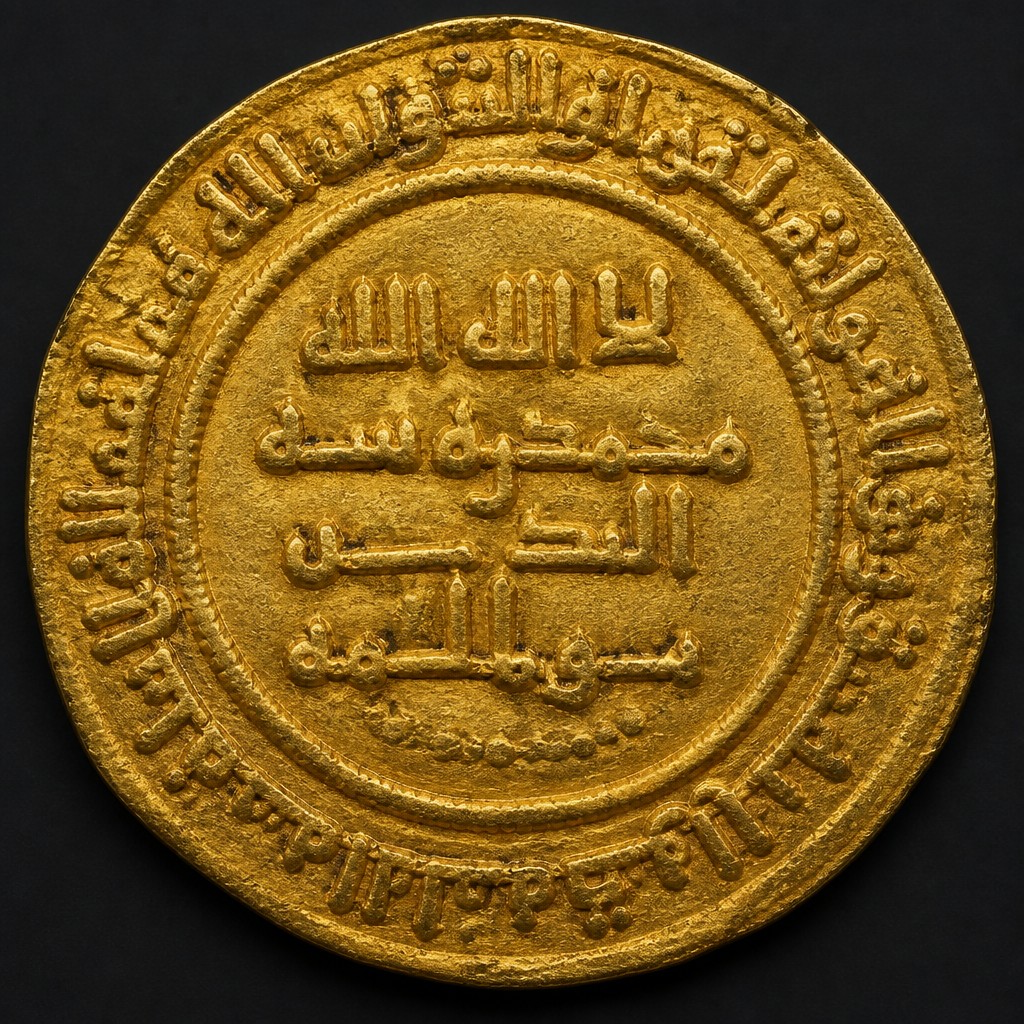
Ayyubid Dinar of Saladin
c. 1174–1193 AD (Saladin's reign); Ayyubid dynasty to c. 1250
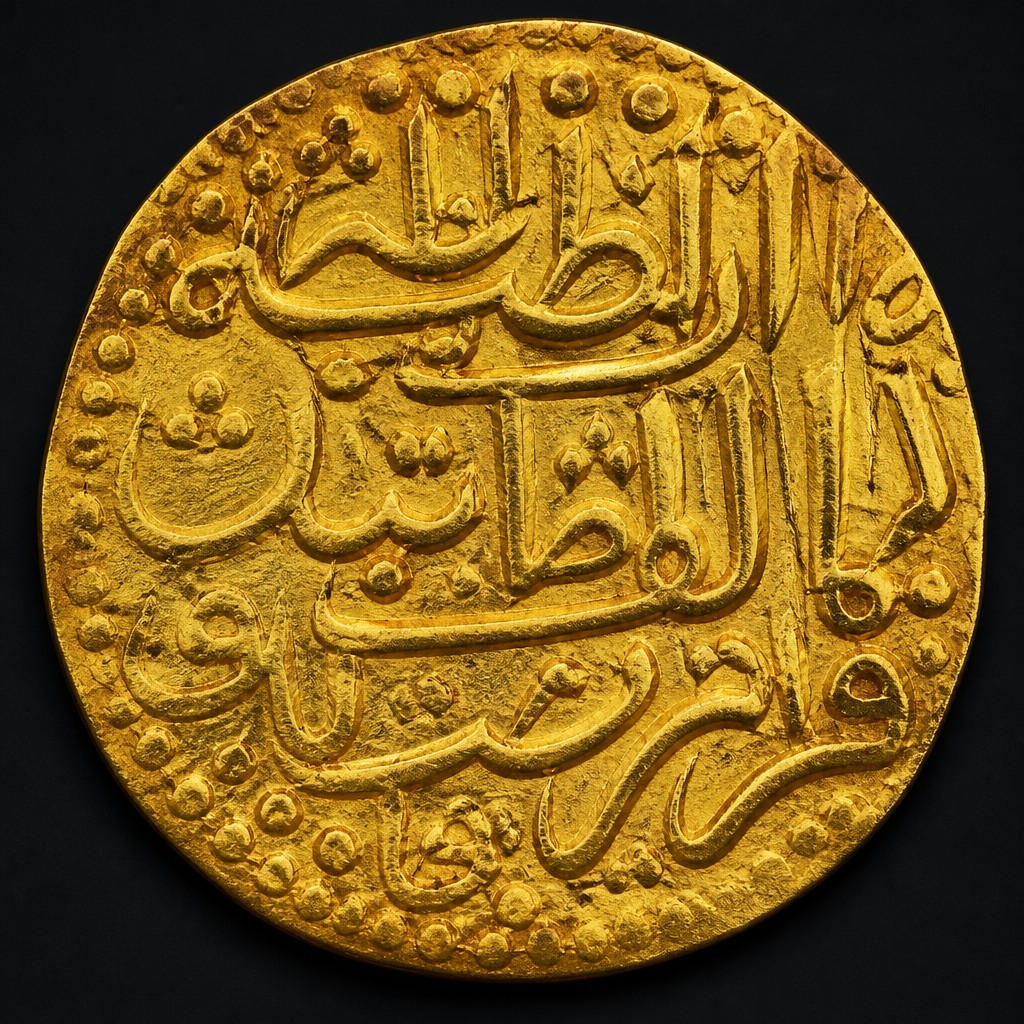
Ottoman Gold Sultani
c. 1478–17th century
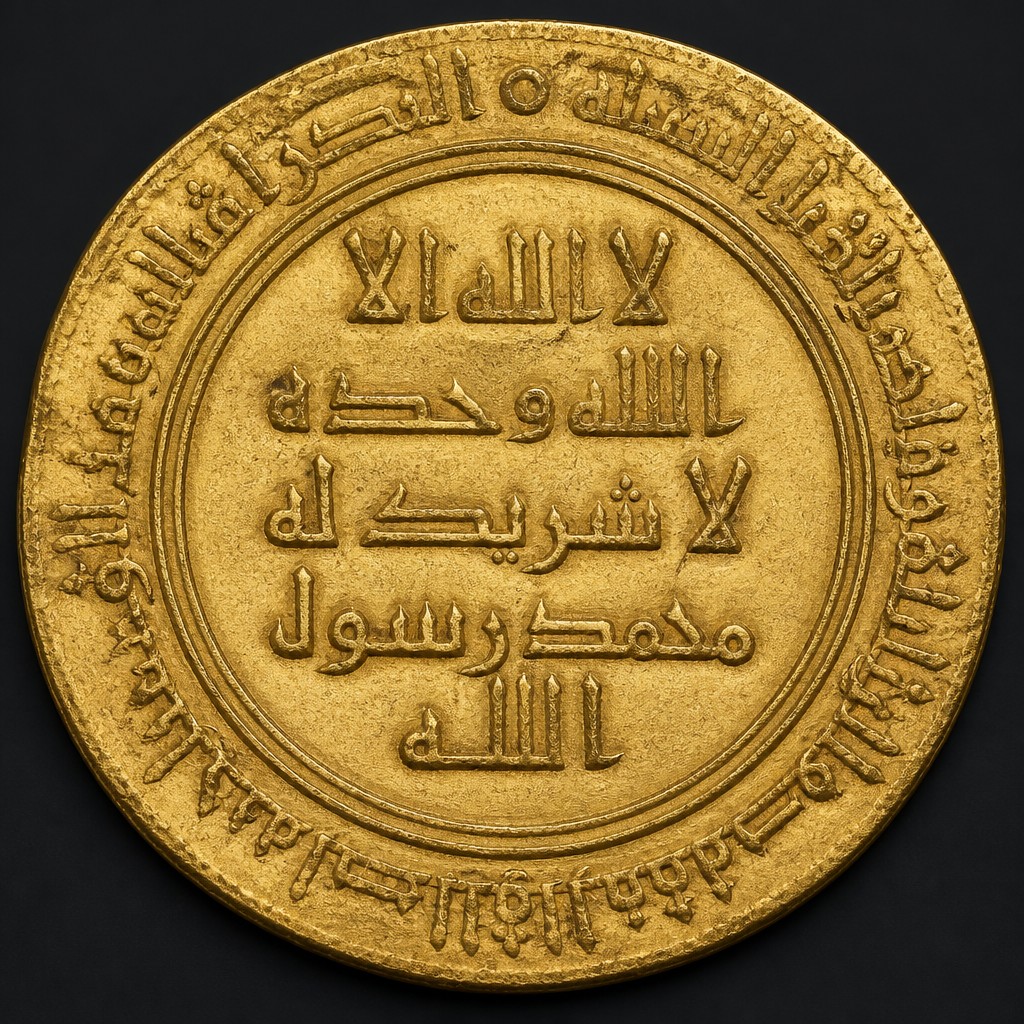
Fatimid Gold Dinar
c. 909–1171 AD
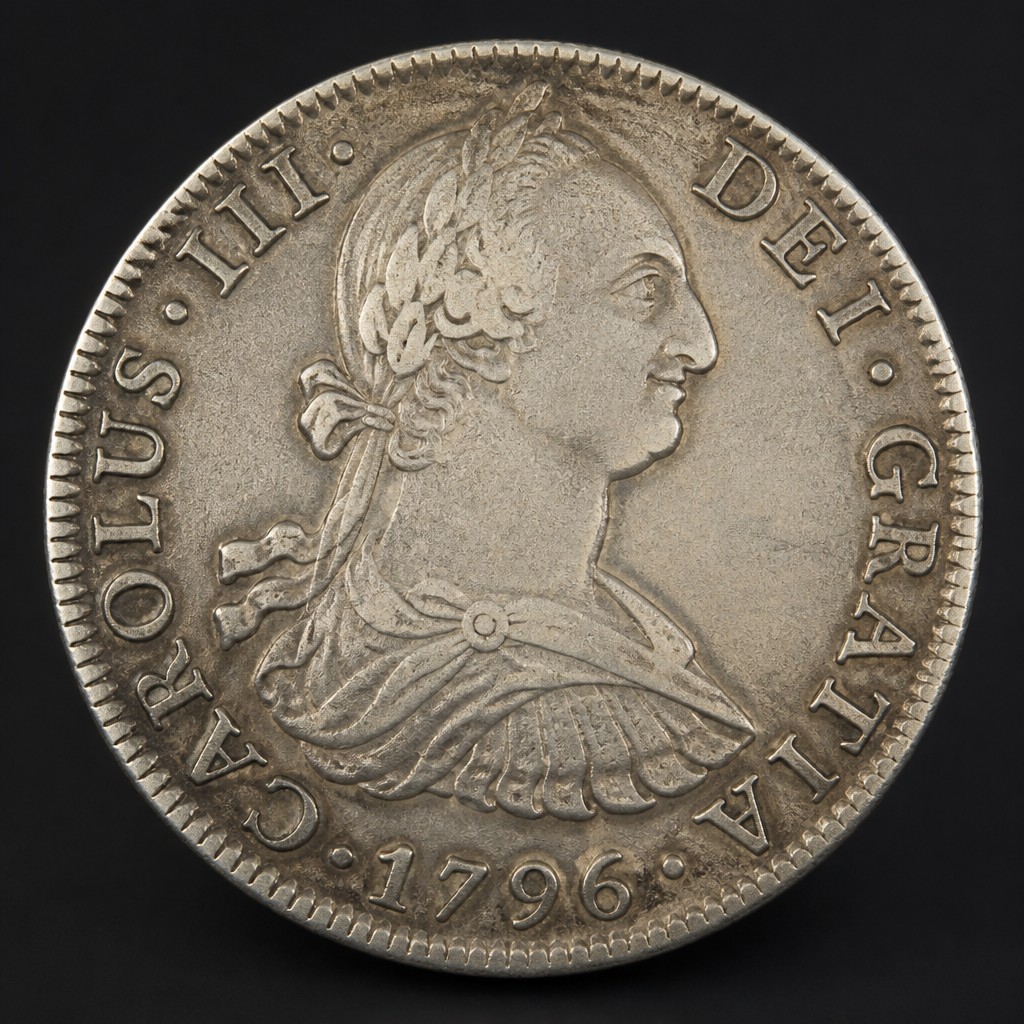
Spanish 8 Reales (Piece of Eight)
c. 1497–1800s