
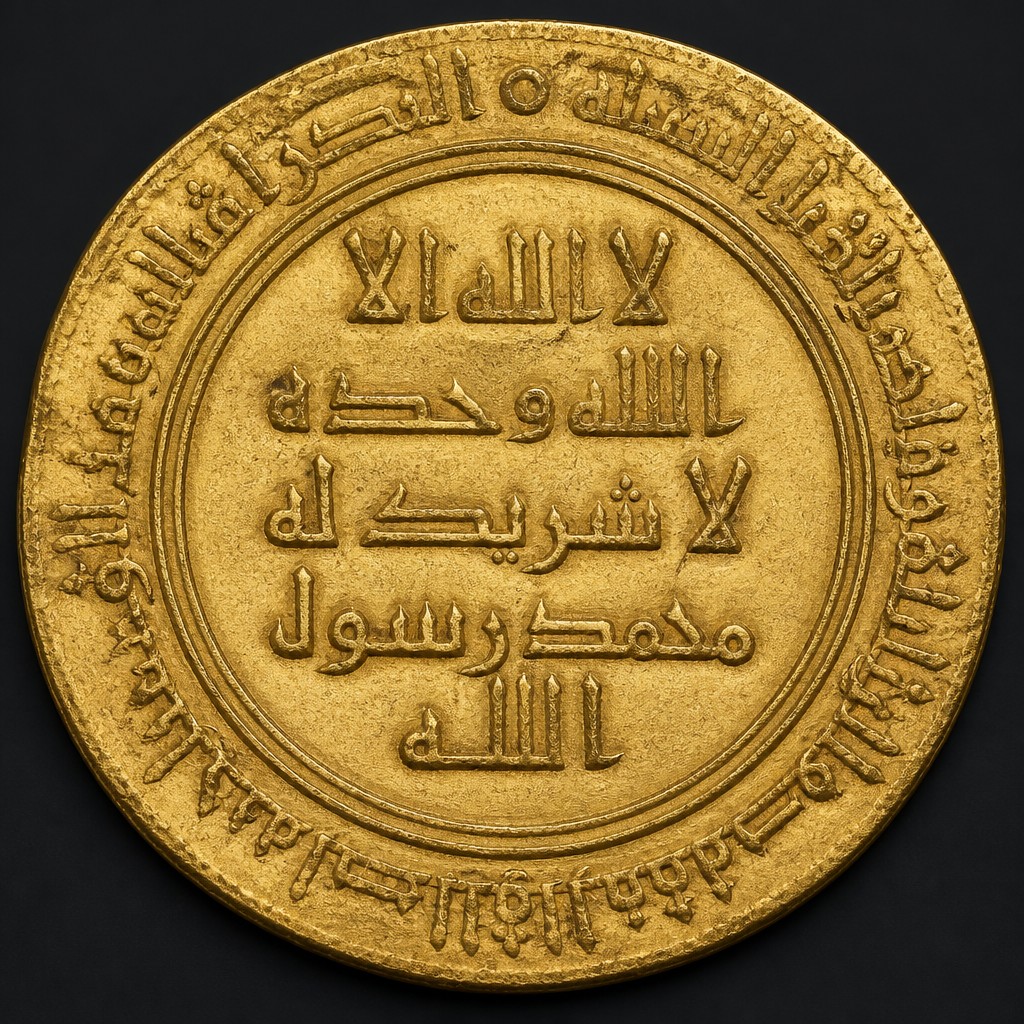
Fatimid Gold Dinar
A high-purity gold coin of the Ismaili Shia Fatimid Caliphate, historically prized for its consistent fineness and widely trusted in medieval Mediterranean trade.
- Country
- Fatimid Caliphate
- Denomination
- Dinar
- Metal
- Gold, high purity
Got a coin like this?
Identify any coin from a photo, free.
Overview
The Fatimid gold dinar was renowned in its own time for reliably high gold content, which made it a preferred trade currency across the medieval Mediterranean and Red Sea trading world, even accepted by non-Muslim merchants and states. Its purely inscriptional design, without any figural imagery, reflects the broader Islamic aniconic tradition.
For collectors, Fatimid dinars combine strong intrinsic gold value with genuine historical importance tied to a powerful Shia Ismaili caliphate that once rivaled the Abbasids for religious and political authority across North Africa and the eastern Mediterranean.
History & Background
The Fatimid dynasty, claiming descent from the Prophet Muhammad's daughter Fatima, established a rival Shia caliphate in North Africa in 909 AD, in direct religious and political opposition to the Sunni Abbasid Caliphate in Baghdad. In 969 the Fatimids conquered Egypt and founded Cairo as their new capital, from which they issued gold dinars renowned for their reliable weight and fineness.
This reputation for quality helped the dinar circulate widely in international trade for two and a half centuries. Fatimid rule in Egypt ended in 1171 when Salah al-Din (Saladin) deposed the last Fatimid caliph and restored Sunni Abbasid religious authority, founding the Ayyubid dynasty in its place.
How to Identify
Like other classical Islamic gold coinage, the Fatimid dinar carries no images, only concentric bands of Arabic inscription in Kufic or early Naskh script. The center fields typically contain religious formulas including distinctly Shia phrasing praising Ali and the Prophet's family, which helps distinguish Fatimid issues from Sunni Abbasid or Umayyad dinars.
Margins record the mint name and Hijri date along with the reigning caliph's titles, and some issues name an heir apparent or chief religious official alongside the caliph. The flan is thin, broad gold, typically around 18 to 25mm in diameter, weighing close to the standard Islamic gold dinar weight of a few grams.
Value & Collectibility
Fatimid dinars carry a value floor from their gold content, and common later-period issues in worn condition are often available for a few hundred dollars. Because the dynasty struck a very long series across multiple mints, prices vary considerably based on caliph, mint, and legibility of the inscriptions.
Earlier issues from the North African period before the move to Cairo, coins naming particular notable caliphs, and pieces with sharp, fully legible script can bring meaningfully higher prices. As with all ancient and medieval gold, buyers should weigh both bullion value and numismatic rarity when considering a purchase.
Frequently asked questions
Why is the Fatimid dinar considered especially trustworthy historically?
Fatimid mints maintained unusually consistent gold weight and fineness standards, which built strong confidence in the coin among merchants across the medieval Mediterranean.
How can I tell a Fatimid dinar from an Abbasid one?
Fatimid dinars include distinctly Shia religious phrases, such as praise of Ali, that do not appear on Sunni Abbasid dinars.
Do Fatimid dinars have any images?
No, like most classical Islamic gold coins they are entirely inscriptional, without human or animal figures.
What ended Fatimid dinar production?
The Fatimid Caliphate fell in 1171 when Saladin deposed the last Fatimid caliph and shifted Egypt back to Sunni Abbasid allegiance.
Are these coins purely valued for their gold content?
Gold weight sets a baseline value, but rarer caliphs, mints, and sharply struck examples carry additional numismatic premiums.
Other coins you may enjoy
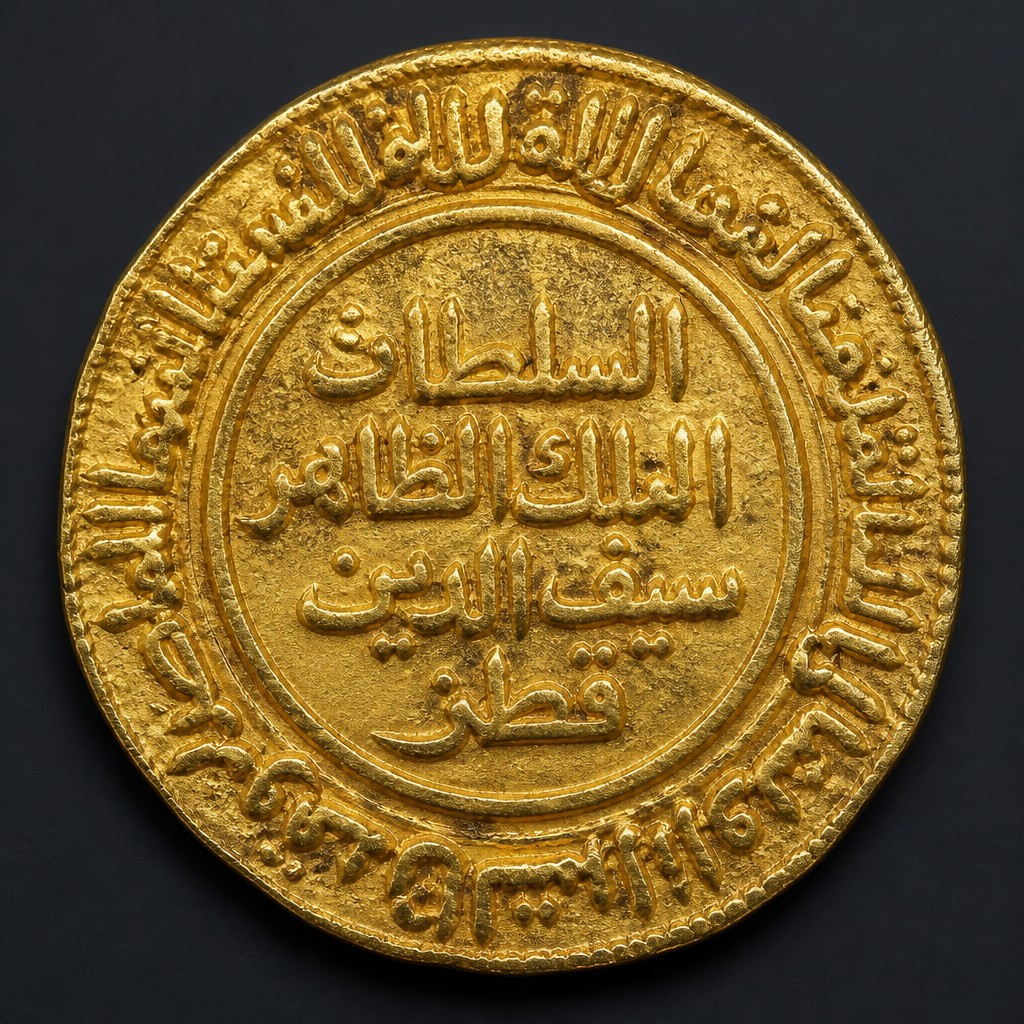
Mamluk Gold Dinar
c. 1250–1517 AD
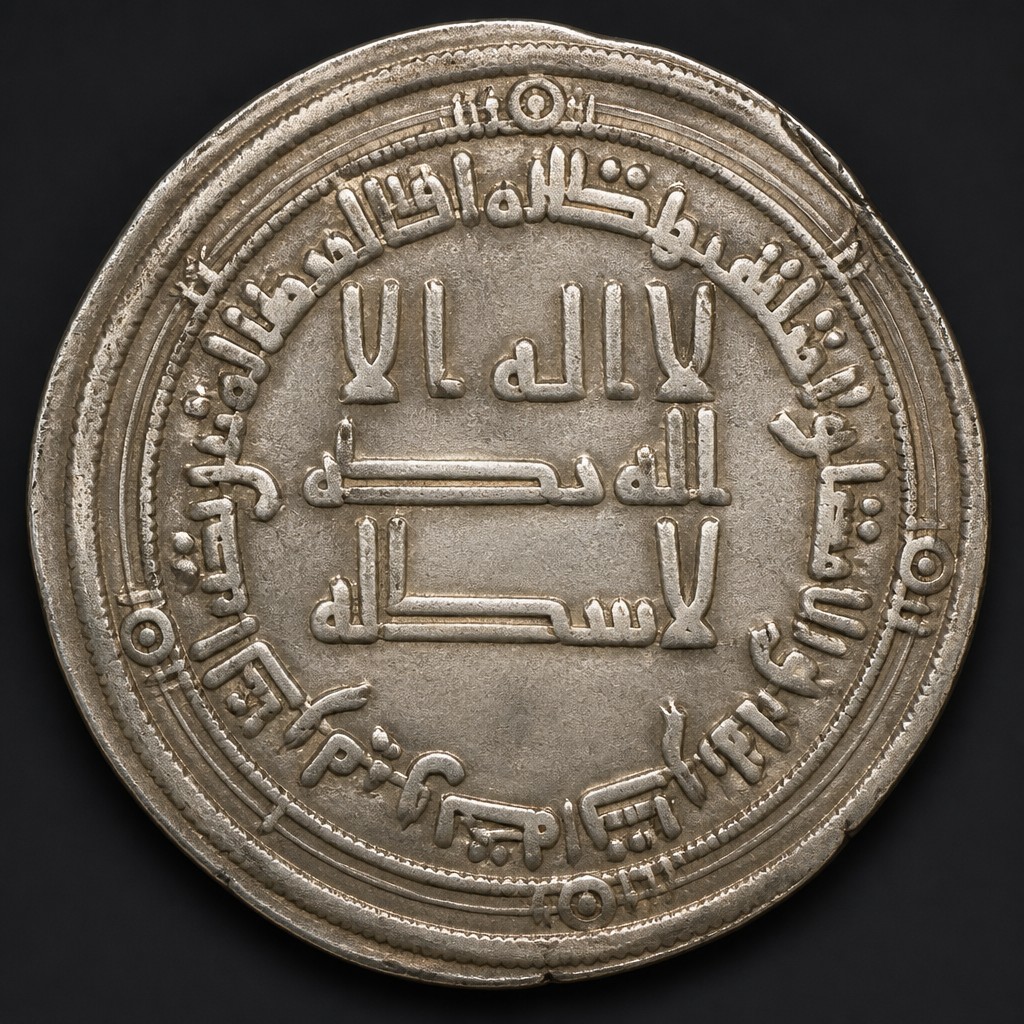
Umayyad Silver Dirham
c. 696–750 AD (post-reform issues)
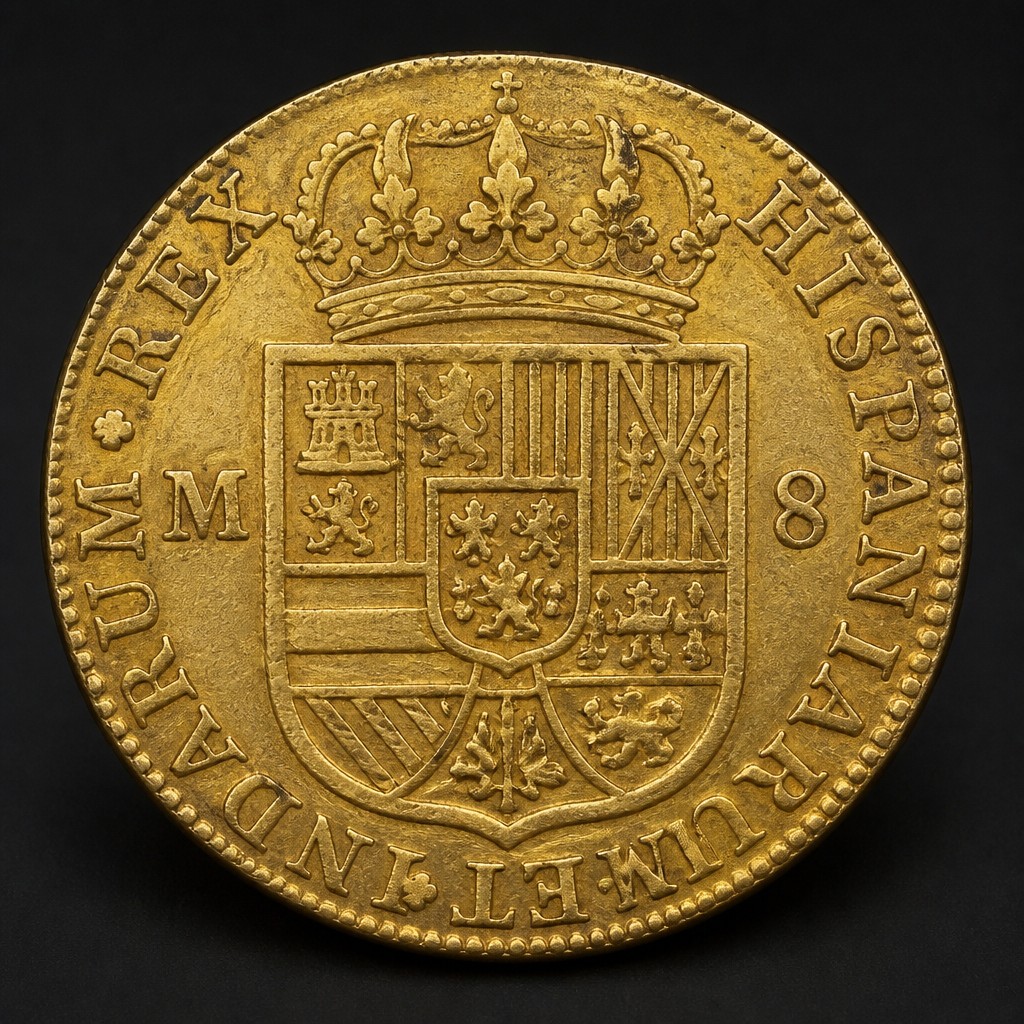
Spanish Gold Doubloon
c. 1537–1800s
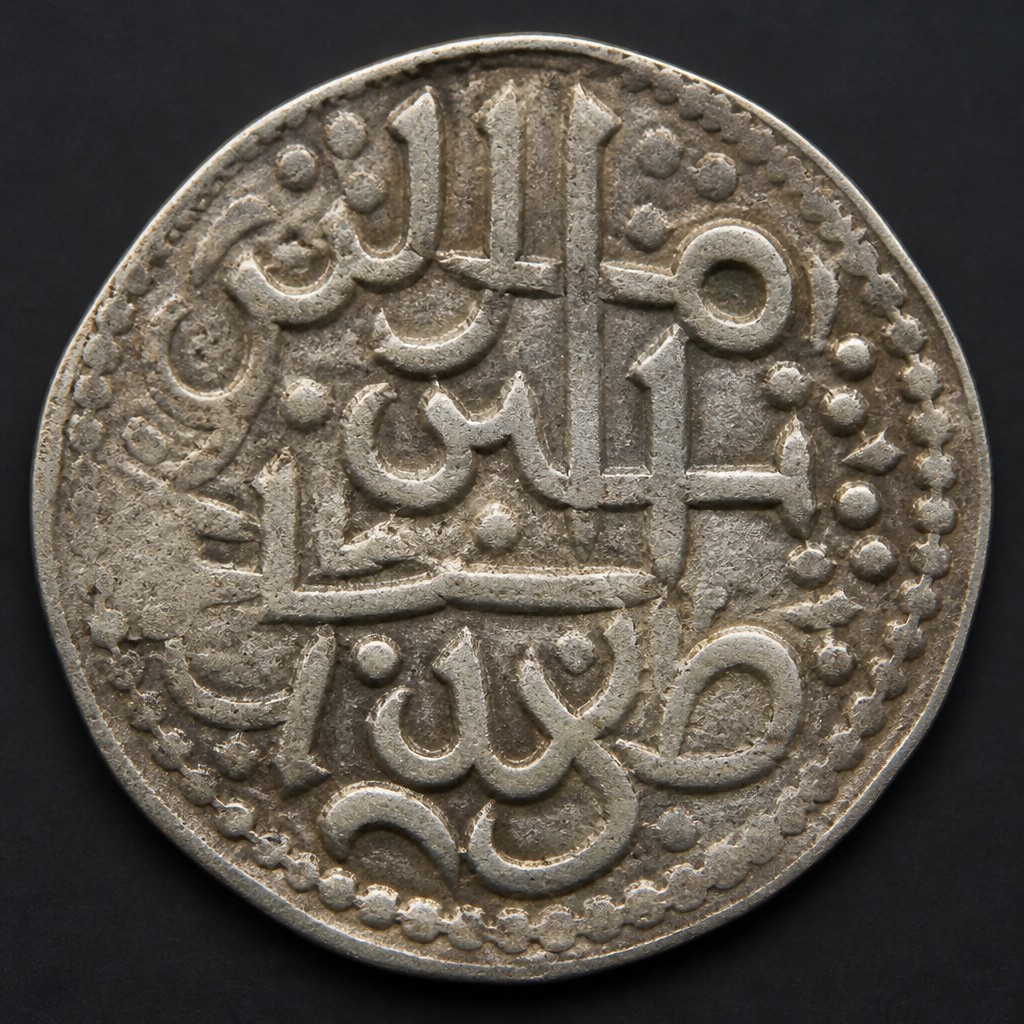
Ottoman Silver Akce
c. 14th–18th century
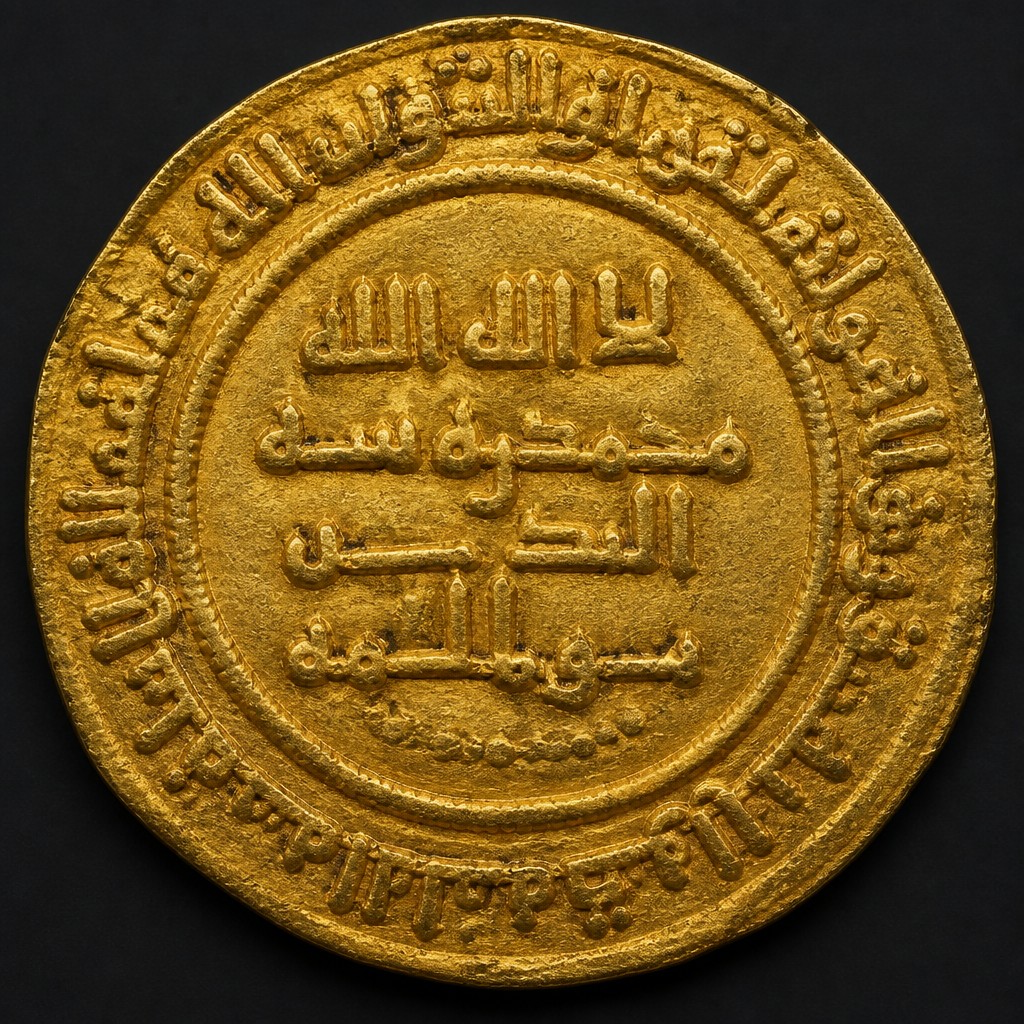
Ayyubid Dinar of Saladin
c. 1174–1193 AD (Saladin's reign); Ayyubid dynasty to c. 1250
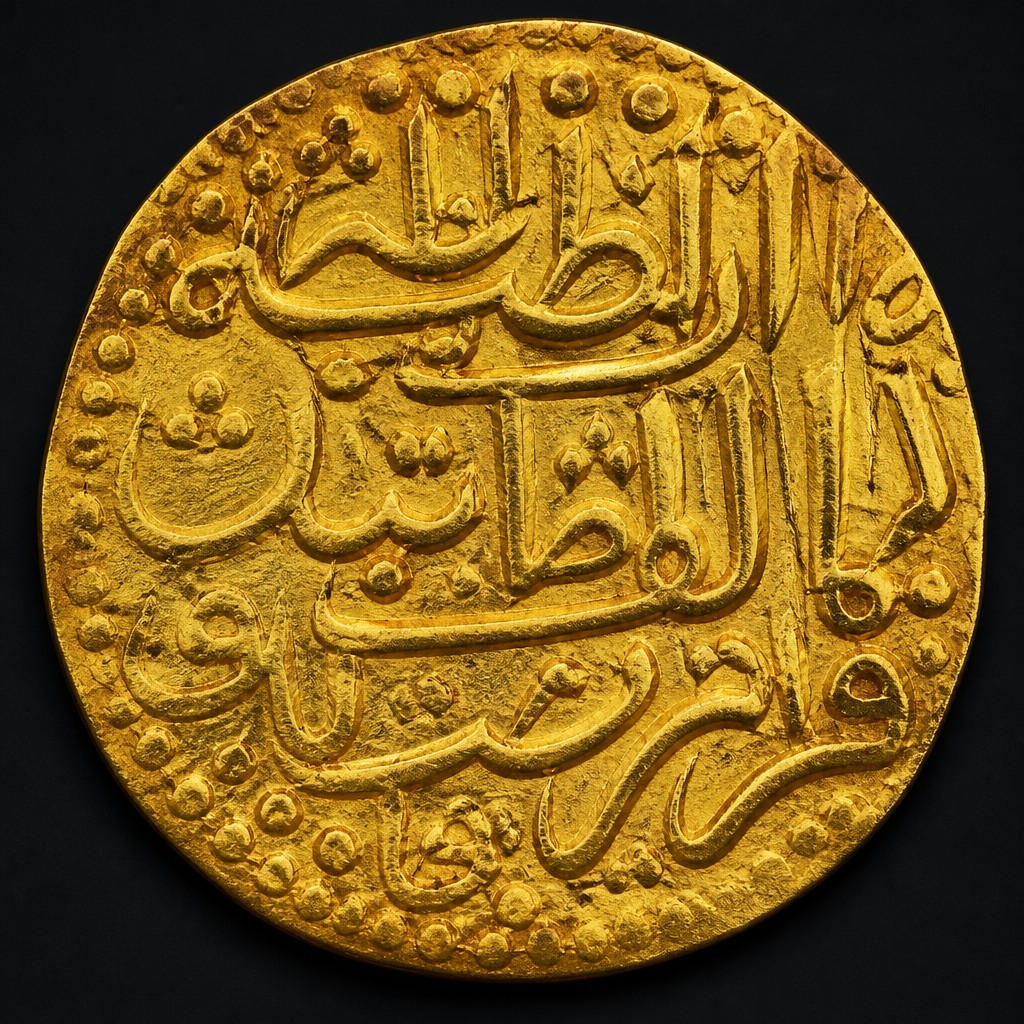
Ottoman Gold Sultani
c. 1478–17th century
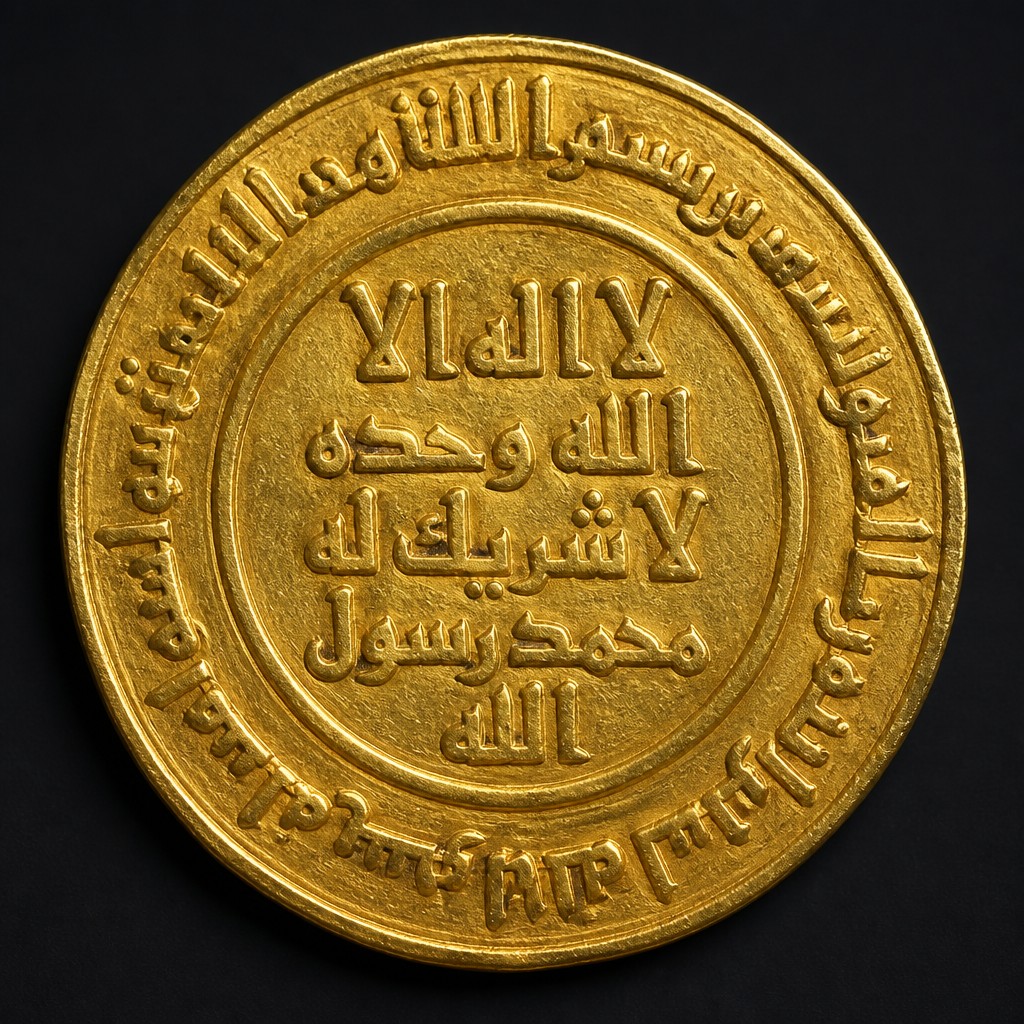
Abbasid Gold Dinar
c. 750–1258 AD
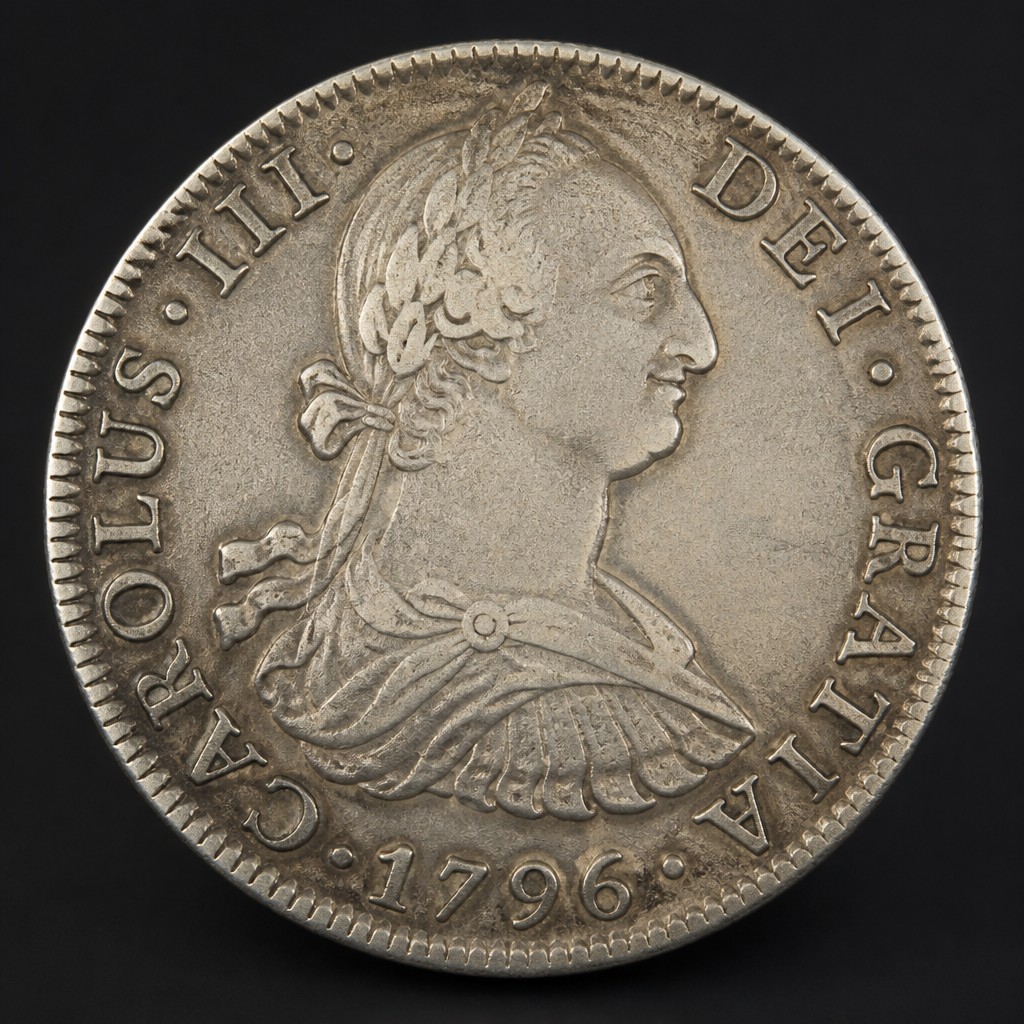
Spanish 8 Reales (Piece of Eight)
c. 1497–1800s