
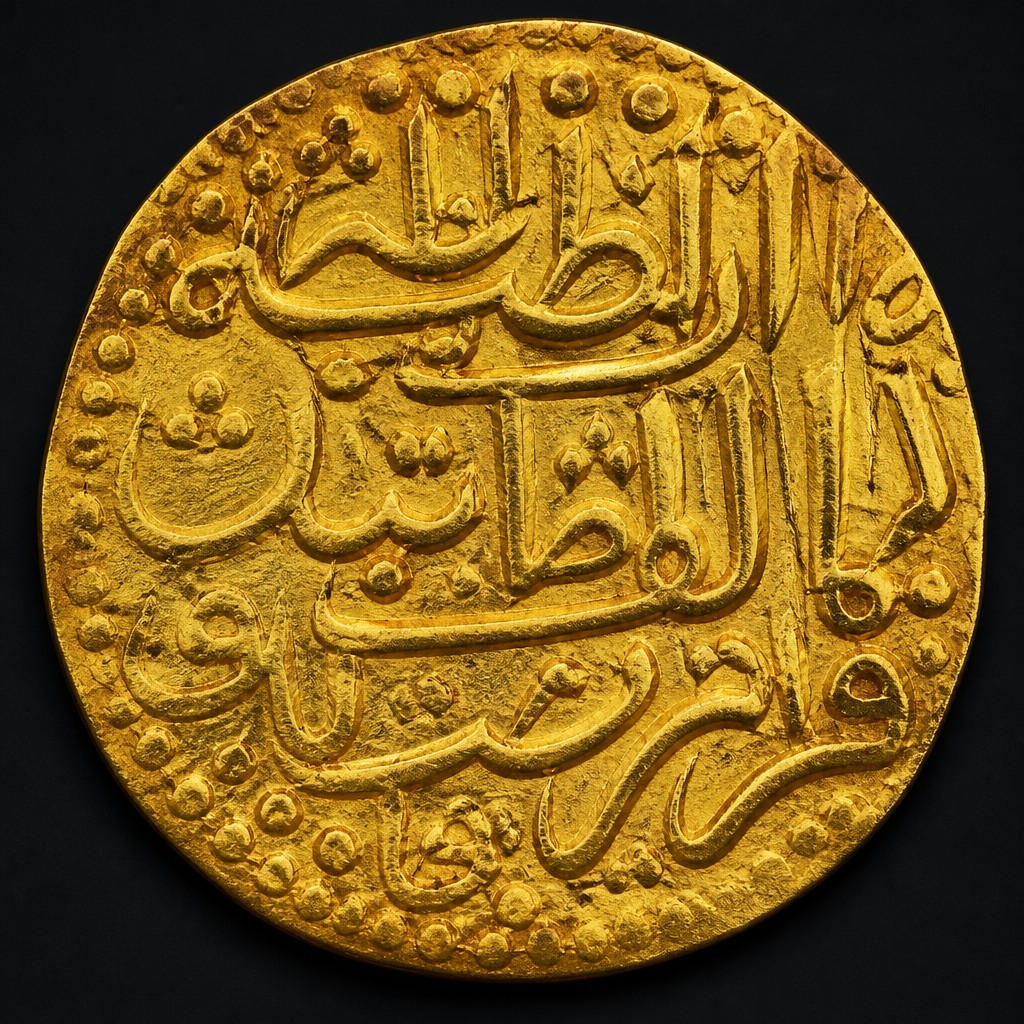
Ottoman Gold Sultani
The principal gold trade coin of the early Ottoman Empire, struck to match the weight and fineness of the Venetian ducat so it could compete in Mediterranean commerce.
- Country
- Ottoman Empire
- Denomination
- Sultani
- Metal
- Gold
Got a coin like this?
Identify any coin from a photo, free.
Overview
The sultani was the Ottoman Empire's answer to the Venetian ducat, the dominant international trade coin of the late medieval Mediterranean. By matching its weight and gold purity, the Ottomans ensured their own gold coin would be readily accepted in the same trading networks used by Venetian, Genoese, and other European merchants.
For collectors, the sultani offers an accessible way to own genuine Ottoman gold coinage from the empire's expansive early centuries, with design elements typical of Islamic epigraphic tradition rather than European-style portraiture.
History & Background
As Ottoman power expanded across Anatolia and the Balkans in the fifteenth century, the empire's rulers recognized the commercial advantage of issuing a gold coin trusted by international merchants. The sultani was introduced to match the specifications of the Venetian ducat, allowing it to circulate alongside and in place of European gold in Mediterranean and Middle Eastern trade.
Each sultan's name and titles appeared on newly struck sultanis upon his accession, following Islamic numismatic convention, so the coin's legends changed with every new reign. Over time additional or successor gold denominations were introduced, but the sultani standard remained influential in Ottoman gold coinage for a considerable period.
How to Identify
The sultani follows Islamic epigraphic tradition, meaning both sides are covered in Arabic-script inscriptions rather than any portrait or figural design. The obverse generally states the sultan's name and honorific titles, while the reverse usually includes the traditional "struck at" (duriba) formula naming the mint city along with the regnal accession year.
The coin is thin, small, and gold in color, typically around 20mm in diameter, consistent with its Venetian ducat model. Because a new coin type was issued at the start of each sultan's reign, identifying the specific ruler requires reading the sultan's name in the obverse inscription, cross-referenced with known regnal dates.
Value & Collectibility
Common sultani issues from well-documented, longer-reigning sultans are generally valued close to their gold content with a modest numismatic premium, making them relatively approachable for collectors of Islamic gold coinage. Prices for typical circulated examples often fall in a range tied closely to the prevailing gold price plus a collector premium.
Sultanis from shorter-reigning or lesser-known sultans, rare mint cities, or exceptionally well-struck examples can command meaningfully higher prices. As with most gold coinage from this era, both bullion weight and numismatic rarity factor into value.
Frequently asked questions
Why was the sultani made to match the Venetian ducat?
Matching the ducat's weight and purity allowed the sultani to be readily accepted in the same Mediterranean and European trade networks the ducat already dominated.
Does the sultani show a portrait of the sultan?
No, like other classical Islamic coinage it uses text only, naming the sultan and mint rather than depicting his image.
How do I identify which sultan issued my coin?
The sultan's name appears in the Arabic inscription on the obverse, which can be matched against known Ottoman regnal names and dates.
Is the sultani the same as later Ottoman gold coins?
The sultani was the primary early Ottoman gold trade coin; later centuries saw other gold denominations introduced alongside or in place of it.
What drives the value of a sultani today?
Gold content sets a baseline, with the sultan, mint, rarity, and strike quality determining any numismatic premium above bullion value.
Other coins you may enjoy
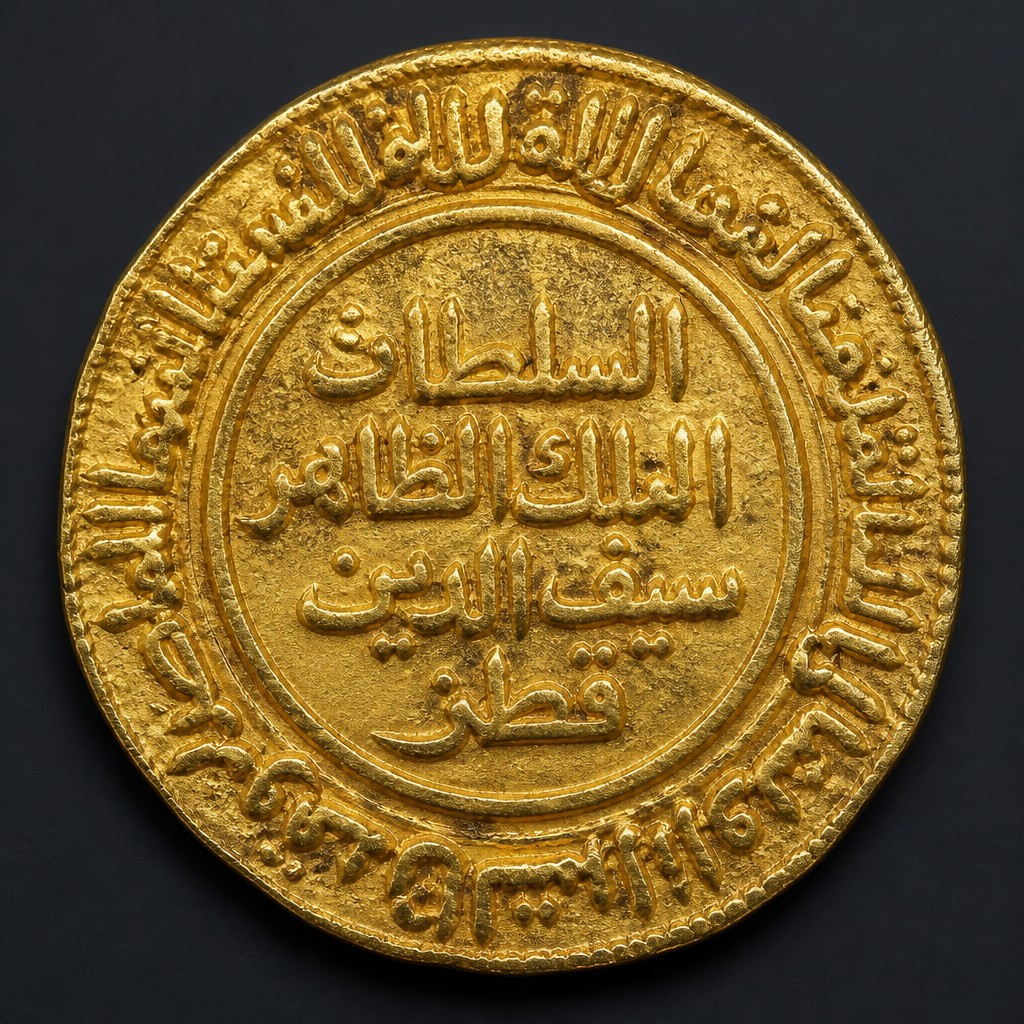
Mamluk Gold Dinar
c. 1250–1517 AD
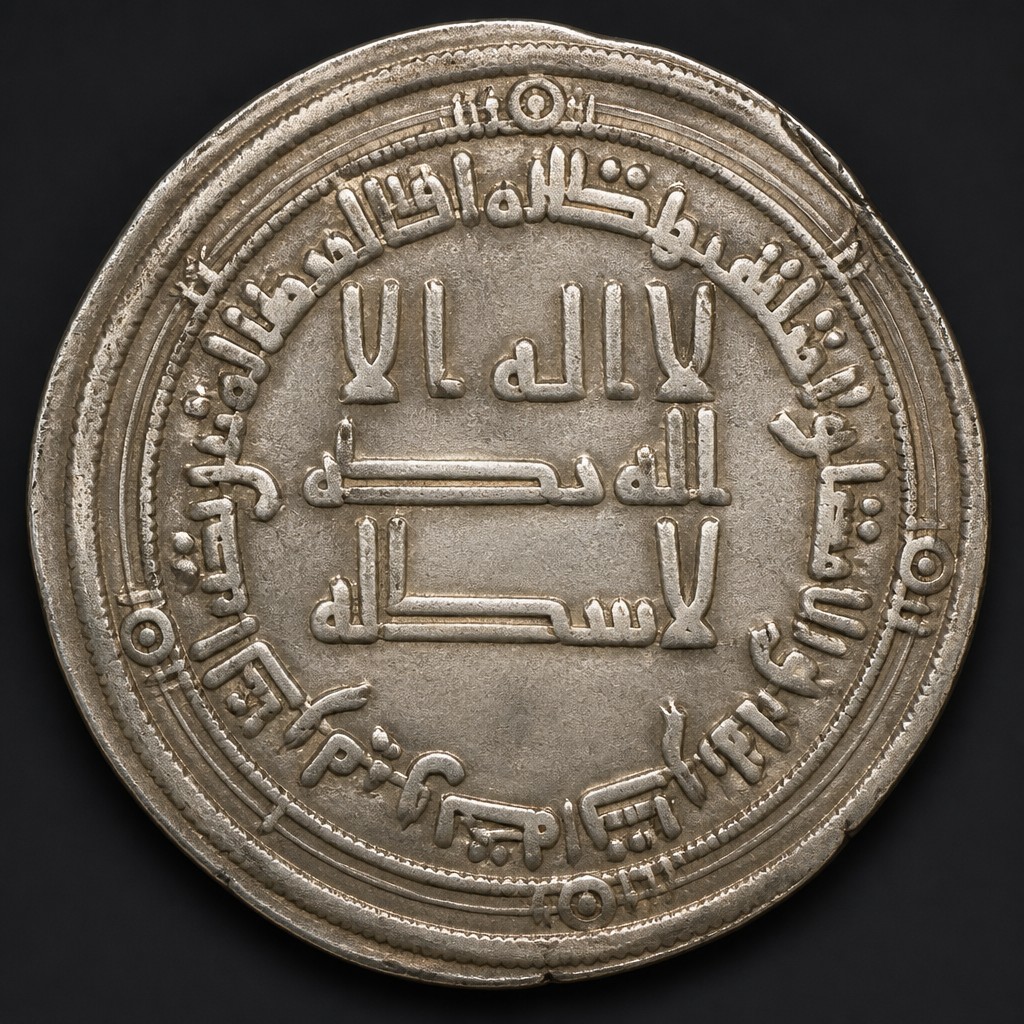
Umayyad Silver Dirham
c. 696–750 AD (post-reform issues)
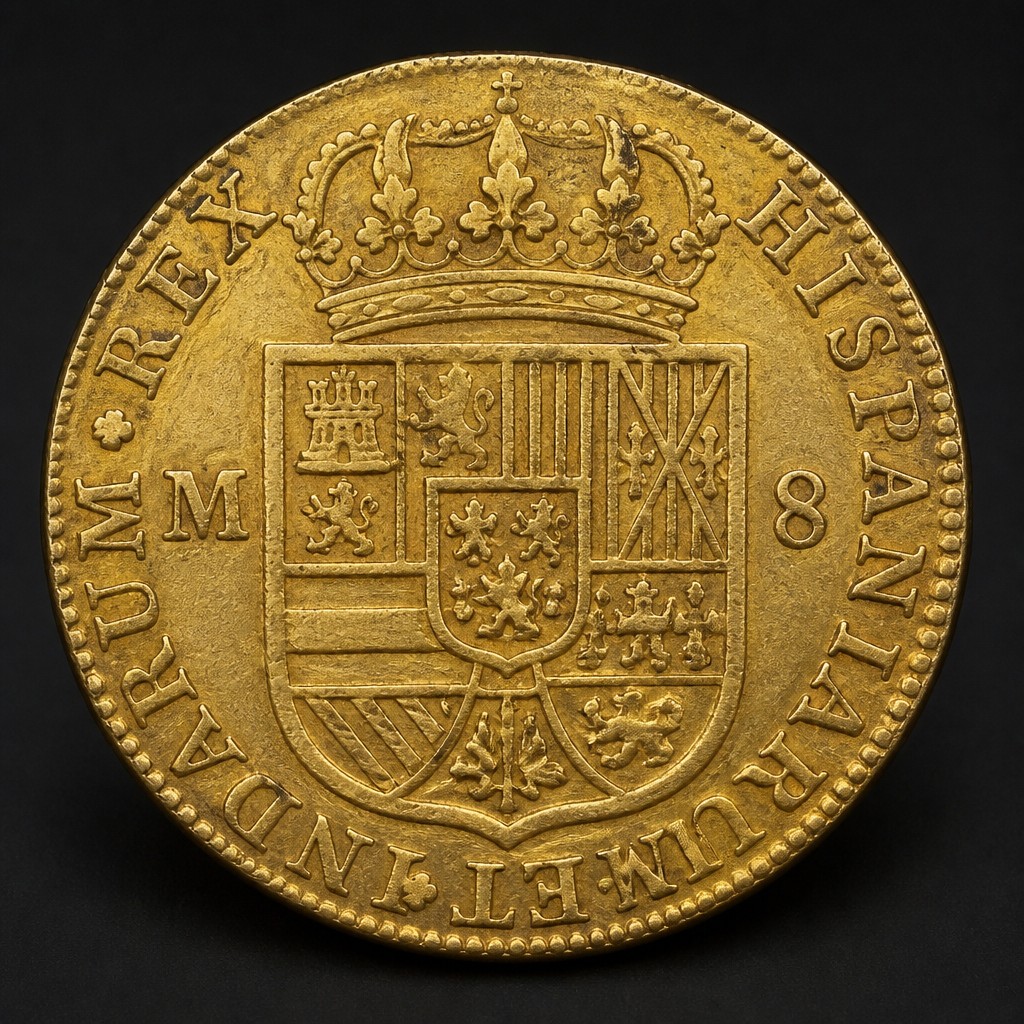
Spanish Gold Doubloon
c. 1537–1800s
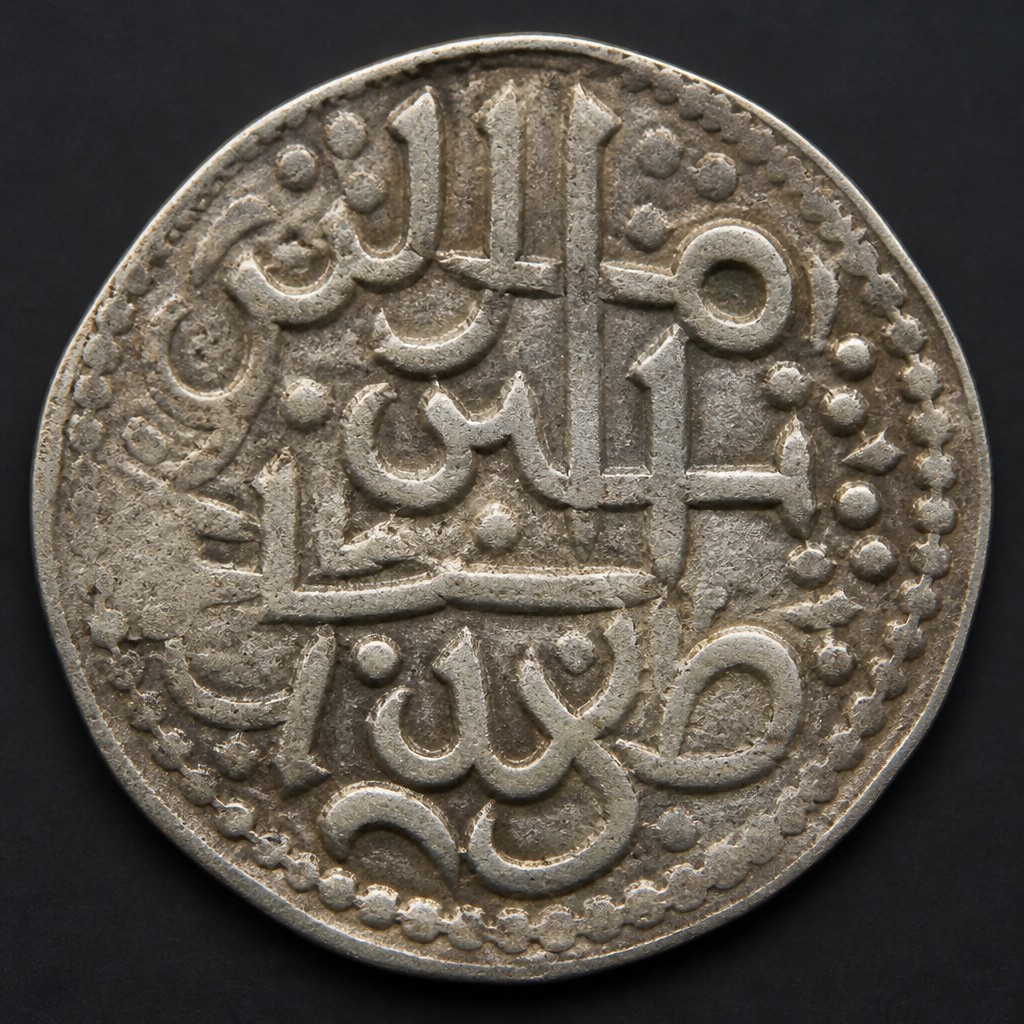
Ottoman Silver Akce
c. 14th–18th century
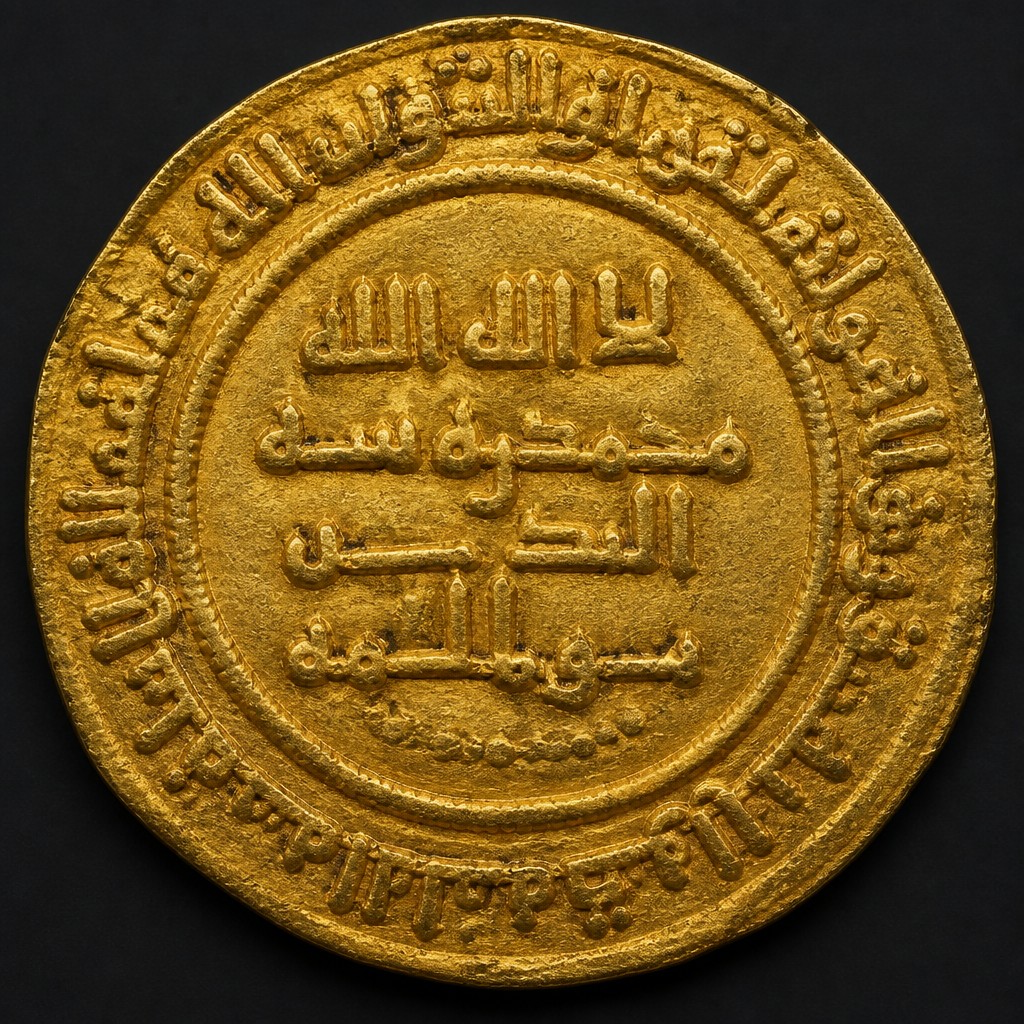
Ayyubid Dinar of Saladin
c. 1174–1193 AD (Saladin's reign); Ayyubid dynasty to c. 1250
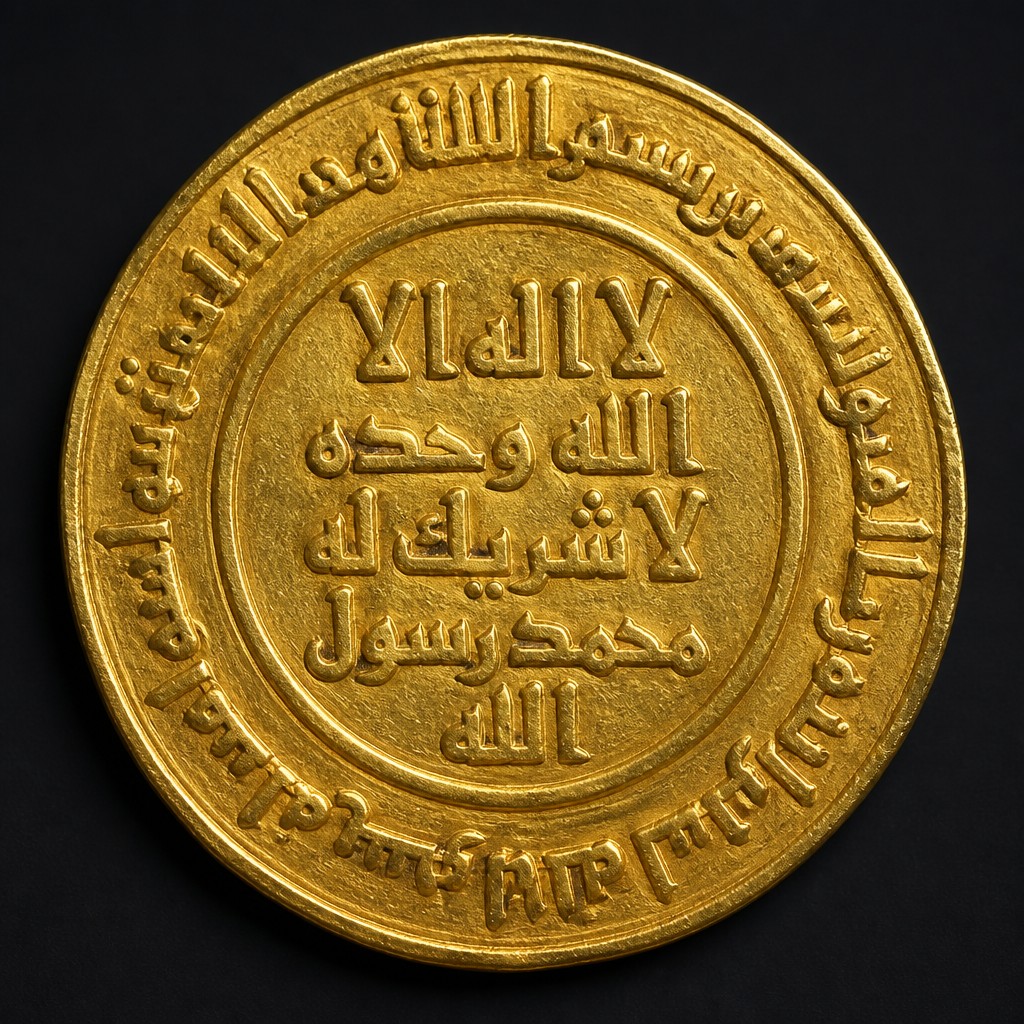
Abbasid Gold Dinar
c. 750–1258 AD
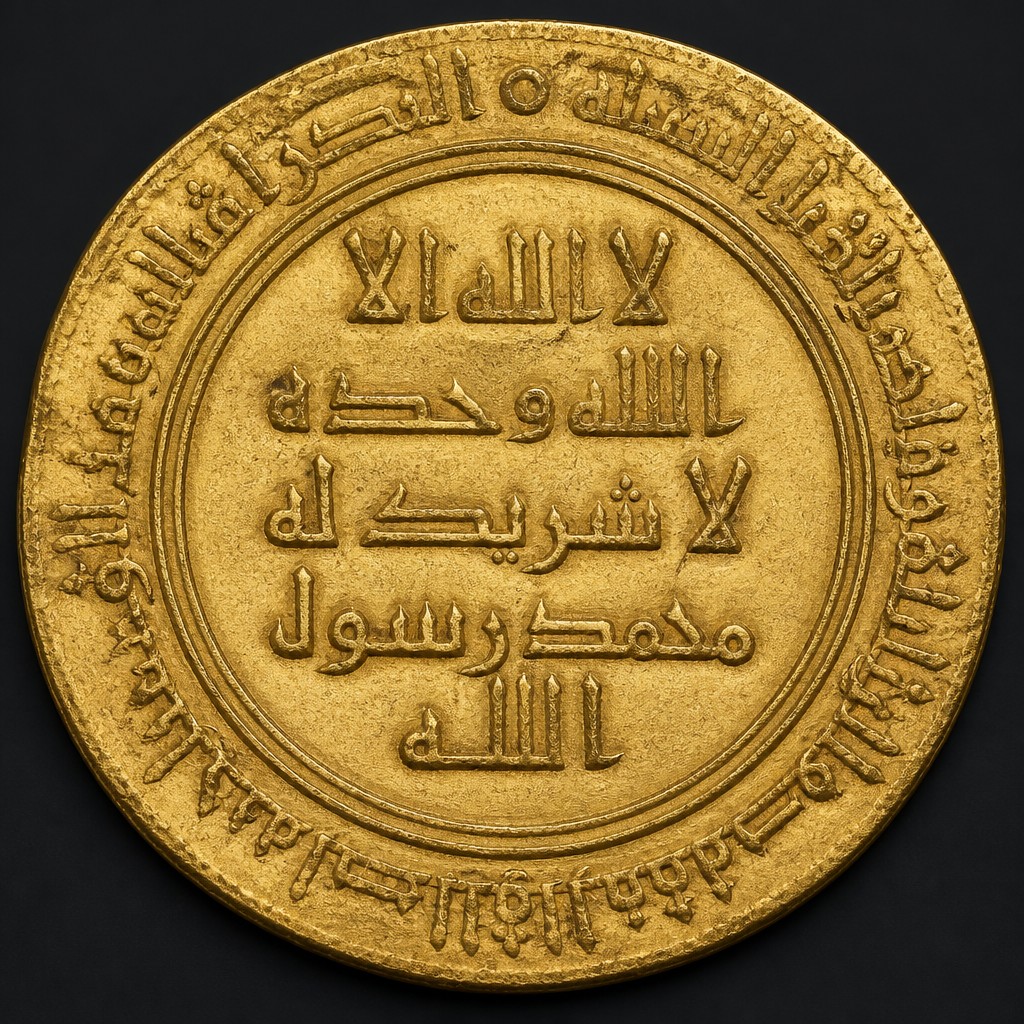
Fatimid Gold Dinar
c. 909–1171 AD
Spanish 8 Reales (Piece of Eight)
c. 1497–1800s