
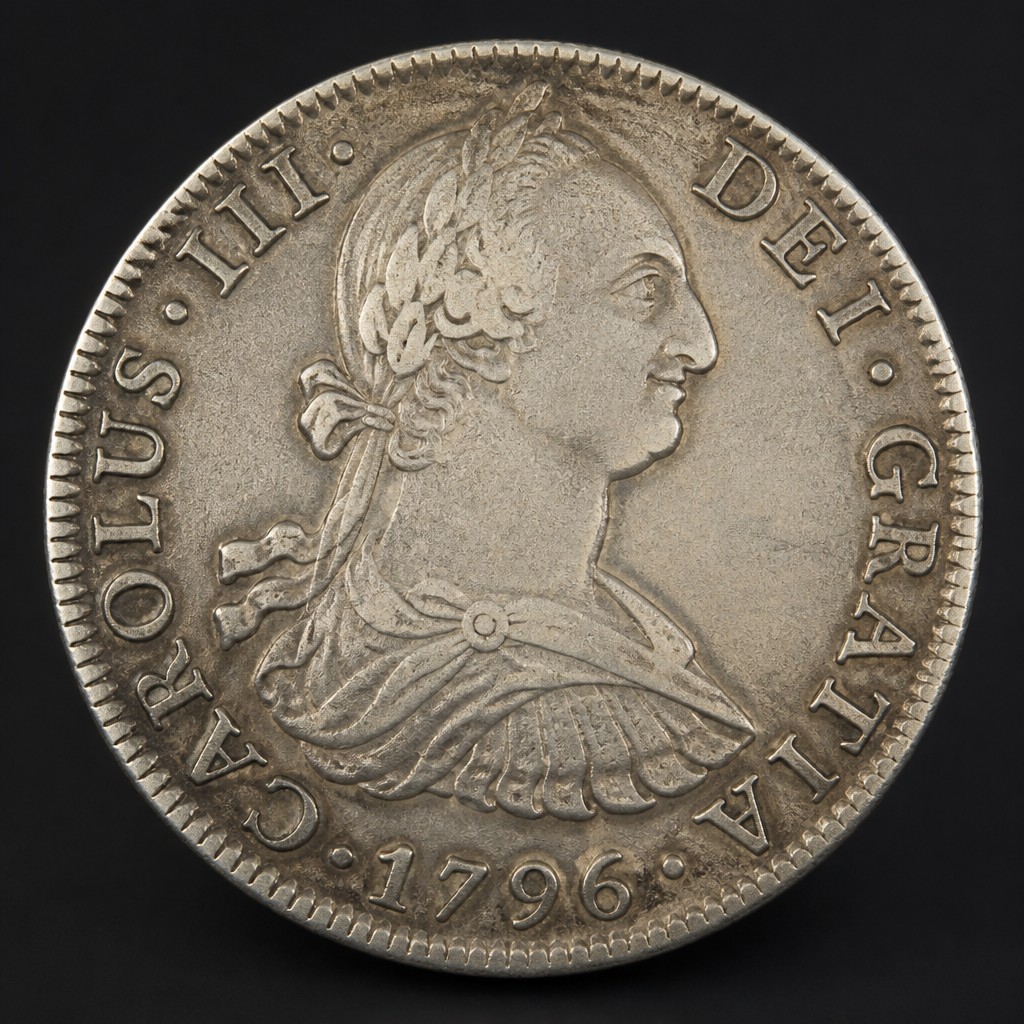
Spanish 8 Reales (Piece of Eight)
The legendary 'piece of eight,' Spain's silver dollar-sized coin that became the world's first truly global currency and the direct ancestor of the U.S. dollar.
- Country
- Spanish Empire
- Denomination
- 8 Reales
- Metal
- Silver
Got a coin like this?
Identify any coin from a photo, free.
Overview
The 8 reales, universally nicknamed the 'piece of eight,' was the workhorse silver coin of the Spanish Empire for roughly three centuries, minted in vast quantities across Spain and its American colonies. Its consistent weight and silver content made it trusted currency far beyond Spanish territory, circulating in trade from the Americas to Europe to Asia.
Collectors value the piece of eight both for its immense historical significance, since it directly influenced the design and value of the U.S. silver dollar, and for the wide variety of types produced over its long run, from crude hand-struck colonial 'cobs' to later, more refined pillar and bust-portrait designs.
Because pieces of eight were literally cut into eight pie-shaped wedges ('bits') to make small change in some colonial economies, the coin is also the origin of the American slang term 'two bits' for a quarter dollar.
History & Background
Spain began striking the 8 reales denomination in the late 15th and 16th centuries, and production expanded dramatically as silver flowed from rich American mines, particularly Potosí in present-day Bolivia and mines in Mexico, into colonial mints established to convert bullion into coin. The coin became the practical standard for large-value transactions throughout the Spanish Empire and its trading partners.
Because of its reliable silver content, the piece of eight was accepted as legal tender or a trusted trade coin in numerous places outside the Spanish Empire, including British and other European colonies in North America, where it directly shaped early American monetary thinking and eventually influenced the value and name of the U.S. dollar.
Production continued for centuries with evolving designs, from irregular hand-cut cobs to the pillar dollar and later portrait-style 'bust' coinage, until Spain's American colonies gained independence in the early 19th century, ending large-scale Spanish colonial minting, though some newly independent nations continued similar 8 reales coinage for a time.
How to Identify
Design varied significantly by era: early cob 8 reales are irregularly shaped with a simple cross and shield design, later 'pillar dollar' types show crowned globes flanked by the Pillars of Hercules, and the final 'bust' type shows a portrait of the reigning Spanish monarch on the obverse with the Spanish royal arms on the reverse. All types share the '8' or 'VIII' numeral or equivalent denomination marking somewhere in the design or legend.
The coin is silver, roughly 38-40mm in diameter and about 27 grams, typically struck around .900 to .930 fine depending on the period and mint. Mint marks, such as 'Mo' for Mexico City, 'P' for Potosí, or 'L' for Lima, along with assayer initials, help identify where a specific piece was struck among the many colonial mints.
Collectors distinguish sub-types largely by these design eras (cob, pillar, bust) and by mint mark and date, with reference catalogs of Spanish colonial coinage providing detailed guidance for more precise attribution.
Value & Collectibility
Common, well-circulated pieces of eight, especially later bust-type examples from the 18th and early 19th centuries, are widely available and relatively affordable, often in the low hundreds of dollars. Earlier cob coinage, rare mints or dates, and coins in exceptional condition can be considerably more valuable, sometimes into the thousands of dollars or more.
Because so many pieces of eight circulated as working money for centuries, most surviving examples are well worn, so sharp, well-struck, high-grade pieces are disproportionately scarce and valuable relative to typical circulated coins.
Frequently asked questions
What is a piece of eight?
It is the popular name for the Spanish 8 reales silver coin, minted for roughly three centuries and used as a trusted trade currency around the world.
Why is it called a piece of eight?
The coin was valued at eight reales, and it was sometimes physically cut into eight wedge-shaped pieces called 'bits' to make small change.
How did the piece of eight influence the U.S. dollar?
Its size, weight, and widespread use in colonial America made it a familiar model that shaped the value and concept of the early U.S. silver dollar.
What are the different types of 8 reales?
Major types include the early irregular 'cob' coinage, the later 'pillar dollar' with crowned globes, and the final 'bust' type with a royal portrait.
What is a piece of eight made of?
It is struck in silver, typically around .900 to .930 fine, weighing roughly 27 grams.
Other coins you may enjoy
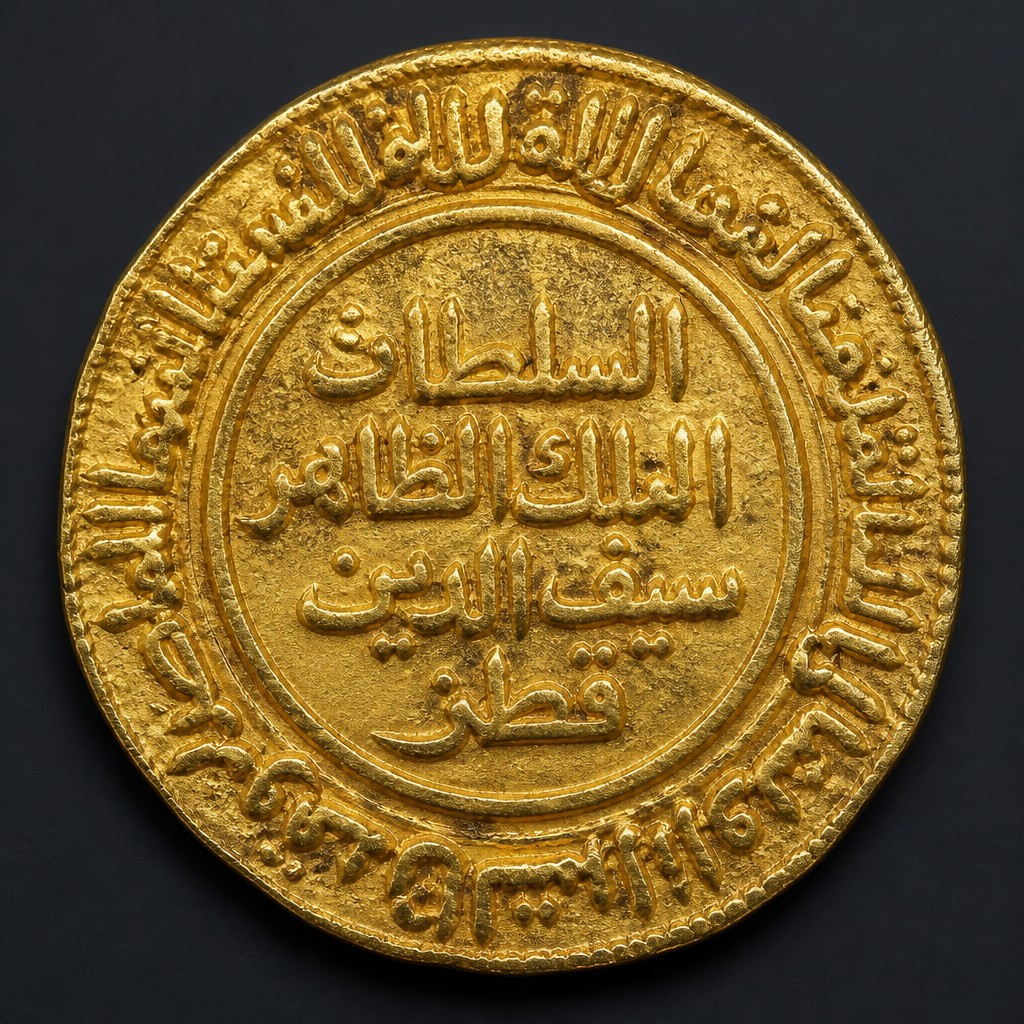
Mamluk Gold Dinar
c. 1250–1517 AD
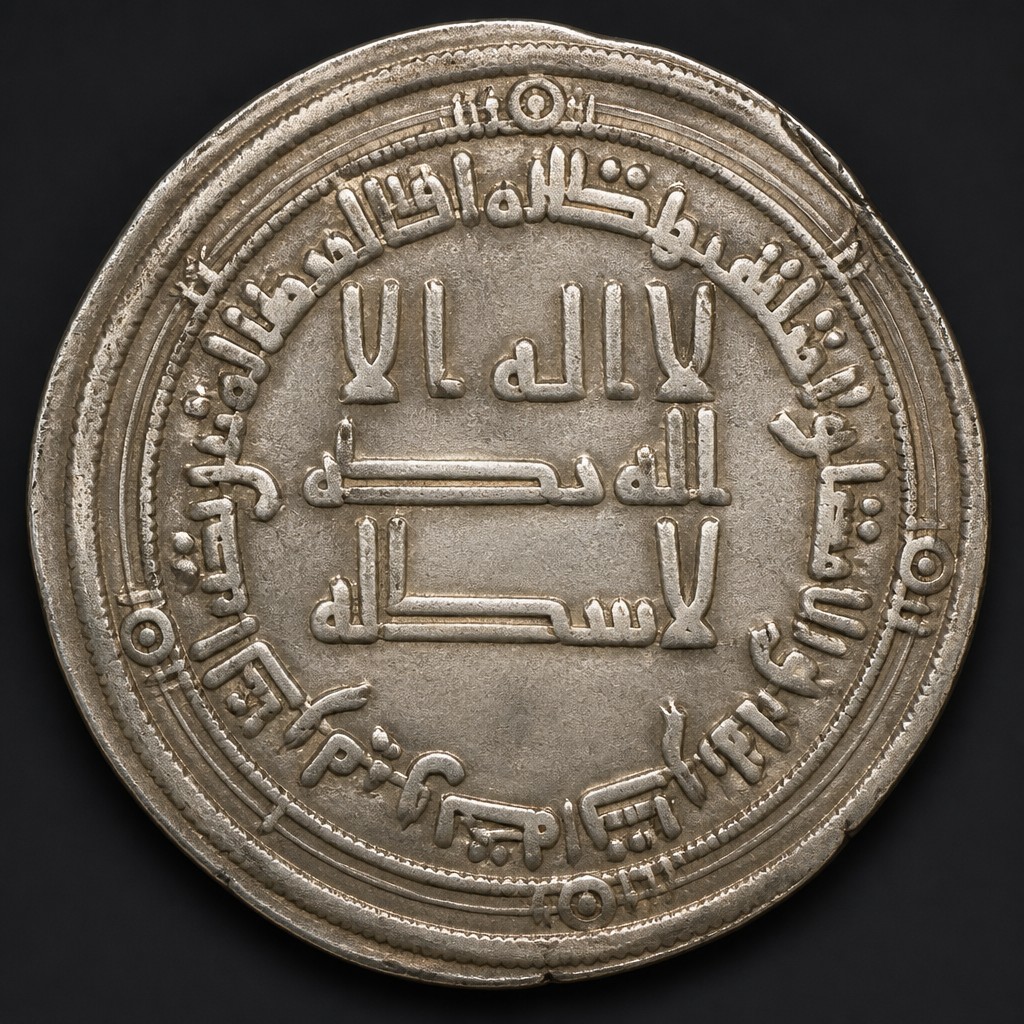
Umayyad Silver Dirham
c. 696–750 AD (post-reform issues)
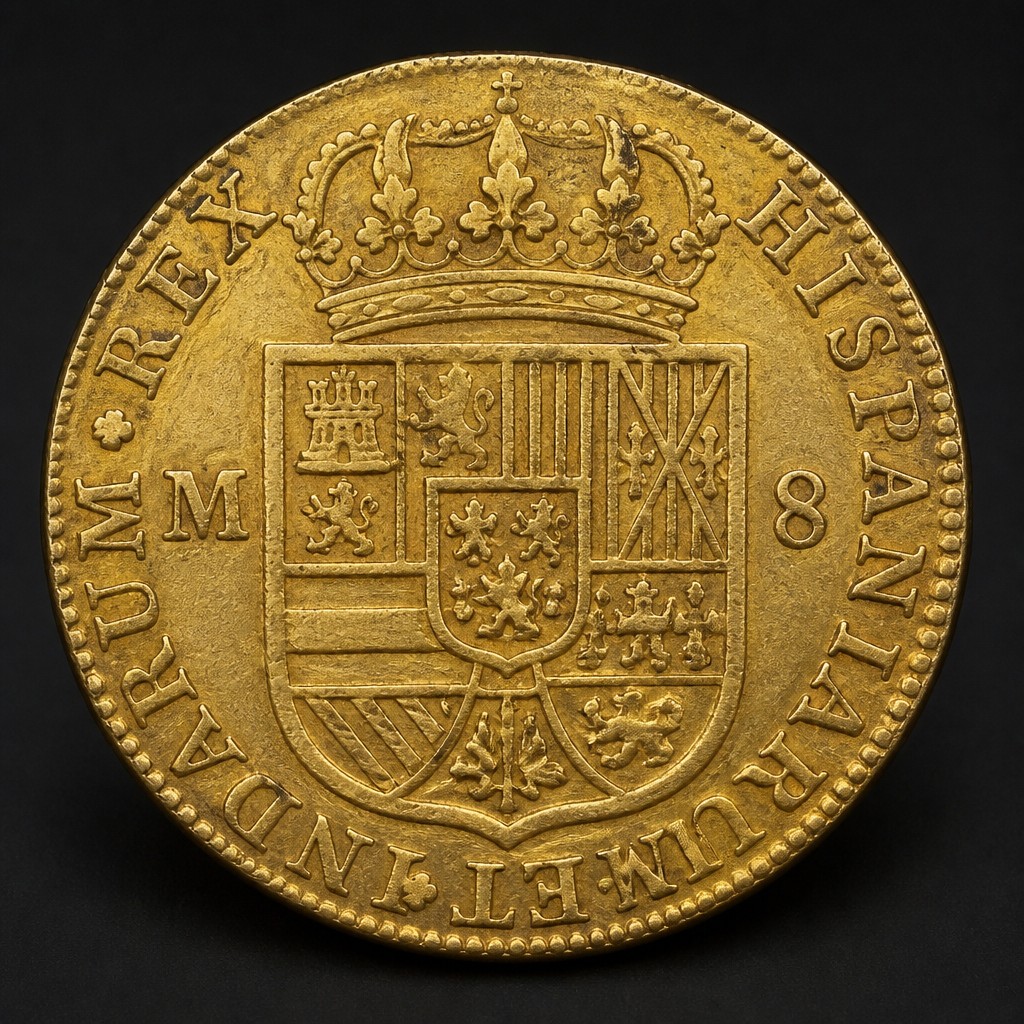
Spanish Gold Doubloon
c. 1537–1800s
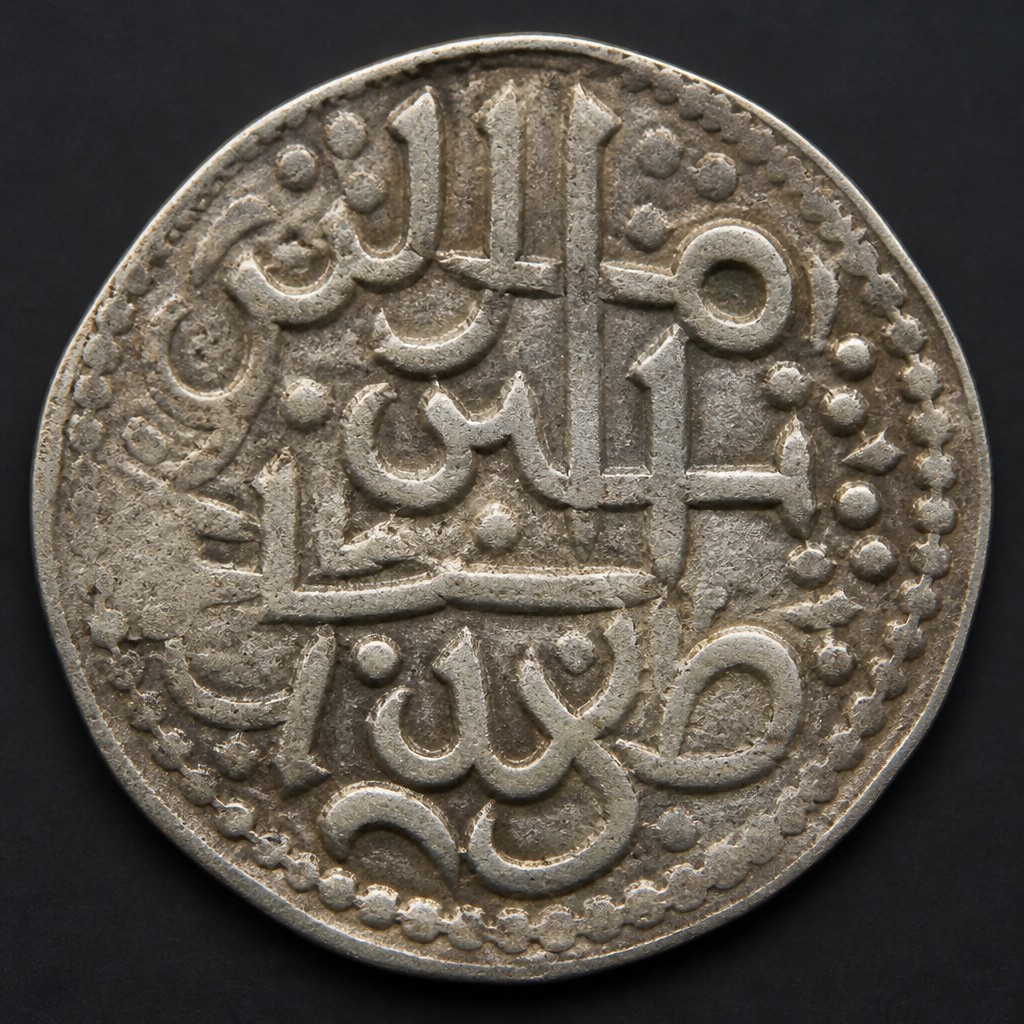
Ottoman Silver Akce
c. 14th–18th century
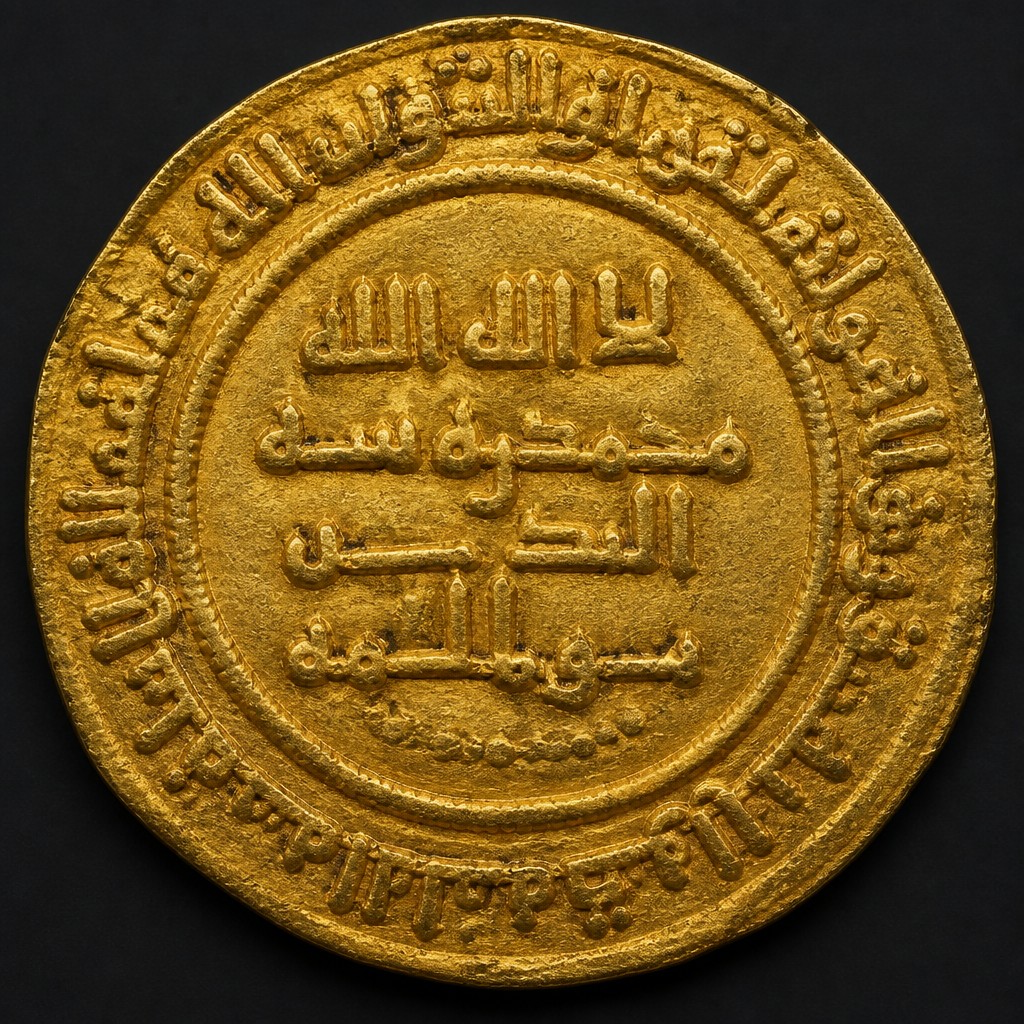
Ayyubid Dinar of Saladin
c. 1174–1193 AD (Saladin's reign); Ayyubid dynasty to c. 1250
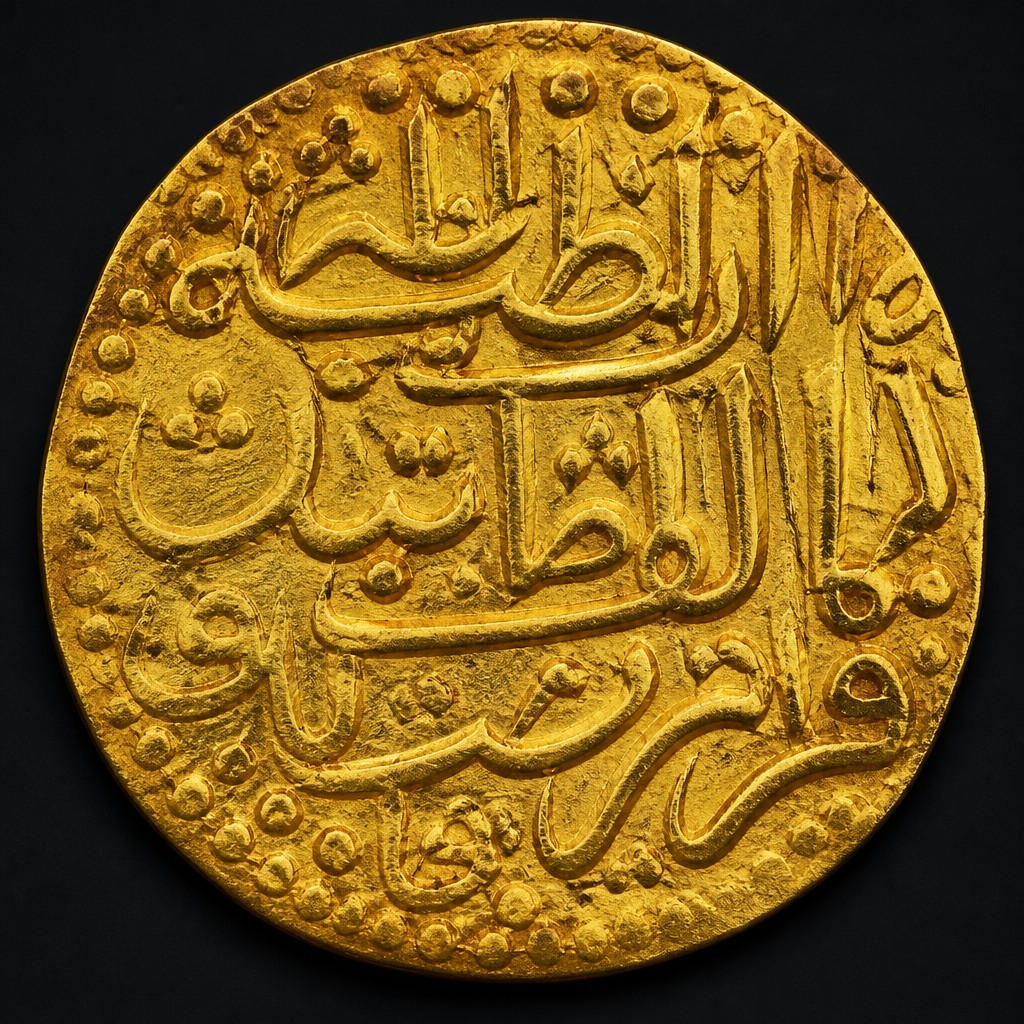
Ottoman Gold Sultani
c. 1478–17th century
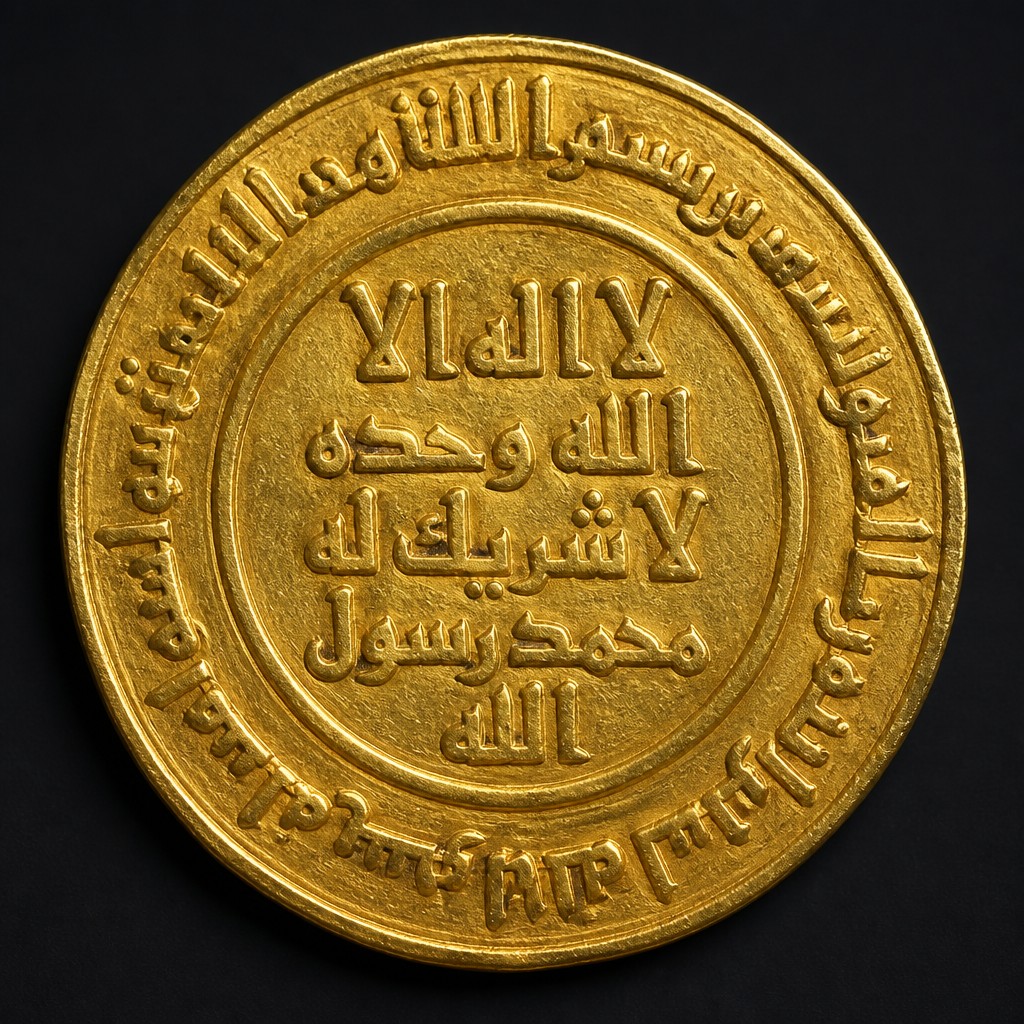
Abbasid Gold Dinar
c. 750–1258 AD
Fatimid Gold Dinar
c. 909–1171 AD