
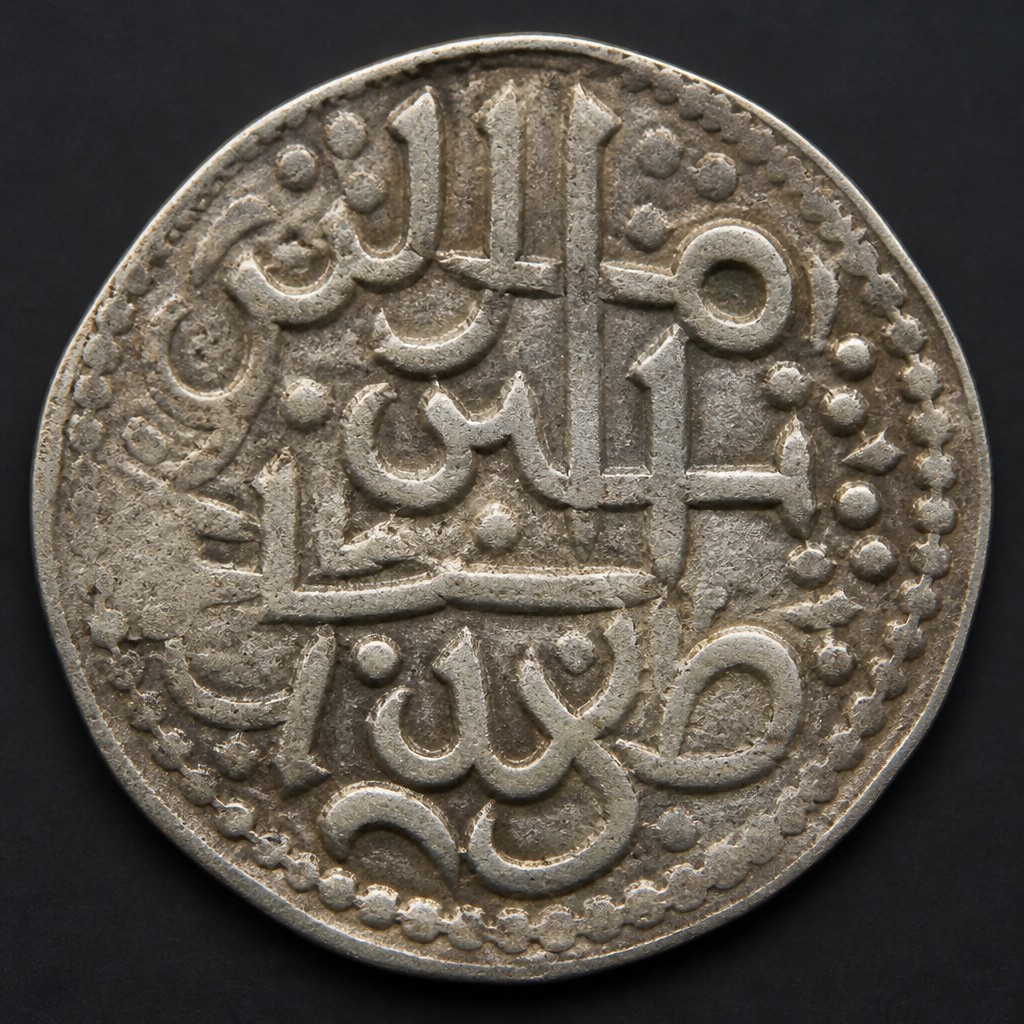
Ottoman Silver Akce
A tiny silver coin that served as the basic everyday currency unit of the Ottoman Empire for centuries, gradually shrinking in size and silver content as inflation took hold.
- Country
- Ottoman Empire
- Denomination
- Akce
- Metal
- Silver (debased in later issues)
Got a coin like this?
Identify any coin from a photo, free.
Overview
The akce was the workhorse small-change coin of Ottoman daily life for roughly four centuries, used for everyday transactions across an empire that spanned three continents. Its long production run and huge number of mints and sultans make it one of the more historically rich, if visually modest, Ottoman coin types.
For collectors, the akce offers an inexpensive and accessible entry point into Ottoman numismatics, with enough variety across sultans, mints, and time periods to support a lifetime of specialized collecting.
History & Background
The akce was introduced in the early Ottoman period as the standard small silver denomination for daily commerce, predating the empire's rise to a major world power. As the empire expanded from a regional Anatolian beylik into a vast multi-continental state, akce production spread to dozens of mints across the Balkans, Anatolia, the Middle East, and North Africa.
Over the sixteenth and especially seventeenth centuries, the akce suffered significant debasement and reduction in size as the empire faced fiscal pressures and inflation, a trend common to many pre-modern currencies under strain. By the eighteenth century, larger denominations such as the para and kurus had become more prominent in everyday circulation, and akce production and importance gradually declined.
How to Identify
The akce is notably small and thin, with later, more debased examples appearing pale or silvery-white and often quite tiny, sometimes as small as 8 to 12mm across. Both sides carry Arabic-script inscriptions naming the sultan, his titles, and the mint city along with the regnal accession year, following the same Islamic epigraphic convention used on Ottoman gold coinage.
Because akces were produced in enormous volume for everyday use, strikes are frequently off-center, weak, or only partially legible, which is typical for the type rather than a defect. Attribution to a specific sultan and mint depends on reading whatever portion of the inscription survives clearly.
Value & Collectibility
Akces are among the most affordable genuine historic coins available, with common types in typical worn condition often available for just a few dollars up to perhaps $20 to $30. Their sheer abundance, resulting from centuries of continuous mass production, keeps prices for ordinary examples low.
Earlier akces from the formative period of the empire, well-centered and clearly legible examples, or coins from unusual mints can bring meaningfully higher prices among specialists. For most collectors, the akce represents a low-cost way to own a genuine piece of Ottoman history.
Frequently asked questions
Why are akces so small?
The akce was designed as everyday small change, and later issues shrank further in size and silver content due to debasement and inflation.
Why is the design often hard to read?
High-volume production for daily use often resulted in off-center or weak strikes, so partial or unclear legends are common rather than unusual.
What replaced the akce in later Ottoman commerce?
By the eighteenth century larger denominations such as the para and kurus became more prominent in everyday Ottoman circulation.
Are akces valuable?
Most common akces are quite inexpensive due to their abundance, though early, rare, or exceptionally well-preserved examples can be worth more.
How do I identify the sultan and mint?
Legible portions of the Arabic inscription name the sultan and mint city, which can be cross-referenced with Ottoman numismatic references.
Other coins you may enjoy
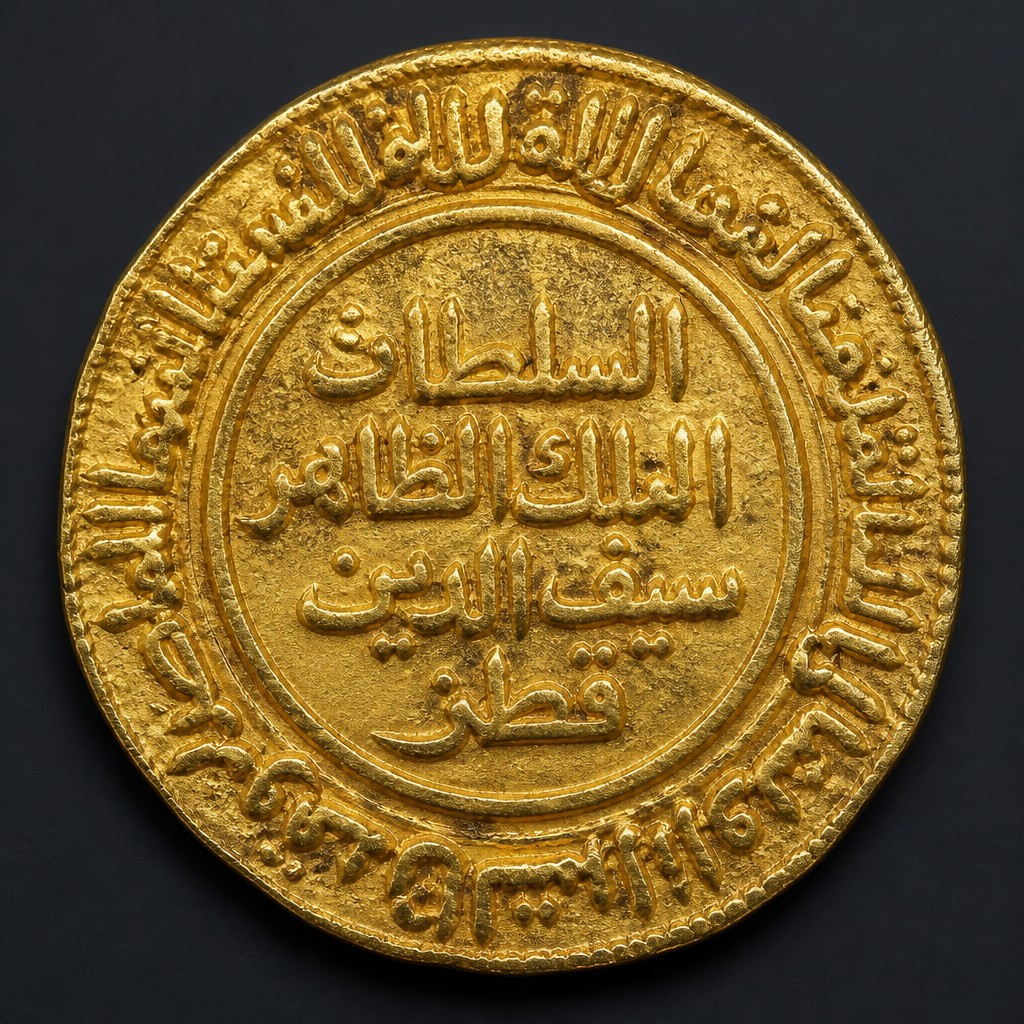
Mamluk Gold Dinar
c. 1250–1517 AD
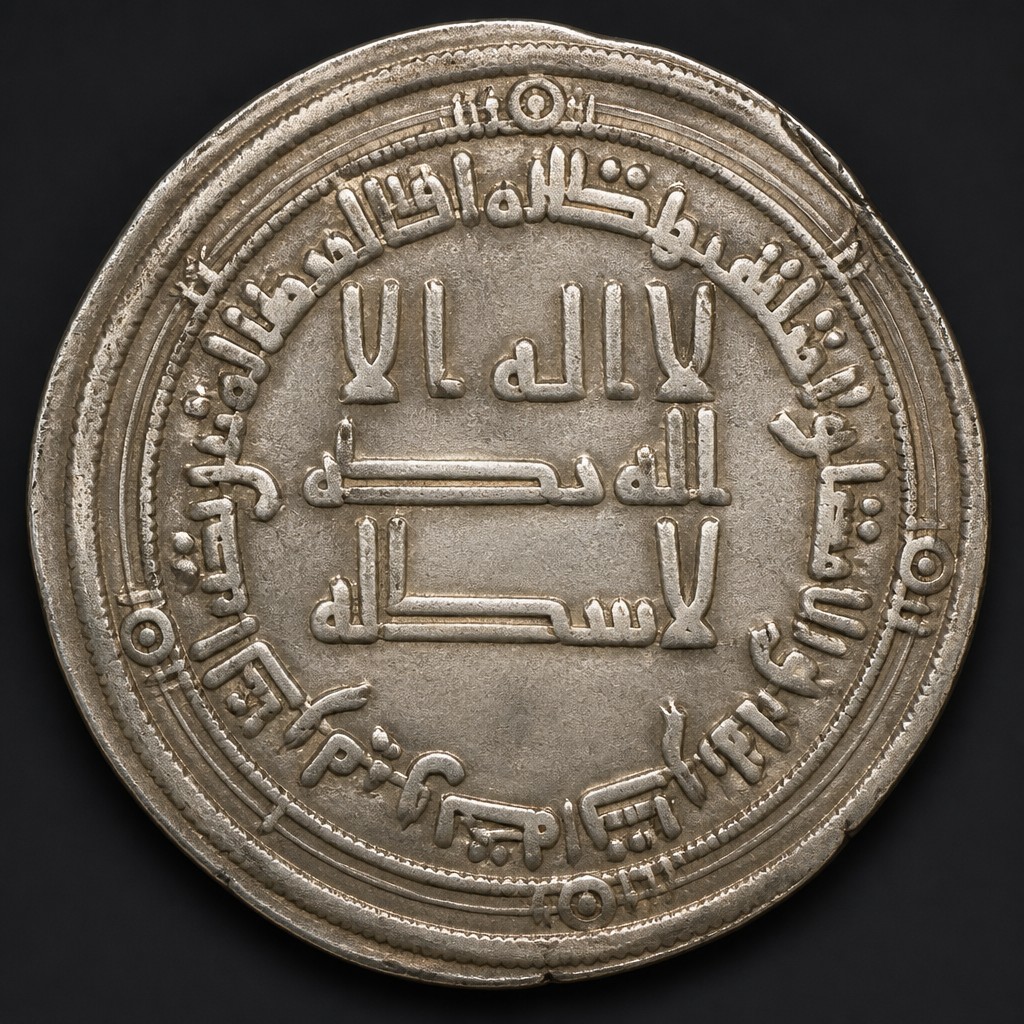
Umayyad Silver Dirham
c. 696–750 AD (post-reform issues)
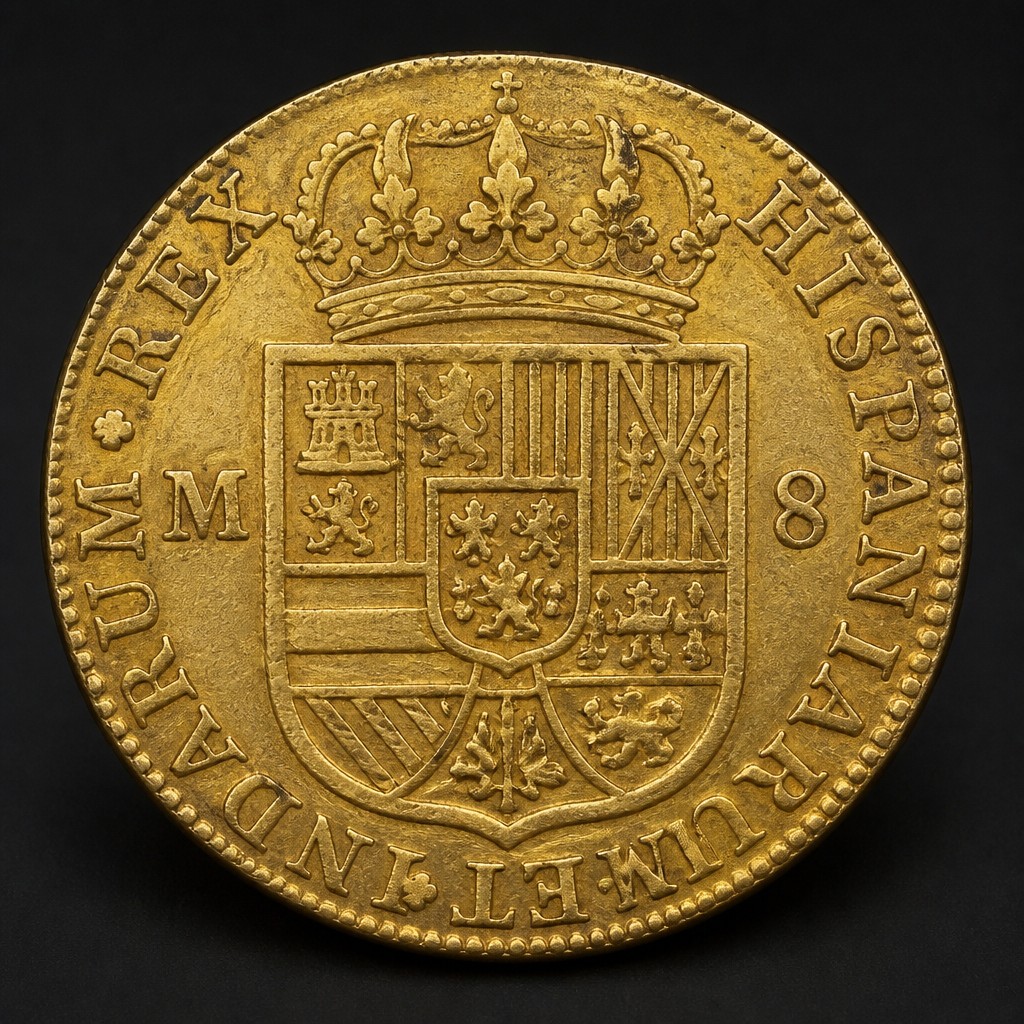
Spanish Gold Doubloon
c. 1537–1800s
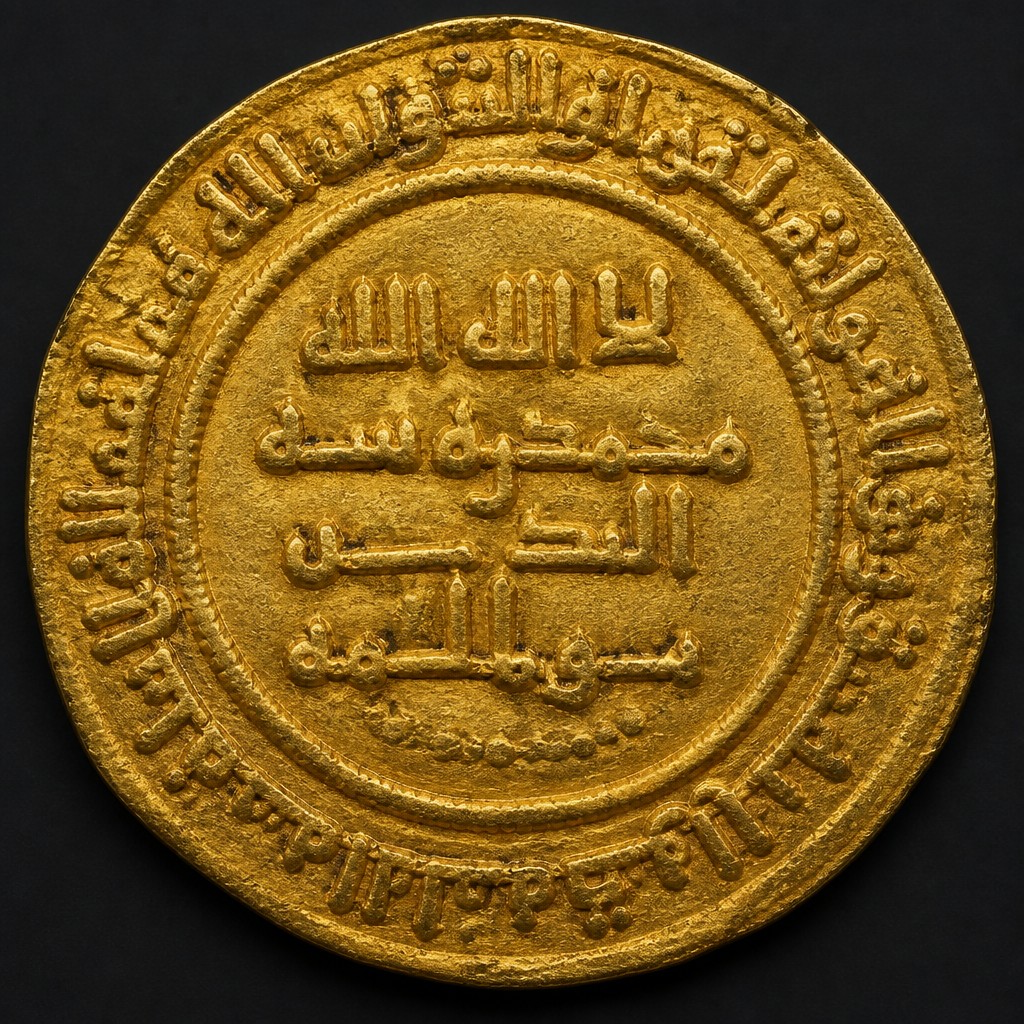
Ayyubid Dinar of Saladin
c. 1174–1193 AD (Saladin's reign); Ayyubid dynasty to c. 1250
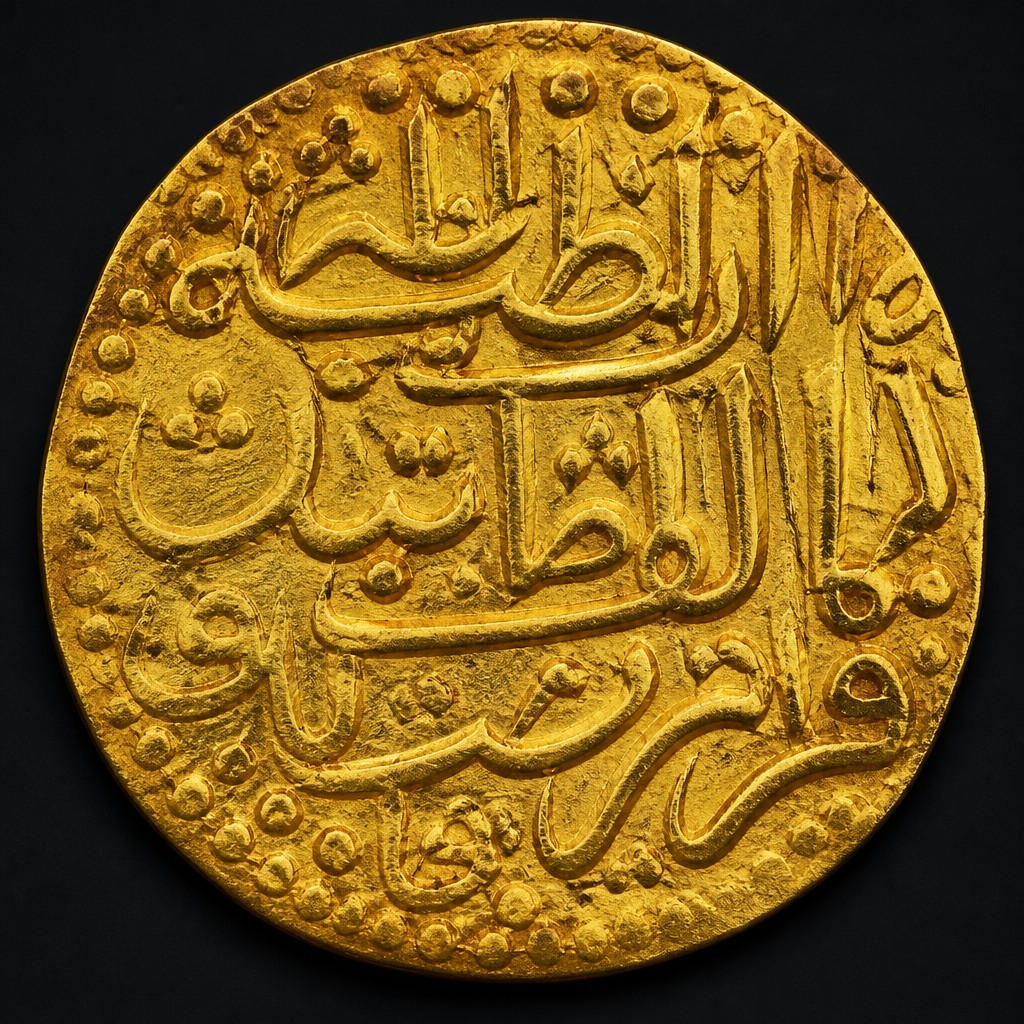
Ottoman Gold Sultani
c. 1478–17th century
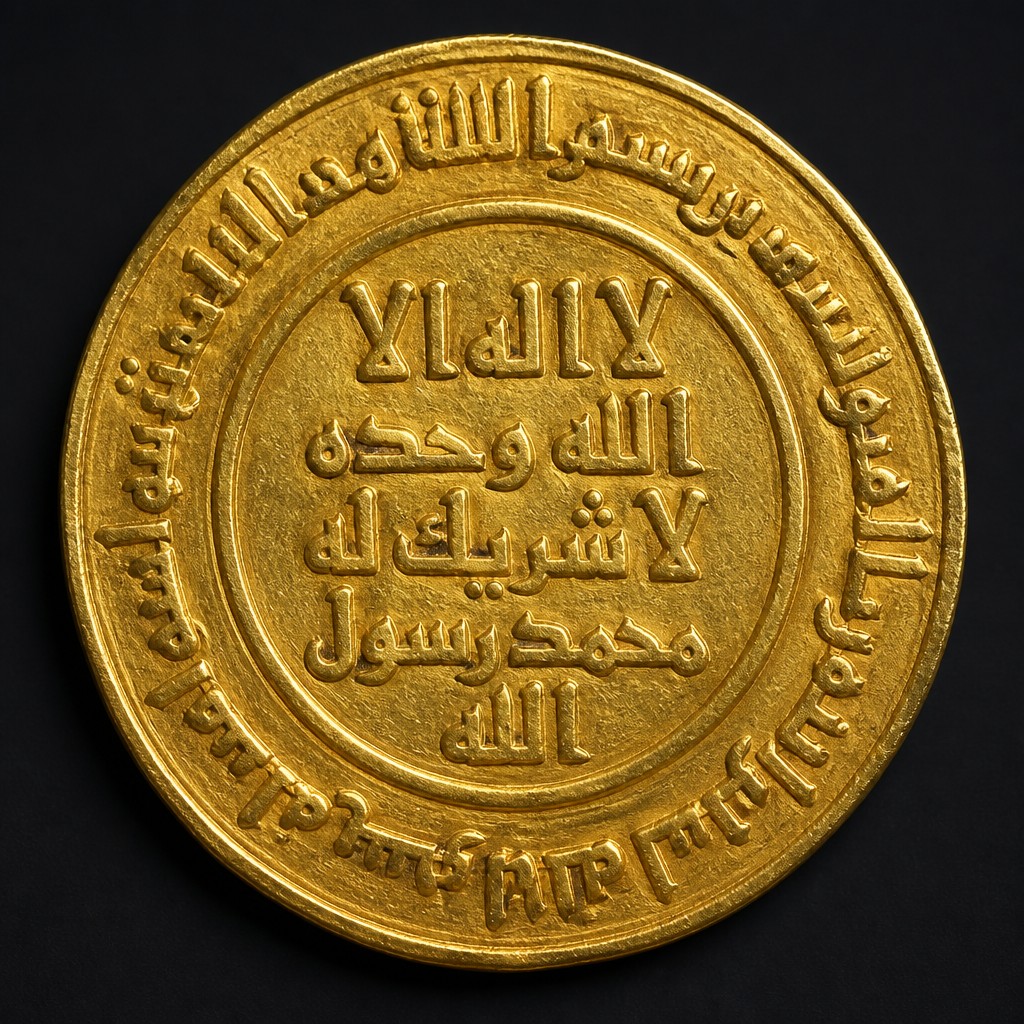
Abbasid Gold Dinar
c. 750–1258 AD
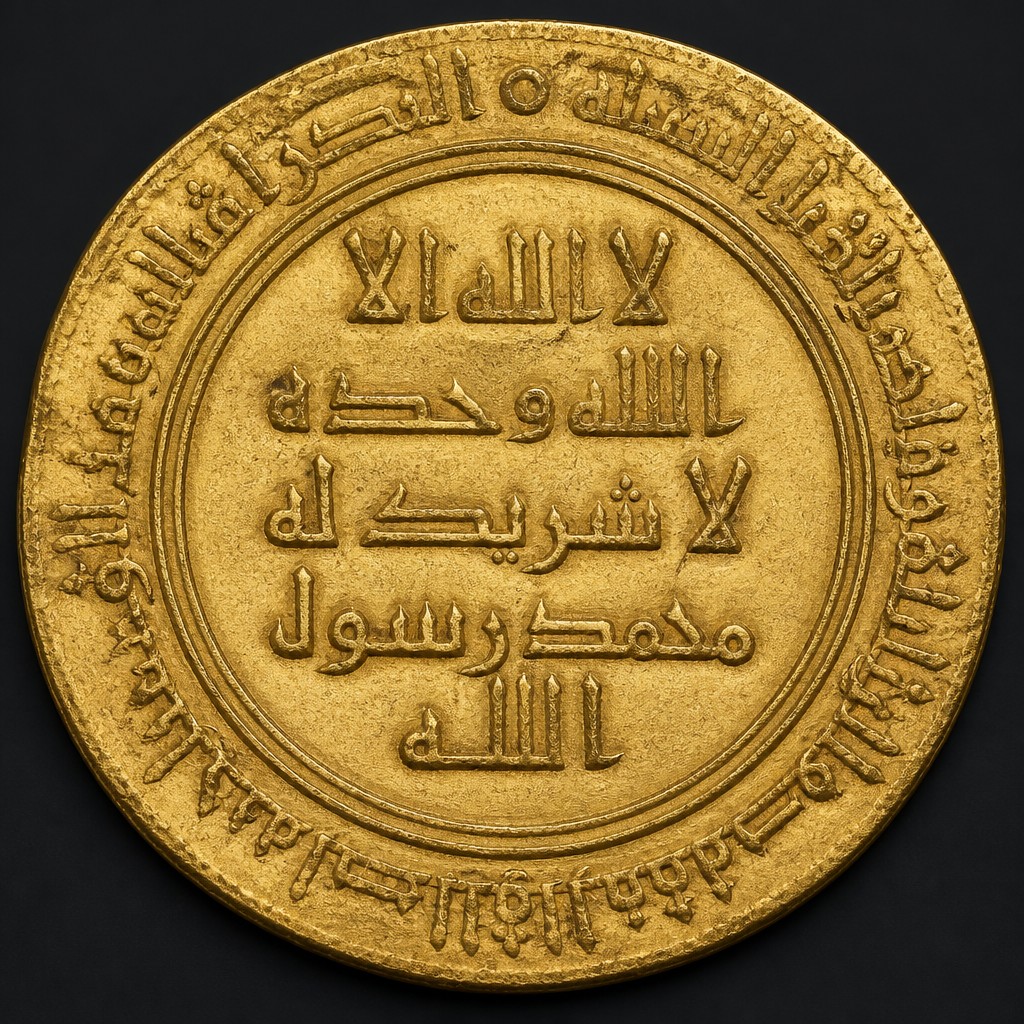
Fatimid Gold Dinar
c. 909–1171 AD
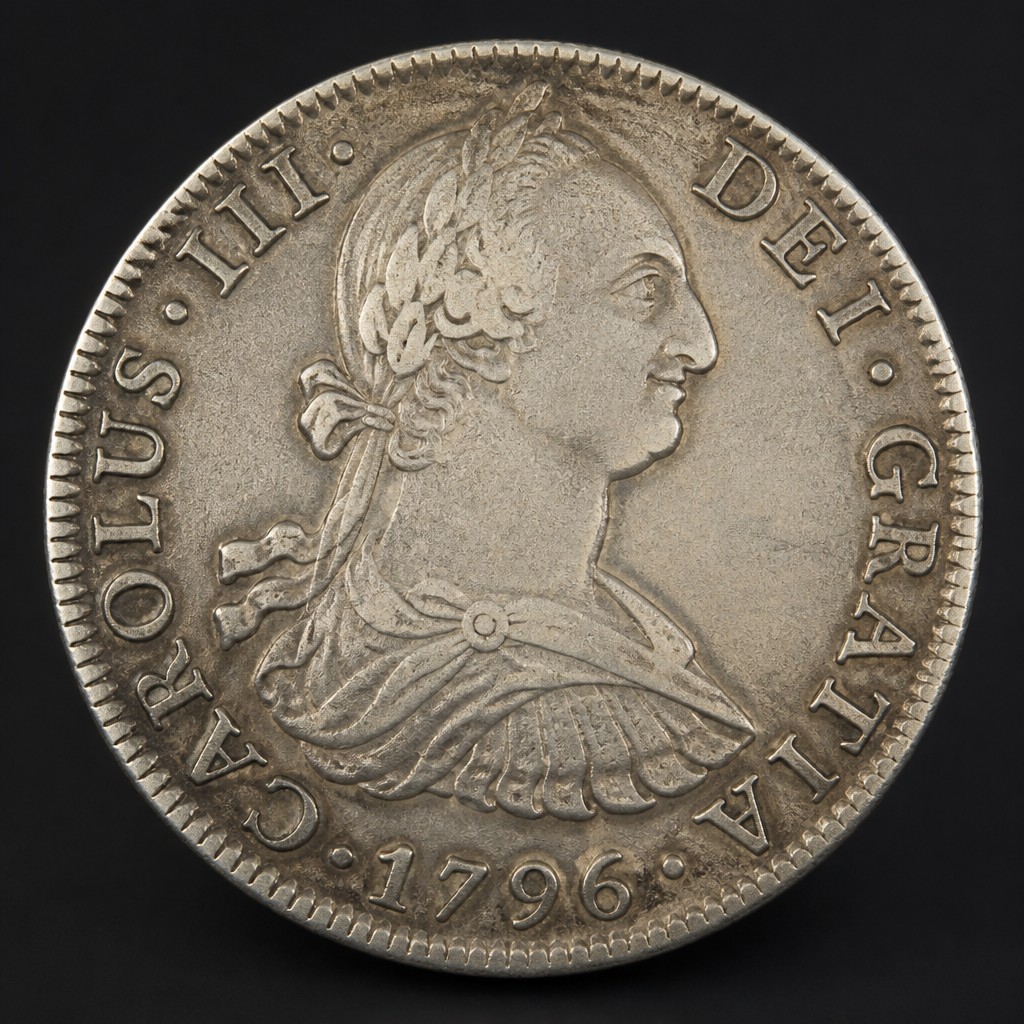
Spanish 8 Reales (Piece of Eight)
c. 1497–1800s