
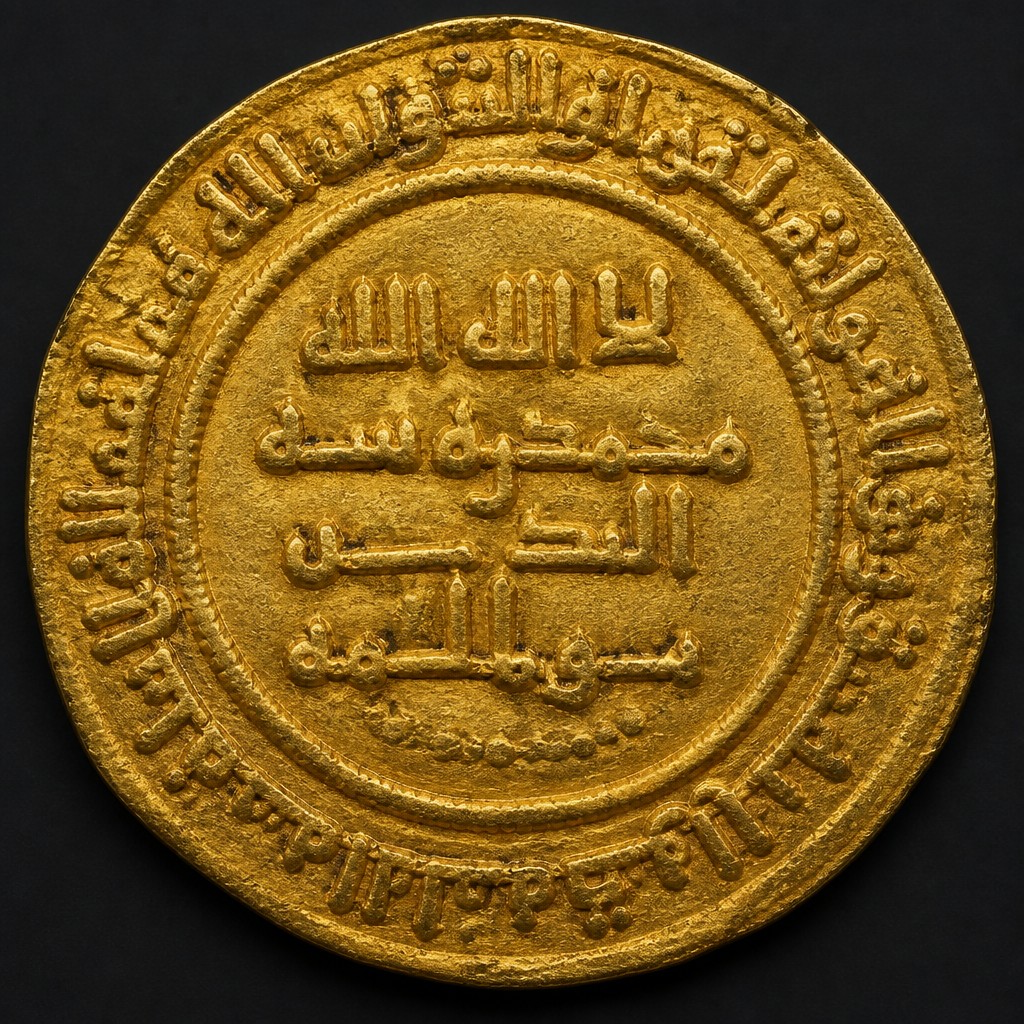
Ayyubid Dinar of Saladin
A gold dinar struck under Salah al-Din (Saladin), founder of the Ayyubid dynasty famed for recapturing Jerusalem, continuing the Islamic tradition of purely inscriptional coinage.
- Country
- Ayyubid Sultanate
- Denomination
- Dinar
- Metal
- Gold
Got a coin like this?
Identify any coin from a photo, free.
Overview
Dinars struck in the name of Salah al-Din, known in the West as Saladin, hold a special appeal for collectors because of his fame as the Muslim leader who reunited Egypt and Syria and recaptured Jerusalem from the Crusaders in 1187. As with other classical Islamic gold, the coin's design is purely text-based rather than pictorial.
Beyond their historical resonance, these dinars represent the transition from Fatimid Shia rule back to Sunni Abbasid religious allegiance in Egypt, making them significant markers of a major turning point in medieval Middle Eastern history.
History & Background
Salah al-Din rose to power as a vizier under the last Fatimid caliphs before abolishing Fatimid rule in Egypt in 1171 and restoring recognition of the Sunni Abbasid caliph as nominal religious authority. He founded the Ayyubid dynasty, which he expanded into Syria and used as a base to campaign against the Crusader states, most famously retaking Jerusalem after the Battle of Hattin in 1187.
Gold dinars were struck in his name at mints across his growing territories in Egypt and Syria throughout his reign. After his death in 1193, the Ayyubid dynasty continued under his relatives and successors until it was gradually supplanted by the Mamluk sultanate around the middle of the thirteenth century.
How to Identify
Like other classical Islamic dinars, coins of Saladin are entirely inscriptional, arranged in concentric bands of Arabic script with no human or animal imagery. The field typically names Salah al-Din along with his royal titles, such as "al-Malik al-Nasir" (the Victorious King).
Because Saladin maintained Sunni religious legitimacy, his dinars generally also acknowledge the reigning Abbasid caliph in Baghdad as ultimate religious overlord, a detail that helps distinguish Ayyubid coinage from the earlier Shia Fatimid dinars it replaced. Mint name and Hijri date appear in the margin, and the flan is thin gold typical of the era's dinar weight standard.
Value & Collectibility
Dinars that can be clearly attributed to Saladin himself, rather than to his less famous Ayyubid successors, tend to attract a meaningful premium among collectors due to his historical prominence. Prices vary widely from a few hundred dollars for modest, worn examples to well over a thousand dollars for well-struck, clearly attributed, and well-preserved pieces.
Legibility of his name and title in the inscription is the single most important factor in both attribution and value. As always with historically famous names on ancient and medieval coins, buyers should be attentive to correct attribution, since generic Ayyubid dinars of later, lesser-known sultans are considerably less costly.
Frequently asked questions
Does this coin show a portrait of Saladin?
No, in keeping with Islamic aniconic tradition the coin bears only Arabic inscriptions naming him and his titles, not an image.
Why are Saladin's dinars more desirable than other Ayyubid coins?
His fame as the leader who reunited Egypt and Syria and recaptured Jerusalem from the Crusaders drives strong collector interest in coins that can be clearly attributed to his reign.
How can I confirm a dinar is really from Saladin's reign?
Legible inscription of his name and title, along with a mint and date consistent with his reign (roughly 1174-1193), is needed for confident attribution.
What replaced the Ayyubid dynasty?
The Mamluk sultanate gradually succeeded the Ayyubids in Egypt and Syria around the mid-thirteenth century.
Why does the coin mention the Abbasid caliph?
Saladin restored recognition of Sunni Abbasid religious authority after ending Fatimid rule, and this acknowledgment is often reflected in his coin inscriptions.
Other coins you may enjoy
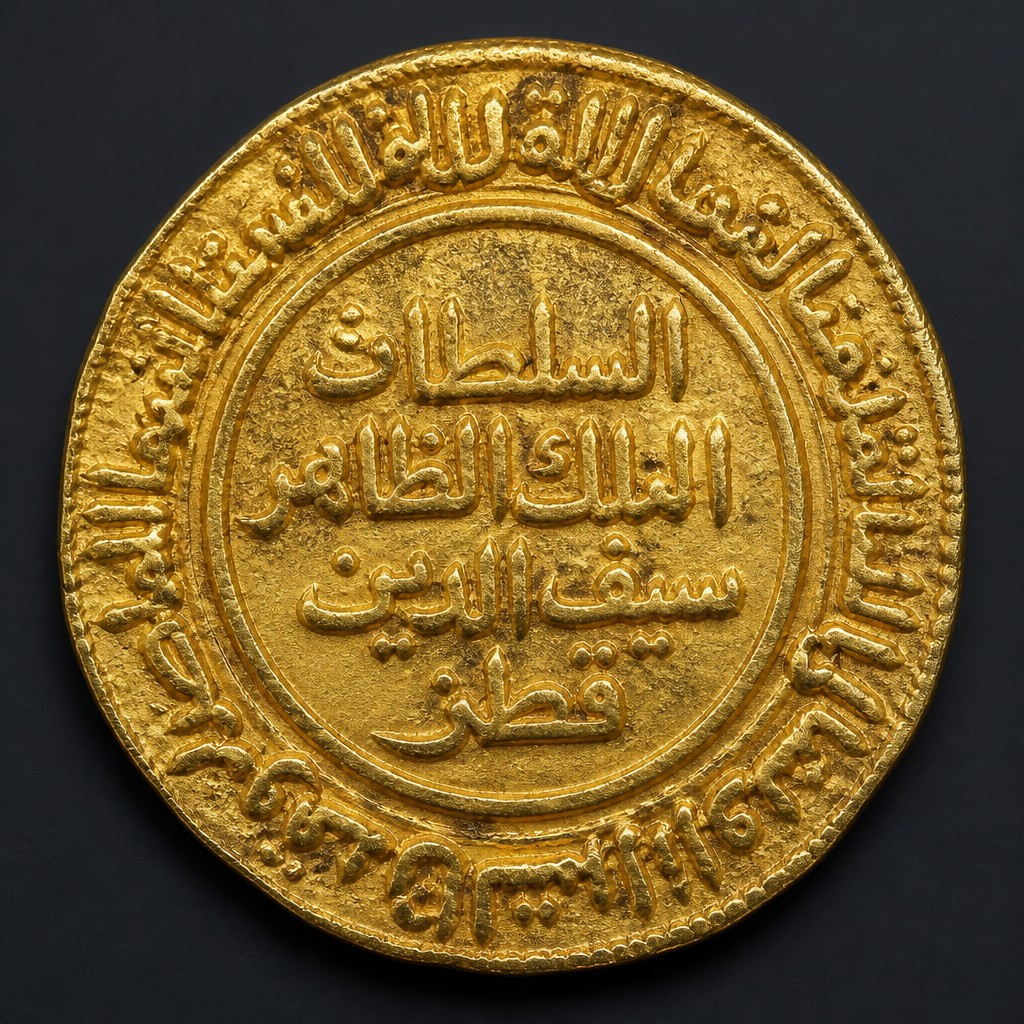
Mamluk Gold Dinar
c. 1250–1517 AD
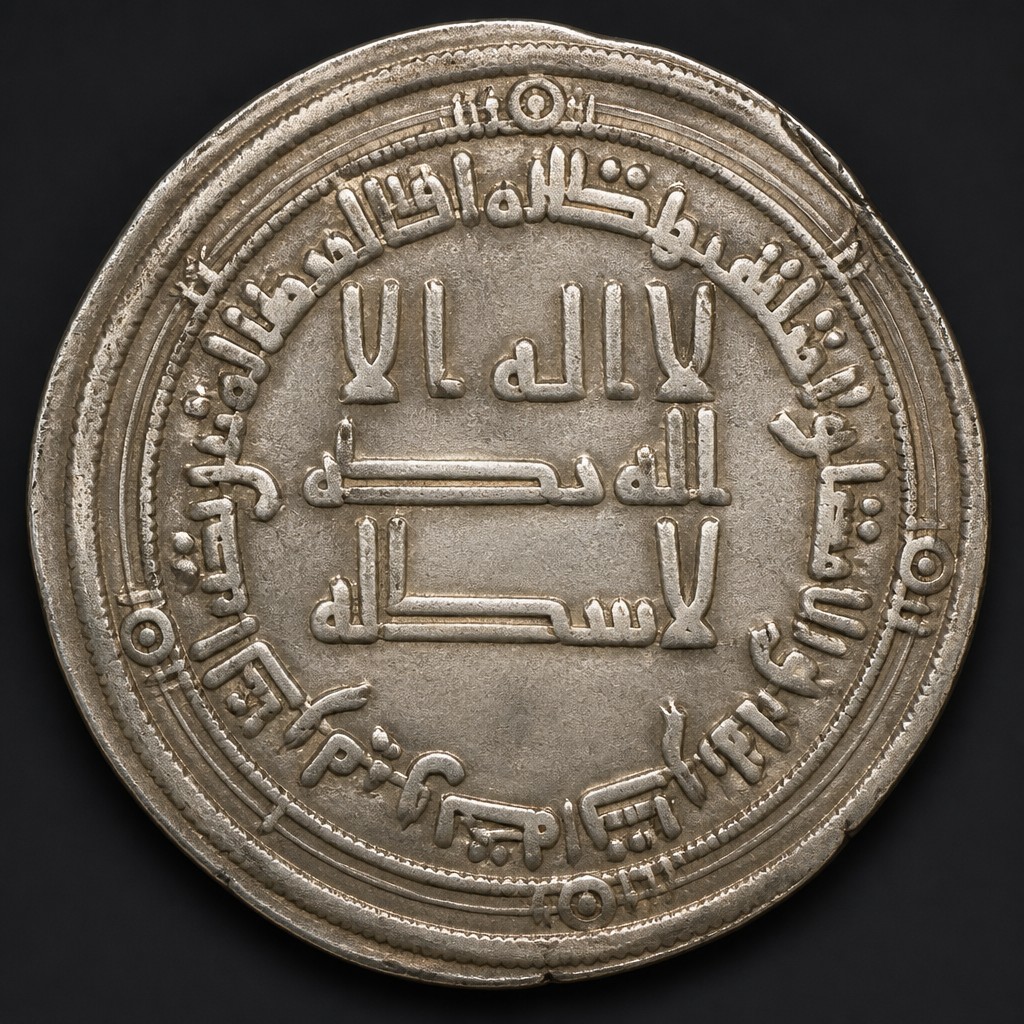
Umayyad Silver Dirham
c. 696–750 AD (post-reform issues)
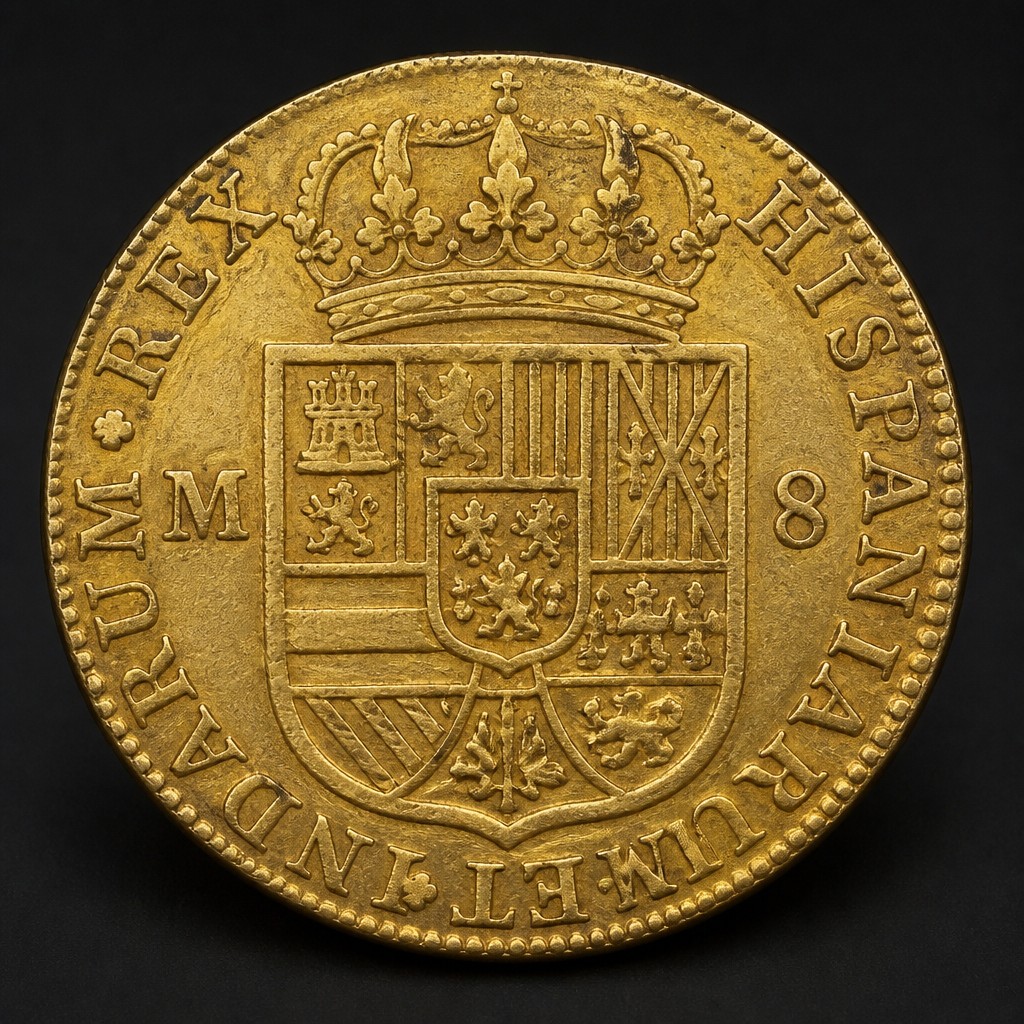
Spanish Gold Doubloon
c. 1537–1800s
Ottoman Silver Akce
c. 14th–18th century
Ottoman Gold Sultani
c. 1478–17th century
Abbasid Gold Dinar
c. 750–1258 AD
Fatimid Gold Dinar
c. 909–1171 AD
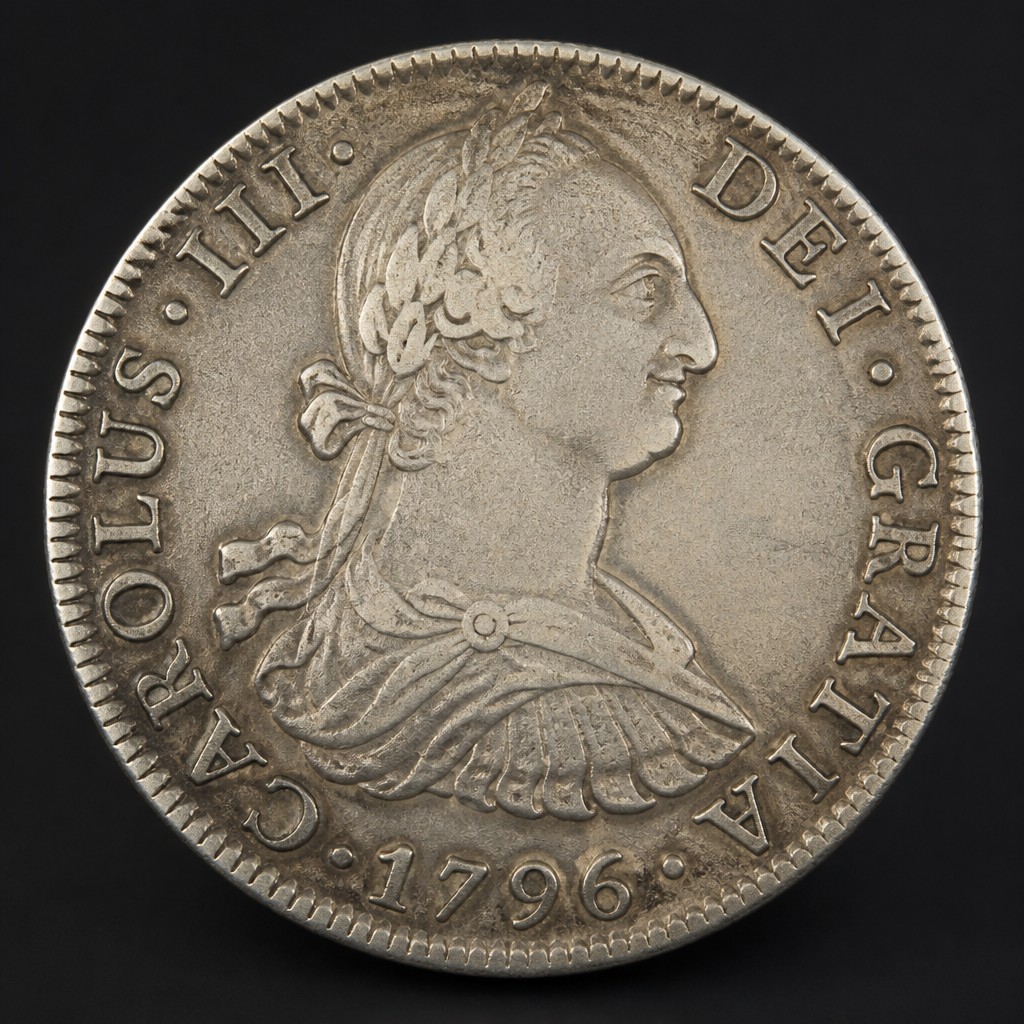
Spanish 8 Reales (Piece of Eight)
c. 1497–1800s