
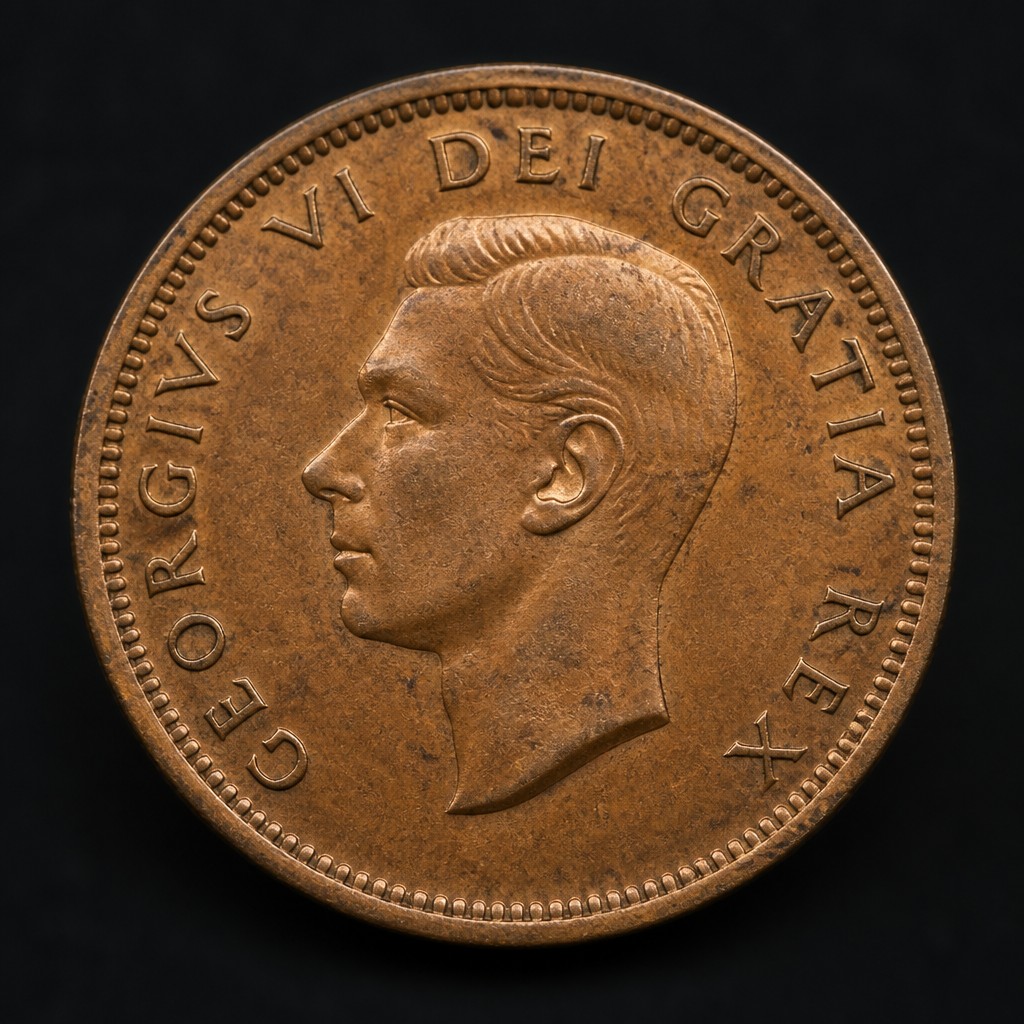
George VI Small Cent (Maple Twig)
Canada's bronze one-cent coin issued under King George VI, featuring two maple leaves on a twig, a design that helped modernize Canadian coinage in the late 1930s.
- Country
- Canada
- Denomination
- One Cent
- Metal
- Bronze (95.5% copper, 3% tin, 1.5% zinc)
Got a coin like this?
Identify any coin from a photo, free.
Overview
The George VI Small Cent introduced a fresh reverse design for Canada's smallest coin: two maple leaves joined on a single twig, an image intended to feel distinctly Canadian rather than a straightforward copy of British coinage conventions. It replaced the earlier Victorian and Edwardian-era leaf motifs used since decimalization.
Collectors value the series both for its accessible, affordable common dates and for a few pieces struck under unusual wartime and immediate post-war conditions that add interest to an otherwise inexpensive series to collect by date and mint state.
History & Background
In 1937, as part of a broader overhaul of Canadian coin designs coinciding with the accession of George VI, the Royal Canadian Mint commissioned new reverse designs across denominations. English sculptor and medalist George Kruger Gray designed several of these new reverses, including the maple twig motif used on the cent.
The coin was struck throughout George VI's reign, spanning the Second World War and its aftermath, a period during which other Canadian denominations experienced temporary composition changes due to metal shortages, though the cent largely retained its traditional bronze alloy.
Production continued until 1952, the year before Elizabeth II's portrait began appearing on Canadian coinage following George VI's death in February of that year.
How to Identify
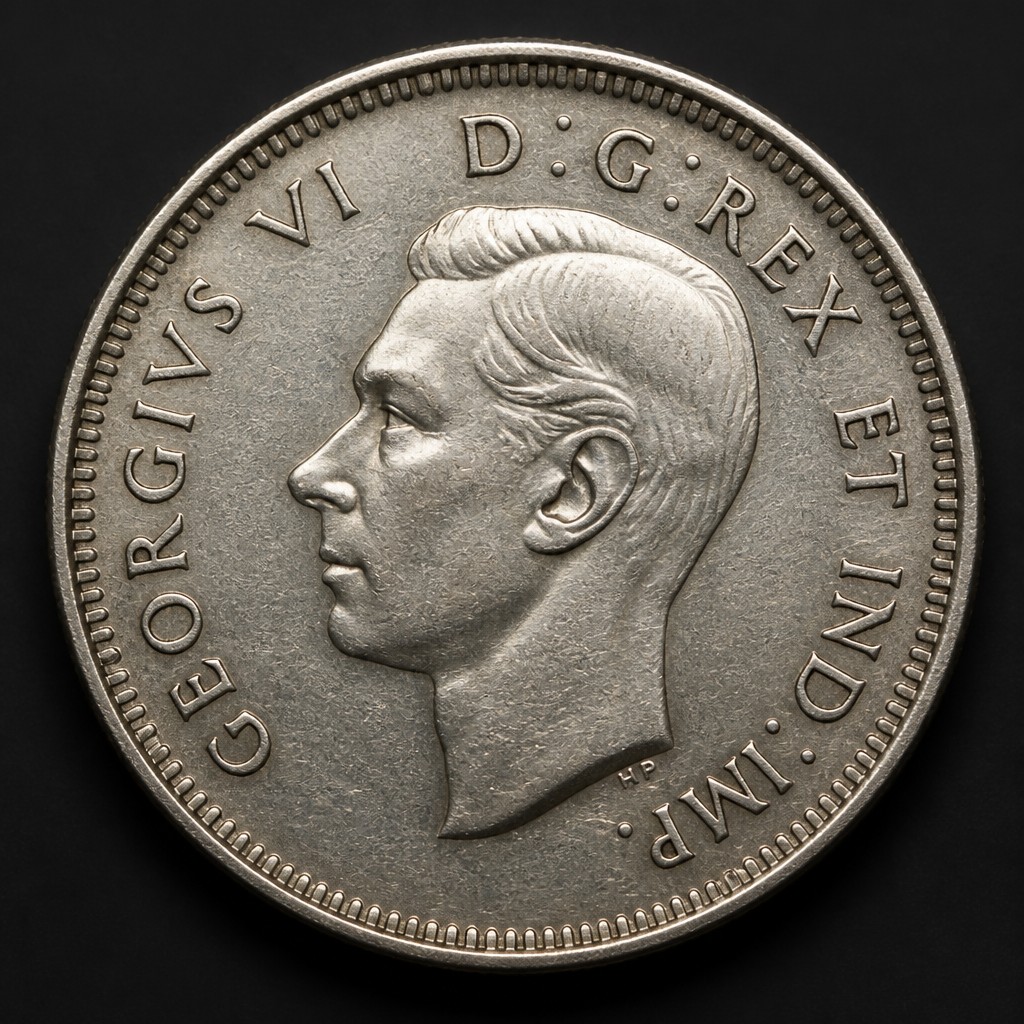
The obverse depicts a mature, uncrowned effigy of King George VI facing left, with the legend GEORGIVS VI DEI GRATIA REX ET INDIAE IMPERATOR (with a shortened version used after India's independence in 1947, dropping the imperial title). The reverse shows two small maple leaves joined at a twig, with CANADA above and the denomination and date below.
The coin is small and thin compared to a modern penny-sized piece, struck in bronze with a plain edge. Mint marks are not used on Canadian cents of this era, as all were produced at the Ottawa mint.
Collectors distinguish this series from the later Elizabeth II maple twig cents (which continued a very similar reverse design after 1953) primarily by the obverse portrait and the reigning monarch's legend.
Value & Collectibility
Most dates in this series are common in circulated grades and are inexpensive, making it a popular series for beginning collectors to complete by date. Uncirculated, well-struck examples with strong red-bronze luster command a premium over typical brown or worn pieces.
A small number of pieces, including certain wartime-era dates and a scarce 1947 variety with a tiny maple leaf added near the date to mark a delay in a die change from India's independence, are more sought after and carry higher premiums than the ordinary run of the series.
Frequently asked questions
Who designed the maple twig reverse?
English sculptor George Kruger Gray designed the two-maple-leaves-on-a-twig reverse introduced in 1937.
What metal is the George VI cent made of?
It is bronze, an alloy of mostly copper with small amounts of tin and zinc.
Why do some 1947 cents have an extra maple leaf near the date?
A small maple leaf was added to mark coins struck in 1948 with leftover 1947 dies while India's independence delayed a legend change on the obverse.
Are George VI cents rare?
Most dates are common and affordable; only a handful of specific varieties are genuinely scarce.
How can I tell a George VI cent from an Elizabeth II cent?
Compare the obverse portrait and legend; the reverse maple twig design looks very similar across both reigns.
Other coins you may enjoy
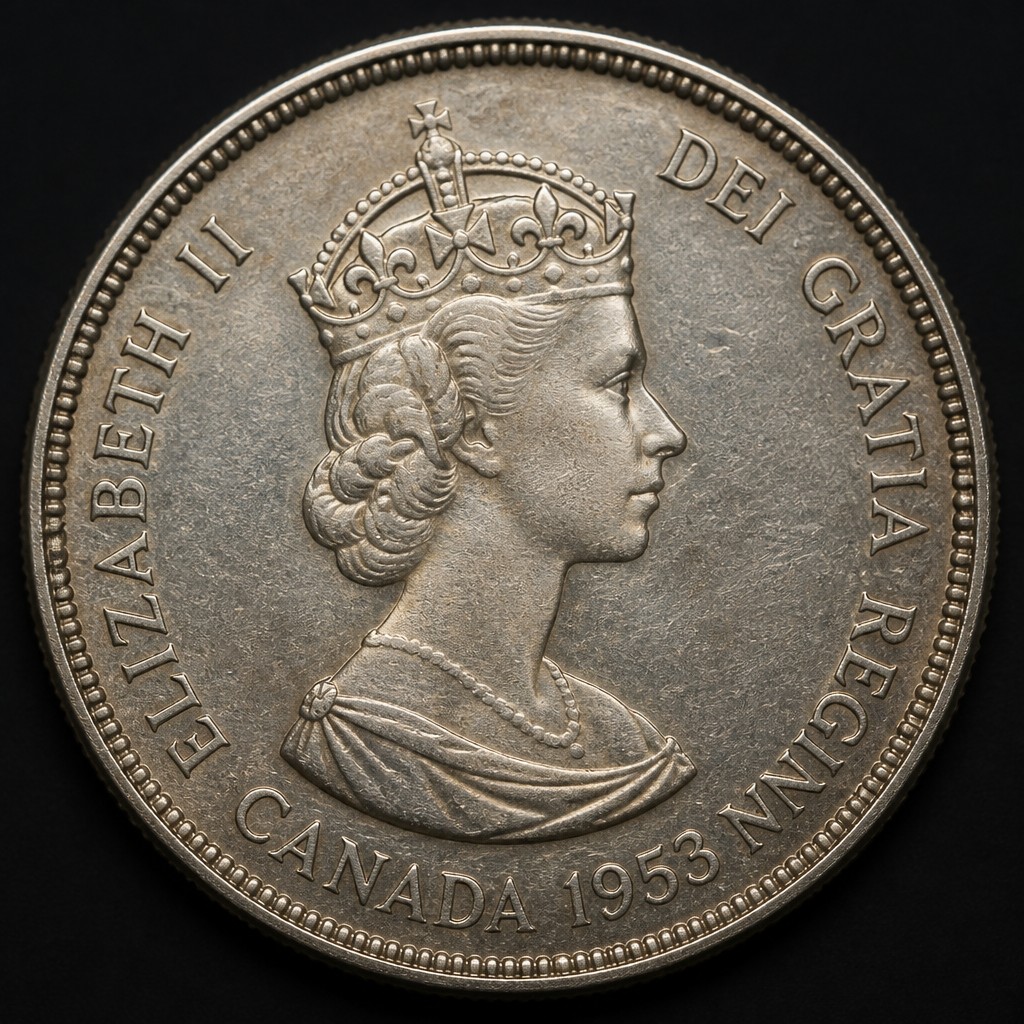
1953 Coronation Voyageur Dollar
1953
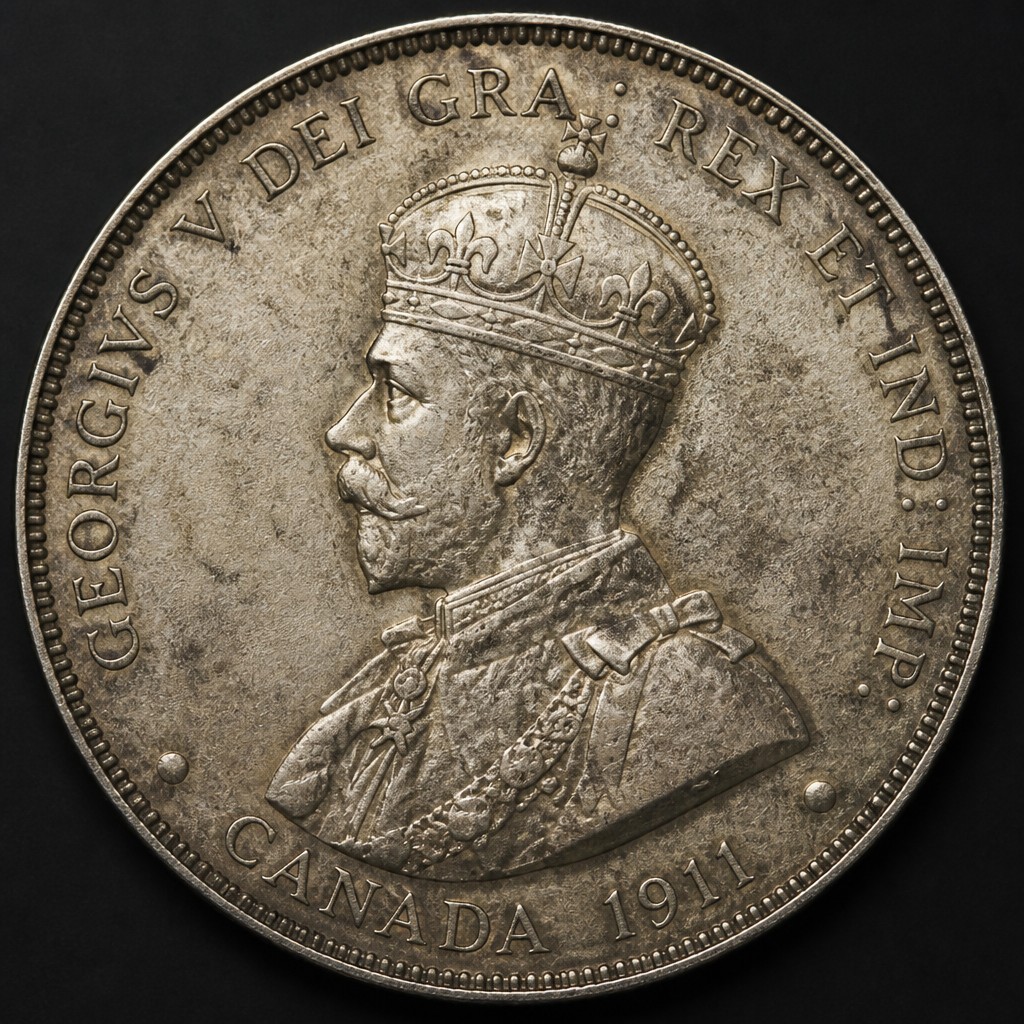
1911 Canadian Silver Dollar (Pattern)
1911
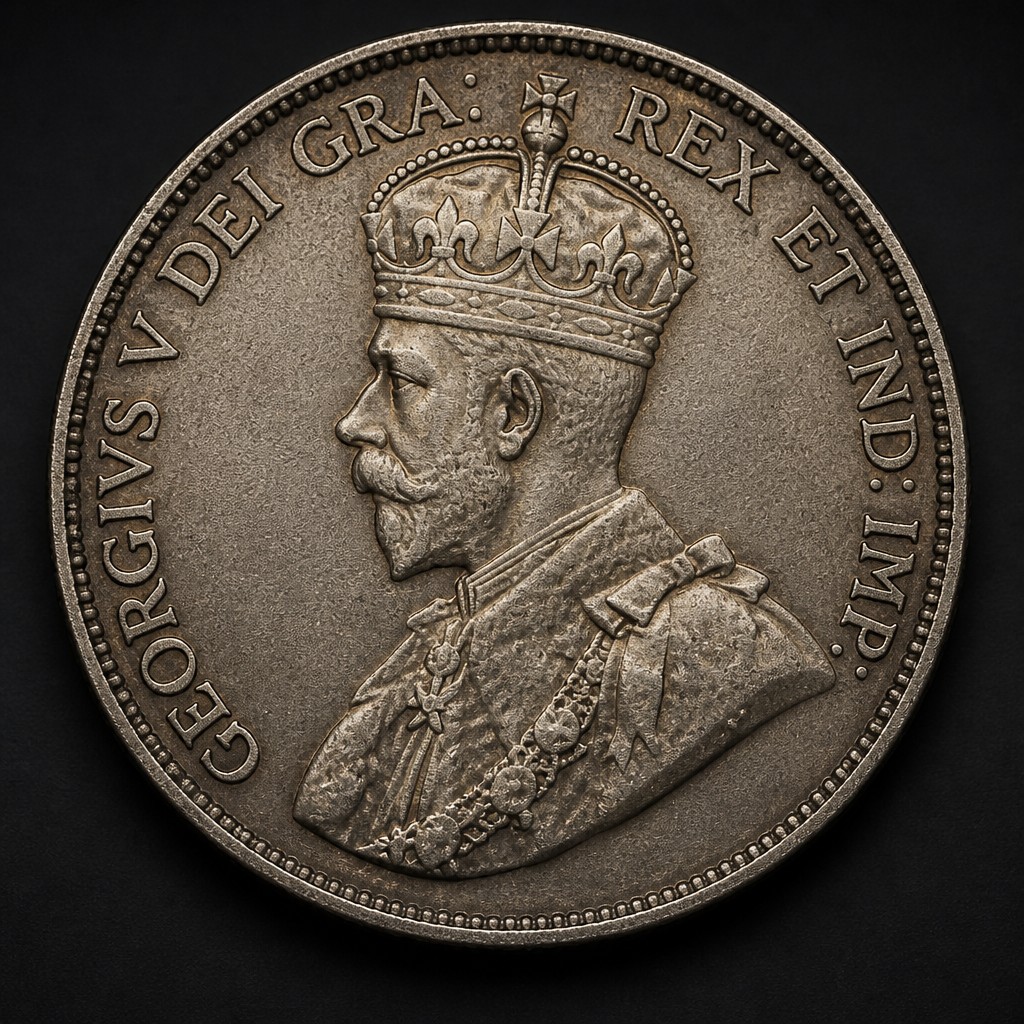
George V Twenty-Five Cents (silver)
1911–1936
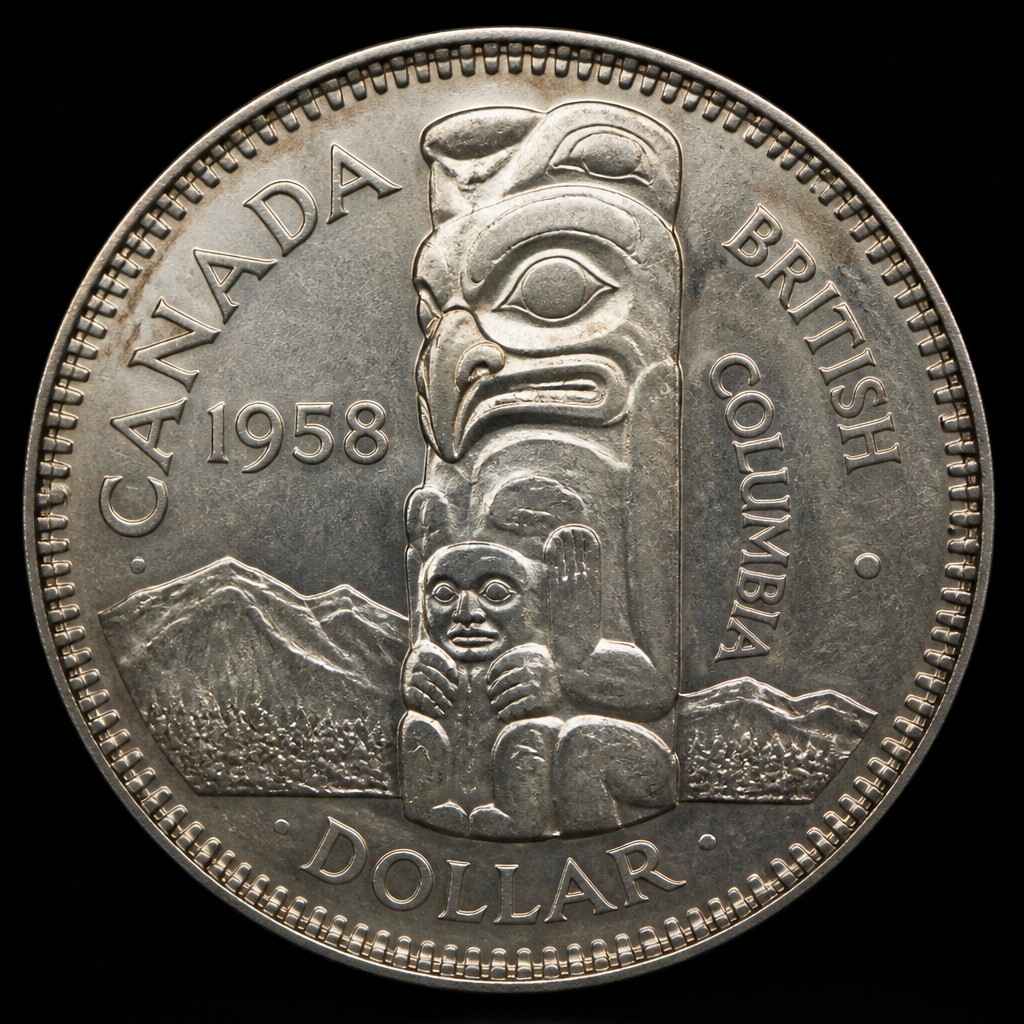
1958 British Columbia Totem Pole Dollar
1958
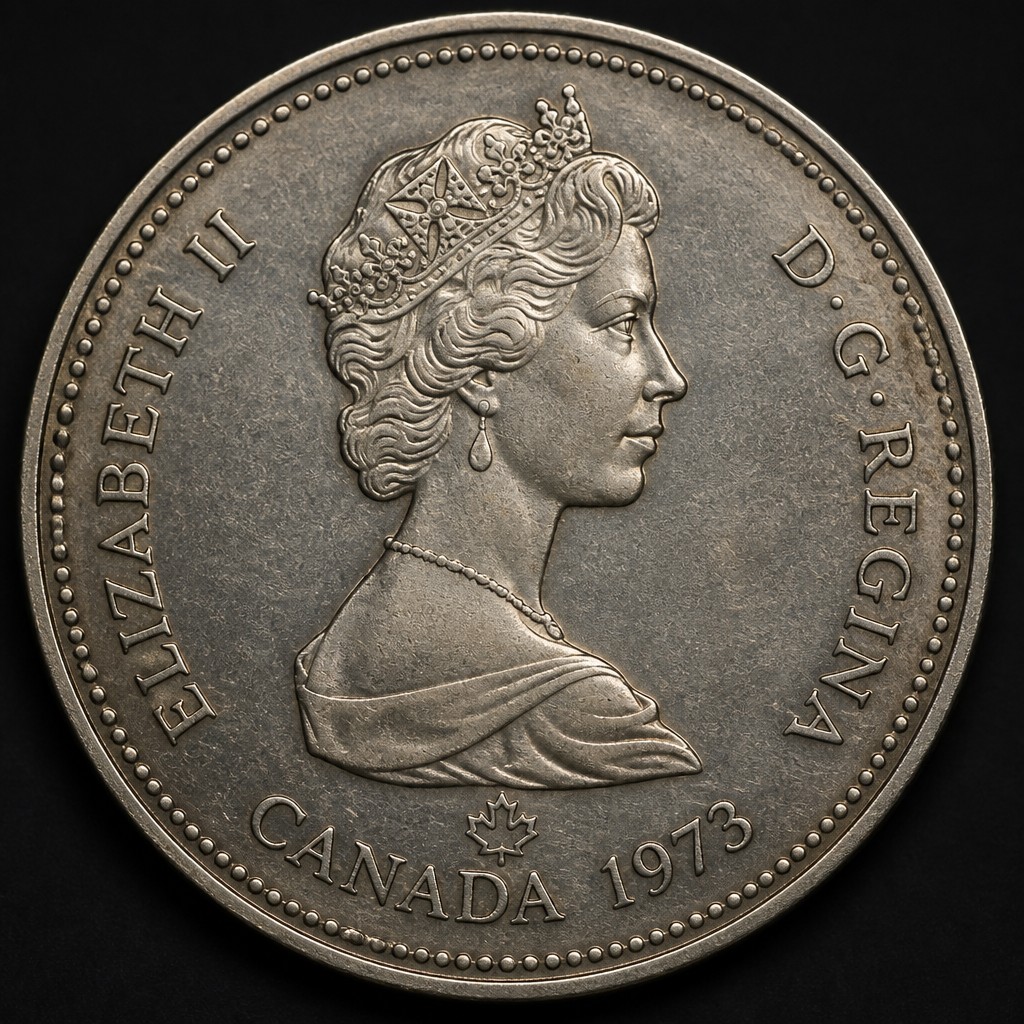
1973 RCMP Centennial Dollar
1973
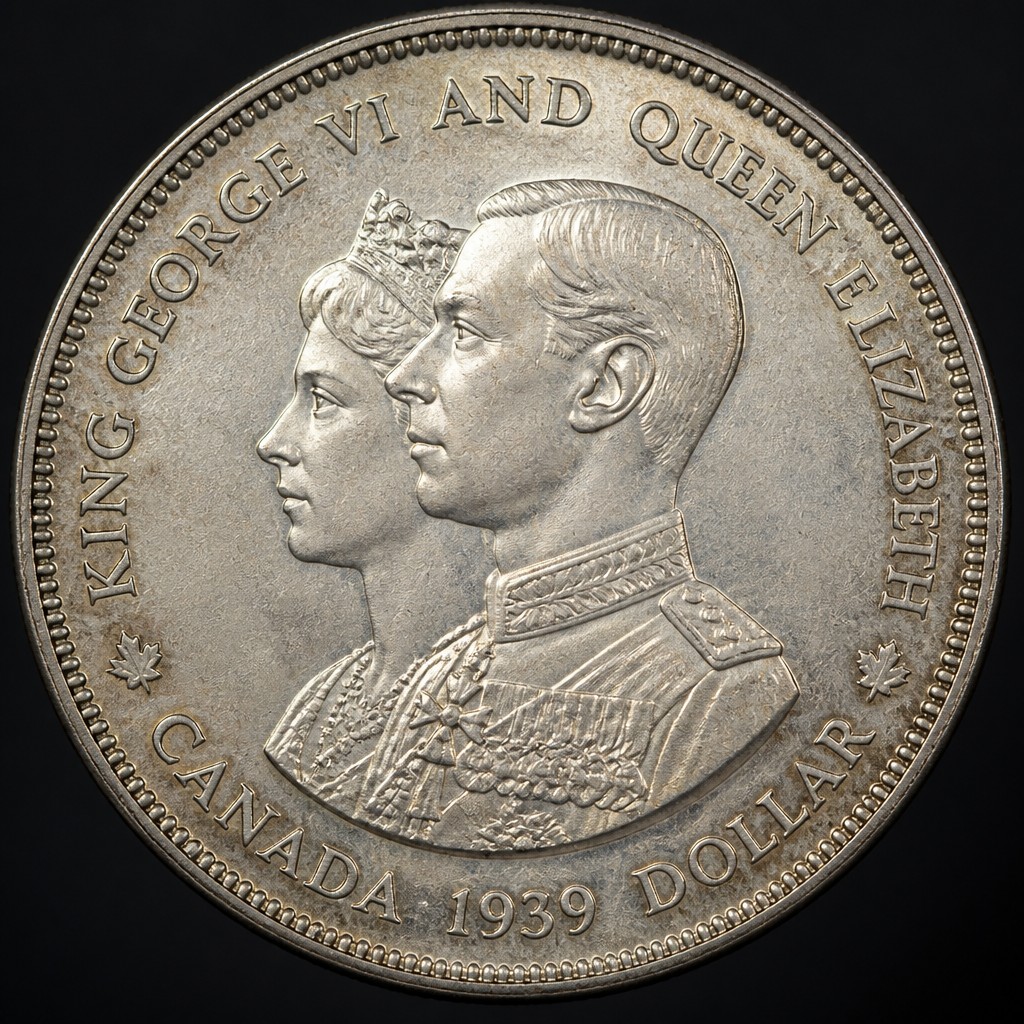
1939 Royal Visit Silver Dollar (Parliament)
1939
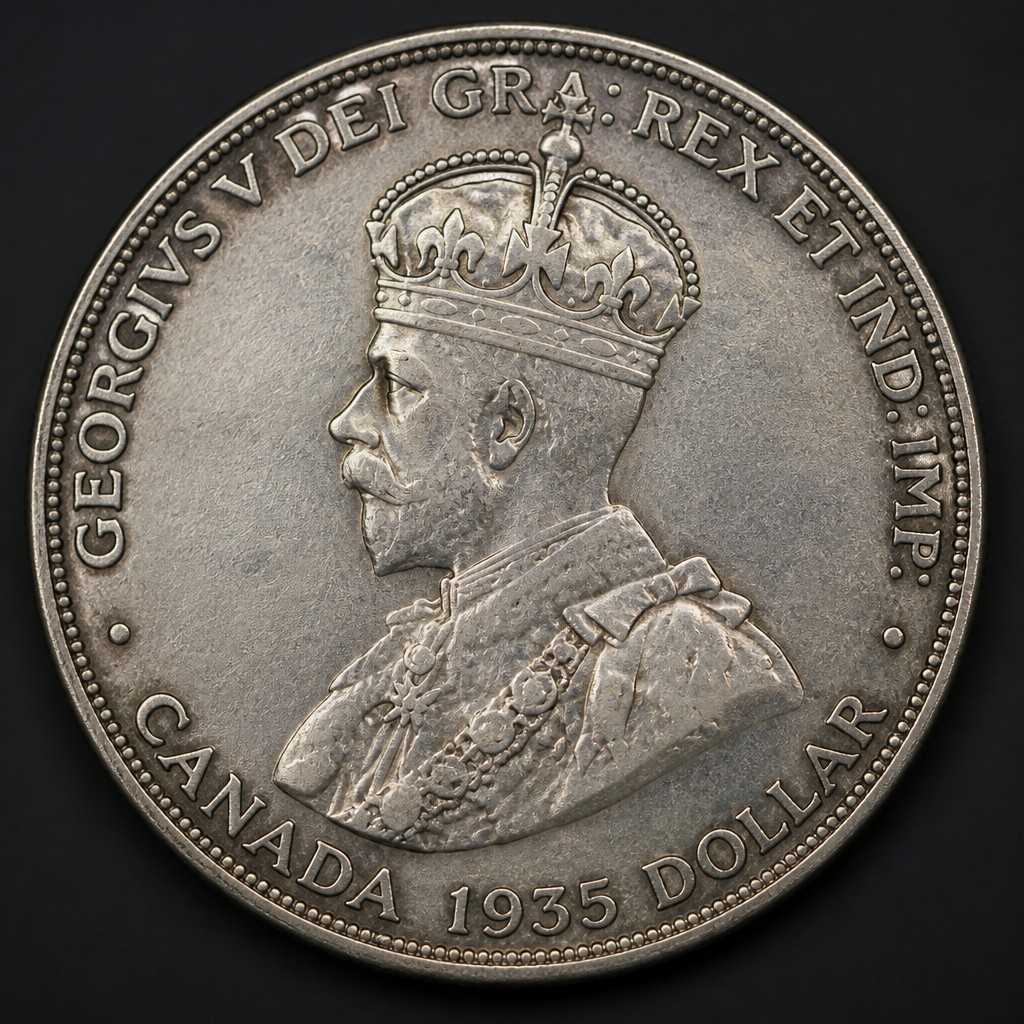
1935 George V Silver Jubilee Dollar (Voyageur)
1935
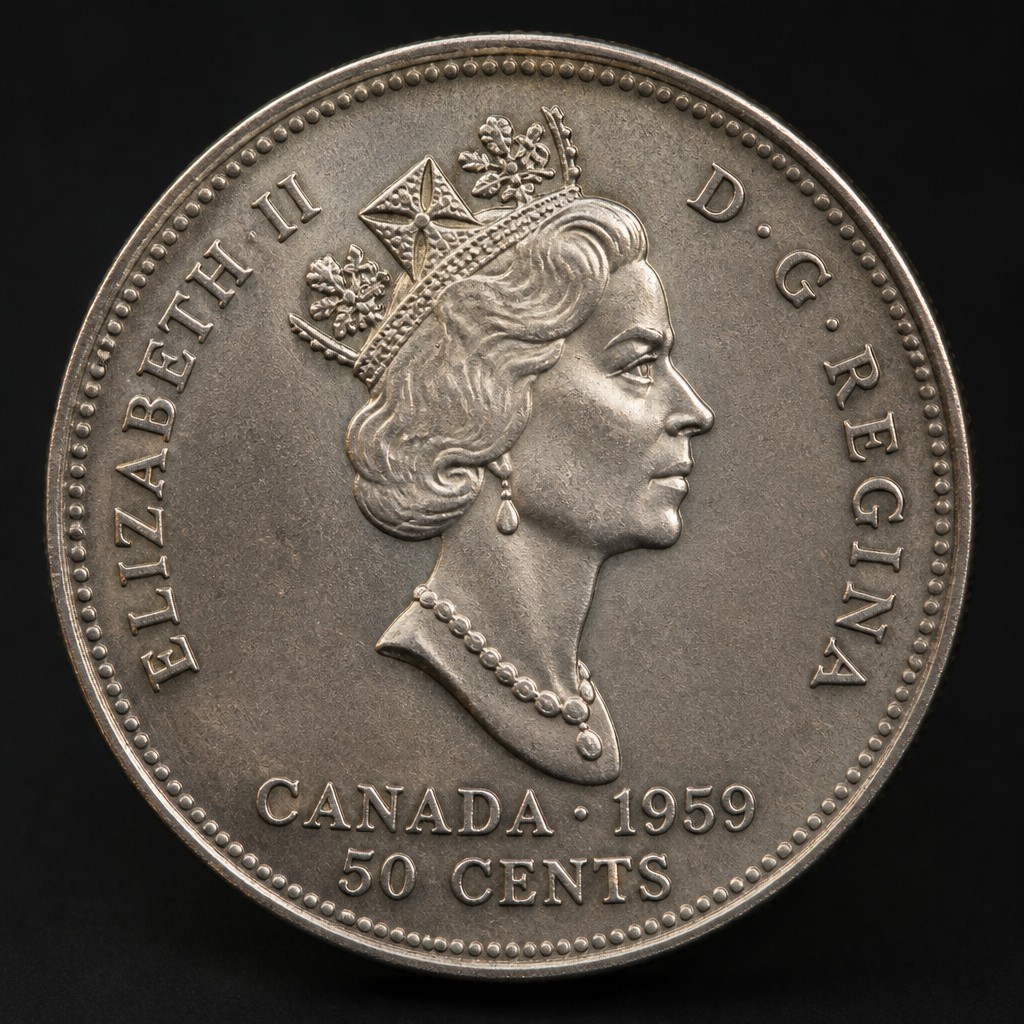
Coat of Arms Fifty Cents (Elizabeth II)
1959–present
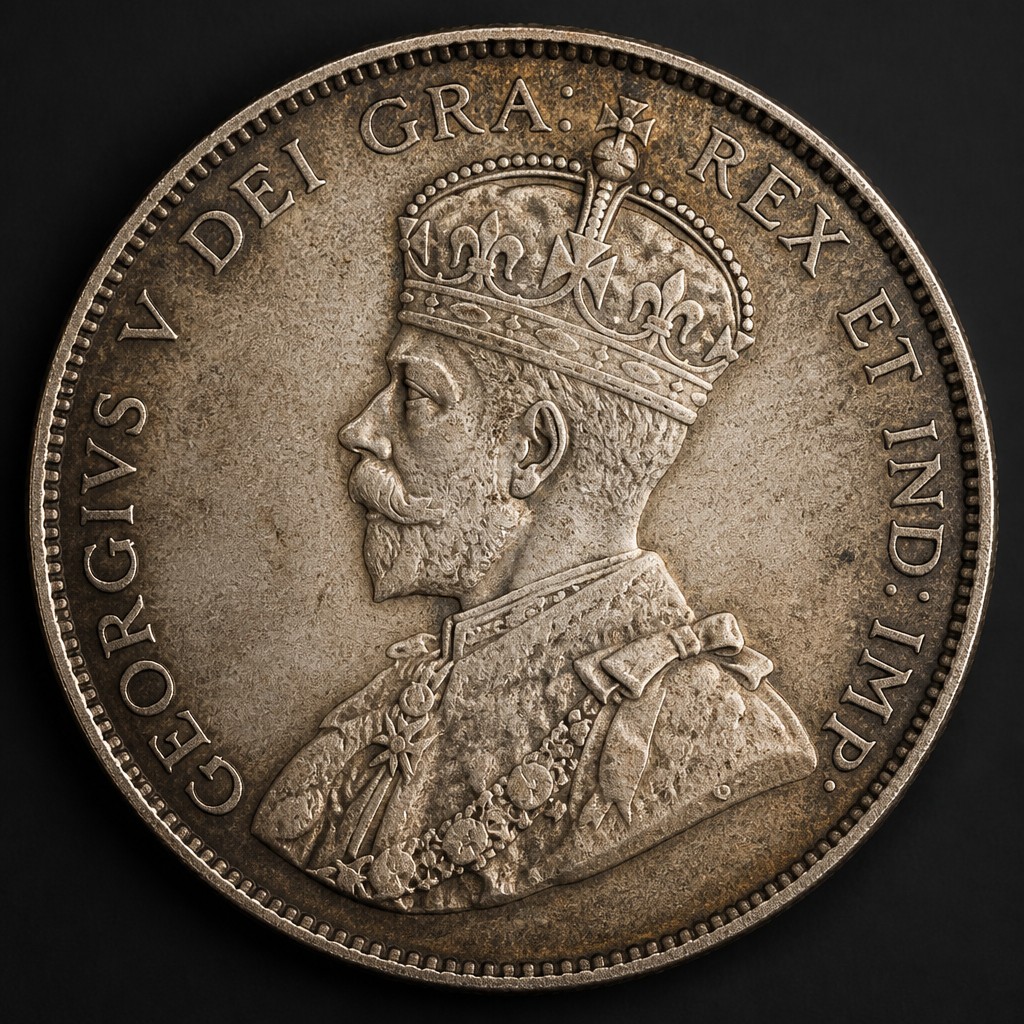
1921 Fifty Cents (King of Canadian Coins)
1921
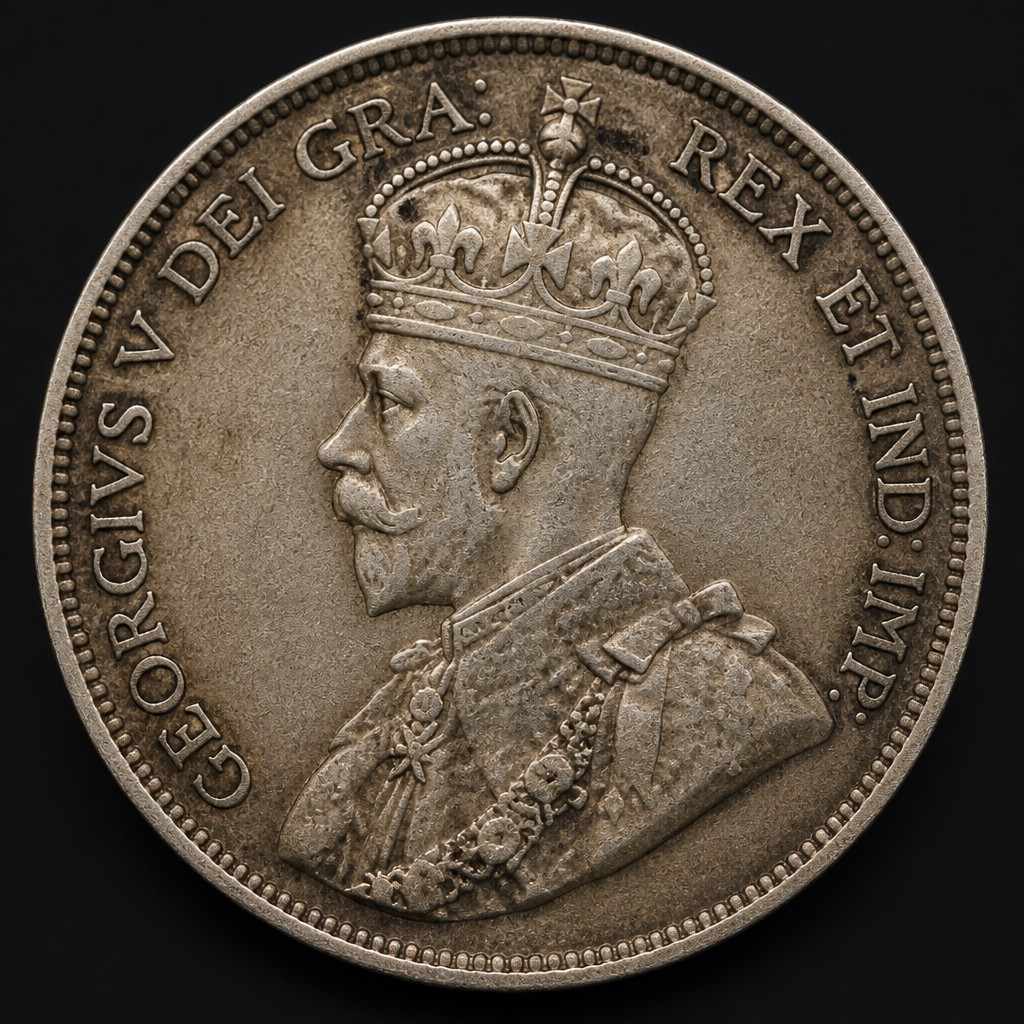
George V Fifty Cents
1911–1936
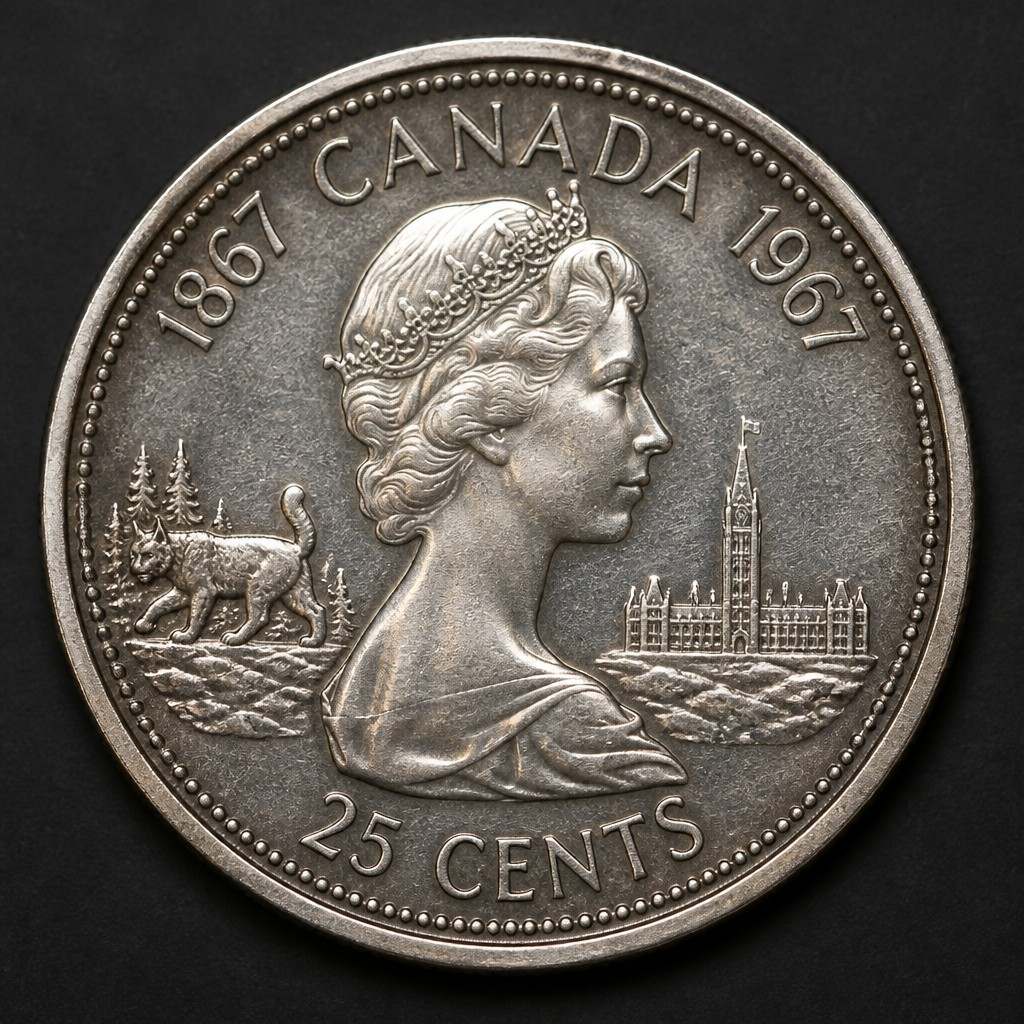
1967 Bobcat Centennial Quarter
1967
Caribou Twenty-Five Cents (quarter)
1937–present