
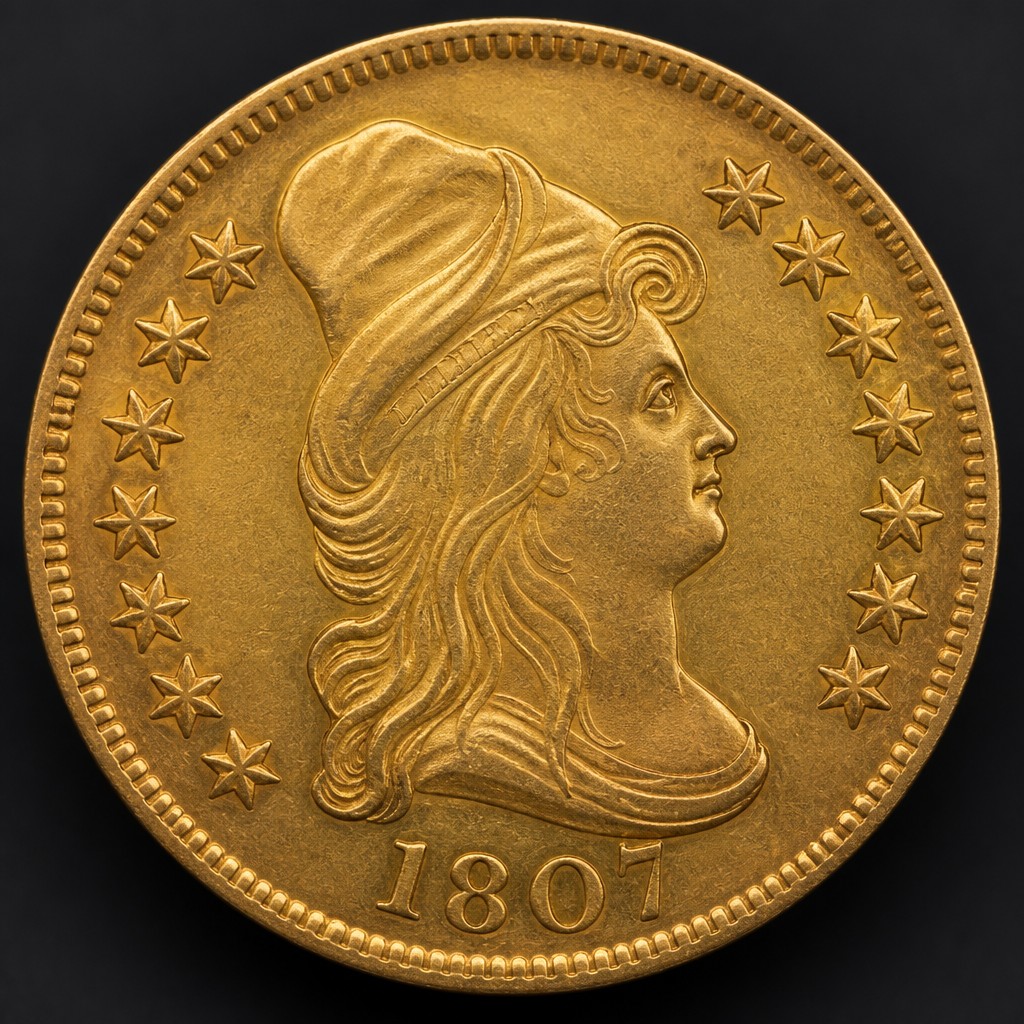
Capped Bust Right Half Eagle
America's first five-dollar gold coin, struck 1795-1807 with Liberty facing right under a soft cap, first paired with a small perched eagle reverse and later a bold heraldic eagle.
- Country
- United States
- Denomination
- Half Eagle ($5)
- Metal
- Gold (.9167)
Got a coin like this?
Identify any coin from a photo, free.
Overview
The Capped Bust Right Half Eagle was the first gold half eagle struck by the United States Mint, beginning in 1795, just months before the larger eagle denomination debuted. Designed by chief engraver Robert Scot, it shows Liberty facing right in a soft cap, echoing the visual style used across the Mint's early gold and silver coinage.
As one of the very first gold coins issued by the young United States, it holds particular historical significance, and its production spans two distinct reverse designs: an initial small, perched eagle (1795-1798) and a later, bolder heraldic eagle (1795-1807, overlapping and then continuing alone).
Every date in the series is scarce today, since original mintages were modest and a substantial share of the coinage was later melted as gold prices shifted relative to silver.
History & Background
The half eagle was the first gold coin actually struck under the Mint Act of 1792, with the earliest pieces dated 1795. Robert Scot's design paired a right-facing, capped Liberty obverse with a small, naturalistic eagle reverse, a motif possibly inspired by engraved gems and cameos circulating in elite circles of the day.
In 1797, the Mint introduced an alternative heraldic eagle reverse based on the Great Seal of the United States, and the two reverse types were struck concurrently for a period before the small eagle version was discontinued. The heraldic eagle version continued through 1807.
In 1807, engraver John Reich replaced this design with a new Capped Bust to Left type, turning Liberty's portrait and adding drapery, closing out the earliest chapter of half eagle coinage.
How to Identify
The obverse shows Liberty in profile facing right, wearing a soft, turban-like cap inscribed LIBERTY, with flowing hair and stars around the border; the date is below.
Two reverse types exist: the earlier small eagle reverse shows a compact, spread-winged eagle perched on a branch with no shield or motto, encircled simply by UNITED STATES OF AMERICA; the later heraldic eagle reverse shows a larger eagle with a shield on its breast, an olive branch and arrows in its talons, and a banner reading E PLURIBUS UNUM above.
The coin is struck in gold at the original pre-1834 weight and fineness, with a reeded edge and no mintmark, since all examples came from the Philadelphia Mint. There is no numeral denomination on the coin itself.
Value & Collectibility
All dates of the Capped Bust Right Half Eagle are scarce, and prices for even the most obtainable dates in worn condition typically start in the low thousands of dollars and rise quickly with grade and rarity.
The small eagle reverse subtype (1795-1798) is generally scarcer and more expensive than the heraldic eagle subtype, and certain individual dates within each subtype are recognized key rarities pursued by variety specialists.
Because of the age, rarity, and expense involved, collectors typically rely on professional grading and published die-variety references, and prices vary widely based on condition, originality, and specific date or variety.
Frequently asked questions
What is the difference between the small eagle and heraldic eagle half eagles?
The small eagle reverse (1795-1798) shows a simple perched eagle with no shield, while the heraldic eagle reverse (1795-1807) shows a larger eagle with a shield, arrows, olive branch, and motto banner based on the Great Seal.
Is this the first gold coin the U.S. Mint ever struck?
Yes, the half eagle was the first U.S. gold denomination actually coined, with the earliest pieces dated 1795, shortly before the eagle denomination followed the same year.
Why did the design change in 1807?
Engraver John Reich redesigned the half eagle that year, turning Liberty to face left and adding drapery, replacing Robert Scot's original right-facing portrait.
Are these coins affordable for new collectors?
No, every date is a genuine rarity, and even well-worn examples typically cost several thousand dollars or more.
Other coins you may enjoy
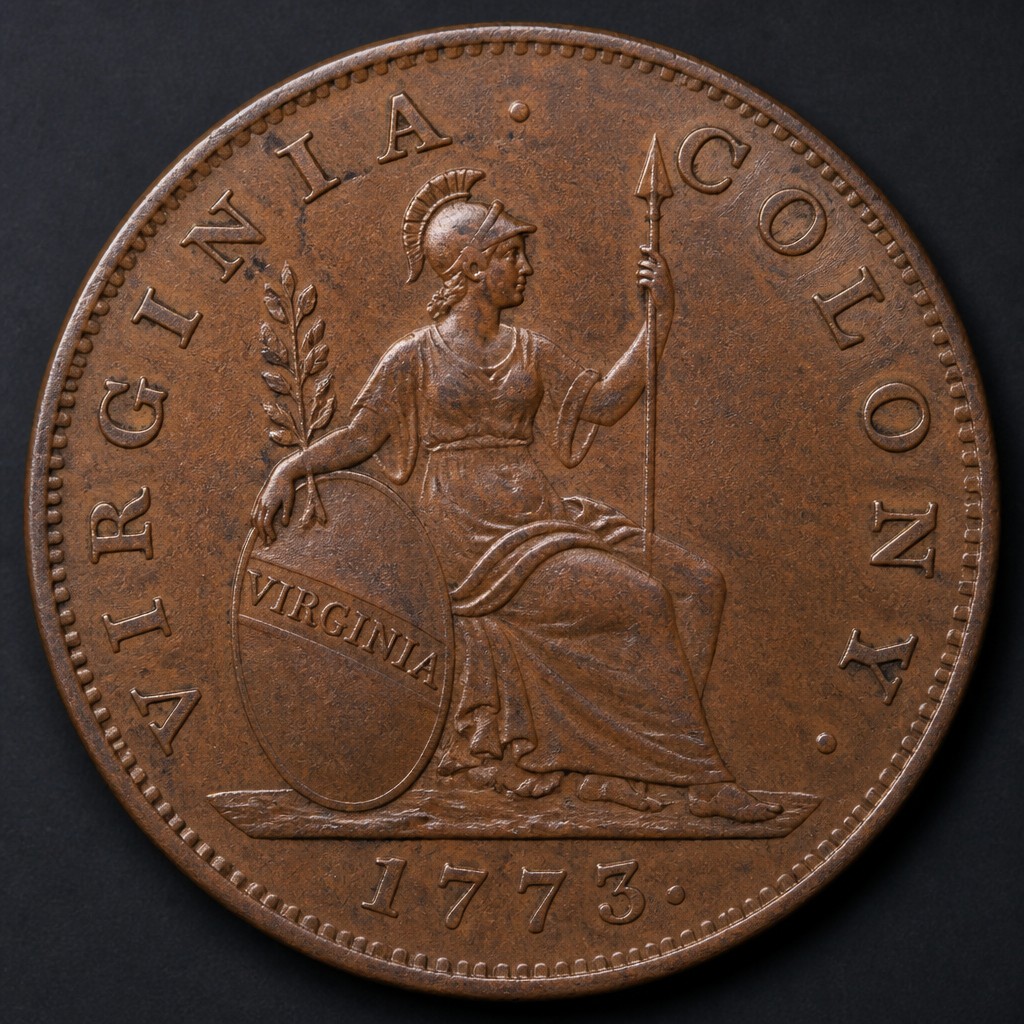
Virginia Halfpenny
1773
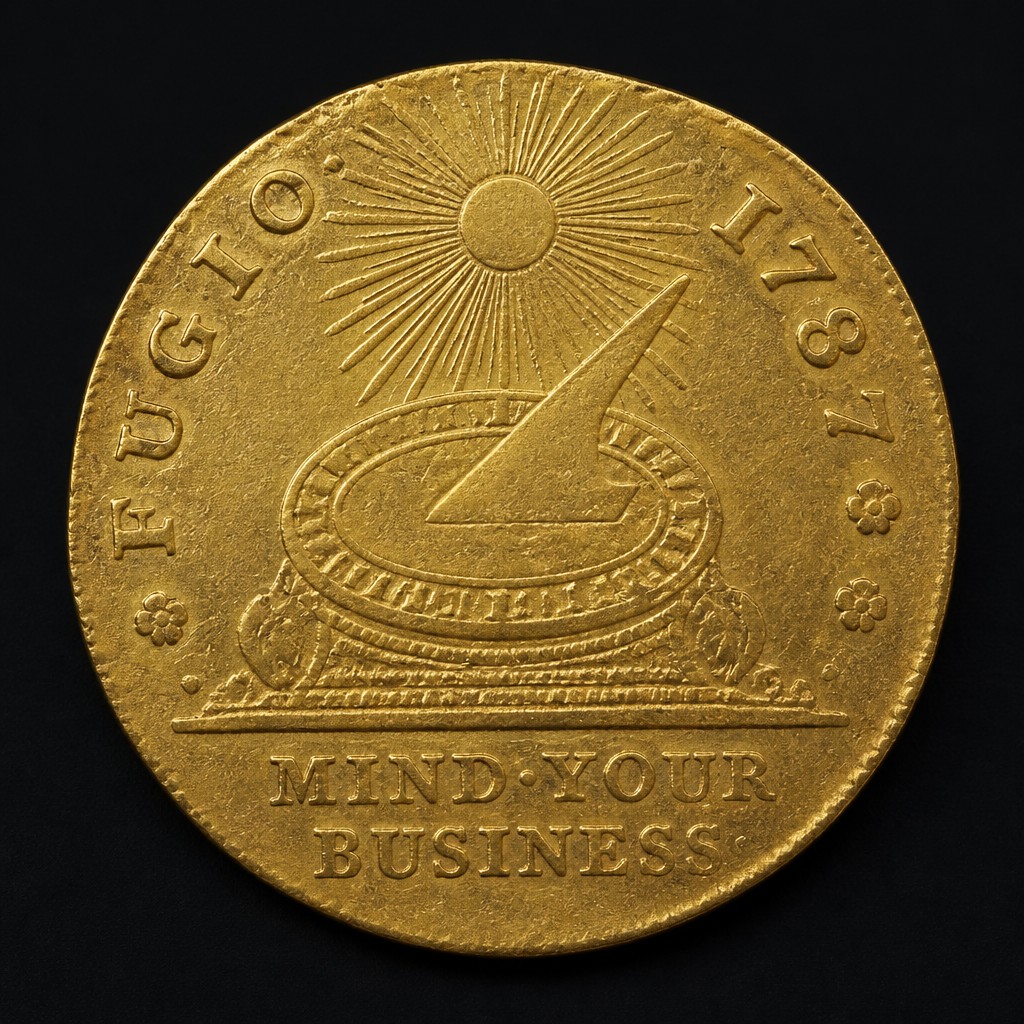
Brasher Doubloon
1787
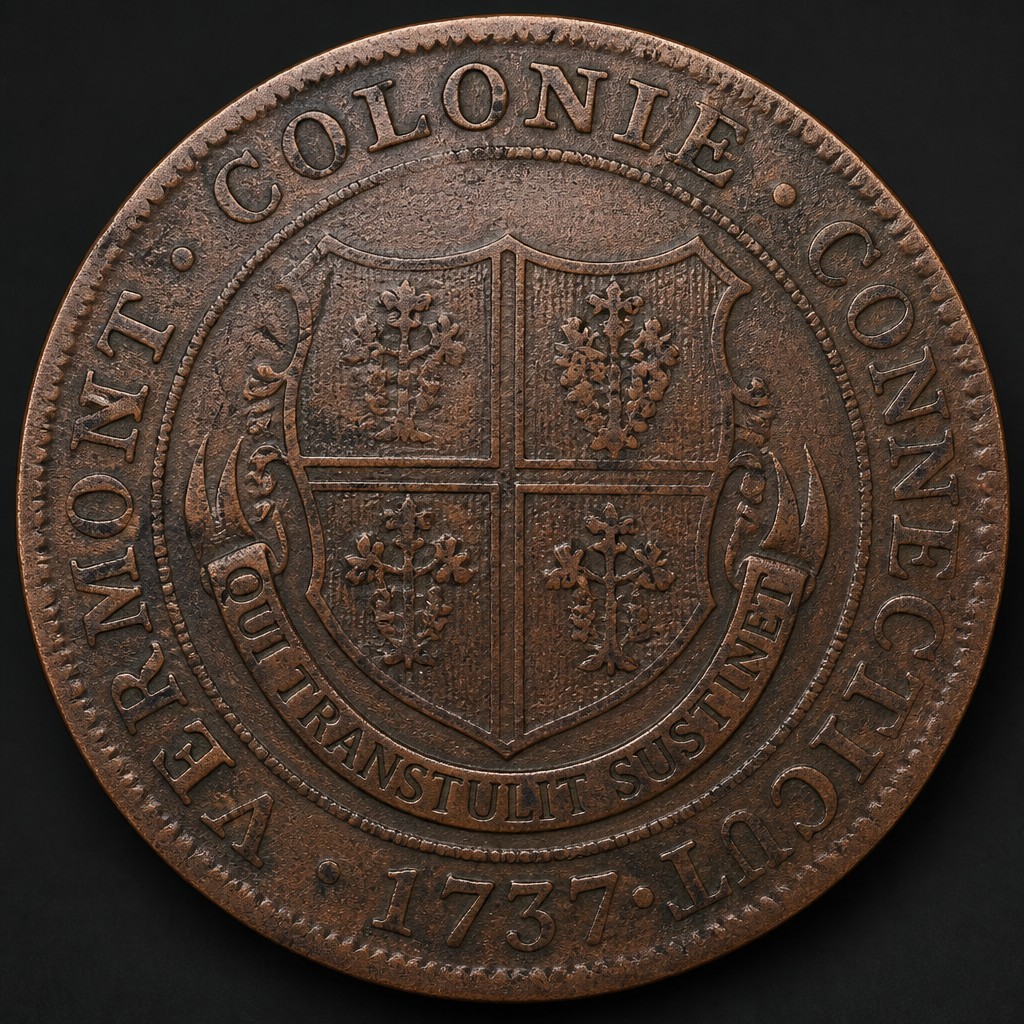
Higley Copper
1737–1739
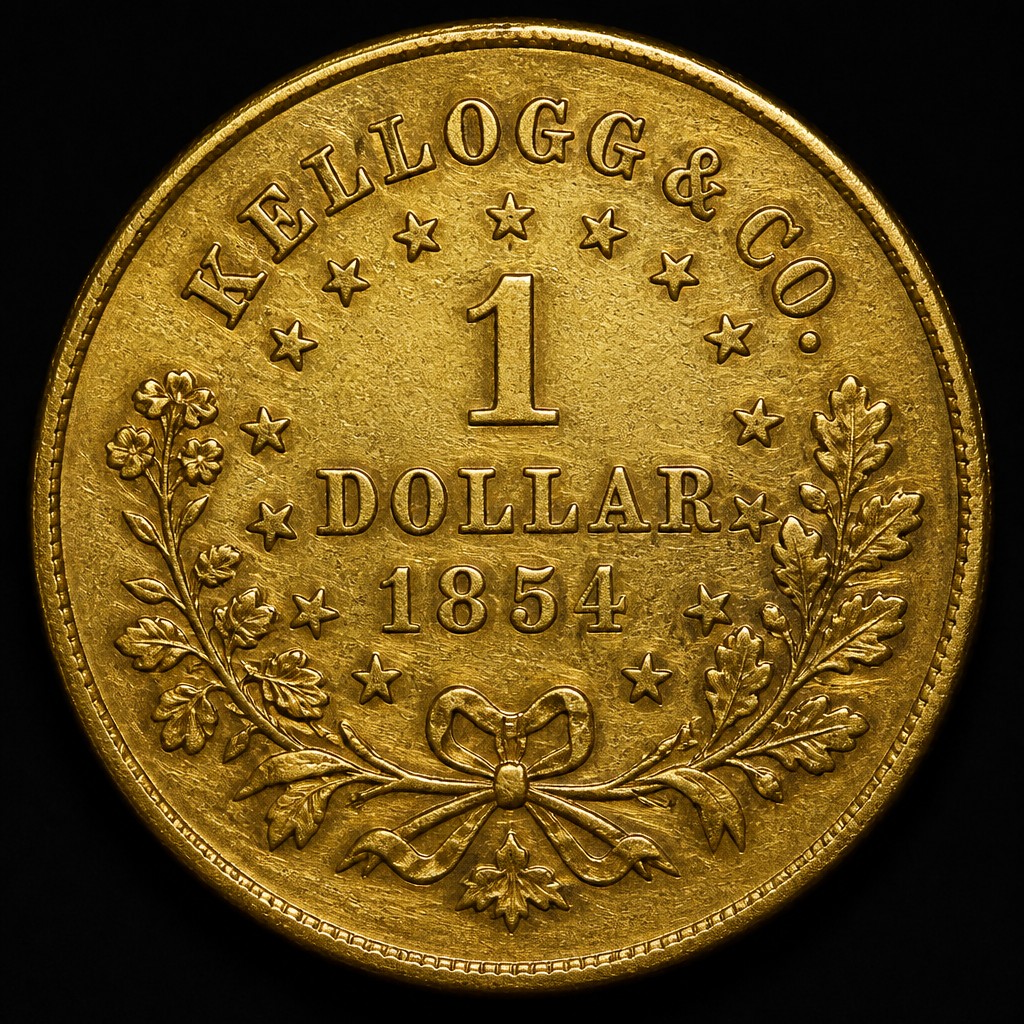
Kellogg & Co. Gold Piece
1854–1855
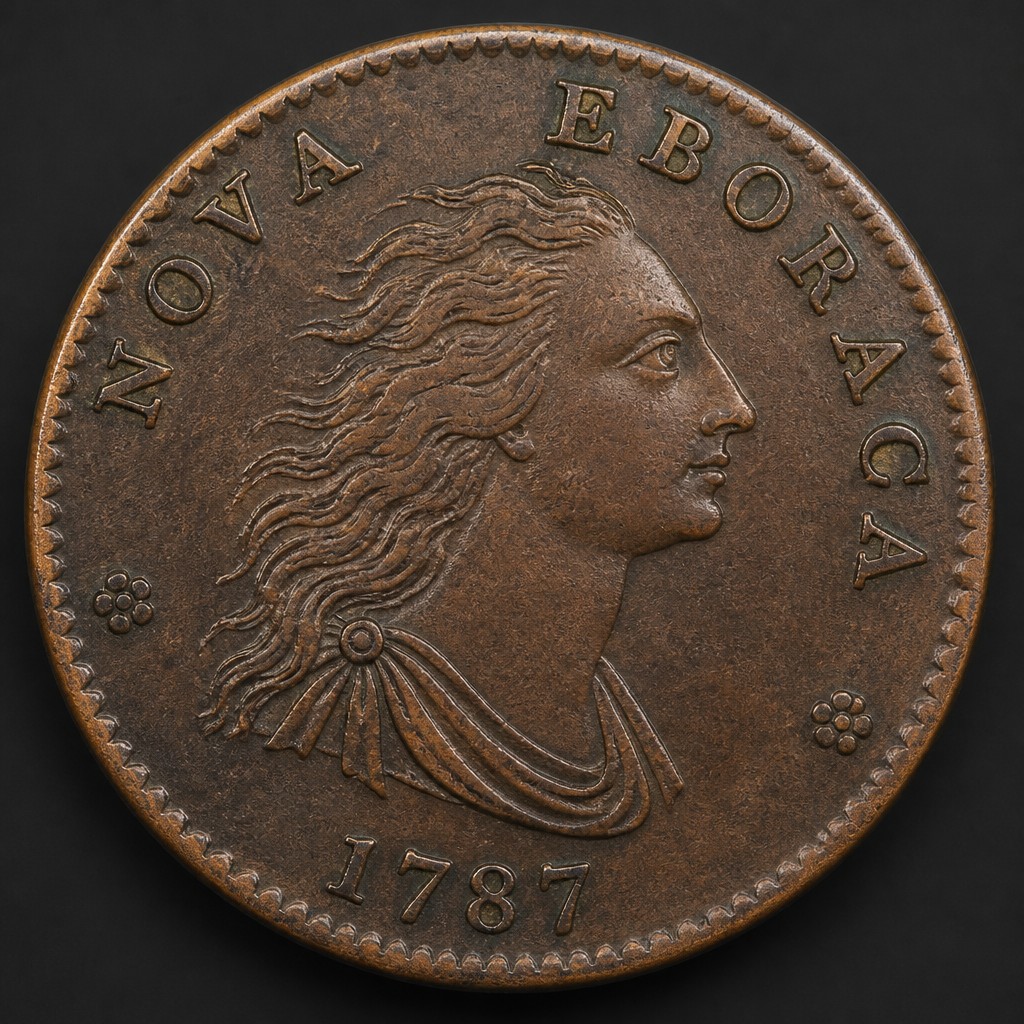
Nova Eborac Copper
1787
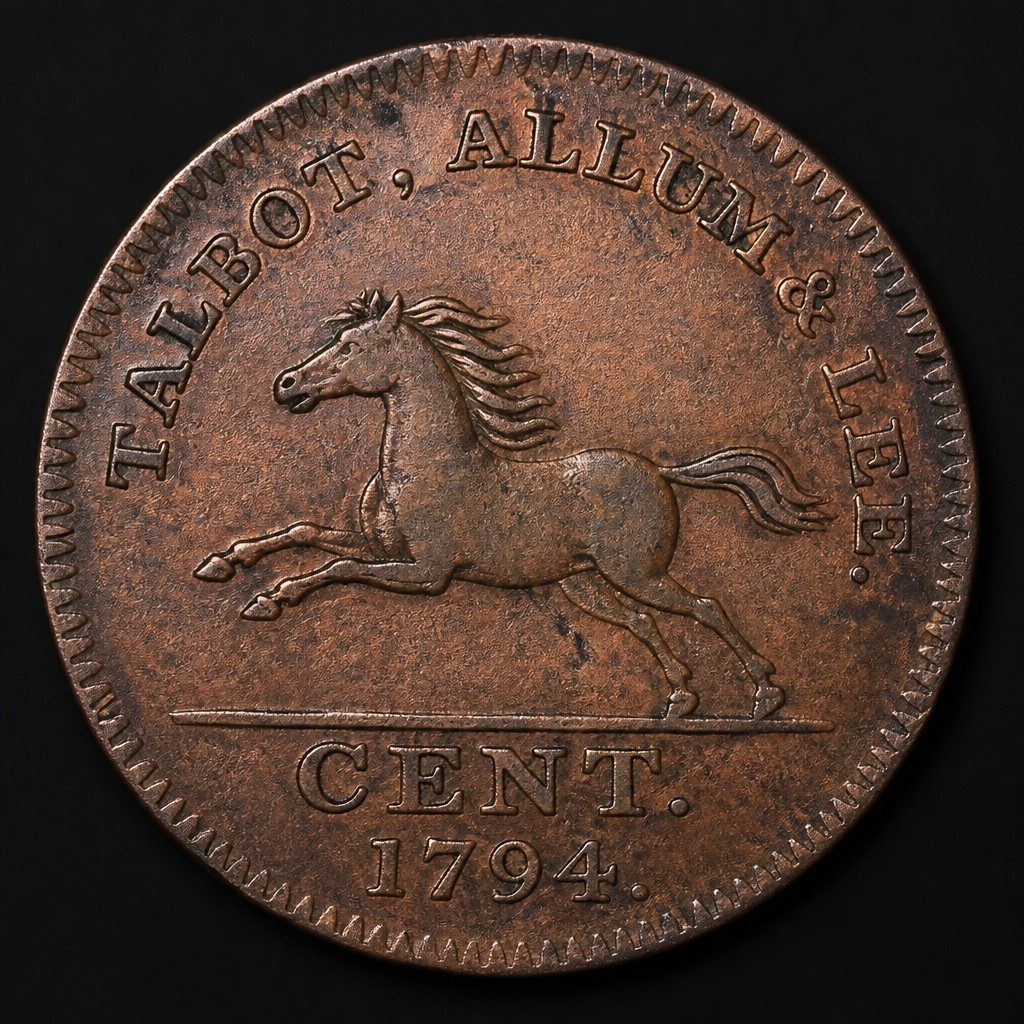
Talbot, Allum & Lee Cent
1794–1795
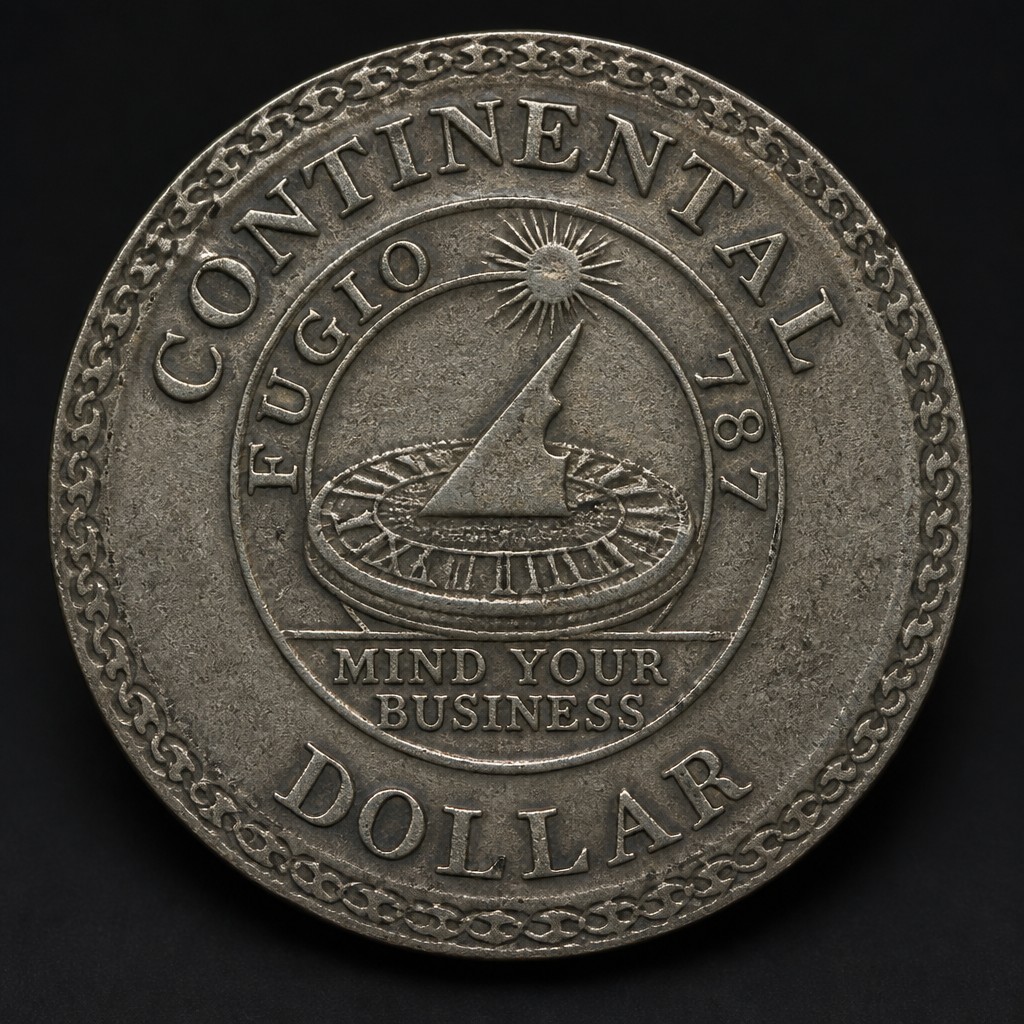
Continental Dollar
1776
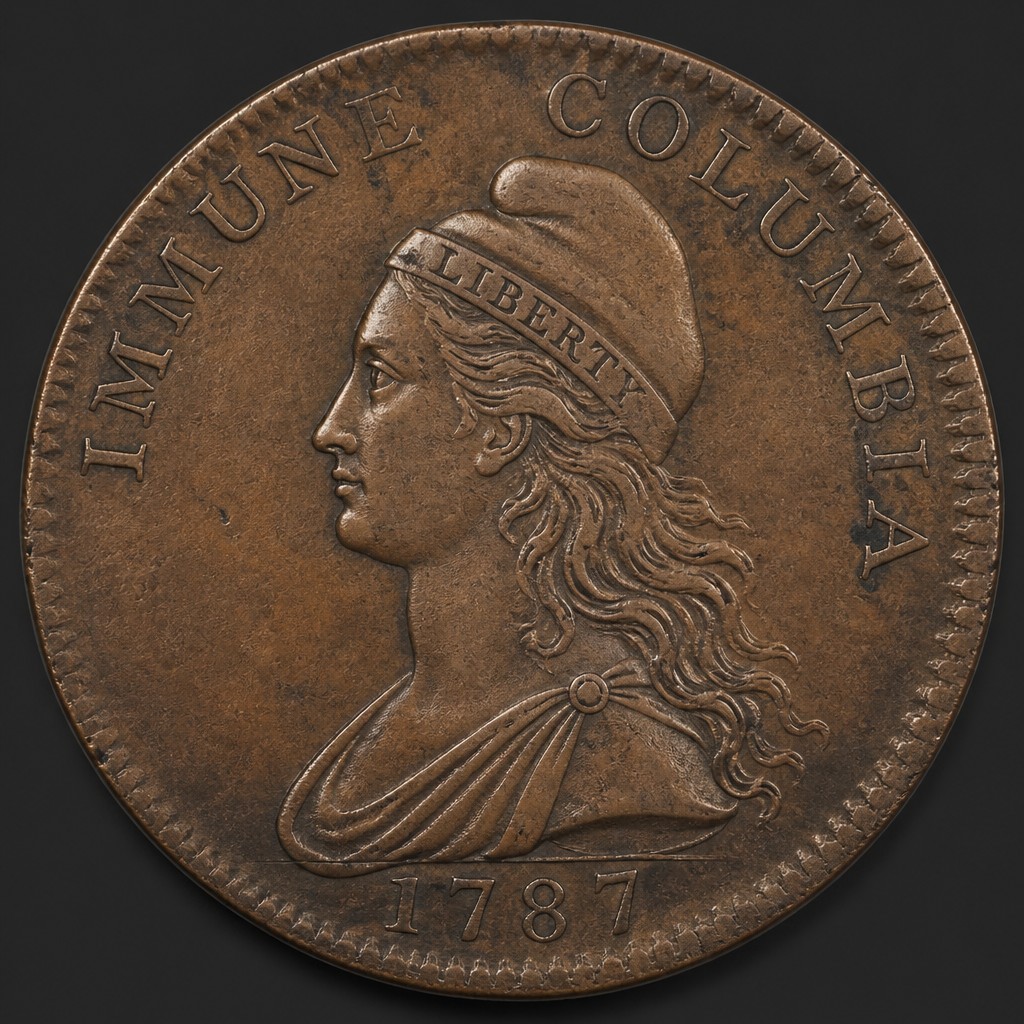
Immune Columbia Copper
circa 1785–1787
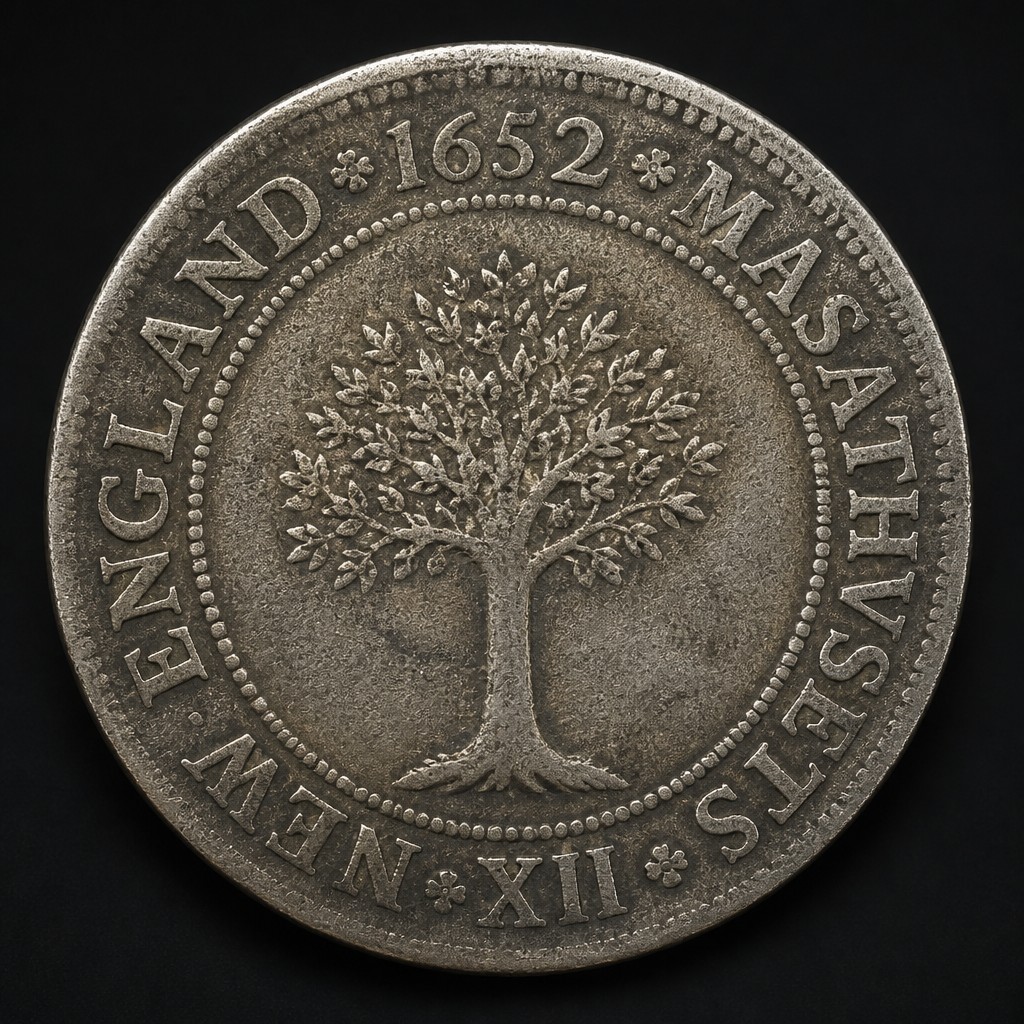
Massachusetts Oak Tree Shilling
Dated 1652, struck circa 1660–1667
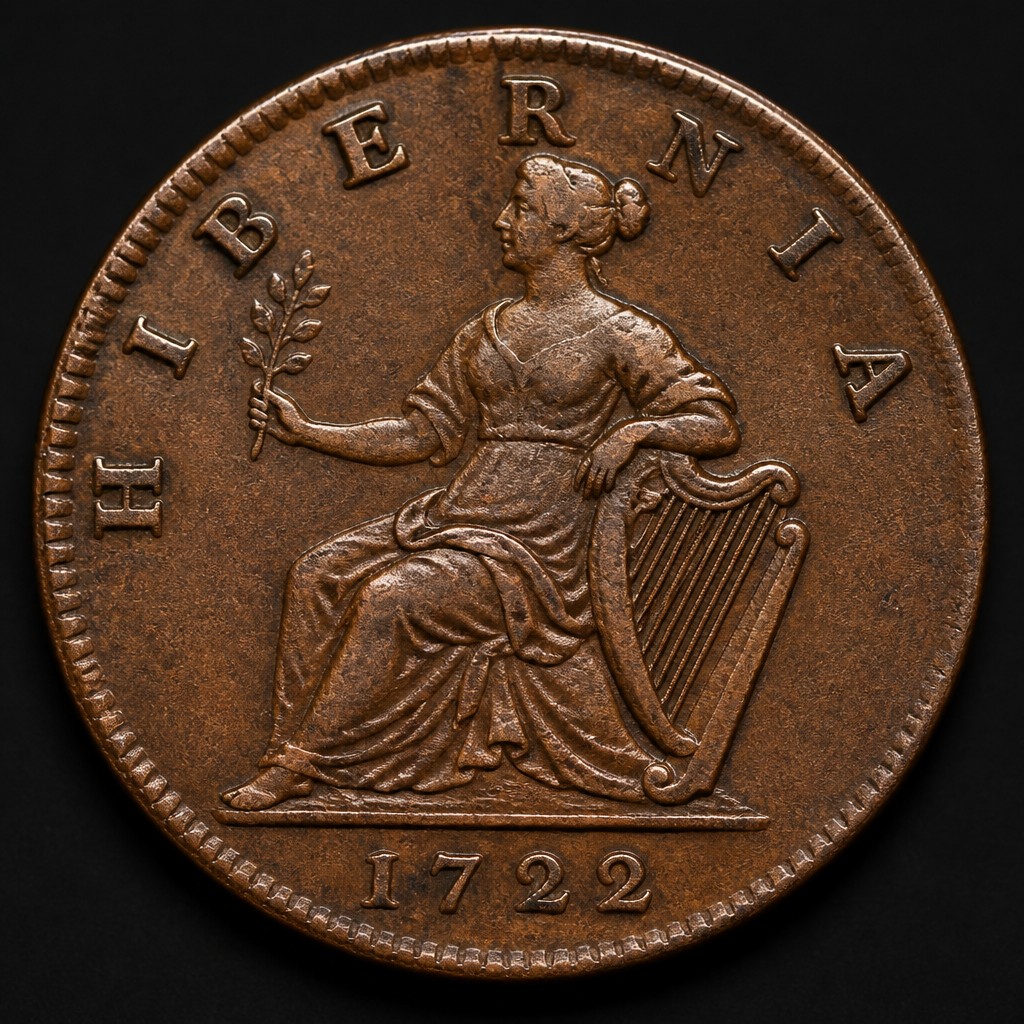
Wood's Hibernia Halfpenny
1722–1724
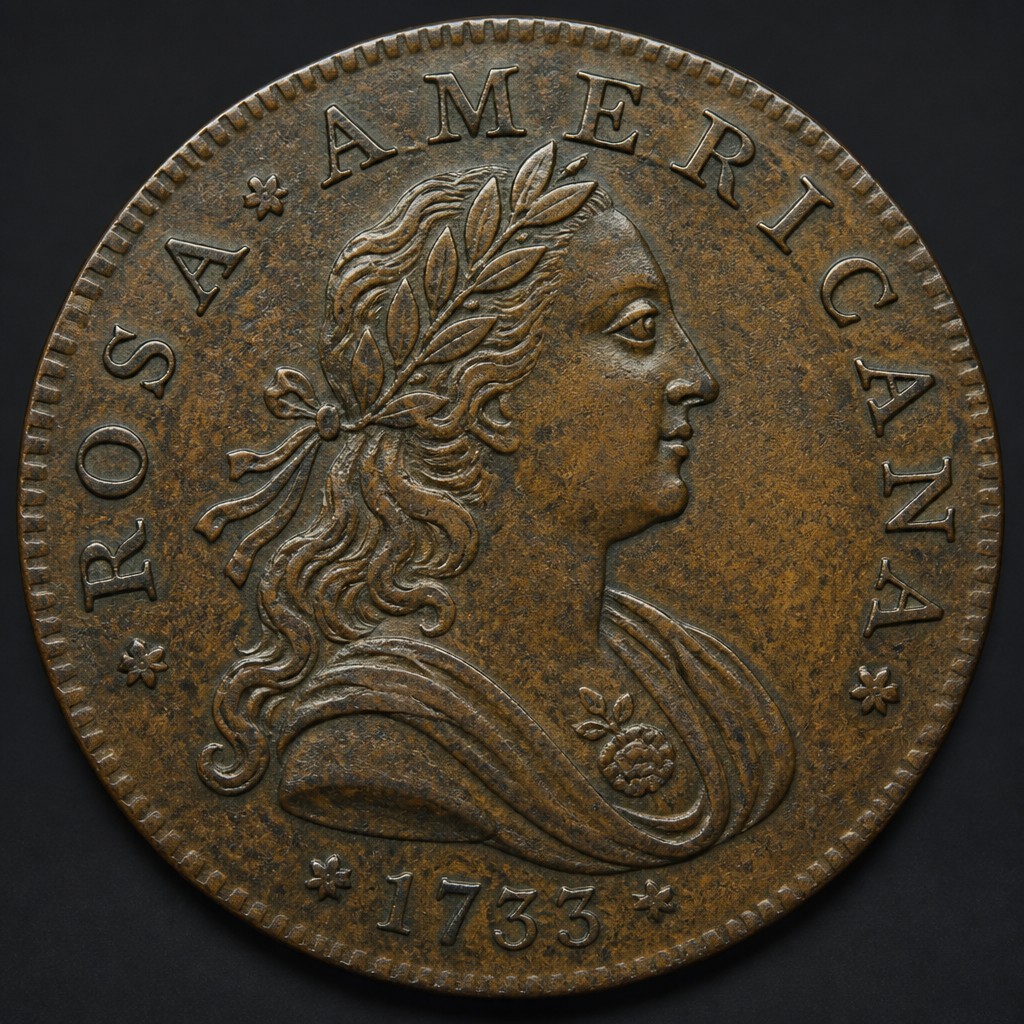
Rosa Americana Coinage
1722–1724 (with pattern issues dated 1733)
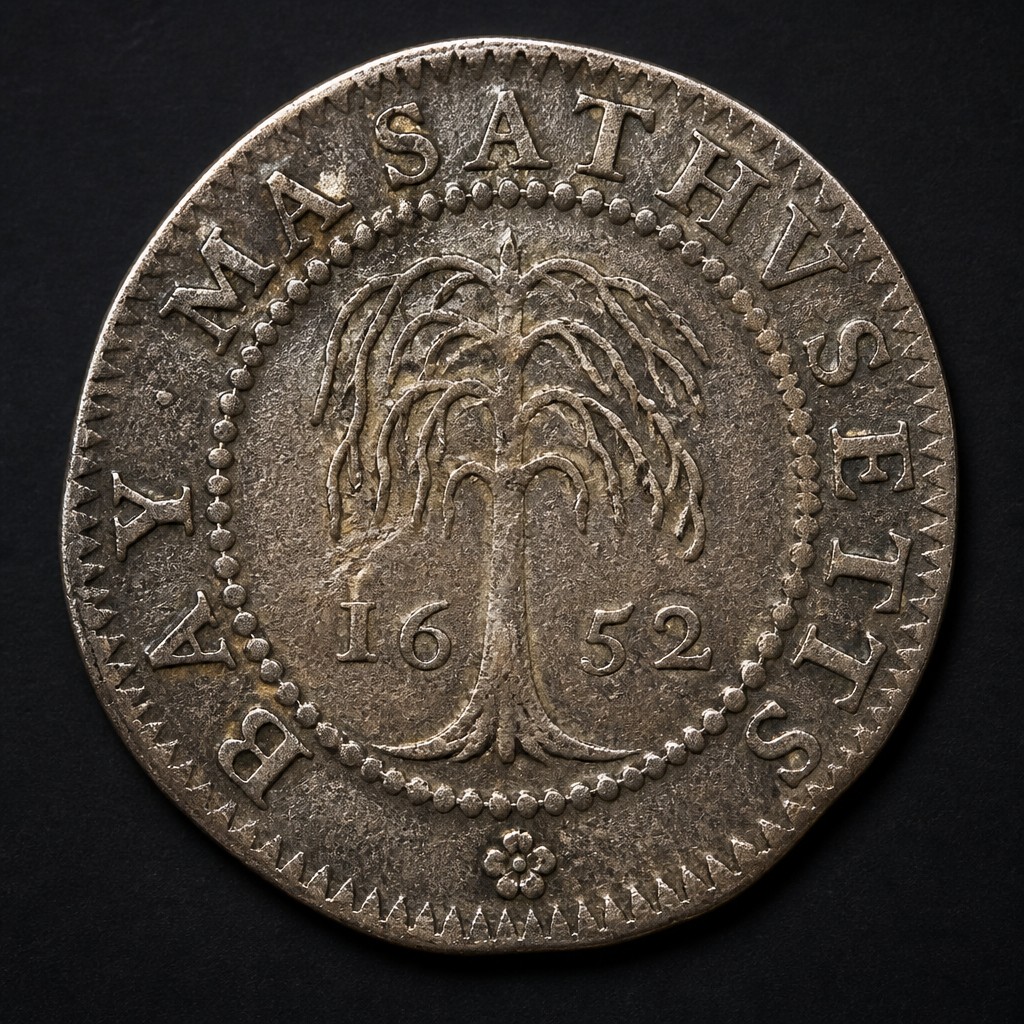
Massachusetts Willow Tree Shilling
Dated 1652, struck circa 1653–1660