
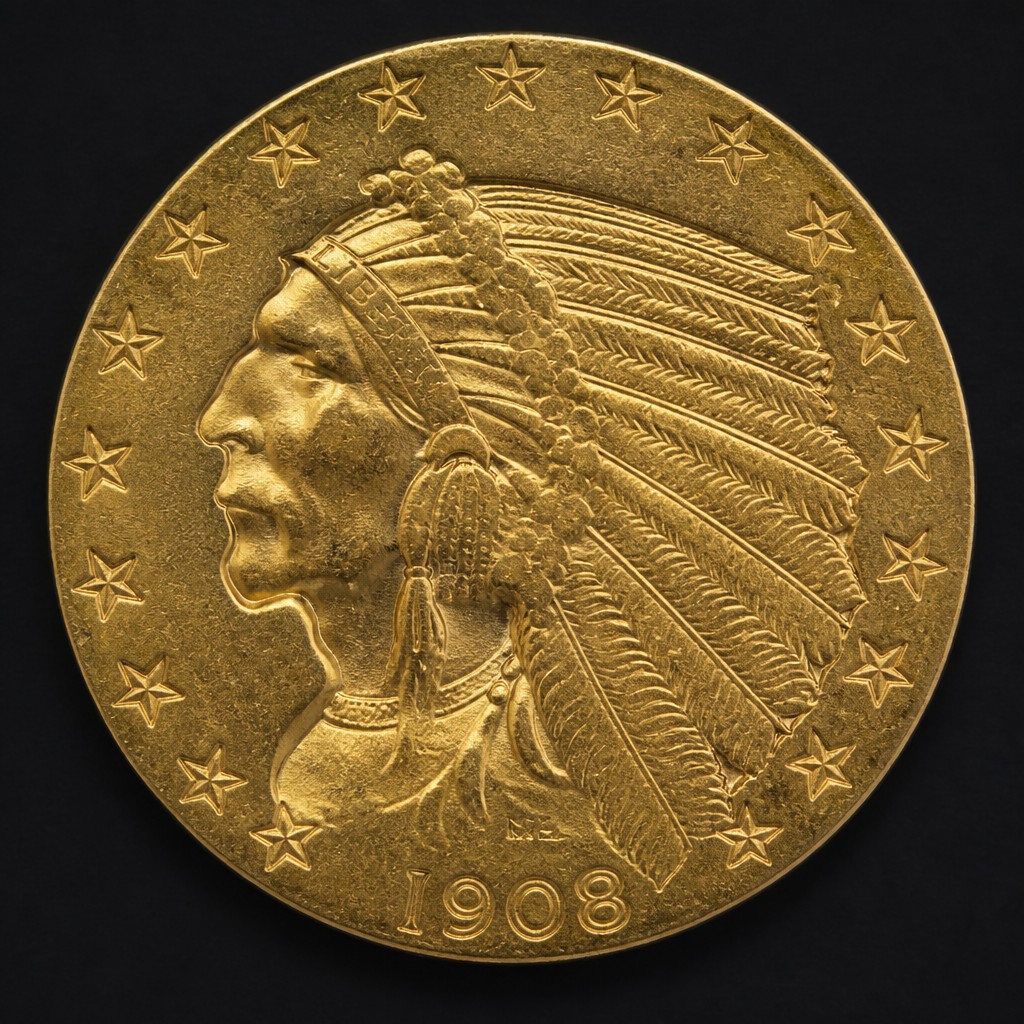
Indian Head Half Eagle ($5)
A uniquely designed gold five-dollar coin featuring an incuse (recessed) design by Bela Lyon Pratt, the only U.S. circulating coin ever struck this way.
- Country
- United States
- Denomination
- Five Dollars
- Metal
- Gold (.900 fine)
Got a coin like this?
Identify any coin from a photo, free.
Overview
The Indian Head Half Eagle stands out in American numismatics for its incuse design, where the devices are recessed below the coin's surface rather than raised above it—a technique never used on any other regularly circulating United States coin before or since. Designed by sculptor Bela Lyon Pratt, it was part of the broader early 1900s movement toward more artistic American coinage.
Collectors are drawn to this series both for its unusual and historically significant design method and for the range of scarce dates and mintmarks it offers, particularly from the smaller mintages of the 1910s and 1920s.
History & Background
Introduced in 1908 at the encouragement of President Theodore Roosevelt's coinage reform efforts, the Indian Head Half Eagle was designed by Bela Lyon Pratt, a student of Augustus Saint-Gaudens. Pratt's incuse technique was experimental and controversial; some worried the recessed design would collect dirt and germs in circulation, though it saw production nonetheless.
The series ran through 1929, with production interrupted in several years due to fluctuating demand for gold coinage. The final Philadelphia-struck 1929 issue had a very limited distribution before the Gold Reserve Act of 1934 ended the era of circulating American gold coins.
The coin was struck at Philadelphia, Denver, San Francisco, and, briefly in 1909, New Orleans, tying it to the last generation of branch-mint gold coinage in the United States.
How to Identify
The obverse features a Native American chief's head facing left, wearing a feathered war bonnet, with LIBERTY above and the date below, all rendered in incuse (recessed) relief rather than raised. The reverse shows a standing eagle, also incuse, perched on a bundle of arrows and an olive branch, with UNITED STATES OF AMERICA and FIVE DOLLARS around the border.
Mintmarks appear on the reverse to the left of the arrow bundle: D for Denver, S for San Francisco, and O for the single 1909 New Orleans issue, with no mark for Philadelphia. The coin's edge is reeded, and its recessed design makes wear patterns different from typical raised-relief coins, so grading requires familiarity with the series' unique surface characteristics.
Collectors distinguish this series easily from the Liberty Head Half Eagle by its incuse Native American motif versus the earlier coronet-head design in normal relief.
Value & Collectibility
Common-date Indian Head Half Eagles trade close to gold bullion value in worn grades, while several dates, particularly certain San Francisco and Denver issues along with the low-mintage 1929, carry significant premiums due to scarcity. Mint State coins are notably scarcer than the mintage figures alone might suggest, since the recessed design made high points prone to wear and bag marks even with light circulation.
As with most gold coinage of the era, condition and date rarity, rather than simple age, are the primary determinants of value beyond the metal content.
Frequently asked questions
What makes the Indian Head Half Eagle unusual?
Its design is incuse, meaning the images are recessed into the coin's surface rather than raised, a technique unique among regularly circulating U.S. coins.
Who designed this coin?
Sculptor Bela Lyon Pratt, a student of Augustus Saint-Gaudens, designed the Indian Head Half Eagle.
Which date is hardest to find?
The 1929 Philadelphia issue and several low-mintage branch-mint dates are considered key issues in the series.
Was New Orleans a regular mint for this coin?
No, New Orleans struck this design only in 1909 before ending gold coin production.
Other coins you may enjoy
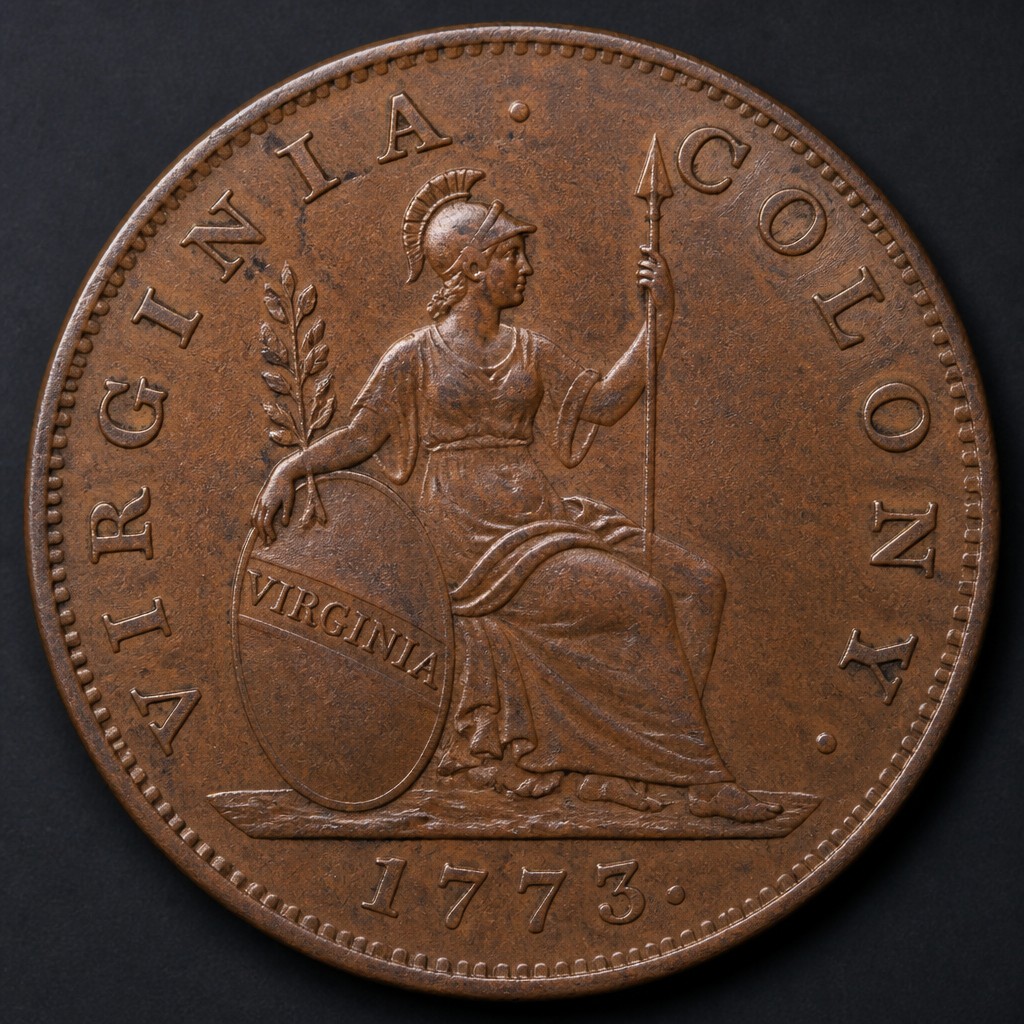
Virginia Halfpenny
1773
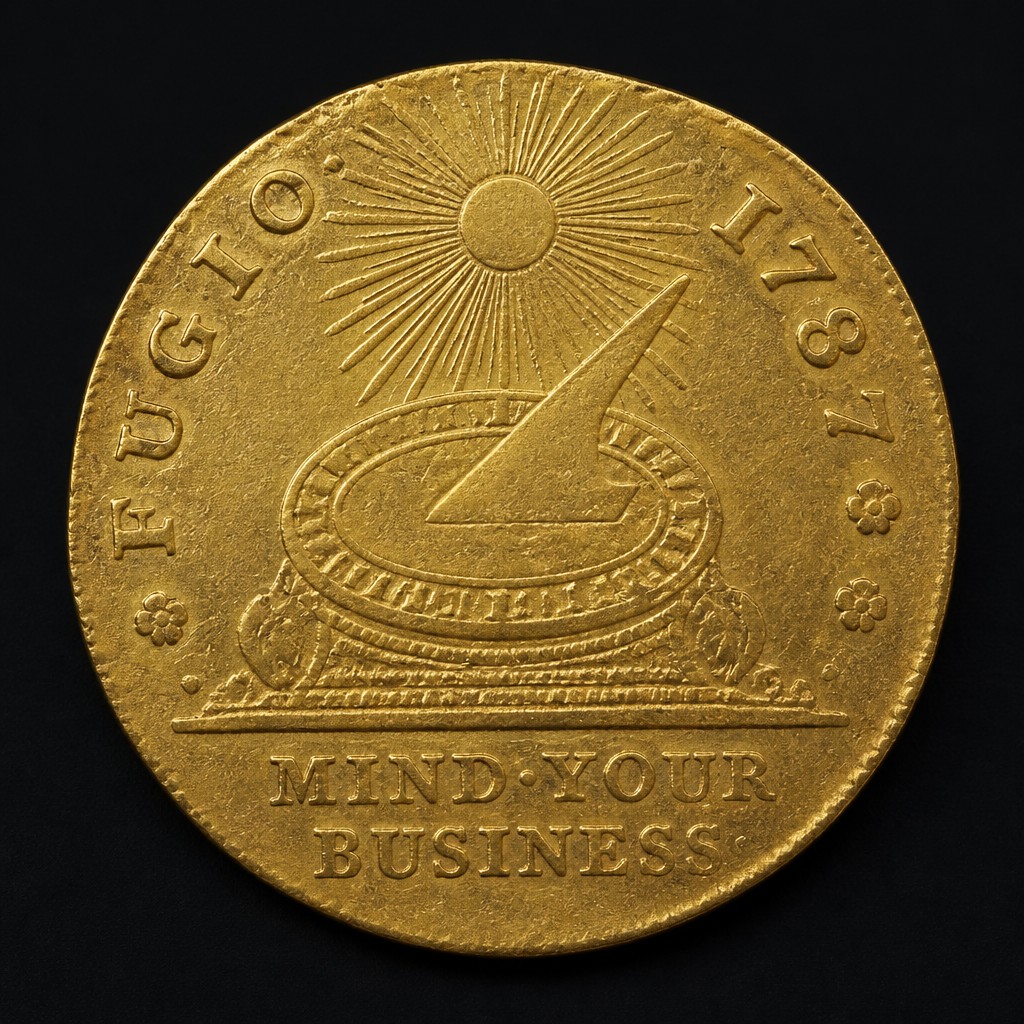
Brasher Doubloon
1787
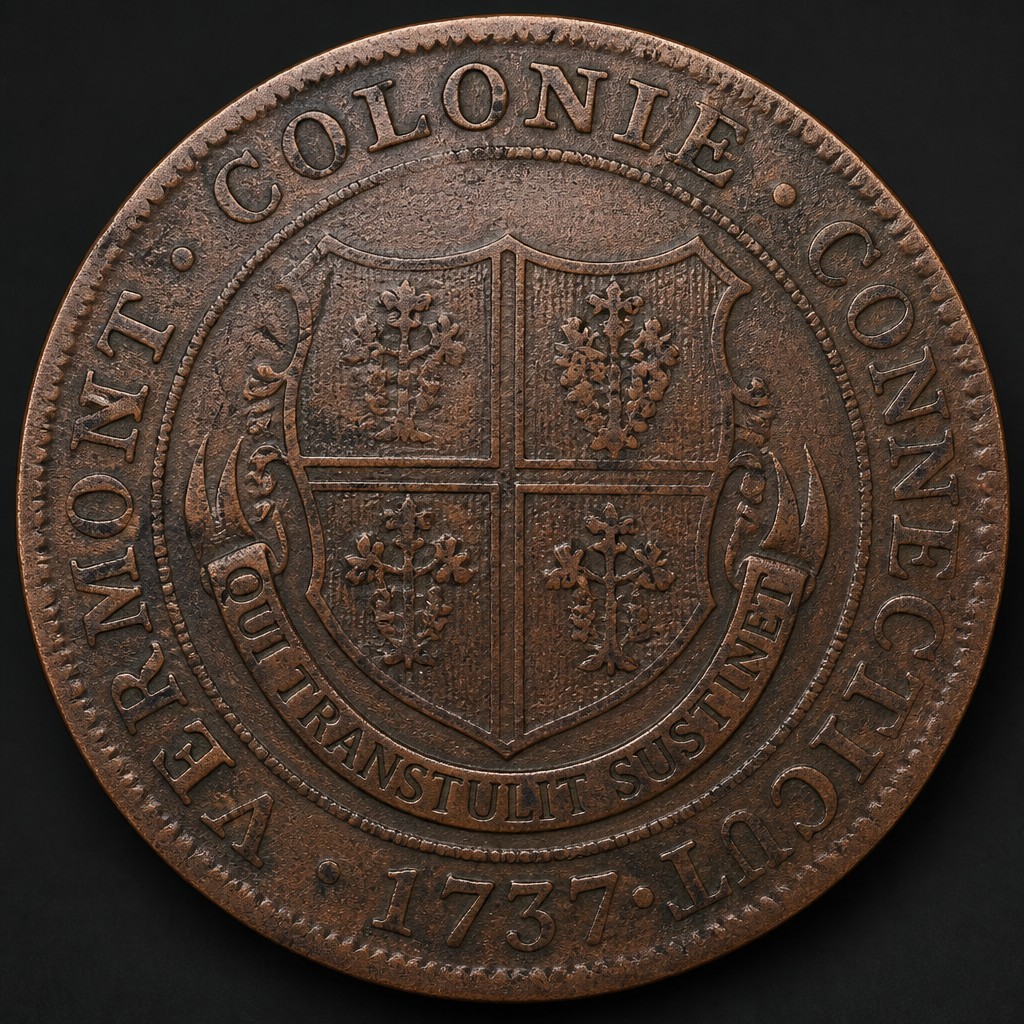
Higley Copper
1737–1739
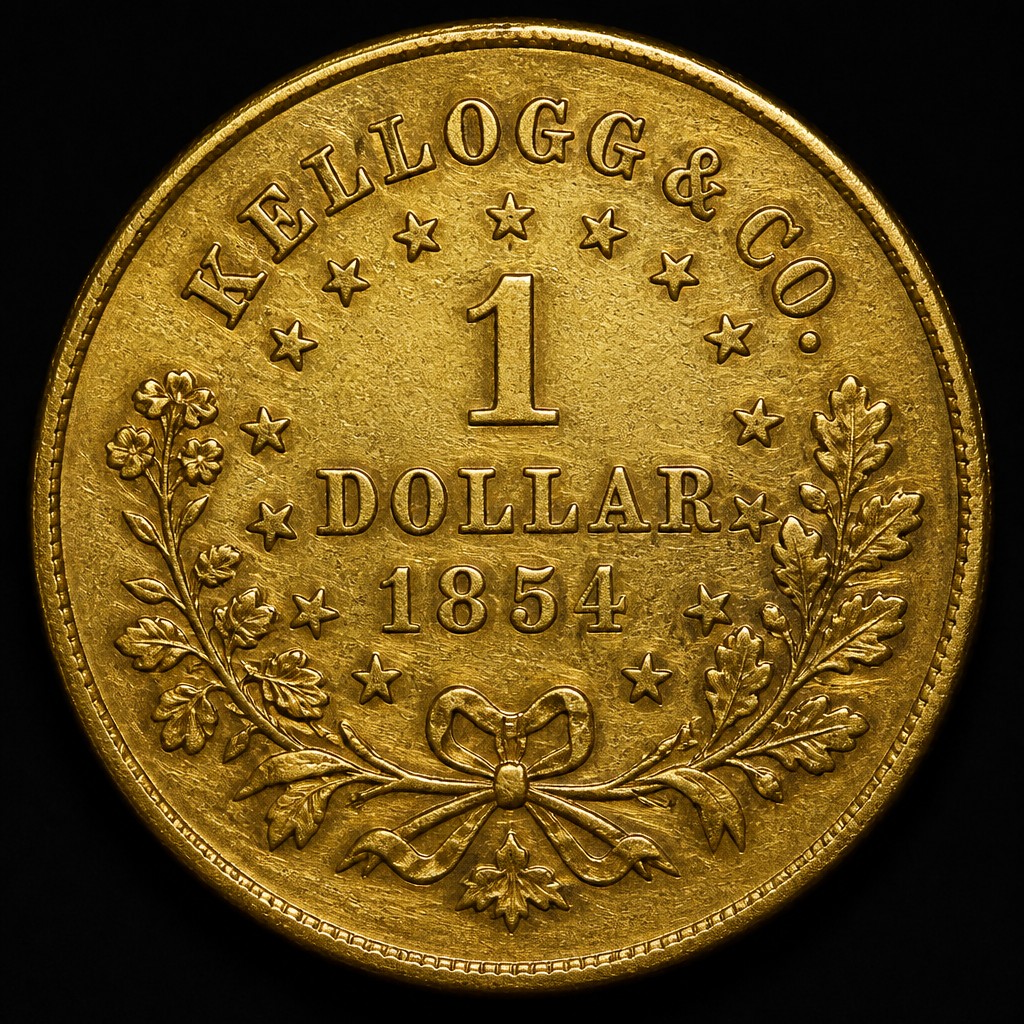
Kellogg & Co. Gold Piece
1854–1855
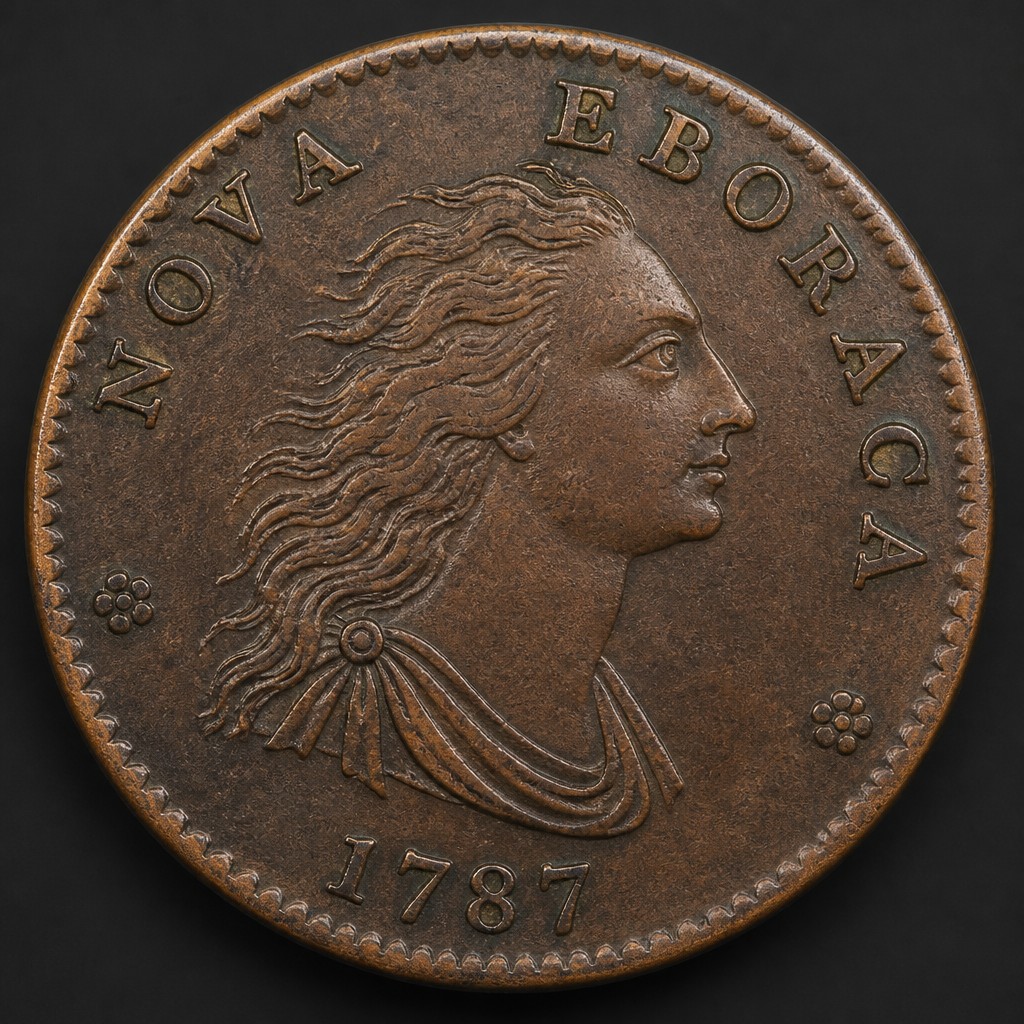
Nova Eborac Copper
1787
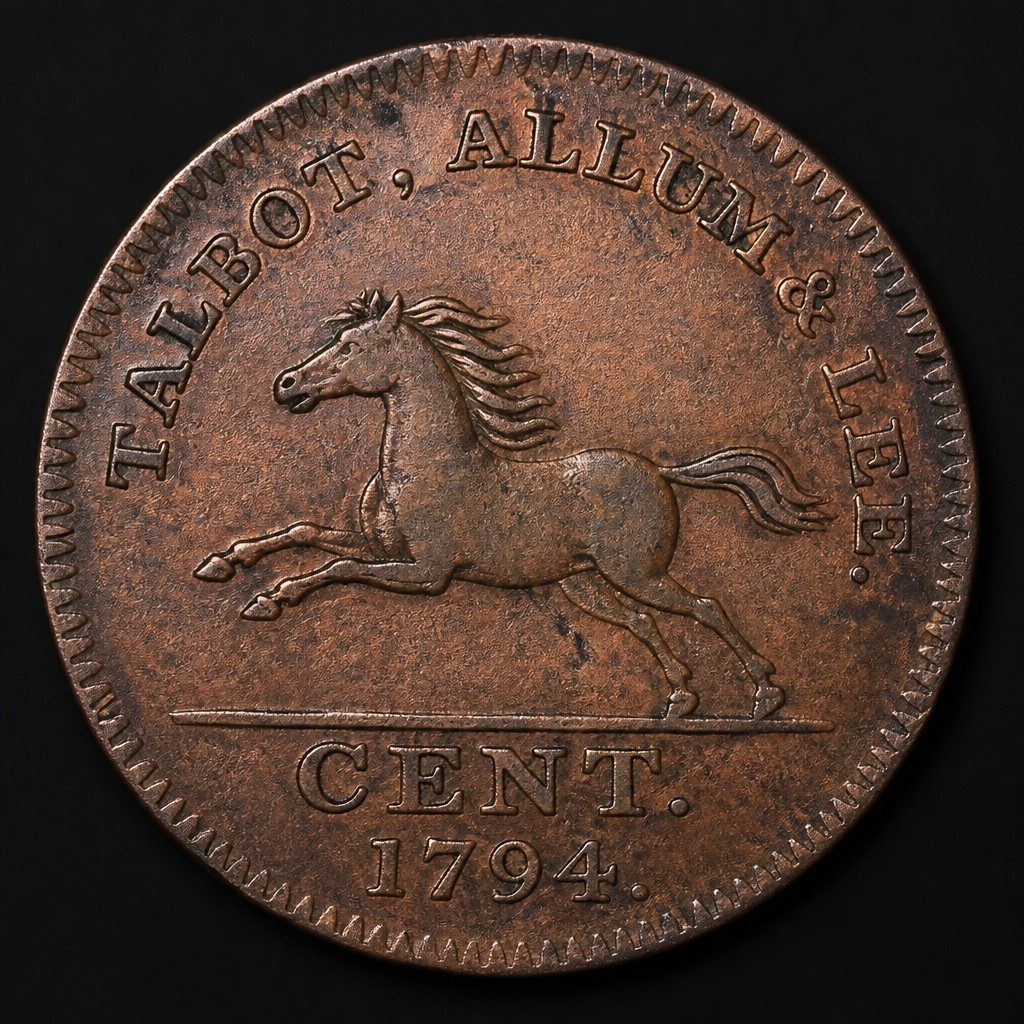
Talbot, Allum & Lee Cent
1794–1795
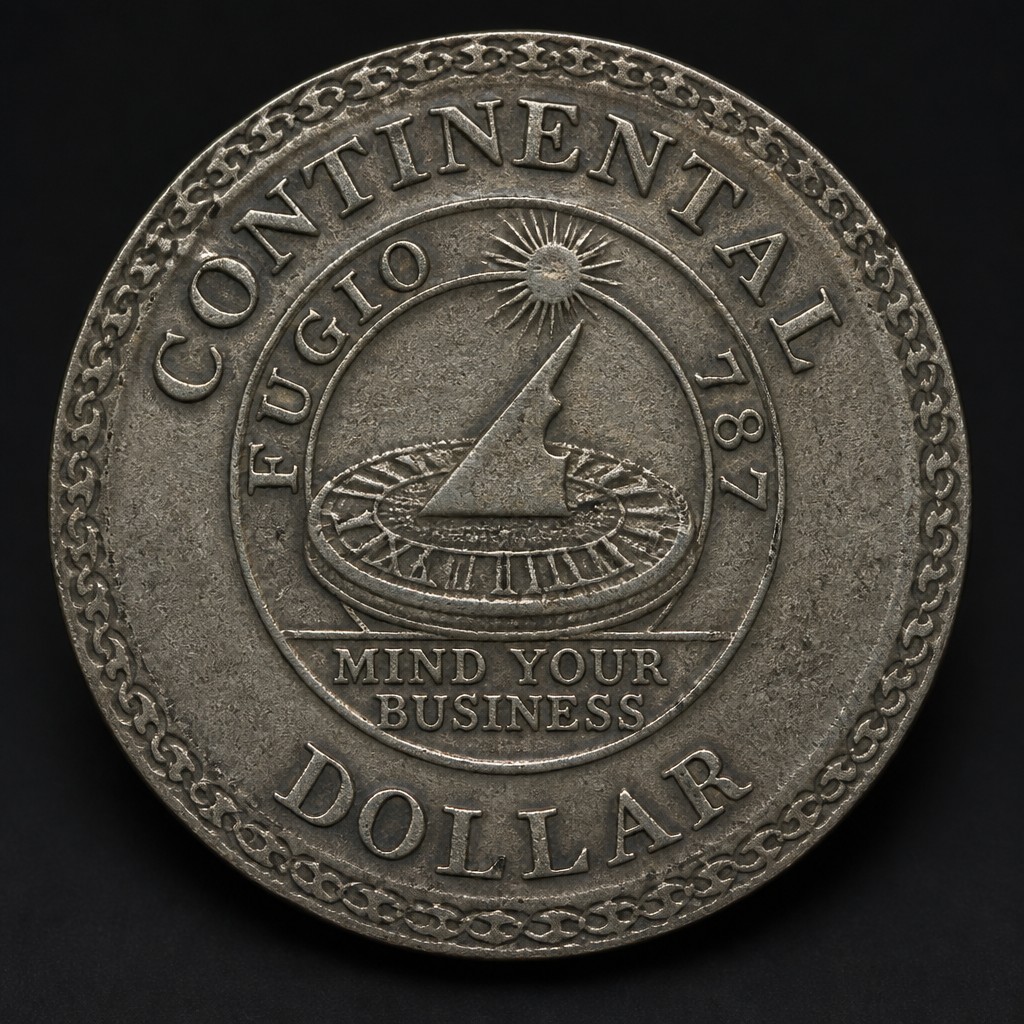
Continental Dollar
1776
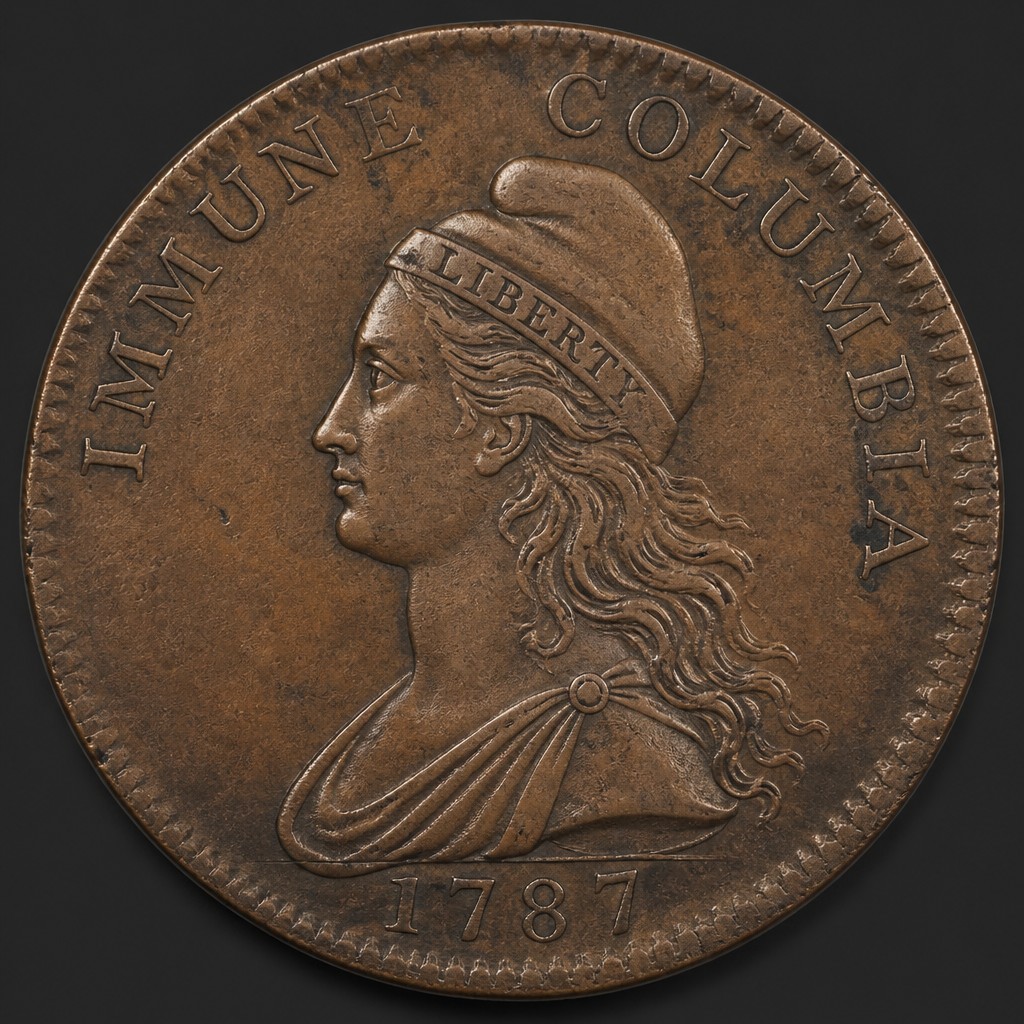
Immune Columbia Copper
circa 1785–1787
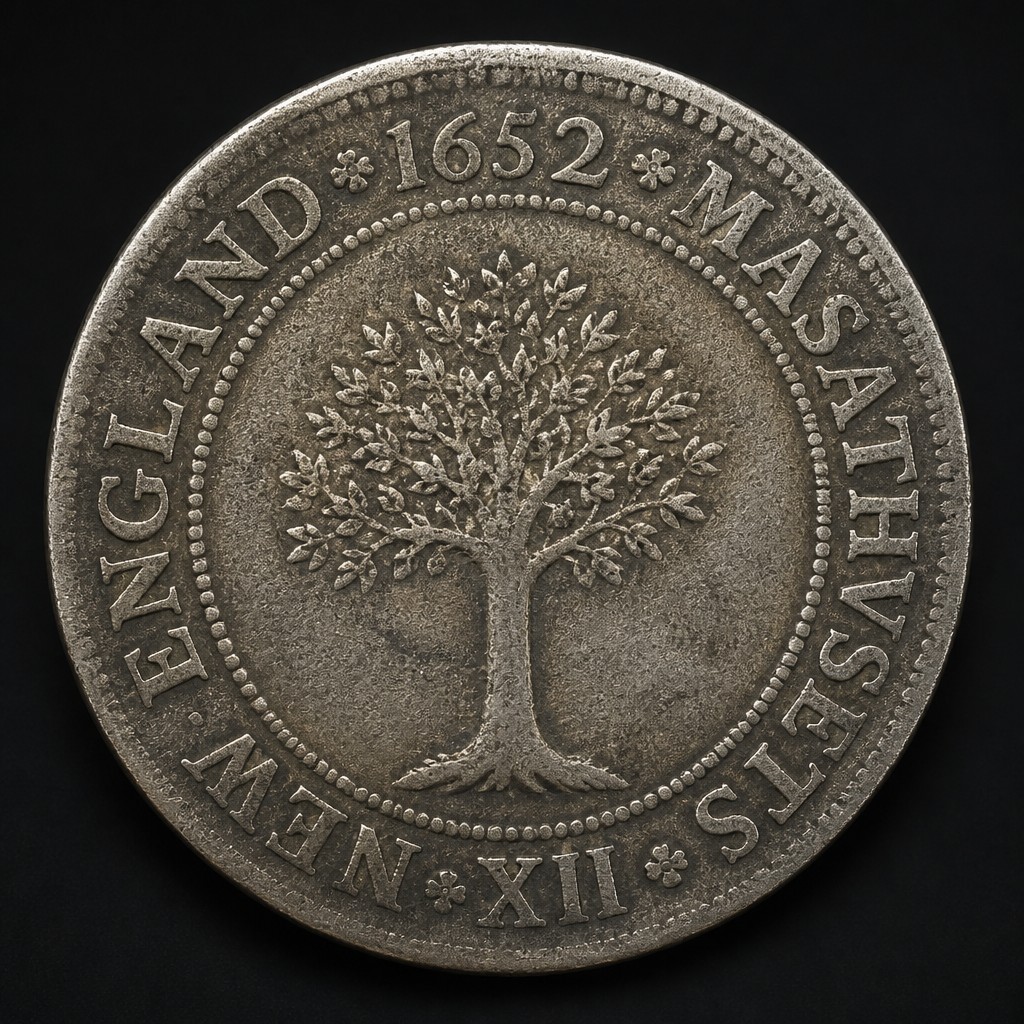
Massachusetts Oak Tree Shilling
Dated 1652, struck circa 1660–1667
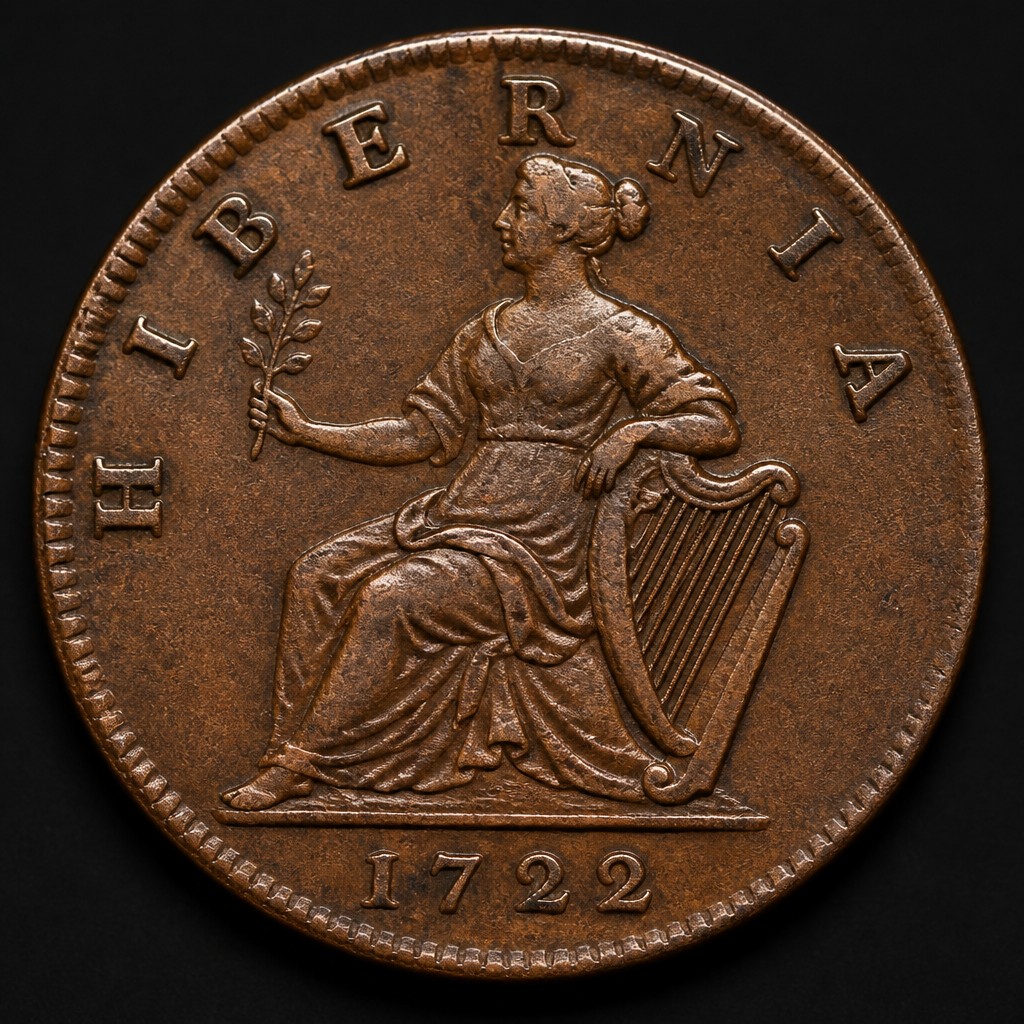
Wood's Hibernia Halfpenny
1722–1724
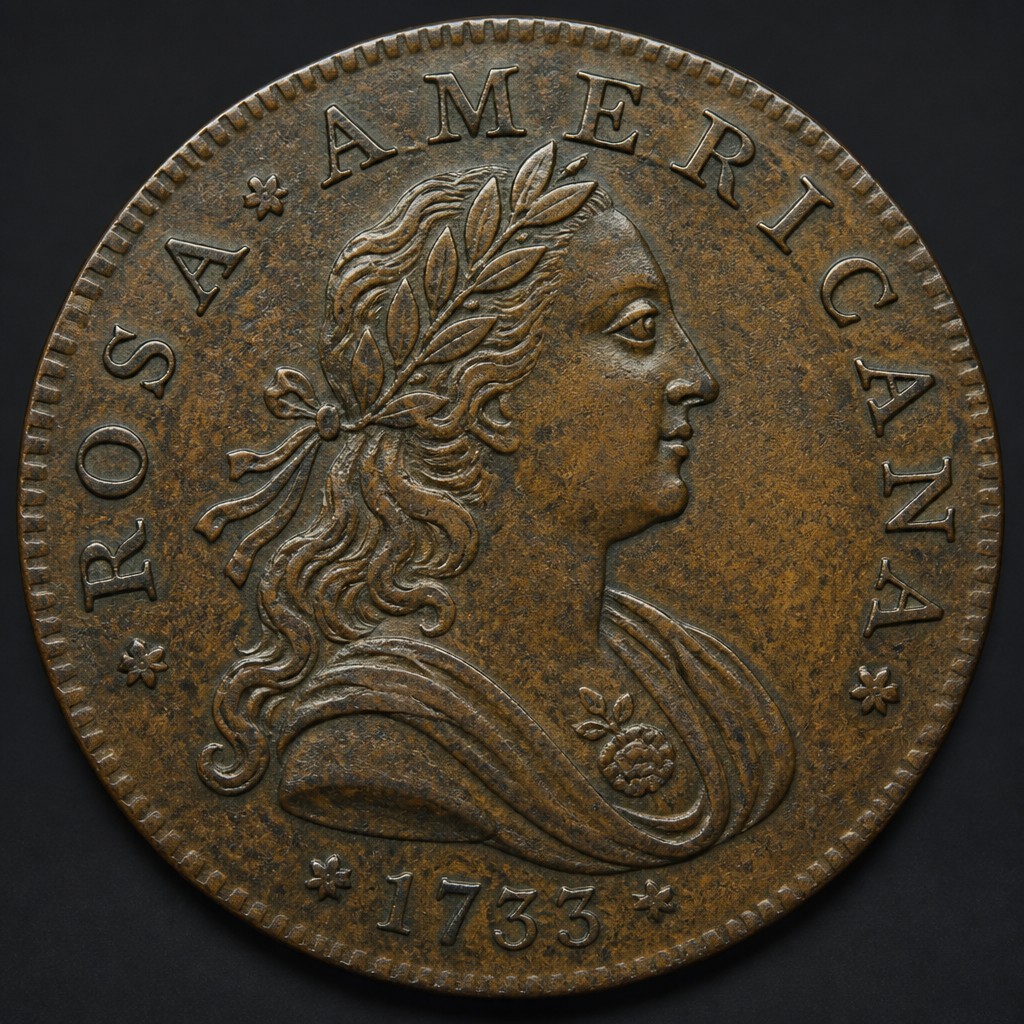
Rosa Americana Coinage
1722–1724 (with pattern issues dated 1733)
Massachusetts Willow Tree Shilling
Dated 1652, struck circa 1653–1660