
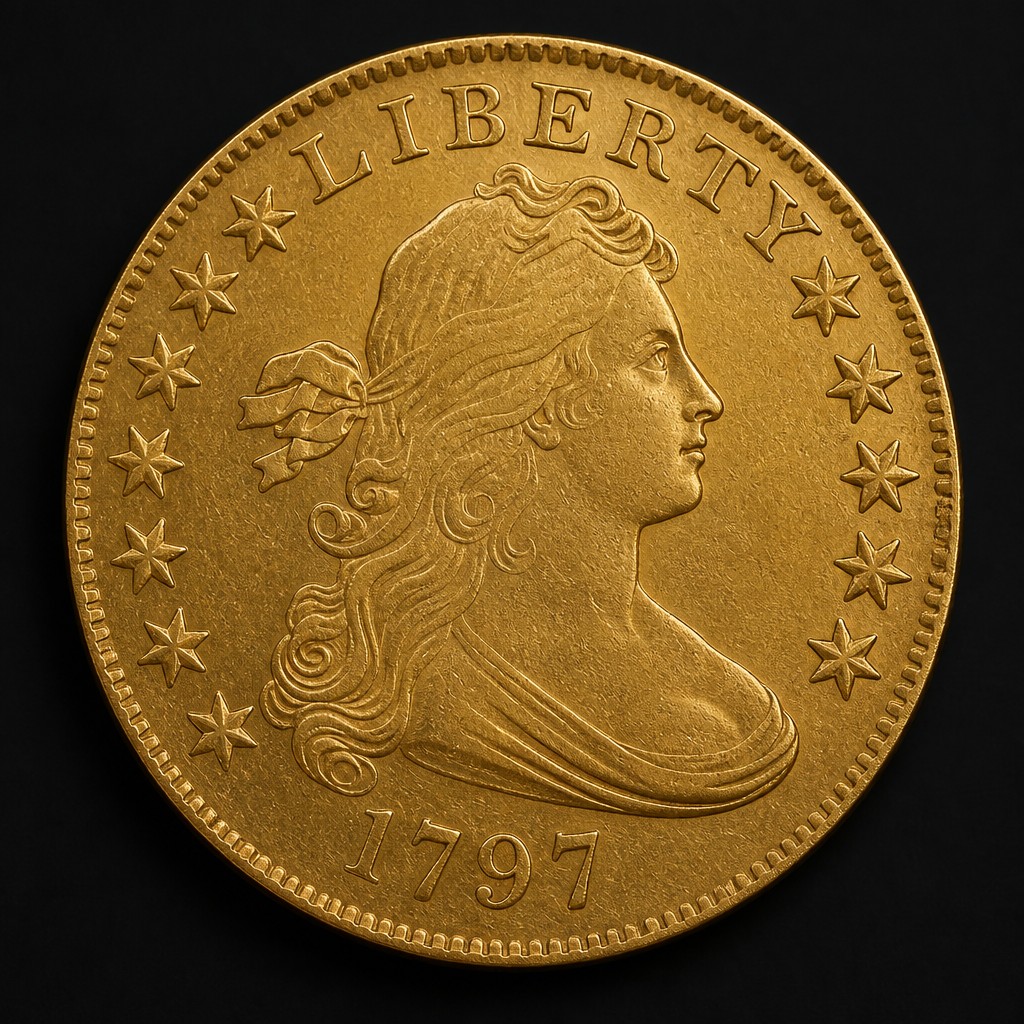
Draped Bust Eagle
The formal catalog name for the first U.S. ten-dollar gold coin once it adopted a bold heraldic eagle reverse in 1797, the same coin popularly nicknamed the 'Turban Head' eagle.
- Country
- United States
- Denomination
- Eagle ($10)
- Metal
- Gold (.9167)
Got a coin like this?
Identify any coin from a photo, free.
Overview
The Draped Bust Eagle is the standard numismatic catalog name for the same first-generation U.S. ten-dollar gold coin that collectors also nickname the 'Turban Head' eagle, referring specifically to the version struck from 1797 to 1804 with a bold heraldic eagle reverse based on the Great Seal of the United States.
It represents the mature form of America's earliest gold eagle coinage, after the Mint replaced its initial, smaller perched-eagle reverse with a more imposing design meant to project national strength. The type ended production after 1804 and would not be revived until 1838, making it a self-contained, historically bookended series.
Because it was struck only for eight years at a single mint in small quantities, and much of the mintage was later melted, it remains an important but genuinely scarce cornerstone of early American gold coinage.
History & Background
After debuting the eagle denomination in 1795 with a small, understated eagle reverse, the Mint's engravers redesigned the coin's reverse in 1797 to better match the imagery on the Great Seal of the United States, adopted by Congress in 1782. This heraldic eagle, holding an olive branch and arrows and bearing a shield on its breast, projected a more deliberate statement of national identity.
The coin continued to use Robert Scot's draped-bust Liberty obverse, shared in spirit with the contemporary silver dollar and half dollar of the era, giving the whole family of early U.S. coinage a unified visual language.
Production ended after 1804, as the coin's gold content made it worth more abroad than at face value, leading to widespread melting and export; the eagle denomination would not be struck again until 1838, under an entirely new design.
How to Identify
The obverse shows Liberty in profile facing right, her hair swept back under a soft cap, with LIBERTY on the headband, stars around the border, and the date below.
The reverse is the key identifying feature of this later sub-type: a heraldic eagle with a shield on its breast, an olive branch and arrows held in its talons, and a ribbon banner above inscribed E PLURIBUS UNUM, all encircled by UNITED STATES OF AMERICA. This differs from the earlier 1795-1797 small eagle reverse, which shows a simple perched eagle with no shield or motto.
The coin is a large, heavy gold piece with a reeded edge and no mintmark, since it was struck only at Philadelphia. There is no numeral denomination stated on the coin; its size, weight, and gold color signified its value.
Value & Collectibility
Because mintages were modest and much of the original output was later melted, every date of the Draped Bust, Heraldic Eagle type is scarce, with typical circulated examples of common dates starting well into five figures.
The final year, 1804, holds special interest because a small number of "restrikes" using a similarly dated obverse die were produced around 1834 for diplomatic presentation proof sets, alongside the famous 1804 silver dollar; genuine 1804-dated eagles and these later proof pieces are distinguished by specialists through subtle die differences.
Given the rarity and expense involved across the entire series, buyers typically insist on professional grading and variety attribution, and prices vary substantially with condition, originality, and specific date.
Frequently asked questions
What's the difference between the Draped Bust Eagle and the Turban Head Eagle?
They are the same underlying design family; 'Turban Head' is a popular nickname often applied to the earlier small-eagle-reverse coins (1795-1797), while 'Draped Bust' with the heraldic eagle reverse refers to the later coins (1797-1804).
Why does the reverse show a shield and banner?
The heraldic eagle reverse, adopted in 1797, was modeled on the Great Seal of the United States to give the coin a more official, national emblem.
Are 1804 eagles all original 1804 strikes?
No, in addition to coins actually struck in 1804, a small number of similarly dated proof restrikes were produced around 1834 for diplomatic gift sets; specialists distinguish them by die characteristics.
Why did the series end in 1804?
Rising gold prices relative to silver made the coin's bullion value exceed its face value, prompting heavy melting and export, so the Mint suspended eagle production until 1838.
Other coins you may enjoy
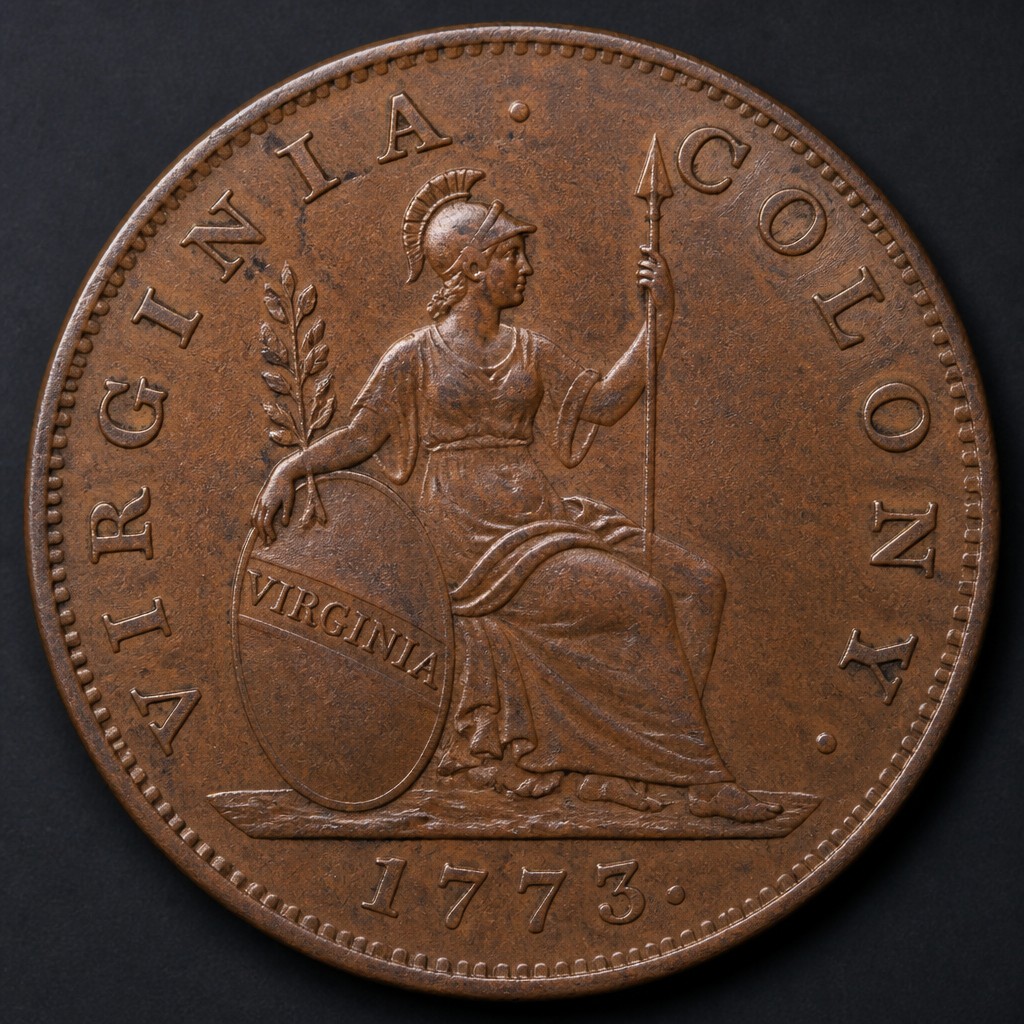
Virginia Halfpenny
1773
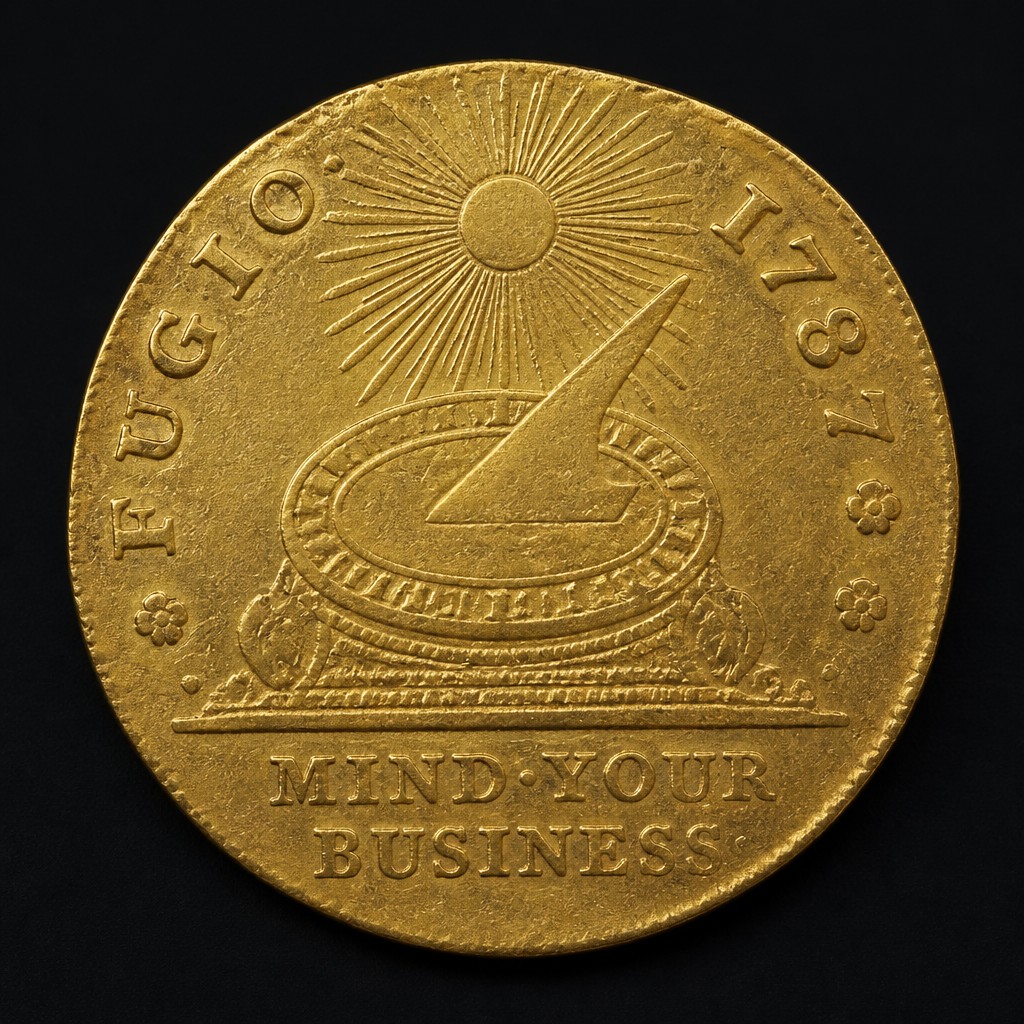
Brasher Doubloon
1787
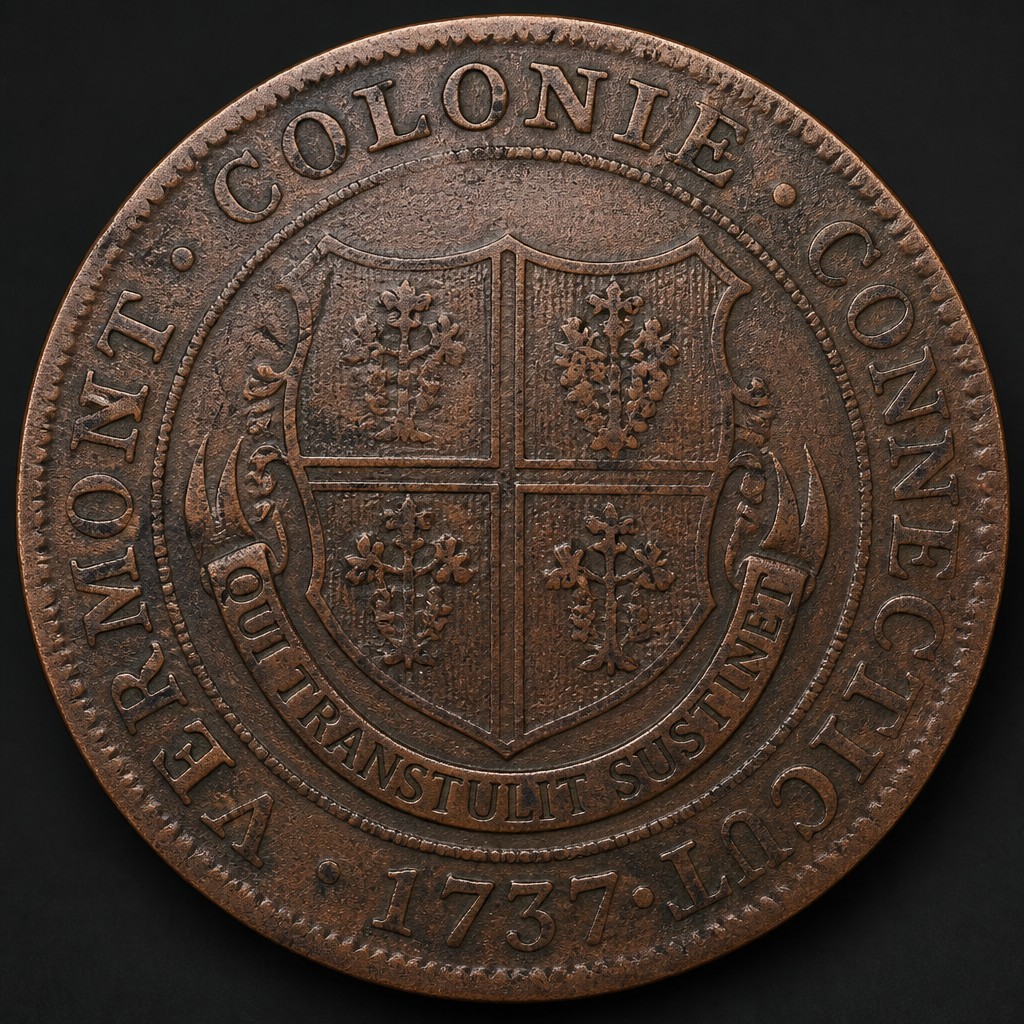
Higley Copper
1737–1739
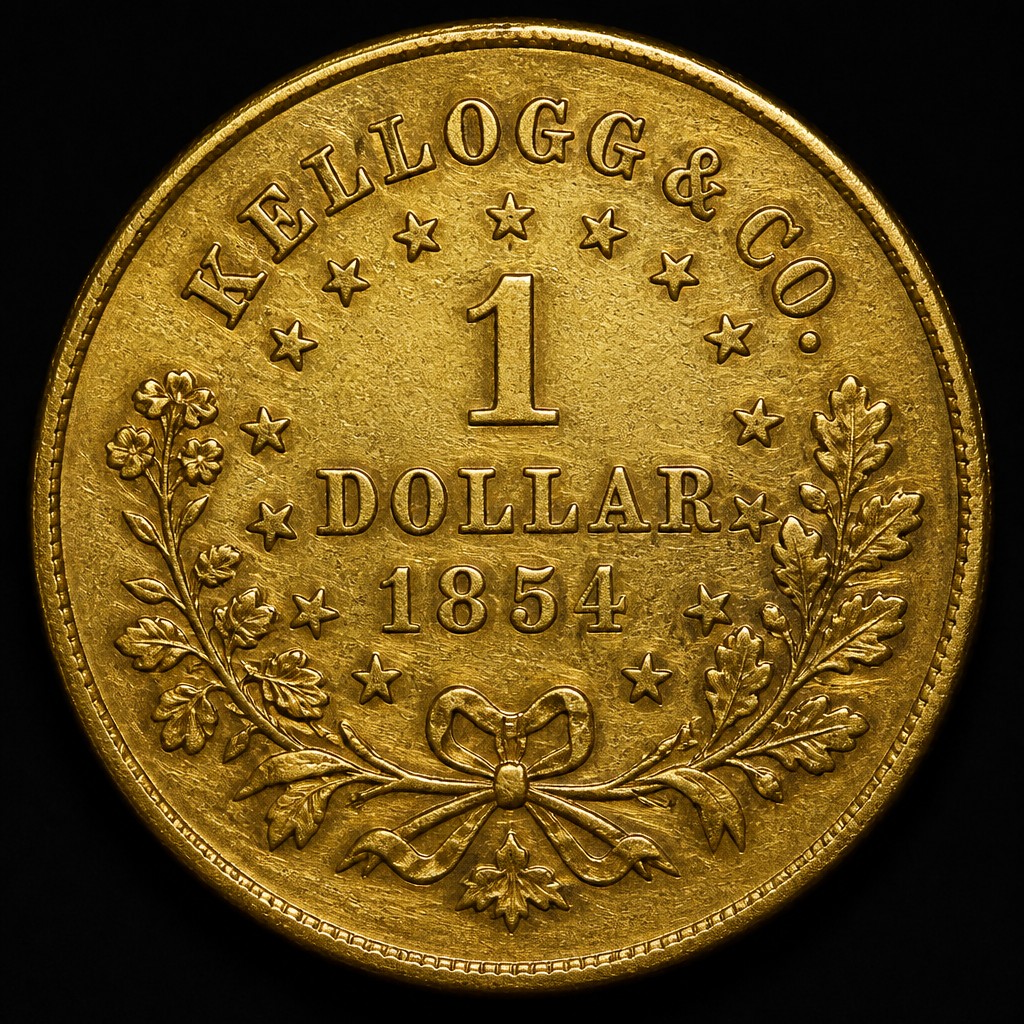
Kellogg & Co. Gold Piece
1854–1855
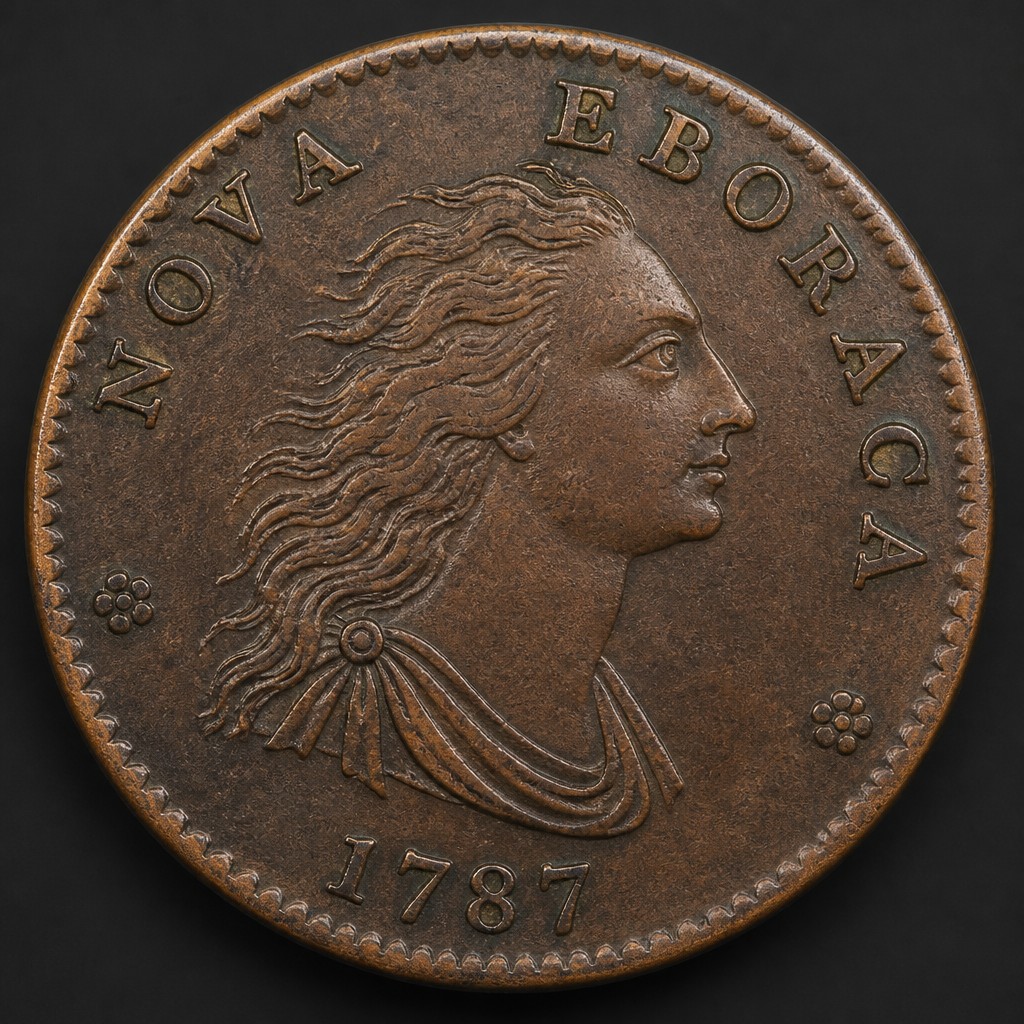
Nova Eborac Copper
1787
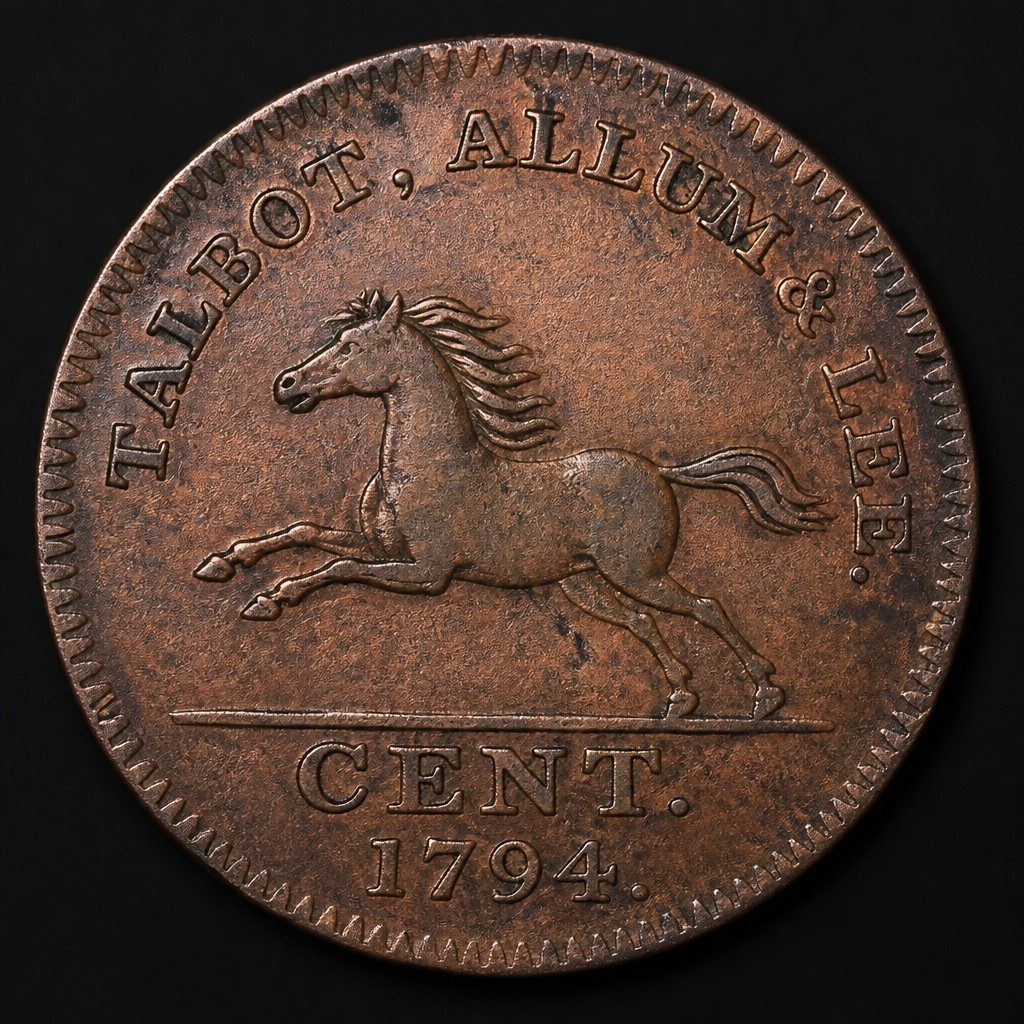
Talbot, Allum & Lee Cent
1794–1795
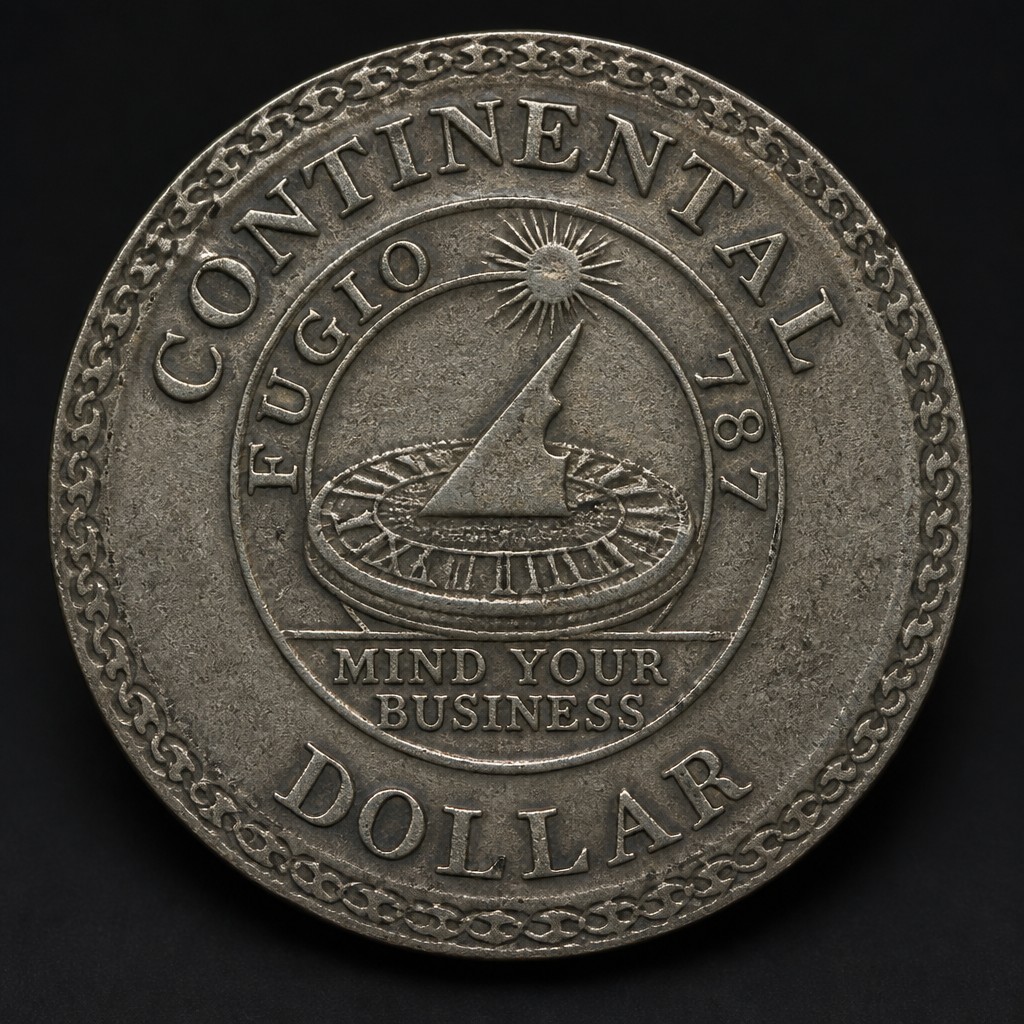
Continental Dollar
1776
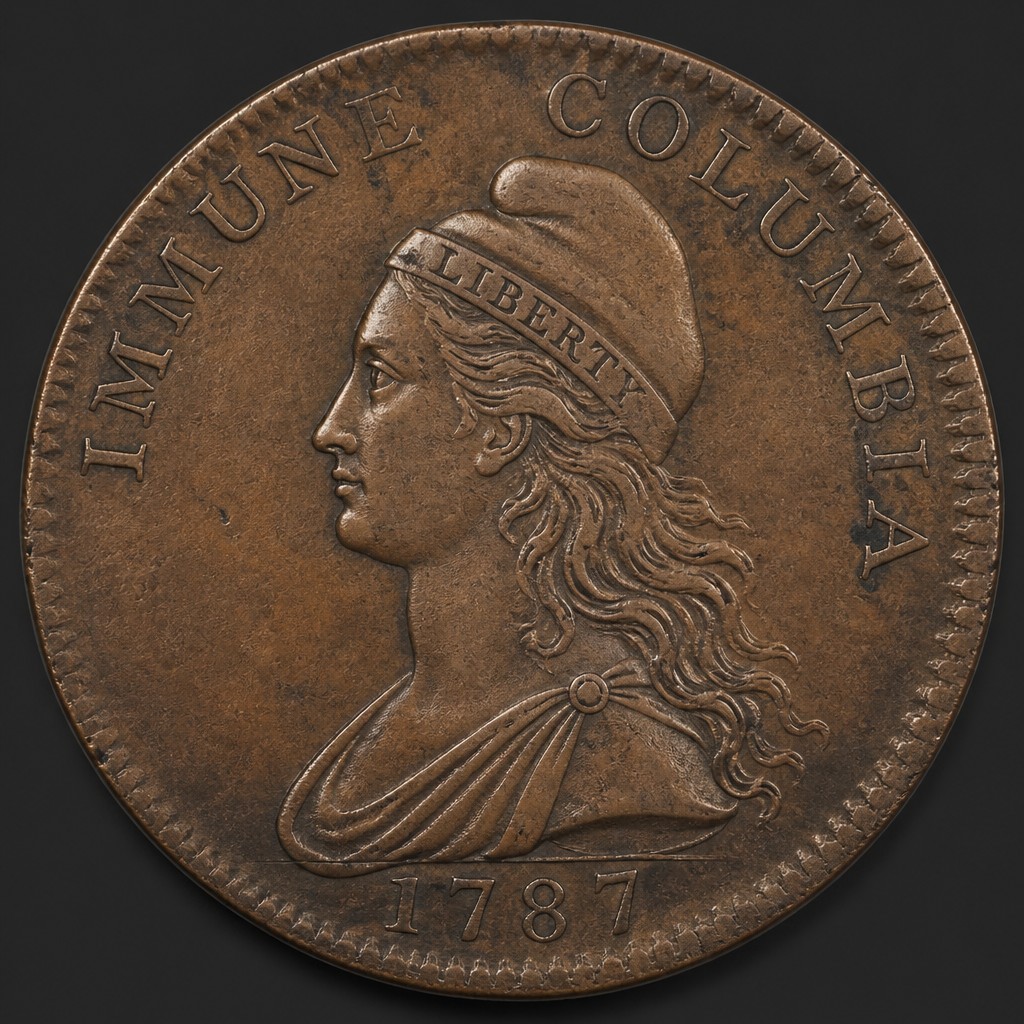
Immune Columbia Copper
circa 1785–1787
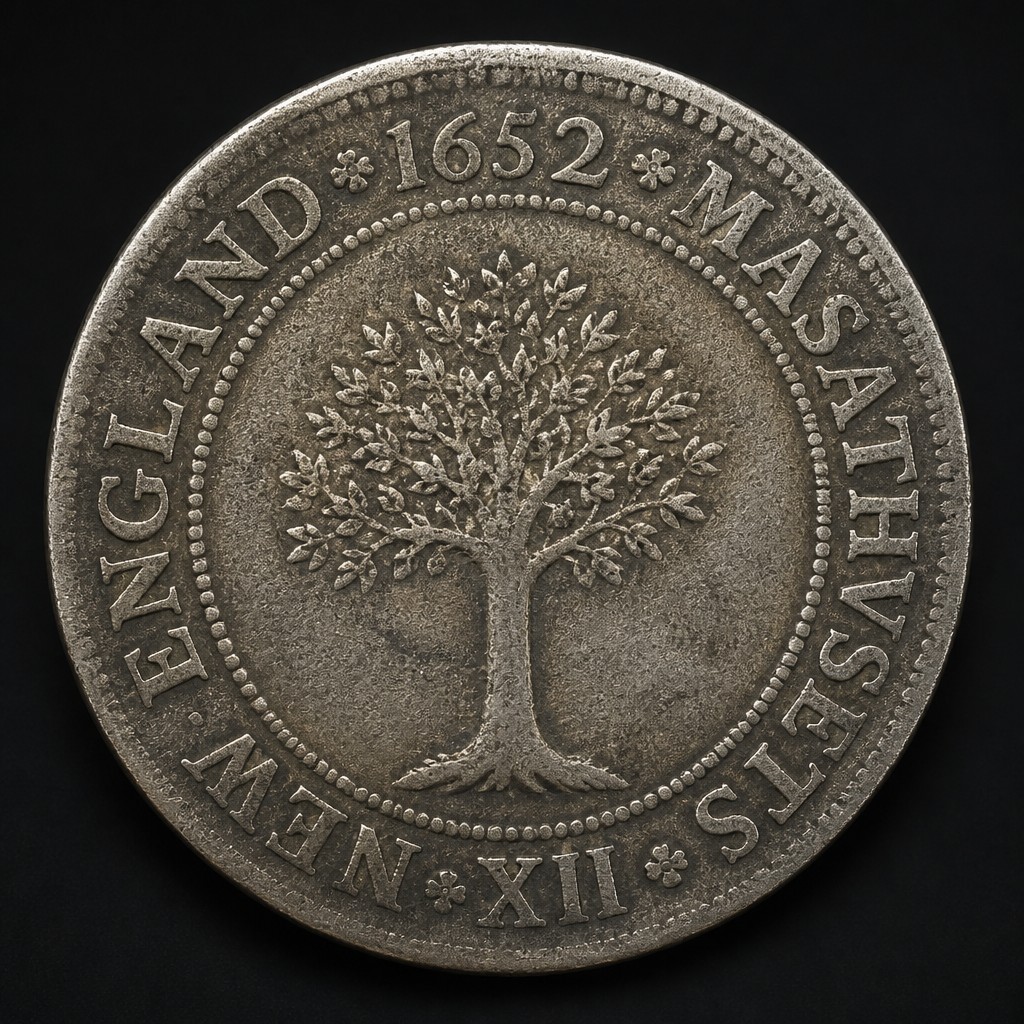
Massachusetts Oak Tree Shilling
Dated 1652, struck circa 1660–1667
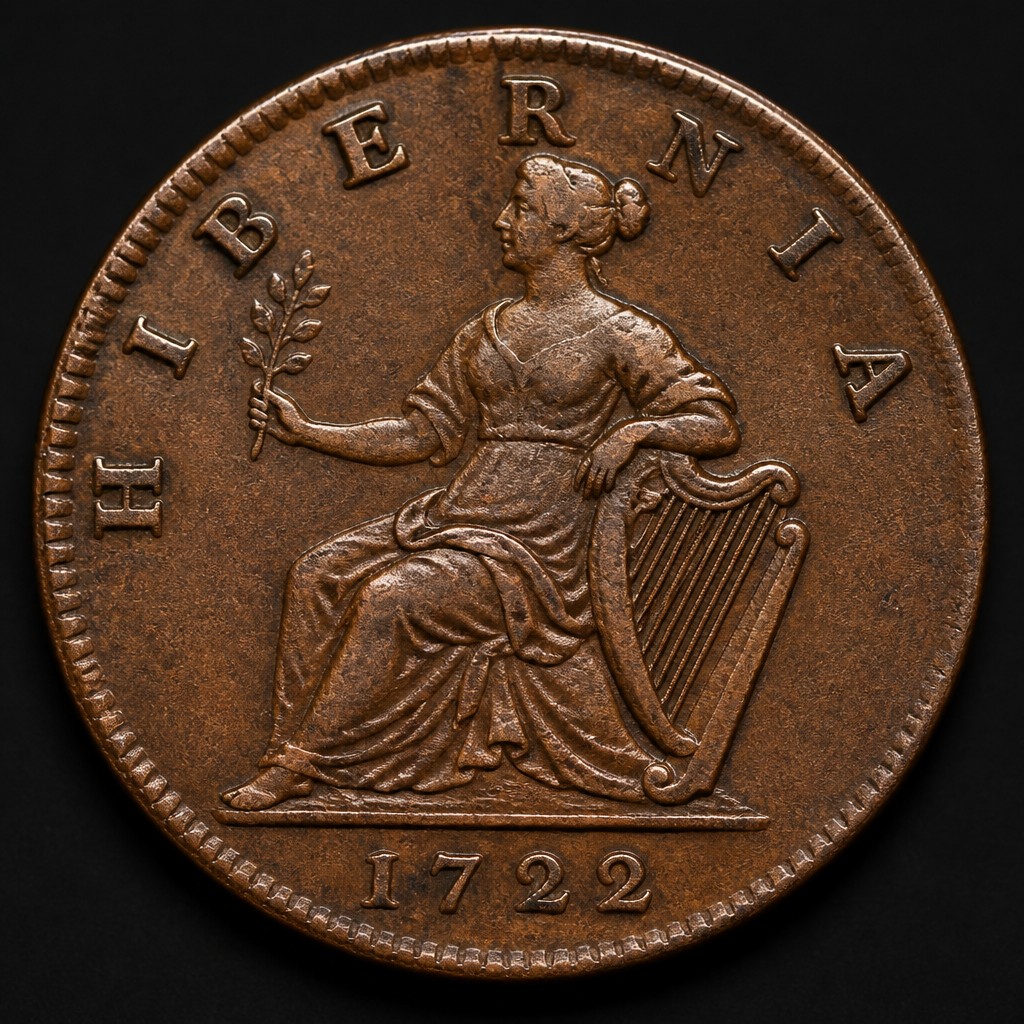
Wood's Hibernia Halfpenny
1722–1724
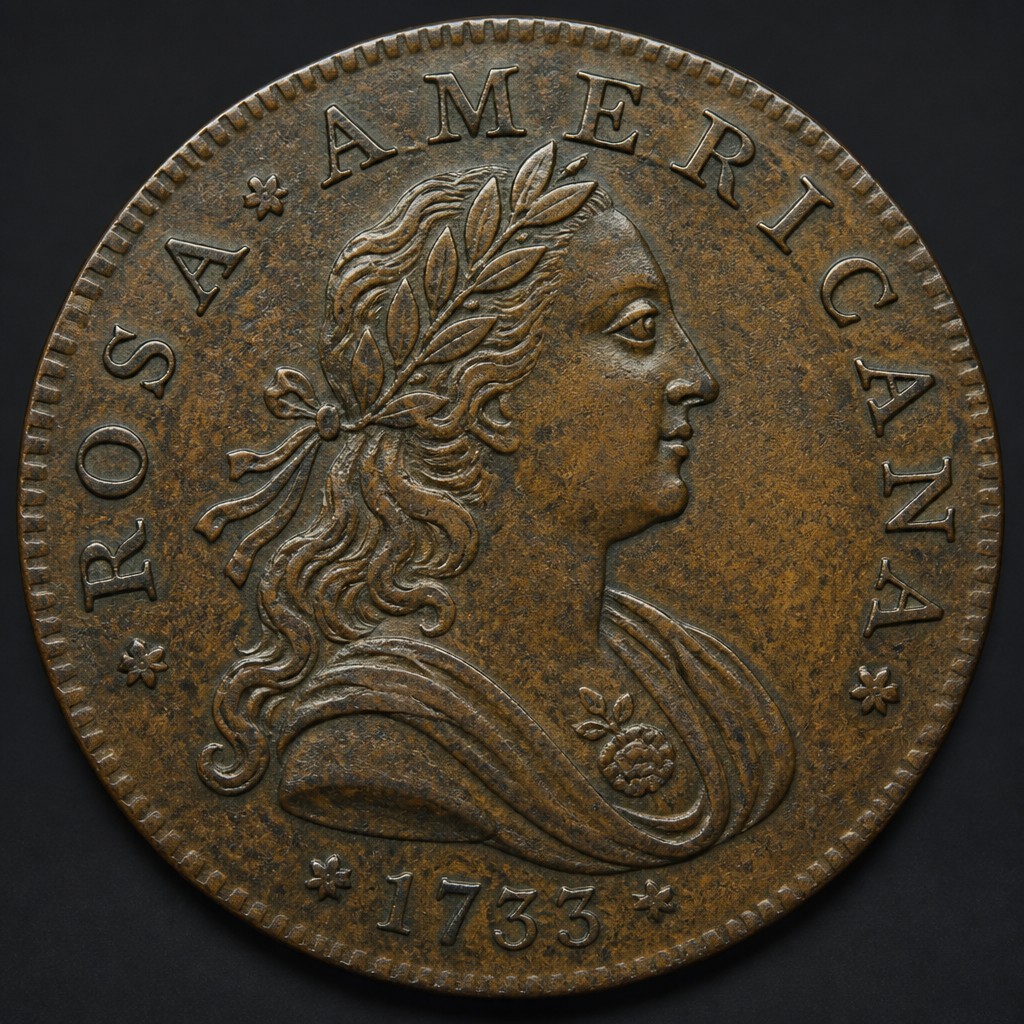
Rosa Americana Coinage
1722–1724 (with pattern issues dated 1733)
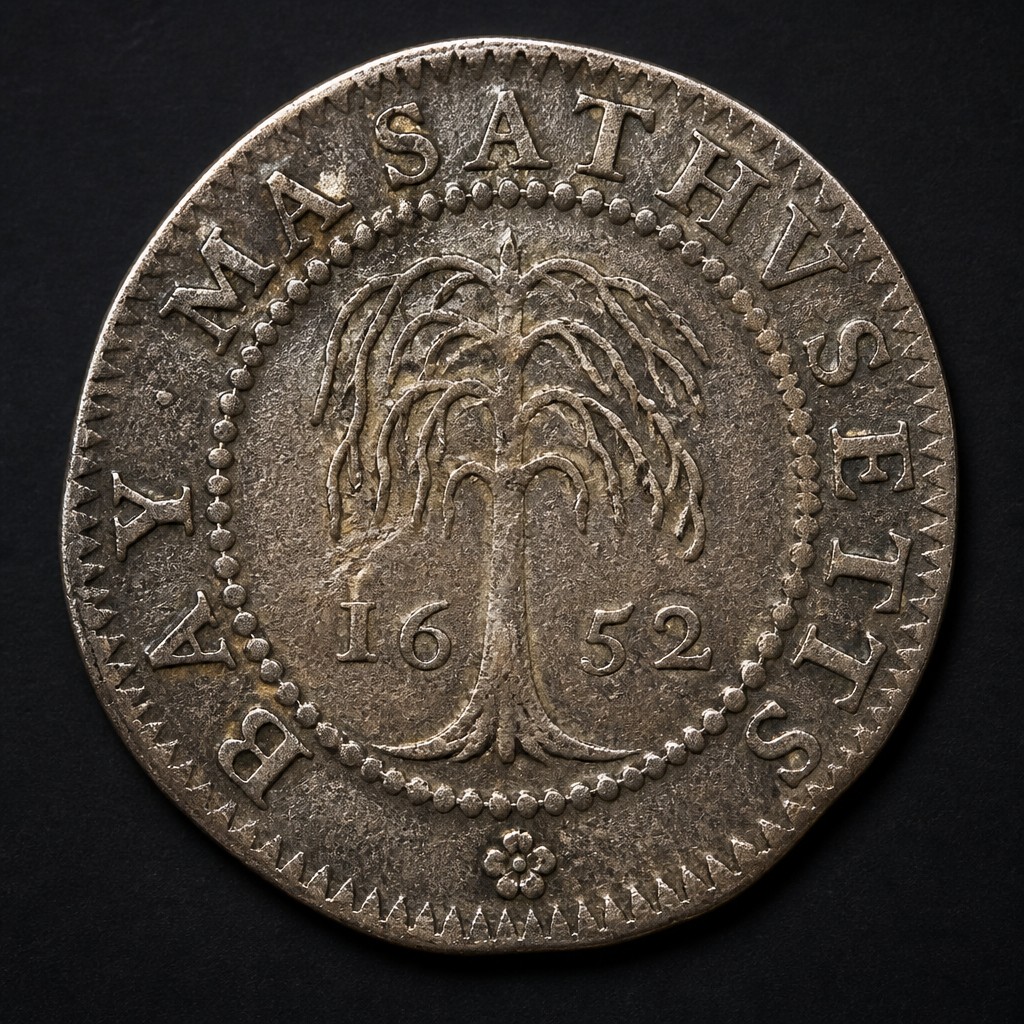
Massachusetts Willow Tree Shilling
Dated 1652, struck circa 1653–1660