
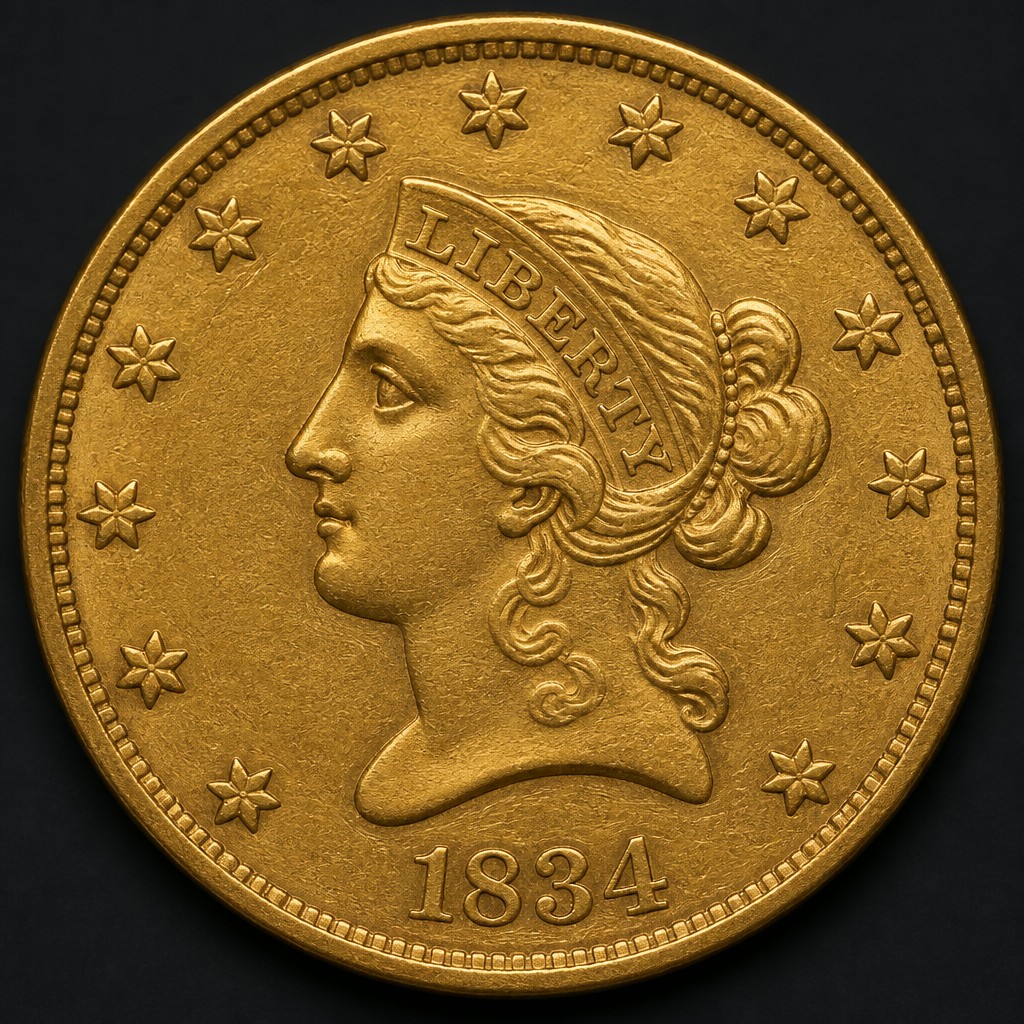
Classic Head Half Eagle ($5)
A short-lived early American gold five-dollar coin created after the Coinage Act of 1834 reduced gold coin weight to keep coins in circulation rather than being melted.
- Country
- United States
- Denomination
- Five Dollars
- Metal
- Gold (.8992 fine)
Got a coin like this?
Identify any coin from a photo, free.
Overview
The Classic Head Half Eagle marked an important turning point in early American gold coinage, introduced after Congress adjusted the gold-to-silver ratio and coin weights to stop the widespread melting of earlier, heavier gold coins. Designed by William Kneass, its simplified design and reduced weight distinguished it clearly from its Capped Bust predecessor.
Though produced for only a few years, the series is historically important as the coinage that first brought American gold denominations back into everyday circulation after decades of gold coins being hoarded or exported for their metal value.
History & Background
The Coinage Act of 1834 reduced the weight and fineness of American gold coins in response to a global gold-to-silver price imbalance that had caused nearly all earlier U.S. gold coins to be melted or exported soon after minting. To visually distinguish the new, lighter coins from the older standard, the Mint adopted a fresh design by Chief Engraver William Kneass, removing the motto E PLURIBUS UNUM from the reverse as part of the visual change.
Production began in 1834 and continued through 1838, with the design struck at Philadelphia and, for the first time for this denomination, at the newly opened Southern branch mints of Charlotte and Dahlonega beginning in 1838, as well as briefly at New Orleans. This made the Classic Head Half Eagle one of the first gold coins struck at those Southern facilities.
The design was short-lived, replaced in 1839 by Christian Gobrecht's Coronet Head type, which would go on to serve as the standard half eagle design for the next seventy years.
How to Identify
The obverse features Liberty's head facing left wearing a coronet or band inscribed LIBERTY, with curly hair and thirteen stars surrounding, and the date below. The reverse shows an eagle with wings spread, holding an olive branch and arrows, encircled by UNITED STATES OF AMERICA and 5 D., notably without the E PLURIBUS UNUM motto found on earlier and later half eagle designs.
Mintmarks, when present, appear on the reverse above the date area or near the eagle depending on the specific branch mint issue: C for Charlotte, D for Dahlonega, and O for New Orleans, with Philadelphia coins unmarked. The coin has a reeded edge and a slightly smaller diameter and lighter weight than the earlier Capped Bust Half Eagle it replaced.
Collectors identify this type immediately by the absence of E PLURIBUS UNUM on the reverse, a deliberate design change unique to this brief series among half eagle types.
Value & Collectibility
Common Philadelphia-struck Classic Head Half Eagles are more available than their branch-mint counterparts and trade with solid premiums over gold bullion value in circulated grades. The Charlotte, Dahlonega, and New Orleans issues, being among the earliest gold coinage from those mints, are considerably scarcer and carry meaningfully higher premiums, particularly in higher grades.
Given the coin's age and relatively short five-year production span, well-preserved Mint State examples are scarce across all mints, and strong demand exists among both type collectors seeking one example of the design and specialists pursuing complete branch-mint sets.
Frequently asked questions
Why was the Classic Head design created?
The Coinage Act of 1834 reduced gold coin weight and fineness to stop widespread melting, and the new lighter design visually distinguished the coins from the earlier standard.
Why is E PLURIBUS UNUM missing from the reverse?
The motto was deliberately removed as part of the redesign to help the public distinguish the new, lighter-weight gold coins from earlier issues.
Why are Charlotte and Dahlonega examples special?
Both mints opened in 1838, and their brief Classic Head half eagle issues represent some of the very first coins struck at those Southern facilities.
What replaced the Classic Head Half Eagle?
Christian Gobrecht's Coronet Head design replaced it in 1839 and remained in use for seventy years.
Other coins you may enjoy
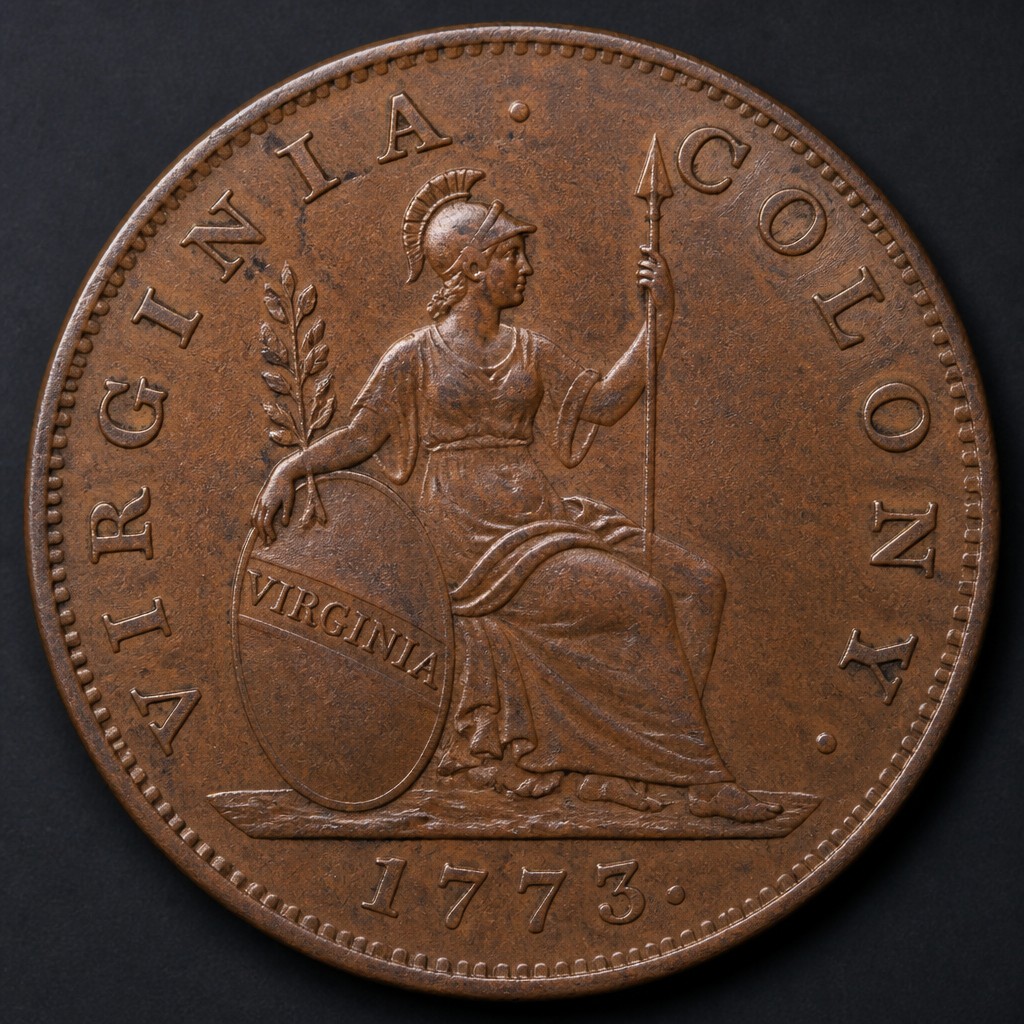
Virginia Halfpenny
1773

Brasher Doubloon
1787
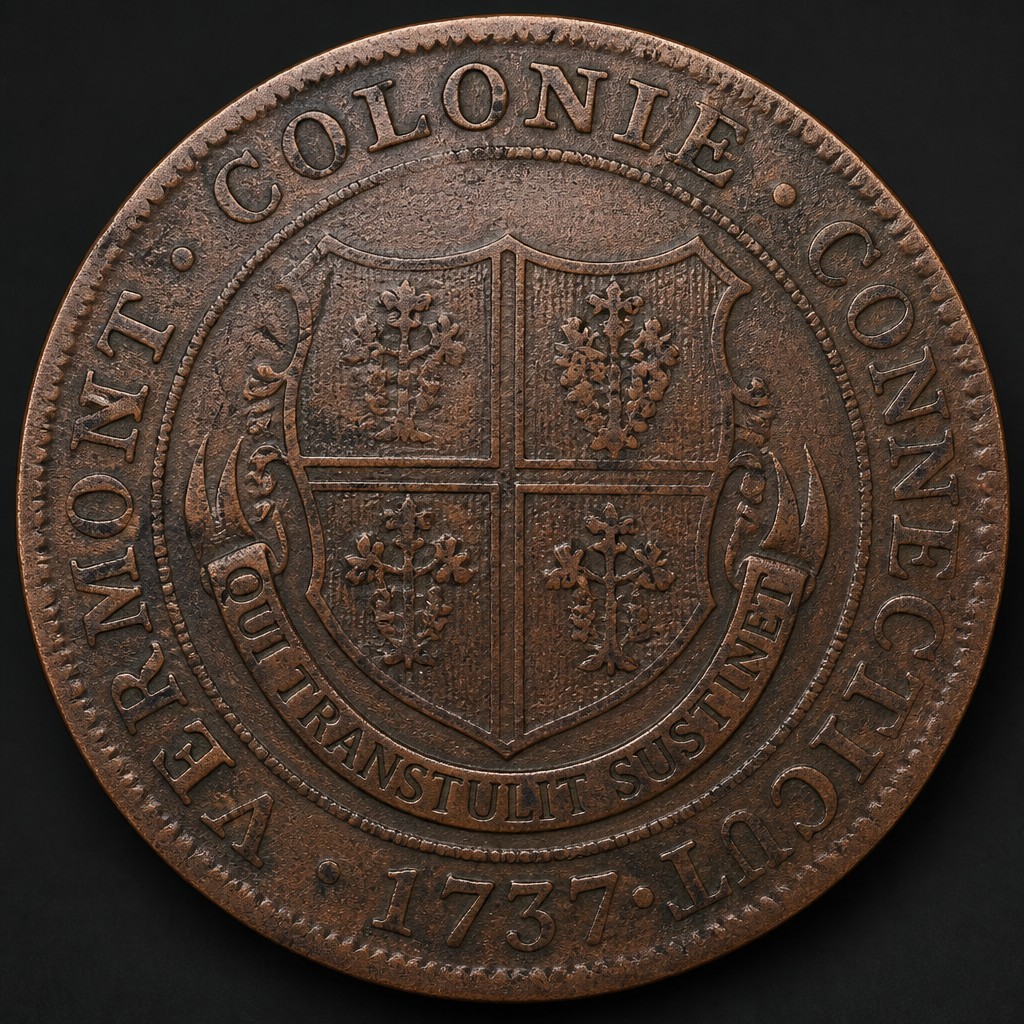
Higley Copper
1737–1739
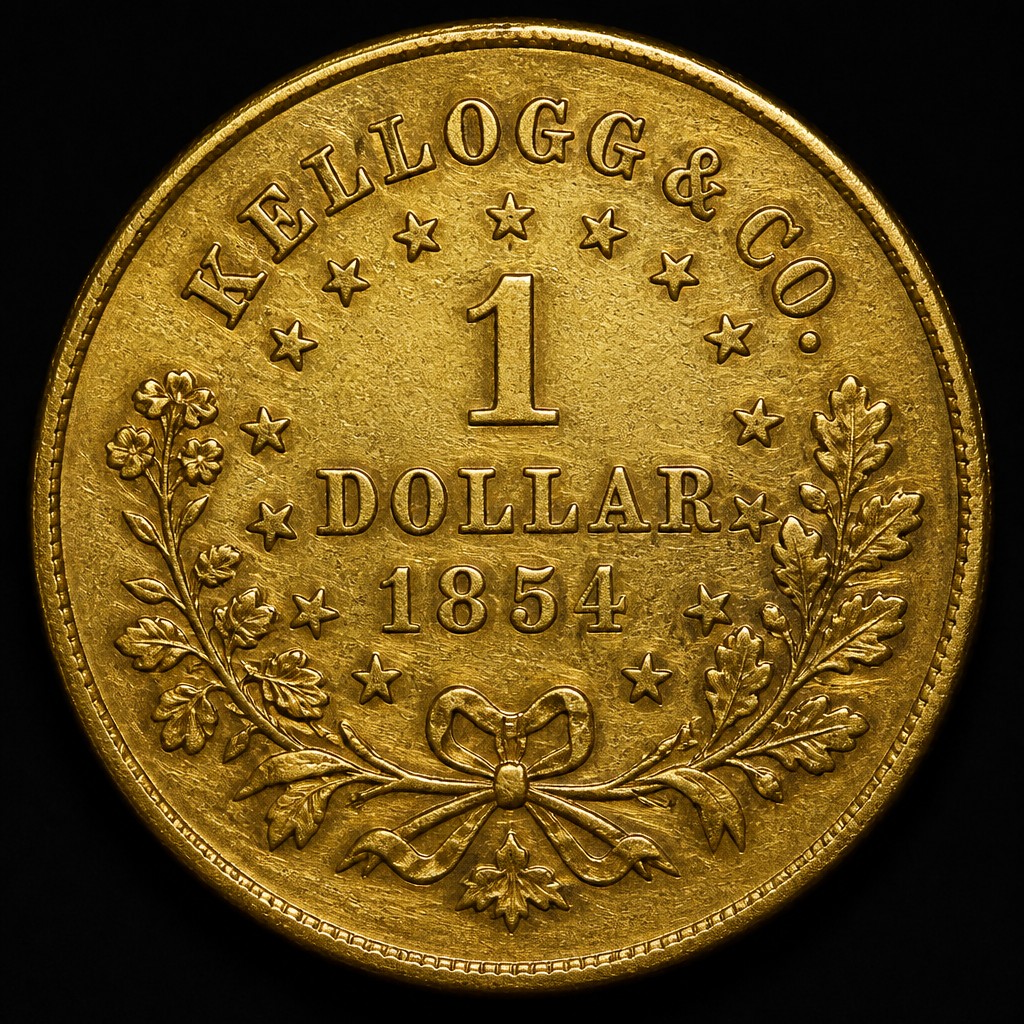
Kellogg & Co. Gold Piece
1854–1855
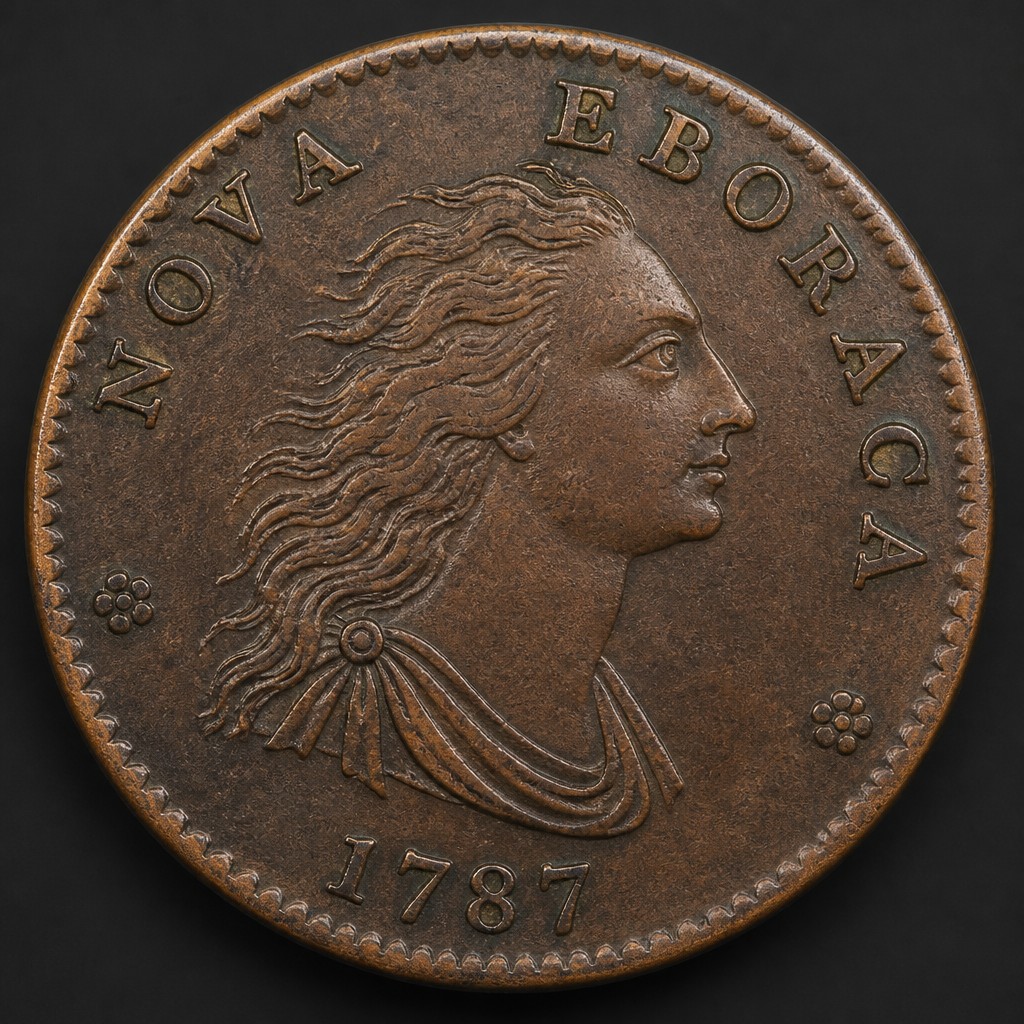
Nova Eborac Copper
1787
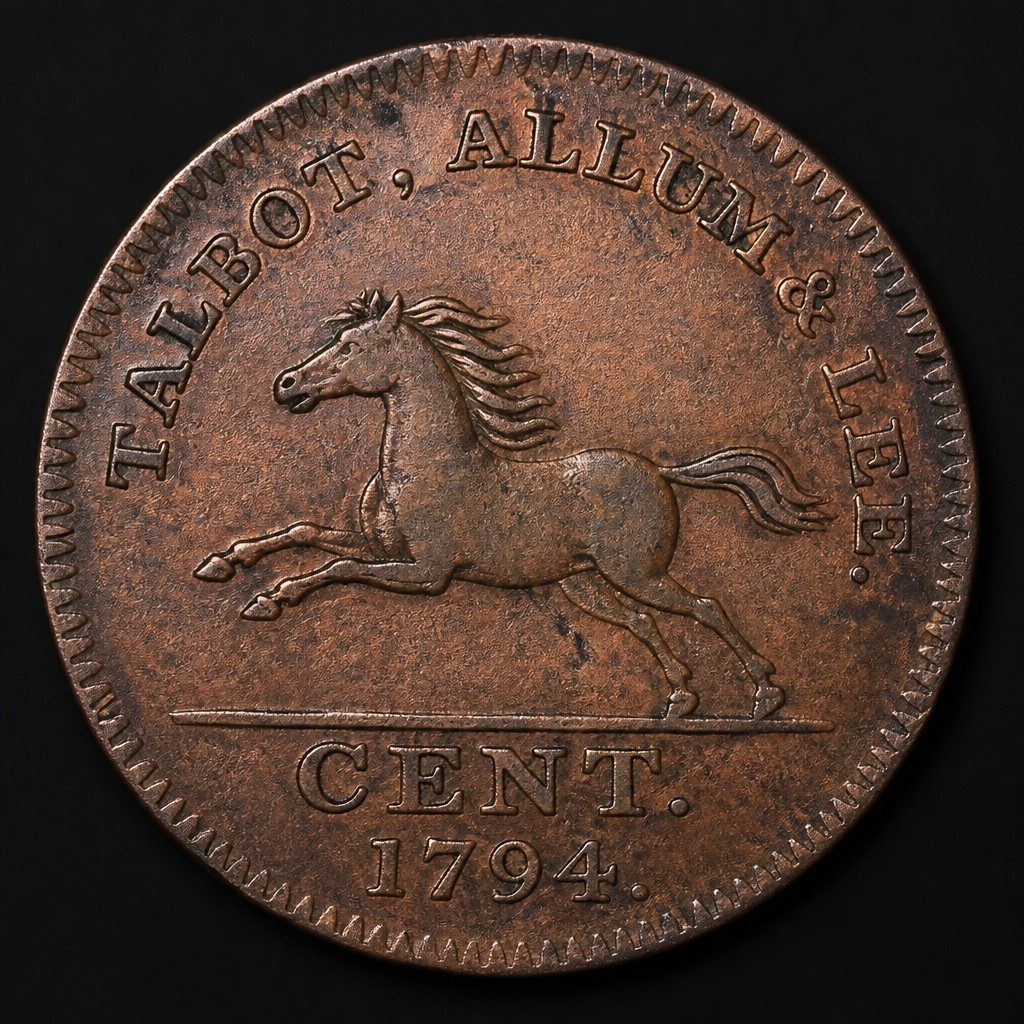
Talbot, Allum & Lee Cent
1794–1795
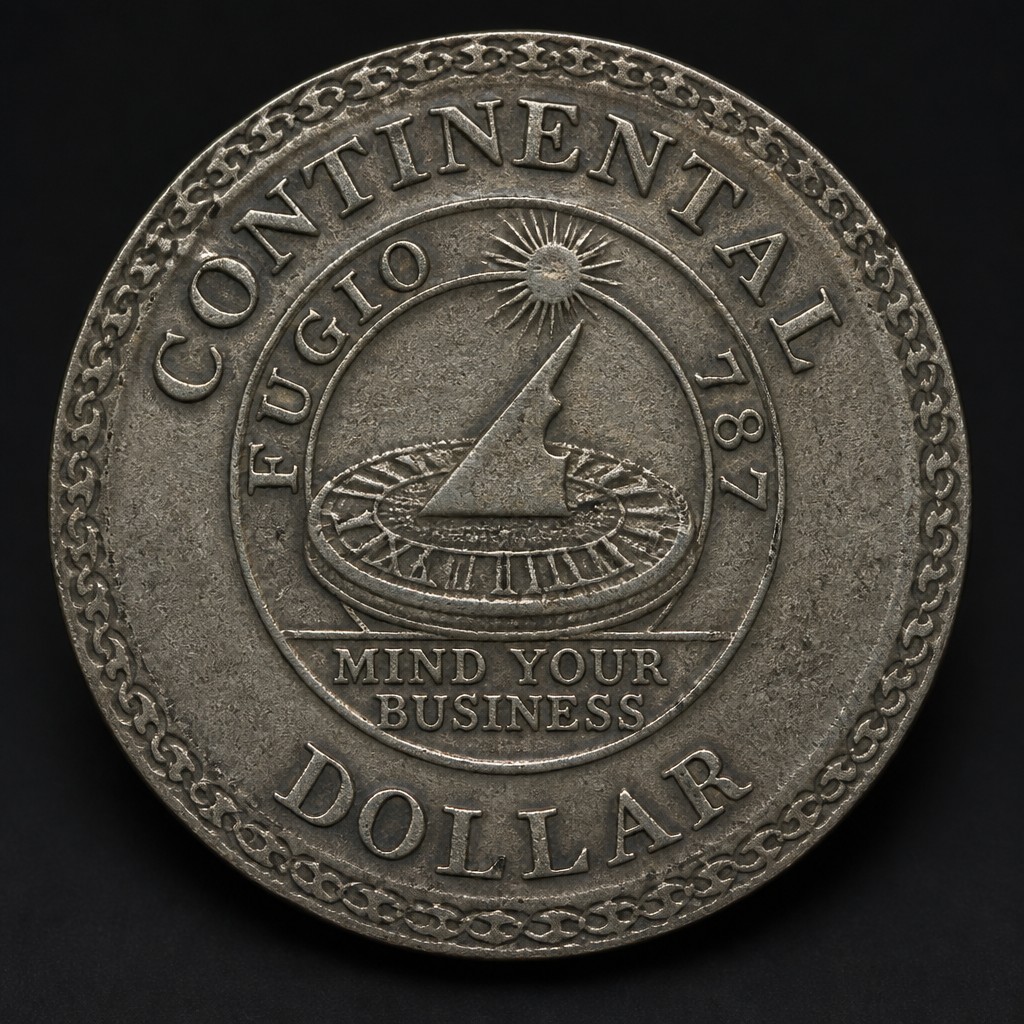
Continental Dollar
1776
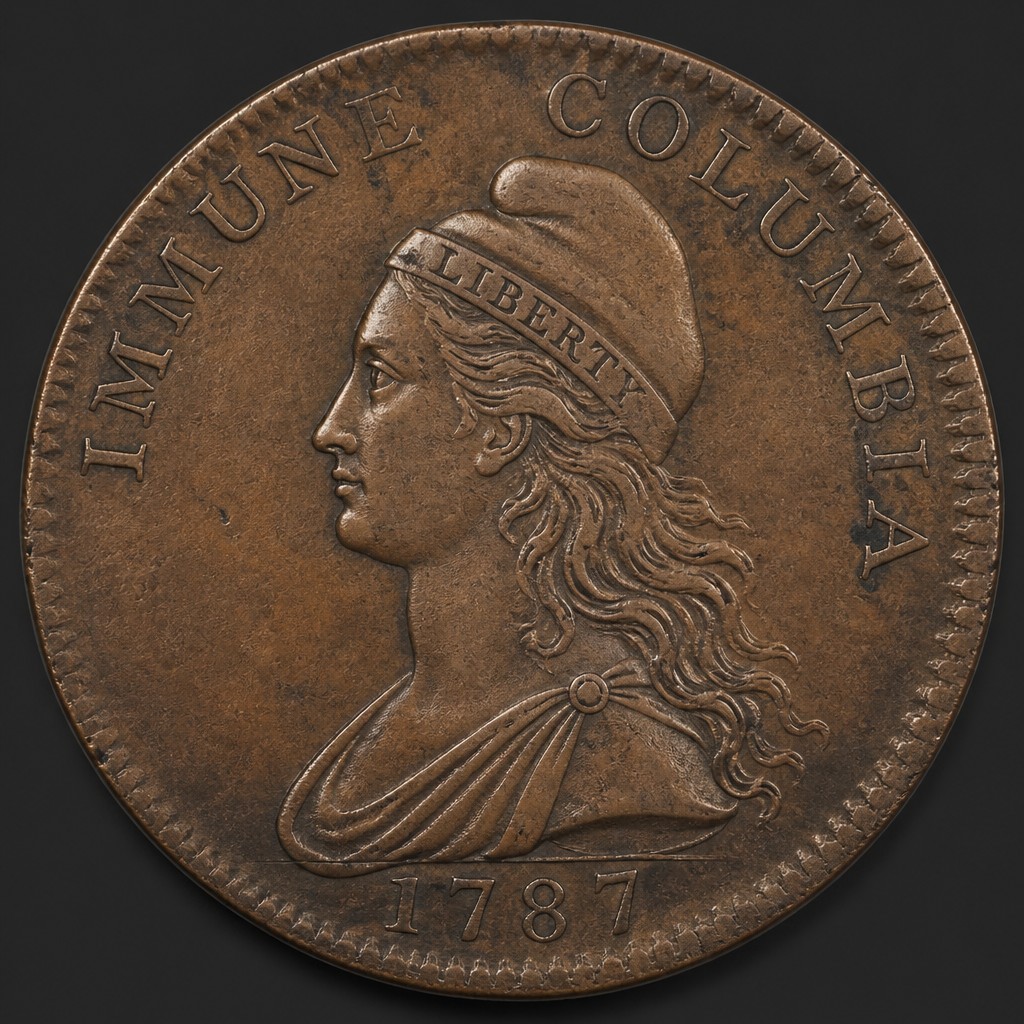
Immune Columbia Copper
circa 1785–1787
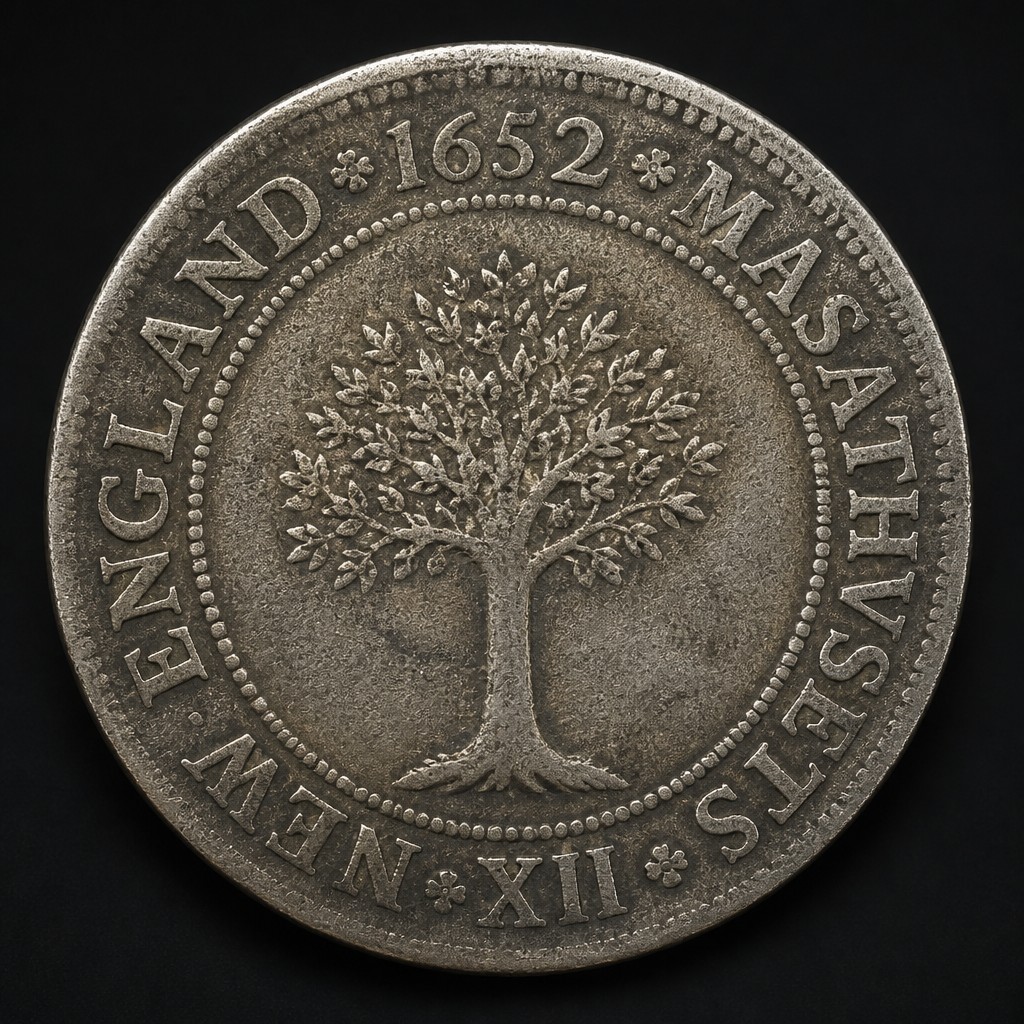
Massachusetts Oak Tree Shilling
Dated 1652, struck circa 1660–1667
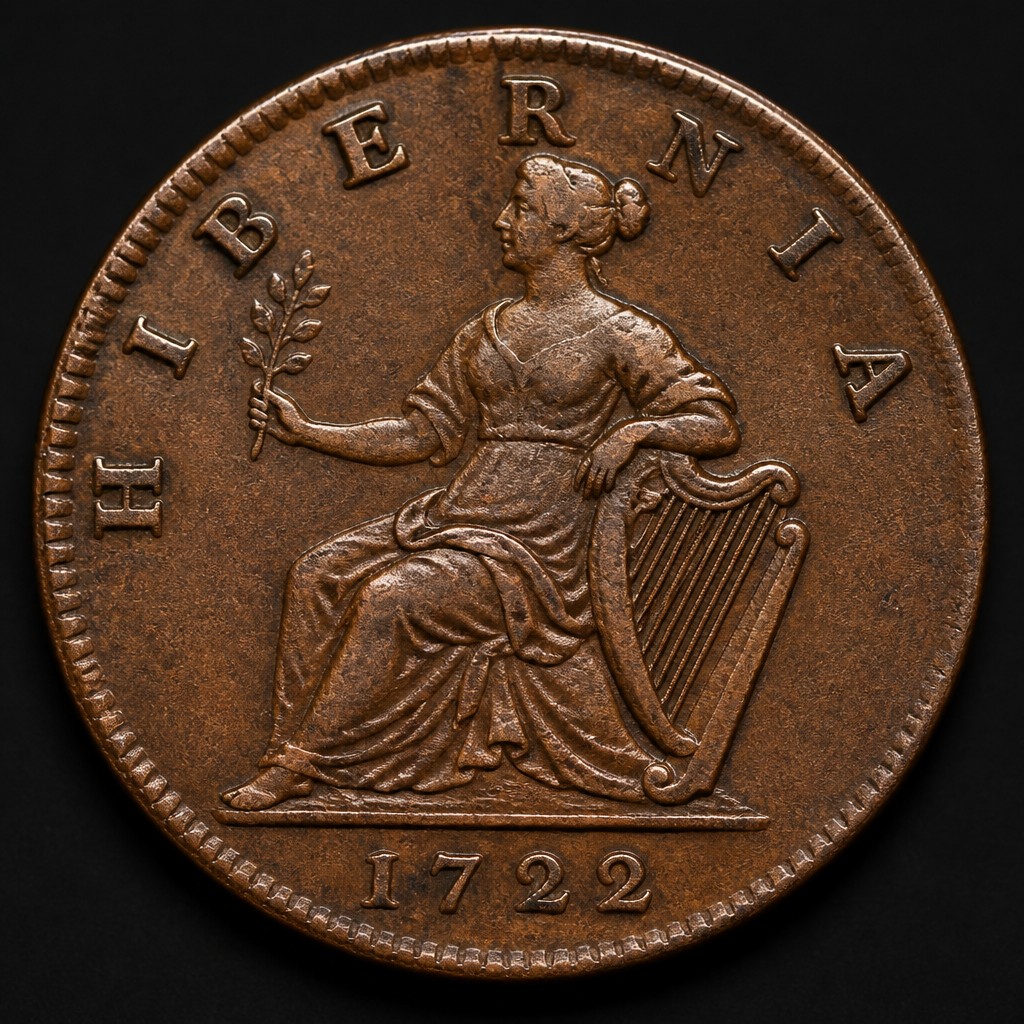
Wood's Hibernia Halfpenny
1722–1724
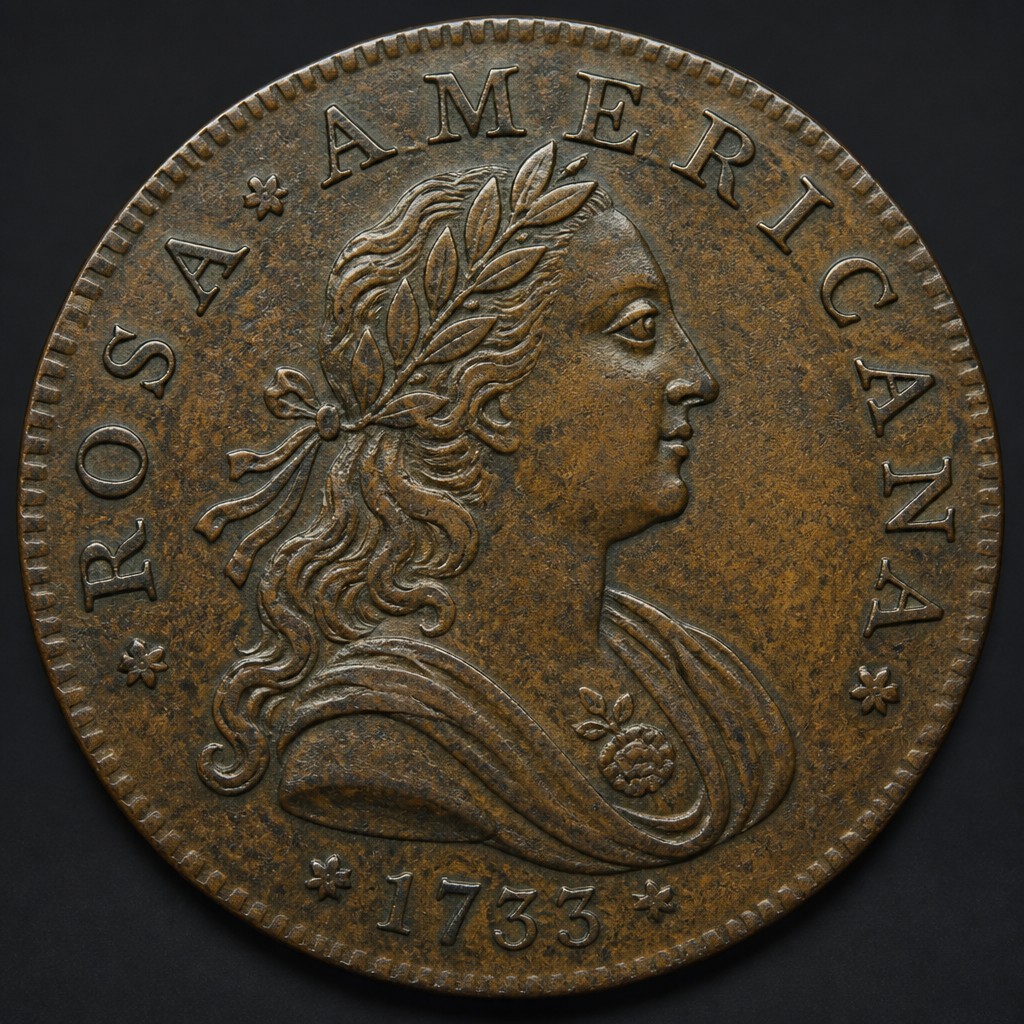
Rosa Americana Coinage
1722–1724 (with pattern issues dated 1733)
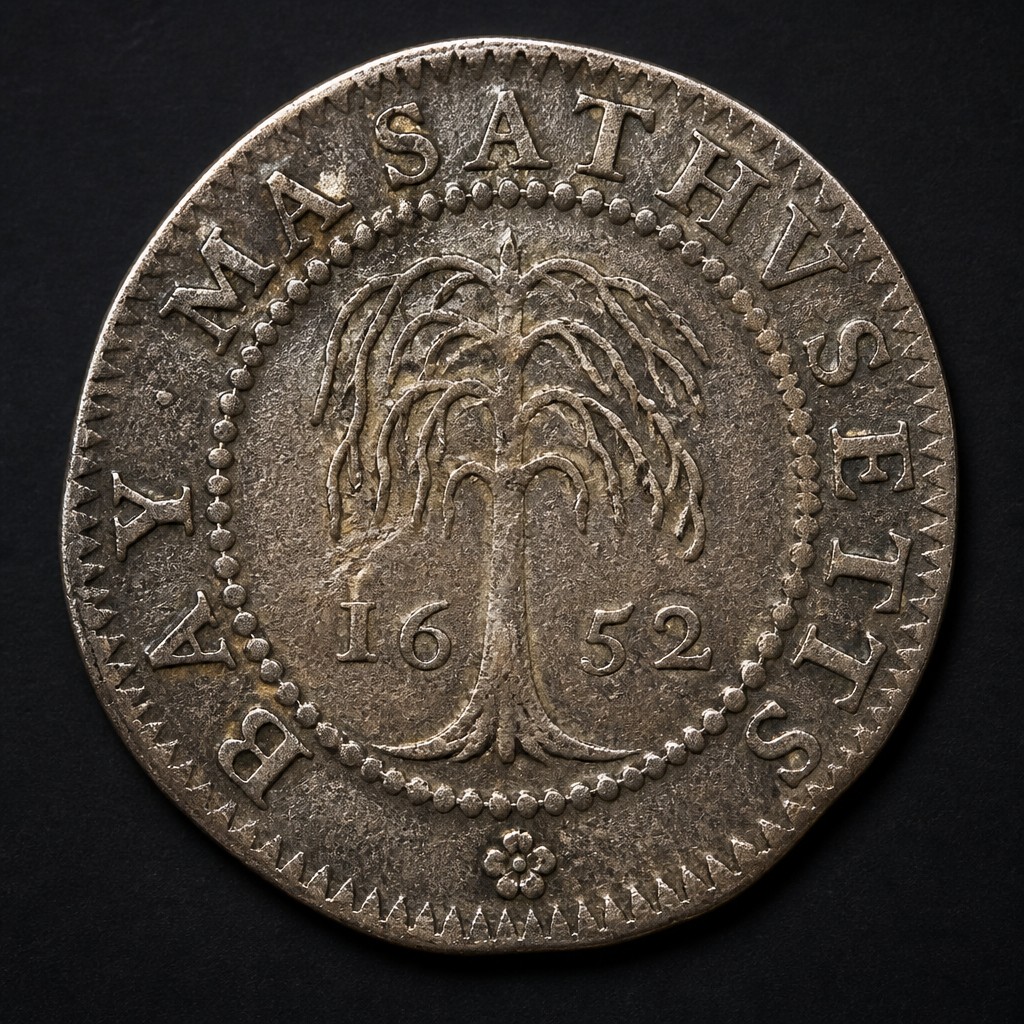
Massachusetts Willow Tree Shilling
Dated 1652, struck circa 1653–1660