
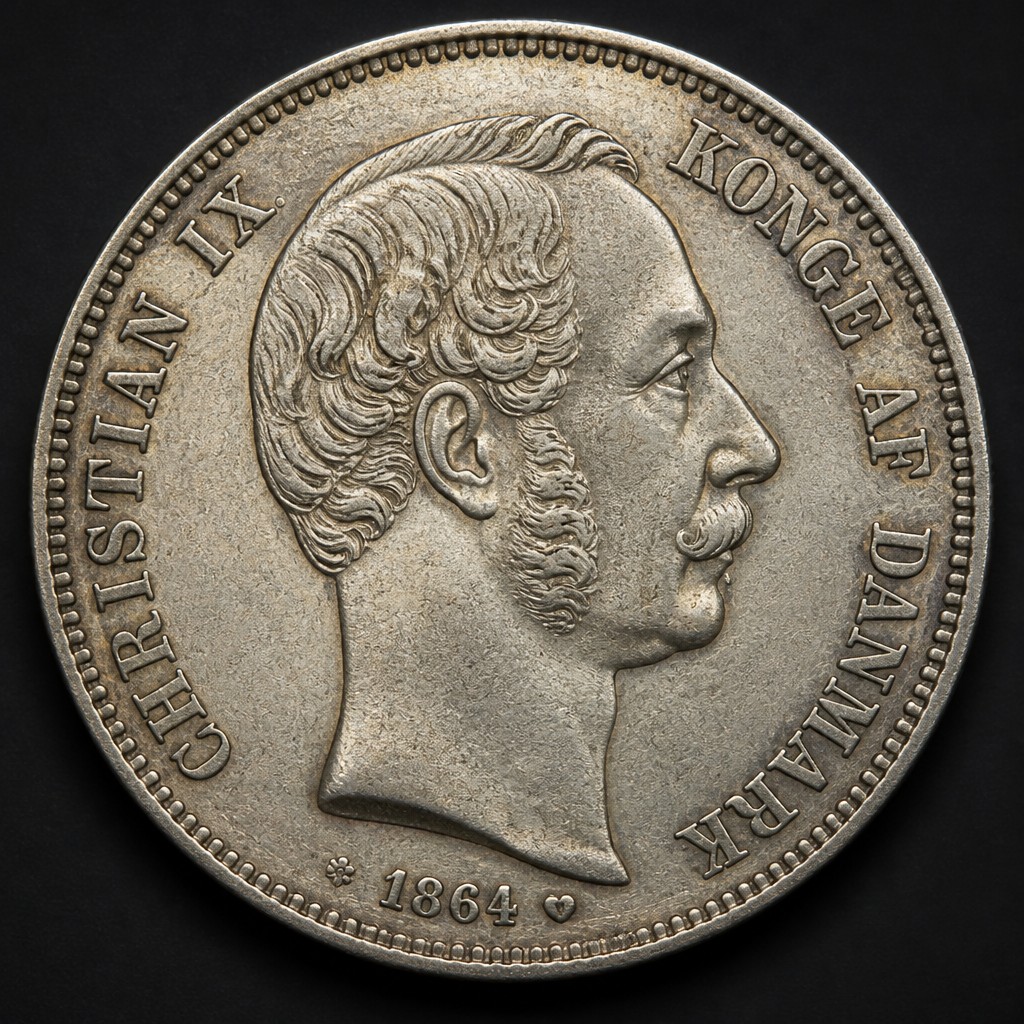
Danish Speciedaler
Denmark's large silver 'species dollar,' the principal high-value coin of the Danish monetary system before the krone replaced it in 1873–75.
- Country
- Denmark
- Denomination
- Speciedaler (Species Dollar)
- Metal
- Silver (approx. .875 fine)
Got a coin like this?
Identify any coin from a photo, free.
Overview
The speciedaler was Denmark's heavyweight silver trade coin, valued higher than the everyday rigsdaler courant used in daily transactions. It represents the classic 19th-century Danish silver dollar denomination familiar to collectors of northern European crown-sized coinage.
Speciedalers were struck in substantial silver weight, making them comparable in heft and prestige to other European thaler-standard coins of the era, and they often carried finely engraved royal portraits and heraldic reverses.
Today they are sought after both as representative pieces of pre-decimal Scandinavian coinage and for their historical link to the monetary reforms that shaped modern Denmark.
History & Background
Denmark's currency system underwent a major overhaul after the national bankruptcy of 1813, when the rigsbankdaler and its higher-value counterpart, the speciedaler, were introduced to stabilize the currency following the Napoleonic Wars. The speciedaler was pegged at a fixed, higher rate relative to the everyday rigsdaler courant, reflecting its role as a 'full-value' silver trade coin.
Throughout the 19th century, speciedalers were struck bearing the portraits of successive Danish monarchs, including Frederik VI, Christian VIII, Frederik VII, and Christian IX, often commemorating coronations, jubilees, or other state occasions.
The denomination was retired in the 1870s when Denmark joined the Scandinavian Monetary Union alongside Sweden and Norway, adopting the krone as its new decimal currency and phasing out the old daler system.
How to Identify
Speciedalers are large silver coins typically featuring the profile portrait of the reigning Danish king on the obverse, with his name, titles, and regnal details in the legend. The reverse commonly displays the Danish royal coat of arms, a crowned monogram, or a commemorative inscription for coronation or jubilee issues.
The coin's substantial size and weight distinguish it from smaller Danish silver denominations like the rigsdaler courant or skilling pieces. Dates and mint details appear around the rim or in the exergue, and Copenhagen mint marks or engraver's initials may be present near the portrait truncation.
Collectors should note that 'speciedaler' issues are distinct from later Danish krone coinage and from Norwegian or Swedish speciedaler/riksdaler types, which share a similar monetary heritage but carry their own national portraits and arms.
Value & Collectibility
Speciedalers are collected as classic examples of pre-reform Scandinavian silver coinage, with value driven heavily by ruler, date, and condition. Common later-date, well-worn examples are moderately priced, while earlier or commemorative jubilee issues can be considerably more valuable.
Condition matters greatly on large silver coins like this, since even light circulation wear is visible on high-relief portraits, and cleaned or polished examples are typically discounted by collectors.
Prices for typical circulated speciedalers often range from roughly $75 to a few hundred dollars, with rare rulers, error pieces, or gem-quality survivors commanding significantly more.
Frequently asked questions
What does 'speciedaler' mean?
It translates roughly to 'species dollar,' denoting a full-weight silver coin as opposed to lower-value paper or token currency.
When was the speciedaler used?
It circulated in Denmark from the early 19th-century currency reforms until the 1870s, when the krone replaced it.
What replaced the speciedaler?
The Danish krone, introduced under the Scandinavian Monetary Union in the mid-1870s, replaced the old daler-based system.
Is the Danish speciedaler the same as the Swedish or Norwegian version?
They share a common Scandinavian monetary heritage but are distinct national coins with their own portraits, arms, and mint histories.
Other coins you may enjoy
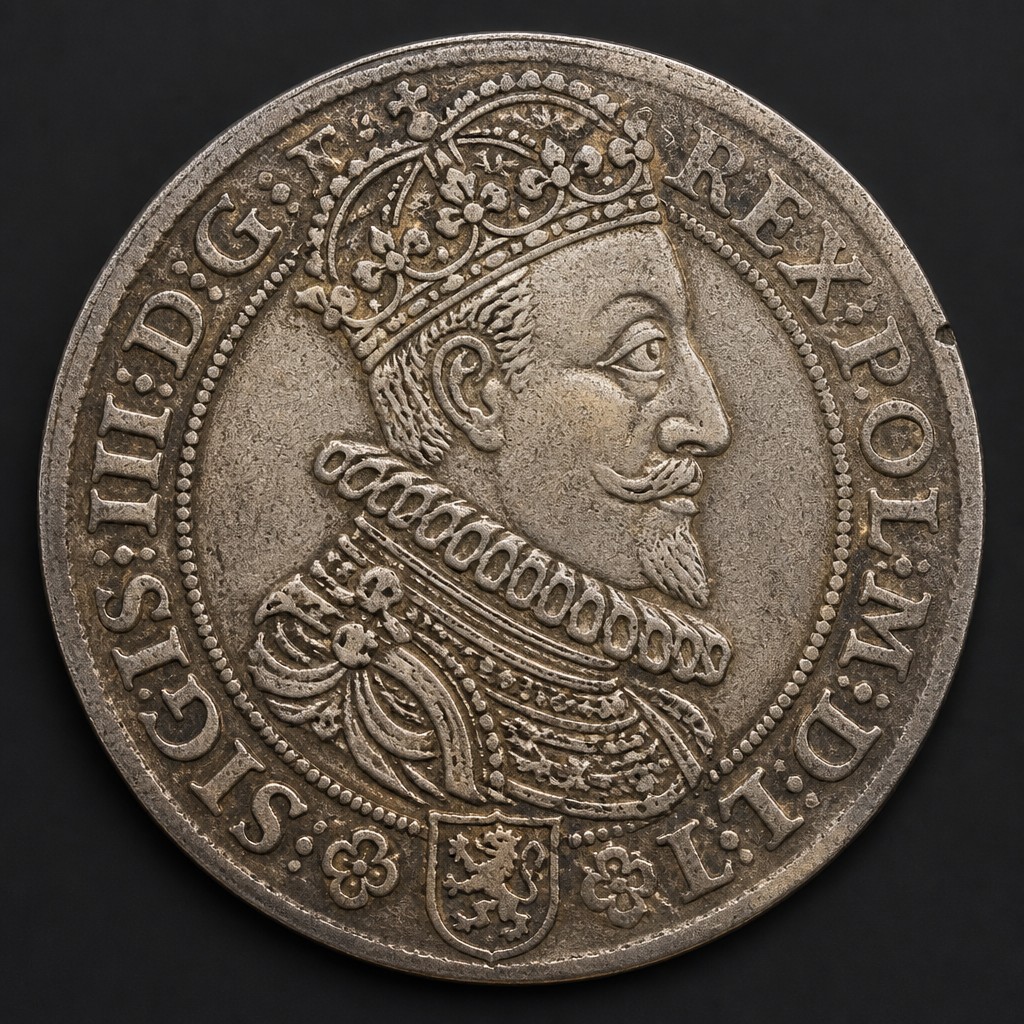
Polish-Lithuanian Thaler
circa 16th–18th century
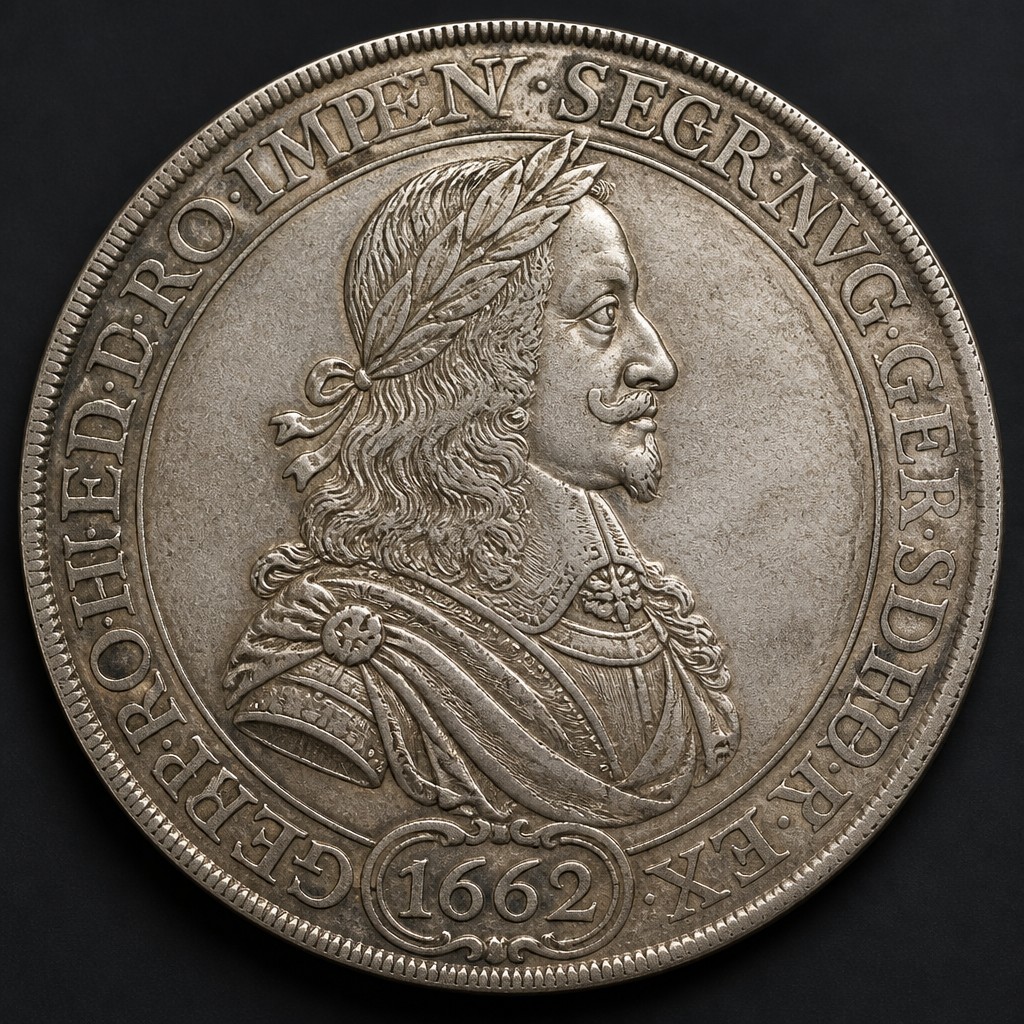
Reichsthaler
circa 1566–early 19th century
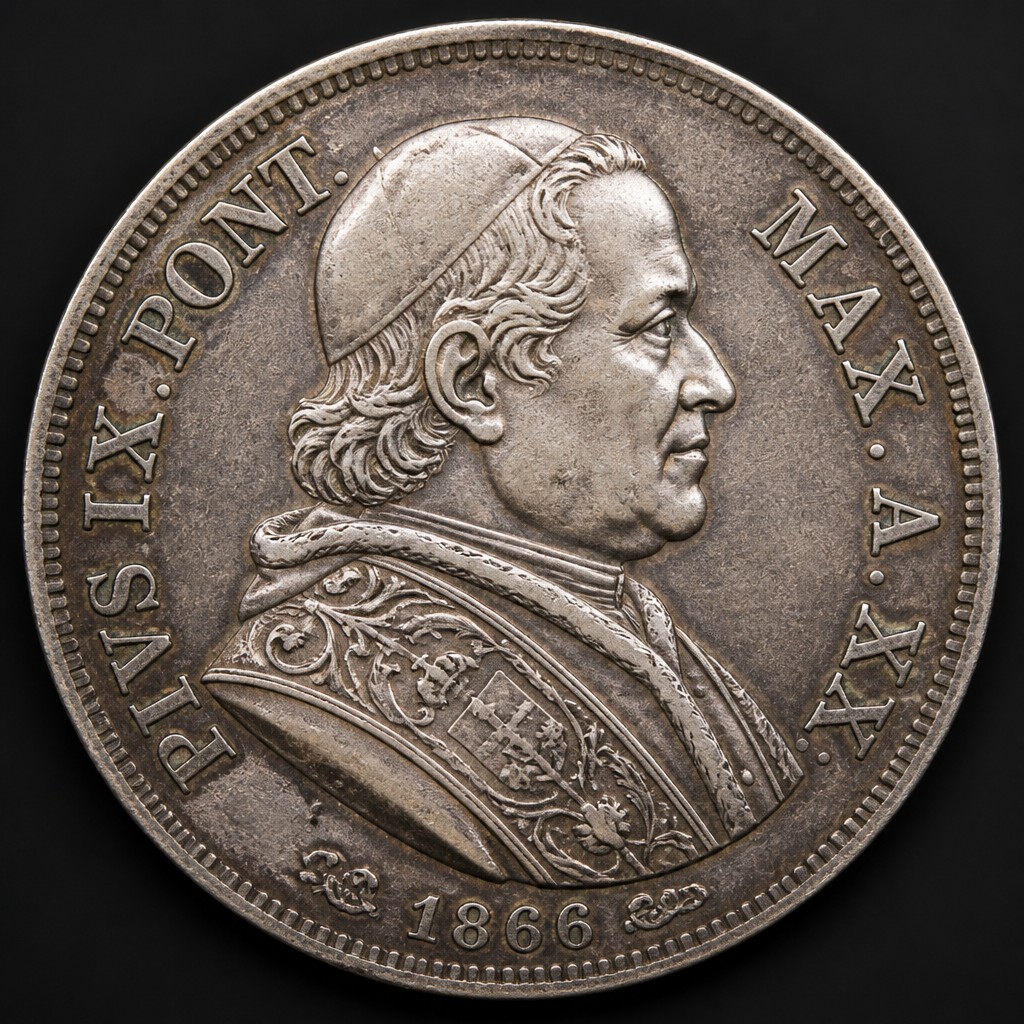
Papal States Scudo
16th century–1866
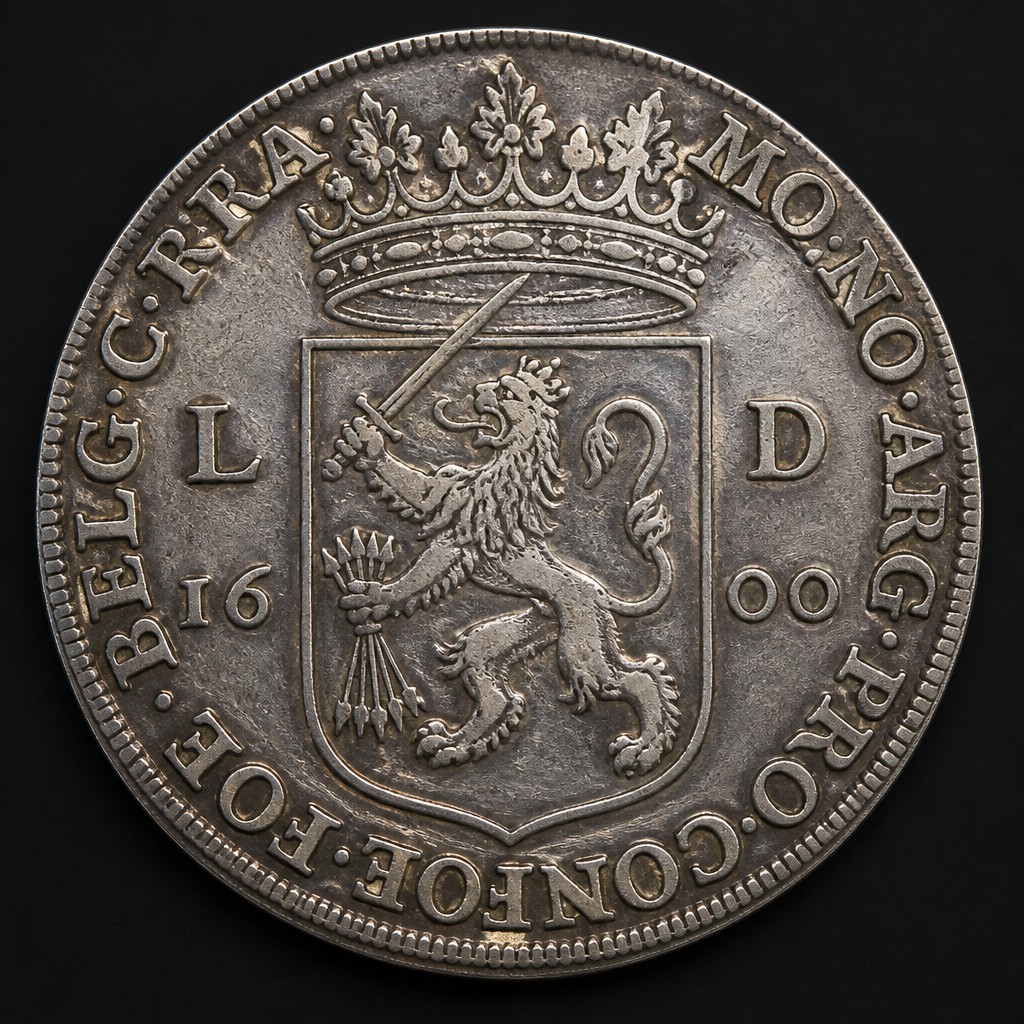
Netherlands Lion Daalder (Leeuwendaalder)
1575–1713
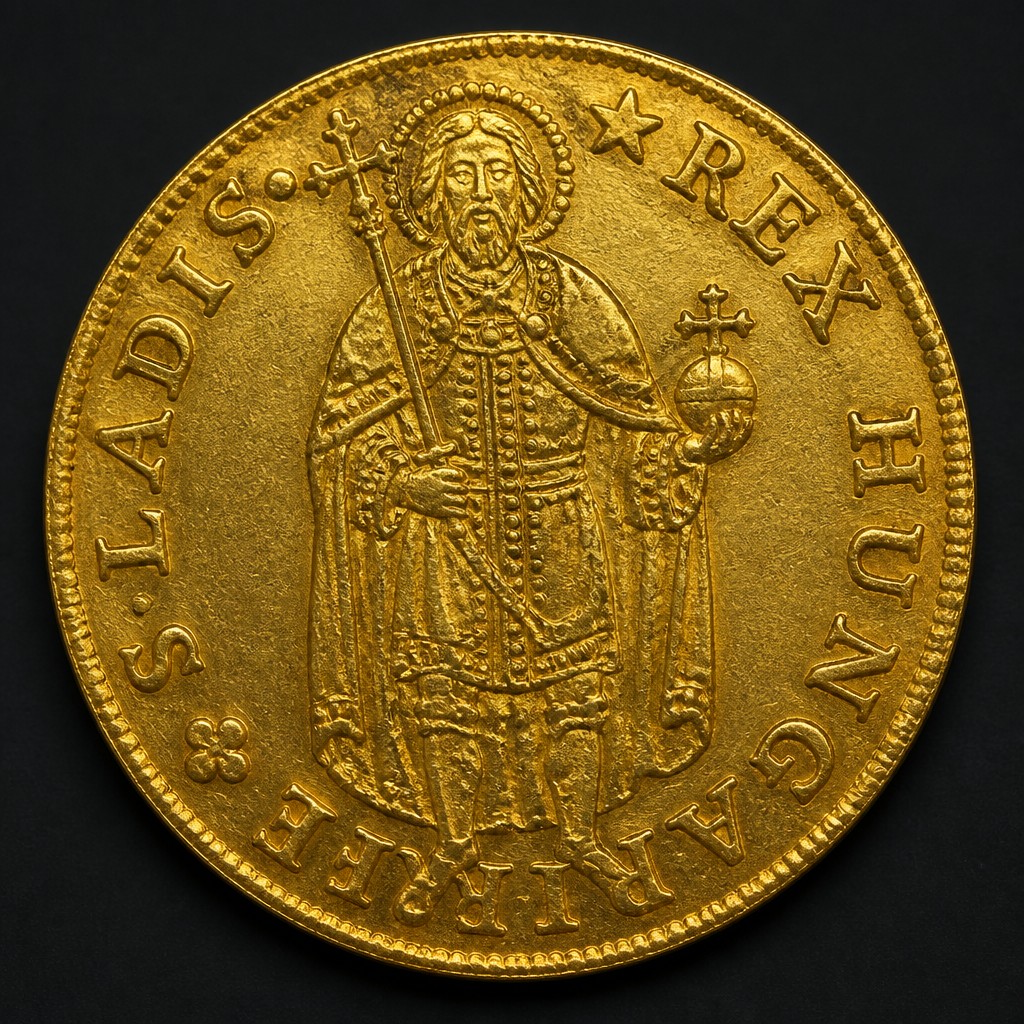
Hungarian Ducat
c. 1325–1918
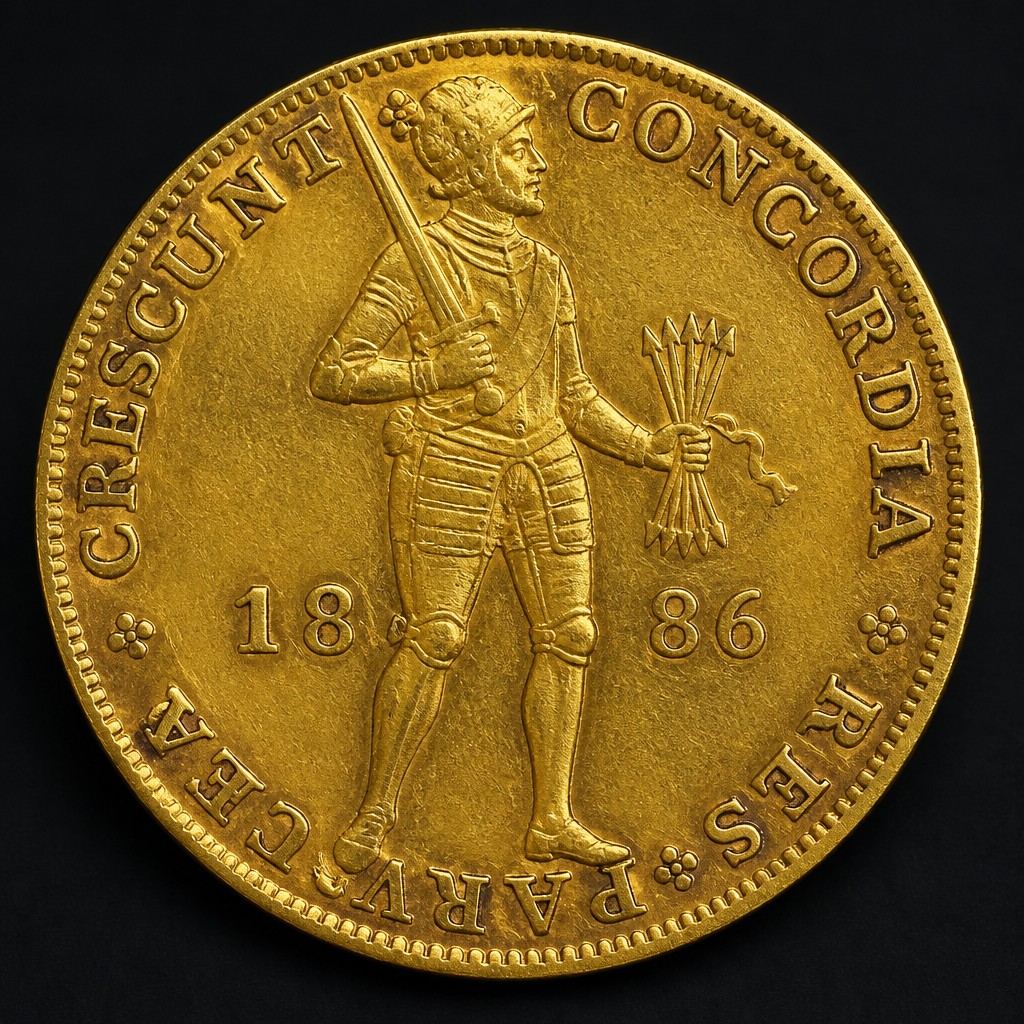
Dutch Ducat
c. 1586–present (classic type standardized after 1817)
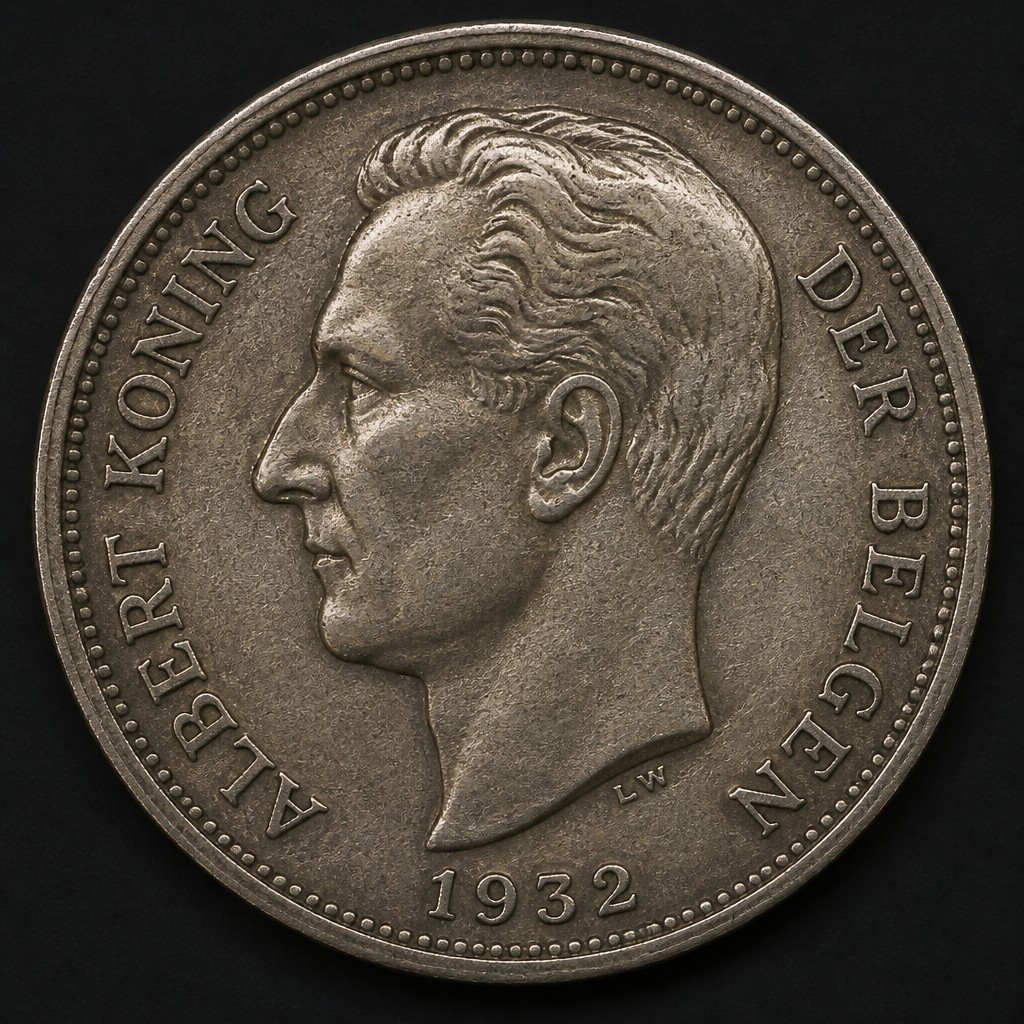
Belgian Franc
1832–2002
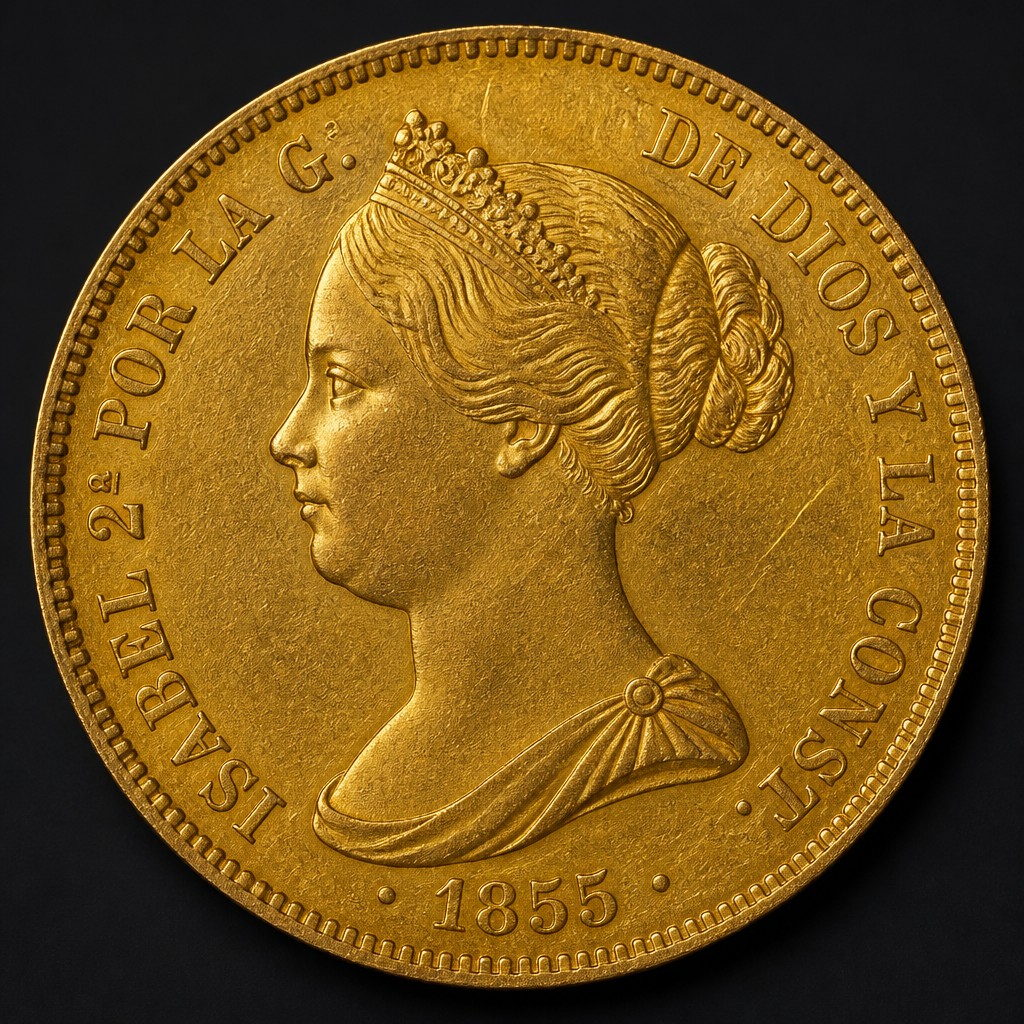
Spanish 100 Reales Gold (Isabel II)
1850s–1868
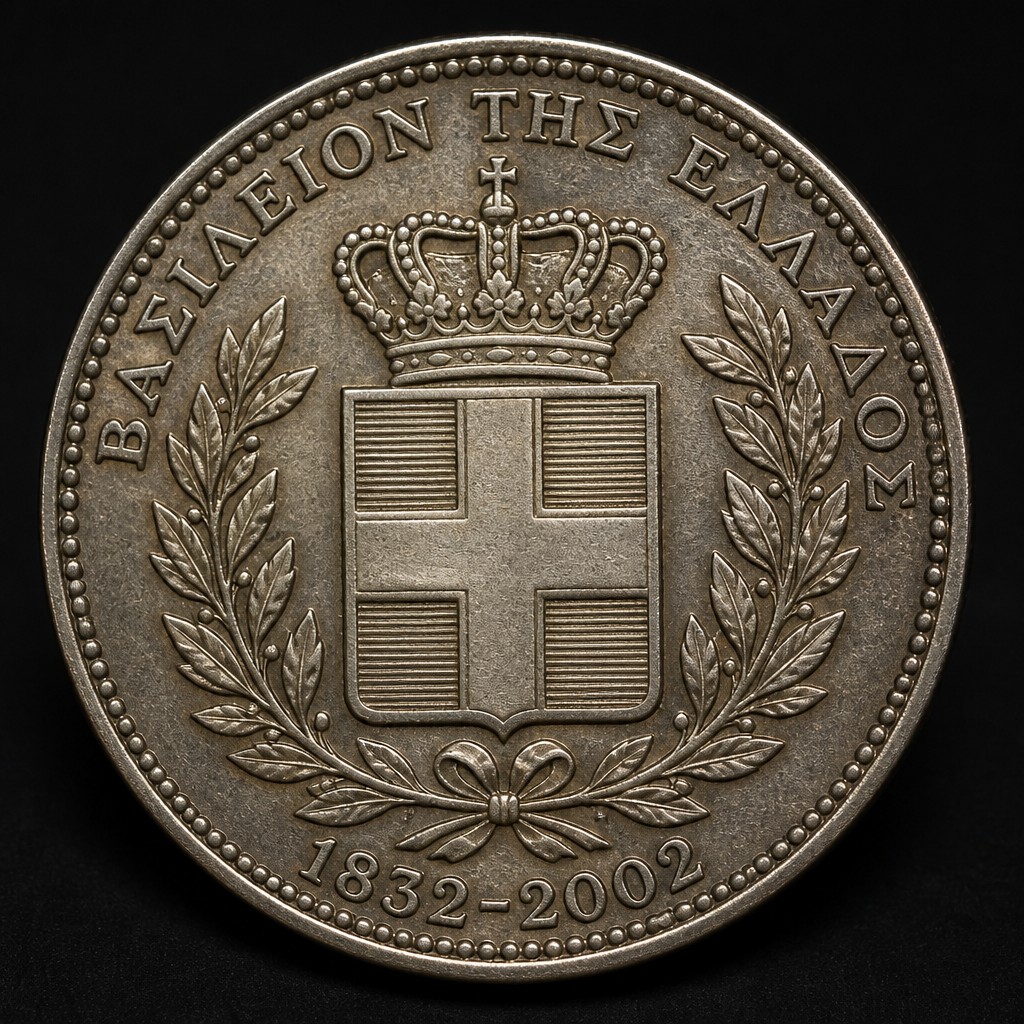
Greek Drachma
1832–2002
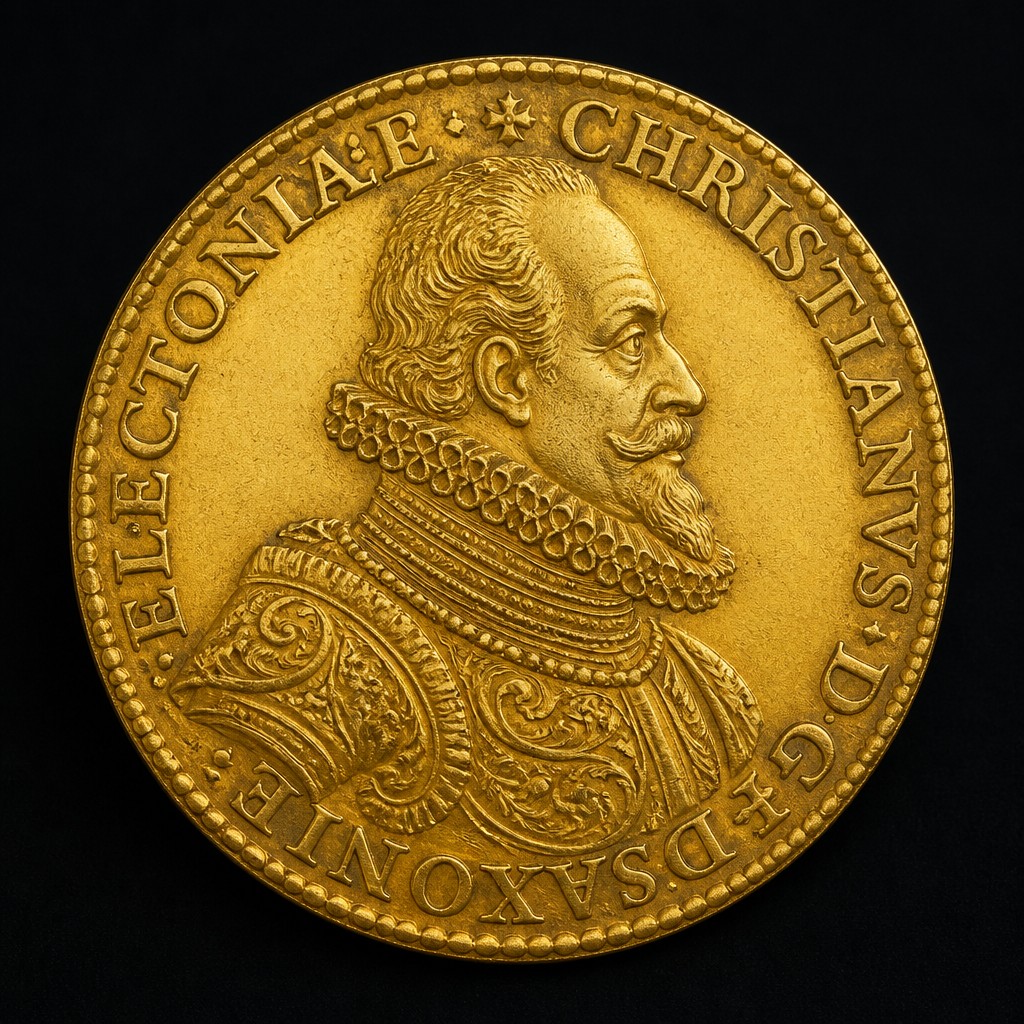
German Saxony Ducat
16th century–19th century
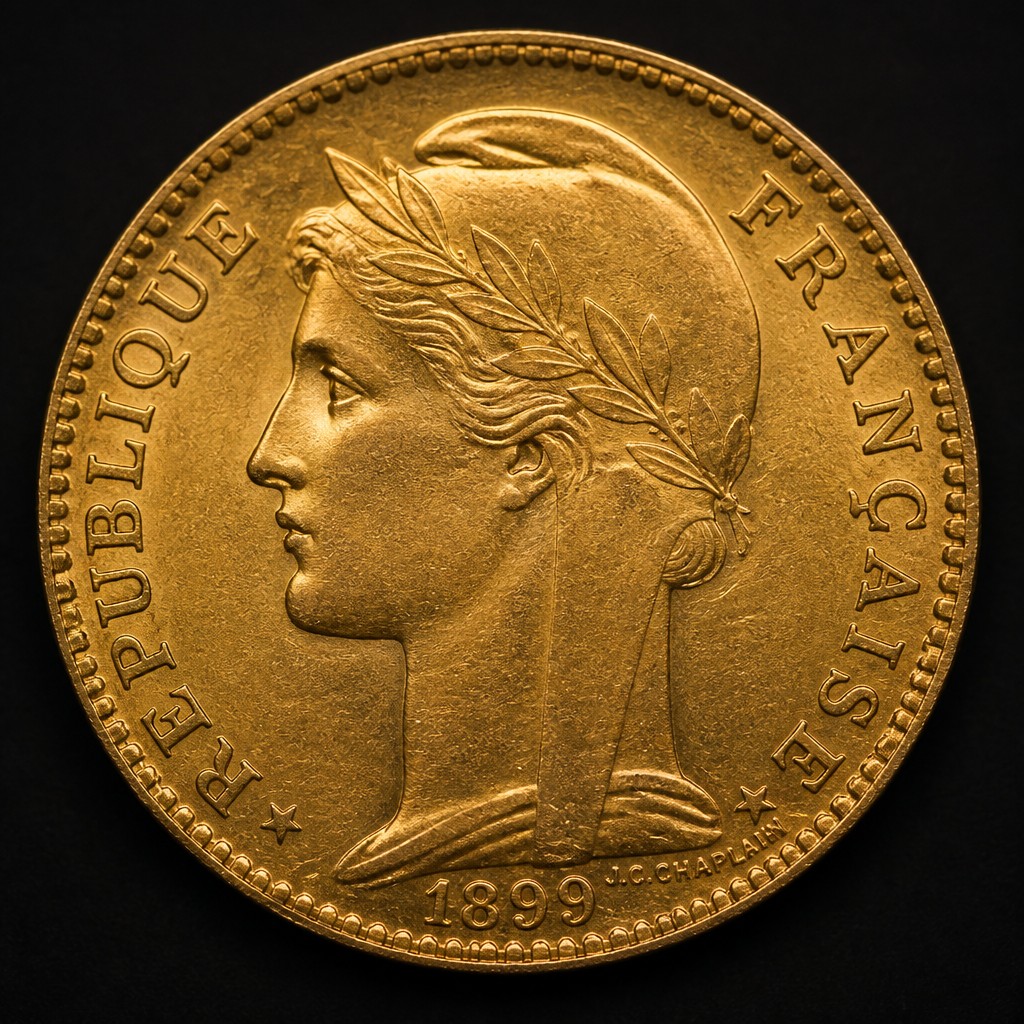
French 10 Francs Gold (Napoleon Rooster)
1899–1914
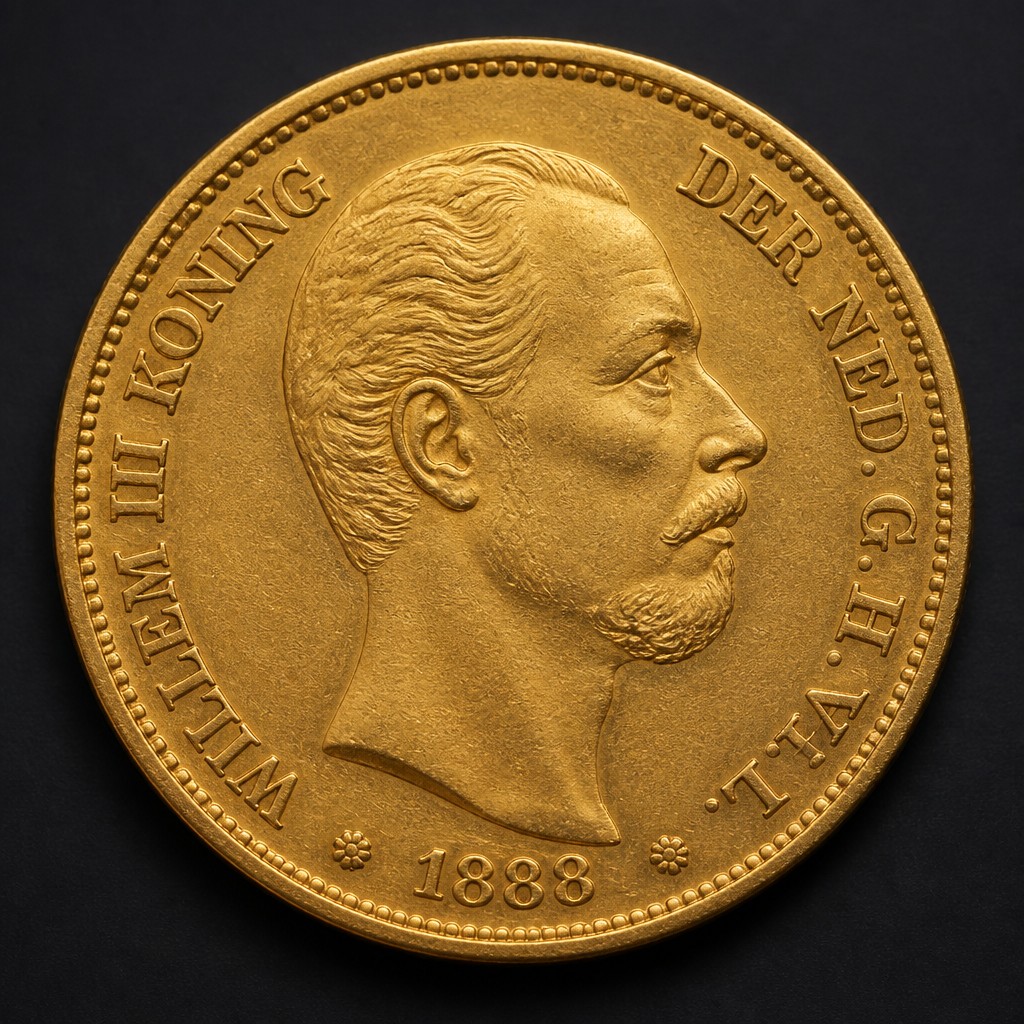
Netherlands 5 Gulden Gold
1826–1912 (intermittent)