
Coin Encyclopedia
Search and identify coins from around the world — with country, denomination, metal, mint, history, and how to tell them apart.
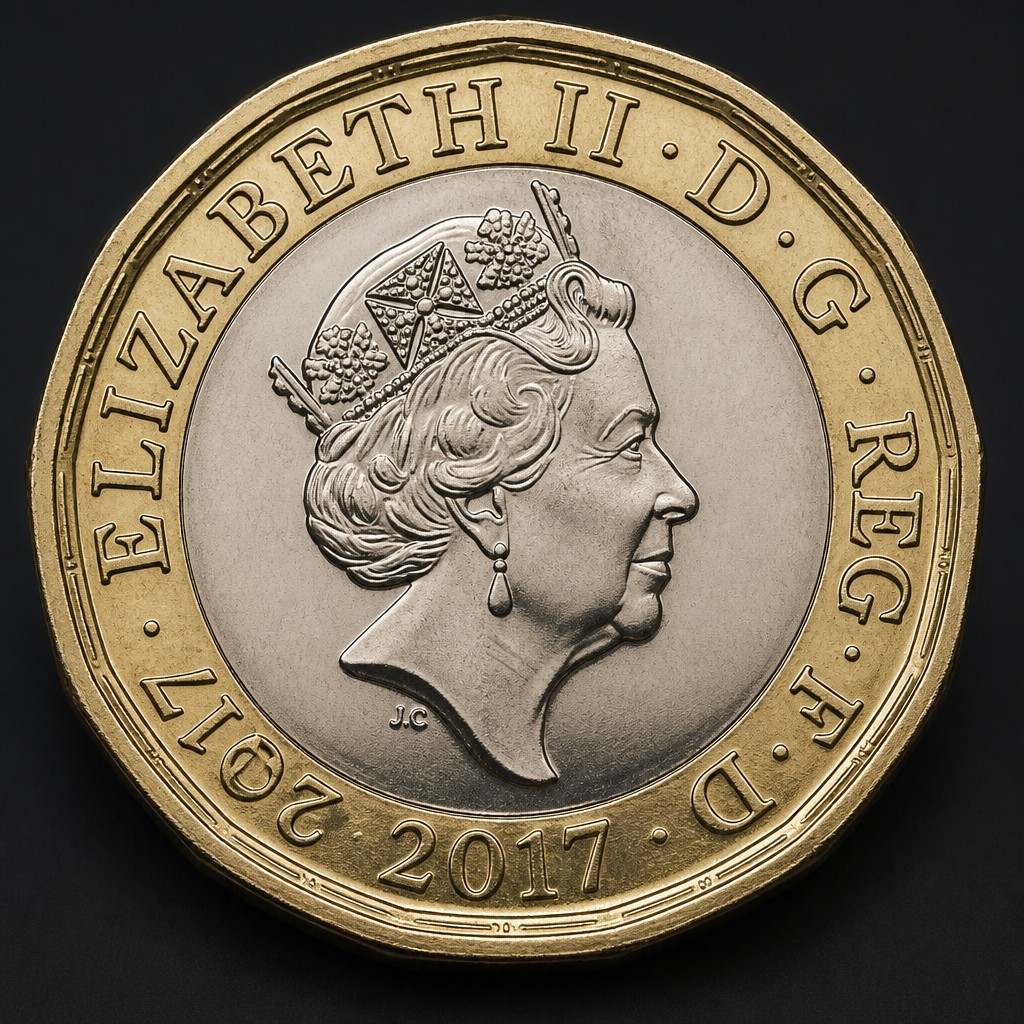
Pound Coin
The United Kingdom's £1 coin, introduced in 1983 to replace the paper pound note, redesigned as a 12-sided bimetallic coin in 2017.
British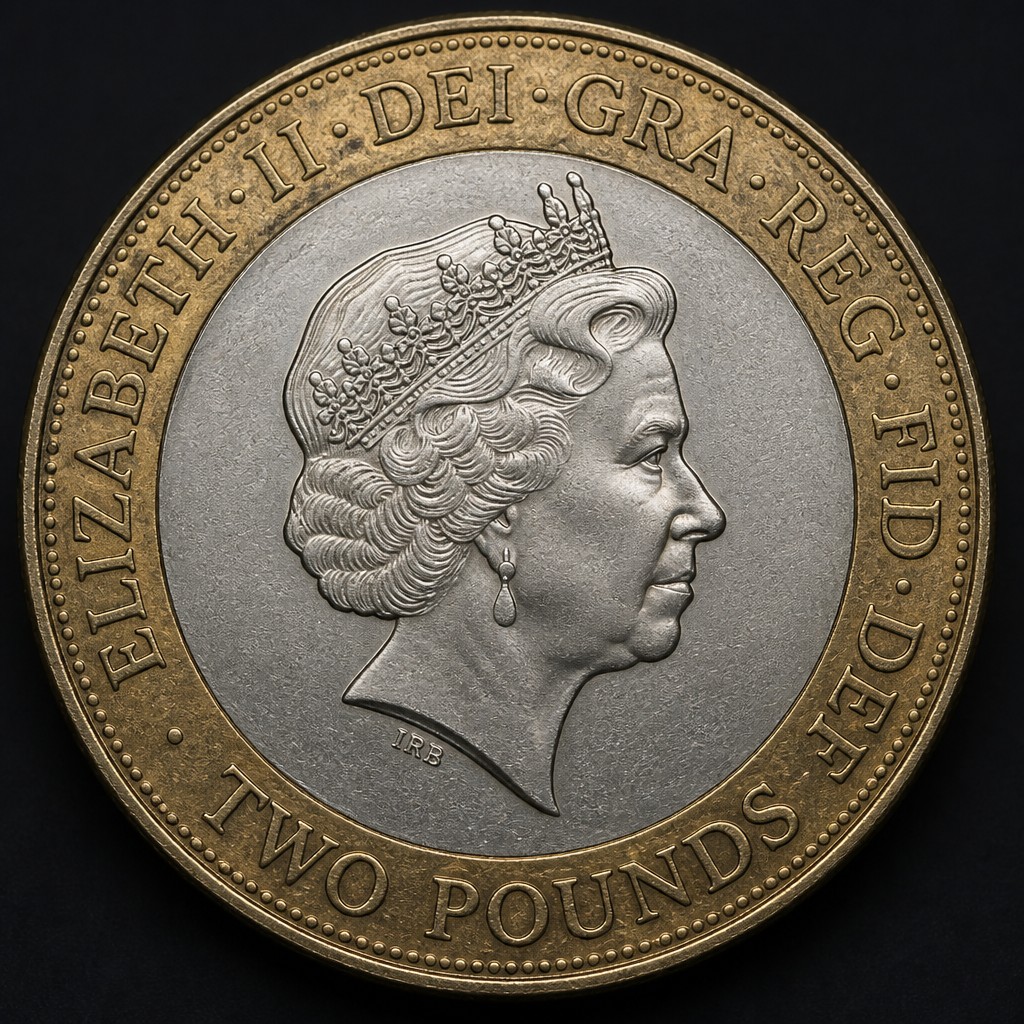
Two Pound Coin
The UK's bimetallic £2 coin, standardized for circulation in the late 1990s, widely used for a rotating series of commemorative reverse designs.
British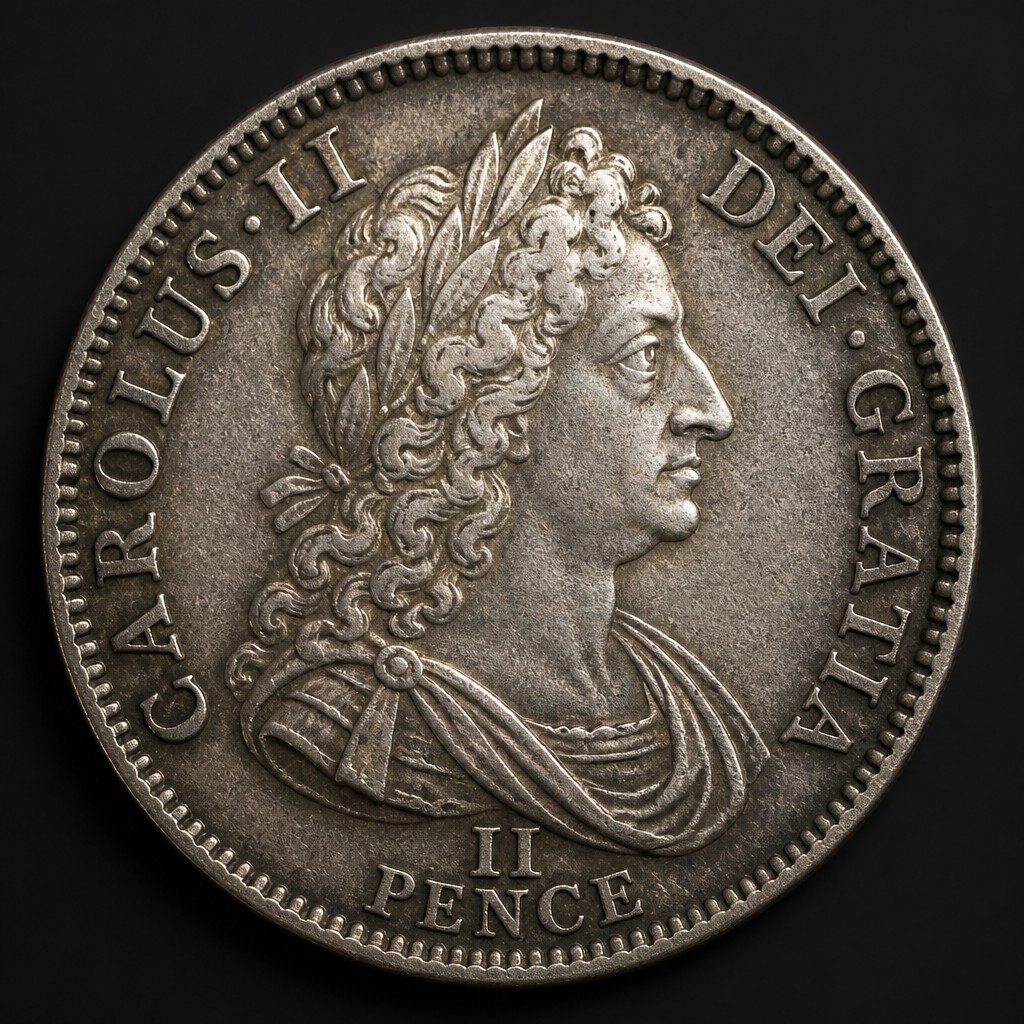
Maundy Twopence
A small silver twopence struck each year as part of the Royal Maundy set, historically descended from the medieval silver half groat and still distributed in the annual royal alms ceremony.
British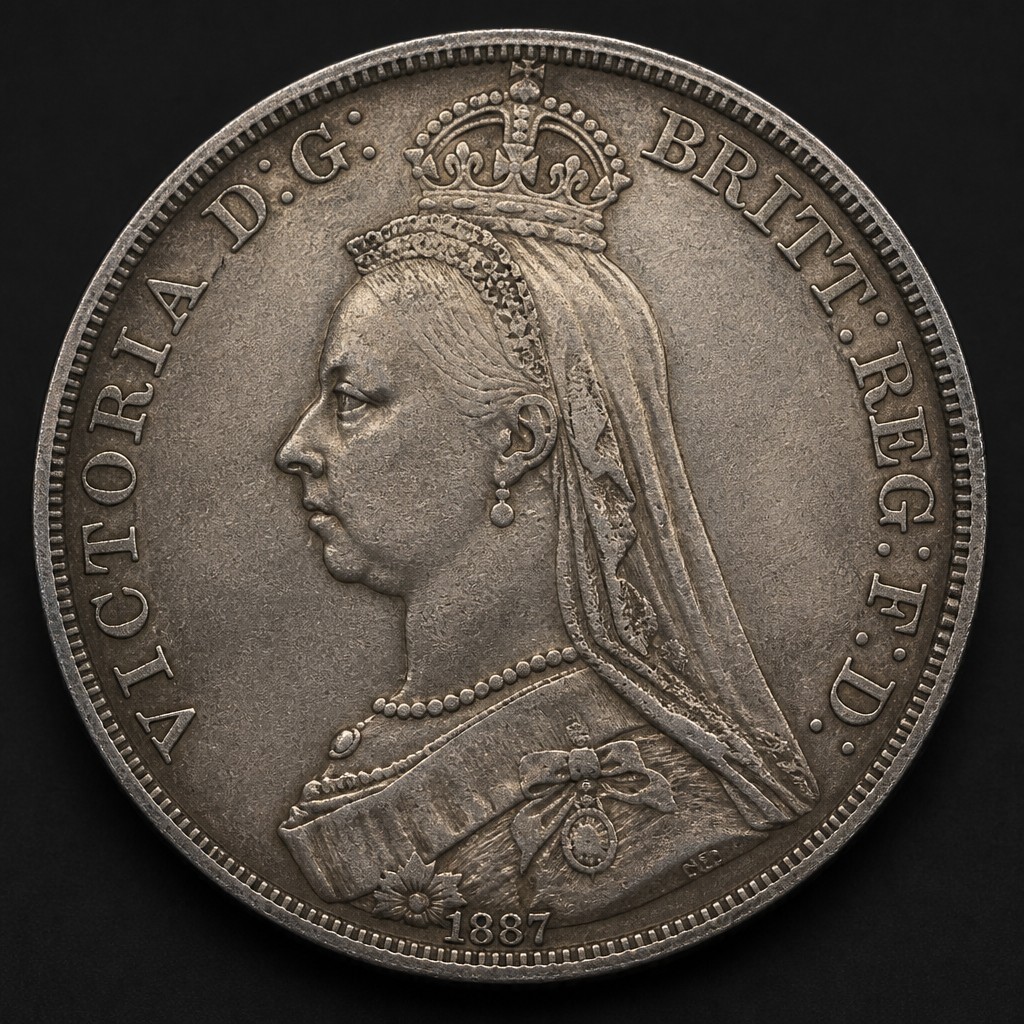
Double Florin
A large Victorian silver coin worth four shillings, struck for only four years; its close resemblance in size to the crown and half-crown caused everyday confusion and gave it a lasting nickname.
British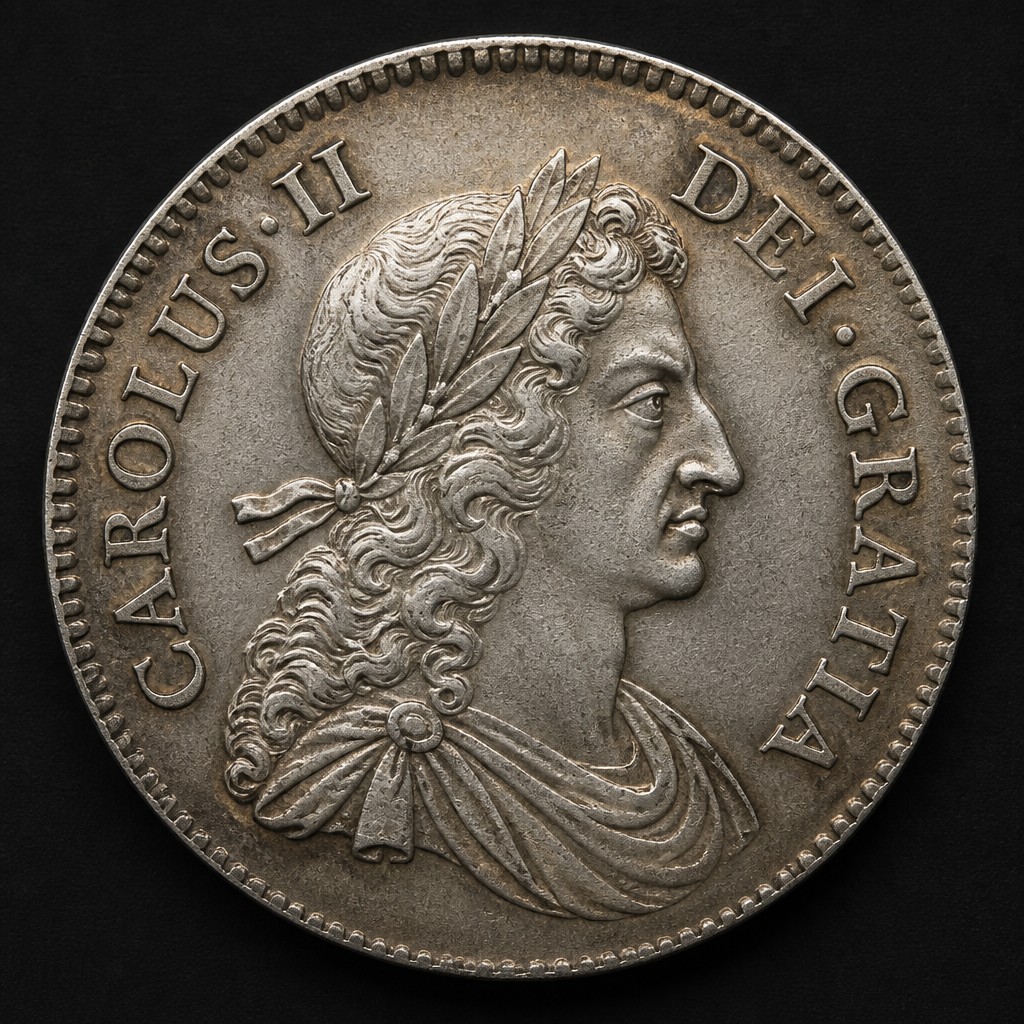
Maundy Penny
The smallest coin of the four-piece Royal Maundy set, a tiny silver penny given by the British monarch in an ancient Holy Thursday alms ceremony, minted every year in very limited numbers.
British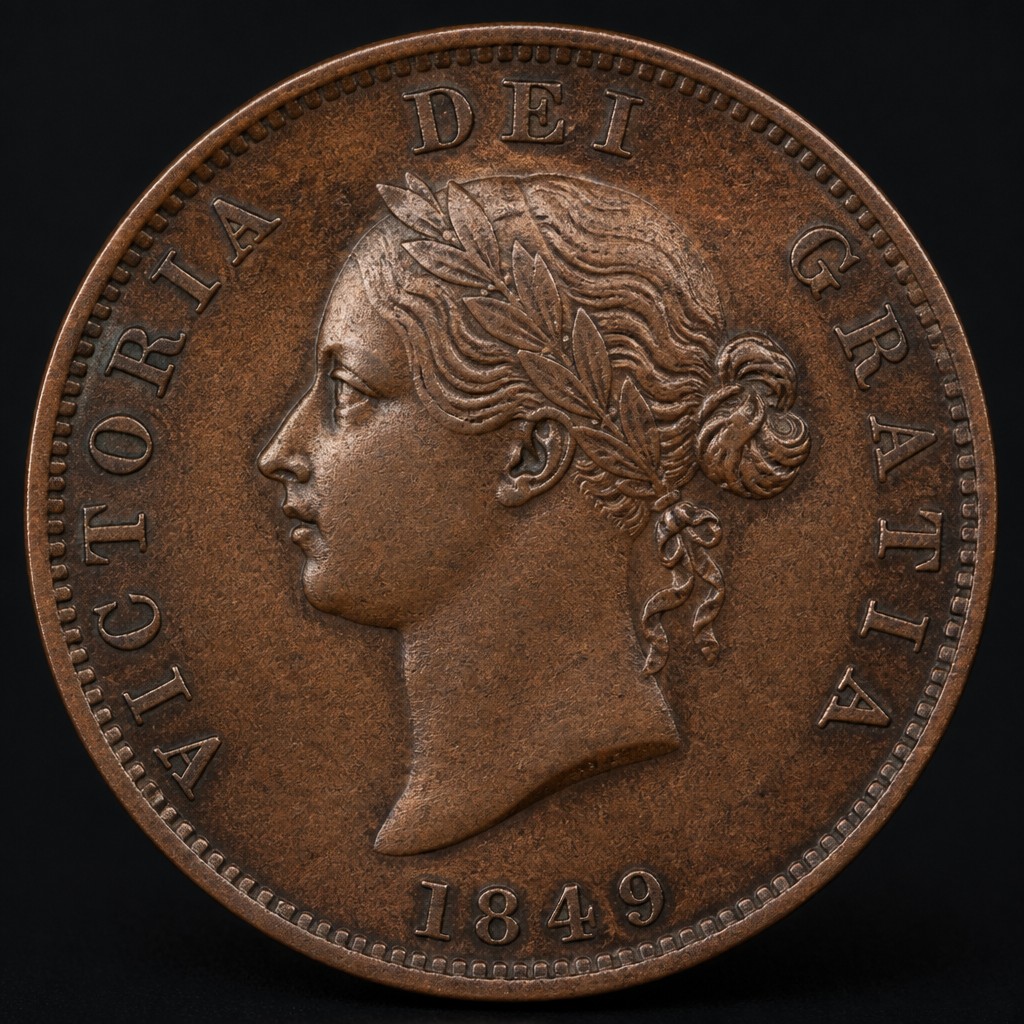
Half Farthing
A tiny copper coin worth one-eighth of a penny, struck mainly for use in colonial Ceylon during the reigns of George IV, William IV, and Victoria.
British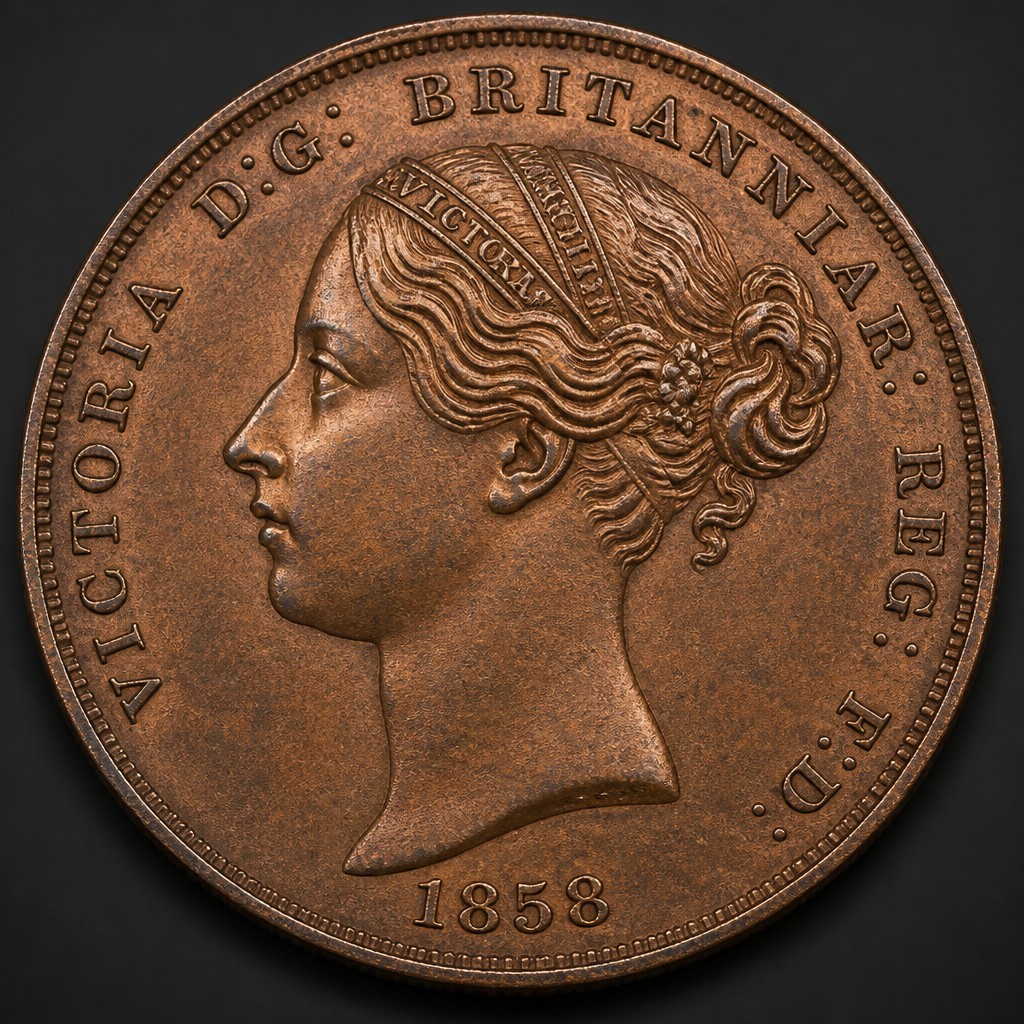
Quarter Farthing
The smallest fractional denomination in British coinage, worth one-sixteenth of a penny, struck primarily for use in colonial Ceylon during Victoria's reign.
British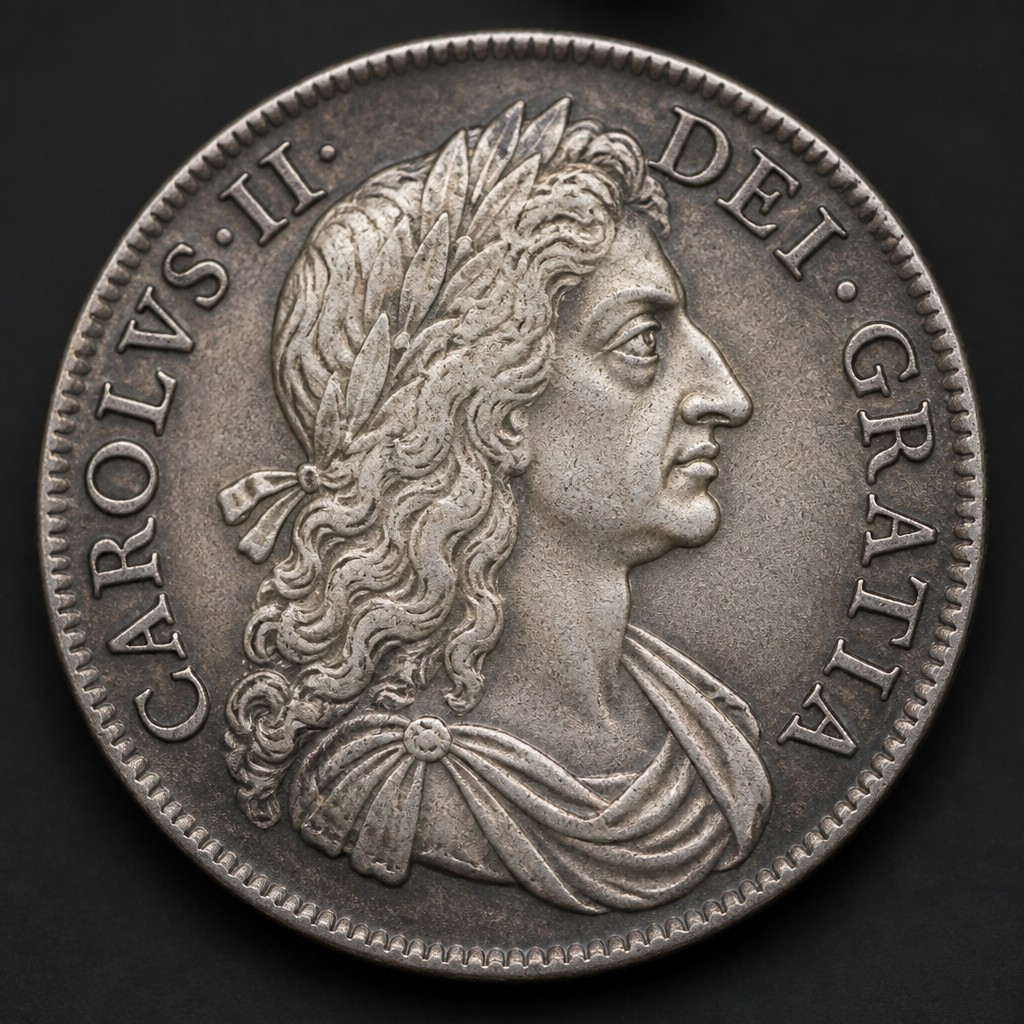
Maundy Money Set
A set of tiny sterling silver coins in four denominations, specially struck each year for the monarch to distribute personally to elderly recipients in the Royal Maundy ceremony on Maundy Thursday.
British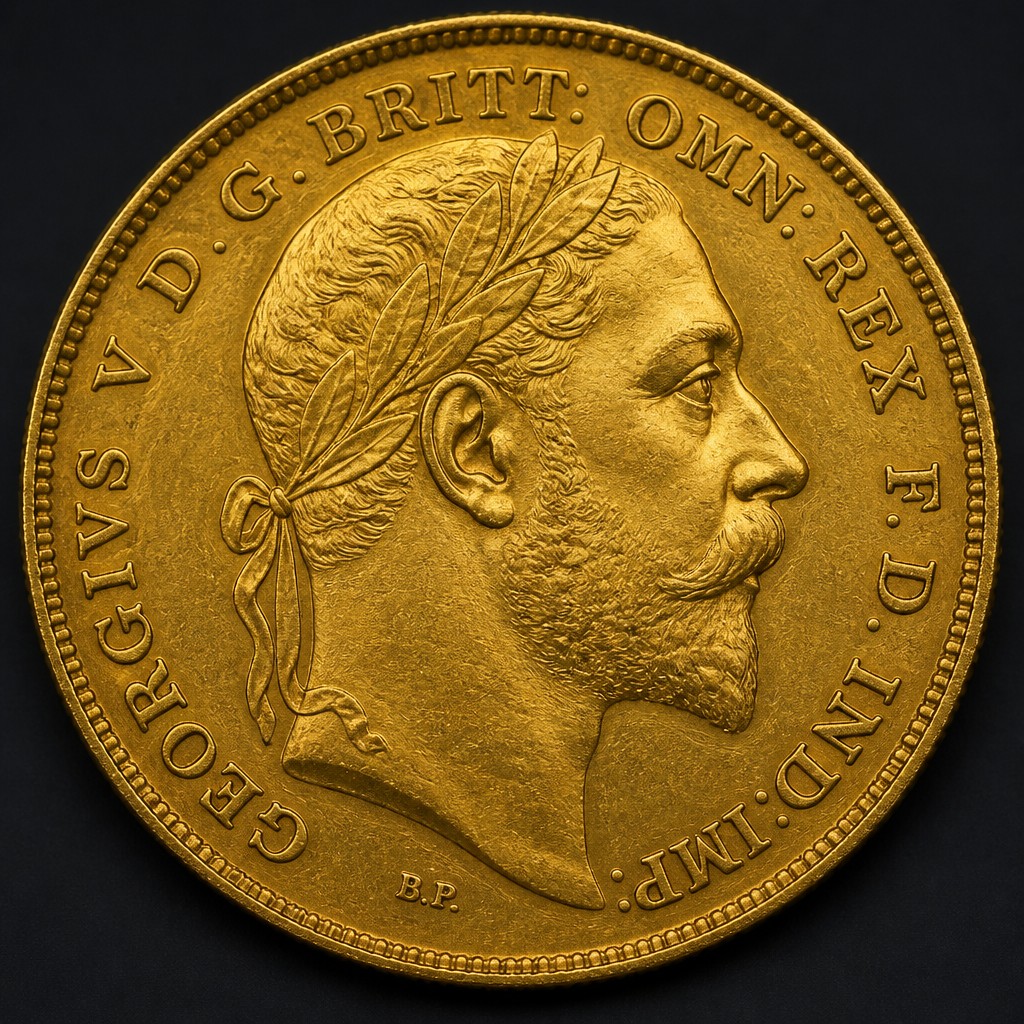
Two Pound Gold (Double Sovereign)
A gold coin worth two pounds sterling and roughly twice the weight of a sovereign, struck mainly for jubilees, coronations, and modern proof or bullion sets rather than daily circulation.
British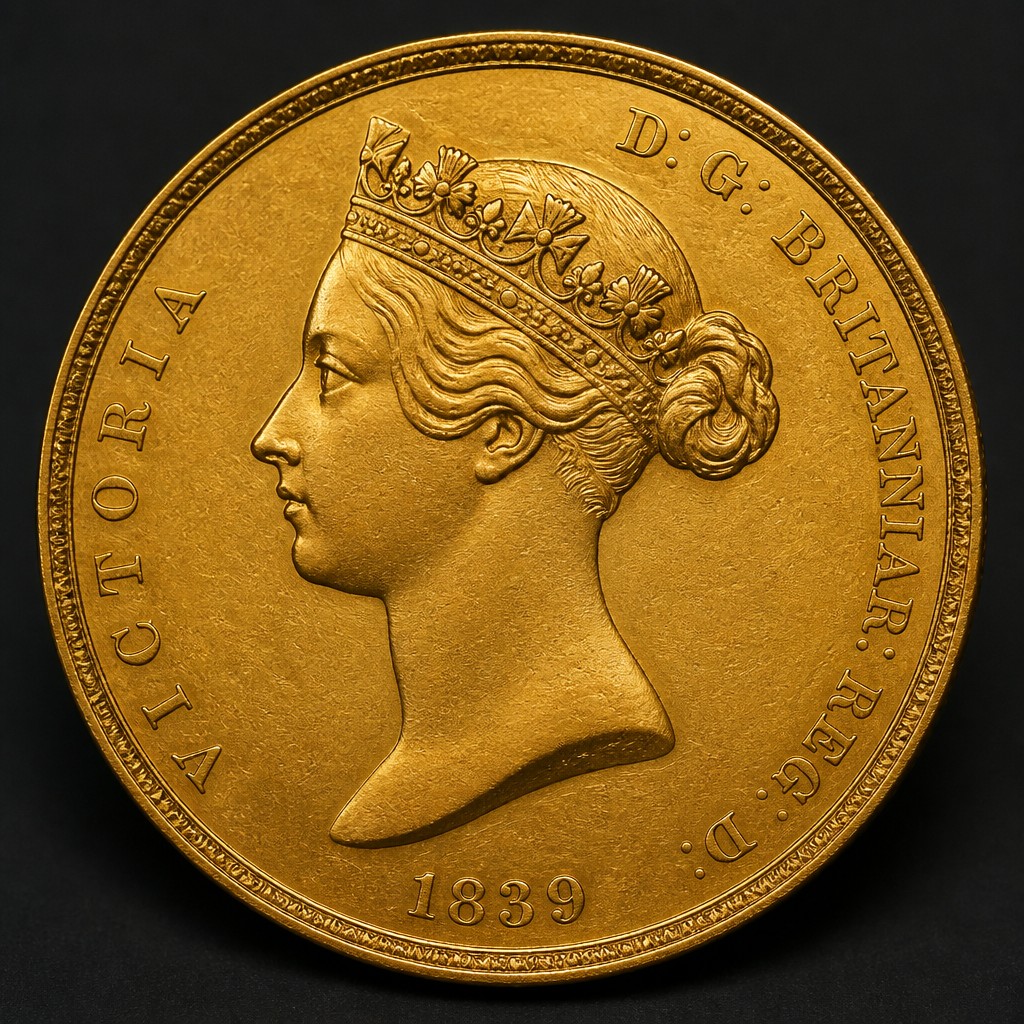
Una and the Lion Five Pound
A legendary 1839 gold proof depicting young Queen Victoria as Una leading a lion, widely considered one of the most beautiful coins ever struck and a benchmark of Victorian coin art.
British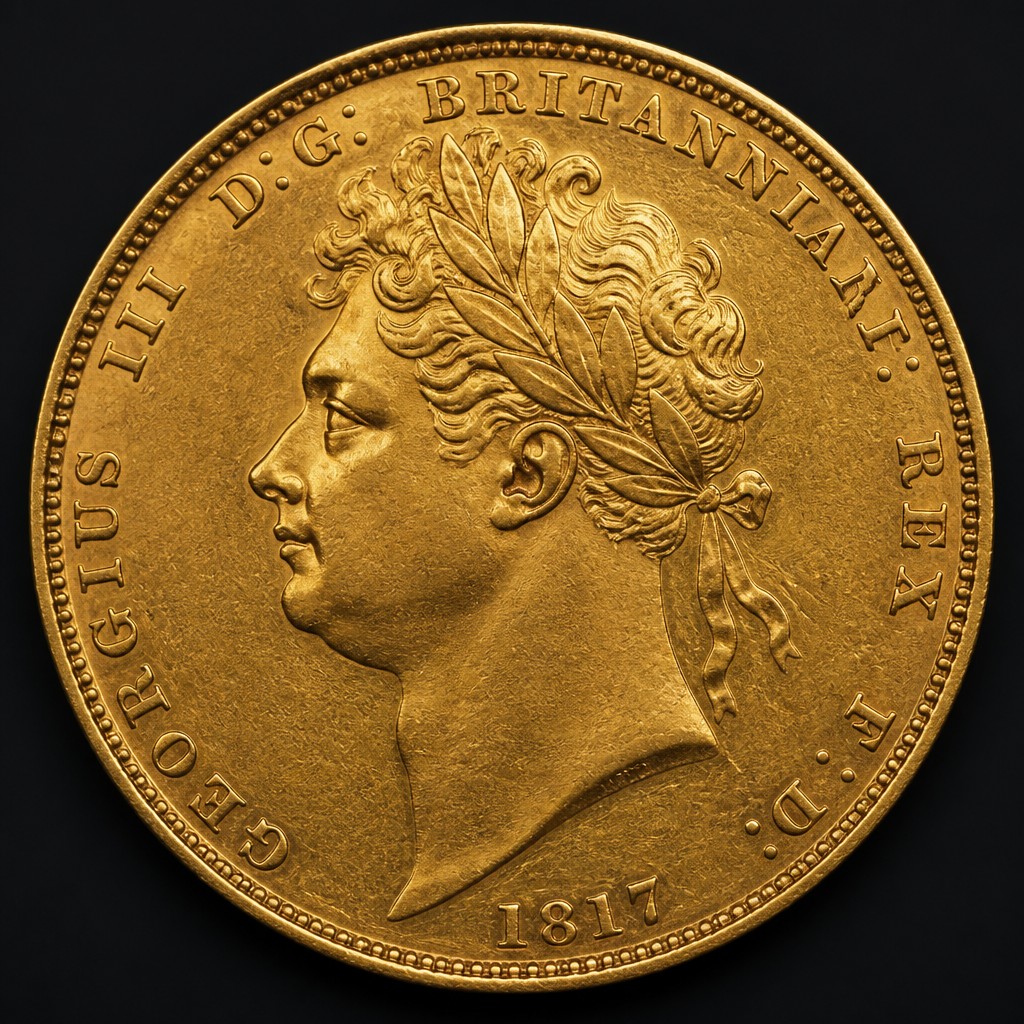
St George Sovereign (Pistrucci)
The modern gold sovereign's iconic reverse showing St George slaying the dragon, engraved by Benedetto Pistrucci in 1817 and still used on British sovereigns to this day.
British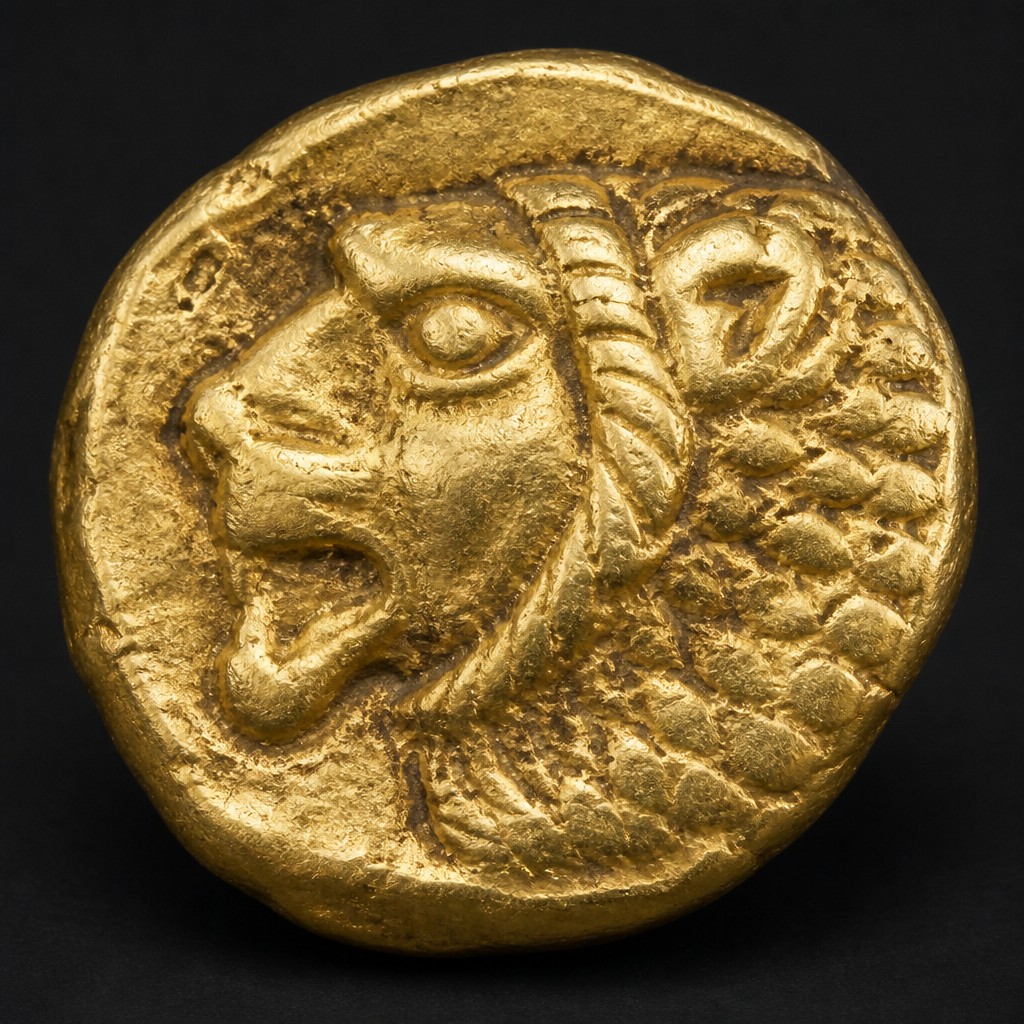
Kroisos (Croeseid) Gold Stater of Lydia
A pure gold stater struck under King Croesus of Lydia, part of history's first coinage issued in separate fixed-purity gold and silver denominations.
Ancient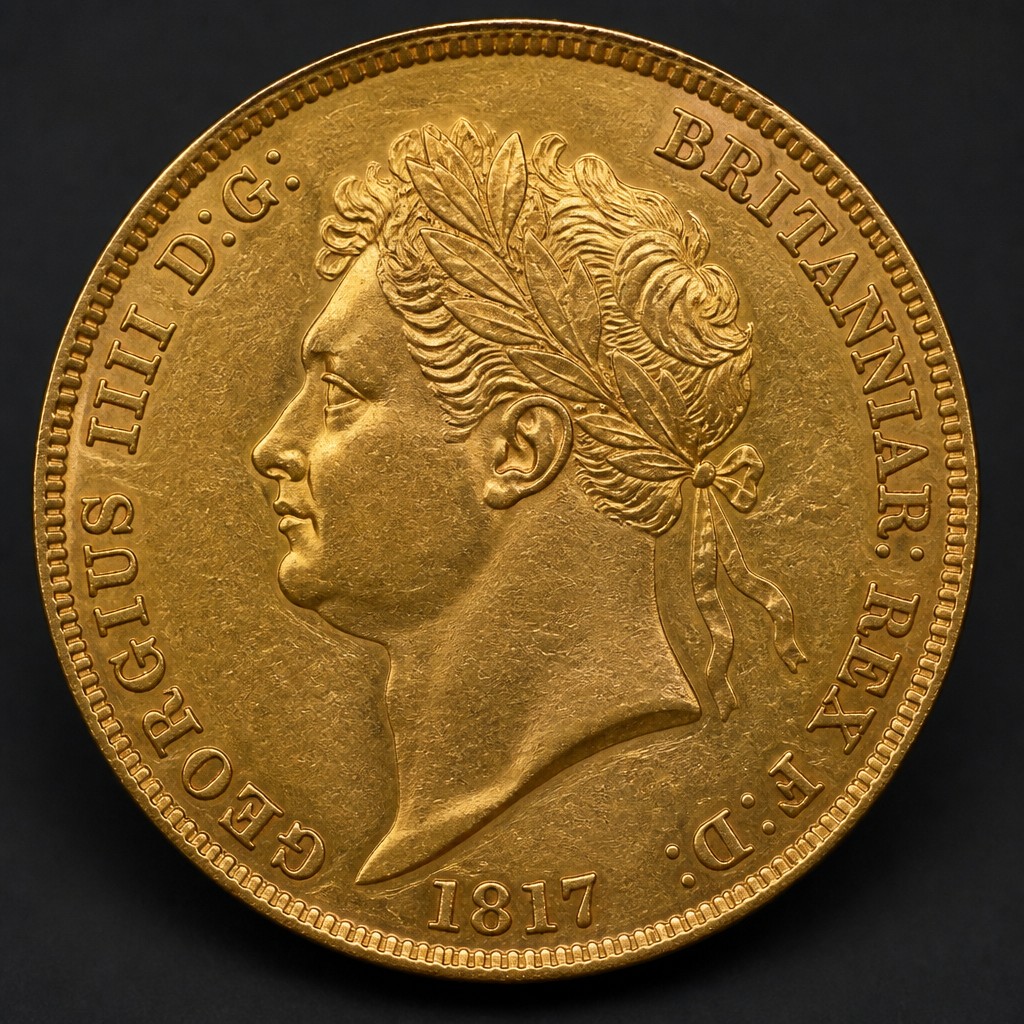
British Gold Sovereign
Historic British gold coin featuring Saint George slaying the dragon, minted since 1817 and still struck today as both a circulation-era relic and modern bullion/collector coin.
British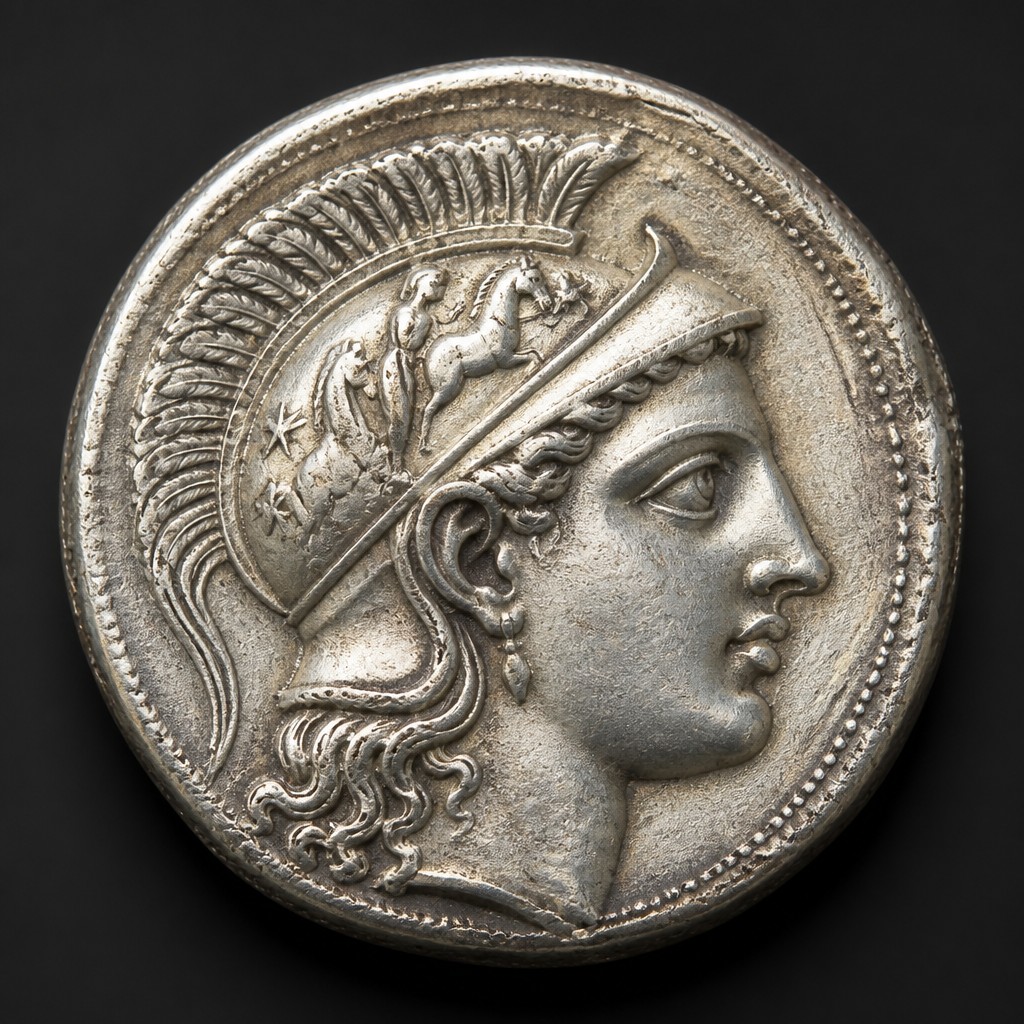
Syracuse Decadrachm
A large, exquisitely engraved silver coin from the Greek city of Syracuse, celebrated as one of the finest achievements of ancient Greek numismatic art, featuring the nymph Arethusa and a victorious chariot.
Ancient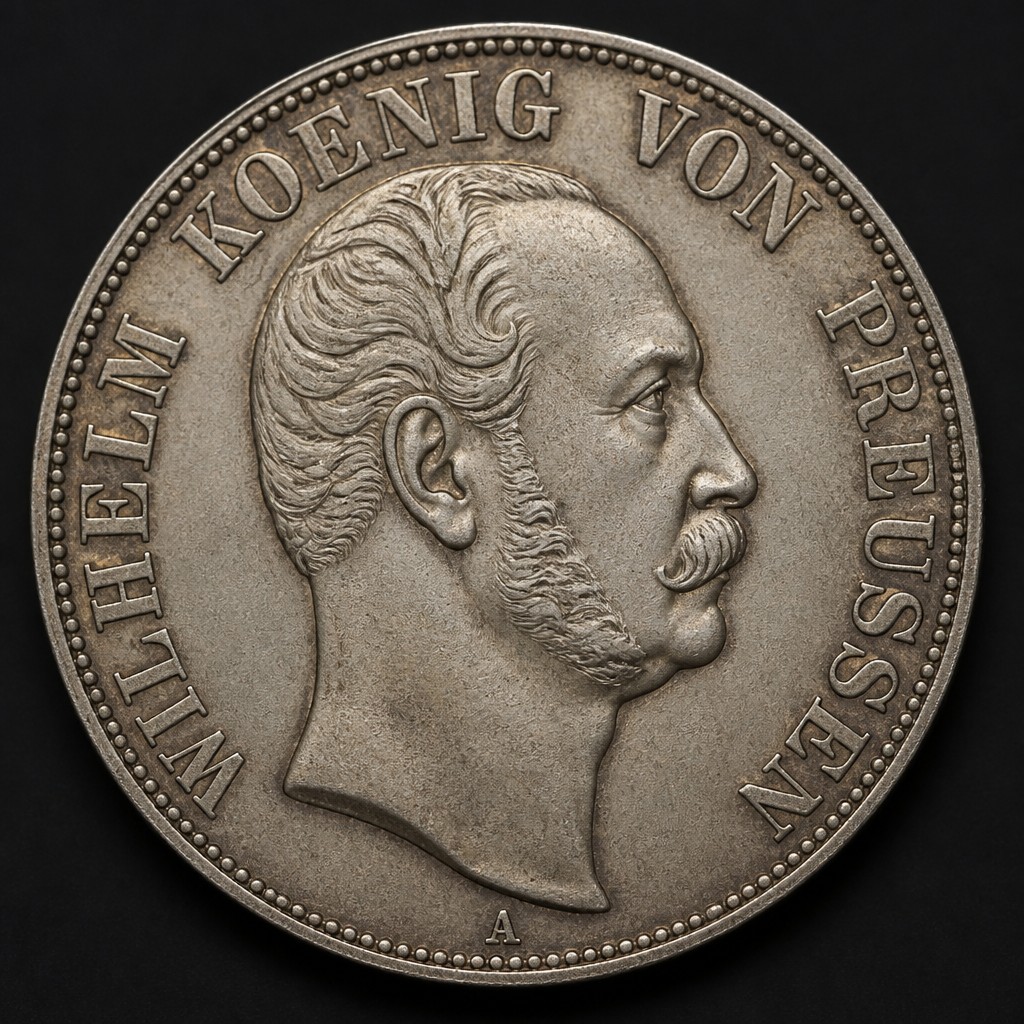
Prussian Vereinsthaler
A standardized silver thaler struck by the Kingdom of Prussia under the 1857 Vienna Monetary Treaty, unifying weight and fineness across many German and Austrian states before German unification.
European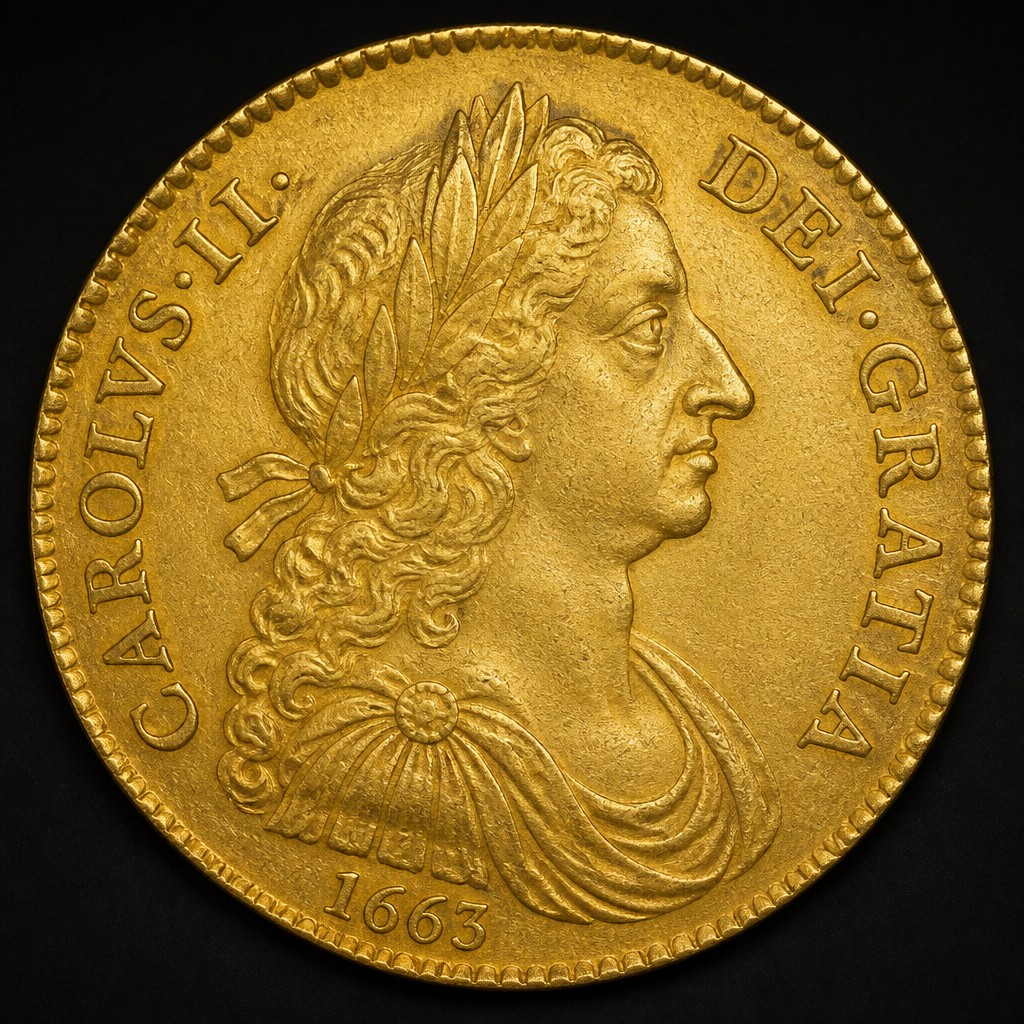
Guinea
Historic British gold coin named for the West African region that supplied much of its gold, valued at 21 shillings for most of its history and predecessor to the modern sovereign.
British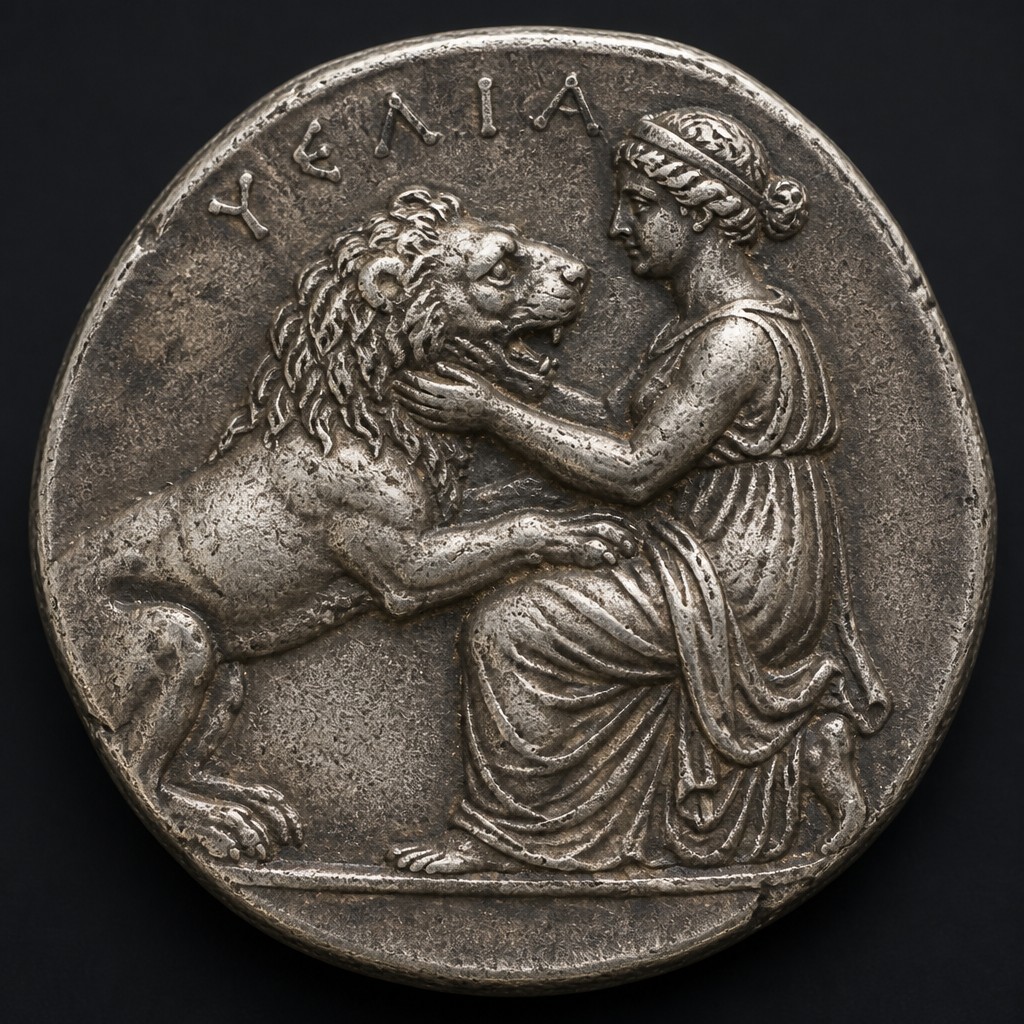
Velia (Elea) Lion and Nymph Nomos
A classic South Italian silver nomos pairing a finely helmeted head of Athena with a striding or attacking lion, from the philosophically famous city of Velia.
Ancient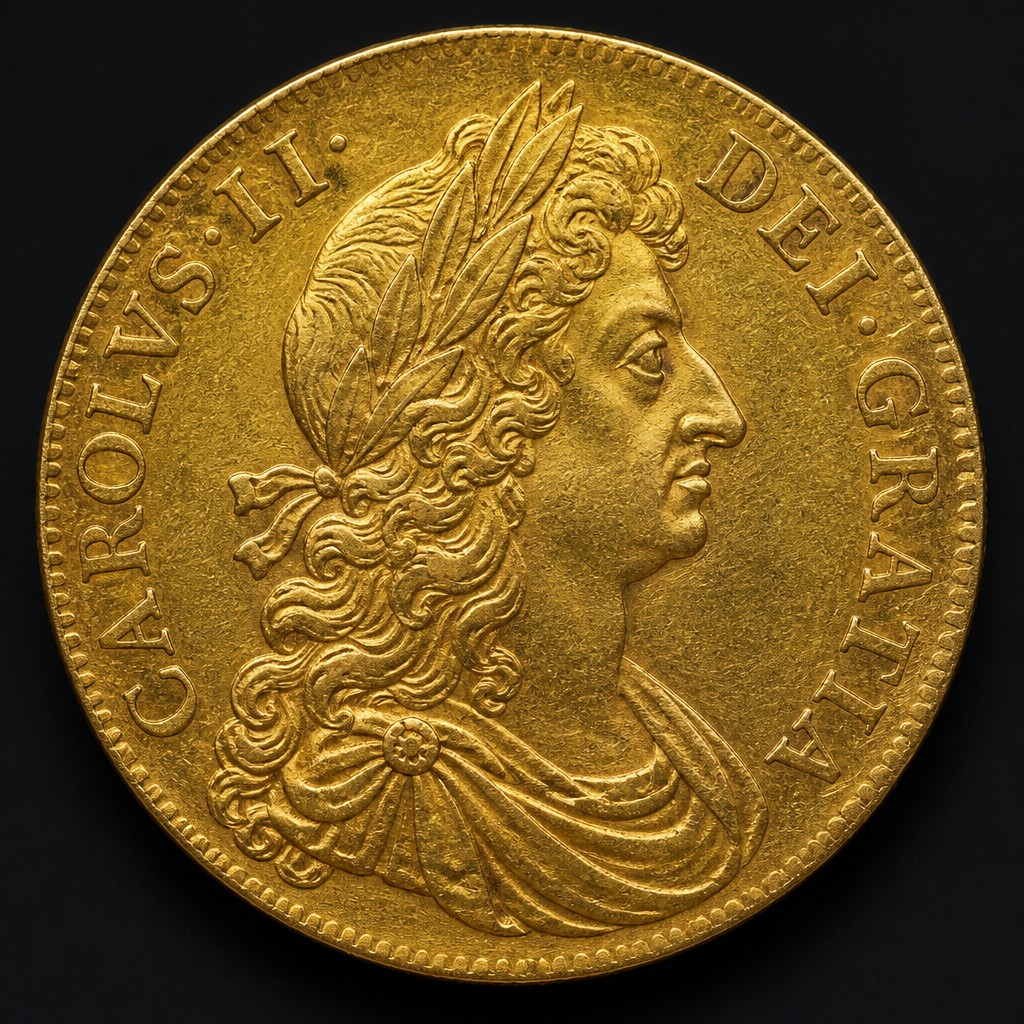
British Gold Guinea
Struck from 1663 to 1814 and named for the West African gold used in its earliest issues, the guinea was Britain's leading gold coin and gave its name to a unit of value still referenced today.
British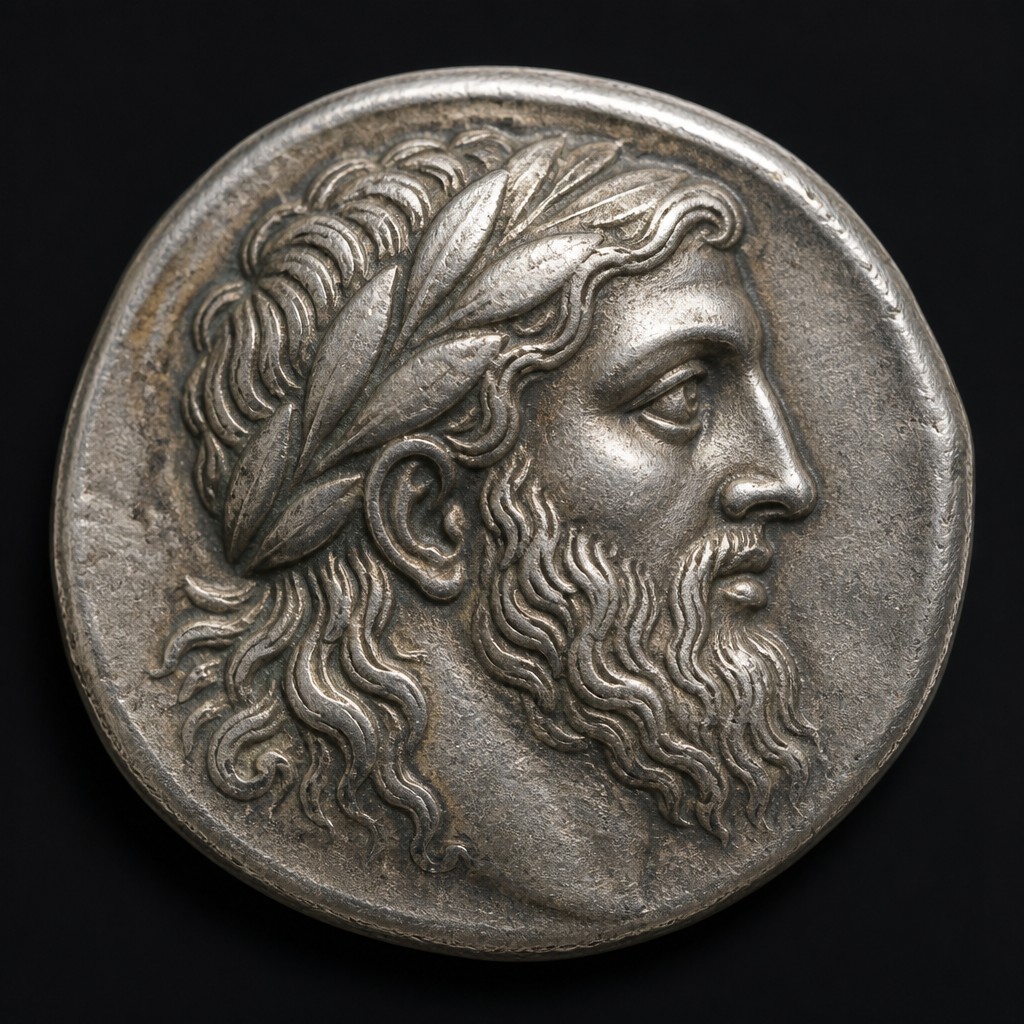
Poseidonia (Paestum) Poseidon Stater
An early Magna Graecia silver stater from Poseidonia showing the sea god Poseidon striding forward with a raised trident, named for and emblematic of the city itself.
Ancient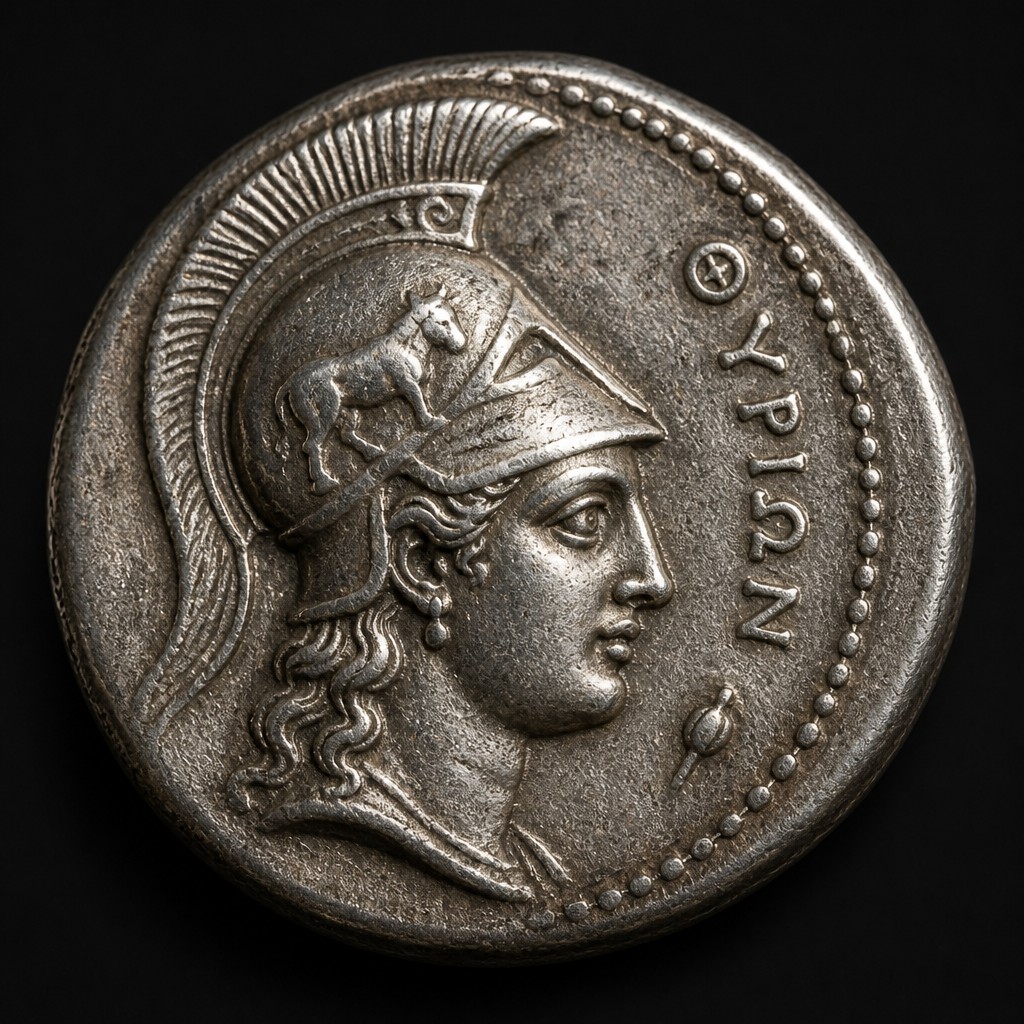
Thurium (Thurii) Athena and Bull Nomos
Silver nomos of the Greek colony of Thurii in southern Italy, showing a helmeted Athena obverse and a butting bull reverse, a classic Magna Graecia type.
Ancient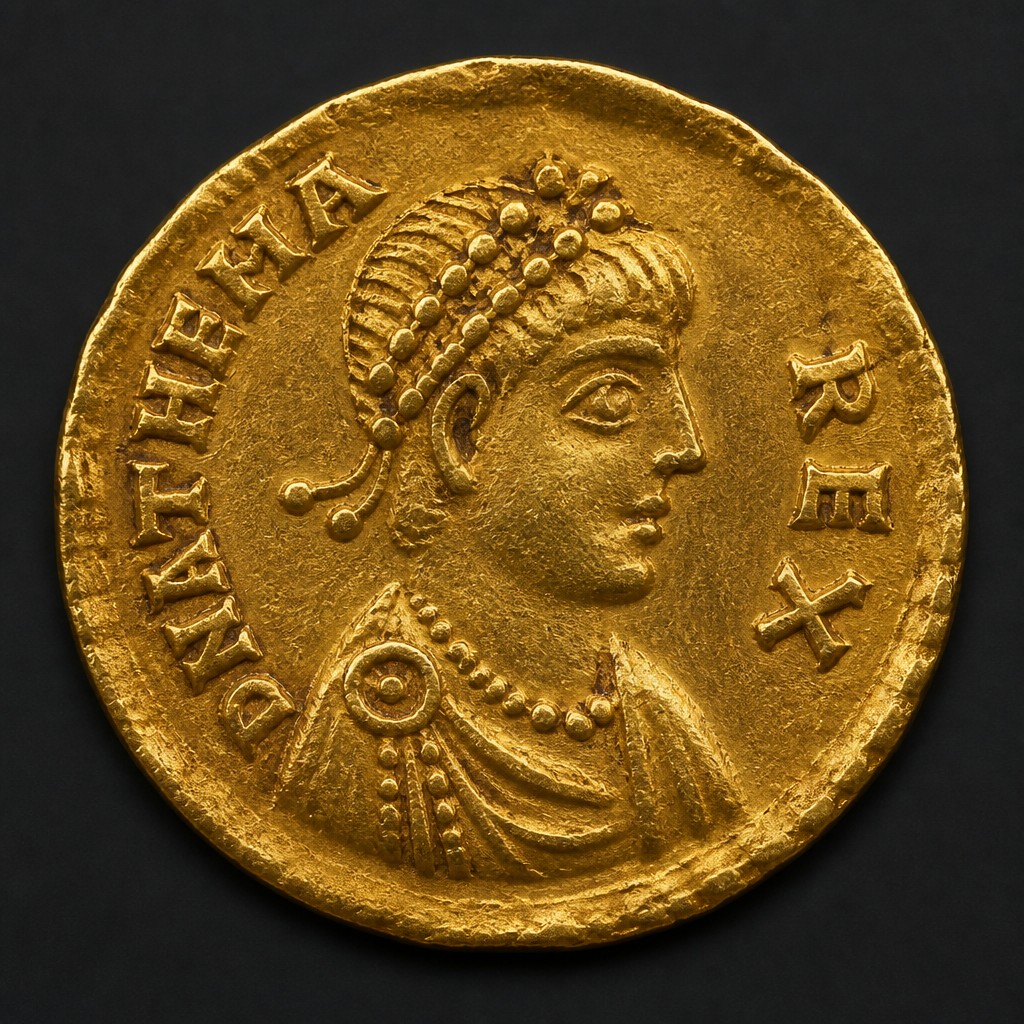
Visigothic Gold Tremissis
Small gold coin of the Visigothic kings of Spain, evolving from crude imitations of Roman/Byzantine coinage into the first distinctly national royal coinage of post-Roman Western Europe.
European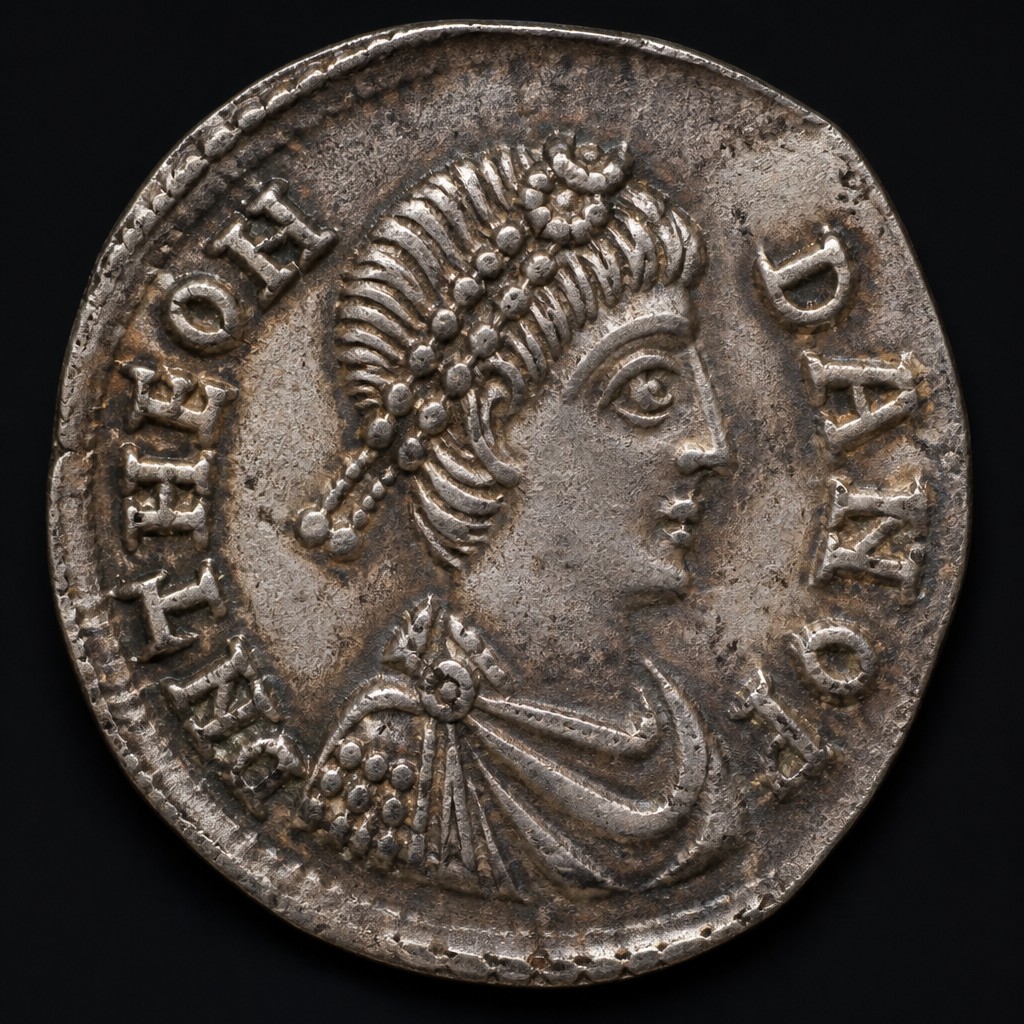
Ostrogothic Silver Quarter Siliqua
Small silver coin struck by the Ostrogothic kings of Italy in the name of the reigning Byzantine emperor, bearing the Gothic king's monogram on the reverse.
European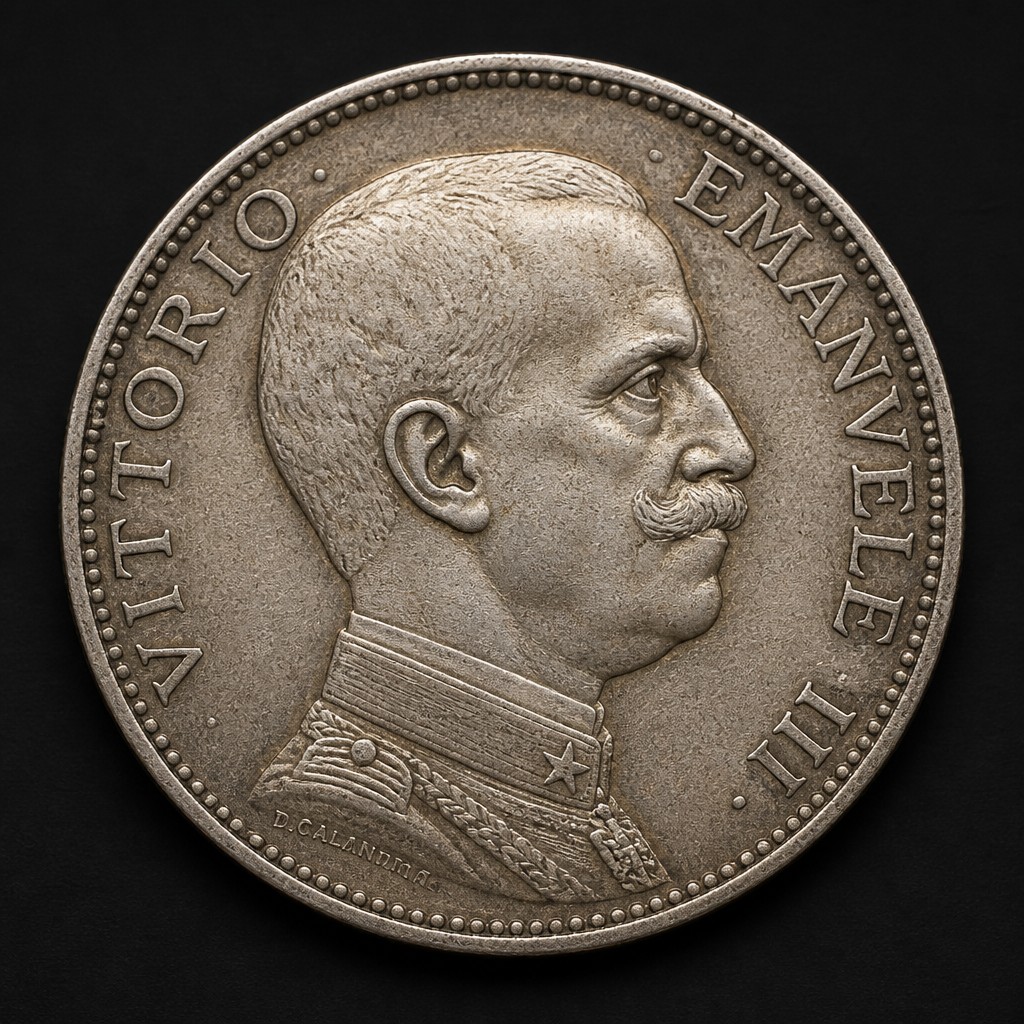
Italian 10 Lire (Silver)
Kingdom of Italy silver 10 Lire coin, best known for the 1926–1930 'Biga' type showing a two-horse chariot, struck under Vittorio Emanuele III.
European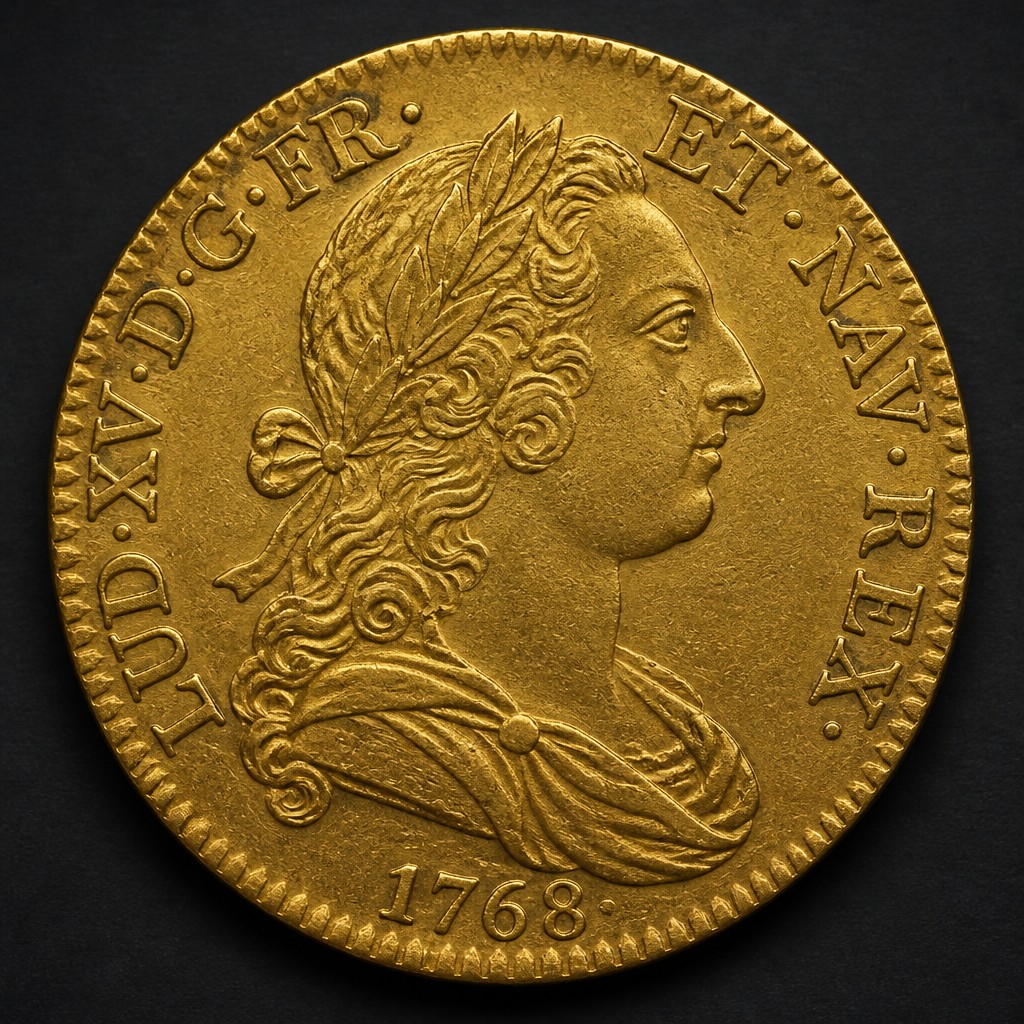
French Louis d'Or
The Louis d'Or was the principal gold coin of the French monarchy for over 150 years, named after the kings Louis who issued it, and struck until the eve of the Revolution.
European