
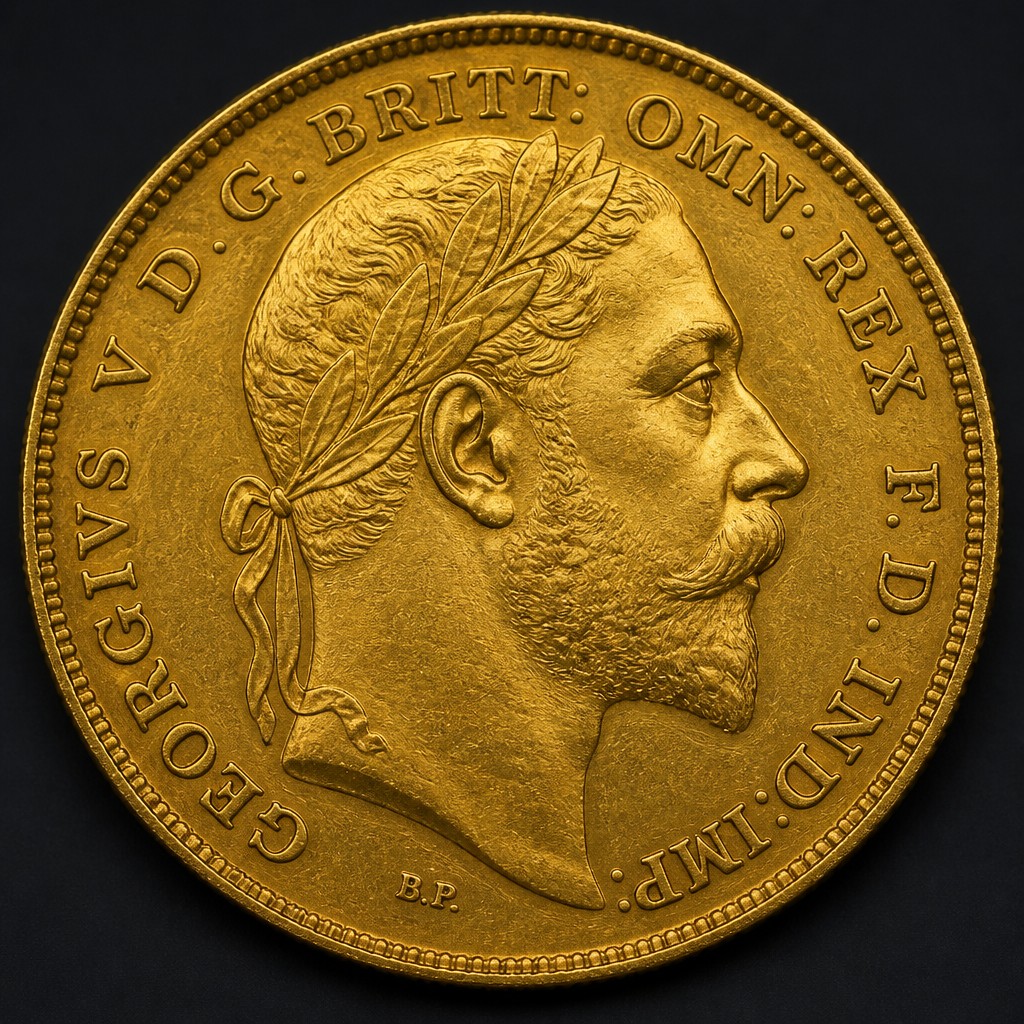
Two Pound Gold (Double Sovereign)
A gold coin worth two pounds sterling and roughly twice the weight of a sovereign, struck mainly for jubilees, coronations, and modern proof or bullion sets rather than daily circulation.
- Country
- United Kingdom
- Denomination
- Two Pounds
- Metal
- Gold (.917, 22 carat)
Got a coin like this?
Identify any coin from a photo, free.
Overview
The two pound gold piece, commonly called the double sovereign, is a large gold coin equal in value to two sovereigns. Weighing around 16 grams and measuring about 28 to 29 millimeters across, it has almost never functioned as everyday money, instead serving as a prestige piece for commemorating royal milestones and, in recent decades, as an annual collector and bullion issue from the Royal Mint.
Because double sovereigns were struck only in specific years tied to jubilees, coronations, and modern commemorative themes, the series is compact enough for collectors to pursue as a complete date run, while still offering enough scarcity and design variety to remain interesting at higher grades.
Its substantial gold content links its value closely to the price of gold, while its historical and commemorative issues carry an additional numismatic premium above bullion worth.
History & Background
Pattern two pound coins were first trialed under George III around 1820 and again under George IV, but the denomination did not enter regular issue until Queen Victoria's Golden Jubilee in 1887, when it was struck alongside the five pound piece as part of a lavish new gold coinage. Further issues followed at key royal occasions, including Victoria's 1893 'Old Head' coinage, Edward VII's 1902 coronation, George V's 1911 coronation, and George VI's 1937 coronation set.
After a long gap, the Royal Mint revived the double sovereign as a recurring proof and bullion product from the 1980s onward, often pairing the traditional St George and dragon reverse with the reigning monarch's portrait, and periodically substituting special commemorative reverse designs for royal anniversaries.
Throughout its history the coin has functioned less as circulating money and more as a ceremonial expression of the sovereign's gold coinage, prized for its size and the prestige associated with royal events.
How to Identify
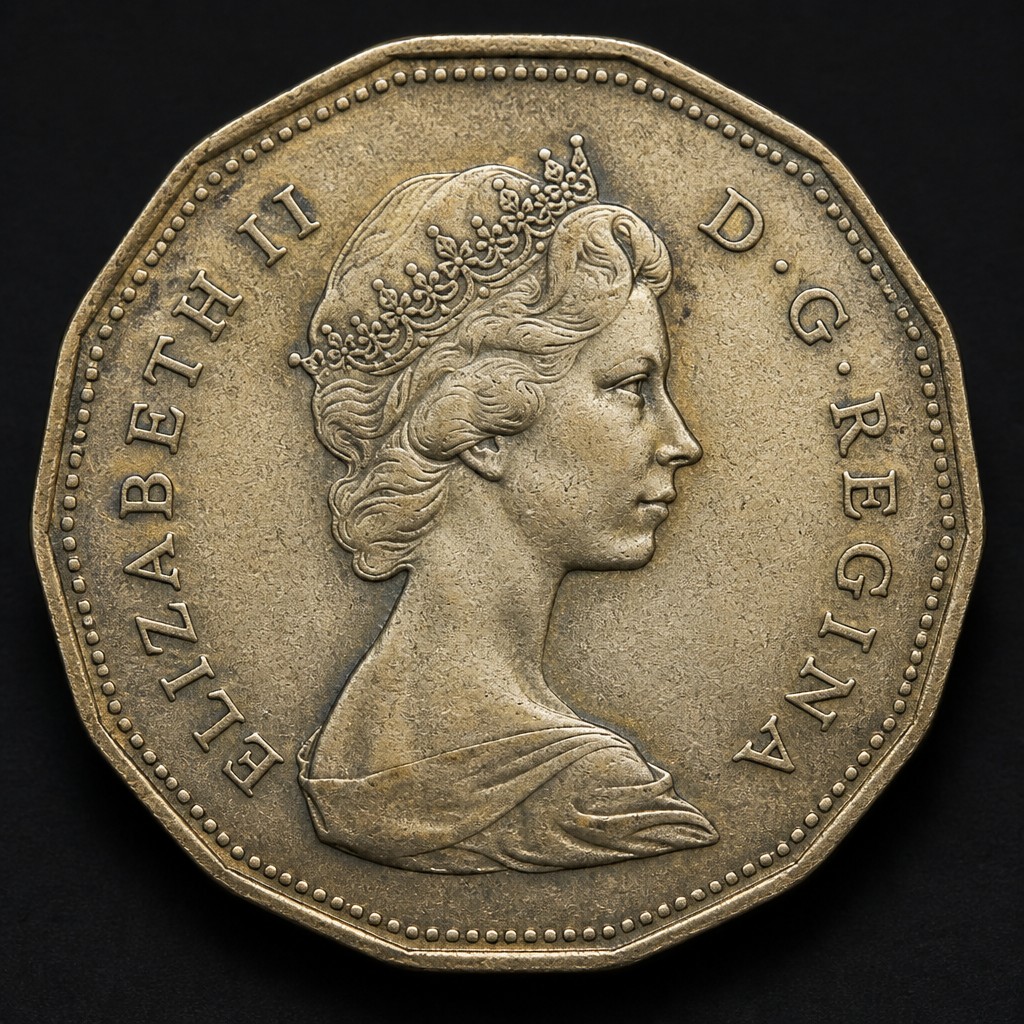
The obverse always carries the portrait of the reigning monarch, following the same portrait used across that era's sovereign and half sovereign. The reverse most often features Benedetto Pistrucci's classic depiction of St George slaying the dragon, though many issues instead show a commemorative design such as royal arms, a jubilee wreath, or a themed image tied to the anniversary being marked.
The coin has a plain milled edge and is struck in 22 carat gold. At roughly 28 to 29 millimeters in diameter, it sits clearly between the smaller sovereign (about 22mm) and the much larger five pound piece (about 36mm), making size a reliable way to distinguish it within the sovereign family once you know the denomination scale.
Value & Collectibility
Value is a combination of gold content and numismatic premium. Modern bullion and proof double sovereigns generally trade at a modest premium over the spot price of their gold content, often in the low thousands of dollars depending on gold prices and the specific year's mintage. Nineteenth and early twentieth century issues tied to jubilees and coronations, especially in choice uncirculated or proof condition, can command noticeably higher premiums, and rare patterns or low mintage proofs have realized tens of thousands of dollars at auction.
As with most gold coins, condition, originality of surfaces, and any certification from a major grading service can meaningfully affect price, and buyers should expect broad ranges rather than fixed figures.
Frequently asked questions
Was the two pound coin ever spent in everyday commerce?
Rarely. It was struck mainly for commemorative occasions, presentation sets, and collectors rather than general circulation.
How big is a double sovereign compared to a regular sovereign?
It is roughly twice the weight and somewhat larger in diameter than the standard gold sovereign.
What image usually appears on the reverse?
Most commonly Pistrucci's St George and the Dragon, although many issues instead carry a commemorative design specific to that year's royal event.
Is it still legal tender?
Yes, nominally for two pounds, though its actual gold and collector value is far higher than its face value.
Other coins you may enjoy
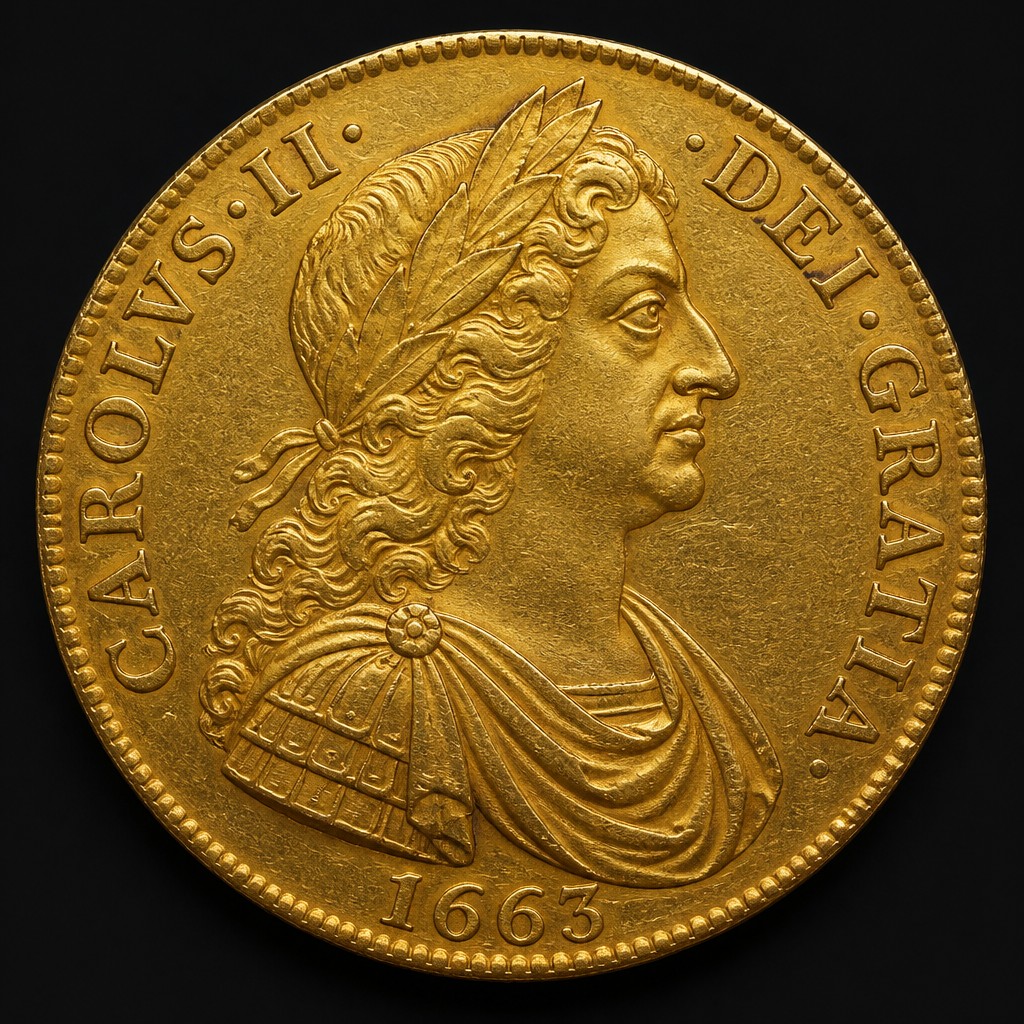
British Guinea
1663–1814
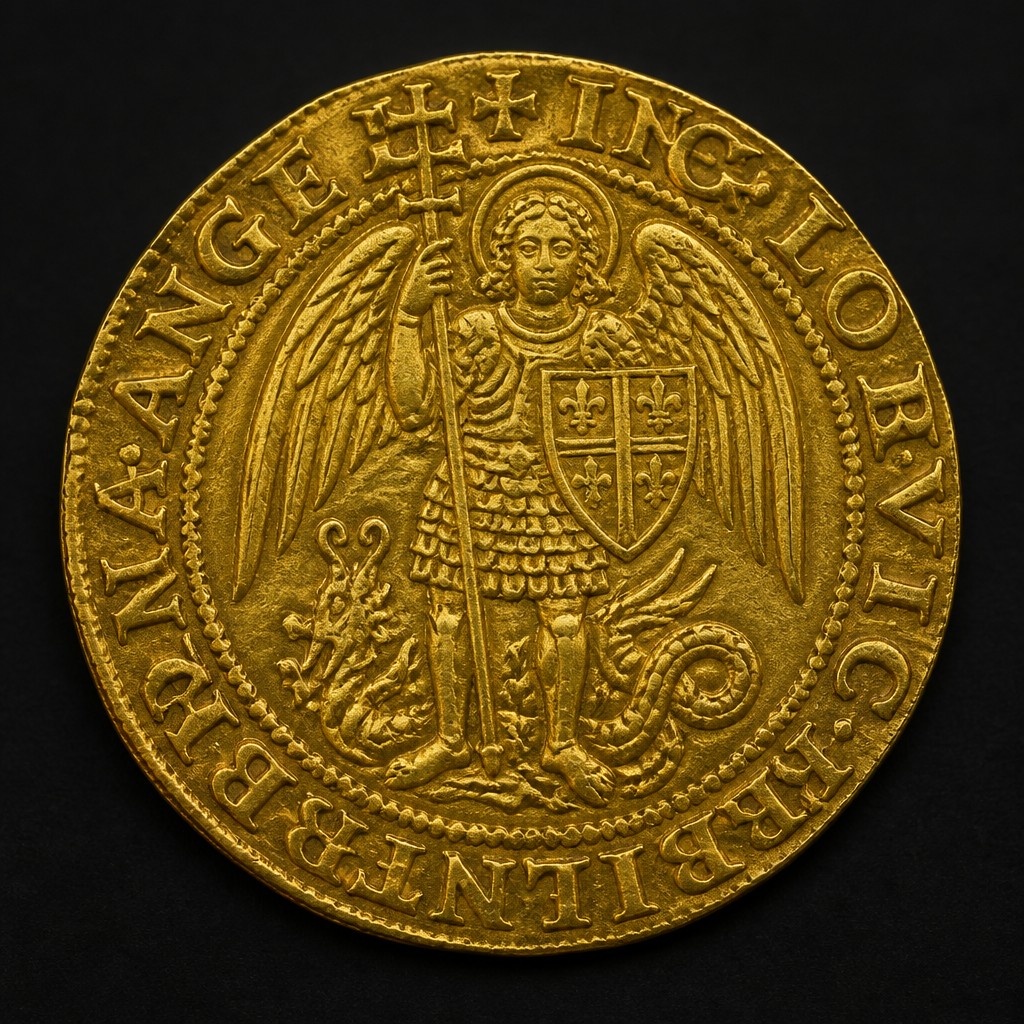
English Angel
1465–1642
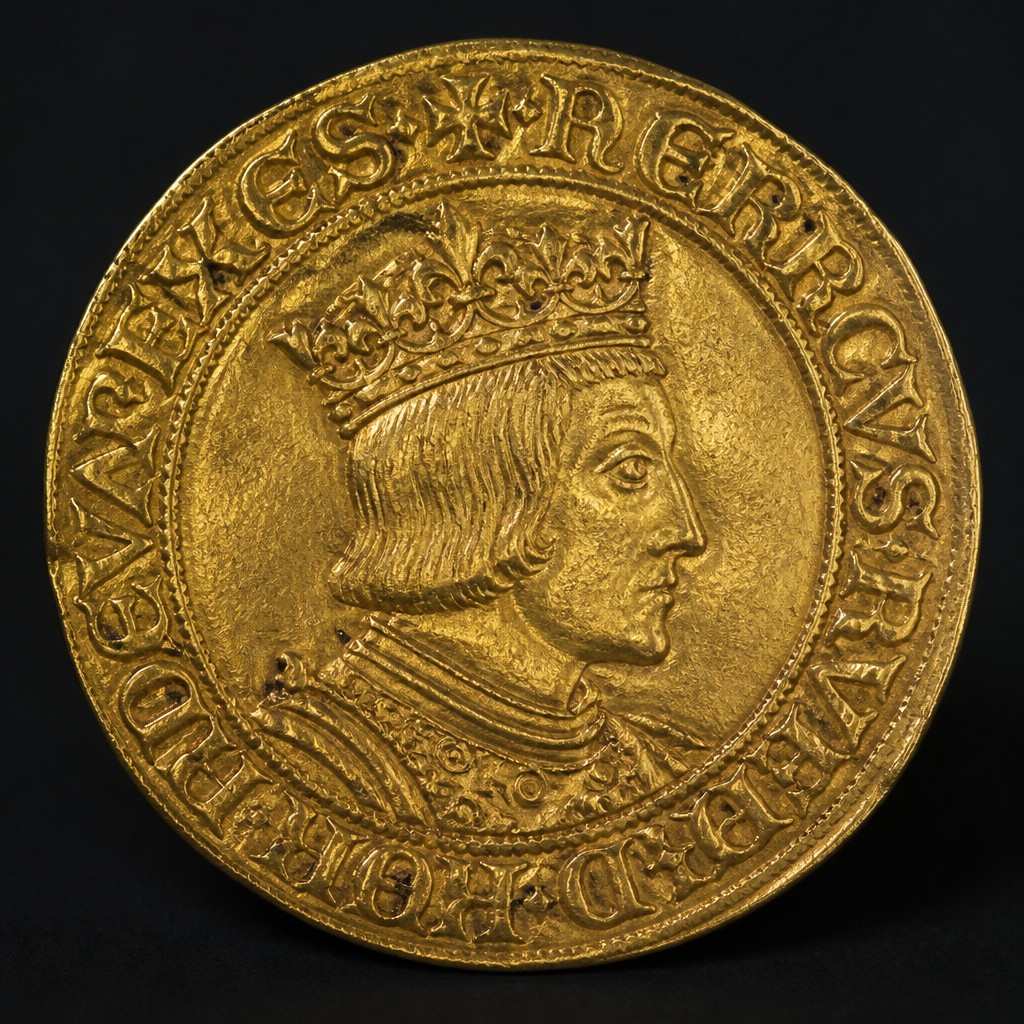
English Sovereign of Henry VII
1489–1509
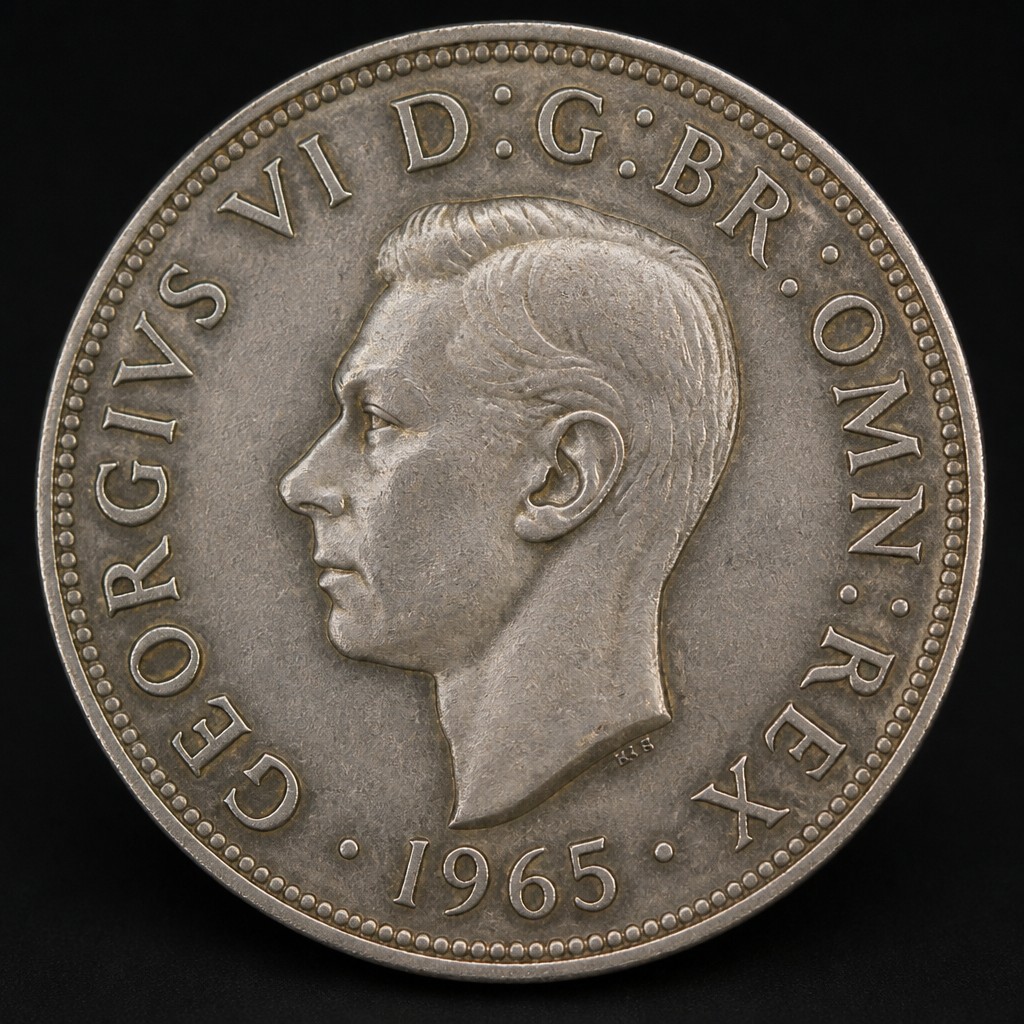
English Crown
1526–1965 (pre-decimal; commemorative crown-sized coins continue as five pound coins)
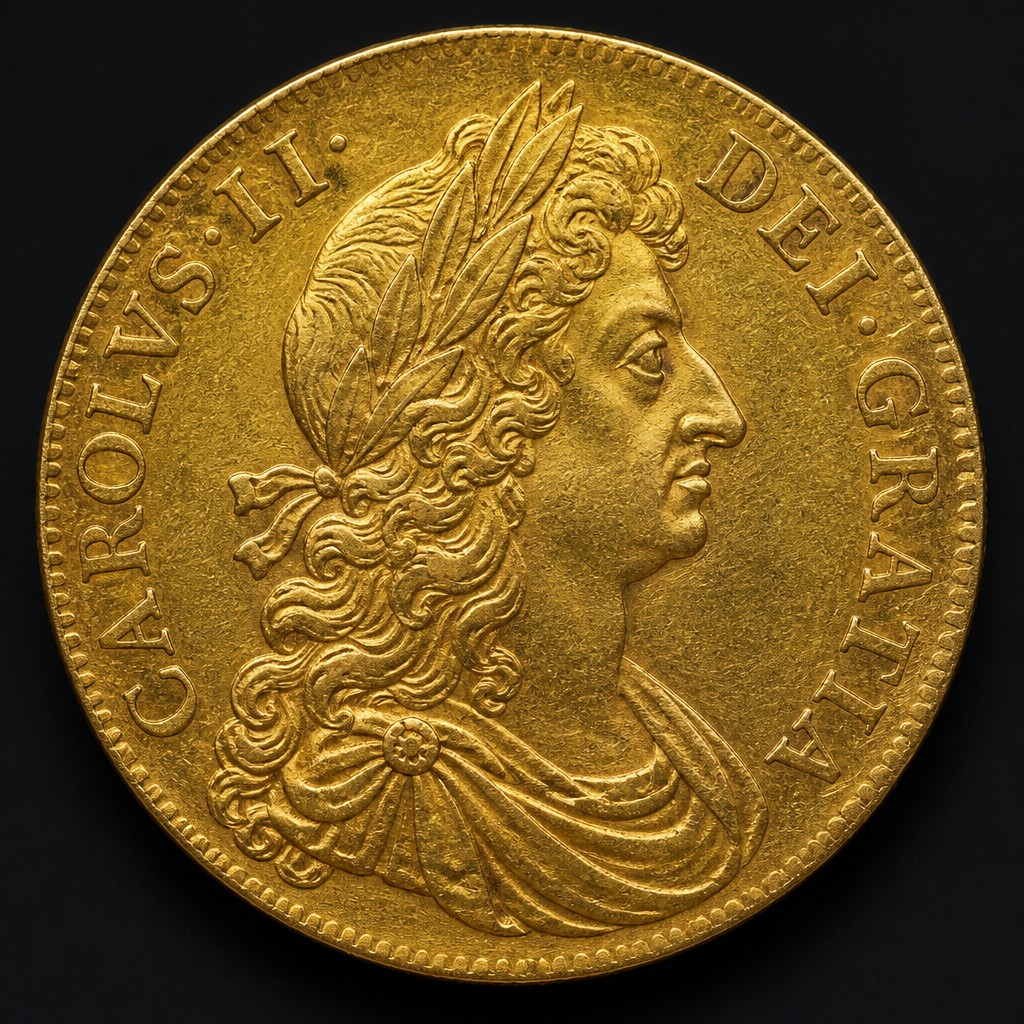
British Gold Guinea
1663–1814
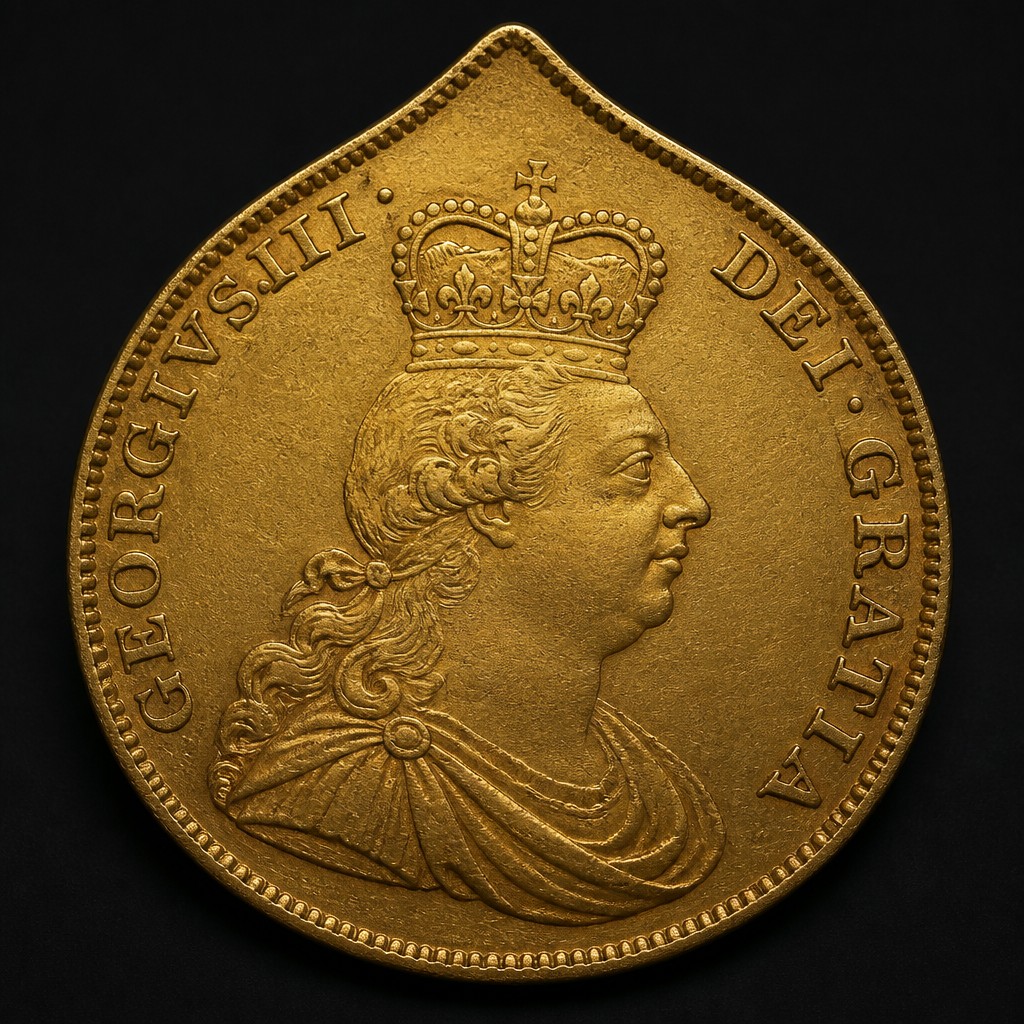
Spade Guinea
1787–1799
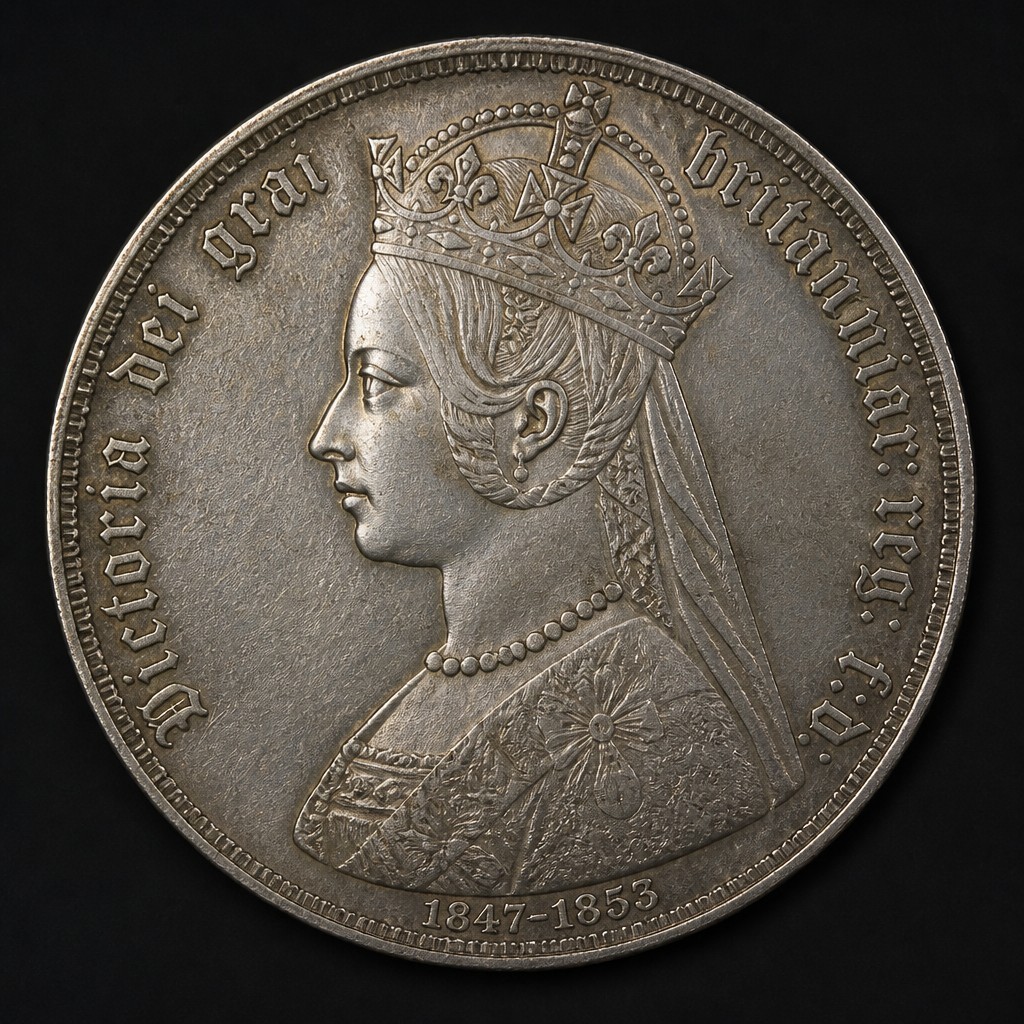
Gothic Crown
1847–1853
Groat (Fourpence)
1279–1888 (various revivals)
Farthing
13th century–1956
Halfpenny
c. 800s–1969
Five Pound Gold (Quintuple Sovereign)
1820–present (intermittent)
Threepence
1547–1970