
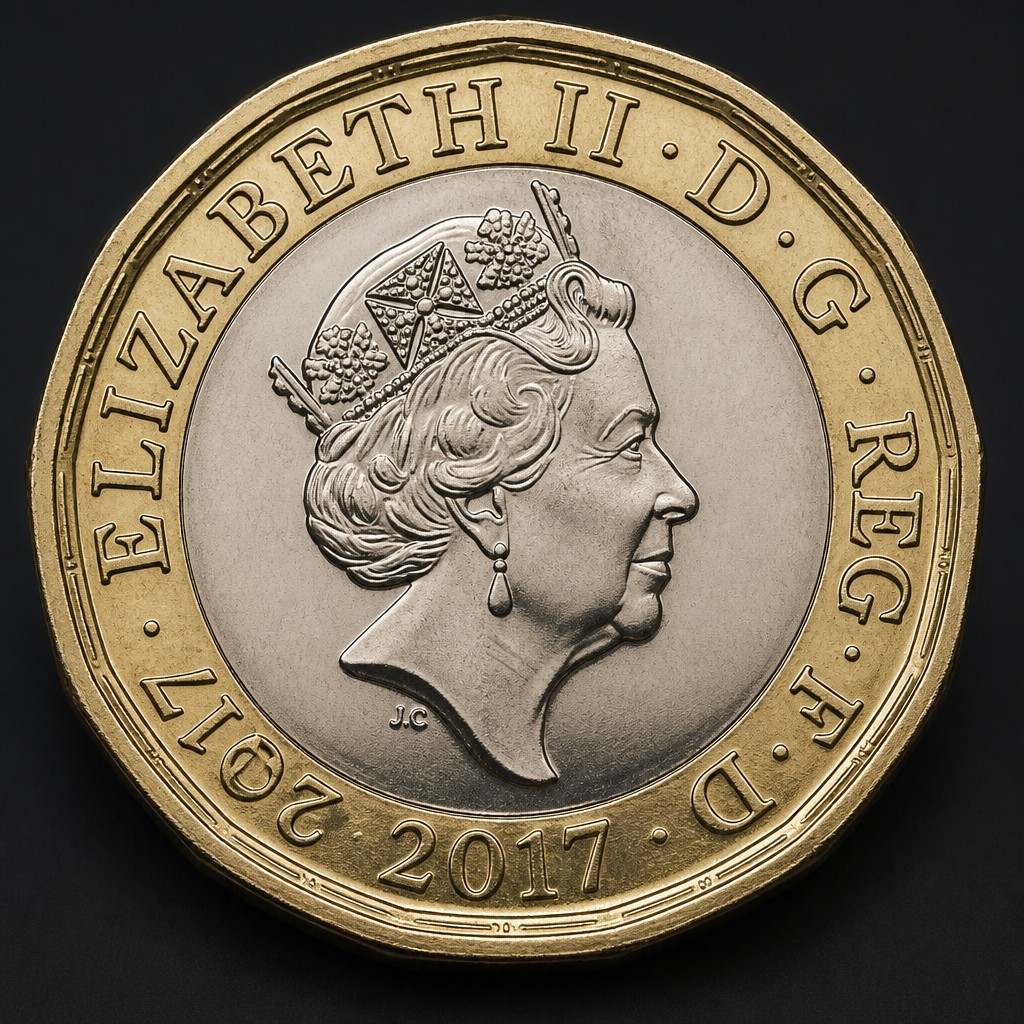
Pound Coin
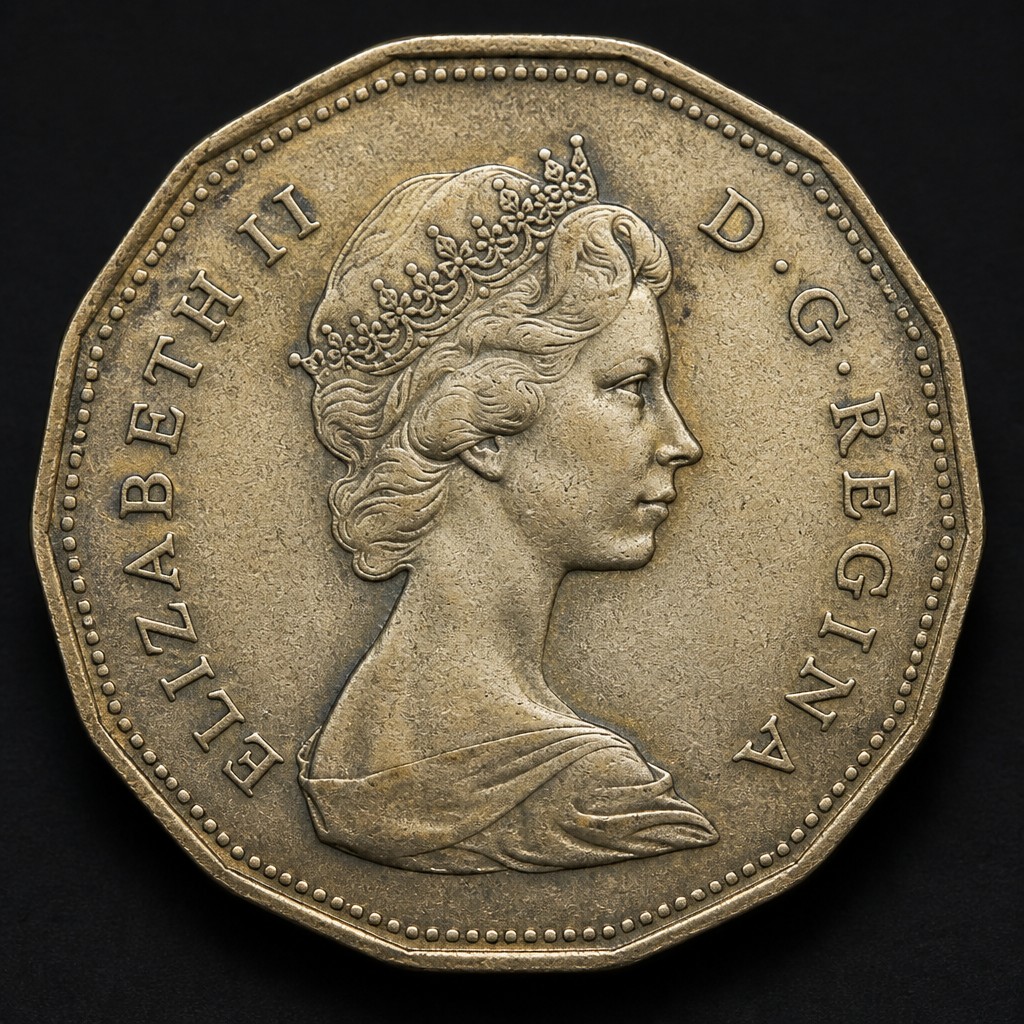
The United Kingdom's £1 coin, introduced in 1983 to replace the paper pound note, redesigned as a 12-sided bimetallic coin in 2017.
- Country
- United Kingdom
- Denomination
- One Pound
- Metal
- Nickel-Brass (round, 1983–2016); Bimetallic Nickel-Brass/Nickel-Plated Alloy (12-sided, 2017–)
Got a coin like this?
Identify any coin from a photo, free.
Overview
The one pound coin has been the backbone of everyday British cash transactions since 1983, when it replaced the paper £1 note. For over three decades it circulated as a round, golden-colored nickel-brass coin before being replaced in 2017 by a distinctive 12-sided bimetallic design intended to defeat rampant counterfeiting.
Collectors follow the coin closely because of its large number of annually rotating reverse designs, ranging from national floral emblems to royal arms and bridges, making a complete date-and-design run a popular collecting goal.
History & Background
The Royal Mint introduced the pound coin in 1983 as a more durable, longer-lasting alternative to the paper banknote, which wore out quickly in circulation. Early issues carried a single royal arms design, later replaced with an annual rotation of reverse designs representing the constituent nations and regions of the United Kingdom.
By the mid-2010s, the original round £1 coin had become one of the most counterfeited coins in the world, with an estimated one in thirty coins in circulation believed to be fake. In response, the Royal Mint introduced a new 12-sided, bimetallic £1 coin in March 2017, incorporating several new anti-counterfeiting features, and the old round coin was withdrawn from circulation later that year.
Both the round and 12-sided pound coins have carried the portrait of Queen Elizabeth II on the obverse, with coins struck after her death in 2022 transitioning to the portrait of King Charles III.
How to Identify
The original (1983–2016) pound coin is round, struck in golden nickel-brass, with the reigning monarch's portrait on the obverse and one of many rotating heraldic or emblematic reverse designs, often including a Latin edge inscription related to the design theme.
The current (2017–present) pound coin is 12-sided, bimetallic with a gold-colored outer ring and silver-colored inner section, and features a design of a rose, leek, thistle, and shamrock emerging from a single stem on the reverse, alongside hidden security features such as micro-lettering and a latent image that changes between a "£" symbol and the numeral "1" when tilted.
The two versions are easy to distinguish by shape alone: the older coin is a plain circle, while the current coin has twelve flat sides, similar in concept to the pre-decimal threepence.
Value & Collectibility
Most circulated pound coins, both round and 12-sided, are worth only face value. However, certain rare reverse designs from the round coin series, particularly early or low-mintage regional designs and a small number of acknowledged mint error types, can carry modest premiums of a few dollars to, in rarer cases, more for pristine uncirculated examples.
Collector interest centers mainly on assembling a complete date run of the round £1 coin's many designs rather than on any single coin commanding major rarity value.
Frequently asked questions
Why was the pound coin redesigned in 2017?
To combat widespread counterfeiting of the original round coin, with the new 12-sided bimetallic design incorporating stronger security features.
Is the old round pound coin still legal tender?
No, it was withdrawn from circulation in October 2017 after a phased changeover period.
Are pound coins valuable to collectors?
Most are worth face value, though a handful of rare reverse designs and genuine mint errors can carry a modest premium.
What metal is the current pound coin made of?
It is bimetallic, with a nickel-brass outer ring and a nickel-plated alloy inner section.
Other coins you may enjoy
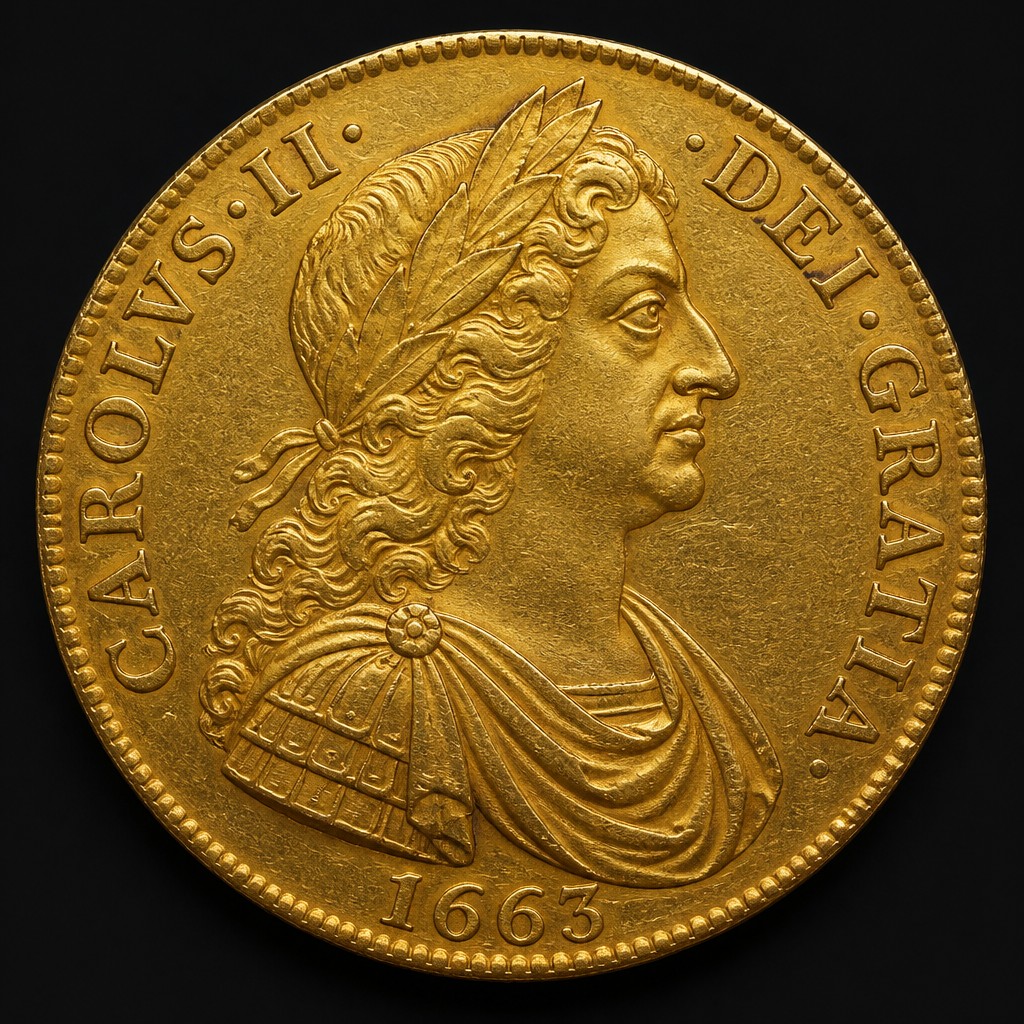
British Guinea
1663–1814
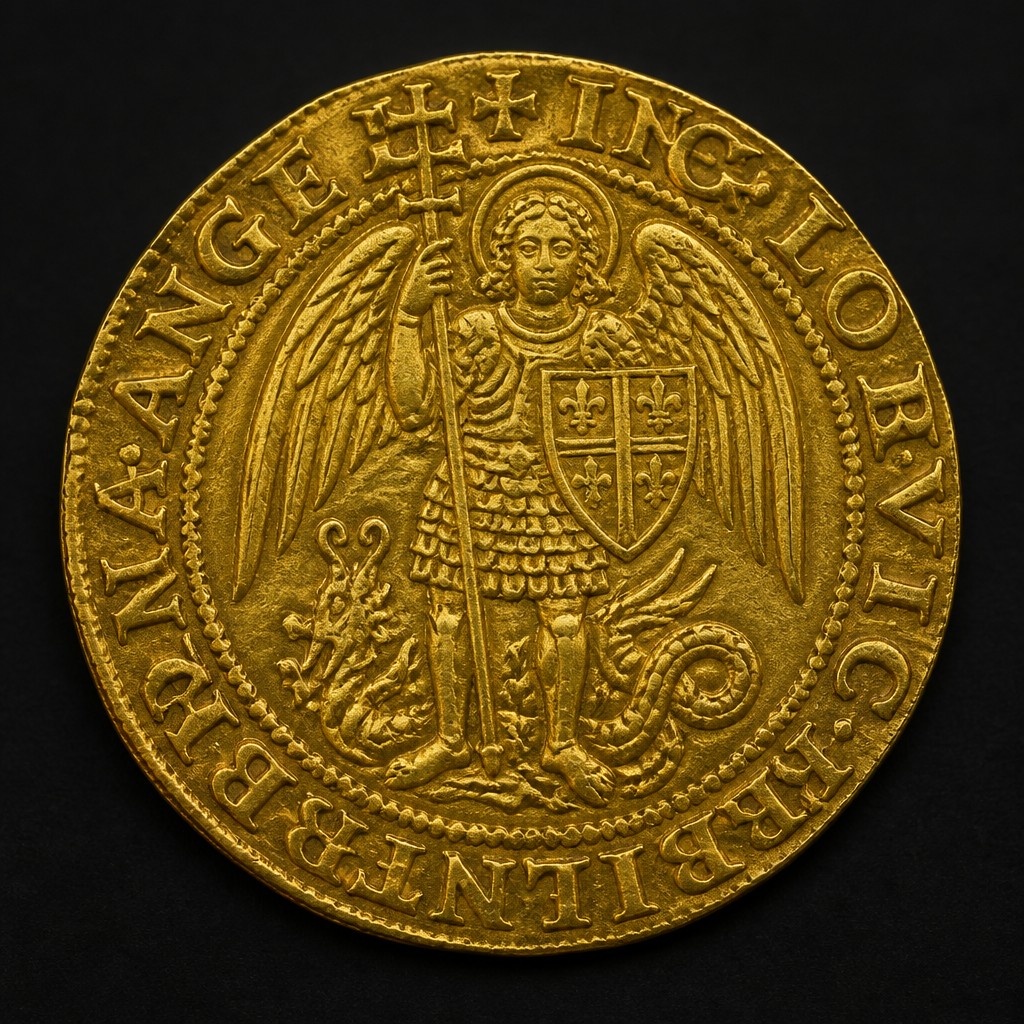
English Angel
1465–1642
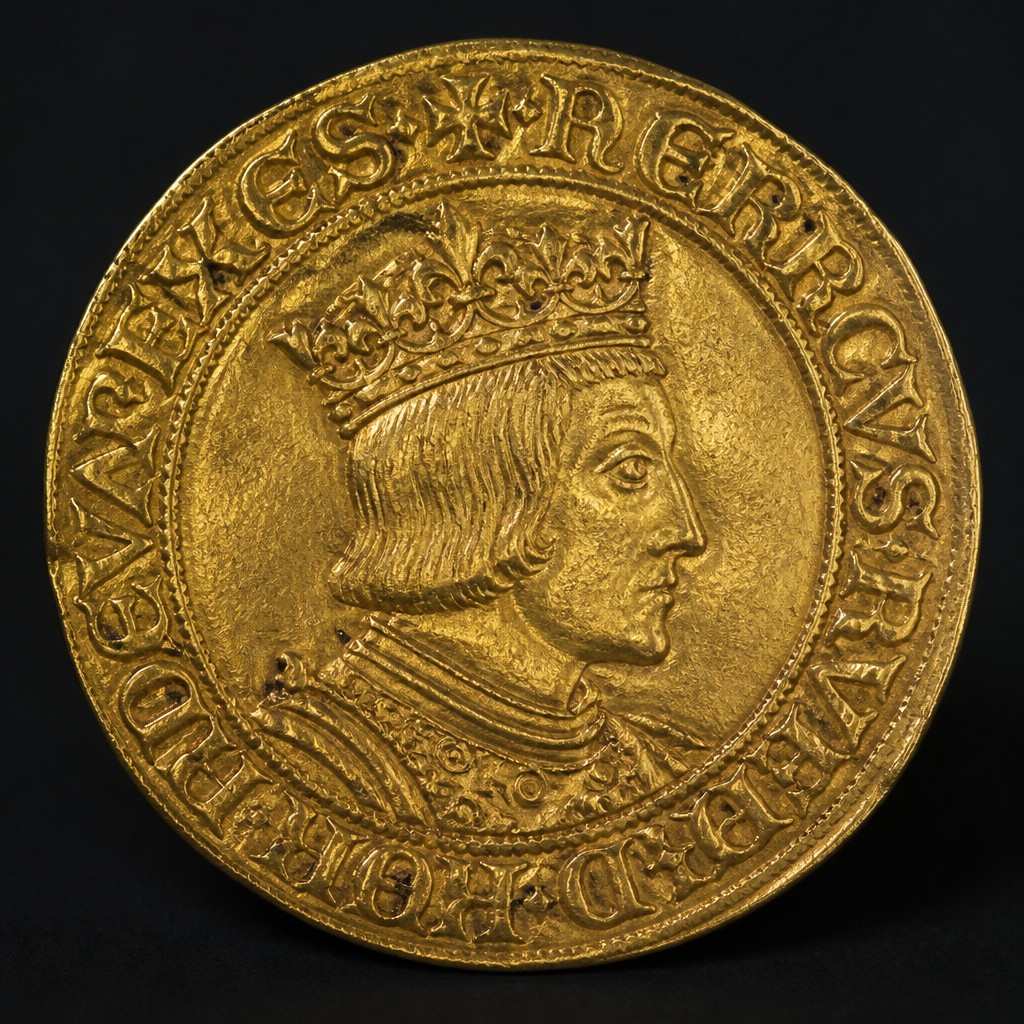
English Sovereign of Henry VII
1489–1509
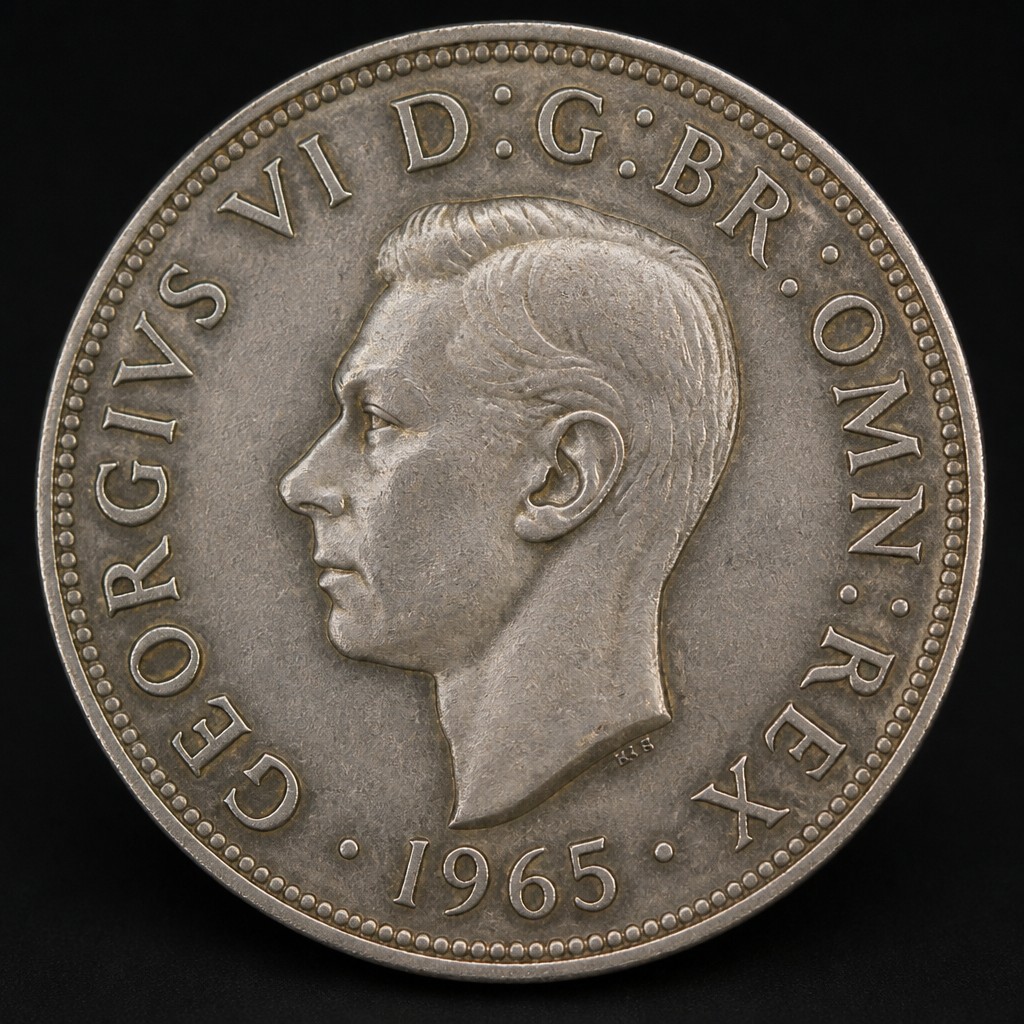
English Crown
1526–1965 (pre-decimal; commemorative crown-sized coins continue as five pound coins)
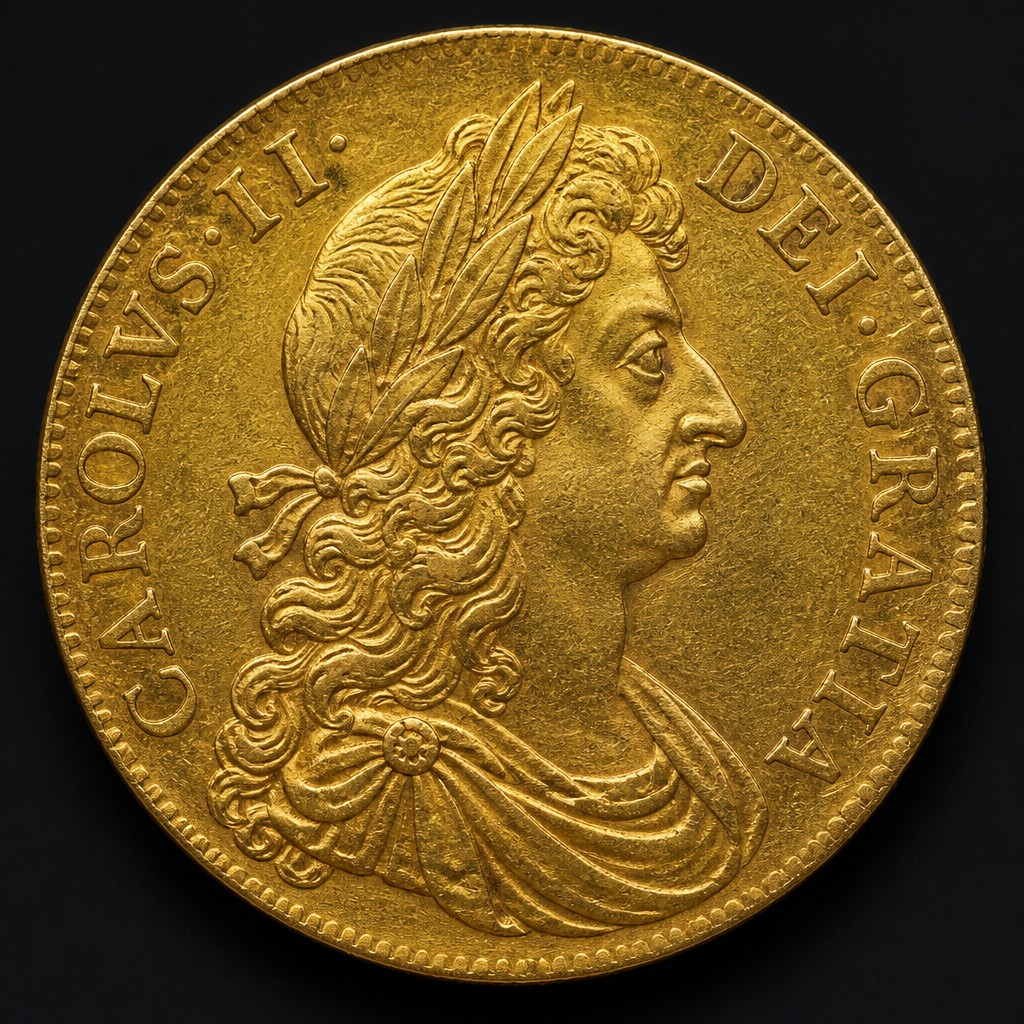
British Gold Guinea
1663–1814
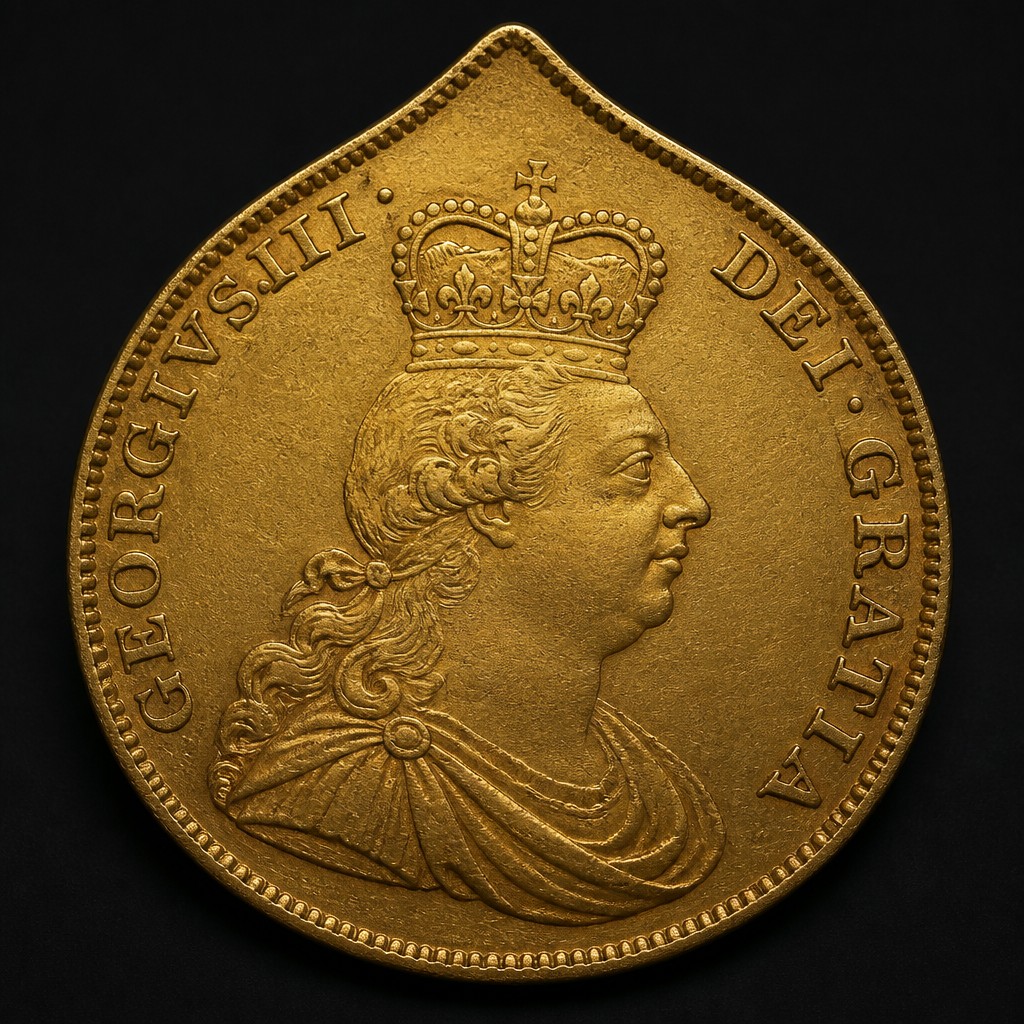
Spade Guinea
1787–1799
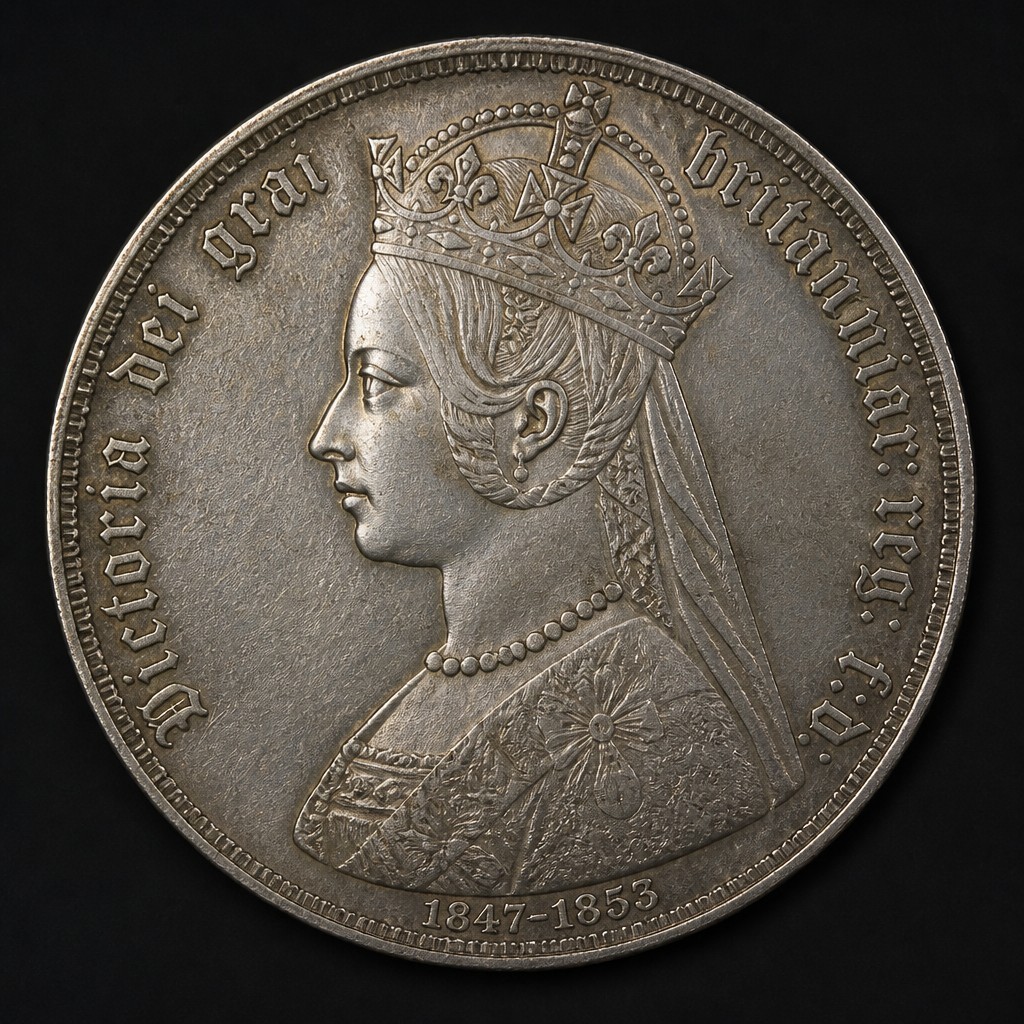
Gothic Crown
1847–1853
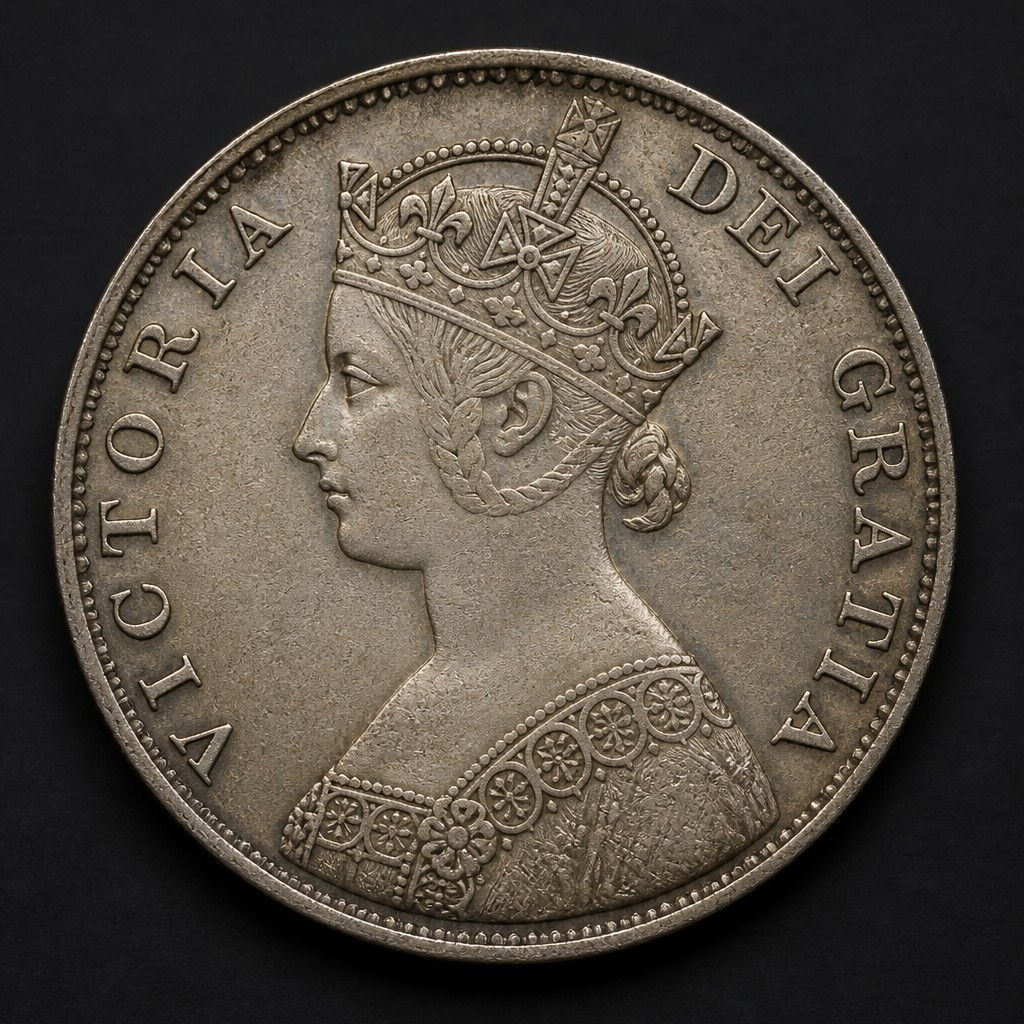
Groat (Fourpence)
1279–1888 (various revivals)
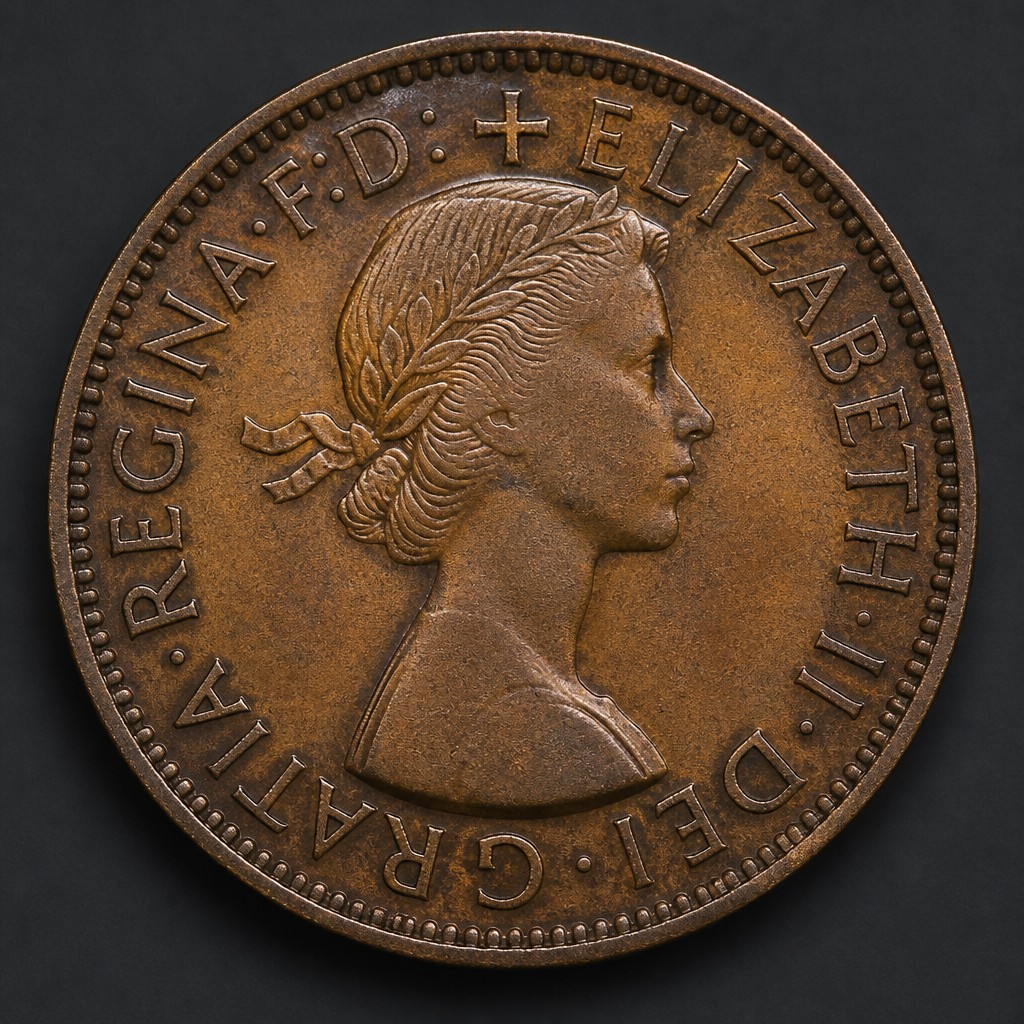
Farthing
13th century–1956
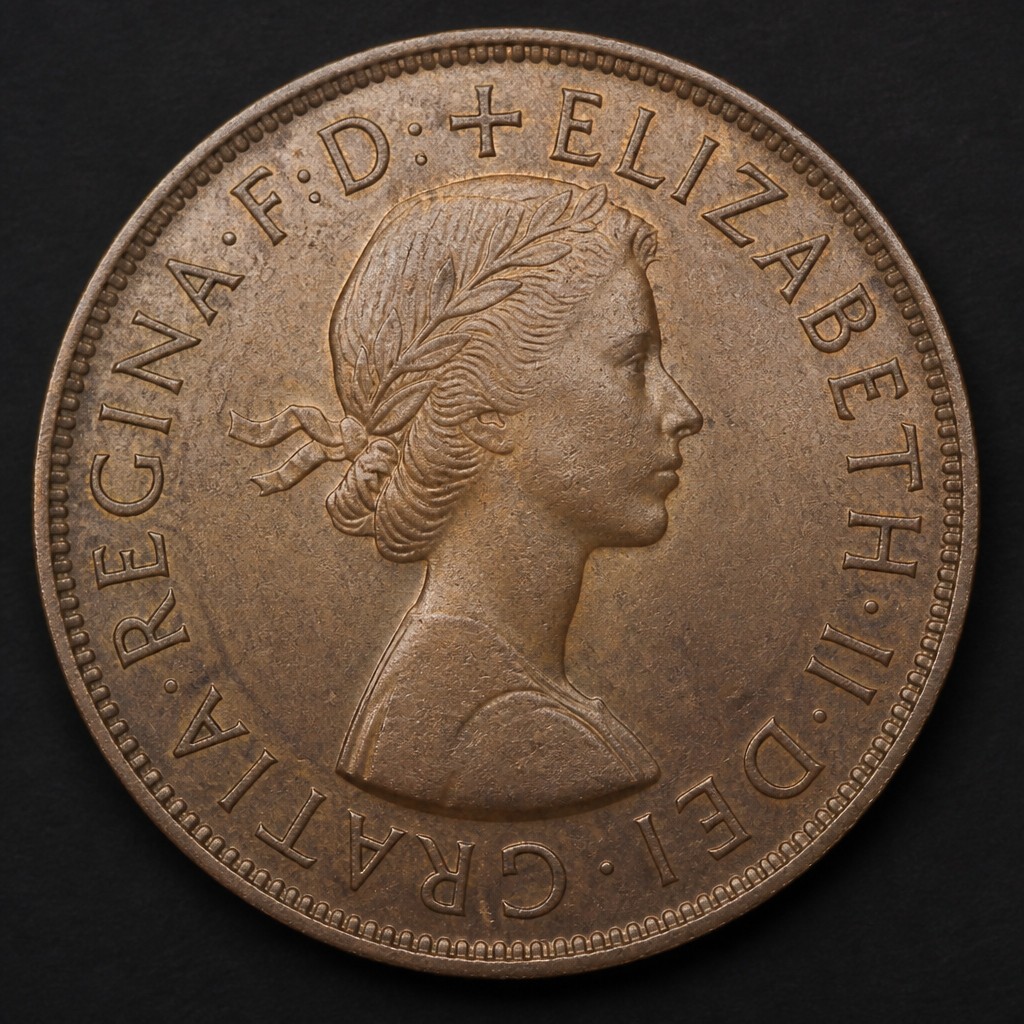
Halfpenny
c. 800s–1969
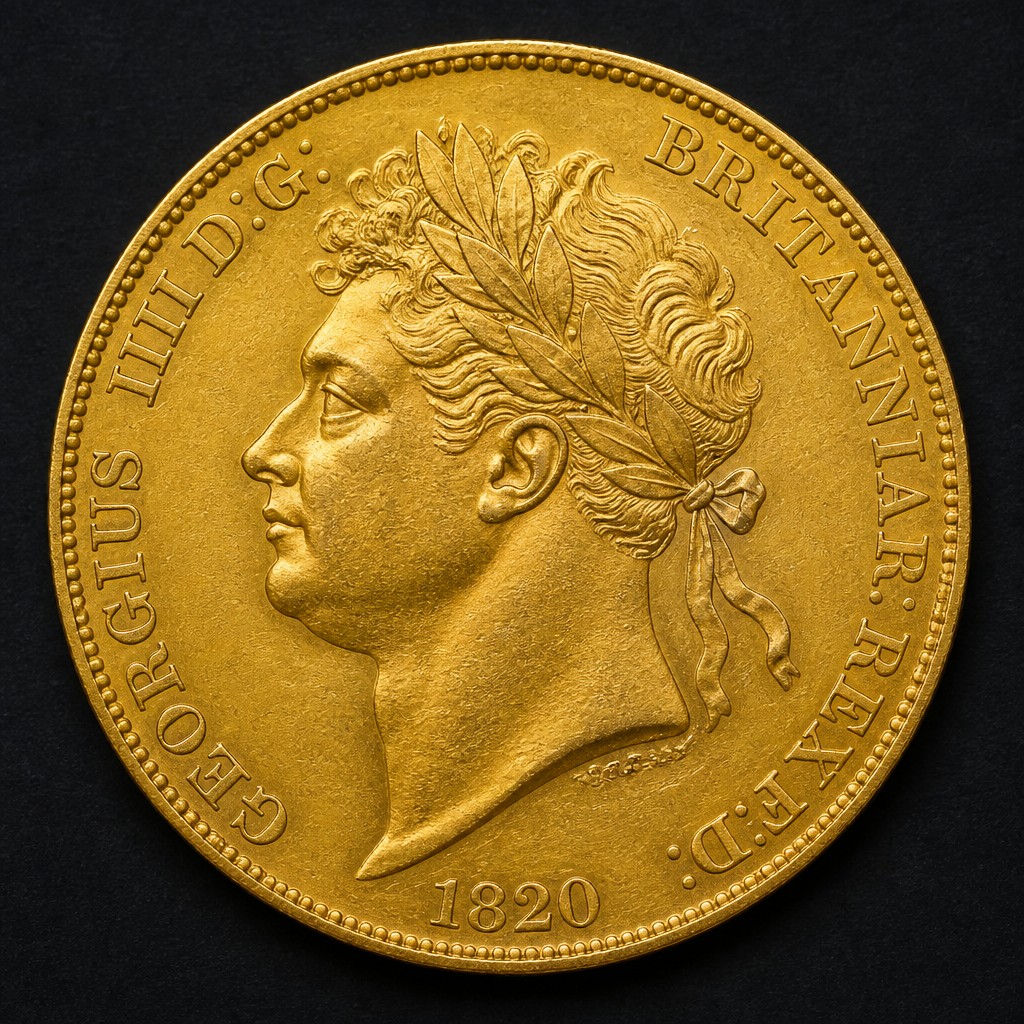
Five Pound Gold (Quintuple Sovereign)
1820–present (intermittent)
Threepence
1547–1970