
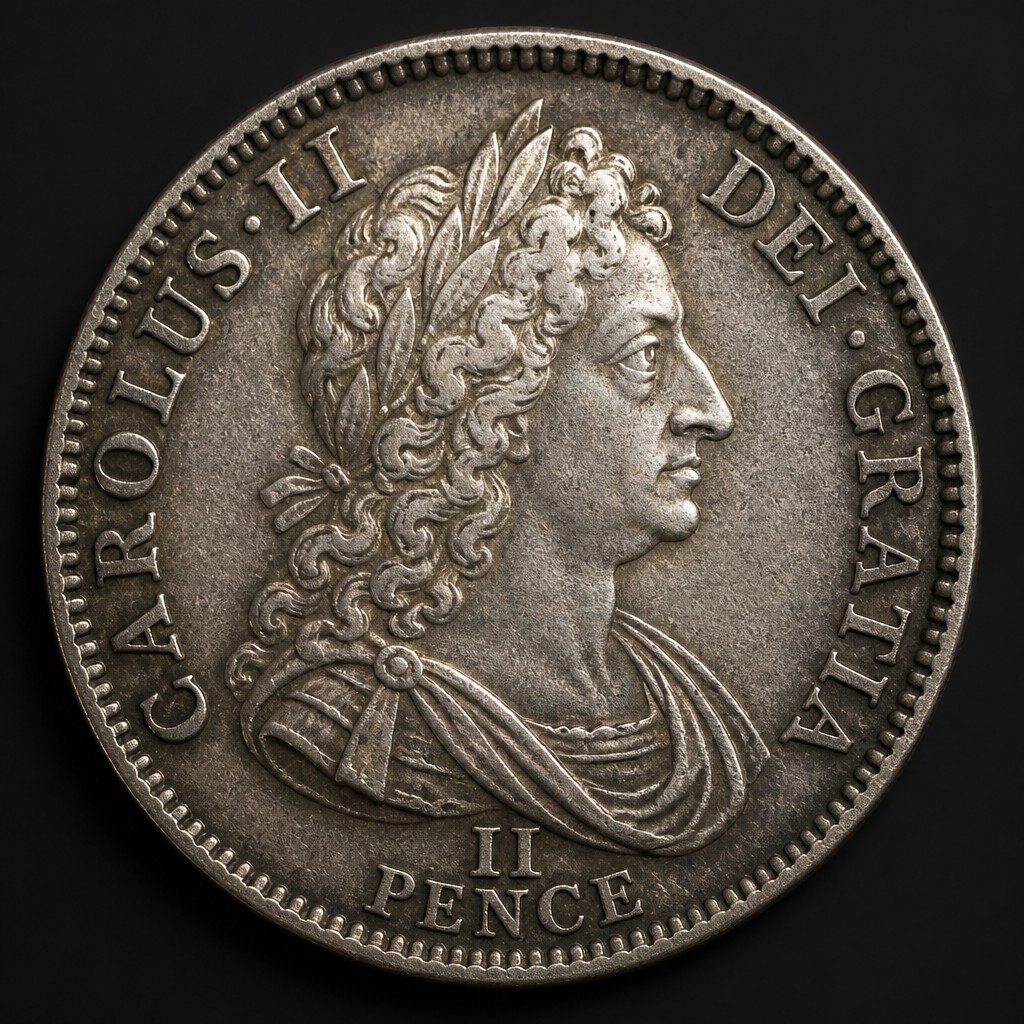
Maundy Twopence
A small silver twopence struck each year as part of the Royal Maundy set, historically descended from the medieval silver half groat and still distributed in the annual royal alms ceremony.
- Country
- United Kingdom
- Denomination
- Two Pence (Maundy)
- Metal
- Sterling/Fine Silver
Got a coin like this?
Identify any coin from a photo, free.
Overview
The Maundy Twopence is the second-smallest coin in the traditional four-denomination Royal Maundy set (1d, 2d, 3d, 4d), issued annually for the pre-Easter ceremony in which the British monarch gives alms to elderly citizens. It represents a living link to the medieval silver twopence, or half groat, that once circulated widely.
Because of its low, ceremony-driven mintages and consistent wreath-and-numeral design, the Maundy twopence is a favorite among collectors building complete Maundy sets or specializing in the coinage of individual reigns.
History & Background
Twopence pieces have a long pedigree in English coinage stretching back to the medieval half groat, but the modern Maundy twopence took shape alongside its companion denominations in the later Stuart and Georgian periods, becoming a standardized four-coin annual set by the 19th century. Its production has always been tied to the royal Maundy service rather than to commerce.
As with the other Maundy denominations, the number of coins struck each year is modest, scaled to the needs of that year's ceremony and a small collector allotment, and the tradition has carried forward without interruption into the present day.
How to Identify
The obverse shows the current monarch's portrait, styled consistently with the era's regular coinage. The reverse displays a crowned numeral '2' inside a wreath, with the legend and date encircling the design, distinguishing it clearly from the penny, threepence, and fourpence of the same set.
At roughly 13mm across, the twopence is slightly larger than the Maundy penny but still very small compared to ordinary coinage. It is most often encountered as part of a complete cased Maundy set, though individual pieces do appear on the collector market.
Value & Collectibility
Common-date Maundy twopences are modestly priced, though grade and originality of surfaces matter a great deal given their small size and susceptibility to handling wear. Scarcer years, especially from shorter reigns or earlier in the modern Maundy series, command higher premiums.
As part of a complete four-coin set, the twopence contributes to a total value that is usually greater than the sum of its individually sold components, particularly in choice uncirculated condition with matching toning. Loose examples typically trade in the range of roughly $20 to $70 depending on date and grade.
Frequently asked questions
What does the numeral on the reverse mean?
It indicates the coin's denomination in pence, here a crowned '2', matching the pattern used across all four Maundy coins.
Is the Maundy Twopence related to the historic half groat?
Yes, in value it corresponds to the old half groat, a twopence silver coin that circulated in medieval and Tudor England.
Are Maundy twopences rare?
Mintages are always small, but not every date is equally scarce; some years are notably harder to find than others.
Should I buy Maundy coins as a set or individually?
Both approaches are common among collectors; complete original sets tend to be more prized, but individual date collecting is also popular.
Other coins you may enjoy
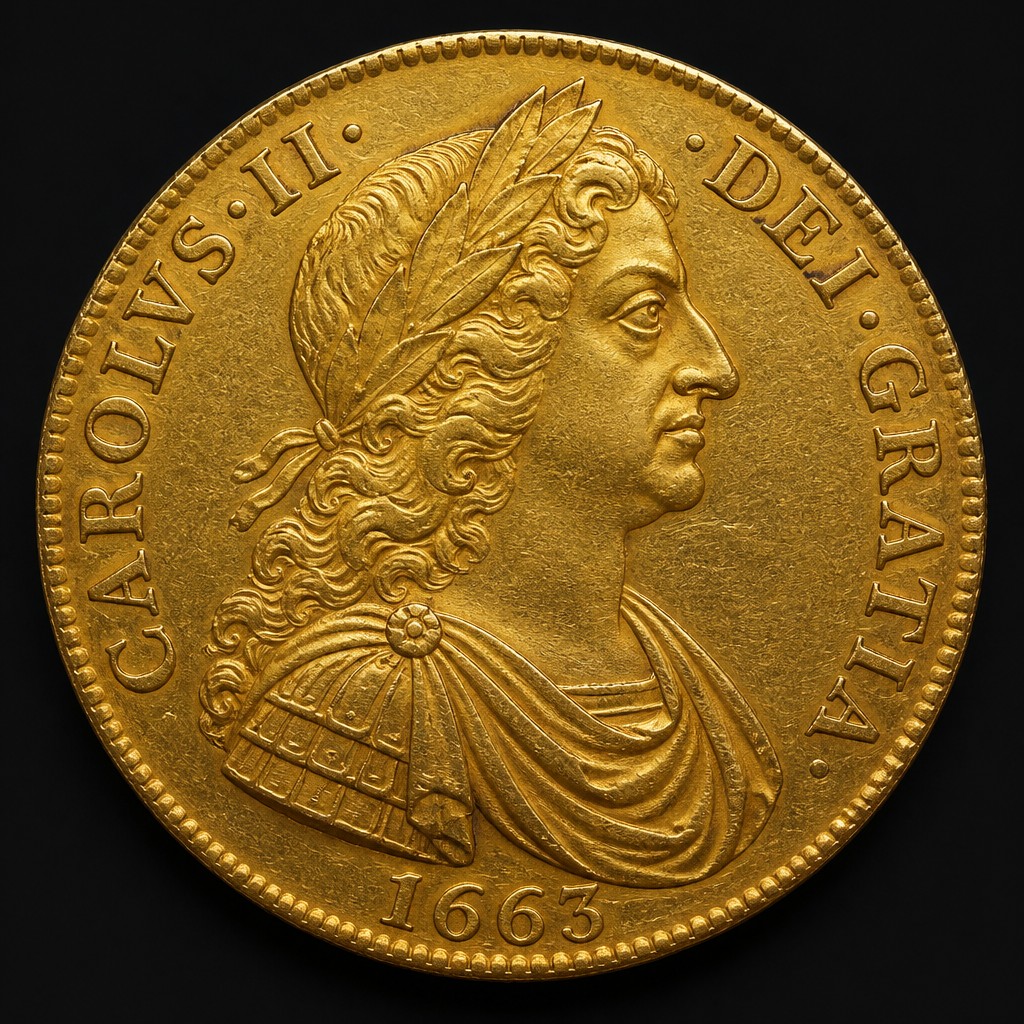
British Guinea
1663–1814
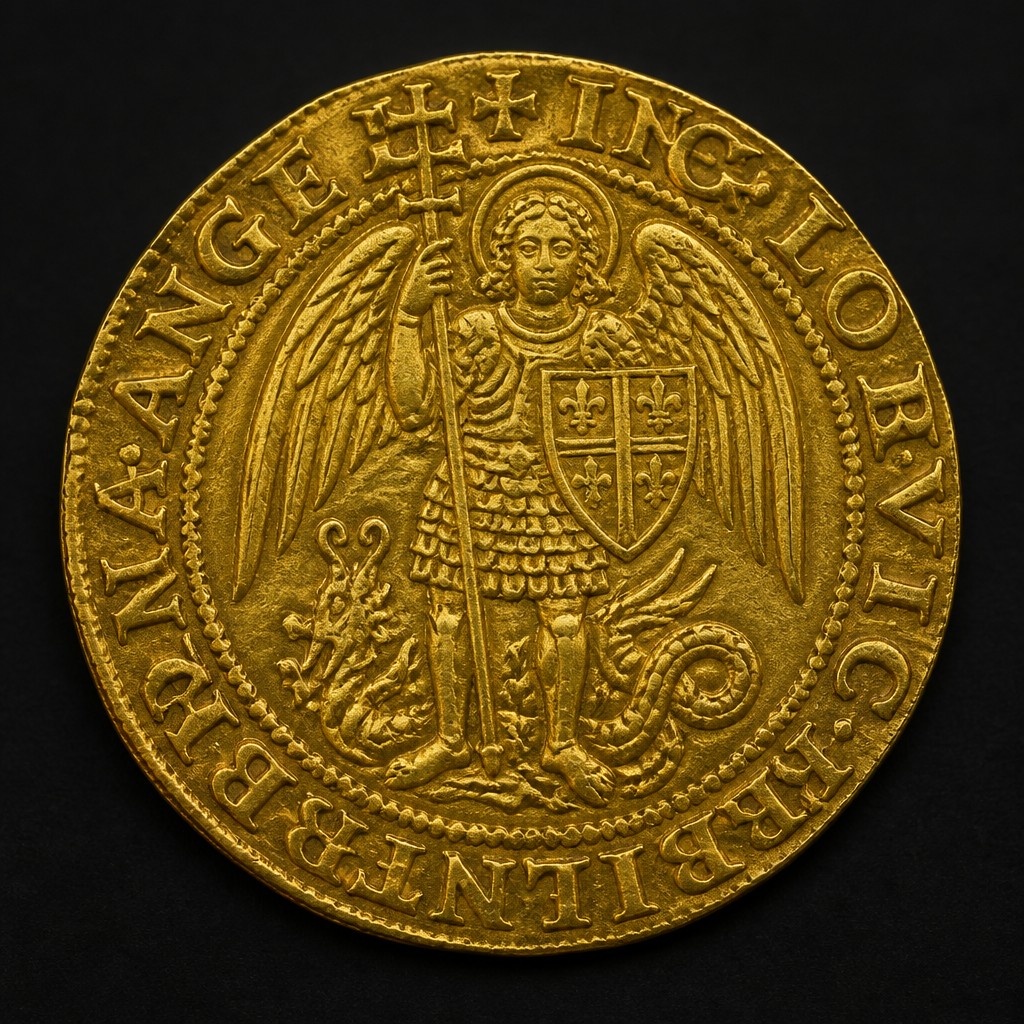
English Angel
1465–1642
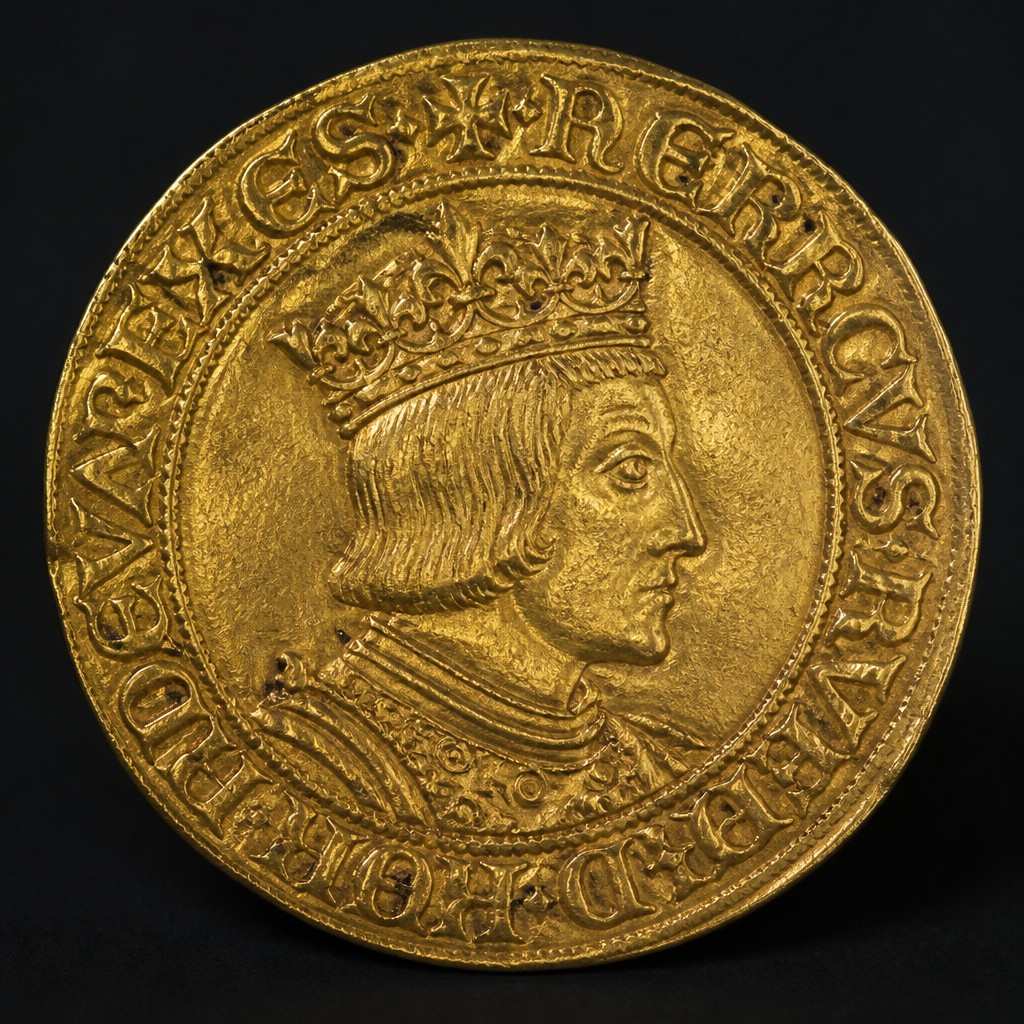
English Sovereign of Henry VII
1489–1509
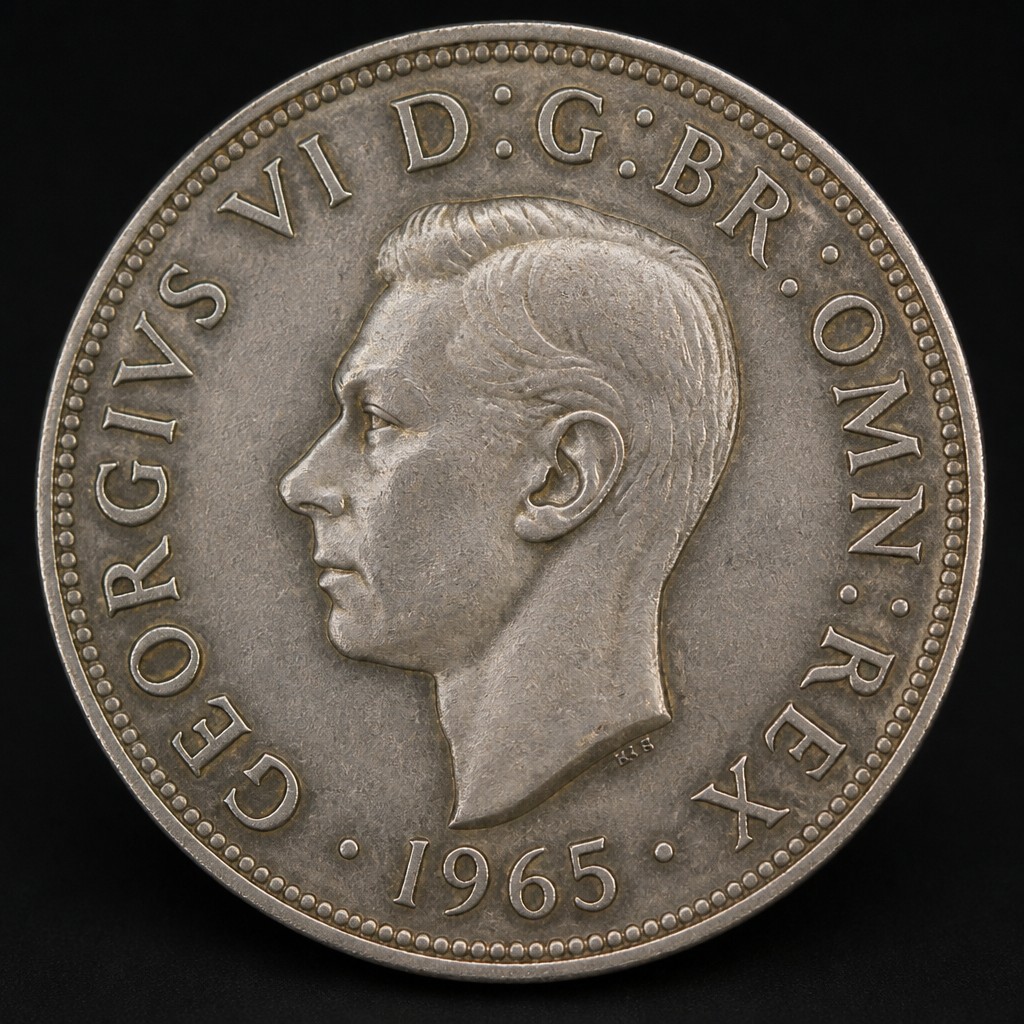
English Crown
1526–1965 (pre-decimal; commemorative crown-sized coins continue as five pound coins)
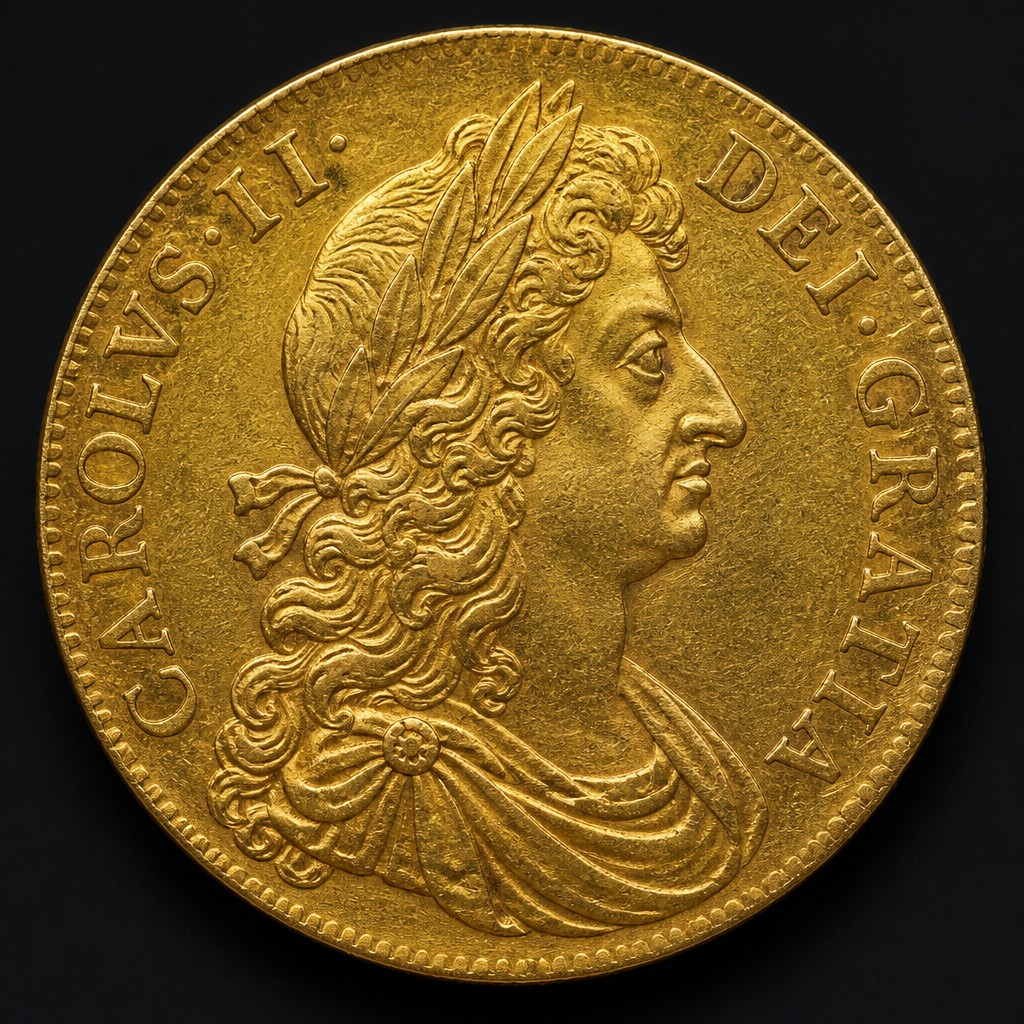
British Gold Guinea
1663–1814
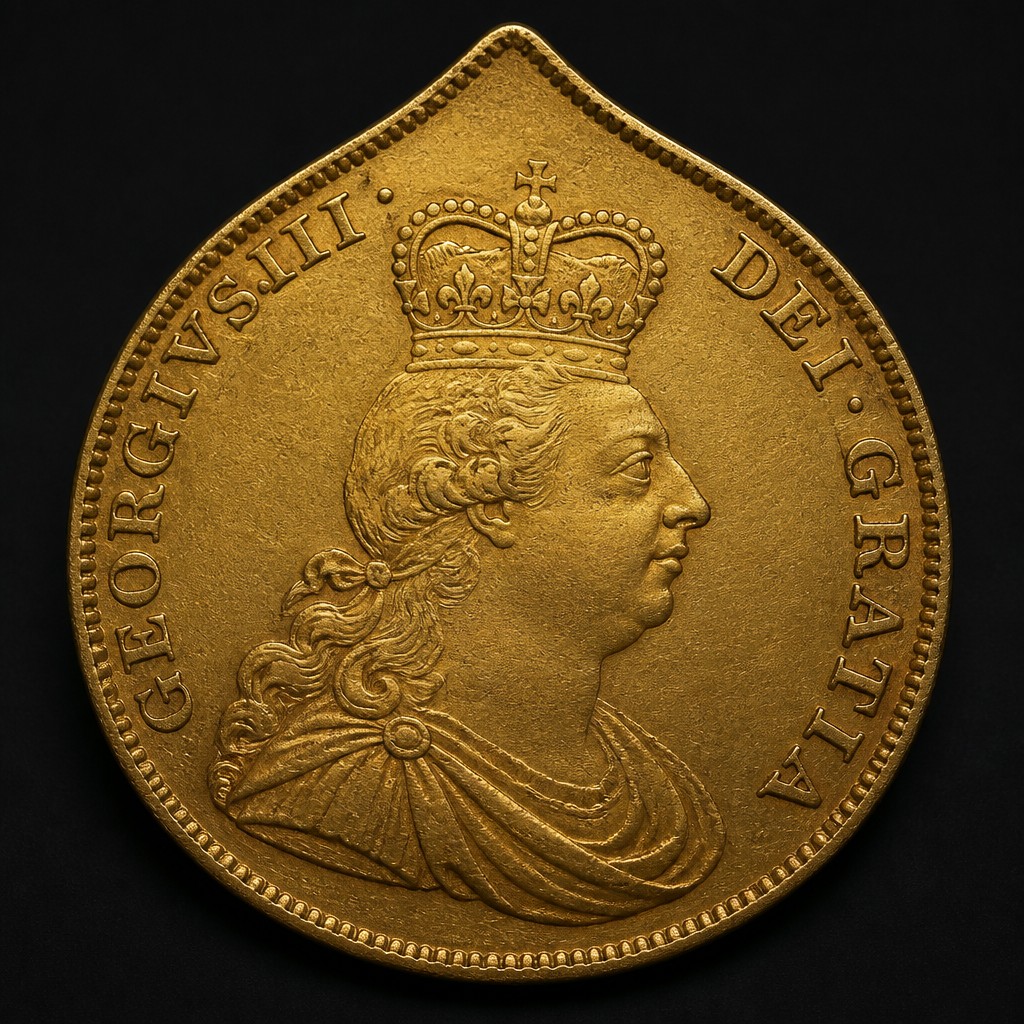
Spade Guinea
1787–1799
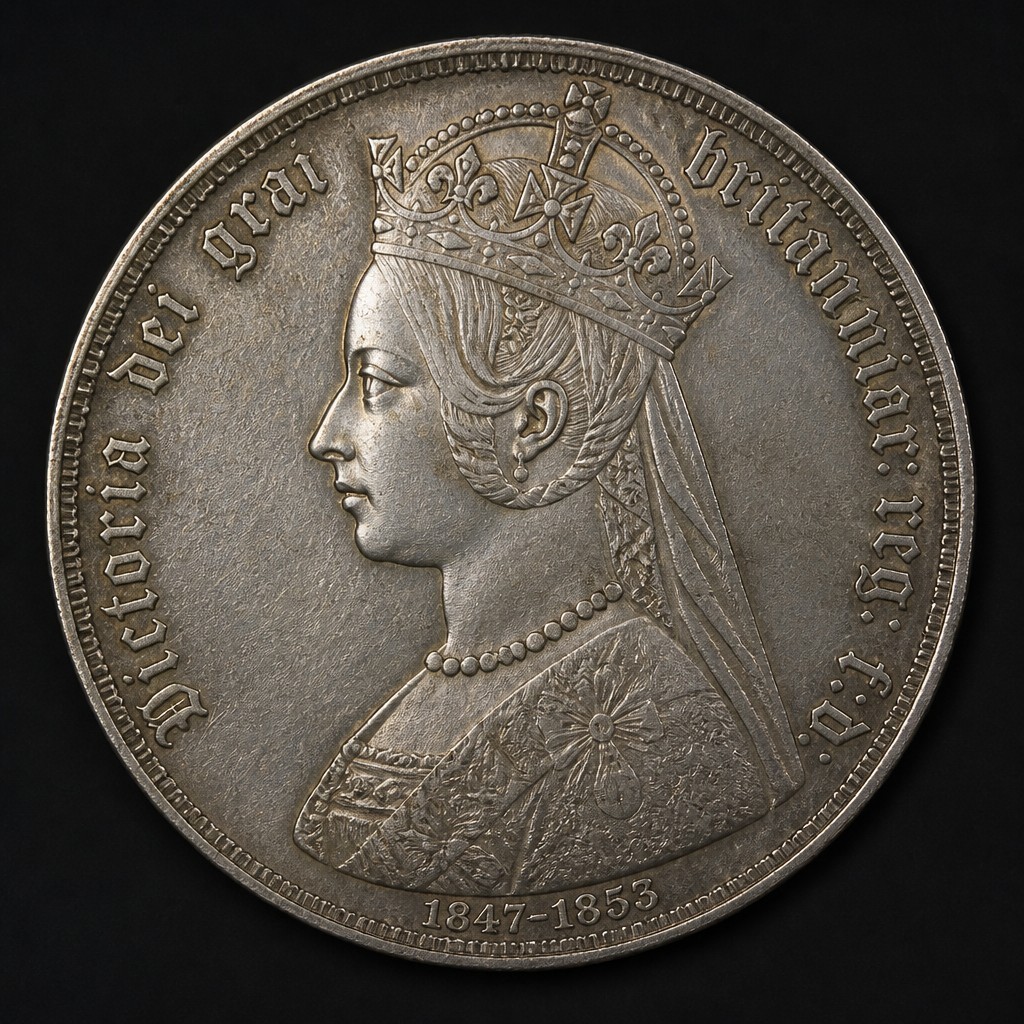
Gothic Crown
1847–1853
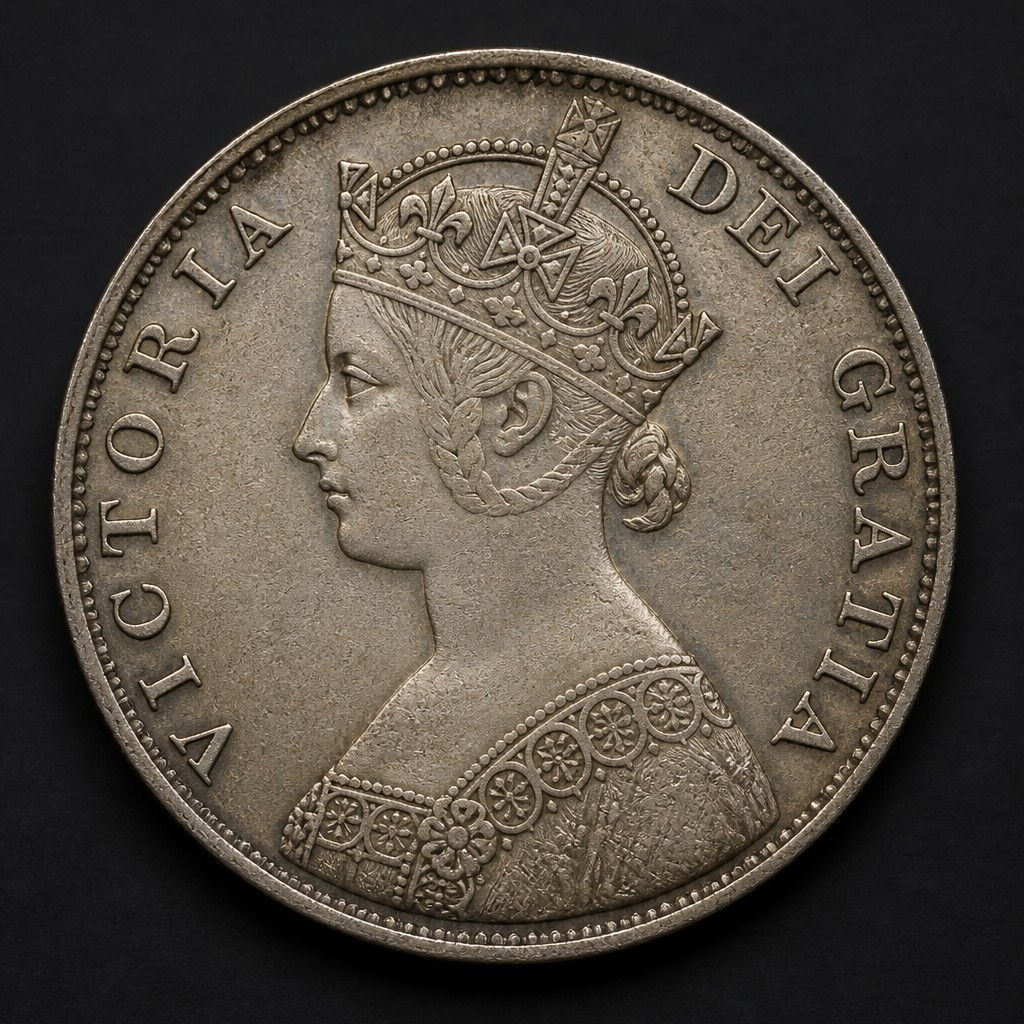
Groat (Fourpence)
1279–1888 (various revivals)
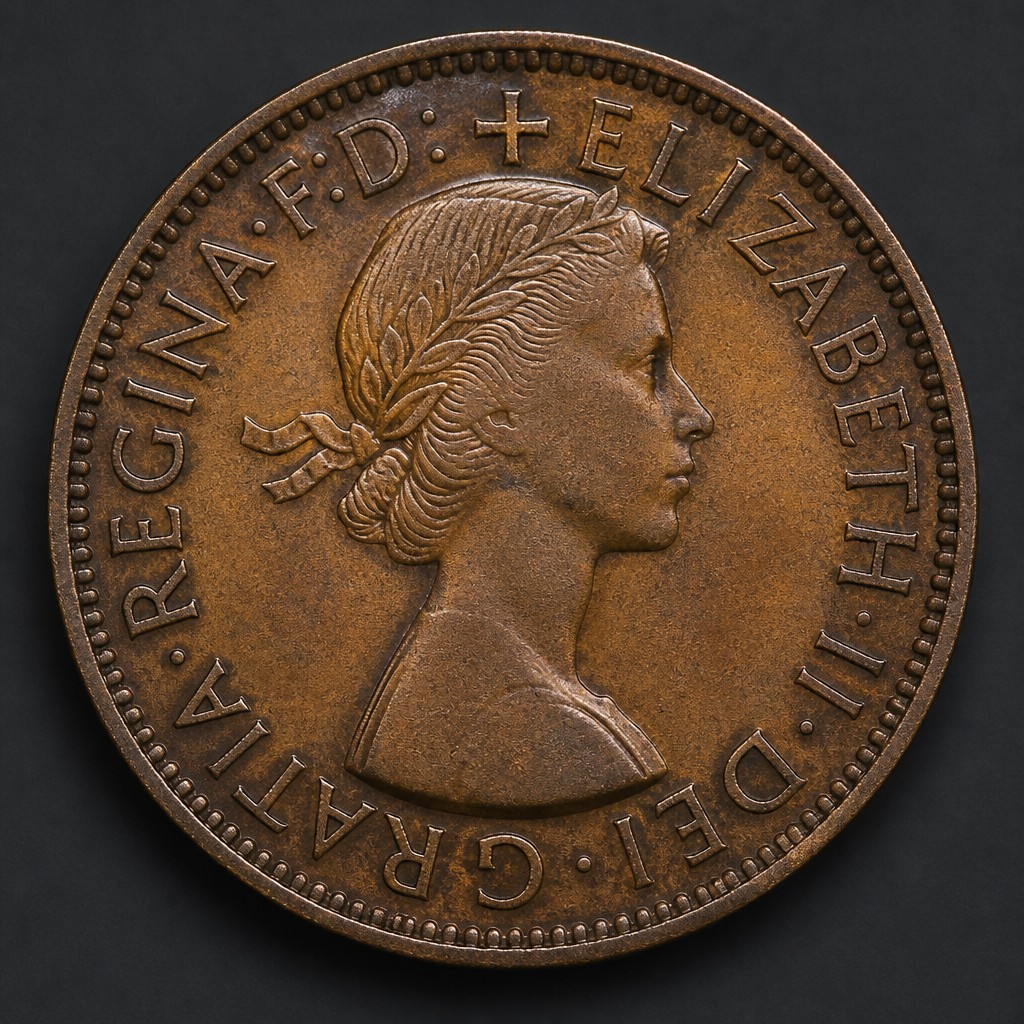
Farthing
13th century–1956
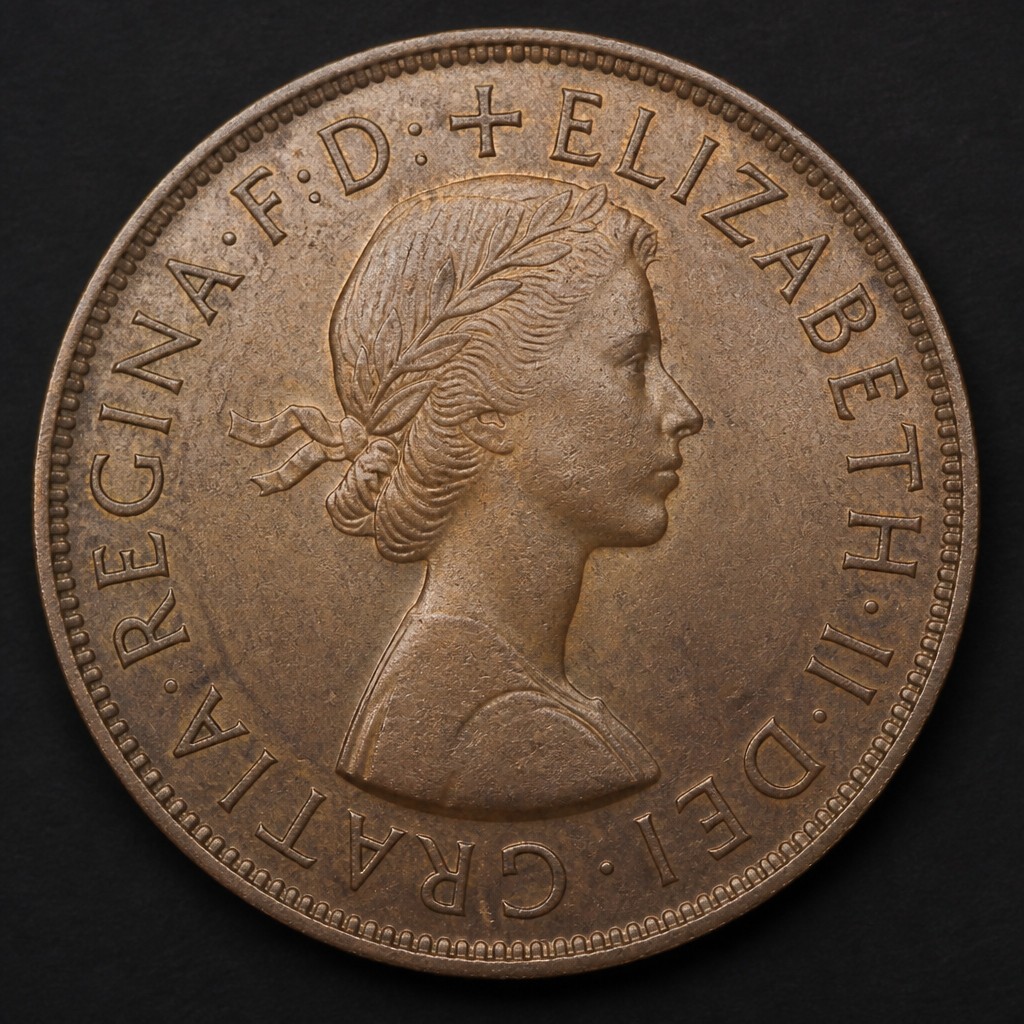
Halfpenny
c. 800s–1969
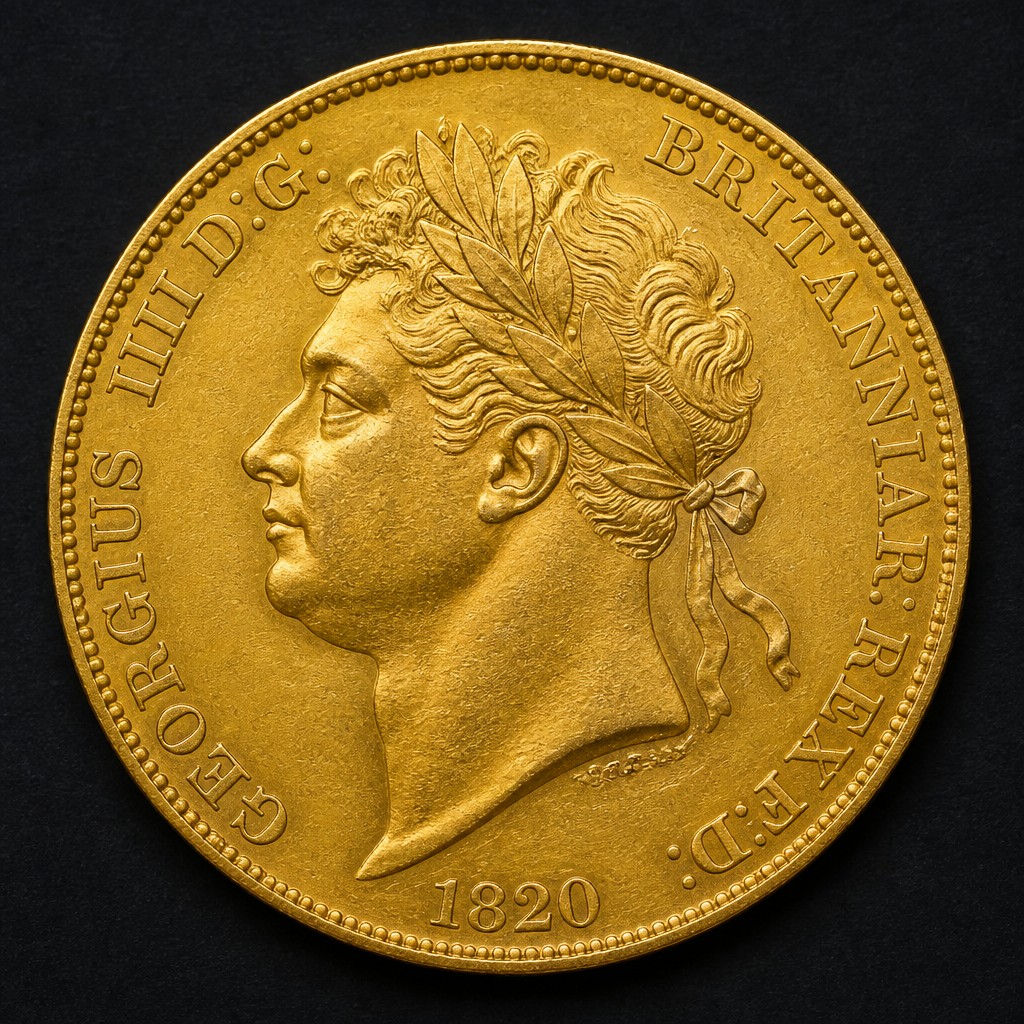
Five Pound Gold (Quintuple Sovereign)
1820–present (intermittent)
Threepence
1547–1970