
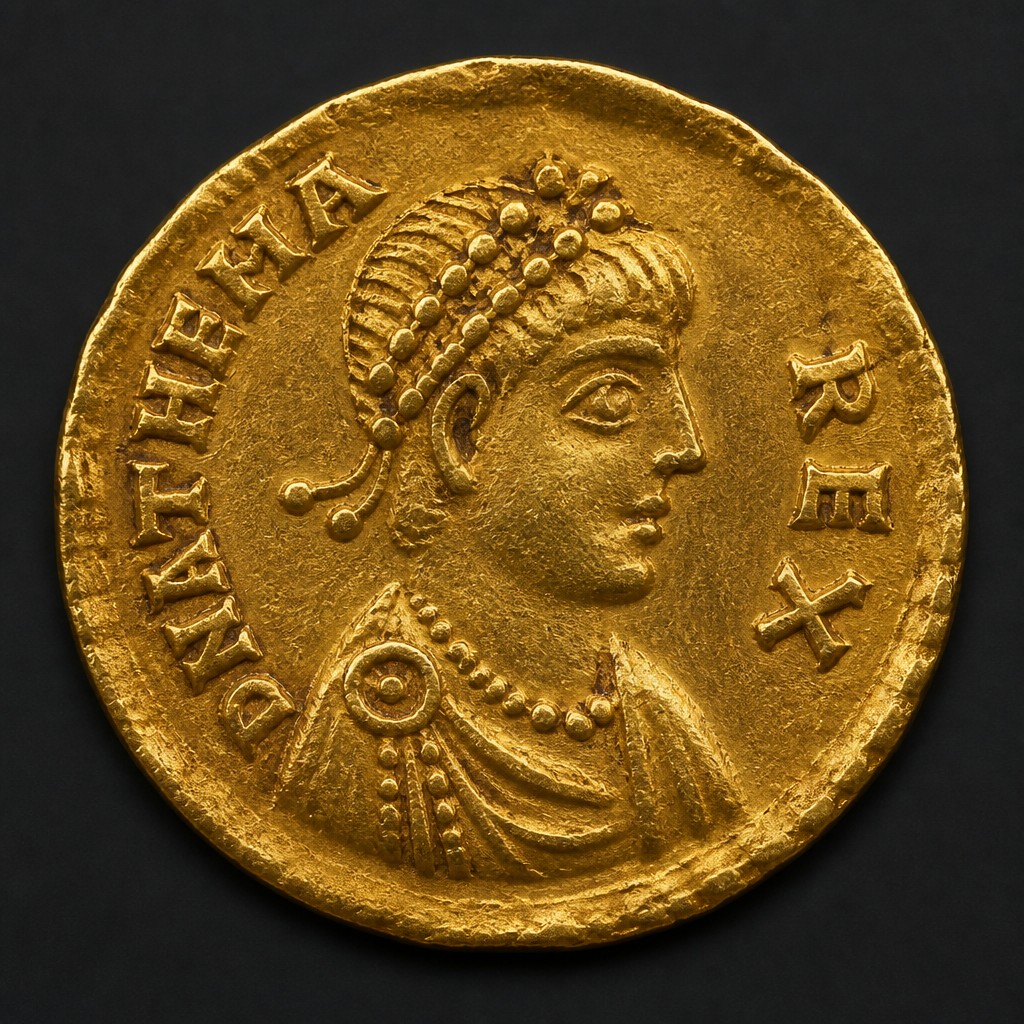
Visigothic Gold Tremissis
Small gold coin of the Visigothic kings of Spain, evolving from crude imitations of Roman/Byzantine coinage into the first distinctly national royal coinage of post-Roman Western Europe.
- Country
- Visigothic Kingdom (Spain)
- Denomination
- Tremissis (one-third solidus)
- Metal
- Gold, often debased in later issues
Got a coin like this?
Identify any coin from a photo, free.
Overview
The Visigothic tremissis was the standard gold coin of the Visigothic kingdom that ruled Spain and part of southern France following the collapse of Roman authority in the West. It was a small, thin coin, roughly the size of a fingernail, struck at one-third the weight of the late Roman gold solidus.
Early Visigothic tremisses closely copied the portraits and legends of reigning Roman and then Byzantine emperors, a practice known as pseudo-imperial coinage. Over the sixth century the design gradually shifted to reflect an independent kingdom, culminating in coins that named the Visigothic king himself rather than a distant emperor.
Because the coinage circulated for over two centuries across a fragmented kingdom, it survives in an enormous variety of mint names, moneyer names, and stylistic quality, making it a rich field for specialist collectors of early medieval coinage.
History & Background
Visigothic gold coinage began as imitative issues struck by Gothic authorities in Spain and Gaul while nominally still under Roman or Byzantine suzerainty, copying the imperial bust and victory or cross reverse types of the day. This pseudo-imperial phase lasted through the fifth and much of the sixth century.
The decisive change came under King Leovigild (r. 568–586), who was the first Visigothic king to place his own name and royal title on the coinage instead of an emperor's, effectively declaring monetary independence. This innovation was continued by his successors through the end of the kingdom, making Visigothic Spain a pioneer among early medieval Western European states in asserting sovereignty through coin design.
The tremissis remained the primary circulating gold denomination until the Visigothic kingdom fell to the Umayyad conquest of Spain in 711 AD, after which Islamic coinage gradually replaced it.
How to Identify
The obverse typically shows a stylized, often crude, facing or profile bust of the king, encircled by a legend naming him with a royal title such as REX. As the series progressed, portraiture became increasingly abstract and geometric, reflecting declining die-engraving skill rather than any change in metal fineness.
The reverse commonly features a cross on steps or a simple cross potent, surrounded by a legend that names the mint city (in genitive Latin form) and often the moneyer responsible for striking the coin. Over eighty different mint names are known across the kingdom, making mint attribution a major focus of specialist study.
The coins are small (roughly 1.2–1.5 grams) and gold, though gold fineness declined somewhat in the final decades of the kingdom. Collectors distinguish them from Ostrogothic or Byzantine tremisses by the blundered, often nearly illegible Latin legends and the distinctly Iberian mint names.
Value & Collectibility
Visigothic tremisses are scarce but not impossibly rare, and prices vary enormously by king, mint, and legibility of the legends. Common types from well-represented kings and major mints such as Toledo or Emerita can sell in the low hundreds of dollars, while coins of obscure kings or rare mint towns can reach into the thousands.
Condition matters less for eye appeal than legibility of the inscriptions, since collectors prize coins where the king's name and mint can be clearly read. Coins from the reigns of well-documented kings like Leovigild, Reccared, or Chindasuinth tend to be more collected and thus more actively priced than those of shadowy or short-reigned rulers.
Authentication and correct attribution require some numismatic expertise given the crude style of many issues, so buying from specialists in early medieval coinage is advisable.
Frequently asked questions
What is a tremissis?
A tremissis is a small gold coin worth one-third of the late Roman gold solidus, widely used in the post-Roman successor kingdoms of Western Europe.
Why did Visigothic coins stop copying Roman emperors?
King Leovigild broke with tradition in the late sixth century and began placing his own name and title on the coinage, asserting the kingdom's independence.
How many mints struck Visigothic coins?
Scholars have identified more than eighty different named mints across Visigothic Spain, each coin usually naming its mint city in the reverse legend.
Why are the portraits so crude?
Die-engraving skill declined over the two centuries of Visigothic rule, and busts became increasingly abstract and stylized rather than realistic.
When did Visigothic coinage end?
It ended with the Umayyad Islamic conquest of Spain in 711 AD, after which Islamic-style coinage replaced it.
Other coins you may enjoy
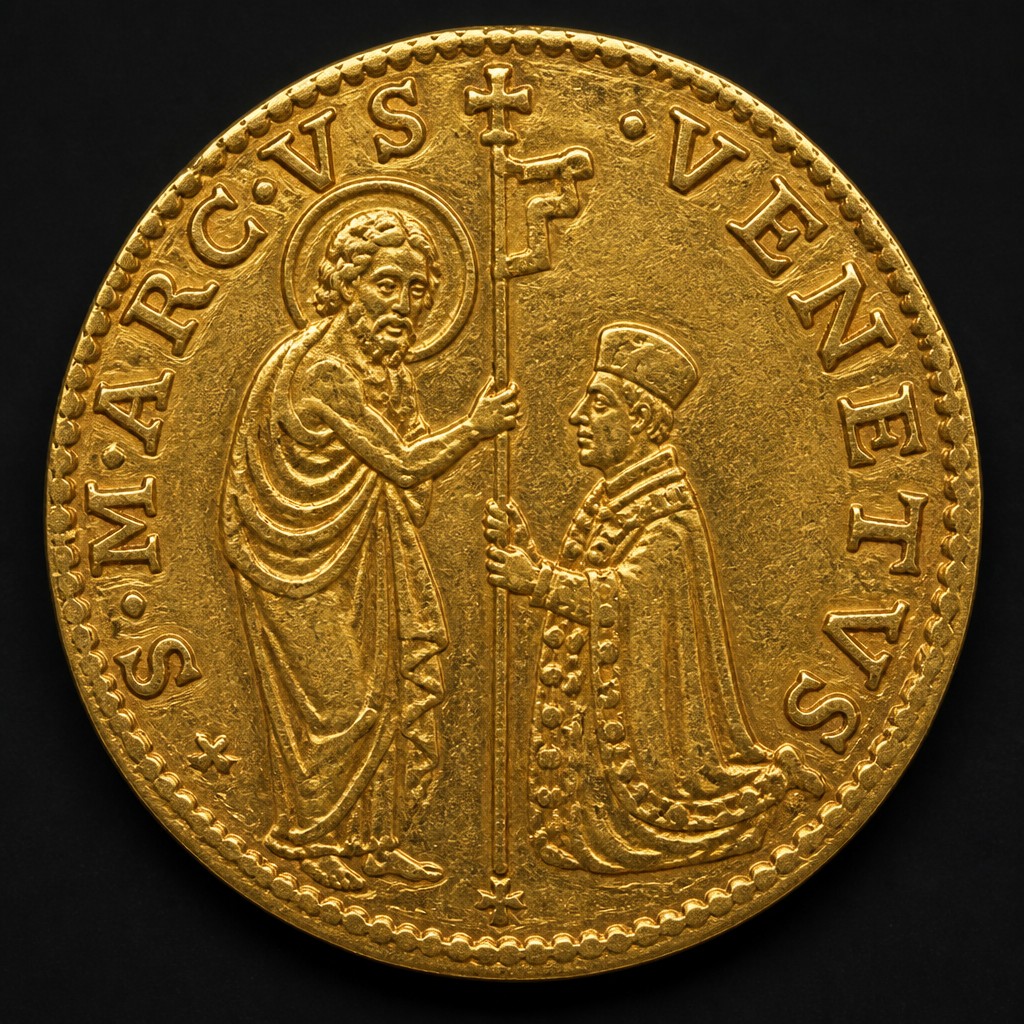
Venetian Ducat
1284–1797
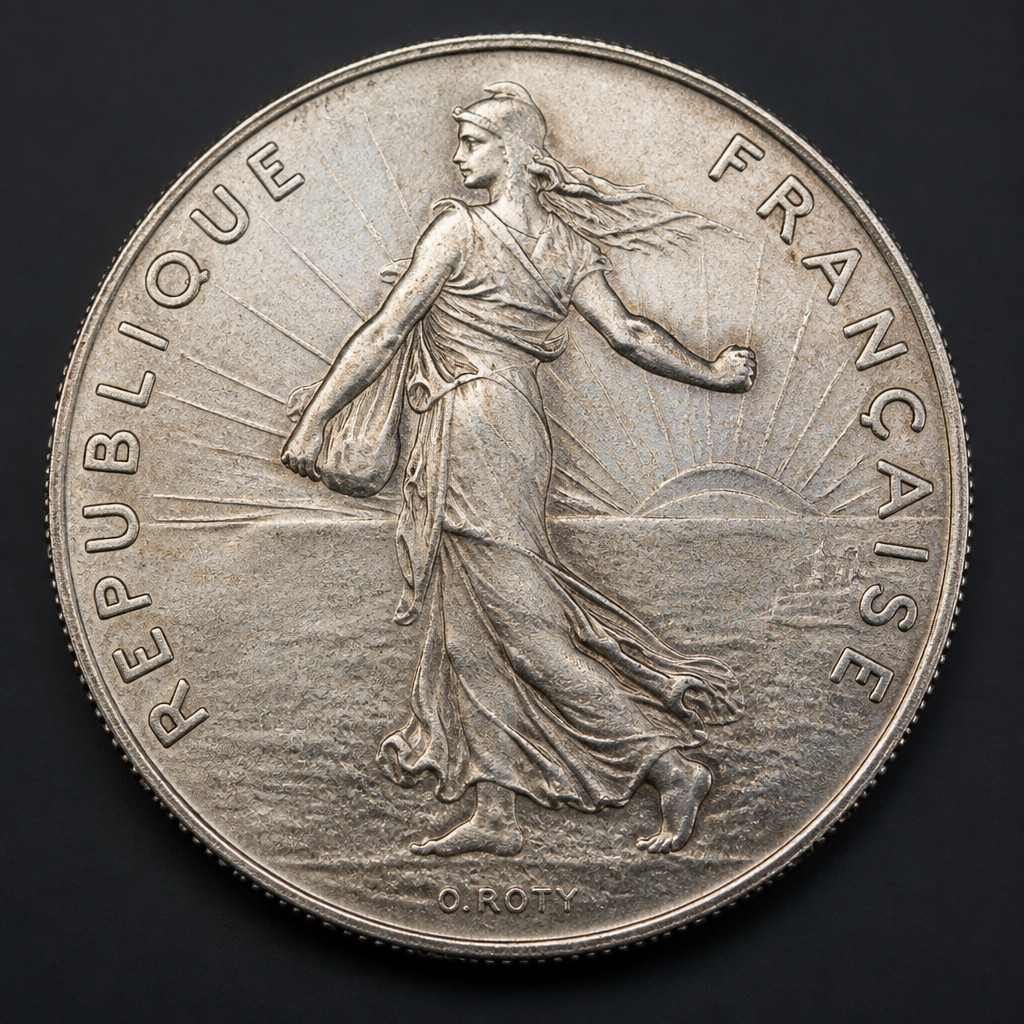
French 100 Francs Silver
1980s–2001 (pre-euro era)
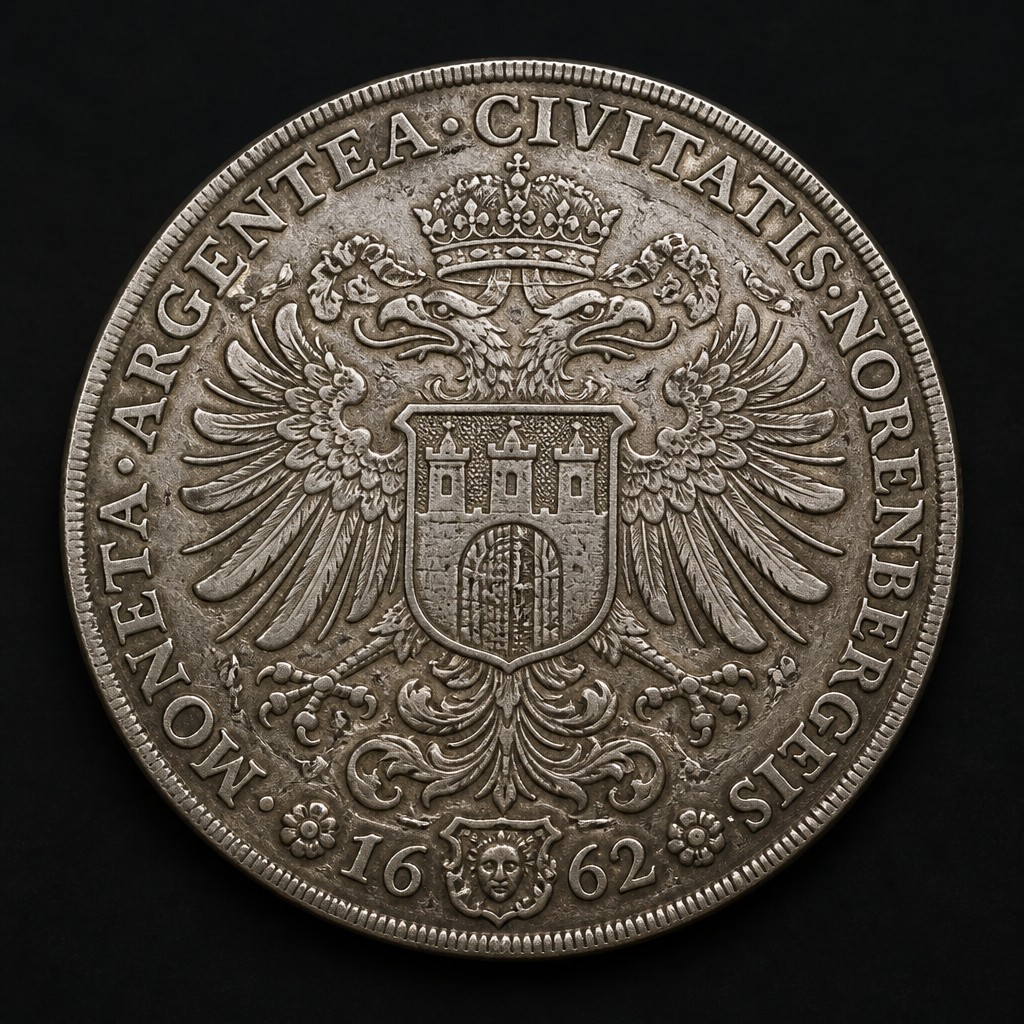
Nuremberg Thaler
16th–18th century
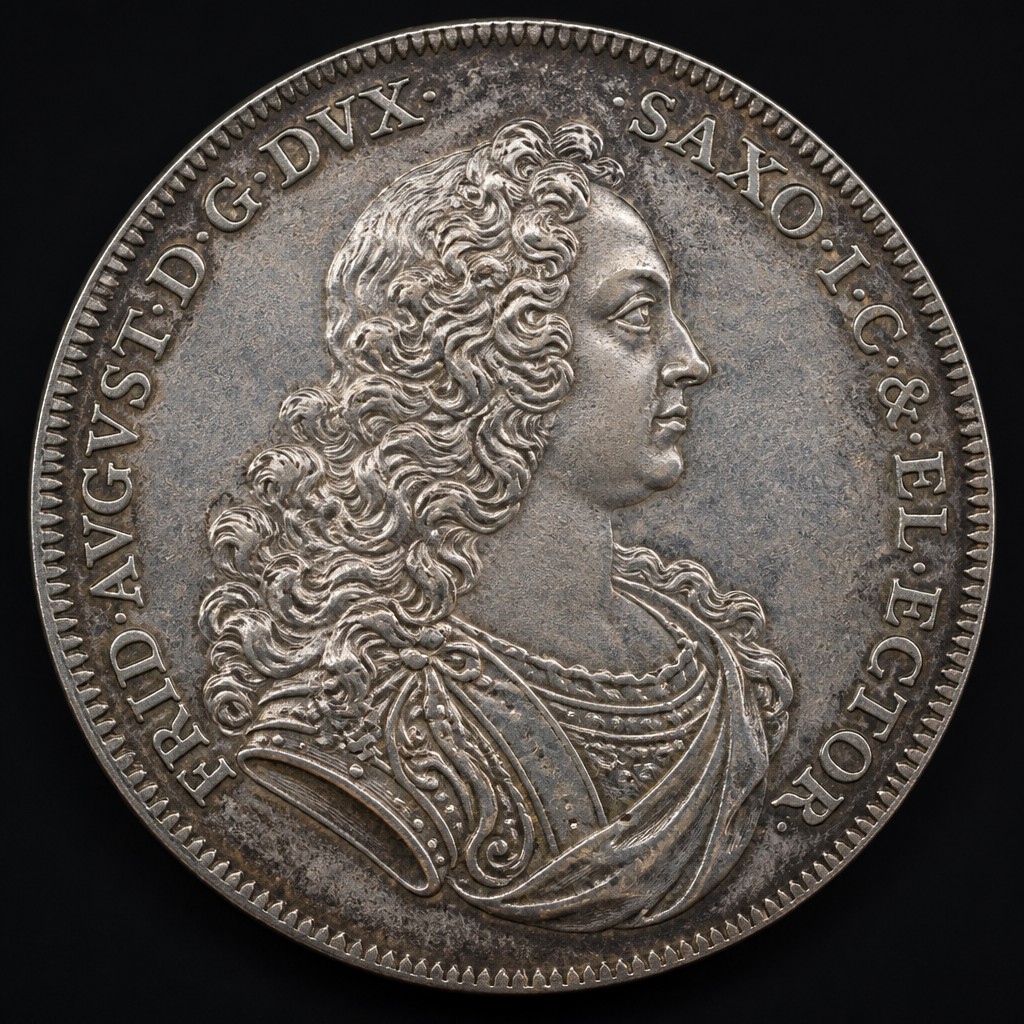
Saxon Speciestaler
17th–19th century
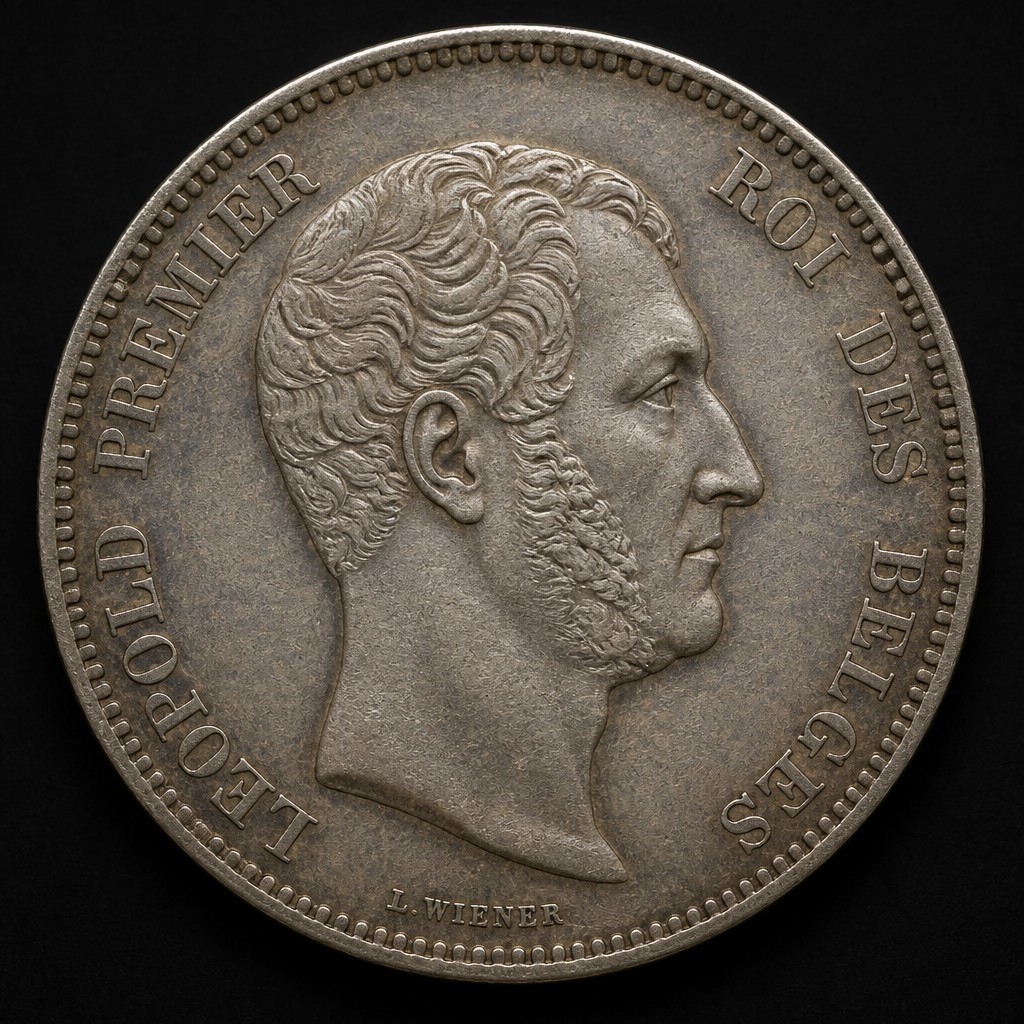
Belgian 5 Francs
1832–1876 (large silver type); later reduced-size and later-metal issues into the 20th century
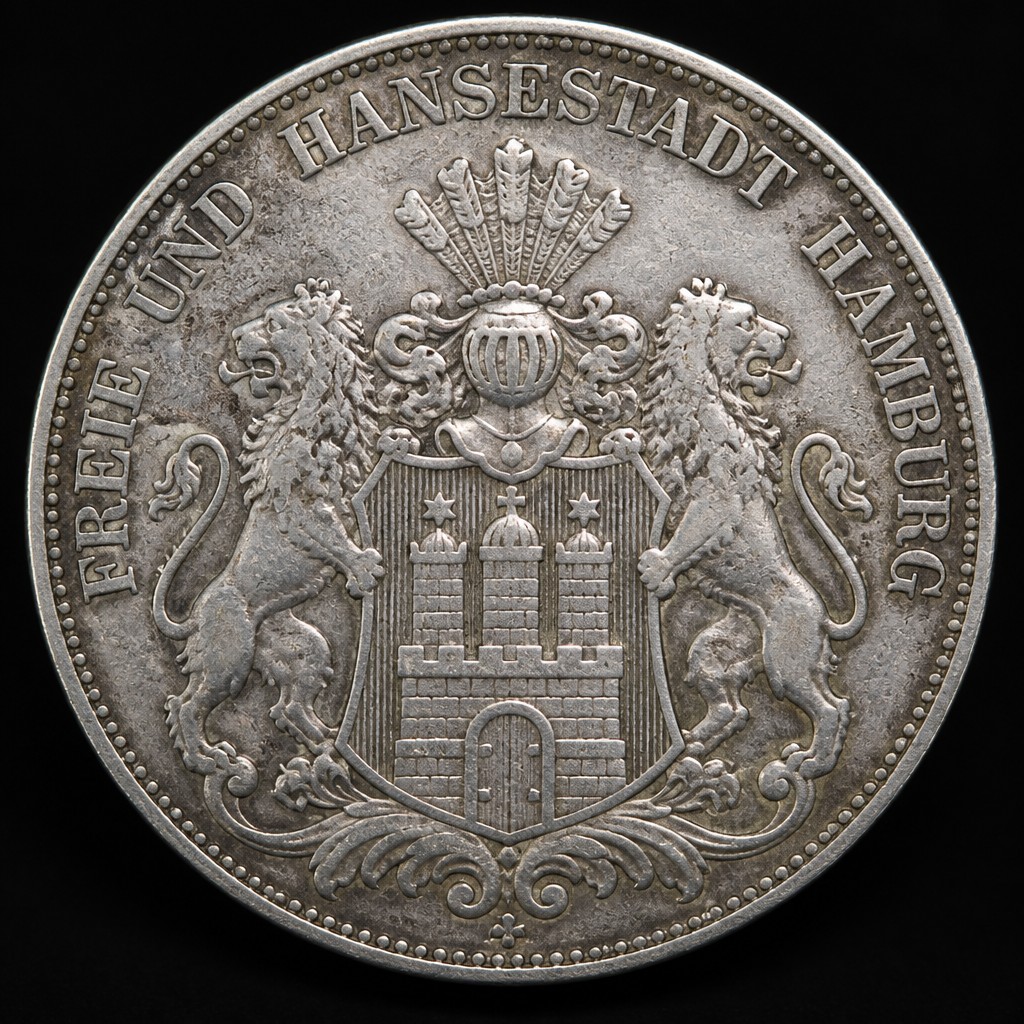
Hamburg Thaler
17th century–1871
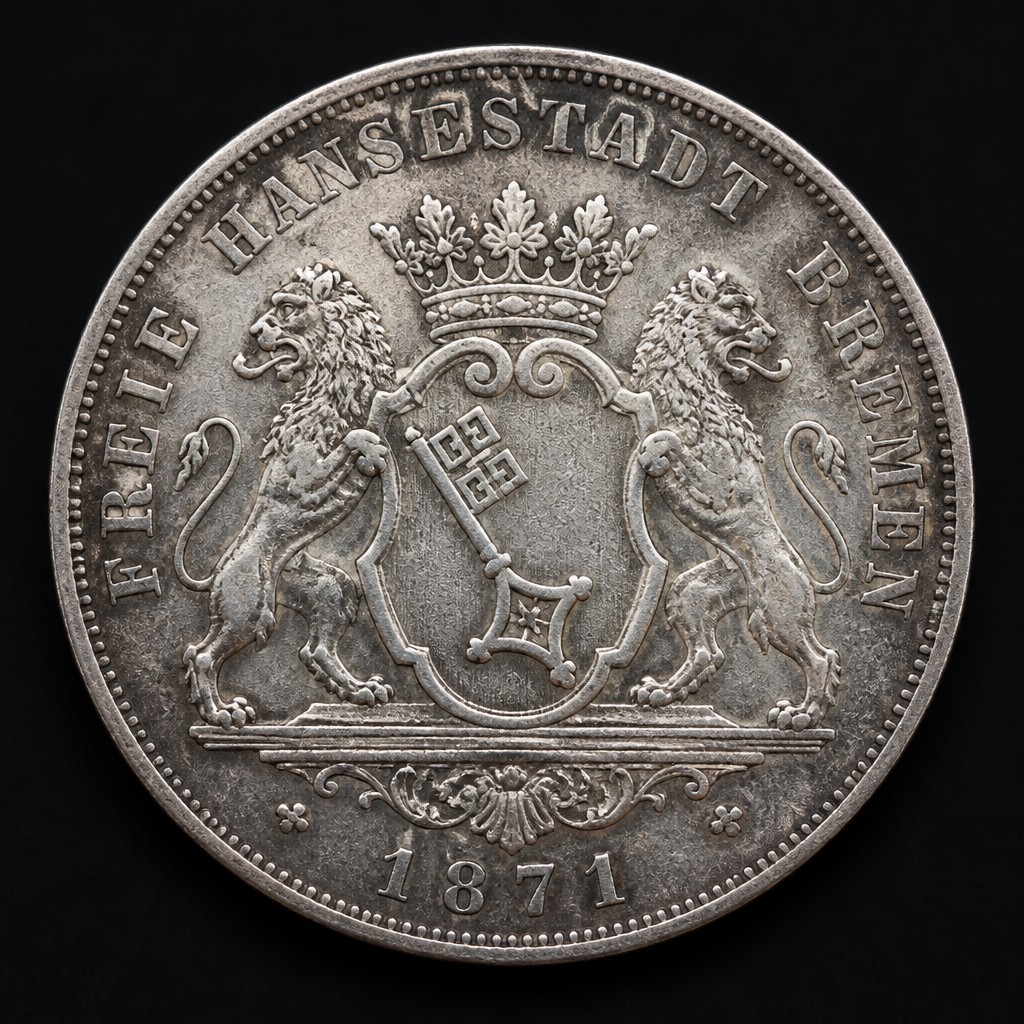
Bremen Thaler
17th century–1871
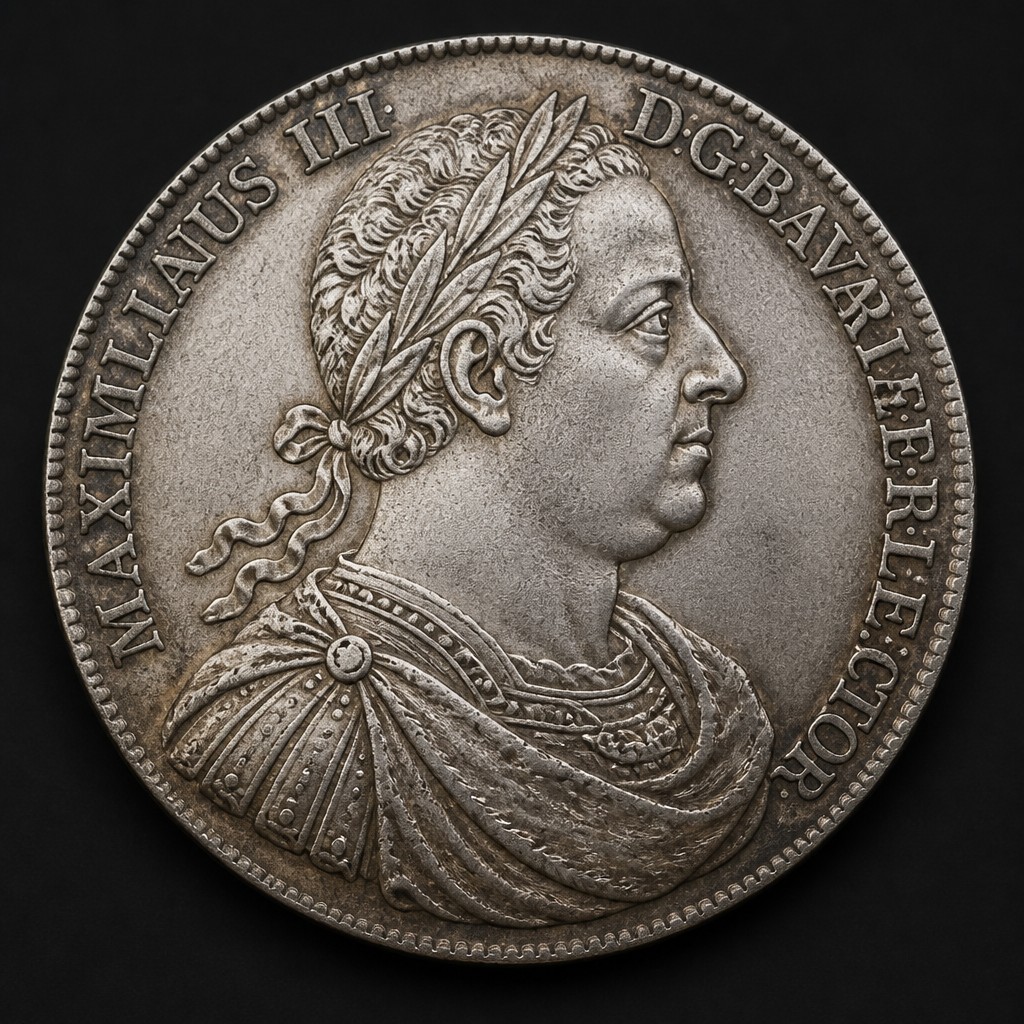
Bavaria Thaler
Circa 1620s-1871
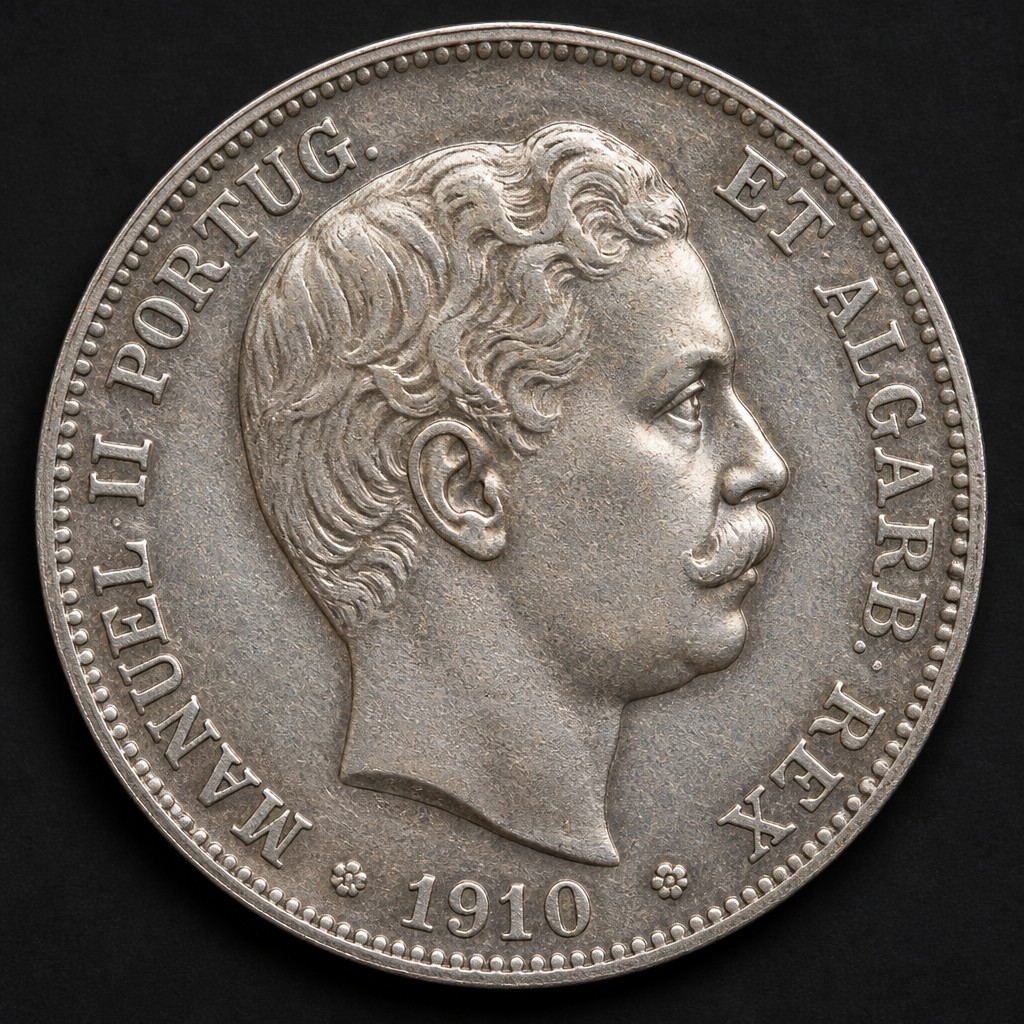
Portuguese 1000 Reis
19th century–1910 (Kingdom period)
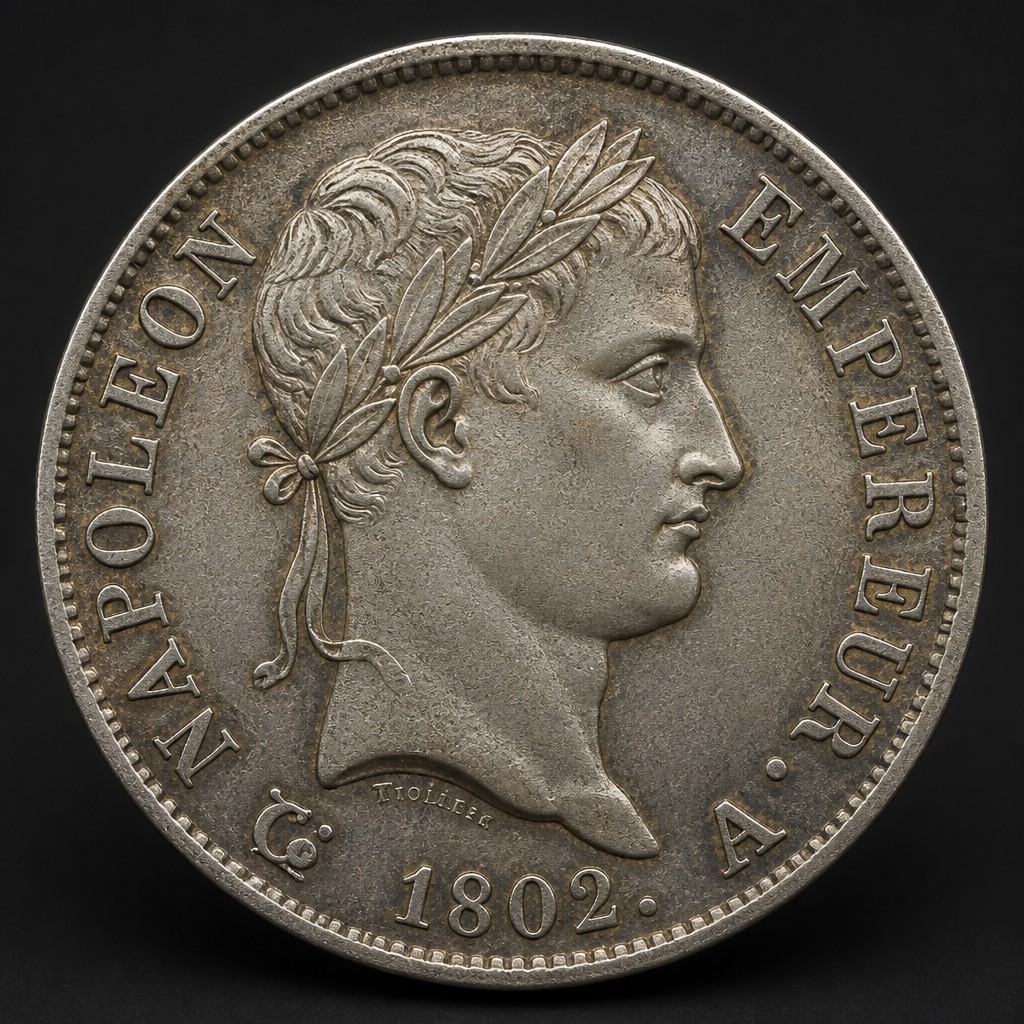
French 5 Francs "Napoleon"
1802–1815
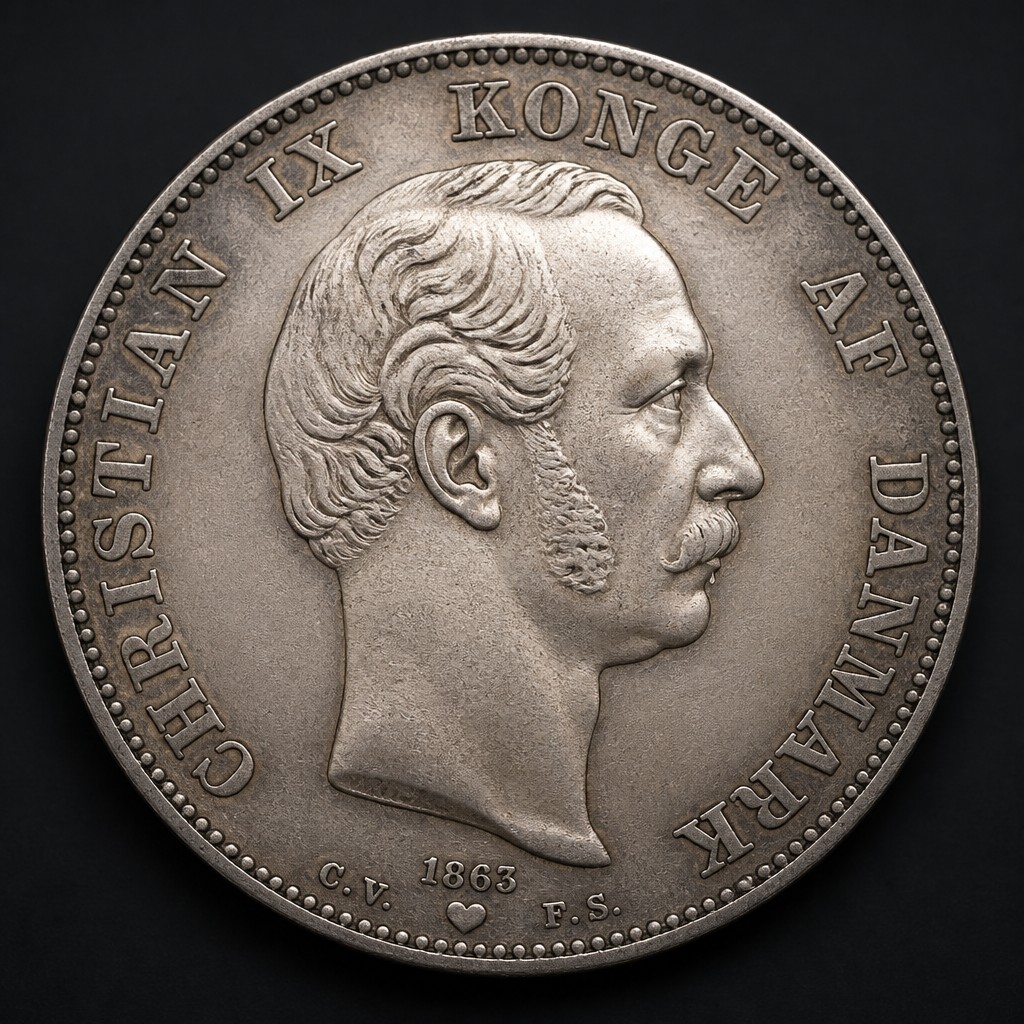
Danish 2 Rigsdaler
19th century (until 1873 currency reform)
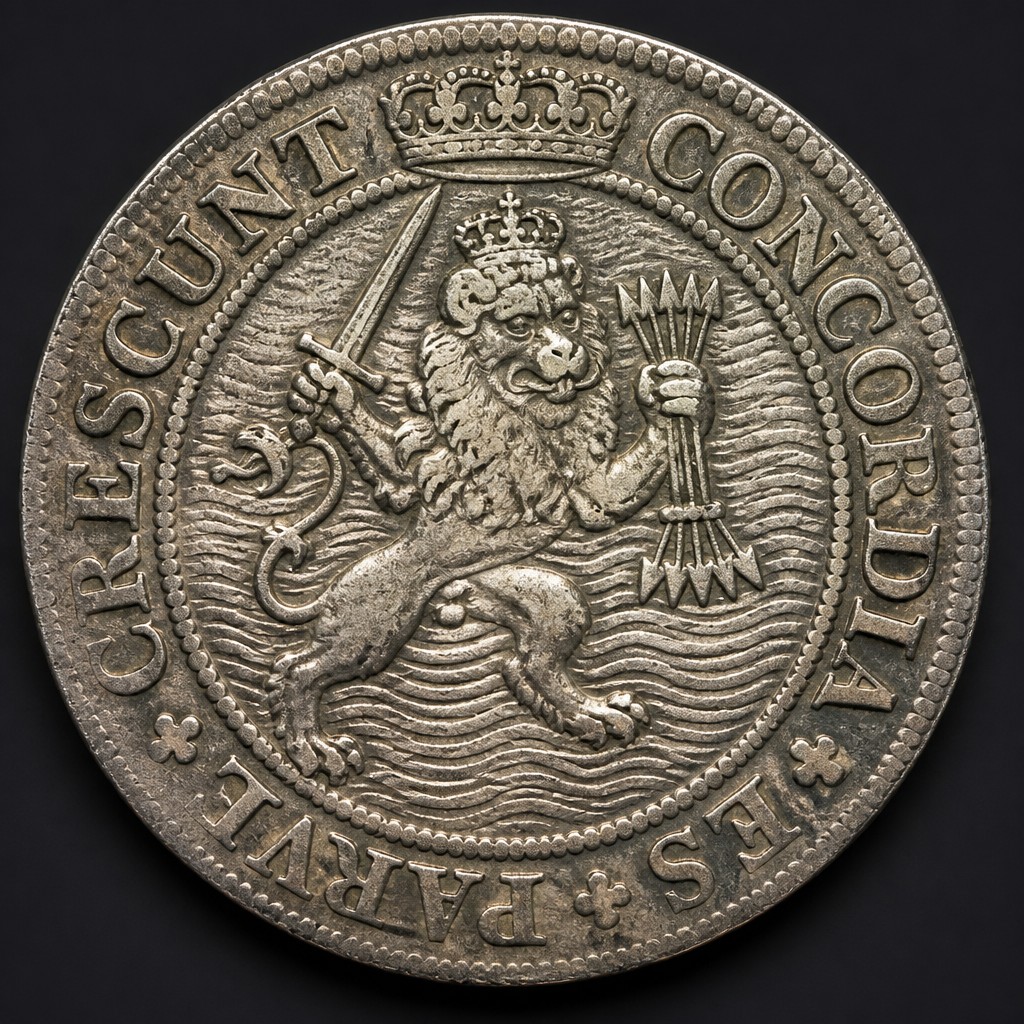
Dutch Lion Daalder (Leeuwendaalder)
c. 1575–1713