
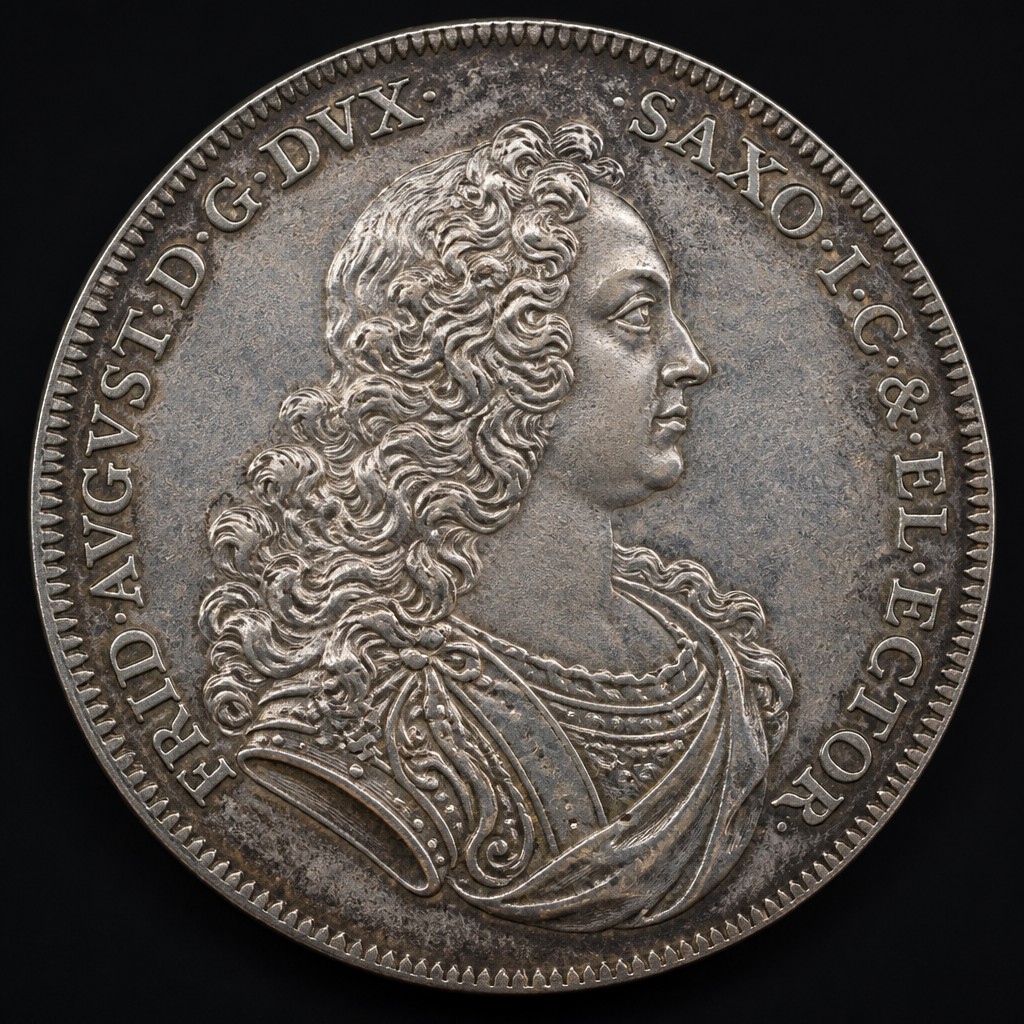
Saxon Speciestaler
Full-weight silver taler issued by the Electors and later Kings of Saxony, distinguished from lesser-value "current" talers used for everyday commerce.
- Country
- Saxony (Holy Roman Empire / German states)
- Denomination
- Speciestaler (one taler, full-weight standard)
- Metal
- Silver (typically .833–.900 fine)
Got a coin like this?
Identify any coin from a photo, free.
Overview
The Speciestaler was Saxony's premium, full-bodied silver taler, struck to a consistent high standard for use in significant trade and diplomatic gifting, as opposed to lighter "Kurant" or current talers meant for ordinary domestic circulation. Saxony, one of the wealthiest and most influential states of the Holy Roman Empire, produced particularly artistic examples of this coinage over roughly two centuries.
History & Background
Saxony's silver mines, especially in the Erzgebirge region, supplied ample metal for a long tradition of taler coinage stretching back to the early modern period. The Speciestaler standard emerged as European states differentiated between full-weight trade talers and reduced-weight coins meant only for local use, with Saxon electors and later kings issuing high-quality Speciestaler pieces to maintain prestige and reliability in interstate commerce.
Notable rulers such as Elector Frederick Augustus I ("Augustus the Strong") and his successors commissioned Speciestaler coinage featuring elaborate baroque and neoclassical artistry, reflecting Saxony's cultural prominence within the Holy Roman Empire and later the German Confederation, until German currency unification in the 19th century gradually phased out individual state talers.
How to Identify
The obverse typically shows a detailed portrait of the reigning Elector or King of Saxony in period dress, with a Latin legend naming his titles. The reverse commonly displays the Saxon coat of arms, often elaborately quartered and crowned, sometimes accompanied by additional heraldic or allegorical elements, along with the denomination and date.
Speciestaler coins are struck in silver, generally weighing around 28–29 grams at a fineness of roughly .833 to .900, larger and heavier than many contemporary "current" talers of reduced weight. Collectors distinguish Speciestaler issues from lesser Saxon talers by checking weight and fineness against reference tables, as well as by the sometimes explicit inscription of "SPECIES" or similar wording denoting the full-value standard.
Value & Collectibility
Values vary considerably based on the specific ruler, date, and artistic quality of the strike, with well-preserved portraits and sharp heraldic detail commanding notable premiums over worn examples. Certain commemorative or presentation Speciestaler issues, struck to mark specific dynastic or political events, can be considerably scarcer and more valuable than routine annual coinage.
As with most German states' historic taler coinage, condition, eye appeal, and correct ruler/date attribution are the primary value drivers, and collectors should consult specialized German states references given the many rulers and mint years involved.
Frequently asked questions
What does 'Speciestaler' mean?
It denotes a full-weight, full-value taler struck to a consistent high silver standard, as opposed to lighter 'current' talers used for everyday local transactions.
Which rulers issued Saxon Speciestalers?
Various Electors and later Kings of Saxony issued them over roughly two centuries, including Frederick Augustus I (Augustus the Strong) and his successors.
Where did the silver for these coins come from?
Much of it came from Saxony's own rich silver mines in the Erzgebirge (Ore Mountains) region.
How do I identify the specific ruler on a Speciestaler?
The obverse portrait and its accompanying Latin legend name the reigning Elector or King, which can be cross-referenced with historical Saxon rulers to date the coin.
Other coins you may enjoy
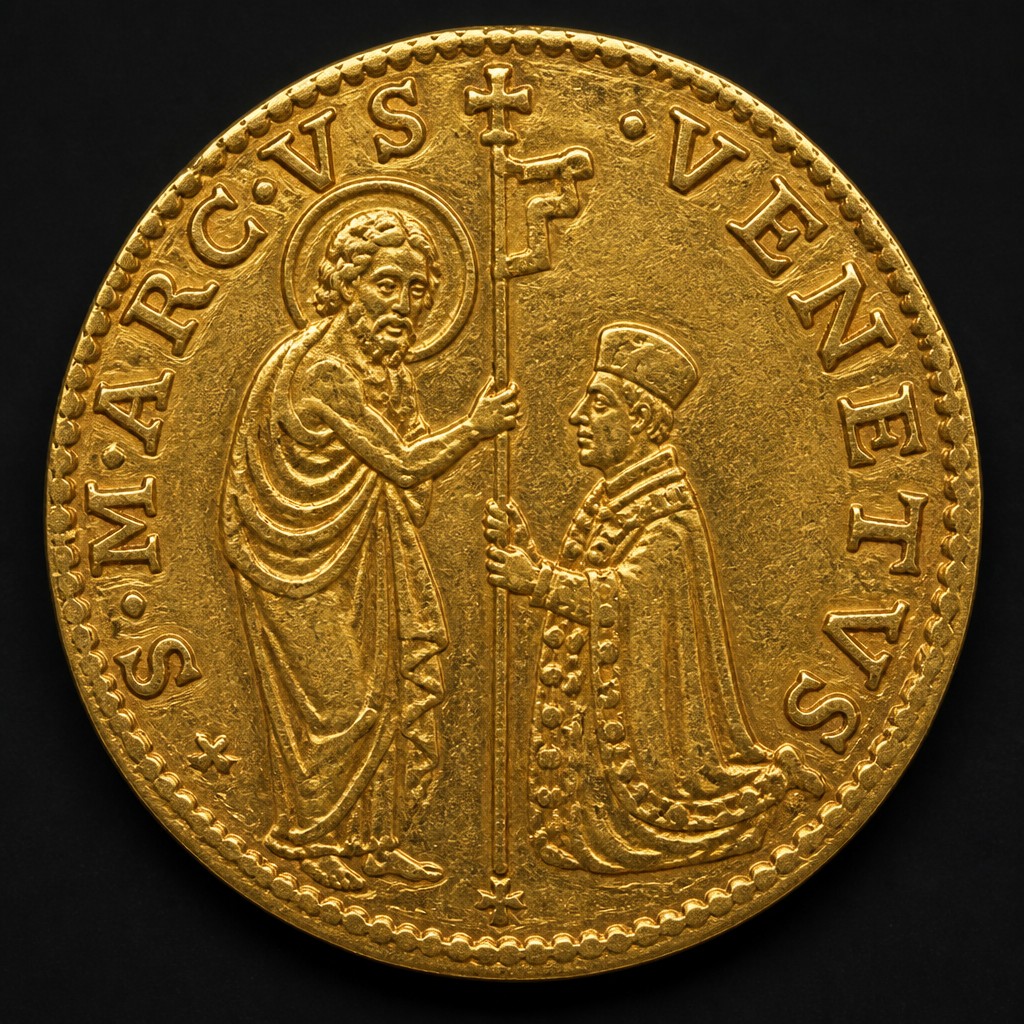
Venetian Ducat
1284–1797
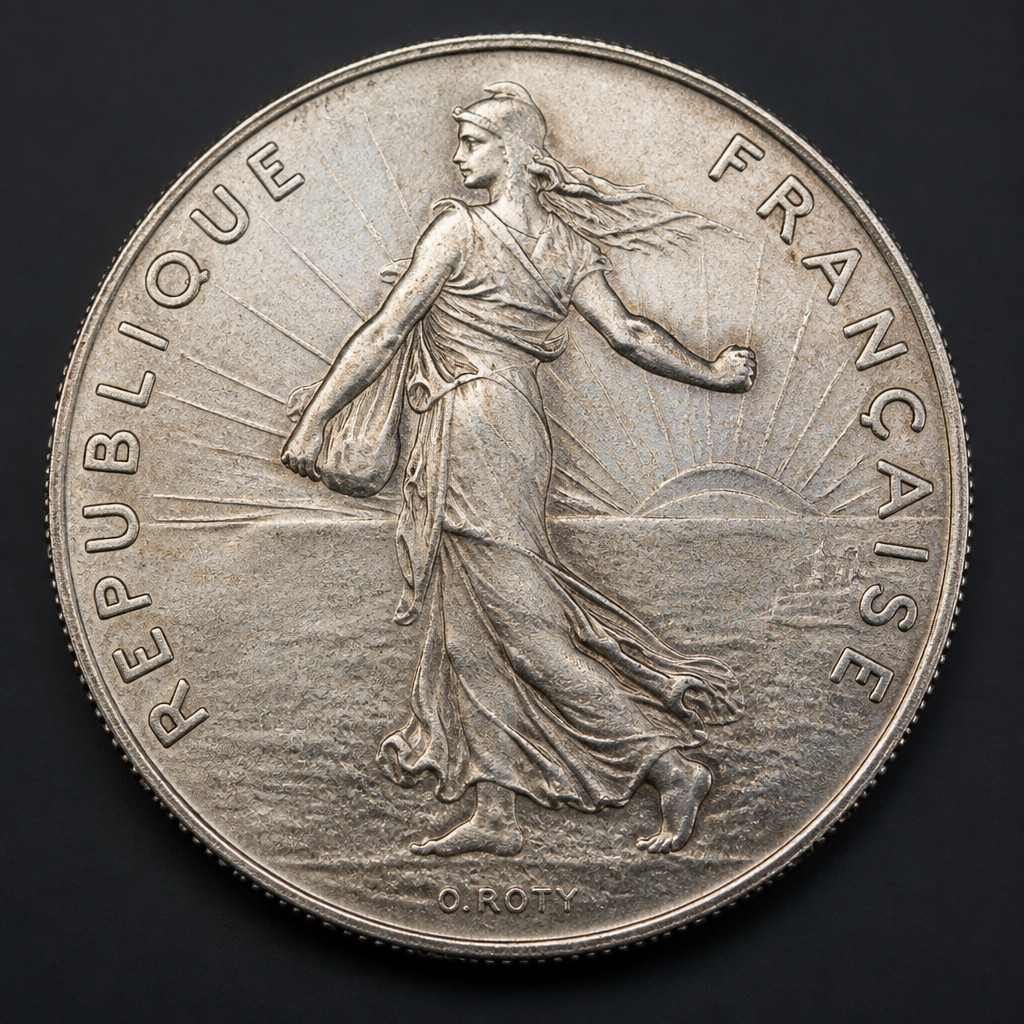
French 100 Francs Silver
1980s–2001 (pre-euro era)
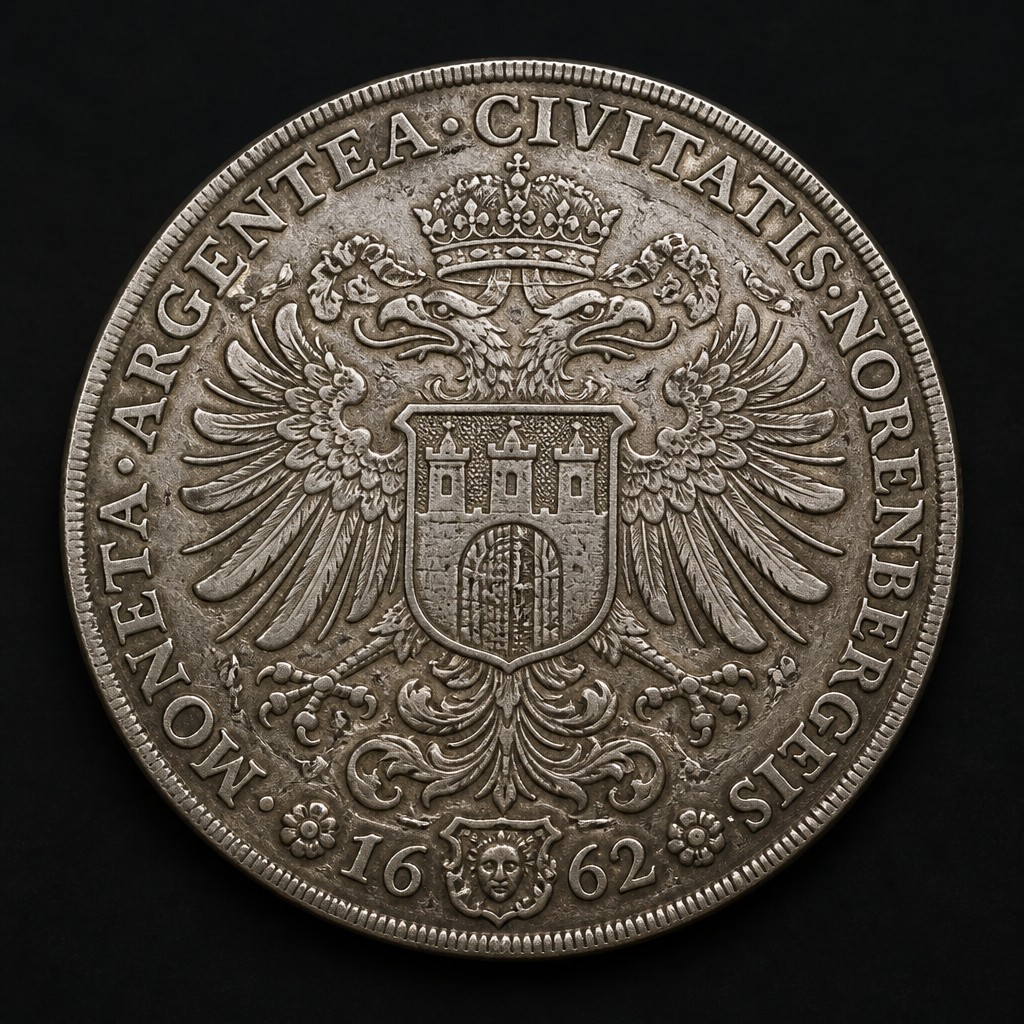
Nuremberg Thaler
16th–18th century
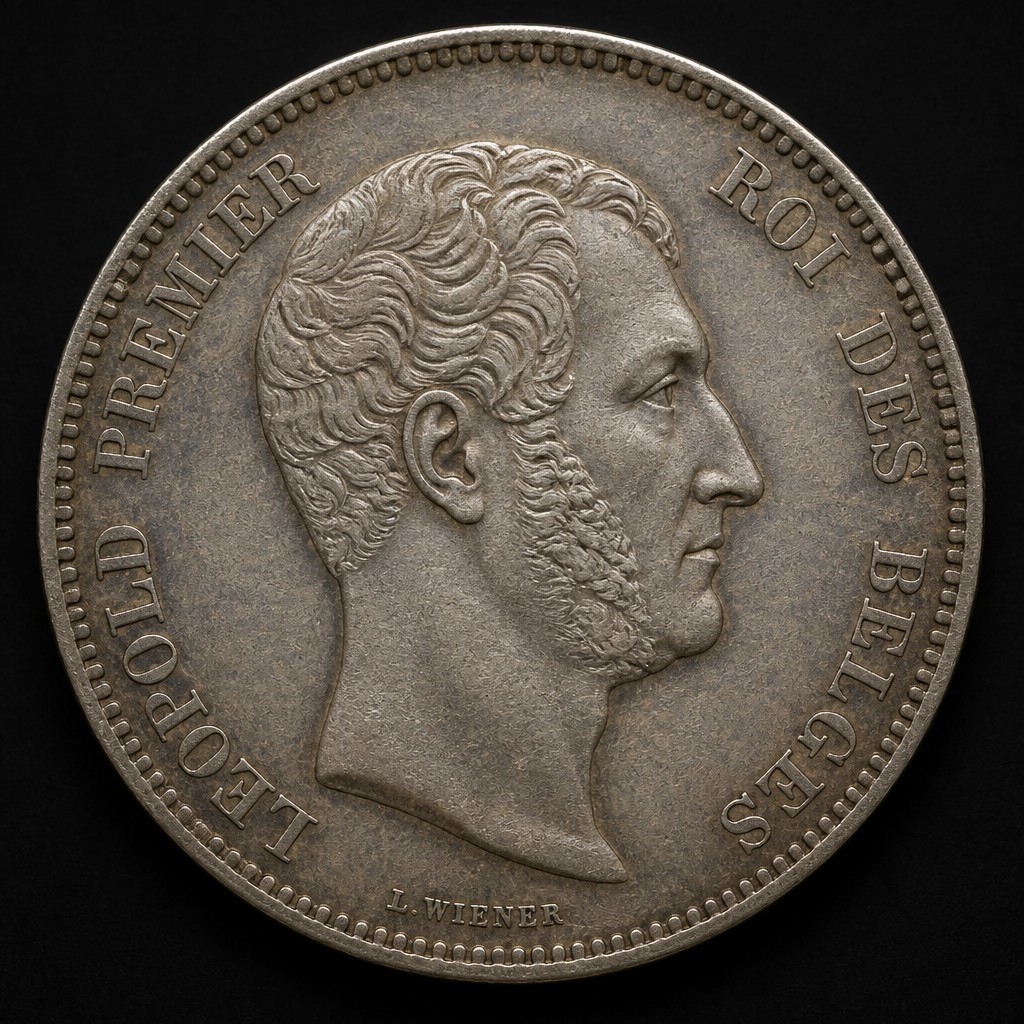
Belgian 5 Francs
1832–1876 (large silver type); later reduced-size and later-metal issues into the 20th century
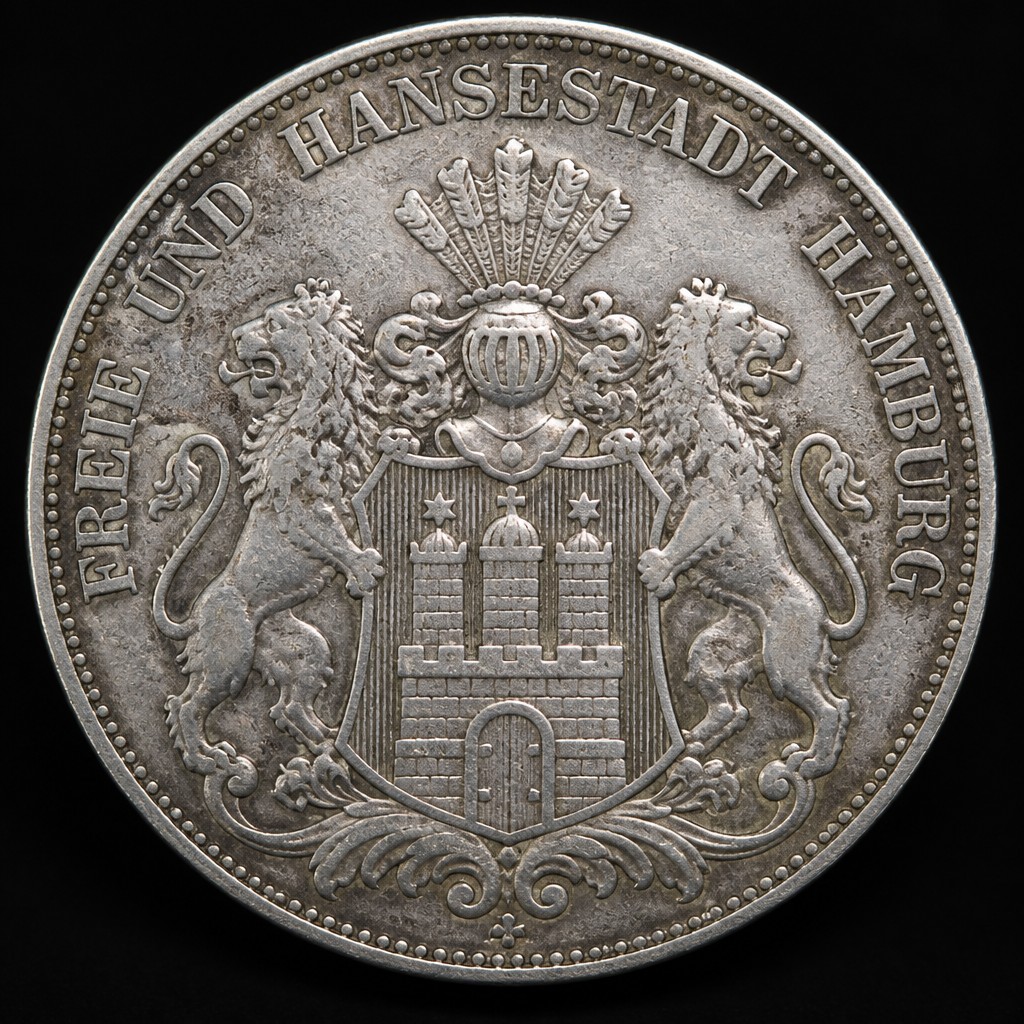
Hamburg Thaler
17th century–1871
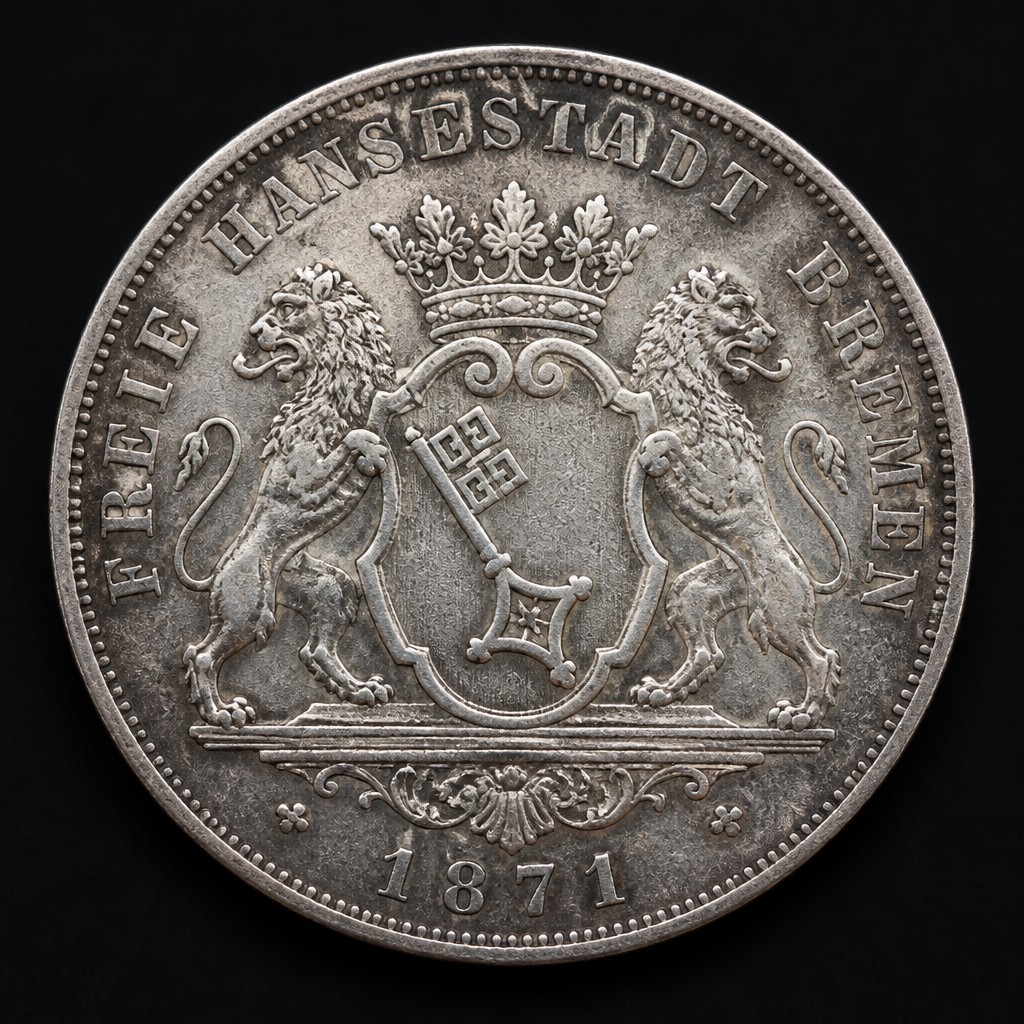
Bremen Thaler
17th century–1871
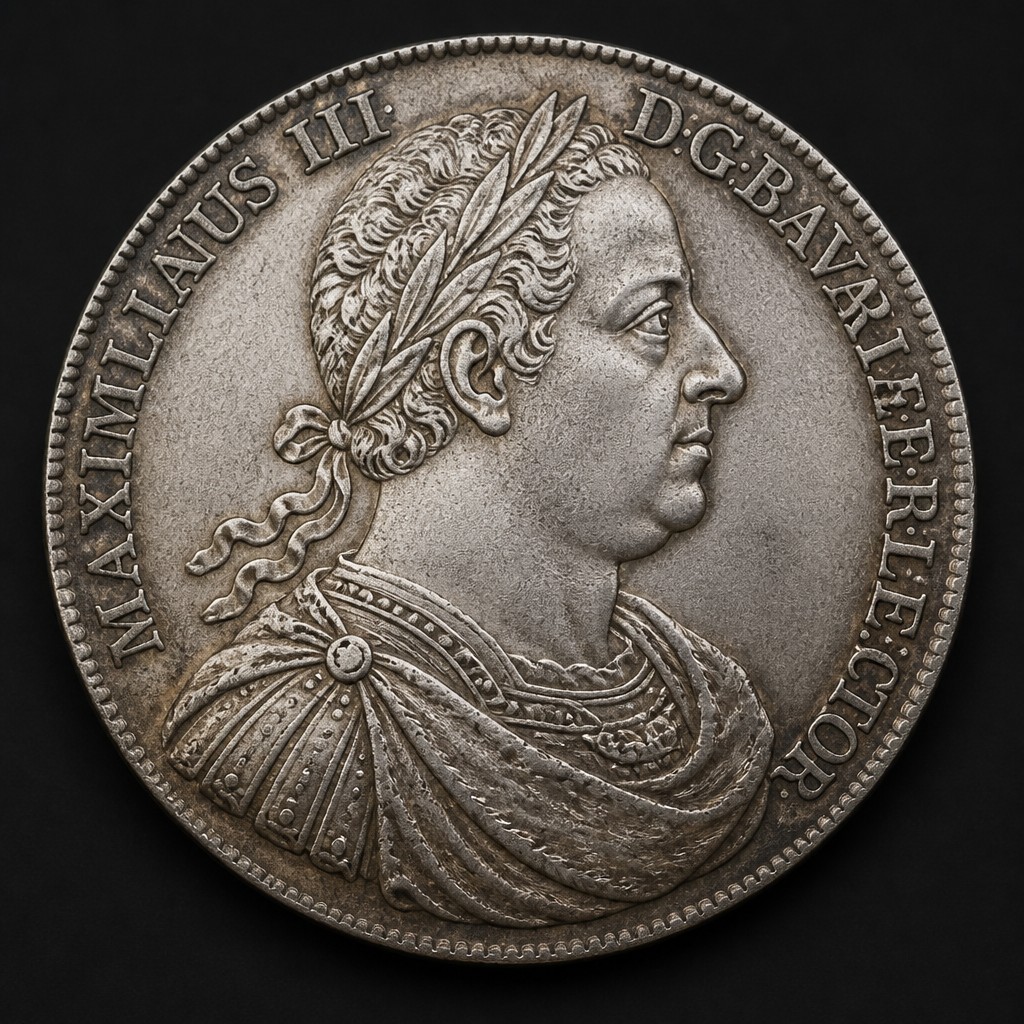
Bavaria Thaler
Circa 1620s-1871
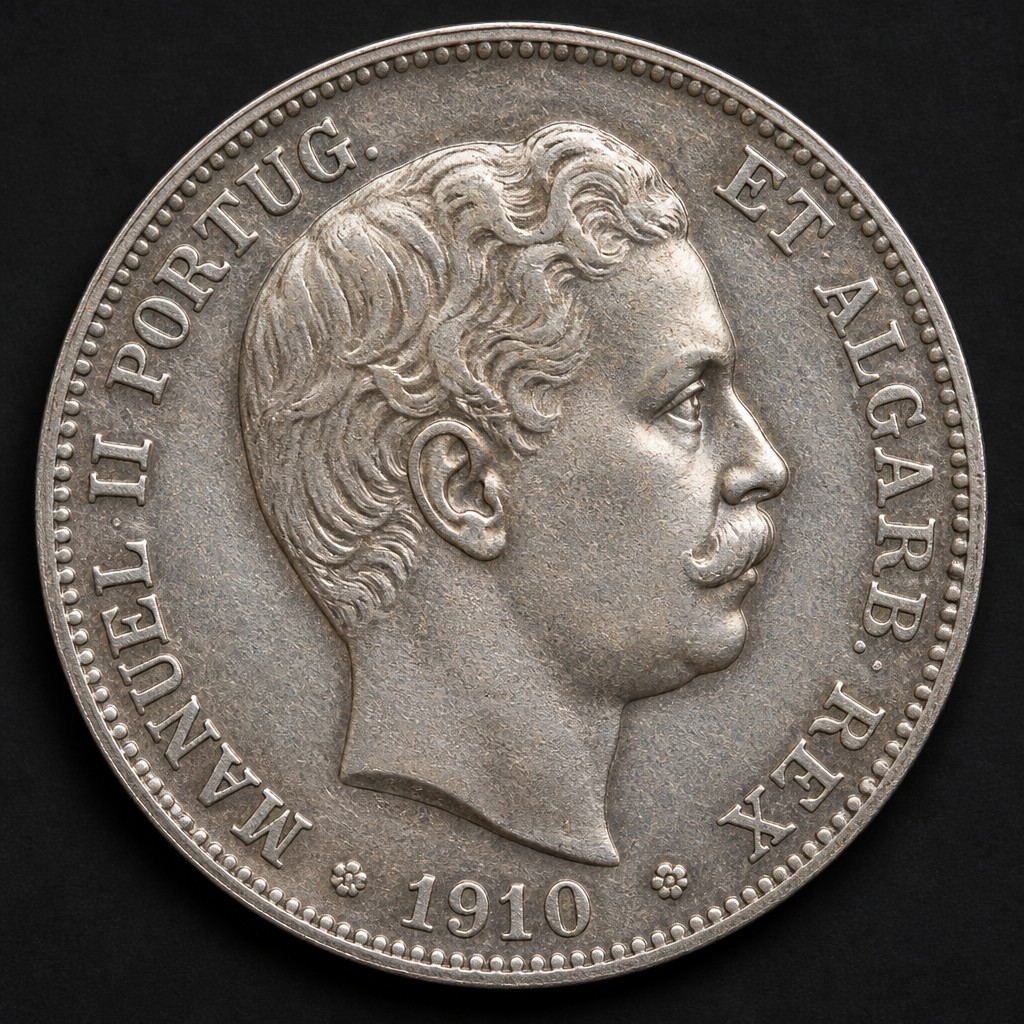
Portuguese 1000 Reis
19th century–1910 (Kingdom period)
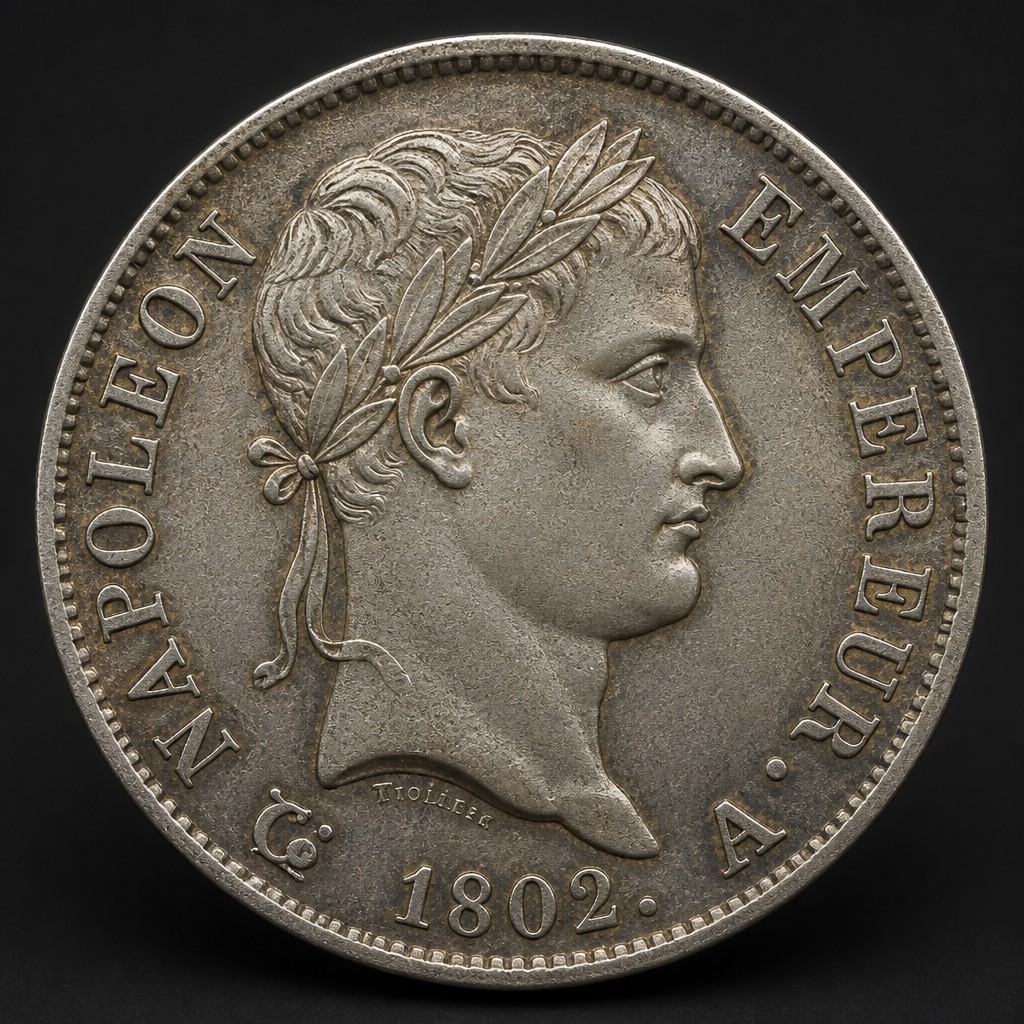
French 5 Francs "Napoleon"
1802–1815
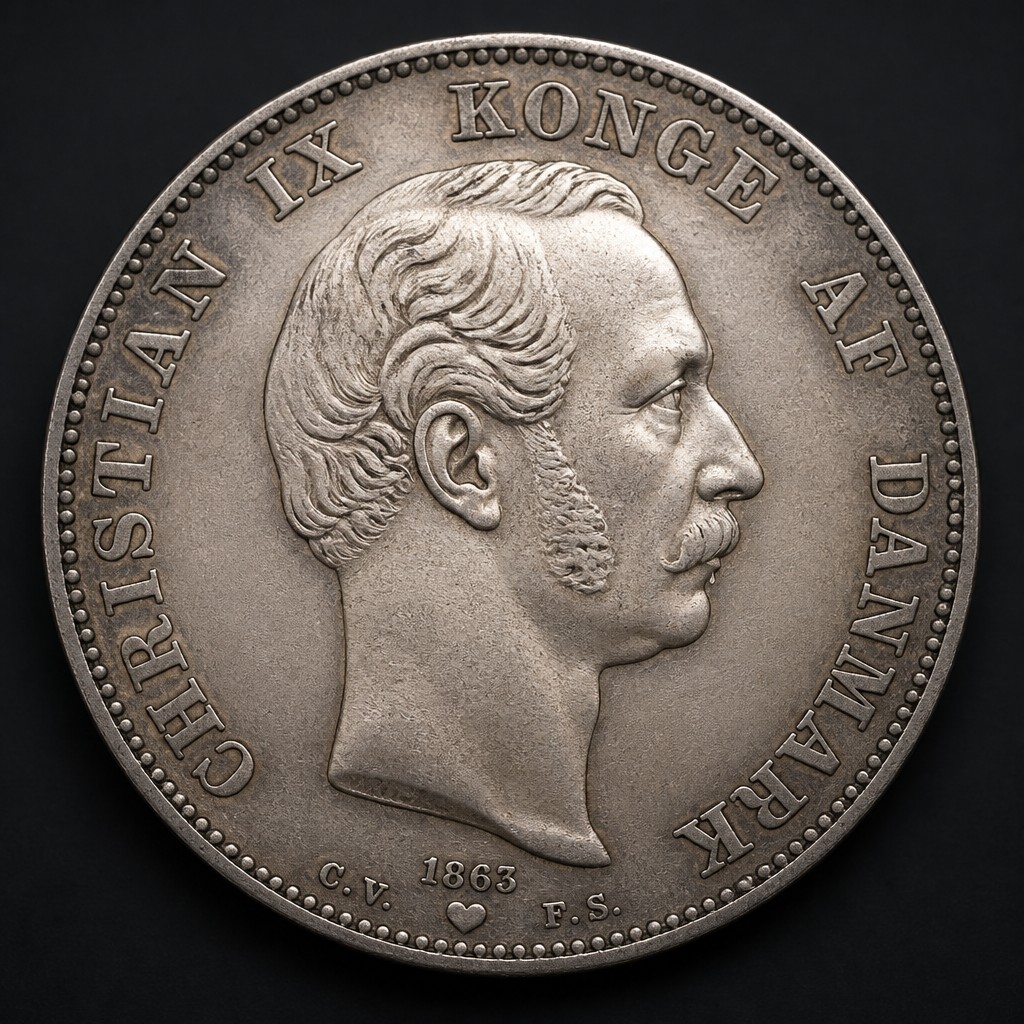
Danish 2 Rigsdaler
19th century (until 1873 currency reform)
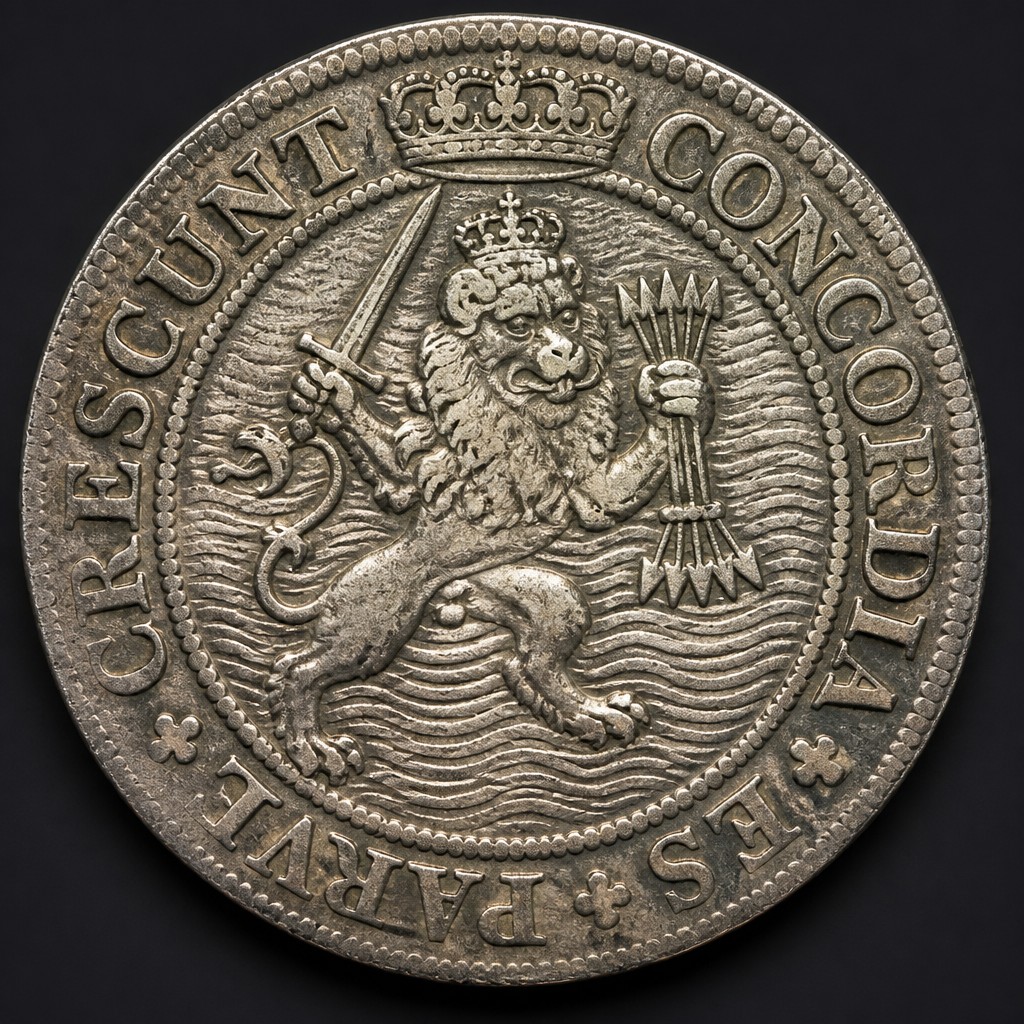
Dutch Lion Daalder (Leeuwendaalder)
c. 1575–1713
Austrian Levantine Thaler (Maria Theresa Thaler)
Originally 1780; continually restruck with the same date into the 20th century