
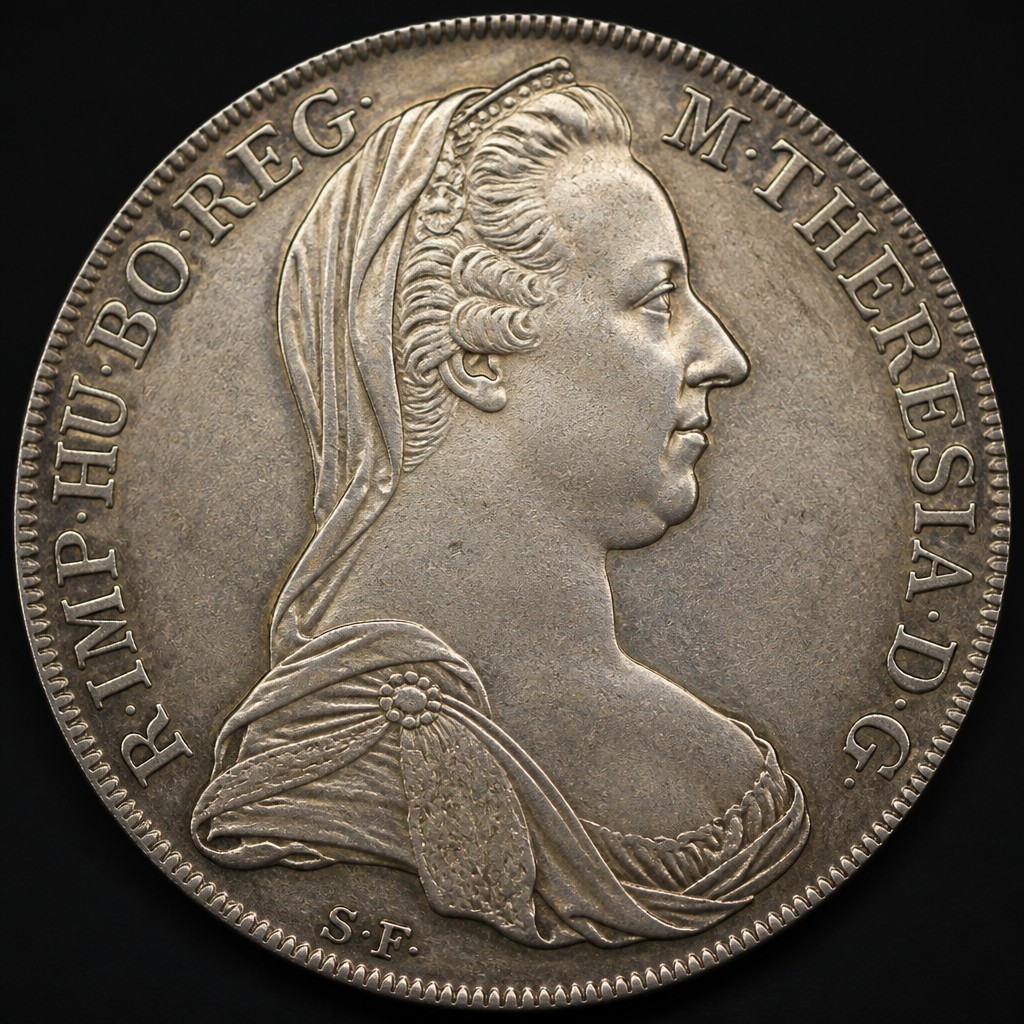
Austrian Levantine Thaler (Maria Theresa Thaler)
A famous silver trade coin bearing the portrait of Empress Maria Theresa, perpetually dated 1780 and restruck for centuries as a trusted trade currency across the Middle East, Arabia, and East Africa.
- Country
- Austria (Habsburg Empire, later Austrian Republic mint restrikes)
- Denomination
- 1 Thaler
- Metal
- Silver, .833 fine
Got a coin like this?
Identify any coin from a photo, free.
Overview
The Austrian Levantine Thaler, universally known as the Maria Theresa Thaler, is one of history's most successful trade coins, prized far beyond Austria's borders for its consistent silver content and recognizable design. Although the empress died in 1780, the coin has been restruck continuously with that same 1780 date for well over two centuries, a practice that preserved its trusted reputation among traders unfamiliar with changing dates.
The coin became the preferred silver currency across large parts of the Arabian Peninsula, the Levant, and East Africa, where merchants and tribes came to trust its weight and fineness so completely that other coins, including later genuine Austrian issues with different dates, were often refused in trade. Its enduring popularity turned it into a form of international currency independent of Austria's own domestic monetary changes.
History & Background
The original Maria Theresa Thaler was struck in Austria during the reign of Empress Maria Theresa, part of a broader Habsburg silver thaler coinage of the eighteenth century. After her death in 1780, later thalers continued to be struck using dies bearing that same year, both because trading partners in the Middle East and Africa had come to trust that specific design and date, and because the Austrian mint found it commercially advantageous to continue meeting overseas demand under the familiar type.
Over the following two centuries, official and licensed restrikes were produced not only in Austria (including at Vienna and Günzburg) but also, at various points, under agreements or licenses in other countries, to supply ongoing demand in Red Sea and Arabian trade networks. The coin remained a recognized trade currency well into the twentieth century, used in commercial transactions across Ethiopia, Yemen, Oman, and other regions long after its original minting context had passed into history.
How to Identify
The obverse depicts a mature, richly dressed bust of Empress Maria Theresa in widow's attire, wearing an ornate veil and jewelry, with a Latin legend around the rim naming her full imperial and royal titles.
The reverse shows the Habsburg double-headed eagle bearing a central shield of arms, crowned, with the date 1780 and additional Latin legends referencing her various dominions.
The coin is silver, .833 fine, roughly 39–40mm in diameter, with a distinctive edge inscription in raised Latin letters reading approximately "IUSTITIA ET CLEMENTIA" (justice and clemency). Because the coin has been restruck for so long with an unchanging date, collectors distinguish genuine period strikes from later restrikes primarily through subtle die characteristics, edge lettering style, and mint marks (such as small symbols near the date), rather than by date alone, since virtually all examples read 1780.
Value & Collectibility
Because the Maria Theresa Thaler was restruck in enormous quantities over a very long period, most examples encountered today are common and quite affordable, making it one of the most accessible historic silver trade coins for beginning collectors.
Value is driven far more by which specific restrike or mint variety a piece represents than by the date itself, since essentially all coins bear 1780; specialists study edge markings, small mint marks, and die details to identify true eighteenth-century originals, which are considerably scarcer and more valuable than the common later restrikes still produced into the twentieth century.
Condition and original luster matter for value within any given variety, but collectors should be aware that owning a "1780" Maria Theresa Thaler does not necessarily mean owning an eighteenth-century coin, and expert identification is recommended for anyone seeking an early original strike.
Frequently asked questions
Why do all these coins say 1780?
The 1780 date, from the year of Maria Theresa's death, was kept unchanged on official restrikes for centuries to preserve trust among trading partners who recognized that specific design.
Does a 1780 date mean the coin is 18th century?
Not necessarily; the vast majority of surviving examples are later official restrikes, and specialist knowledge is needed to identify a true original.
Where did this coin mainly circulate?
It became a dominant trade currency across the Arabian Peninsula, the Levant, and parts of East Africa, especially Ethiopia and the Horn of Africa.
What does the edge inscription say?
It reads approximately 'IUSTITIA ET CLEMENTIA,' Latin for 'justice and clemency,' one of Maria Theresa's mottos.
Is this coin rare?
No, most examples are common due to continuous restriking over two centuries, though certain early or specially marked varieties are scarcer.
Austrian Levantine Thaler (Maria Theresa Thaler) identified by the community
Real coins identified with Coin Identifier.
Other coins you may enjoy
Venetian Ducat
1284–1797
French 100 Francs Silver
1980s–2001 (pre-euro era)
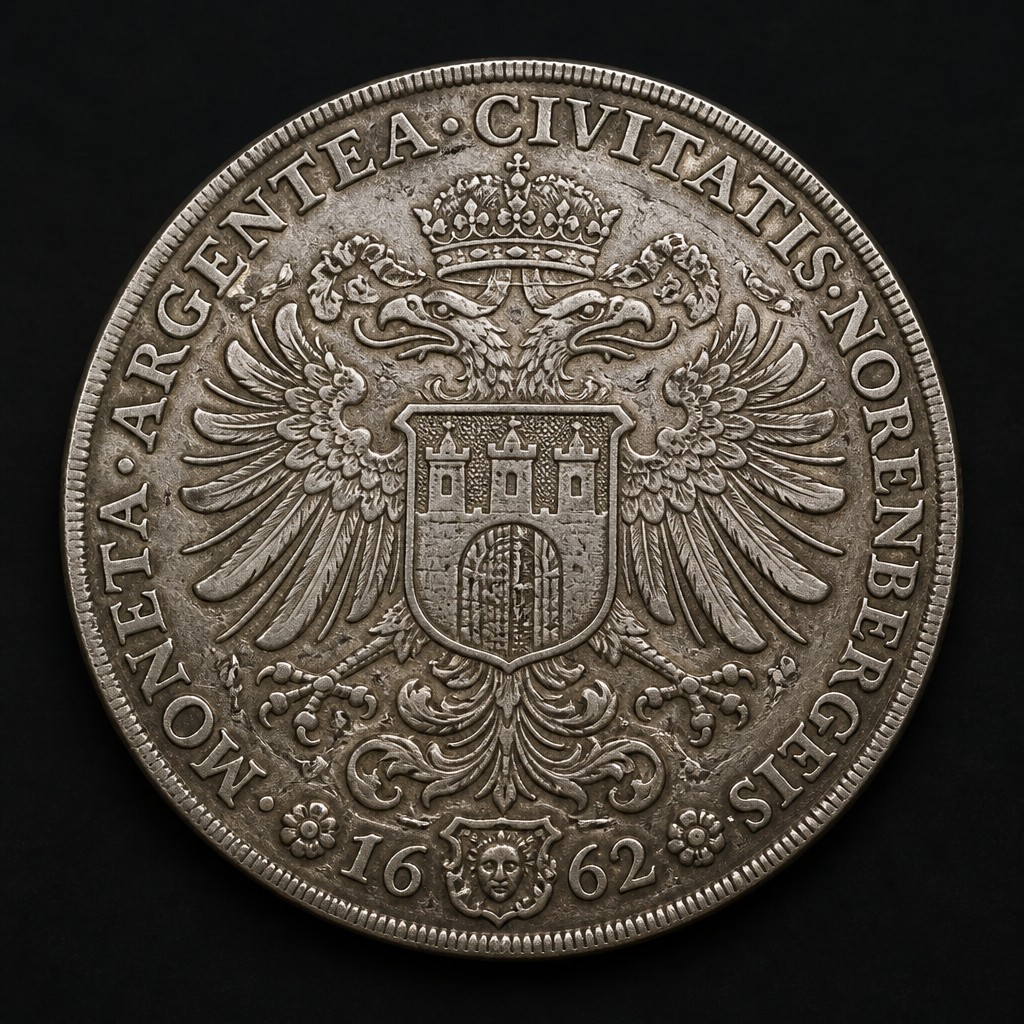
Nuremberg Thaler
16th–18th century
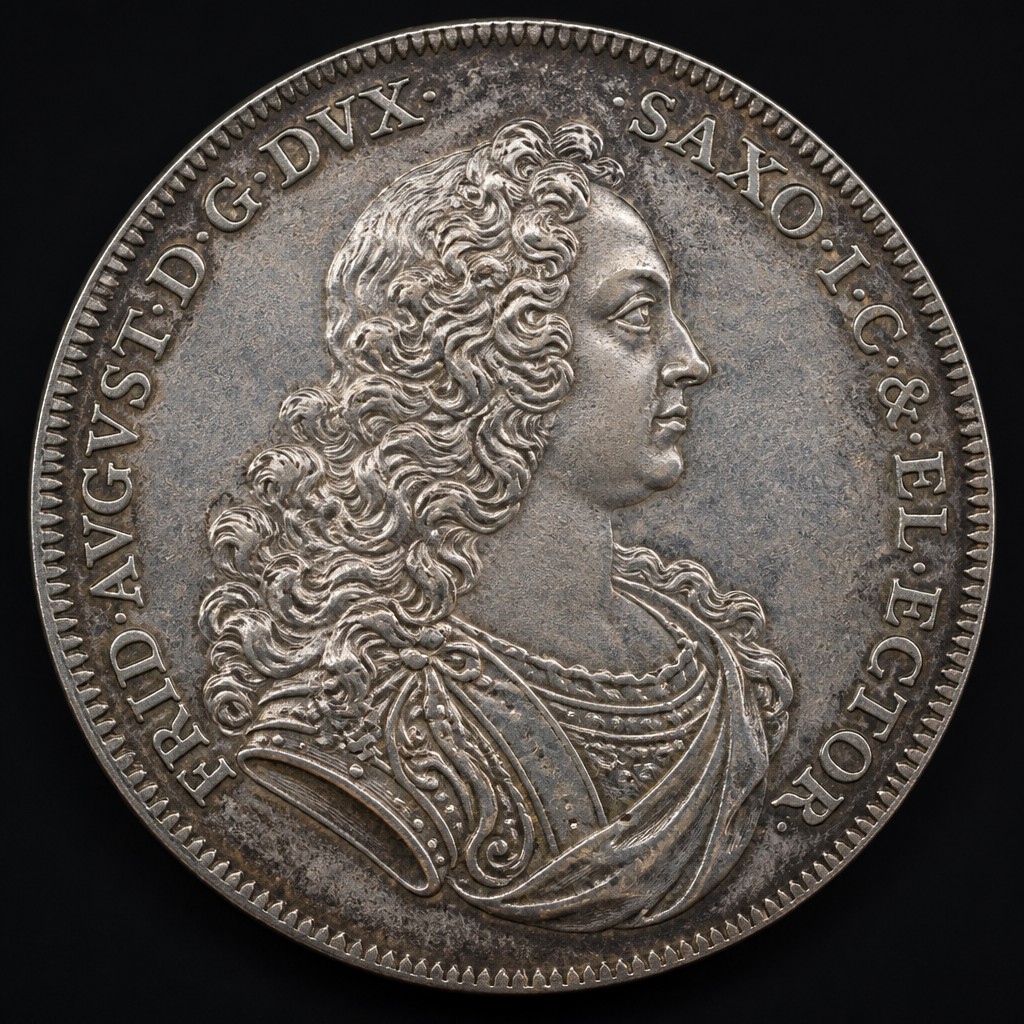
Saxon Speciestaler
17th–19th century
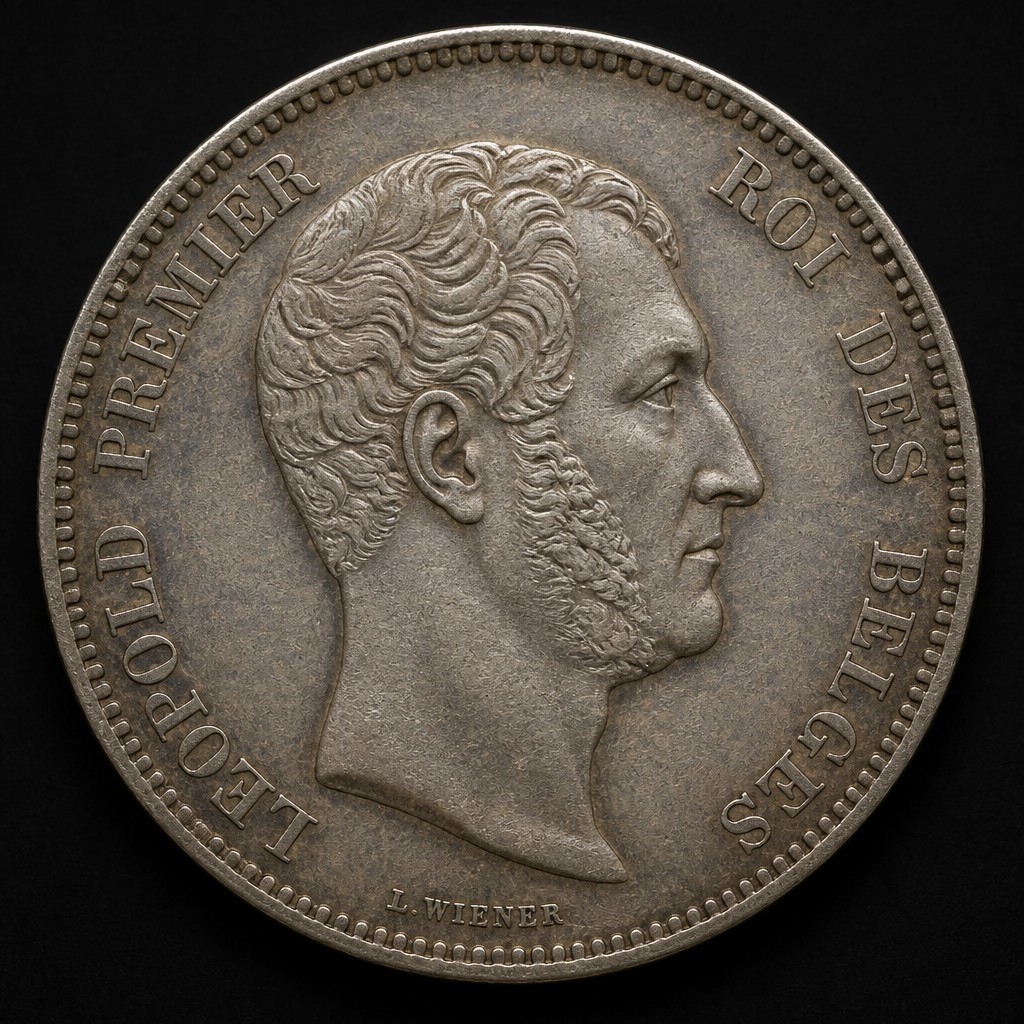
Belgian 5 Francs
1832–1876 (large silver type); later reduced-size and later-metal issues into the 20th century
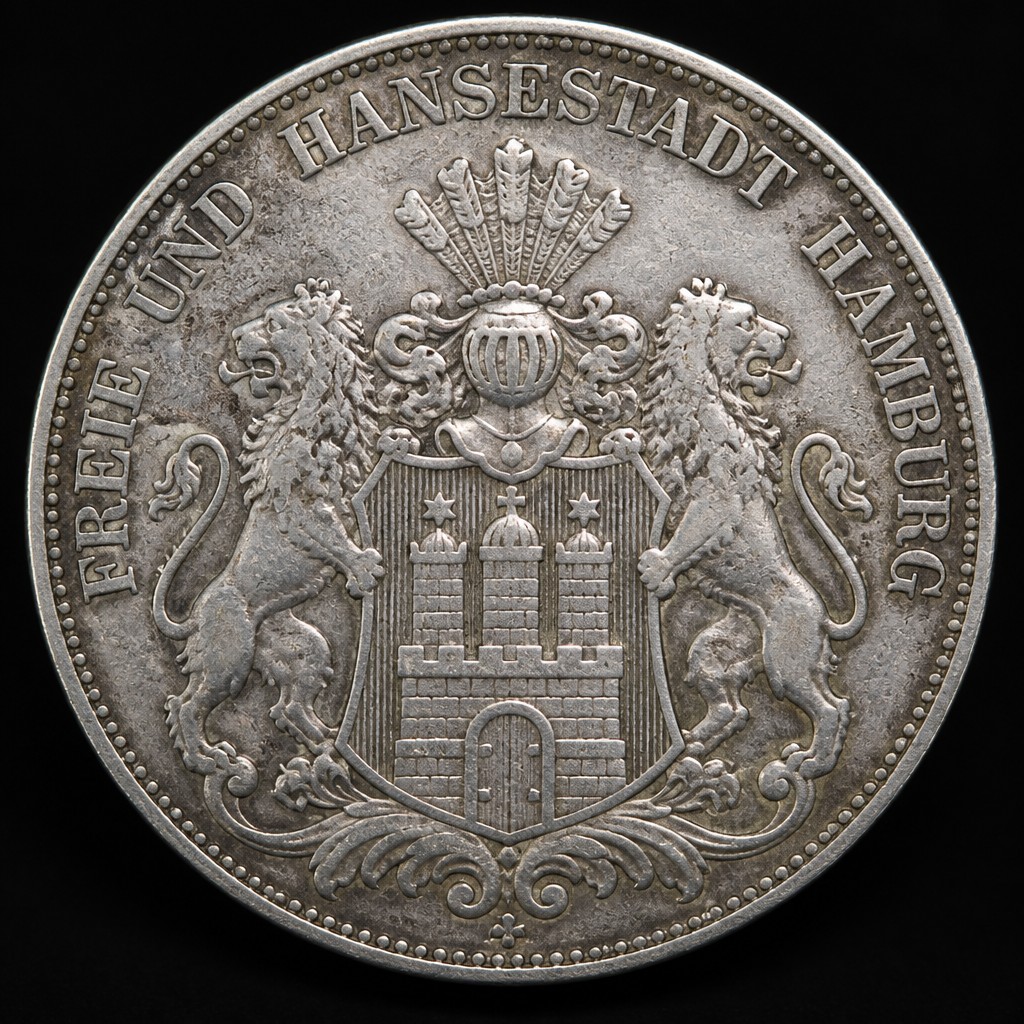
Hamburg Thaler
17th century–1871
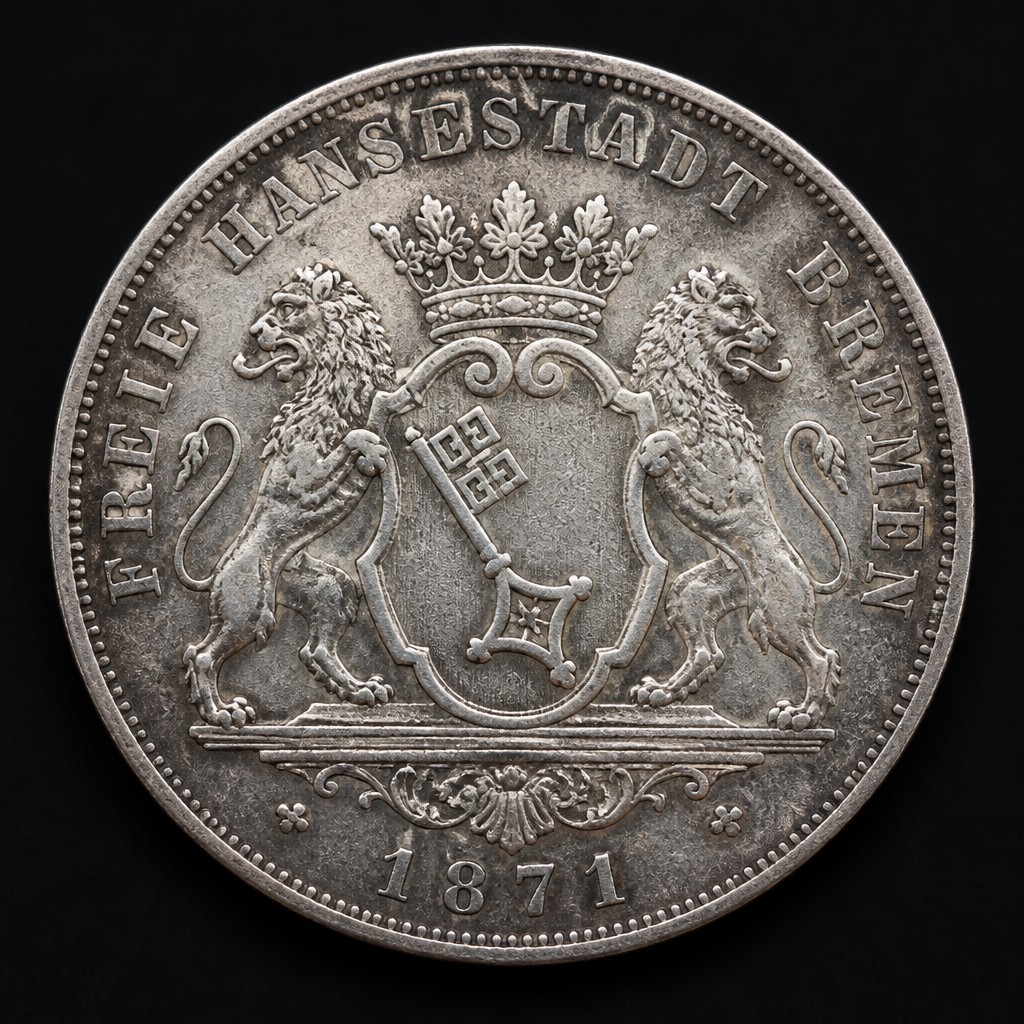
Bremen Thaler
17th century–1871
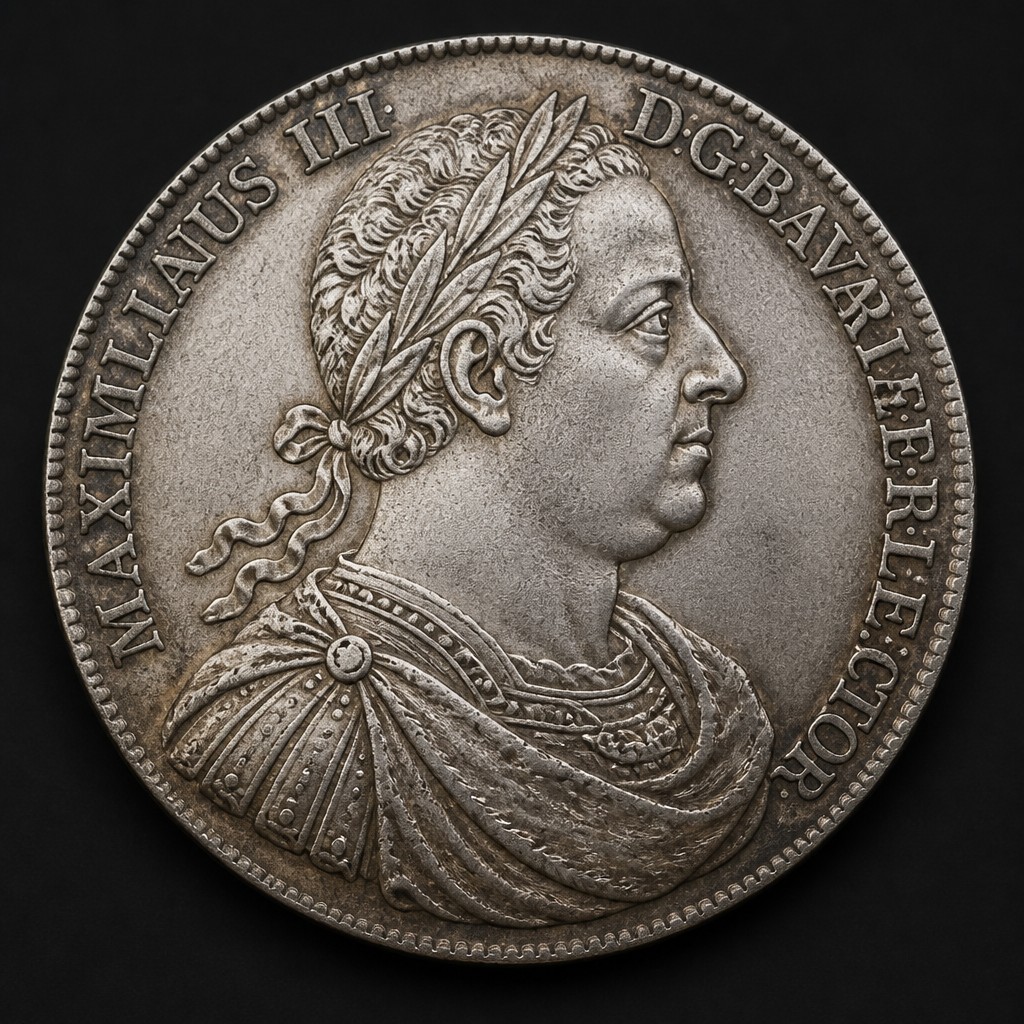
Bavaria Thaler
Circa 1620s-1871
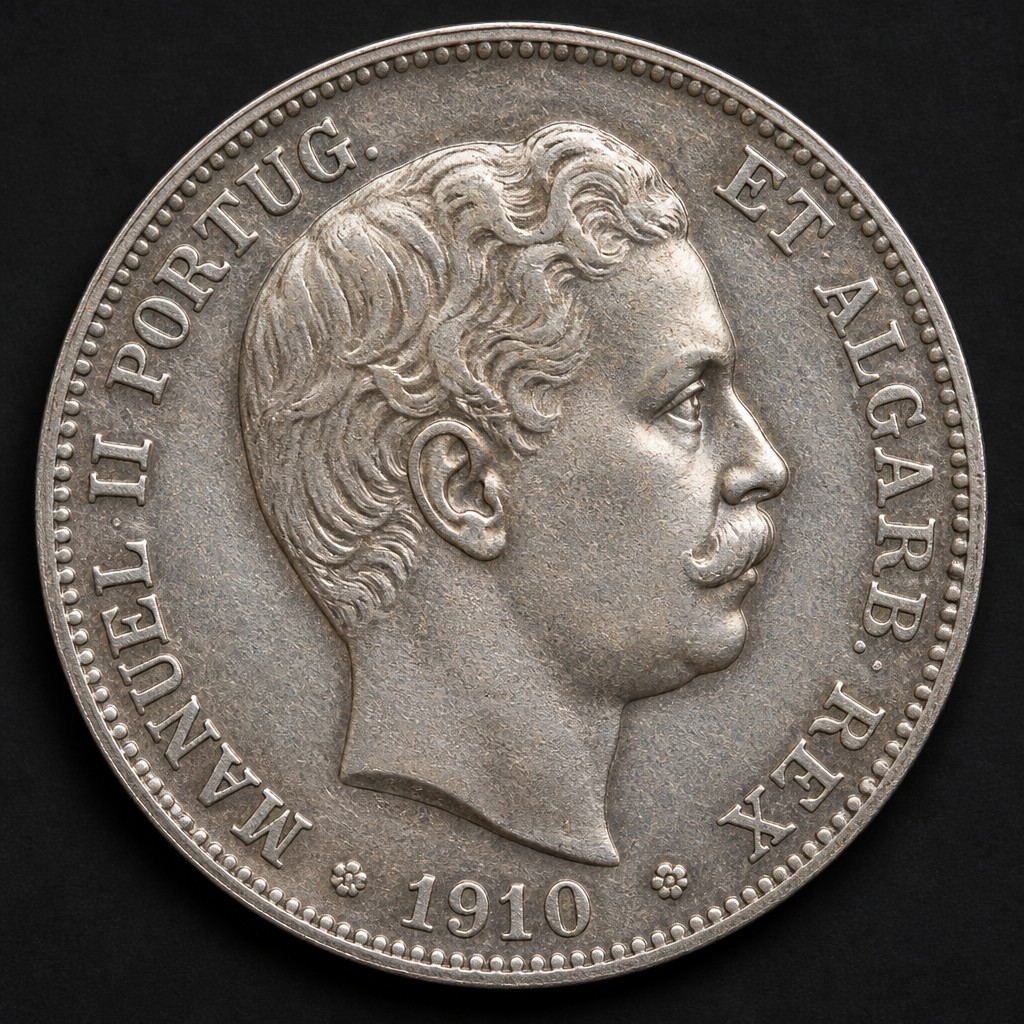
Portuguese 1000 Reis
19th century–1910 (Kingdom period)
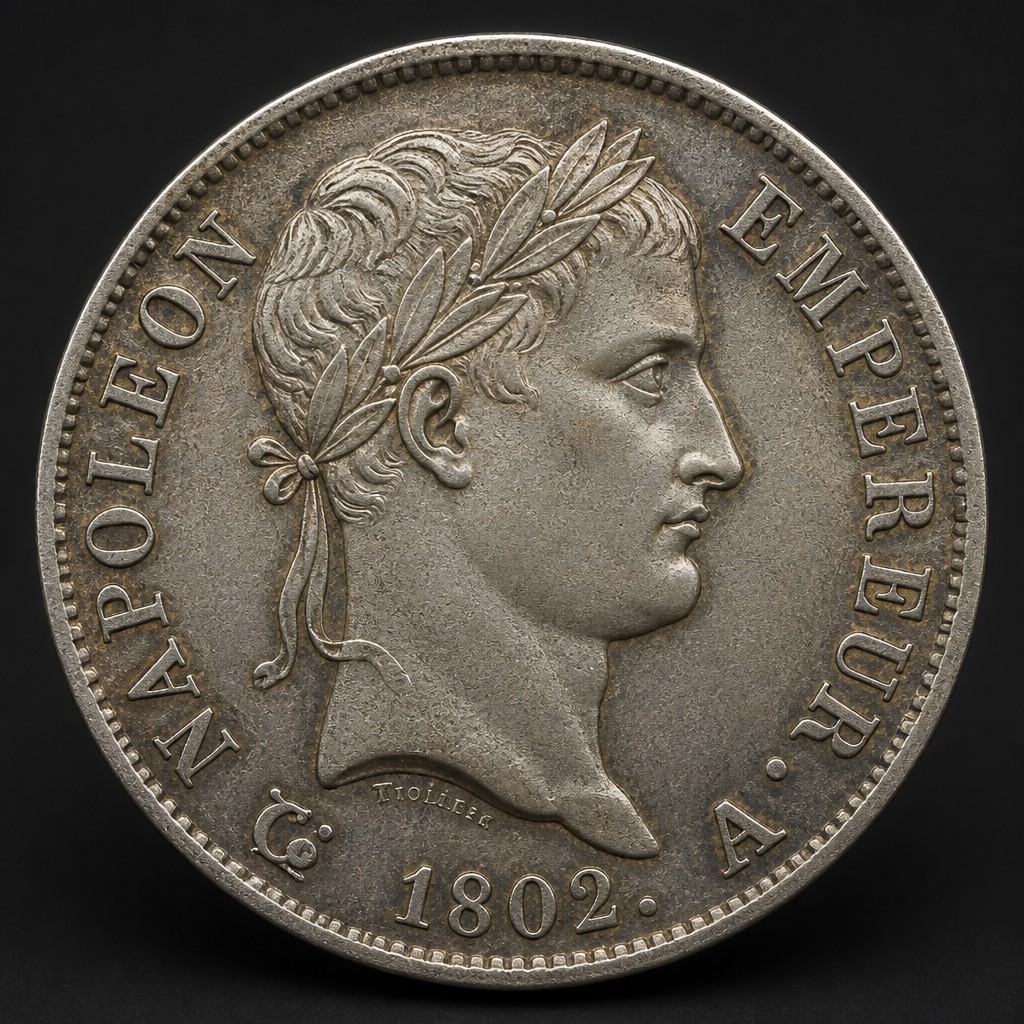
French 5 Francs "Napoleon"
1802–1815
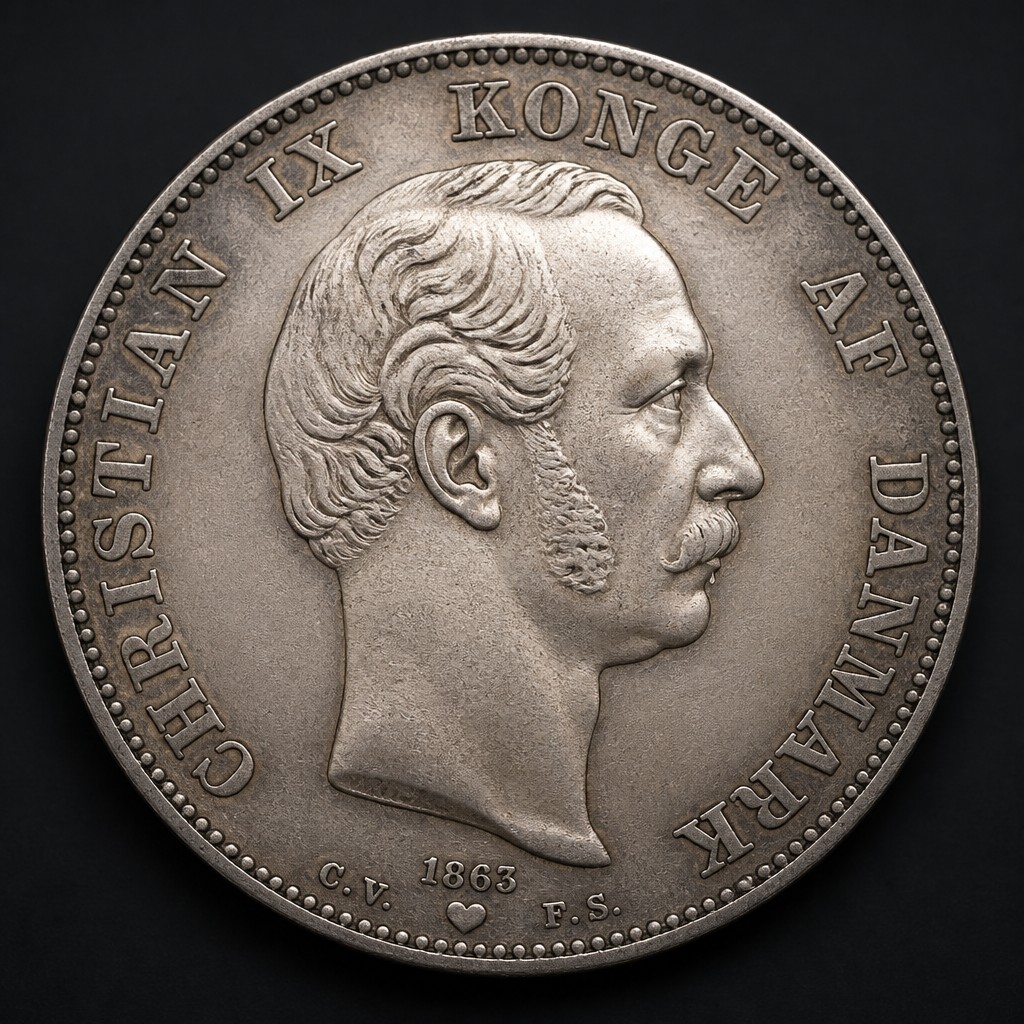
Danish 2 Rigsdaler
19th century (until 1873 currency reform)
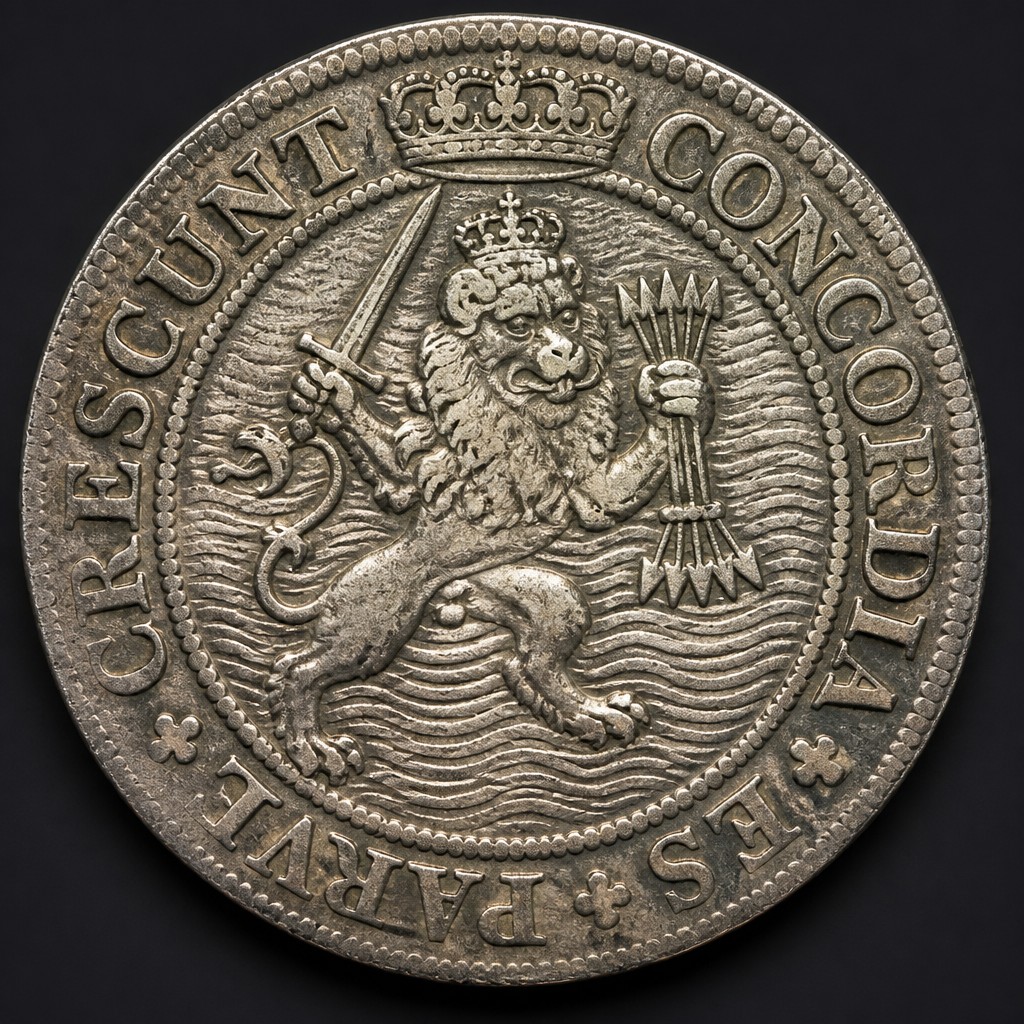
Dutch Lion Daalder (Leeuwendaalder)
c. 1575–1713