
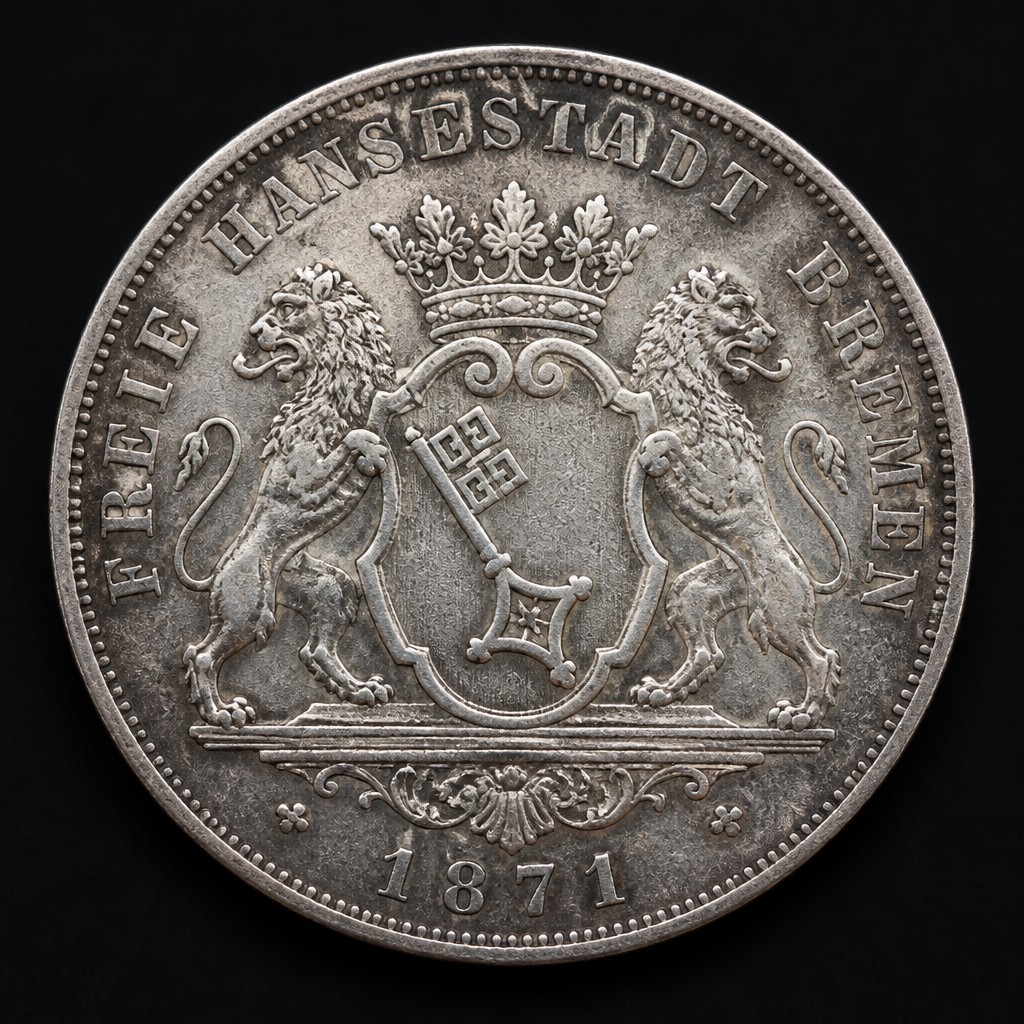
Bremen Thaler
A silver thaler of the free Hanseatic city of Bremen, typically featuring the city's key emblem, issued for centuries as an independent trading city's own coinage.
- Country
- Free Hanseatic City of Bremen
- Denomination
- 1 Thaler
- Metal
- Silver, generally .900 fine (Vereinsthaler era)
Got a coin like this?
Identify any coin from a photo, free.
Overview
The Bremen Thaler was struck by the Free Hanseatic City of Bremen, another of the historic self-governing German trading cities that retained independent minting rights for centuries. Like its counterpart Hamburg, Bremen used its own heraldic emblem rather than a ruling monarch's portrait, underscoring its unique republican status within the fragmented political landscape of the German-speaking lands.
Bremen's location on the Weser River made it a significant port and trading hub, and its thaler coinage served this maritime commerce for generations, continuing under the unified Vereinsthaler standard adopted in 1857 until it was ultimately absorbed into the German Empire's currency system after unification.
History & Background
As a free imperial city and long-standing member of the Hanseatic League, Bremen possessed the right to strike its own coinage, including silver thalers, from the seventeenth century onward. Its currency supported the city's role as a key North Sea and Atlantic-facing port, particularly important for trade with northern Europe and, later, transatlantic emigration and commerce.
Bremen joined the Vienna Monetary Treaty framework in 1857, adopting the common Vereinsthaler standard alongside Prussia, Hamburg, and other German states, while continuing to feature its own city emblem on its coinage. This arrangement persisted until German political and monetary unification in 1871, after which Bremen's independent thaler coinage ceased in favor of the new imperial mark.
How to Identify
The design side typically bears Bremen's traditional emblem, most commonly a large ornate key (the city's heraldic symbol, referencing Saint Peter as patron saint), often shown crowned or flanked by decorative elements.
The accompanying side displays the denomination, date, and legends identifying the free city of Bremen, with Vereinsthaler-era coins bearing the standardized value inscription shared across participating German states.
The coin is silver, with Vereinsthaler-period examples measuring approximately 33mm in diameter and struck to the .900 fine standard common to the era. Collectors distinguish Bremen's issues from other Hanseatic city thalers primarily by the distinctive key emblem, as opposed to Hamburg's castle-and-towers arms or Lübeck's double-headed eagle design.
Value & Collectibility
Common nineteenth-century Bremen thalers are relatively accessible to collectors in circulated condition, forming part of the broader and popular niche of German free-city coinage.
Earlier issues from prior centuries and any scarce commemorative Bremen thalers are considerably more valuable, with well-preserved, lustrous examples of any era commanding a premium over worn or cleaned coins.
As with other specialized German city-state issues, collectors should reference dedicated German numismatic catalogs or consult specialist dealers to establish accurate values for specific dates rather than assuming uniform pricing across the series.
Frequently asked questions
What symbol appears on the Bremen Thaler?
A large ornate key, the traditional heraldic emblem of the city of Bremen.
Why does Bremen's coinage lack a ruler's portrait?
Bremen was a free, self-governing Hanseatic city, so it used its own civic emblem rather than a monarch's image.
When did Bremen stop issuing its own thalers?
Production ended around the time of German unification in 1871, when a unified imperial currency was adopted.
How does the Bremen Thaler differ from the Hamburg Thaler?
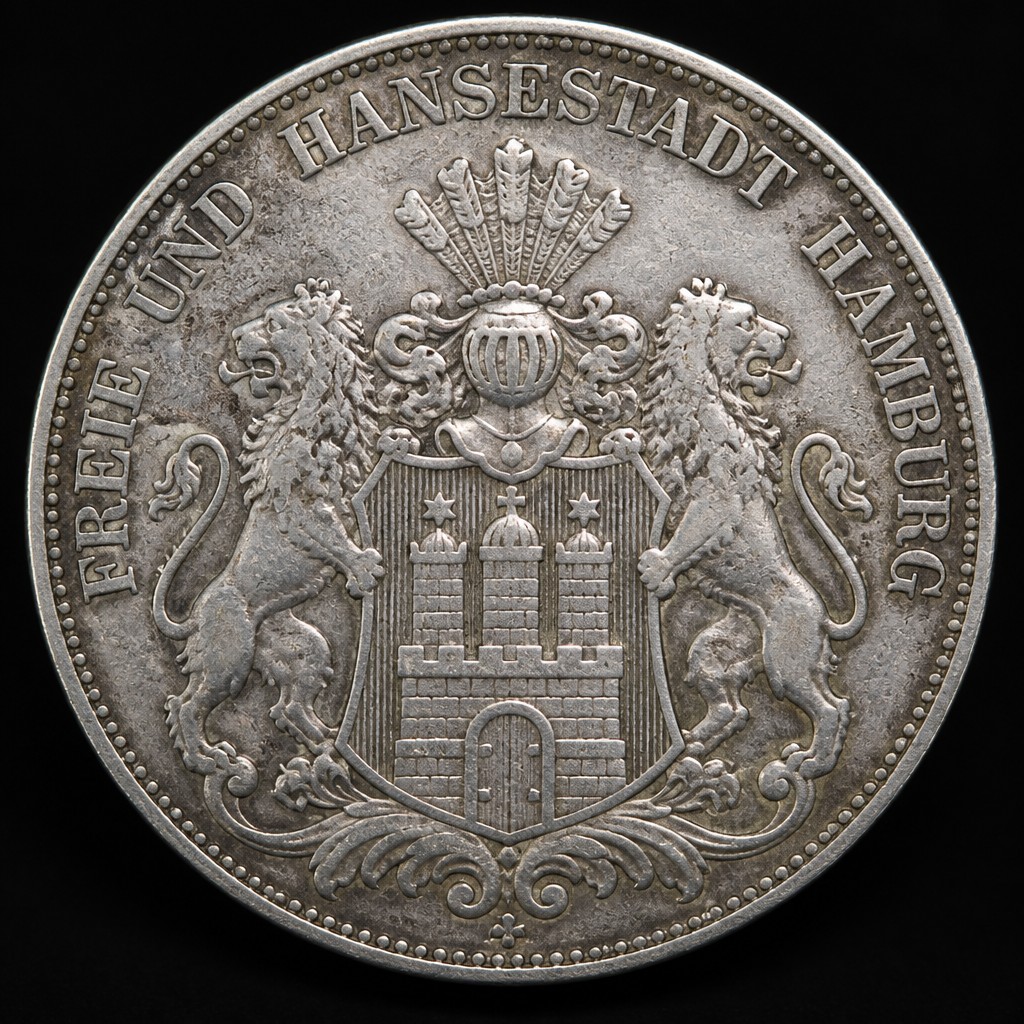
Both follow similar weight and fineness standards but display different city emblems: a key for Bremen versus a castle with towers for Hamburg.
Was Bremen part of the Vereinsthaler system?
Yes, it adopted the common Vereinsthaler standard in 1857 alongside Prussia, Hamburg, and other German states.
Other coins you may enjoy
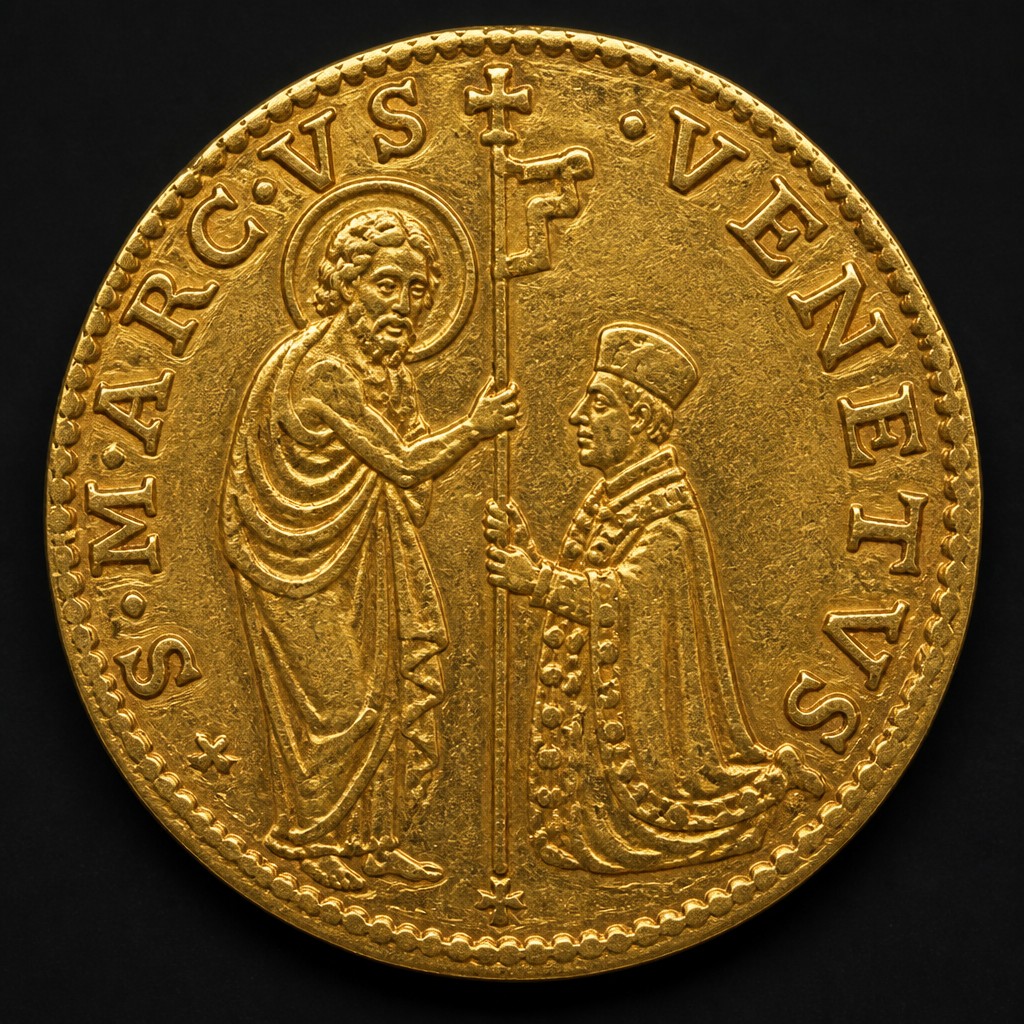
Venetian Ducat
1284–1797
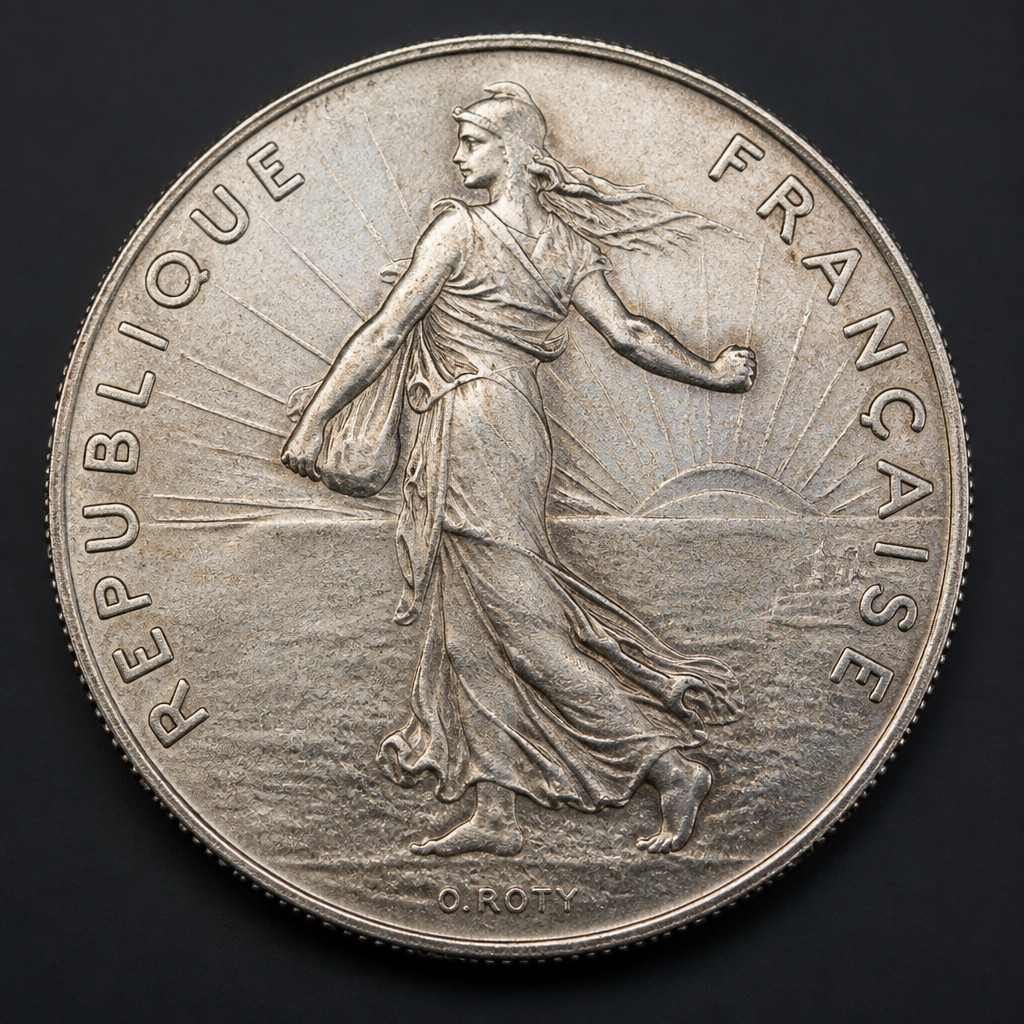
French 100 Francs Silver
1980s–2001 (pre-euro era)
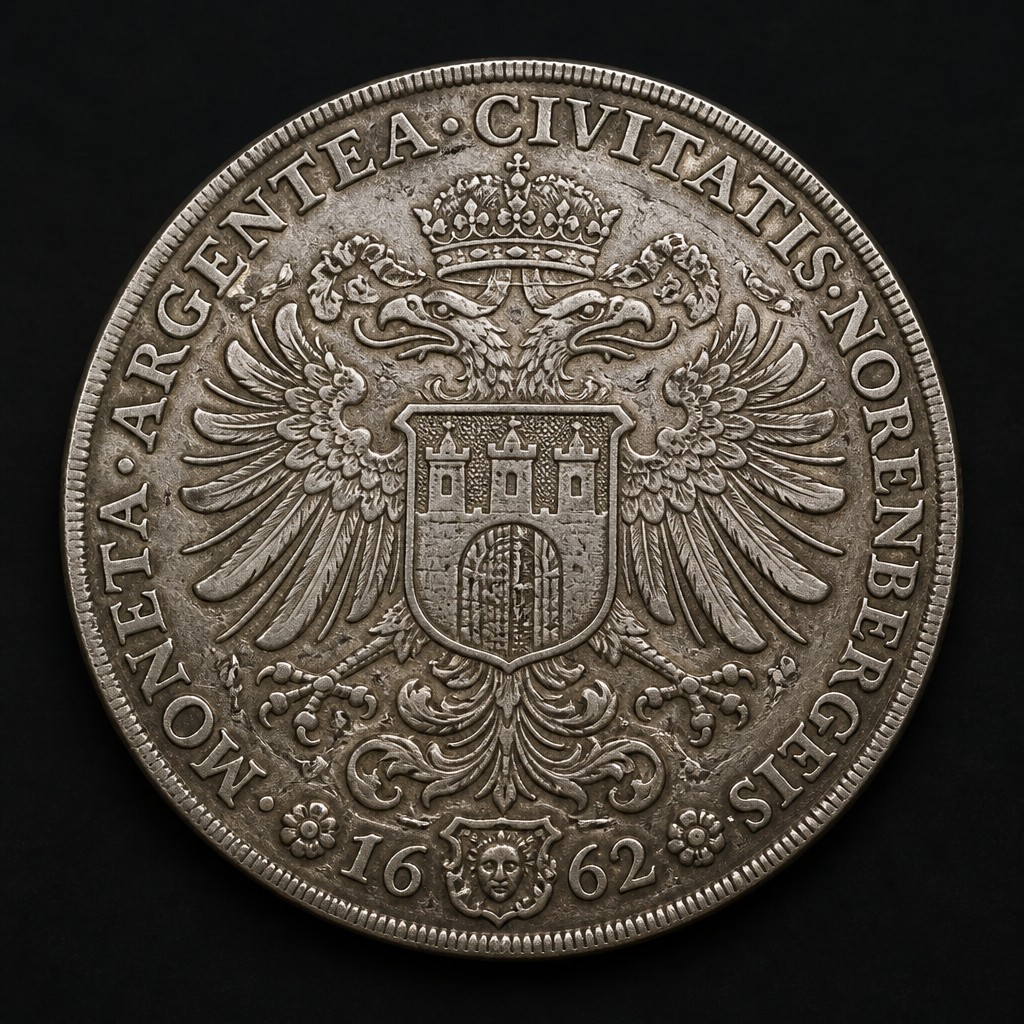
Nuremberg Thaler
16th–18th century
Saxon Speciestaler
17th–19th century
Belgian 5 Francs
1832–1876 (large silver type); later reduced-size and later-metal issues into the 20th century
Hamburg Thaler
17th century–1871
Bavaria Thaler
Circa 1620s-1871
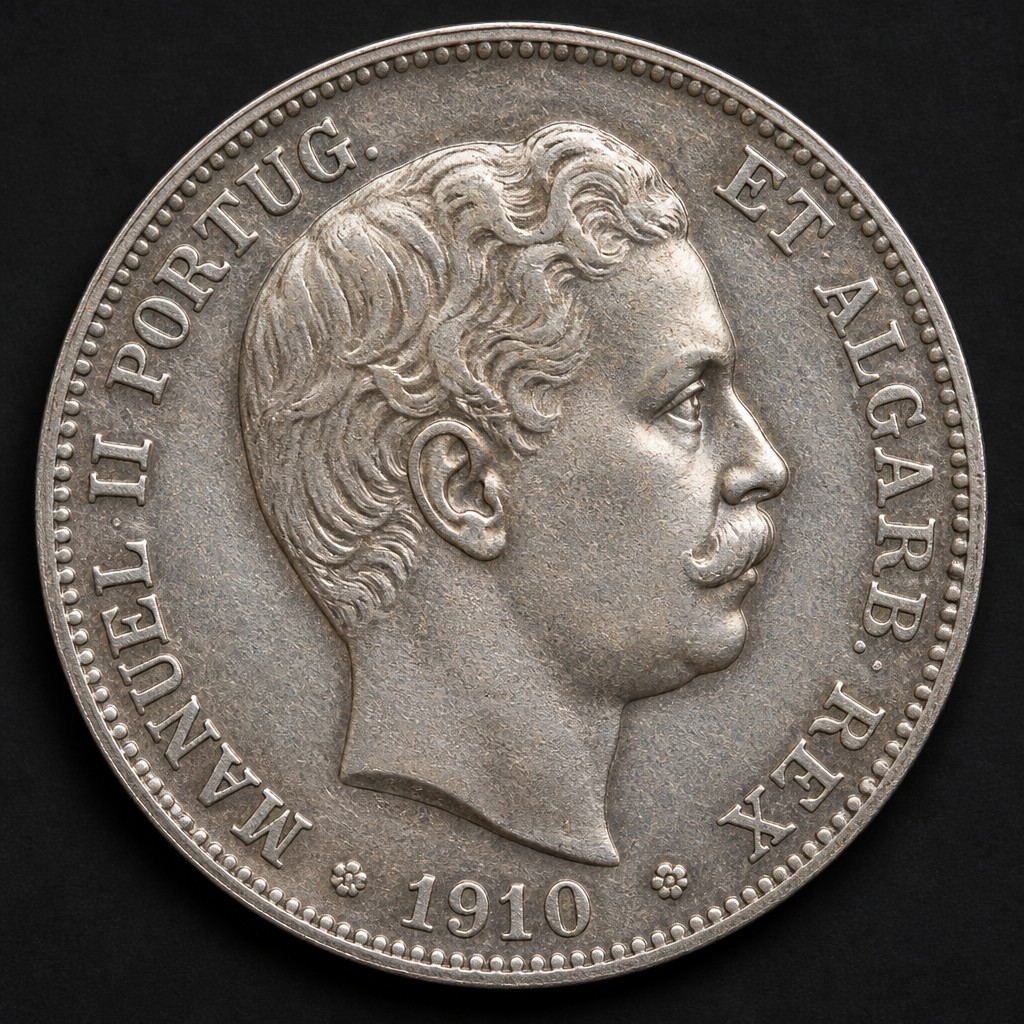
Portuguese 1000 Reis
19th century–1910 (Kingdom period)
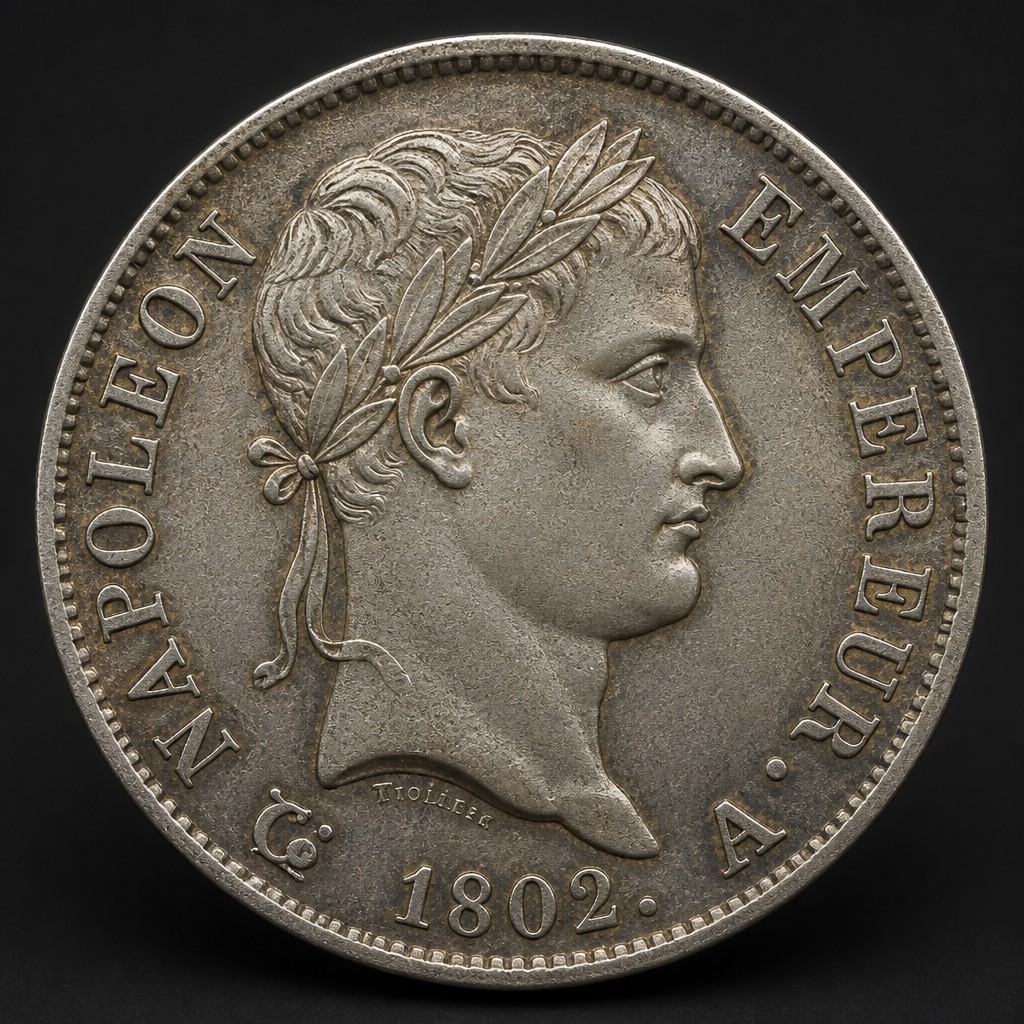
French 5 Francs "Napoleon"
1802–1815
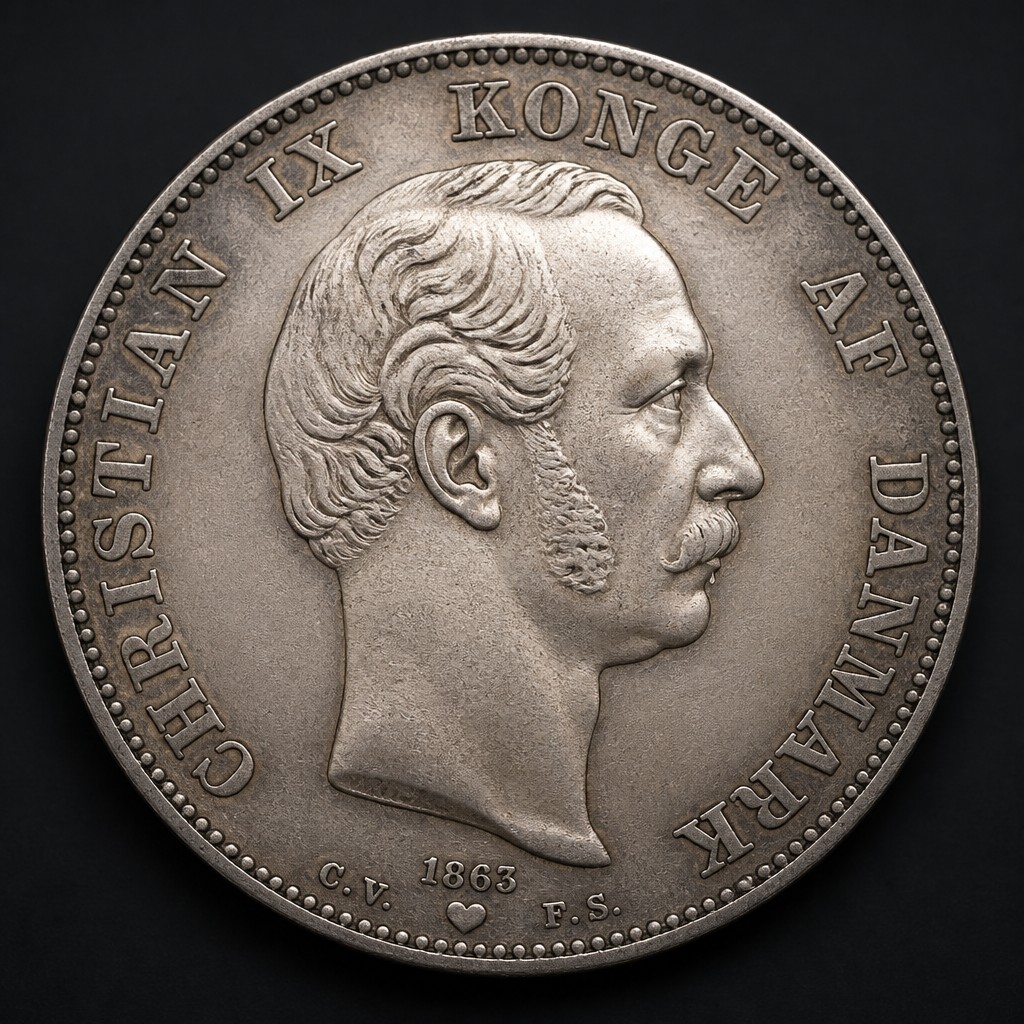
Danish 2 Rigsdaler
19th century (until 1873 currency reform)
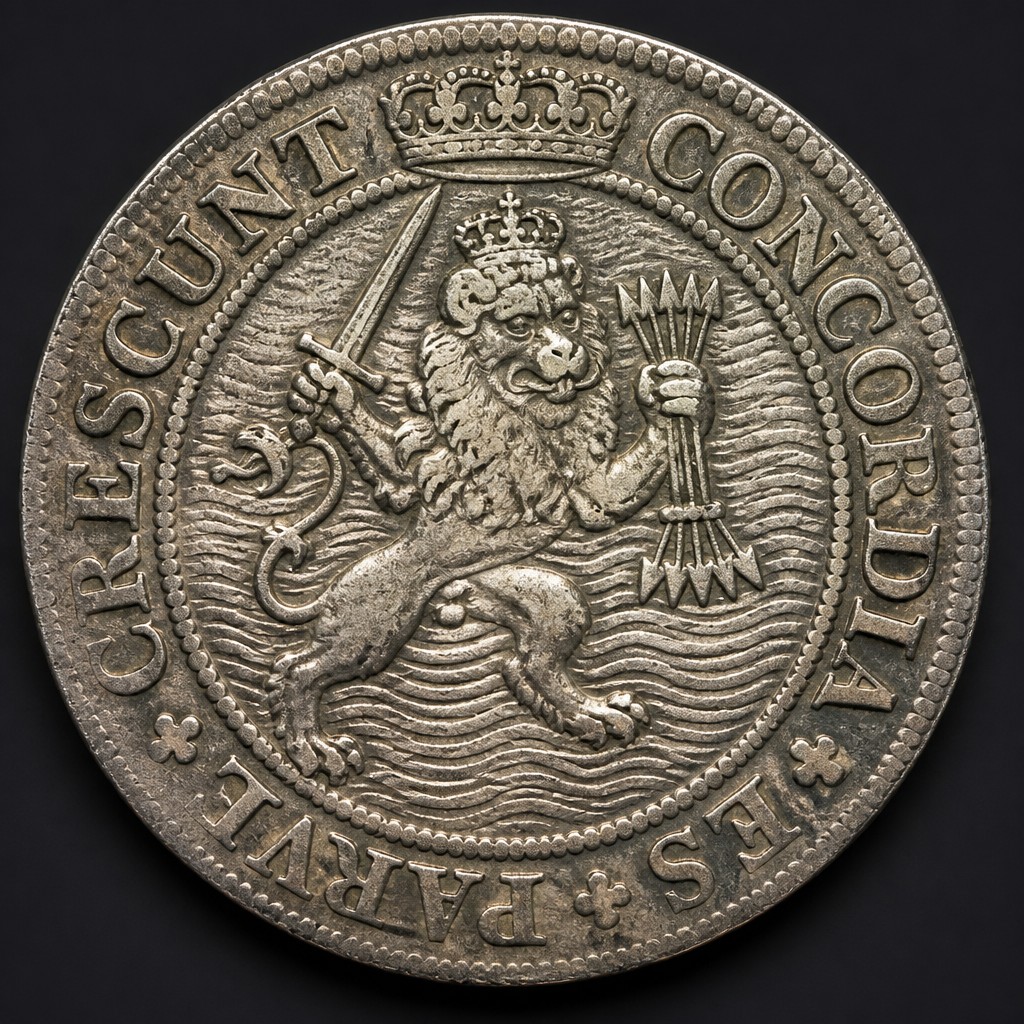
Dutch Lion Daalder (Leeuwendaalder)
c. 1575–1713
Austrian Levantine Thaler (Maria Theresa Thaler)
Originally 1780; continually restruck with the same date into the 20th century