
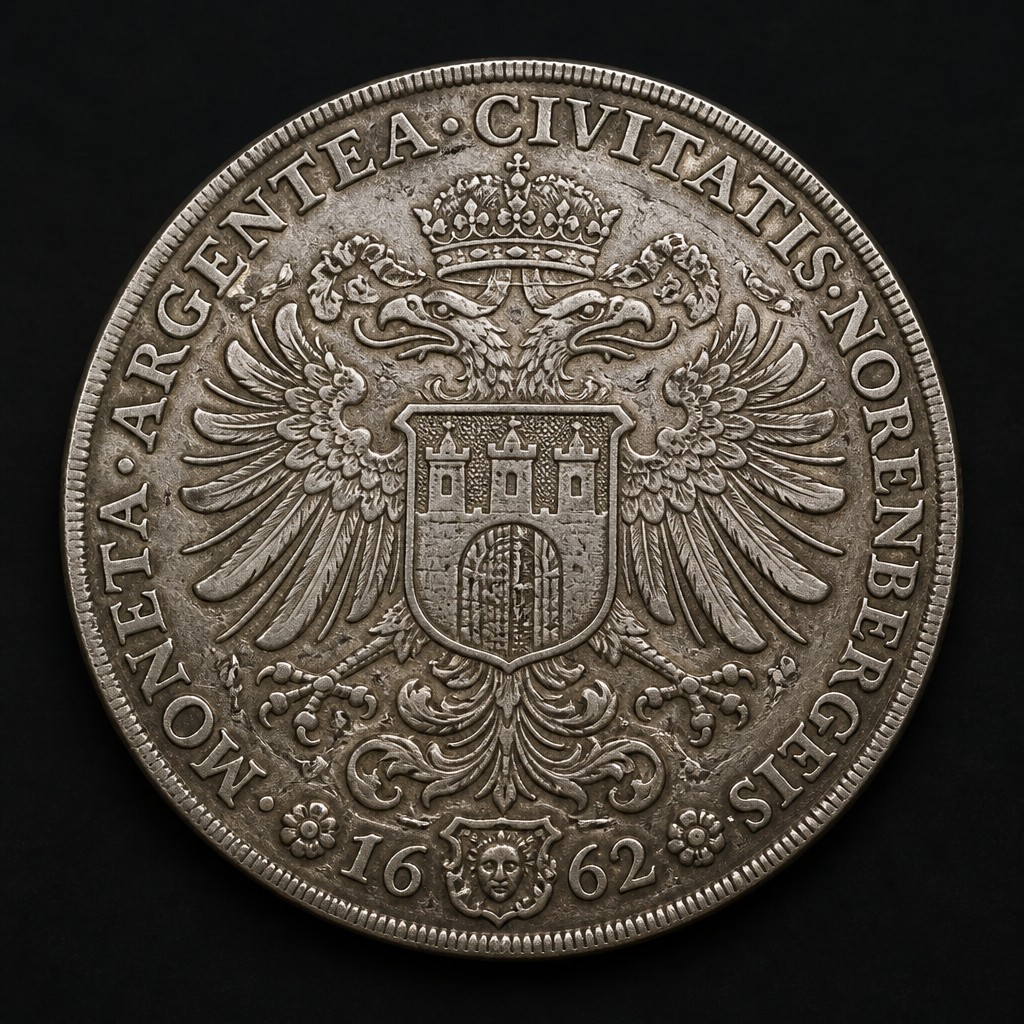
Nuremberg Thaler
Silver taler struck by the free imperial city of Nuremberg, often showing a detailed cityscape view rather than a ruler's portrait, reflecting its status as a self-governing trading city.
- Country
- Free Imperial City of Nuremberg (Holy Roman Empire)
- Denomination
- One Thaler
- Metal
- Silver
Got a coin like this?
Identify any coin from a photo, free.
Overview
As one of the wealthiest and most autonomous cities of the Holy Roman Empire, Nuremberg struck its own taler coinage for several centuries, using the privilege of a free imperial city to mint money independent of any territorial prince. Its coinage is particularly notable among German states for often depicting the city itself rather than a ruler's portrait.
History & Background
Nuremberg's status as a Free Imperial City meant it answered directly to the Holy Roman Emperor rather than to a local duke, elector, or bishop, and this autonomy extended to minting its own coinage, including talers from the 16th century onward. As a major center of trade, banking, and craftsmanship, the city had both the economic resources and the civic pride to produce coinage celebrating its own urban identity.
How to Identify
Many Nuremberg talers feature a detailed panoramic view of the city on one side, showing its distinctive skyline of towers, walls, and church spires, often labeled "NORIBERGA" or similar Latin renderings of the city's name. The other side commonly displays the imperial eagle, reflecting the city's direct allegiance to the Holy Roman Emperor, sometimes combined with the reigning emperor's name and titles in the legend.
The coins follow standard taler silver specifications of the era, typically around 28–29 grams of silver and roughly 40–45 mm in diameter, comparable to other German states' talers of the period. Collectors distinguish Nuremberg's city-view talers from princely state talers by the absence of a personal ruler's portrait and the presence of the recognizable cityscape design instead.
Value & Collectibility
Well-preserved Nuremberg city-view talers are popular with collectors of German states coinage and architectural or cityscape numismatics, and sharp, clearly detailed strikes of the skyline command solid premiums over worn examples. Specific dates tied to notable civic or imperial events can carry added interest.
As with other historic German taler coinage, overall condition, strike sharpness, and any toning or surface issues significantly affect price, and buyers should compare examples against specialized German states references to confirm date and variety before assuming rarity.
Frequently asked questions
Why does Nuremberg's coin show a cityscape instead of a ruler?
As a self-governing Free Imperial City rather than a prince's territory, Nuremberg celebrated its own urban identity on its coinage instead of depicting a personal ruler.
Why does the imperial eagle appear on the coin?
It reflects Nuremberg's direct allegiance to the Holy Roman Emperor as a Free Imperial City, rather than to a local territorial lord.
What is the typical silver weight of a Nuremberg taler?
Roughly 28 to 29 grams of silver, in line with the general German taler standard of the period.
What made Nuremberg wealthy enough to mint its own coinage?
Nuremberg was a major medieval and early modern center of trade, banking, and craftsmanship, giving it the economic resources to operate its own mint.
Other coins you may enjoy
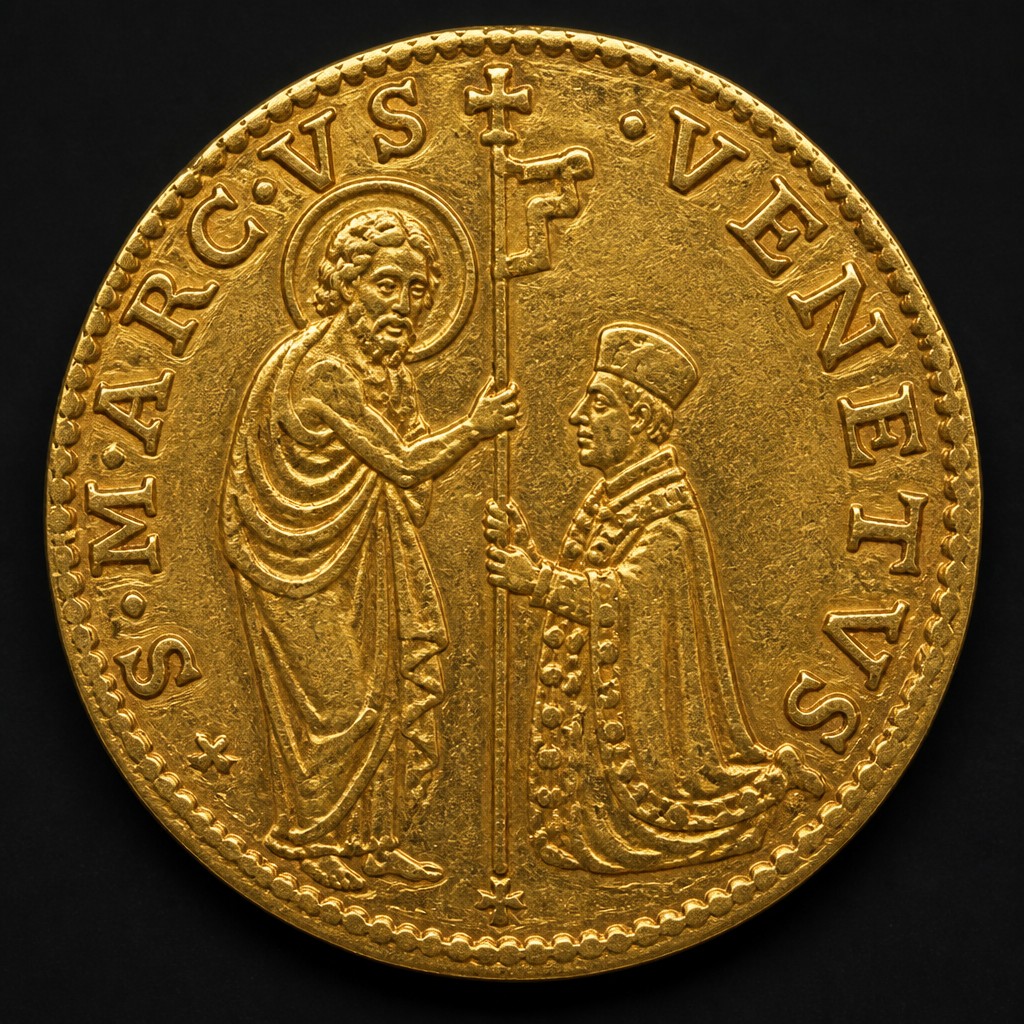
Venetian Ducat
1284–1797
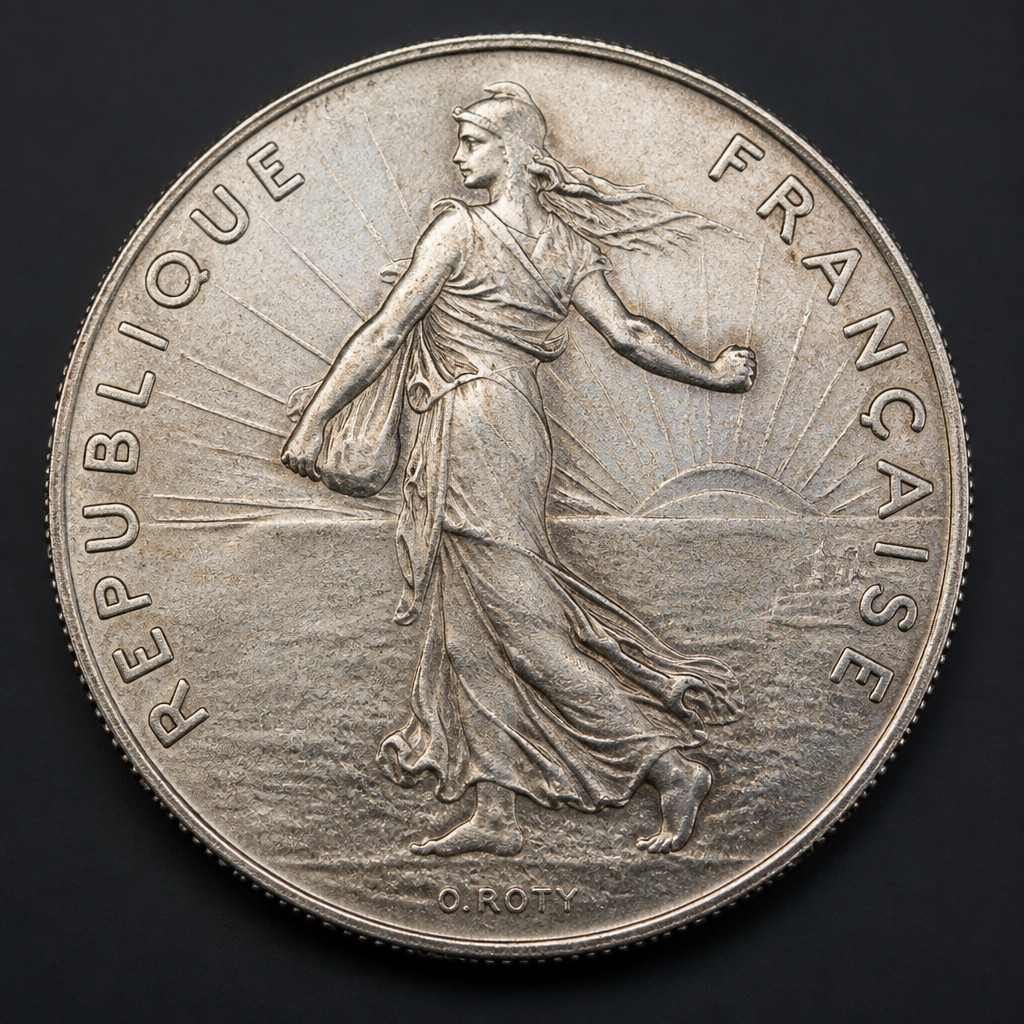
French 100 Francs Silver
1980s–2001 (pre-euro era)
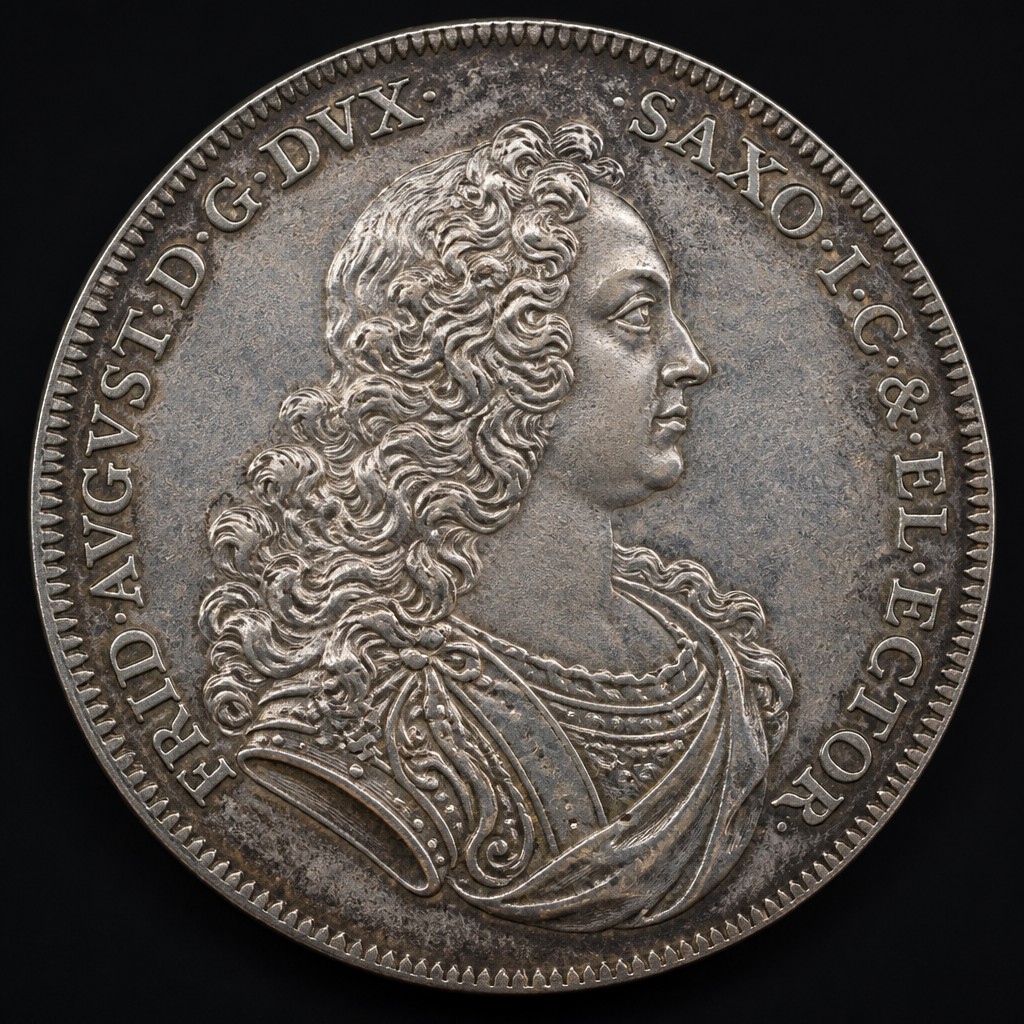
Saxon Speciestaler
17th–19th century
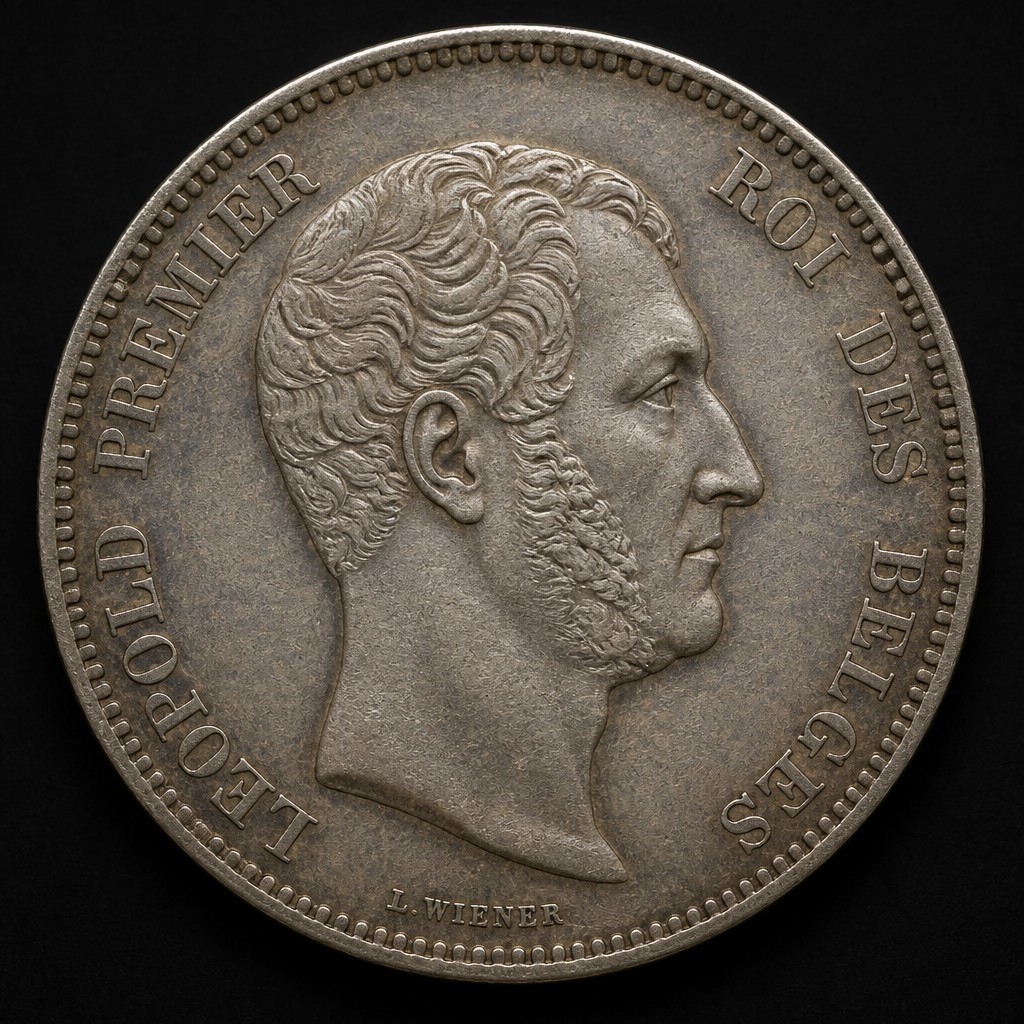
Belgian 5 Francs
1832–1876 (large silver type); later reduced-size and later-metal issues into the 20th century
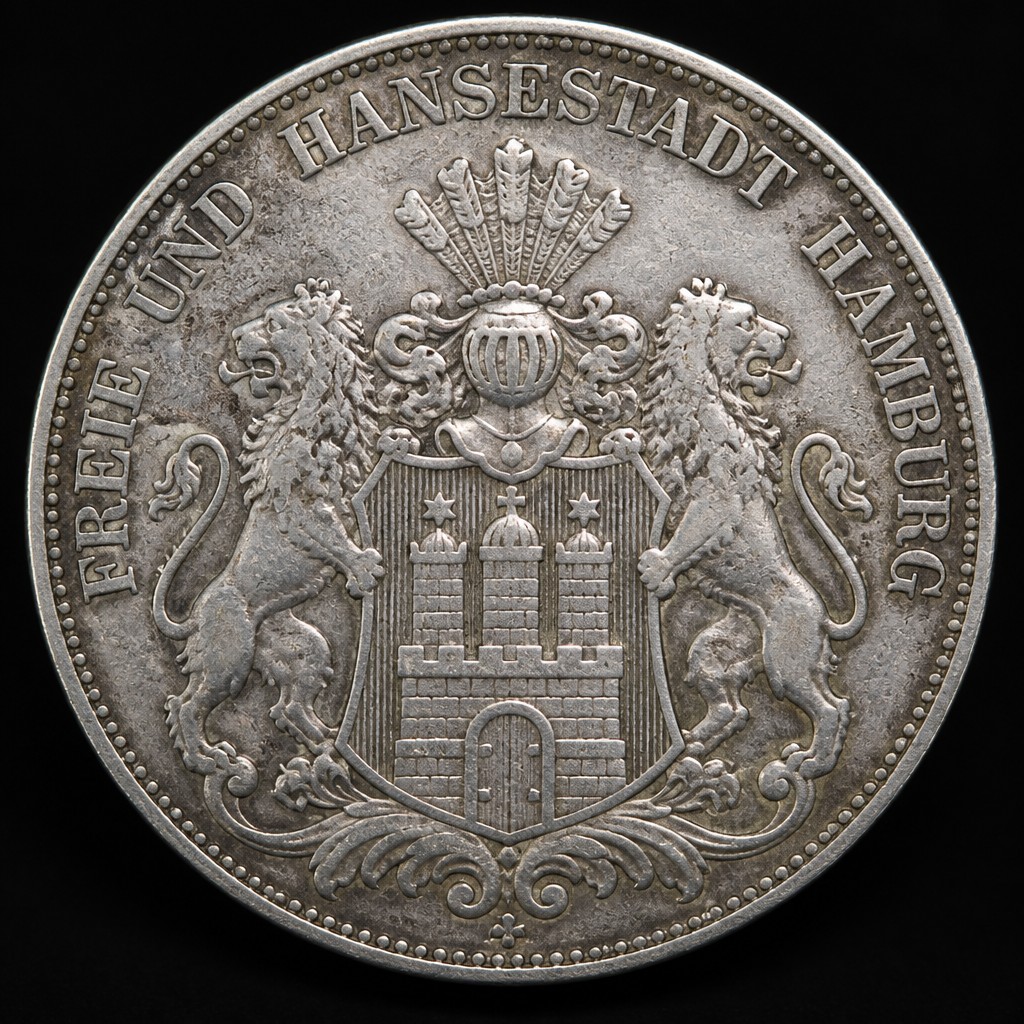
Hamburg Thaler
17th century–1871
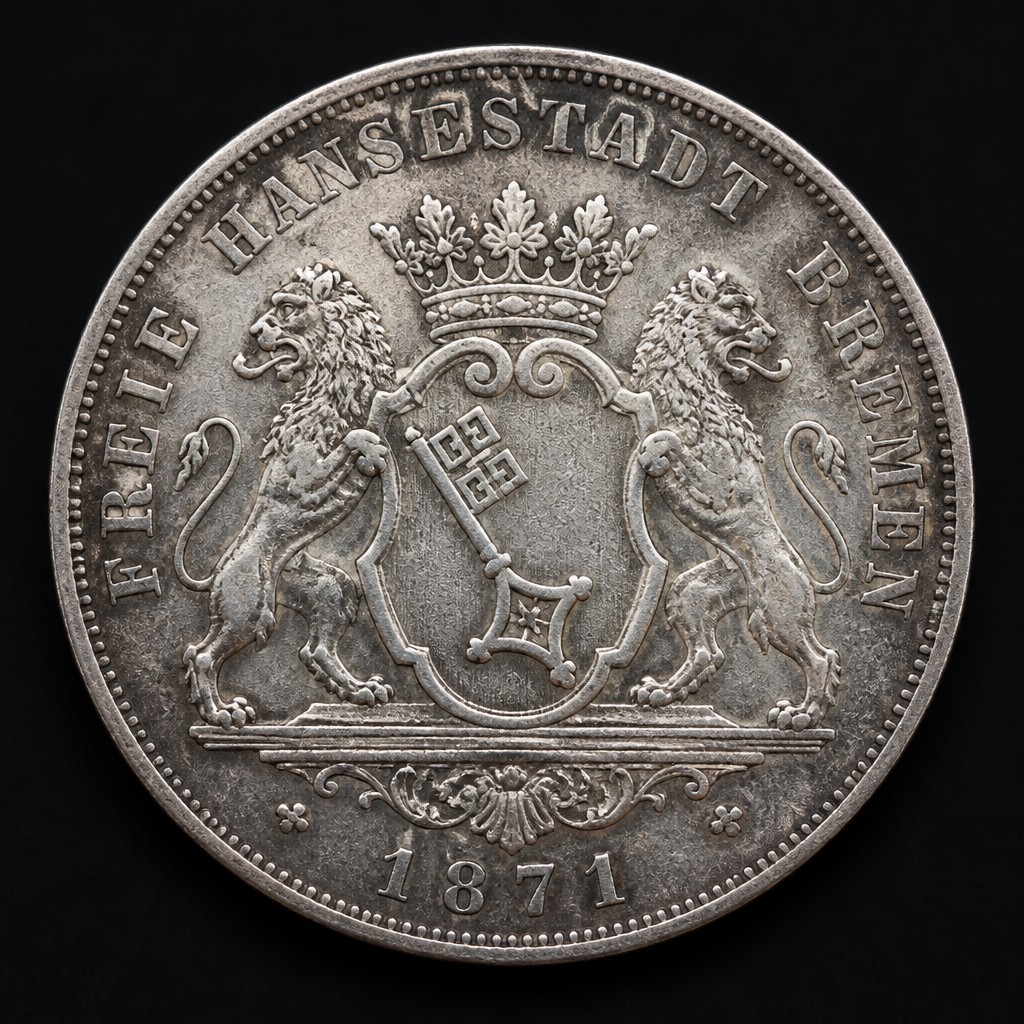
Bremen Thaler
17th century–1871
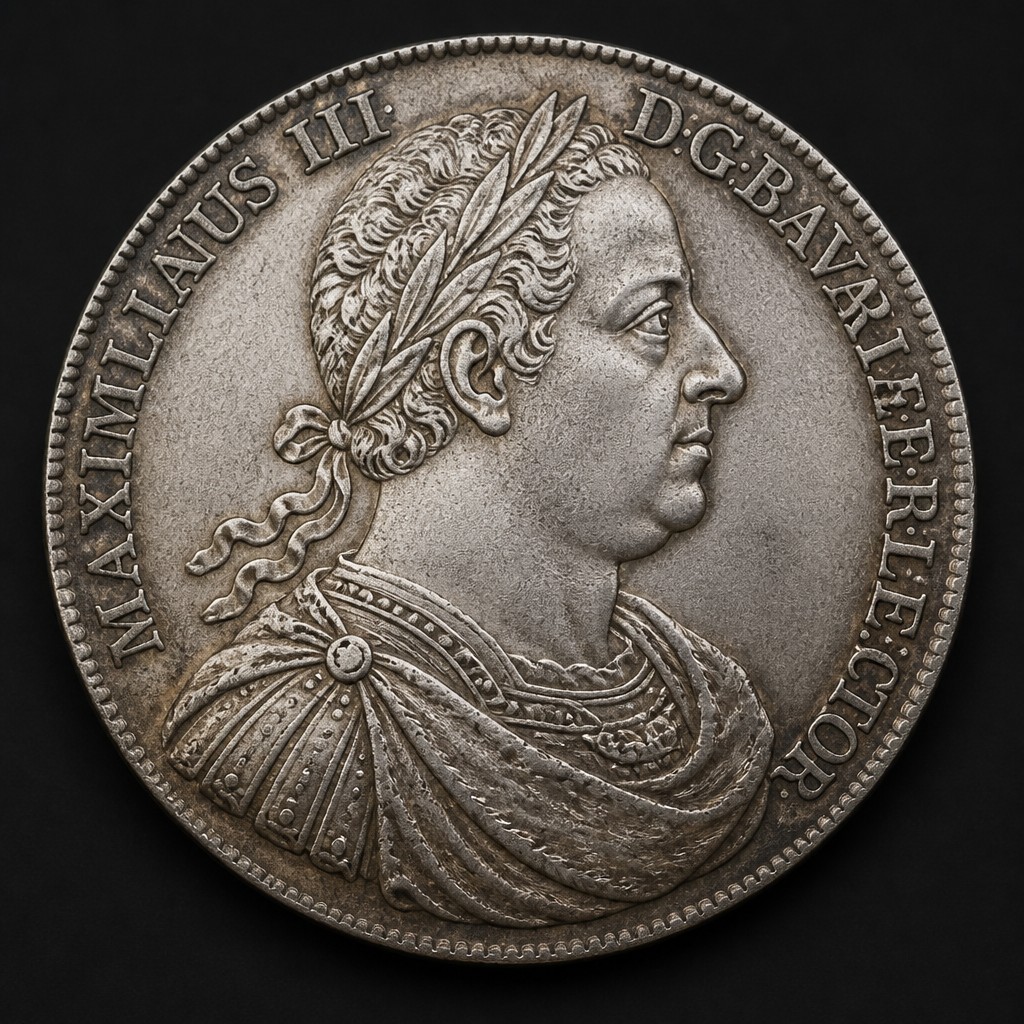
Bavaria Thaler
Circa 1620s-1871
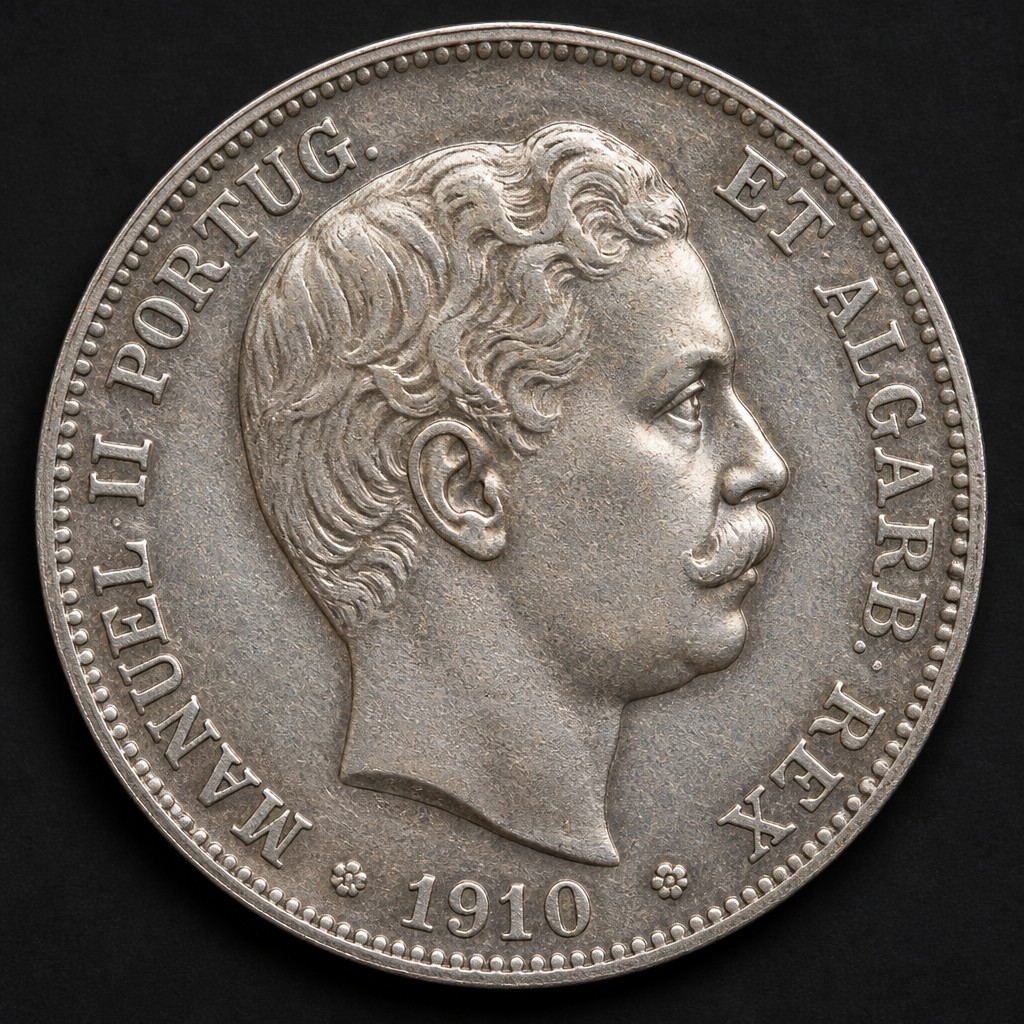
Portuguese 1000 Reis
19th century–1910 (Kingdom period)
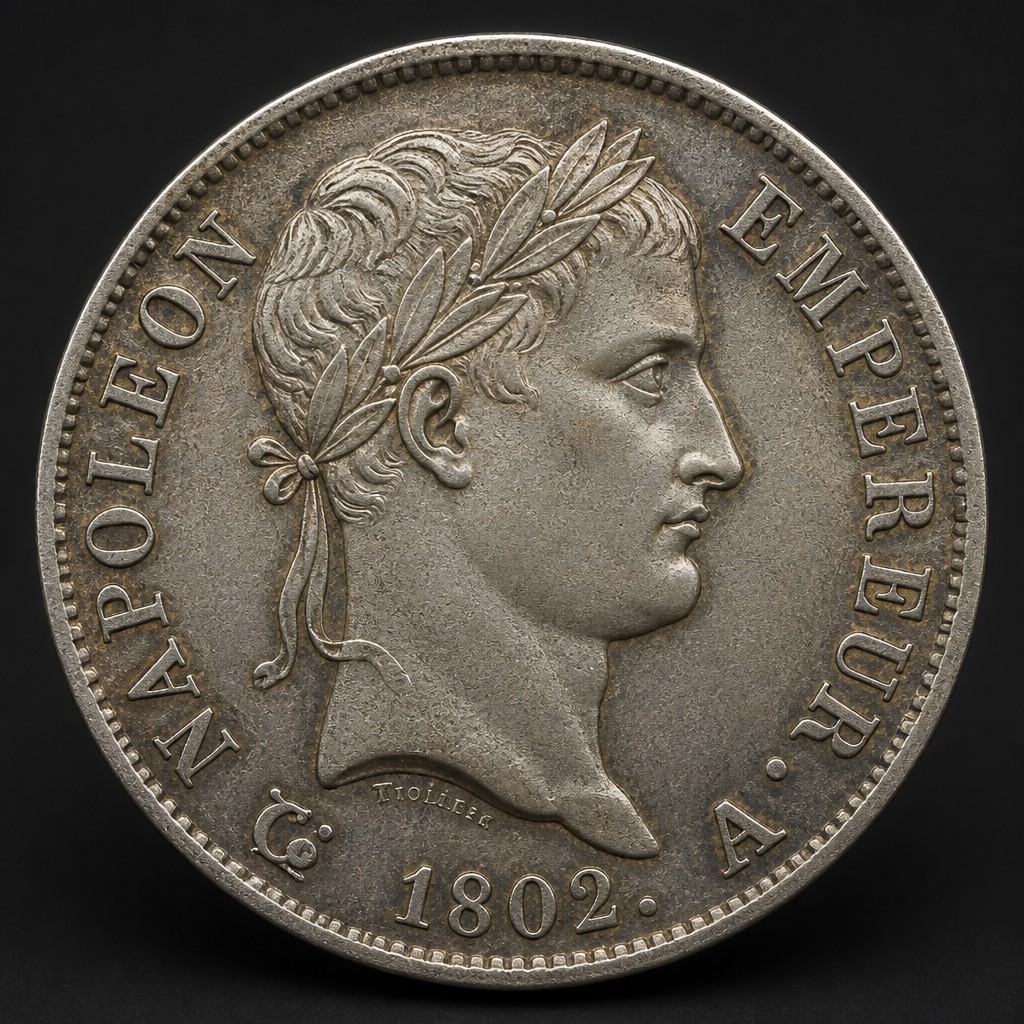
French 5 Francs "Napoleon"
1802–1815
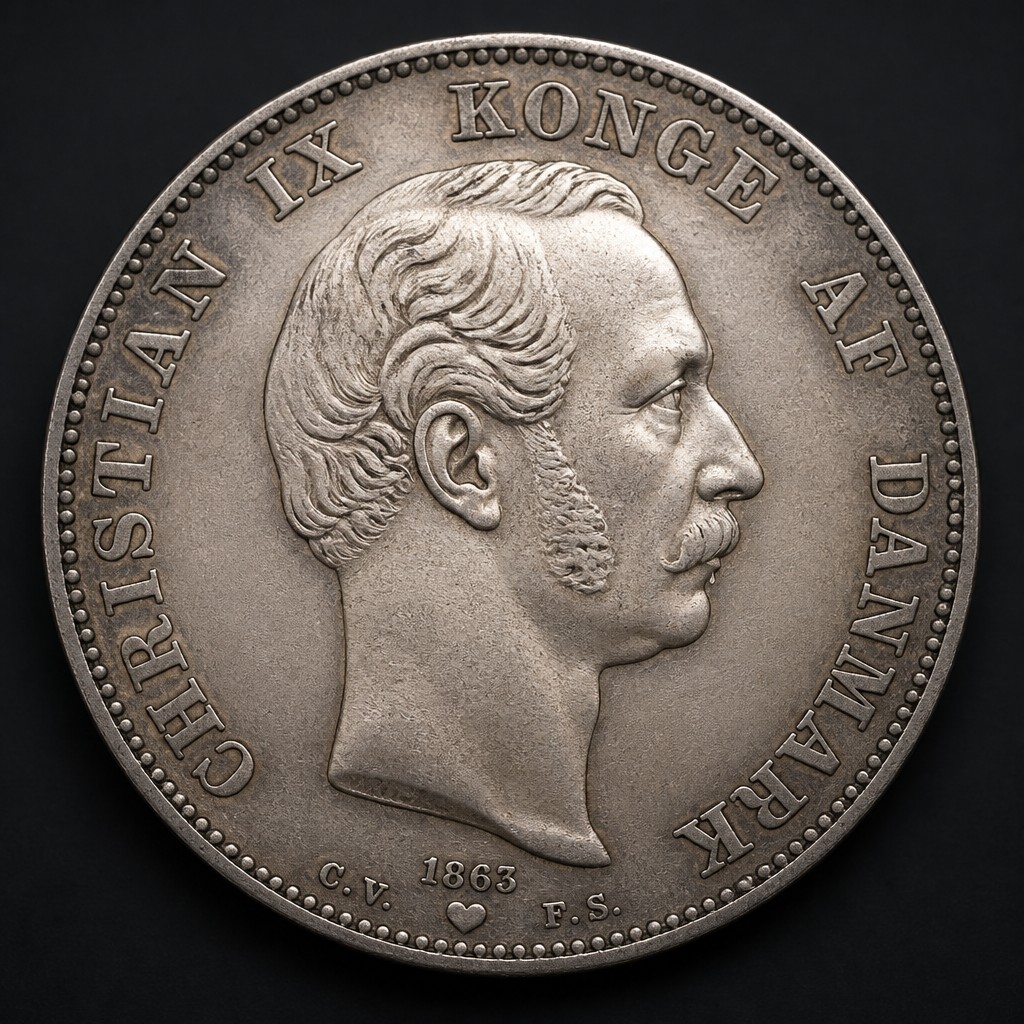
Danish 2 Rigsdaler
19th century (until 1873 currency reform)
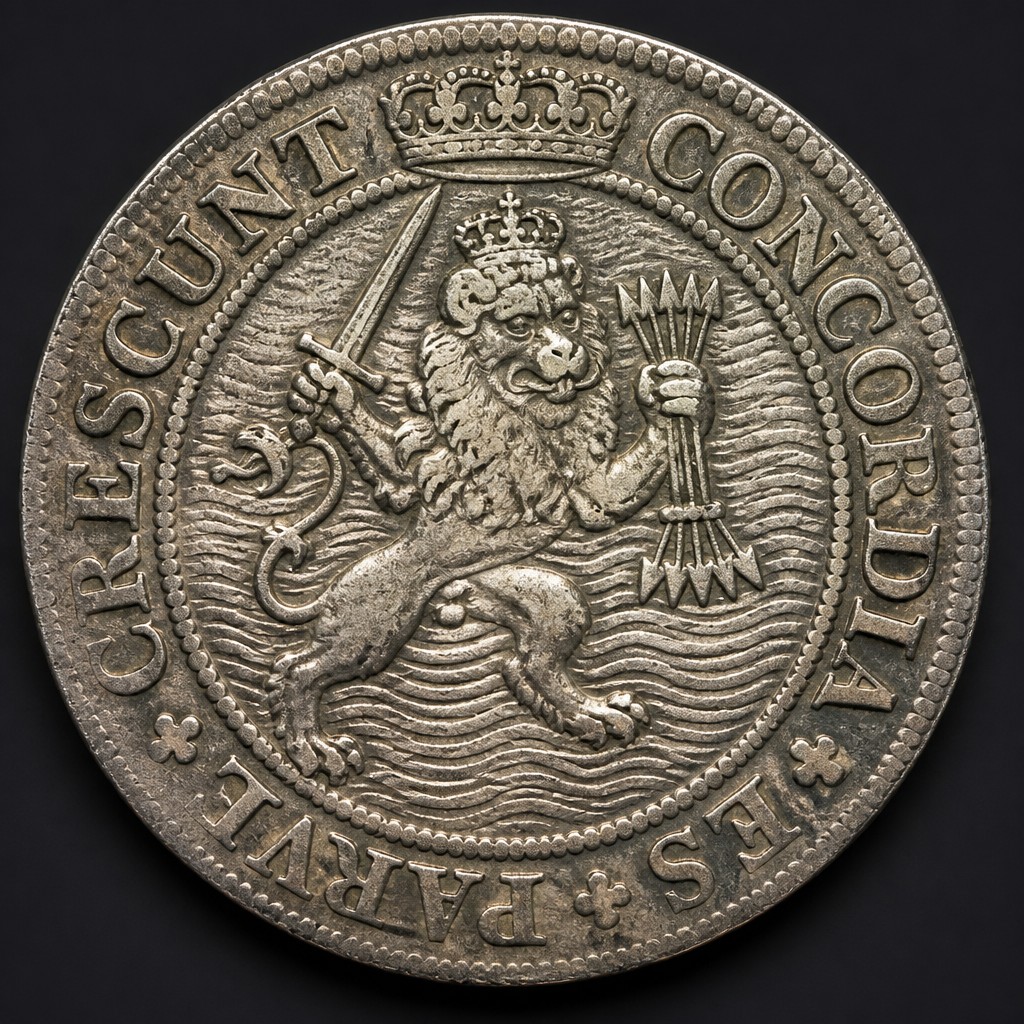
Dutch Lion Daalder (Leeuwendaalder)
c. 1575–1713
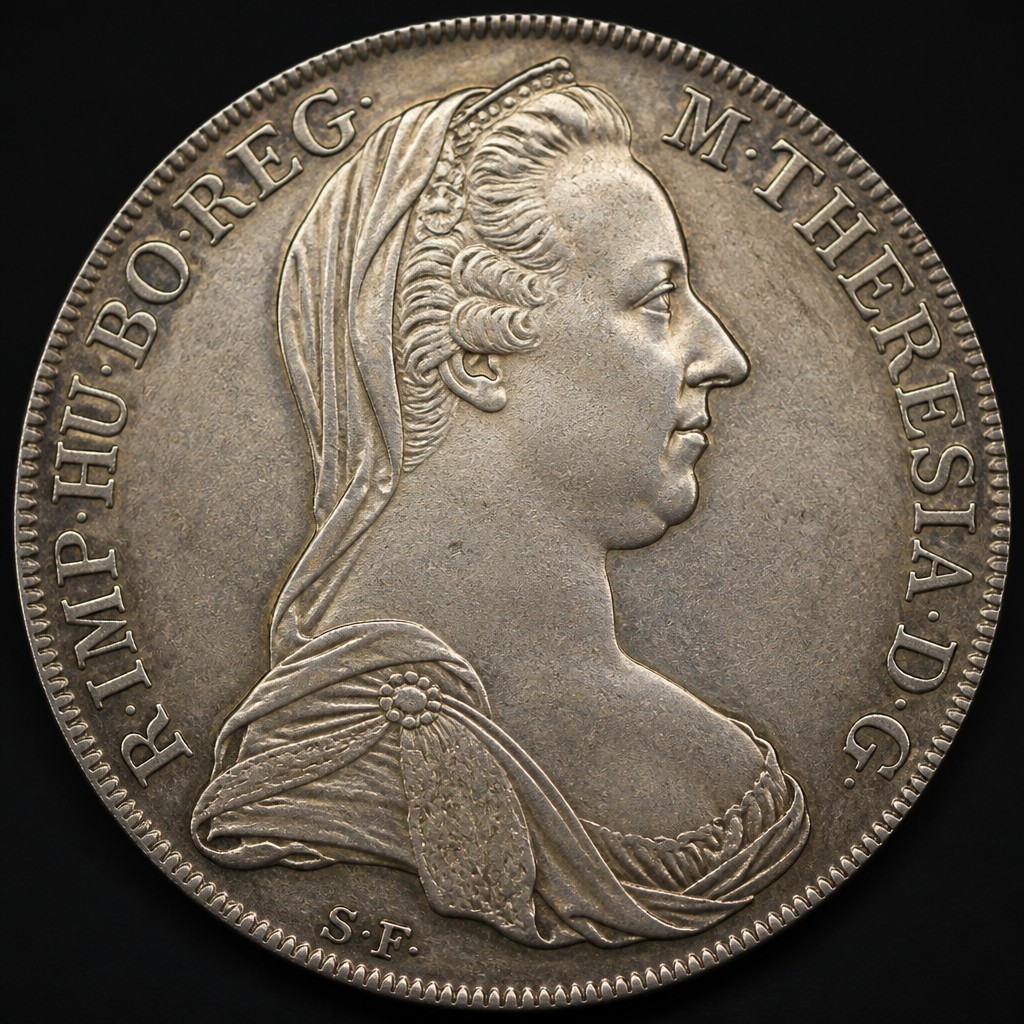
Austrian Levantine Thaler (Maria Theresa Thaler)
Originally 1780; continually restruck with the same date into the 20th century