
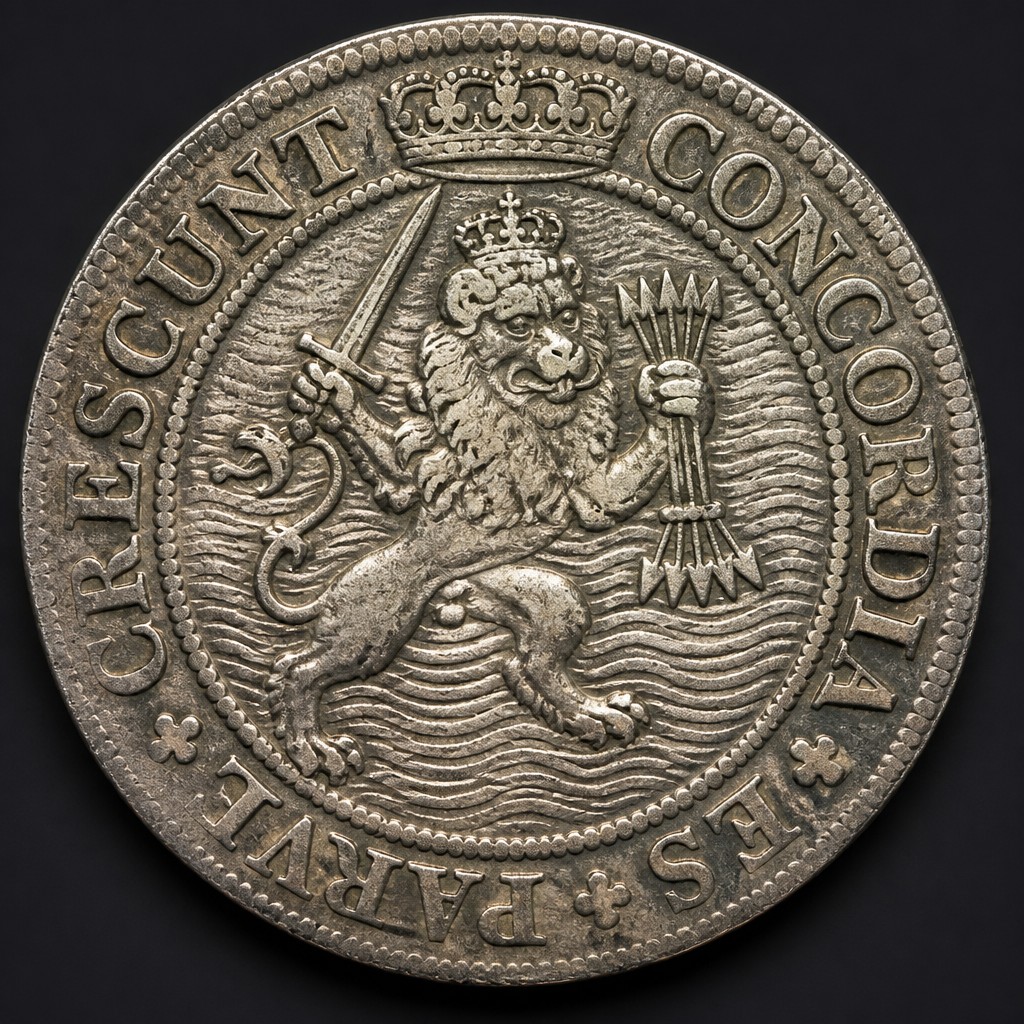
Dutch Lion Daalder (Leeuwendaalder)
A silver trade coin of the Dutch Republic showing an armored knight and a rampant lion, exported in vast quantities to the Levant, Russia, and the American colonies.
- Country
- Dutch Republic (Netherlands)
- Denomination
- Daalder (nominally 42 stuivers)
- Metal
- Silver (approximately .750 fine, varying by province and period)
Got a coin like this?
Identify any coin from a photo, free.
Overview
The Leeuwendaalder, or Lion Daalder, was a silver trade coin struck by the individual provinces of the Dutch Republic beginning in the late sixteenth century. Its name comes from the large rampant lion that dominates the reverse design, an emblem of the newly independent Netherlands. Because the coin carried a lower intrinsic silver content than many of its European rivals while still being accepted at high face value abroad, it became one of the most widely exported and imitated trade coins of its era.
Lion Daalders circulated far beyond Dutch borders, becoming a favored currency in the Baltic, the Ottoman Levant (where it was known locally by names such as "aslani" or "abu kalb"), and along the eastern seaboard of colonial North America, including New Netherland. Its long production run across many provincial mints means that Lion Daalders show significant variation in style, weight, and fineness, making them a rich but sometimes confusing series for collectors of Dutch colonial-era coinage.
History & Background
Following the Dutch revolt against Spanish rule, the newly formed provinces of the Dutch Republic each retained the right to strike their own coinage under a shared monetary standard. The Lion Daalder was introduced around 1575 as a large silver trade piece intended to compete with Spanish and other European dollar-sized coins in international commerce. Its relatively favorable exchange rate against gold and other silver coins made it attractive for merchants trading with the Baltic states, the Holy Roman Empire, and the Ottoman Empire.
Production continued for well over a century, with mints in Holland, West Friesland, Utrecht, Gelderland, Overijssel, and Zeeland all issuing their own variants bearing similar designs but differing provincial legends and privy marks. The coin's widespread acceptance in colonial America, particularly in New Netherland (later New York), has led some numismatists to credit it as an ancestor in spirit, if not in direct lineage, of later dollar-denominated currency in the Americas. Production wound down in the early eighteenth century as the Dutch Republic moved toward standardized rijksdaalder and other coinages.
How to Identify
The obverse depicts an armored knight standing behind a shield bearing a rampant lion, typically shown in profile with a plumed helmet, and is surrounded by a Latin legend naming the issuing province and the reigning authority (often referencing the States General or a specific province such as HOLLANDIA or TRAIECTUM for Utrecht).
The reverse features a large rampant lion facing left, often shown mid-stride with claws extended, encircled by a legend that typically reads some variation of "MO(NETA) NOVA ARG(ENTEA) PRO CONFOEDER(ATIS) BELG(II)" (new silver coin of the confederated Belgian provinces), referencing the Low Countries collectively rather than modern Belgium.
Lion Daalders are large, thin silver coins, generally in the 38–43mm diameter range, with weights around 27 grams though this varies by province and date. Because striking was decentralized, individual specimens often show weak strikes, planchet flaws, or crude engraving compared to more centralized coinages of the period. Collectors distinguish issues primarily by the province name in the obverse legend and by mintmarks or privy marks unique to each mint.
Value & Collectibility
Common, well-worn Lion Daalders from the more prolific provincial mints such as Holland or West Friesland are relatively affordable and can often be found in the low hundreds of dollars in circulated grades, reflecting the large original mintages and long production span. Well-struck examples with strong detail, minimal porosity, or from scarcer provinces and dates command meaningfully more.
Condition is a major driver of value because many surviving pieces show significant wear, edge damage, or test cuts from period use in trade, and coins with problems (holes, mounting, heavy corrosion) sell for a fraction of problem-free examples. Because these coins were traded so widely and often crudely struck, collectors place a premium on pieces with clear knight and lion detail and original, even toning.
As with most early modern trade silver, prices should be treated as broad ranges rather than fixed benchmarks, and professional grading or expert appraisal is recommended before any purchase or sale of a higher-value example.
Frequently asked questions
What does 'Leeuwendaalder' mean?
It is Dutch for 'lion dollar,' named for the rampant lion on the reverse design.
Why was this coin popular outside the Netherlands?
Its favorable trade value and wide acceptance made it a preferred currency in the Baltic, the Ottoman Levant, and Dutch colonial America.
Which mints produced Lion Daalders?
Several Dutch provinces struck their own versions, including Holland, West Friesland, Utrecht, Gelderland, Overijssel, and Zeeland.
How can I tell which province minted a given coin?
The obverse legend names the province, and provincial arms or privy marks can further narrow down the specific mint.
Are Lion Daalders rare?
Overall the series is common due to large mintages over more than a century, but certain provinces, dates, and high-grade examples are considerably scarcer.
Other coins you may enjoy
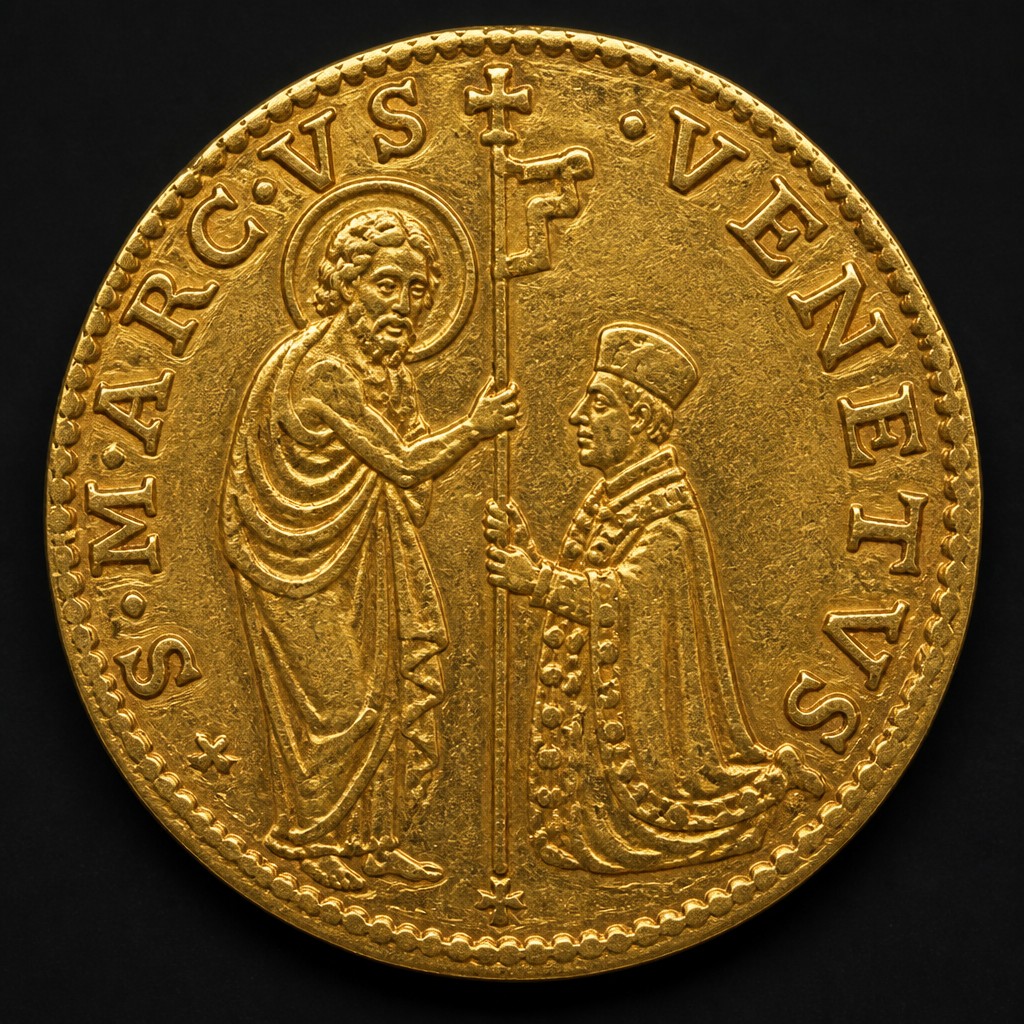
Venetian Ducat
1284–1797
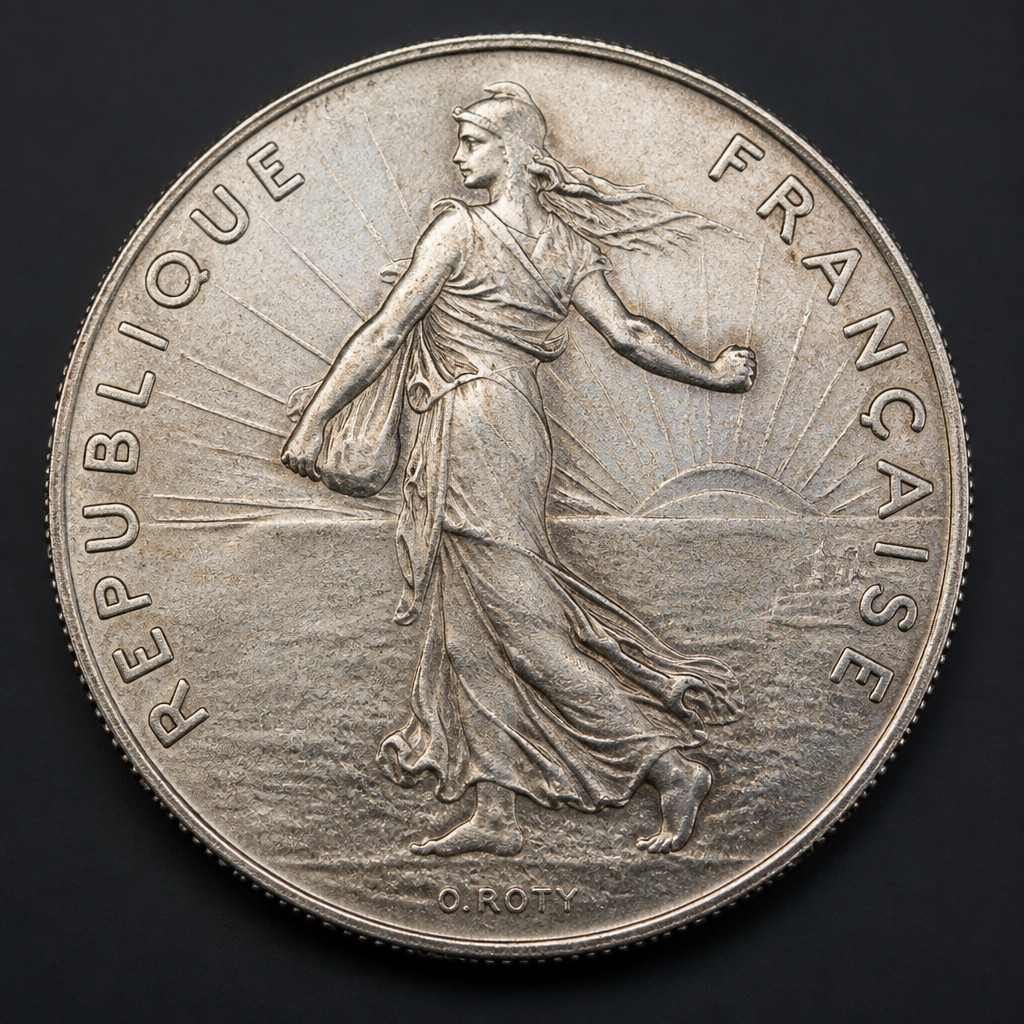
French 100 Francs Silver
1980s–2001 (pre-euro era)
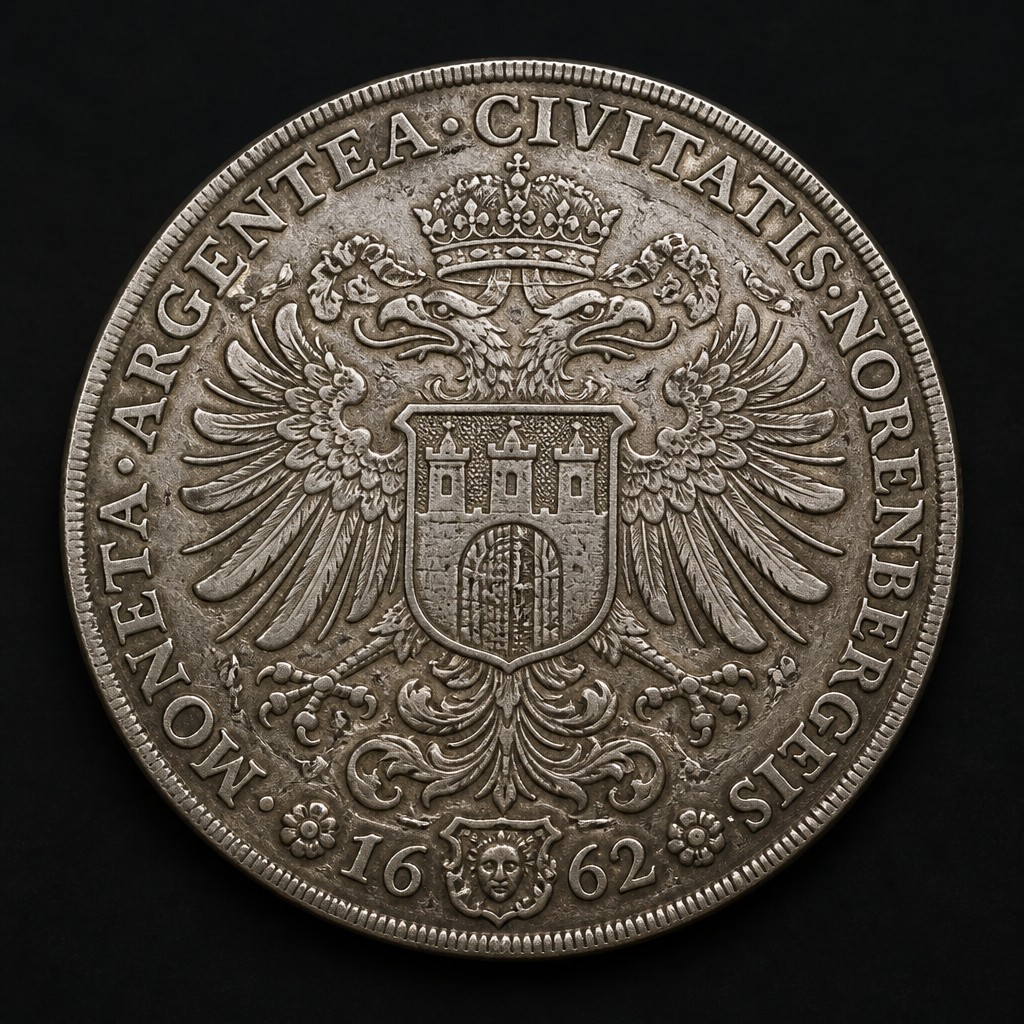
Nuremberg Thaler
16th–18th century
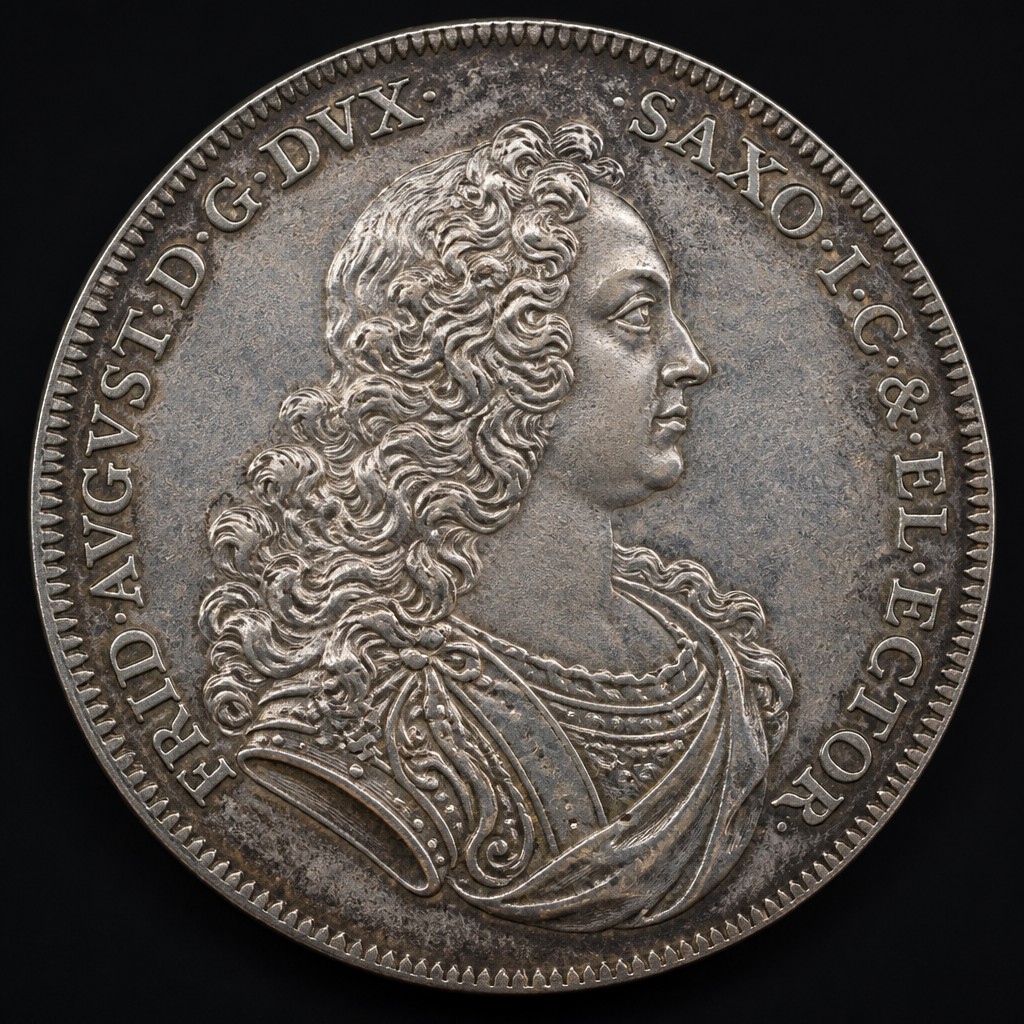
Saxon Speciestaler
17th–19th century
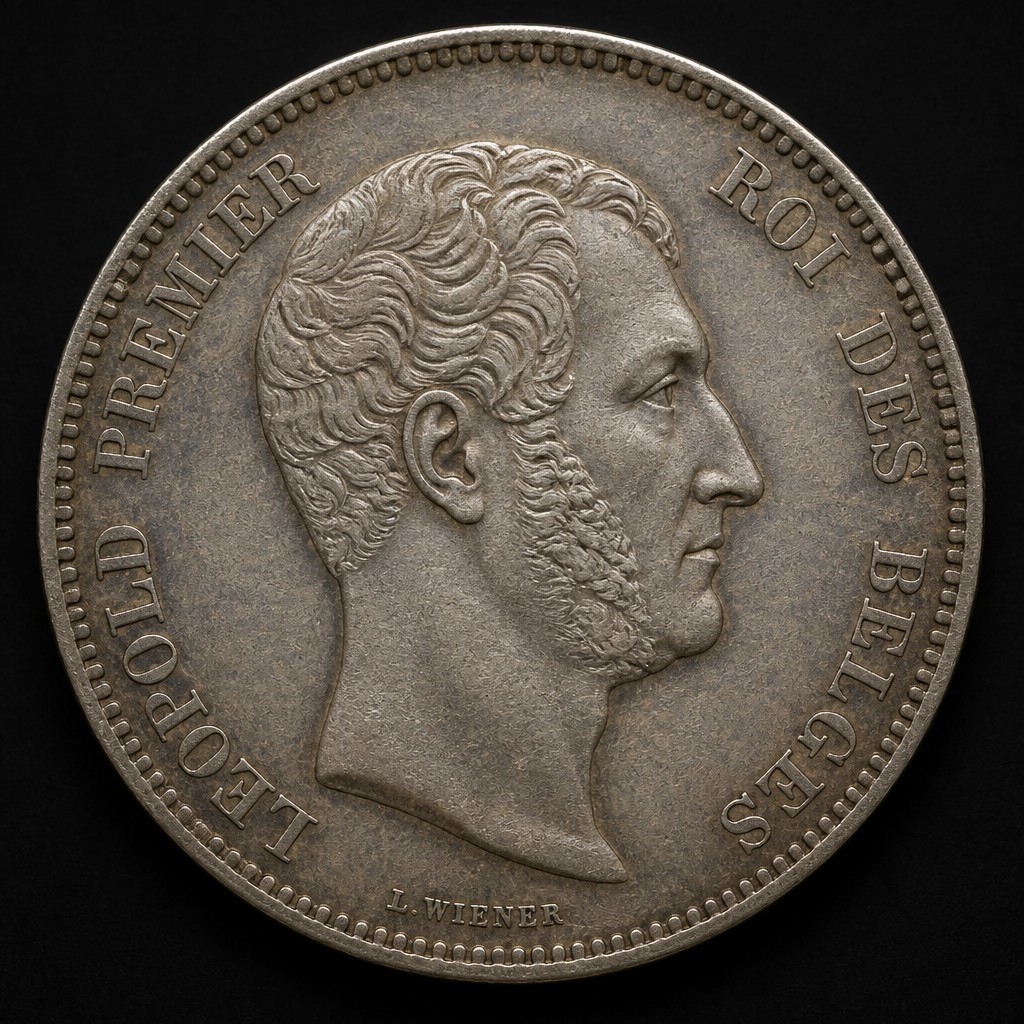
Belgian 5 Francs
1832–1876 (large silver type); later reduced-size and later-metal issues into the 20th century
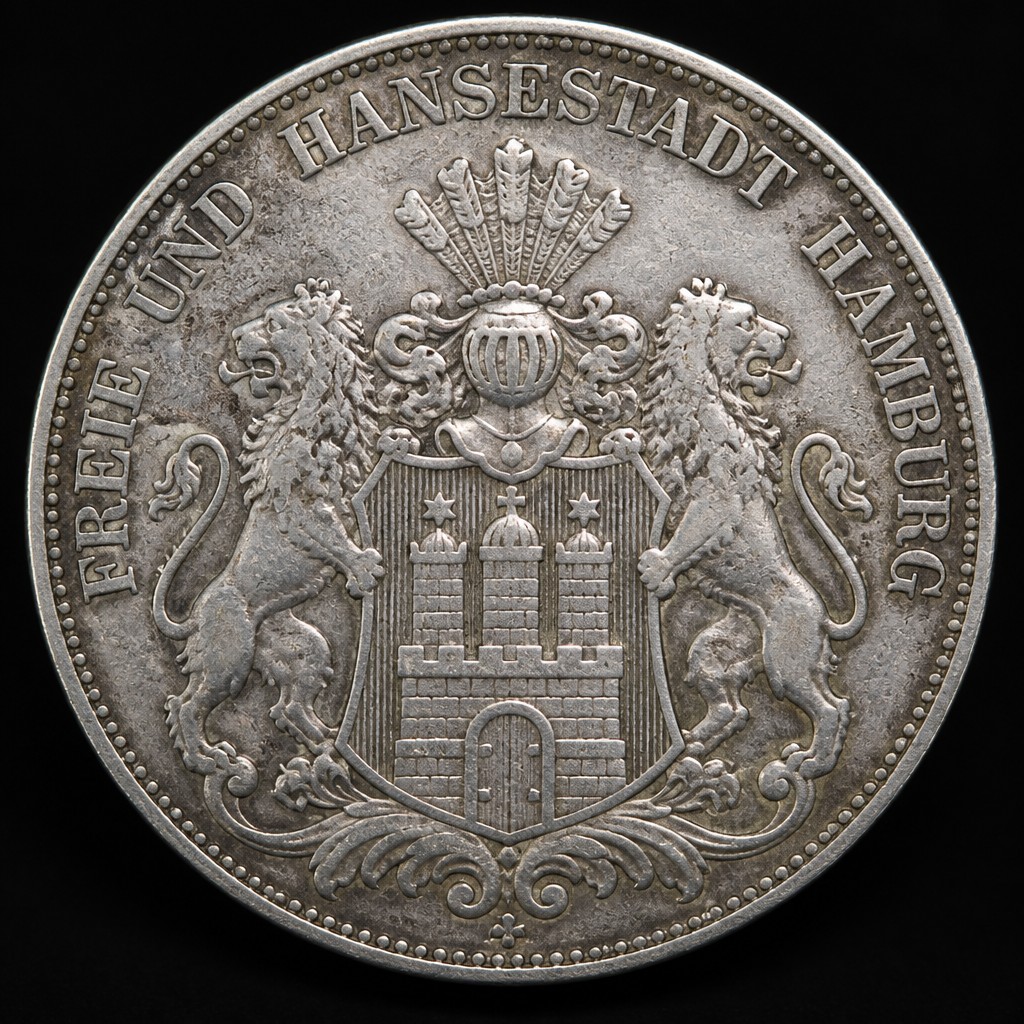
Hamburg Thaler
17th century–1871
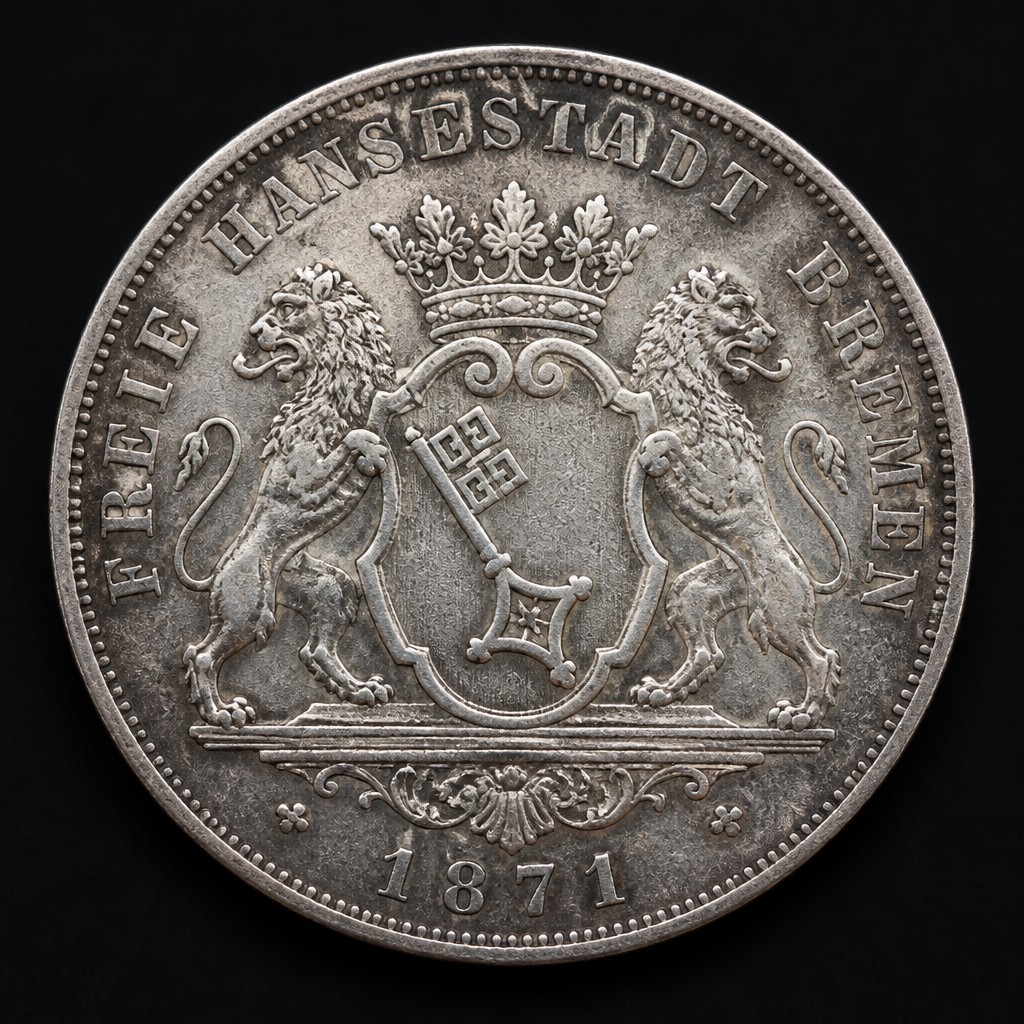
Bremen Thaler
17th century–1871
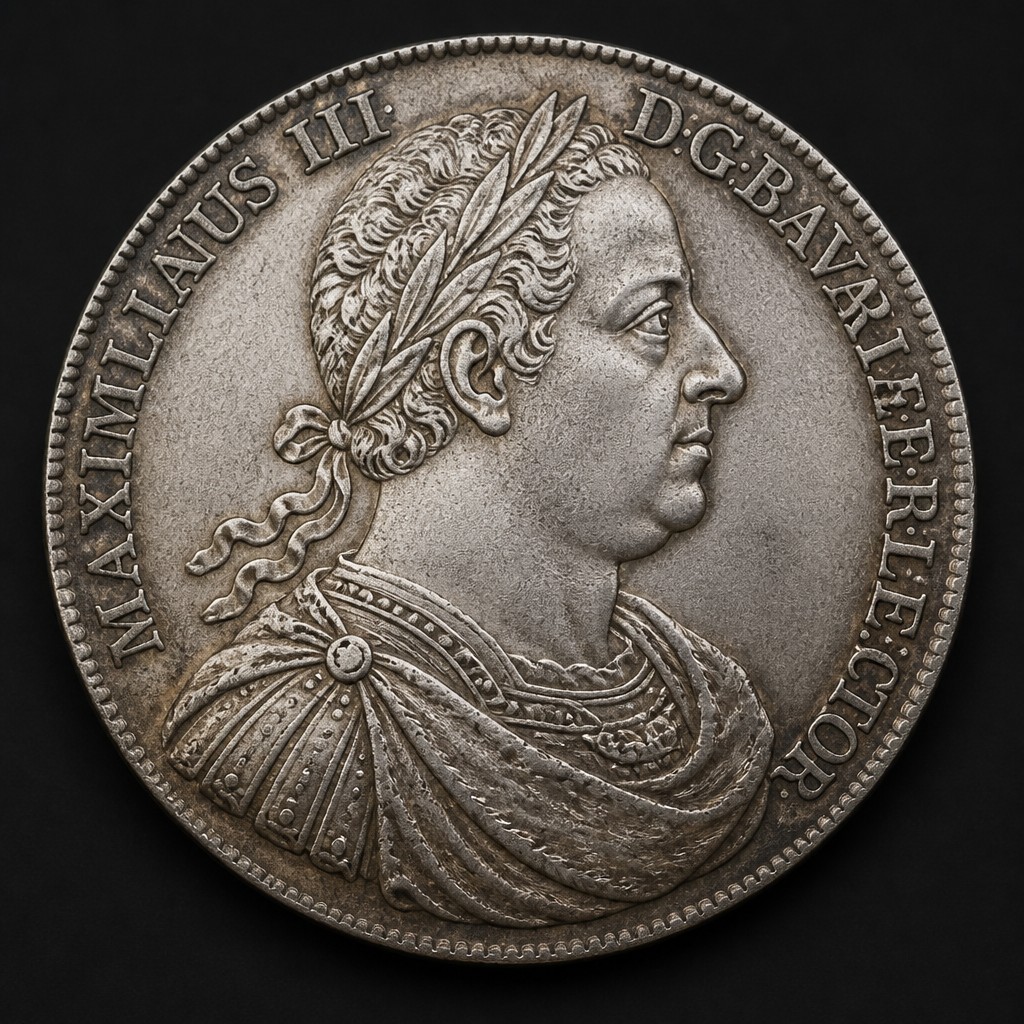
Bavaria Thaler
Circa 1620s-1871
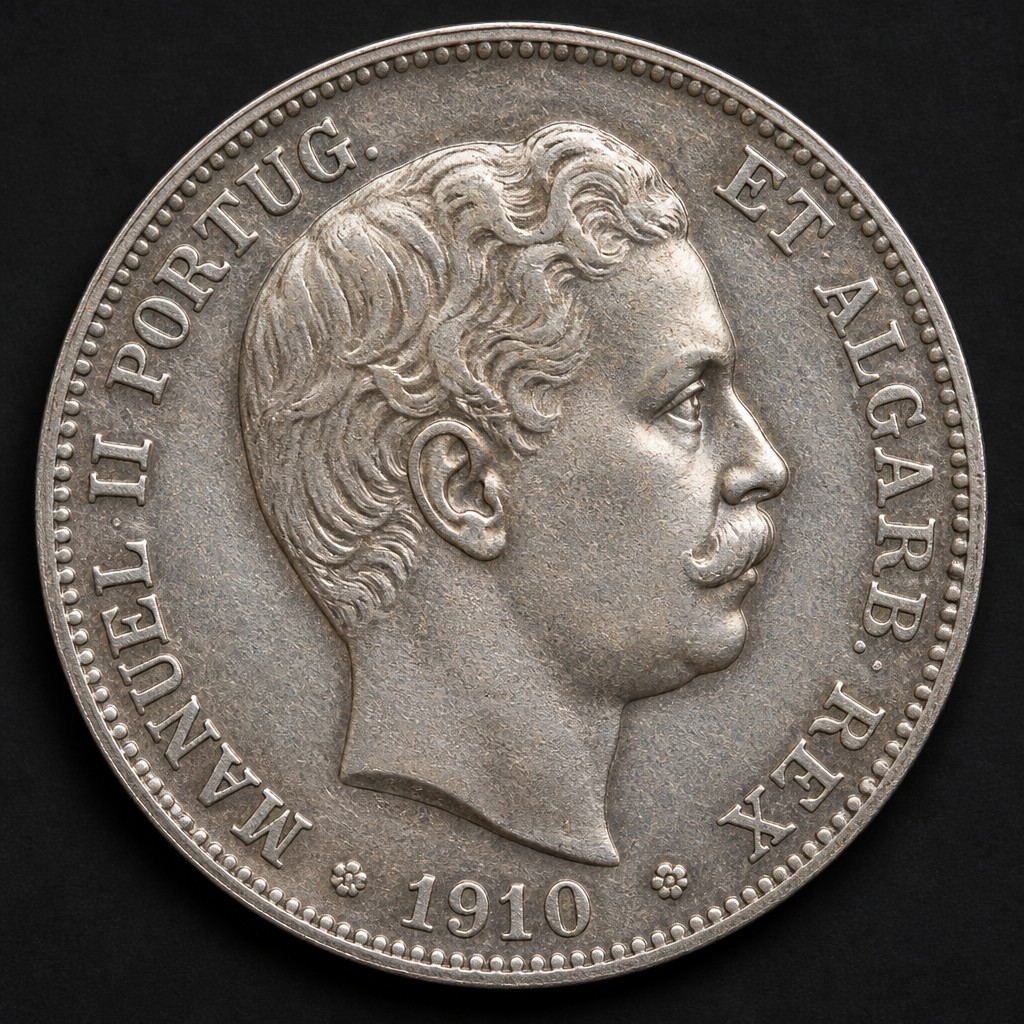
Portuguese 1000 Reis
19th century–1910 (Kingdom period)
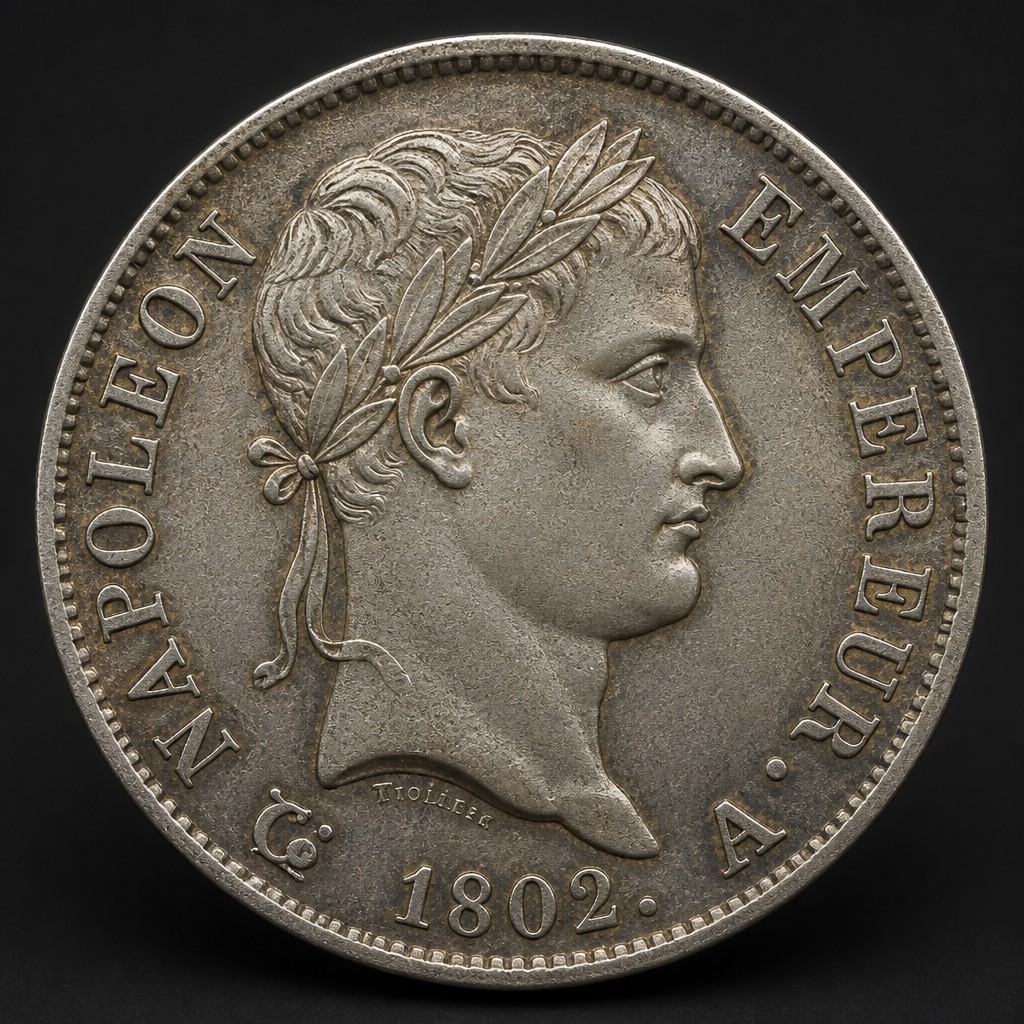
French 5 Francs "Napoleon"
1802–1815
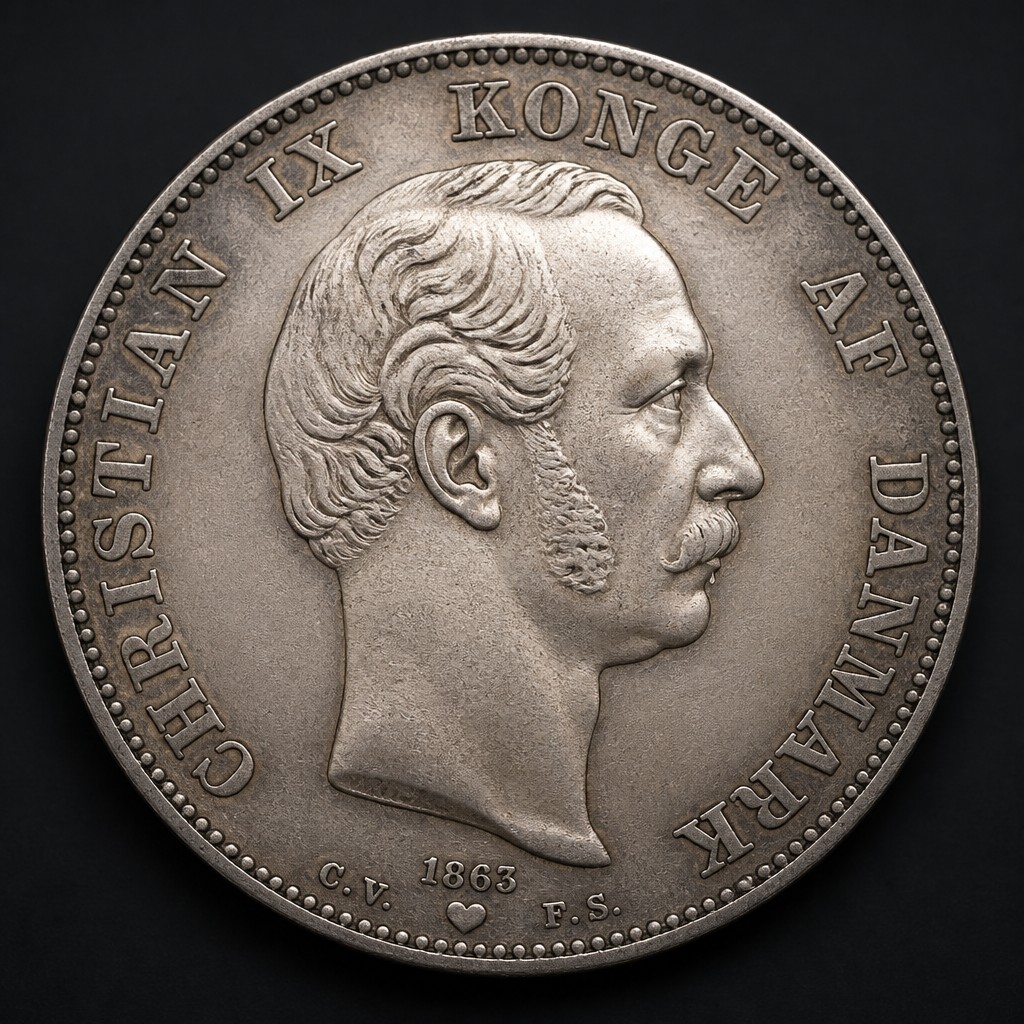
Danish 2 Rigsdaler
19th century (until 1873 currency reform)
Austrian Levantine Thaler (Maria Theresa Thaler)
Originally 1780; continually restruck with the same date into the 20th century