
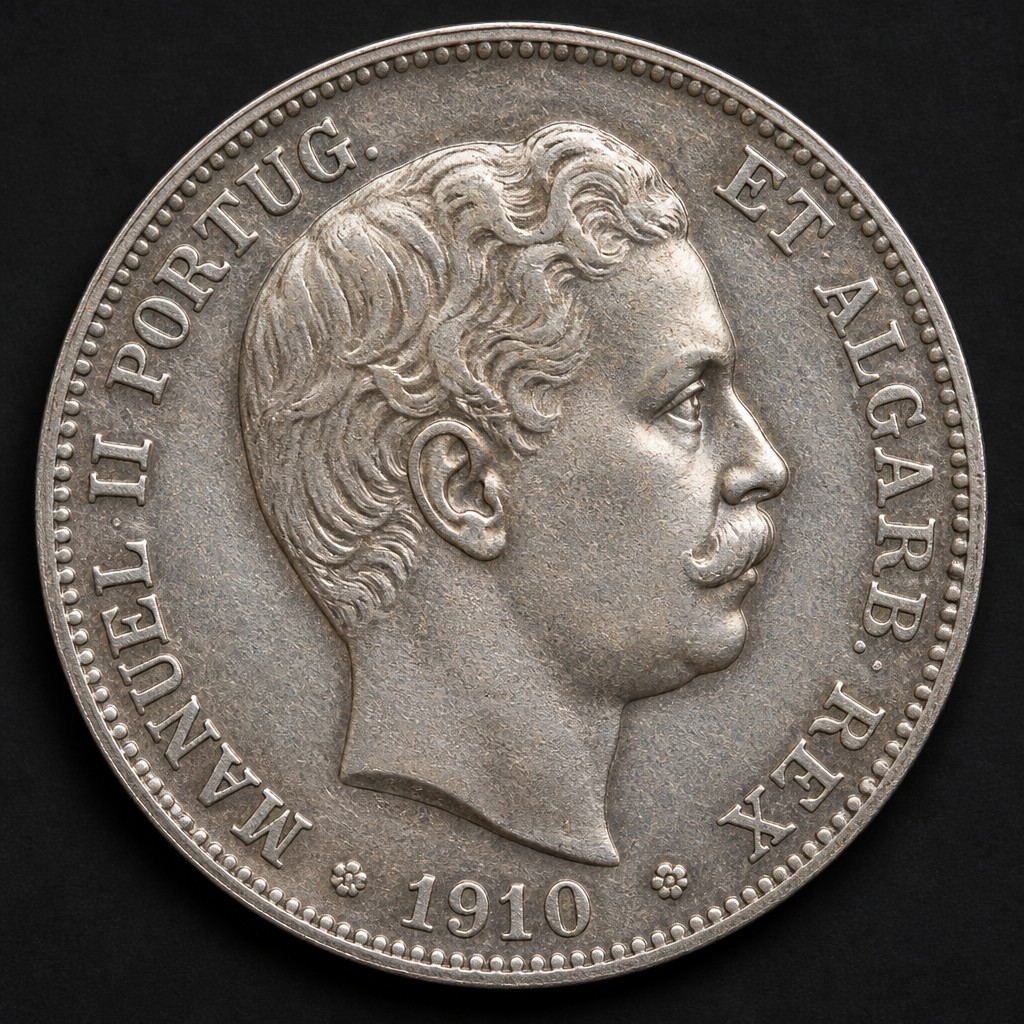
Portuguese 1000 Reis
A large silver crown of the Kingdom of Portugal, bearing the reigning monarch's portrait and national arms, serving as the country's principal high-value silver coin before the 1910 republic.
- Country
- Kingdom of Portugal
- Denomination
- 1000 Reis (1 Mil Reis)
- Metal
- Silver, .916 fine (varies by period)
Got a coin like this?
Identify any coin from a photo, free.
Overview
The Portuguese 1000 Reis, often called the Mil Reis, was the standard large silver coin of the Kingdom of Portugal for much of the nineteenth and early twentieth centuries. Denominated in the old reis accounting system, it represented a significant sum and functioned much like other national silver crowns of its era across Europe.
The coin's design changed across the reigns of several Portuguese monarchs, offering a numismatic timeline of the late Braganza dynasty up until the fall of the monarchy in 1910, after which Portugal transitioned to a republican currency system based on the escudo.
History & Background
Portugal's reis-based monetary system dated back centuries, with the 1000 reis (one mil reis) silver coin emerging as a major denomination in the nineteenth century under kings such as Maria II, Pedro V, Luis I, and Carlos I. These large silver coins served practical commercial functions as well as symbolic ones, commemorating royal portraits and state occasions.
Production of the silver 1000 reis coin continued through the reign of Carlos I into the early twentieth century. The Portuguese monarchy was overthrown in the 1910 revolution, after which the new republic replaced the reis system entirely with a new decimal currency, the escudo, ending the mil reis coinage as a circulating denomination.
How to Identify
The obverse bears a portrait of the reigning Portuguese monarch (such as Luis I or Carlos I, depending on the specific date), typically shown in profile, with his name and royal title in the surrounding Latin or Portuguese legend.
The reverse generally displays the Portuguese royal coat of arms, often a crowned shield with the national arms, along with the denomination "1000 REIS" and the date.
The coin is silver, generally around .916 fine, with a diameter comparable to other European silver crowns of the period (roughly 37mm). Collectors identify specific issues by monarch, date, and any commemorative reverse variations struck to mark particular royal anniversaries or events.
Value & Collectibility
Common dates from the more prolific reigns, such as Luis I or Carlos I, are generally affordable in circulated condition, providing an accessible way to collect classic Portuguese silver coinage.
Earlier or scarcer dates, along with any commemorative variants, can command meaningfully higher prices, and as with most silver crowns, well-preserved uncirculated examples are valued considerably above worn or cleaned coins.
Collectors should be mindful that Portuguese coinage of this era is sometimes less broadly cataloged in English-language references than coins of larger nations, so consulting specialized Portuguese numismatic resources can help establish more precise values for a given date and variety.
Frequently asked questions
What does '1000 Reis' mean?
It refers to the coin's face value under Portugal's historic reis accounting system, equal to one 'mil reis' or one thousand reis.
Which kings appear on this coin?
Various Portuguese monarchs of the 19th and early 20th centuries appear on different dates, including Luis I and Carlos I.
Why did Portugal stop using the reis system?
The 1910 revolution ended the monarchy and led to the adoption of a new decimal currency, the escudo, replacing the reis-based system.
What metal is the coin made of?
It is silver, typically around .916 fine, though exact fineness can vary somewhat by specific date and issue.
Is the Portuguese 1000 Reis the same as a Brazilian 1000 Reis?
No, Brazil issued its own separate reis-denominated coinage after independence; the two are related in naming convention but are distinct national issues.
Other coins you may enjoy
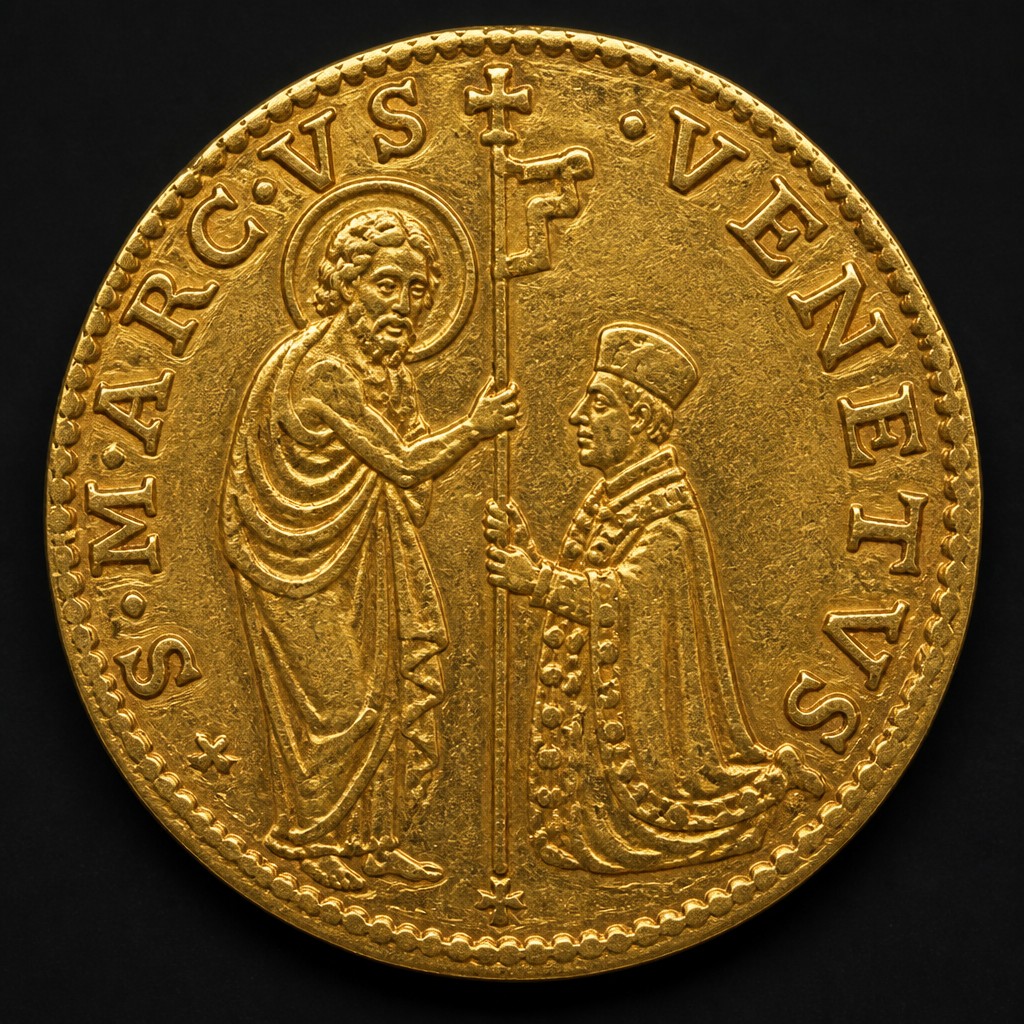
Venetian Ducat
1284–1797
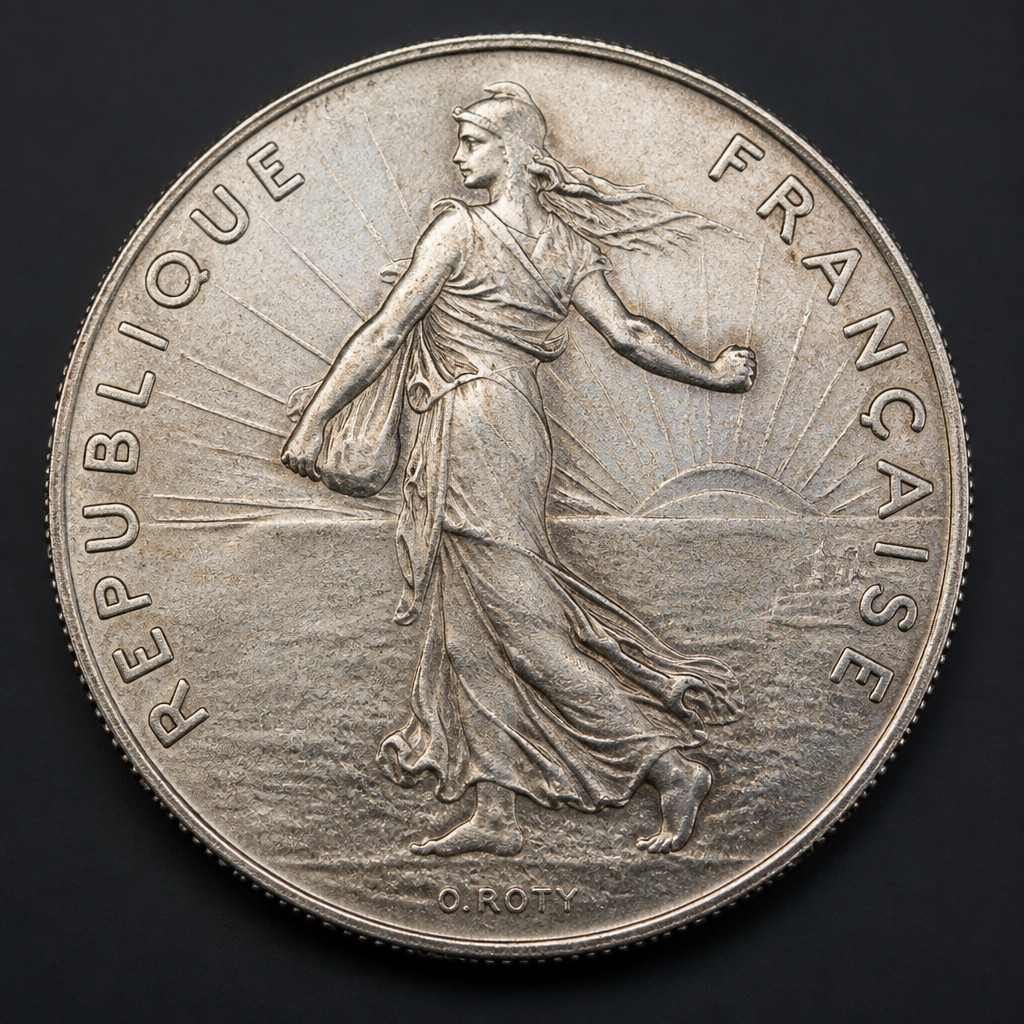
French 100 Francs Silver
1980s–2001 (pre-euro era)
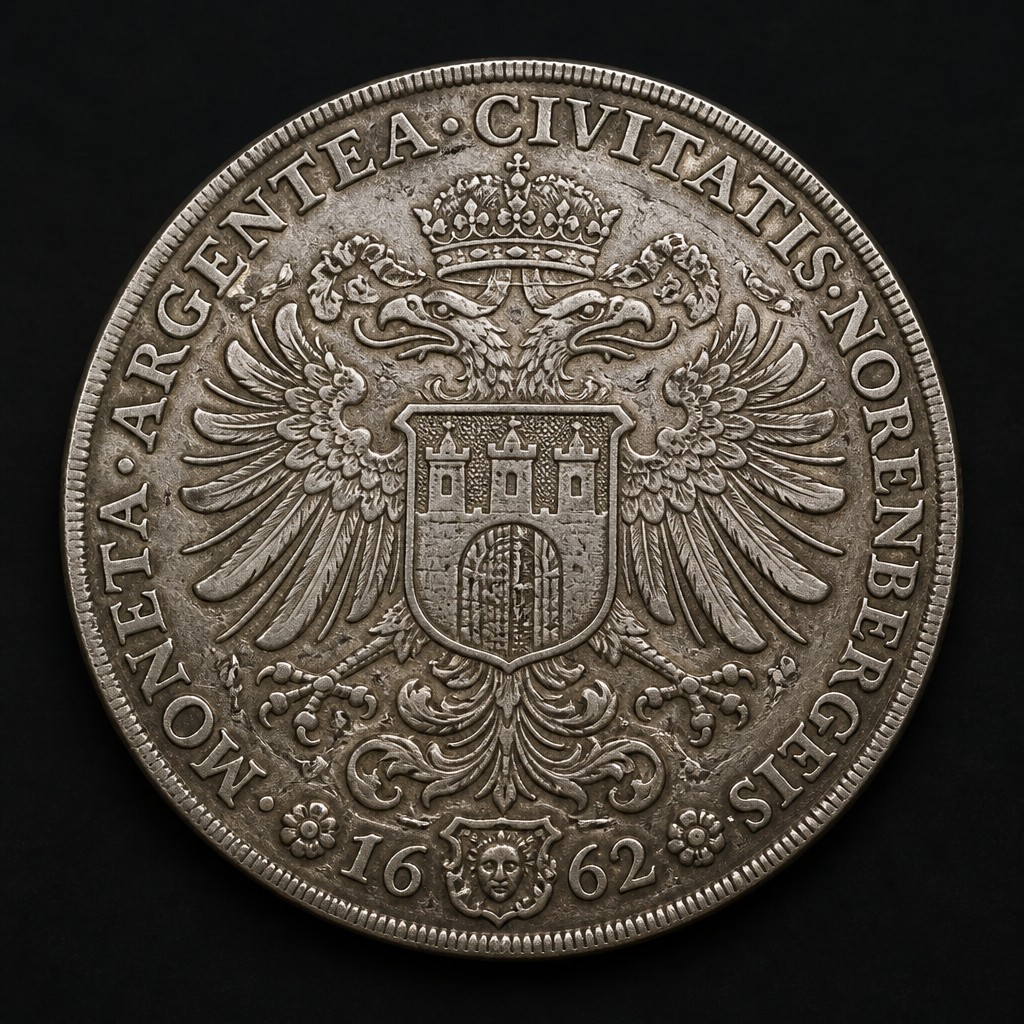
Nuremberg Thaler
16th–18th century
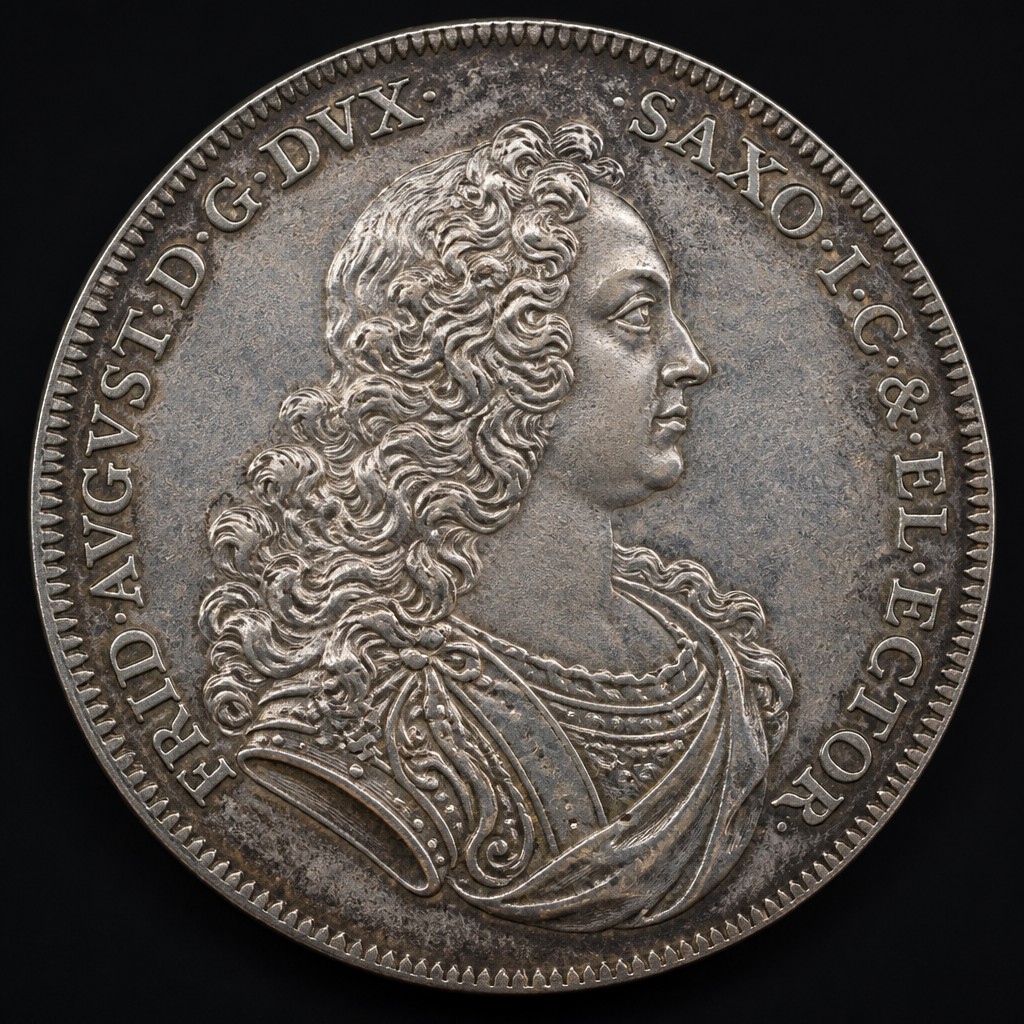
Saxon Speciestaler
17th–19th century
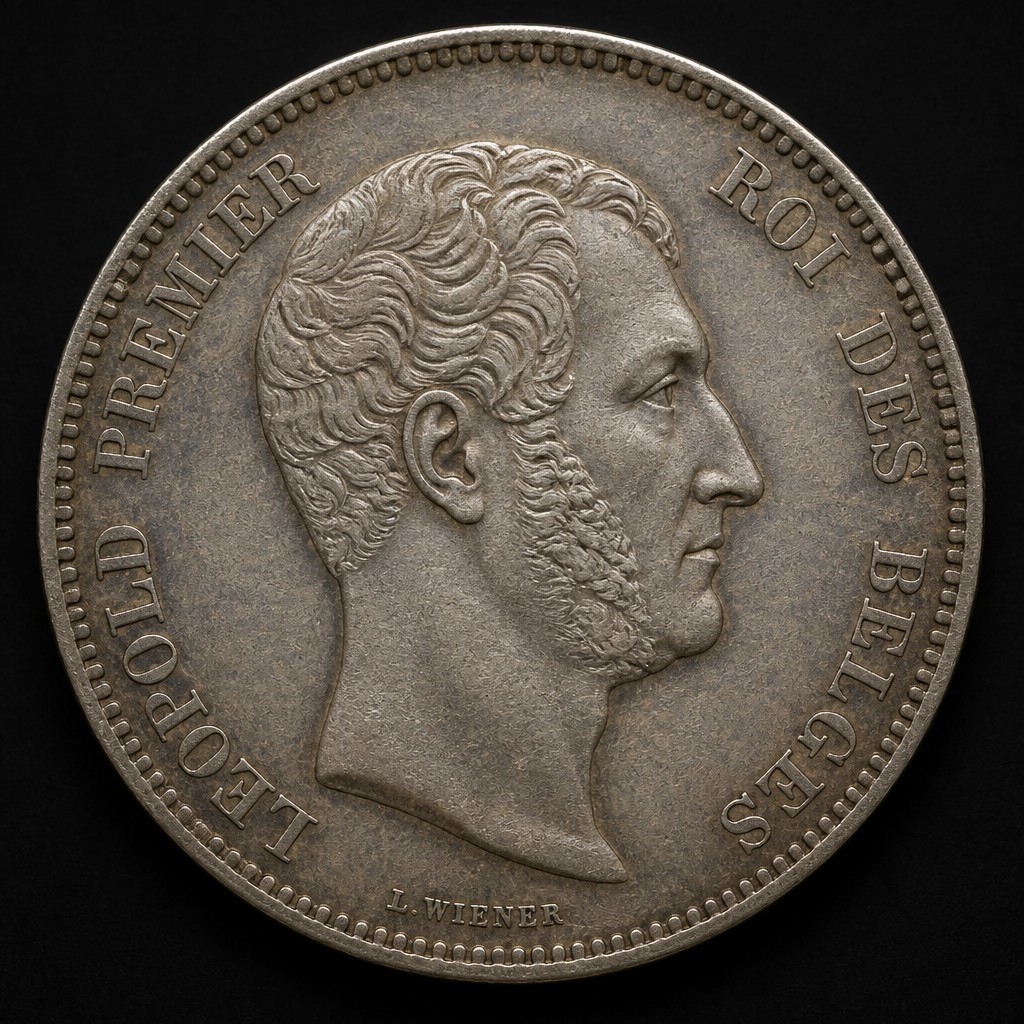
Belgian 5 Francs
1832–1876 (large silver type); later reduced-size and later-metal issues into the 20th century
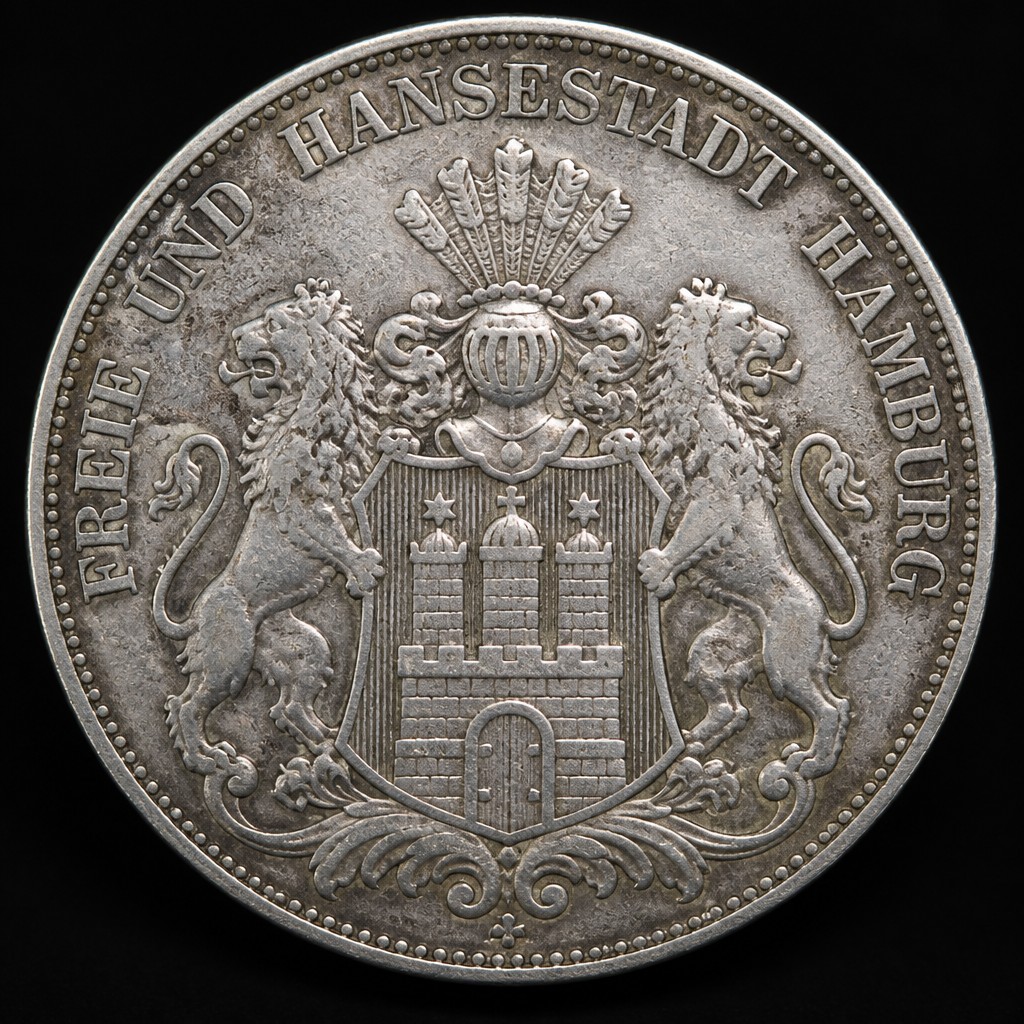
Hamburg Thaler
17th century–1871
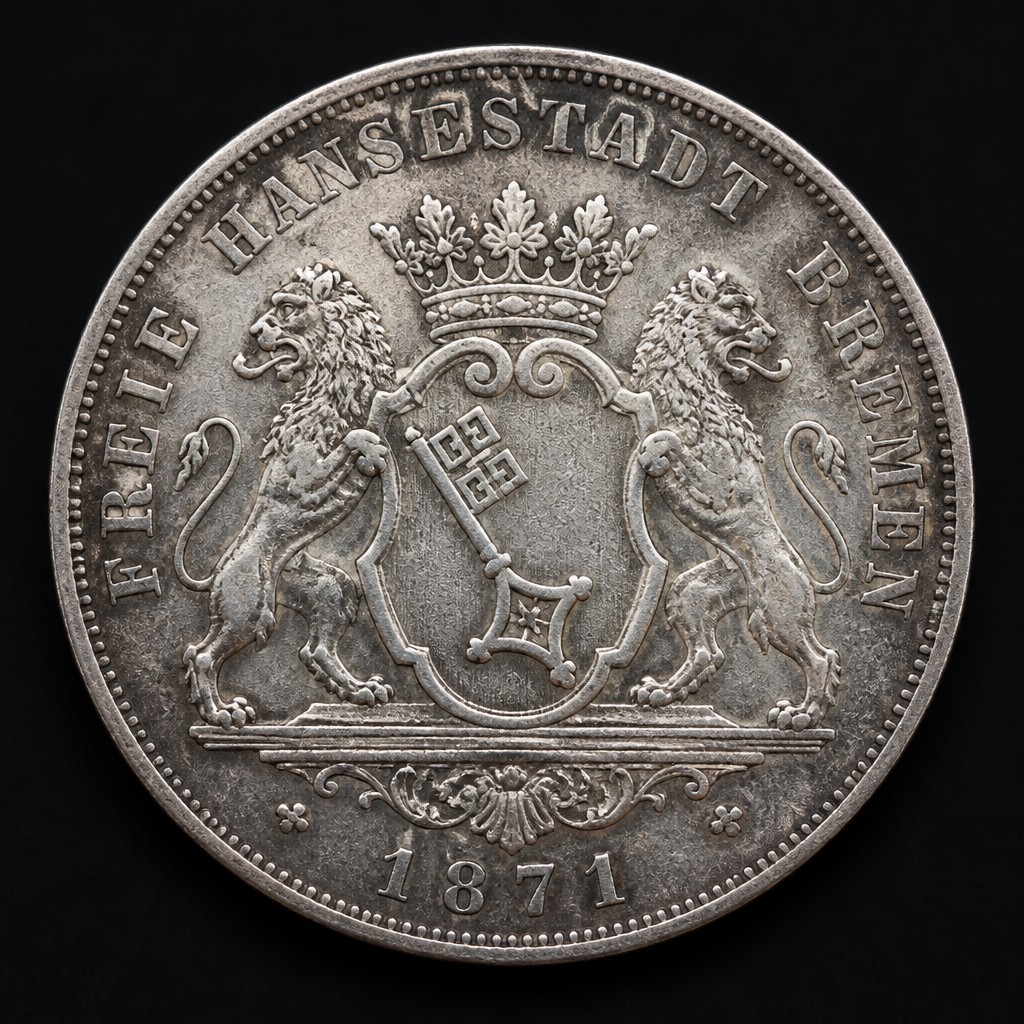
Bremen Thaler
17th century–1871
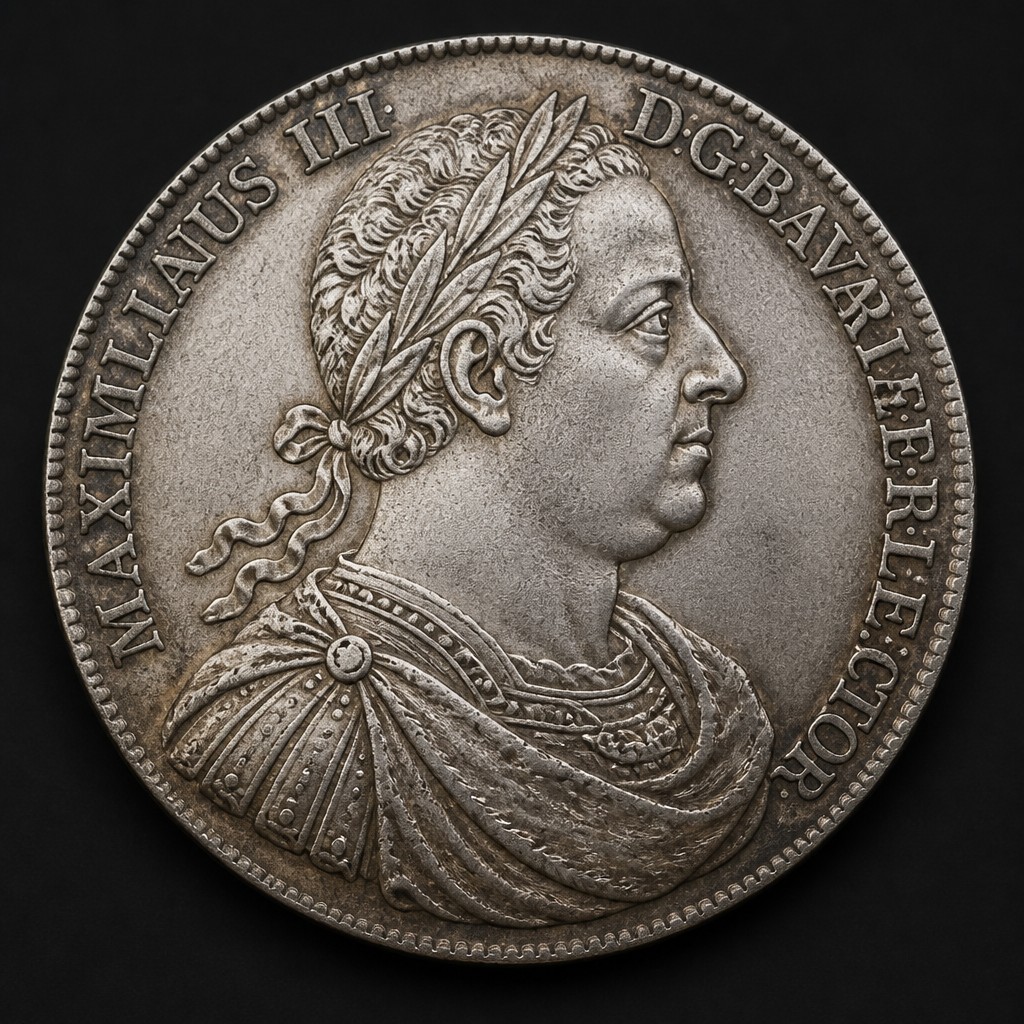
Bavaria Thaler
Circa 1620s-1871
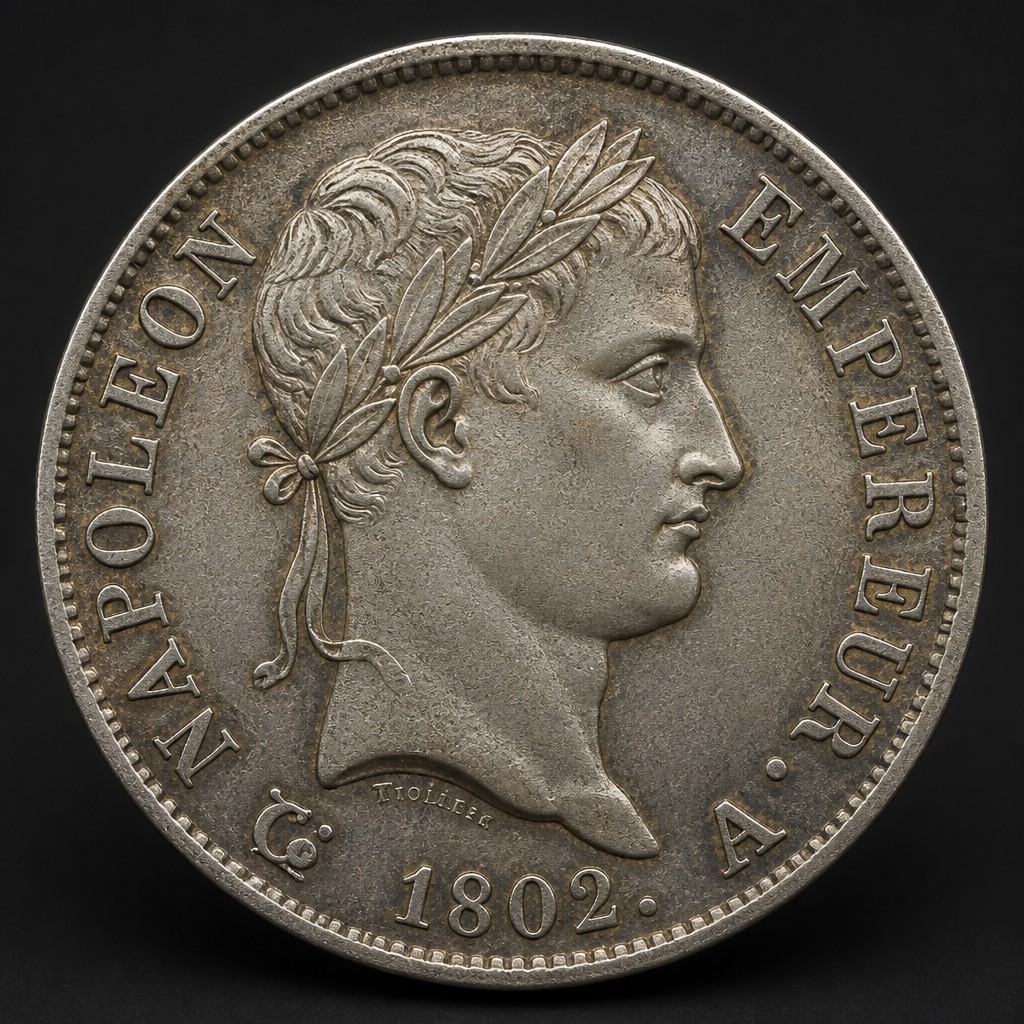
French 5 Francs "Napoleon"
1802–1815
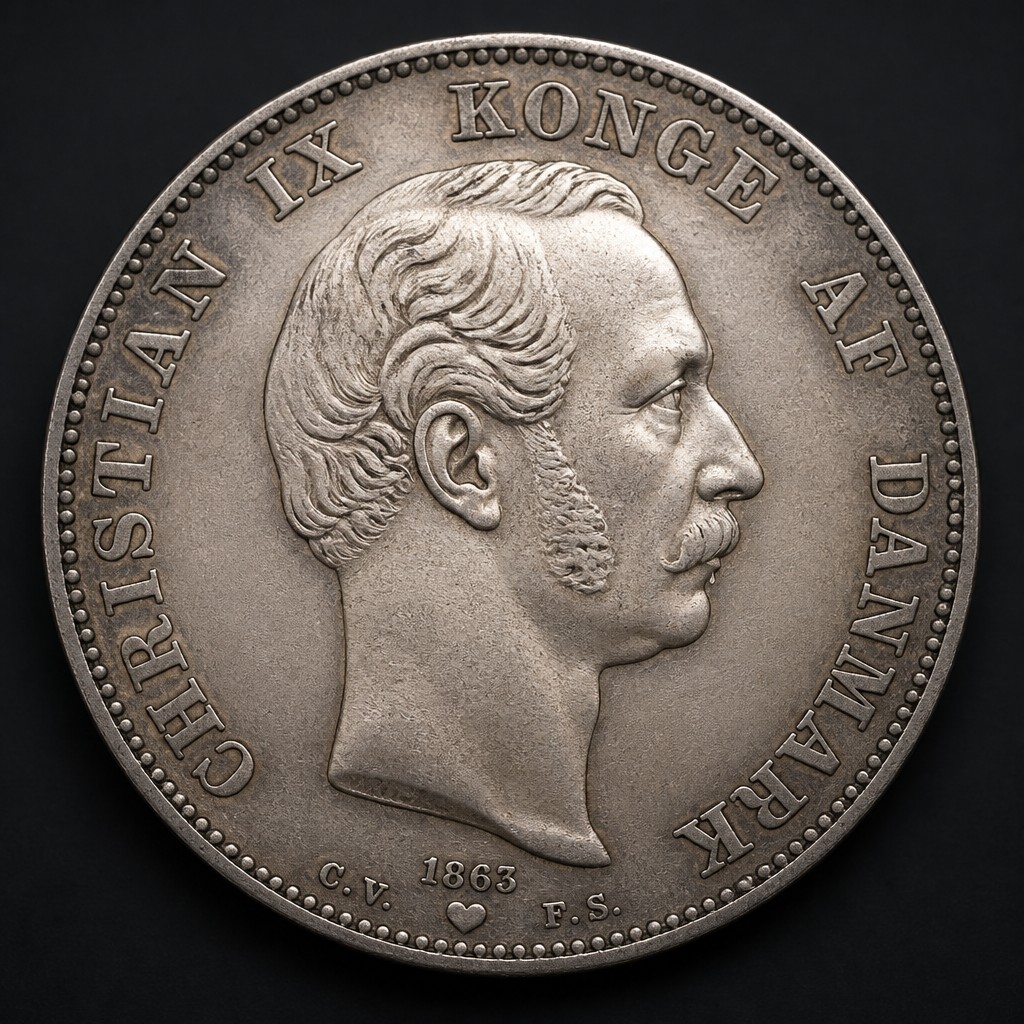
Danish 2 Rigsdaler
19th century (until 1873 currency reform)
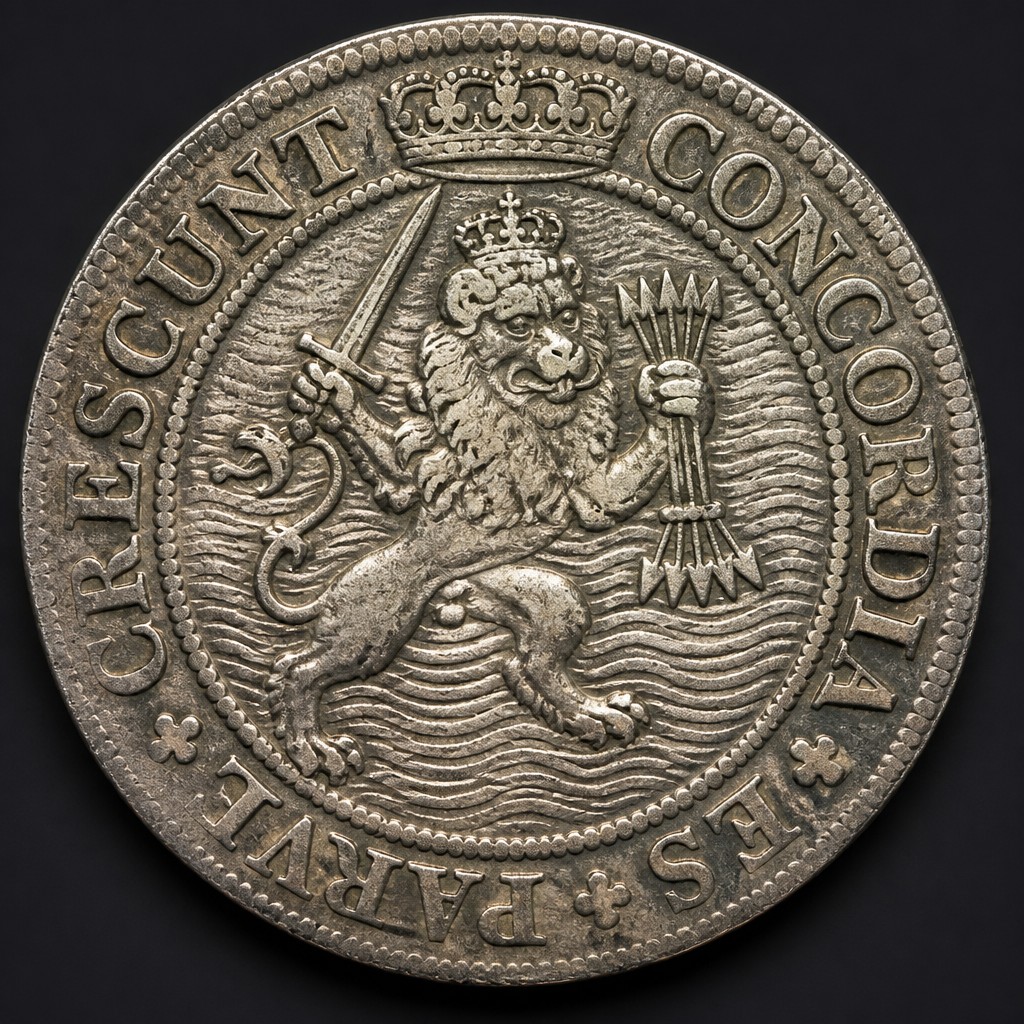
Dutch Lion Daalder (Leeuwendaalder)
c. 1575–1713
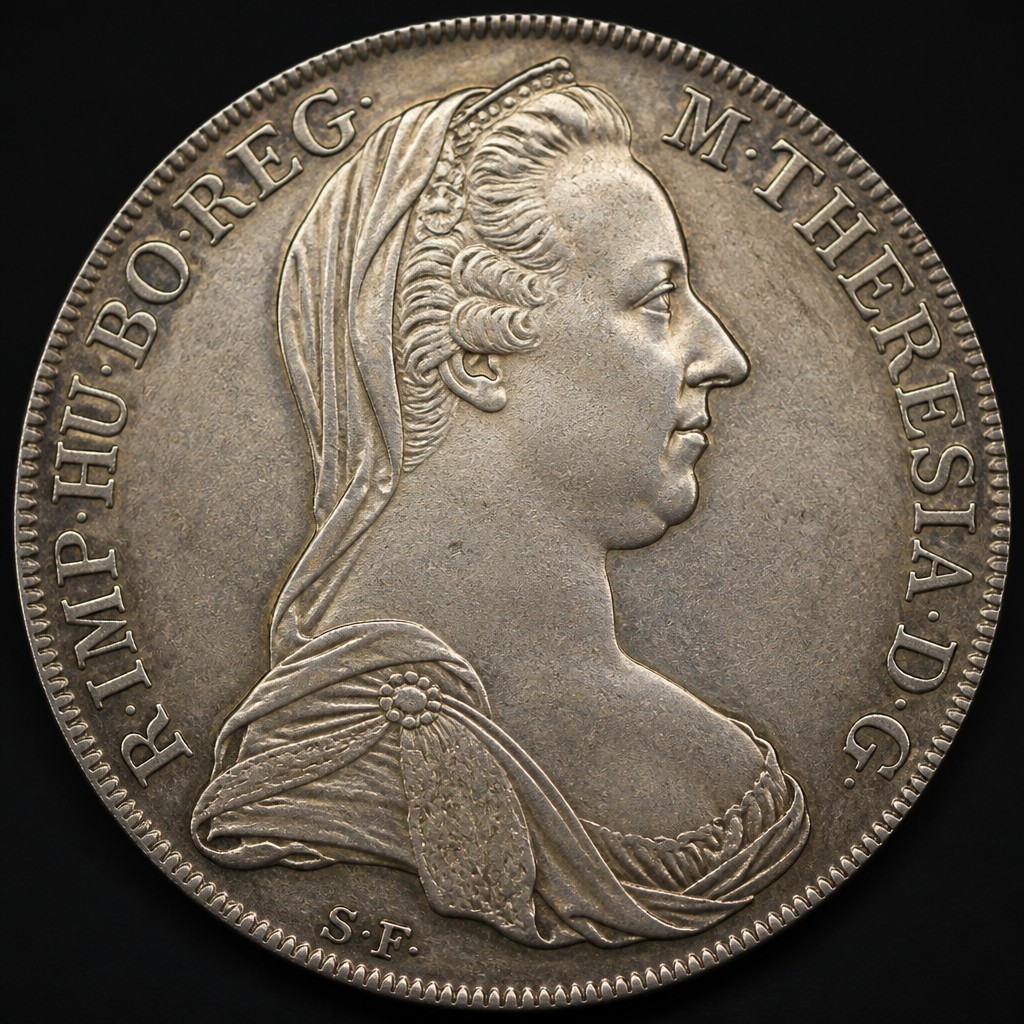
Austrian Levantine Thaler (Maria Theresa Thaler)
Originally 1780; continually restruck with the same date into the 20th century