
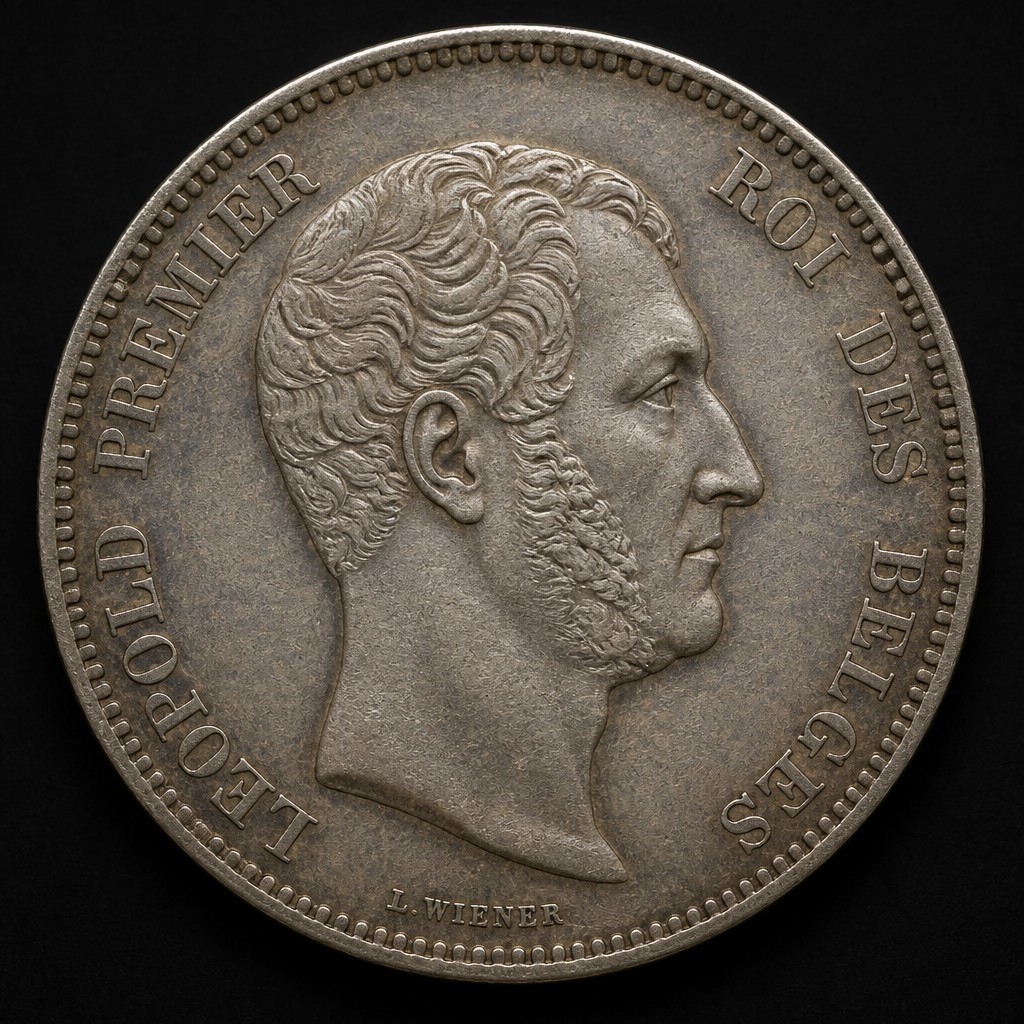
Belgian 5 Francs
A large silver crown of the newly independent Kingdom of Belgium, bearing the portrait of Leopold I or Leopold II and the national coat of arms, a flagship coin of the young nation's currency.
- Country
- Belgium
- Denomination
- 5 Francs
- Metal
- Silver, .900 fine
Got a coin like this?
Identify any coin from a photo, free.
Overview
The Belgian 5 Francs coin was among the first major silver denominations struck by the Kingdom of Belgium after it gained independence from the Netherlands in 1830. As the country's principal large silver coin for much of the nineteenth century, it played a similar practical and symbolic role to silver crowns issued by other European nations of the era.
Because Belgium struck coinage in both French and Dutch (Flemish) legend variants to reflect its bilingual population, the 5 Francs series offers collectors an interesting linguistic dimension in addition to standard date and mint variety collecting, along with a clear numismatic record of the reigns of Belgium's early kings.
History & Background
Following the Belgian Revolution of 1830 and the establishment of the Kingdom of Belgium under Leopold I, the new nation adopted a French-style decimal franc currency system. The 5 Francs silver coin became the country's principal large-denomination coin, first struck in the 1830s bearing Leopold I's portrait.
Production continued under Leopold II following his accession in 1865, with coinage struck in both French-language ("5 FRANCS") and Dutch/Flemish-language ("5 FRANK") legend varieties, reflecting Belgium's two major linguistic communities. As with many European nations, the large silver 5 Francs coin was eventually reduced in size and, later, in silver content, and ultimately replaced by smaller coinage as the twentieth century progressed and silver values fluctuated.
How to Identify
The obverse bears a portrait of the reigning Belgian king, either Leopold I or Leopold II depending on date, generally shown in profile with his name and royal title in the surrounding legend, sometimes in Latin.
The reverse displays the Belgian coat of arms, a crowned lion shield, or the denomination within a wreath, with the value expressed as either "5 FRANCS" (French) or "5 FRANK" (Dutch/Flemish) depending on the specific coin's language variant.
The coin is silver, .900 fine, roughly 37mm in diameter for the large early crown type, consistent with the broader Latin Monetary Union standards Belgium later helped establish alongside France, Italy, and Switzerland. Collectors distinguish issues by king, language variant, date, and any special edge lettering or commemorative reverse types issued for specific royal occasions.
Value & Collectibility
Common date Leopold I and Leopold II 5 Francs coins in circulated grades are generally affordable and widely available, making them accessible for collectors interested in nineteenth-century European silver crowns.
Certain scarcer dates, mint varieties, and any special commemorative issues command higher premiums, and as with most classic silver crowns, higher-grade uncirculated examples with strong luster are valued considerably above worn or cleaned coins.
Collectors should note that language variant (French versus Flemish legend) can occasionally affect relative scarcity and demand for specific dates, and should consult specialized Belgian numismatic references for precise valuations.
Frequently asked questions
Why are there French and Dutch versions of this coin?
Belgium has two major linguistic communities, so coinage was struck with either French ('FRANCS') or Flemish/Dutch ('FRANK') legends.
Which kings appear on the Belgian 5 Francs?
Leopold I and Leopold II both appear on 5 Francs coins issued during their respective reigns in the 19th century.
What replaced the large silver 5 Francs coin?
Over time, reduced-size and reduced-silver-content coins, and eventually smaller denominations, replaced the original large silver crown as monetary standards changed.
Was Belgium part of any international currency agreement?
Yes, Belgium was a founding member of the Latin Monetary Union, which standardized coinage specifications among several European countries.
How large is the Belgian 5 Francs coin?
The original large silver type measures approximately 37mm in diameter, similar in size to other European silver crowns of the period.
Other coins you may enjoy
Venetian Ducat
1284–1797
French 100 Francs Silver
1980s–2001 (pre-euro era)
Nuremberg Thaler
16th–18th century
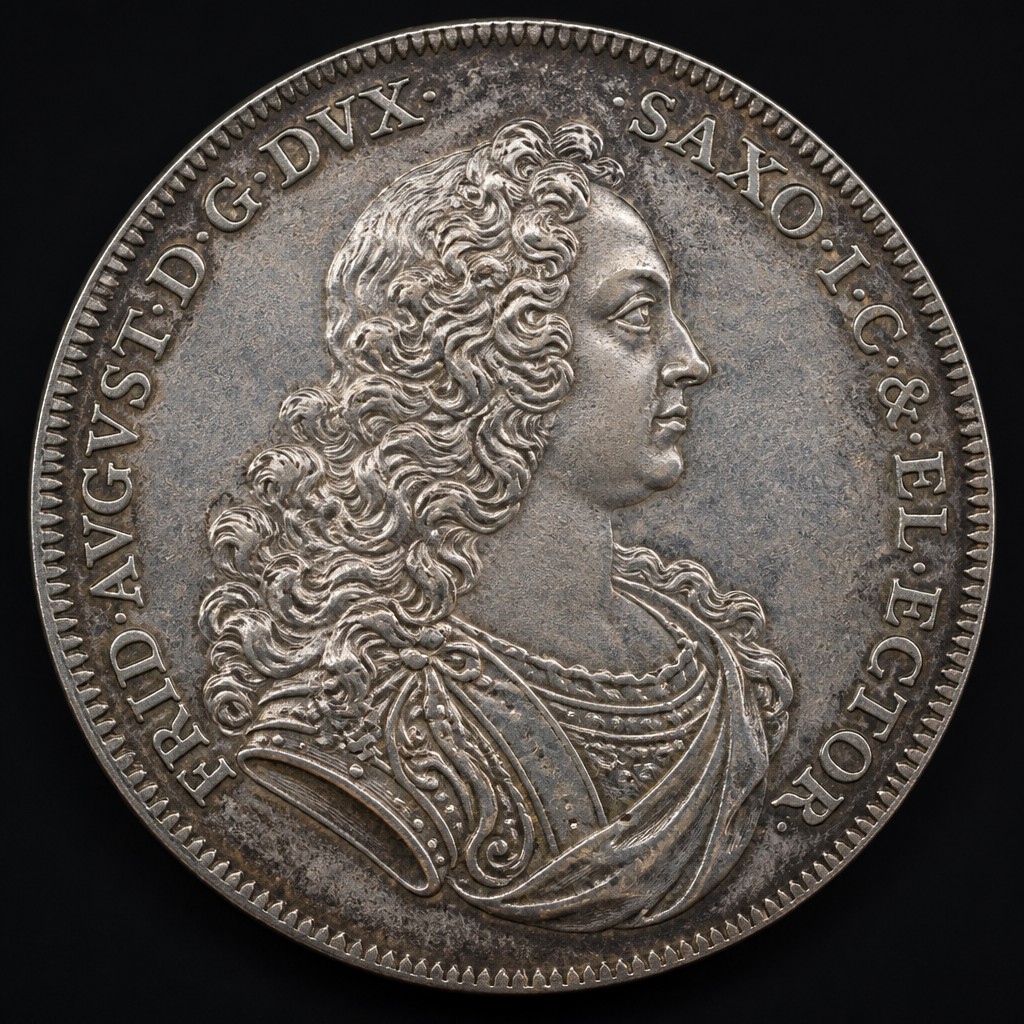
Saxon Speciestaler
17th–19th century
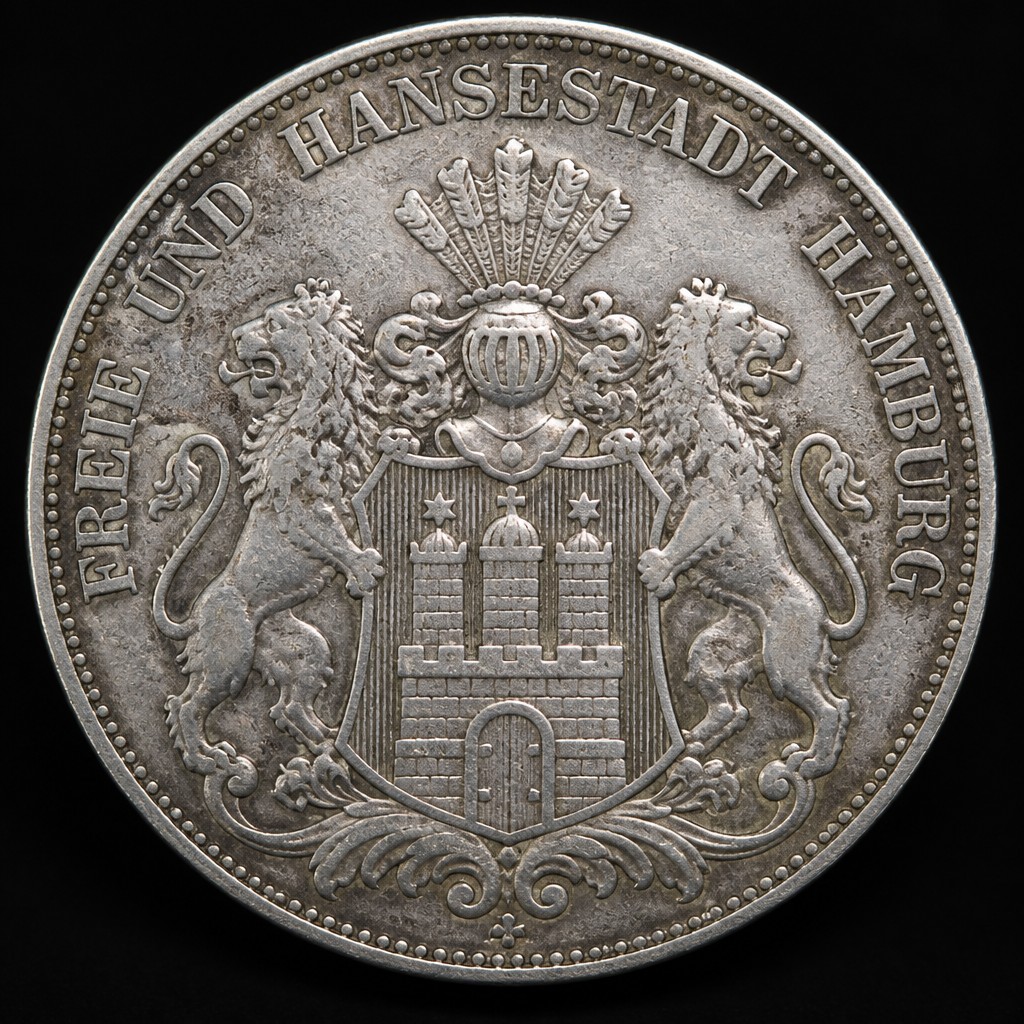
Hamburg Thaler
17th century–1871
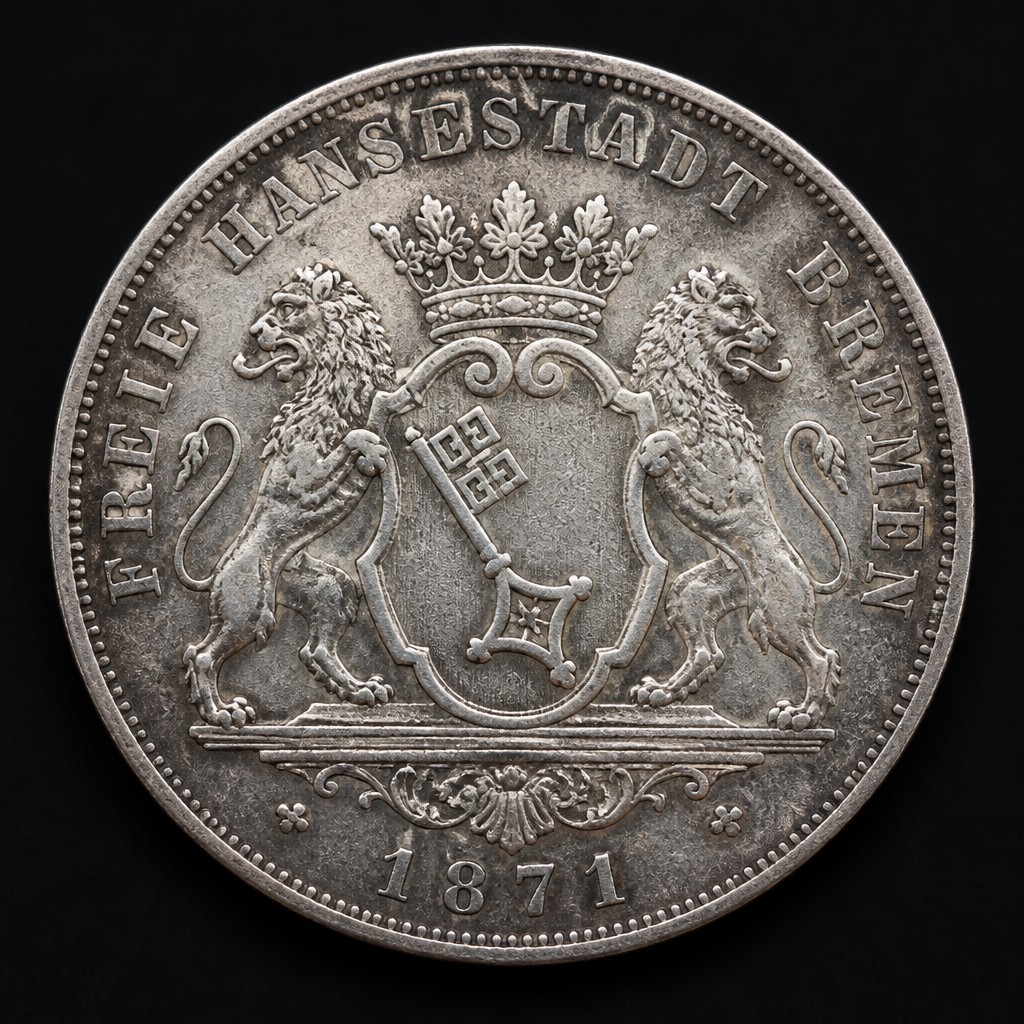
Bremen Thaler
17th century–1871
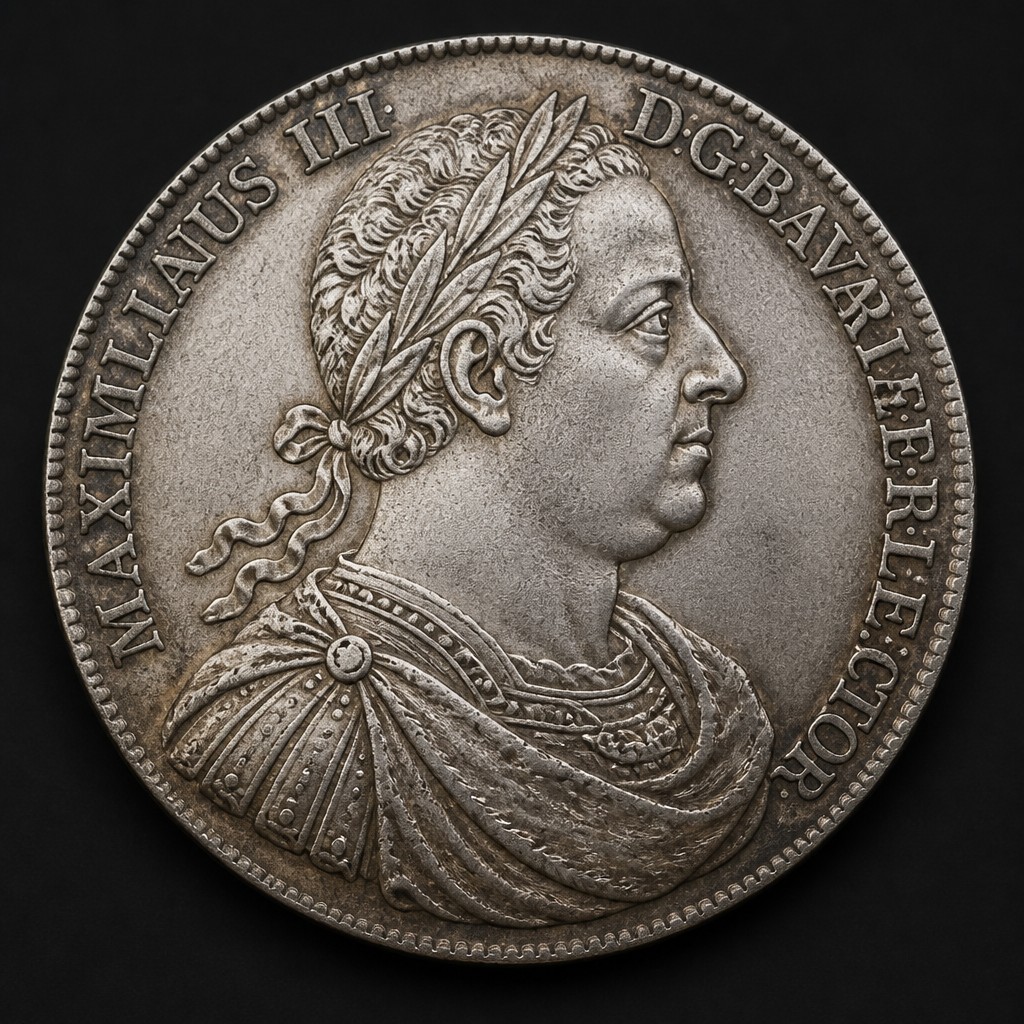
Bavaria Thaler
Circa 1620s-1871
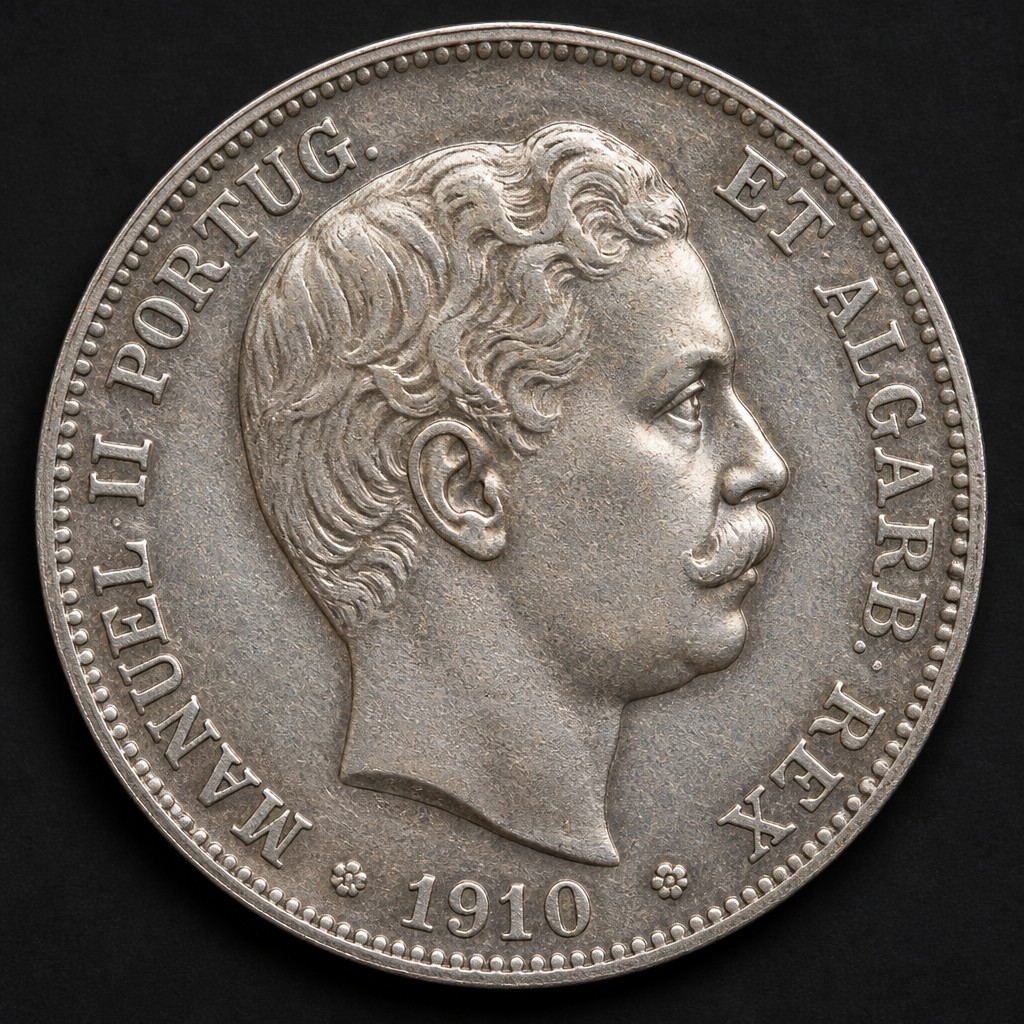
Portuguese 1000 Reis
19th century–1910 (Kingdom period)
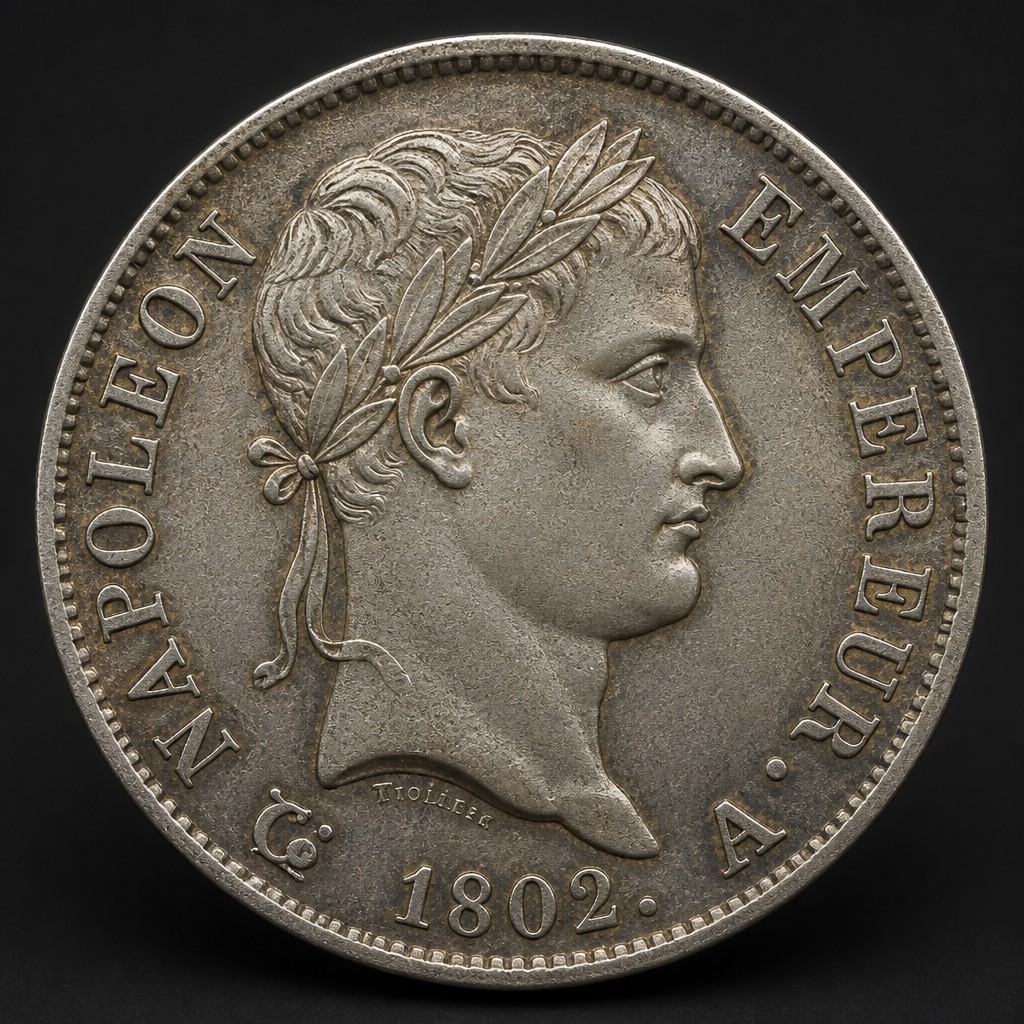
French 5 Francs "Napoleon"
1802–1815
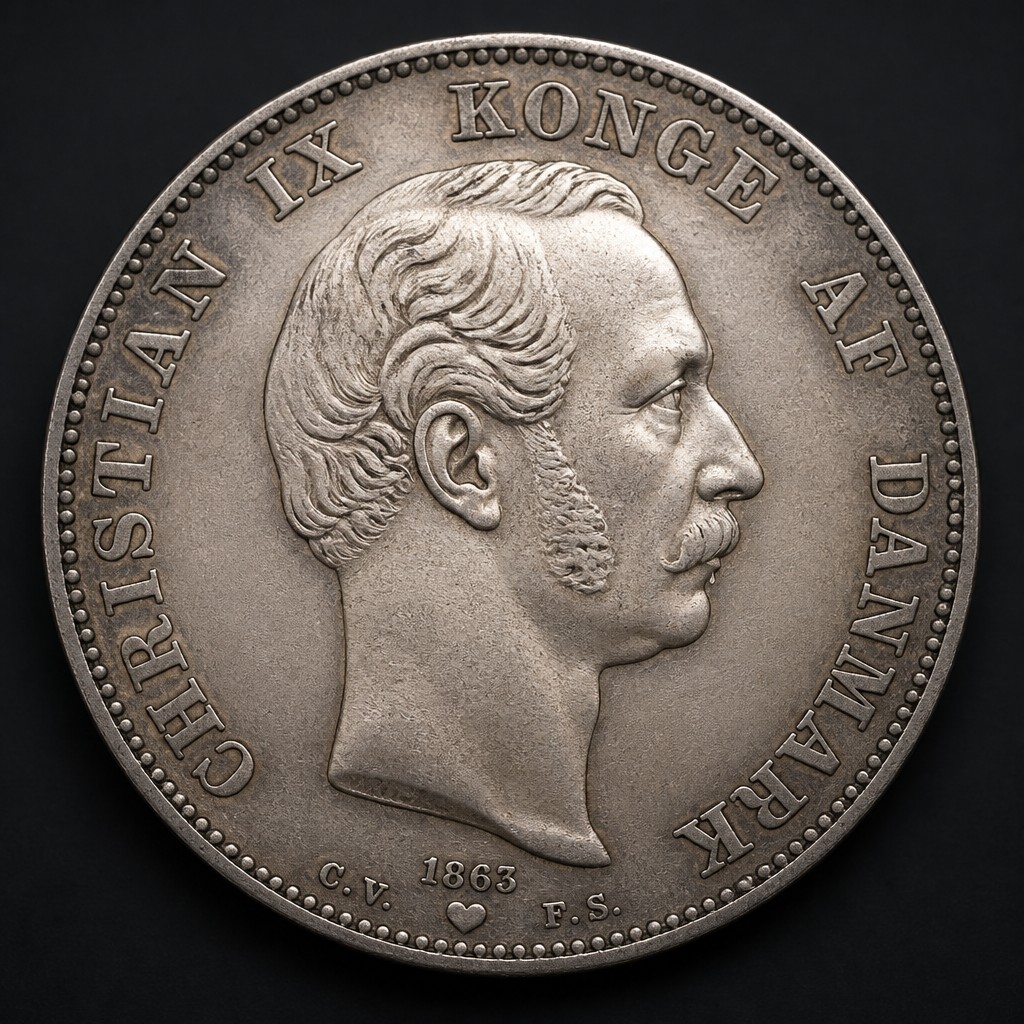
Danish 2 Rigsdaler
19th century (until 1873 currency reform)
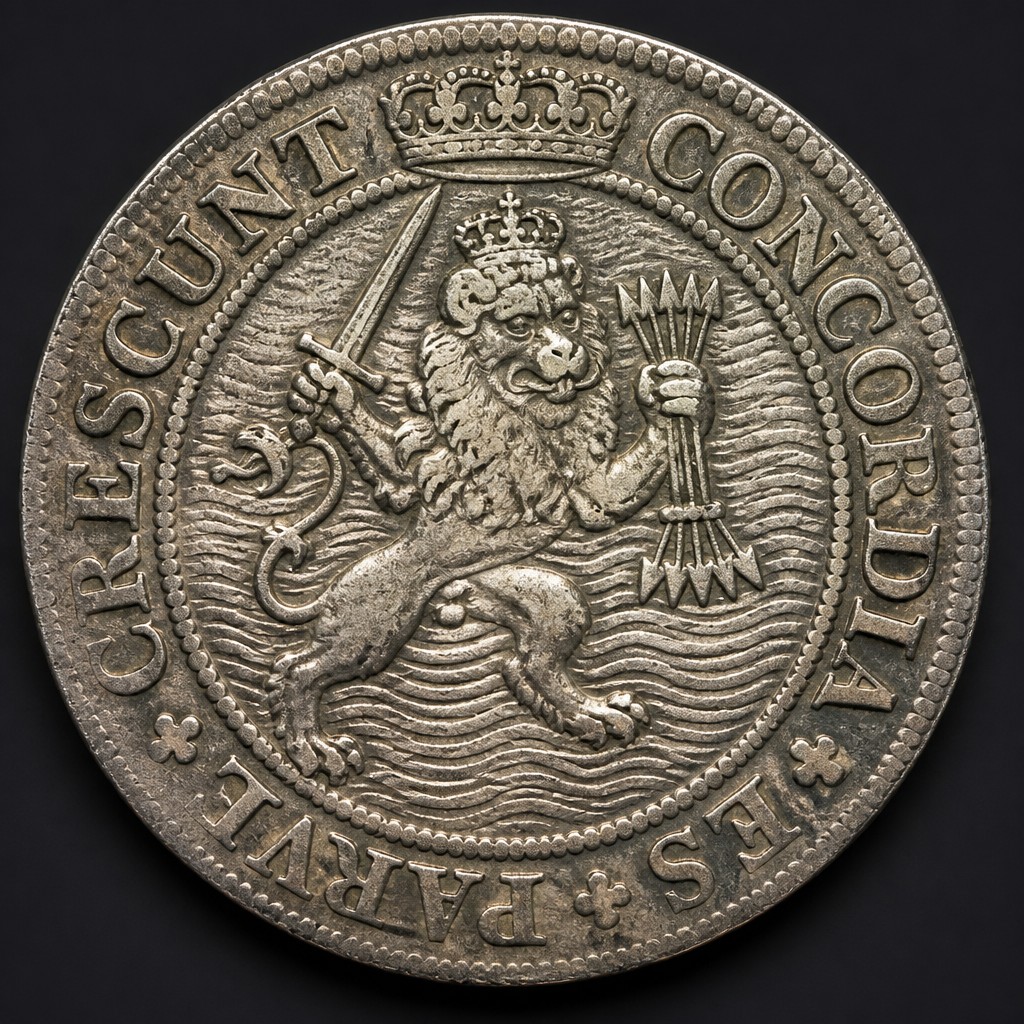
Dutch Lion Daalder (Leeuwendaalder)
c. 1575–1713
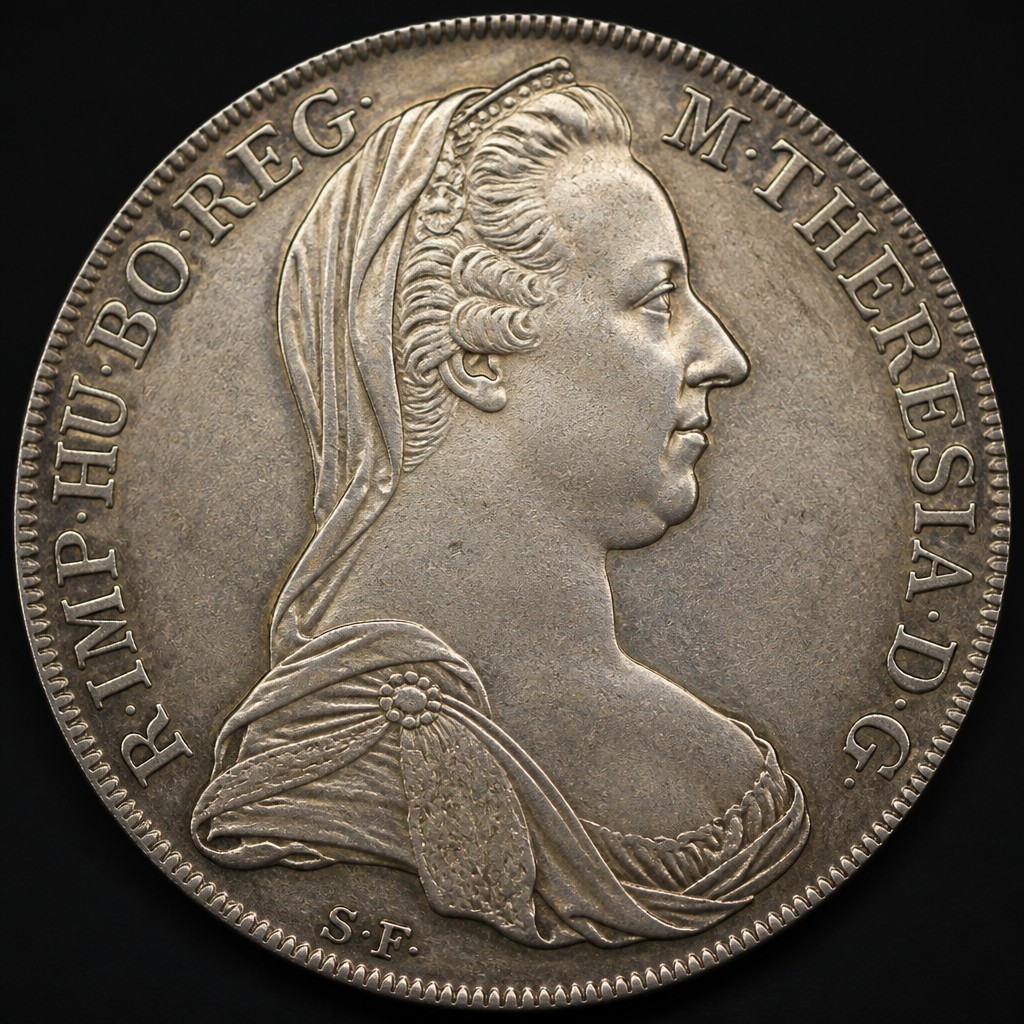
Austrian Levantine Thaler (Maria Theresa Thaler)
Originally 1780; continually restruck with the same date into the 20th century