
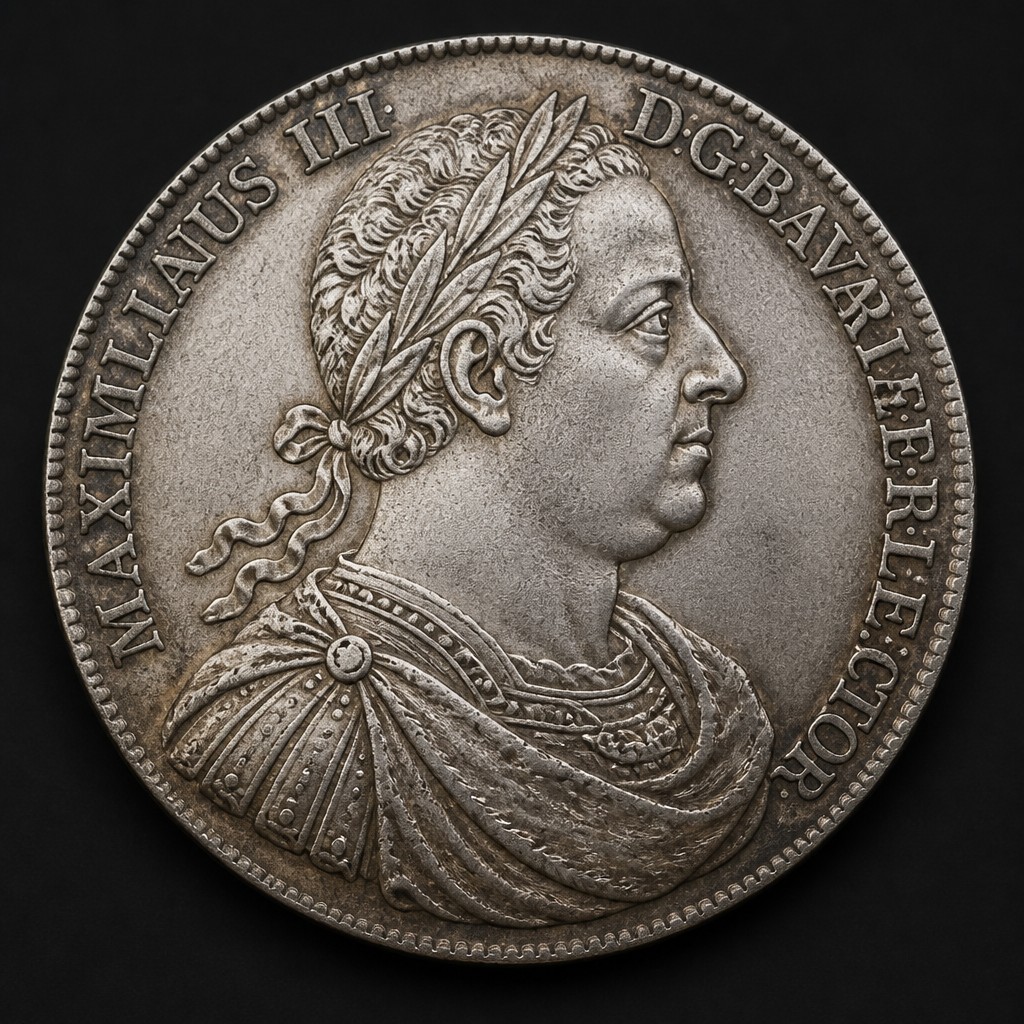
Bavaria Thaler
The historic large silver coin of Bavaria, struck across centuries by its electors and kings, capturing the state's political and artistic history until Germany's currency unification in the 1870s.
- Country
- Bavaria (Electorate and later Kingdom of Bavaria, German states)
- Denomination
- Thaler
- Metal
- Silver, typically .833-.900 fine, varying by era
Got a coin like this?
Identify any coin from a photo, free.
Overview
The Bavarian Thaler represents centuries of large-denomination silver coinage issued by the rulers of Bavaria, one of the most prominent and enduring states within the Holy Roman Empire and later the German Confederation and German Empire. From the early 17th century through German monetary unification in the 1870s, Bavaria's electors and, from 1806, its kings struck thalers bearing their own portraits and titles, making the series a rich visual record of Bavarian rulership spanning the Thirty Years' War, the Napoleonic era, and the buildup to German unification.
As with other major German states, Bavaria's thaler coinage evolved through several currency conventions over the centuries, including the Conventionsthaler standard of the 18th century and later 19th-century agreements among German states, resulting in numerous distinct thaler types differentiated by ruler, date, and specific monetary standard rather than a single unchanging design.
Notable rulers commemorated on Bavarian thalers include Maximilian I, elevated to Elector during the Thirty Years' War, later electors, and 19th-century kings such as Ludwig I, Maximilian II, and Ludwig II, whose thalers are often prized both for their numismatic interest and their connection to well-known figures in Bavarian and German history.
History & Background
Bavaria's participation in the broader European thaler tradition dates back to the early modern period, as the Wittelsbach dynasty, ruling as electors of Bavaria within the Holy Roman Empire, struck large silver coins at the Munich mint following the general thaler standard shared across German-speaking lands. Bavaria's political and cultural prominence, especially under rulers like Maximilian I during the Thirty Years' War, made its coinage some of the more artistically accomplished and closely studied among German states of the era.
Bavaria was elevated from an electorate to a kingdom in 1806 under Napoleon's reorganization of Germany, and its 19th-century kings, Maximilian I Joseph, Ludwig I, Maximilian II, and Ludwig II, continued issuing thaler-denominated silver coinage, adapting to successive German currency conventions such as the Conventionsthaler and later the Vereinsthaler standard adopted by many German states at mid-century to promote monetary compatibility ahead of eventual unification.
With German political unification in 1871 and the subsequent introduction of the unified Mark currency across the new German Empire in the mid-1870s, Bavaria's centuries-old thaler coinage came to an end, giving way to the empire-wide Mark and Pfennig system, though Bavaria, like other German states, retained the right to place its own king's portrait on its share of the new imperial silver coinage, including the 5 Mark denomination.
How to Identify
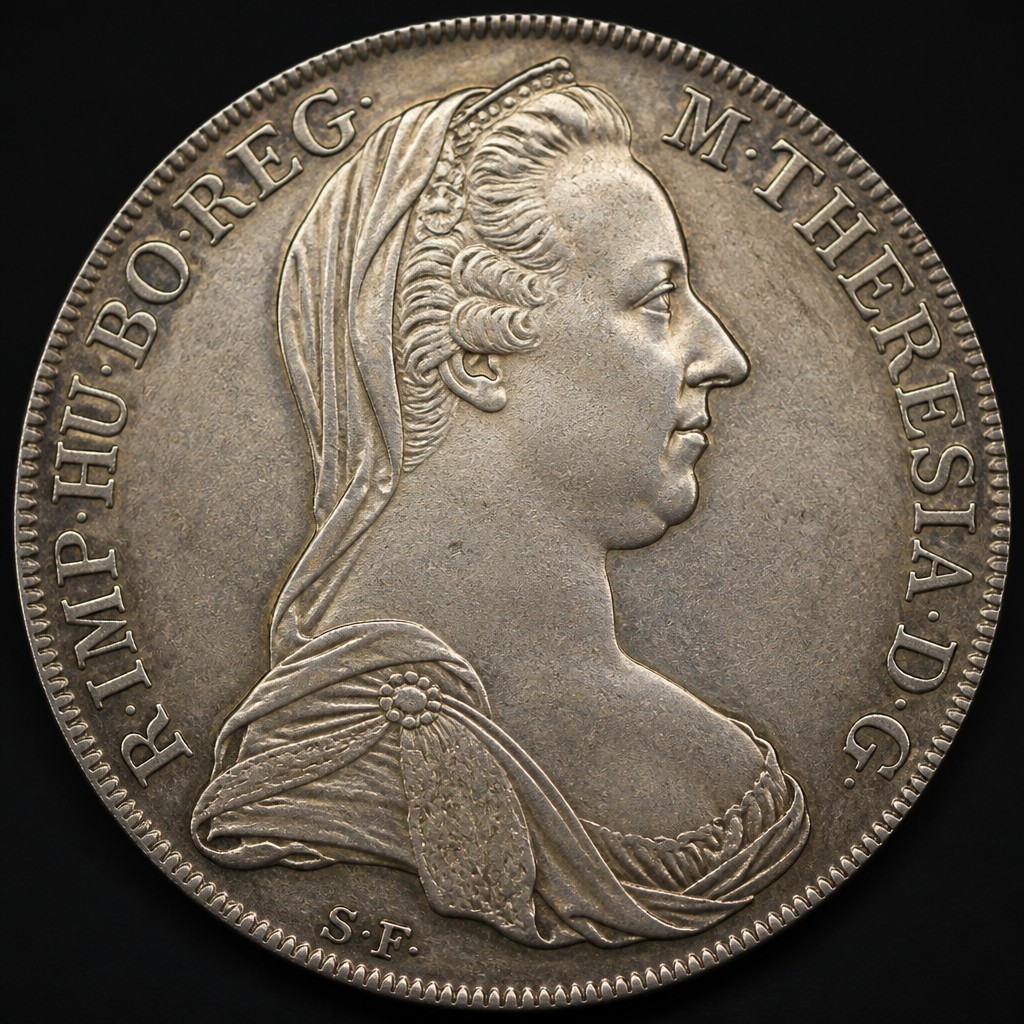
Bavarian thalers typically show a portrait bust of the reigning elector or king facing left or right, in period-appropriate dress or armor, with his name, titles, and often "D.G." (Dei Gratia, "by the grace of God") in Latin around the border. The reverse commonly displays the Bavarian coat of arms (the distinctive lozenge/diamond pattern) or an elaborate crowned shield, sometimes accompanied by allegorical figures, orders of chivalry insignia, or a denomination and currency-standard inscription.
The coin is struck in silver, generally in the 40-42mm diameter range typical of large European thalers, though exact weight and fineness shifted somewhat across the different currency conventions used over the centuries, roughly .833 to .900 fine depending on era and standard. Mintmarks or mint-master initials from the Munich mint, along with specific currency-standard text, help collectors pinpoint the exact period and monetary system under which a given piece was struck.
Because Bavarian thaler coinage spans well over two centuries and multiple currency standards, accurate identification depends on carefully reading the ruler's name, titles, and any currency-standard inscriptions, and comparing against specialized references on Bavarian and German states coinage; commemorative or special-occasion Bavarian thalers, marking events like royal marriages or jubilees, also exist and carry additional distinguishing inscriptions.
Value & Collectibility
Common 19th-century Bavarian thalers, particularly from longer-reigning 19th-century kings like Ludwig I or Maximilian II, are reasonably available to collectors in circulated grades and represent an accessible entry point into German states coinage. Earlier thalers from the 17th and 18th centuries, coins featuring notable historical rulers, and specific commemorative or low-mintage issues can command considerably higher prices, particularly in well-preserved condition.
As with German states coinage generally, value is driven heavily by the specific ruler, date, currency standard, and condition, with well-struck, lightly circulated, or uncirculated examples fetching significant premiums over heavily worn or cleaned pieces; specialized catalogs of Bavarian and German states coinage are essential for precise identification and valuation.
Frequently asked questions
What is a thaler?
A thaler is a large silver coin standard used across German-speaking Europe from the 16th through 19th centuries, the ancestor of the word "dollar."
Which Bavarian rulers appear on these coins?
Rulers from Maximilian I in the 17th century through 19th-century kings such as Ludwig I, Maximilian II, and Ludwig II all issued thaler coinage bearing their portraits.
When did Bavaria stop issuing thalers?
Bavarian thaler coinage ended with German monetary unification in the 1870s, when the empire-wide Mark currency replaced regional thaler systems.
What does the Bavarian coat of arms look like on these coins?
It typically features a distinctive lozenge (diamond) pattern shield, often combined with other Wittelsbach dynastic and territorial symbols.
Are all Bavarian thalers rare?
No, coins from longer 19th-century reigns are relatively available; rarity increases for earlier centuries, specific commemoratives, and low-mintage issues.
Other coins you may enjoy
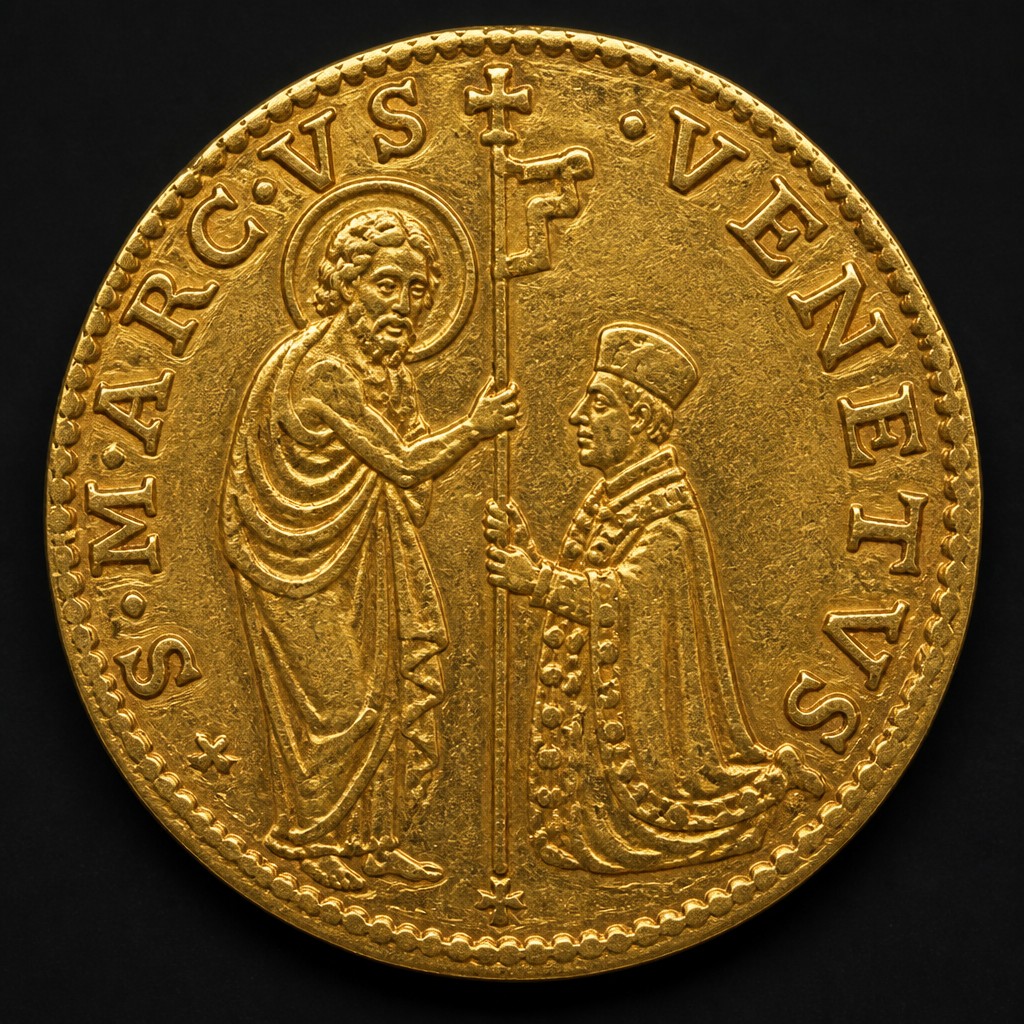
Venetian Ducat
1284–1797
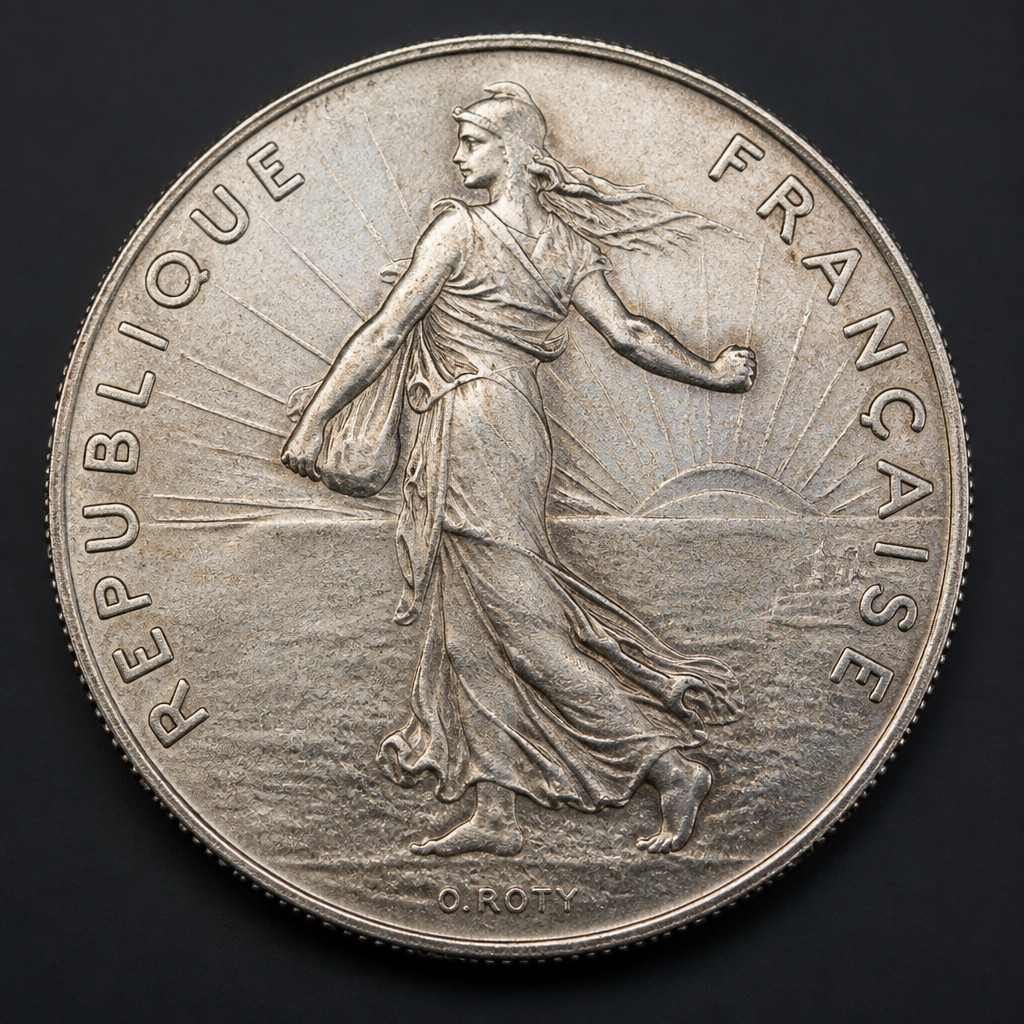
French 100 Francs Silver
1980s–2001 (pre-euro era)
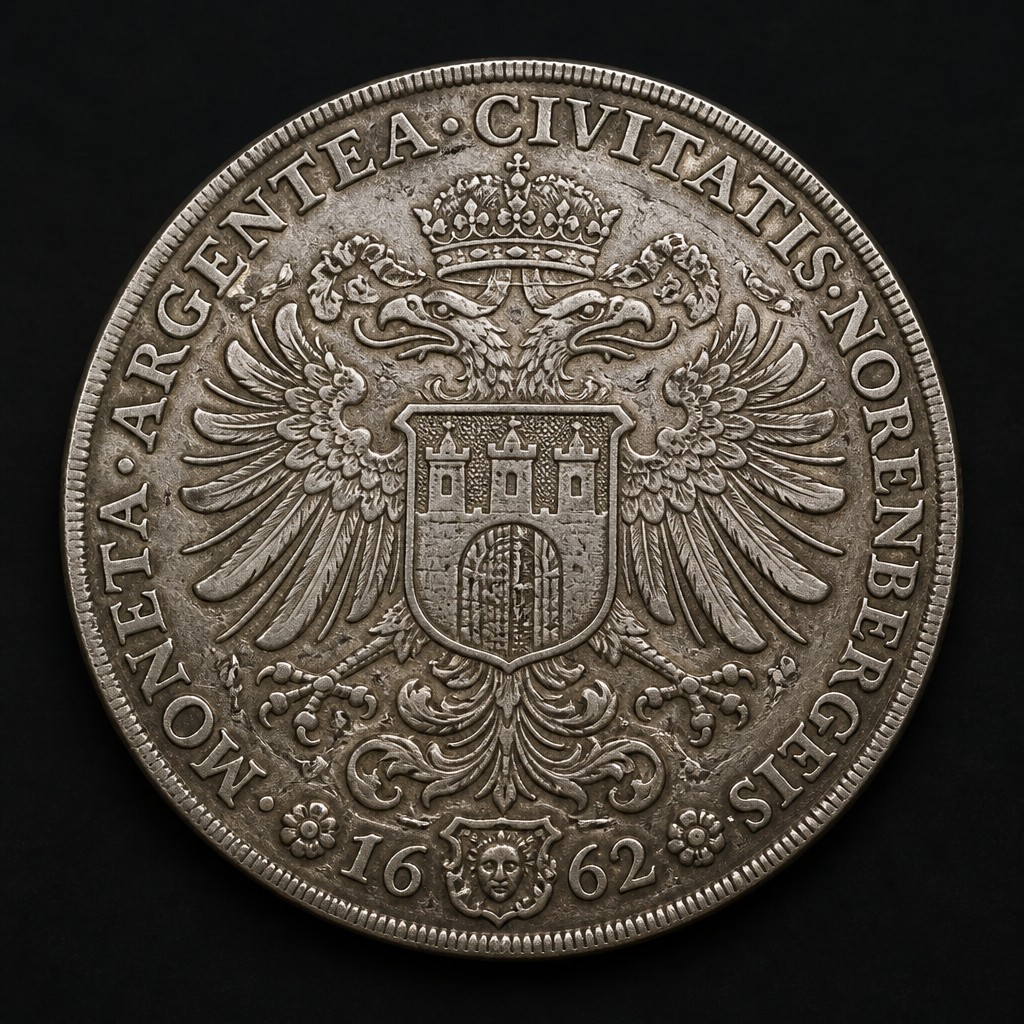
Nuremberg Thaler
16th–18th century
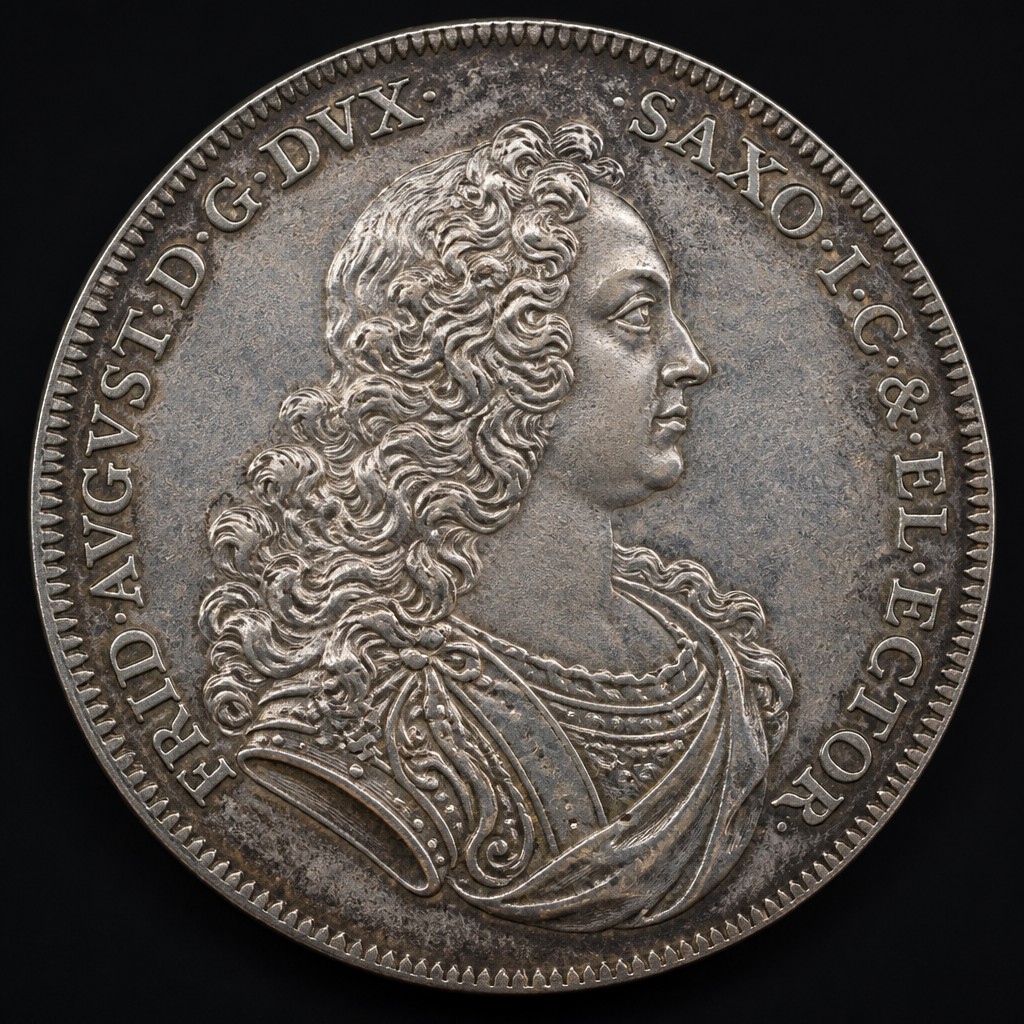
Saxon Speciestaler
17th–19th century
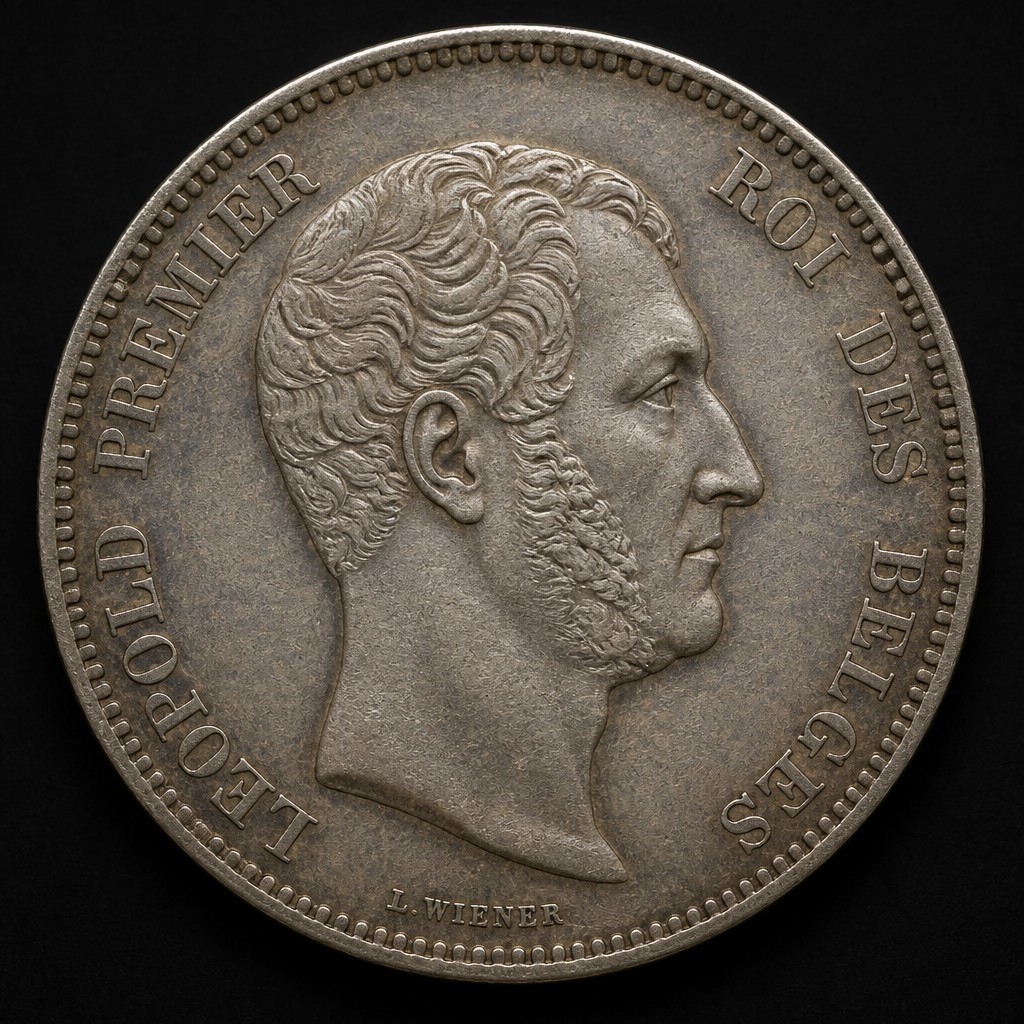
Belgian 5 Francs
1832–1876 (large silver type); later reduced-size and later-metal issues into the 20th century
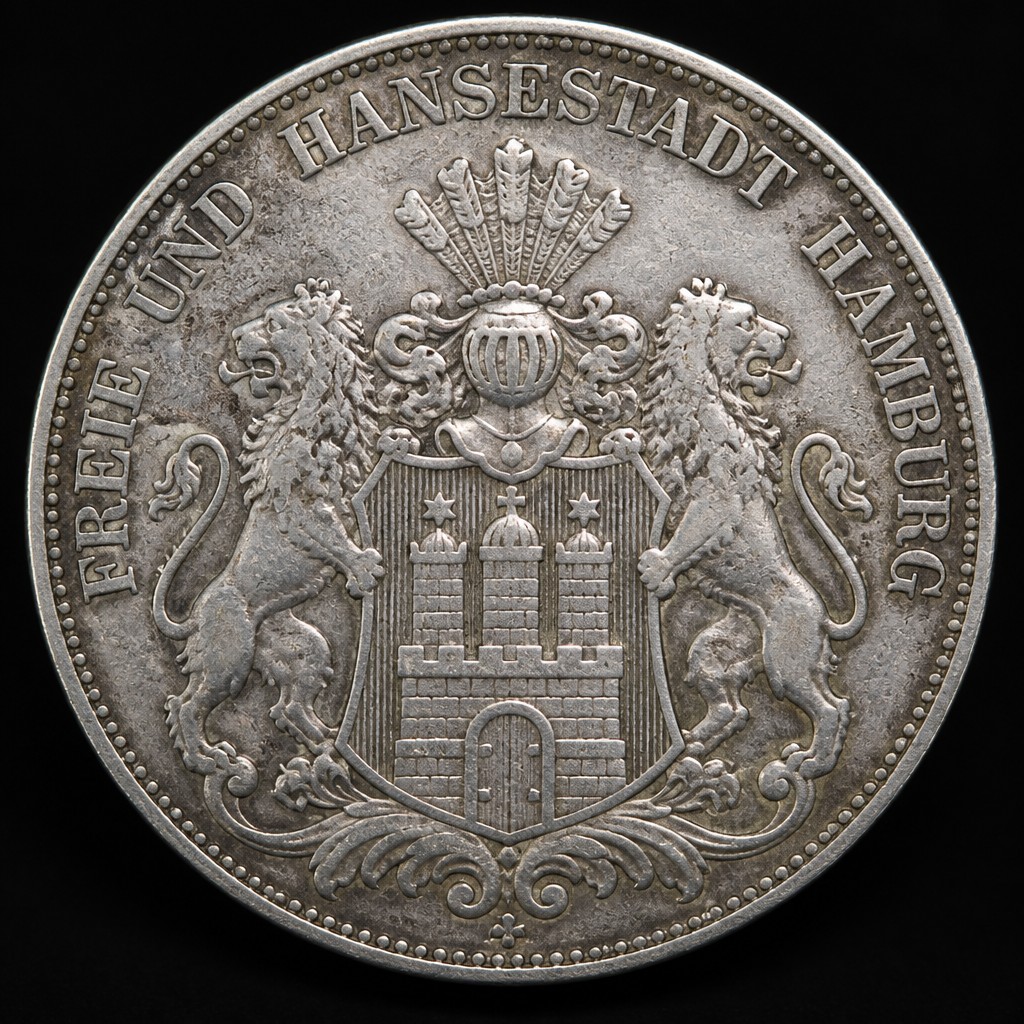
Hamburg Thaler
17th century–1871
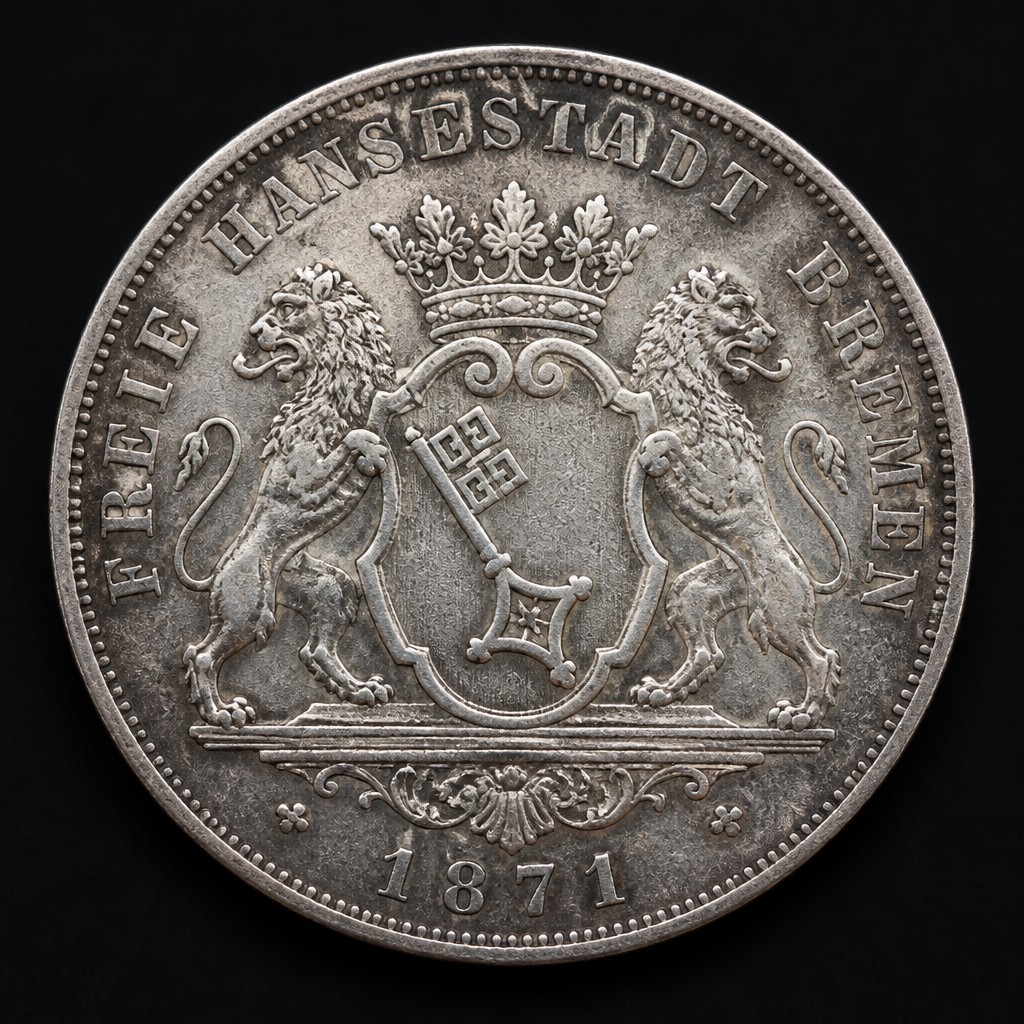
Bremen Thaler
17th century–1871
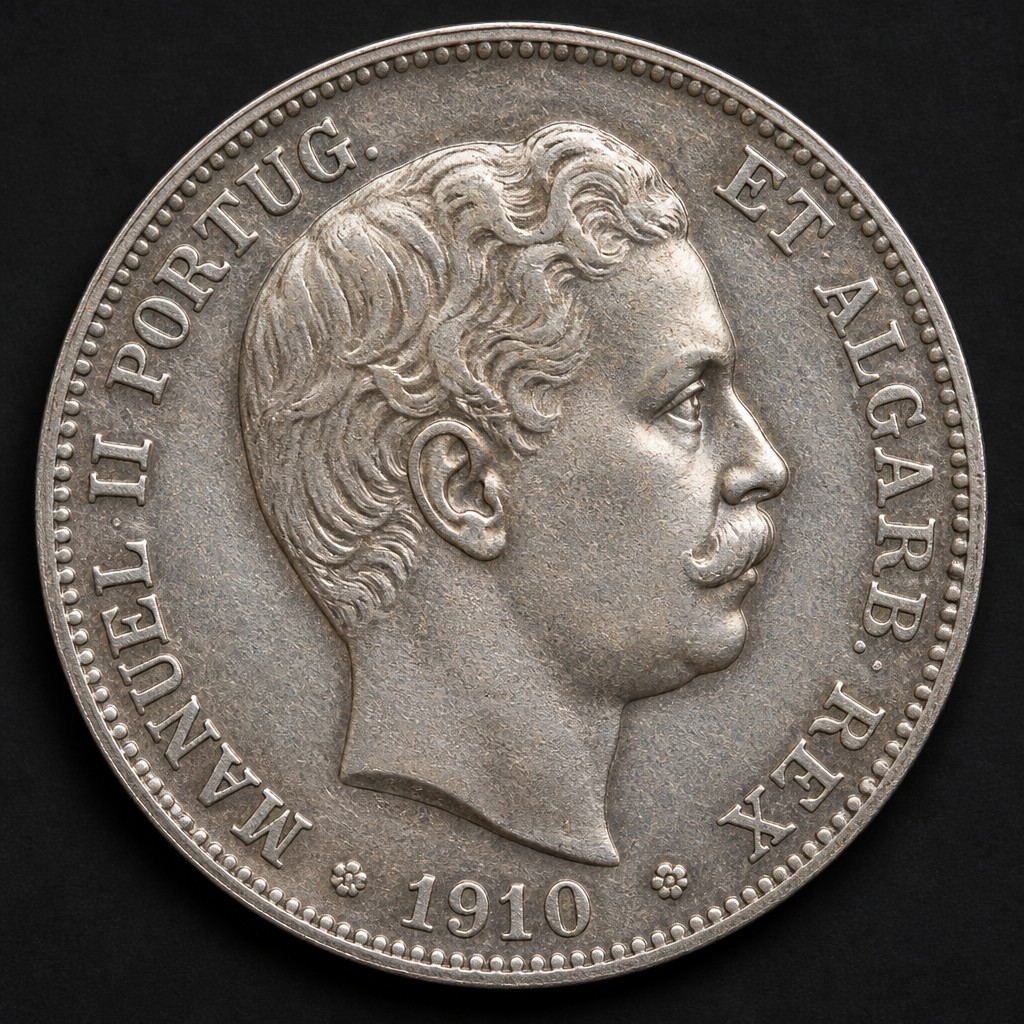
Portuguese 1000 Reis
19th century–1910 (Kingdom period)
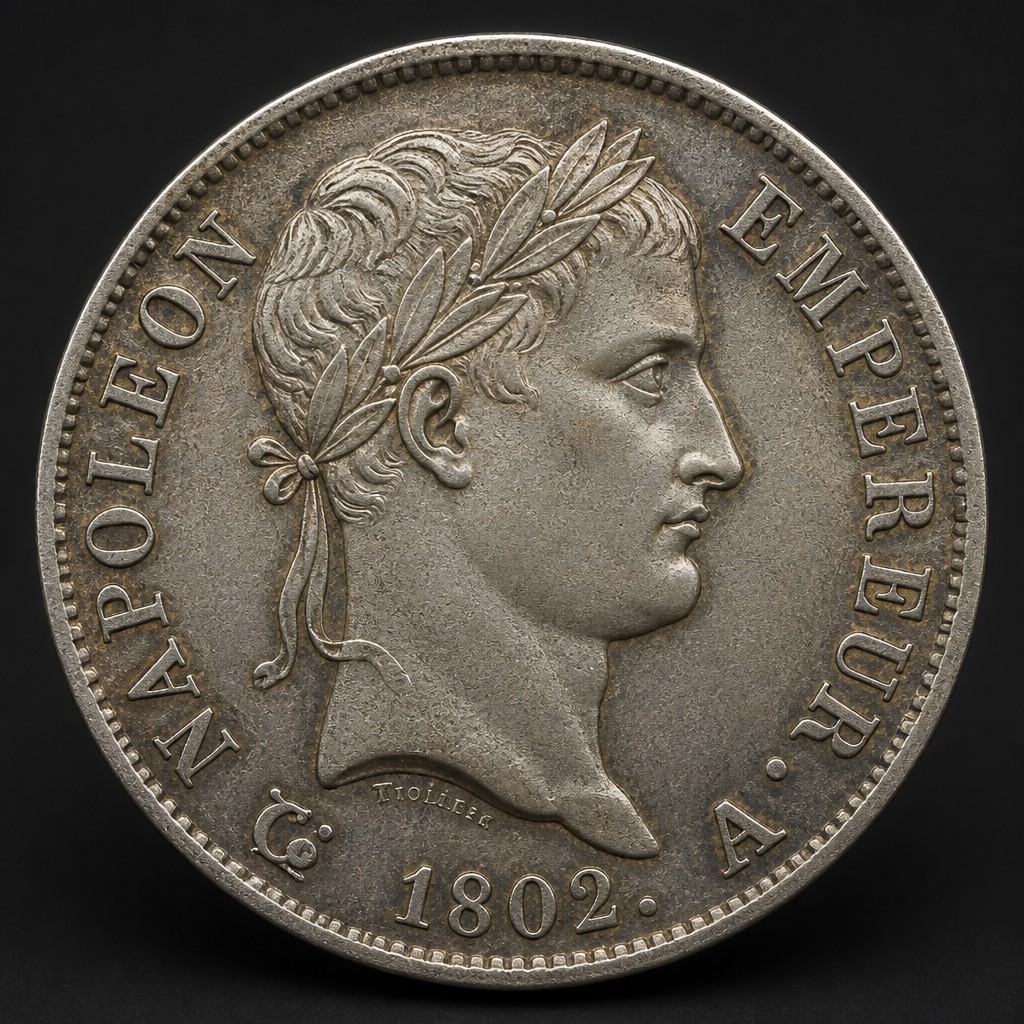
French 5 Francs "Napoleon"
1802–1815
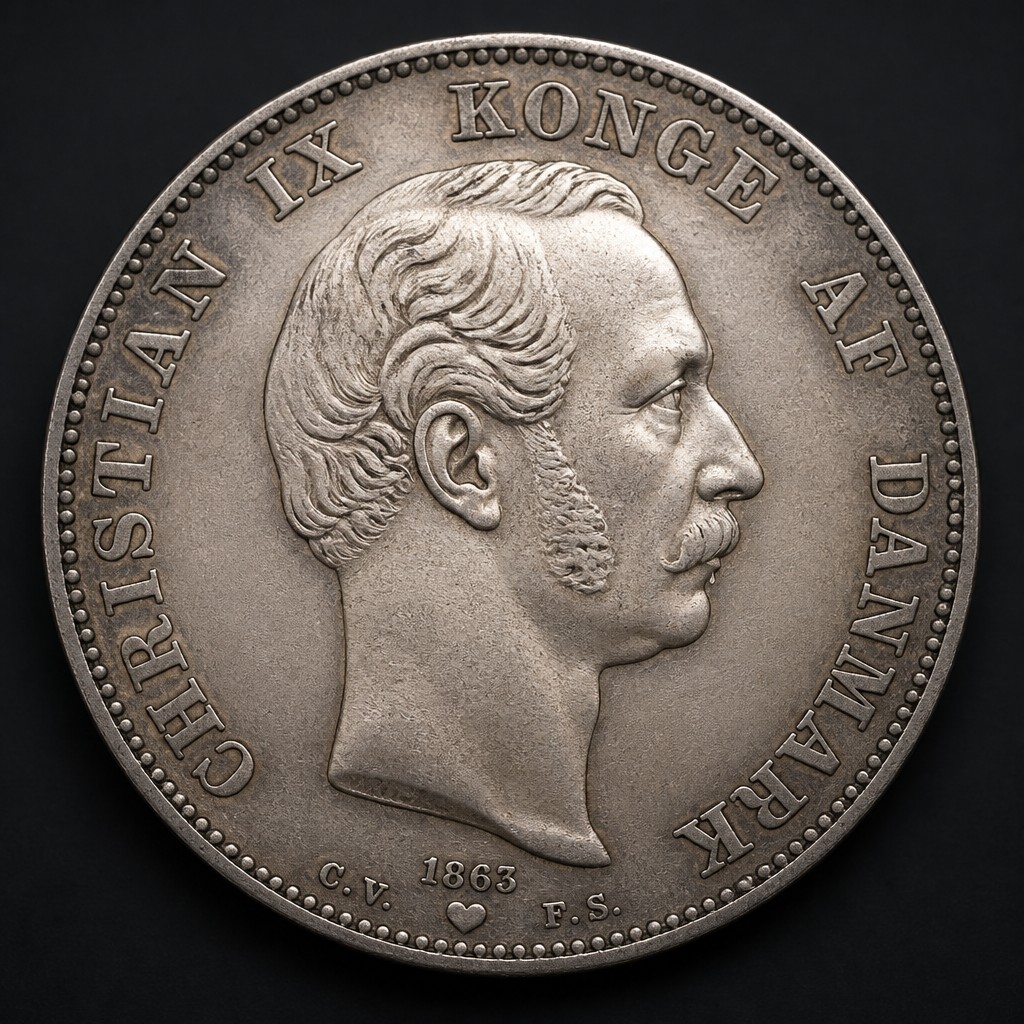
Danish 2 Rigsdaler
19th century (until 1873 currency reform)
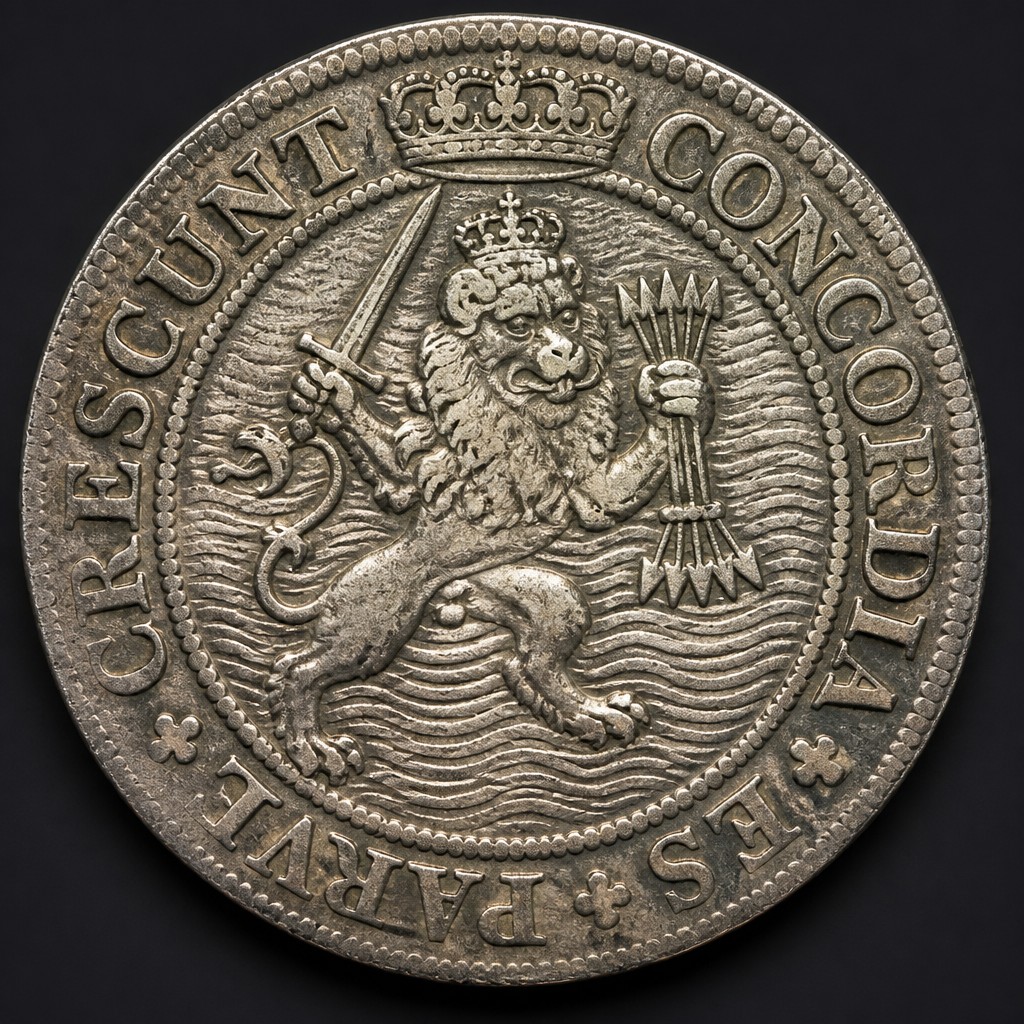
Dutch Lion Daalder (Leeuwendaalder)
c. 1575–1713
Austrian Levantine Thaler (Maria Theresa Thaler)
Originally 1780; continually restruck with the same date into the 20th century