
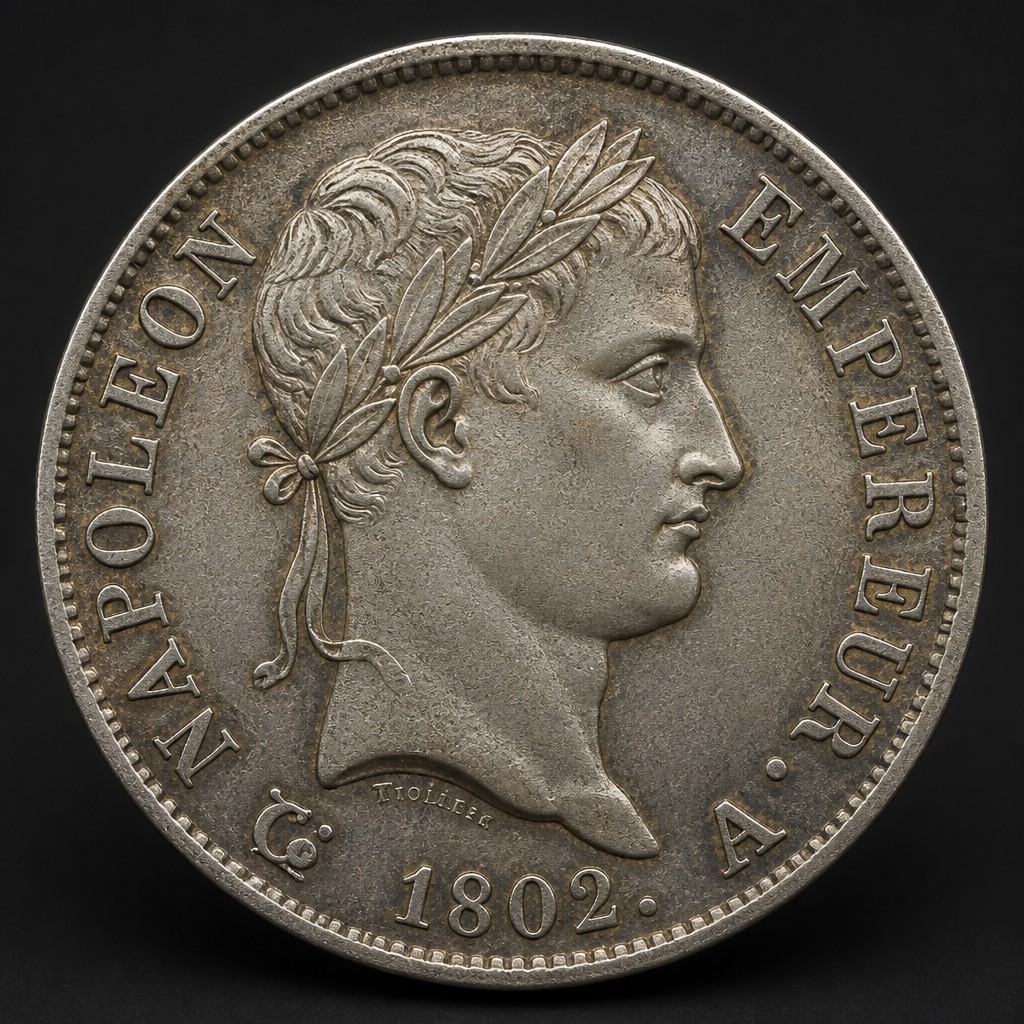
French 5 Francs "Napoleon"
A large silver crown-sized coin bearing the portrait of Napoleon Bonaparte, first as First Consul and later as Emperor, marking France's decimal franc system's early flagship silver denomination.
- Country
- France (First French Empire)
- Denomination
- 5 Francs
- Metal
- Silver, .900 fine
Got a coin like this?
Identify any coin from a photo, free.
Overview
The French 5 Francs coin featuring Napoleon Bonaparte represents one of the most historically significant issues of the French decimal monetary system established after the Revolution. As France's largest circulating silver coin of the era, it served as the practical equivalent of the older ecu and was the primary silver denomination people would have handled in significant daily and commercial transactions.
Because the design changed to reflect Napoleon's rapidly evolving political status, from First Consul of the Republic to Emperor of the French, the series offers a compact numismatic record of his ascent to power, making it especially appealing to collectors interested in Napoleonic history alongside pure coin collecting.
History & Background
France adopted a new decimal currency system in the 1790s following the Revolution, and the 5 Francs silver coin became its flagship large-denomination coin. Early issues, struck around 1802-1803, depicted Napoleon Bonaparte as "Premier Consul" (First Consul) of the French Republic, reflecting his political position before he declared himself Emperor.
Following Napoleon's coronation as Emperor in 1804, the coinage was updated to show him as "Napoleon Empereur," first with a bare head and later with a laureate wreath following classical Roman imperial imagery, reinforcing his self-styled image as heir to ancient imperial tradition. Production continued throughout the Napoleonic Wars until his final defeat and abdication in 1815, after which restored Bourbon monarchy coinage replaced his portrait on French silver.
How to Identify
Obverse designs vary by period: the earliest type shows Napoleon as "Bonaparte Premier Consul" with a bare head in profile, while later types show him as "Napoleon Empereur" with either a bare head or a laureate (wreathed) head, reflecting his imperial status after 1804.
The reverse typically displays the denomination "5 FRANCS" within a wreath, along with the date and mint mark, and later Empire-period issues often incorporate additional imperial symbolism.
The coin is silver, .900 fine, roughly 37mm in diameter and about 25 grams, consistent with France's decimal franc weight standards. Mint marks (a single letter such as "A" for Paris) appear on the reverse, and edge lettering or reeding varies by type; collectors distinguish the several obverse portrait varieties (Consul, bare-headed Emperor, laureate Emperor) as they carry different levels of rarity and demand.
Value & Collectibility
Common dates and mints, particularly later laureate-head Empire issues from Paris, are widely available and reasonably affordable in circulated grades, making them accessible entry points into Napoleonic coinage.
Earlier "Premier Consul" types and coins from certain provincial mints are considerably scarcer and can bring significant premiums, with condition, strike quality, and eye appeal all playing major roles in determining value across the series.
As with most classic European silver crowns, cleaned or heavily worn examples are worth notably less than problem-free coins with original surfaces, and collectors should verify specific date and mint combinations against established numismatic references before purchase.
Frequently asked questions
Why do some coins say 'Premier Consul' and others 'Empereur'?
The legend changed to reflect Napoleon's political status, from First Consul of the Republic before 1804 to Emperor of the French afterward.
What is the difference between the bare-headed and laureate portraits?
The laureate portrait, showing Napoleon wearing a wreath, was introduced later in his reign to evoke classical Roman imperial imagery.
What ended production of this coin?
Napoleon's final defeat and abdication in 1815 led to the restoration of the Bourbon monarchy, which replaced his image on French coinage.
How can I identify the mint of a given coin?
A single letter mint mark appears on the coin, with 'A' denoting the Paris mint, the most common source for this series.
Is the 5 Francs Napoleon the same size as a modern silver dollar?
It is comparable in size, being a large silver crown-sized coin around 37mm in diameter.
Other coins you may enjoy
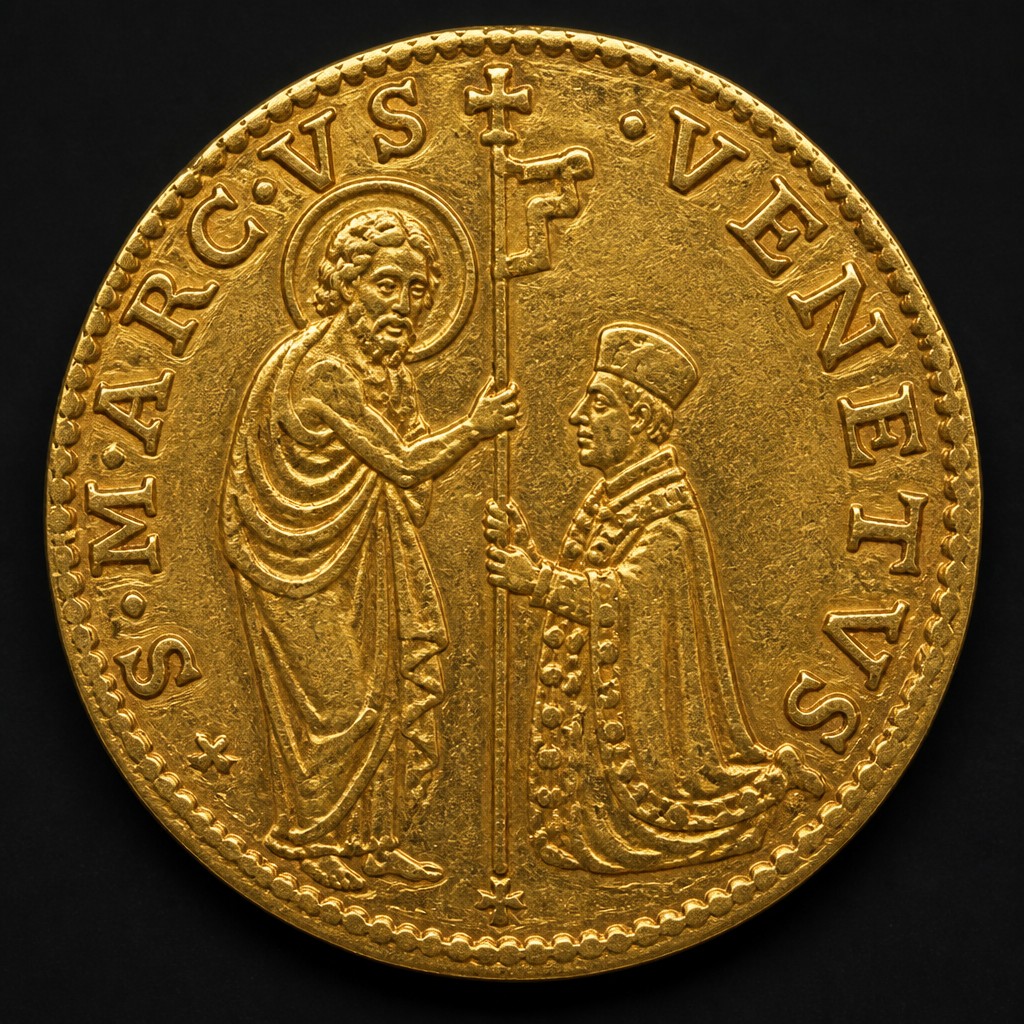
Venetian Ducat
1284–1797
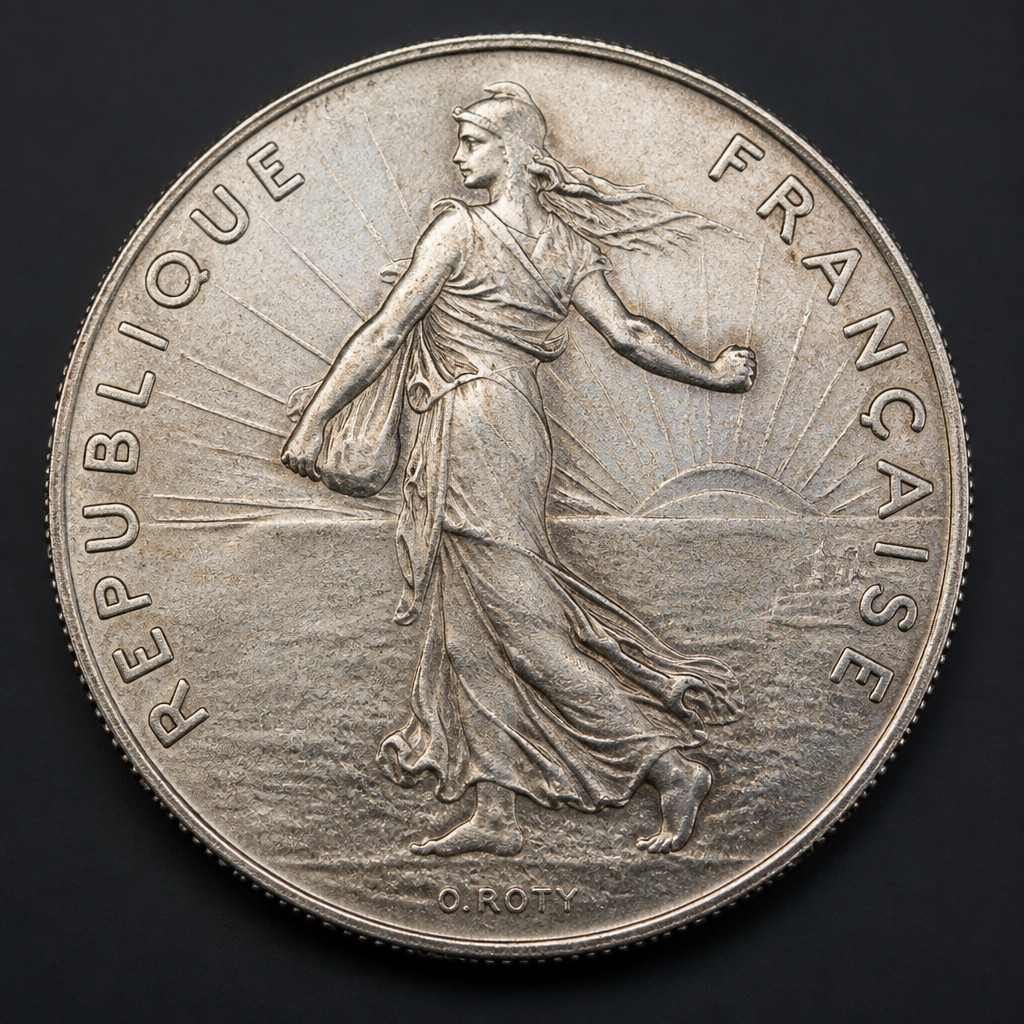
French 100 Francs Silver
1980s–2001 (pre-euro era)
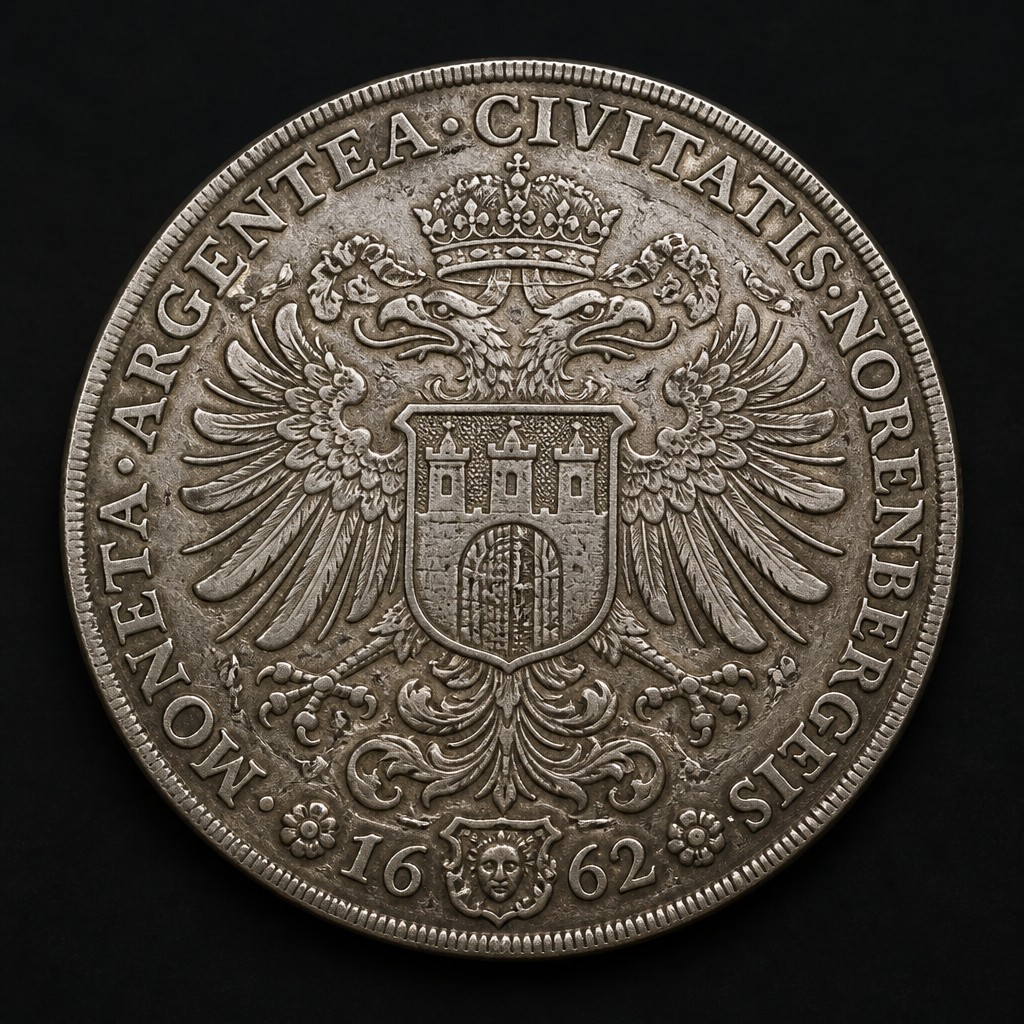
Nuremberg Thaler
16th–18th century
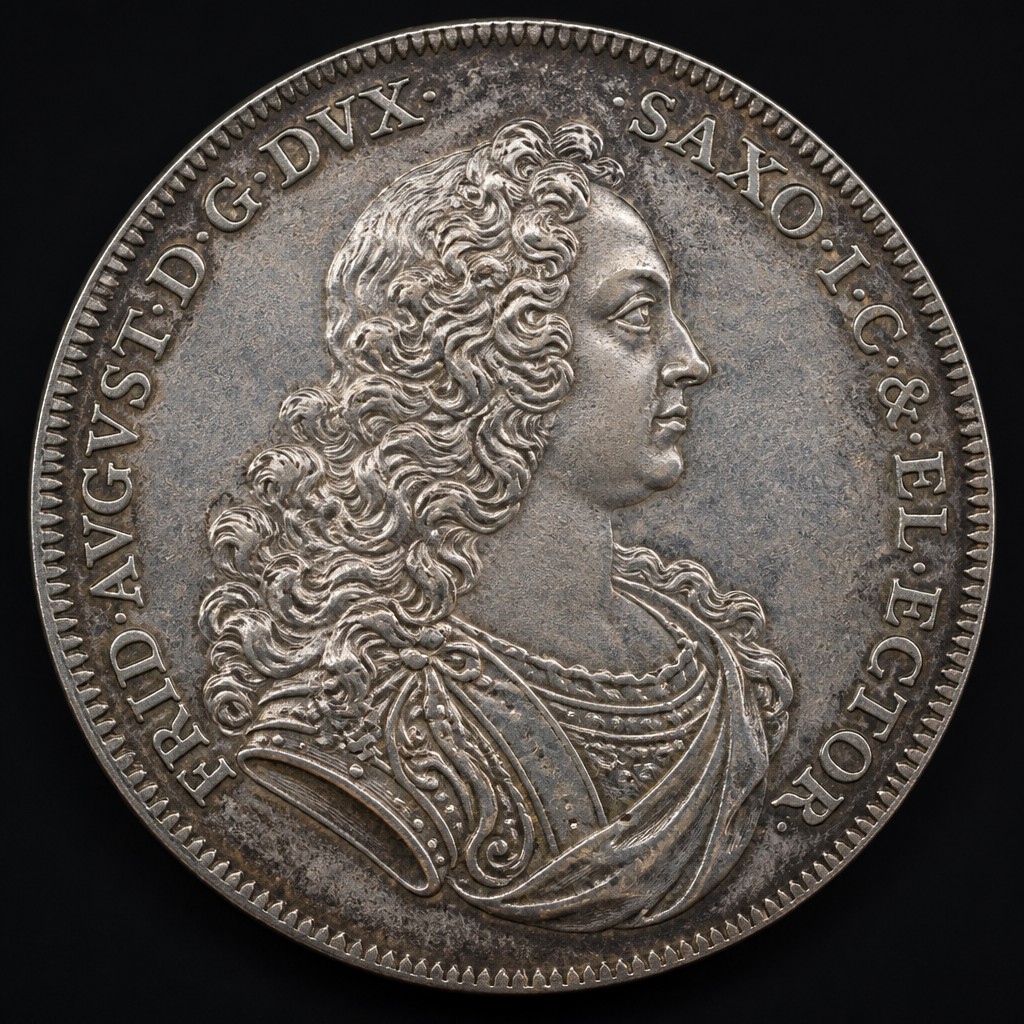
Saxon Speciestaler
17th–19th century
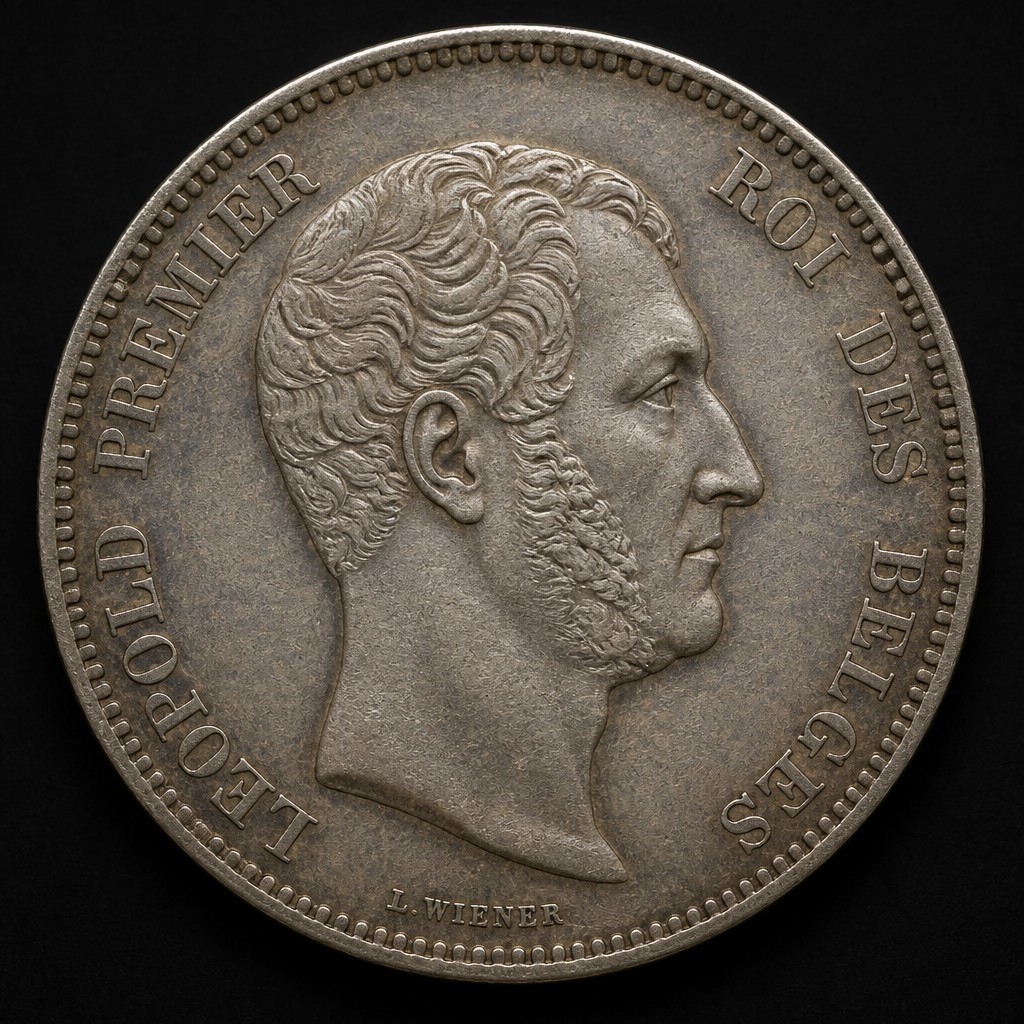
Belgian 5 Francs
1832–1876 (large silver type); later reduced-size and later-metal issues into the 20th century
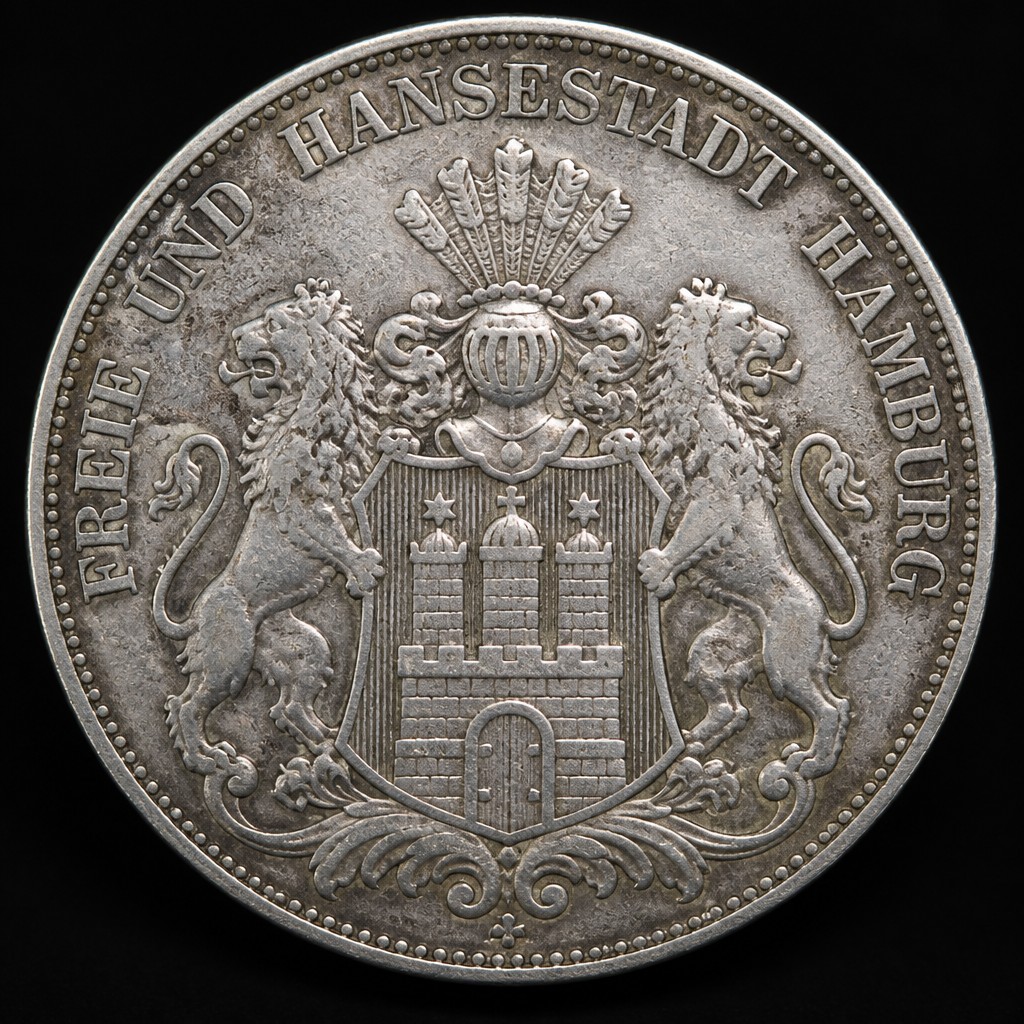
Hamburg Thaler
17th century–1871
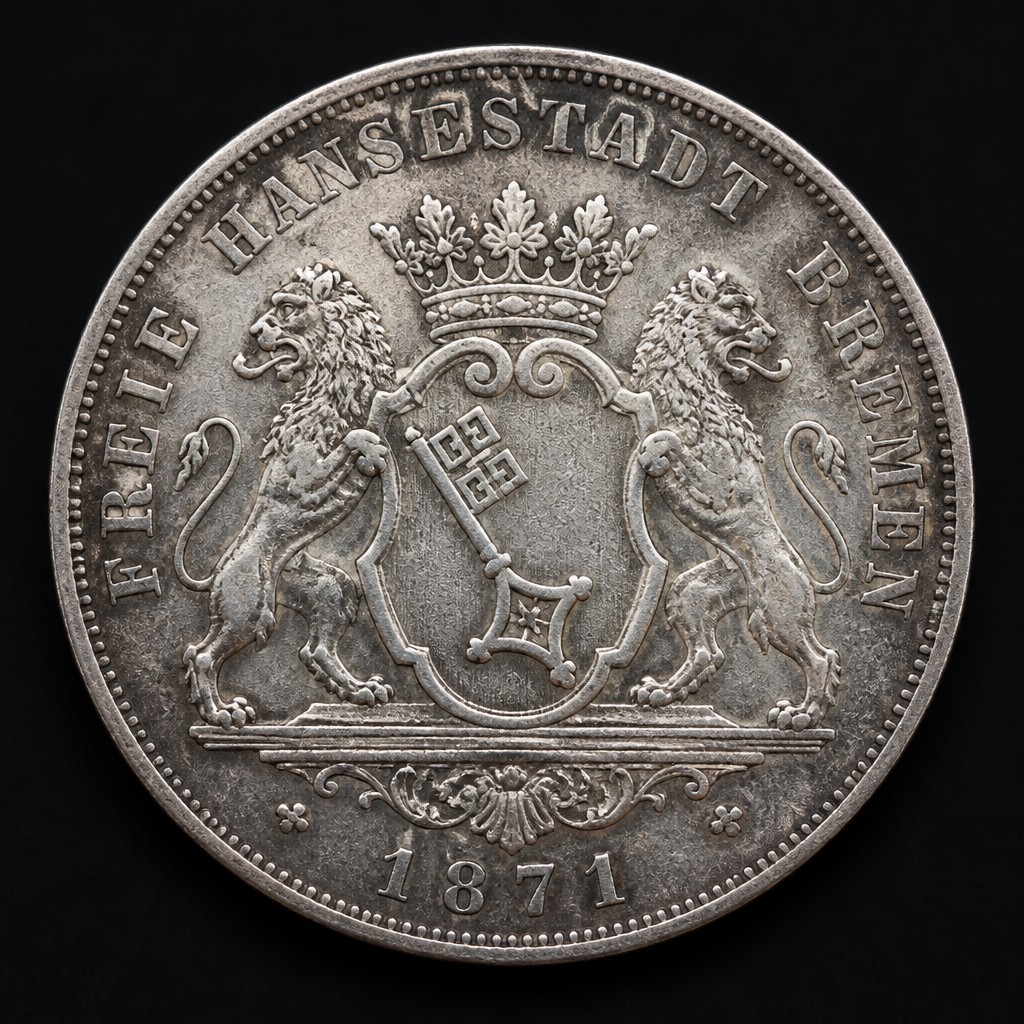
Bremen Thaler
17th century–1871
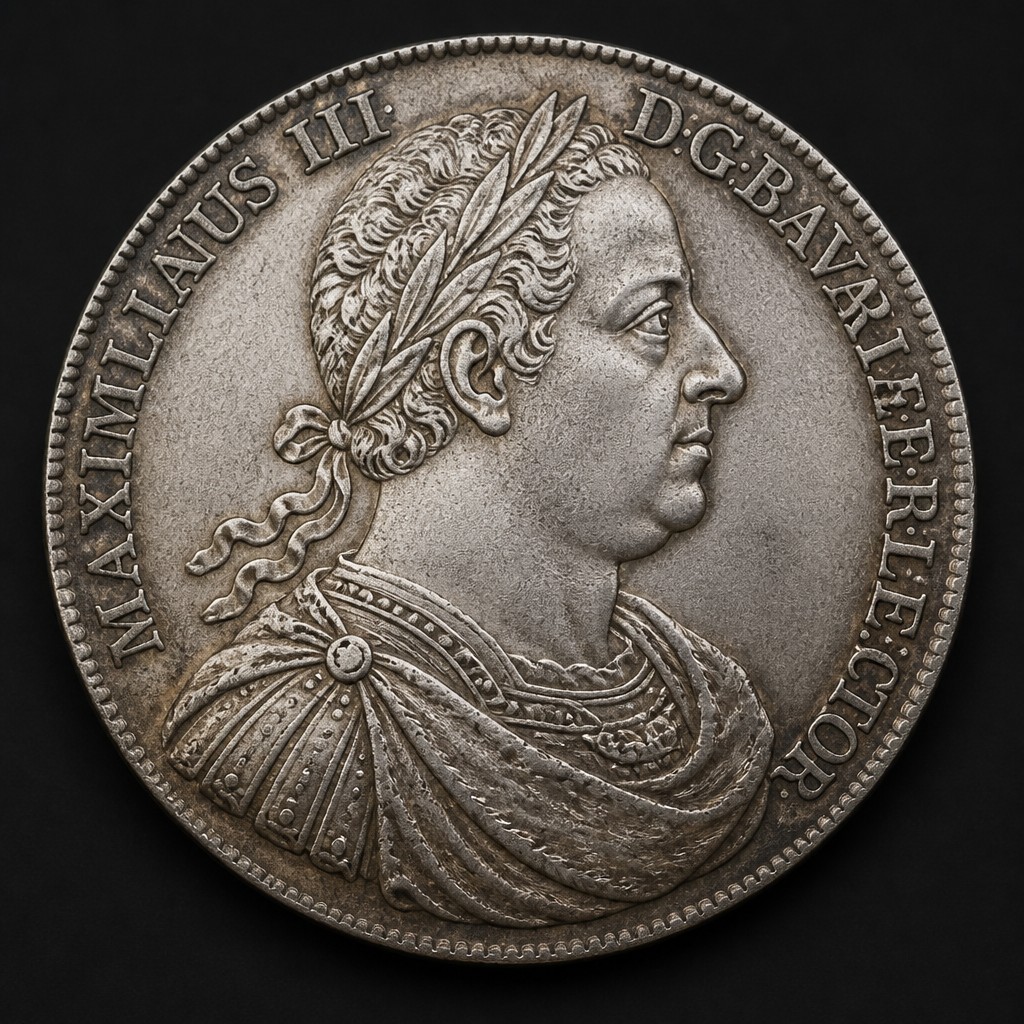
Bavaria Thaler
Circa 1620s-1871
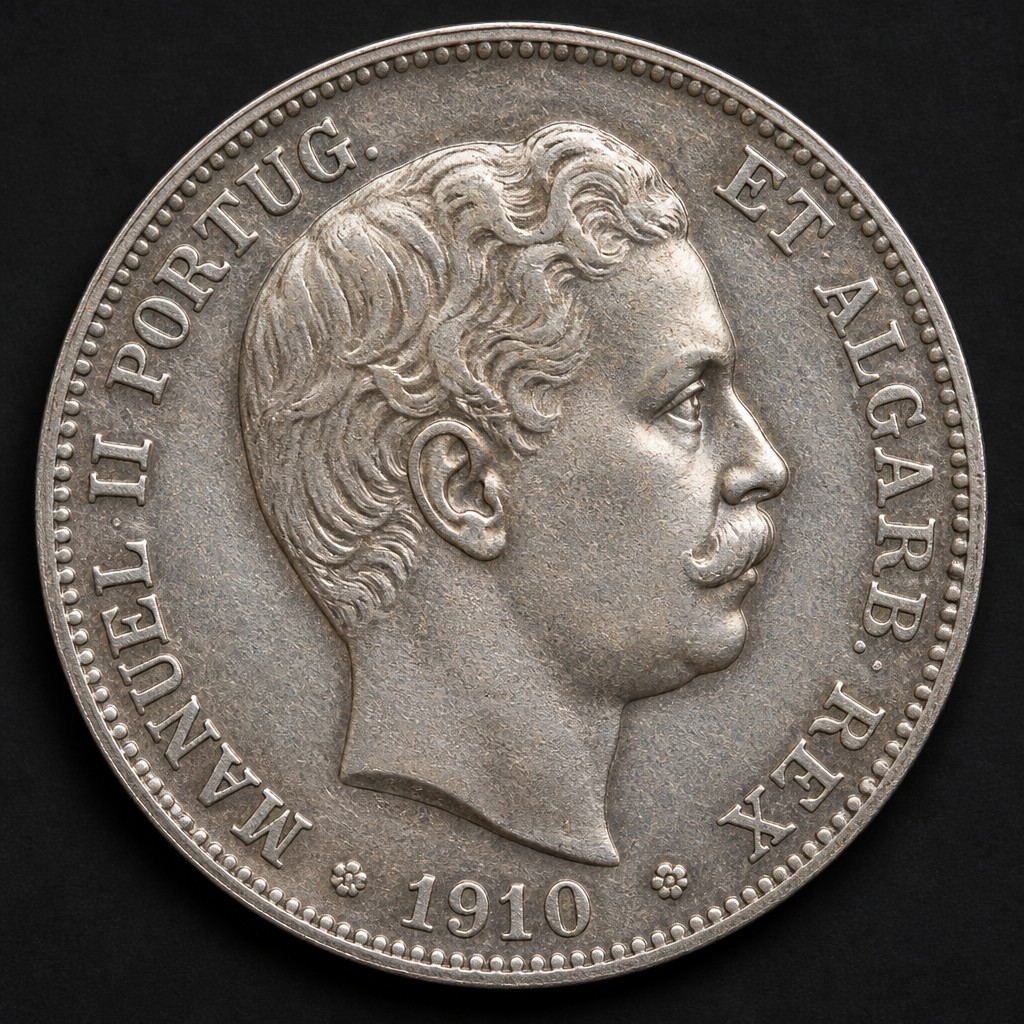
Portuguese 1000 Reis
19th century–1910 (Kingdom period)
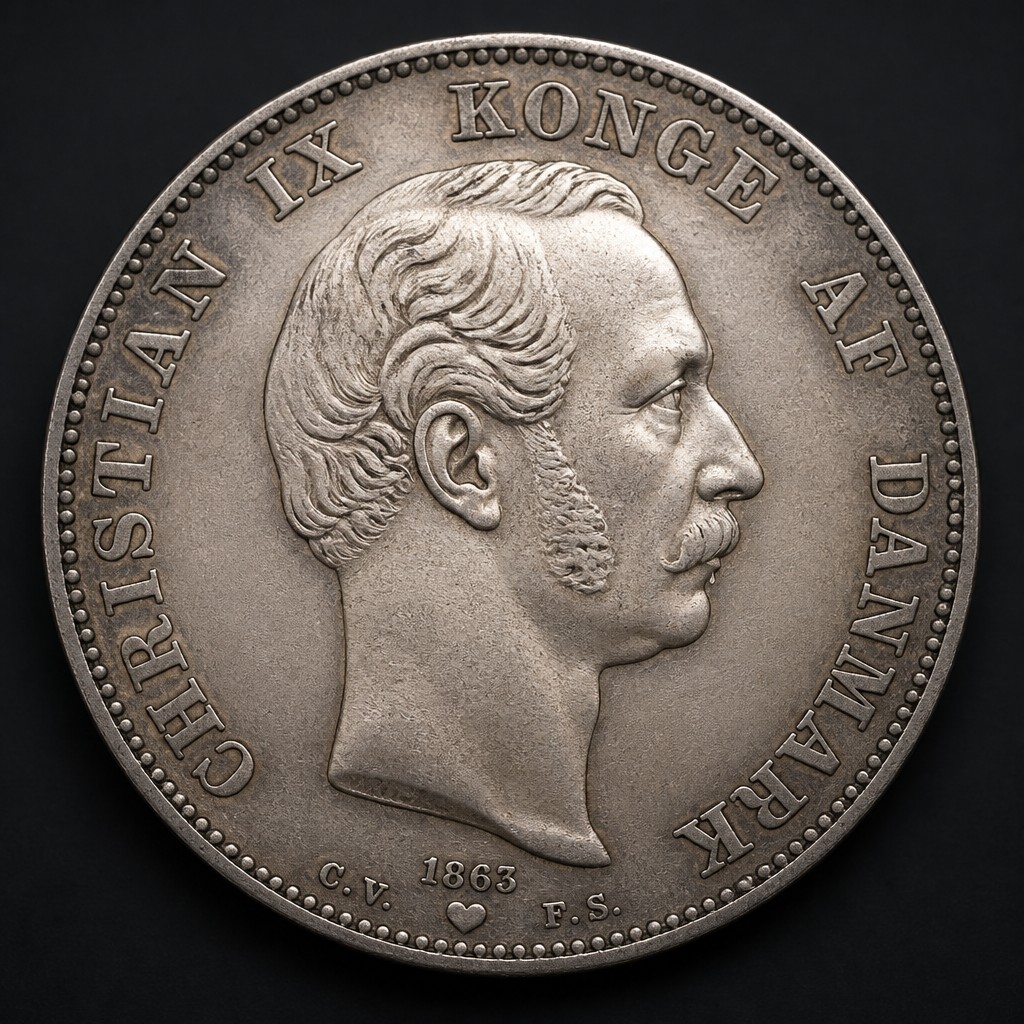
Danish 2 Rigsdaler
19th century (until 1873 currency reform)
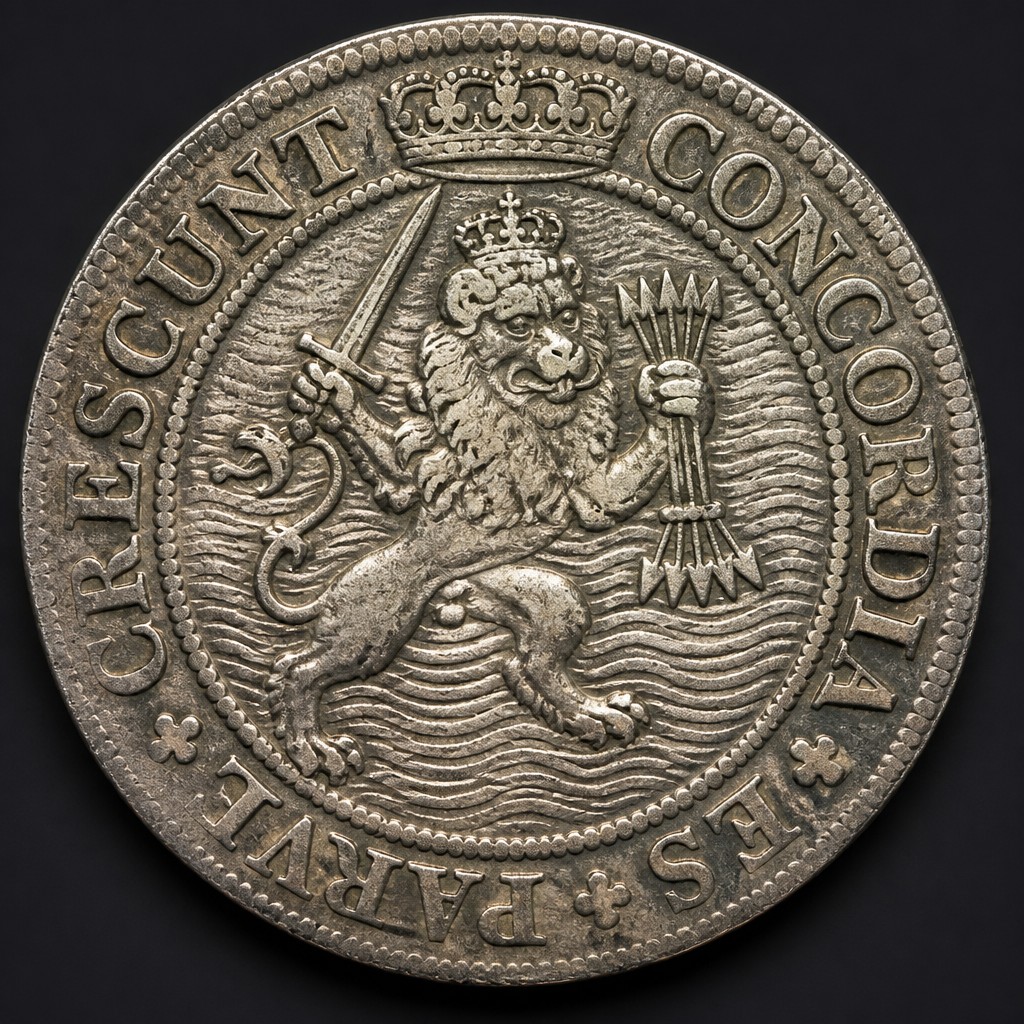
Dutch Lion Daalder (Leeuwendaalder)
c. 1575–1713
Austrian Levantine Thaler (Maria Theresa Thaler)
Originally 1780; continually restruck with the same date into the 20th century