
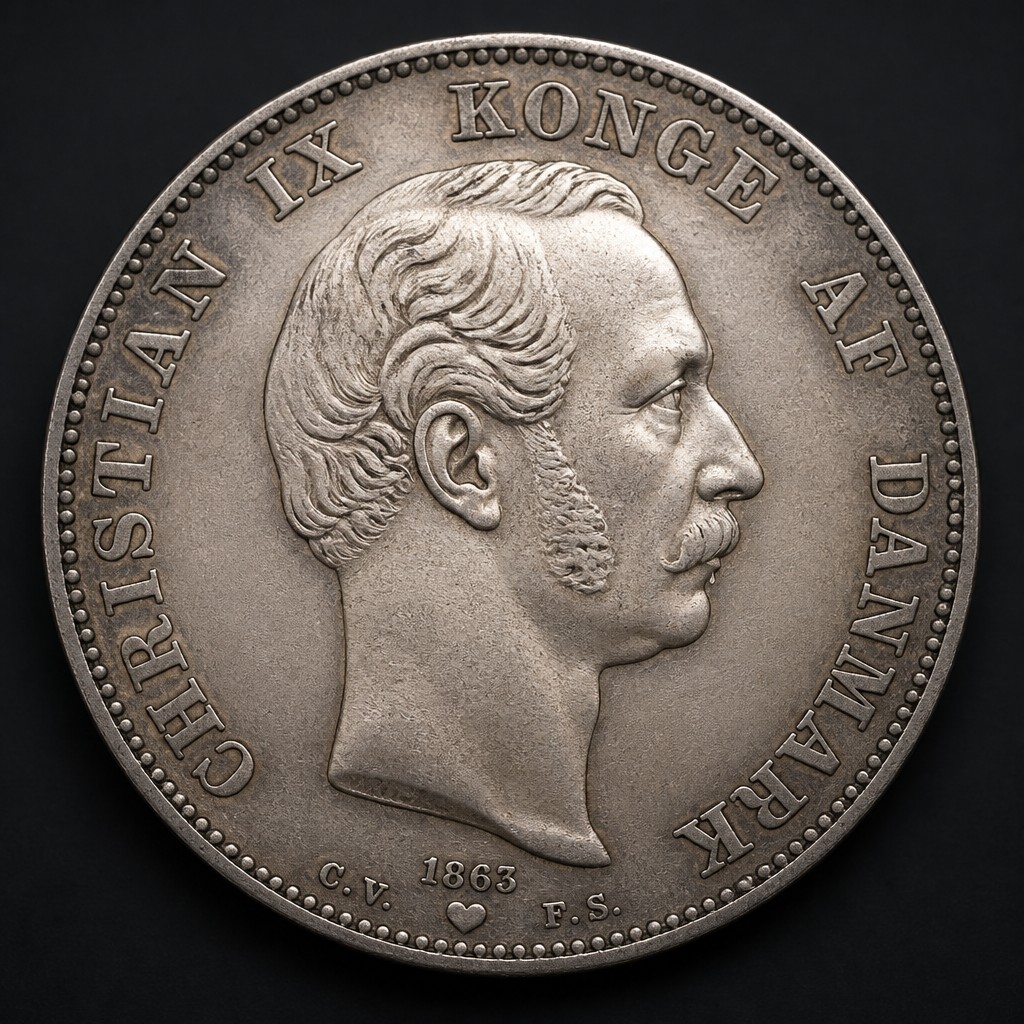
Danish 2 Rigsdaler
A large silver crown of the Kingdom of Denmark, double the standard rigsdaler denomination, often struck to commemorate specific royal events before Denmark adopted the krone in 1873.
- Country
- Kingdom of Denmark
- Denomination
- 2 Rigsdaler
- Metal
- Silver, generally .875–.930 fine (varies by type)
Got a coin like this?
Identify any coin from a photo, free.
Overview
The Danish 2 Rigsdaler was one of the larger silver denominations issued by the Kingdom of Denmark during the nineteenth century, before the country moved to a new decimal krone-based currency. As a double-value rigsdaler piece, it represented a substantial coin both in size and purchasing power, and examples were sometimes struck specifically to mark notable royal or national occasions.
The coin reflects Denmark's monetary history under kings such as Frederik VI, Christian VIII, and Frederik VII, providing collectors with a tangible link to nineteenth-century Danish royal and civic history prior to the country's participation in the Scandinavian Monetary Union.
History & Background
Denmark's rigsdaler currency system, rooted in the broader European thaler tradition, remained the kingdom's standard silver-based currency for centuries. The 2 Rigsdaler denomination, representing double the standard unit, was periodically struck during the nineteenth century both for general circulation in some periods and, notably, as a larger commemorative or presentation piece to mark specific royal anniversaries, coronations, or other significant state events.
The rigsdaler system, including the 2 Rigsdaler coin, remained in use until 1873, when Denmark joined Sweden (and later Norway) in adopting the krone as part of the Scandinavian Monetary Union, a reform that modernized and standardized currency across the Scandinavian countries and rendered the old rigsdaler denominations obsolete for everyday circulation.
How to Identify
The obverse bears a portrait of the reigning Danish king (such as Frederik VI, Christian VIII, or Frederik VII depending on date) in profile, with his name, title, and regnal details in the surrounding legend.
The reverse often displays the Danish royal coat of arms or a commemorative design specific to the occasion for which the coin was struck, particularly for special "speciedaler" or presentation-style 2 Rigsdaler issues, along with the denomination and date.
The coin is a large silver piece, generally around 38-40mm in diameter given its double-value denomination, with fineness varying somewhat by specific type and period. Collectors distinguish standard circulation-type 2 Rigsdaler coins from commemorative issues by their reverse designs, with commemorative types generally referencing a specific historical event or anniversary in their legend.
Value & Collectibility
Standard circulation-type 2 Rigsdaler coins from more common reigns and dates are moderately available to collectors and reasonably priced in circulated grades, though the denomination is inherently less common than smaller rigsdaler units.
Commemorative 2 Rigsdaler issues, struck for specific royal anniversaries or notable events, are often considerably scarcer and more valuable than standard circulation dates, with strong demand from collectors of Danish and Scandinavian royal history.
As with other classic European silver crowns, condition, strike quality, and originality of surfaces significantly affect value, and collectors should consult specialized Scandinavian numismatic references to accurately value specific dates and commemorative varieties.
Frequently asked questions
What does '2 Rigsdaler' mean?
It denotes a coin worth double the standard rigsdaler unit, Denmark's historic silver currency denomination before the krone.
Why were some 2 Rigsdaler coins commemorative?
Denmark periodically struck larger denomination coins, including the 2 Rigsdaler, to mark specific royal anniversaries or significant state events.
When did Denmark stop using the rigsdaler?
The rigsdaler system was replaced in 1873 when Denmark adopted the krone as part of the Scandinavian Monetary Union.
Which Danish kings appear on this coin?
Depending on the date, kings such as Frederik VI, Christian VIII, and Frederik VII can appear on 2 Rigsdaler coins.
Are all 2 Rigsdaler coins the same design?
No, standard circulation types typically show the royal arms, while commemorative issues often feature unique designs referencing the specific event they mark.
Other coins you may enjoy
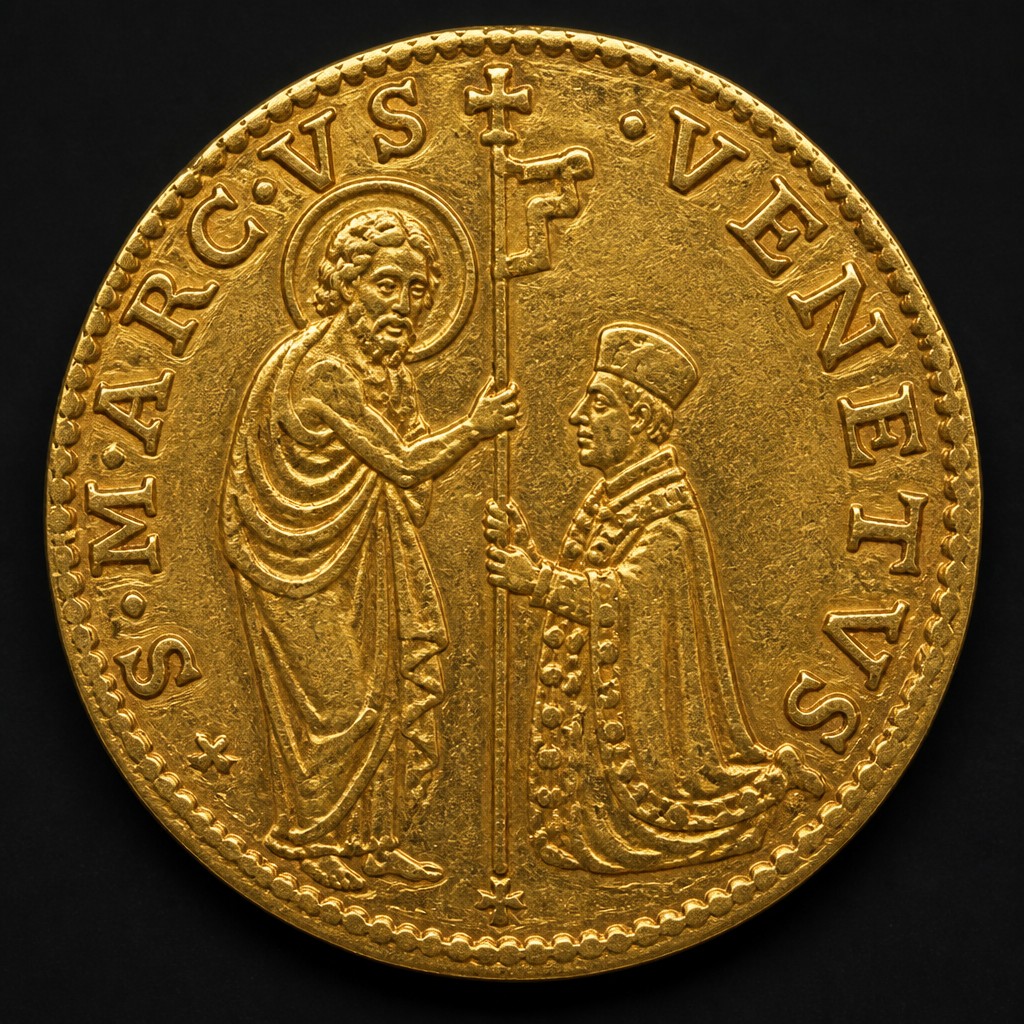
Venetian Ducat
1284–1797
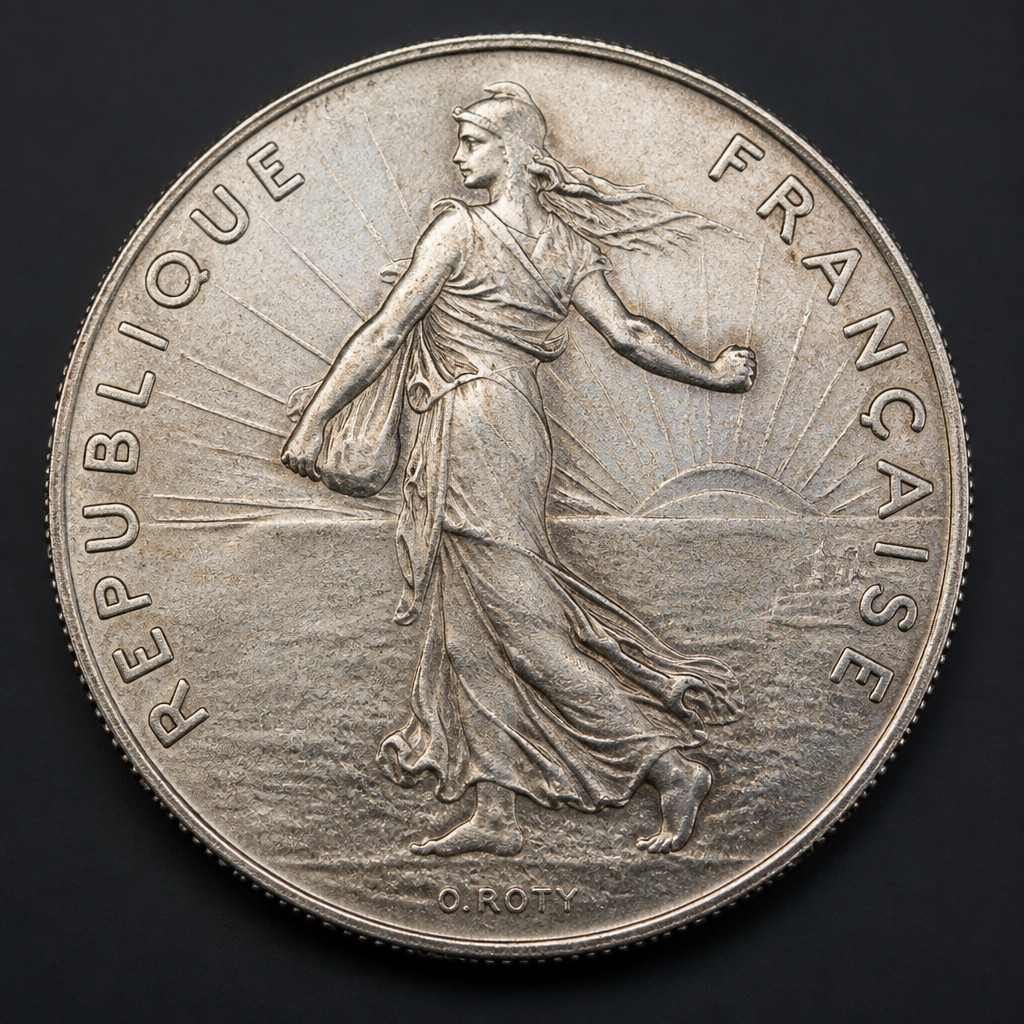
French 100 Francs Silver
1980s–2001 (pre-euro era)
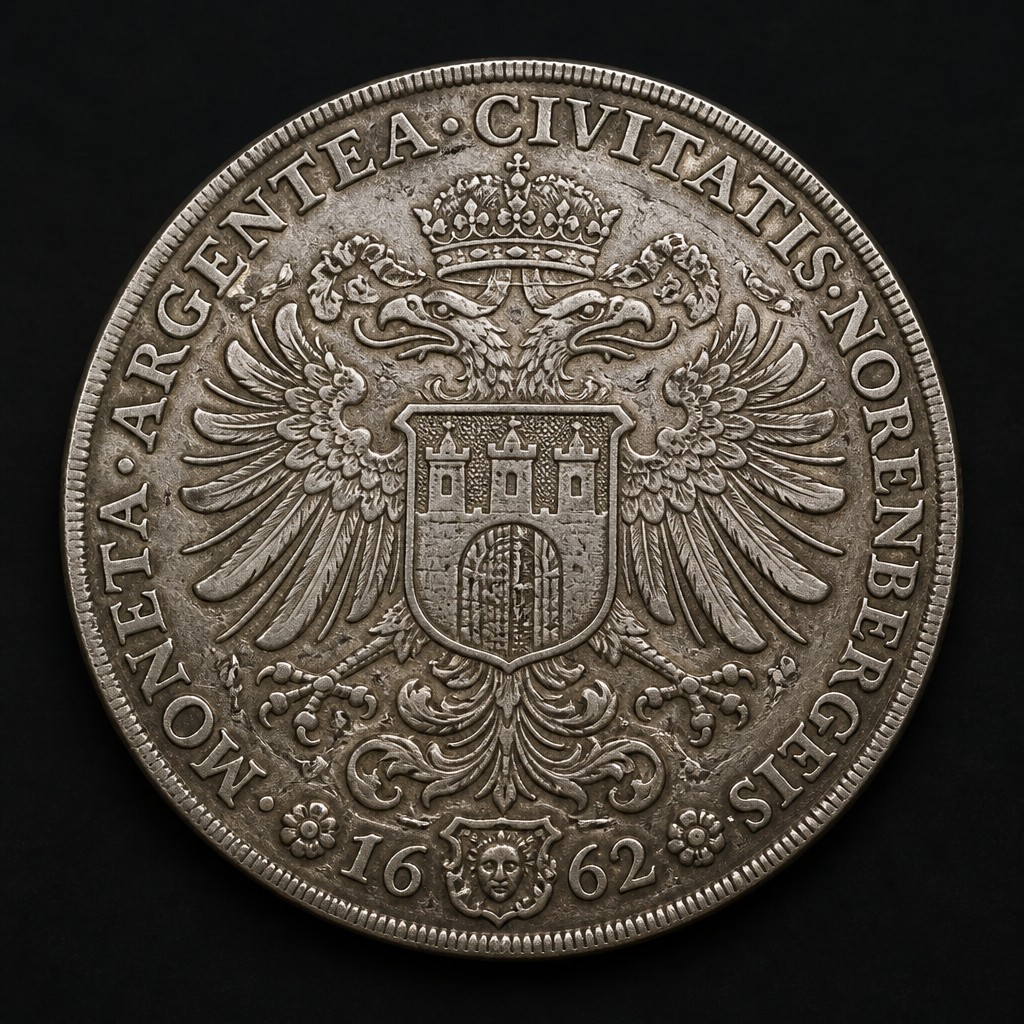
Nuremberg Thaler
16th–18th century
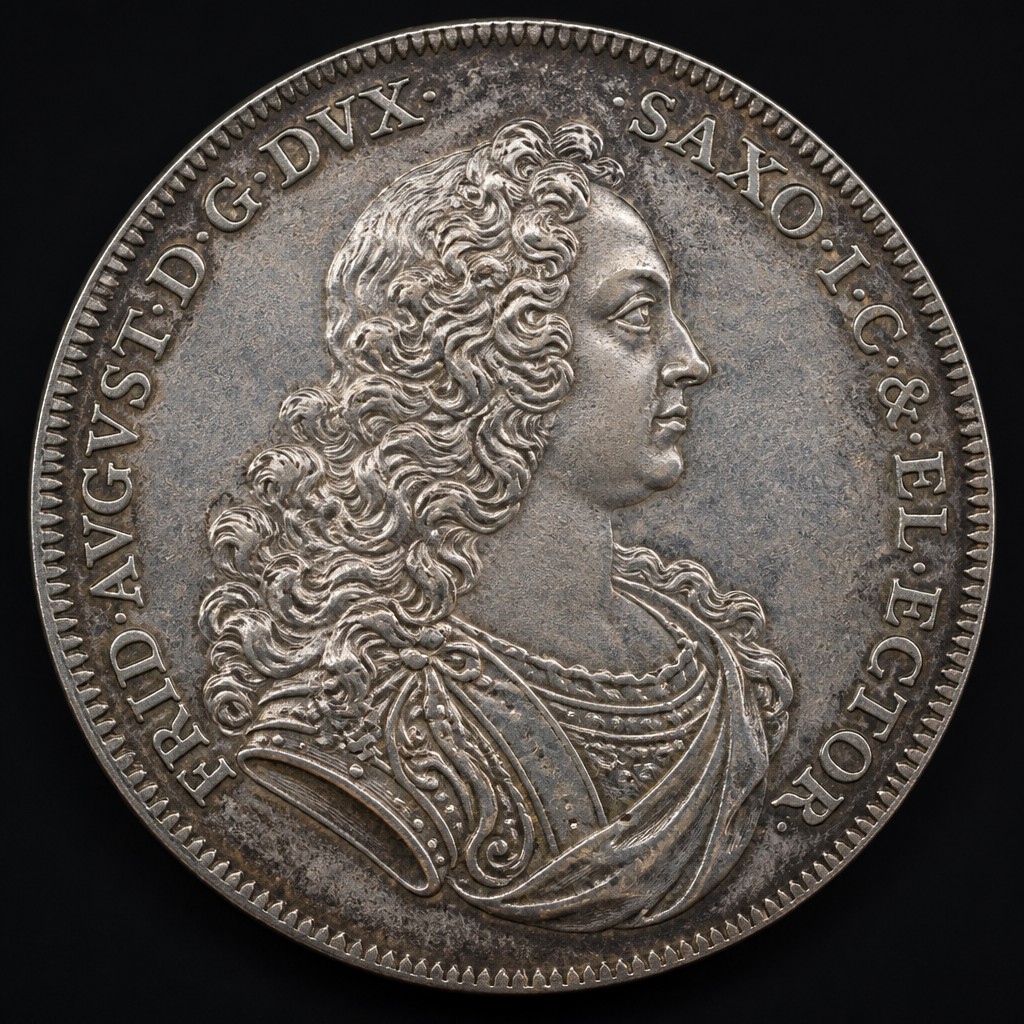
Saxon Speciestaler
17th–19th century
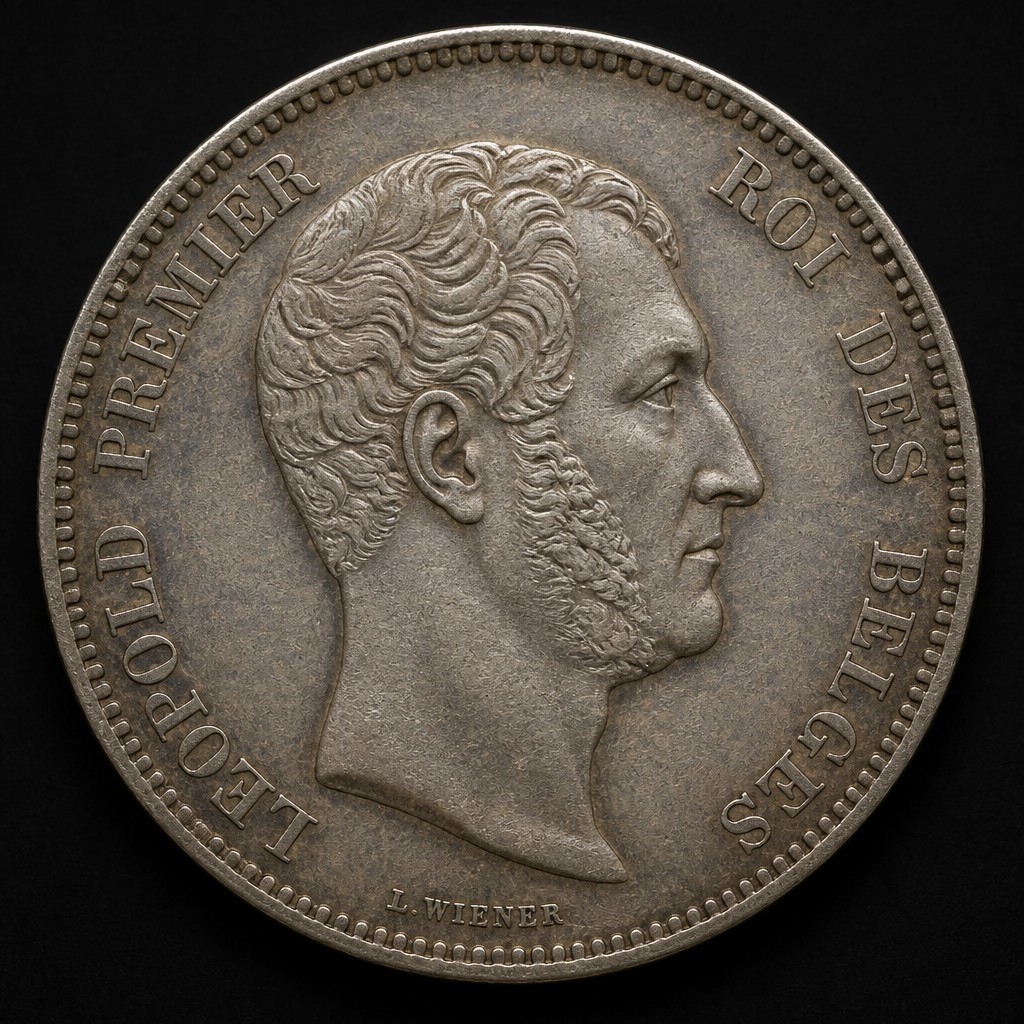
Belgian 5 Francs
1832–1876 (large silver type); later reduced-size and later-metal issues into the 20th century
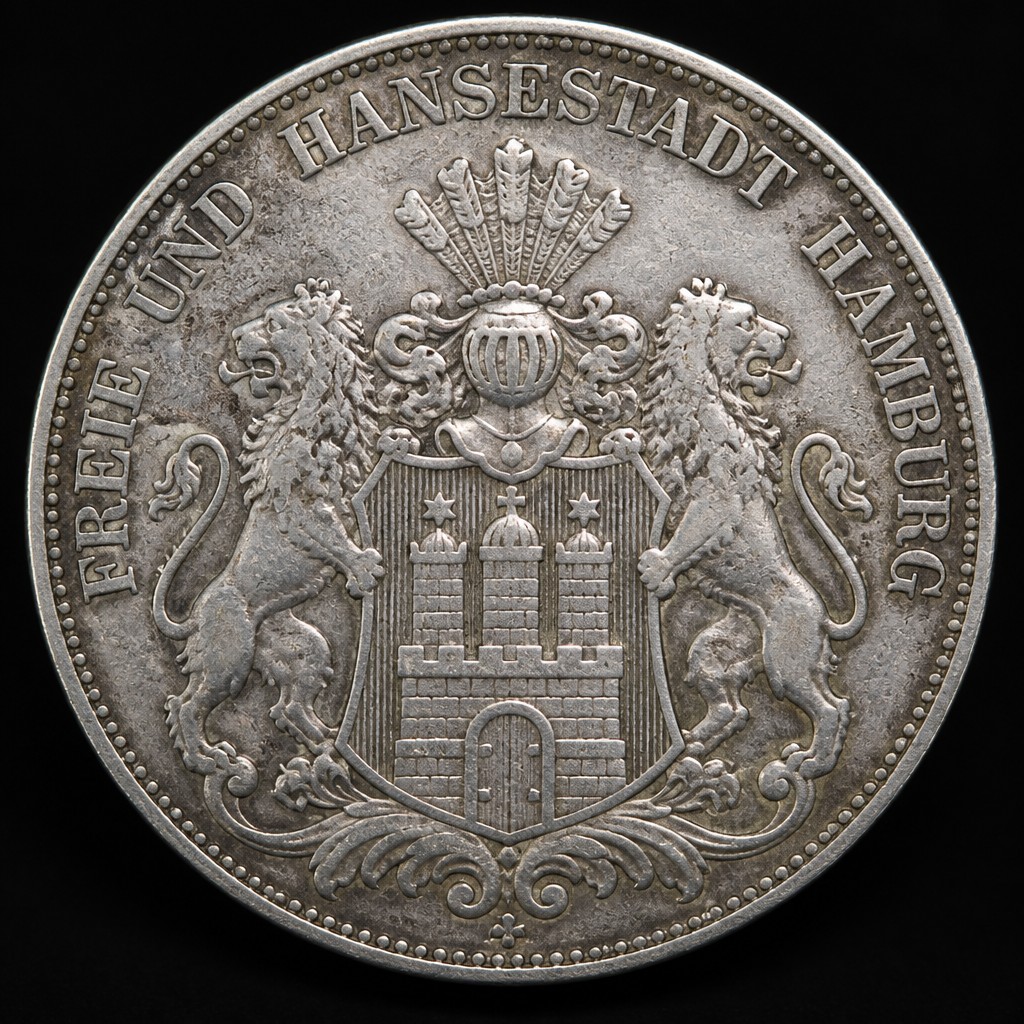
Hamburg Thaler
17th century–1871
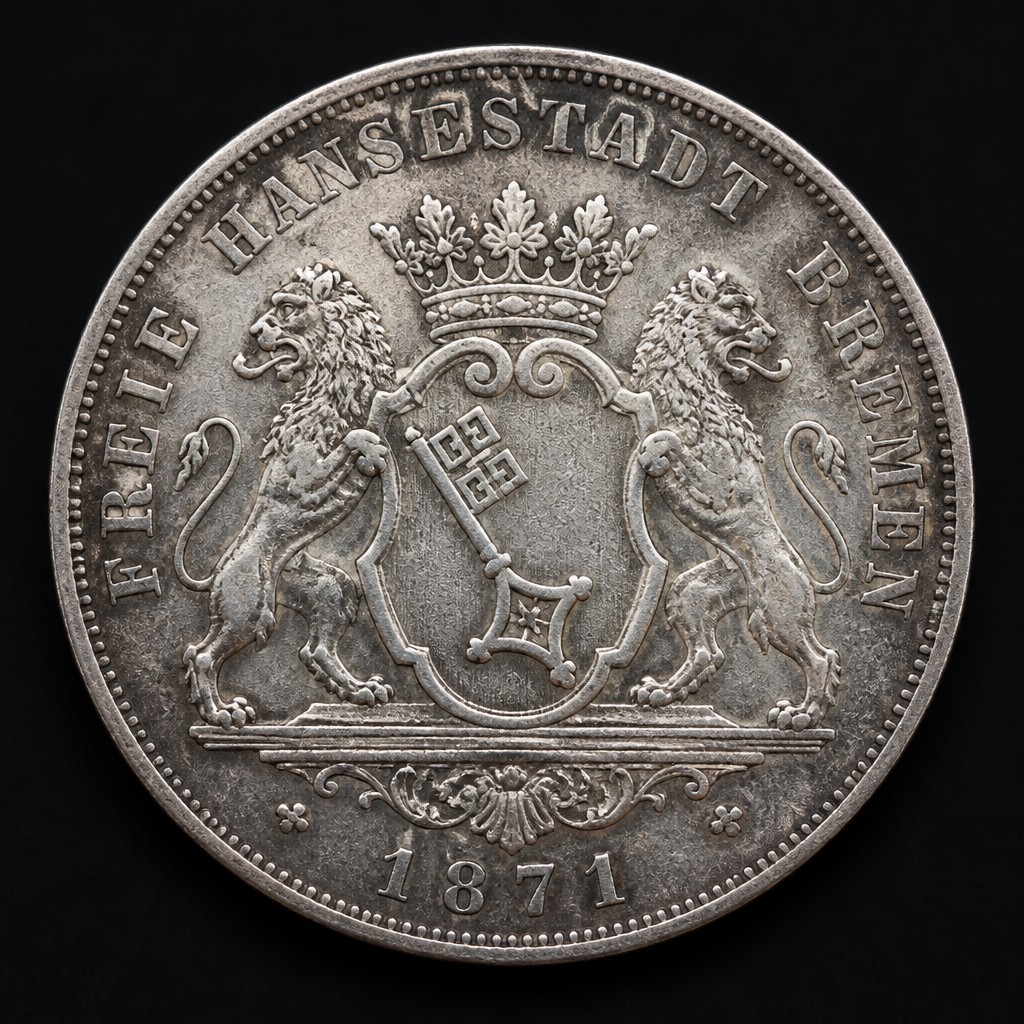
Bremen Thaler
17th century–1871
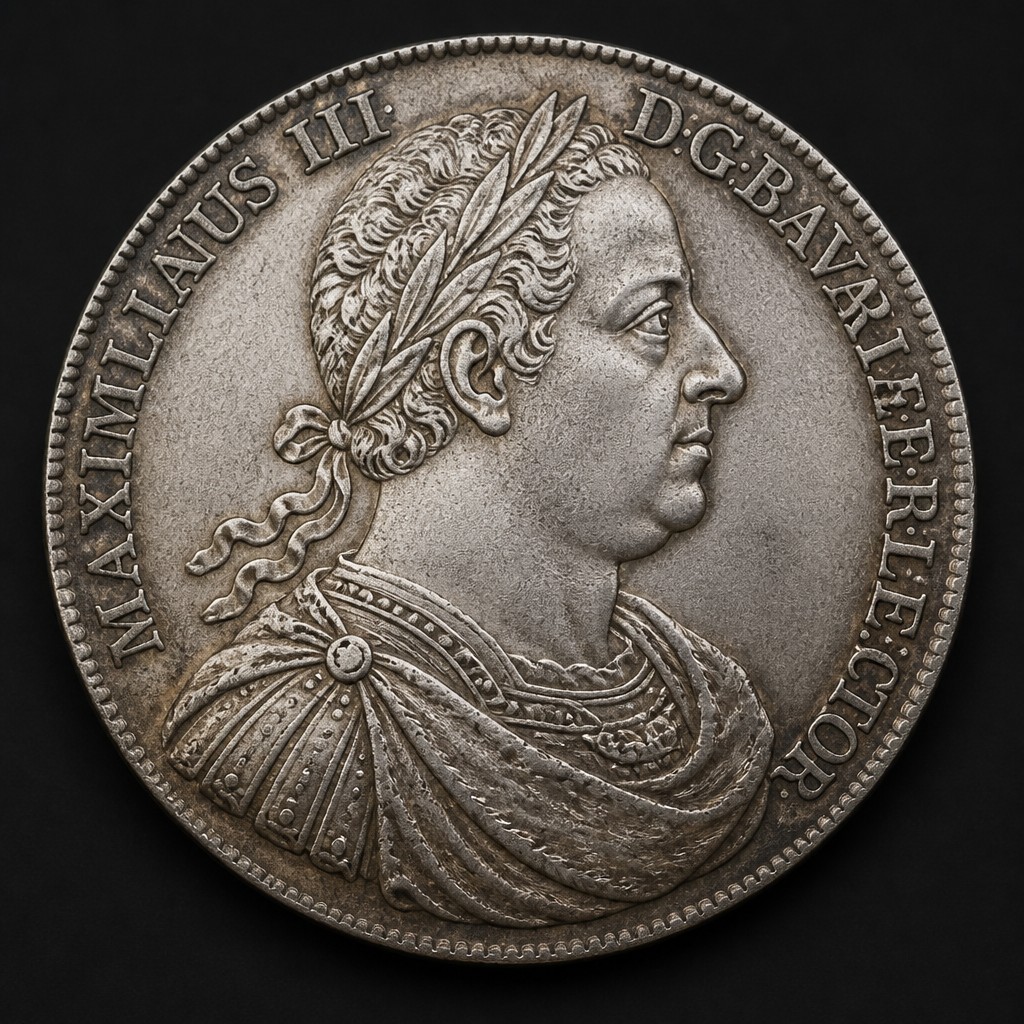
Bavaria Thaler
Circa 1620s-1871
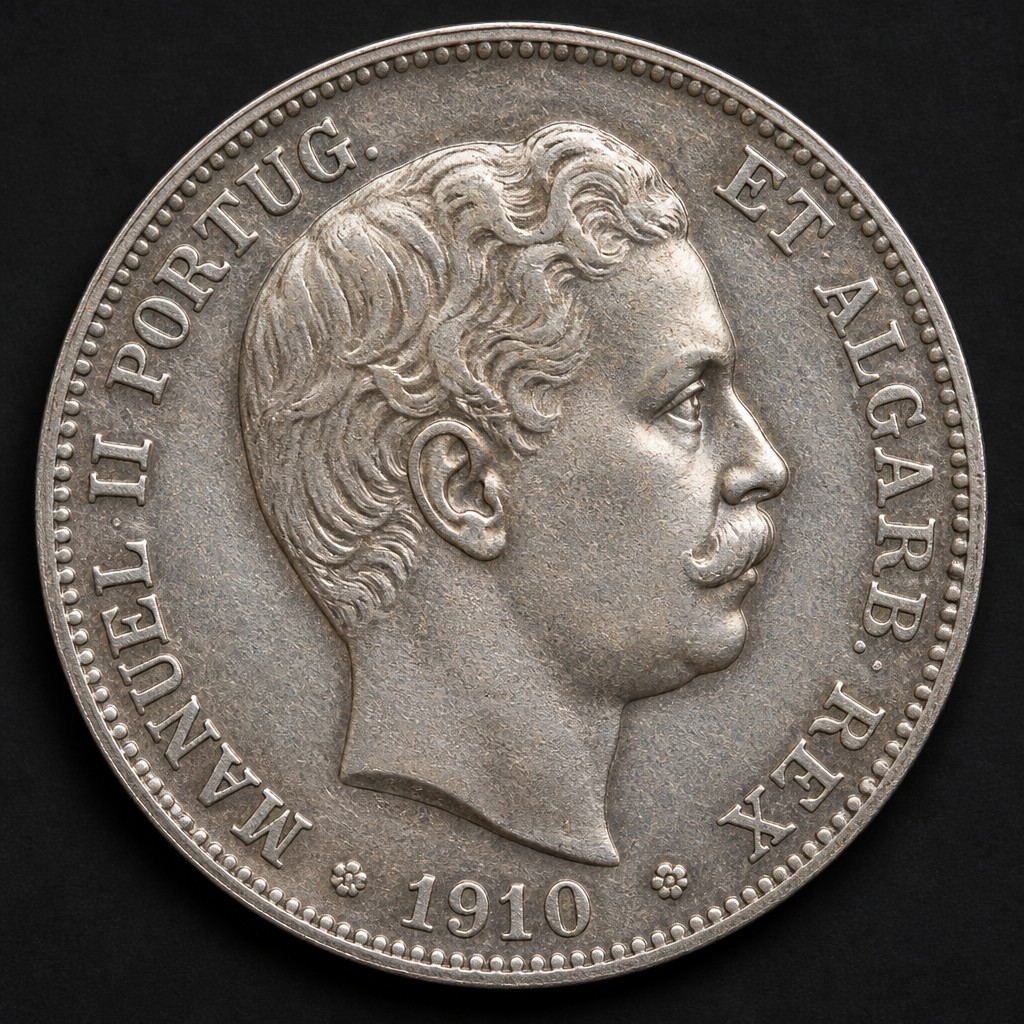
Portuguese 1000 Reis
19th century–1910 (Kingdom period)
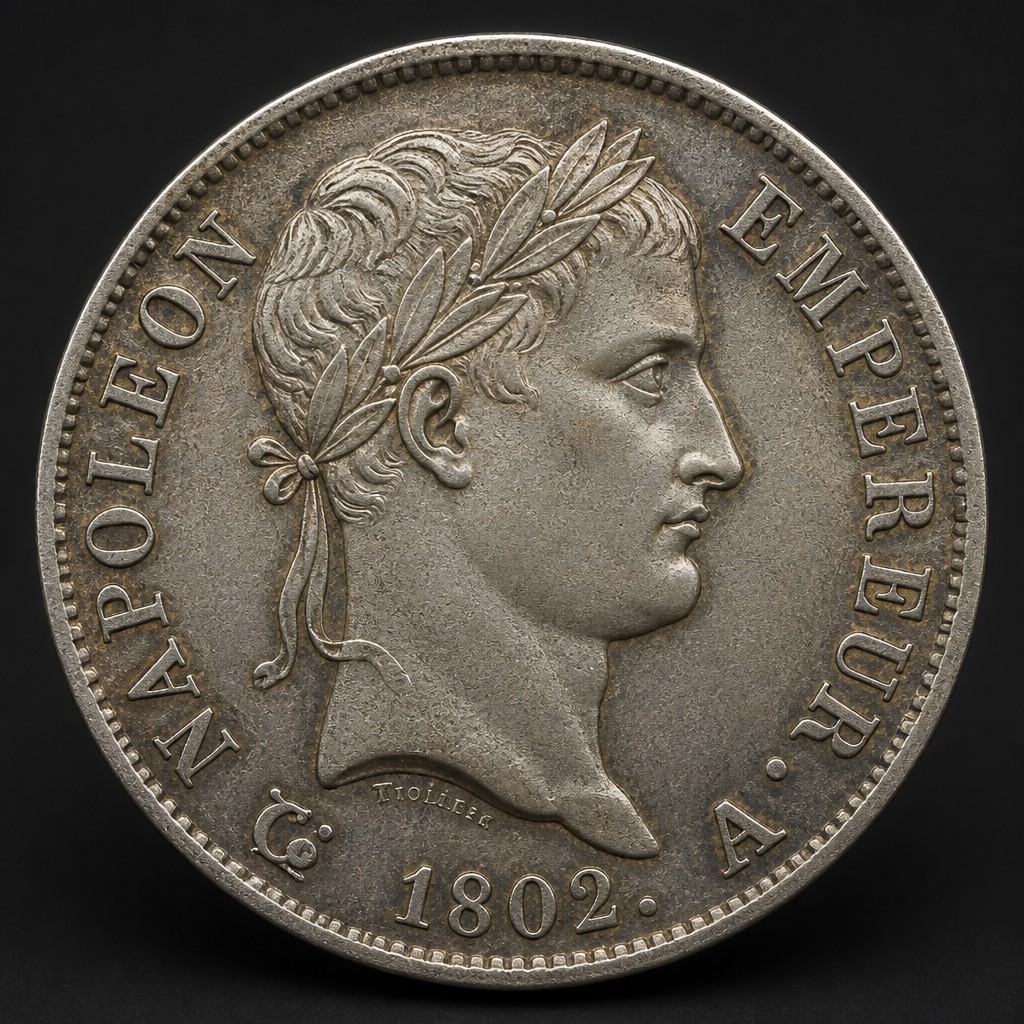
French 5 Francs "Napoleon"
1802–1815
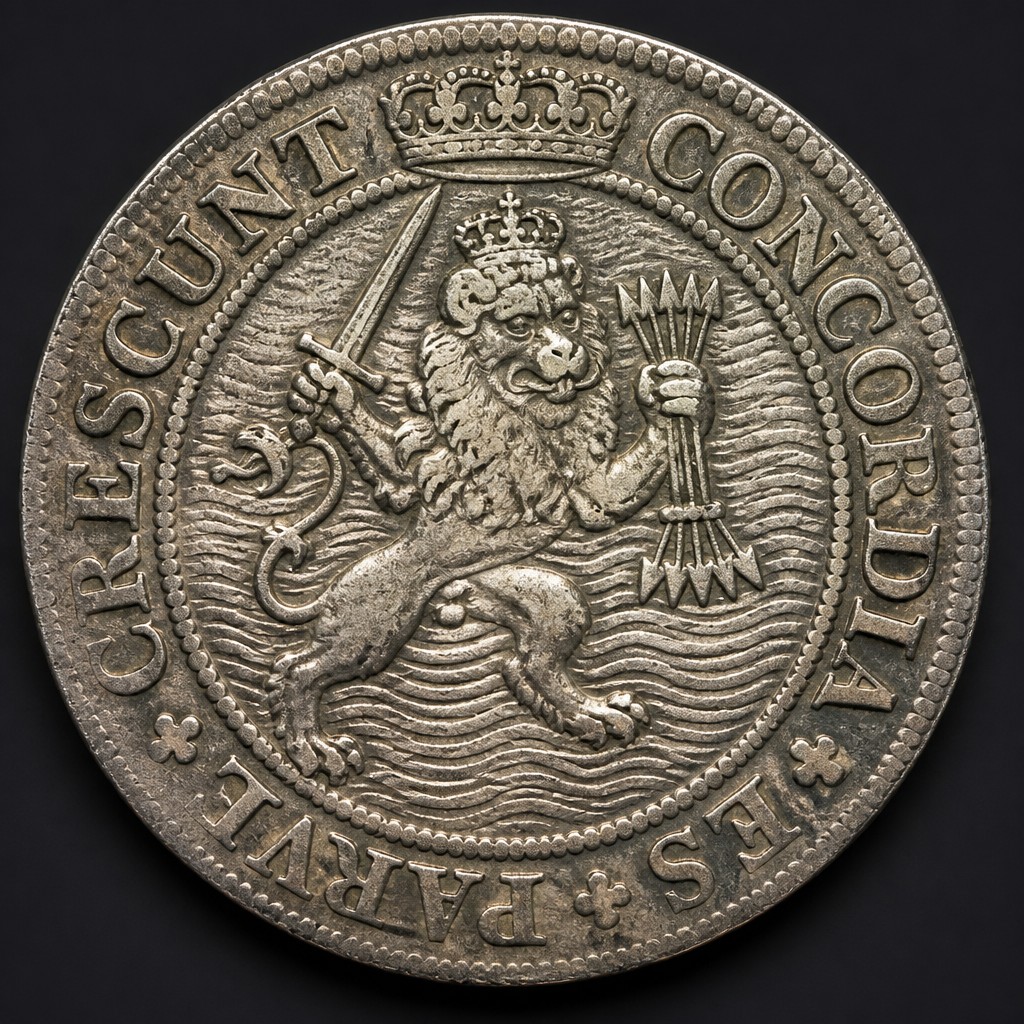
Dutch Lion Daalder (Leeuwendaalder)
c. 1575–1713
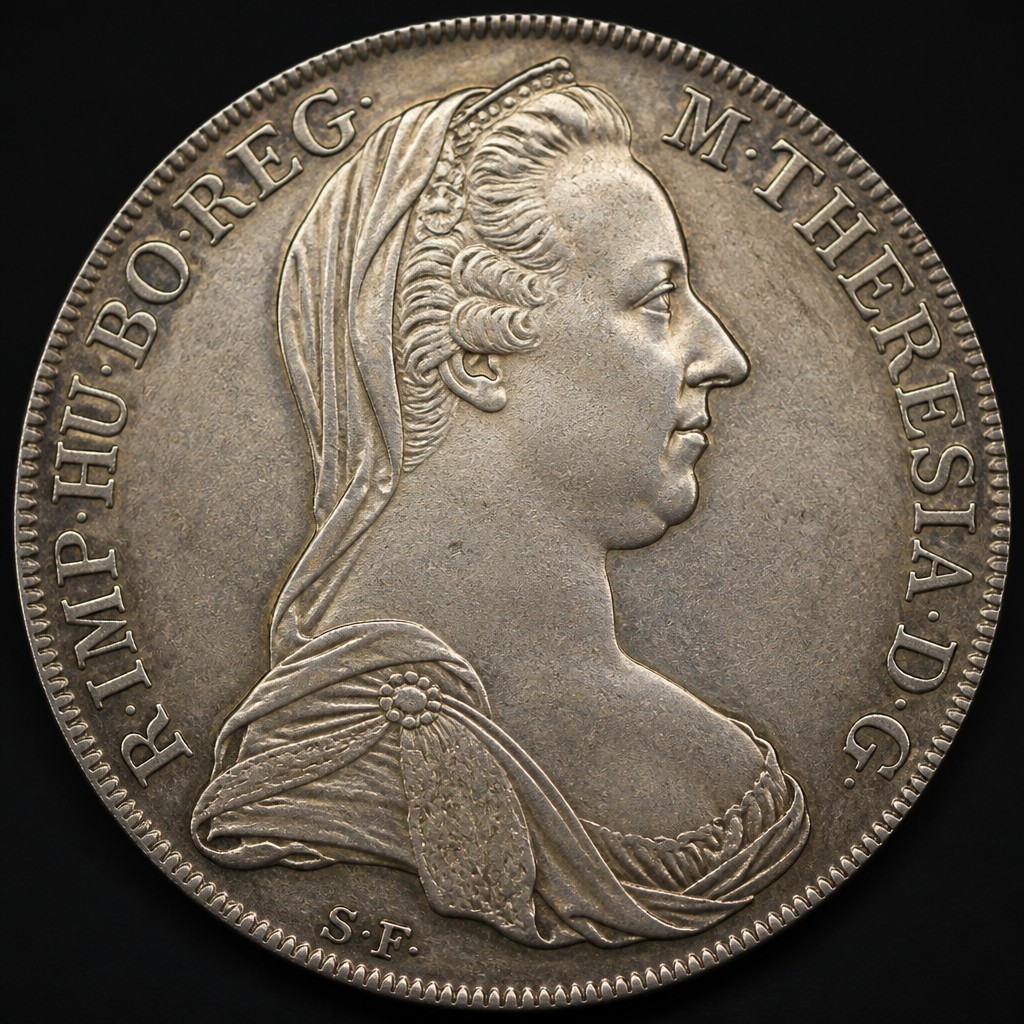
Austrian Levantine Thaler (Maria Theresa Thaler)
Originally 1780; continually restruck with the same date into the 20th century