
Hamburg Thaler
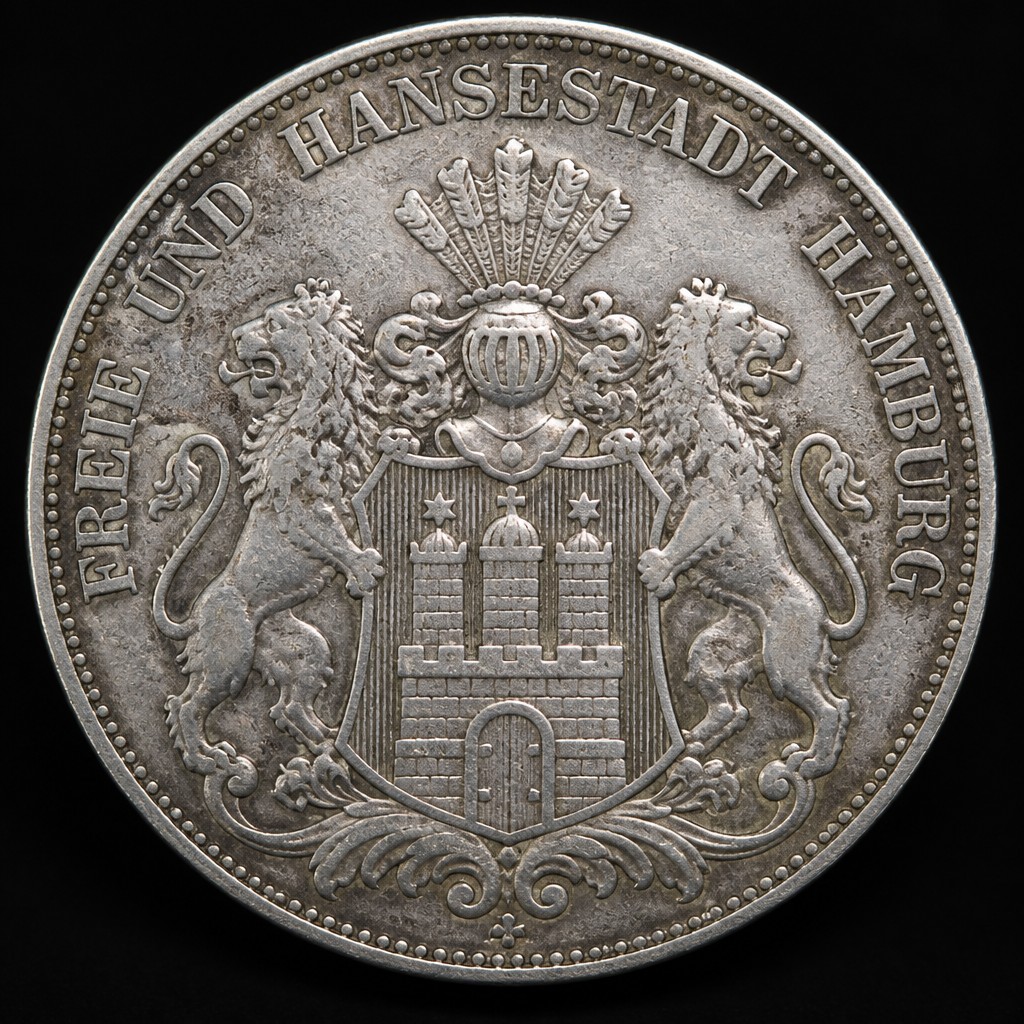
A silver thaler struck by the free city-state of Hamburg, bearing the city's iconic castle-and-towers coat of arms, reflecting Hamburg's status as a leading Hanseatic trading center.
- Country
- Free and Hanseatic City of Hamburg
- Denomination
- 1 Thaler
- Metal
- Silver, generally .900 fine (Vereinsthaler era)
Got a coin like this?
Identify any coin from a photo, free.
Overview
The Hamburg Thaler was issued for centuries by the Free and Hanseatic City of Hamburg, one of the wealthiest and most important trading city-states in northern Europe. Unlike coinage bearing a monarch's portrait, Hamburg thalers proudly display the city's own heraldic arms, a testament to its unique status as a self-governing republic within the wider Holy Roman Empire and later the German Confederation.
As a major hub of Baltic and North Sea trade, Hamburg's thaler coinage circulated widely, and the city continued minting thalers even after adopting the broader Vereinsthaler standard in 1857, right up until German unification absorbed its currency system into the new imperial mark.
History & Background
Hamburg's status as a free imperial city and a leading member of the Hanseatic League gave it the right to mint its own coinage for centuries, with silver thalers appearing among its denominations from the 1600s onward. The city's thaler coinage was tied for a long period to its own "Hamburg Banco" monetary system, a stable, bank-money-based standard used widely in Baltic and North Sea commerce.
When the German states agreed to the Vienna Monetary Treaty of 1857, Hamburg adopted the common Vereinsthaler standard alongside Prussia, Austria, and other states, continuing to strike its own thalers featuring the city arms rather than a ruler's portrait. This practice ended with German unification in 1871, when the new German Empire's gold mark system rendered separate city-state thaler coinage obsolete.
How to Identify
The obverse (or reverse, depending on the specific type) displays Hamburg's distinctive coat of arms: a white city gate or castle with three towers set against a red field, often rendered in detailed relief with flags or banners atop the towers.
The accompanying side typically carries the denomination, date, and Latin or German legends referencing the free city, sometimes including a value inscription such as "EIN VEREINSTHALER" in the later Vereinsthaler-standard issues.
The coin is silver, with Vereinsthaler-era pieces measuring approximately 33mm in diameter and struck to .900 fine silver standard shared with other German states of the period. Collectors distinguish Hamburg's coinage from that of other free cities such as Bremen or Lübeck by the specific heraldic design and city name in the legend.
Value & Collectibility
Common nineteenth-century Hamburg Vereinsthalers are generally accessible and modestly priced in circulated grades, appealing to collectors interested in the Hanseatic free cities as a specialized niche within German numismatics.
Earlier thaler types from the seventeenth and eighteenth centuries, along with any commemorative or low-mintage Hamburg issues, command notably higher prices, with condition and strike quality being significant factors in overall value.
Given the specialized nature of the free-city thaler series, collectors are encouraged to consult German numismatic references or specialist dealers for accurate pricing on specific dates and types rather than relying on general price guides.
Frequently asked questions
Why doesn't the Hamburg Thaler show a ruler's portrait?
Hamburg was a self-governing free city, so its coinage displayed the city's coat of arms instead of a monarch's image.
What is the 'Hamburg Banco' system?
It was a stable bank-money-based monetary standard historically used in Hamburg and widely trusted in Baltic and North Sea trade.
When did Hamburg stop minting its own thalers?
Production ended around German unification in 1871, when the empire's new gold mark system replaced individual state currencies.
What does the coat of arms on the coin represent?
It depicts Hamburg's traditional city gate or castle emblem with three towers, a symbol still used by the city today.
How does the Hamburg Thaler compare to other free-city thalers like Bremen's?
Both follow similar Vereinsthaler standards but are distinguished by their unique city arms and legends specific to each free city.
Other coins you may enjoy
Venetian Ducat
1284–1797
French 100 Francs Silver
1980s–2001 (pre-euro era)
Nuremberg Thaler
16th–18th century
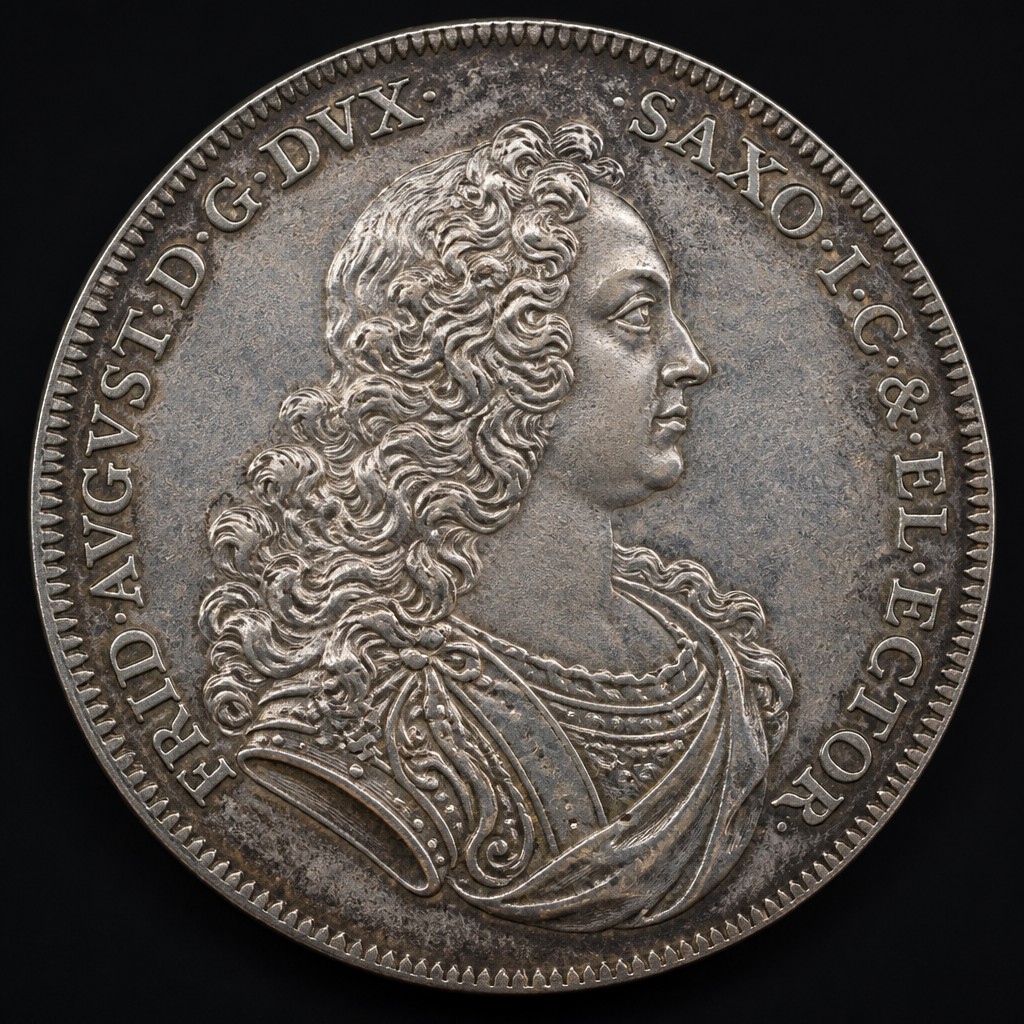
Saxon Speciestaler
17th–19th century
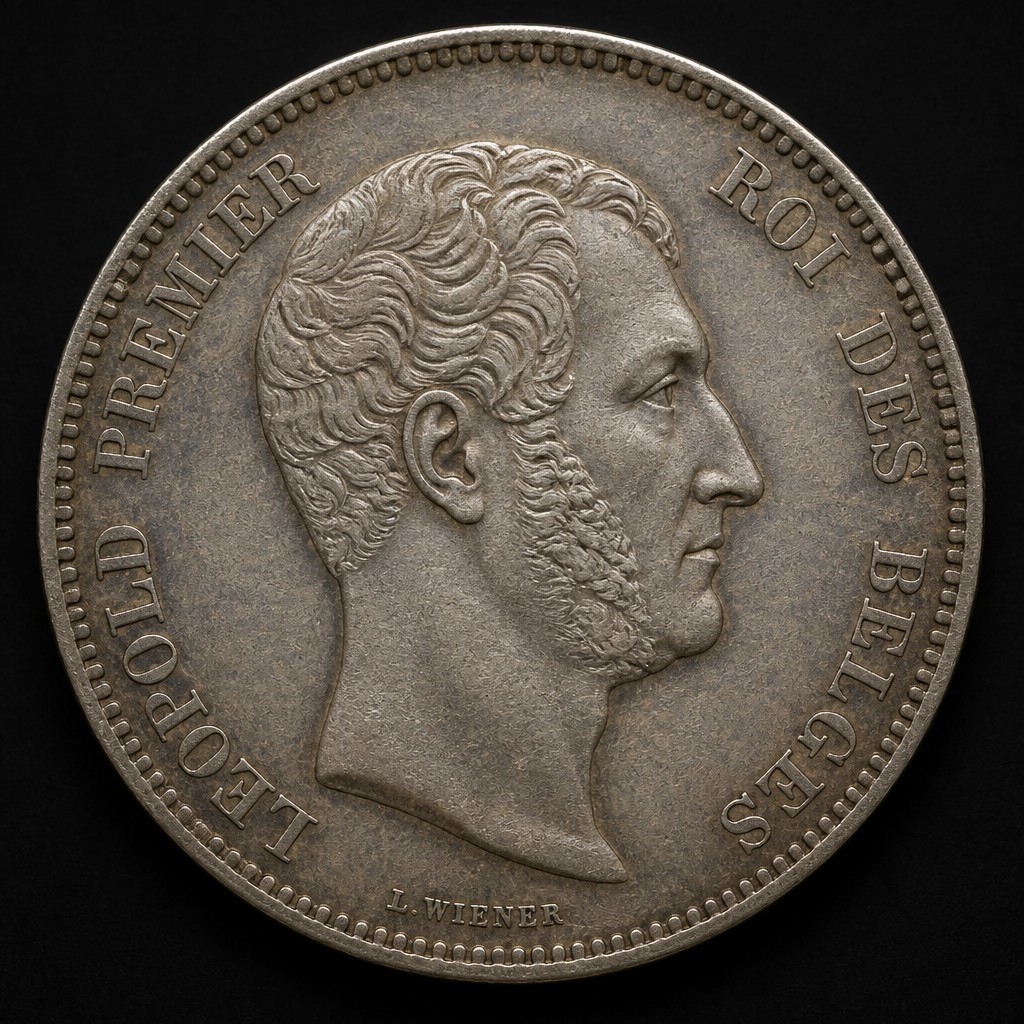
Belgian 5 Francs
1832–1876 (large silver type); later reduced-size and later-metal issues into the 20th century
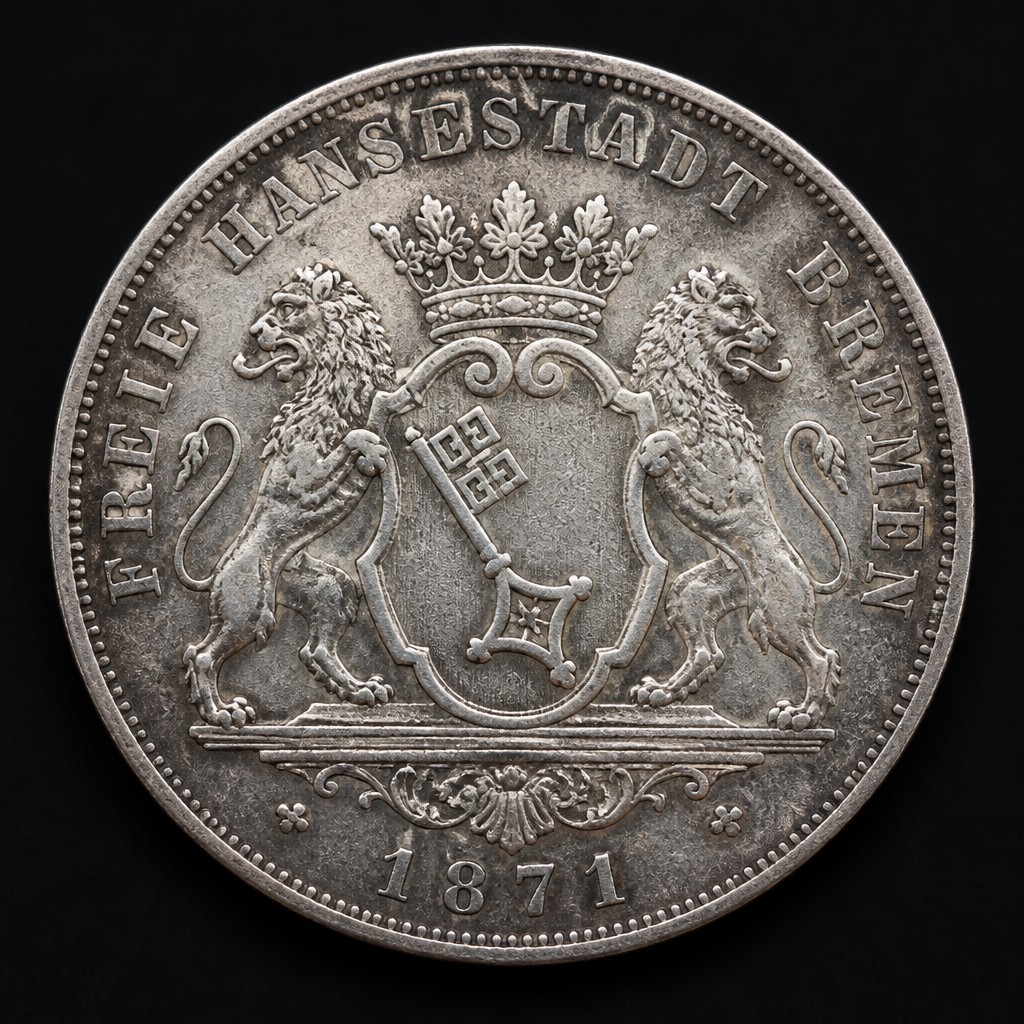
Bremen Thaler
17th century–1871
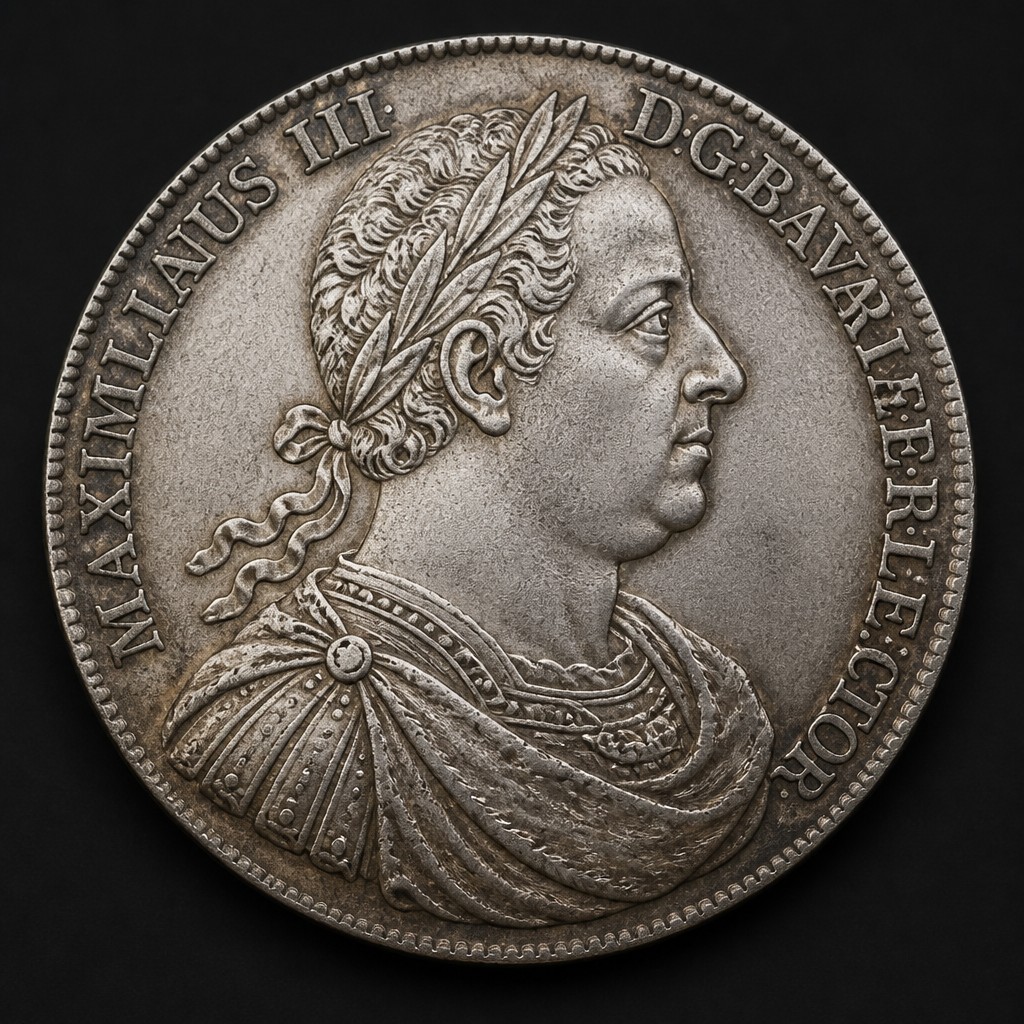
Bavaria Thaler
Circa 1620s-1871
Portuguese 1000 Reis
19th century–1910 (Kingdom period)
French 5 Francs "Napoleon"
1802–1815
Danish 2 Rigsdaler
19th century (until 1873 currency reform)
Dutch Lion Daalder (Leeuwendaalder)
c. 1575–1713
Austrian Levantine Thaler (Maria Theresa Thaler)
Originally 1780; continually restruck with the same date into the 20th century