
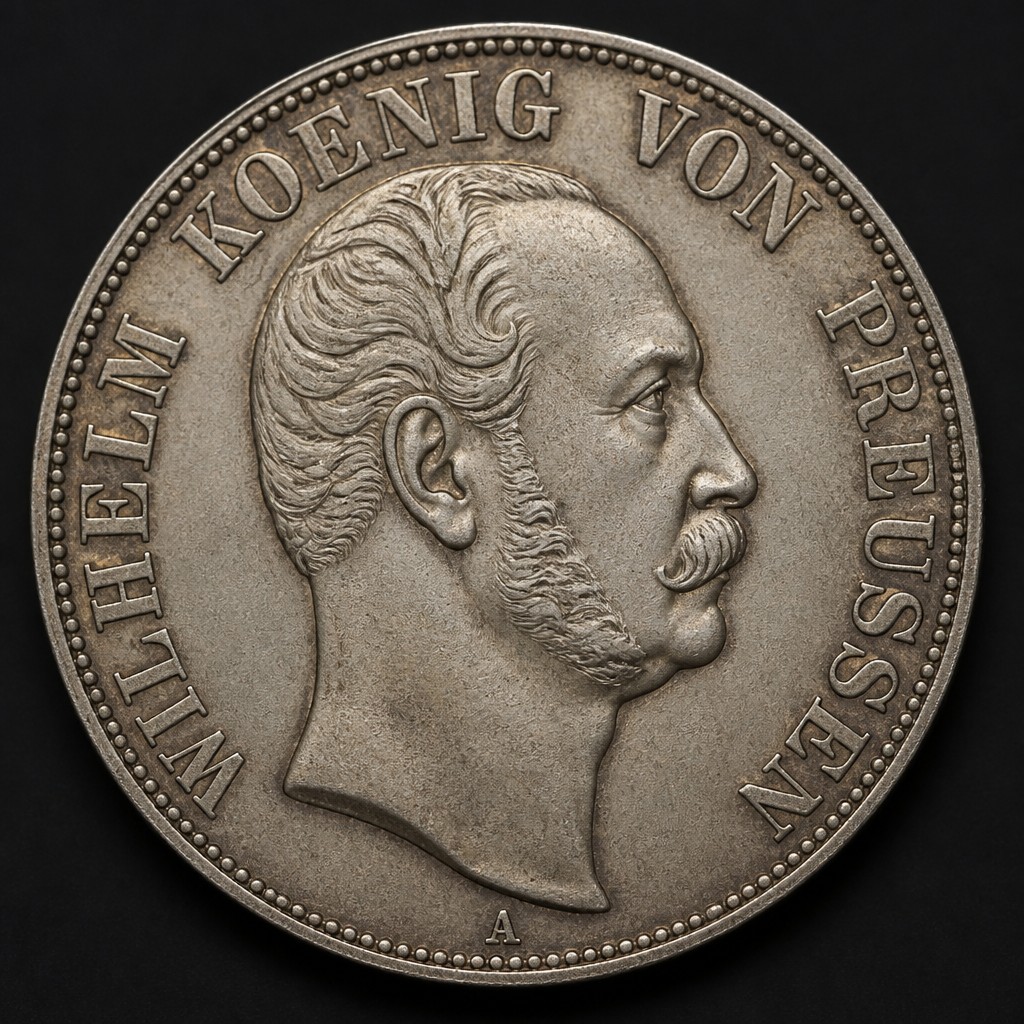
Prussian Vereinsthaler
A standardized silver thaler struck by the Kingdom of Prussia under the 1857 Vienna Monetary Treaty, unifying weight and fineness across many German and Austrian states before German unification.
- Country
- Kingdom of Prussia (German Confederation)
- Denomination
- 1 Vereinsthaler
- Metal
- Silver, .900 fine
Got a coin like this?
Identify any coin from a photo, free.
Overview
The Prussian Vereinsthaler was part of a broader effort among German-speaking states to create a common silver currency standard in the mid-nineteenth century, prior to the political unification of Germany. Struck to a uniform weight and fineness agreed upon by treaty, it allowed thalers issued by Prussia to circulate interchangeably with those of many other German states and the Austrian Empire.
As one of the largest and most powerful states within the German Confederation, Prussia's Vereinsthaler issues are historically significant and relatively plentiful compared to those of some smaller German states, making them a common and accessible way for collectors to acquire a genuine pre-unification German silver thaler.
History & Background
In 1857, the Vienna Monetary Treaty established the Vereinsthaler ("union thaler") as a common silver coin standard among Prussia, Austria, and numerous other German states, replacing the earlier and less uniform Prussian thaler and various regional systems. This standardization greatly simplified trade and currency exchange across the fragmented German-speaking lands in the decades before political unification.
Prussia, as the dominant northern German power, struck large quantities of Vereinsthalers bearing the portrait of its reigning king, including Frederick William IV and later Wilhelm I. Production of the Vereinsthaler ceased after German unification in 1871, when the new German Empire adopted the gold mark as its standard currency, rendering the silver thaler system obsolete over the following years.
How to Identify
The obverse typically bears a right-facing portrait of the reigning King of Prussia (Frederick William IV or Wilhelm I, depending on date) with his name and title in the surrounding legend.
The reverse displays the Prussian eagle or a value inscription within a wreath, along with the denomination "EIN VEREINSTHALER" and the date, reflecting the coin's status under the pan-German monetary treaty.
The coin is silver, approximately 33mm in diameter, struck to a standardized .900 fine weight agreed under the Vienna treaty. Collectors distinguish Prussian issues from those of other German states by the specific monarch's portrait and by Prussia's distinctive eagle and state titulature, and can further identify commemorative Vereinsthaler issues struck for special occasions, which are typically scarcer than standard circulation dates.
Value & Collectibility
Standard circulation-date Prussian Vereinsthalers are common and generally affordable in worn to lightly circulated grades, making them a popular entry point into pre-unification German silver coinage.
Commemorative Vereinsthaler issues, struck to mark specific royal or state events, are considerably scarcer and more valuable than standard dated pieces, and condition plays a significant role in value across the series, with lustrous uncirculated examples commanding notable premiums.
As with most nineteenth-century European silver coinage, cleaned or artificially toned examples are valued well below coins with original surfaces, and collectors should compare specific dates and varieties against recognized price references before purchase.
Frequently asked questions
What does 'Vereinsthaler' mean?
It translates roughly to 'union thaler,' referring to the standardized silver coin adopted by multiple German states and Austria under an 1857 treaty.
Which Prussian kings appear on this coin?
Frederick William IV and Wilhelm I both appear on Vereinsthalers depending on the date of issue.
Why did production of the Vereinsthaler stop?
German unification in 1871 led to the adoption of the gold mark, phasing out the older silver thaler system.
Is the Prussian Vereinsthaler rare?
Standard dates are relatively common, though commemorative and special-occasion issues are noticeably scarcer.
How is the Vereinsthaler different from earlier Prussian thalers?
It was struck to a standardized weight and fineness agreed by treaty so it could circulate across multiple German states, unlike earlier, less uniform Prussian thalers.
Other coins you may enjoy
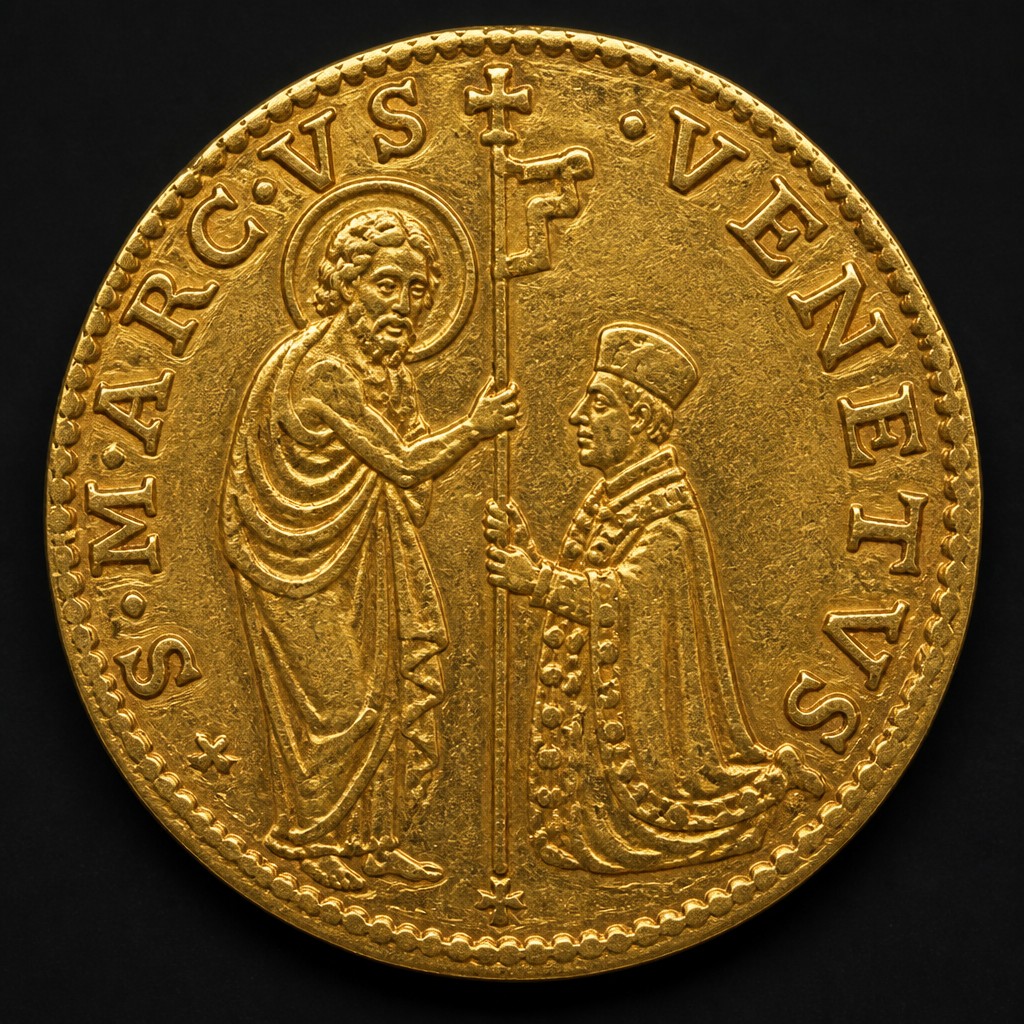
Venetian Ducat
1284–1797
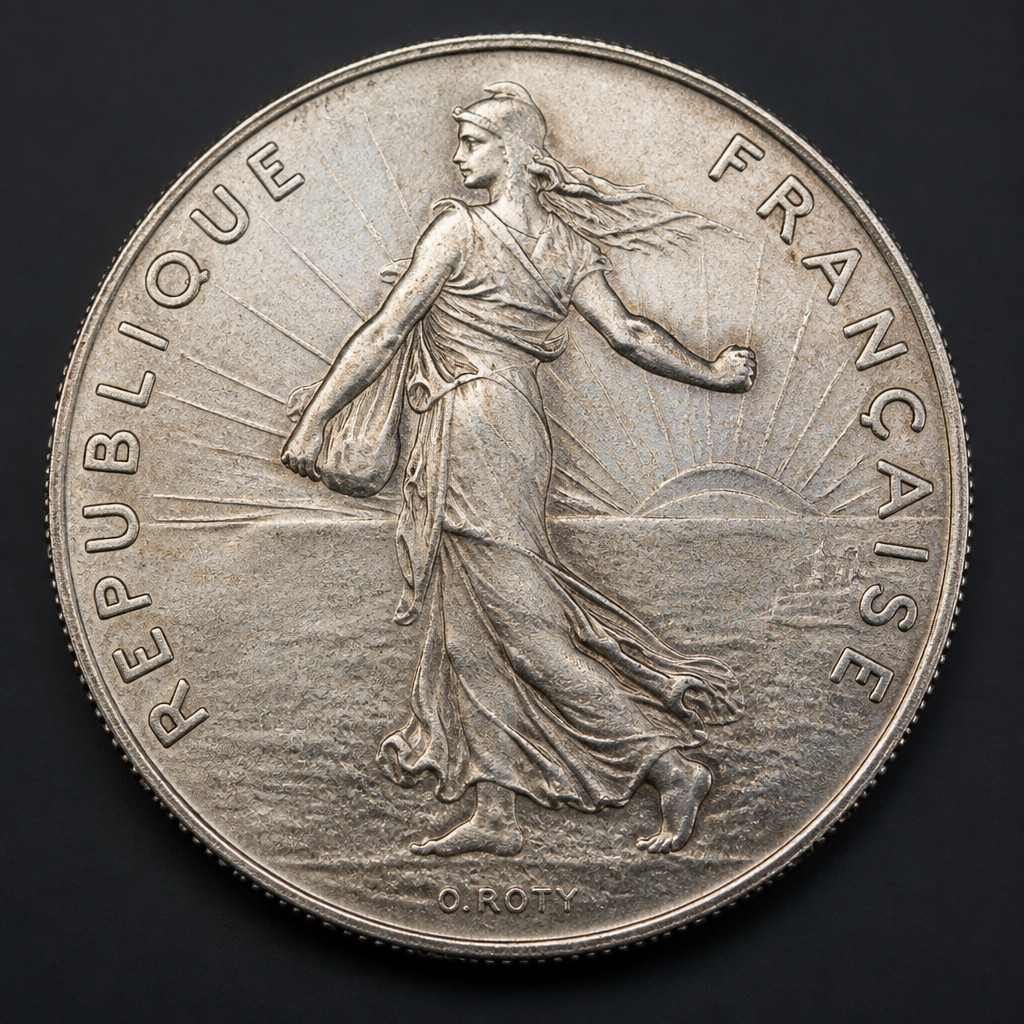
French 100 Francs Silver
1980s–2001 (pre-euro era)
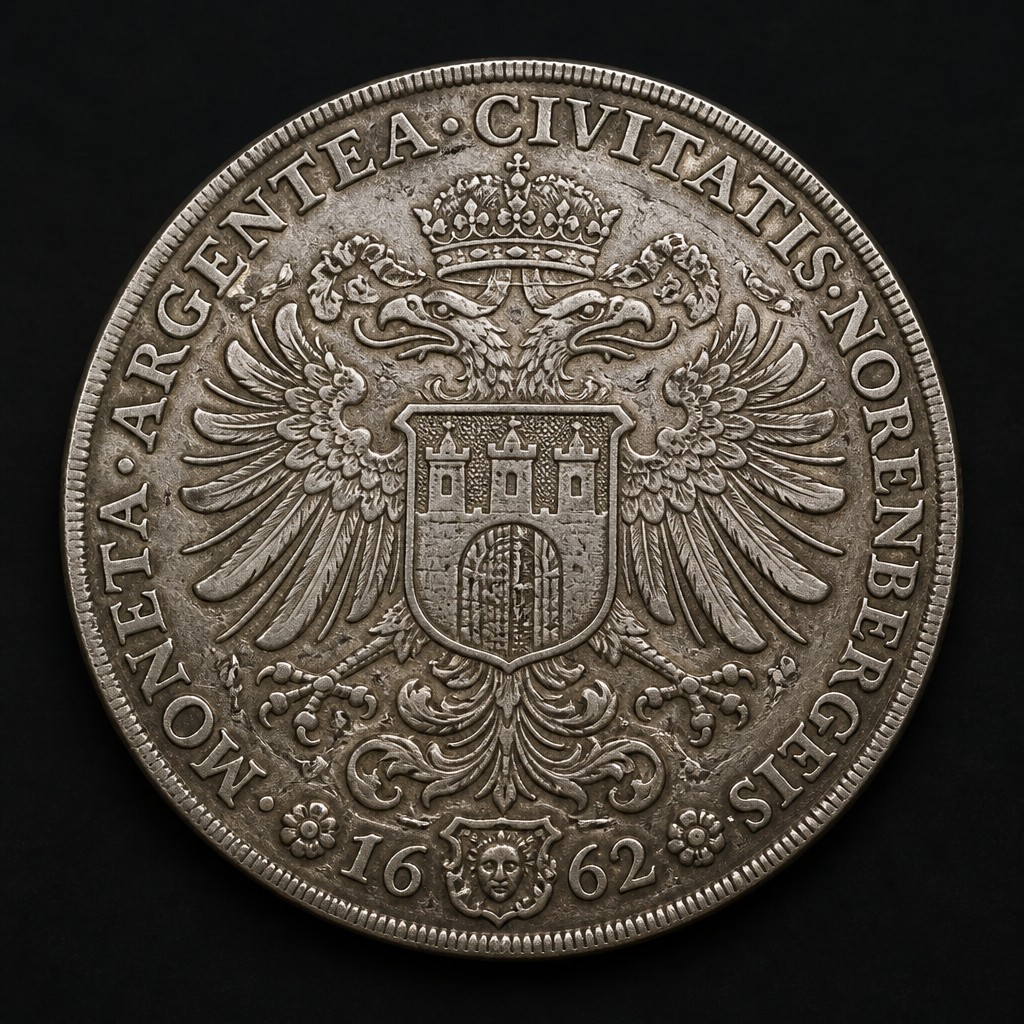
Nuremberg Thaler
16th–18th century
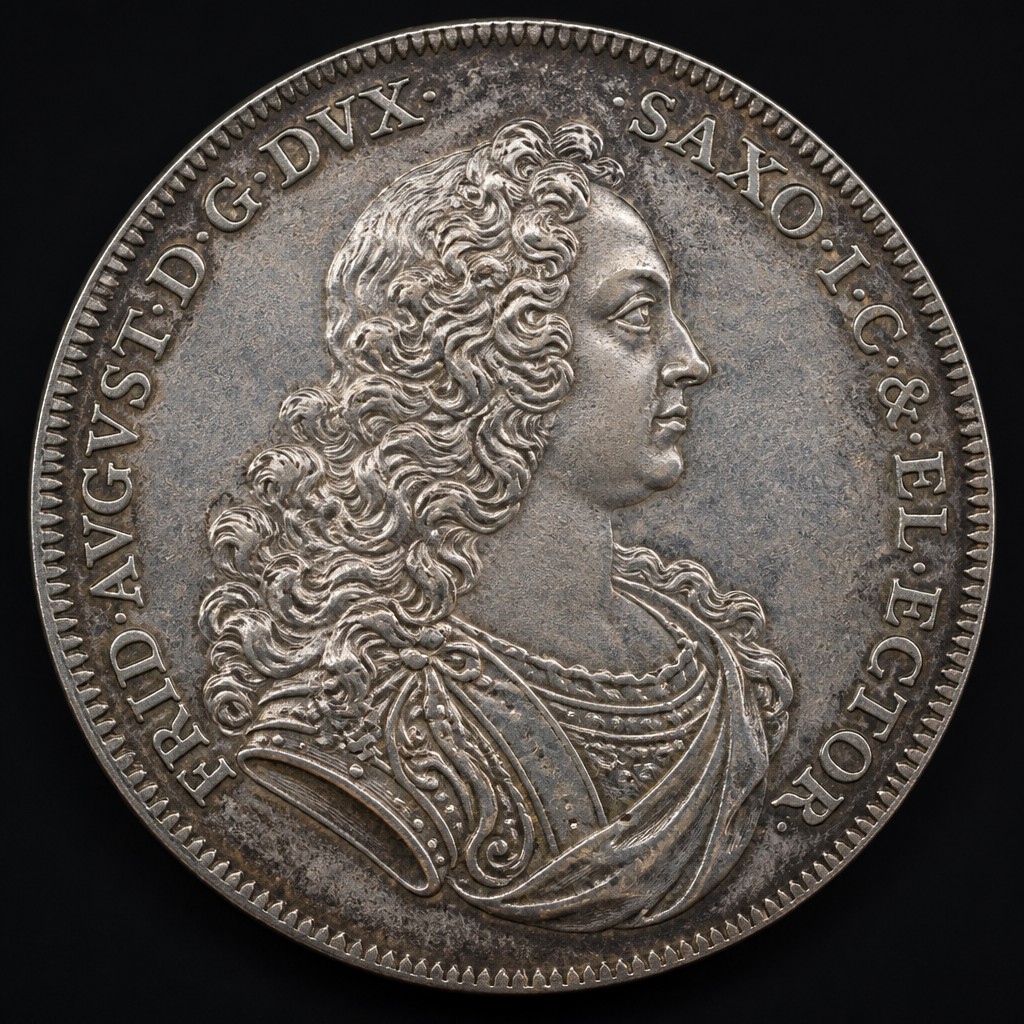
Saxon Speciestaler
17th–19th century
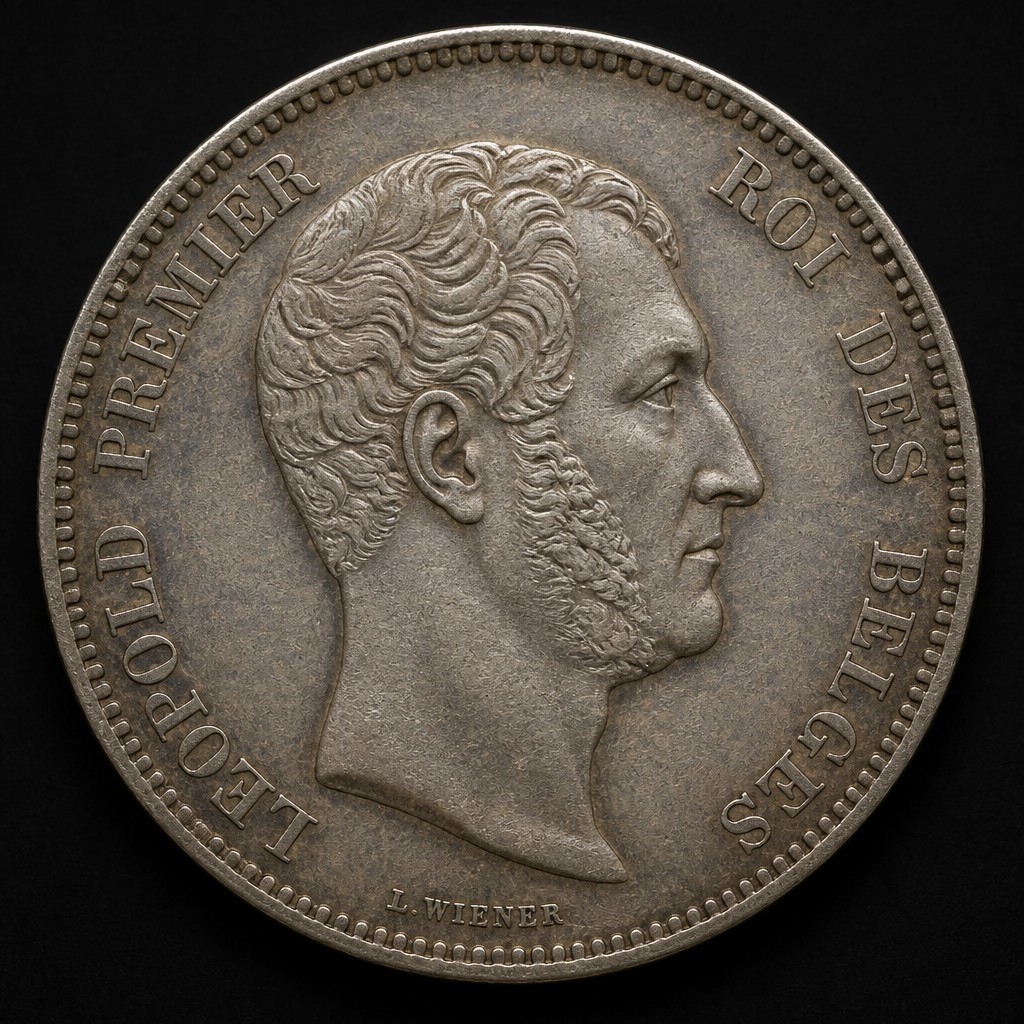
Belgian 5 Francs
1832–1876 (large silver type); later reduced-size and later-metal issues into the 20th century
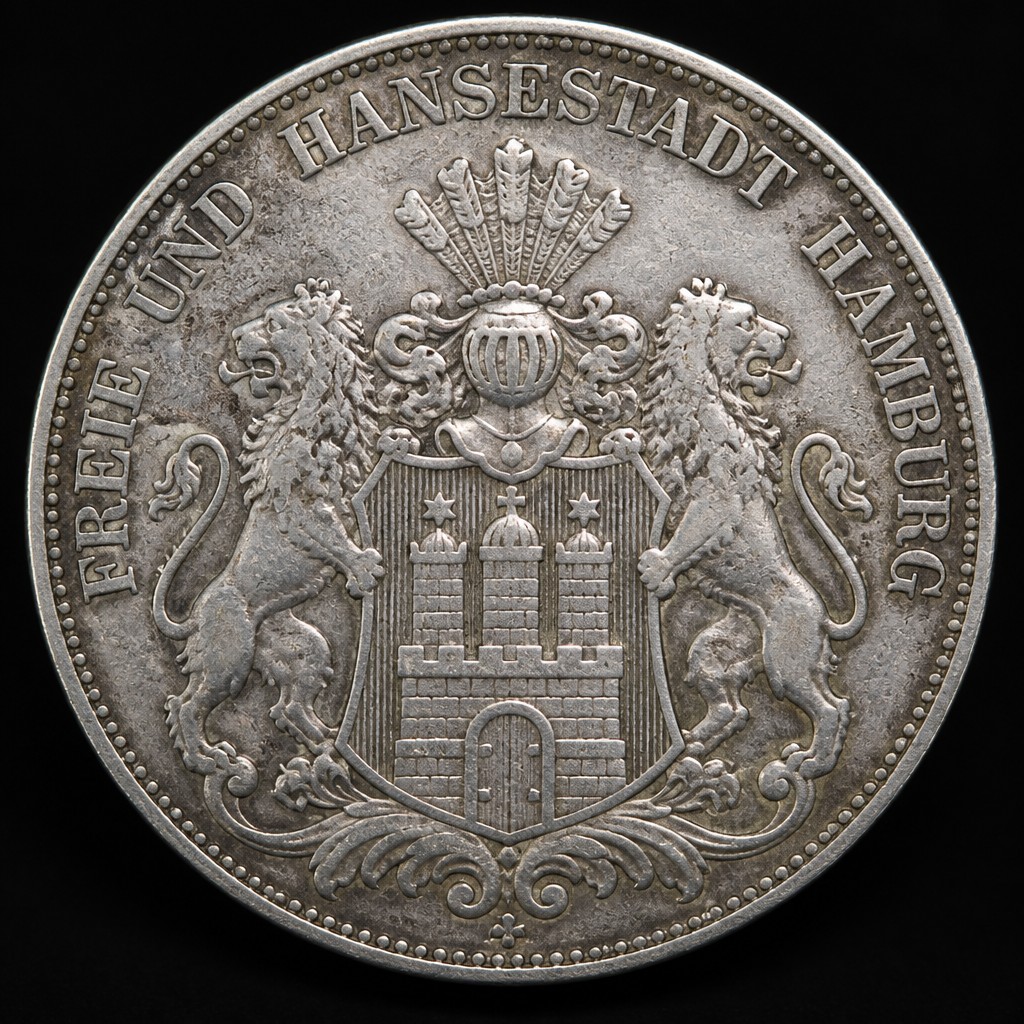
Hamburg Thaler
17th century–1871
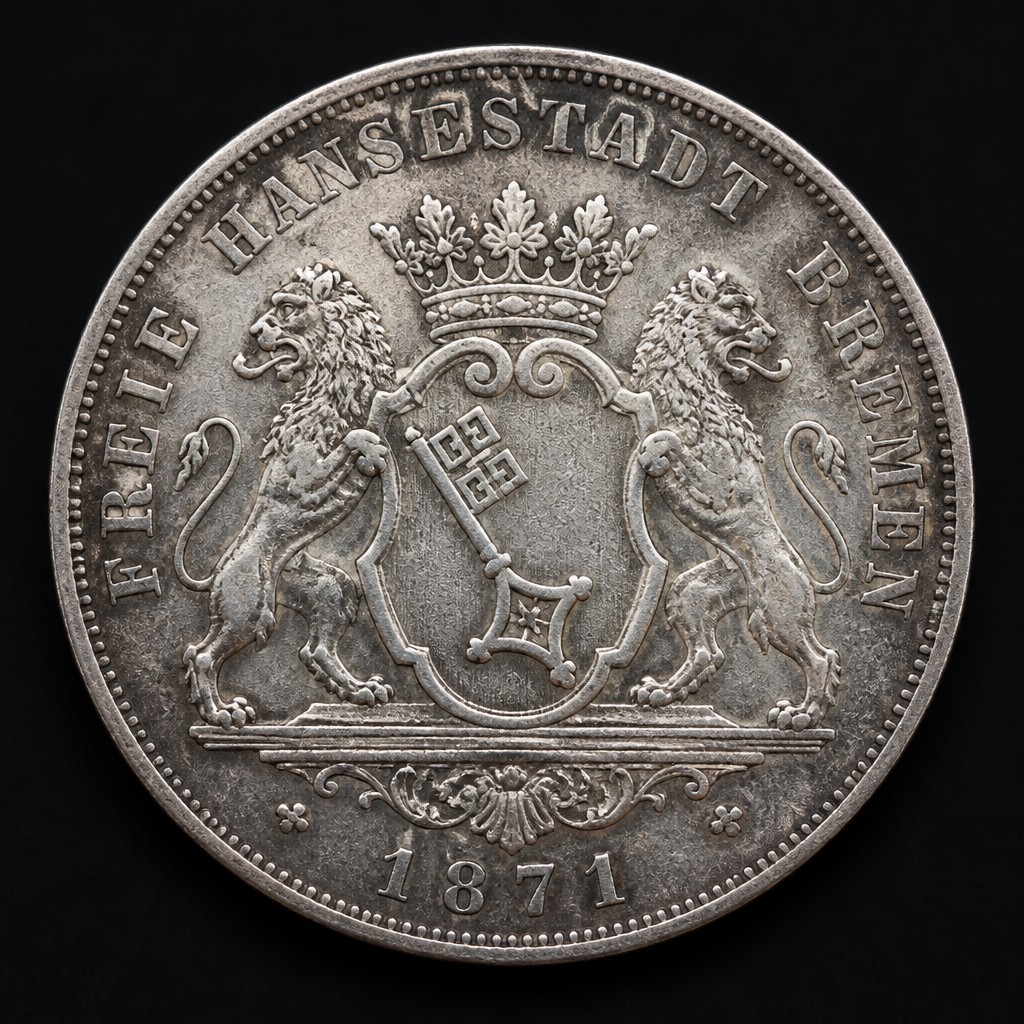
Bremen Thaler
17th century–1871
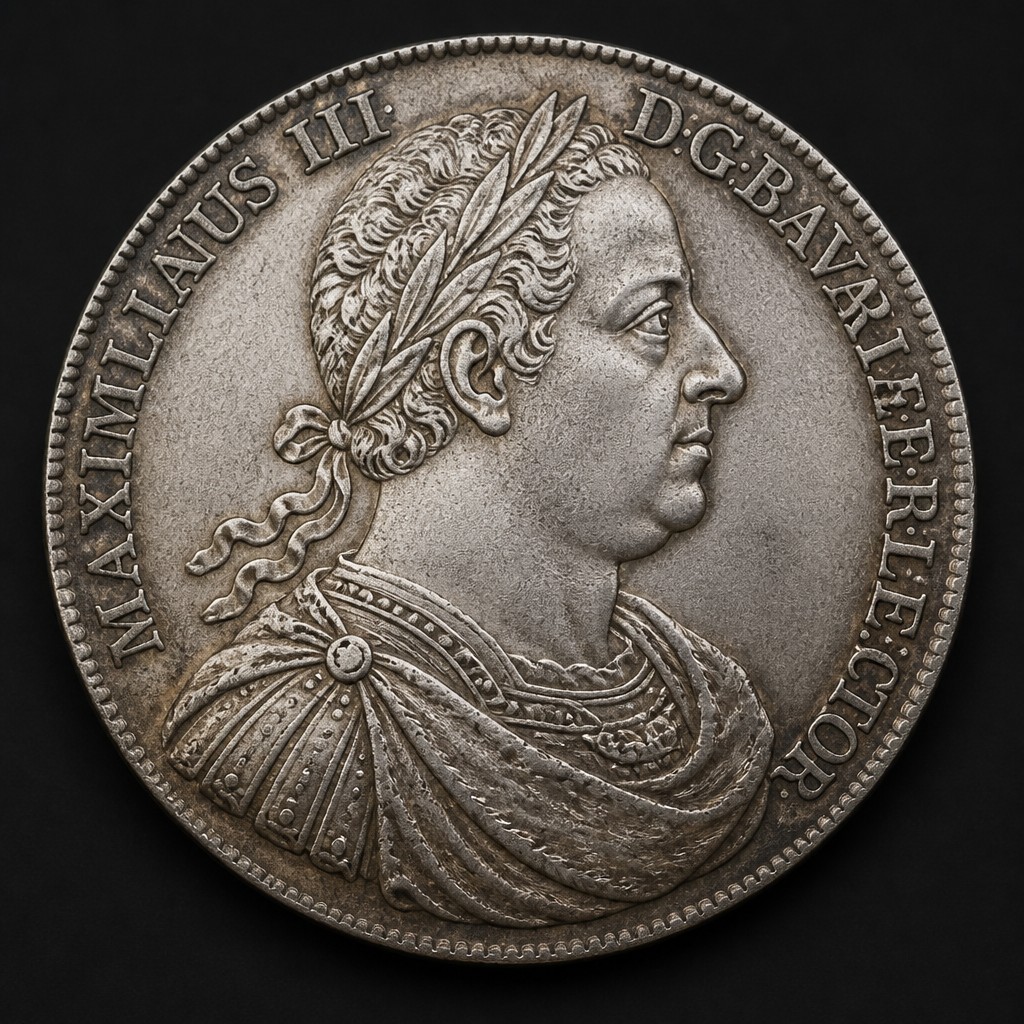
Bavaria Thaler
Circa 1620s-1871
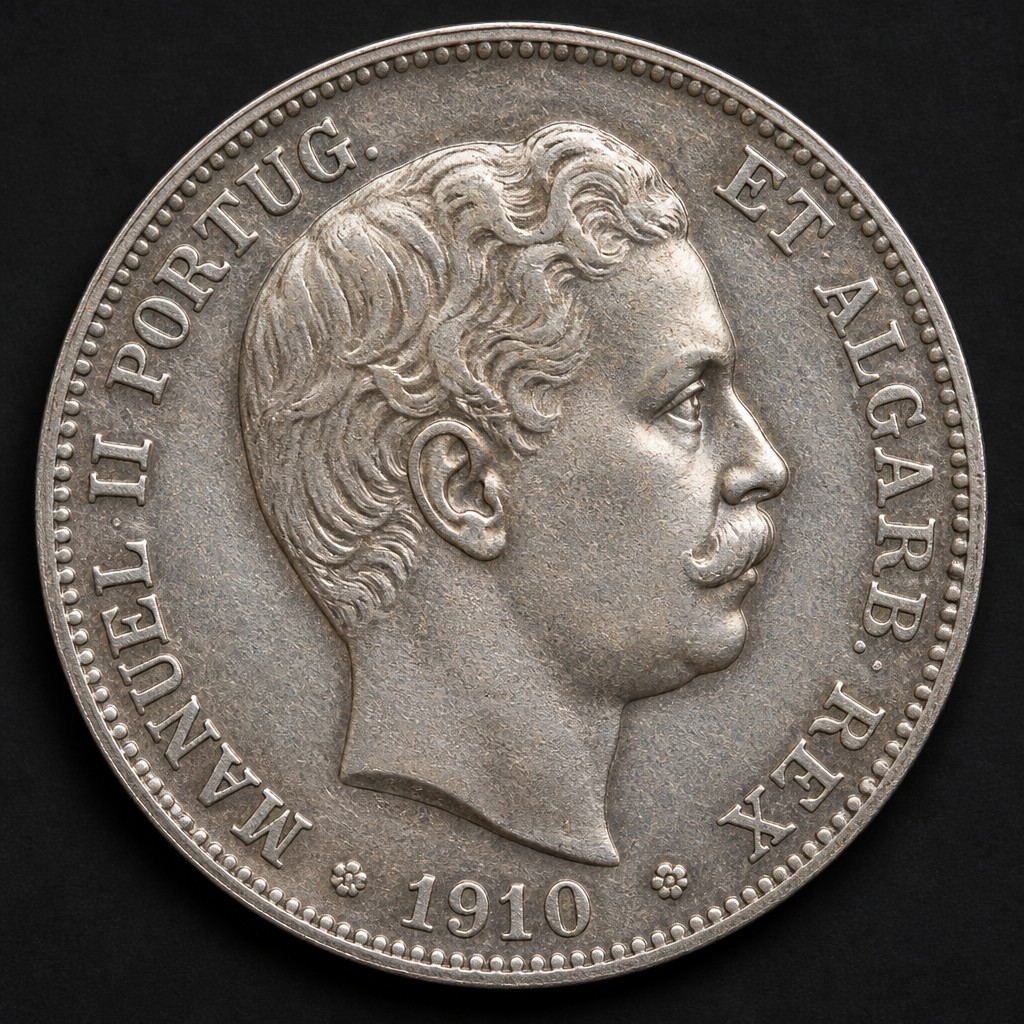
Portuguese 1000 Reis
19th century–1910 (Kingdom period)
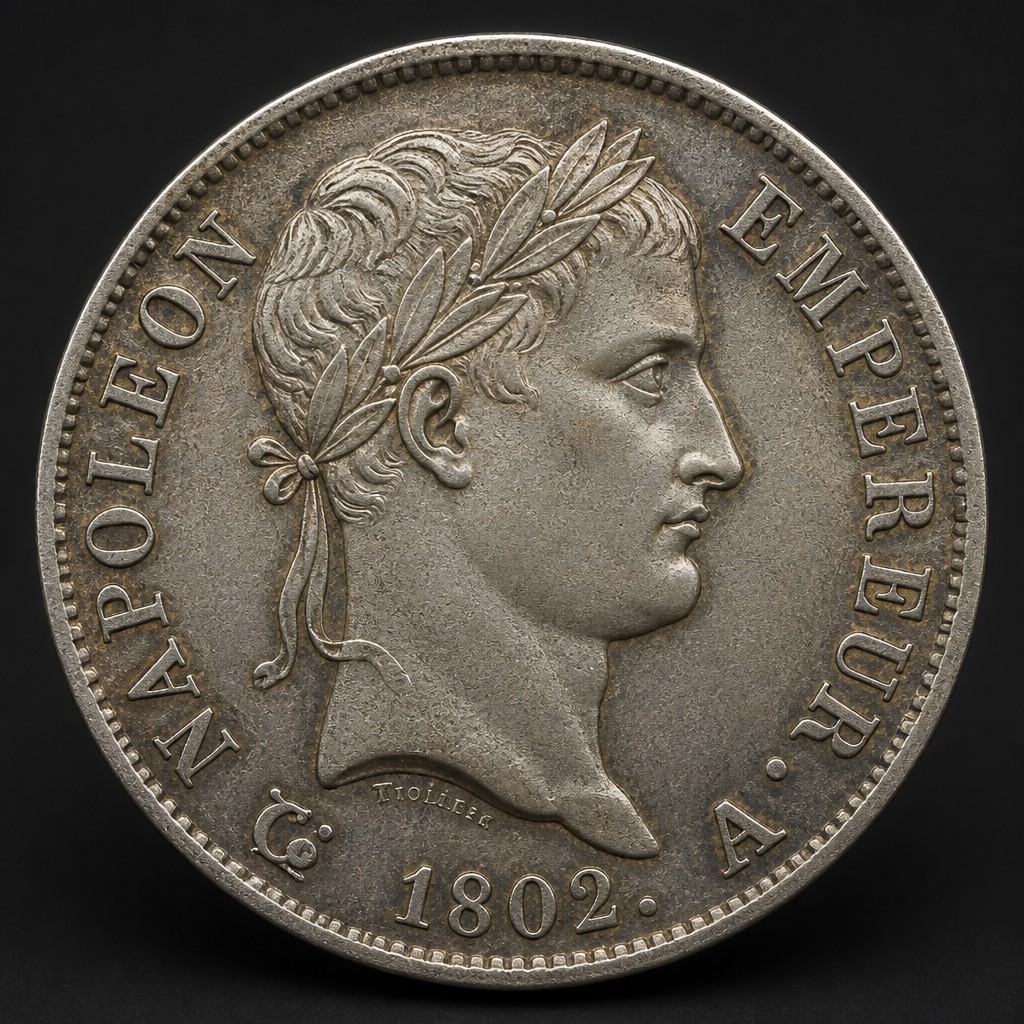
French 5 Francs "Napoleon"
1802–1815
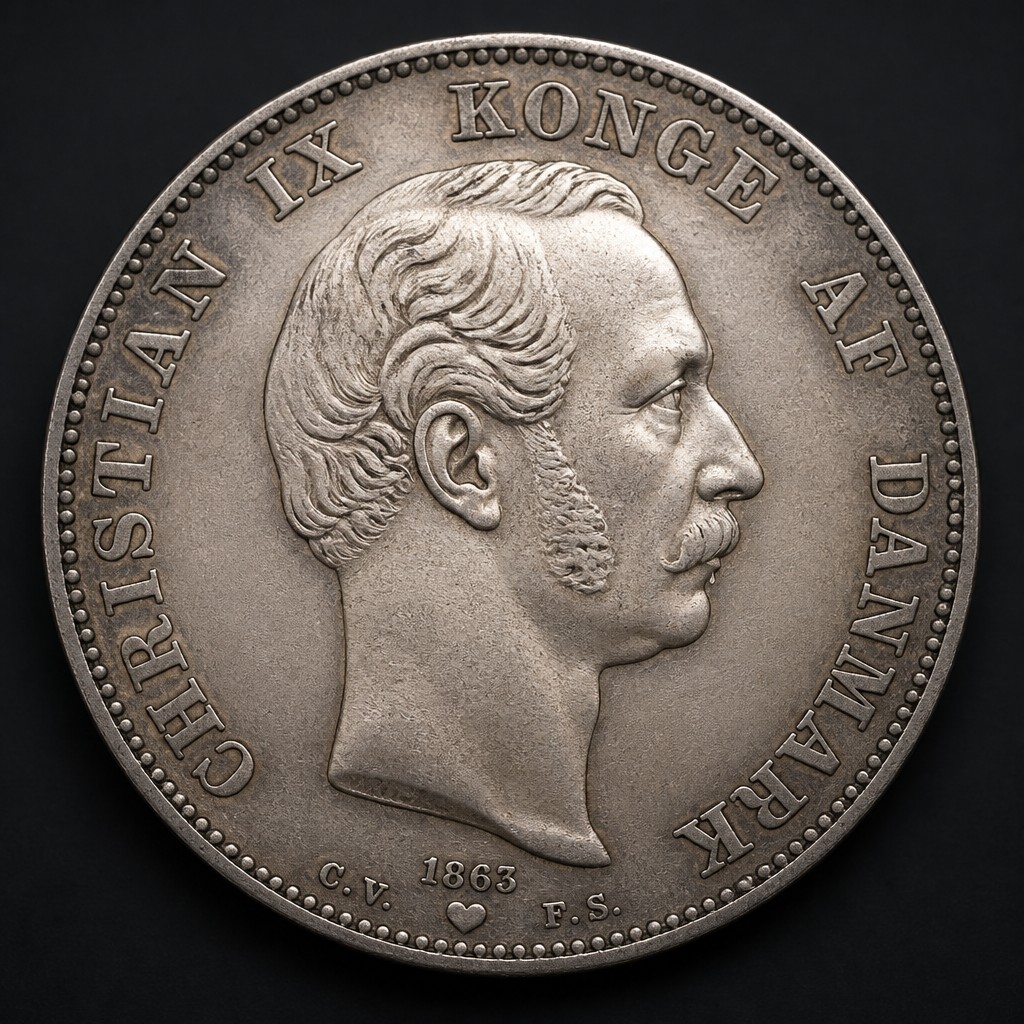
Danish 2 Rigsdaler
19th century (until 1873 currency reform)
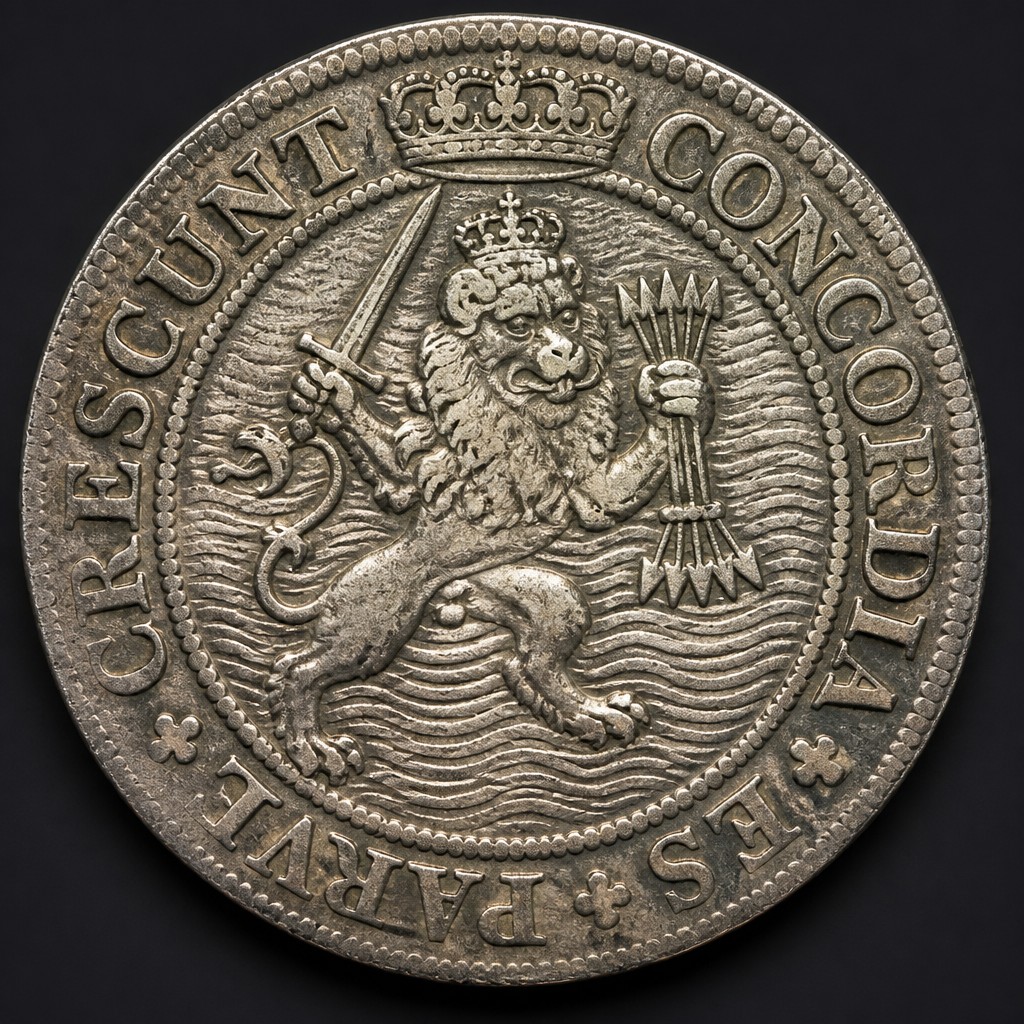
Dutch Lion Daalder (Leeuwendaalder)
c. 1575–1713