
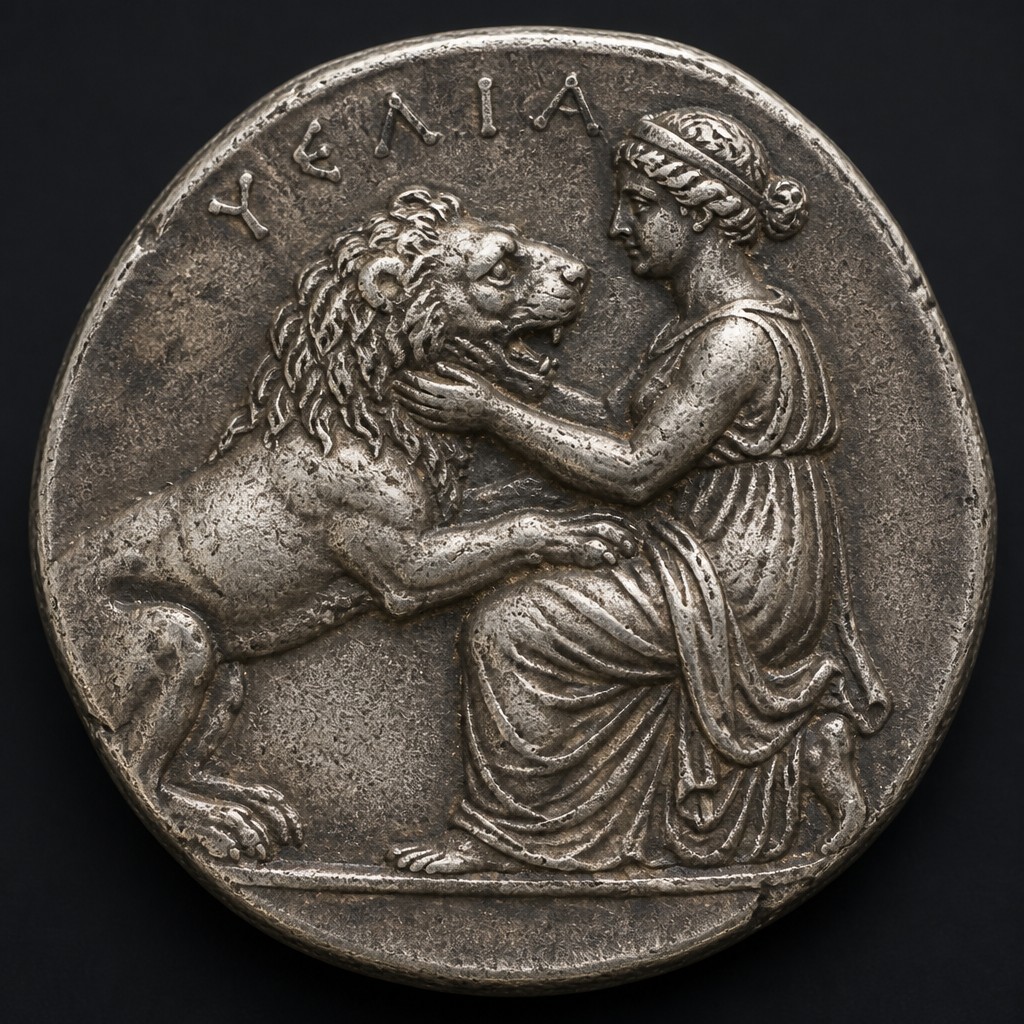
Velia (Elea) Lion and Nymph Nomos
A classic South Italian silver nomos pairing a finely helmeted head of Athena with a striding or attacking lion, from the philosophically famous city of Velia.
- Country
- Ancient Greece (Velia/Elea, Lucania)
- Denomination
- Nomos (Stater)
- Metal
- Silver
Got a coin like this?
Identify any coin from a photo, free.
Overview
Velia (called Hyele or Elea by the Greeks) is best known to history as the birthplace of the Eleatic school of philosophy, home to Parmenides and Zeno, but to numismatists it is equally celebrated for producing some of the finest silver coinage of Magna Graecia. The nomos pairs an elegantly rendered head of Athena, her helmet often decorated with a lion, griffin, or other creature, with a vigorous lion on the reverse, shown walking, standing, or attacking prey.
The series ran across many decades with distinct stylistic phases, giving collectors a rich field for specialization, and the coins are admired both for their artistry and for their tie to one of antiquity's most important philosophical centers.
History & Background
Velia was founded around 540 BC by Phocaean Greeks fleeing Persian conquest of Ionia, who settled on the Tyrrhenian coast of Lucania in southern Italy. The city grew into a significant naval and commercial power and, from the late sixth century BC onward, became renowned as the home of philosophers Parmenides and Zeno, founders of the Eleatic school.
Velia's coinage evolved through several artistic phases from the fifth through third centuries BC, with the Athena head growing more elaborate over time and often signed with the initials of individual die engravers, a rare instance of numismatic “artist signatures” in the ancient world. The city later came under Roman influence as Rome expanded through southern Italy, eventually becoming an ally and continuing limited coin production into the early Roman Republican period.
How to Identify
The obverse shows the helmeted head of Athena facing right or left, with the helmet frequently ornamented with a small lion, griffin, or mythological figure, and sometimes a monogram or engraver's initial in the field. The reverse depicts a lion, in poses ranging from calmly walking to fiercely attacking a stag or other prey, above the ethnic legend identifying the city.
Collectors distinguish issues largely by the helmet ornament and the lion's pose and accompanying symbols, since the general Athena-head-and-lion formula persisted for generations while specific artistic details changed. The fabric is the broad, thin South Italian nomos standard, and later issues from the fourth and third centuries BC show increasingly refined, almost miniature-sculptural die work.
Value & Collectibility
Velia nomoi are popular with collectors both for their artistic merit and their connection to early Greek philosophy, and prices vary widely with die quality and preservation. Common, moderately worn examples can be found for a few hundred to low thousands of dollars, while sharply struck coins with elaborate helmet ornamentation and full lion detail can bring significantly more at auction.
As with other Magna Graecia silver, centering and strike sharpness on the high-relief central devices tend to matter more to value than surface wear alone, and certain engraver-signed issues are particularly sought after by specialists.
Frequently asked questions
Why is Velia historically significant beyond coinage?
Velia (ancient Elea) was the home of the philosophers Parmenides and Zeno, founders of the Eleatic school of Greek philosophy.
What creature usually decorates Athena's helmet?
Various small creatures appear across different issues, most commonly a lion, though griffins and other mythological figures also occur.
Did engravers sign these coins?
Some Velia issues carry small engraver initials or monograms in the field, an unusually documented practice for ancient Greek coinage.
What is the difference between Velia and Elea?
They are the same city; Elea (or Hyele) is the Greek name, while Velia is the later Roman/Latin form.
Other coins you may enjoy
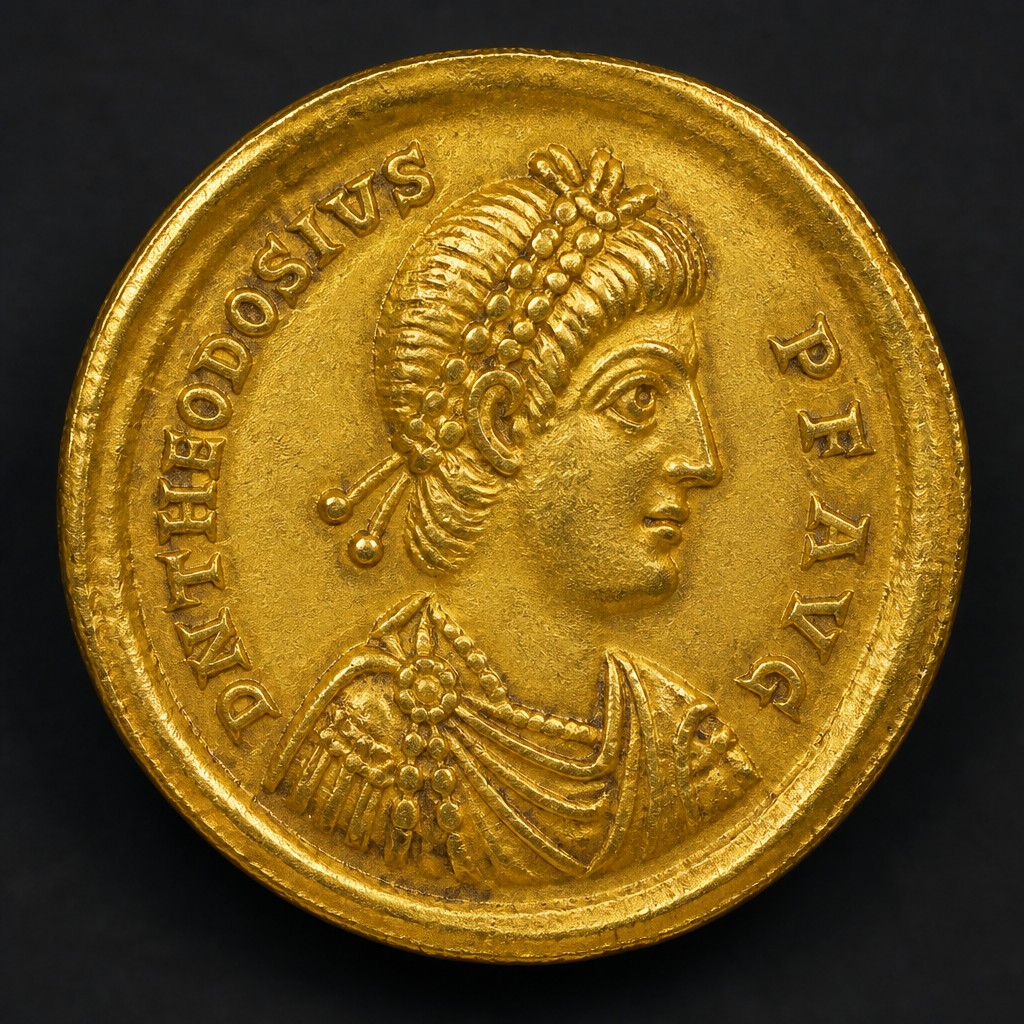
Theodosius I Solidus
379–395 AD
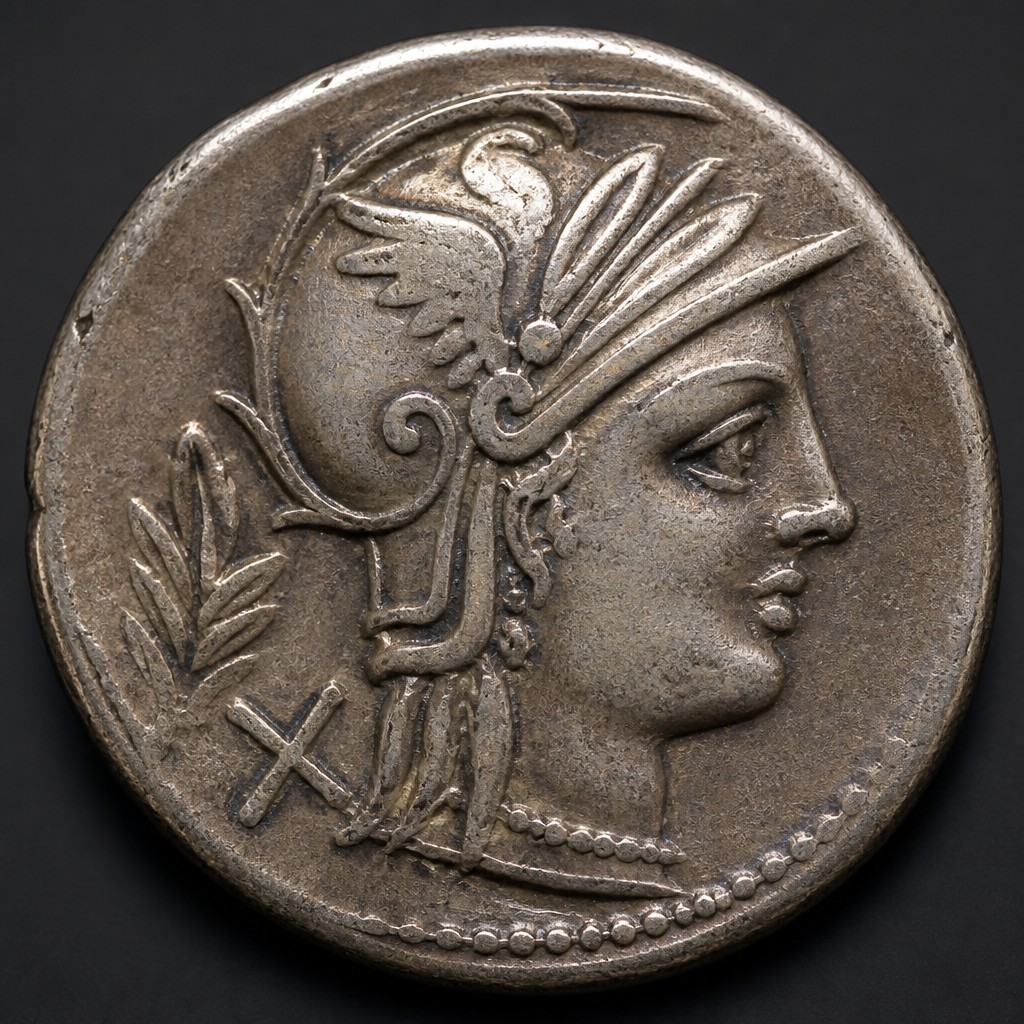
Republican Victoriatus
c. 211–170 BC
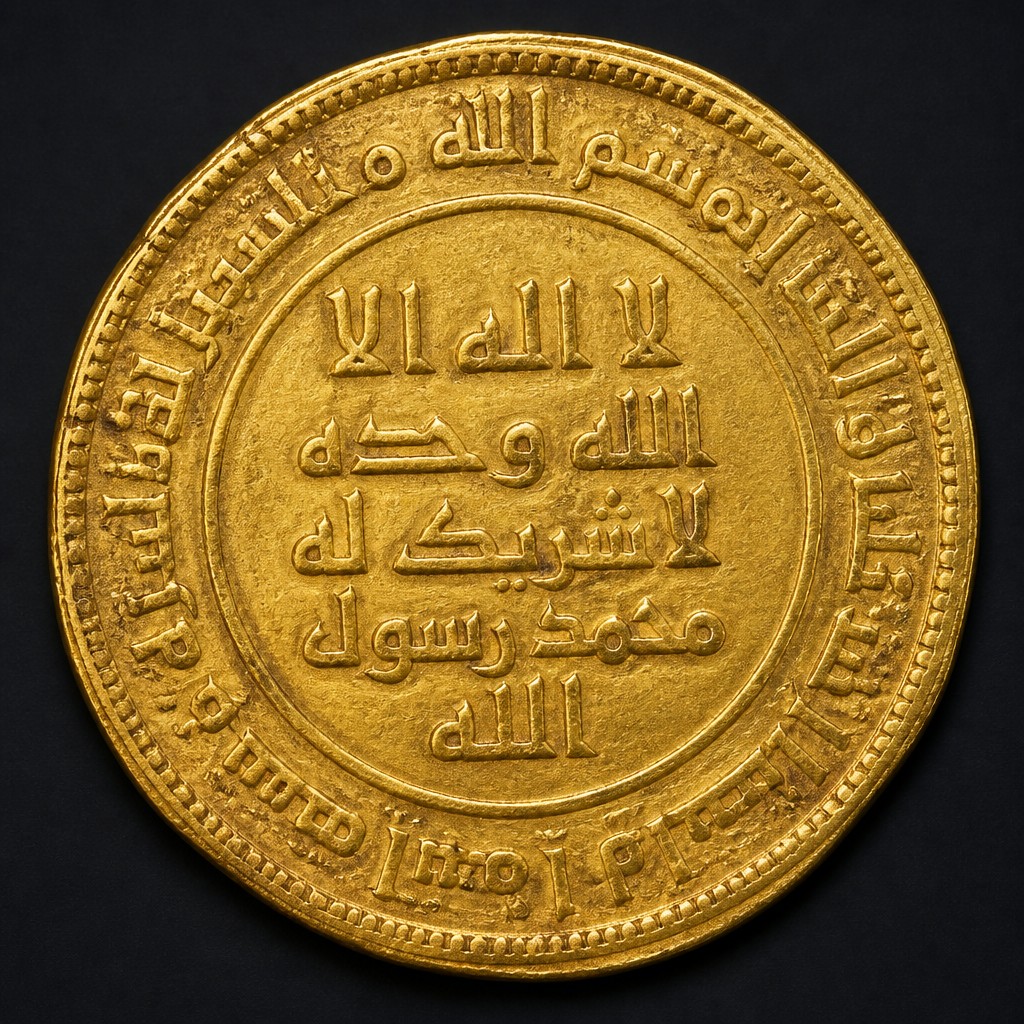
Islamic Gold Dinar (Umayyad)
c. 696–750 AD
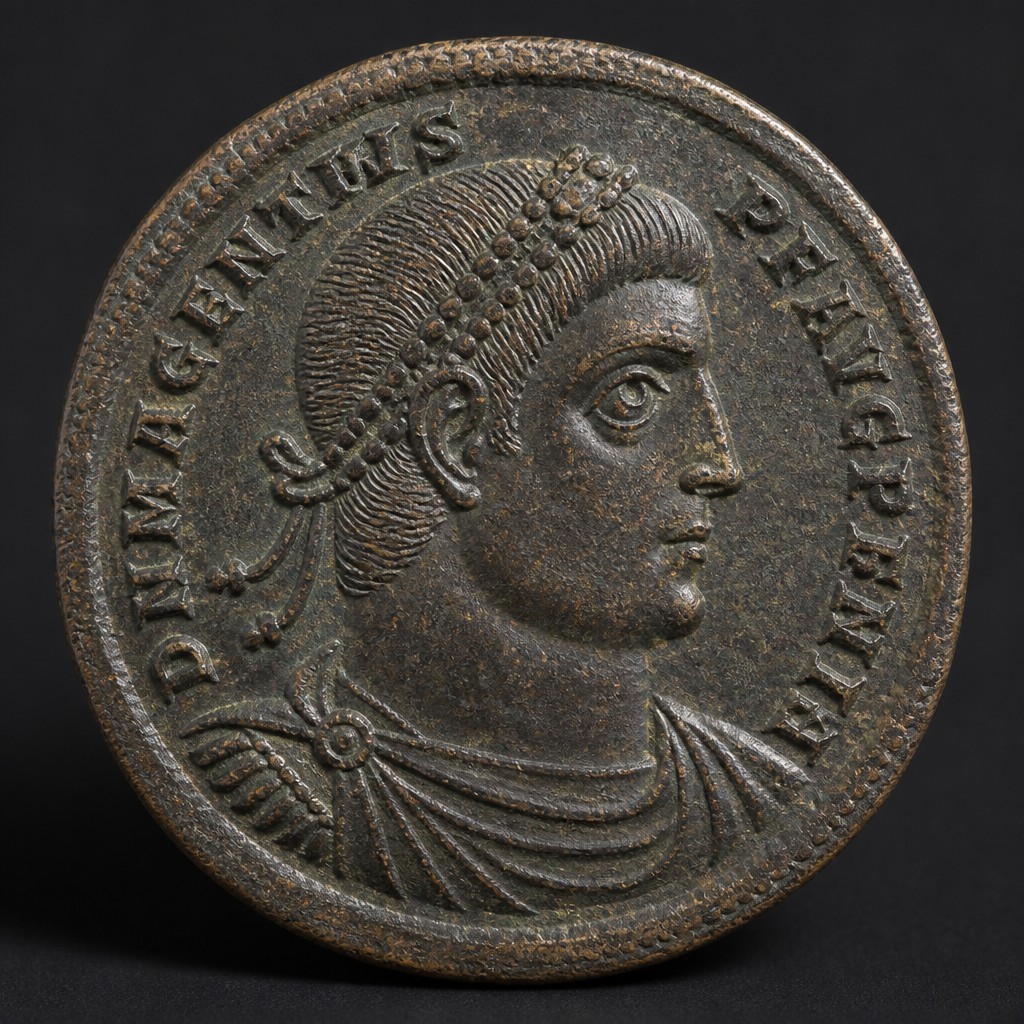
Magnentius Double Centenionalis
350–353 AD
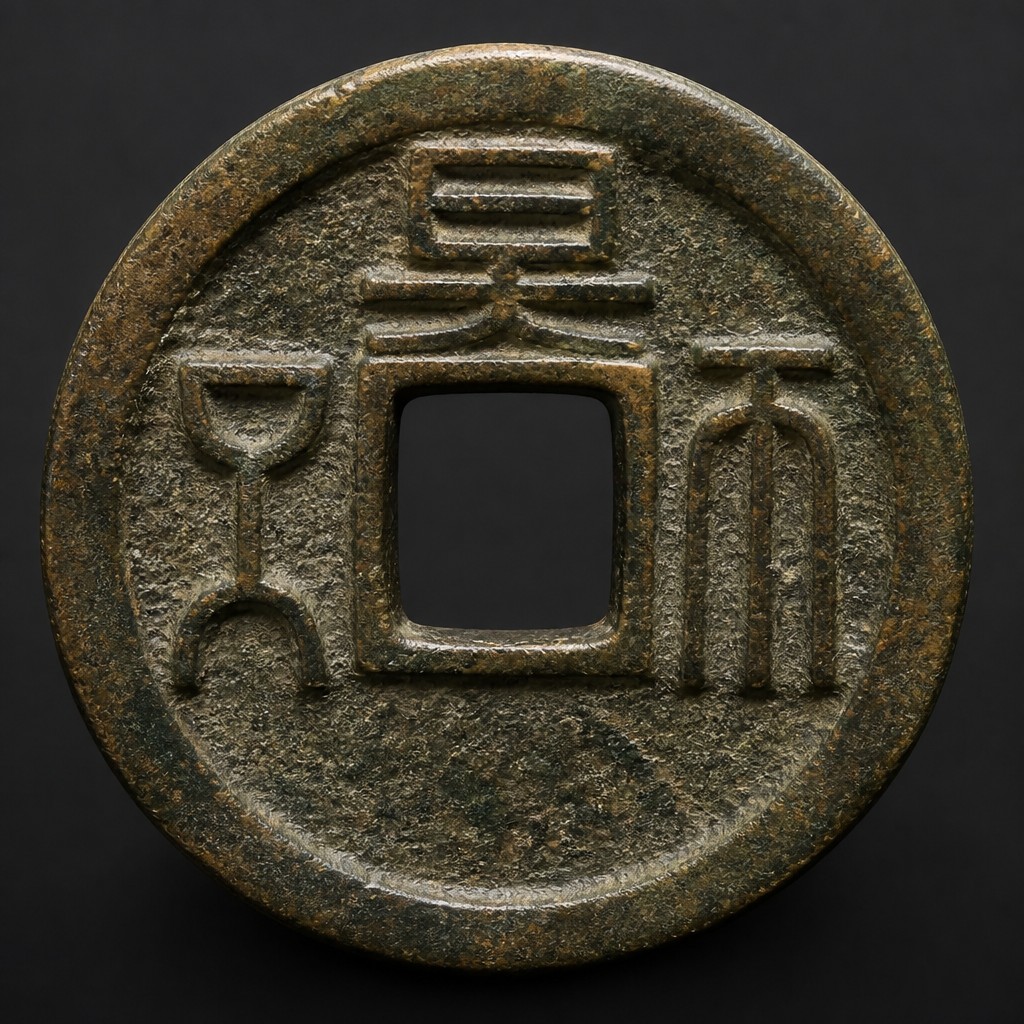
Chinese Wu Zhu Cash
118 BC – 618 AD
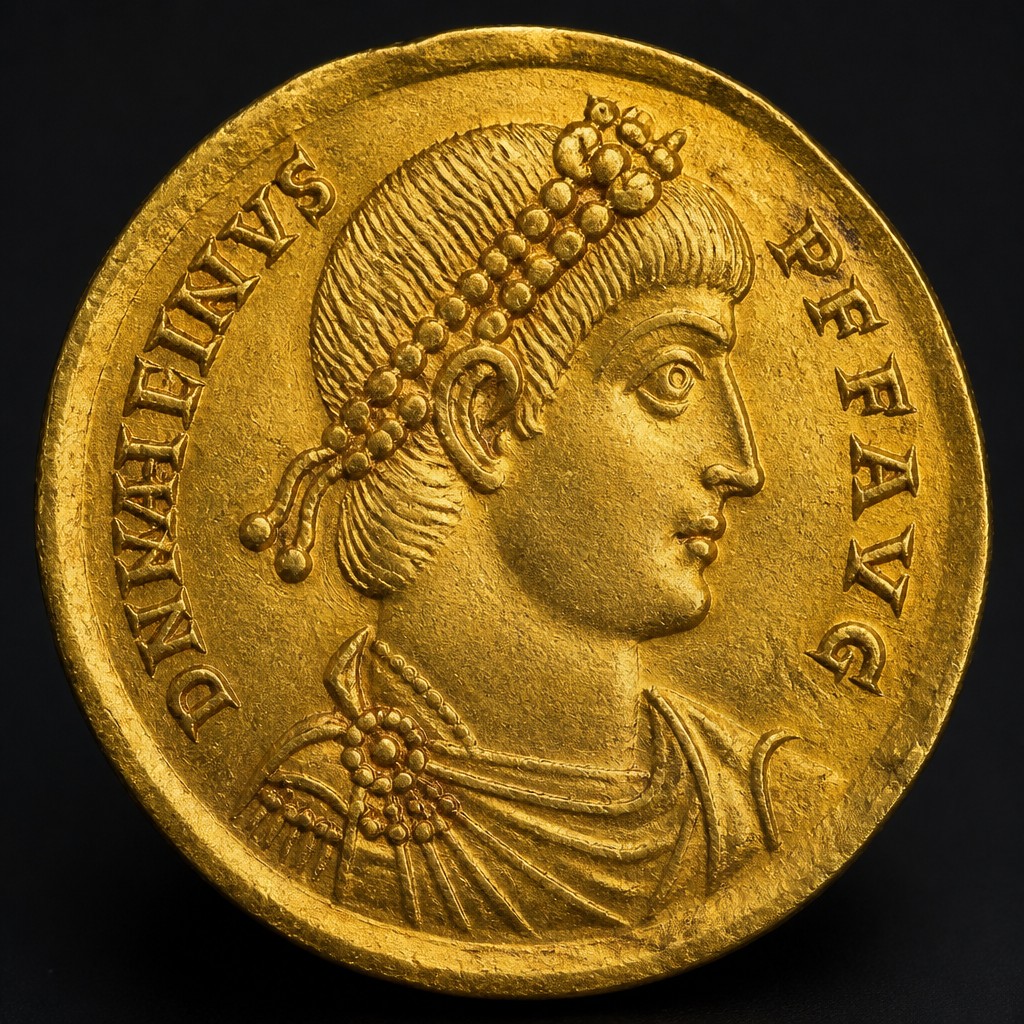
Valentinian I Solidus
364–375 AD
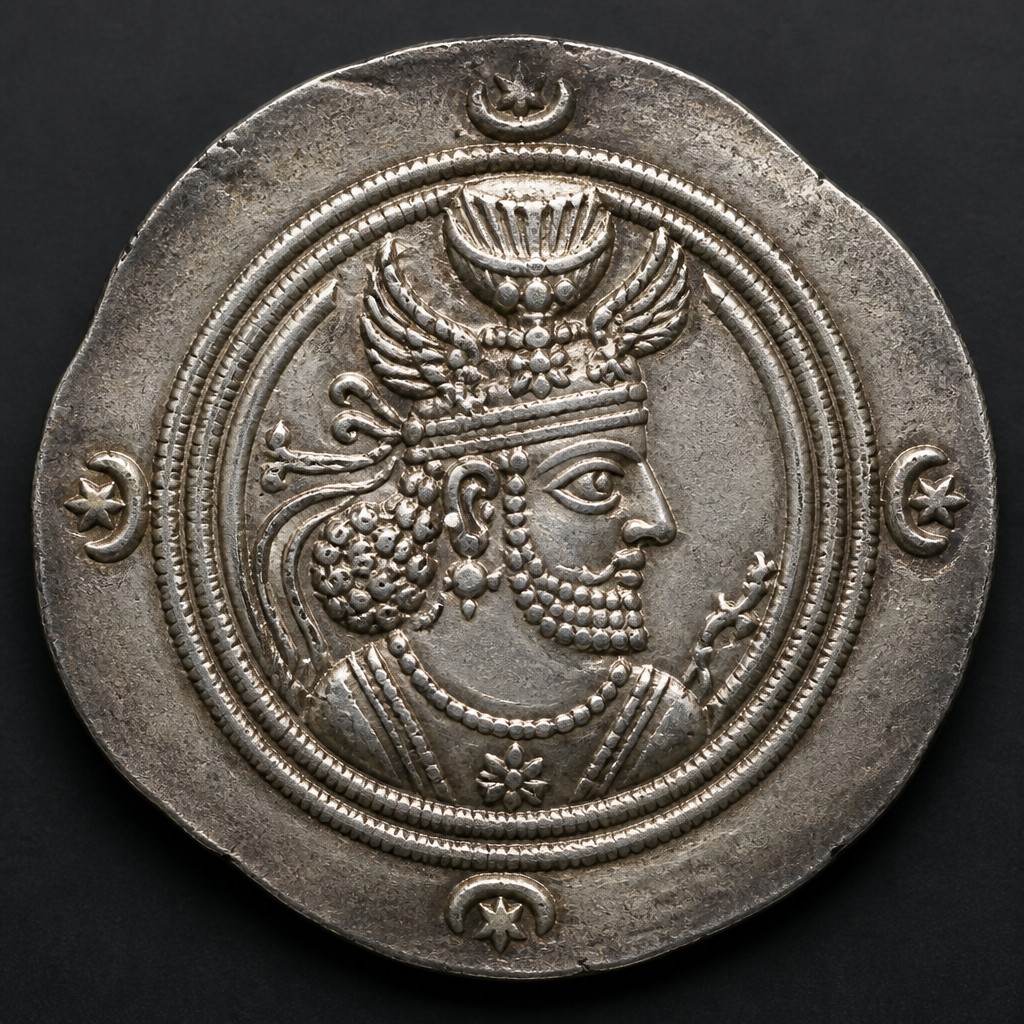
Sassanian Silver Drachm
c. 224–651 AD
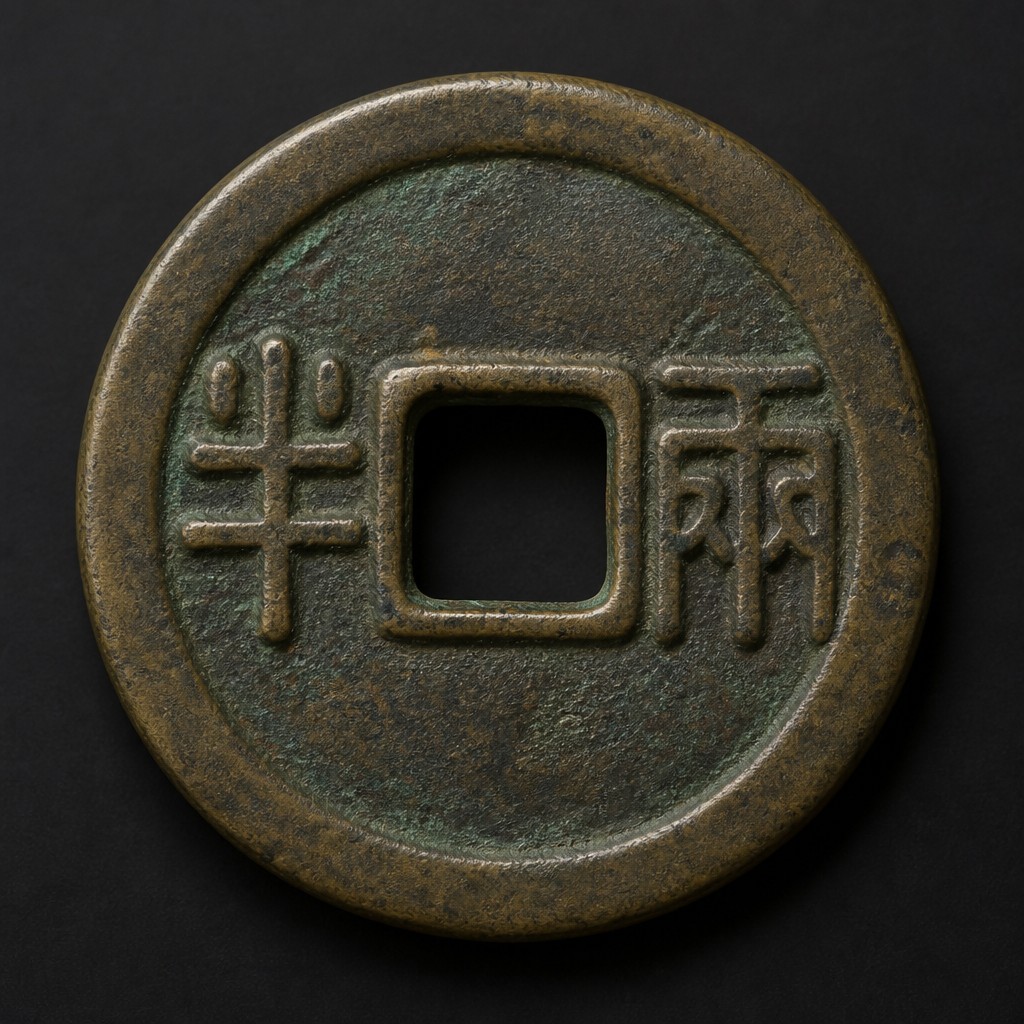
Chinese Ban Liang Cash
c. 221–118 BC
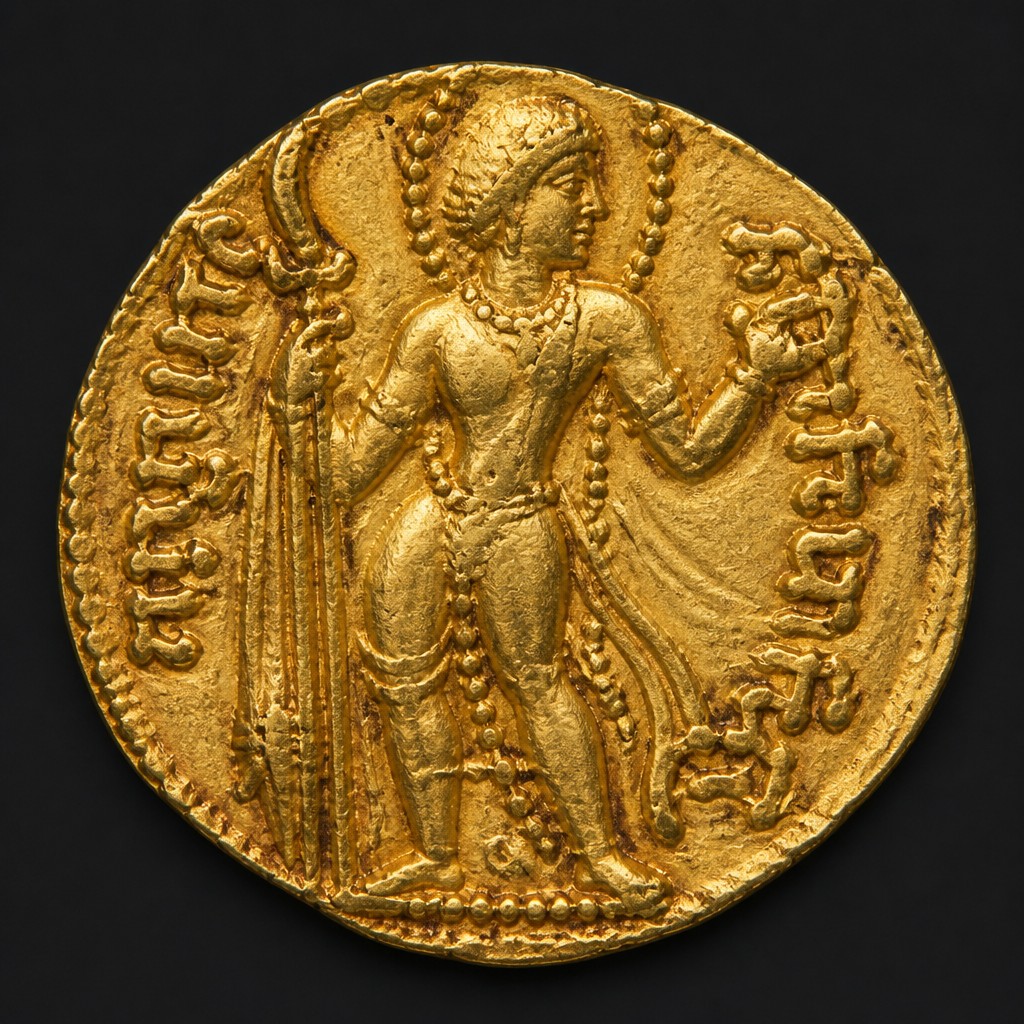
Gupta Empire Gold Dinar
c. 320–550 AD
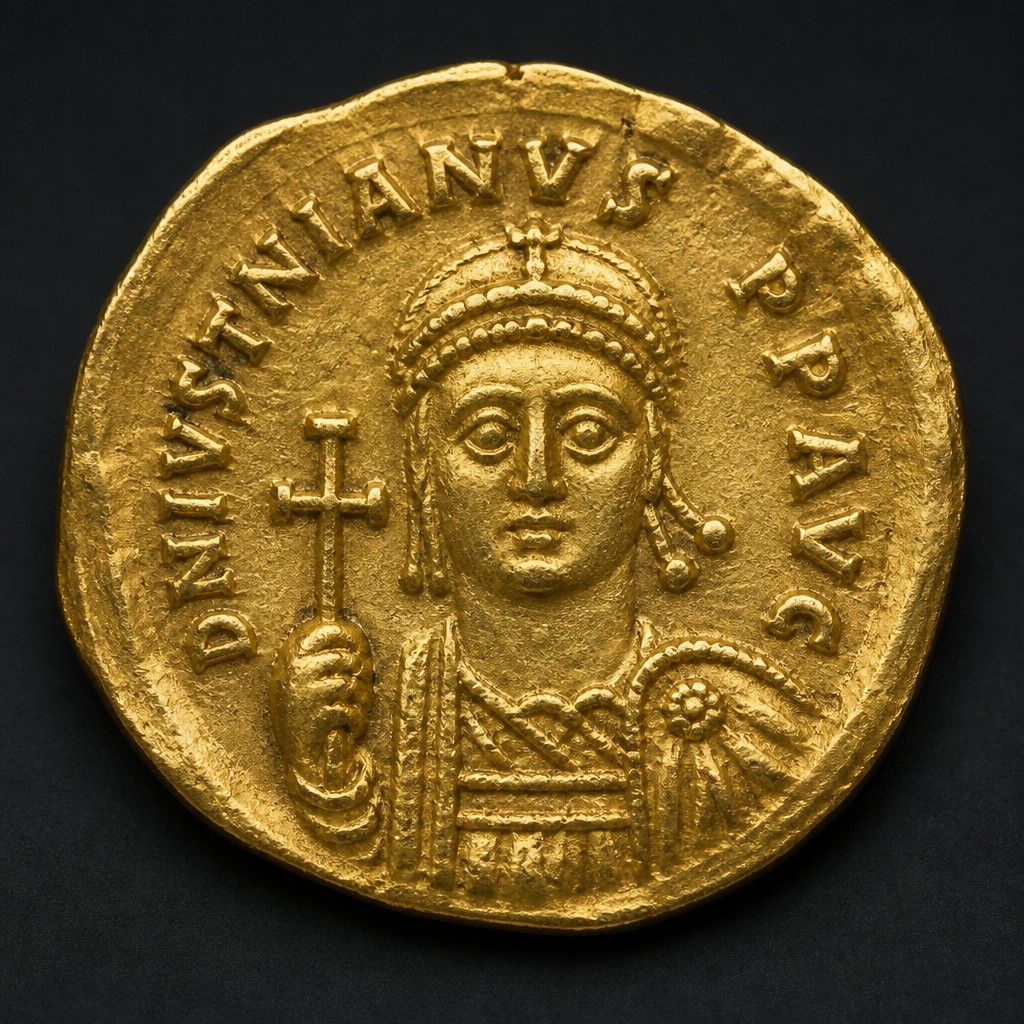
Byzantine Gold Tremissis
c. 4th–7th century AD
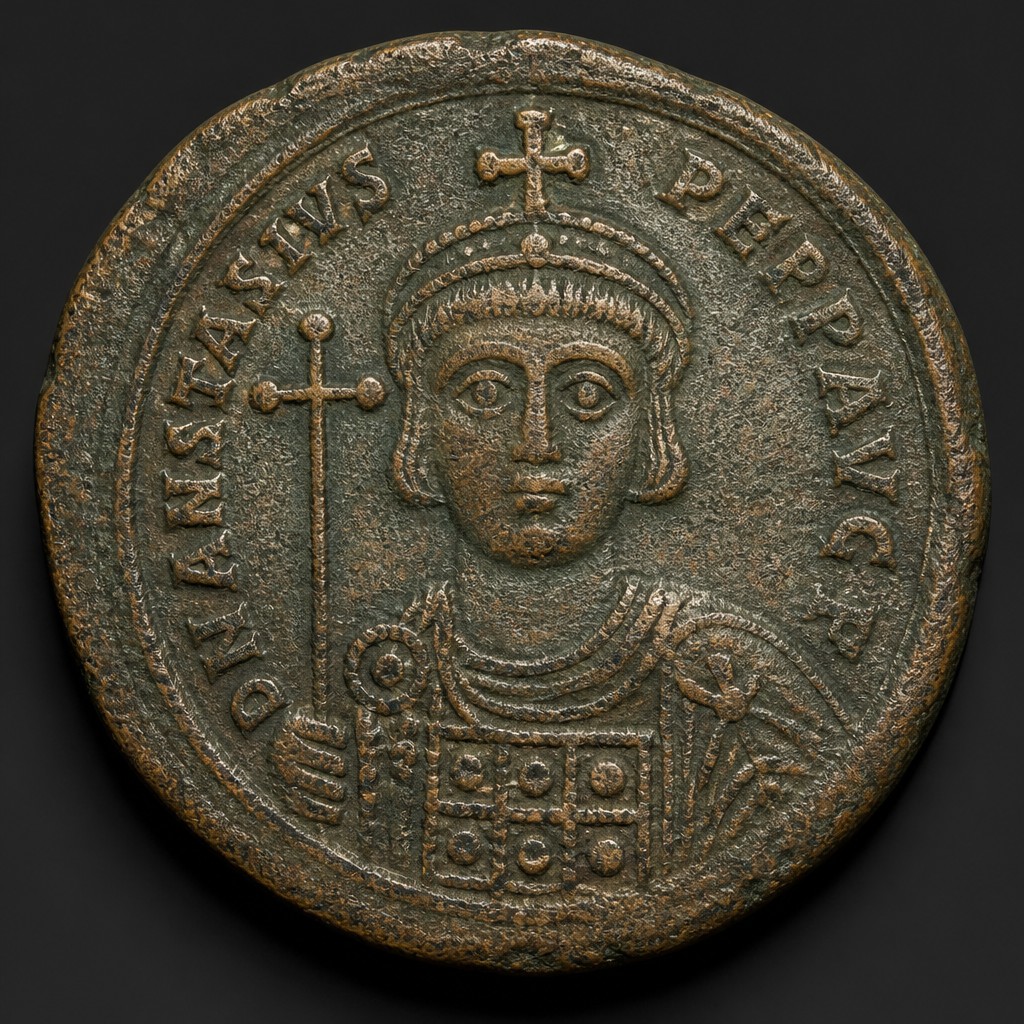
Byzantine Follis
498–c. 11th century AD
Celtic Gold Stater
c. 3rd century BC – 1st century AD