
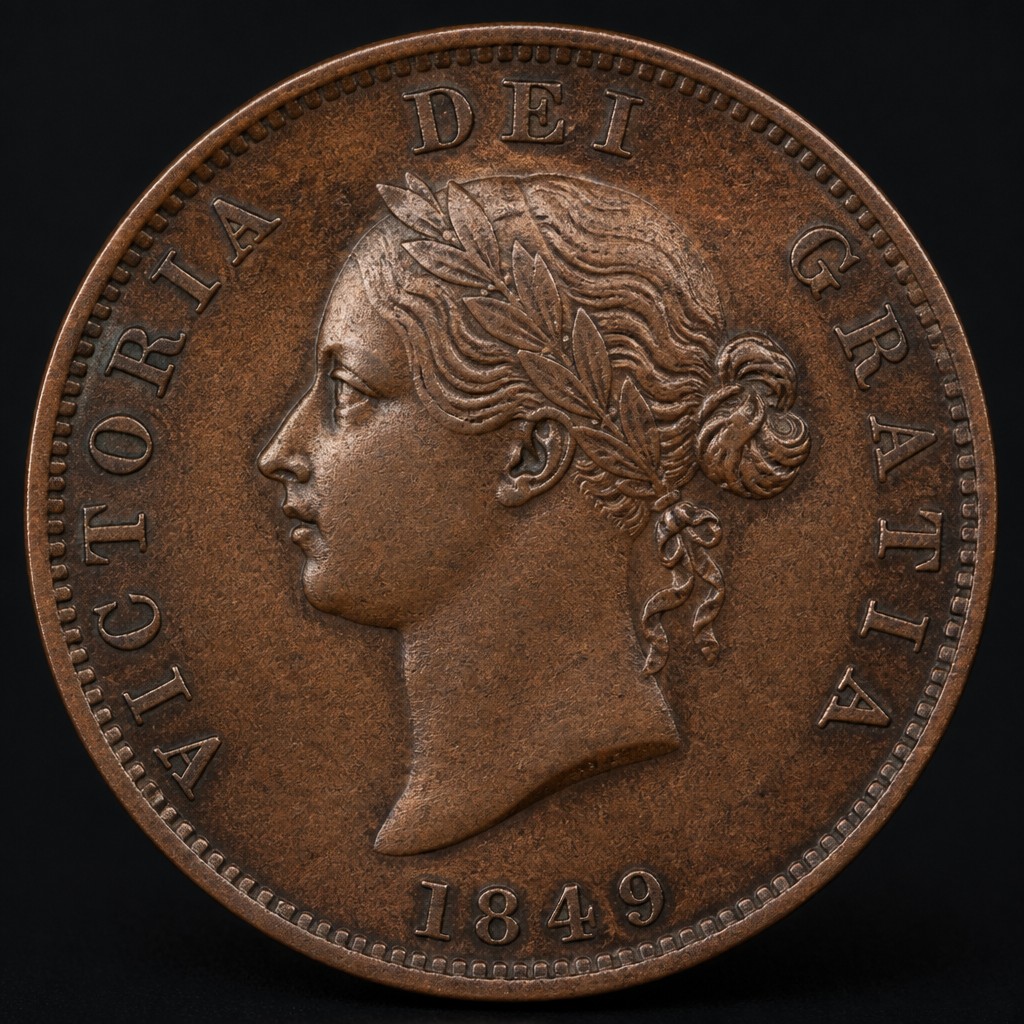
Half Farthing
A tiny copper coin worth one-eighth of a penny, struck mainly for use in colonial Ceylon during the reigns of George IV, William IV, and Victoria.
- Country
- United Kingdom
- Denomination
- Half Farthing
- Metal
- Copper
Got a coin like this?
Identify any coin from a photo, free.
Overview
The Half Farthing is one of the smallest denominations ever struck by the Royal Mint, valued at just one-eighth of a British penny. Though technically legal tender in the United Kingdom, it was struck primarily to meet the small-change needs of the colony of Ceylon, making it as much a colonial trade coin as a domestic British one.
Its unusual purpose and small fractional value make it a curiosity among British minor coinage, appealing to collectors interested in the practical challenges of supplying adequate small change across a growing empire in the early to mid-nineteenth century.
Because it circulated mainly overseas rather than at home, the Half Farthing offers an interesting window into how British coinage was adapted to serve colonial economies quite different from Britain's own.
History & Background
The Half Farthing was first struck in 1828 under George IV, specifically intended to address a shortage of adequate small-denomination coinage in Ceylon (present-day Sri Lanka), a British colony where existing coinage was poorly suited to everyday small transactions. Further issues followed under William IV and into the reign of Queen Victoria.
Although it was legal tender in Britain itself, in practice it saw little use domestically, with its primary circulation occurring in Ceylon and to a lesser extent other colonial markets needing very small-value coins.
Production continued intermittently until 1856, after which the denomination was discontinued as colonial and domestic coinage needs evolved, leaving the Half Farthing as a relatively short-lived but distinctive chapter in British minor coinage history.
How to Identify
The obverse bears the portrait of the reigning monarch - George IV, William IV, or the young Victoria depending on date - with the standard royal Latin legend. The reverse typically shows a seated figure of Britannia, similar in style to contemporary farthings and half farthings struck for domestic use, with the denomination indicated by size rather than a printed numeral.
The coin is very small and light, generally under 15mm in diameter, making it easy to distinguish from the full farthing simply by its noticeably smaller size and lighter copper weight. Its specific date range of 1828 to 1856 and its association with George IV, William IV, and Victoria portraits help collectors place individual examples accurately.
Value & Collectibility
Half Farthings are generally affordable in worn, circulated grades, reflecting their historically large mintages for colonial use, though certain dates are scarcer than others and command higher premiums. Choice uncirculated examples with original copper color and minimal wear are considerably more difficult to find and correspondingly more valuable to specialists in British minor coinage.
Because the coin saw heavy circulation in a tropical colonial environment, well-preserved examples free of corrosion or heavy wear are relatively scarce, and condition plays an outsized role in determining value for this small, humble denomination.
Frequently asked questions
Why was the Half Farthing created?
It was struck mainly to supply adequate small change for the British colony of Ceylon, which lacked sufficient low-value coinage.
What fraction of a penny was it worth?
One-eighth of a penny, making it one of the smallest denominations ever issued by the Royal Mint.
Did it circulate in Britain itself?
It was legal tender in Britain but saw little actual domestic use, circulating mainly in Ceylon and other colonial markets.
Which monarchs appear on the Half Farthing?
George IV, William IV, and Queen Victoria, depending on the specific date of issue.
Other coins you may enjoy
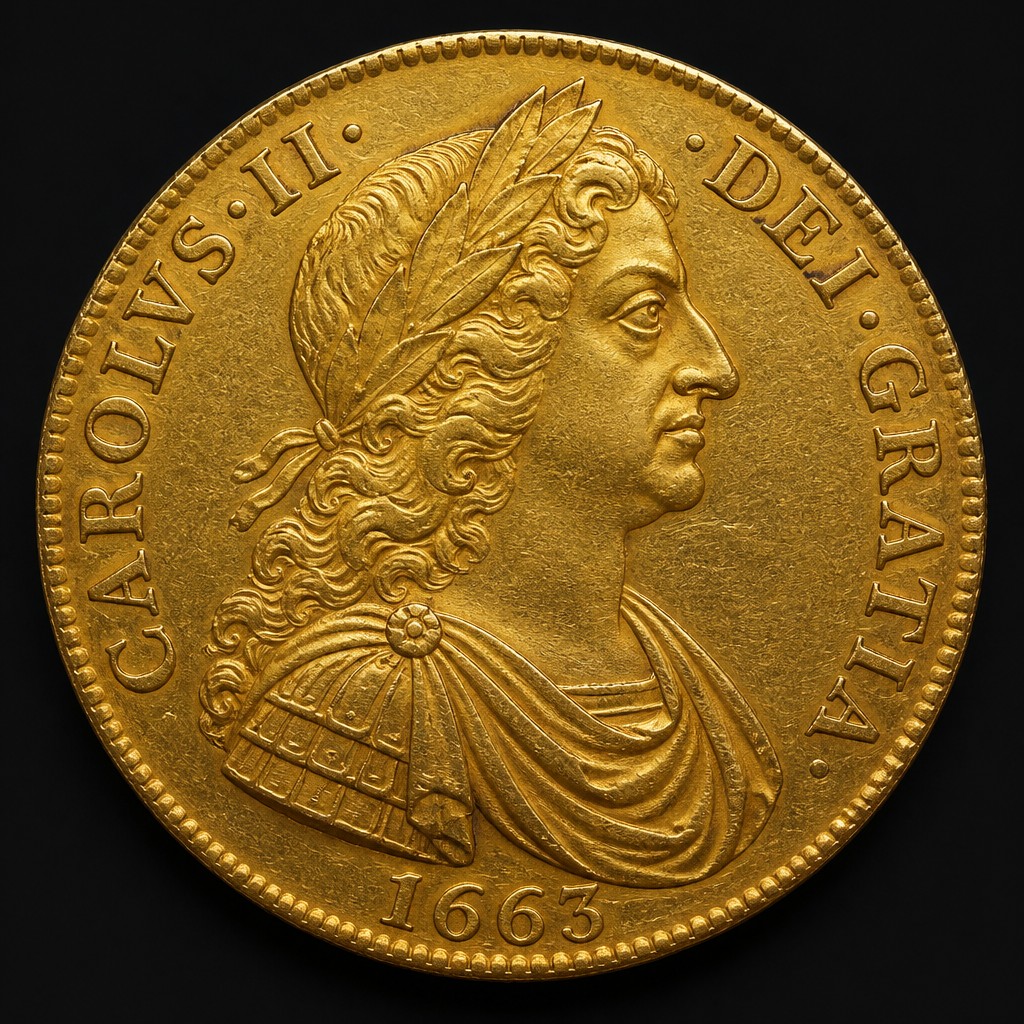
British Guinea
1663–1814
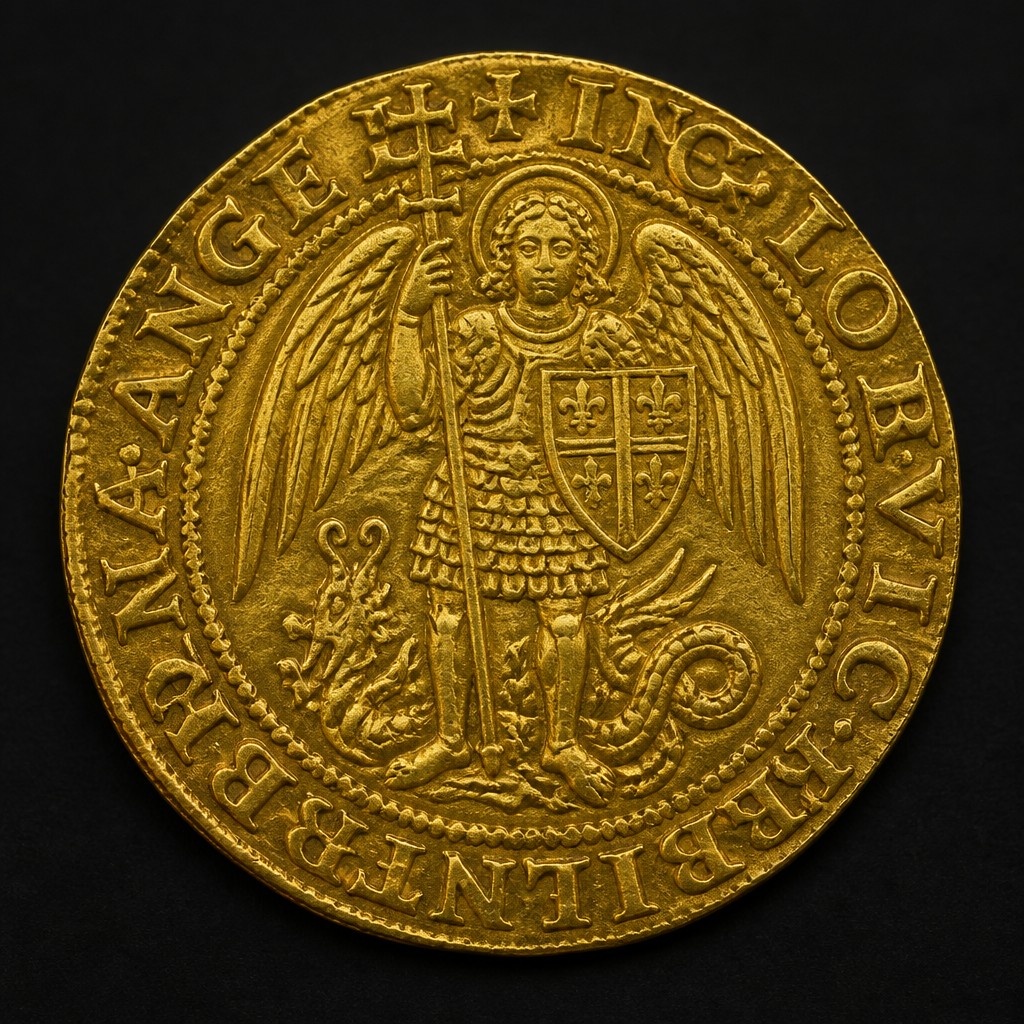
English Angel
1465–1642
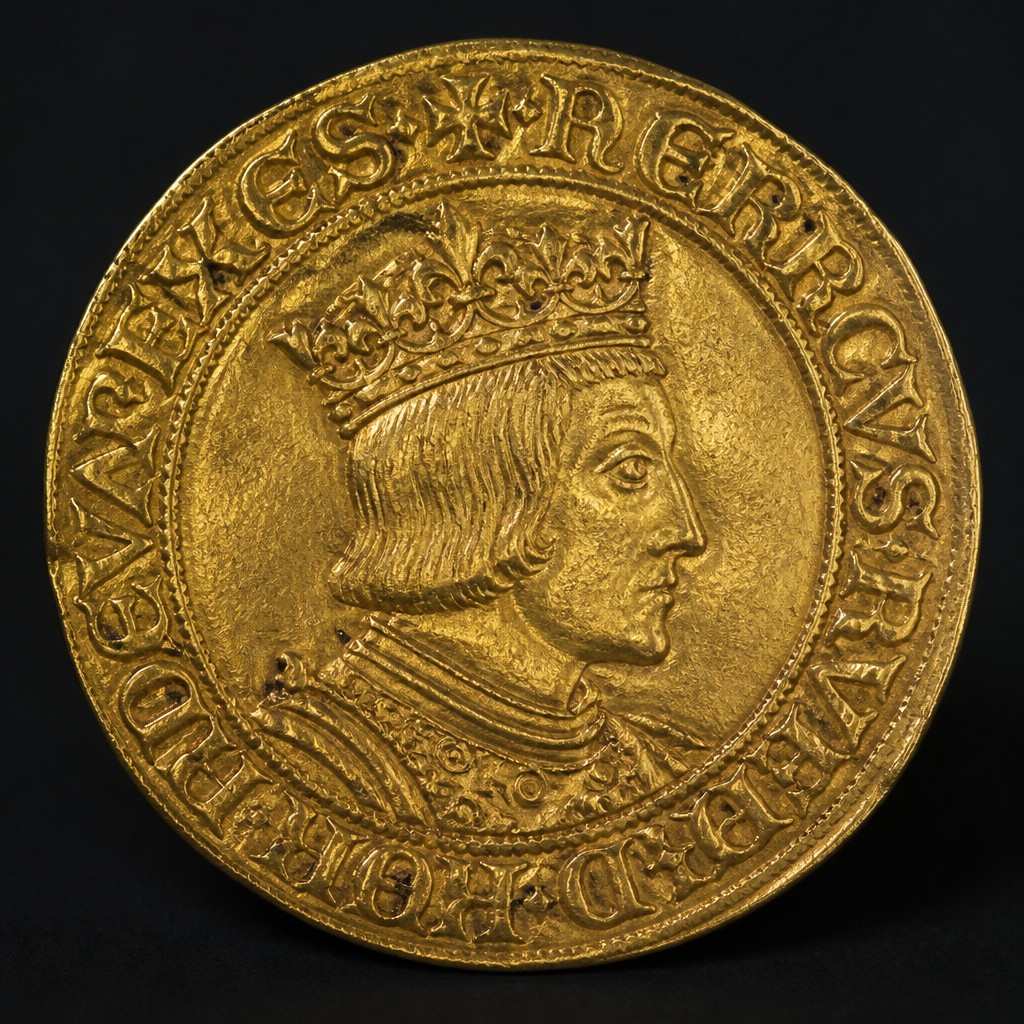
English Sovereign of Henry VII
1489–1509
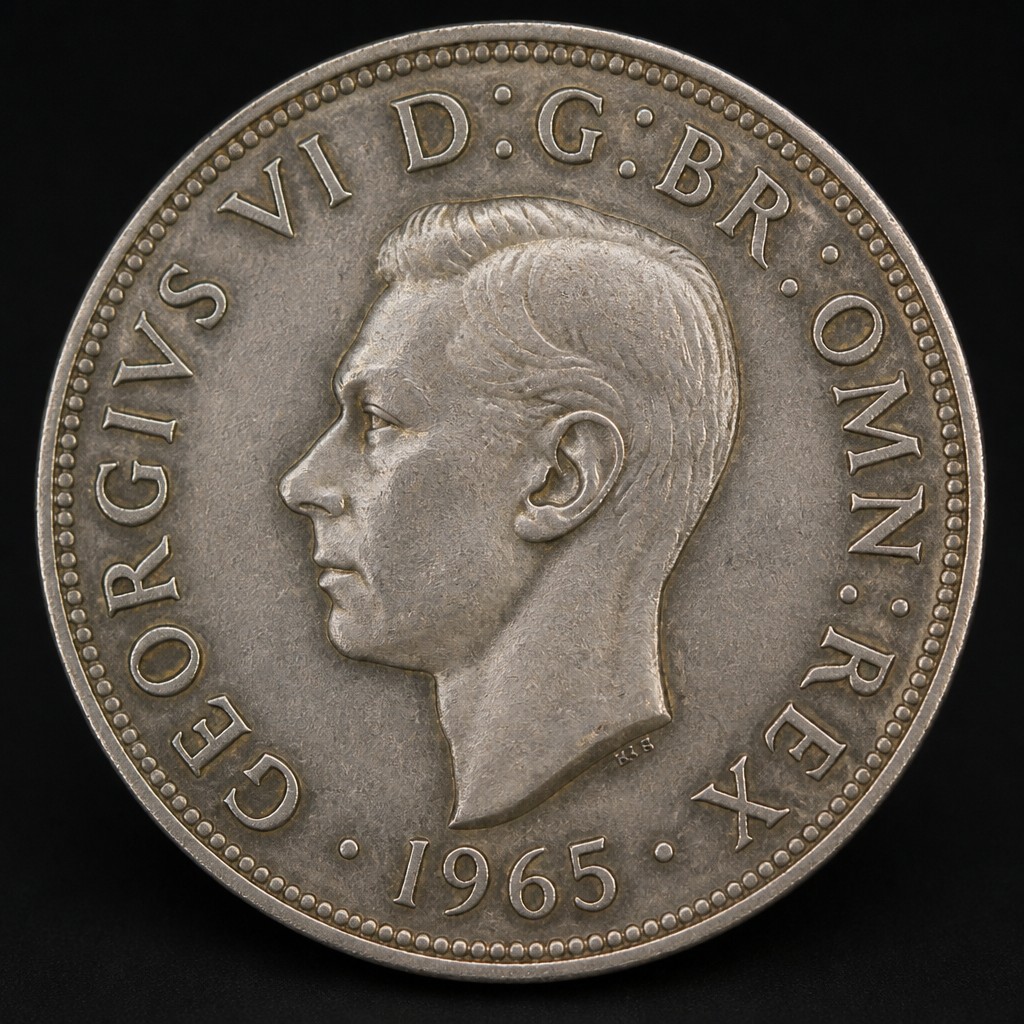
English Crown
1526–1965 (pre-decimal; commemorative crown-sized coins continue as five pound coins)
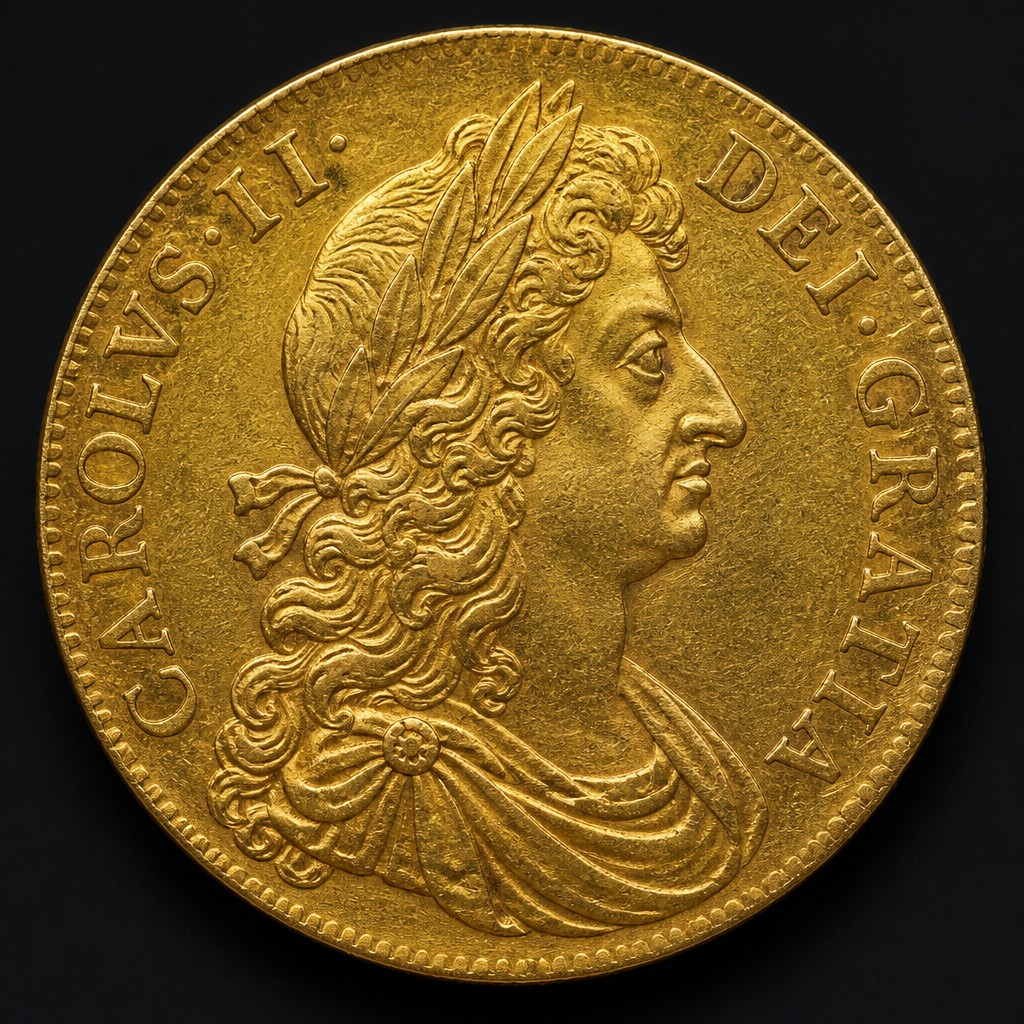
British Gold Guinea
1663–1814
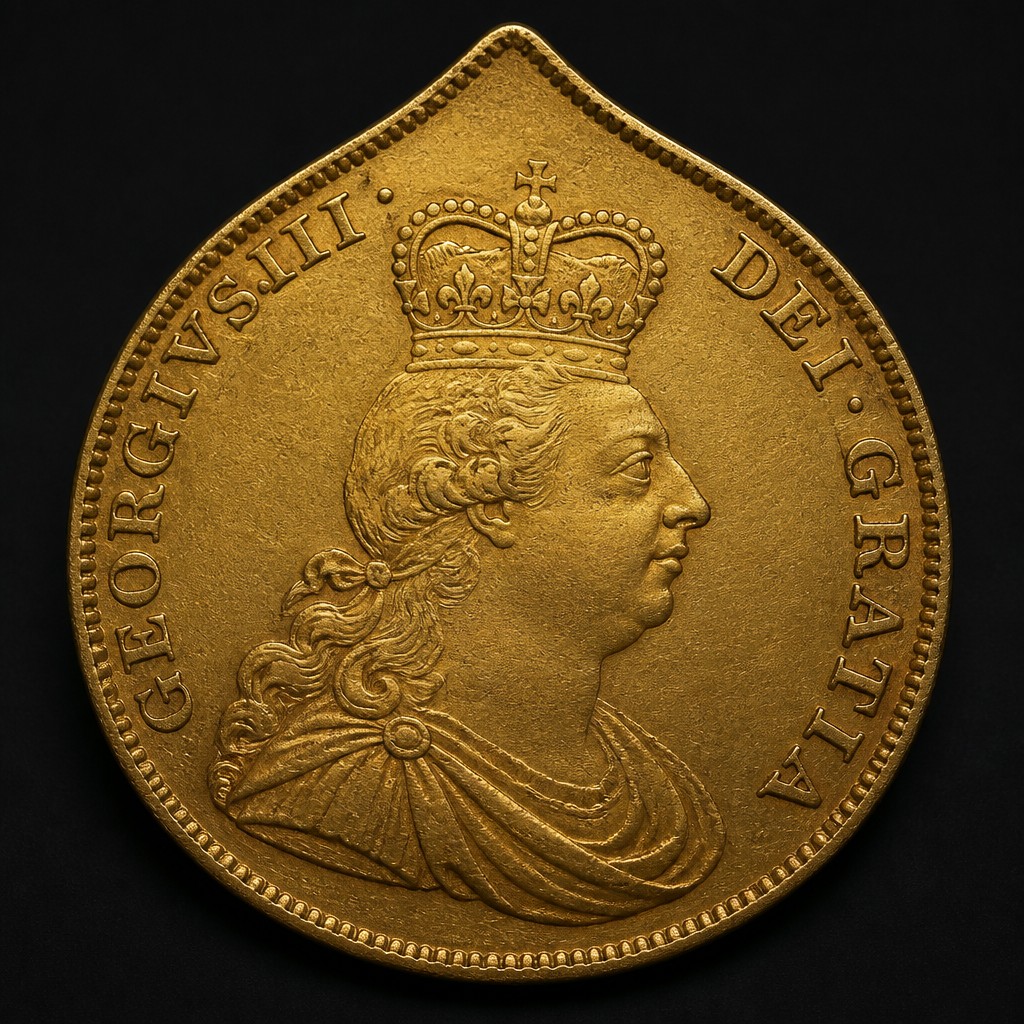
Spade Guinea
1787–1799
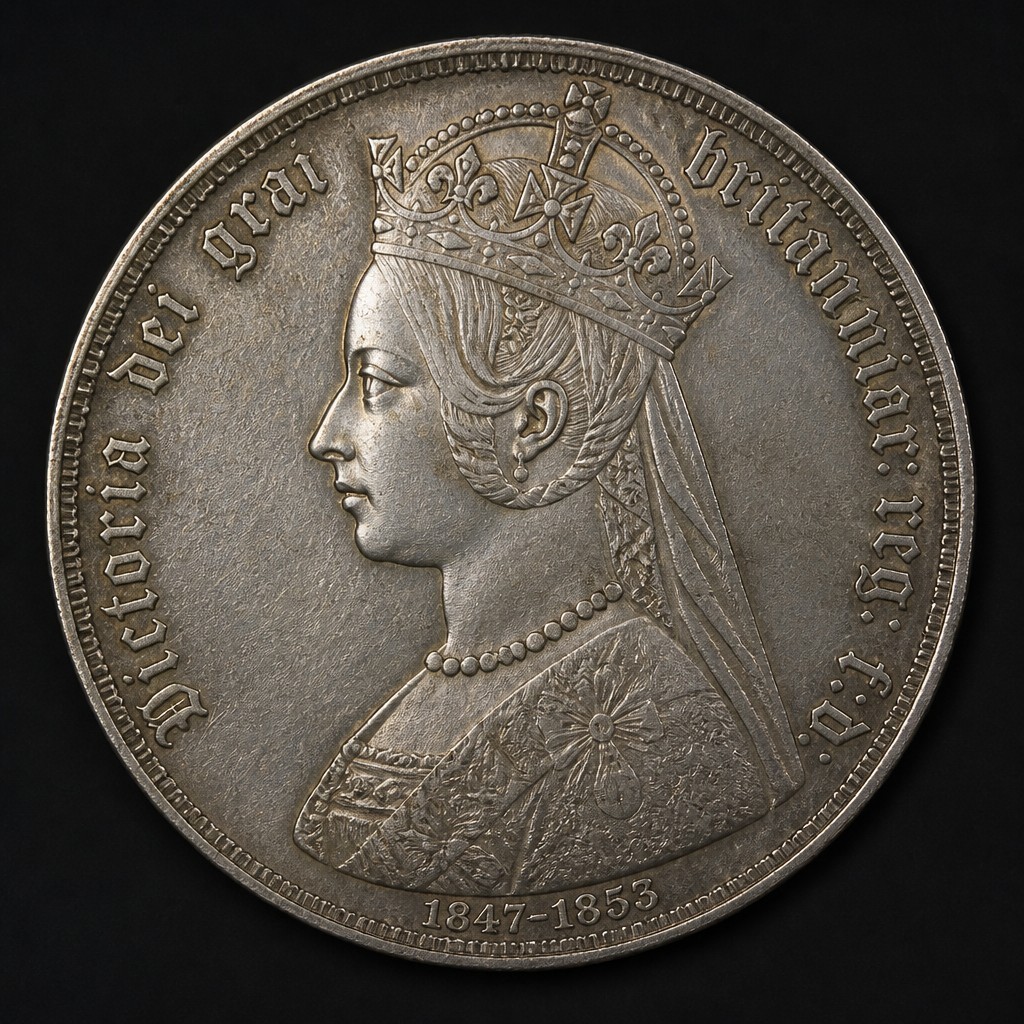
Gothic Crown
1847–1853
Groat (Fourpence)
1279–1888 (various revivals)
Farthing
13th century–1956
Halfpenny
c. 800s–1969
Five Pound Gold (Quintuple Sovereign)
1820–present (intermittent)
Threepence
1547–1970