
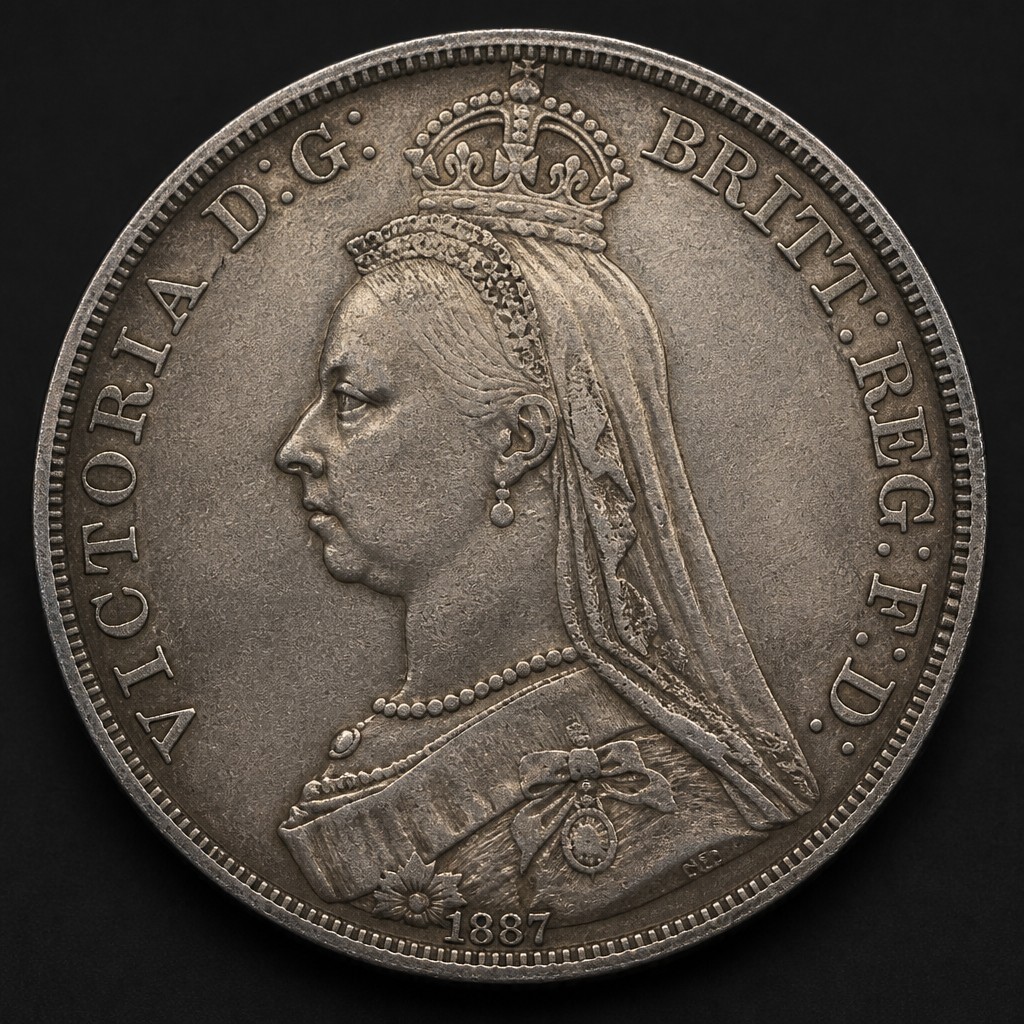
Double Florin
A large Victorian silver coin worth four shillings, struck for only four years; its close resemblance in size to the crown and half-crown caused everyday confusion and gave it a lasting nickname.
- Country
- United Kingdom
- Denomination
- Four Shillings
- Metal
- 92.5% Silver (sterling)
Got a coin like this?
Identify any coin from a photo, free.
Overview
The double florin was a short-lived experiment in British silver coinage, introduced as part of Queen Victoria's 1887 Golden Jubilee coinage to provide a convenient four-shilling piece alongside the shilling, florin, and crown. It is one of the largest circulating silver denominations of the modern era and is prized today as a striking, substantial Victorian type coin.
Collectors are drawn to the double florin both for its handsome cruciform-shield reverse, shared in style with other Jubilee-era coinage, and for the small number of date/style varieties produced across its brief four-year run. Because it circulated for such a short time, well-preserved examples are not especially difficult to find, making it an accessible way to own a large 19th-century British crown-sized silver coin.
History & Background
Struck only from 1887 to 1890, the double florin was part of a broader modernization of British coinage tied to Victoria's Golden Jubilee. Its intent was to offer a convenient intermediate denomination between the two-shilling florin and the five-shilling crown, reflecting ongoing 19th-century interest in eventually decimalizing the pound.
The coin proved unpopular almost immediately. Its diameter and weight were close enough to the crown and half-crown that shopkeepers and the public frequently confused the denominations, sometimes to their financial loss, which is the likely origin of the nickname 'Barmaid's Ruin.' The Royal Mint discontinued the denomination after 1890, and no double florins were struck for any later British monarch.
How to Identify
The obverse carries the Jubilee bust of Victoria, veiled and crowned, engraved by Joseph Edgar Boehm, with the legend VICTORIA DEI GRATIA around the rim. The reverse displays four crowned cruciform shields representing England, Scotland, and Ireland with scepters in the angles, and the words ONE DOUBLE FLORIN spelled out directly on the coin, a rare instance of a British coin naming its own denomination in full.
The coin measures roughly 36mm in diameter, close to the crown, so the denomination wording and the absence of a fifth 'crown' shield are the surest ways to tell it apart from a crown or half-crown at a glance. Dates appear in either Roman or Arabic numeral style depending on the year and die variety, and the edge is milled.
Value & Collectibility
Double florins are common enough in circulated grades that most dates are affordable, with well-worn examples often trading for modest sums and lightly circulated or uncirculated Jubilee-head pieces commanding more. Because the design and bust type stayed constant across the short run, condition and specific date/numeral-style varieties are the main drivers of price rather than dramatic date rarity.
As with most Victorian silver, choice uncirculated pieces with original luster bring a significant premium over average circulated coins, and certain minor die varieties in the date numerals are scarcer and more sought after by specialists. Typical retail prices for circulated pieces run from roughly $25 to $100, with better grades and scarcer varieties reaching well beyond that.
Frequently asked questions
Why was the double florin discontinued so quickly?
Its size was too close to the crown and half-crown, causing frequent confusion in everyday transactions, so the Royal Mint dropped the denomination after 1890.
Is the double florin the same as a crown?
No. It is worth four shillings versus the crown's five shillings, though the two coins are similar in size and can be mistaken for each other.
What makes some double florins more valuable than others?
Overall condition matters most, but small differences in how the date numerals were engraved create recognized varieties that carry different premiums.
Who designed the double florin?
The obverse Jubilee portrait of Victoria was engraved by Joseph Edgar Boehm; the reverse continues the cruciform-shield style used on other Victorian silver.
Other coins you may enjoy
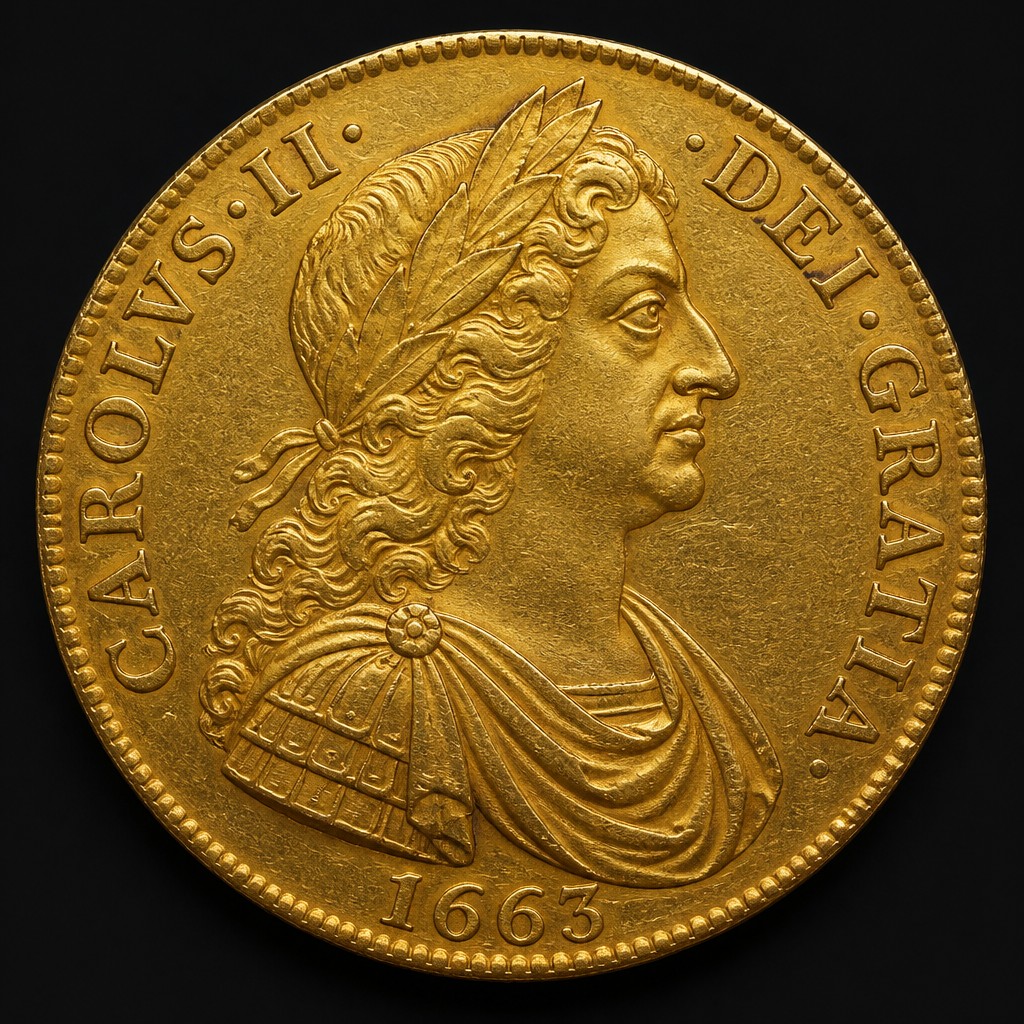
British Guinea
1663–1814
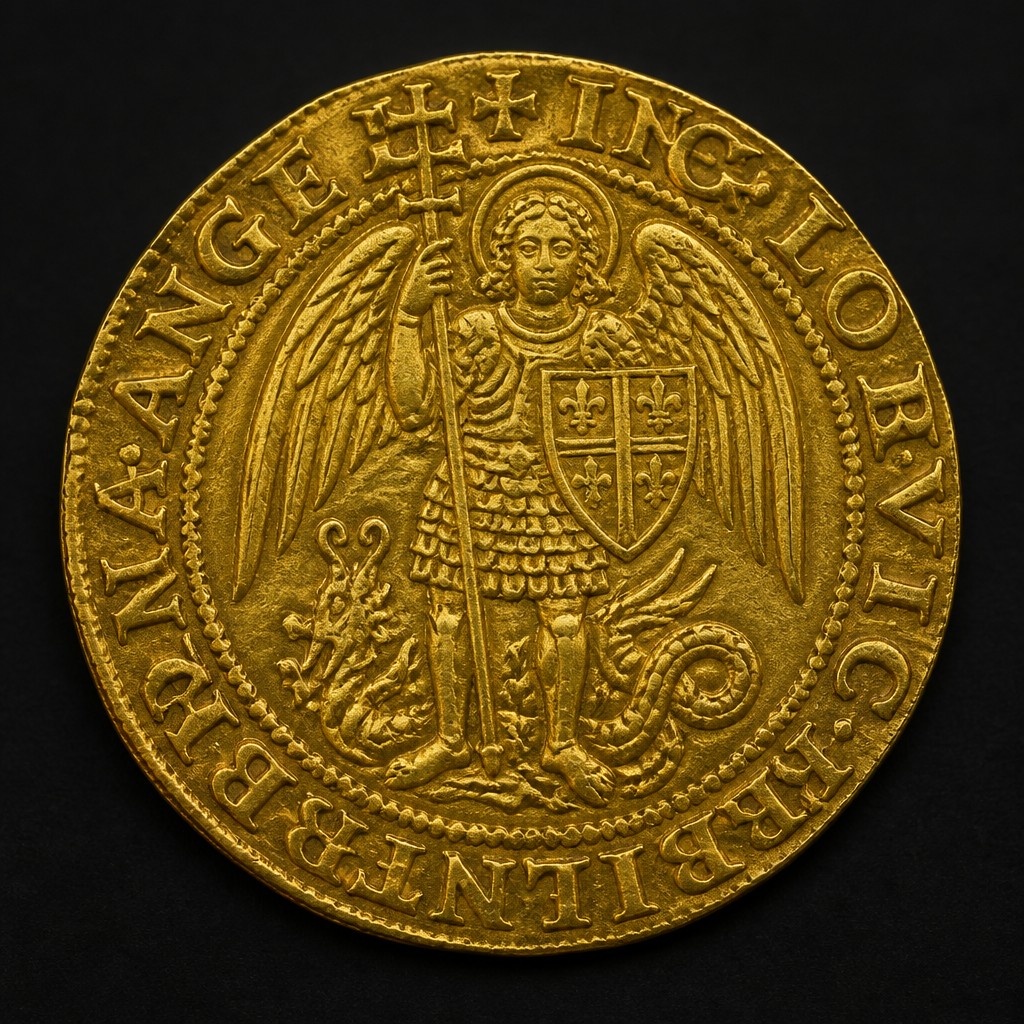
English Angel
1465–1642
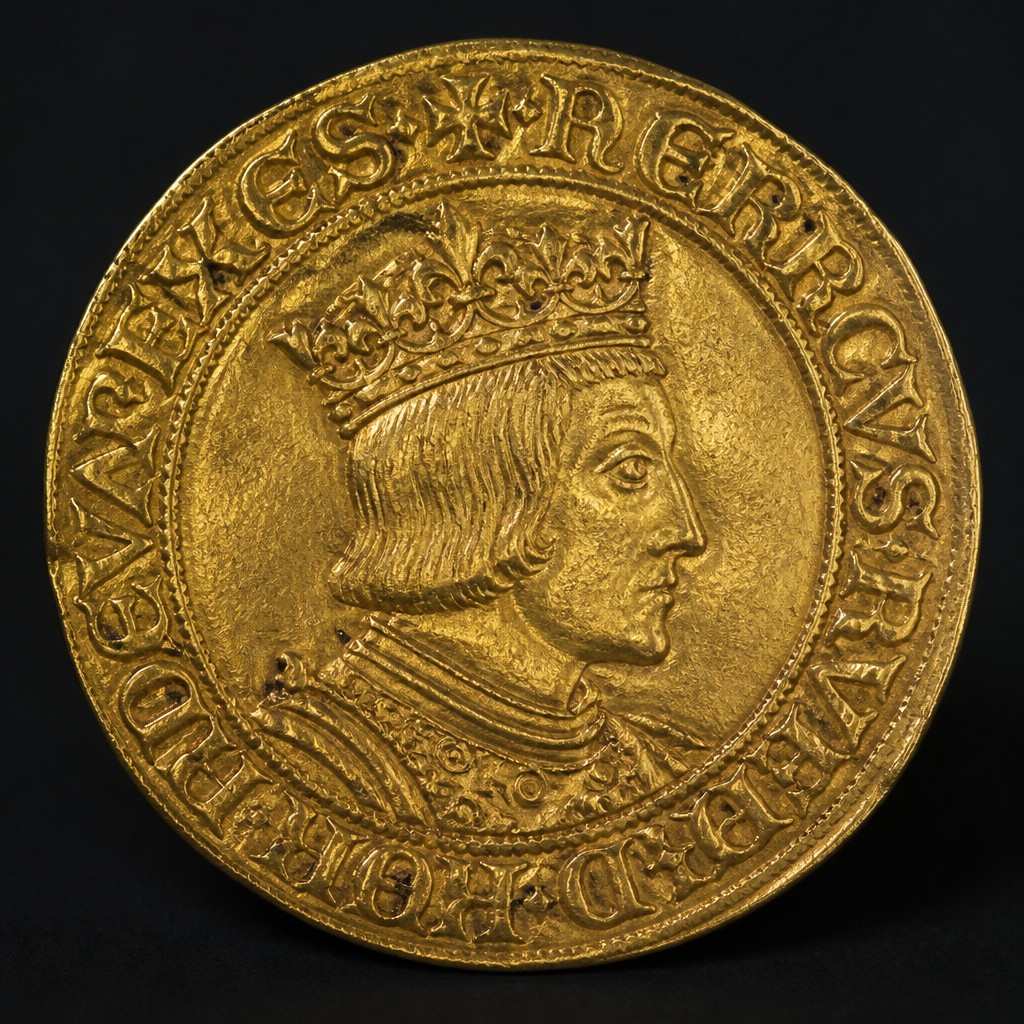
English Sovereign of Henry VII
1489–1509
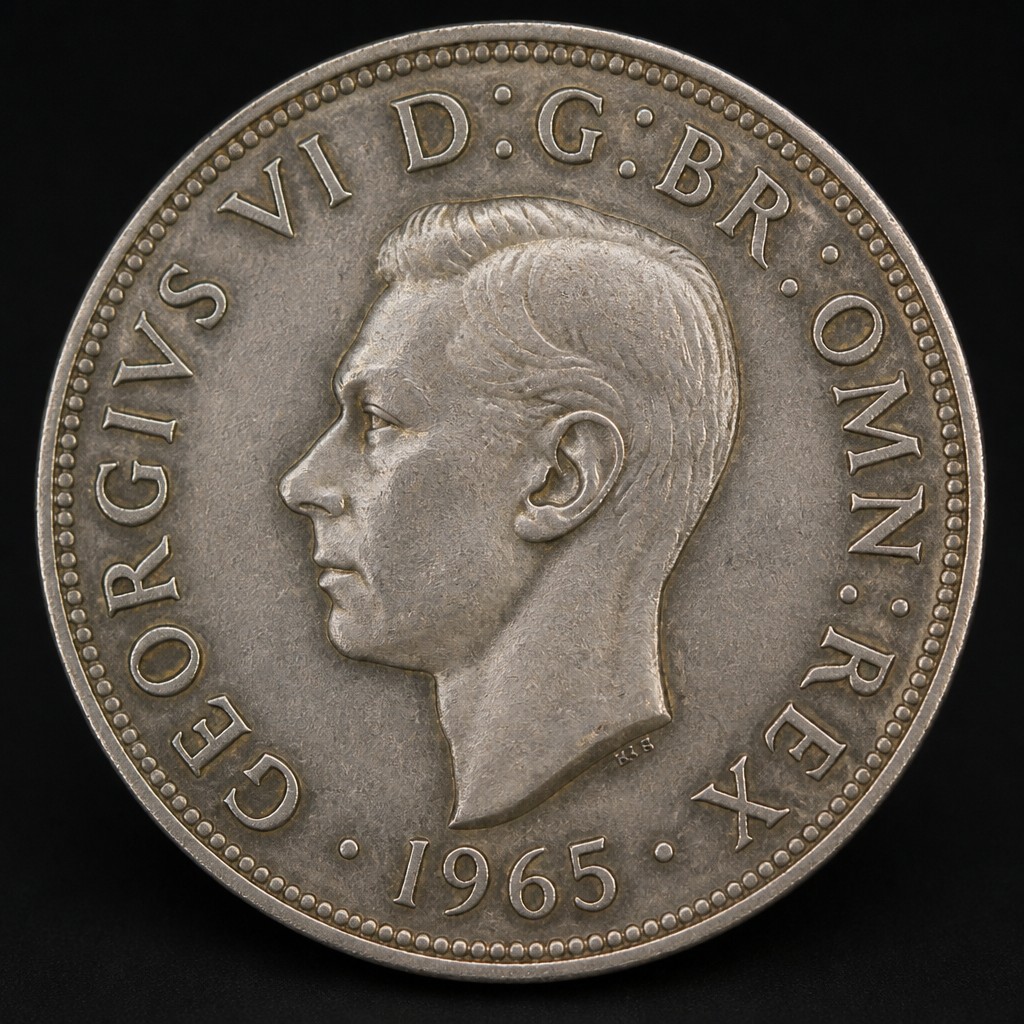
English Crown
1526–1965 (pre-decimal; commemorative crown-sized coins continue as five pound coins)
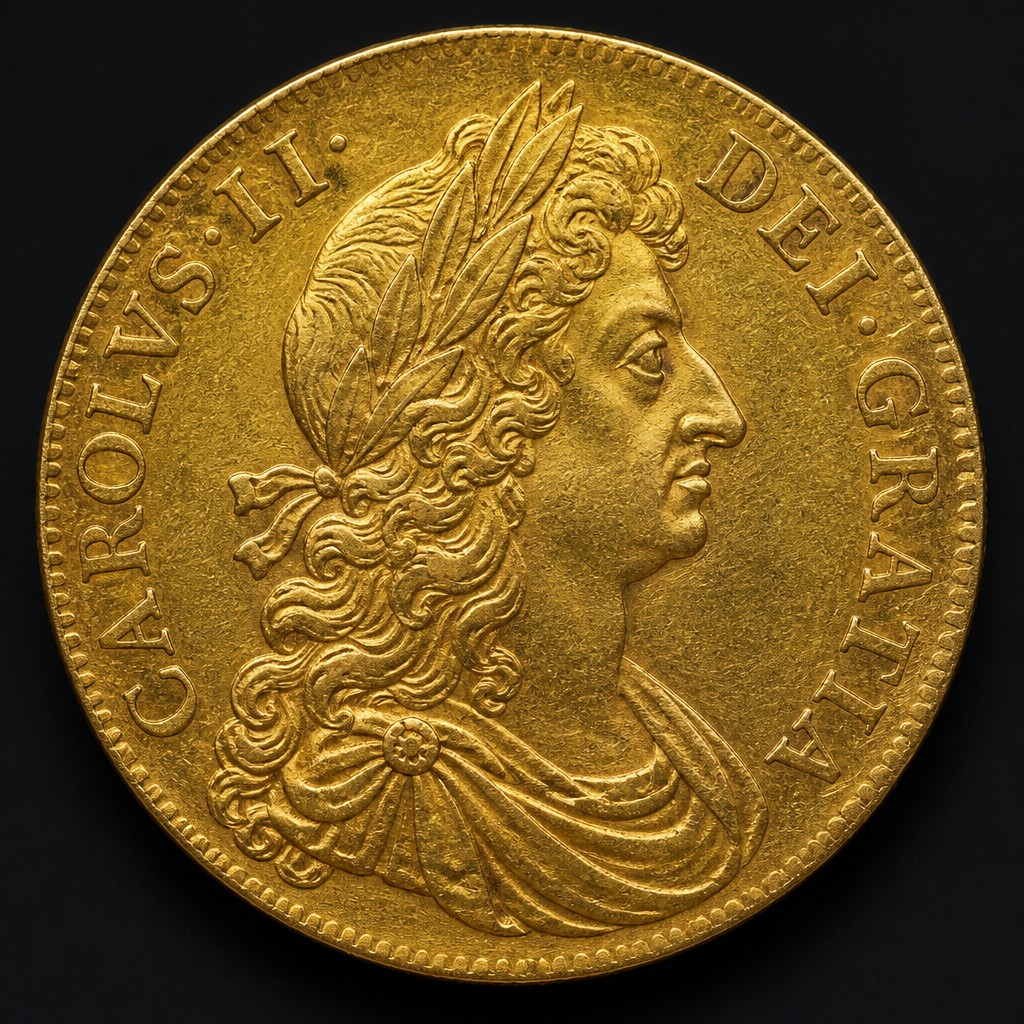
British Gold Guinea
1663–1814
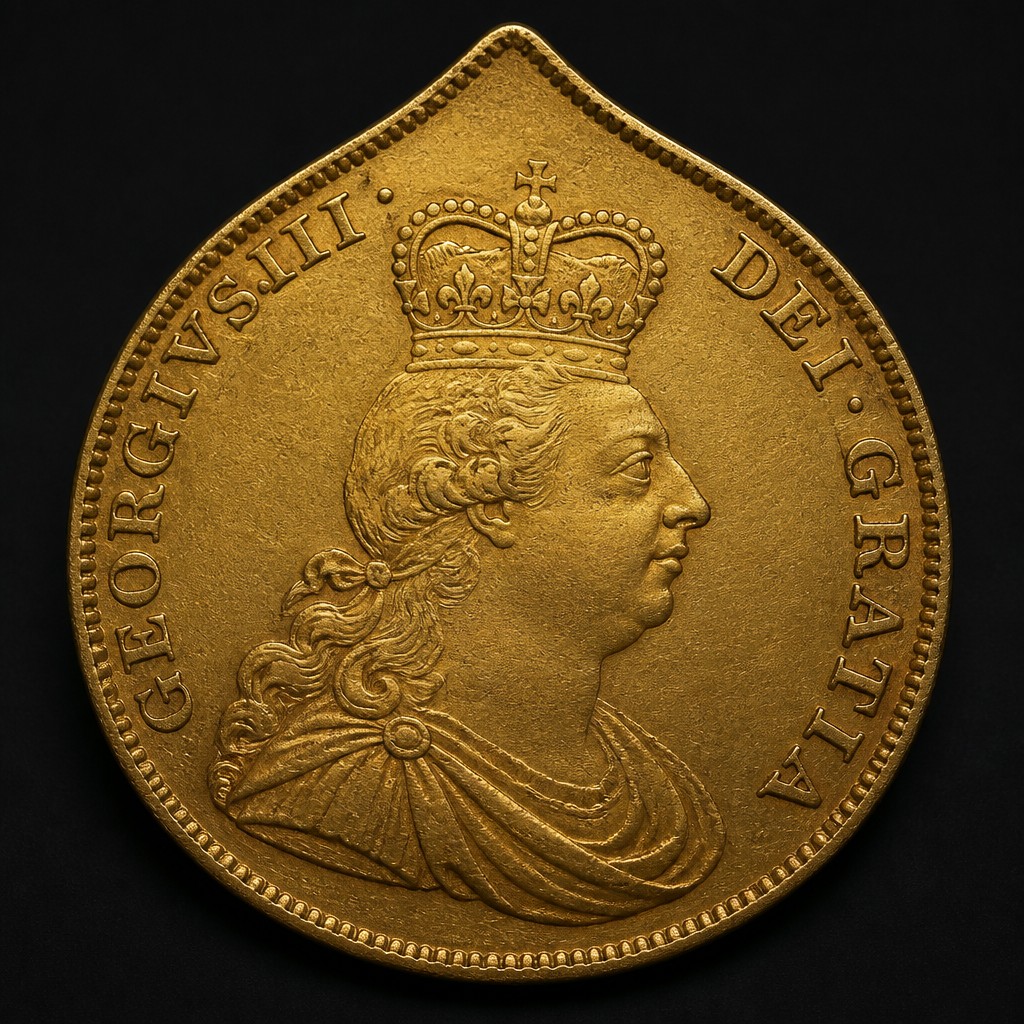
Spade Guinea
1787–1799
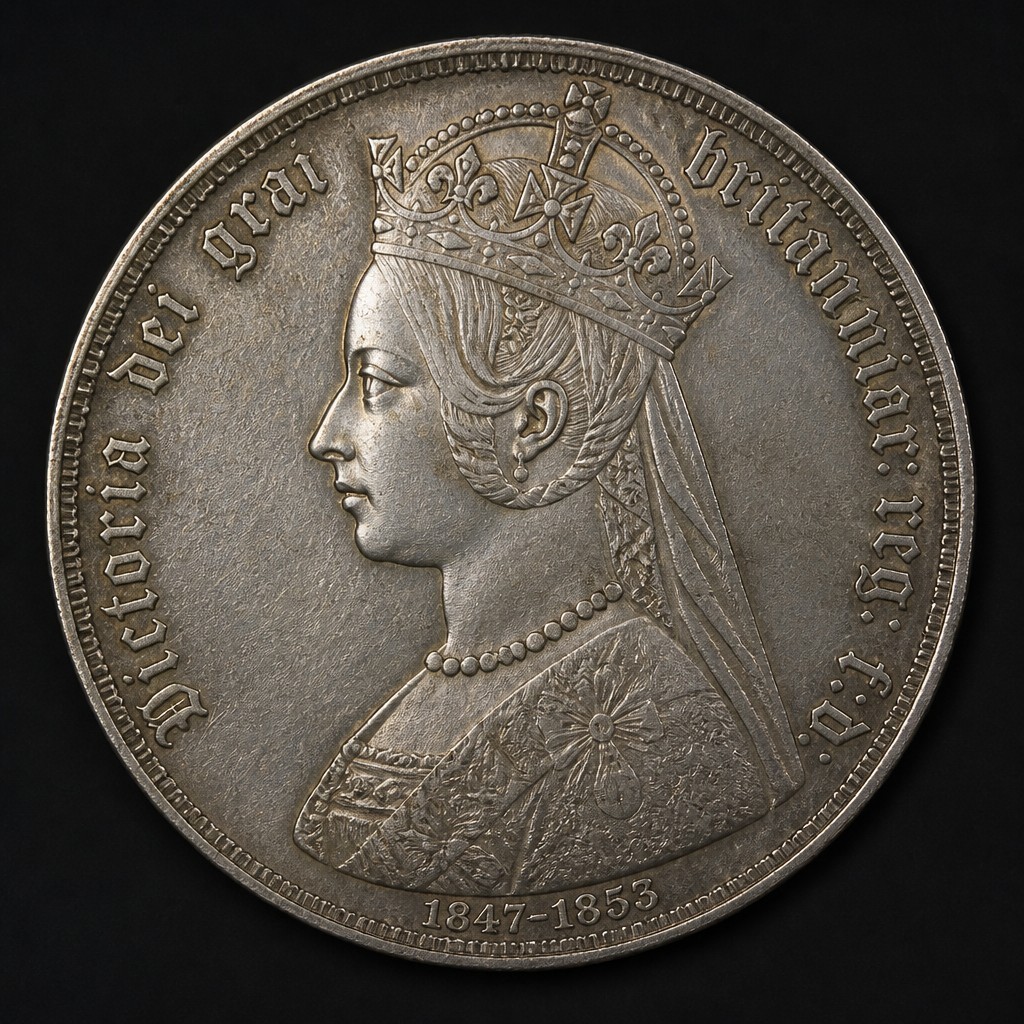
Gothic Crown
1847–1853
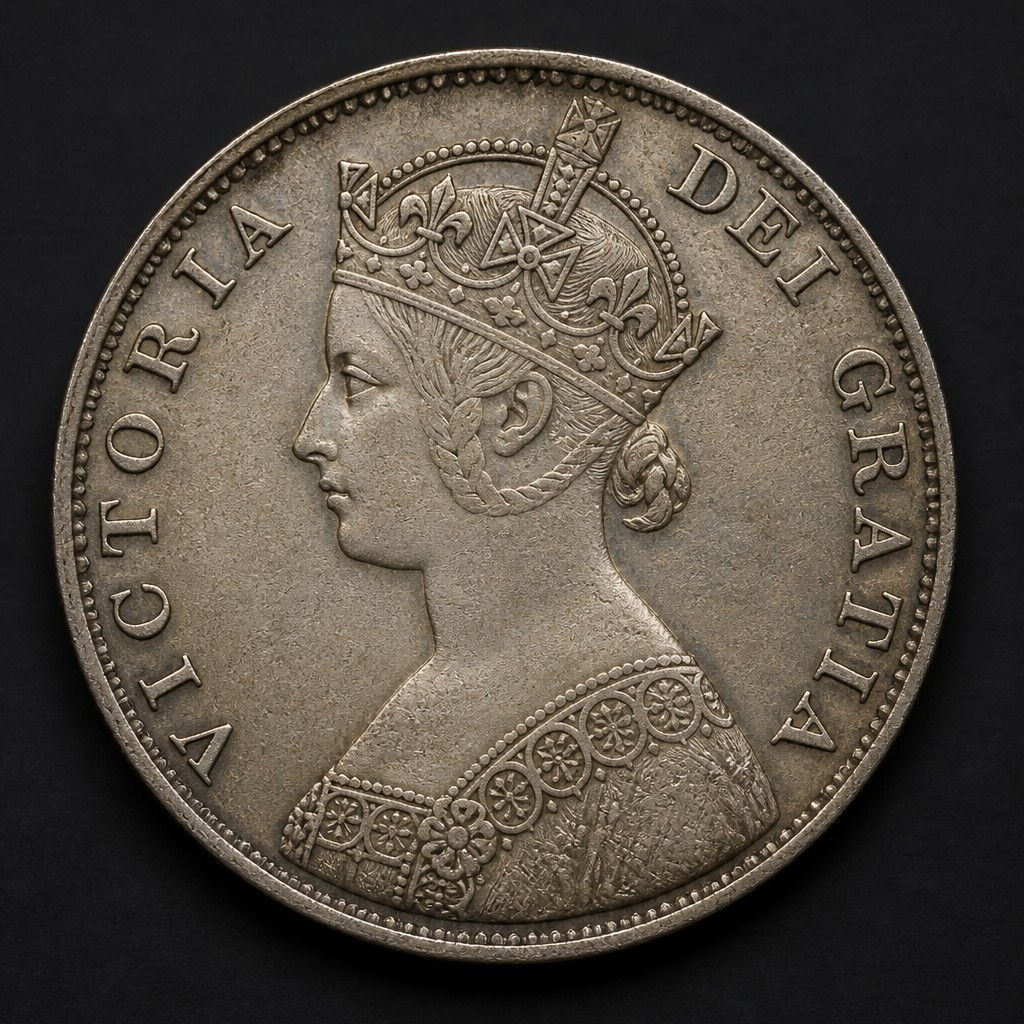
Groat (Fourpence)
1279–1888 (various revivals)
Farthing
13th century–1956
Halfpenny
c. 800s–1969
Five Pound Gold (Quintuple Sovereign)
1820–present (intermittent)
Threepence
1547–1970